
It somehow calls me part of spacetwt too, when I get the postable card lmaoooo
1
2
17


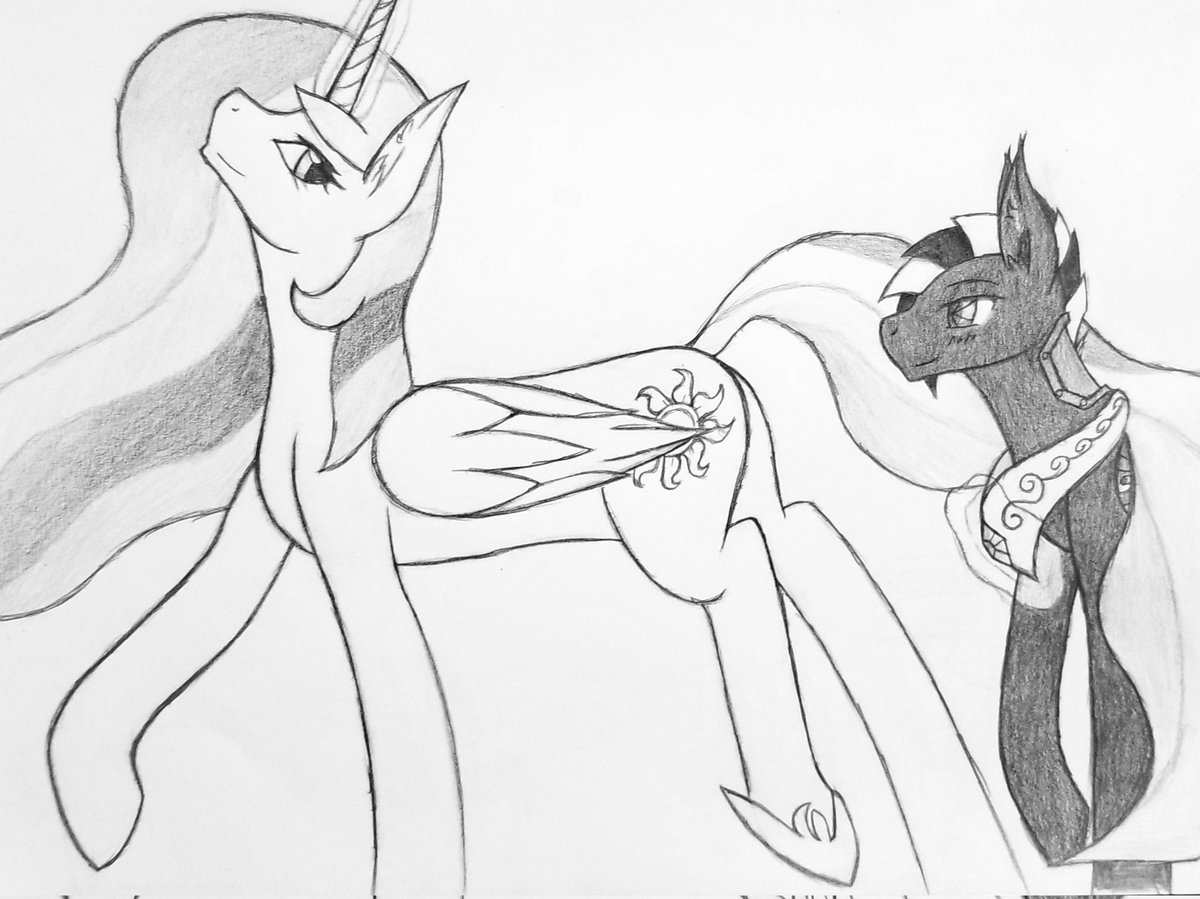
Haven't been drawing, and I'm getting low on my older postable stuff, so we are getting to my weird phase that has yet to end. May even post the odd one-offs (this is not exactly a one-off) that don't have much context if any at all.
1
7

Jun 16
Image has consumed reality. Upbringing attuned to the black mirror has done what every utopic project attempted & failed: it has ungrounded our generation of humanity from place and time and ontic study and regrounded it in an inter-national, agenerational, cybernativism administered yes through text but primarily through the image, and with what irony! solely through compute-descent of desiring-capital capitalizing-on (and with the ad tracking breakthrough, strictly capital-izing) desire itself, and of course with it its most powerful instrument, the eye. This has lead to something astonishing: total semiotic capture. The language has been replaced, not just in sign but in referand. We say "moment" not "memory" but it is because we speak of something externalizable, postable, timelinable, and consensus, not of something internal, fading, mutagenic-in-recall, and private. We speak no longer of the cravings of spirit that land upon object and person and place, then warped by mimesis into desire; rather the object of desire itself is hyperstitioned by consensus, it is a mimetic creation, it is a simulacra of a thing-that-can-be-desired, and then its image is reproduced ad infinitum by that attention-orgy of desire that is the malestrom of memetic selection & reproduction we call the petri dish of image board and short-form-video-endless-scroll. Indeed, everything that can-be-spoken-of is being replaced, the thing itself supplanted in the cybersphere (slowly consuming all other spheres as the cybernatives devour the earth) by the full baudrillardian progression, ending not in simulacrae, but something much more total, all simulacrae, all mimetically generated through the desiring-network, all highly-selected, highly-evolved attention-hyperpredating cognitoparasites that have consumed language and culture and kinfolk and human and invented a new human, a new world, a separate digital native noosphere, not just simulacra but the totalization by such, the simulacranium.
5
1
19
2,299

Sifting through my magma files yesterday and none of it is postable cry
73

my video of it isn’t even postable i’m shouting the whole time
82

Jun 15
I’m very much writing this idea for me, idk if I’ll ever finish it or get it to a point where it’s postable but I’m gonna make sure I have a blast doing it
Hopefully I don’t drop this idea in a week bc my sleep deprived brain said to😭

Jun 15
there’s quite a lot of re-postable art on X that isn’t part of “the space” so forgive me for being a little skeptical of that reasoning 😂. That said I also think it’s totally ok that some artists want their feed to be about themselves and their own work.
I was just saying why I do what I do because I have heard people complain about accounts that repost a lot .😊
1
2
26


So, yeah, we built X_bot just for fun!!!
A tiny content scout running on an old Raspberry Pi.
It does not just “find links.”
It scans topics, extracts articles, checks relevance, scores credibility and interestingness, writes X drafts, sends everything to Telegram for review, and only then helps publish.
After 3 days: $0.16 total OpenAI cost.
The bot starts from configured themes: clean energy, renewables, energy efficiency, heat pumps, triathlon, endurance training, shooting sports, long-range shooting, ballistics, and business finance.
Each topic has its own keywords and RSS sources. One big feed cannot dominate because candidates are round-robin selected across sources.
Every scan fetches RSS candidates, cleans tracking URLs, skips already-seen links, detects near-duplicate titles, downloads the article, extracts the readable body, canonical URL, source, author, date, excerpt, and og:image preview metadata.
So Telegram receives a candidate with context, not internet noise.
Before scoring, every article goes through a topic-relevance gate.
Triathlon needs real triathlon/IRONMAN/swim-bike-run signals.
Ballistics needs model/data/validation signals.
Shooting needs competitive rifle/pistol/shotgun context.
Energy needs grid, storage, solar, wind, efficiency, HVAC, etc.
This kills spam, politics, promo junk, and off-topic feed drift.
Then scoring happens.
The bot asks OpenAI for strict JSON: credibility, evidence quality, novelty, relevance, interestingness, overall score, notes, action, and rejection reason.
But it also has a deterministic fallback: reputable domains, author/date, body length, metrics, primary-source terms, hype penalties, affiliate penalties.
Cautious by design.
Candidates must pass thresholds before they become postable.
Default gate: credibility >= 7 and interestingness >= 7.
Rejected candidates are still stored with reasons. Pending candidates get drafts.
The local DB already has 263 candidates, 360 drafts, 10 posted/marked posts, and 142 learned interest signals.
Drafting is not “summarize this article.”
The prompt asks for an English X Premium-style practitioner take: concrete problem first, sober insight second, URL included, no hype, no “game changer,” no generic AI tone, no markdown bold, no invented facts.
Fallback writers exist per topic when OpenAI is unavailable.
Telegram is the control room.
For each candidate it sends: title, source, topic, URL, status, problem, solution, credibility score, interestingness score, notes, draft, and preview image metadata.
Buttons: Open X compose, Mark posted, Reject, Regenerate, Prev, Next, Open article.
You can also paste any link into Telegram and it reviews it manually.
Posting is intentionally safe.
Default mode is manual_intent: Telegram opens X composer with the selected draft already filled in. After publishing, you tap “Mark posted.”
Then the bot records the post, prevents repeats, and learns from it.
Direct X API posting exists, but only behind approval and explicit flags.
The bot learns only from what was actually posted.
After a post, it records topic, source domain, and concrete phrases like “solar capacity,” “heat pump,” “swim bike run,” “battery storage.”
Future scans get a small ranking boost for similar narrow themes.
No X scraping. No likes. No follows. No engagement farming.
One real scan checked 19 feeds, found 160 candidates, interest-ranked the pool, skipped duplicates and irrelevant stories, stored 5 serious candidates, kept 4 pending, and sent the best one to Telegram.
That is the part I like: tiny infrastructure, real editorial workflow.
After 3 days of running, total OpenAI spend was $0.16.
Sixteen cents.
On an old Raspberry Pi.
The interesting AI product here is not a giant agent. It is a small, stubborn, cheap system with taste, memory, filters, and a human approval loop.
Small bots are back. This time they have judgment.
If you want to know more, just ask... 😀



137

Jun 15
i miss when my gimmicks were postable i just get a bunch of bullshit now
5
83

Jun 15
can more people draw will zeppeli please.... I can't draw him myself... believe me I did try and it was un-postable
1
1
111


Jun 14
Yes need to keep it X postable 🤭 oh and no food in sauna….well there is one that is acceped. Sausage that are heatet over the sauna heater/stove (wood burning one) but even those are eaten outside the sauna 🤓
1
15

Mes vidéos de woodz, y'a rien de postable... Mon énorme voix dans chaque vidéos 😭😭😭 #WOODZ
1
90

Jun 14
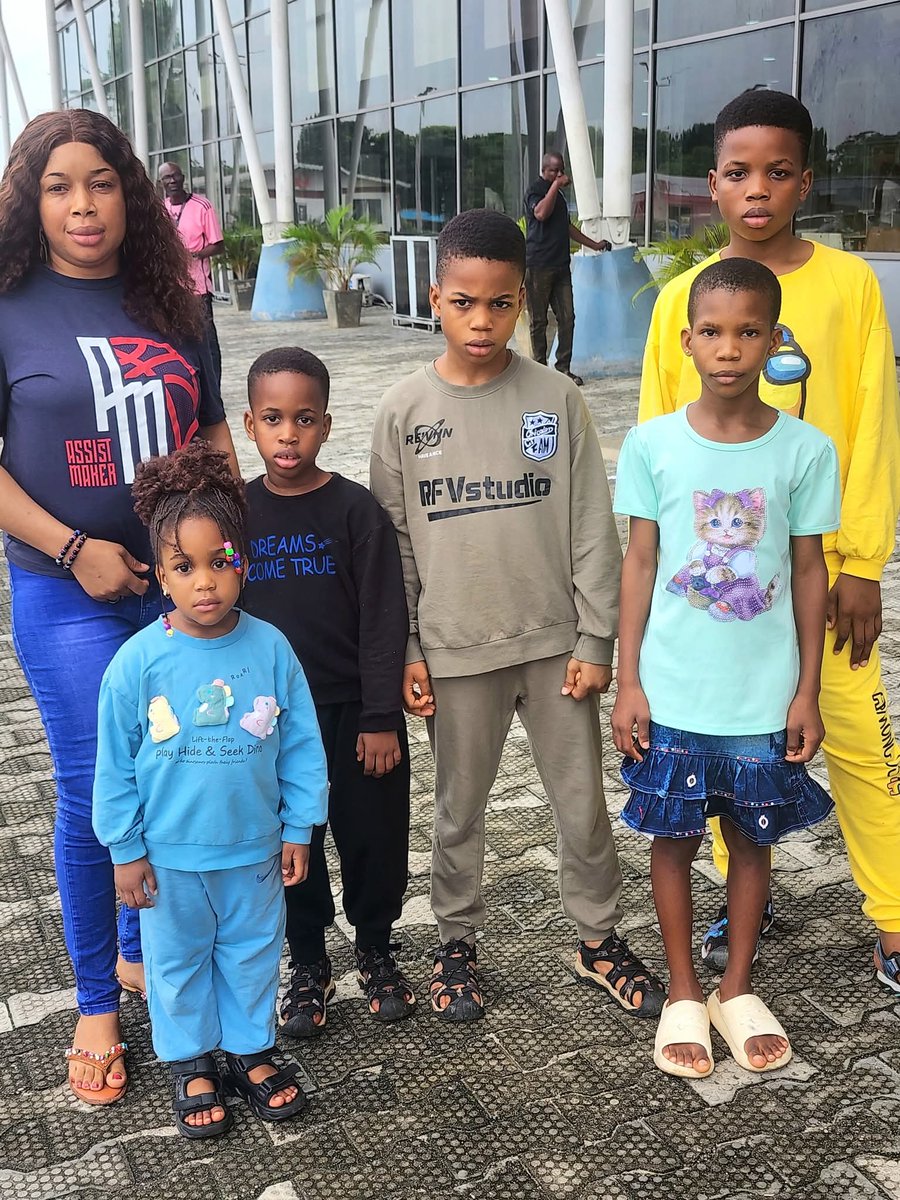
At least she made it to a postable picture

Look at this picture closely
What do you think is wrong with it?
They have been roasting her on Facebook
9

Jun 14
do i even post feet anymore??? i have like 3 postable pictures 😭
4
16
723

. retweeted

21 Jul 2025
Made my first postable goon edit
Listen to bro triggering you with his wet nasty pooperhole
TW: Farts
🍑: @phagslag
59
351
33,780