
31 Oct 2025
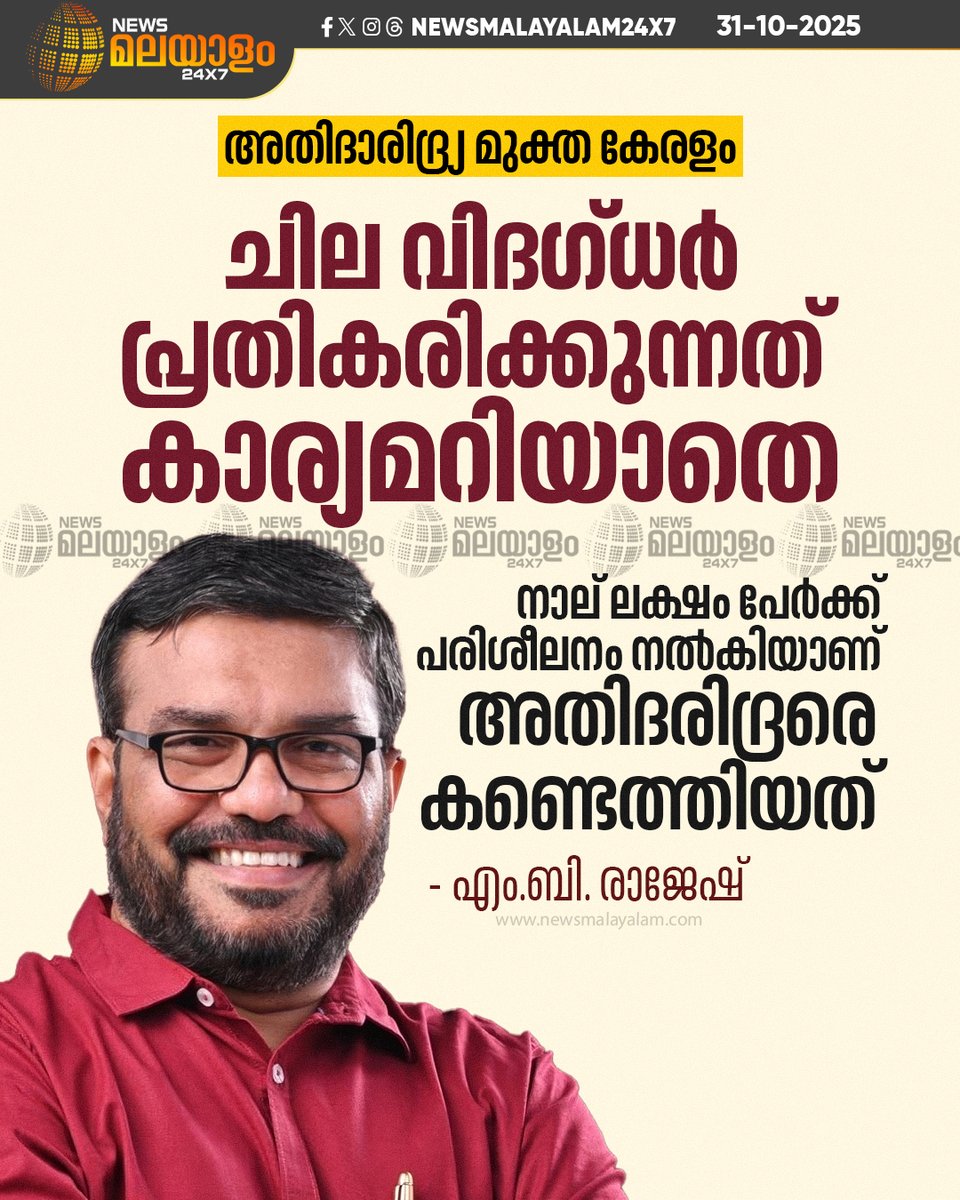
അതിദാരിദ്ര്യവും ദാരിദ്ര്യവും തമ്മിലുള്ള വ്യത്യാസം മനസിലാകാത്തതാണ് വിദഗ്ധരുടെ പ്രശ്നമെന്നും എം ബി രാജേഷ് | M B Rajesh
#MBRajesh #PovertySolutions #November1st #newsmalayalamtv #newsmalayalam24x7
2
26

17 Oct 2025
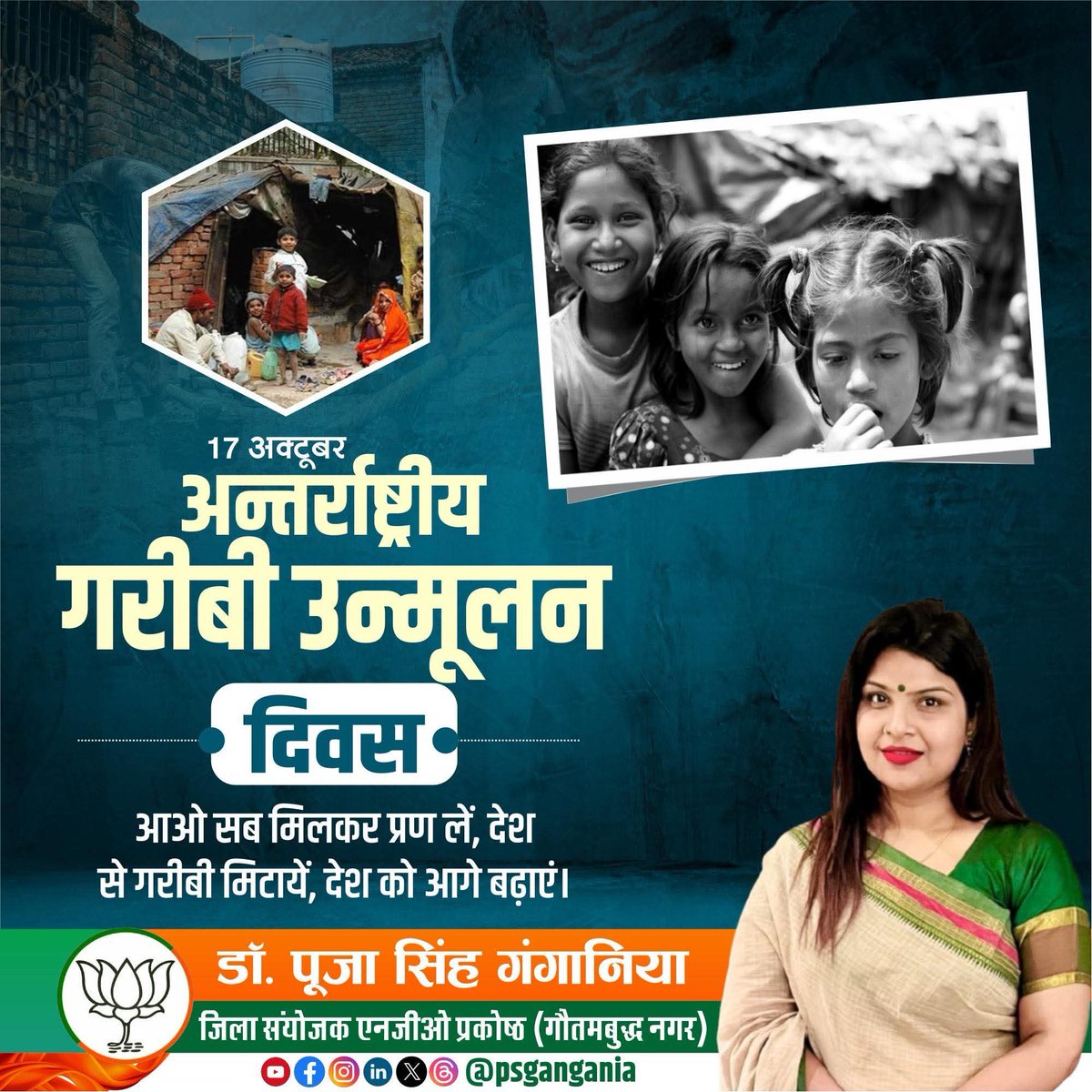
ग़रीबों की बुनियादी ज़रूरतों को पूरा करने के प्रयास और उनके साथ समानता का व्यवहार करने में ही मानव जीवन की सार्थकता निहित है !
आईए, हम ग़रीबों के जीवन को सरल-सुखद बनाने का हरसंभव प्रयास करें और उनके चेहरों पर मुस्कान लाएँ!
देश को आगे बढ़ाएं 😊🇮🇳
जय हिन्द - जय भारत
#InternationalDayOfEradicationOfPoverty
#psgangania #poverty #PovertySolutions
2
5
31

5 Aug 2025
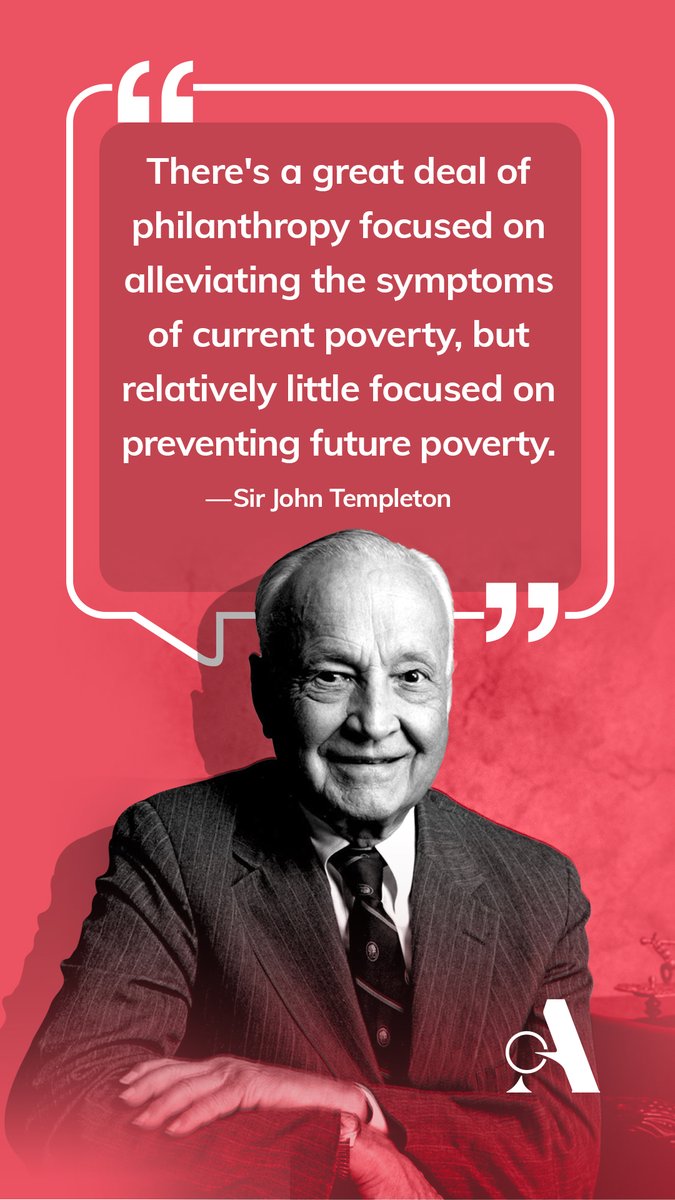
Sir John Templeton was a legendary investor and a visionary philanthropist who believed in expanding freedom to reduce poverty at its roots. As a pioneer of global investing and founder of the Templeton Foundation, he championed long-term thinking, market solutions, and the moral case for opportunity.
#TempletonFreedomAward #JohnTempleton #Philanthropy #AtlasNetwork #PovertySolutions #HumanDignity #ProsperityForAll #EconomicFreedom
1
3
5
578

1 Aug 2025
Poverty-A Call for Community Accountability and Policy Change. Will we take action?
Listen back to the Drive Time Show on the Voice Of Islam Radio every weekday 4-6PM.
#VoiceOfIslam #PolicyChange #PovertyAwareness #PolicyReform #PovertySolutions
2
6
131

20 Jul 2025
Is Poverty a Choice? Exploring Perspectives & Choices
#PovertyDebate #ChoiceVsCircumstance #PersonalResponsibility #SocialIssues #CrimeAndPoverty #EthicalChoices #SocietalImpact #PovertySolutions #CriticalThinking #LifeChoices
2
288

27 Jun 2025
"Remember government cheese & peanut butter handouts? Those USDA commodity programs fed the poor with surplus staples. SNAP makes Big Food rich & the poor sick. Why not revive direct food distribution for those in need? Simple, no red tape, just real food. #FoodSecurity #PovertySolutions"
2
29

26 Jun 2025
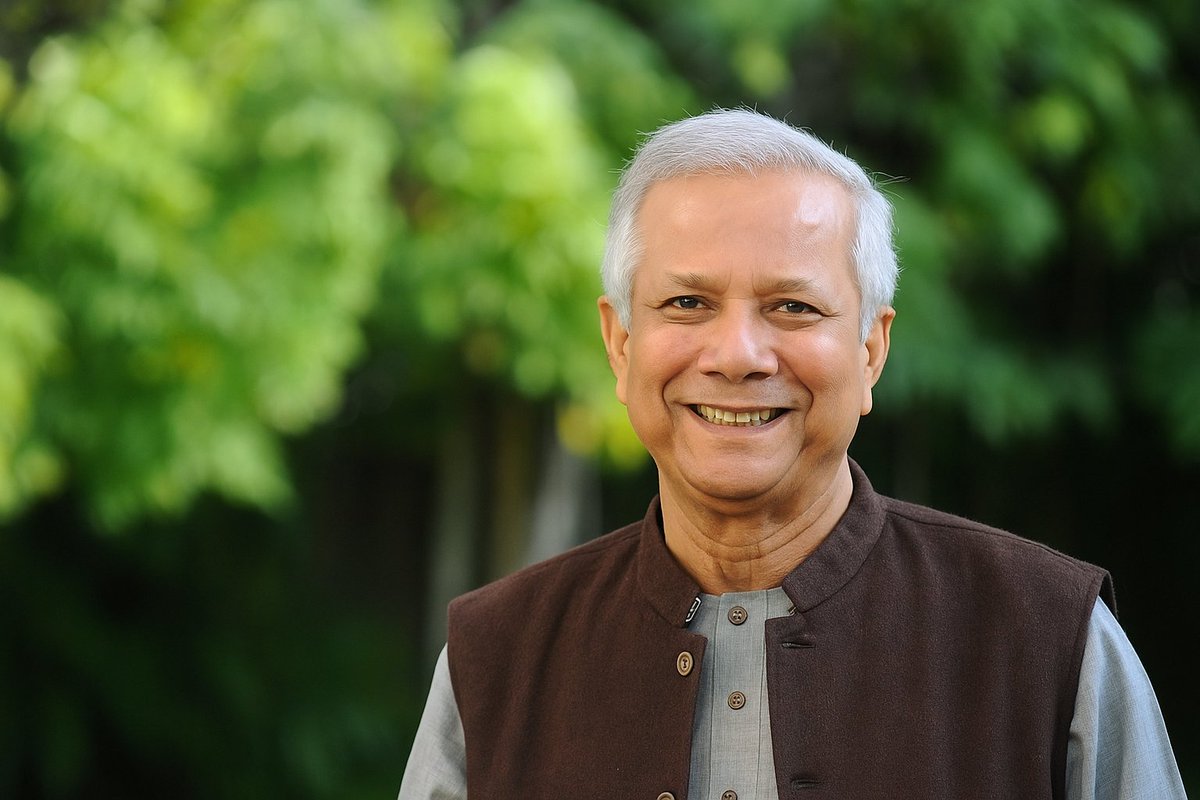
Unlocking Hope: How Dr. Muhammad Yunus Transformed Poverty into Possibility
Read More: gogloblog001.blogspot.com/20…
#PovertySolutions #MicrofinanceSuccess #EmpowerThePoor #InclusiveEconomy #SocialImpact #SustainableDevelopment #InnovativeFinance #GlobalChangeMakers
42

20 Jun 2025
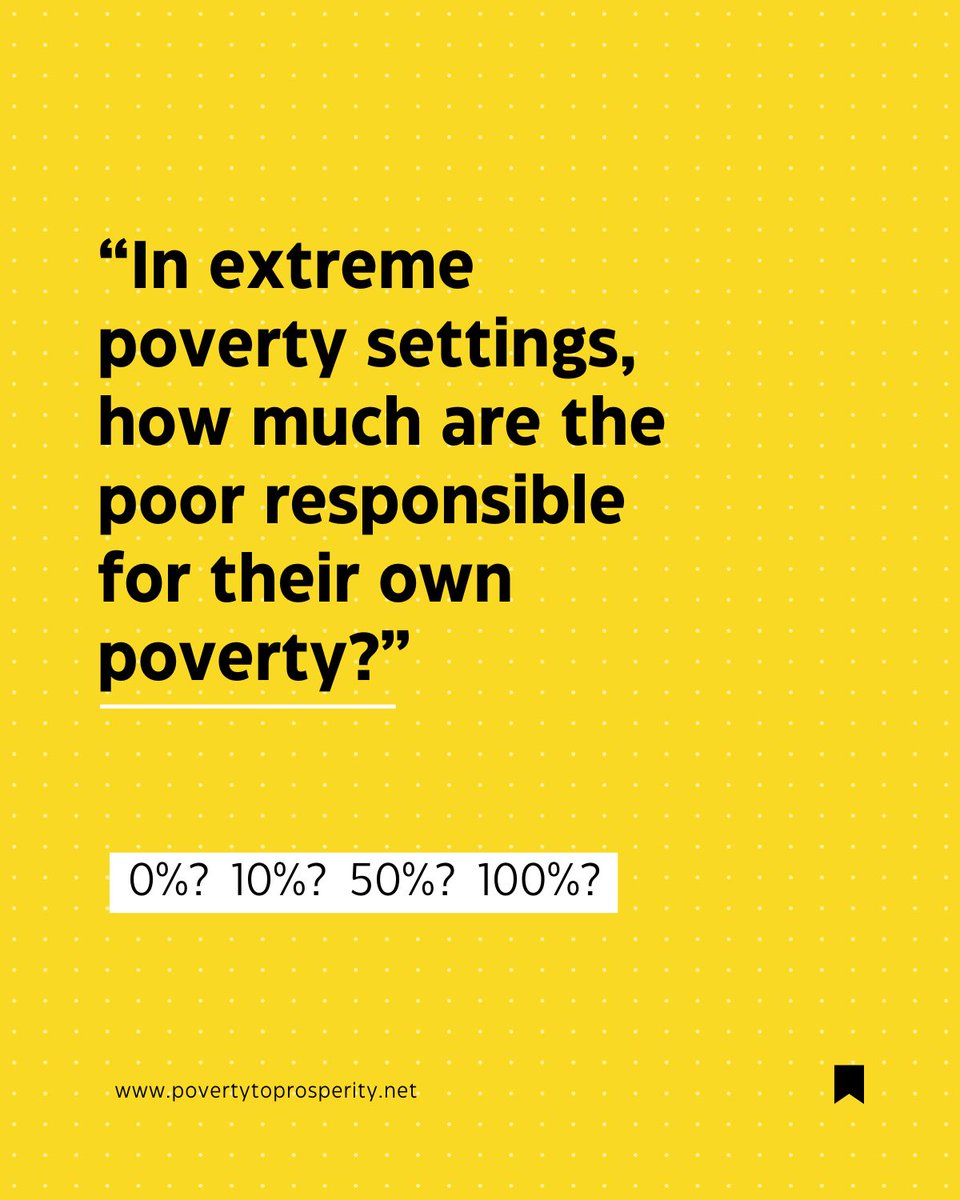
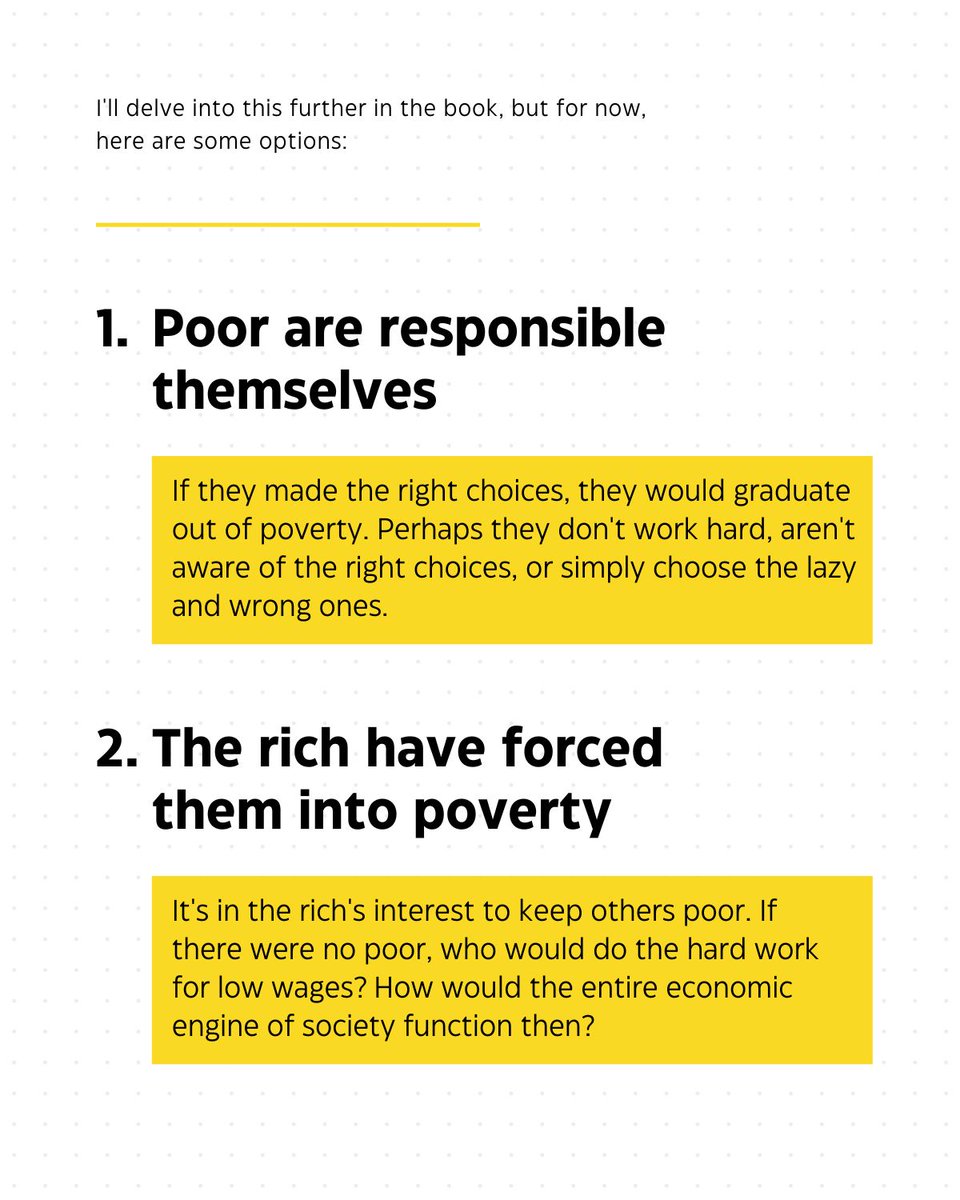
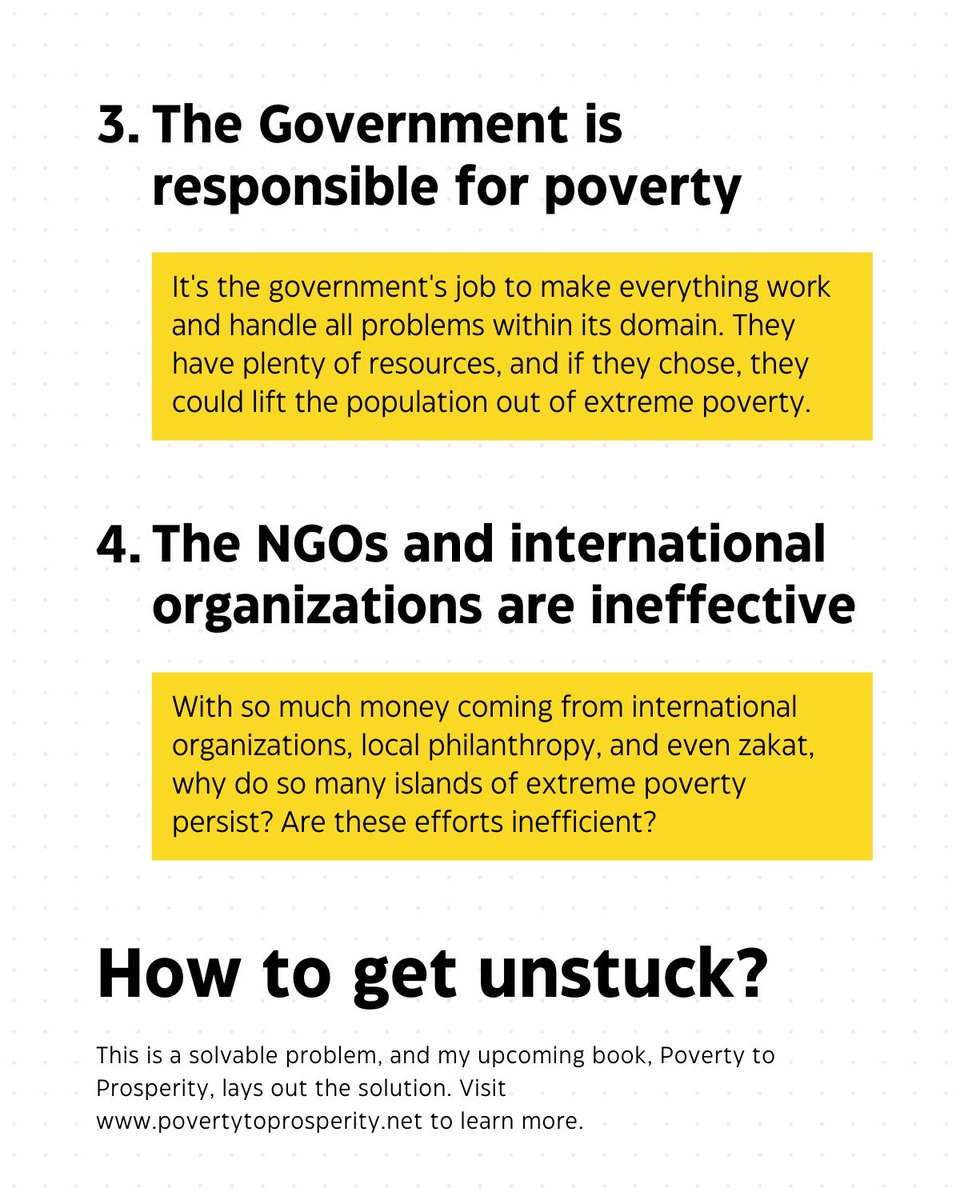
Who's responsible for poverty? The poor? The rich? The government? NGOs? My new book, "Poverty to Prosperity," tackles these tough questions and offers a blueprint for change. Discover the solution! #PovertySolutions #NewBook #SocialImpact
1
1
13
390

5 Jun 2025
Unpacking Poverty: Culture, Not Racism or Resources, is the Key Driver, Says Thomas Sowell
Thomas Sowell powerfully argues that cultural values and practices, not systemic racism or abundant natural resources, are the ultimate determinants of a group's prosperity.
This perspective challenges conventional narratives by emphasizing internal factors.
Why Culture Over Resources/External Blame? Specific Examples:
* Nigeria's Oil Paradox: "Or take Nigeria, with its vast oil wealth, a country that's still poor." Sowell highlights that the mere presence of resources like oil doesn't guarantee prosperity. Instead, it's how those resources are managed, whether through corruption, lack of productive institutions, or cultural norms around accountability, that dictates economic outcomes. This illustrates his point that "What's underground is less important than what's between your ears."
* South Africa's Trajectory: While not detailed in this specific video, Sowell's framework applies to nations like South Africa. Despite immense mineral wealth and the end of apartheid, challenges persist. From Sowell's perspective, this indicates that overcoming historical external oppressions isn't sufficient for prosperity; internal cultural factors—such as a culture of responsibility, work ethic, education, and effective governance—are crucial for translating resources and newfound freedom into widespread economic well-being.
* Chinese Immigrants in Southeast Asia: "They arrived in these countries poor... often discriminated against, sometimes violently, yet within a generation or two, they dominated the local commerce." Their success, despite external barriers, is attributed to cultural values like thrift, hard work, strong family ties, and a deep commitment to education.
* Japan's Post-War Recovery: After being devastated in WWII, Japan, with virtually no natural resources, became an economic powerhouse. "It was not natural resources that made them rich. It was their work ethic, their commitment to education, their social cohesion, their discipline, their self-restraint."
Culture Defined: Sowell states, "Culture is the accumulated wisdom of generations," encompassing "habits, institutions, values, how knowledge is transmitted, how children are raised, and how success and failure are handled. It's human capital."
The Danger of External Blame: Sowell critiques explanations that solely blame external factors: "Attributing poverty solely to colonialism, slavery, or systemic racism is misguided." Such narratives, he argues, "shift blame away from internal cultural factors" and can strip communities of their agency, fostering helplessness rather than solutions.
The Path Forward: Lasting progress comes from within. Sowell emphasizes the importance of fostering cultures that value "self-control, honesty, perseverance, and excellence."
#ThomasSowell #CultureMatters #PovertySolutions #Economics #IndividualResponsibility #Nigeria #SouthAfrica
2
364

7 May 2025
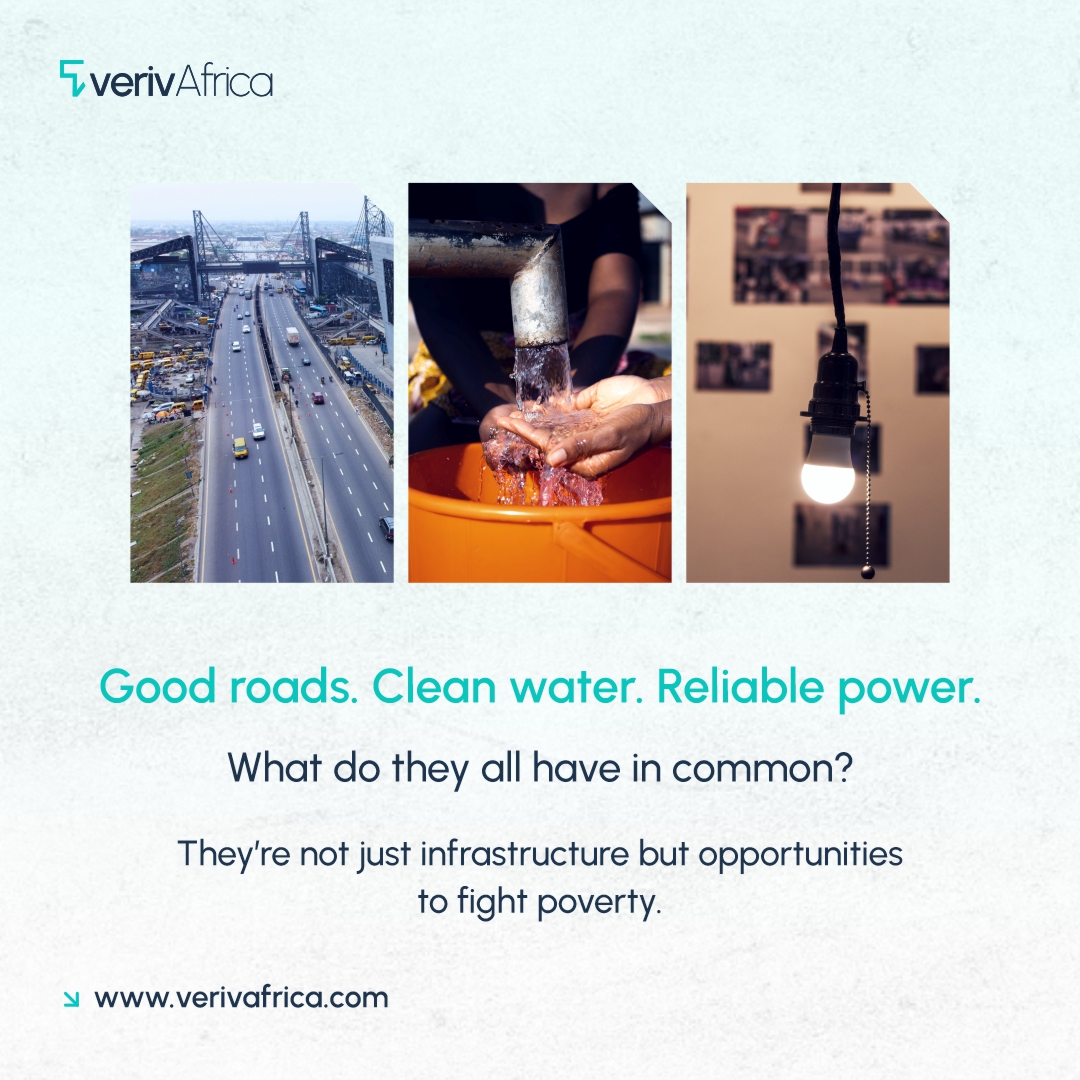
Nigeria doesn’t just need more infrastructure—it needs the right infrastructure to fight poverty.
In this insight, Chisom Udora explores how roads, water, power & education access can drive inclusive growth.
verivafrica.com/insights/ade…
#BuildForPeople #PovertySolutions #VerivAfrica
6
8
1,169

5 May 2025
Shout-out to the incredible partners behind Uganda’s Graduation CoP:
BRAC, @AVSIUganda, @VillageEnterprise, @mercycorps , @WorldVisionUg @UNHCRuganda for working hand-in-hand for inclusive development.
#StrongerTogether #GraduationCoPUG #PovertySolutions

2
136


25 Apr 2025
Raising Children: The Illogical Policies Hurting American Families youtu.be/IYznfsixftU #RolandMartinUnfiltered
#RaisingChildren #FamilyPolicy #HealthcareForAll #EconomicJustice #EducationMatters #AffordableHousing #PovertySolutions #SocialPrograms
1
17
64
3,585

27 Mar 2025
Behind every data point is a person.
Behind every research study is a mission.
Behind every statistic is a story.
📖 Learn how our nonprofit partners are using research to serve more people, more effectively: bit.ly/3COsKrS
#DataForGood #PovertySolutions
2
170
19 Feb 2025
Behind every data point is a person.
Behind every research study is a mission.
Behind every statistic is a story.
📖 Learn how our nonprofit partners are using research to serve more people, more effectively: bit.ly/3COsKrS
#DataForGood #PovertySolutions
2
148
7 Feb 2025
Behind every data point is a person.
Behind every research study is a mission.
Behind every statistic is a story.
📖 Learn how our nonprofit partners are using research to serve more people, more effectively: bit.ly/3COsKrS
#DataForGood #PovertySolutions
4
134

8 Jan 2025
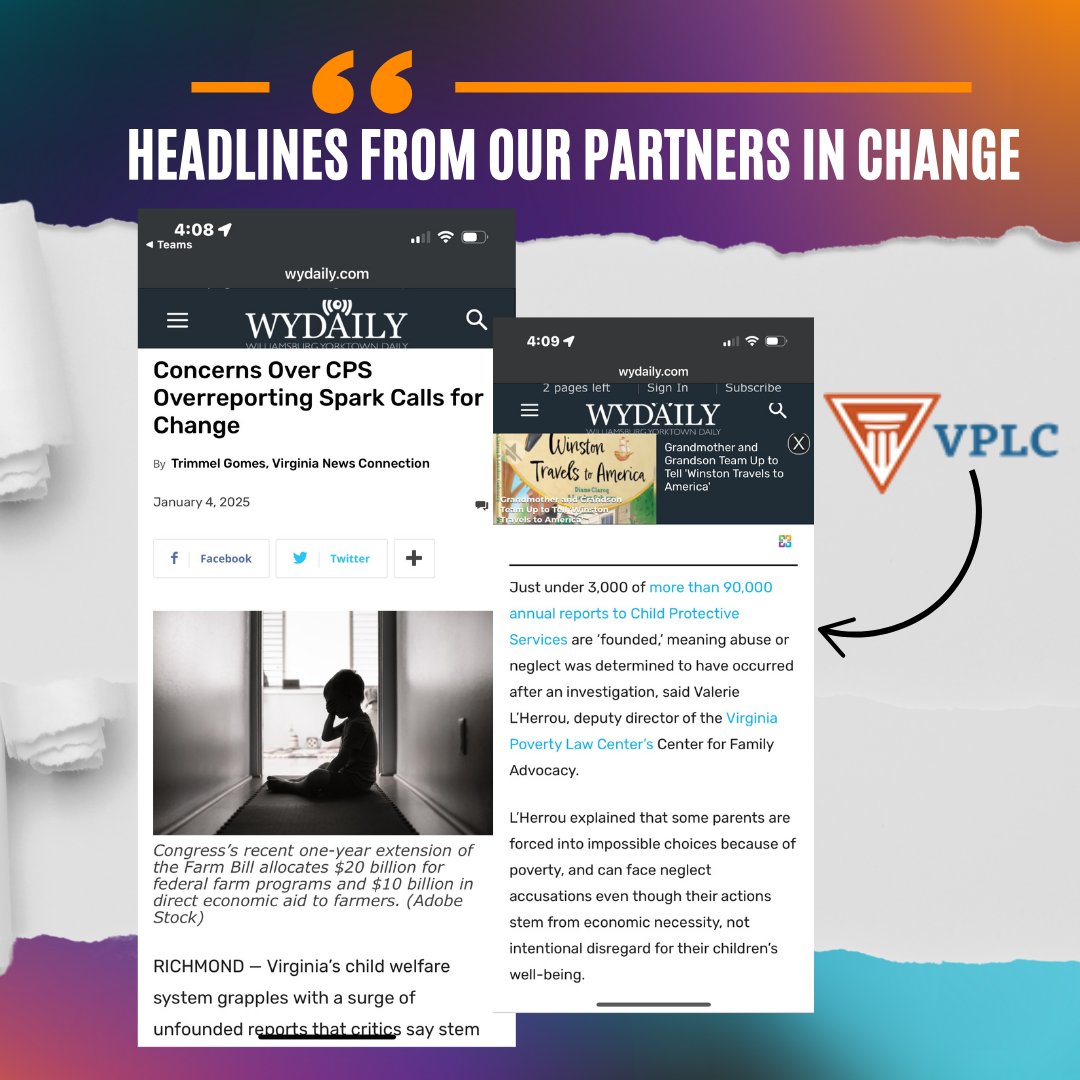
🚨 Overreporting to CPS is disrupting families in Virginia. Learn how advocates like our partner, @vplc Virginia Poverty Law Center are pushing for solutions to address poverty, not penalize it. Read more 👉ow.ly/OlLC50UBt0f #ChildWelfare #FamilyAdvocacy #PovertySolutions"
2
2
101

15 Nov 2024
LEO is hiring an associate director of strategic partnerships! Lead a dedicated team to expand research partnerships and develop solutions that combat poverty in America. Apply today at bit.ly/3YLLCPo and join us in driving change. #JobOpening #PovertySolutions #LEOatND

1
5
1,305

25 Oct 2024
Croatia's Modern Approach to Tackling Poverty Through Data Integration devdiscourse.com/article/law…
#croatiaagainstpoverty #povertysolutions #development #croatiadataproject #datadriven #policymaking #databasedpolicy #datadriveninsights #innovation #technology #income #croatia
2
2
83