
Jun 10
It’s not about “just being patient.” It’s about having the right tools. Read “Stop Yelling, Start Connecting” now. #PracticalGuide @susanlandersmd

4

Building A Psychologically Safe Workplace: A Practical Guide For Business Owners
mindmybusinessnyc.com/buildi…
#Building #Psychologically #SafeWorkplace #PracticalGuide #Business #Owners #Options

3

Inside the playbook:
✔️ A clear map of Vietnam’s regulatory stack
✔️ What regulators actually expect in practice
✔️ How laws connect across data flows, vendors, & platforms
✔️ Compliance workflows used by banks, telcos, and digital services
#PracticalGuide #DataProtectionOfficer
1
4
20

Feb 26
How to Change Your Date of Birth? | NADRA Introduces New Rules – Full Guide
#NADRA #DateOfBirthChange #PakistanLegalTips #DOBCorrection #GovernmentProcedure #OfficialDocuments #StepByStepGuide #DocumentUpdate #PakistanGovernment #DOBChangeRules #PracticalGuide #CapitalTV
160
1 Dec 2025
From chaos to clarity - “3 Keys to Maximize Profitability” helps entrepreneurs simplify their approach and multiply results. Practical advice that actually works. #PracticalGuide @impisimedia Buy Now --> allauthor.com/amazon/93675/

1
2
22

23 Oct 2025
Pre-Order today!
#Legacy #SelfHelp #Wisdom #BlessedThoughts #Happiness #Joy
#Midlife #Practicalguide #life #lifestyle #WritingCommunity #writerslift #LoveYourW #love #SelfLove #SelfCare #SelfCareMatters #Travel #selfhelp #Happiness


1
1
2
50

15 Oct 2025
România:Must-Do's,Must-Not-Do's,& #Tips for a Great Stay
Here’s a #practicalguide to help you explore #România
The country offers many historic sites,natural beauty,&unique traditions
This guide includes recommend for attractions,food,&how to get around.
🖼️facebook.com/share/p/1CN325J…

1
8
168

7 Oct 2025
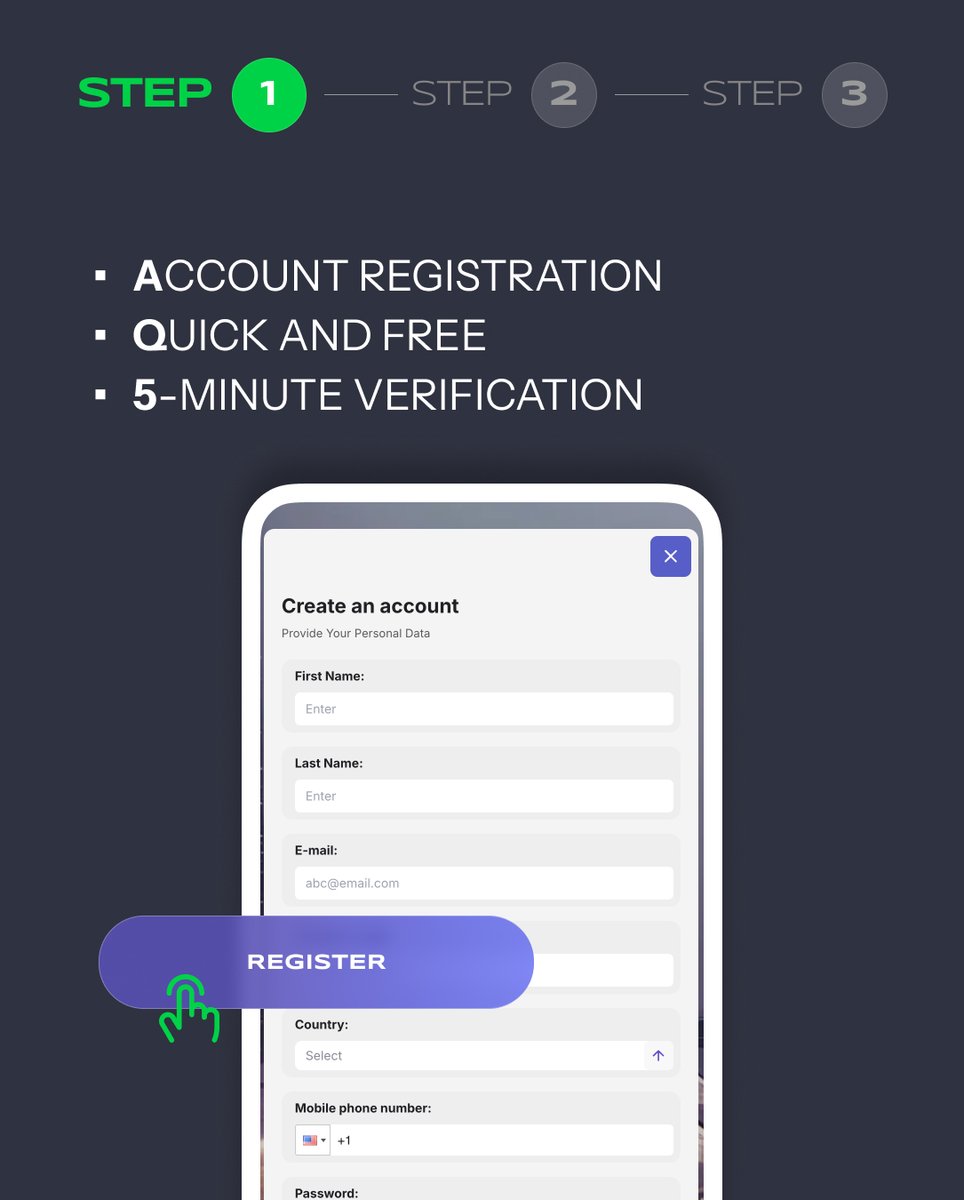
📚 BUY YOUR FIRST BUILDING IN VEELIVE IN 3 SIMPLE STEPS!
New to metaverse? No panic! This guide will help you start earning tomorrow!
🚀 The whole process takes maximum 30 minutes:
STEP 1: Create VeeLive account (5 min)
STEP 2: Explore available buildings (10 min)
STEP 3: Choose and buy first building (10 min)
Receive passive income and guaranteed fixed monthly return!
💡 Beginner lifehack: Start with Exclusive building for $250 or Basic building for $100 - minimum risk, maximum learning!
✅ After purchase you get:
-Immediate building access
-Automatic monthly payments
-Ability to rent out
-24/7 community support
🎯 Don't postpone until tomorrow what you can start today!
Go to bio link and take the first step to financial freedom! 👆 register.veelive.net/marketp…
#beginnerguide #veelive #firstbuilding #stepbystep #earningstart #simplesteps #beginnerinstructions #howtostart #education #tutorial #earningguide #easystart #accessibleexplanation #clearinstructions #startinginvestments #firststeps #startupstart #beginningjourney #simpleentry #quickstart #effectivelearning #practicalguide #clearalgorithm #stepbyplan #actioninstructions #successalgorithm #beginnerplan #noviceguide #methodology #educationalcontent



1
2
56

22 Aug 2025
Most people leave their page titles and descriptions on autopilot. That's a mistake if you want search engines to send the right visitors.
Editing these details in Hostinger's Website Builder takes about a minute. The difference it makes to your search rankings and click-throughs is clear.
This quick fix helps search engines understand what your site is about. You'll see the results the next time someone finds you through Google.
Watch the steps in real time on our Website Builders channel: vist.ly/4497b
#WebsiteBuilder #SEO #PracticalGuide

2
6

20 Mar 2025
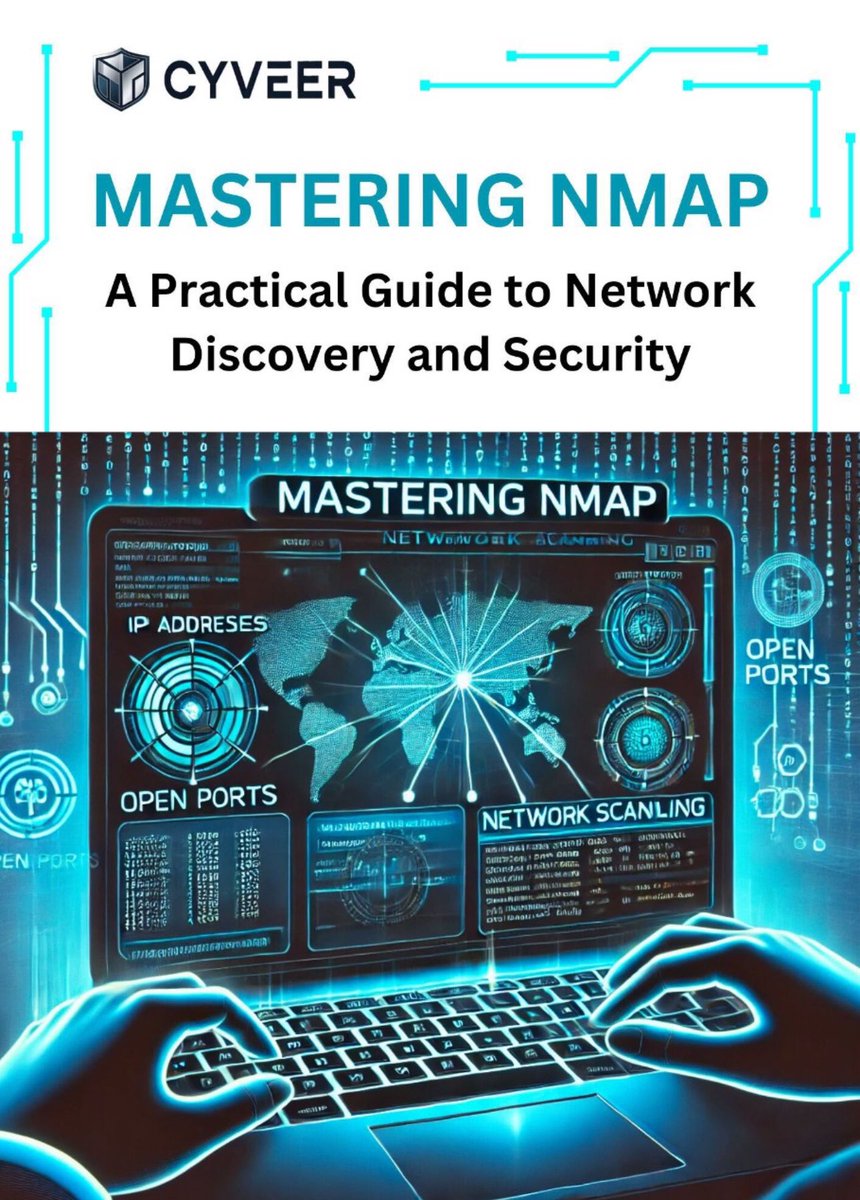
Today's suggestion: "Mastering Nmap"❗️👩🏻💻
Link: media.licdn.com/dms/document… 🔗
I share the link of the related resource in the comment.⬇️
#cybersecurity #infosec #pentest #pentesting #pentester #hacking #ethicalhacking #network #discovery #security #masteringnmap #resourcesharing #practicalguide #learningeveryday
5
4
18
1,262

16 Dec 2024
In Mind Over Matter Beyond Thoughts, Shawni Marie provides a way to challenge and better understand one's core beliefs.
Find out more about this book:
forums.onlinebookclub.org/sh…
Follow @shawnimari5223
#CoreValues #SelfHelpBooks #PracticalGuide

1
7
3,320

28 Nov 2024
📚 The Smarter Bug Hunting (For Low Hanging Bug)
📌 Step 1: Gather Recon Data
The foundation of bug hunting is solid reconnaissance. Use tools like Amass and Subfinder to discover subdomains.
#amass enum -d target.com
#subfinder -d target.com -o subdomains.txt
💡 Tip: Target overlooked assets like staging environments or old subdomains—gold mines for misconfigurations!
📌 Step 2: Look for Open Ports
Scanning for open ports and services can lead you to hidden vulnerabilities. Use Nmap:
#nmap -sV -p- -iL subdomains.txt -oN nmap_results.txt
💡 Tip: Pay attention to non-standard ports; they often harbor interesting services.
📌 Step 3: Identify Vulnerable Endpoints
Use httpx to detect live endpoints:
#httpx -l subdomains.txt -o live_endpoints.txt
Follow up with FFUF for fuzzing:
#ffuf -u target.com/FUZZ -w /path/to/wordlist.txt -mc 200,403
💡 Tip: Fuzz for directories like /admin, /test, and /backup.
📌 Step 4: Test for Common Bugs
Some of the easiest yet impactful vulnerabilities include
1. IDOR (Insecure Direct Object References)
2. Misconfigurations in headers or access controls
3. Default credentials in login panels
Example: Testing for IDOR with Burp Suite:
1. Intercept requests and modify object IDs or parameters.
2. Observe the response for unauthorized data.
📌 Step 5: Automate Your Findings
Tools like Hakrawler can help you crawl and identify more endpoints:
#hakrawler -url target.com -depth 2 -plain > urls.txt
Pair it with ParamSpider for parameter discovery:
#python3 paramspider.py --domain target.com
🔑 Key Takeaway: Focus on actionable bugs with high reproducibility. These might seem small, but in the right context, they’re incredibly impactful!
#BugBounty #CyberSecurity #BugHunting #EthicalHacking #LowHangingFruits #PracticalGuide #CyberSecTips #InfoSec

1
34
103
5,037

28 Oct 2024
This book equips you with the practical tools to safeguard against cyber-threats and uncertainties. From students to practitioners, everyone can benefit!
Quote WSTWTR35 to enjoy a 35% off this title today!
#SecureYourData #PracticalGuide #cybersecurity

2
5
72
978,543

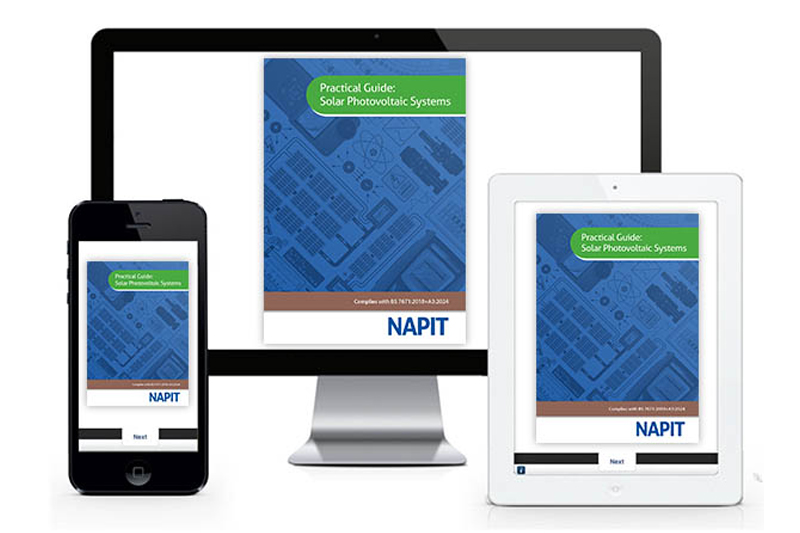
NAPIT Practical Guide: Solar Photovoltaic Systems digital book now available
Find out more here - bit.ly/4gbW6PW
@officialnapit #solarpv #solarpvsystem #practicalguide #renewables
1
2
330

8 Aug 2024
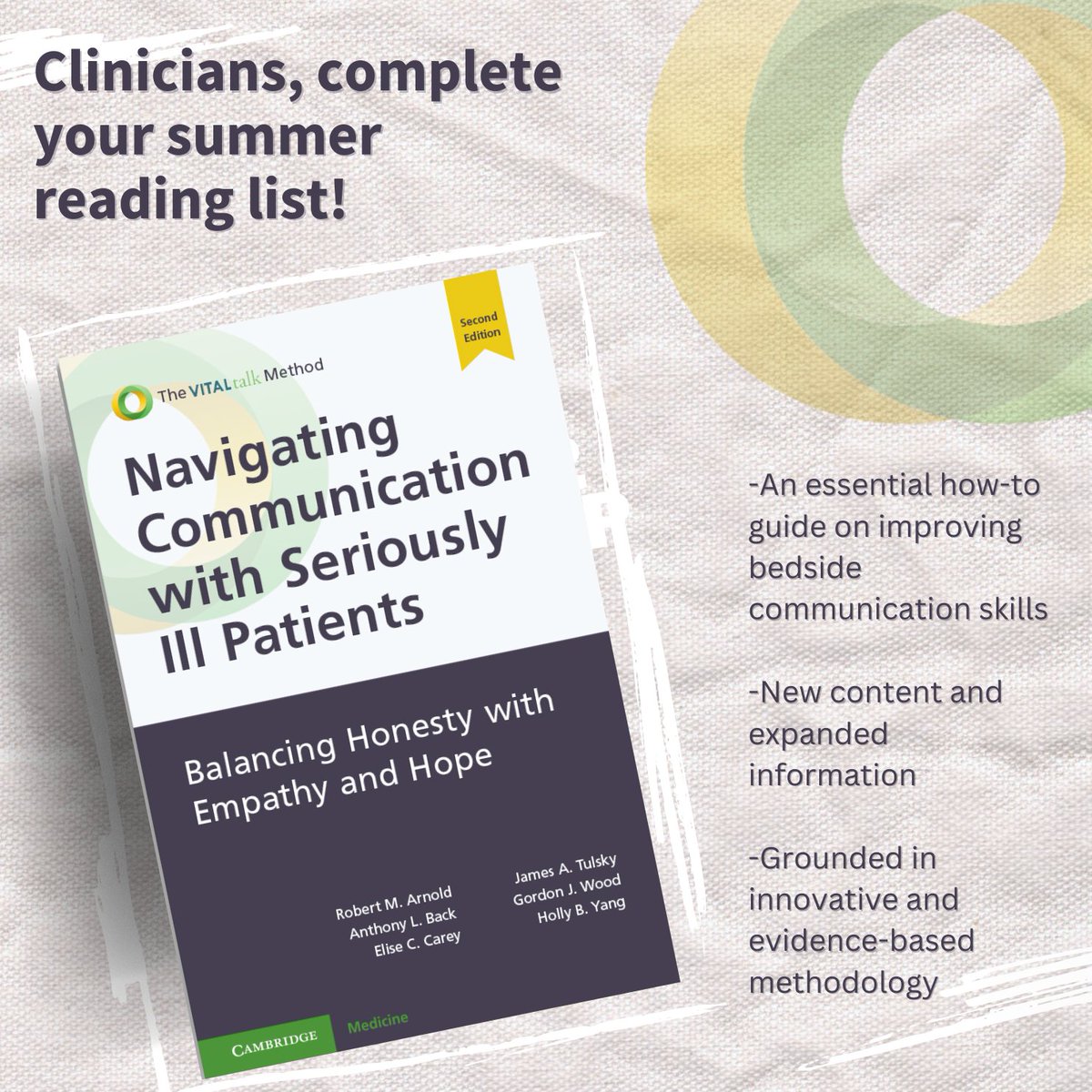
This essential guide offers clinicians practical strategies to master the art of compassionate, clear, and effective communication. The perfect way to complete your summer reading list! #VitalTalk #SummerReading #CommunicationSkills #PracticalGuide
2
3
234

22 Mar 2024
New on Reservoir: 'Audit Trail – A Practical Guide (2024 Edition)' by Kamal Garg! Grab Your Copy Now! >> buff.ly/3IMIGu7
#TaxsutraReservoir #Ebookstore #AuditTrailGuide #NewRelease #ReservoirReads #2024Edition #KamalGarg #PracticalGuide #GrabYourCopy #AuditTrail

152

10 Jan 2024
You are not the only one who struggles with self-love and self-confidence. We all do. Read "Date Yourself" now. #PracticalGuide #NonFiction Buy Now --> allauthor.com/amazon/80357/

1
11

18 Nov 2023
2
312

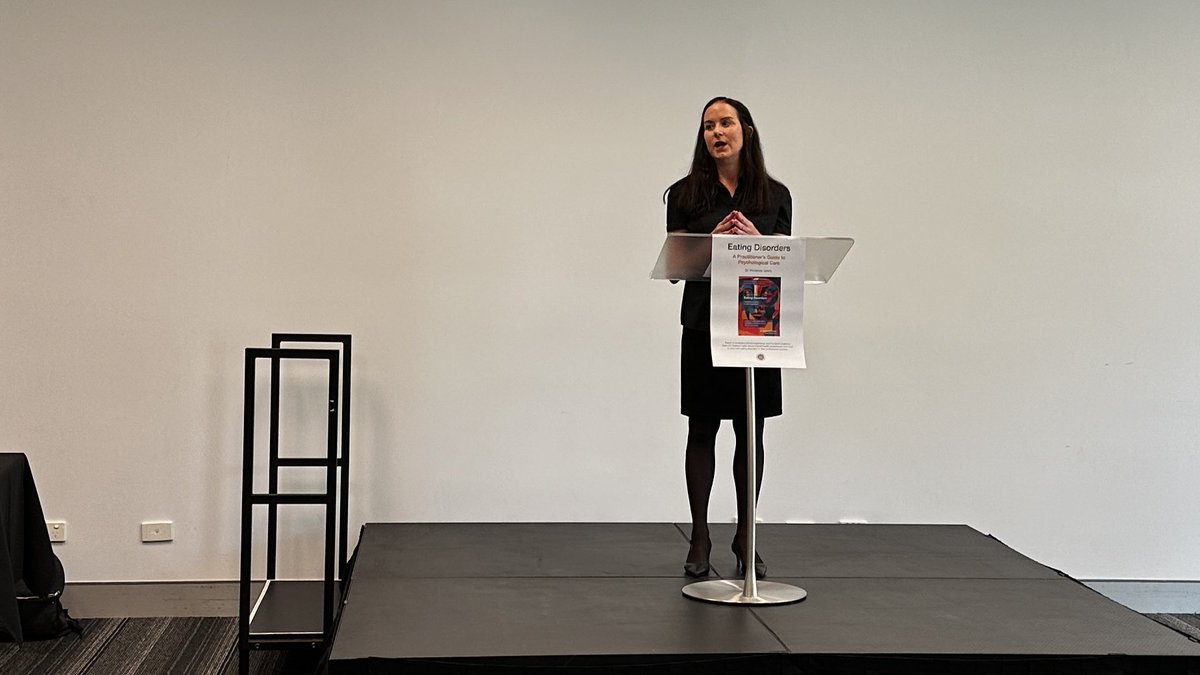
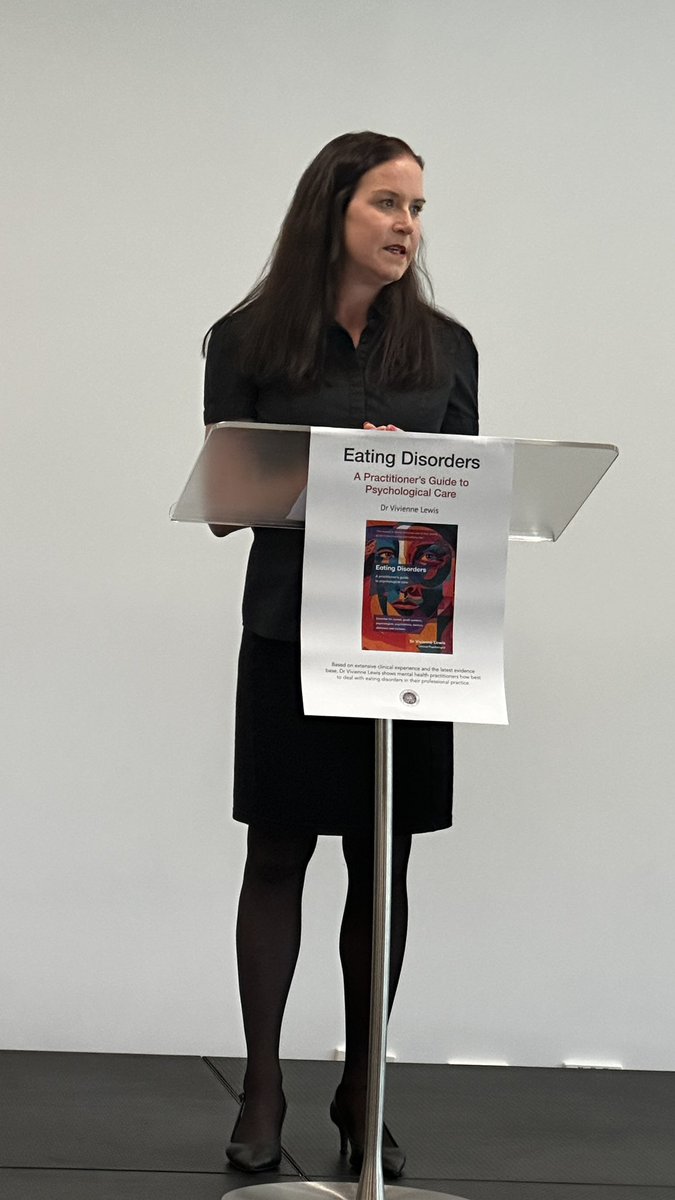
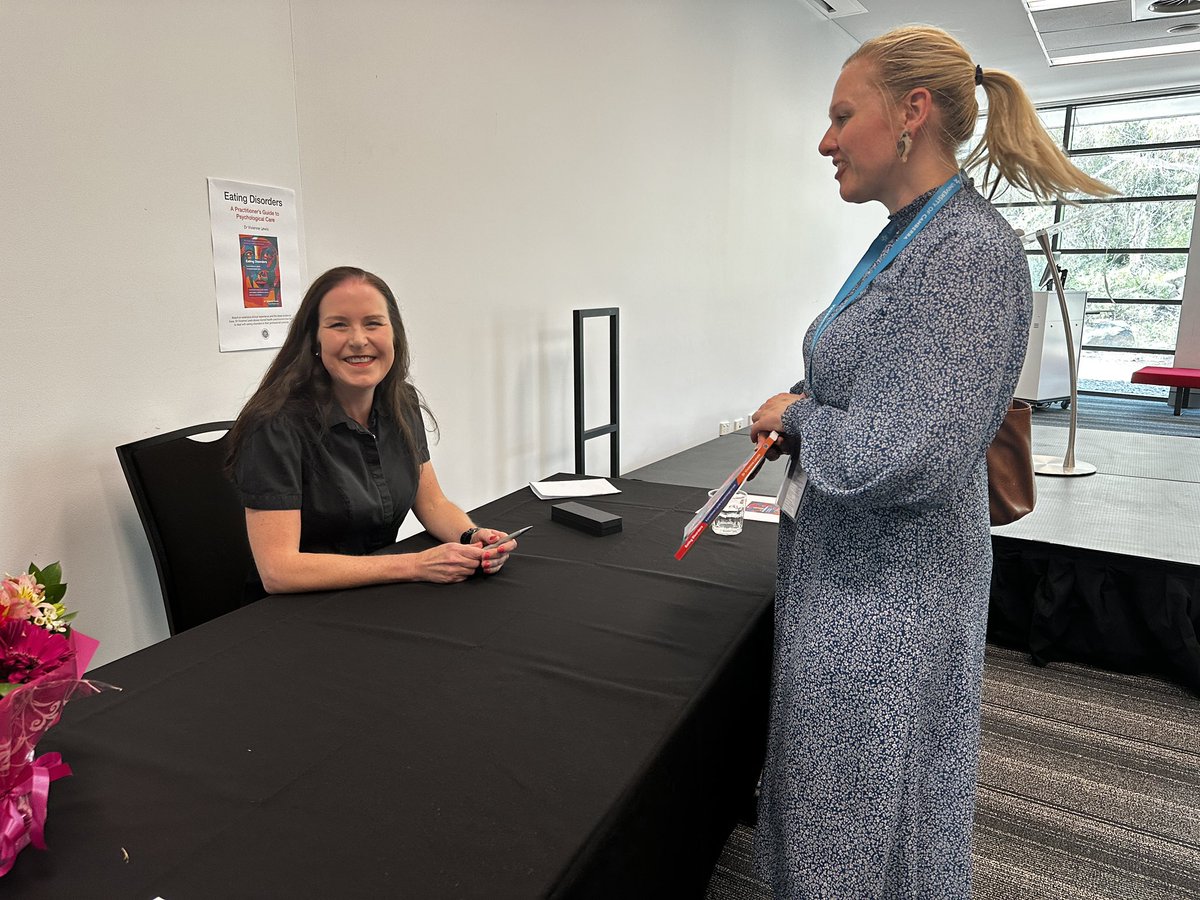
Book launch for Eating disorders: A practitioner’s guide to psychological care authored by @DrVivienneLewis #eatingdisorders #treatment #practicalguide

2
3
511
25 Sep 2023
Discover the structure, urgency, and accountability you need to thrive. Read "Date Yourself" now. #PracticalGuide #SelfLove #PersonalGrowth Buy Now --> allauthor.com/amazon/80357/

1
15