
Jun 12
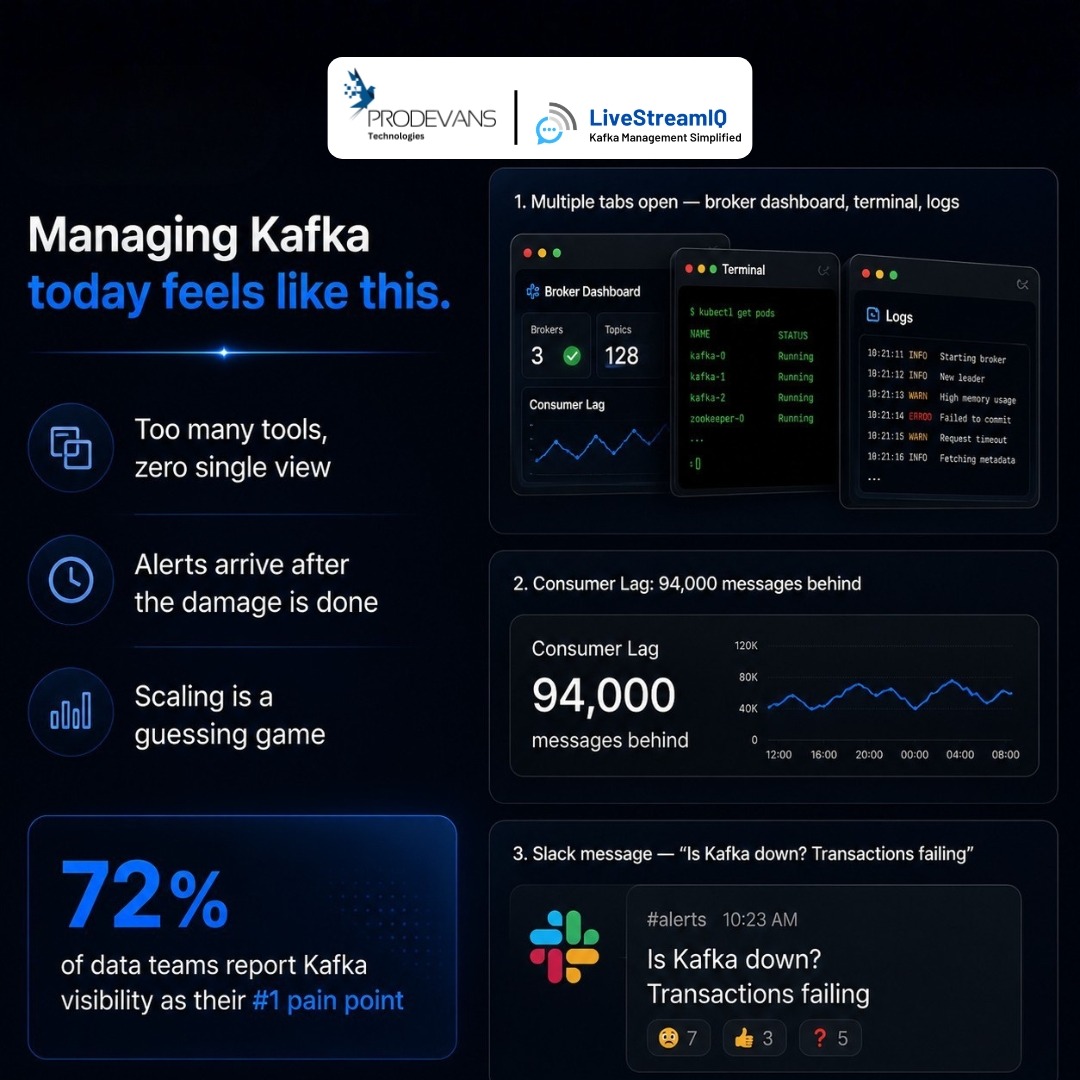
🚨 Your Kafka is running… but is it really performing?
Most teams don’t discover Kafka issues when they start — they discover them when things break
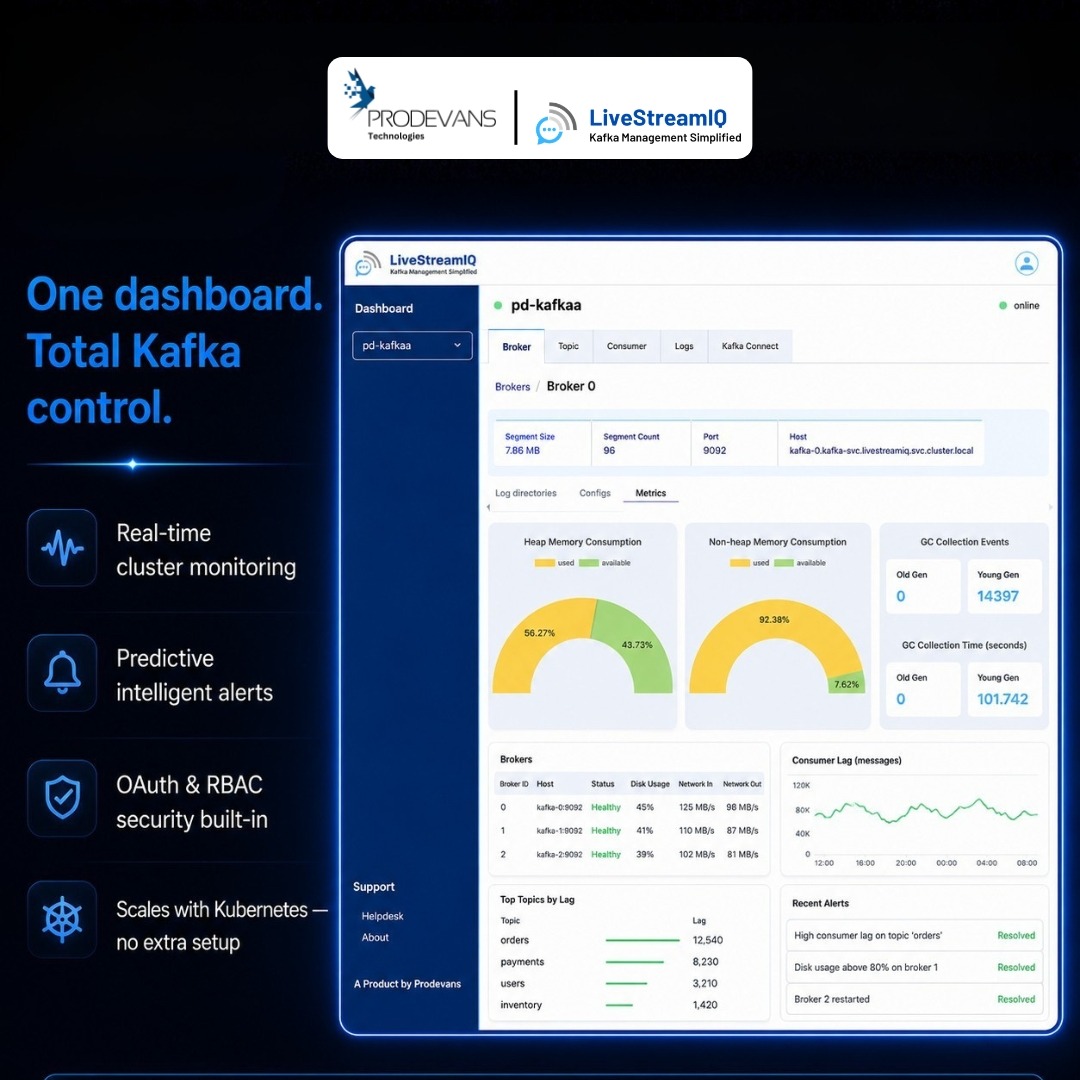
Introducing LivestreamIQ by Prodevans — a unified control layer for Kafka.
👉 Try it free today: prodevans.com/products/lives…

7
Jun 11
🚨 Kafka down? Not anymore.
When logs flood, alerts fire, and systems break — most teams only realize it when it’s already too late.
Introducing LivestreamIQ by Prodevans — your real-time Kafka intelligence layer.
👉 Start your free trial now: prodevans.com/products/lives…
1
16
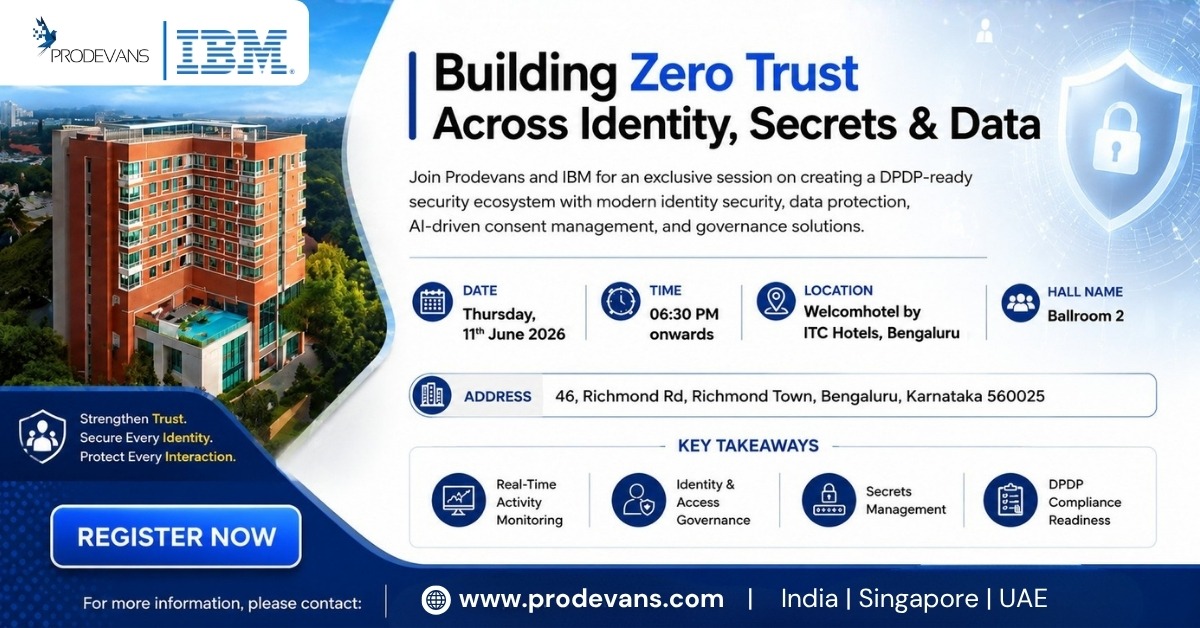
Is your organization ready for DPDP compliance?
Join #Prodevans & #IBM for an exclusive session on building a Zero Trust security ecosystem across Identity, Secrets & Data.
📅 11 June 2026 | 06:30 PM
📍 Welcomhotel by ITC Hotels, Bengaluru
Register Now: prodevans.com/event/building…
24

15 Jul 2025
MinIO is pioneering high performance, Kubernetes-native object storage for the multi-cloud. The software-defined, Amazon S3-compatible object storage system is used by more than half of the Fortune 500. With more than 1.6 billion Docker pulls, MinIO is both the most widely deployed and fastest-growing cloud object store. Founded in 2014, the company is backed by Intel Capital, Softbank Vision Fund 2, Dell Technologies Capital, Nexus Venture Partners, General Catalyst and key angel investors.
MinIO partners consist of AMD, AWS, Azure, Broadcom VMware, Dell, GCP, Intel, NVIDIA, Red Hat, Splunk, Supermicro, Veeam, ARM, Clickhouse, Confluent, Cribl, Dremio, Elastic, F5, Greenplum Database, H2O.ai, HPE, NGINX, OpenText Vertica, Snowflake, Starburst, Teradata, Western Digital, Accenture, Acronis, Agile Lab, Ahead, AiElements - Simah for Information Technology, Advanced Message Queuing Protocol (AMQP), Atos, Carahsoft Technology Corp, CGI, Cloudmates, Commvault, Datahub Analytics, Grafana, HAProxy Technologies, Hashicorp, Infinidat, Innominds, Insight, Istio, Kafka, Kasten, Keycloak, Klik Sinergi Solusi, LakeFS, Liquid PC, Mahity Systems, Metaage Corporation, Micro Beaver for IT Solutions, MQTT, Netweb Technologies India, Ltd., Oredata FZCO, Prodevans Technologies Pvt. Ltd., Prometheus, PT Arupa Cloud Nusantara, PUE Data, Quantum C&S Co.,LTD, SD3IT, Seacom - Società Benefit, Shakudo, Tangunsoft, Trace3, Technologent, Traefik Labs, TVAR Solutions, Valure Technology, WSO2, and WWT.
resources.min.io/c/minio-dat…
MinIO Object Storage - Performance Benchmark Report on Multi-node Deployment
MinIO Object Storage is a high performance S3 compatible object storage open-source software that is ready to be deployed in containerized environments and to support native Kubernetes (K8s) and Red Hat OpenShift Container Platform (RHOCP). The MinIO Operator simplifies the management and configuration of deployments in orchestrated, containerized environments, such as K8s. This document discusses the integration of MinIO Object Storage with Intel Network and Edge Cloud Reference Architecture to enable a cloud native, object-storage ready infrastructure in a containers bare metal deployment. MinIO supports a Simple Storage Service (S3) interface and therefore, is competitive to other cloud storage solutions, such as Amazon Web Services (AWS) along with Ceph.
The multi-node MinIO storage cluster deployment is automated through the aid of the Bare Metal Reference Architecture (BMRA) from RA 22.05 onwards. The BMRA deployment in this case includes an ansible host, multiple HA controller nodes, along with multiple worker or storage nodes. The ansible host is a server from which a set of ansible playbooks and helm charts are run in order to automate the deployment of a fully functional K8s cluster. The controller nodes are arranged in an HA configuration, and each controller node runs the appropriate set of containerized services, such as etcd, the SR-IOV network operator, and the MinIO operator front end, in order to manage the overall K8s cluster. The worker nodes in this case double as storage nodes and run the MinIO tenant pods. Observing the principles of Software Defined Networking (SDN), the cluster includes two separate networks, specifically with one network devoted to control plane traffic and one network devoted to data, that is, storage, plane traffic.
resources.min.io/c/multi-nod…
Bare Metal Reference Architecture (BMRA) Release - GitHub
github.com/intel/container-e…
MinIO Object Storage Solution
min.io/
MinIO Speedtest
blog.min.io/introducing-spee…
Network and Cloud Edge Container Bare Metal Reference System Architecture User Guide
networkbuilders.intel.com/so…
31 Mar 2025

Yes they are using all these biosensors to read EEG signals and all using Radar to record the measurements of our biosignal.
Sample scripts and app to access RADAR-base entities and Minio data from the REST API and Minio SDK
github.com/thehyve/radar-sam…
4
3
670

19 Jul 2024
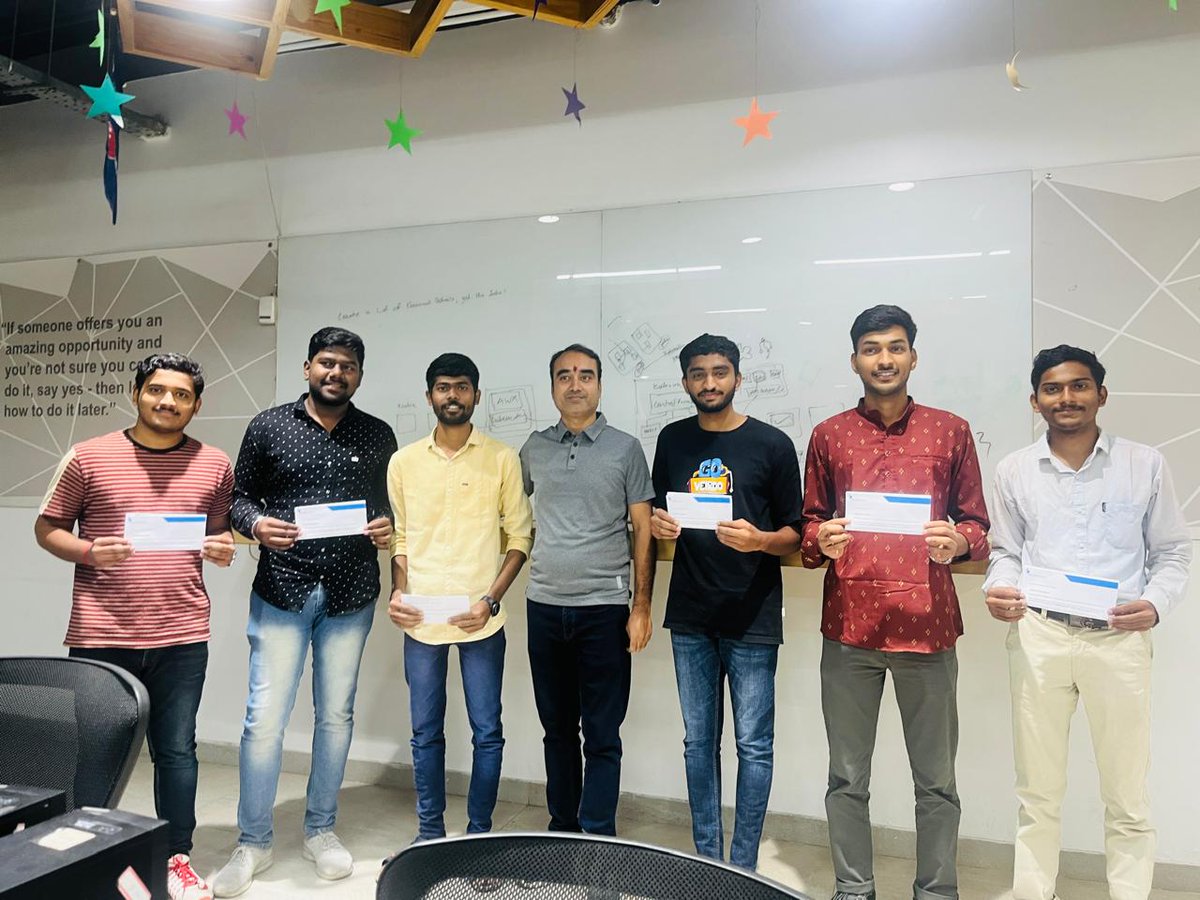
Celebrating Success: Six Talented Final Year B.Tech Students from the Computer Science and Engineering Department Embark on Promising Careers at Prodevans, a Leading Software Industry in Bangalore! 🎉🚀
💻 #TechTalent #CareerLaunch #Prodevans #CSEngineering
3
39
84

5 Jun 2024
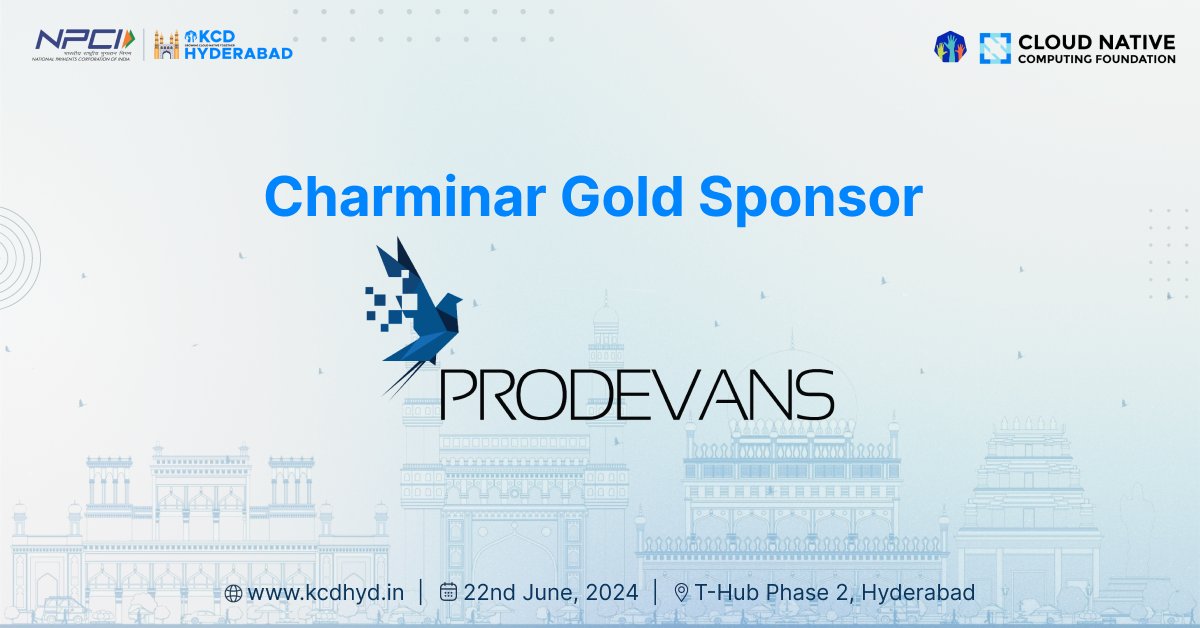
Announcing our next Charminar Gold Sponsor Prodevans.
Thanks a lot team for your support.
#KCDHyderabad
31 May 2024

The iconic Charminar welcomes another champion of tech! A warm welcome to Prodevans Technologies (prodevans.com), joining #KCDHyderabad as a Charminar Gold Sponsor 🎊
#techconference #devops #engineers #community #event @cncfhyd
3
263

31 May 2024
The iconic Charminar welcomes another champion of tech! A warm welcome to Prodevans Technologies (prodevans.com), joining #KCDHyderabad as a Charminar Gold Sponsor 🎊
#techconference #devops #engineers #community #event @cncfhyd
1
4
442

Prodevans Technologies (prodevans.com) stands at the forefront of cloud-native innovation, carving a niche as a transformative force dedicated to reshaping the landscape for individuals and businesses alike. Guided by the adept leadership of Deepak Mishra and an accomplished team, Prodevans champions cutting-edge cloud solutions, simplifying intricate processes and fostering proficiency in cloud-native technologies on a broad scale. Their commitment to empowering professionals resonates with the evolving demands of the cloud ecosystem, evident in their impactful initiatives.
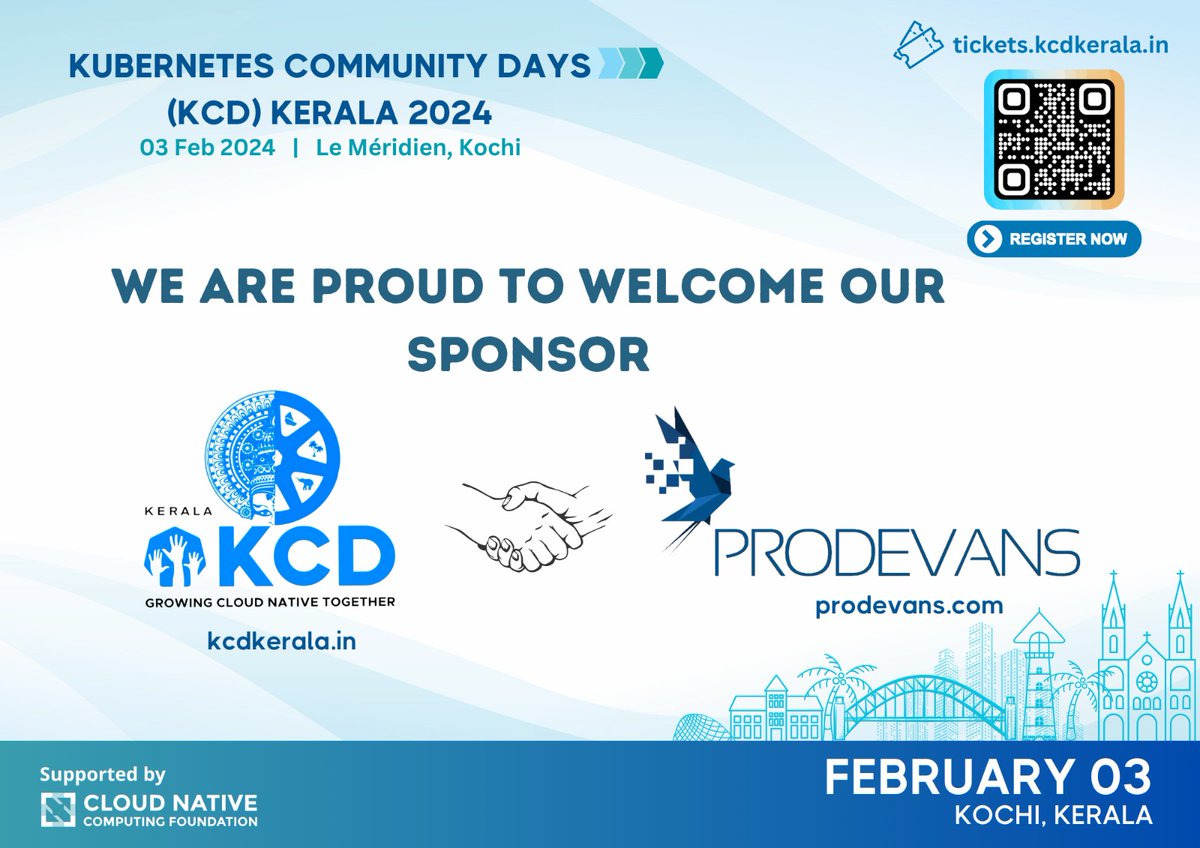
Our sincere appreciation goes to Prodevans for their generous sponsorship of Kubernetes Community Days(KCD) Kerala 2024 . Deepak Mishra and the team's unwavering support not only reflects their dedication to community growth and the advancement of cloud-native practices but also embodies the principles and values they champion. Prodevans' sponsorship reinforces our collective commitment to fostering collaboration and knowledge exchange within the community. With their support, KCD Kerala is poised to embody the innovative spirit and progress championed by Prodevans.
Thank you, Prodevans Technologies, for being an invaluable ally in our mission to cultivate a thriving and forward-thinking cloud-native community!!.
#cncf #kubernetes #k8s #kubernetes #india #kerala #kochi #prodevans
5
190

23 Sep 2023
Red Hat recently collaborated with KL University and Prodevans to bridge the gap between academia and industry demands, with 69% of the 971 students embarking on their Red Hat certification journey passing their tests on their first attempt
@RedHatAPAC sprou.tt/1nwHRahiNtm
2
43

8 Mar 2023
From our prodevans family to yours, Happy Holi! 🌈
#happyholi #positivevibesonly #loveandunity #festivalcolour #holi2023 #colours #brightness #festivalofcolor #celebration #cheerful #occassions #festiveivbes #joyful #trainers #aws #python #ansible #automation #technology



2
51
1 Feb 2023
Congratulations Vaibhav Thakur for attaining RHCE certification via certificate I'D: 220- 147 - 557
Wishing you luck and success
Team Prodevans
#rhce #rhcsa #redhat #linux #devops #opensource #rhel #redhatlinux #linuxmint #centos #ubuntu #kalilinux #python #aws #motivation

1
198
1 Feb 2023
`Congratulations Vaibhav Thakur for attaining RHCE certification via certificate I'D: 220- 147 - 557
Wishing you luck and success
Team Prodevans
#rhce #rhcsa #redhat #linux #devops #opensource #rhel #redhatlinux #linuxmint #centos #ubuntu #kalilinux #python #aws #motivation

1
108
26 May 2022
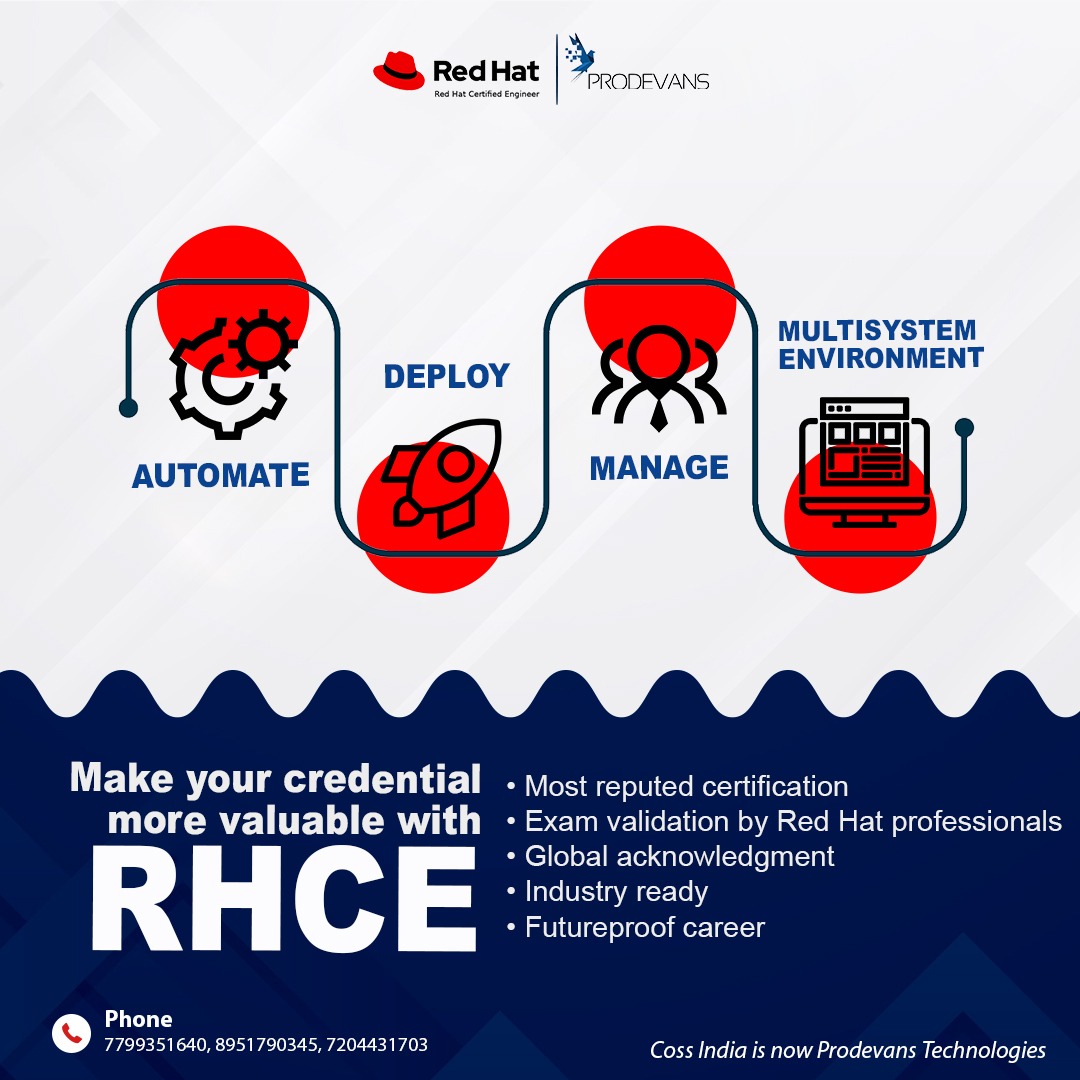
The most reputed certification in the field of #Linux #administration! With Prodevans get
~Global visibility
~Hands-on lab
~ Industry ready
~ Future ready
Register now: forms.gle/Ag54JdjNS58YjSYR6
#redhat #linux #rhce #opensource #openshift #openstack #ansible #global
2

9 Nov 2020
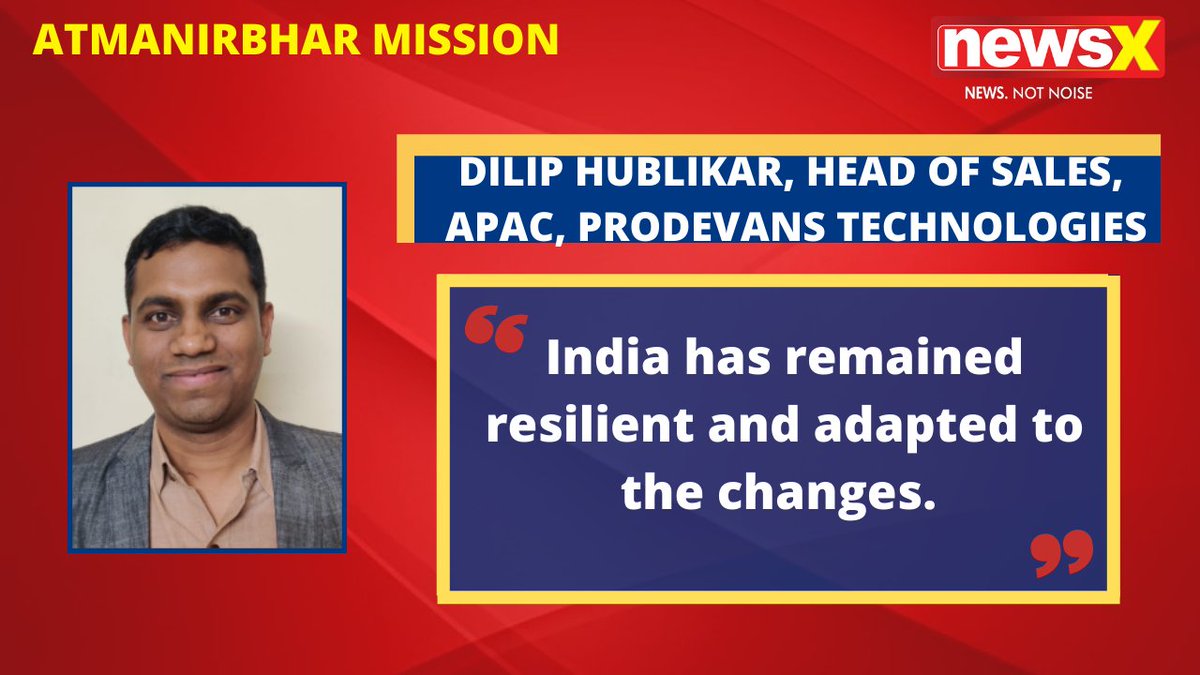
#AtmaNirbharBharat | The covid impact on the economy is here to stay but the next few months look very positive as new ways of working have emerged. India has remained resilient and adapted to the changes. : Dilip Hublikar, Head of Sales, APAC, Prodevans Technologies on #NewsX
2

19 Mar 2020
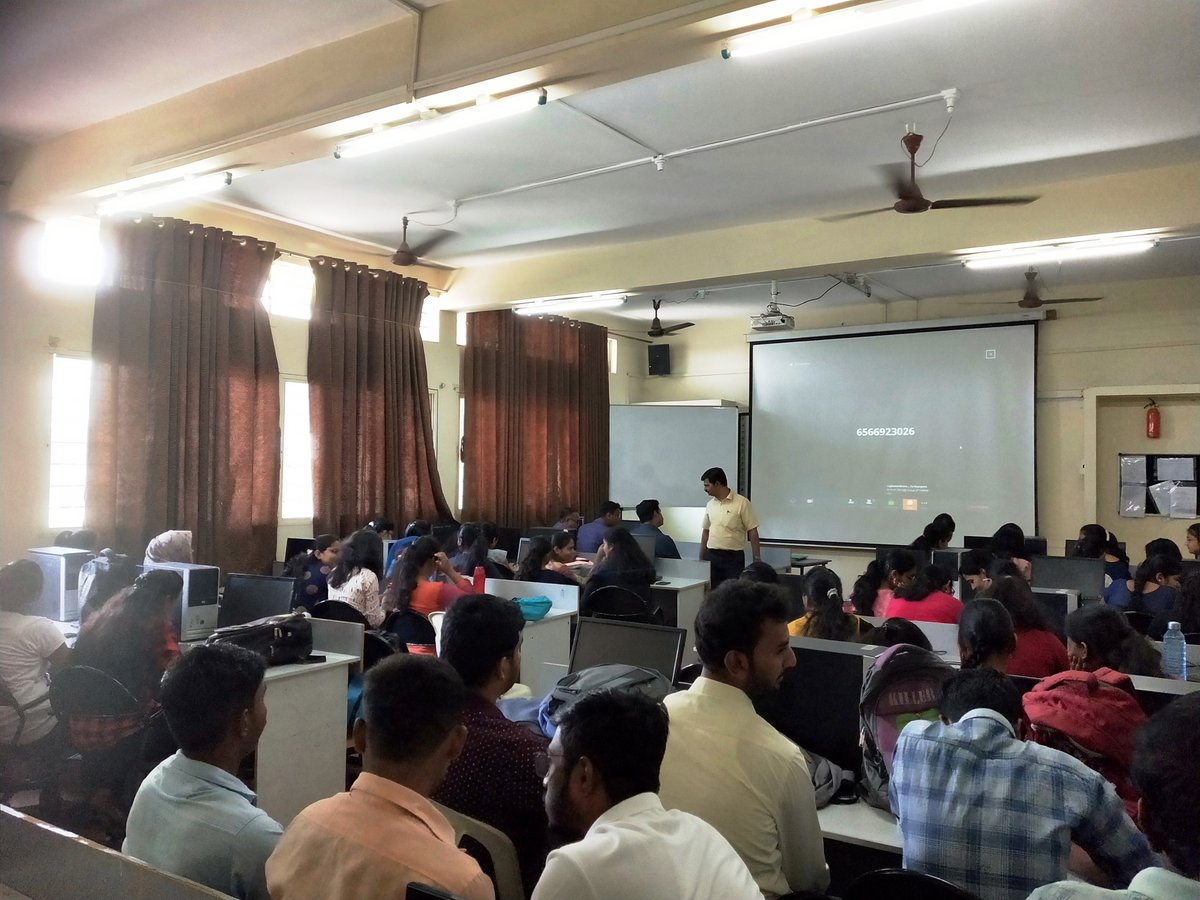
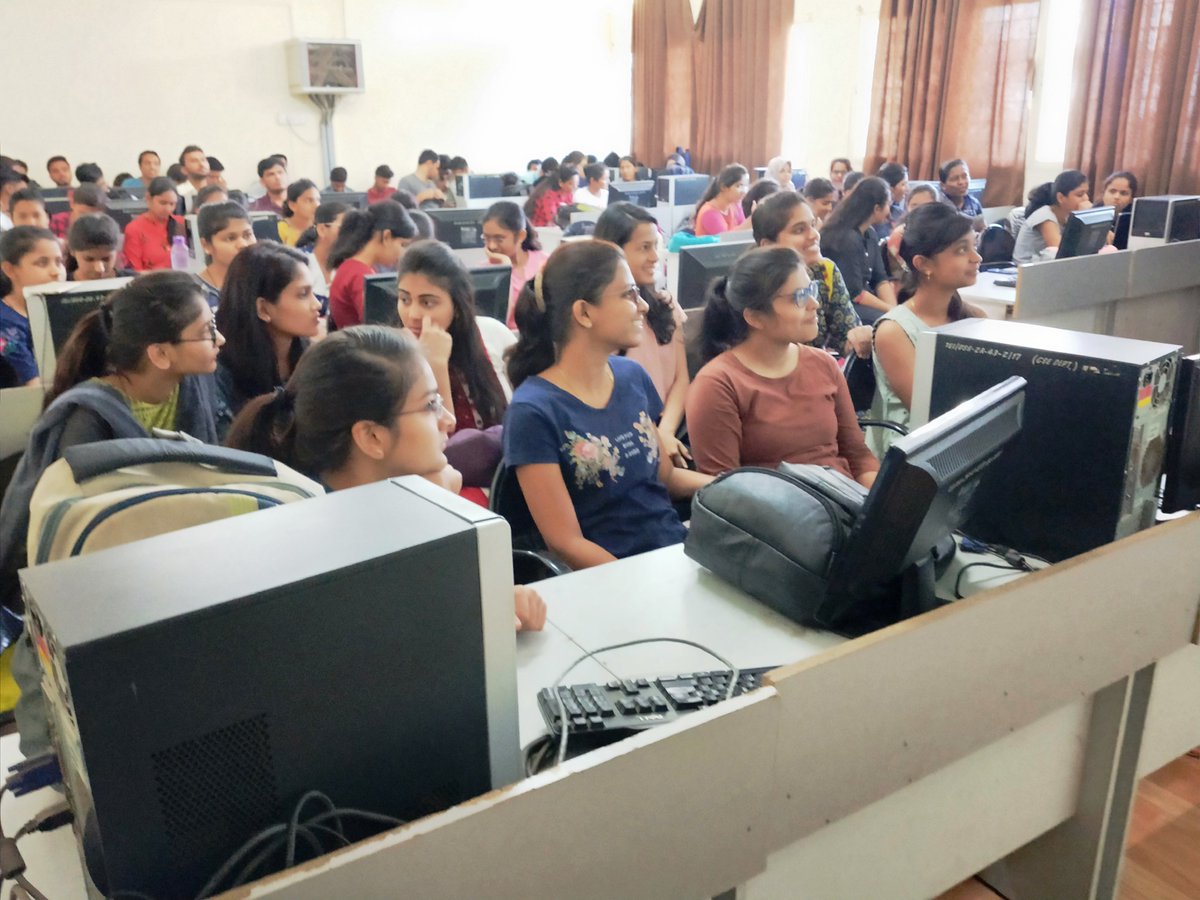
Computer Science & Engineering Department organized a Webinar on "National Level Red Hat Open Source Technologies", conducted by Mr.Deepak Mishra, CEO & Founder- Prodevans Technologies. This session was broadcasted by Red Hat Linux to create awareness of Open Source Technologies
1
3

24 Feb 2020
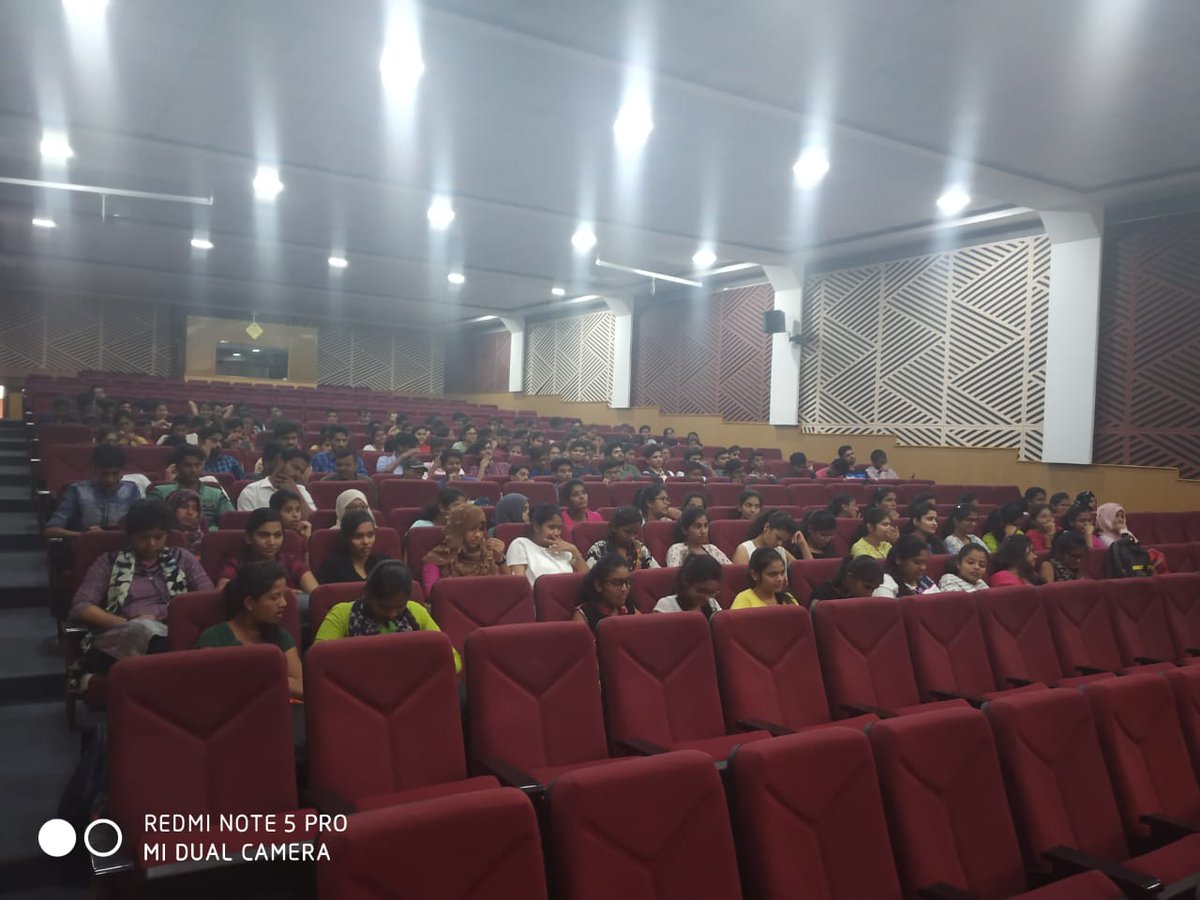
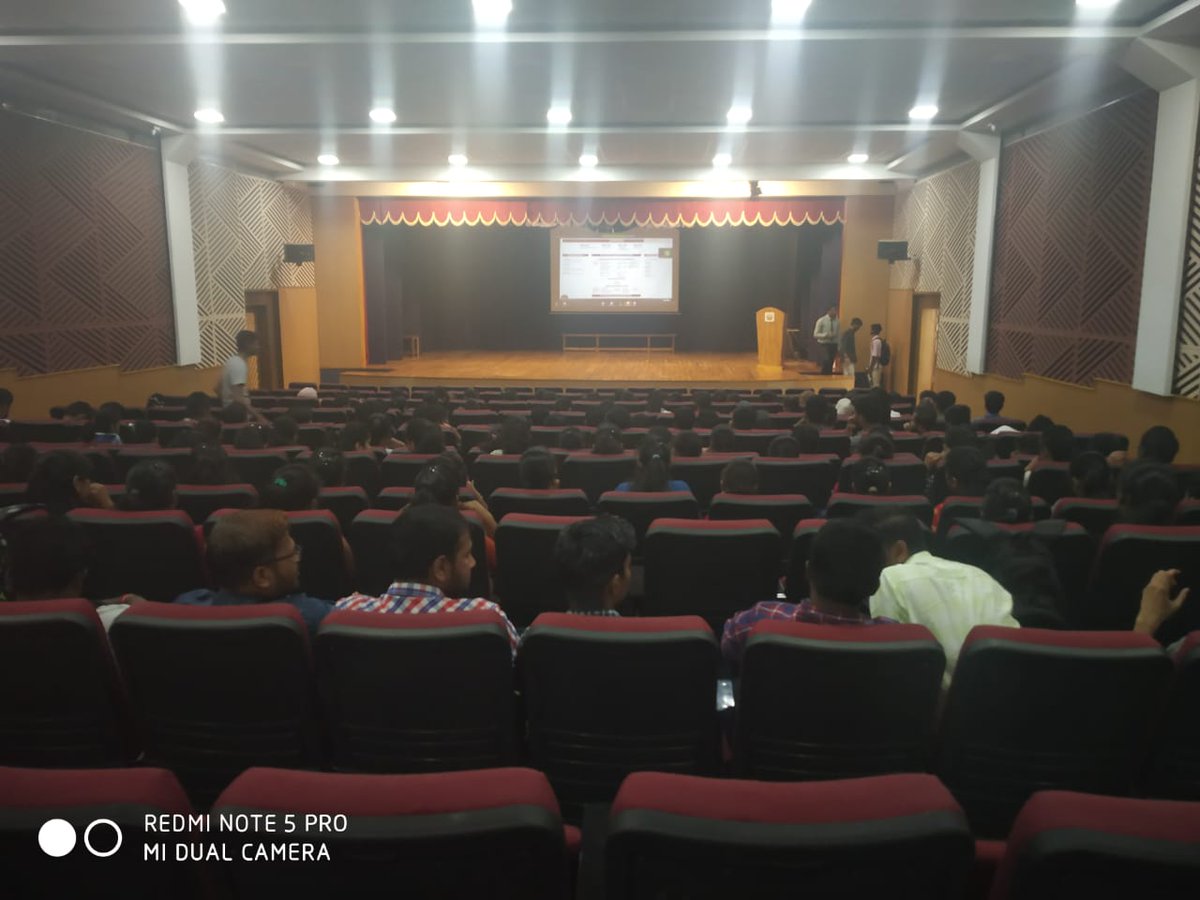
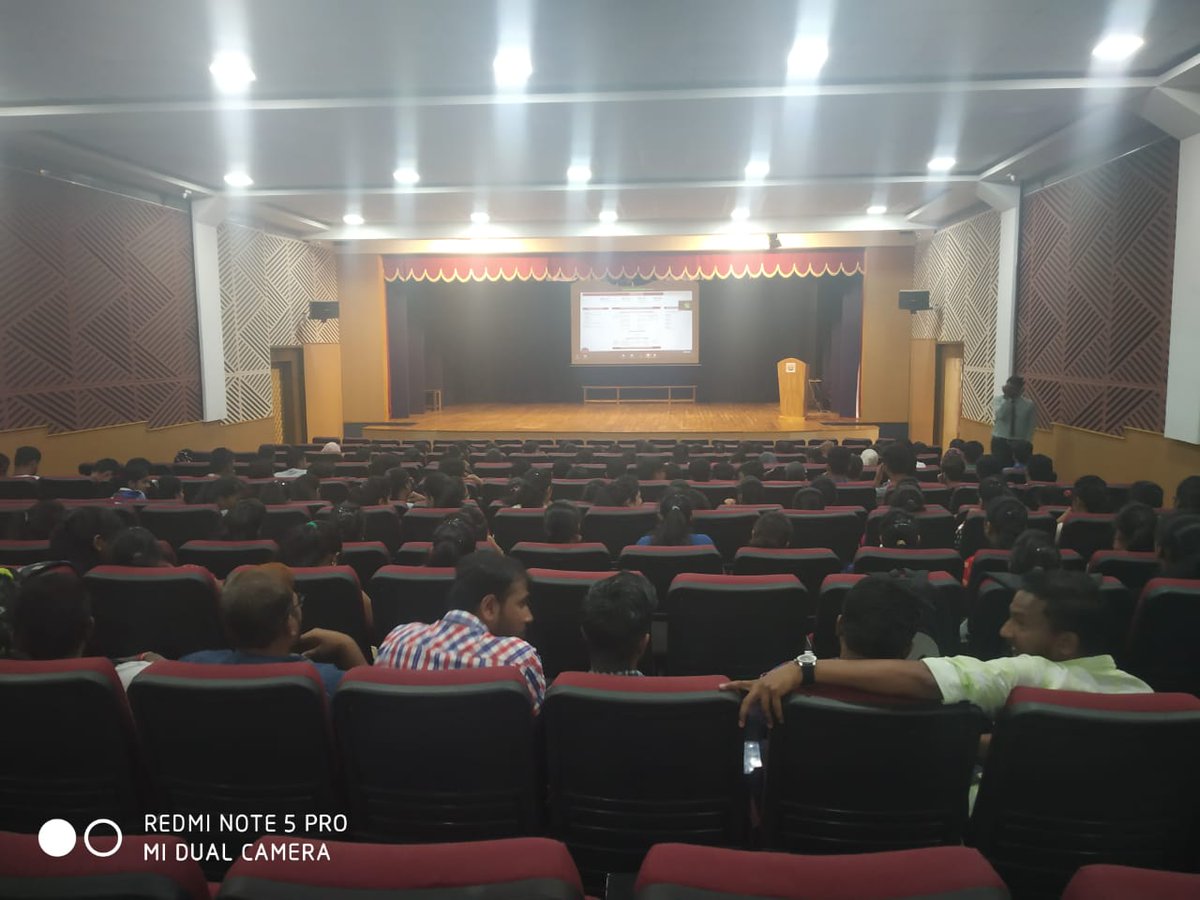
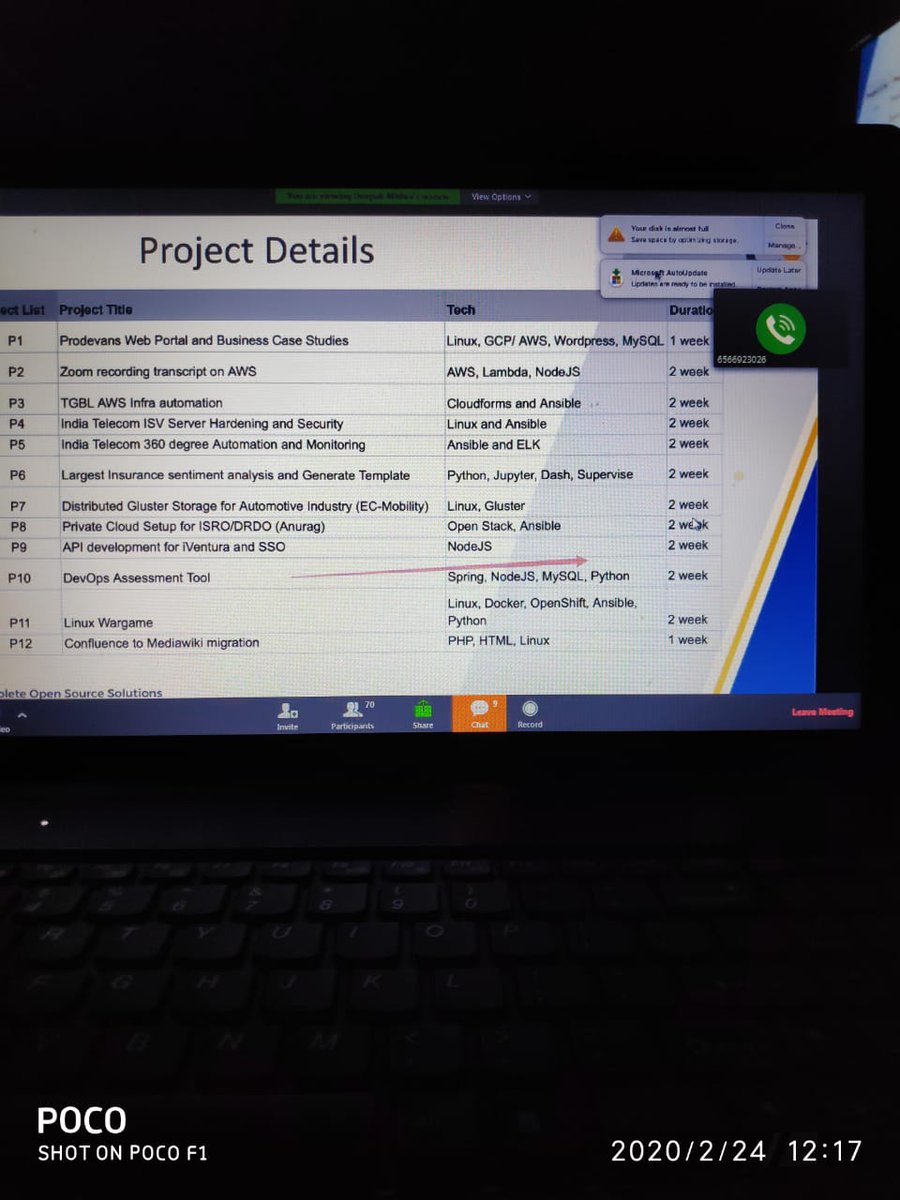
#NATIONAL_LEVEL_WEBINAR_ON_REDHAT_TECHNOLOGIES_CONDUCTED_AT_AITM
Webinar on " BUILD CAREER ON DEVOPS , ML, AI TECHNOLOGIES" for the students of AITM on 24th February 2020.
Mr. Deepak Mishra , CEO and Founder , Prodevans Technologies was the presenter of the Webinar.
1
9

2 Feb 2020
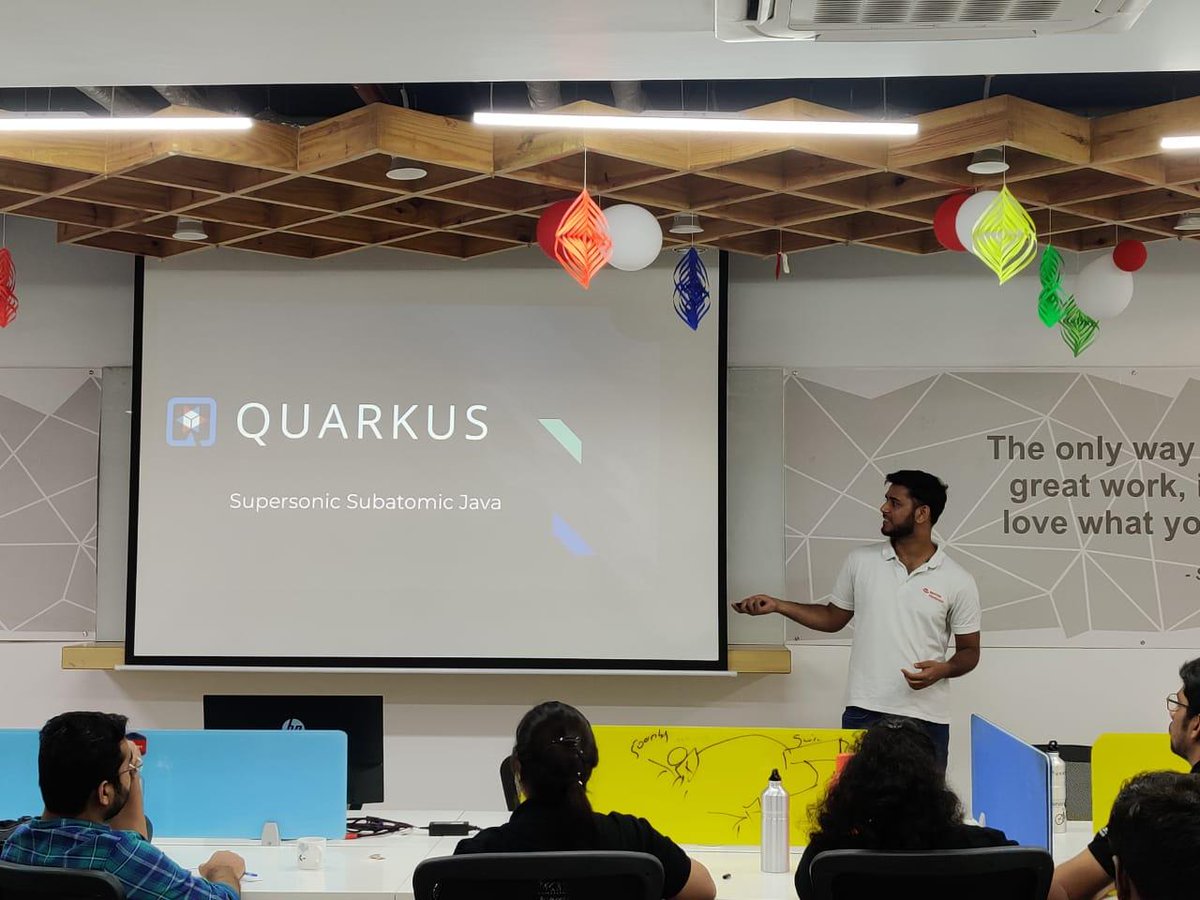
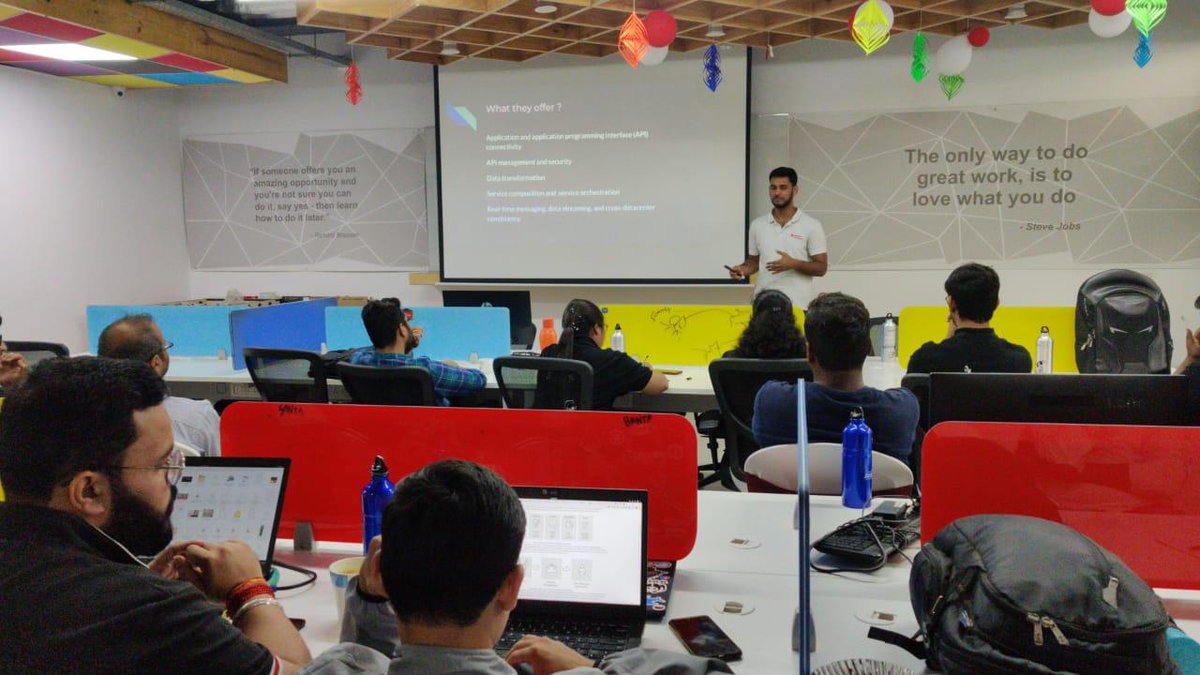
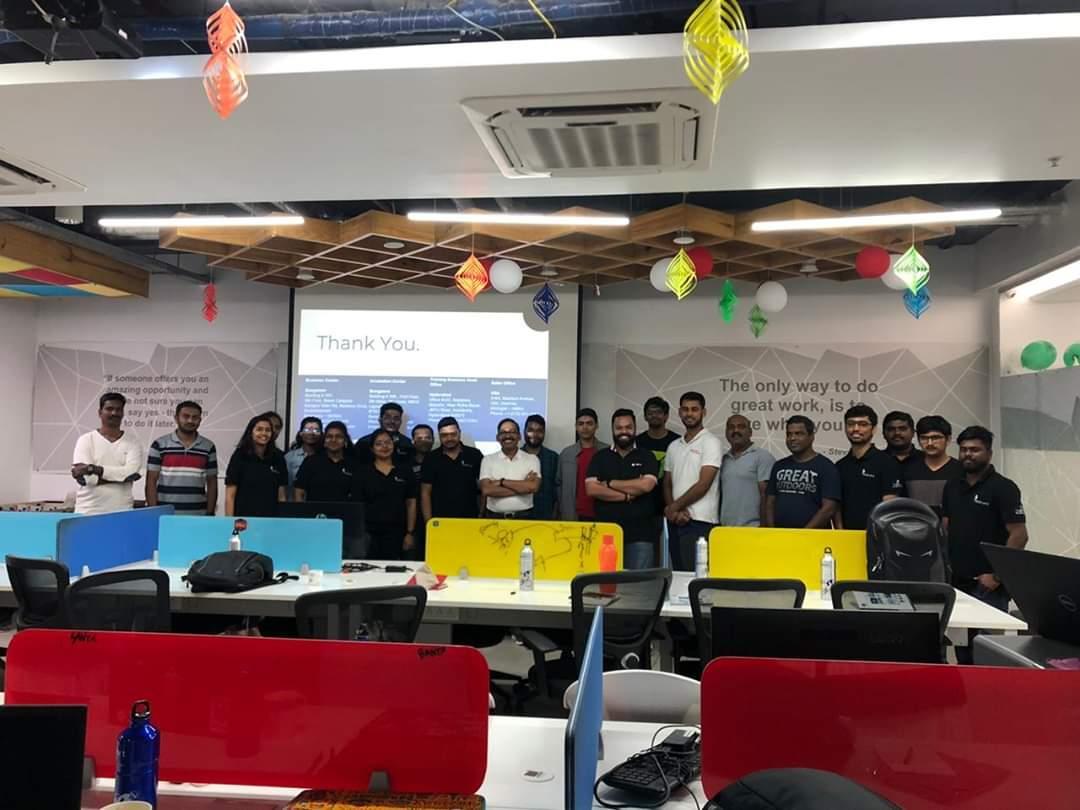
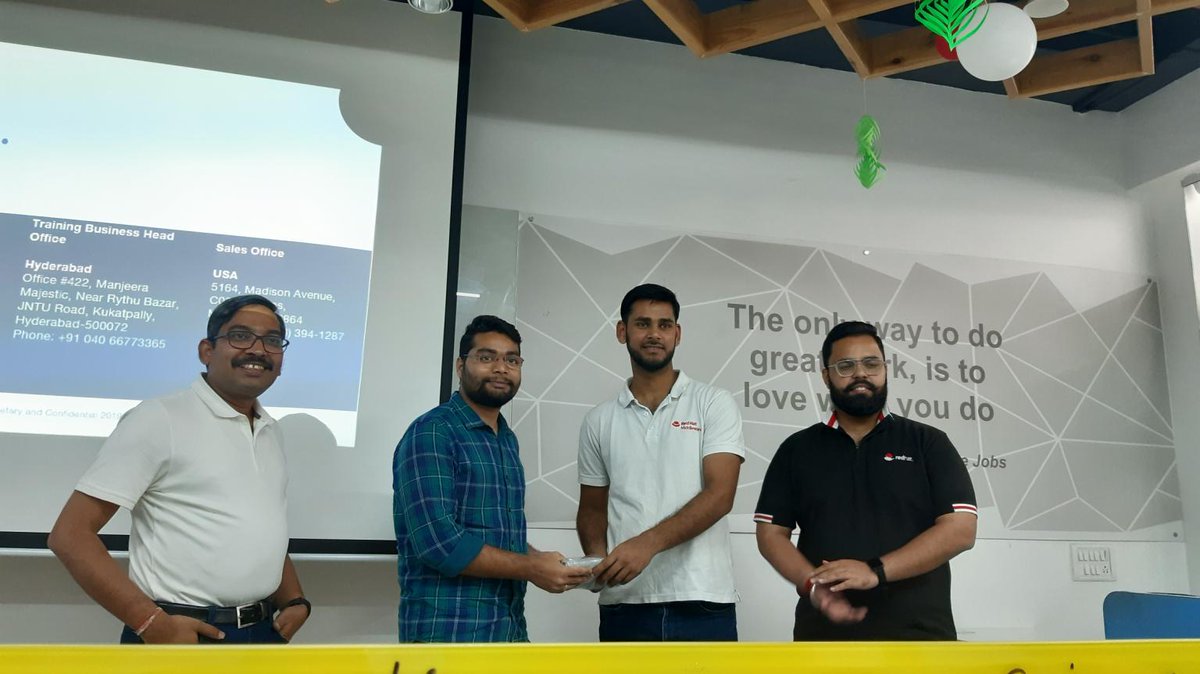
Promoting Kogito , Quarkus, Jbpm @ a local Jboss meetup organised by #prodevans technologies
2

16 Sep 2019
As Red Hat partners, we help organizations accelerate app development and delivery; integrate apps, data, and devices; and automate business processes.
Know more - buff.ly/3262XV0
Enquire Now - bit.ly/ProdevansLandingPage
#Prodevans #Technology #Cloud #RedHat #OpenStack

2
2 Sep 2019
On the occasion of Ganesh Chaturthi, we wish you good fortune, health and happiness. Happy Ganesh Chaturthi!
#GaneshChaturthi #HappyGaneshChaturthi #Prodevans
2
2
7 Aug 2019
Our engineers will ensure that software running in your production environment is easy to operate, scalable and is secure.
Know more - buff.ly/3262XV0
Enquire Now - bit.ly/ProdevansLandingPage
#Prodevans #Technology #Consulting #CloudStrategy #Container
2