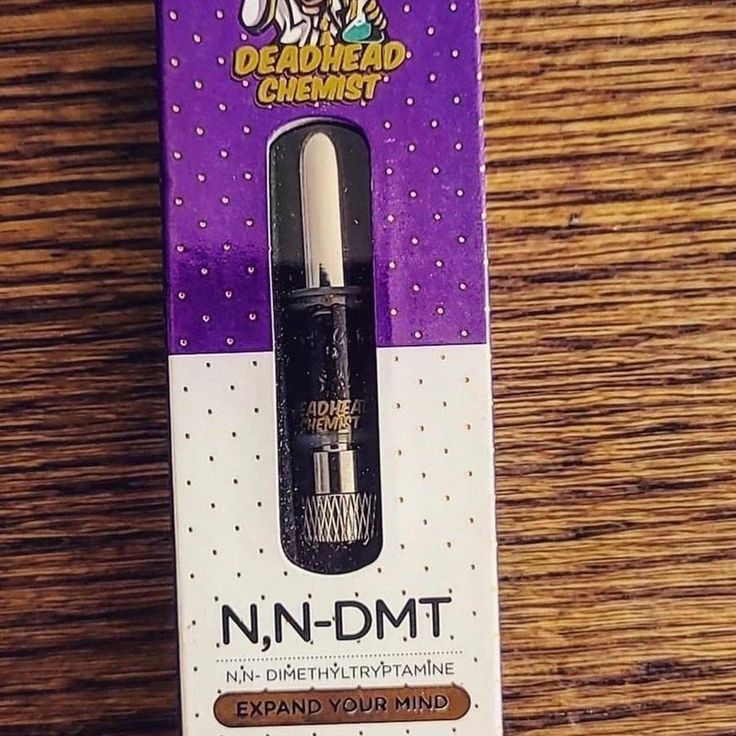
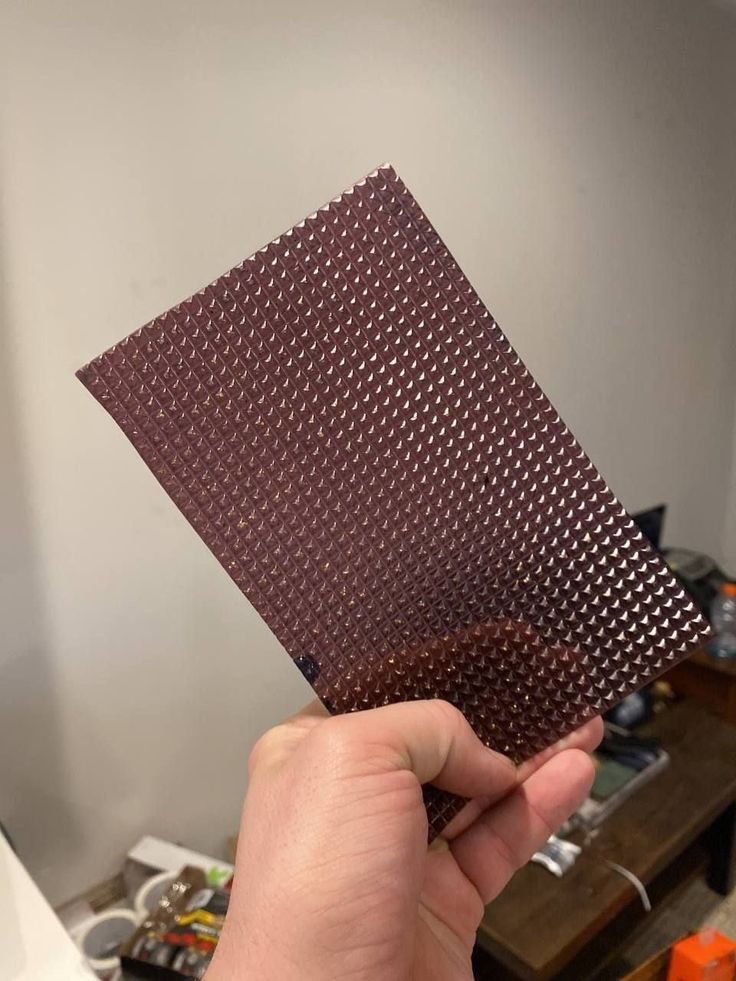
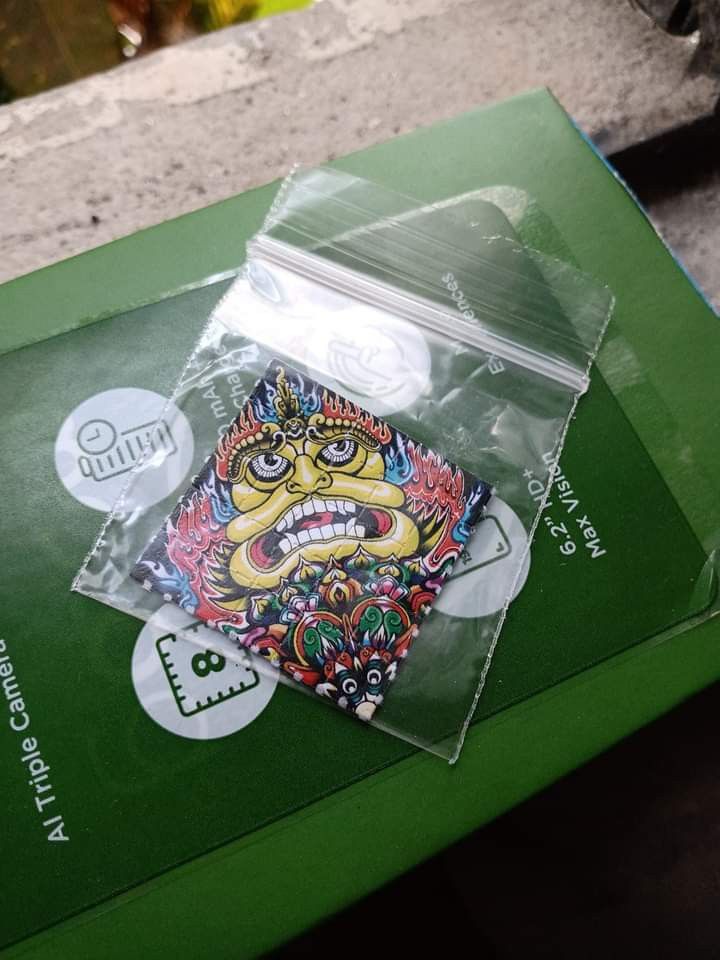
Limited time World Cup bundle! Get all three of our delicious flavors and save $20! No coupon needed...just grab the bundle and go.
icarolife.shop/product/world…
#worldcup #microdosing #microdose #microdosinglife #microdosingbenefits #microdoser #plantmedicine #psychedelicscience

15

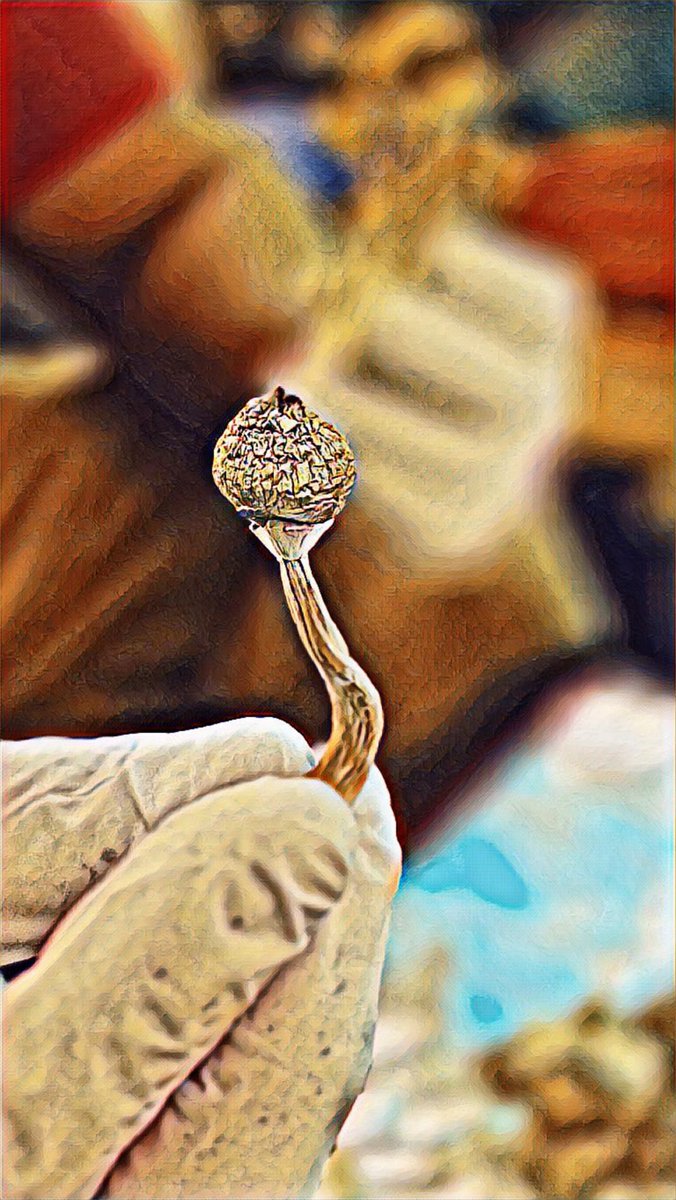
Every culture has its teachers.
Some arrive as books. Others arrive as experiences.
Our work continues to explore the biology, genetics, cultivation, and therapeutic potential of fungi—one specimen at a time.
#Mycology #FungalResearch #PsychedelicScience #Biotechnology #Pakistan
6

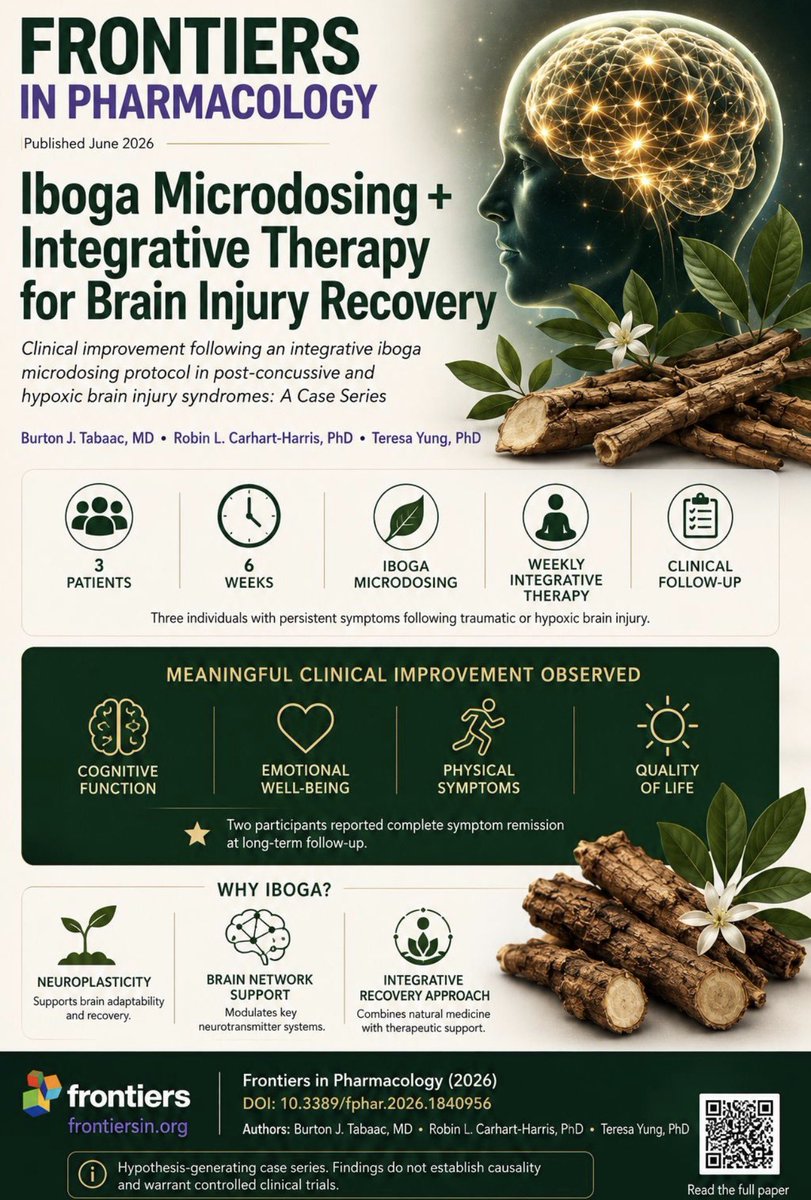
Really good work here! Paving the way… Iboga is often discussed in the context of addiction, but this explores its potential role in brain injury recovery. Just 3 patients and far from definitive—but enough to warrant further investigation. #PsychedelicScience #Neurorehabilitation
5
223

May 27
🧠 Can a single psilocybin session reshape the brain?
My colleague and friend, Dr. Mikhail “Misha” Kogan, breaks down an intriguing new 2026 study exploring how psilocybin may influence:
✨ Neuroplasticity
✨ Brain entropy (neural flexibility/adaptability)
✨ Psychological insight
✨ Long-term shifts in thought patterns and well-being
What makes this study especially interesting is that researchers used imaging (MRI/EEG) over a month-long follow-up after a controlled 25 mg psilocybin session. The findings suggest measurable changes in brain function and anatomy may persist well beyond the acute psychedelic experience.
Importantly, Misha also emphasizes scientific caution:
🔬 Promising does not mean proven
🔬 More long-term safety and dosing data are still needed
🔬 Careful clinical implementation matters
This is an area where rigorous neuroscience, psychiatry, integrative medicine, and whole-person care are increasingly intersecting, and the research is moving quickly.
🎥 Watch Dr. Kogan’s discussion here: zurl.co/0ZiOU
📰 @Guardian coverage of the study: zurl.co/fzF5F
#IntegrativeMedicine #Neuroscience #Neuroplasticity #MentalHealth #PsychedelicScience #BrainHealth #WholePersonHealth #EvidenceBasedMedicine
2
88

May 20
PharmAla licenses its next-gen MDMA drug candidate ALA-002 to Jupiter Neurosciences in a $100M U.S. deal.
$mdma #psychedelics #psychedelicscience
2
5
13
2,293

May 20
Today is #ClinicalTrialsDay. With this year’s theme, #ResearchRising, we recognize the researchers, study teams, and participants powering progress in clinical research.
Their courage and commitment are helping AtaiBeckley on our mission to create breakthroughs in mental health.
Learn more about our clinical trials:
🔗 ataibeckley.com/our-work/cli…
#CTD2026 #ClinicalResearch #MentalHealth #PsychedelicScience
5
19
710
May 13
PharmAla is pleased to announce that it has executed a definitive SPV Formation called Restora Neurosciences to lead the clinical and regulatory development of APA-01.
$mdma #psychedelic #psychedelicscience
1
4
15
1,191

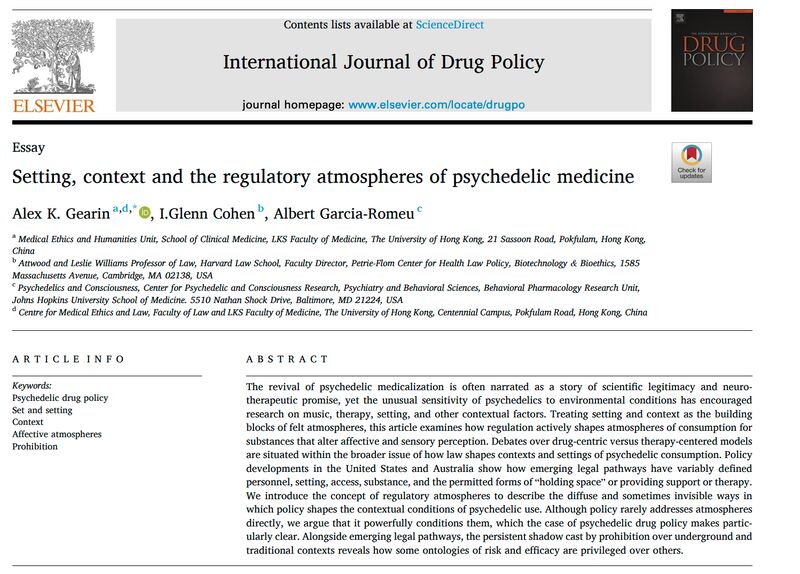
New paper alert, "Setting, context and the regulatory atmospheres of psychedelic medicine" in International Journal of Drug Policy @ijdrugpolicy -- a collaboration between Alex Gearin @alex_gearin (HKU Medicine), I. Glenn Cohen @CohenProf (Harvard Law) and Albert Garcia-Romeu (Hopkins Medicine).
View open access: doi.org/10.1016/j.drugpo.202…
Psychedelic medicines are sensitive to context and setting due to their special impacts on perception and cognition. In this interdisciplinary paper, the authors examine settings and contexts of psychedelic medicine use as the "building blocks of felt atmospheres" to examine how new policy experiments in the United States and Australia are regulating new legal pathways. Regulatory atmospheres, as the authors call them, refer to how policy shapes interpersonal, sensory, and affective conditions of psychedelic use -- including by defining the who, what, and where of legal pathways -- but also how law and prohibition continue to impact underground and traditional atmospheres of psychedelic use in diffuse and uneven ways.
From the paper's introduction:
"To trace divergent possibilities for psychedelic medicine, this paper proceeds in several steps. First, it outlines how scientific experiments in setting and context stage different psychedelic atmospheres as they aim to better understand risk and efficacy. Second, it explores how this has come up against a biopolitics of medical regulation that seeks to minimize psychotherapy in favor of pharmacotherapy model. Third, it analyzes differences in setting and context codified by policy experiments in Colorado and Oregon in the United States and the Authorized Prescriber scheme in Australia. Then, it shows how law continues to cast a shadow across a wider ecology of use, where many settings are affected by prohibition in underground and traditional contexts, revealing a haunting effect of regulatory atmospheres. By paying attention to psychedelic settings, the article shows how ideas about what counts as risk and about what counts as healing—chemical, psychotherapeutic alliance, environment, culture or more—can reflect the ontological and regulatory conditions that bring them into being.
@hku_mehu @HKUCMEL @hkumed @Harvard_Law @PetrieFlom @JHPsychedelics @HopkinsMedicine
#PsychedelicMedicine #PsychedelicScience #PsychedelicTherapy #PsychedelicAssistedTherapy #DrugPolicy #PsychedelicPolicy #DrugLaw #HealthPolicy #Prohibition #SetAndSetting #TherapeuticContext #PlantMedicine #HealingEnvironment #MedicalAnthropology #MedicalHumanities #Bioethics #HealthLaw
3
3
202

May 11
The human brain loves routines.
The same thoughts.
The same fears.
The same stories about who we are.
After enough repetition, even suffering starts to feel familiar.
And familiar things can become strangely comfortable.
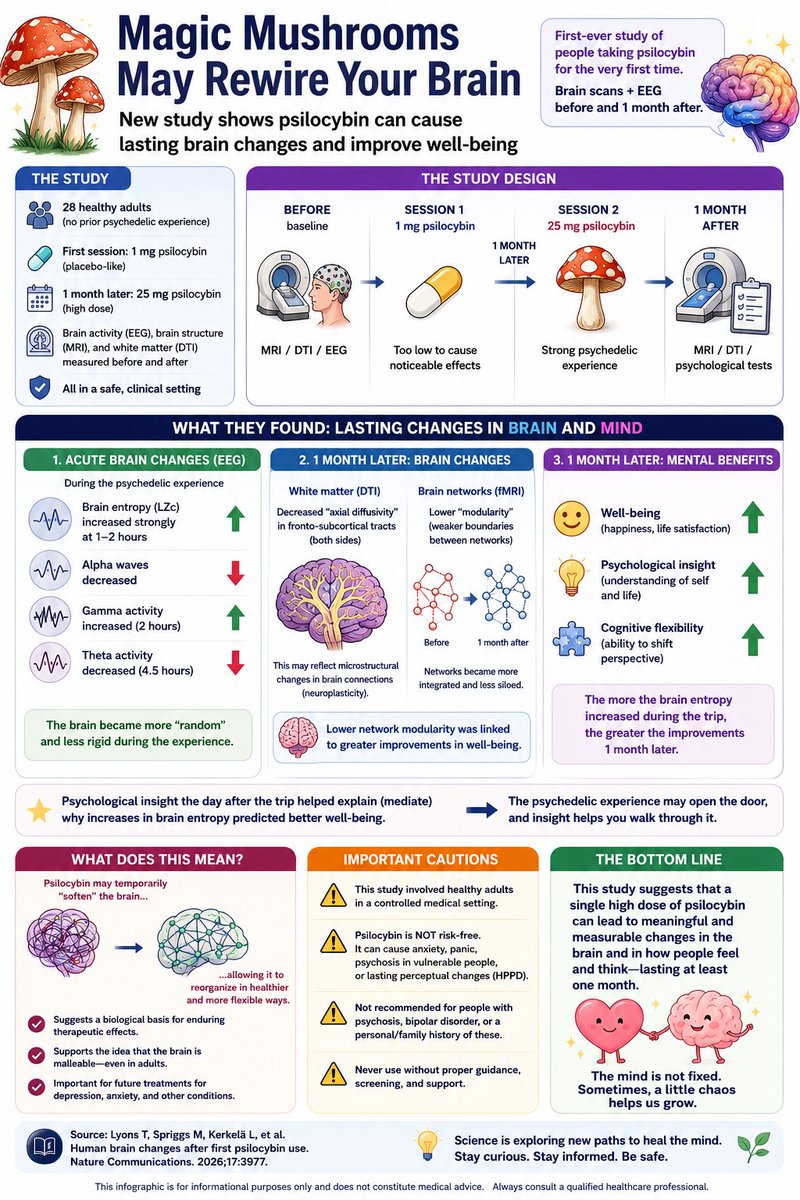
A new study found that a single high dose of psilocybin temporarily made the brain less rigid and more “entropic” — more flexible, less locked into its usual patterns.
What’s fascinating is what happened next.
The people whose brains became the most flexible during the experience later showed:
— greater well-being
— deeper psychological insight
— improved cognitive flexibility
Almost as if the brain needed a brief period of chaos to reorganize itself.
The study even found measurable changes in white matter pathways one month later.
That doesn’t mean magic mushrooms are harmless.
They aren’t.
Psychedelics can trigger panic, psychosis, derealization, or lasting perceptual disturbances in vulnerable people.
But this research points toward something deeper:
Maybe mental suffering is not always caused by a “broken” brain.
Maybe sometimes it comes from a brain that has become too rigid to change.
And maybe healing begins the moment the mind remembers it is still capable of becoming something new.
#Psilocybin
#MagicMushrooms
#Neuroscience
#MentalHealth
#Psychology
#BrainScience
#Psychedelics
#Depression
#Anxiety
#Consciousness
#Therapy
#Neuroplasticity
#Mindfulness
#Science
#MentalHealthAwareness
#BrainHealth
#Psychiatry
#SelfDiscovery
#Wellbeing
#HumanMind
#Research
#CognitiveFlexibility
#Spirituality
#Healing
#Neurodiversity
#FutureOfMedicine
#PsychedelicScience
#NatureCommunications
#Philosophy
#MedTwitter
1
1
59

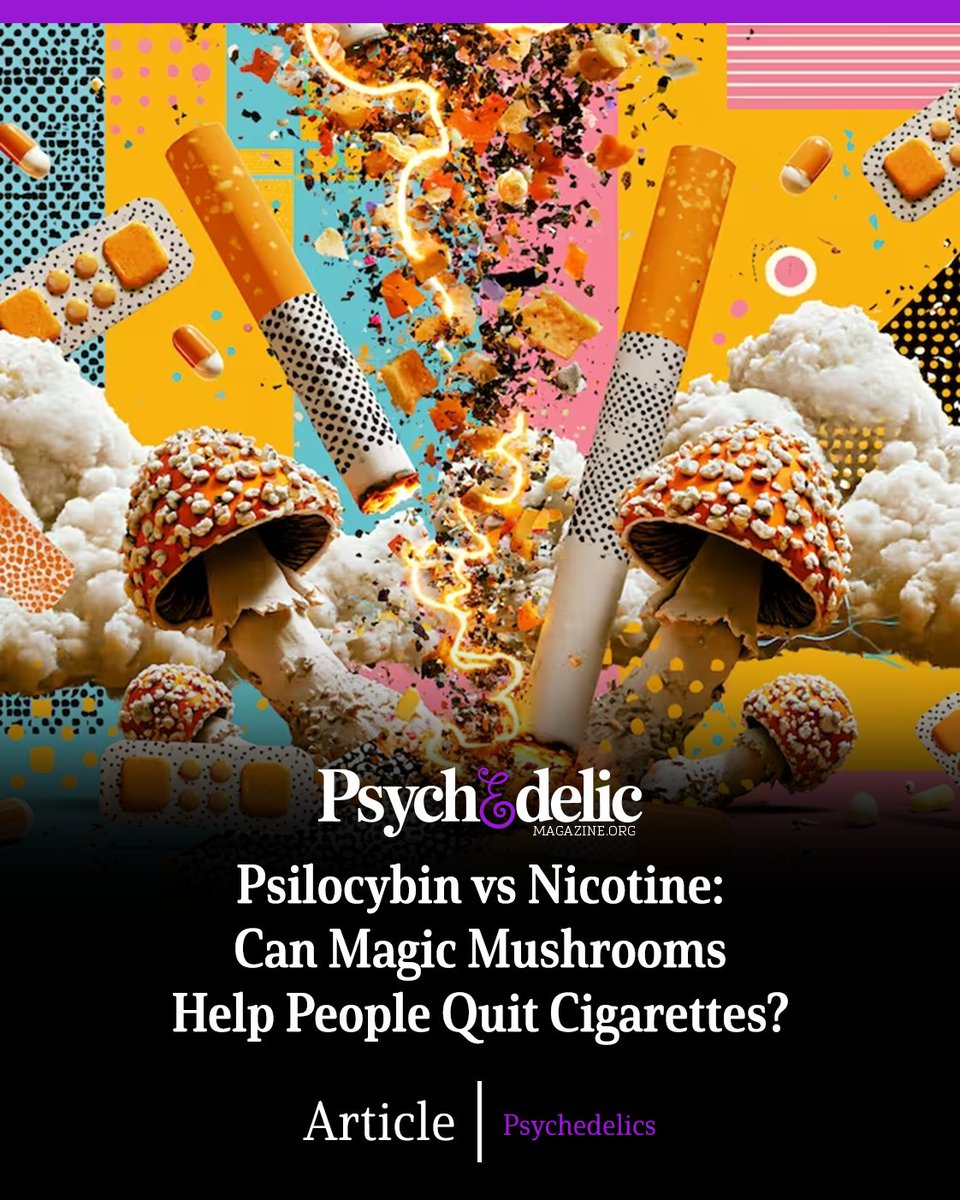
🚬🍄 Can psilocybin actually help people quit smoking?
New clinical research suggests the answer might be yes.
Full story: psychedelicmagazine.org/psil…
#Psilocybin #MagicMushrooms #SmokingCessation #Psychedelics #MentalHealth #Neuroscience #AddictionRecovery #PsychedelicScience
3
34
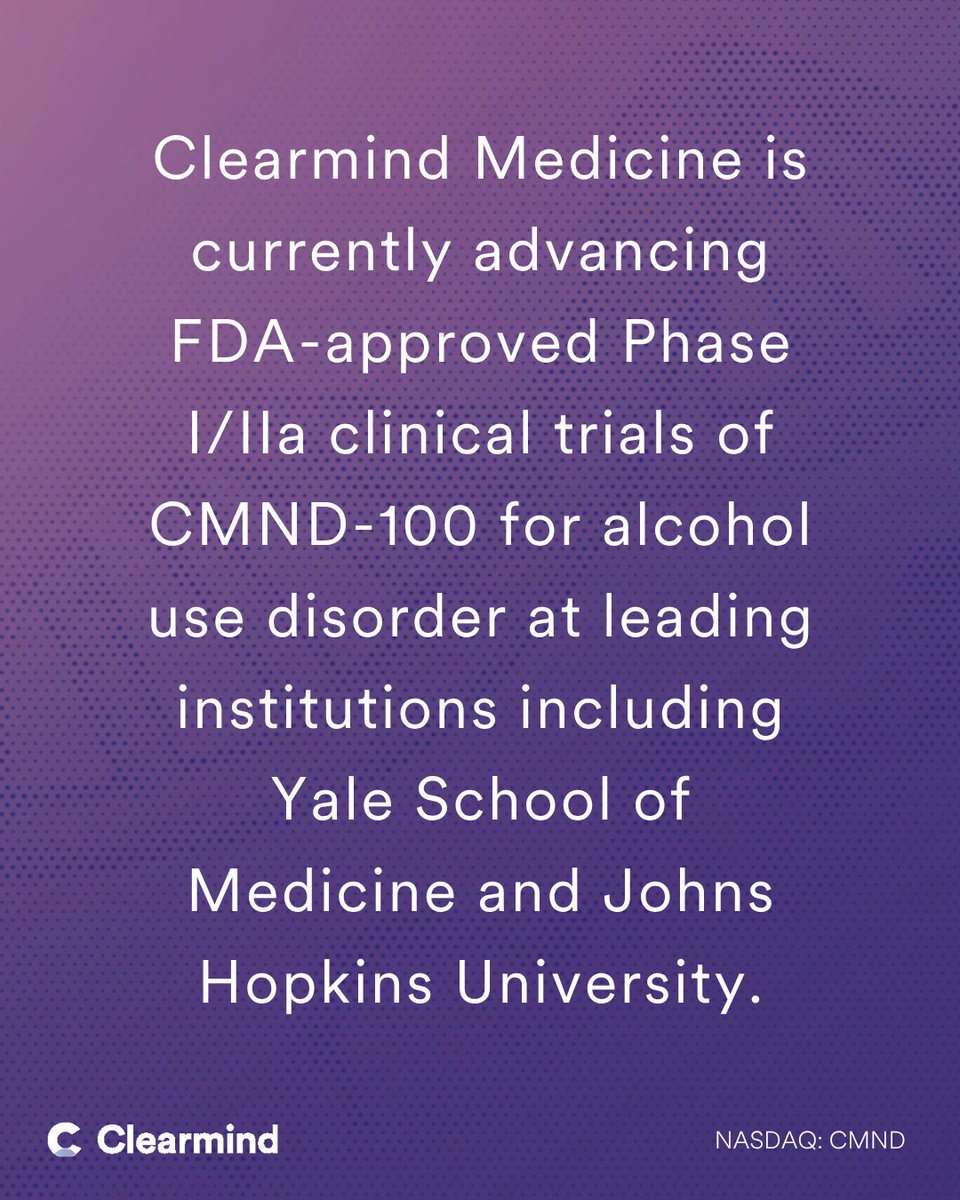
Learn more about Clearmind Medicine: clearmindmedicine.com/
#MEAI #FDA #CMND #AUD #CMND100 #VA #alcoholusedisorder #biotechnology #psychedelicscience #neuroplastogen #treatment #mentalhealth #innovation #executiveorder #yale #johnshopkins $CMND
1
2
136

Apr 29
Could a tiny dose of LSD be the "neuro-reset" the brain needs to feel again? New research reveals that low doses of LSD can actually enhance how the brain processes emotional rewards, specifically in those experiencing mild depression. By measuring shifts in electrical brain activity, scientists found that the drug reverses "emotional blunting," allowing the brain to distinguish more sharply between positive and negative outcomes. These neural changes weren't just temporary; they led to a sustained improvement in mood that lasted for days after the initial exposure. We are witnessing a shift from simply masking symptoms to actively retuning the brain's emotional hardware for lasting mental wellness. psypost.org/low-doses-of-lsd…
#Neuroscience #MentalHealth #LSDResearch #Psychopharmacology #DepressionRelief #BrainHealth #Innovation #Biotech #PsychedelicScience #Microdosing #NeuroTech #HealthTech #MedicalResearch #FutureOfMedicine #MentalWellness #ScienceNews #DeepTech #Biohacking #NeuralPlasticity #EmotionalHealth #STEM #BrainMapping #MoodDisorders #TherapeuticDiscovery #Psychiatry #WellnessTech
8
15
142
5,561
Apr 27
PharmAla & Aluvaris have executed a binding LOI to form an SPV for the clinical & regulatory development of APA-01 (P-1), our patented novel MDXX molecule.
$mdma #psychedeleics #psychedelicscience
1
5
11
515

INNOVATE
**1/**
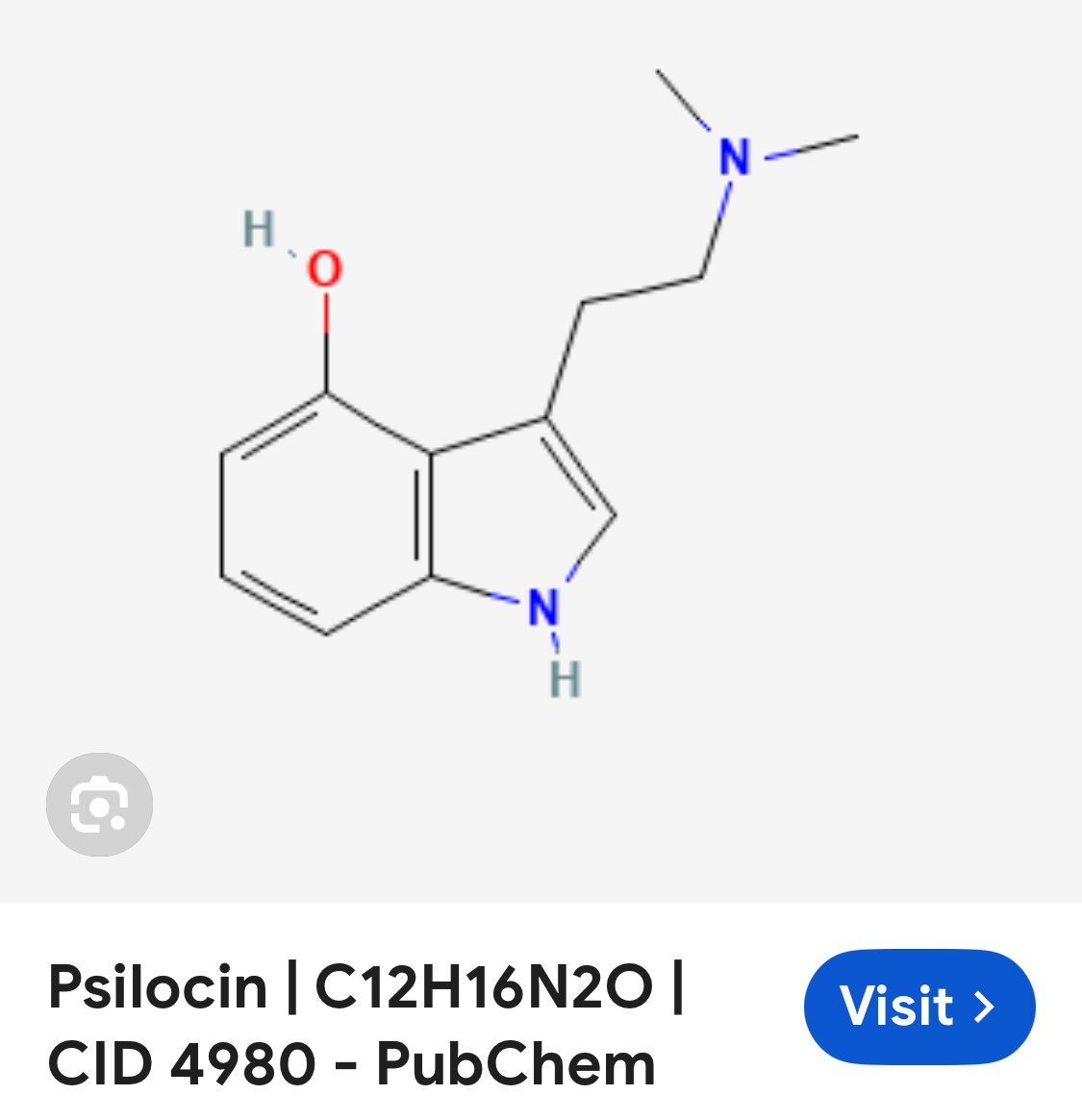
Thread: Creative, clinically grounded ideas for advancing Neuralink-style BCIs using psilocin-enhanced neuroplasticity. I'm an independent medical device engineer (not a Neuralink consultant) with deep experience designing hundreds of implantable devices at Life-Tech in Houston. Open to collaboration. Let's push brain interfaces forward. 🧠⚡ #Neuralink #Neurotech #PsychedelicScience
**2/**
Core hypothesis: Low-dose psilocin (active form of psilocybin) could dramatically improve long-term electrode integration by promoting dendritic spine growth, synaptogenesis, and reducing chronic gliosis/scarring—the #1 enemy of BCI signal stability.
Preclinical data is strong: A single dose can increase dendritic spine density/size by ~10% in frontal cortex within 24h, with effects lasting weeks (Shao et al., 2021, Neuron). New spines persist, driven by 5-HT2A, BDNF/TrkB, and mTOR pathways.<grok:render card_id="6391f0" card_type="citation_card" type="render_inline_citation"><argument name="citation_id">32</argument></grok:render>
**3/**
Why this matters for Neuralink: Flexible threads are brilliant, but foreign body response still leads to glial scarring, neuronal dropout, and signal degradation over weeks/months. Psilocin could encourage healthy neuronal growth *around* electrodes, creating a more stable, intimate interface. Think "bio-active" electrodes that actively promote tissue health.<grok:render card_id="55643f" card_type="citation_card" type="render_inline_citation"><argument name="citation_id">0</argument></grok:render>
**4/**
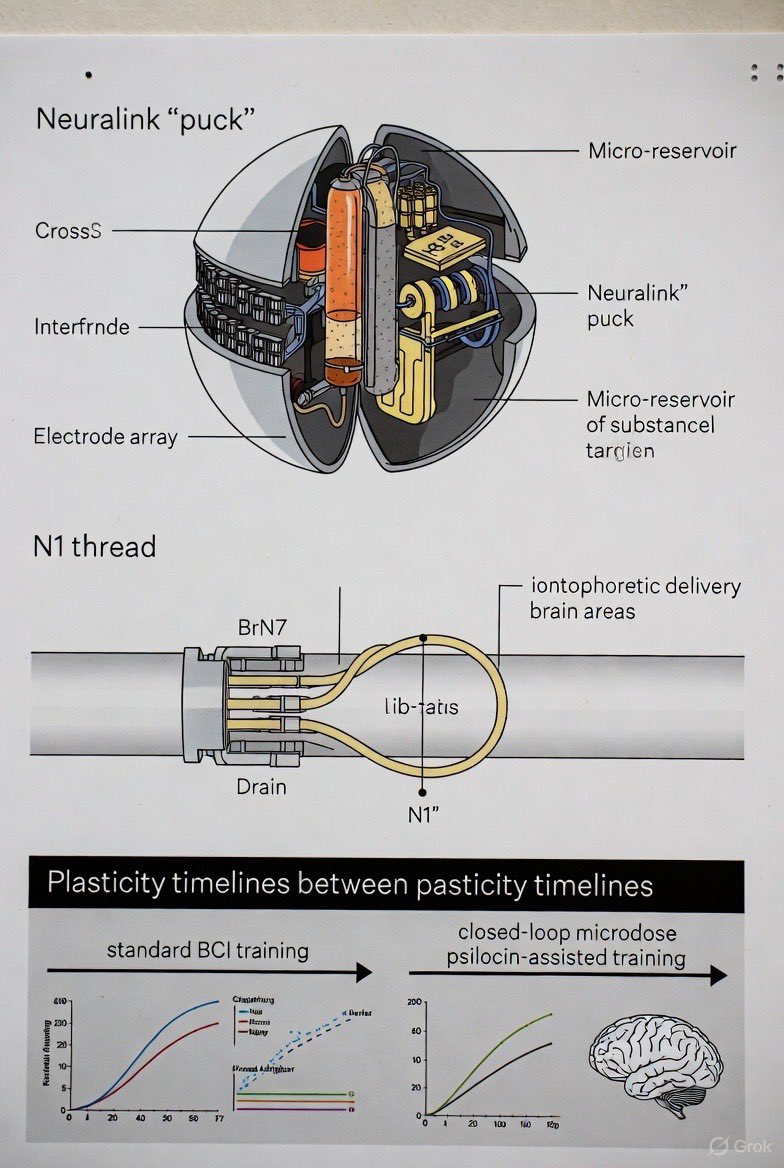
Delivery options (all build on proven implantable tech I've worked with):
- Iontophoresis via conductive electrodes for on-demand, closed-loop release.
- Preloaded reservoirs or polymer coatings for controlled diffusion over weeks/months (like drug-eluting implants).
- Oral microdoses for systemic support localized delivery synergy.
- Microfluidics, nanoparticle carriers, or hybrid systems.
Closed-loop: Sensors monitor impedance/LFPs → trigger precise psilocin dosing for optimal integration.<grok:render card_id="29bf76" card_type="citation_card" type="render_inline_citation"><argument name="citation_id">30</argument></grok:render>
**5/**
Beyond motor BCIs: This approach has huge potential for Alzheimer's and neurodegeneration. Psilocin stimulates dendrite growth, boosts BDNF, counters synaptic loss—exactly what's needed in AD. Animal studies show restored dendritic complexity, neurogenesis, and cognitive resilience. Preclinical promise for arresting progression or restoring function.<grok:render card_id="275e9d" card_type="citation_card" type="render_inline_citation"><argument name="citation_id">31</argument></grok:render><grok:render card_id="938050" card_type="citation_card" type="render_inline_citation"><argument name="citation_id">35</argument></grok:render>
**6/**
Recent 2025-2026 research backs this: Psilocin fosters neuroplasticity in human iPSC cortical neurons via BDNF. Promising data in dementia models for synaptic repair, anti-inflammatory effects, and bypassing damaged pathways. With FDA accelerating psilocybin pathways for depression (priority vouchers 2026), research barriers are dropping fast.<grok:render card_id="d8d0be" card_type="citation_card" type="render_inline_citation"><argument name="citation_id">10</argument></grok:render>
**7/**
My background: At Life-Tech (Houston),—hundreds of devices focused on biocompatibility, long-term implantation, and precise tissue interfaces. This isn't armchair speculation—it's engineering rooted in real-world implantable challenges and solutions.<grok:render card_id="e03fa2" card_type="citation_card" type="render_inline_citation"><argument name="citation_id">25</argument></grok:render>
**8/**
What I can offer Neuralink or any BCI team:
- Hypothesis-driven innovation: Bio-active electrodes combining hardware with established neuroplasticity.
Ideas are free—let's test feasibility in models.

2
5
116

Apr 24
“We look forward to continued collaboration with regulators, policymakers, and the scientific community to ensure that breakthrough therapies reach the patients who need them most, swiftly, safely, and responsibly," said Dr. Adi Zuloff-Shani, Ph.D., Chief Executive Officer of Clearmind Medicine.
clearmind-cmnd.short.gy/exec…
#Veterans #VA #PTSD #Ibogaine #executiveorder #regulatory #psychedelicscience #neuroplastogen #depression #clinicaltrial #MEAI #CMND #CMND100 $CMND
2
112
Apr 23
PharmAla CEO, Nick Kadysh, speaks on the recent Executive Order to ease psychedelic drug restrictions and accelerate research on psychedelic therapies.
$mdma #psychedelic #psychedelicscience
1
3
9
566

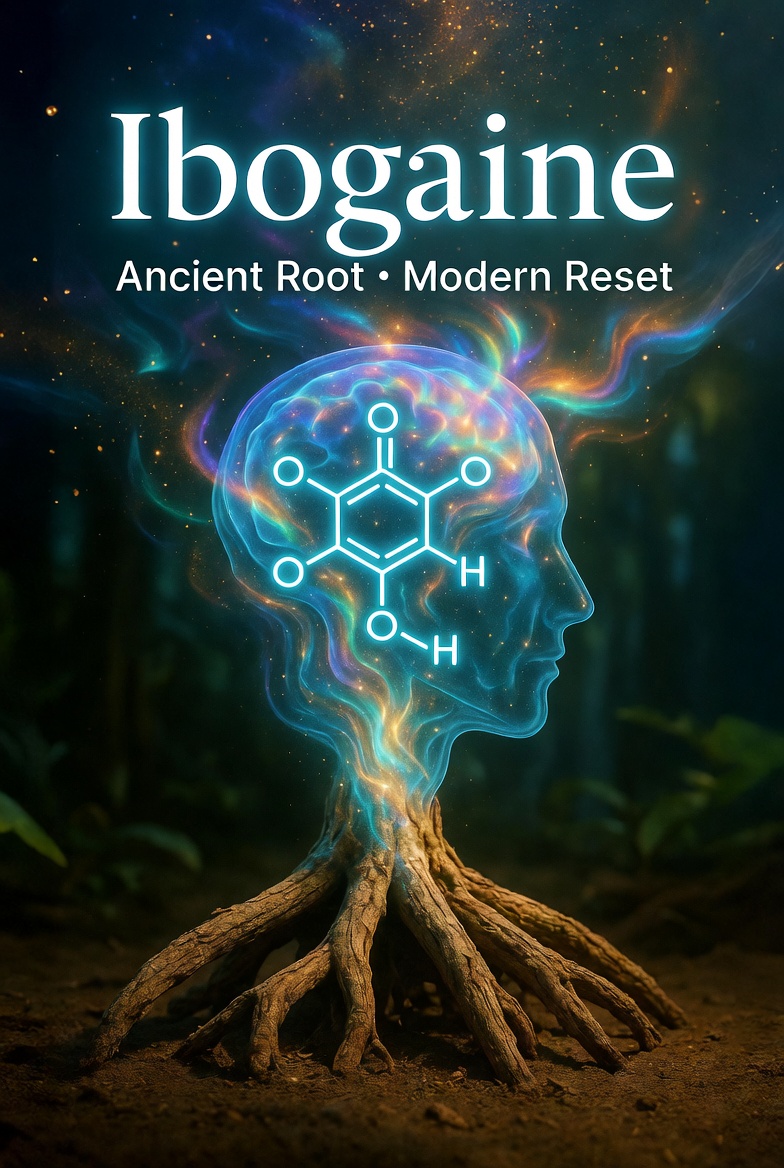
Ibogaine — the powerful root from Central Africa showing remarkable potential for resetting addiction and trauma pathways. Ancient wisdom meets emerging science. What are your thoughts on plant-based healing? #Ibogaine #PsychedelicScience #AddictionRecovery
1
2
1
86
Apr 22
“We are pleased to see psychedelic medicines, including non-hallucinogenic neuroplastogens, gaining increasing mainstream recognition and regulatory momentum as promising solutions for serious mental health conditions,” said Dr. Adi Zuloff-Shani, Ph.D., Chief Executive Officer of Clearmind Medicine.
clearmind-cmnd.short.gy/exec…
#Veterans #VA #PTSD #Ibogaine #executiveorder #regulatory #psychedelicscience #neuroplastogen #depression #clinicaltrial #MEAI #CMND #CMND100 $CMND
1
2
3
186
Apr 21
PharmAla is pleased to have publicly filed its financial and operational results for the period ended February 28, 2026.
$mdma #psychedelics #psychedelicscience
1
2
11
410