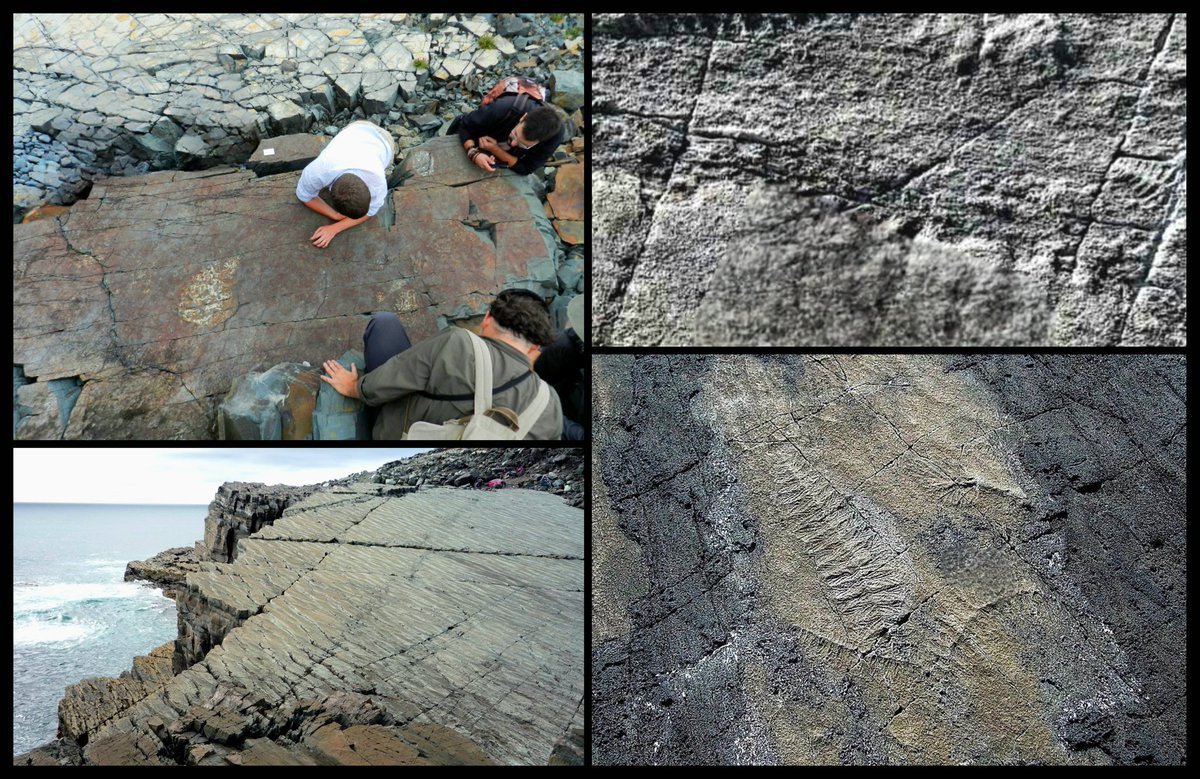
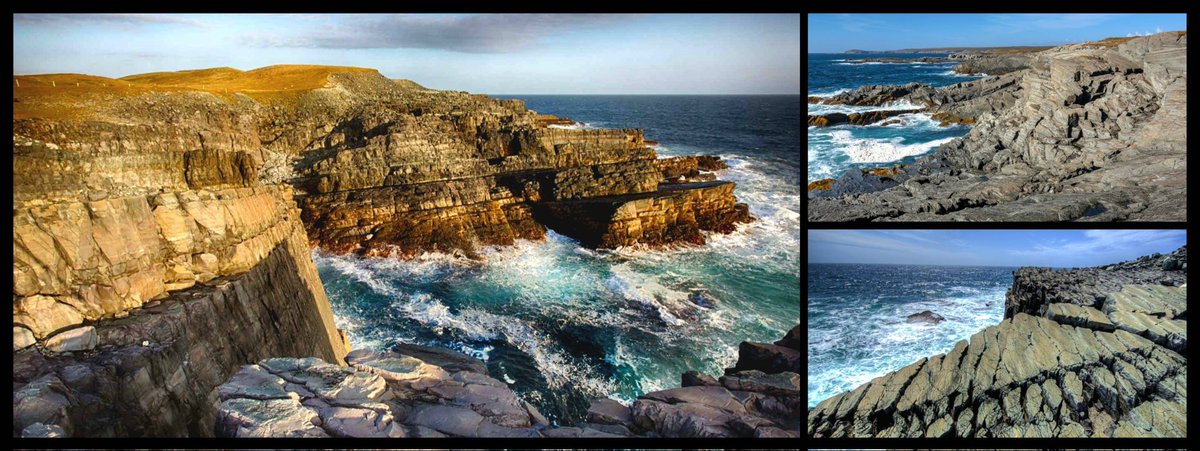
🟥 🔎 Mistaken Point
located on the southeastern tip of the Avalon Peninsula in Newfoundland and Labrador, Canada, features a geological setting dominated by a deep-marine environment from the Ediacaran Period.
🔁 ❤️
#MistakenPoint #EdiacaranFossils
🎞 YouTube: @LiteraryHiker
▶️ Spanning approximately 580 to 560 million years ago.
The site encompasses a narrow coastal strip of rugged cliffs formed from a two-kilometer-thick sequence of tilted and cleaved sedimentary rocks belonging to the Mistaken Point Formation within the Conception Group.
▪️ These rocks originated as turbidites in a deep-water basin, with periodic volcanic activity depositing fine-grained ash layers that rapidly buried and preserved organic remains on the seafloor.
▪️ The formation includes sub-units like the Murphy's Cove and Goodland Point Members, transitioning upward into the Trepassey Formation, and records a depositional history influenced by tectonic deformation, resulting in stretched or compressed bedding planes.
▶️ In terms of mineralogy, the formation consists primarily of siliciclastic sediments such as argillites, mudstones, shales, siltstones, and sandstones, including feldspathic arenites with subrounded, moderately to well-sorted grains ranging from very fine to medium size.
▪️ Volcanic ash beds are prominent, containing zircons suitable for uranium-lead dating, along with other minerals like feldspar and quartz.
▪️ Diagenetic carbonate nodules occur in some cliff exposures, and the fine-grained nature of the tuffs contributed to the exceptional preservation by forming resistant casts over soft tissues.
▶️ Paleontologically, Mistaken Point is renowned as a Lagerstätte hosting the world's oldest known assemblages of large, architecturally complex multicellular organisms, representing the Ediacaran biota and predating the Cambrian explosion by over 40 million years.
▶️ The fossils, preserved as impressions on more than 100 bedding planes beneath volcanic ash, include soft-bodied, sessile forms that thrived in a dark, deep-marine habitat without photosynthesis.
▪️ Dominant groups are rangeomorphs, characterized by fractal-like branching, with morphologies categorized as spindle-shaped like Fractofusus misrai, frond-shaped such as Charnia masoni and Charniodiscus procerus, bush-like or radiating like Bradgatia linfordensis, and conical such as Thectardis avalonensis.
↘️ These enigmatic organisms, possibly including stem-group animals, protists, or fungi, illustrate early evolutionary experiments in multicellularity, with some reaching up to two meters in length and forming dense communities smothered in situ by ash falls.
1
6
191

10 Aug 2025
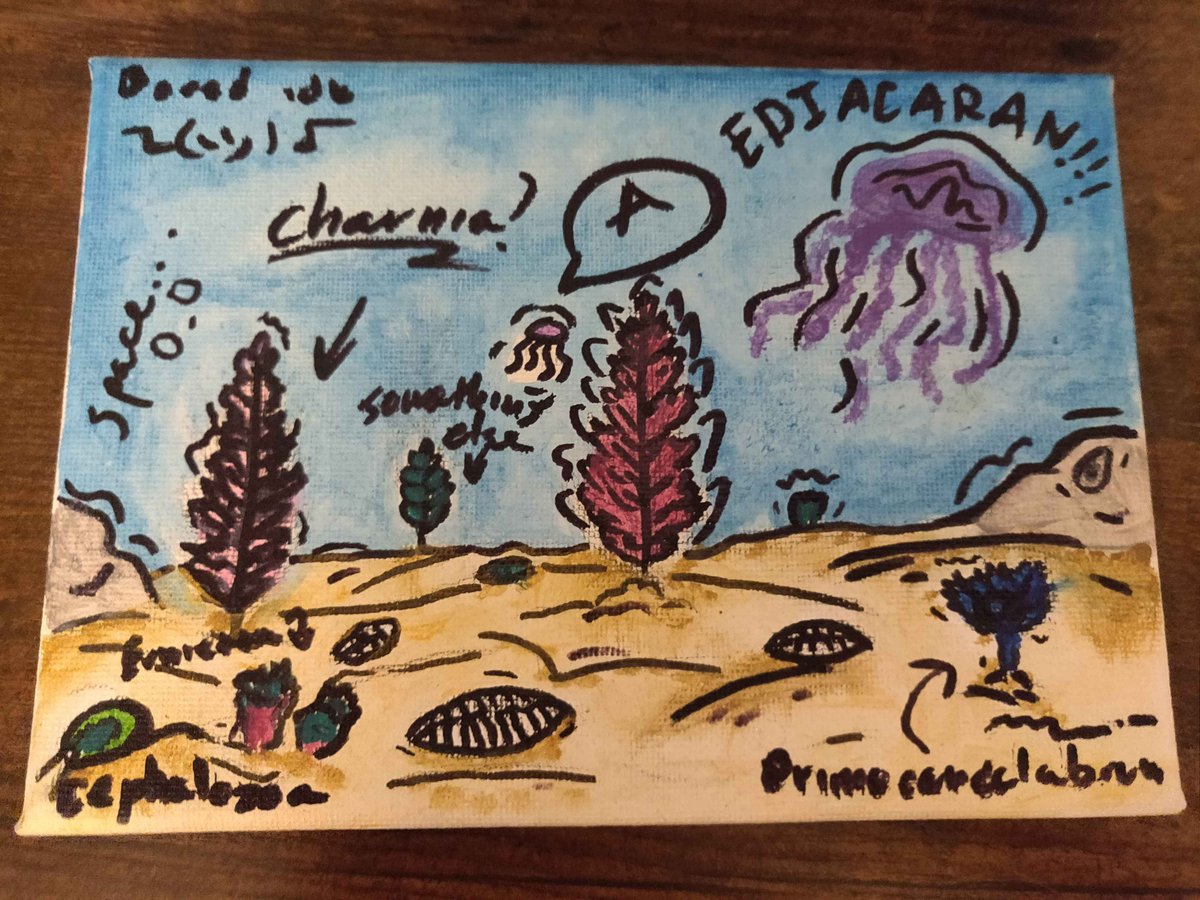
There is also this drawing I made some time ago out of boredom. Ediacaran! (My favourite creatures are Rangeomorphs. Especially primocandelabrum.)
#art
1
62

16 Jul 2025
Put a bookmark in where we led ourselves, lads. You have to confront the fact that this woman is saying this in all earnestness.
It's past the halfway point on 2025 and we aren't piloting flying cars. We're pretending not to know what rangeomorphs knew 500 million years ago.
16 Jul 2025

Isla Bumba doesn’t know if she’s female. She would hazard a guess that she’s female.
10
175

19 Apr 2025
In Geology ✔️
Ediacaran Biota: Unveiling Earth’s Earliest Complex Life
Over 570 million years ago
strange, soft-bodied organisms thrived in ancient oceans.
What geological forces preserved the Ediacaran Biota, Earth’s first glimpse of complex life?
In the Ediacaran Period
(635–541 million years ago), Earth’s oceans teemed with enigmatic lifeforms, from disc-like Aspidella to frond-shaped Charnia.
These organisms flourished
after the Marinoan glaciation, as melting ice released nutrients into warming seas, fostering microbial mats and oxygen-rich waters.
Exceptional preservation
in fine-grained sediments, like those in South Australia’s Ediacara Hills, entombed these delicate creatures, capturing a pivotal moment in evolutionary history when multicellular life began to diversify.
Geological Information
The Ediacaran Biota, named after the Ediacara Hills, represents the earliest known complex multicellular organisms, predating the Cambrian Explosion.
Fossils are found
globally in sites like Newfoundland (Mistaken Point), Namibia, and Russia, preserved in siliciclastic and carbonate rocks deposited in shallow marine to deep-sea environments.
The preservation
of these soft-bodied organisms is remarkable, often occurring in “death mask” style, where microbial mats sealed their remains in anoxic conditions, preventing decay.
Key geological settings
include storm-influenced shelves and turbidite sequences, with fine silt and clay facilitating detailed impressions.
The biota includes
forms like rangeomorphs, erniettomorphs, and possible early animals, though their exact taxonomic affinities remain debated.
The Ediacaran Period
followed global “Snowball Earth” glaciations, with tectonic rifting and increased oxygenation enabling ecological shifts.
Radiometric dating
(U-Pb zircon) of ash layers constrains their age, while geochemical proxies (e.g., carbon isotopes) reveal environmental dynamics.
These fossils mark
a transition from microbial-dominated ecosystems to complex life, shaping our understanding of evolutionary biology.
Interesting Fact
Some Ediacaran fossils, like Dickinsonia, show evidence of mobility, suggesting they could move across the seafloor, challenging assumptions about the sedentary nature of early multicellular life.
What do you think the Ediacaran oceans looked like, or have you explored fossil sites like the Ediacara Hills?
Share your thoughts ✔️
or favorite ancient life discoveries!
Ediacaran fossil site - Nilpena Station, South Australia
youtu.be/koeeS5H3cNI
Unveiling the Ediacaran Biota's Secrets
youtube.com/shorts/V0fyN89wz…
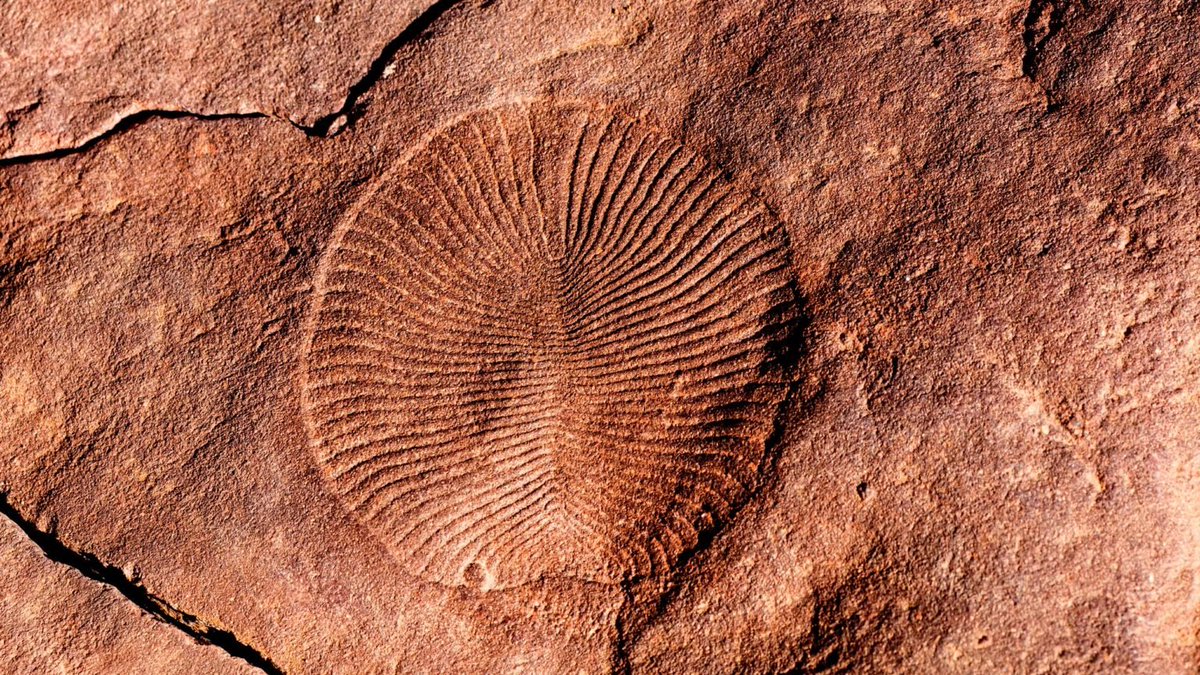
ALT The Ediacaran fossils of South Australia aso.com.au
1
3
66

31 Mar 2025
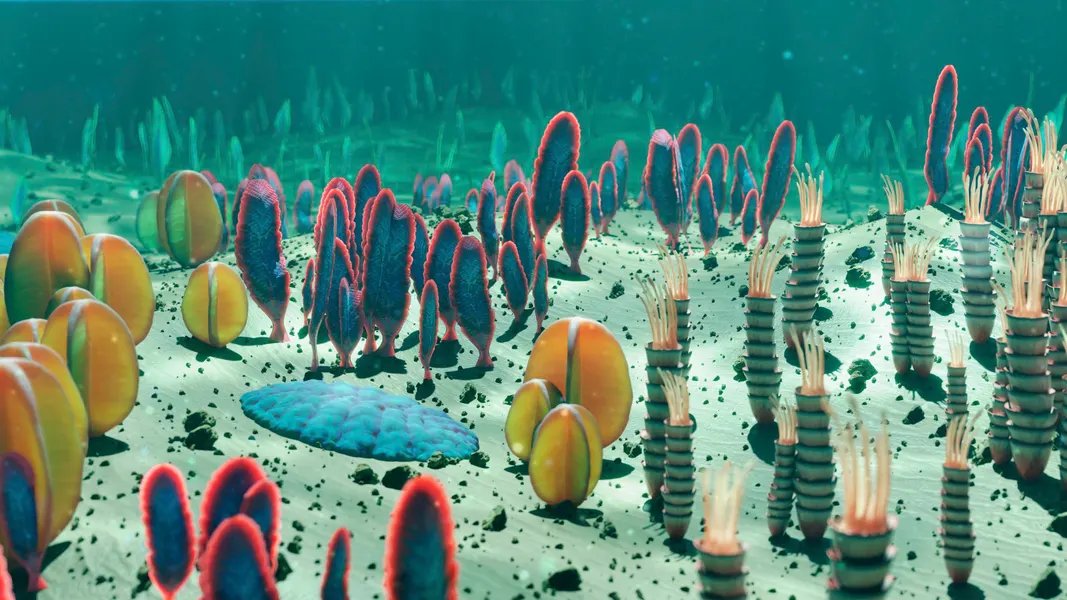
the rangeomorphs looked really cool though, they look like fauna but no one really knows what they were — or what if anything is related to them today
3
824

17 Nov 2024
doi.org/10.1126/sciadv.adp71…
The use of Charnia as the minimum calibration point for crown-group Metazoa is questionable. The affinity of Charnia (and consequently other rangeomorphs) as stem-group metazoans probably cannot be ruled out
1
4
239

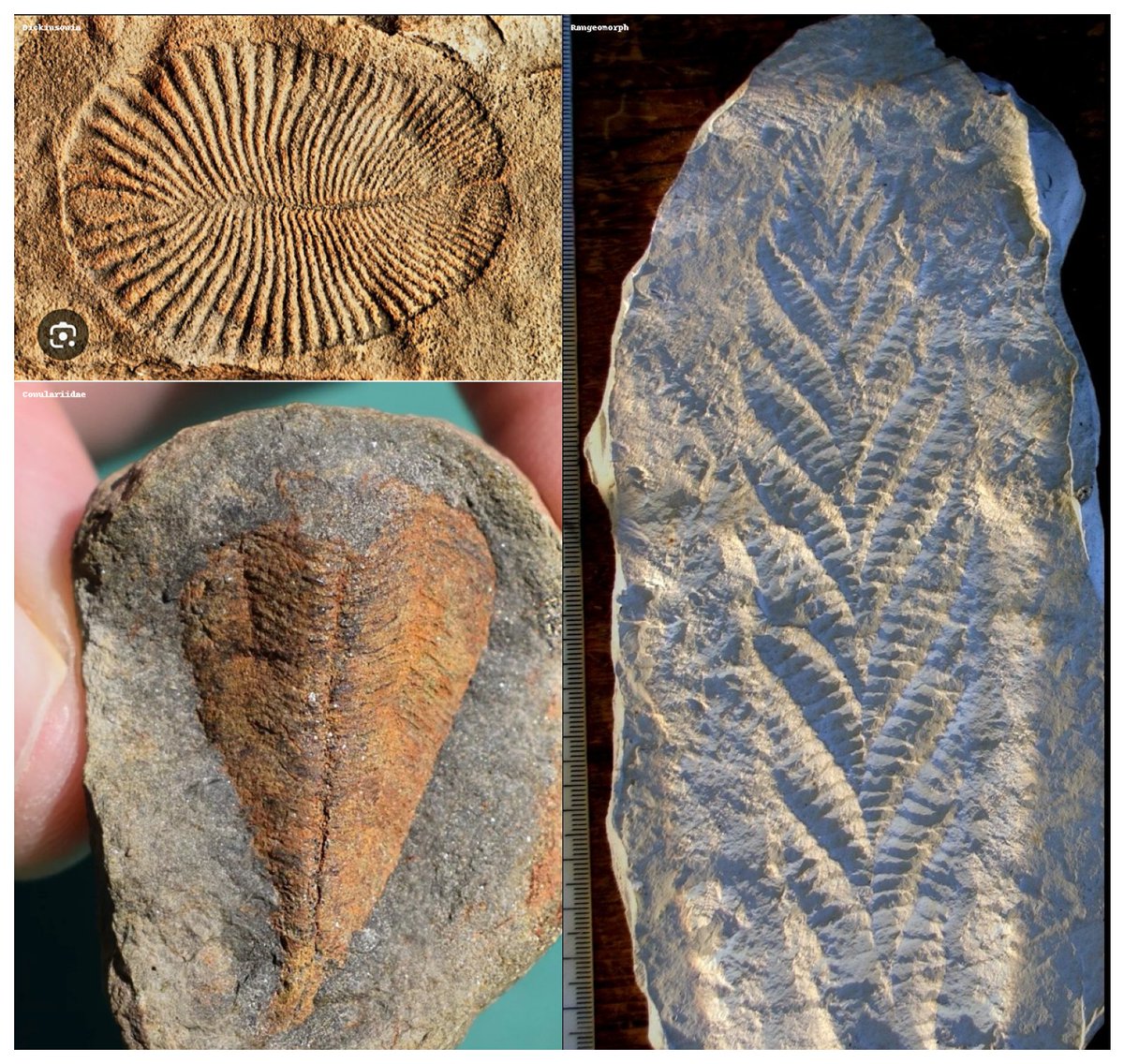
Conulariidae, cnidarians that lived until at least the Triassic (201 mya), exhibit frond-like growth patterns strikingly similar to Ediacaran Rangeomorphs and Dickinsonia. This may suggest a shared synapomorphy among early animals outside Bilateria. #Ediacaran
1
10
41
1,569

7 Jun 2024
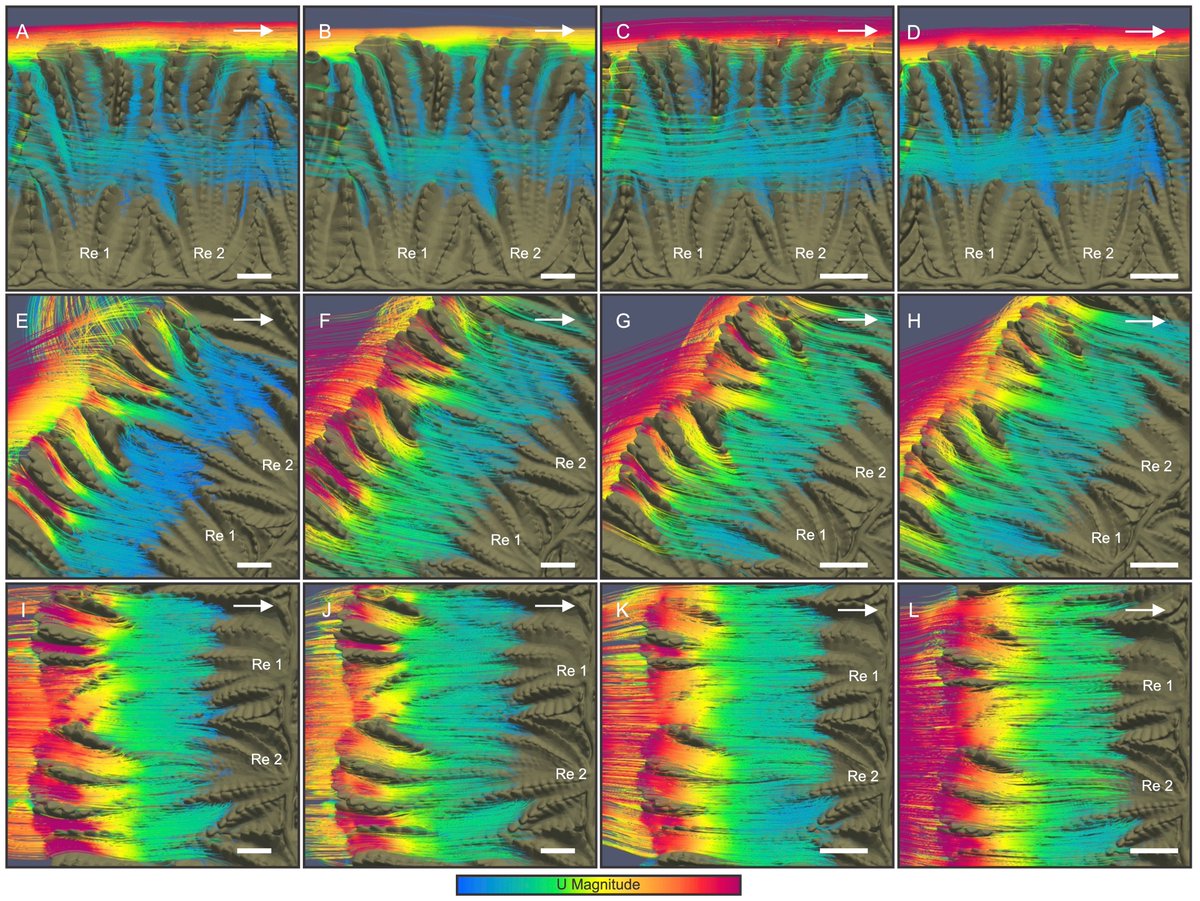
🚨📰 PAPER ALERT: This #FossilFriday, I am delighted to announce @munpaleobiology new paper and the last chapter of my PhD thesis! In this computational fluid dynamics (CFD) paper we document hydrodynamic phenomena around highly detailed rangeomorphs!
cell.com/iscience/fulltext/S…
1
12
20
3,598

8 May 2024
The intricate interconnections of rangeomorphs (i.e. among the oldest complex organisms on Earth) from c. 560 million years ago: the filaments of the organisms communicated environmental information that allowed for evolutionary developments…

3
30

7 Feb 2024
Dead corpses are still highly infectious. Looking like rangeomorphs from the ediacaran period on a lump of flesh. Fractal-like with branches of wings/limbs growing smaller until nonexistence. The nerve system is active but the brain shuts down.
1
18

20 Nov 2023
Ediacara-type preservation, with "holdfasts" (but no rangeomorphs...), in Cambrian Stage 2
sciencedirect.com/science/ar…
2
10
1,409

2 Sep 2023
you making art of rangeomorphs from the ediacaran period….. THANK YOU!!!!
3
96

22 Aug 2023
The best anyone has come up with so far is that rangeomorphs were "stem animals", i.e. a totally extinct lineage from which animals may have diverged.
We know they're not plants, because they existed in the deepest oceans, beyond the reach of sunlight, so photosynthesis wasn't happening. But the truly weird part is how they reproduced.
Rangeomorphs were what life had before sex was invented. There was none of that sweaty, raunchy "count the legs and divide by two" stuff going on. Rangeomorphs were fractal lifeforms - i.e. every bit of a rangeomorph was composed of smaller copies of the whole thing. Rangeomorph reproduction apparently involved bits of the creature breaking off, drifting away in the current, and sprouting up somewhere else, leading to what was essentially a forest of clones - all the same creature, but scattered around.
Obviously, this means biological diversity for rangeomorphs was extremely limited, rather like Trump supporters.
1
4
42
22 Aug 2023
Just as an FYI for those who are interested, my newest art project, upon which I am working as we speak, features salt shakers, 5p pieces and rangeomorphs - things which, I'm sure we can all agree, go together so naturally that it barely warrants mentioning their adjacency.
2
32
360

22 Aug 2023
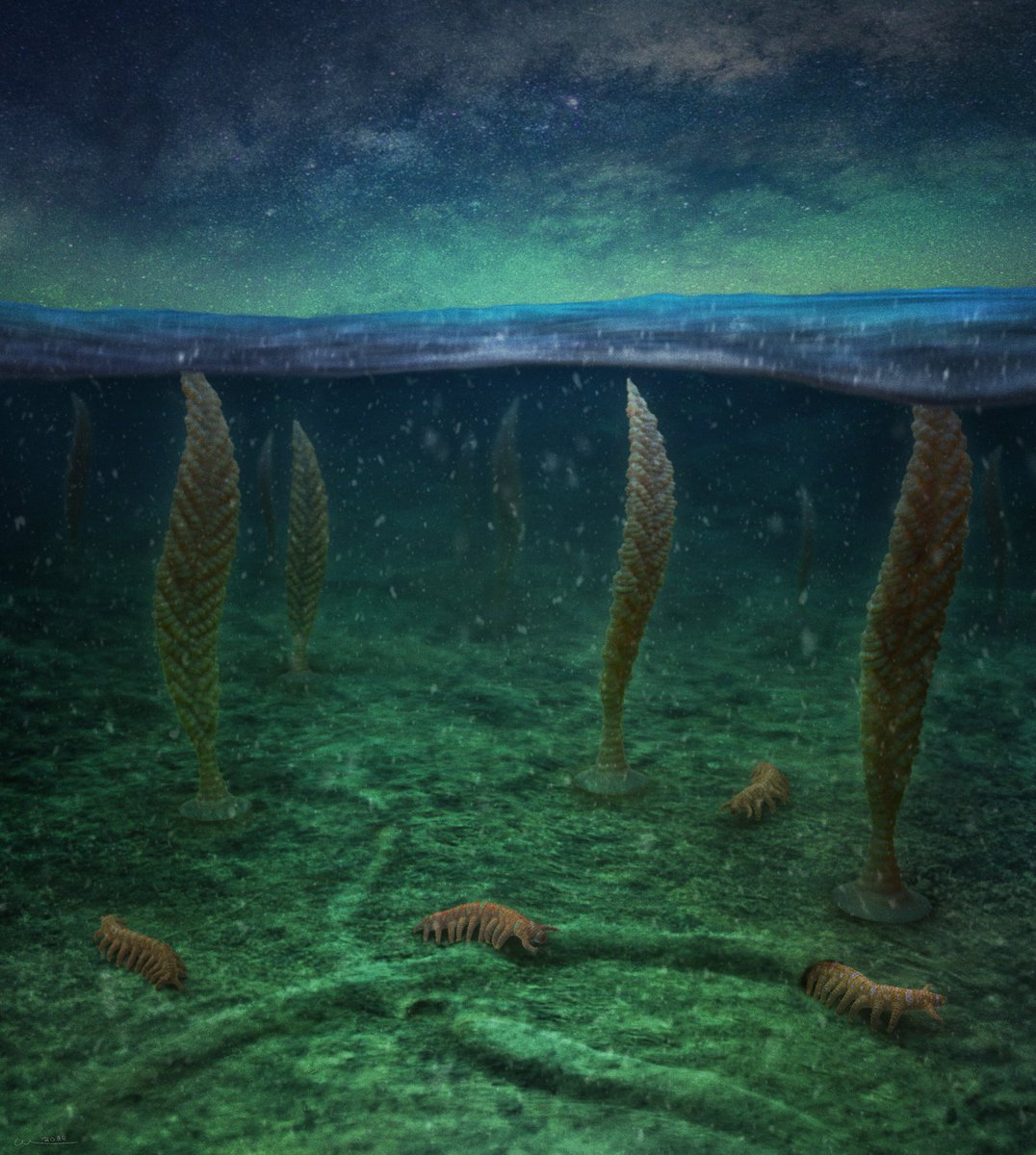
First image is a spectacular illustration by the talented artist @Prehistorica_CM. Long ago in ancient China, during the Late Ediacaran Period. A shallow sea with diverse rangeomorphs tower overhead while some tiny aysheaiid lobopodians are tunneling beneath them. Rangeomorphs
1
13
42
1,567

10 Mar 2023
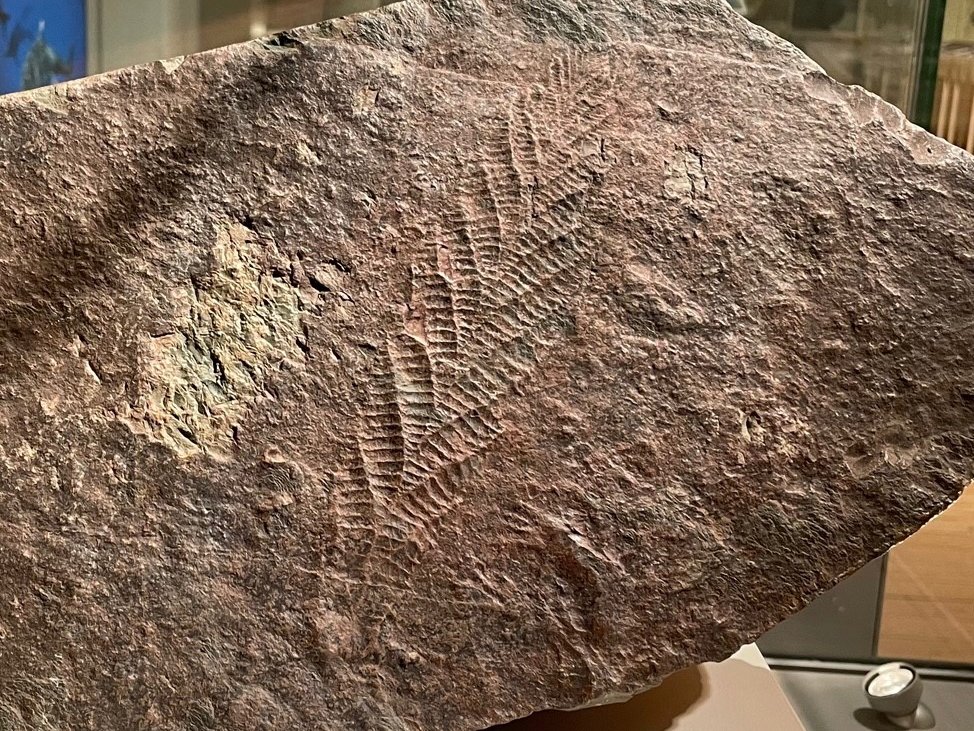
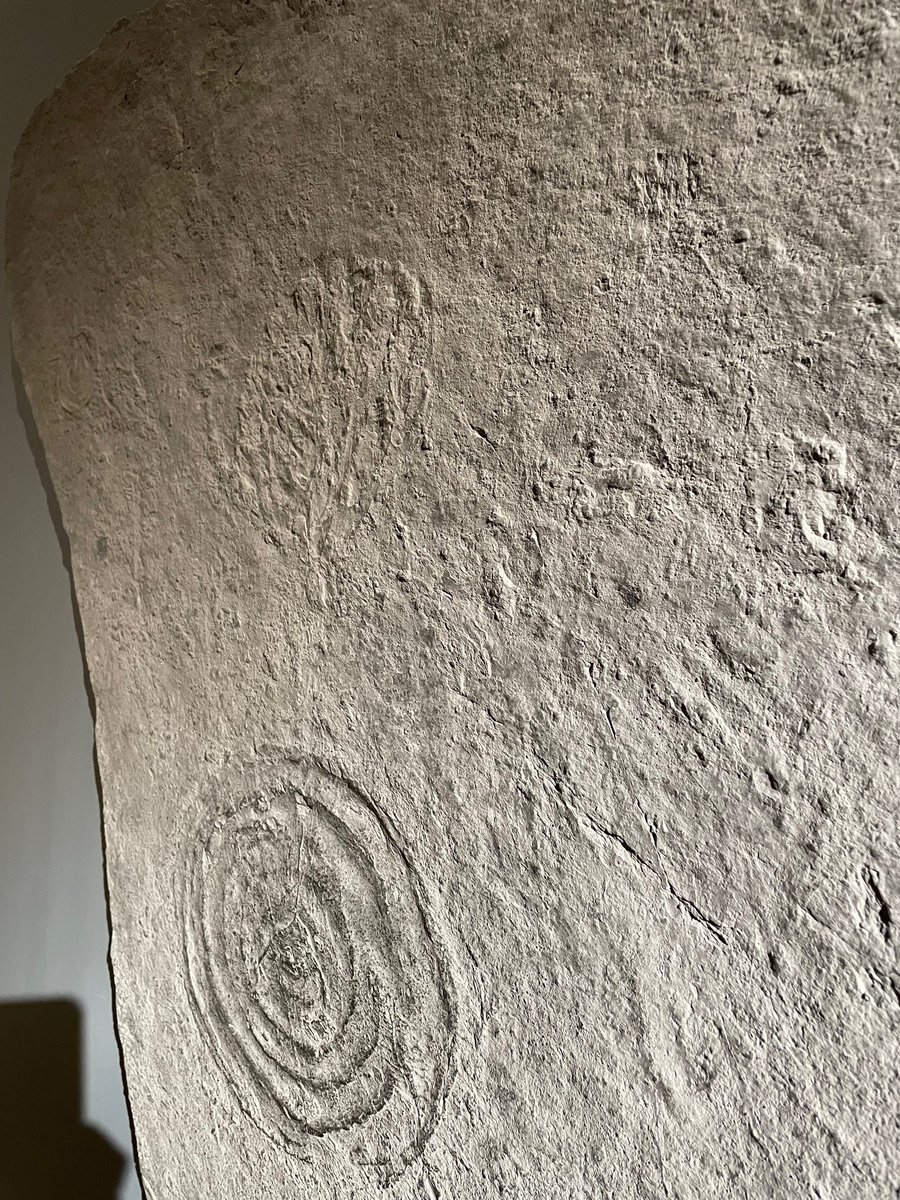
#FossilFriday! Recently had the excellent fortune to see the #typespecimens of #rangeomorphs #Charnia and #Charniodiscus, curated at @leicestermuseum. Super squee moment for this past #Ediacaran researcher! @CurrieMuseum @WhereLifeGotBig #Precambrian #EarlyLife
3
30
1,508
30 Jan 2023
I was excited to see a new article by Durroch et al. on #Pectinifrons - one of the #Ediacaran #rangeomorphs ('weird soft squishy things') from @WhereLifeGotBig, #Newfoundland that I described for my MSc @queensu. @CellPressNews #EarlyLife @CurrieMuseum
cell.com/action/showPdf?pii=…
3
244

12 Jan 2023
27 Dec 2022

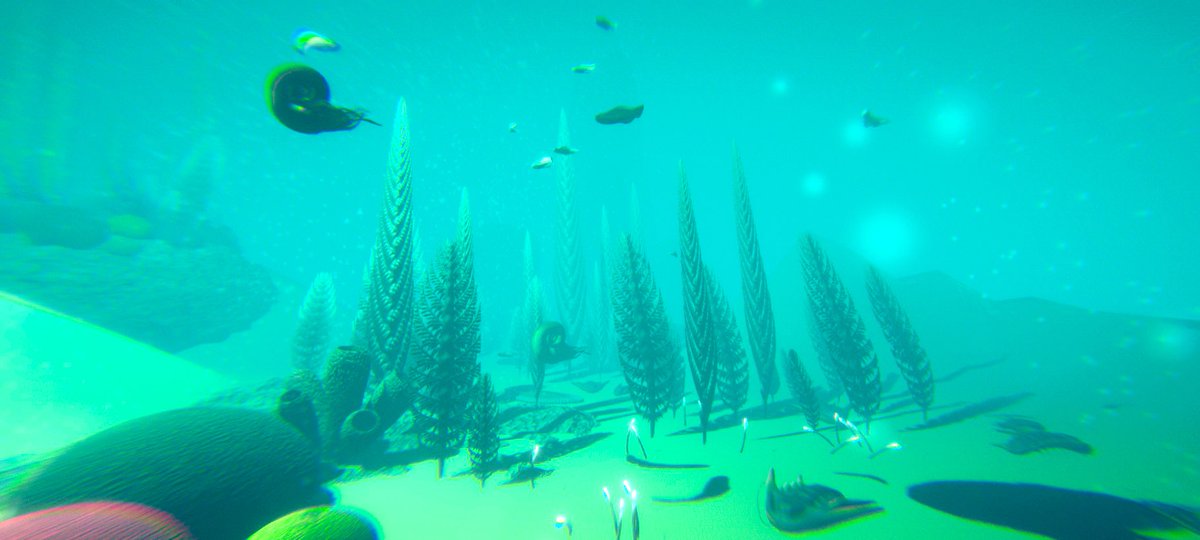
I’m currently working on a underwater reef scene for a study project
1
4
696
6 Jan 2023
The intricate interconnections of rangeomorphs (i.e. among the oldest complex organisms on Earth) from c. 560 million years ago: the filaments of the organisms communicate environmental information that allows for evolutionary developments…

3
46