
May 1
Thanks to Capibara335, RipTom, TuanBeo, time machine, Ezeqq309_, jarm, DriveRick, meek, D, CriptoComando, and many others for donating on Ko-fi!
and thanks @OfflineConsole for support my content
2
1
13
1,154


Apr 26
Very sorry to hear Tom has passed away.. it was very fortunate you discovered him in distress and were able to look after him and his fur family. A dignified way to leave and alot of care with you being there for him #RIPTom
2
82

夢を見ていた1000回再生ありがとう!!!
歌い手甲子園23夏【夢を見ていた/Riptom様】歌ってみたver.shinoだす。 youtu.be/xSZrnB_qMaI?si=kyft… @YouTubeより
1
4
378


30 Nov 2025
30 Nov 2025

The way I met Tom Stoppard was unforgettable – over twenty years ago: a producer wanted to make a movie of one of my earlier books, Stalin: the Court of the Red Tsar and he said he wanted me to meet the script writer. I was already wildly overexcited because the producer was Mick Jagger but when I arrived at dinner, imagine my almost dizzy bedazzlement when I found out the screenwriter was… none other than Tom -who himself looked like a rockstar, handsome with rocknroll hair that he never lost and who approached the Stalin idea with what I gradually learned was his usual manner which was both brilliant urbane worldweary and erudite but also self deprecating and playful, incredibly warm and generous – all delivered in a beautiful velvety voice with that Mitteleuropean accent. Those slightly rolling-rrr always reminded you that behind his cricket-loving English glamour was a cerebral Bohemian intellect in exile that treasured the English language and a very unEnglish realm of lightly-deployed ideas in a way no English writer ever would. That was part of his genius. Of course we immediately plunged into his special land of Travesties discussing the Stoppardian vision of Stalin in Vienna with Hitler, Freud and Trotsky. Needless to say, that film never happened but imagine Stalin written by Stoppard.
From then on we sometimes met - once on a long trip between Delhi and Galle in Sri Lanka when faced with chaotic airports and endless traffic he was astonishingly modest travelling with a tiny leather satchel and just enjoying talking about books & freedom that he defined without fashionable ideology; the last time I saw him he was discussing Belarus’s dictatorship - and especially when he married the great Sabrina Guinness to whom I send love and condolences. Sometimes his philosophies appeared in his plays: “Life is a gamble, at terrible odds. If it were a bet you wouldn’t take it” and yet: “We cross our bridges when we come to them and burn them behind us, with nothing to show for our progress except a memory of the smell of smoke, and a presumption that once our eyes watered.”
We have lost our greatest playwright but the plays are very much immortal.

1
12
3,360

16 Nov 2025
16 Nov 2025

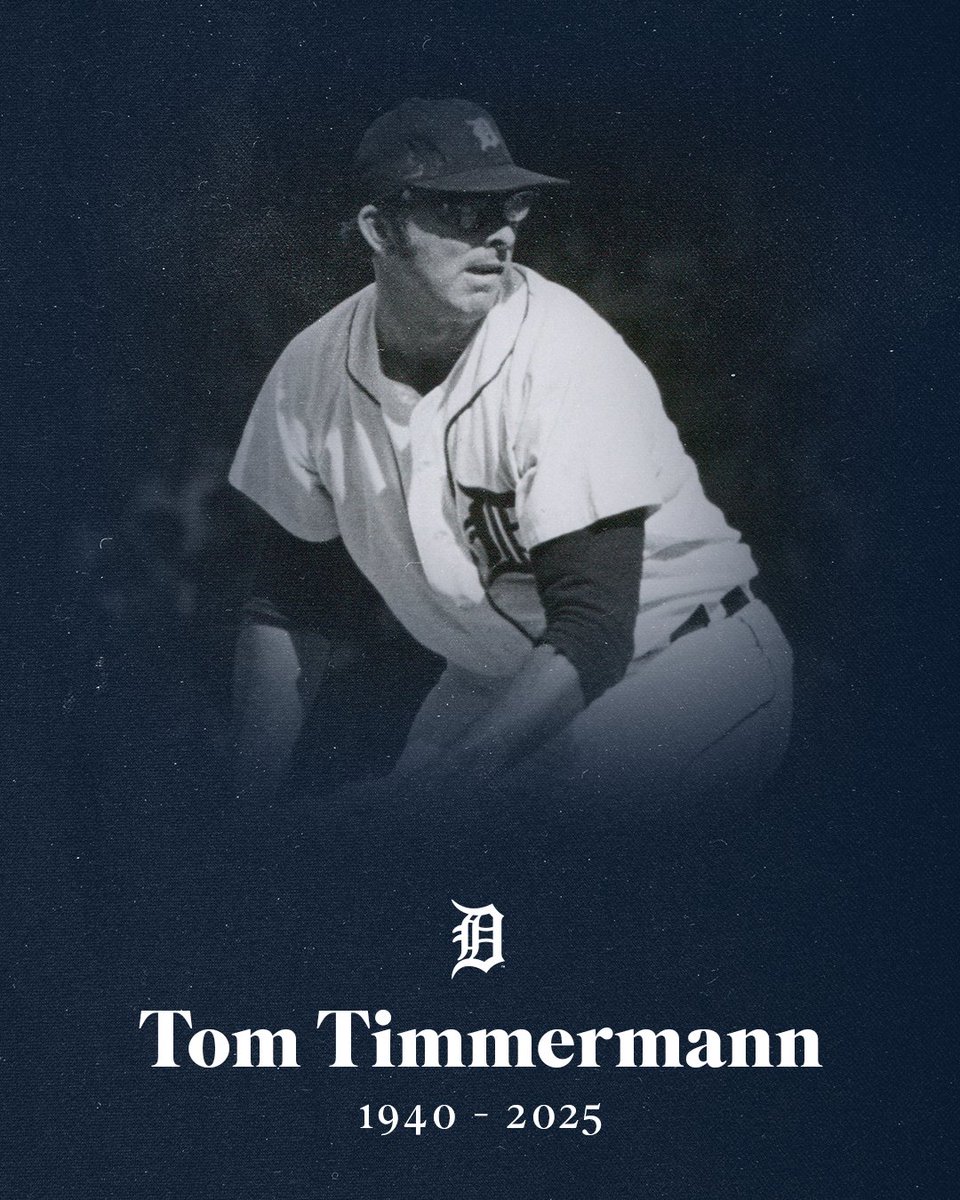
The Tigers mourn the passing of former pitcher Tom Timmermann and share our condolences with his loved ones.
Timmermann pitched for the Tigers for five seasons (1969–73) setting a team record with 61 appearances in 1970 when he was voted "Tiger of the Year" by the Detroit Chapter of the BBWAA.
1
3
123


8 Sep 2025
Sad ending for this story. #RIPTOM
7 Sep 2025

Fuck the nz police, the media and the courts for creating the hopeless situation that has now ended in tragedy.
Rip, Tom Phillips.
2
16
532


30 Jul 2025
"I guess by now I should know enough about loss to realize that you never really stop missing someone, you just learn to live around their absence ..."
-Juggla
#riptom🕊️
2
47

23 Jul 2025
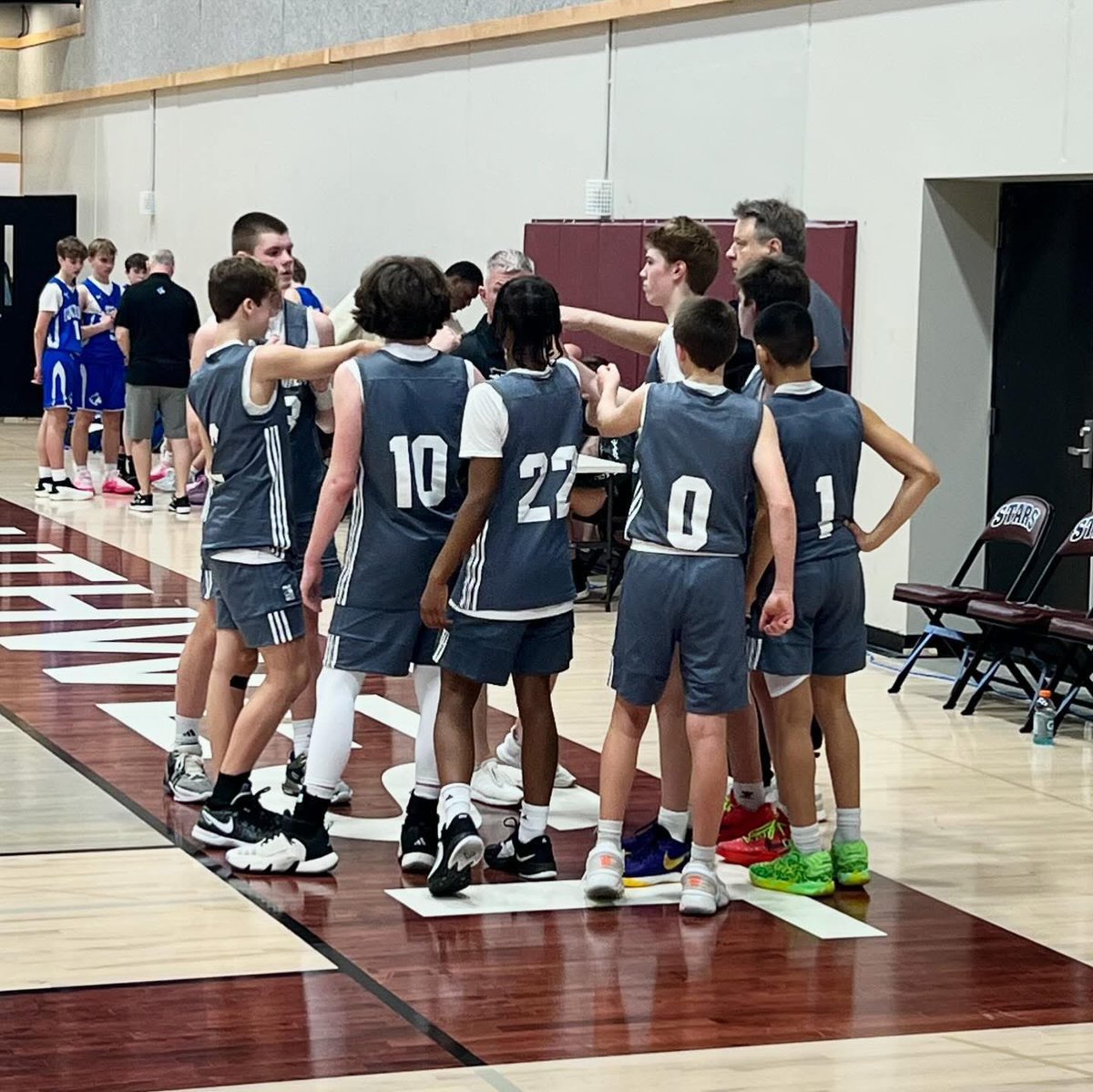
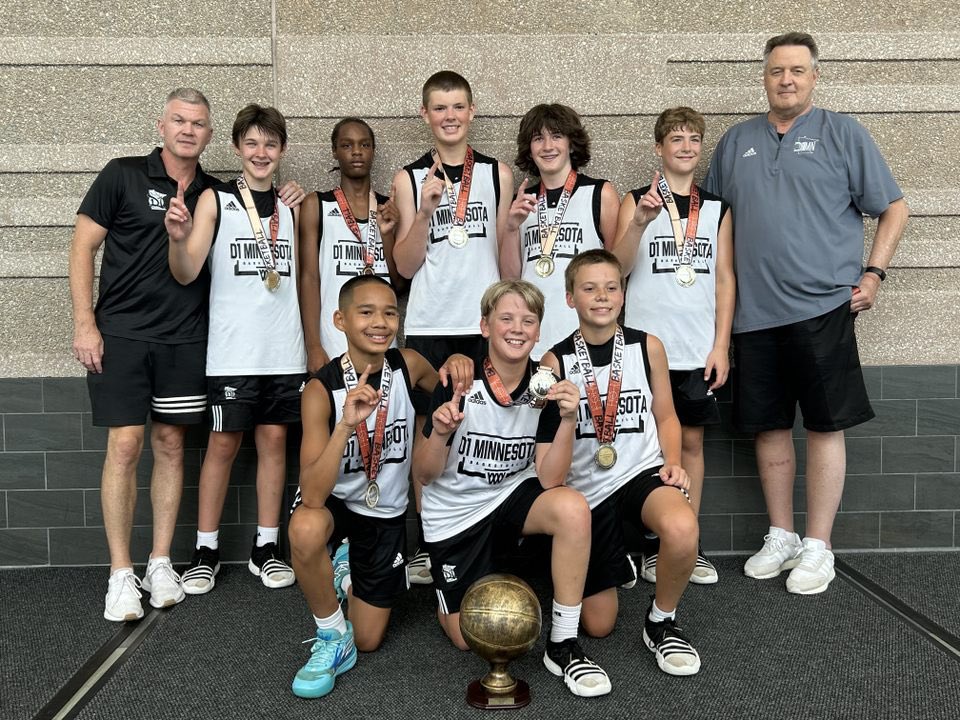
Deepest heartfelt condolences to Tom's family. He had an impact on so many players and families. Beyond basketball just a great person #RIPTom 🙏🏾
23 Jul 2025

Sad week for @adidasD1MN . You will be missed @D1MinnesotaTom . The last groups of boys you coached and impacted will forever be grateful.
🥲 💔
#D1fferent


4
12
6,132

5 Jul 2025
♪ 夢を見ていた / Riptom (IAオリジナル) #sm40372686 #Kiite
KiiteWorld季節ツアーさんのKiite World「KiiteWorld夏オープンツアー 2025」できいてます
world.kiite.jp/mykw/KiiteWor…
nicovideo.jp/watch/sm4037268…
夏×EDMを皆さん聞きましょう
3
254


All in Coiste na Mí C.L.G. are deeply saddened to learn of the death of Tom Lynch aged just twelve years of age.
We extend our sympathies to Derek, Nikki, Charlie, Lucy and to the extended Lynch & Farrelly families as well as the Ballinlough & Kilskyre communities.
#RIPTom

9
8
140
8,712


6 Feb 2025
Remembering on their birthday #WalkerEdmiston 99, #PatrickMacnee 103, #ThurlRavenscroft 111, #RipTom 94
3
34

19 Jan 2025

2
2
9
409

19 Jan 2025
Take Note Gopher Nation: Prayers to Perrault Family. Have known Tom since my playing days. Marvelous man. Will be missed. #RIPTom
18 Jan 2025

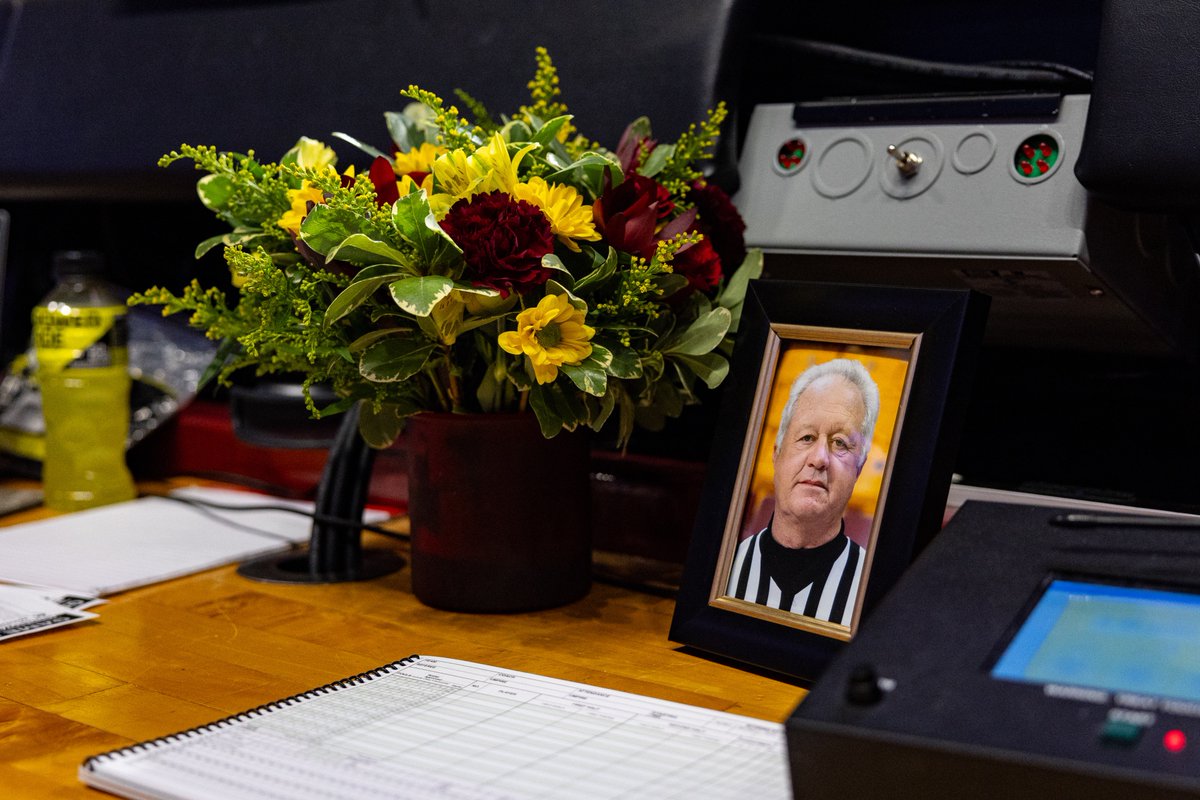
Earlier this month, we lost a member of our Gopher family.
Tom Perrault was a staple at The Barn, serving as our official scorer for more than 20 years.
His spot on the baseline remained vacant on Thursday to honor his memory. His family and loved ones are in our thoughts 💛

2
1
28
2,984

6 Jan 2025
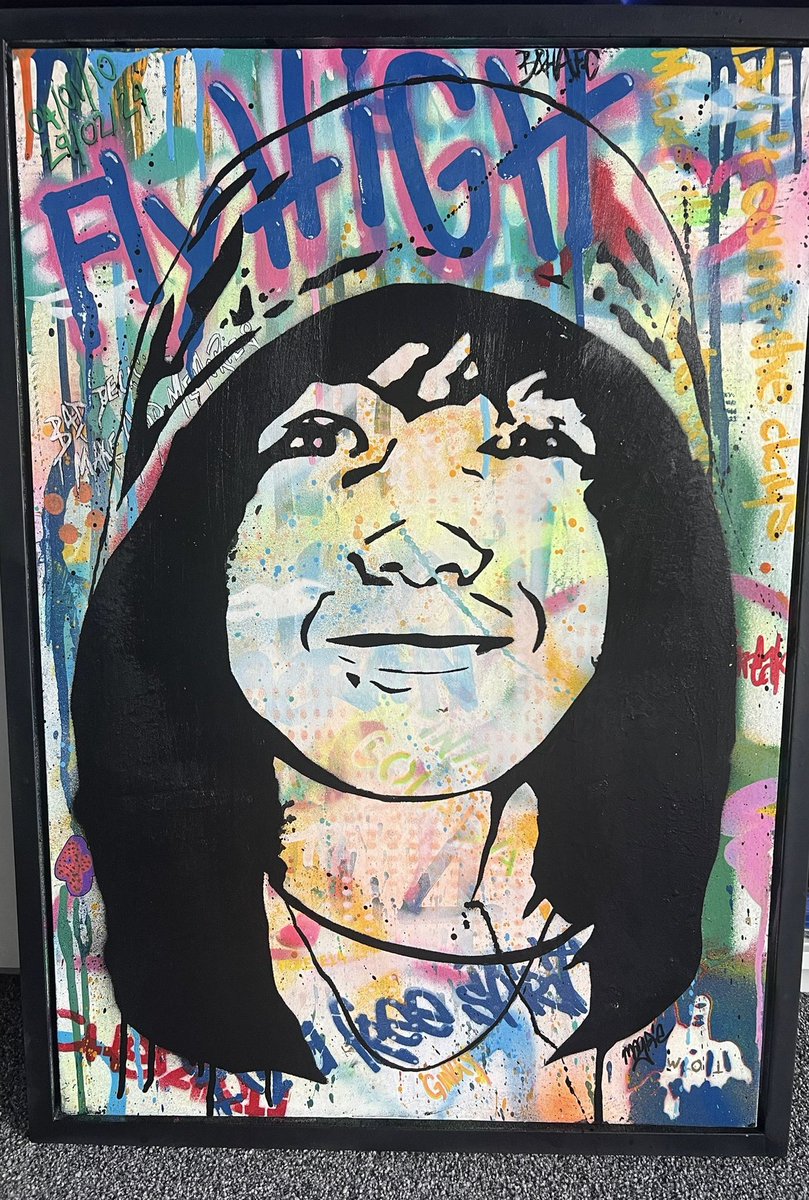
Sad day yesterday. This should’ve been my nephew’s 15th birthday but he sadly died suddenly in Feb 2024. Remember to always cherish your loved ones. #RIPTom, you still live on in my heart every day 💔.
1
4
90