
Parathyroid hormone is an overlooked cause of histamine issues.
“Parathyroid hormone (PTH) is an activator of mast cell degranulation... causes mast cells to release promoters of inflammation, including histamine and serotonin.” — Ray Peat
Things that can decrease PTH:
Milk
Calcium
Vitamin D
Magnesium
High dietary calcium-to-phosphate ratio (≥ 1:1)
Things that can increase PTH:
High phosphate intake
Hypoglycemia
“It is also of interest that hyperparathyroidism has been associated recently with some cases of chronic urticaria (itchy, raised red or skin-colored welts), which is generally due to activation of mast cells in the skin.”
“These results demonstrate that elevated levels of PTH can induce mast cell secretion in vitro and in vivo and suggest a possible role for mast cells in the pathophysiology of non-allergic disease states.”
“These results suggest that PTH may stimulate osteoclasts to the active form by releasing histamine from mast cells and by stimulating H1 receptors for histamine.”
“These findings indicate that (bovine parathyroid hormone), at relatively low concentration, potentiates antigen-induced (serotonin) release from mast cells.”
Parathormone=parathyroid hormone=PTH
Ref:
Induction of mast cell secretion by parathormone
Parathyroid hormone induces a rapid increase in the number of active osteoclasts by releasing histamine from mast cells
Potentiation of antigen-induced mast cell activation by 1-34 bovine parathyroid hormone

15 Feb 2025

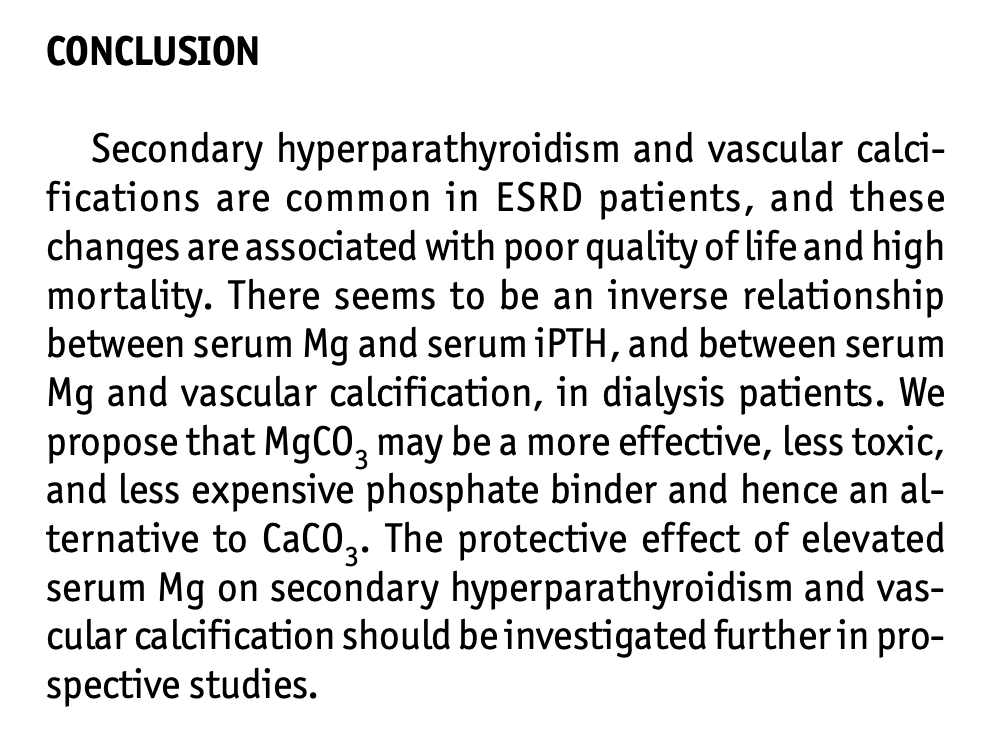
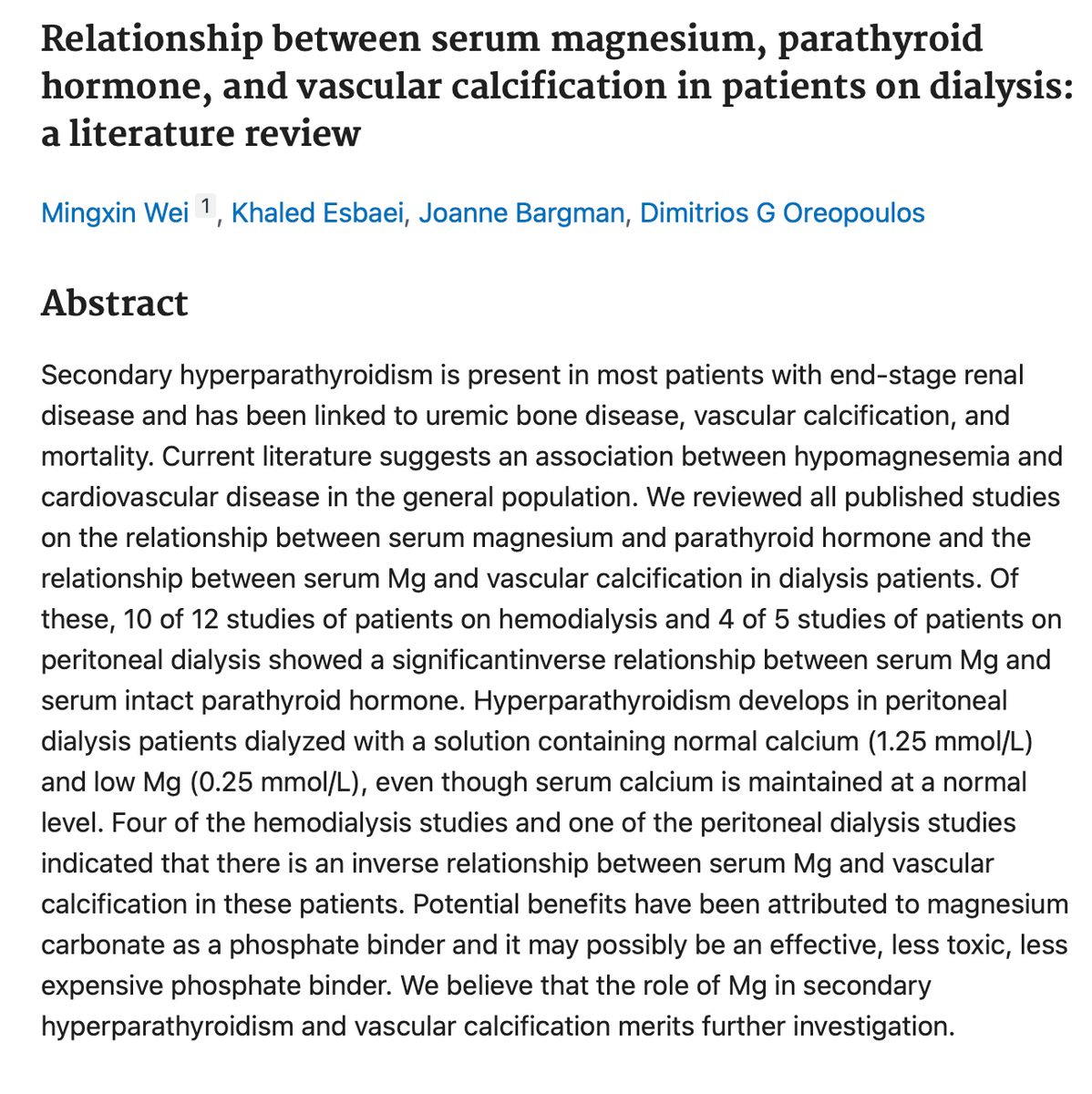
Magnesium carbonate may protect against calcification and atherosclerosis in dialysis by safely binding phosphate, lowering parathyroid hormone.
9

A finding keeps circulating as if it challenges ApoB causality in cardiovascular disease. It does not.
It's a 2020 paper in the European Journal of Preventive Cardiology which found that remnant cholesterol predicted coronary atheroma progression and 2-year MACE independently of LDL-C in 5,754 statin-treated patients with CAD.
Remnant cholesterol is causal. Mendelian randomization confirms it. This is not in dispute.
The question is what that means for how to think about ApoB.
Every TG-rich remnant particle carries exactly one ApoB molecule. Standard ApoB measurement undercounts remnant burden in high-TG patients. The assay captures LDL-dominated particles and underweights remnants by cholesterol cargo.
Remnant-weighted ApoB corrects for this. When it does, the apparent independence of remnant cholesterol from standard ApoB largely reflects a measurement gap, not a separate causal pathway.
The CORE-TIMI 72b trial made this concrete. Olezarsen reduced TG by 63.9% and remnant cholesterol by 71.9%. ApoB fell only 16%. Plaque did not move. Massive remnant reduction, no cardiovascular signal, because the ApoB-containing particle burden remained inadequately reduced.
The integrating variable is ApoB. TG and remnant cholesterol are part of that burden, not parallel to it.
Insulin resistance accelerates the process. IR drives excess hepatic VLDL secretion, placing more ApoB-containing particles in circulation and available for arterial retention.
The HOMA2-IR mediation finding reflects this: IR amplifies ApoB output. The mechanism runs through the particle. A faster delivery driver still needs packages to deliver.
Show me the cohort with high insulin resistance, low ApoB, and progressing atherosclerosis. That cohort does not exist, because the pathway does not bypass the particle.
There is no approved therapy targeting remnant cholesterol specifically that has shown cardiovascular outcome benefit.
The clinical action converges on one variable. Measure ApoB. Reduce ApoB.
Fascinating.
1
1
2
60


I and many developped exocrine pancreatic insufficiency with long covid.No pancreatic damage identified...but vagus nerve has the role to send signal for pancreatic enzyme secretion. Thats why IPE often found in diabete or hiv associated dysautonomia
4

Based on 75-g OGTT, central pancreatectomy (CP) better preserved postoperative endocrine function than distal pancreatectomy for benign/low-grade malignant tumors—maintaining insulin secretion and glucose tolerance. CP offers a clear functional advantage as a parenchyma-preserving procedure.
onlinelibrary.wiley.com/doi/…
#AGSurg @JSHBPS
24

If you're cutting carbs hard while on a GLP-1, you're not speeding up fat loss. You're removing both of your body's rescue systems at the same time.
When glucose drops, there are two ways back up.
1) Ingested carbs. What's in the gut raises⬆️blood sugar directly
2) Glucagon. Pancreatic alpha cells release it➡️it hits the liver➡️hepatic glycogenolysis kicks off➡️glucose gets pushed back into circulation♻️
GLP-1 receptor agonists suppress glucagon secretion. That's THE core mechanism, accounting for roughly half the drug's glucose-lowering activity. On something like retatrutide you're dealing with a triple agonist across GLP-1, GIP, and glucagon receptors. The mechanism is more complex, but the controlled risk doesn't go away.
Someone's eating <=50g of carbs a day thinking they're optimizing body composition.
They go hypo: sweats, shaking, chills, blurred vision, weakness...their body then checks rescue pathway one: nothing in the gut, no ingested carbs. It then reaches for pathway two: glucagon is pharmacologically suppressed.
Both exits are closed.
That's not optimization. It's chronic underfueling, wrecked gym performance, muscle breakdown, fatigue, and brain fog they're blaming on the drug.
The GLP-1 is already running the deficit. It handles appetite suppression, gastric emptying, energy restriction. Demolishing carbs on top of that doesn't accelerate anything.
It just causes damage.
1
12
490

Tonic clonic seizures aaye hai use, aisi halat me pani nahi pilate balki agar munh se koi jhag ya secretion nikal rahe ho to usse alag karte hai.
Confirm Aspirate kiya wo patient.
Cause of death pata nahi.
Koi old medical history hogi neural disease ki.
3
45

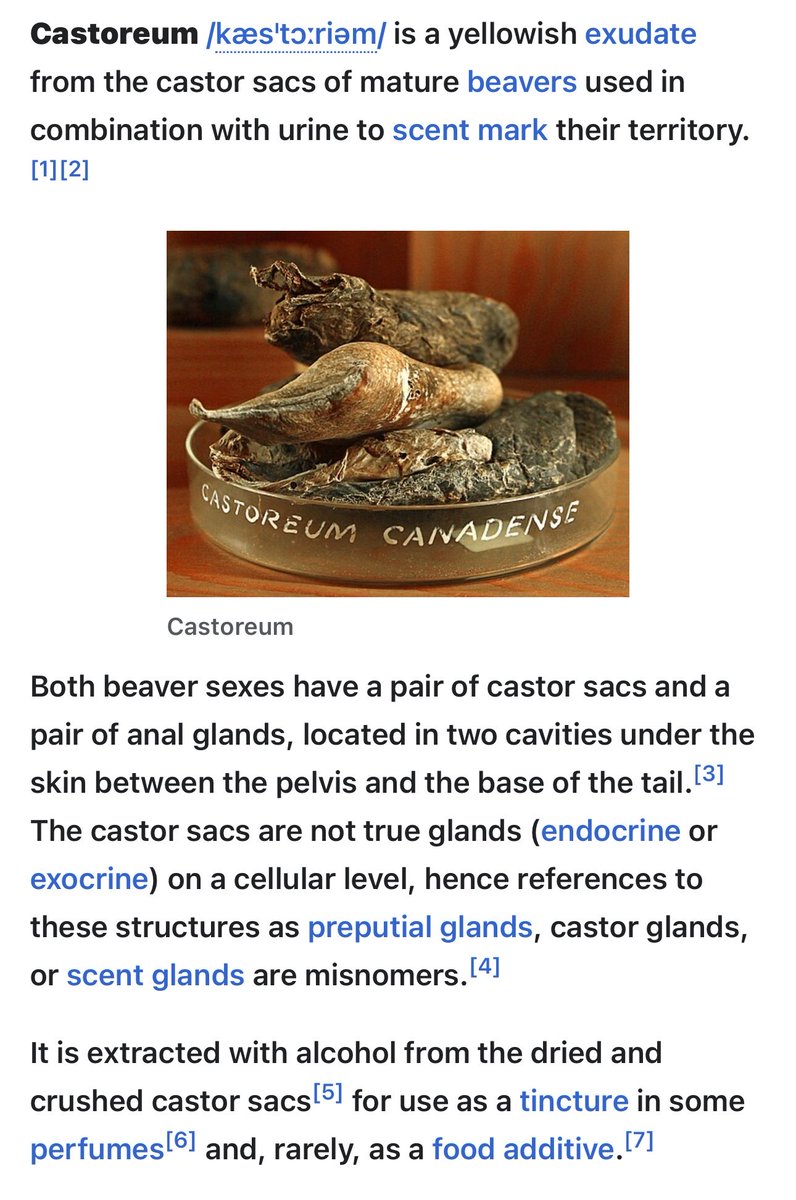
Why is vanilla so cursed? Past substitutes included a secretion from beaver anus
30

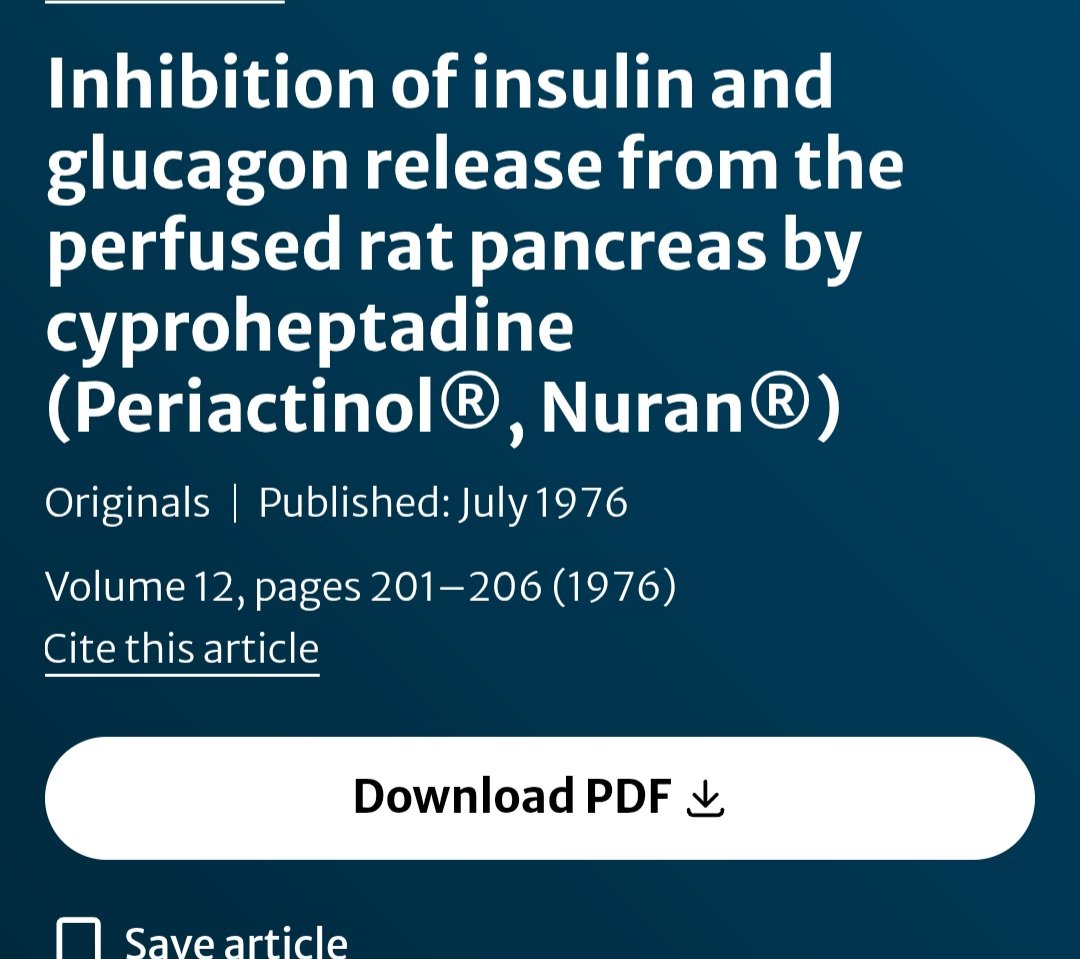
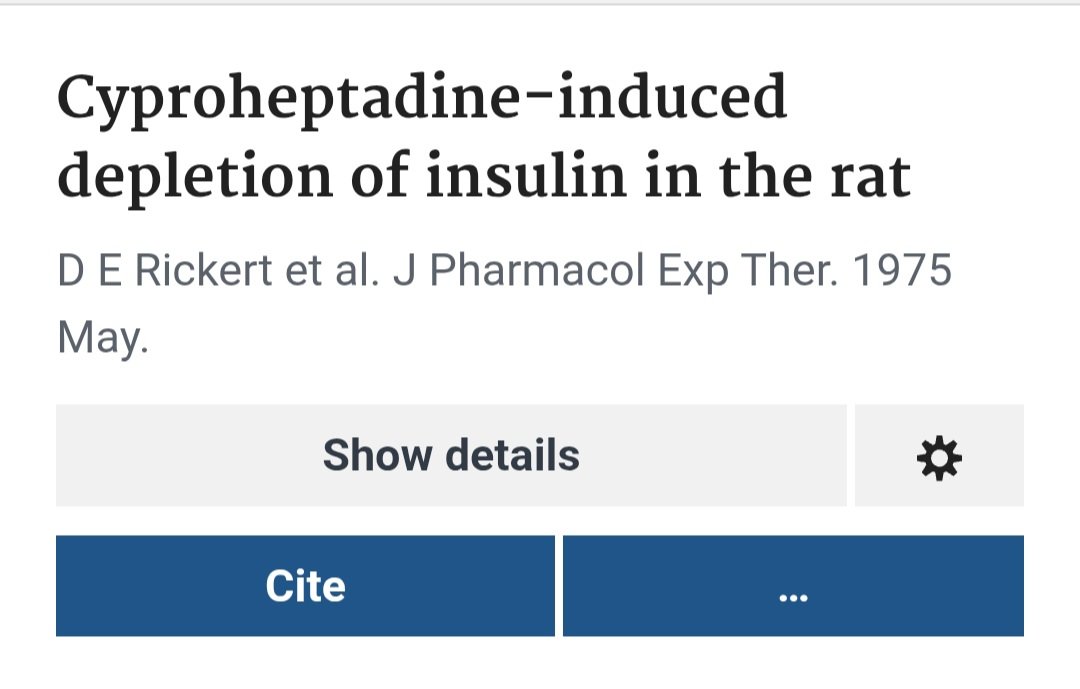
Cyproheptadine may impair glucose metabolism
- Directly inhibiting pancreatic Beta-cell functio
- Reducing insulin synthesis secretion
- Glucose intolerance despite its appetite-boosting effects
However in low doses may be pro metabolic, blocks cortisol, serotonin, estrogen
2
22
677


Groks answer, to my inquiry:
Yes, isolated MUSE cells (SSEA-3 multilineage-differentiating stress-enduring cells from MSCs) can be preprogrammed.
2025 preclinical data shows intrathecal Muse cells home to injured DRG (via CCR7-CCL21), inhibit neuroinflammation, and reverse neuropathic pain in CCI/SNI mouse models via TGF-β/IL-10 secretion—stronger than BMSCs.
Non-tumorigenic with neural differentiation potential, they are engineerable (zinc-finger repressors, AAV cargo, etc.) to silence SCN9A in sensory neurons.
This pairs perfectly with Sangamo ST-503-style targeted repression for a cell-based route to CIP-like Nav1.7 loss. Excellent parallel track worth accelerating.

@grok Is there a isolated MUSE cell that preprogrammed will work for this purpose?
15

CJC-1295 No DAC: GHRH(1-29) analogue investigated for amplifying GH pulse amplitude at the pituitary, ideal for endogenous GH secretion models.
The No DAC form drives a short, defined GH pulse rather than an extended elevation.
1
12

i got bamboozledd into thinking this was one of the greats. main dude eat his own secretion bru
1
1
13

Anne C 🌲 retweeted

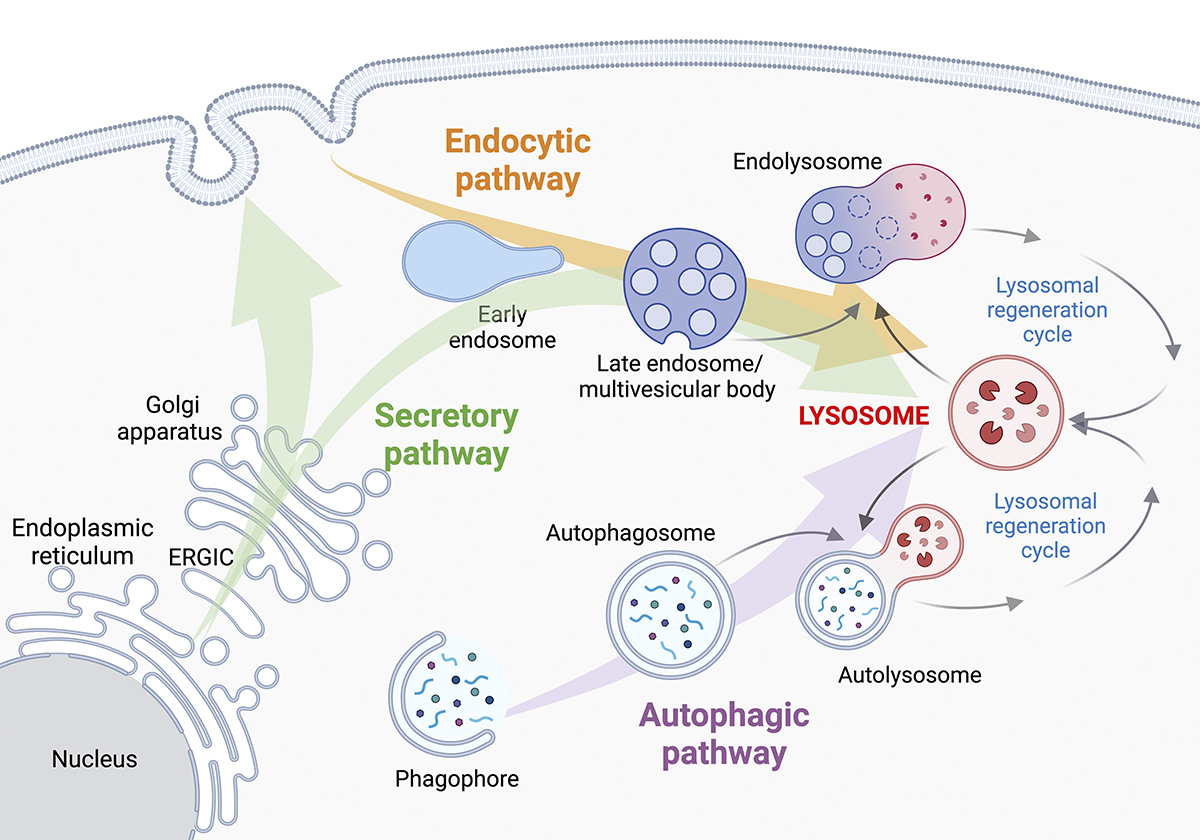
The endolysosomal system in conventional and unconventional protein #secretion. A Perspective by Eloïse Néel, Marioara Chiritoiu-Butnaru, Julien Villeneuve and colleagues: hubs.la/Q04ghPNw0
📕 In #Lysosomes 2026: hubs.la/Q04ghLd80
19
62
3,859

10h
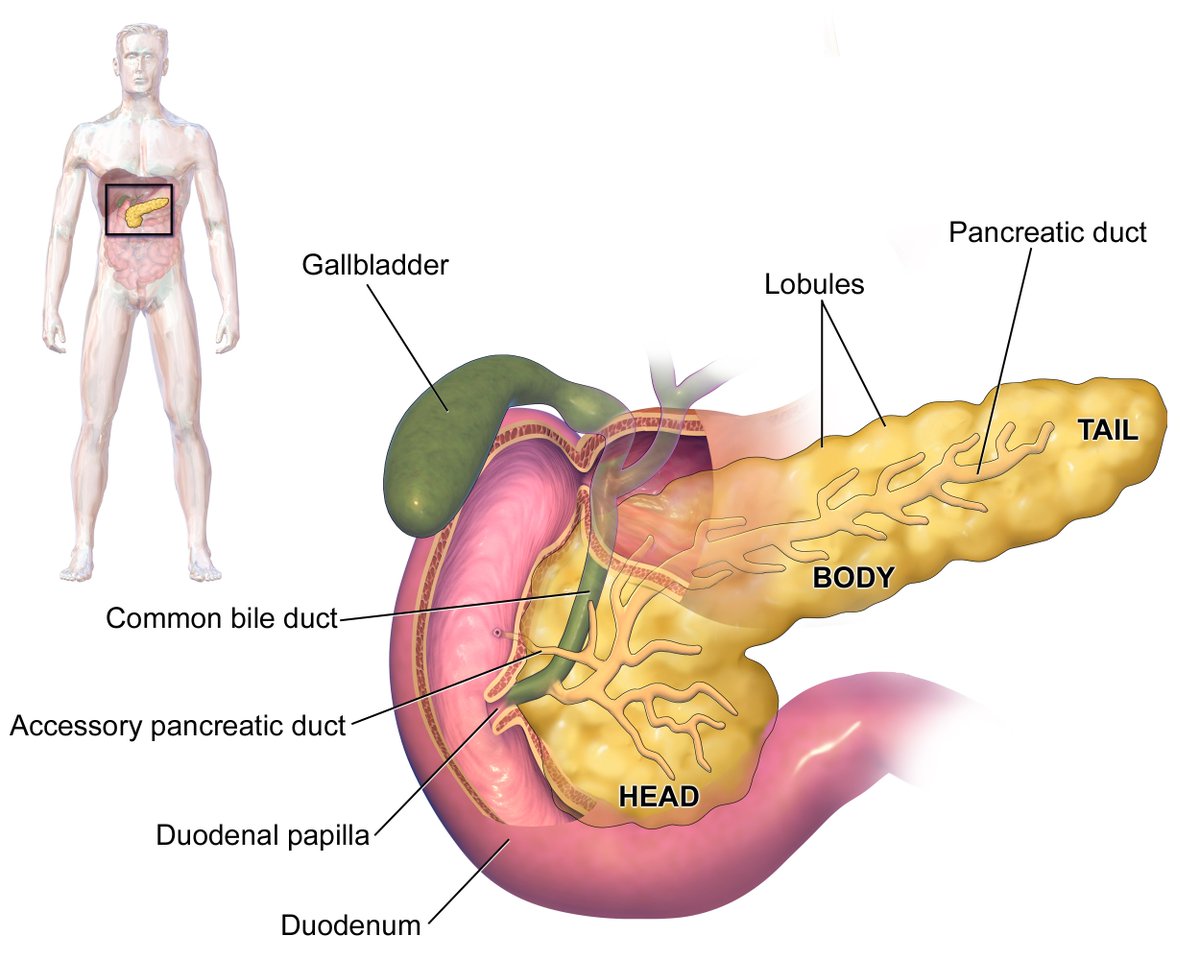
Acinar secretion is Ca2 ‑dependent exocytosis driven by CCK and vagal ACh; ductal cells add bicarbonate to the flow. Intrinsic safeguards—SPINK1 (a trypsin inhibitor) and trypsin autodegradation—help prevent intra‑gland protease activation.
1
7
10h
🍽️ The pancreas stores a digestive arsenal: acinar cells pack enzymes as inactive zymogens (trypsinogen, chymotrypsinogen, proelastase) in granules. Enterokinase in the duodenum converts trypsinogen→trypsin, triggering the cascade; secretion ≈1–1.5 L/day.
1
11
10h
Alpha-amylase hydrolyzes alpha-1,4 glycosidic bonds in starch, producing maltose and oligosaccharides but not alpha-1,6 branches (limit dextrins). Secretion is reflexive via parasympathetic nerves and increases with taste and mastication.
1

11h
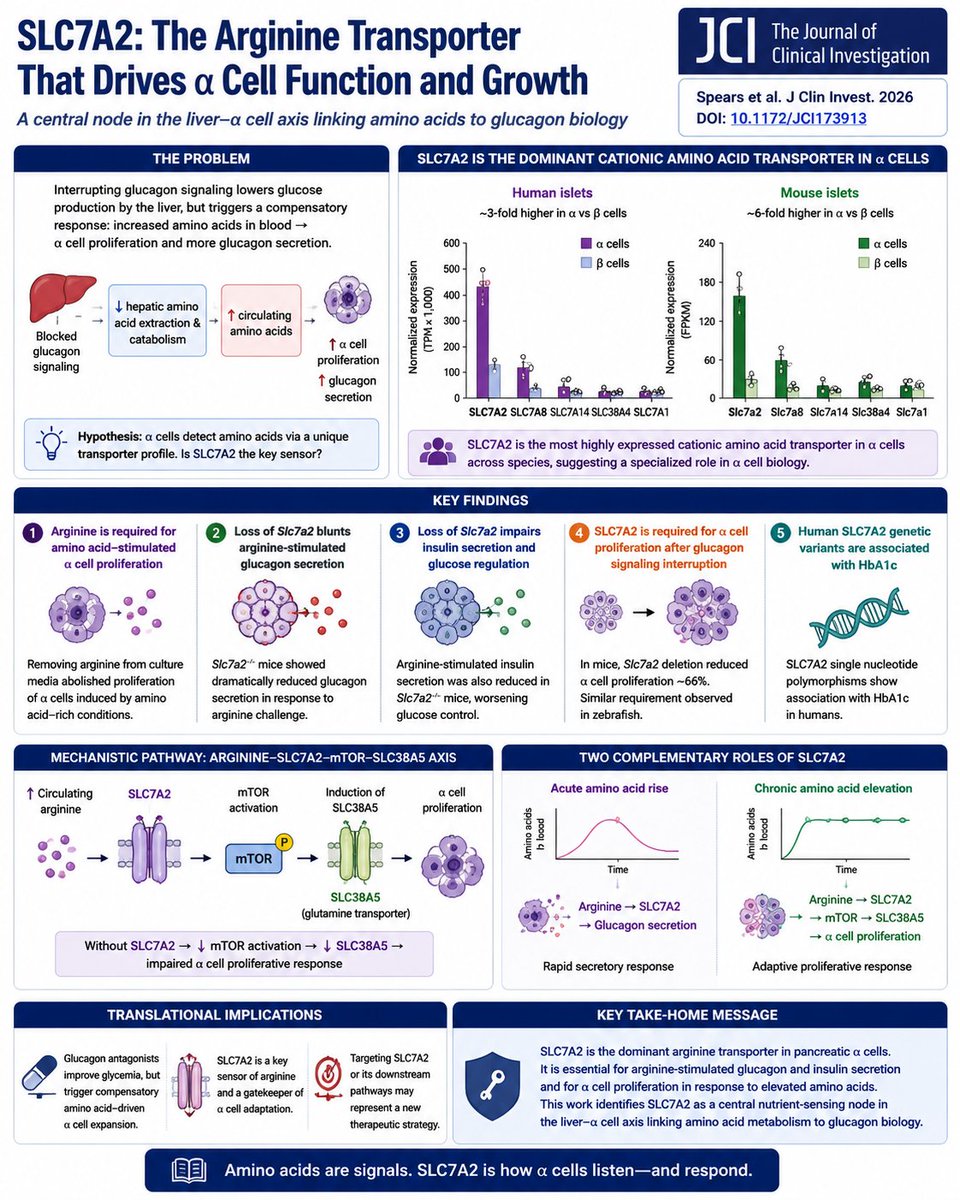
Amino acids are not just nutrients.
They are endocrine signals.
A new JCI study identifies SLC7A2, the major arginine transporter in pancreatic α cells, as a central regulator of glucagon secretion, α-cell proliferation, and amino-acid sensing.
The work expands our understanding of the liver–α cell axis, a feedback loop that couples amino acid metabolism to glucagon biology.
The core mechanism
When glucagon signaling is blocked:
↓ hepatic amino acid catabolism
↑ circulating amino acids
↑ α-cell proliferation
↑ glucagon secretion
This compensatory response is driven in part by arginine sensing.
Why SLC7A2 matters
Among all cationic amino acid transporters:
SLC7A2 is the most highly expressed transporter in α cells.
Expression is approximately:
• ~3-fold higher in human α vs β cells
• ~6-fold higher in mouse α vs β cells
This conservation across species suggested a specialized role in α-cell biology.
Key findings
🔹 Arginine was required for amino-acid–stimulated α-cell proliferation.
Removing arginine largely abolished the proliferative response.
🔹 Global Slc7a2 knockout mice lost arginine-stimulated glucagon secretion.
After arginine challenge:
• glucagon response was dramatically blunted
• insulin secretion was also impaired
• glucose regulation worsened under stimulation conditions
🔹 α-cell proliferation induced by glucagon receptor blockade required SLC7A2.
Loss of Slc7a2 reduced adaptive α-cell proliferation by ~66% in mice and similarly suppressed proliferation in zebrafish models.
Mechanistic insight
The study connects two major nutrient-sensing pathways:
Arginine → SLC7A2 → mTOR activation → SLC38A5 induction → α-cell proliferation
SLC38A5 had previously been identified as a glutamine transporter involved in α-cell expansion.
This work places SLC7A2 upstream of that program.
Without SLC7A2:
• mTOR activation falls
• SLC38A5 induction fails
• proliferative adaptation is impaired
Translational implications
The most interesting aspect may be diabetes biology.
The investigators identified human SLC7A2 polymorphisms associated with HbA1c levels, suggesting that variation in amino-acid sensing pathways may contribute to glucose homeostasis in humans.
More broadly, the study reframes pancreatic α cells as:
specialized amino-acid sensors
rather than merely glucagon-secreting cells.
Conceptual model
Acute amino acid rise:
Arginine → SLC7A2 → glucagon secretion
Chronic amino acid elevation:
Arginine → SLC7A2 → mTOR → SLC38A5 → α-cell proliferation
Together these pathways maintain amino-acid homeostasis through the liver–α cell axis.
The implication is important for the glucagon-antagonist field:
Therapies targeting glucagon signaling do not simply suppress glucose production.
They trigger adaptive nutrient-sensing programs within α cells, and SLC7A2 sits near the center of that response.
Reference
Spears et al. Pancreatic islet α cell function and proliferation require the arginine transporter SLC7A2. J Clin Invest. 2026. DOI: 10.1172/JCI173913.
1
1
56