
Jun 3
Is FFF an underappreciated tool in separation science?
In a sneak preview from the June issue of *The Column*, Valentina Marassi explains why field-flow fractionation deserves a place in the toolbox.
#FFF #SeparationScience #LCGC
63

May 22
Aspen Tutorial 17b: Liquid-Liquid Extraction (LLE) and Solvent Recovery
In this session, Dr. Shedrack walks through the liquid–liquid separation using extractive distillation in Aspen HYSYS.
He explains how a suitable solvent is introduced to influence phase behavior, how high-purity solute and the extractive solvent are recovered in a downstream recovery column, and how the recovered solvent is recycled back to the extractive distillation column alongside a controlled fresh solvent makeup.
As a process engineer, understanding solvent recovery, recycle loops, and column integration is essential for maintaining material balances, meeting product specifications, and ensuring steady, economically viable plant operation.
tinyurl.com/2rhekcuy
#chemicalengineering #processengineering #separationscience, #liquidliquidextraction #extractivedistillation #extractivedistillationcolumn #solventrecovery #solventrecoverycolumn #phaseequilibrium #lle #lve #masstransfer, #processsimulation #aspenhysys #engineeringeducation #unitoperations, #chemicalprocesses #processdesign #wastewatertreatment, #solventextraction #engineeringtutorials #learnchemicalengineering #highpuritysolute #acetone #acetonewatermixture #3methylhexane
18
May 21
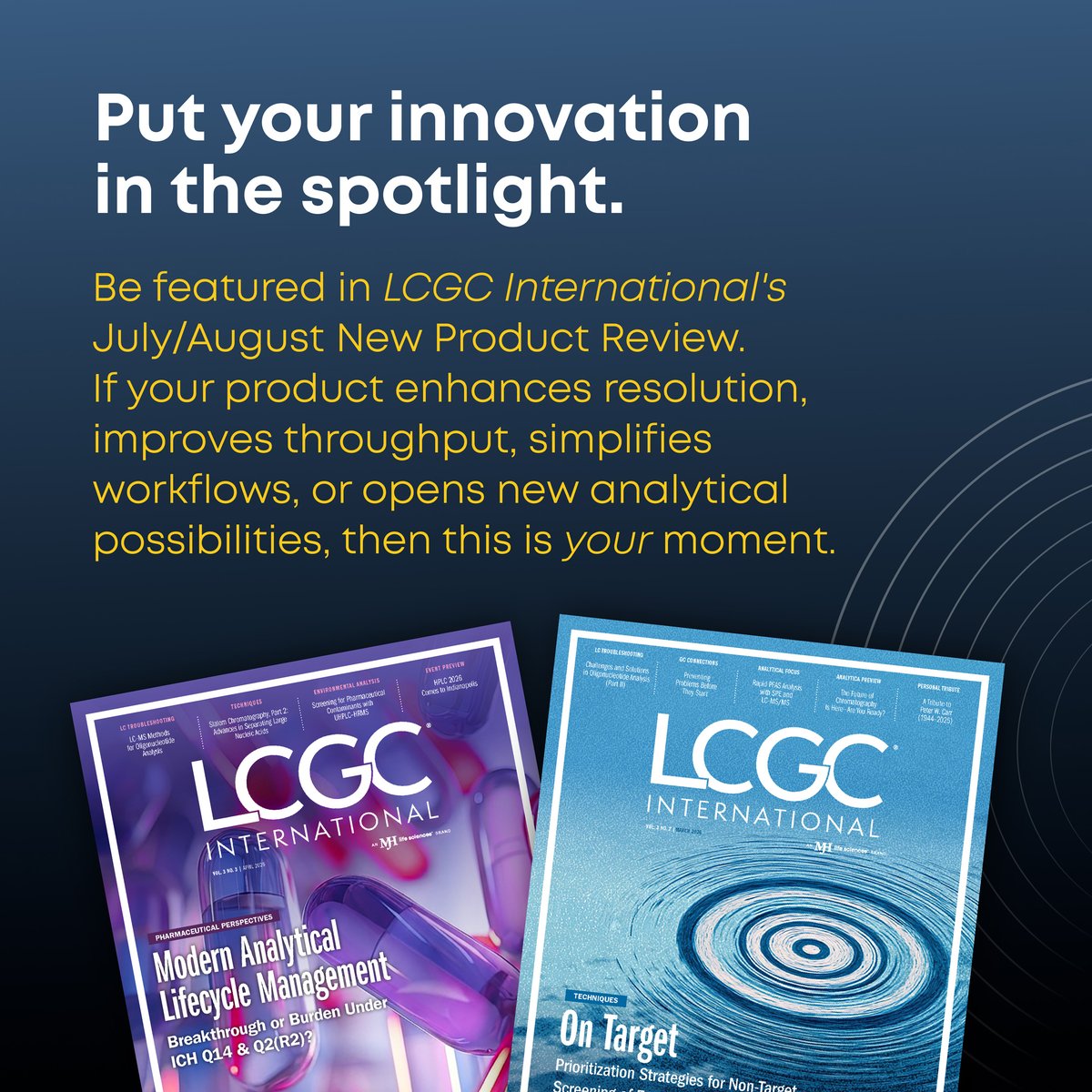
Your innovation. Our audience. We are now accepting submissions for the July/August New Product Review.
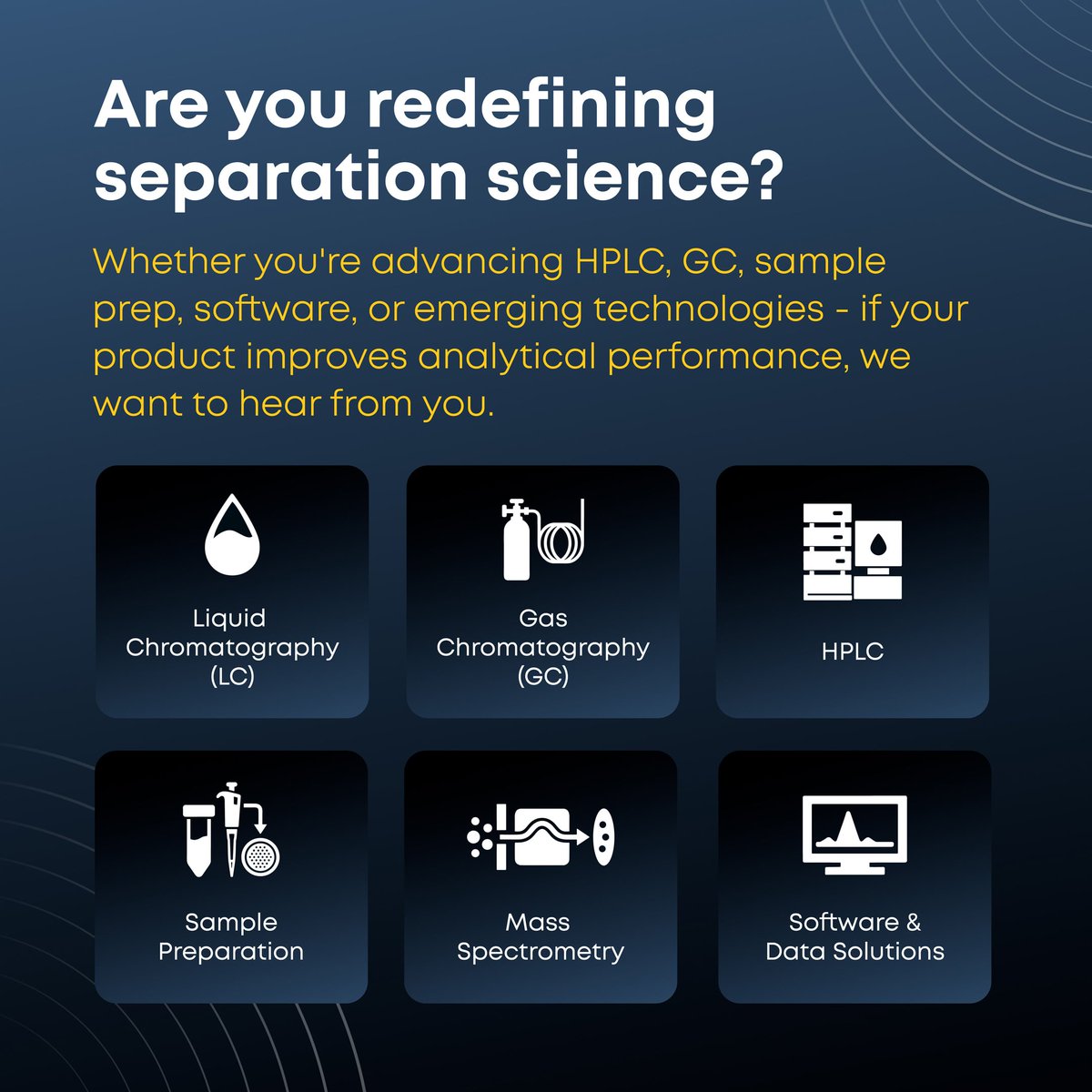
If your product is advancing separation science, we want to hear from you.
📅 Submissions close June 1
🔗 Link in comments
#Chromatography #LabInnovation #SeparationScience
1
74
May 20
Aspen Tutorial 17: Liquid-Liquid Extraction (LLE) column
In this session, Dr. Shedrack walks through the fundamentals and practical simulation of liquid–liquid extraction using Aspen HYSYS.
He starts with the background of LLE, explaining solute distribution between immiscible liquids and why extraction is often preferred over distillation for dilute or heat-sensitive systems.
From there, he demonstrates how to model an acetic acid recovery process from wastewater using MIBK as the solvent, focusing on stagewise extraction and performance targets.
By the end of this tutorial, you will clearly understand how LLE works, when to apply it, and how to determine the number of stages required for high solute recovery.
tinyurl.com/e8stmujb
#chemicalengineering #processengineering #separationscience #liquidliquidextraction #phaseequilibrium #lle #lve #masstransfer #processsimulation #aspenhysys #engineeringeducation #unitoperations #chemicalprocesses #processdesign #wastewatertreatment #solventextraction #engineeringtutorials #learnchemicalengineering
20

Apr 23
Join our separation science community and become a #Chromatography Today member for exclusive news, research and content 👉 ilmt.co/TL/n2X0
#Science #SeparationScience #AnalyticalChemistry #MassSpec #LifeSciences #LCMS #HPLC

65

Separation science is evolving. More complex molecules. Faster timelines. Advanced workflows. With decades of chiral separation expertise, @ChiralTech helps modern labs tackle today’s analytical challenges ➡️ chiraltech.com/
#ChiralChromatography #SeparationScience
20

Redefining Adsorption!
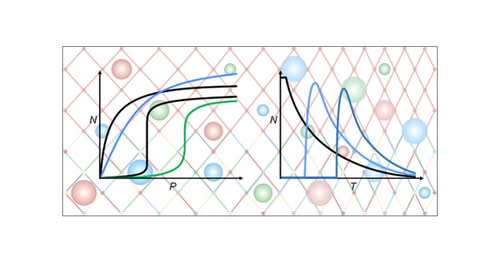
Prof. Jie-Peng Zhang’s team explores the power of molecule-based crystalline adsorbents. By harnessing structural flexibility and advanced adsorbent engineering, they are pushing the limits of gas storage and separation, turning complex theory into high-performance materials!
pubs.acs.org/doi/10.1021/acc…
#MaterialsScience #Chemistry #MOF #Adsorption #SeparationScience #Innovation #SYSU #GreenEnergy #Nanotechnology #AMR
28

The Top Viewed Papers of 2025 for the journal Separations are in! 🏆✨
Check out the full lineup of impactful, open-access science here
👉 brnw.ch/21x0AIe
#Separations #TopCitedPapers #SeparationScience #OpenAccess #ScientificResearch
2
2
63

This counterintuitive mechanism opens new pathways for more efficient separation and capture processes. A key insight for DAC and other membrane-based applications! Read more: doi.org/10.1016/j.memsci.202… #DirectAirCapture #Membranes #SeparationScience
21

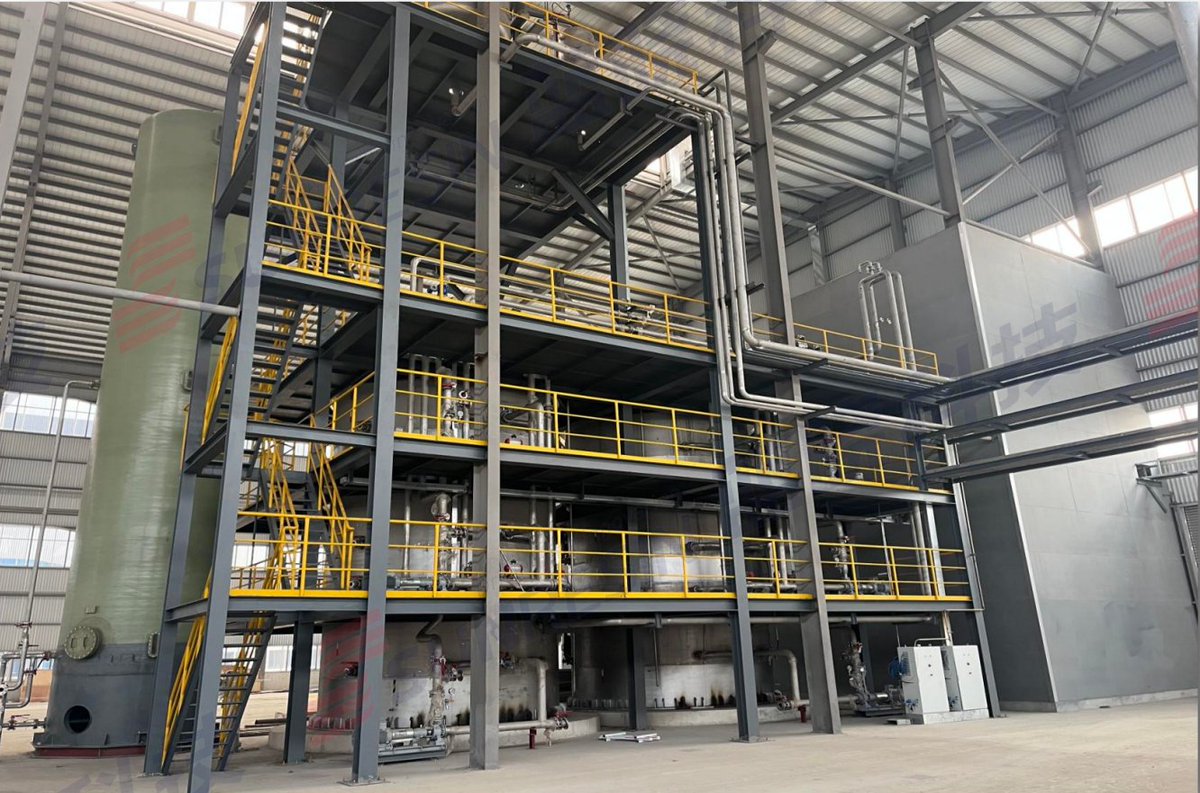
Why Continuous Chromatography Matters in Amino Acid Production?
In amino acid manufacturing, separation efficiency directly determines product purity, yield, and overall production cost.
Many producers still rely on traditional batch chromatography or conventional ion exchange systems. However, as production scales increase and purity requirements become stricter, these methods often face limitations in resolution, solvent consumption, and operational stability.
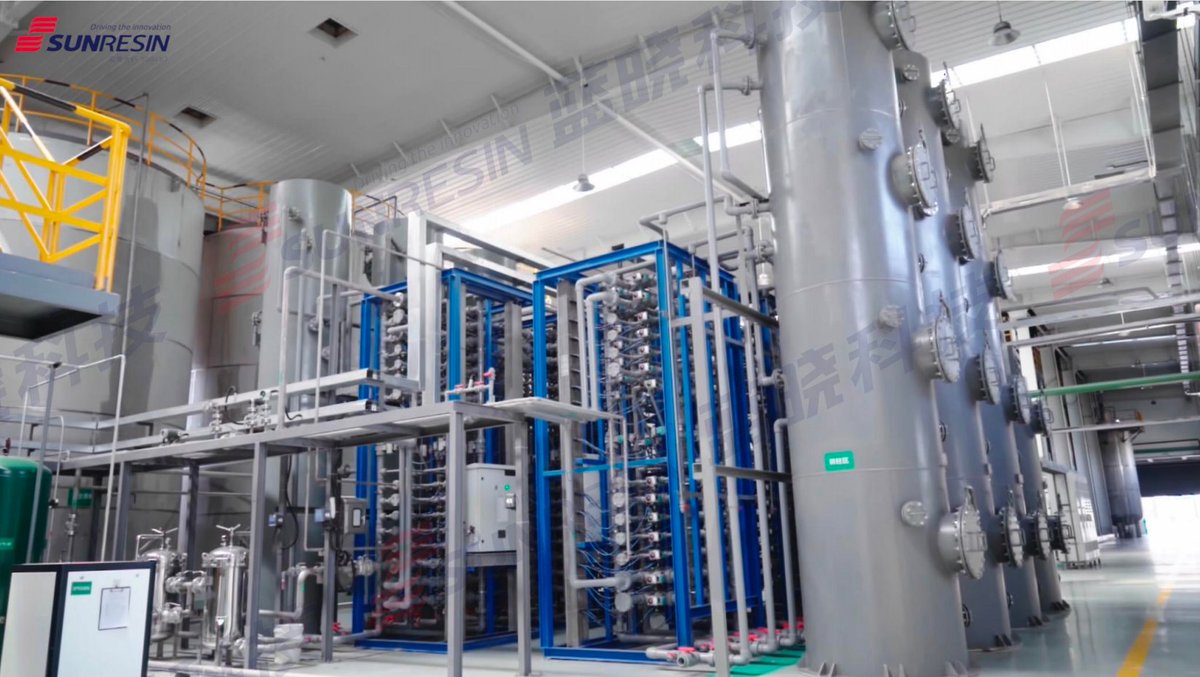
At hashtag#Sunresin, we address these challenges through the combination of:
• Monojet™ uniform particle resins
• SSMB continuous chromatography systems
Uniform particle size distribution significantly improves mass transfer efficiency and separation precision — which is especially critical when separating structurally similar amino acids such as leucine and isoleucine, or refining high-value products like tryptophan and valine.
When integrated with Sunresin’s SSMB continuous chromatography technology, the benefits become even more significant:
✔ Continuous feed and discharge
✔ Higher recovery rates
✔ Reduced solvent and water usage
✔ Lower pressure drop and improved stability
✔ Scalable industrial operation
The result is not just better separation performance, but a shift from batch purification toward efficient, automated, and sustainable continuous manufacturing.
Sunresin has implemented multiple industrial-scale projects in both domestic and international markets, helping amino acid producers upgrade their purification processes and improve overall plant economics.
Continuous chromatography is no longer a future concept — it is becoming the new standard.
seplite.com/sunresin-continu…
#Sunresin #ContinuousChromatography #AminoAcid #ResinTechnology #SSMB #IonExchange #Fermentation #BioProcessing #SeparationScience #Biomanufacturing
1
102

Feb 25
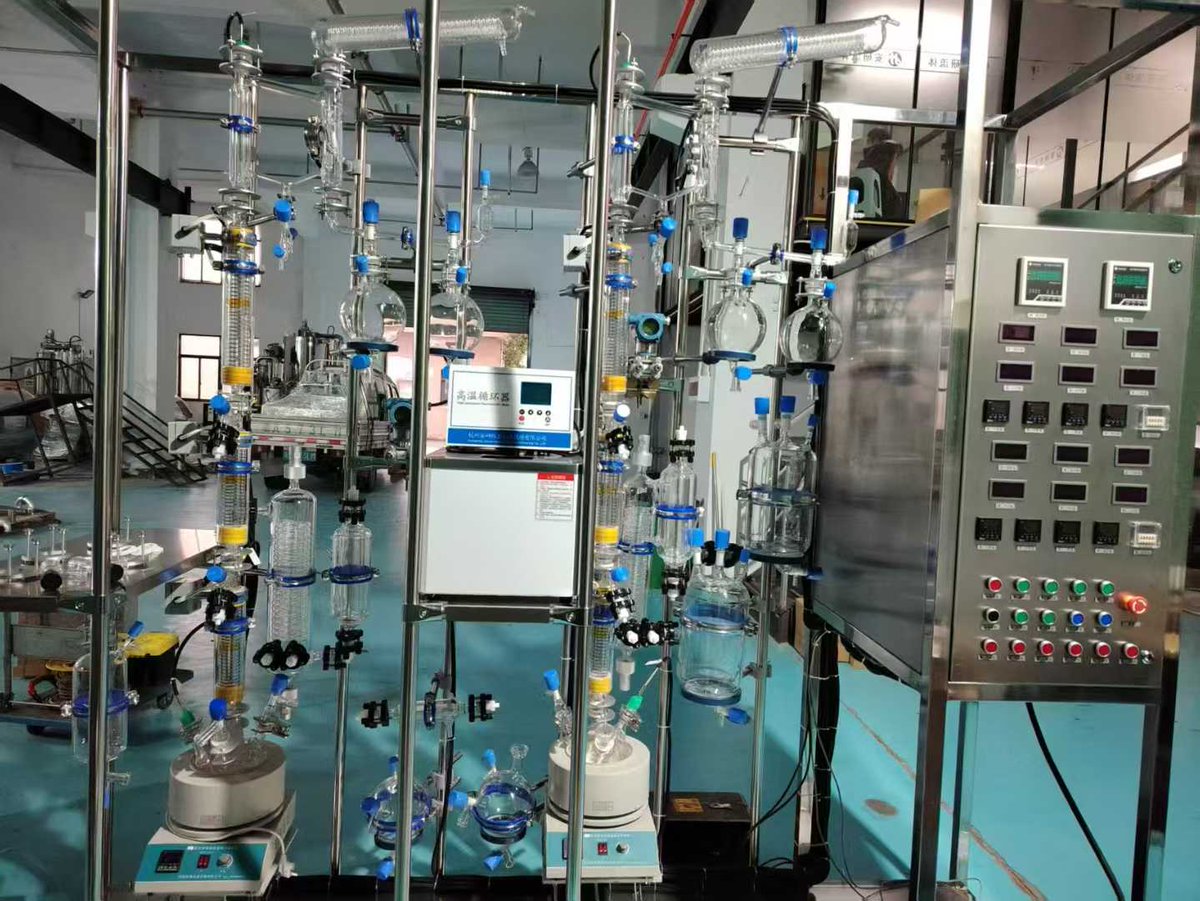
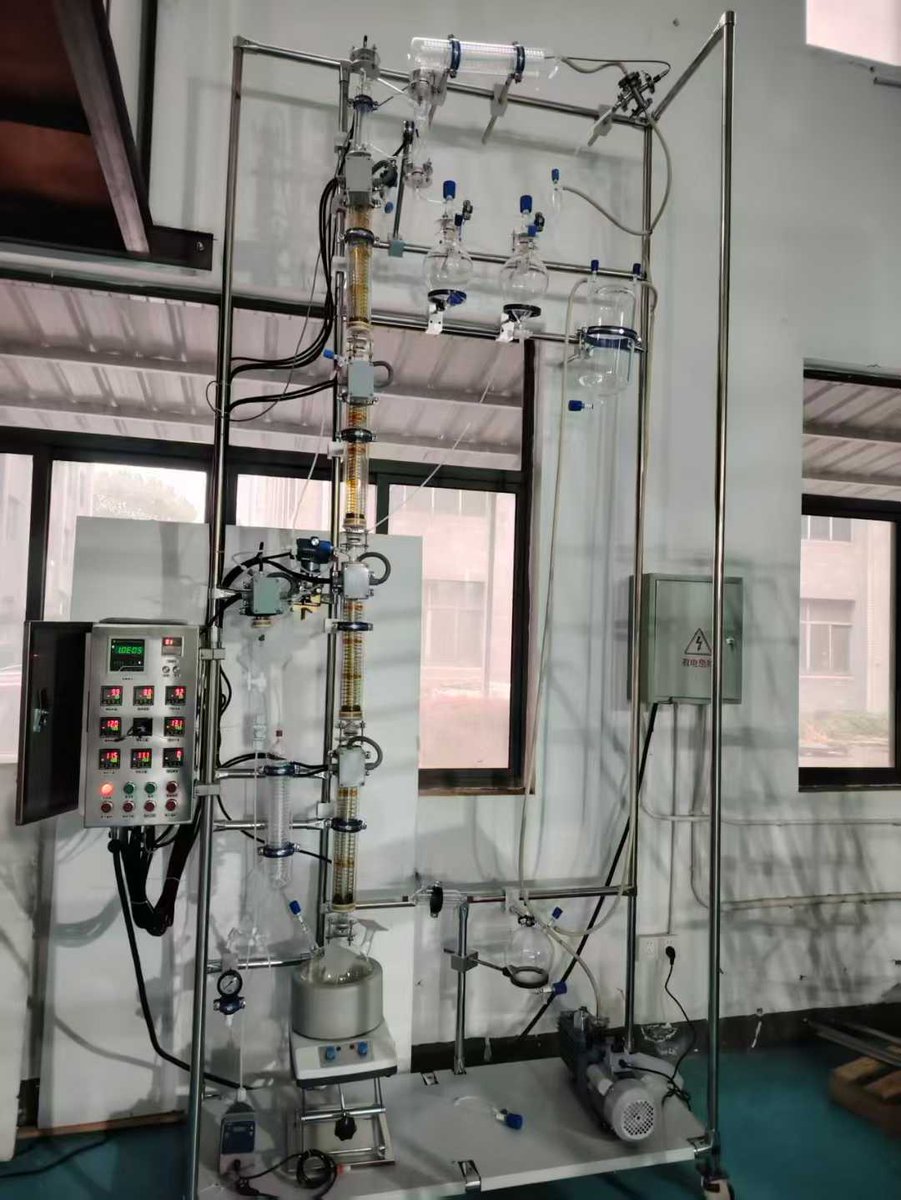
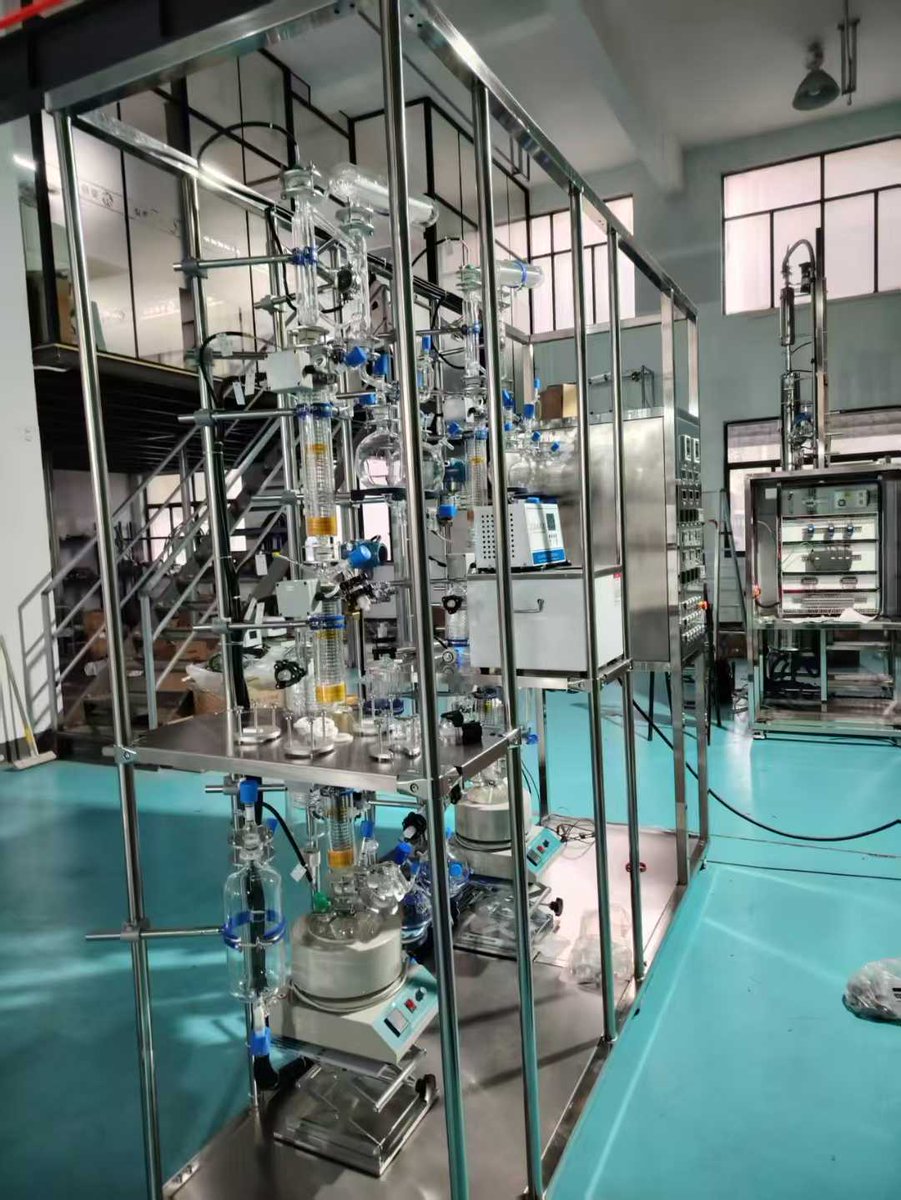
packed column distillation towers leverage differences in volatility to achieve precise separation of liquid mixtures. Essential for R&D and petrochemical process development.
#DistillationColumn #PackedColumn #ChemicalEngineering #Petrochemical #SeparationScience #LabEquipment
3

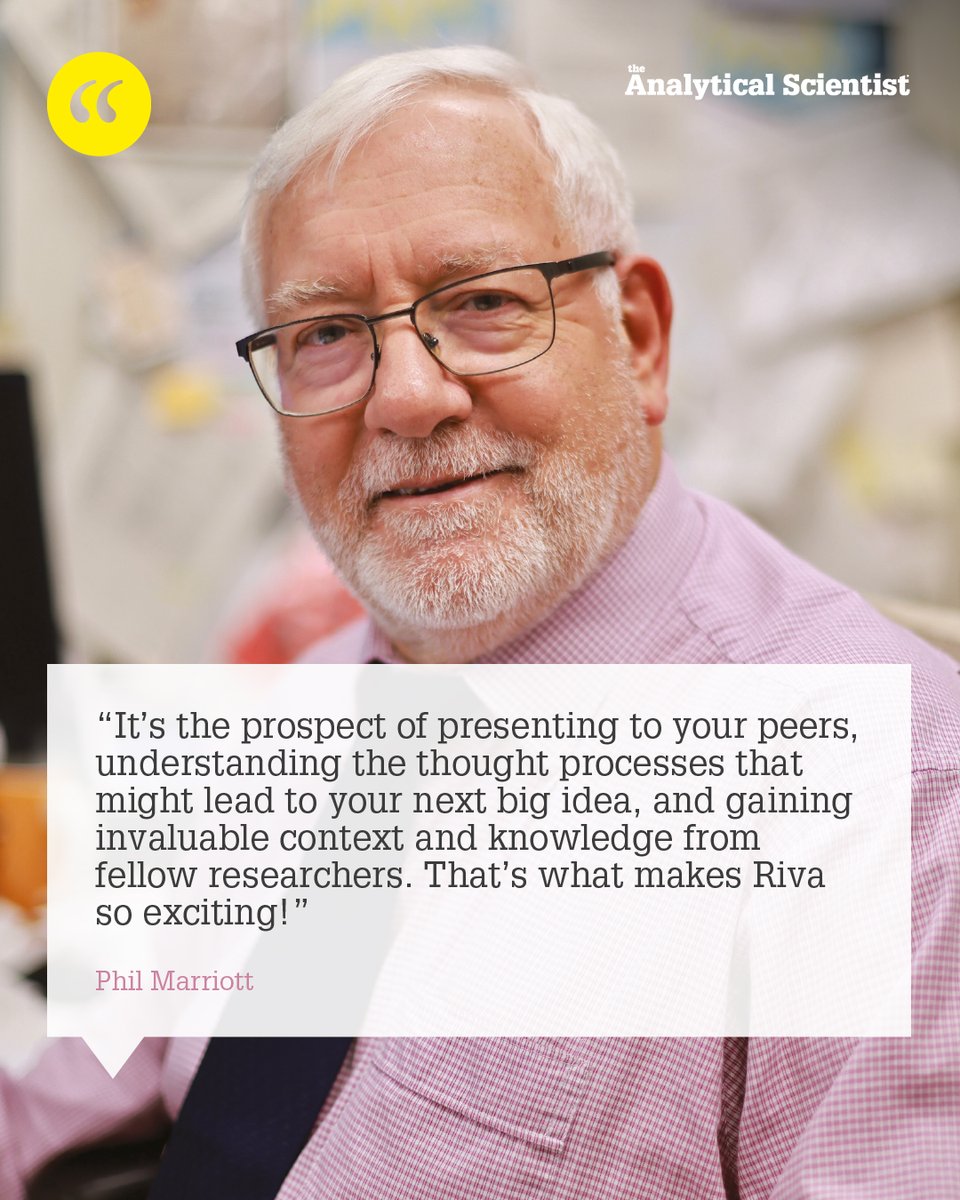
Why does Riva matter so much to separation science?
Philip Marriott, professor of chemistry at Monash University, reflects on how ISCC and GC×GC at Riva have shaped ideas, careers, and innovation for decades.
Read the interview: ow.ly/6W4y50Y82I1
#SeparationScience #Chromatography
77
New app note: Chiral analysis of Trofinetide (Daybue) for Rett syndrome.
See how CHIRALPAK ZWIX enables reliable enantiomeric separation to support research and development.
👉 Download: chiraltech.com/wp-content/up…
#ChiralChromatography #SeparationScience #CHIRALPAK

30

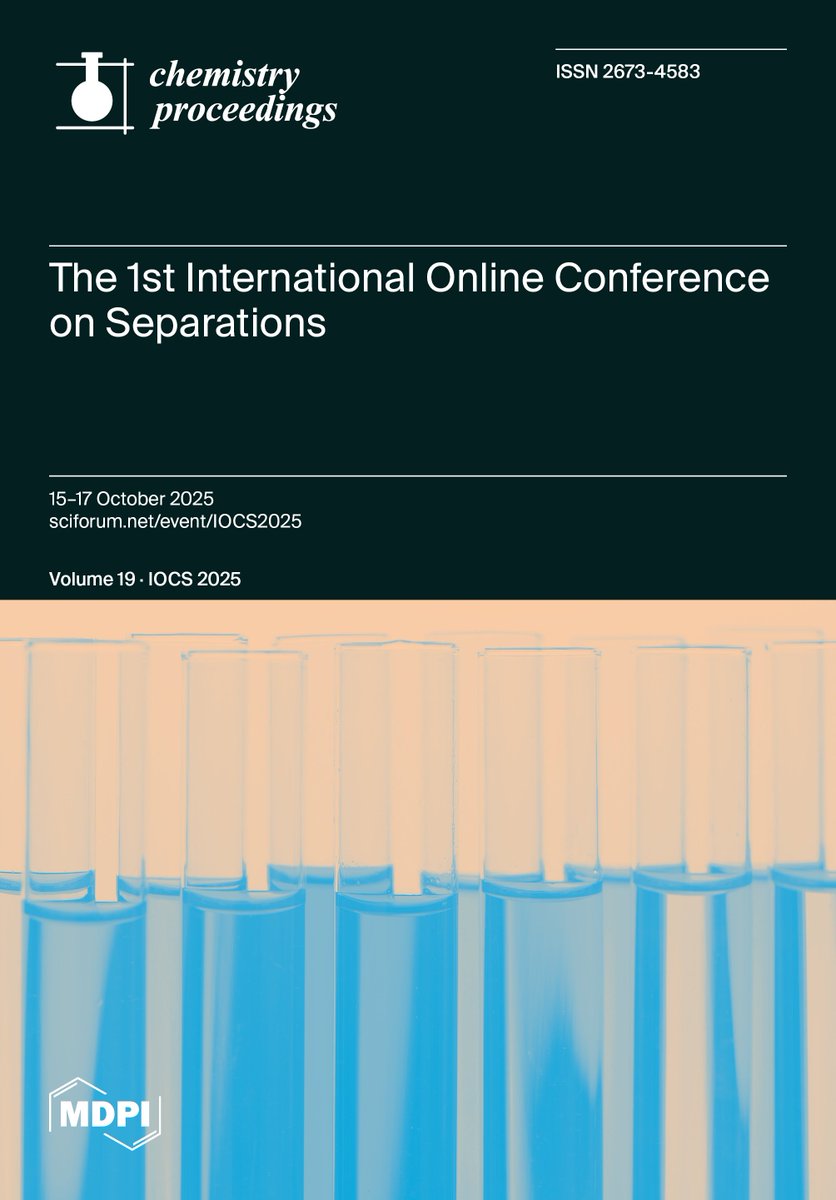
Check the highlights from the 1st International Online Conference
mdpi.com/2673-4583/19/1
Chaired by Grzegorz Boczkaj
A diverse range of cutting-edge topics were covered in six sessions, please feel free to read.
#SeparationScience #AnalyticalChemistry
@ChemMatSci_MDPI
1
1
41
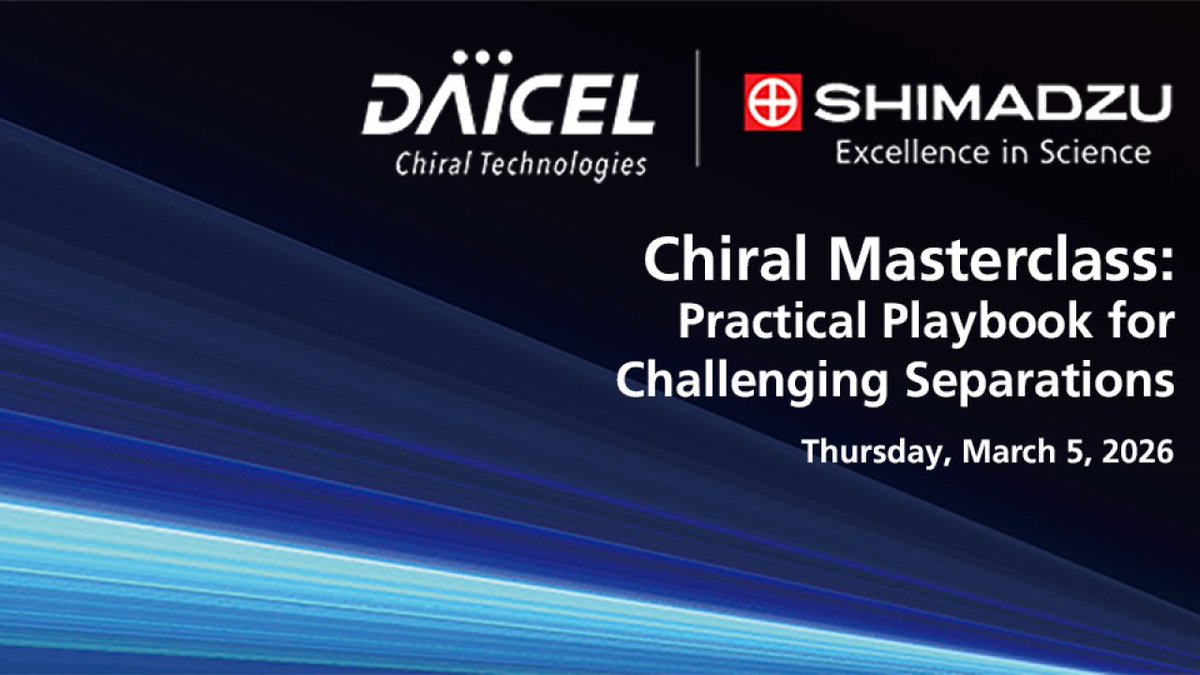
Chiral separations are evolving—are your methods?
Join us in person for the Chiral Masterclass on advanced HPLC & SFC strategies for tough chiral challenges.
📅 March 5, 2026 | 📍 Bridgewater, NJ
👉 Register: info.chiraltech.com/2026-chi…
#ChiralChromatography #SeparationScience

18

Join our in-person seminar March 5 in Bridgewater, NJ, on challenging chiral separations in pharma, from method development to prep scale. Co-hosted with Daicel Chiral Technologies. Register: bit.ly/3NumqLf
#pharma #chiral #chromatography #SeparationScience@ChiralTech
124
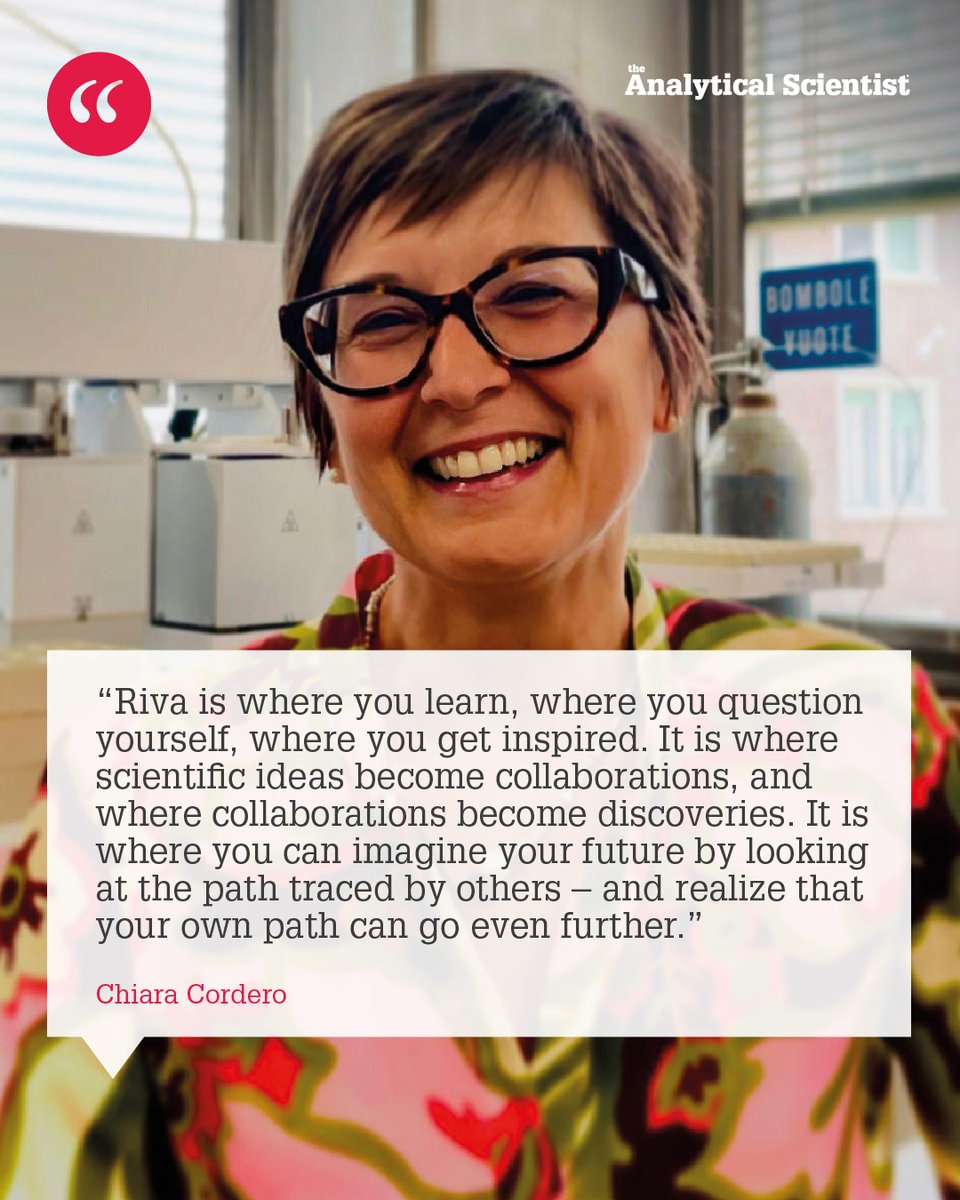
"Riva isn’t optional.”
Chiara Cordero explains why the return of the ISCC and GC×GC Symposia matters so deeply to separation science, and how Riva continues to shape careers, ideas, and innovation.
👉 Read more: ow.ly/rFXG50Y08l8
#Chromatography #SeparationScience
102
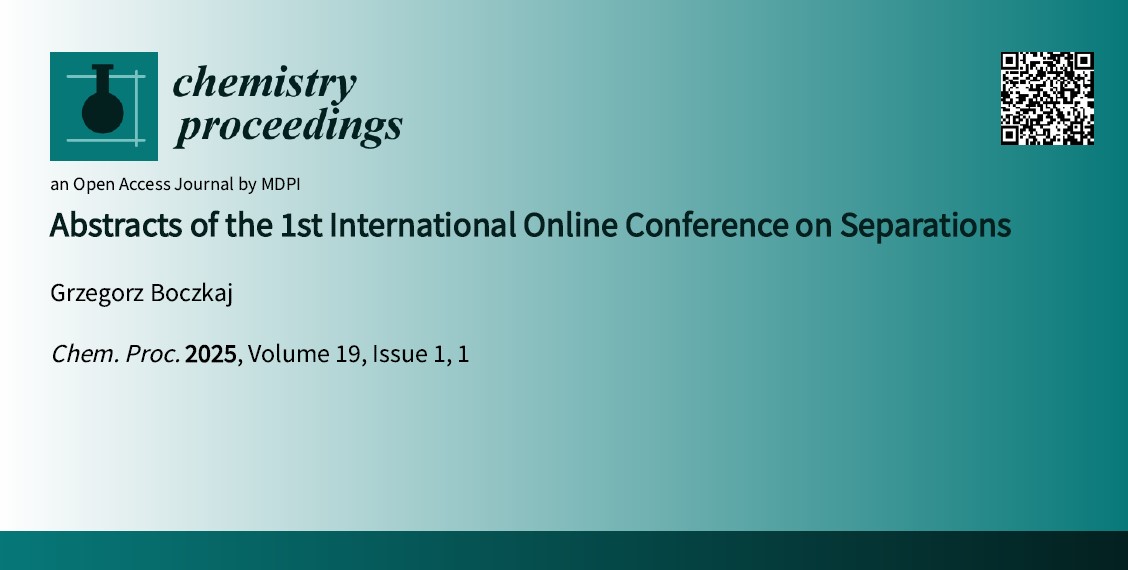
Find the latest from the 1st International Online Conference on Separations (IOCS 2025)!
mdpi.com/2673-4583/19/1/1
Organized by @Sep_MDPI
Chaired by Grzegorz Boczkaj
Covering separation methods, extraction, chromatography...
#SeparationScience #Chromatography
@ChemMatSci_MDPI
2
46
📢 Registration is open!
Join @ChiralTech and Shimadzu for a live seminar on solving challenging chiral separations in pharma.
📅 March 5, 2026 | 📍 Bridgewater, NJ
🎟️ Complimentary | Limited seats
👉 Register: info.chiraltech.com/2026-chi…
#ChiralChromatography #SeparationScience

22

4 Dec 2025
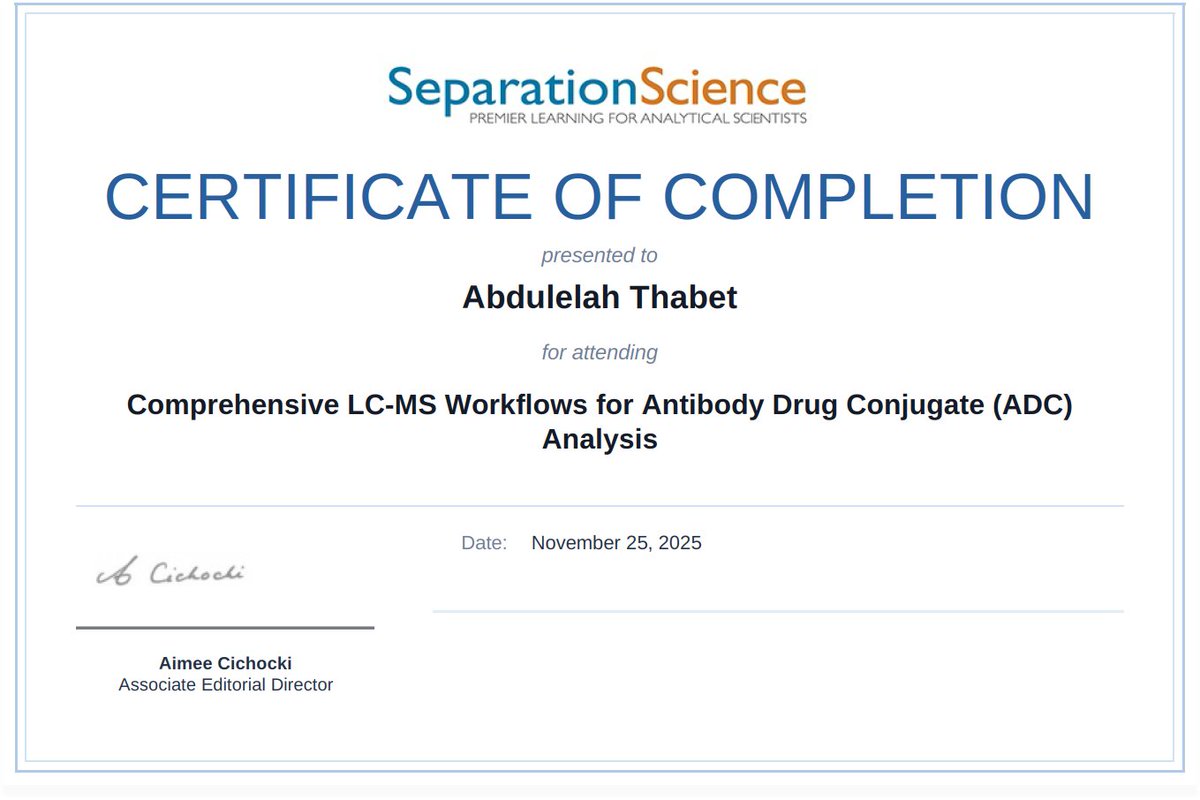
Excited to have completed my training in LC-MS workflows for Antibody Drug Conjugate (ADC) Analysis with Separation Science.
Thanks to @Sep_Science and the team for the well-structured and useful content!
#LCMS #Biopharmaceuticals #SeparationScience #Certificate
33