Rachel V Thomas retweeted

Jun 15
Dengue Serotypes Shifting In Young Adults: How India's Indigenous Vaccine Could Help Prevent Severe Disease
#healthnews #dengue #health
healthandme.com/health-news/…
1
1
20

Jun 15
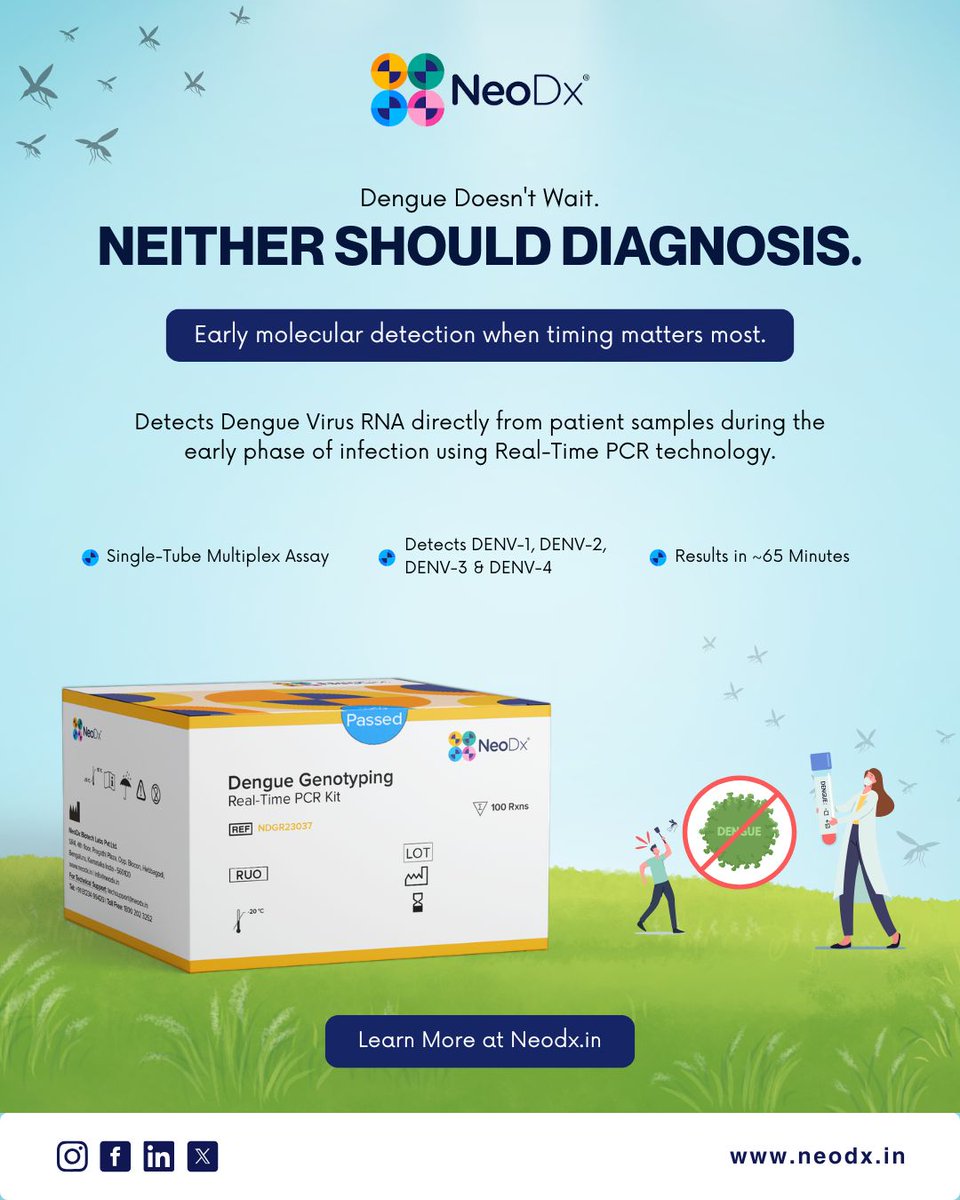
Suspect dengue? Get answers sooner.
Designed for early molecular detection, the NeoDx Dengue Genotyping Real-Time PCR Kit identifies all four dengue serotypes in a single assay with results in approximately 65 minutes.
#Dengue #PCRTesting #MolecularDiagnostics #NeoDx
12

Jun 15
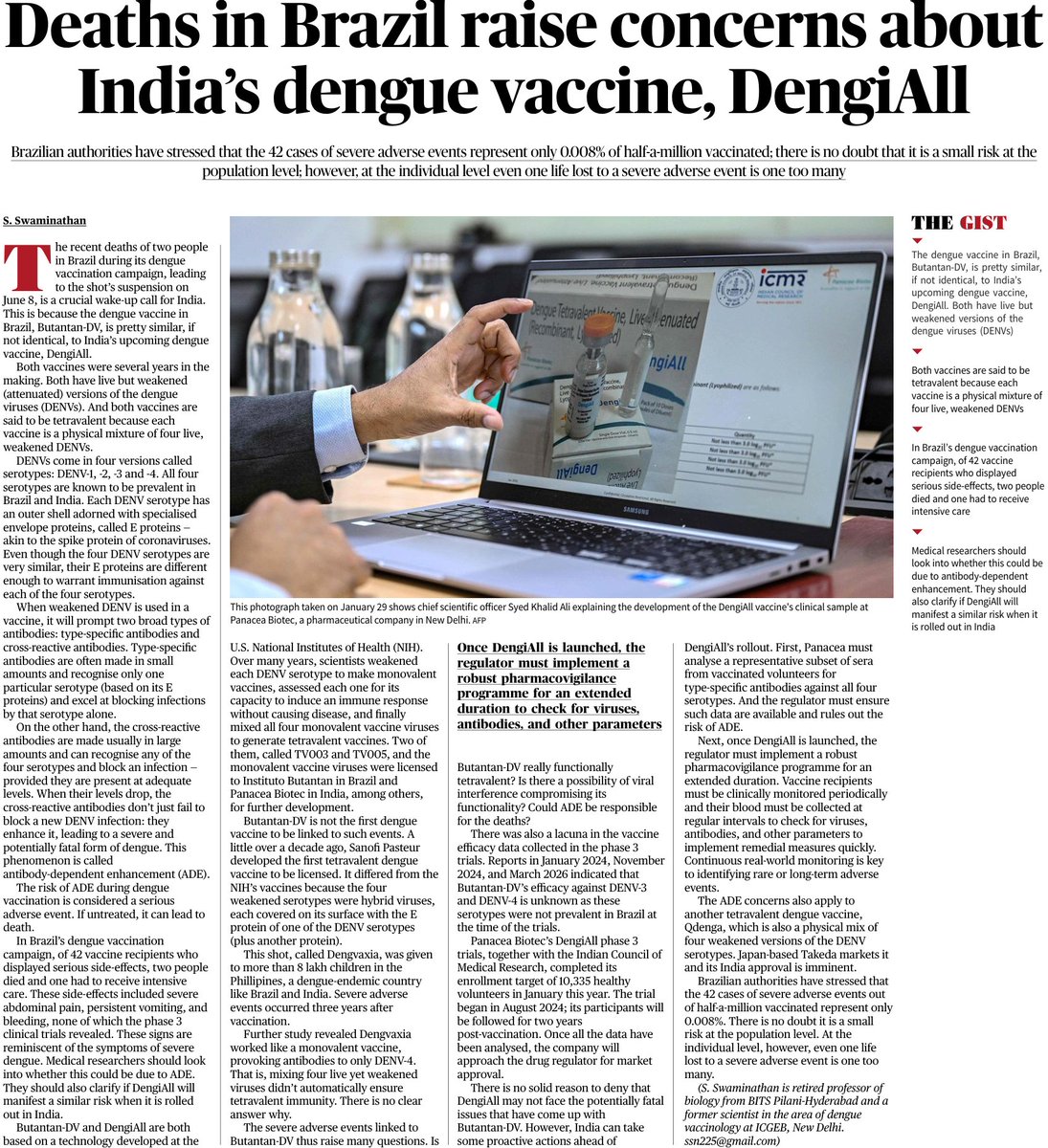
The vaccine used in Brazil (Butantan-DV) and India’s upcoming DengiAll are incredibly similar, if not identical. Developed from technology licensed by the US NIH, both are tetravalent vaccines containing live but weakened versions of all four dengue virus serotypes.
Dengue has four serotypes (DENV-1, -2, -3, and -4). While they look similar, their outer "E proteins" are different enough that a vaccine must trigger a robust immune response against all four to be truly effective and safe.
The big concern here is Antibody-Dependent Enhancement (ADE). If a vaccine triggers weak or cross-reactive antibodies instead of strong, type-specific ones, it can actually help a new dengue infection enter cells, leading to severe, potentially fatal dengue.
In Brazil's campaign, 42 vaccine recipients experienced severe adverse events. Two died and one required intensive care, suffering from severe abdominal pain, persistent vomiting, and bleeding—symptoms highly reminiscent of severe dengue.
Brazilian authorities emphasize the risk is small at a population level—42 severe cases out of half-a-million vaccinated is just 0.008%. However, at an individual level, even one life lost to a severe adverse event is one too many.
To prevent a similar crisis, experts urge that before DengiAll is launched, India must rigorously analyze trial blood samples for ADE risks. Post-launch, the regulator must enforce a robust, long-term pharmacovigilance program to monitor recipients.
92

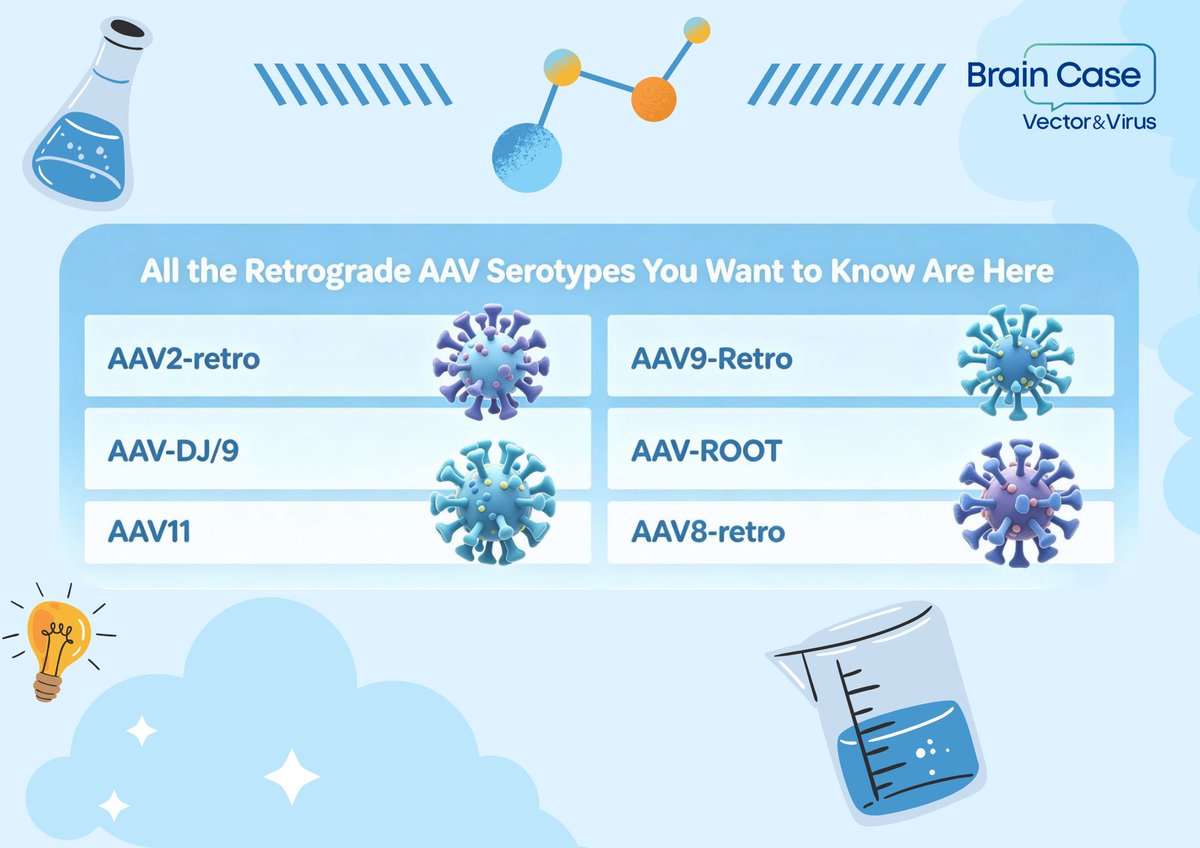
All the Retrograde AAV Serotypes You Want to Know Are Here🧠
🔹AAV2-retro (2016)
🔸AAV-DJ/9 (2020)
🔹AAV11 (2023)
🔸AAV9-Retro (2020)
🔹AAV-ROOT (2022)
🔸AAV8-retro (2026)
ebraincase.com/support/Blog/…
#Neuroscience #AAV #GeneTherapy #Optogenetics #CircuitTracing #RetrogradeTracing
18

That's a true fact about the world (1), but not relevant here.
We are not looking at preclinical research and claiming efficacy. We are looking at clinical research - which shows efficacy with very strong confidence - and analyzing results based on study design.
It's possible that something causes systematic bias - for example a meta-analysis of paxlovid studies that includes those failing to exclude contraindicated patients is systematically biased. Or perhaps studies are all fraudulent or garbage. These do not apply here, but for someone that has not analyzed the studies it is possible. Indeed, the last refuge of those claiming no efficacy here is to claim that all of the studies are garbage.
Analyzing how results vary across studies based on design dimensions is a way of confirming a real treatment effect - when we see expected interactions with very high confidence across multiple dimensions we know the effect is real - systematic biases, fraudulent, garbage studies will not create these results.
Clearly there is strong biological plausibility (2) for the efficacy (a Bradford Hill criterion), but here we start with the clinical research and use the mechanisms as additional confirmation of a real effect vs. a systematic bias or garbage studies.
The unrealistic conspiracy - that we both rule out - is the only way we know that could create the observed results, other than a real treatment effect.
Lack of any other option confirms a real treatment effect.
---
(1) Only 0.5% of the 11,000 proposed compounds show efficacy in clinical studies to date: c19early.org/treatments.html.
---
(2) Summary of preclinical research (note that many of these are animal studies):
Ivermectin is long-known to be a broad spectrum antiviral with activity against many viruses including H7N7 (1), Dengue (2-4), HIV-1 (3), Simian virus 40 (5), Zika (4,6,7), West Nile (7), Yellow Fever (8,9), Japanese encephalitis (8), Chikungunya (9), Semliki Forest virus (9), Human papillomavirus (10), Epstein-Barr (10), BK Polyomavirus (11), and Sindbis virus (9).
Most of these are RNA viruses. This is not comprehensive - just a sample of virus-related research.
For SARS-CoV-2, ivermectin inhibits importin-α/β-dependent nuclear import of viral proteins (1,3,5,12), shows spike-ACE2 disruption at 1nM with microfluidic diffusional sizing (13), binds to glycan sites on the SARS-CoV-2 spike protein preventing interaction with blood and epithelial cells and inhibiting hemagglutination (14,15), shows dose-dependent inhibition of wildtype and omicron variants (16), exhibits dose-dependent inhibition of lung injury (17,18), may inhibit SARS-CoV-2 via IMPase inhibition (4), may inhibit SARS-CoV-2 induced formation of fibrin clots resistant to degradation (19), inhibits SARS-CoV-2 3CLpro (20), may inhibit SARS-CoV-2 RdRp activity (21,22), may minimize viral myocarditis by inhibiting NF-κB/p65-mediated inflammation in macrophages (23), may be beneficial for COVID-19 ARDS by blocking GSDMD and NET formation (24), may interfere with SARS-CoV-2's immune evasion via ORF8 binding (25), may inhibit SARS-CoV-2 by disrupting CD147 interaction (26-29), may inhibit SARS-CoV-2 attachment to lipid rafts via spike NTD binding (30), shows protection against inflammation, cytokine storm, and mortality in an LPS mouse model sharing key pathological features of severe COVID-19 (31,32), may be beneficial in severe COVID-19 by binding IGF1 to inhibit the promotion of inflammation, fibrosis, and cell proliferation that leads to lung damage (33), may minimize SARS-CoV-2 induced cardiac damage (34,35), may counter immune evasion by inhibiting NSP15-TBK1/KPNA1 interaction and restoring IRF3 activation (36), may disrupt SARS-CoV-2 N and ORF6 protein nuclear transport and their suppression of host interferon responses (37), reduces TAZ/YAP nuclear import, relieving SARS-CoV-2-driven suppression of IRF3 and NF-κB antiviral pathways (38), increases Bifidobacteria which play a key role in the immune system (39), has immunomodulatory (40) and anti-inflammatory (41,42) properties, and has an extensive and very positive safety profile (43).
References
1. Götz et al., Influenza A viruses escape from MxA restriction at the expense of efficient nuclear vRNP import, Scientific Reports, nature.com/articles/srep2313…
2. Tay et al., Nuclear localization of dengue virus (DENV) 1–4 non-structural protein 5; protection against all 4 DENV serotypes by the inhibitor Ivermectin, Antiviral Research, sciencedirect.com/science/ar…
3. Wagstaff et al., Ivermectin is a specific inhibitor of importin α/β-mediated nuclear import able to inhibit replication of HIV-1 and dengue virus, Biochemical Journal, portlandpress.com/biochemj/a…
4. Jitobaom et al., Identification of inositol monophosphatase as a broad‐spectrum antiviral target of ivermectin, Journal of Medical Virology, onlinelibrary.wiley.com/doi/…
5. Wagstaff (B) et al., An AlphaScreen®-Based Assay for High-Throughput Screening for Specific Inhibitors of Nuclear Import, SLAS Discovery, sciencedirect.com/science/ar…
6. Barrows et al., A Screen of FDA-Approved Drugs for Inhibitors of Zika Virus Infection, Cell Host & Microbe, sciencedirect.com/science/ar…
7. Yang et al., The broad spectrum antiviral ivermectin targets the host nuclear transport importin α/β1 heterodimer, Antiviral Research, sciencedirect.com/science/ar…
8. Mastrangelo et al., Ivermectin is a potent inhibitor of flavivirus replication specifically targeting NS3 helicase activity: new prospects for an old drug, Journal of Antimicrobial Chemotherapy, academic.oup.com/jac/article…
9. Varghese et al., Discovery of berberine, abamectin and ivermectin as antivirals against chikungunya and other alphaviruses, Antiviral Research, sciencedirect.com/science/ar…
10. Li et al., Quantitative proteomics reveals a broad-spectrum antiviral property of ivermectin, benefiting for COVID-19 treatment, J. Cellular Physiology, onlinelibrary.wiley.com/doi/…
11. Bennett et al., Role of a nuclear localization signal on the minor capsid Proteins VP2 and VP3 in BKPyV nuclear entry, Virology, sciencedirect.com/science/ar…
12. Kosyna et al., The importin α/β-specific inhibitor Ivermectin affects HIF-dependent hypoxia response pathways, Biological Chemistry, degruyter.com/document/doi/1…
13. Fauquet et al., Microfluidic Diffusion Sizing Applied to the Study of Natural Products and Extracts That Modulate the SARS-CoV-2 Spike RBD/ACE2 Interaction, Molecules, mdpi.com/1420-3049/28/24/807…
14. Boschi et al., SARS-CoV-2 Spike Protein Induces Hemagglutination: Implications for COVID-19 Morbidities and Therapeutics and for Vaccine Adverse Effects, bioRxiv, biorxiv.org/content/10.1101/…
15. Scheim et al., Sialylated Glycan Bindings from SARS-CoV-2 Spike Protein to Blood and Endothelial Cells Govern the Severe Morbidities of COVID-19, International Journal of Molecular Sciences, mdpi.com/1422-0067/24/23/170…
16. Shahin et al., The selective effect of Ivermectin on different human coronaviruses; in-vitro study, Research Square, researchsquare.com/article/r…
17. Abd-Elmawla et al., Suppression of NLRP3 inflammasome by ivermectin ameliorates bleomycin-induced pulmonary fibrosis, Journal of Zhejiang University-SCIENCE B, link.springer.com/10.1631/jz…
18. Ma et al., Ivermectin contributes to attenuating the severity of acute lung injury in mice, Biomedicine & Pharmacotherapy, sciencedirect.com/science/ar…
19. Vottero et al., Computational Prediction of the Interaction of Ivermectin with Fibrinogen, Molecular Sciences, mdpi.com/1422-0067/24/14/114…
20. Mody et al., Identification of 3-chymotrypsin like protease (3CLPro) inhibitors as potential anti-SARS-CoV-2 agents, Communications Biology, nature.com/articles/s42003-0…
21. Parvez et al., Prediction of potential inhibitors for RNA-dependent RNA polymerase of SARS-CoV-2 using comprehensive drug repurposing and molecular docking approach, International Journal of Biological Macromolecules, sciencedirect.com/science/ar…
22. Li (B) et al., Drug–Target Interaction Prediction via Dual-Interaction Fusion, Molecules, mdpi.com/1420-3049/31/3/498
23. Gao et al., Ivermectin ameliorates acute myocarditis via the inhibition of importin-mediated nuclear translocation of NF-κB/p65, International Immunopharmacology, sciencedirect.com/science/ar…
24. Liu et al., Crosstalk between neutrophil extracellular traps and immune regulation: insights into pathobiology and therapeutic implications of transfusion-related acute lung injury, Frontiers in Immunology, frontiersin.org/articles/10.…
25. Bagheri-Far et al., Non-spike protein inhibition of SARS-CoV-2 by natural products through the key mediator protein ORF8, Molecular Biology Research Communications, mbrc.shirazu.ac.ir/article_7…
26. Shouman et al., SARS-CoV-2-associated lymphopenia: possible mechanisms and the role of CD147, Cell Communication and Signaling, biosignaling.biomedcentral.c…
27. Scheim (B), D., Ivermectin for COVID-19 Treatment: Clinical Response at Quasi-Threshold Doses Via Hypothesized Alleviation of CD147-Mediated Vascular Occlusion, SSRN, europepmc.org/article/ppr/pp…
28. Scheim (C), D., From Cold to Killer: How SARS-CoV-2 Evolved without Hemagglutinin Esterase to Agglutinate and Then Clot Blood Cells, Center for Open Science, osf.io/sgdj2
29. Behl et al., CD147-spike protein interaction in COVID-19: Get the ball rolling with a novel receptor and therapeutic target, Science of The Total Environment, sciencedirect.com/science/ar…
30. Lefebvre et al., Characterization and Fluctuations of an Ivermectin Binding Site at the Lipid Raft Interface of the N-Terminal Domain (NTD) of the Spike Protein of SARS-CoV-2 Variants, Viruses, mdpi.com/1999-4915/16/12/183…
31. Zhang et al., Ivermectin inhibits LPS-induced production of inflammatory cytokines and improves LPS-induced survival in mice, Inflammation Research, link.springer.com/10.1007/s0…
32. DiNicolantonio et al., Ivermectin may be a clinically useful anti-inflammatory agent for late-stage COVID-19, Open Heart, openheart.bmj.com/content/7/…
33. Zhao et al., Identification of the shared gene signatures between pulmonary fibrosis and pulmonary hypertension using bioinformatics analysis, Frontiers in Immunology, frontiersin.org/articles/10.…
34. Liu (B) et al., Genome-wide analyses reveal the detrimental impacts of SARS-CoV-2 viral gene Orf9c on human pluripotent stem cell-derived cardiomyocytes, Stem Cell Reports, sciencedirect.com/science/ar…
35. Liu (C) et al., SARS-CoV-2 viral genes Nsp6, Nsp8, and M compromise cellular ATP levels to impair survival and function of human pluripotent stem cell-derived cardiomyocytes, Stem Cell Research & Therapy, stemcellres.biomedcentral.co…
36. Mothae et al., SARS-CoV-2 host-pathogen interactome: insights into more players during pathogenesis, Virology, sciencedirect.com/science/ar…
37. Gayozo et al., Binding affinities analysis of ivermectin, nucleocapsid and ORF6 proteins of SARS-CoV-2 to human importins α isoforms: A computational approach, Biotecnia, biotecnia.unison.mx/index.ph…
38. Kofler et al., M-Motif, a potential non-conventional NLS in YAP/TAZ and other cellular and viral proteins that inhibits classic protein import, iScience, sciencedirect.com/science/ar…
39. Hazan et al., Treatment with Ivermectin Increases the Population of Bifidobacterium in the Gut, ACG 2023, acg2023posters.eventscribe.n…
40. Munson et al., Niclosamide and ivermectin modulate caspase-1 activity and proinflammatory cytokine secretion in a monocytic cell line, British Society For Nanomedicine Early Career Researcher Summer Meeting, 2021, web.archive.org/web/20230401…
41. DiNicolantonio (B) et al., Anti-inflammatory activity of ivermectin in late-stage COVID-19 may reflect activation of systemic glycine receptors, Open Heart, openheart.bmj.com/content/8/…
42. Yan et al., Anti-inflammatory effects of ivermectin in mouse model of allergic asthma, Inflammation Research, link.springer.com/10.1007/s0…
43. Descotes, J., Medical Safety of Ivermectin, ImmunoSafe Consultance, web.archive.org/web/20240313…
1
1
1
243
This is a highly inaccurate representation of the preclinical research and the clinical research:
Ivermectin is long-known to be a broad spectrum antiviral with activity against many viruses including H7N7 (1), Dengue (2-4), HIV-1 (3), Simian virus 40 (5), Zika (4,6,7), West Nile (7), Yellow Fever (8,9), Japanese encephalitis (8), Chikungunya (9), Semliki Forest virus (9), Human papillomavirus (10), Epstein-Barr (10), BK Polyomavirus (11), and Sindbis virus (9).
Most of these are RNA viruses. This is not comprehensive - just a sample of virus-related research.
For SARS-CoV-2, ivermectin inhibits importin-α/β-dependent nuclear import of viral proteins (1,3,5,12), shows spike-ACE2 disruption at 1nM with microfluidic diffusional sizing (13), binds to glycan sites on the SARS-CoV-2 spike protein preventing interaction with blood and epithelial cells and inhibiting hemagglutination (14,15), shows dose-dependent inhibition of wildtype and omicron variants (16), exhibits dose-dependent inhibition of lung injury (17,18), may inhibit SARS-CoV-2 via IMPase inhibition (4), may inhibit SARS-CoV-2 induced formation of fibrin clots resistant to degradation (19), inhibits SARS-CoV-2 3CLpro (20), may inhibit SARS-CoV-2 RdRp activity (21,22), may minimize viral myocarditis by inhibiting NF-κB/p65-mediated inflammation in macrophages (23), may be beneficial for COVID-19 ARDS by blocking GSDMD and NET formation (24), may interfere with SARS-CoV-2's immune evasion via ORF8 binding (25), may inhibit SARS-CoV-2 by disrupting CD147 interaction (26-29), may inhibit SARS-CoV-2 attachment to lipid rafts via spike NTD binding (30), shows protection against inflammation, cytokine storm, and mortality in an LPS mouse model sharing key pathological features of severe COVID-19 (31,32), may be beneficial in severe COVID-19 by binding IGF1 to inhibit the promotion of inflammation, fibrosis, and cell proliferation that leads to lung damage (33), may minimize SARS-CoV-2 induced cardiac damage (34,35), may counter immune evasion by inhibiting NSP15-TBK1/KPNA1 interaction and restoring IRF3 activation (36), may disrupt SARS-CoV-2 N and ORF6 protein nuclear transport and their suppression of host interferon responses (37), reduces TAZ/YAP nuclear import, relieving SARS-CoV-2-driven suppression of IRF3 and NF-κB antiviral pathways (38), increases Bifidobacteria which play a key role in the immune system (39), has immunomodulatory (40) and anti-inflammatory (41,42) properties, and has an extensive and very positive safety profile (43).
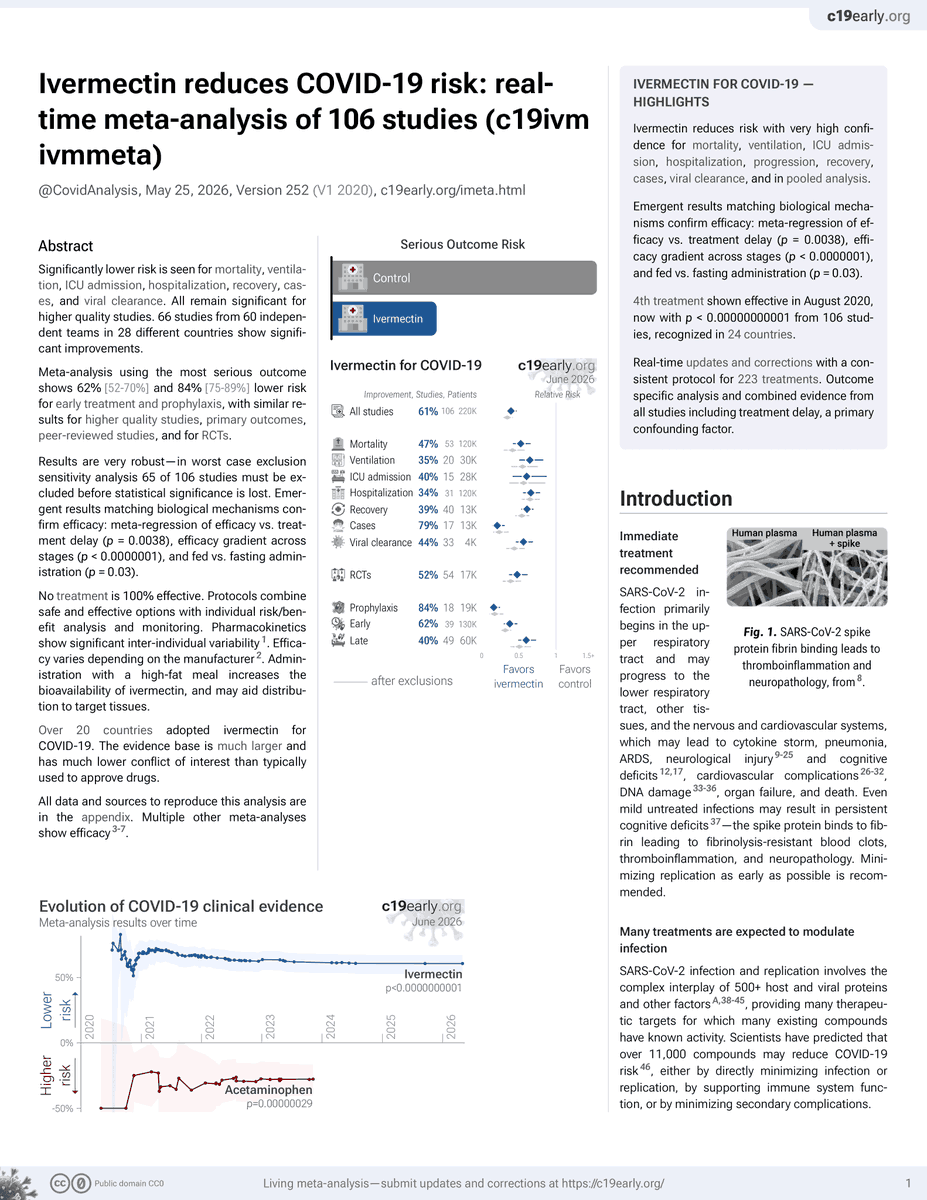
In clinical research ivermectin reduces risk for COVID-19. The largest RCT (3,963 patients, Oxford) shows significantly faster recovery and 36% lower long COVID, p < 0.0001 (pre-specified ongoing persistent COVID-19 symptoms combined with meta-analysis, data on page 358 in the appendix). This is remarkable given the design for failure: very late, low-dose, incorrectly administered, truncated treatment with low-risk patients. Results were withheld for 600 days until 2024.
Meta-analysis of 106 studies shows significantly lower COVID-19 risk, p < 0.0000001. Results across studies match the biological mechanisms (the level of efficacy varies just as we expect based on characteristics of the studies) which confirms reliability: meta-regression of efficacy vs. treatment delay (p = 0.0038), efficacy gradient across stages (p < 0.0000001), and fed vs. fasting administration (p = 0.03). This is not possible without a real treatment effect - it would require an unrealistic conspiracy where many well-respected teams in many countries conspire to harm humanity and coordinate fraudulent results. c19early.org/imeta.html#tldr
References
1. Götz et al., Influenza A viruses escape from MxA restriction at the expense of efficient nuclear vRNP import, Scientific Reports, nature.com/articles/srep2313…
2. Tay et al., Nuclear localization of dengue virus (DENV) 1–4 non-structural protein 5; protection against all 4 DENV serotypes by the inhibitor Ivermectin, Antiviral Research, sciencedirect.com/science/ar…
3. Wagstaff et al., Ivermectin is a specific inhibitor of importin α/β-mediated nuclear import able to inhibit replication of HIV-1 and dengue virus, Biochemical Journal, portlandpress.com/biochemj/a…
4. Jitobaom et al., Identification of inositol monophosphatase as a broad‐spectrum antiviral target of ivermectin, Journal of Medical Virology, onlinelibrary.wiley.com/doi/…
5. Wagstaff (B) et al., An AlphaScreen®-Based Assay for High-Throughput Screening for Specific Inhibitors of Nuclear Import, SLAS Discovery, sciencedirect.com/science/ar…
6. Barrows et al., A Screen of FDA-Approved Drugs for Inhibitors of Zika Virus Infection, Cell Host & Microbe, sciencedirect.com/science/ar…
7. Yang et al., The broad spectrum antiviral ivermectin targets the host nuclear transport importin α/β1 heterodimer, Antiviral Research, sciencedirect.com/science/ar…
8. Mastrangelo et al., Ivermectin is a potent inhibitor of flavivirus replication specifically targeting NS3 helicase activity: new prospects for an old drug, Journal of Antimicrobial Chemotherapy, academic.oup.com/jac/article…
9. Varghese et al., Discovery of berberine, abamectin and ivermectin as antivirals against chikungunya and other alphaviruses, Antiviral Research, sciencedirect.com/science/ar…
10. Li et al., Quantitative proteomics reveals a broad-spectrum antiviral property of ivermectin, benefiting for COVID-19 treatment, J. Cellular Physiology, onlinelibrary.wiley.com/doi/…
11. Bennett et al., Role of a nuclear localization signal on the minor capsid Proteins VP2 and VP3 in BKPyV nuclear entry, Virology, sciencedirect.com/science/ar…
12. Kosyna et al., The importin α/β-specific inhibitor Ivermectin affects HIF-dependent hypoxia response pathways, Biological Chemistry, degruyter.com/document/doi/1…
13. Fauquet et al., Microfluidic Diffusion Sizing Applied to the Study of Natural Products and Extracts That Modulate the SARS-CoV-2 Spike RBD/ACE2 Interaction, Molecules, mdpi.com/1420-3049/28/24/807…
14. Boschi et al., SARS-CoV-2 Spike Protein Induces Hemagglutination: Implications for COVID-19 Morbidities and Therapeutics and for Vaccine Adverse Effects, bioRxiv, biorxiv.org/content/10.1101/…
15. Scheim et al., Sialylated Glycan Bindings from SARS-CoV-2 Spike Protein to Blood and Endothelial Cells Govern the Severe Morbidities of COVID-19, International Journal of Molecular Sciences, mdpi.com/1422-0067/24/23/170…
16. Shahin et al., The selective effect of Ivermectin on different human coronaviruses; in-vitro study, Research Square, researchsquare.com/article/r…
17. Abd-Elmawla et al., Suppression of NLRP3 inflammasome by ivermectin ameliorates bleomycin-induced pulmonary fibrosis, Journal of Zhejiang University-SCIENCE B, link.springer.com/10.1631/jz…
18. Ma et al., Ivermectin contributes to attenuating the severity of acute lung injury in mice, Biomedicine & Pharmacotherapy, sciencedirect.com/science/ar…
19. Vottero et al., Computational Prediction of the Interaction of Ivermectin with Fibrinogen, Molecular Sciences, mdpi.com/1422-0067/24/14/114…
20. Mody et al., Identification of 3-chymotrypsin like protease (3CLPro) inhibitors as potential anti-SARS-CoV-2 agents, Communications Biology, nature.com/articles/s42003-0…
21. Parvez et al., Prediction of potential inhibitors for RNA-dependent RNA polymerase of SARS-CoV-2 using comprehensive drug repurposing and molecular docking approach, International Journal of Biological Macromolecules, sciencedirect.com/science/ar…
22. Li (B) et al., Drug–Target Interaction Prediction via Dual-Interaction Fusion, Molecules, mdpi.com/1420-3049/31/3/498
23. Gao et al., Ivermectin ameliorates acute myocarditis via the inhibition of importin-mediated nuclear translocation of NF-κB/p65, International Immunopharmacology, sciencedirect.com/science/ar…
24. Liu et al., Crosstalk between neutrophil extracellular traps and immune regulation: insights into pathobiology and therapeutic implications of transfusion-related acute lung injury, Frontiers in Immunology, frontiersin.org/articles/10.…
25. Bagheri-Far et al., Non-spike protein inhibition of SARS-CoV-2 by natural products through the key mediator protein ORF8, Molecular Biology Research Communications, mbrc.shirazu.ac.ir/article_7…
26. Shouman et al., SARS-CoV-2-associated lymphopenia: possible mechanisms and the role of CD147, Cell Communication and Signaling, biosignaling.biomedcentral.c…
27. Scheim (B), D., Ivermectin for COVID-19 Treatment: Clinical Response at Quasi-Threshold Doses Via Hypothesized Alleviation of CD147-Mediated Vascular Occlusion, SSRN, europepmc.org/article/ppr/pp…
28. Scheim (C), D., From Cold to Killer: How SARS-CoV-2 Evolved without Hemagglutinin Esterase to Agglutinate and Then Clot Blood Cells, Center for Open Science, osf.io/sgdj2
29. Behl et al., CD147-spike protein interaction in COVID-19: Get the ball rolling with a novel receptor and therapeutic target, Science of The Total Environment, sciencedirect.com/science/ar…
30. Lefebvre et al., Characterization and Fluctuations of an Ivermectin Binding Site at the Lipid Raft Interface of the N-Terminal Domain (NTD) of the Spike Protein of SARS-CoV-2 Variants, Viruses, mdpi.com/1999-4915/16/12/183…
31. Zhang et al., Ivermectin inhibits LPS-induced production of inflammatory cytokines and improves LPS-induced survival in mice, Inflammation Research, link.springer.com/10.1007/s0…
32. DiNicolantonio et al., Ivermectin may be a clinically useful anti-inflammatory agent for late-stage COVID-19, Open Heart, openheart.bmj.com/content/7/…
33. Zhao et al., Identification of the shared gene signatures between pulmonary fibrosis and pulmonary hypertension using bioinformatics analysis, Frontiers in Immunology, frontiersin.org/articles/10.…
34. Liu (B) et al., Genome-wide analyses reveal the detrimental impacts of SARS-CoV-2 viral gene Orf9c on human pluripotent stem cell-derived cardiomyocytes, Stem Cell Reports, sciencedirect.com/science/ar…
35. Liu (C) et al., SARS-CoV-2 viral genes Nsp6, Nsp8, and M compromise cellular ATP levels to impair survival and function of human pluripotent stem cell-derived cardiomyocytes, Stem Cell Research & Therapy, stemcellres.biomedcentral.co…
36. Mothae et al., SARS-CoV-2 host-pathogen interactome: insights into more players during pathogenesis, Virology, sciencedirect.com/science/ar…
37. Gayozo et al., Binding affinities analysis of ivermectin, nucleocapsid and ORF6 proteins of SARS-CoV-2 to human importins α isoforms: A computational approach, Biotecnia, biotecnia.unison.mx/index.ph…
38. Kofler et al., M-Motif, a potential non-conventional NLS in YAP/TAZ and other cellular and viral proteins that inhibits classic protein import, iScience, sciencedirect.com/science/ar…
39. Hazan et al., Treatment with Ivermectin Increases the Population of Bifidobacterium in the Gut, ACG 2023, acg2023posters.eventscribe.n…
40. Munson et al., Niclosamide and ivermectin modulate caspase-1 activity and proinflammatory cytokine secretion in a monocytic cell line, British Society For Nanomedicine Early Career Researcher Summer Meeting, 2021, web.archive.org/web/20230401…
41. DiNicolantonio (B) et al., Anti-inflammatory activity of ivermectin in late-stage COVID-19 may reflect activation of systemic glycine receptors, Open Heart, openheart.bmj.com/content/8/…
42. Yan et al., Anti-inflammatory effects of ivermectin in mouse model of allergic asthma, Inflammation Research, link.springer.com/10.1007/s0…
43. Descotes, J., Medical Safety of Ivermectin, ImmunoSafe Consultance, web.archive.org/web/20240313…
1
2
11
504

Jun 10
Is this a historical record or ongoing, i. e. have we seen a realignment of funding priorities under the new administration?
While the upper leadership has changed, the rank and file remains largely the same, with some high profile exits (Dr. Demetre, Monarez, etc).
Gates' influence is a heavy-handed push towards vaccines, including boondoggles which haven't borne fruit like HIV vaccines ($20 billion over 40 years), there are many others.
* Universal flu vaccine: Several billion over 20 years, no licensed vaccine
* Malaria. >$1B over 50 years, poor efficacy, especially over years
* Tuberculosis vaccine: ~$1B over 30 years, poor protection in adults (~0–20%)
* Dengue (Dengvaxia): ~$1B over 30 years, no effective vaccine, not a good target because of 4 circulating serotypes,
* HSV-2 vaccine: ~$500M over 30–40 years, no effective vaccine
* RSV may be a possible exception yielding 80-90% efficacy, but after 60 years and billions.
This amount of resources could have been transformative for any other approach, this approach has cost health and science significantly.
109

🫀 #Cardiac Targeting: AAV Serotypes, Promoters & Neural Tracing
Cardiovascular diseases (CVDs) are a top cause of death. Gene delivery is key for research & therapy.
🔬 What viral strategies work best? Read more:
ebraincase.com/support/Blog/…
📧 bd@ebraincase.com
#GeneTherapy #AAV
1
15

Jun 10
Dengue Serotype | DENV-1 - DENV-4 | DengiAll Vaccine
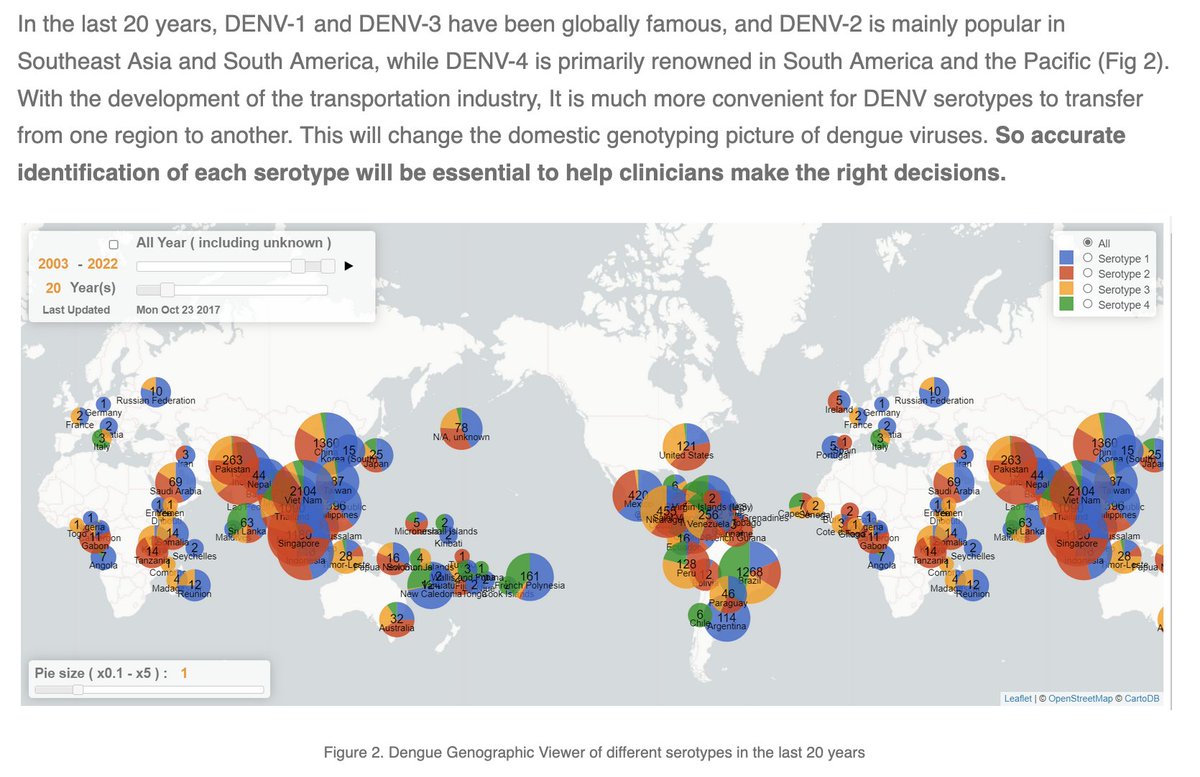
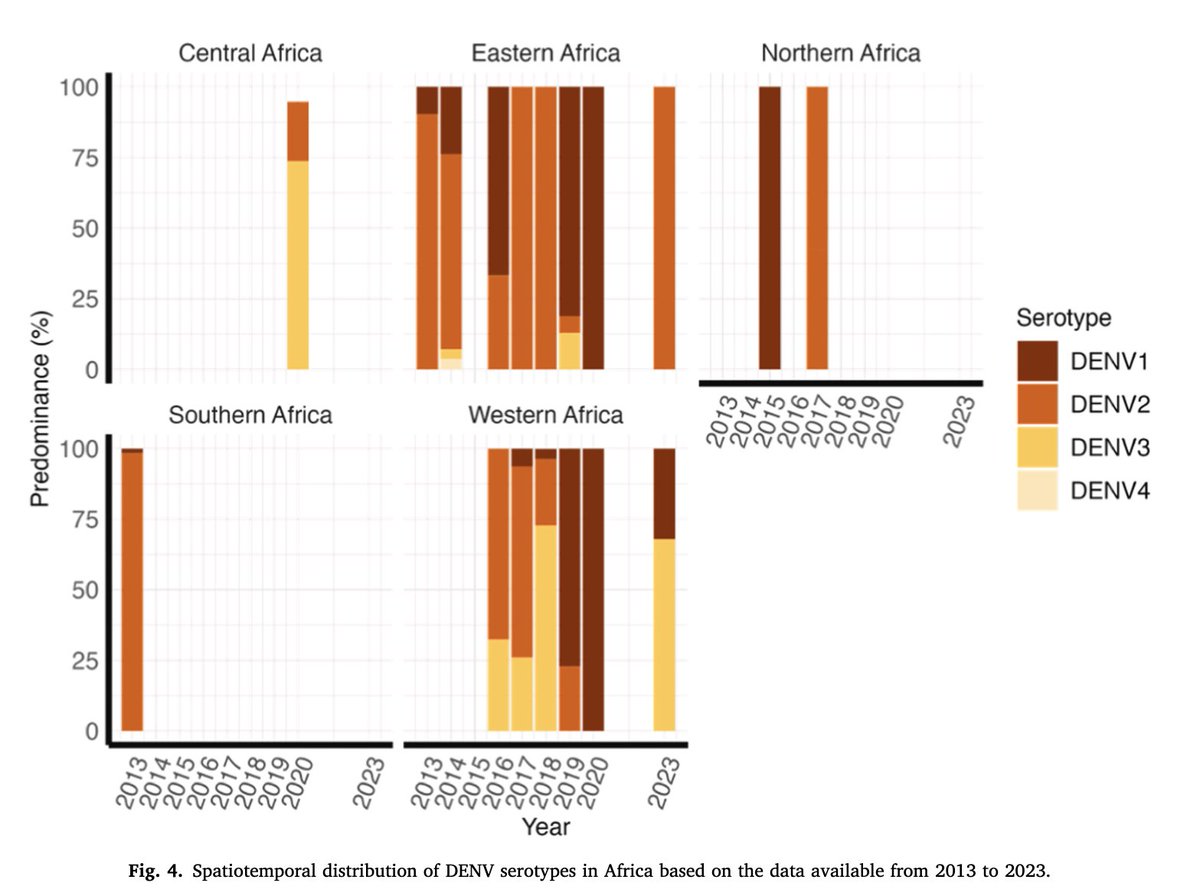
📸1-3: Dengue Serotype Distribution Globally
Global - In the last 20 years, DENV-1 & DENV-3 have been globally famous, and DENV-2 is mainly popular in SEA & South America, while DENV-4 is primarily renowned in South America & the Pacific
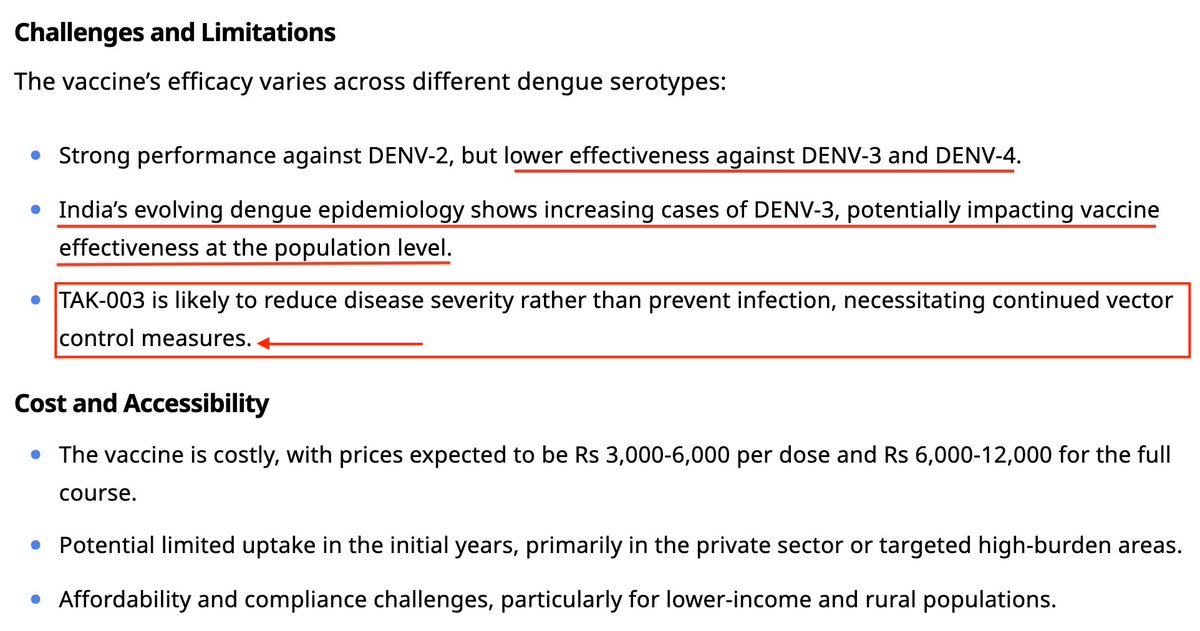
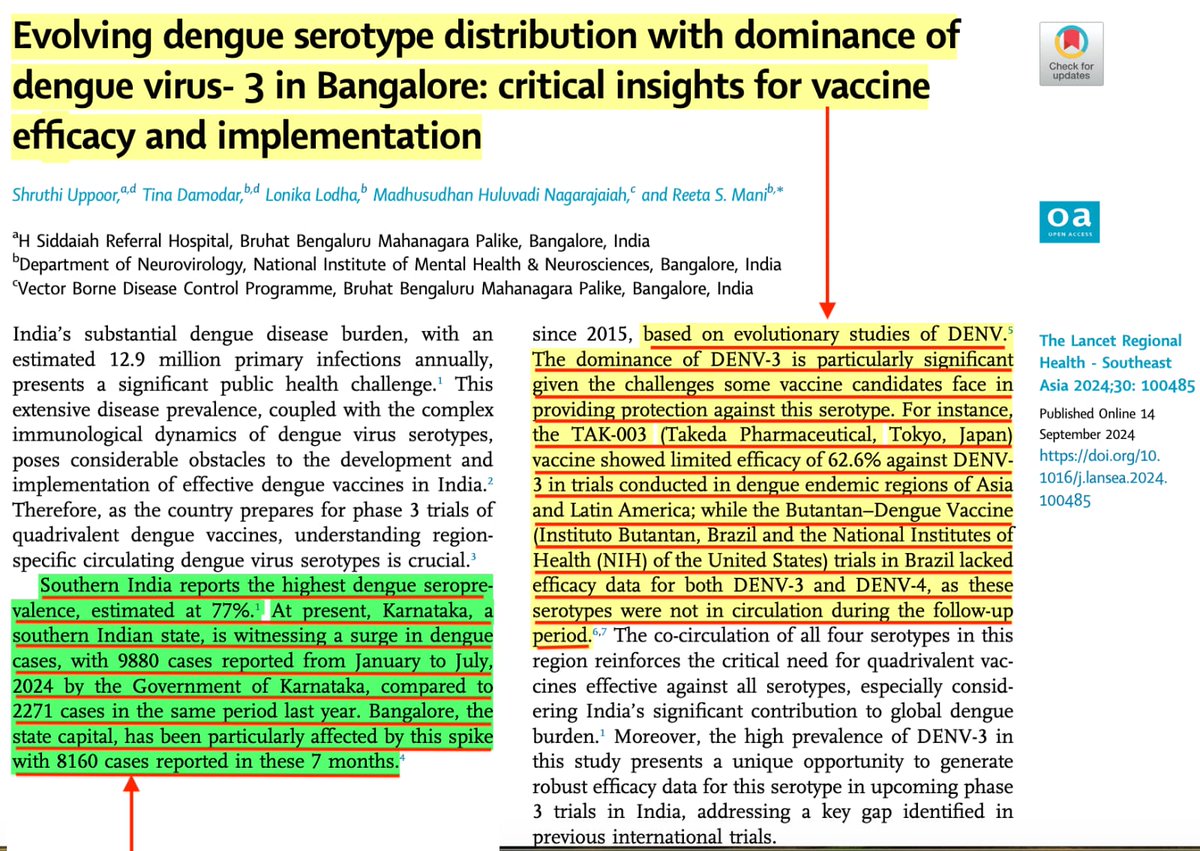
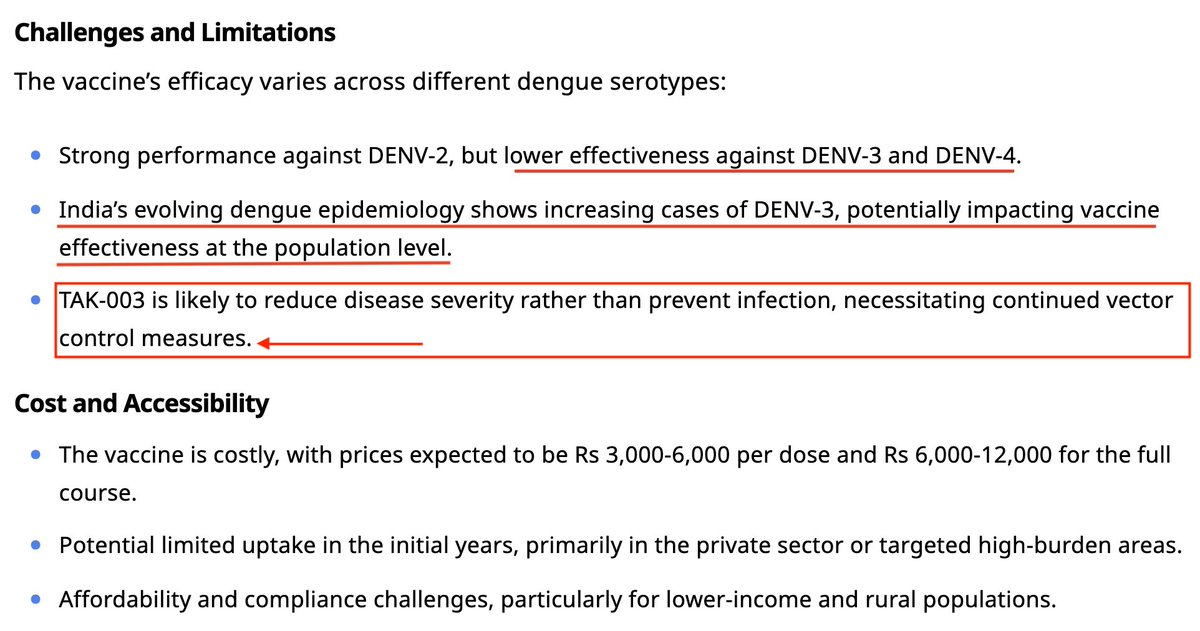
India - India's evolving Dengue epidemiology shows increasing cases of DENV-3, potentially impacting vaccine effectiveness at the population level.
African Region: Distribution of DENV serotypes in Africa based on the data available from 2013 to 2023.
📸4 : Panacea - DengiALL Vaccine (Indian Population - Pre-Clinical & Clinical Proof of Concept)
Panacea DENSTAR Project (African Population) - The DENSTAR consortium will conduct Phase I/III studies in healthy African adults & children.
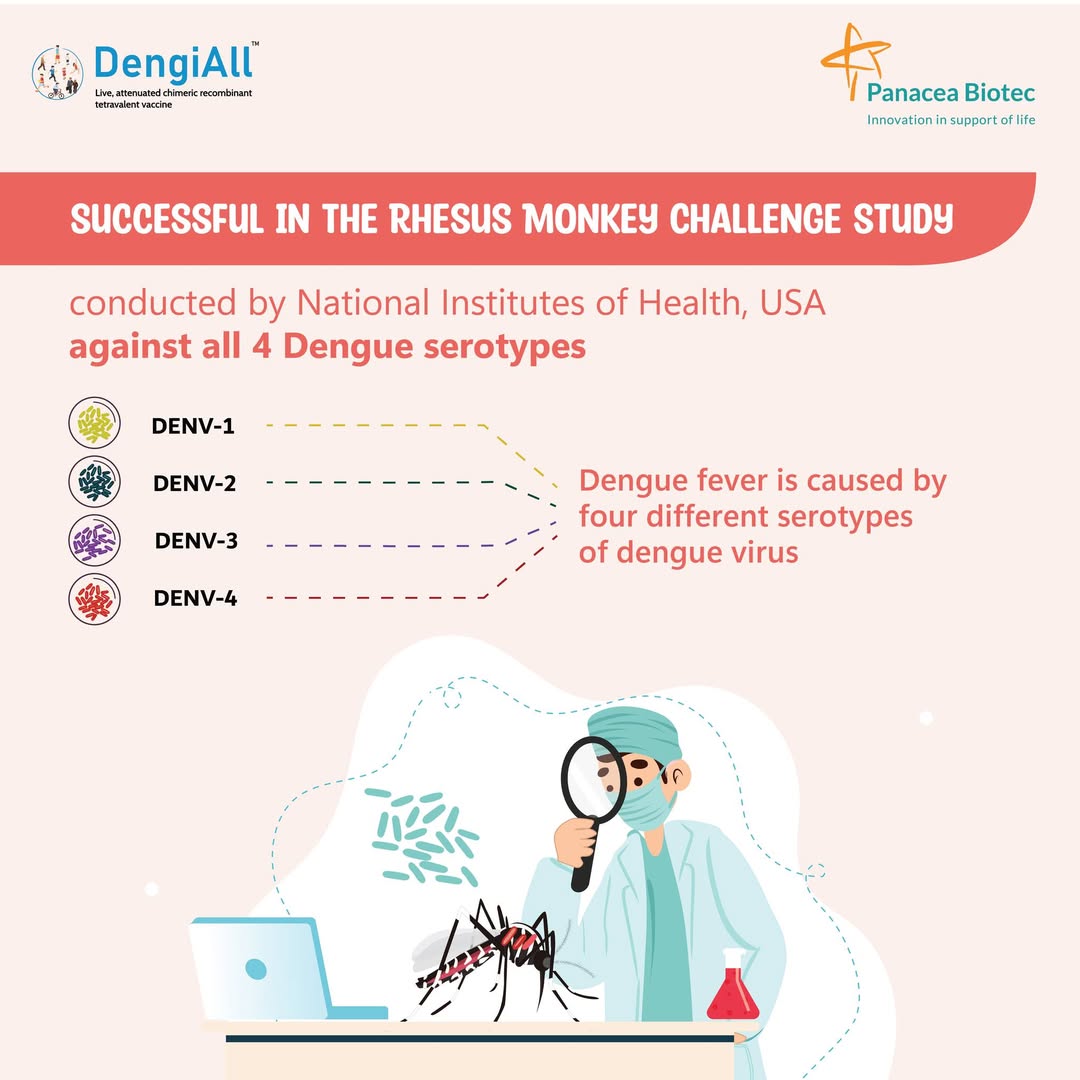
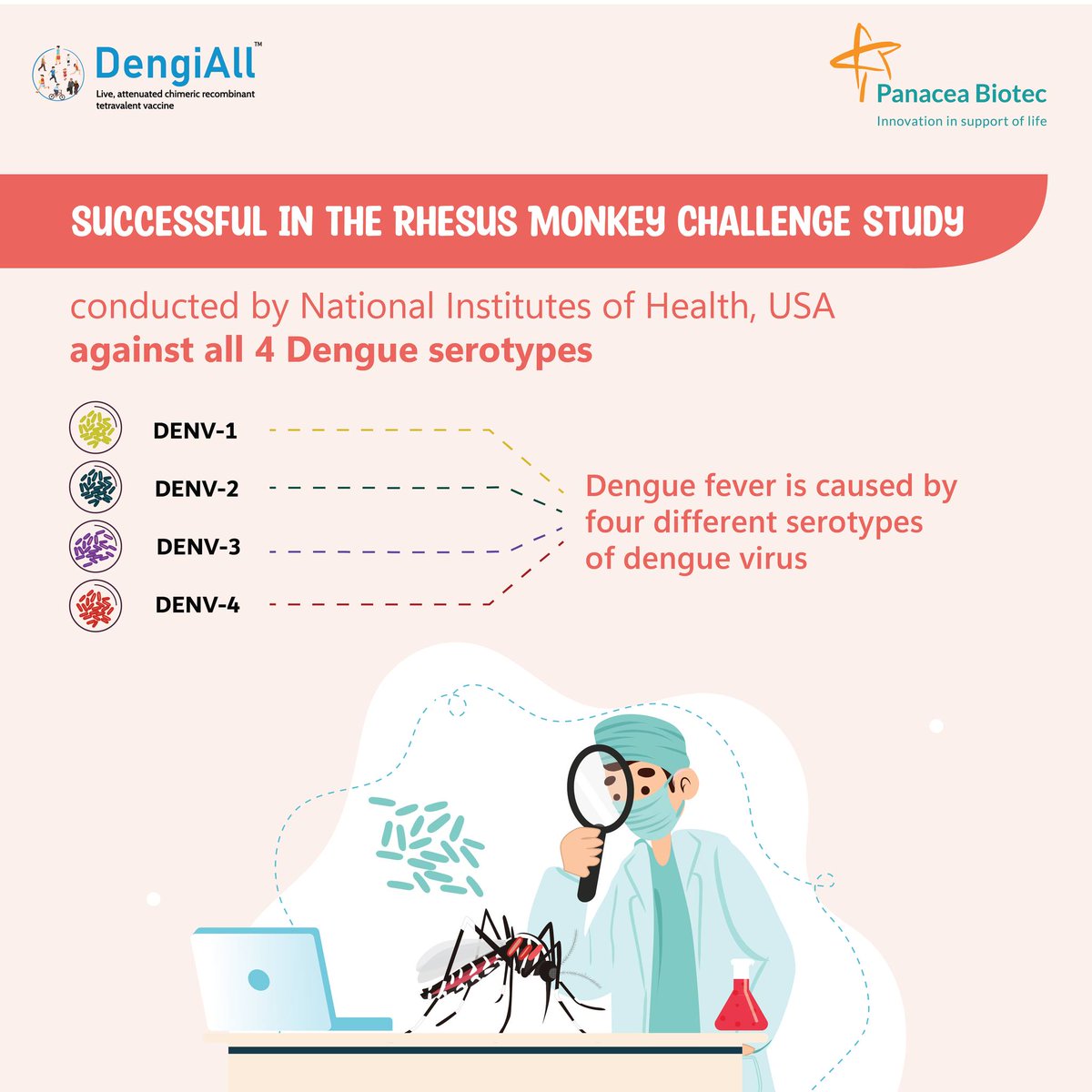
DengiAll (Pre-Clinical) - has been successful in the Rhesus Monkey challenge study conducted by NIH, USA against all 4 Dengue serotypes.
Phase III (Clinical) - DengiAll, developed by Panacea Biotec, aiming for balanced protection across all serotypes.
8
1,026

Jun 9
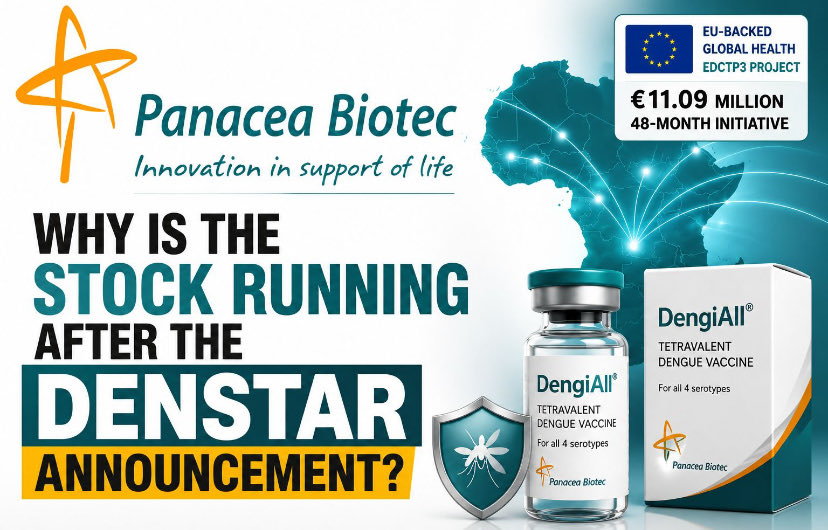
Panacea Biotec Ltd | Why Is The Stock Running After The DENSTAR Announcement?
Most investors saw the headline:
"Panacea launches DENSTAR project for DengiAll licensure in Africa."
And immediately noticed the stock moving.
But the real story is much bigger than a single announcement.
What Happened?
Panacea Biotec announced the launch of the DENSTAR Project, a 48-month international initiative funded under the European Union backed Global Health EDCTP3 program. The project has secured funding of approximately €11.09 million and aims to advance regulatory approval and broader access for Panacea's dengue vaccine, DengiAll®, across Sub-Saharan Africa.
Why Is This Important?
Panacea Biotec is not just participating in the project.
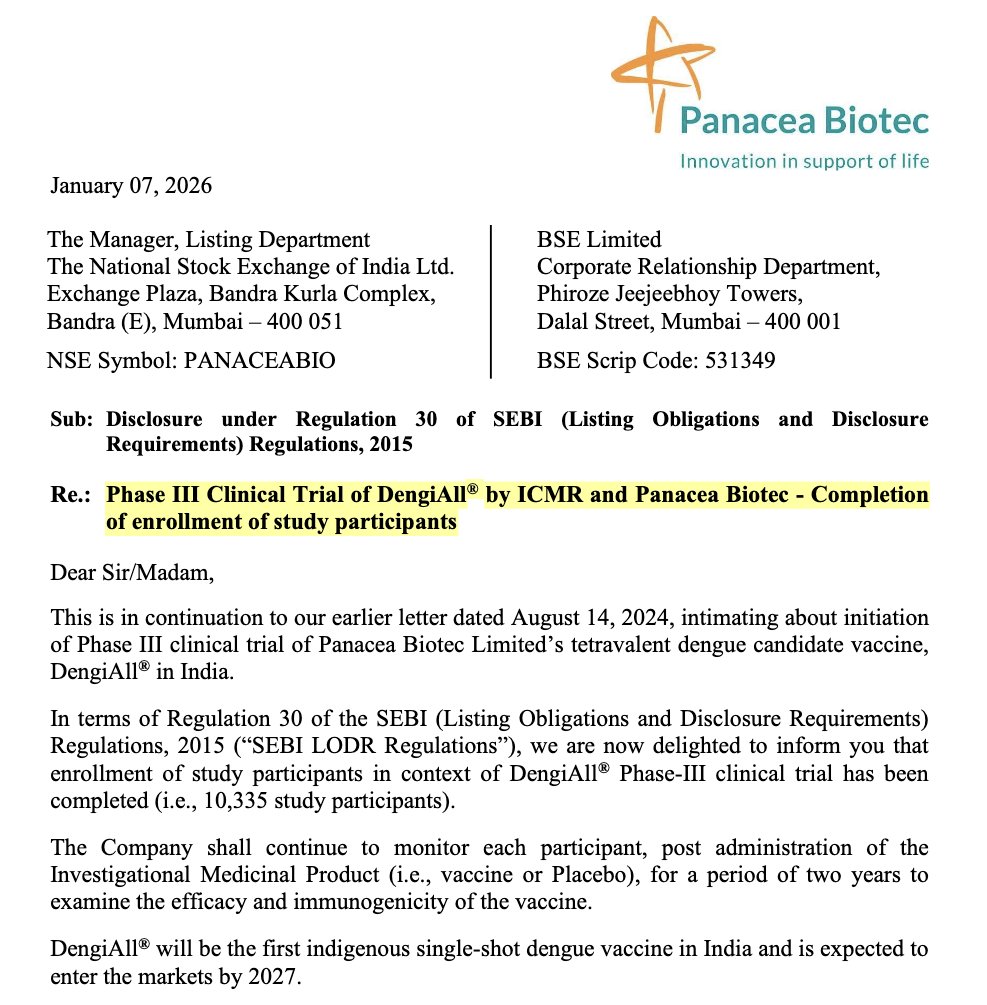
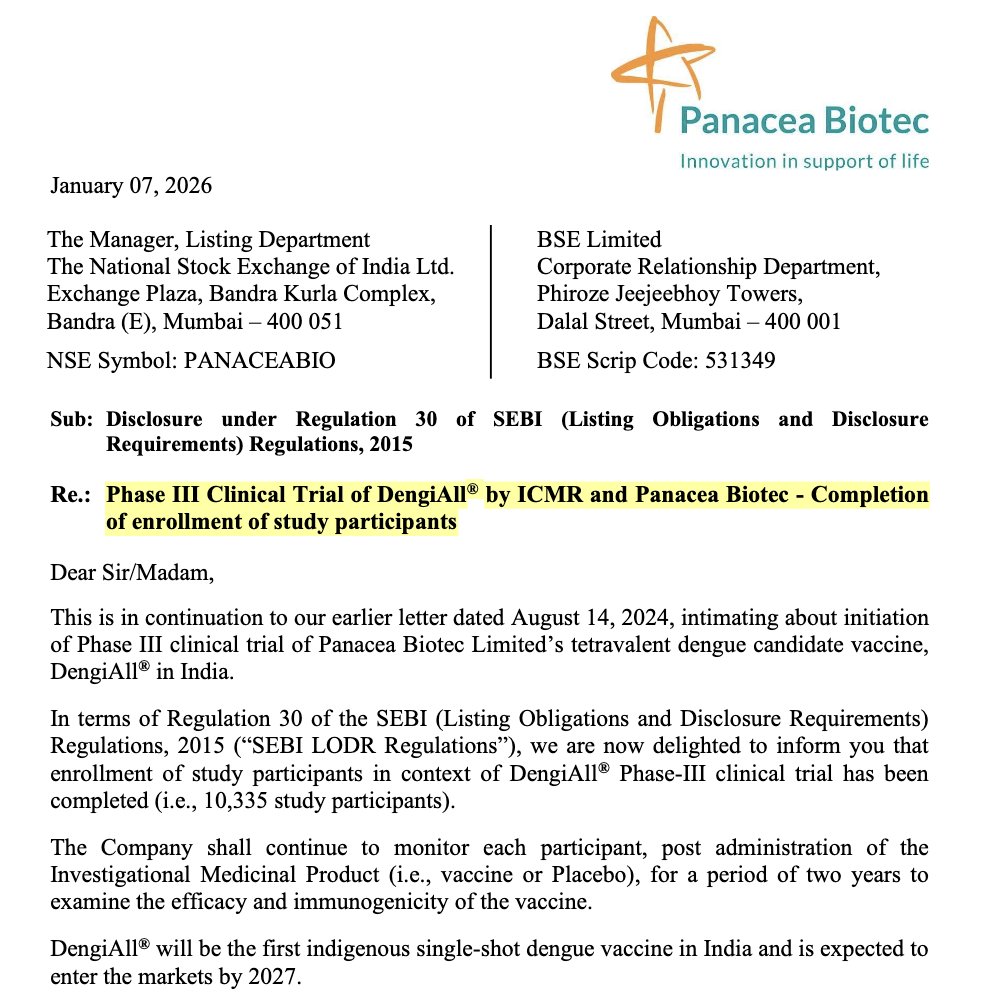
It is the developer of DengiAll®, a tetravalent dengue vaccine designed to protect against all four dengue virus serotypes. The vaccine is already in late stage development and has completed large Phase III enrollment in India involving more than 10,000 participants.
This means investors are no longer valuing Panacea as just another pharmaceutical company.
They are beginning to value the potential of a vaccine platform with international commercialization opportunities.
* Why The Market Is Excited
The DENSTAR consortium includes 10 organizations across 9 countries and will conduct clinical studies in Africa to support licensure and deployment of DengiAll.
For investors, this creates three potential triggers:
- Expansion beyond India
- Access to African and global public health markets
- Validation from international institutions and EU-backed funding
The market often rewards companies when their addressable market expands.
And this announcement significantly expands the potential market opportunity for DengiAll.
*The Bigger Opportunity
Dengue is becoming a major global health challenge.
According to project documents, dengue cases continue to rise globally and outbreaks in Africa are becoming increasingly common.
If DengiAll receives successful approvals and commercialization support, Panacea Biotec could potentially become one of the few Indian companies with a globally relevant dengue vaccine platform.
*Why The Stock Is Moving
The stock is not running because of immediate revenue.
The €11.09 million project itself is not transformational for Panacea's financials.
The market is reacting to something much bigger:
The possibility that DengiAll evolves from an Indian vaccine candidate into a globally licensed dengue vaccine.
And if that happens, the opportunity could be far larger than the funding amount investors are currently discussing.
The Key Question
Can Panacea Biotec successfully convert years of vaccine development into global commercialization and create a meaningful position in the worldwide dengue vaccine market?
#PanaceaBiotec #DengiAll #smallcap #multibagger #panacea #DengueVaccine #Pharma #Healthcare #Biotech #Africa #Vaccines #NexxValue
1
1
1
210

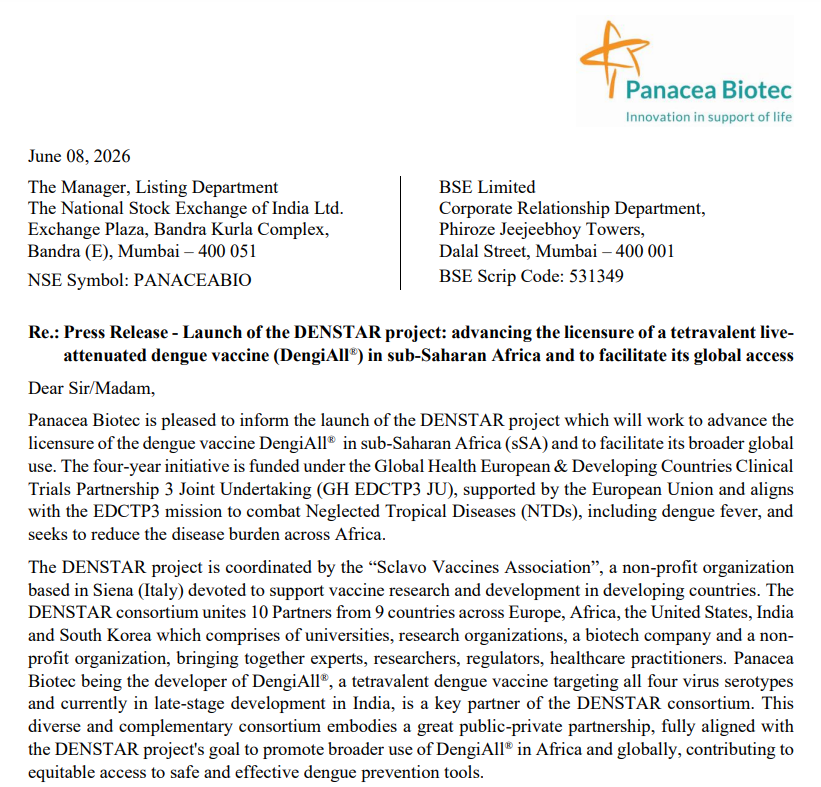
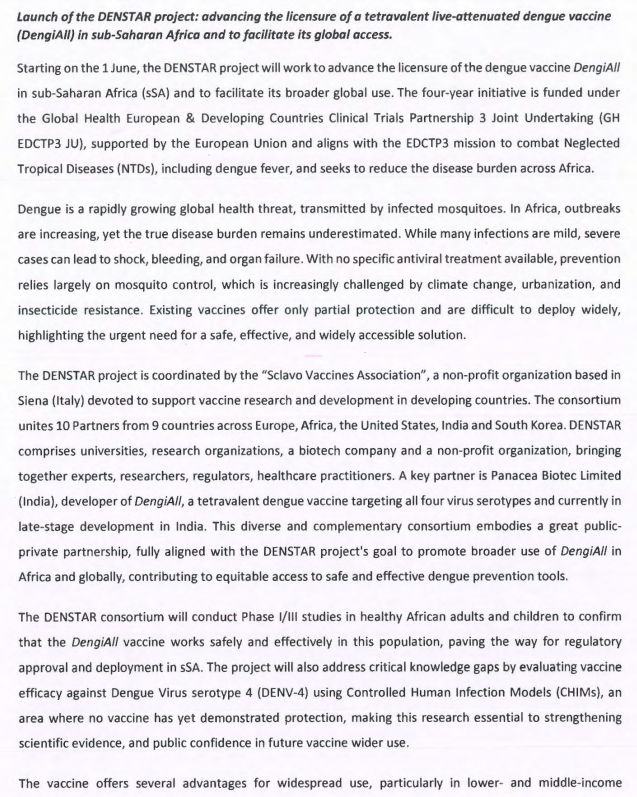
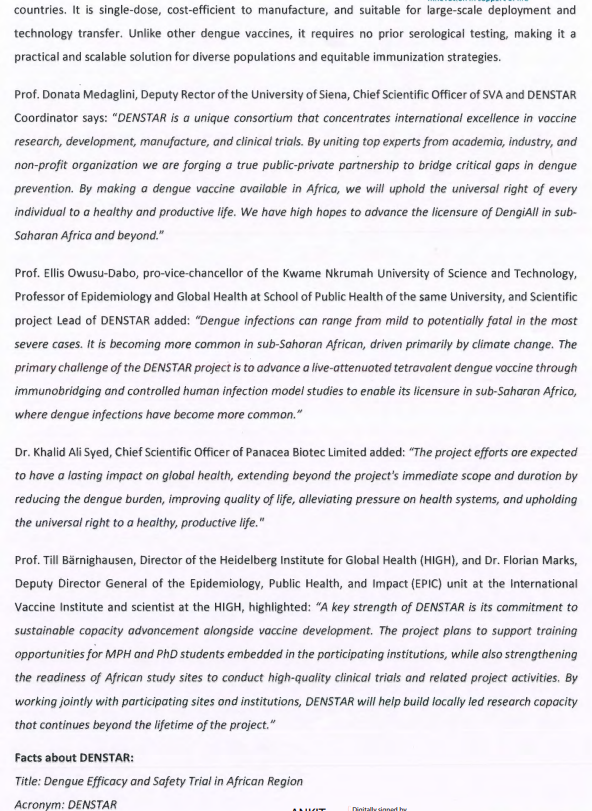
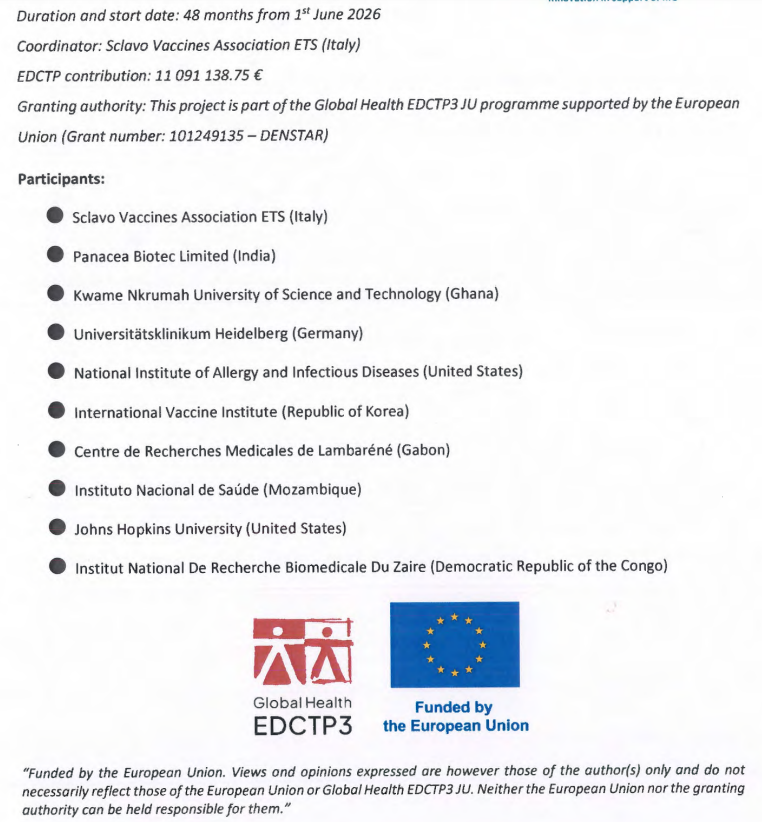
DENSTAR project which will work to advance the licensure of the dengue vaccine DengiAll® in sub-Saharan Africa (sSA) and to facilitate its broader global use is launched.
Panacea Biotec being the developer of DengiAll®, a tetravalent dengue vaccine targeting all four virus serotypes and currently in late-stage development in India, is a key partner of the DENSTAR consortium.
The four-year initiative is funded under the Global Health European & Developing Countries Clinical Trials Partnership 3 Joint Undertaking (GH EDCTP3 JU), supported by the European Union and aligns with the EDCTP3 mission to combat Neglected Tropical Diseases (NTDs), including dengue fever, and seeks to reduce the disease burden across Africa.
The DENSTAR project is coordinated by the “Sclavo Vaccines Association”, a non-profit organization based in Siena (Italy) devoted to support vaccine research and development in developing countries. The DENSTAR consortium unites 10 Partners from 9 countries across Europe, Africa, the United States, India and South Korea which comprises of universities, research organizations, a biotech company and a nonprofit organization, bringing together experts, researchers, regulators, healthcare practitioners.
#PanaceaBiotec #PanaceaBio #Panacea #Dengue #Africa
82
Jun 9
Indian Population➡️DENSTAR Project⬅️African Population
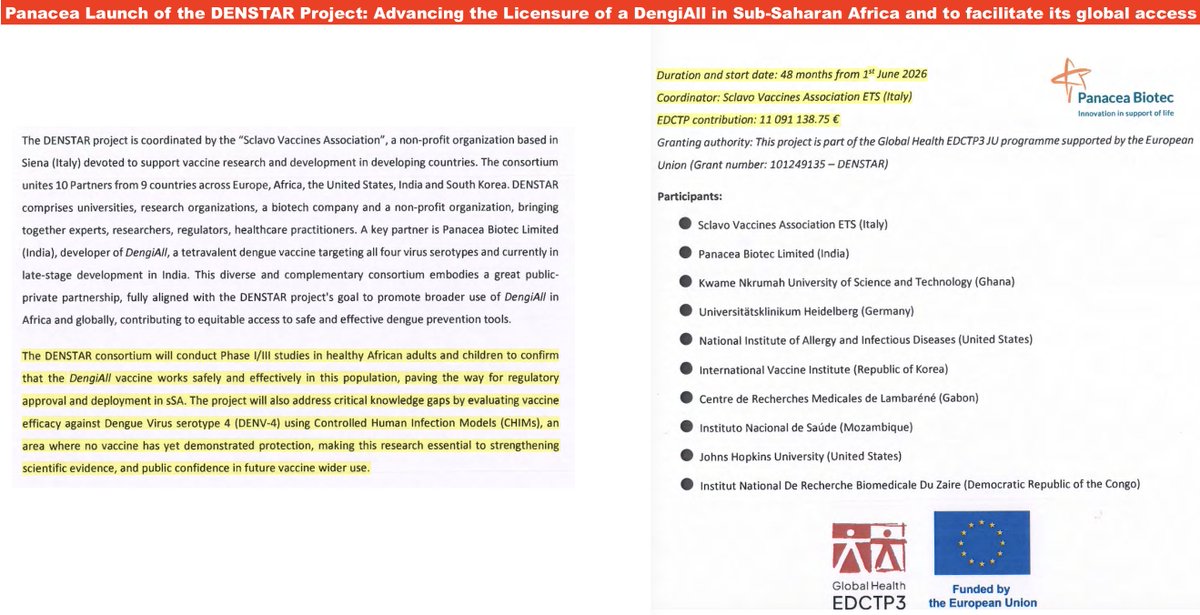
📸1: Panacea Launch of the DENSTAR Project: Advancing the /licensure of a tetravalent live-attenuated dengue vaccine (DengiAll) in sub-Saharan Africa and to facilitate its global access
DENSTAR Project (African Population) - The DENSTAR consortium will conduct Phase I/III studies in healthy African adults and children to confirm that the DengiAll vaccine works safely and effectively in this population, paving the way for regulatory approval and deployment in sSA.
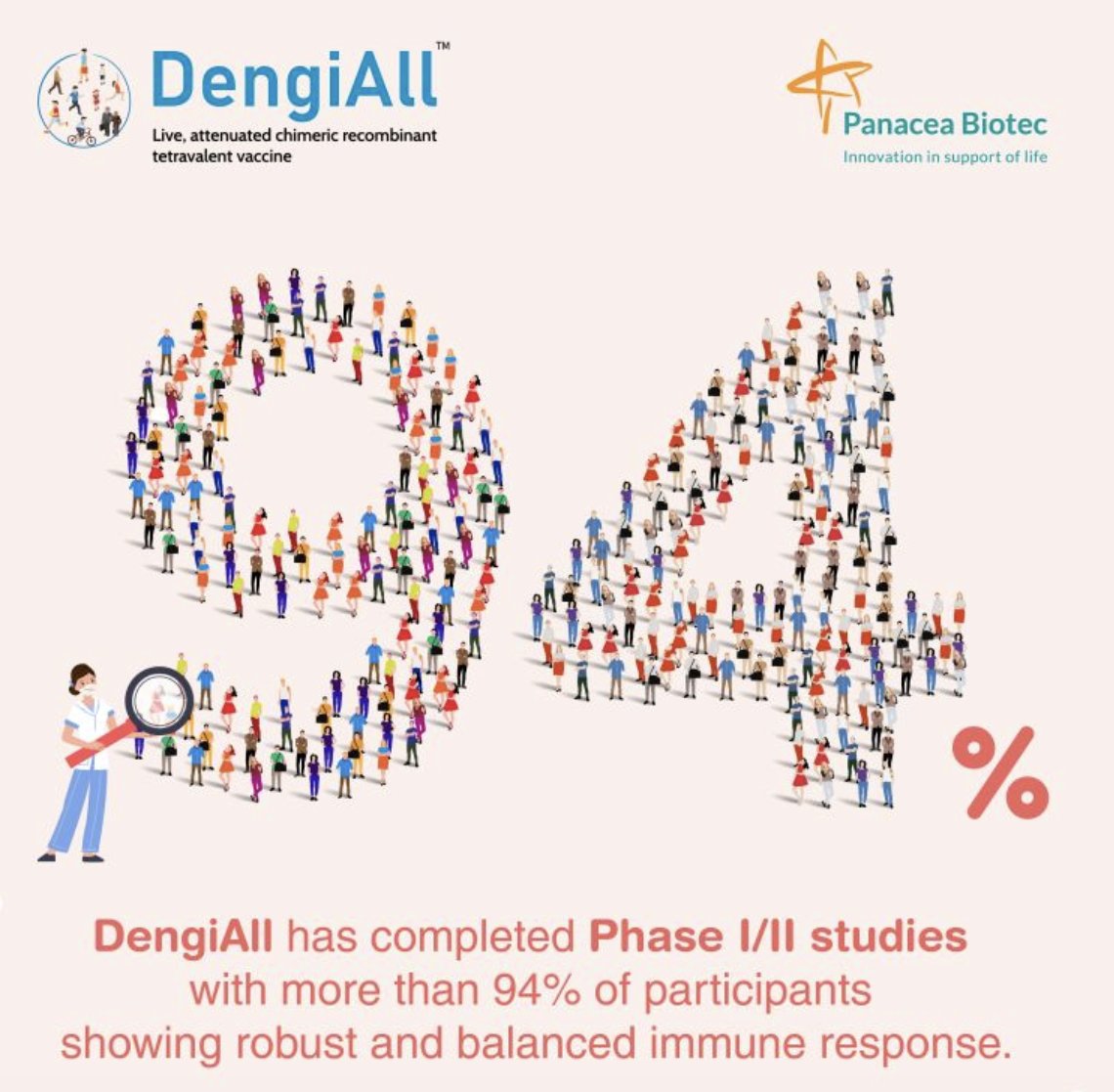
📸2 & 3: Panacea - DengiALL Vaccine (Indian Population - Clinical Proof of Concept)
Phase III - DengiAll, developed by Panacea Biotec, aiming for balanced protection across all serotypes.
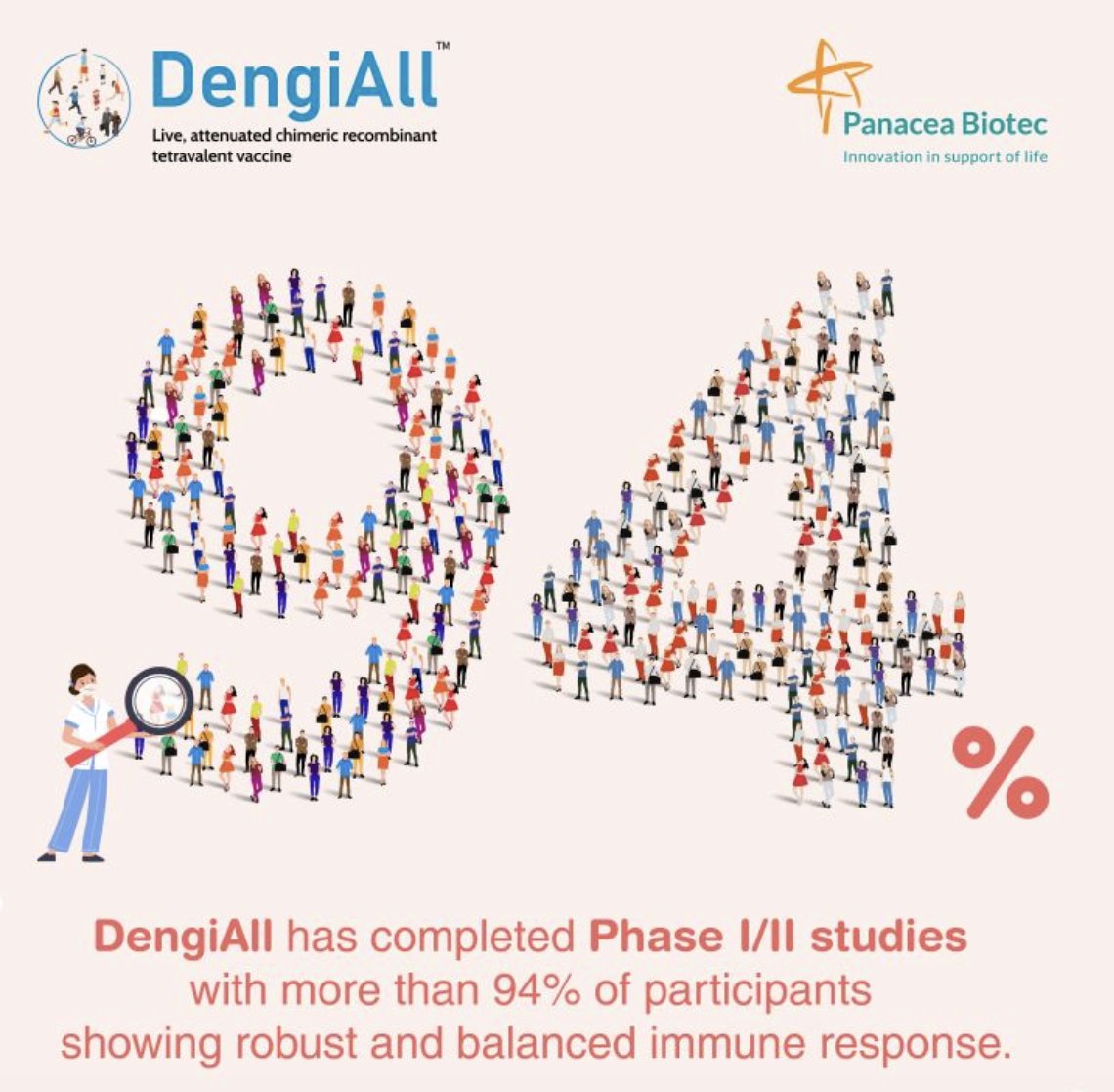
Phase I/II - DengiAll has completed Phase I/Il studies with more than 94% of participants showing robust & balanced immune response.
DengiALL - Single-dose regimens and broader serotype coverage.
10
1,187

At one point, I thought influenza would get there first. It was discussed earlier and appeared further along in the discovery process.
What changed my thinking was the dengue binding data.
The company didn’t just announce a target. It announced antibodies that recognized all four dengue serotypes. That’s a meaningful milestone because it moves the conversation from target discovery to whether those antibodies can actually neutralize the virus.
To me, that makes dengue the most tangible near-term validation opportunity for the platform.
Could influenza ultimately be the bigger opportunity? Maybe.
Could influenza still arrive first? Possibly.
But based on what I’ve been publicly disclosed, dengue appears to have crossed a milestone that puts neutralization squarely in focus.
2
47
$HYFT
What happens if the dengue program achieves broad neutralization?
I don’t know what the deal looks like. Maybe it’s a partnership. Maybe it’s a licensing agreement. Maybe it’s a buyout.
What I do know is that neutralization is the milestone that starts validating whether HYFT is more than just an interesting AI story.
Binding across all four dengue serotypes was the leap needed to make broad neutralization a realistic possibility. Broad neutralization would be the leap needed to get the industry’s attention.
The history of the pharmaceutical industry is filled with well-funded companies spending years and billions of dollars trying to solve dengue, yet no vaccine has delivered a perfect solution. That track record underscores just how valuable a broadly neutralizing approach could be.
If HYFT can produce broad dengue neutralization, my next question isn’t whether the platform works. It’s: “If it can solve a problem this difficult, what else can it solve?”
Dengue may be the first major test, but it likely won’t be the last, as the influenza program continues to advance as well.
That’s why the upcoming AI Drug Discovery conference caught my eye. The room will be filled with many of the biggest names in the industry. If MindWalk enters that conference with positive neutralization data, the opportunity set looks very different than it does today.
If neutralization is successful, I think the odds of meaningful conversations with larger pharmaceutical companies increase dramatically.
Neutralization feels like the point where the market stops looking at a single dengue program and starts evaluating the platform itself.
4
1
10
427

$HYFT $HYFT
Just for fun, let’s work backwards from a hypothetical November 15 dengue neutralization announcement.
November 15: Results released.
That means the data package was likely finalized in October.
Before that, confirmatory experiments would need to be completed and reviewed. Call that September into October.
Before confirmation, initial neutralization results would need to be generated and analyzed. Call that August into September.
Before analysis, the neutralization assays would need to be actively running. Call that July into August.
Before assays begin, samples need to be prepared, transferred, and set up with the testing lab. Call that June into July.
If this timeline is even close, then neutralization may not be something that’s about to start. It may already be underway.
Now add in what we already know:
• Binding was achieved across all four dengue serotypes.
• Management continues to speak positively about the program.
• HYFT is being showcased alongside major AI drug discovery participants.
• Dengue continues to be discussed as a key proof-of-concept program.
None of this guarantees success. Biotech is hard and neutralization is the real test.
But if November 15 is the target date, the science may be further along today than many investors realize.
Just my opinion as I connect the dots.
9
305
Jun 7
Bangalore | DENV-3 Serotype Severity | Andhra Pradesh
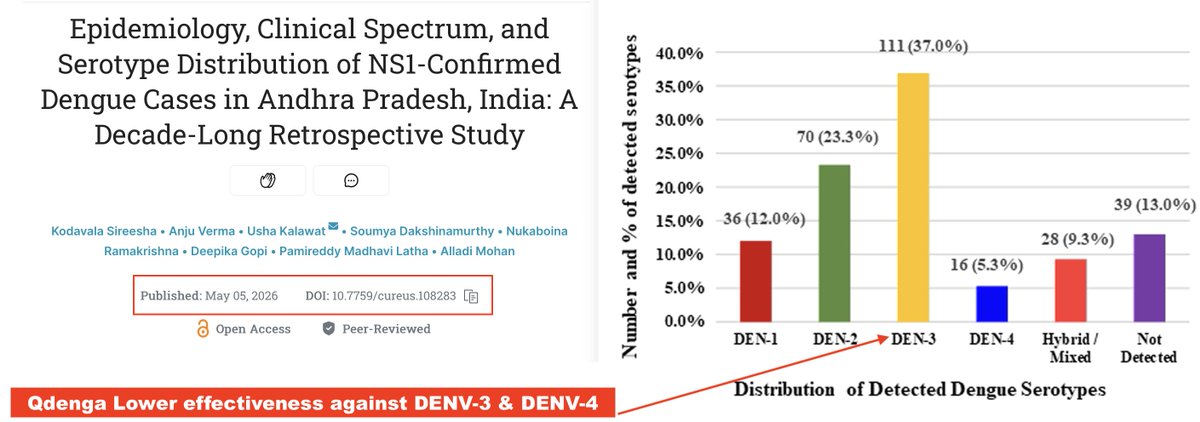
📸1 & 2: India's evolving Dengue epidemiology shows increasing cases of DENV-3, potentially impacting vaccine effectiveness at the population level.
2023 to 2024 - Cases in Bangalore and Karnataka 2024 vs 2023 (Dominance of DENV- 3 in Bangalore)
2015 to 2026 - Epidemiology, Clinical Spectrum, and Serotype Distribution of NS1-Confirmed Dengue Cases in Andhra Pradesh, India: Distribution of Detected Dengue Serotypes (DENV-3)
📸3: Qdenga Limitations & Indian Population Subtype
Qdenga strong performance against DENV-2, but lower effectiveness against DENV-3 and DENV-4.
📸4: Panacea - DengiALL Vaccine Features (Clinical Evaluation)
Phase III - DengiAll, developed by Panacea Biotec, aiming for balanced protection across all serotypes.
Phase I/II - DengiAll has completed Phase I/Il studies with more than 94% of participants showing robust & balanced immune response.
DengiALL - Single-dose regimens and broader serotype coverage.
1
6
1,436
Jun 3
Vaccine Characteristics | Dengue Serotypes | Preclinical - Clinical Studies
The Global Dengue Vaccine Landscape & Characteristics
📸1: DengiALL (Preclinical Study) - Successful In the Rhesus Monkey challenge study - conducted by NIH, USA against all 4 Dengue serotypes. (Ref: Panacea Biotec)
📸2: DengiALL (Clinical Study) - Phase III Clinical Trial of DengiAll® by ICMR and Panacea Biotec – Completion of enrollment of study participants
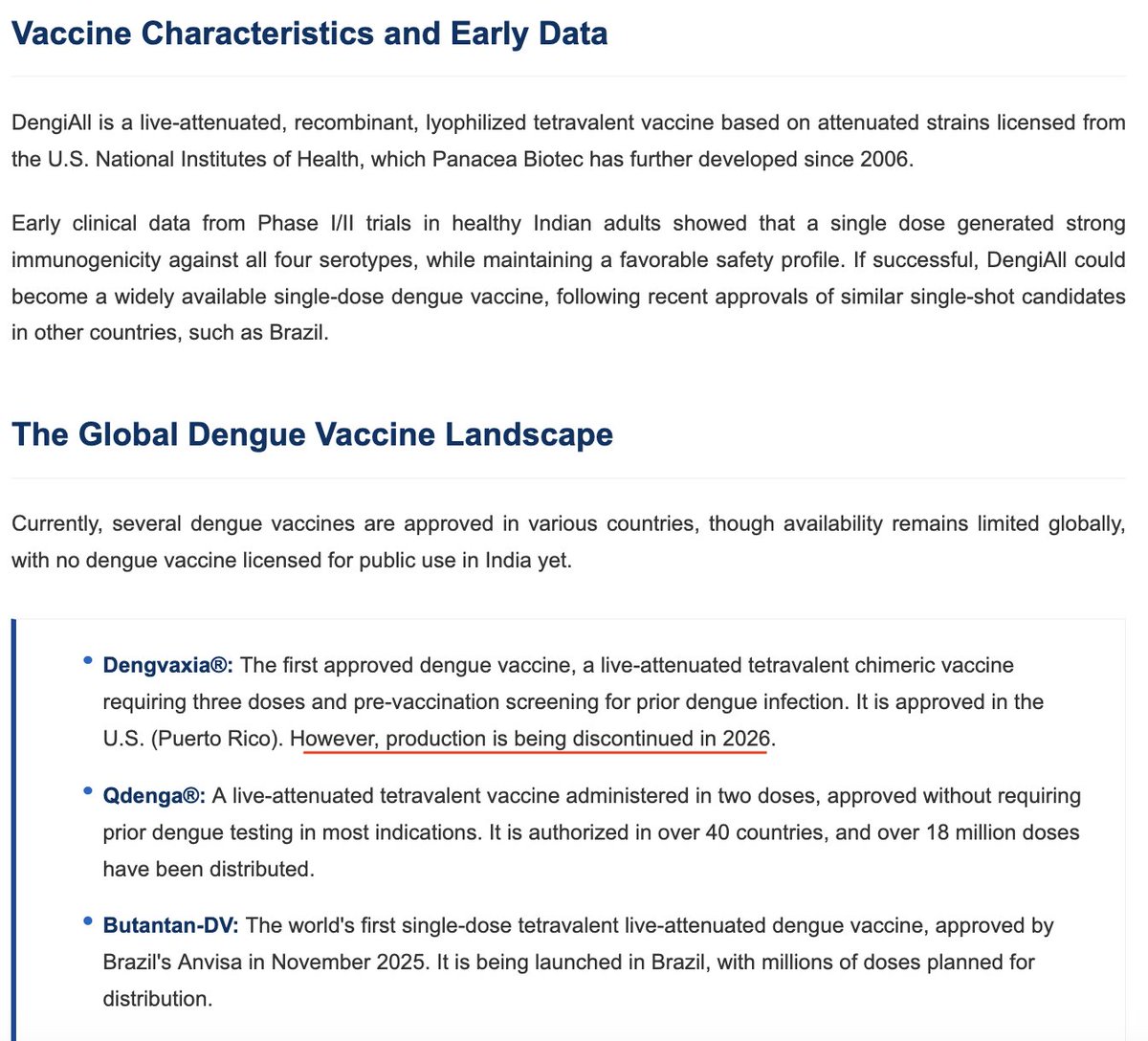
📸3: DengiALL (Clinical Study) - Early clinical data from Phase I/ll trials in healthy Indian adults showed that a single dose generated strong immunogenicity against all 4 serotypes, while maintaining a favorable safety profile.
📸4: Other Dengue Vaccines & Qdenga Age group related side-effects
Dengvaxia®: Production is being discontinued in 2026.
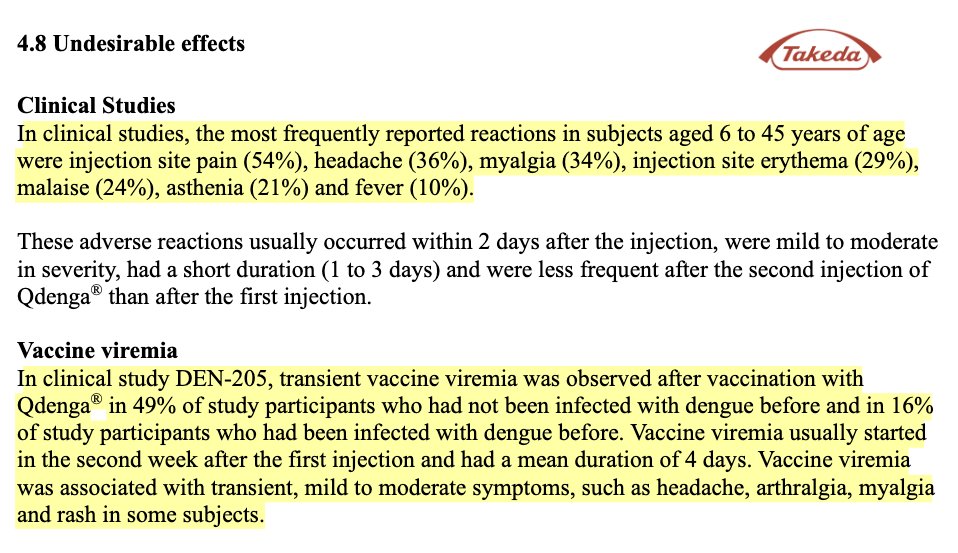
Qdenga®: In clinical studies, the most frequently reported reactions in subjects aged 6 to 45 years of age were injection site pain (54%), headache (36%), myalgia (34%), injection site erythema (29%), malaise (24%), asthenia (21%) and fever (10%)
12
1,213