
Integrate the principles of #ShiftLeft from the first GO of the projects and save a lot of the above aforementioned
4


Jun 8
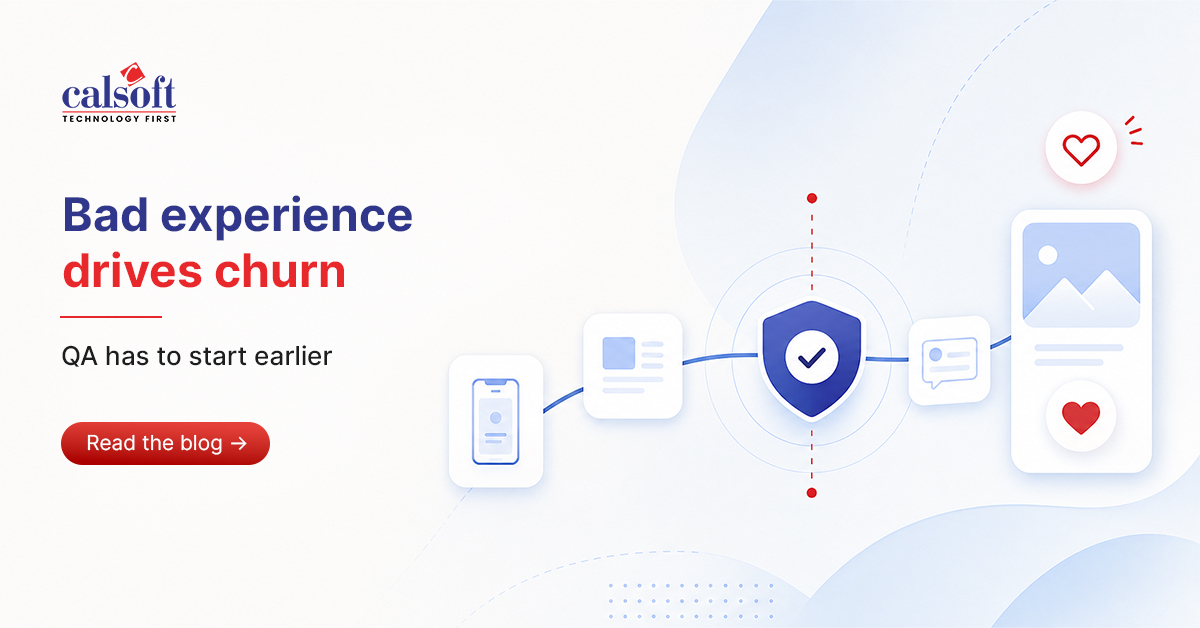
67% of users churn because of poor experience — not poor features.
That starts with QA. Calsoft's blog covers 5 steps to build a testing process that actually prevents it.
na2.hubs.ly/H060-9Z0
#QA #TestAutomation #ShiftLeft #Calsoft
3


Shift left is only useful if you also “shift ownership.”
If security is the only team who cares about vulns, you will drown in tickets.
If engineers can see:
- which of their services are exposed
- which vulns have active exploits
- how a fix changes risk
.... then security becomes an accelerator instead of a blocker.
#DevSecOps #ShiftLeft #SecureByDesign
1
7
35

Everyone scans code.
Few test what’s actually running.
That’s where DAST comes in.
→ Finds real vulnerabilities in live apps
→ No source code needed
→ Sees your app like an attacker does
But here’s the catch:
DAST won’t fix bad design.
It only exposes it.
If your auth is broken,
DAST will find it — your users will too.
The real power?
SAST DAST together
= coverage from code → runtime
Security isn’t a phase.
It’s a feedback loop.
#DevSecOps #DAST #AppSec #CyberSecurity #WebSecurity #ShiftLeft
2
1
39
DevSecOps tip:
Don’t run tools—wire them into your workflow.
Trivy → scan images in CI
Gitleaks → block commits with secrets
OWASP ZAP → automate DAST in pipelines
Tools don’t secure systems.
Pipelines do.
#DevSecOps #AppSec #CyberSecurity #ShiftLeft #CloudSecurity #CIcd #SecurityTools
1
3
262

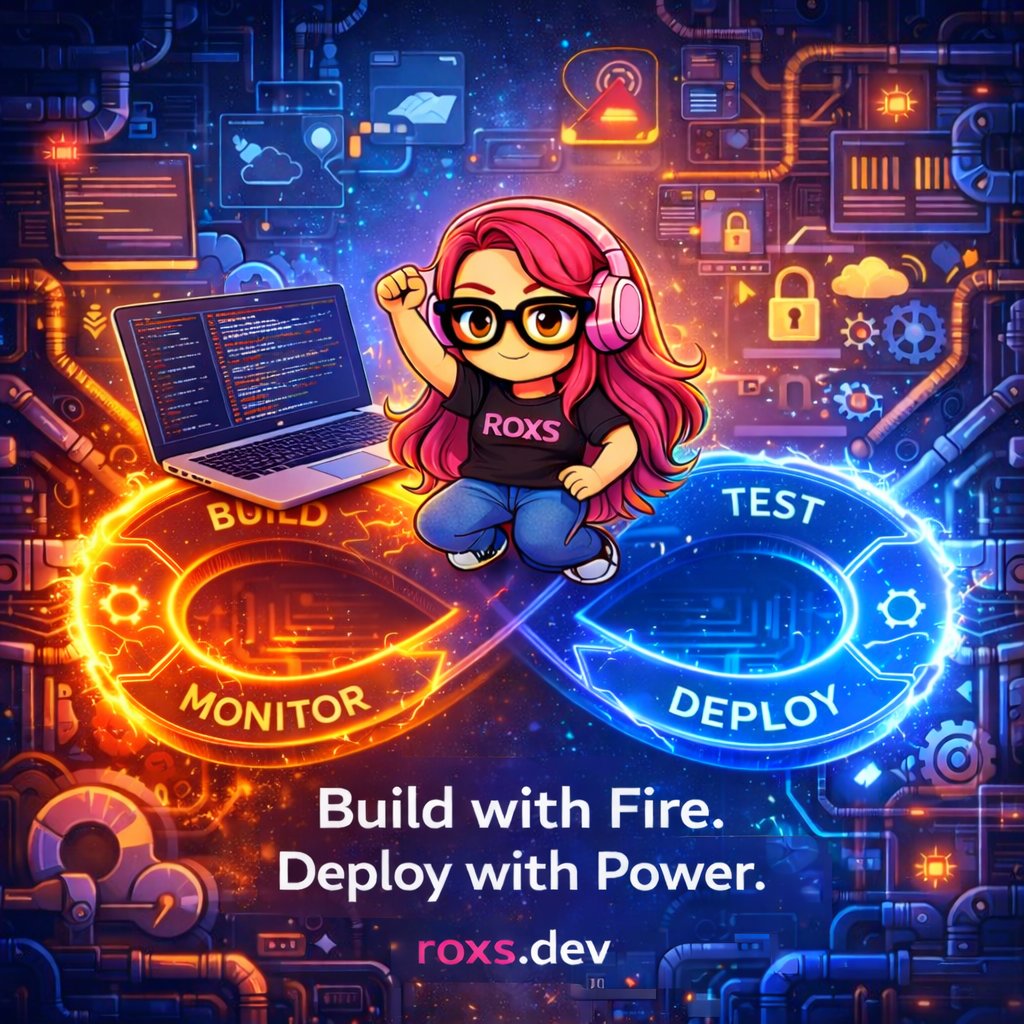
🔍 El Perfil de Riesgo del Desarrollo Impulsado por IA
La generación de código con IA acelera los riesgos de la cadena de suministro, exigiendo controles desde el inicio.
devops.com/the-risk-profile-…
#AIsecurity #SBOM #ShiftLeft #RoxsRoss
1
4
117

A 40-line change shouldn't take 3 days to validate.
That's not a code problem, it's a process problem.
TestMu AI’s GitHub App Integration closes that gap.
One comment on your pull request, @KaneAI Validate this PR, and the entire testing cycle runs automatically:
➡️ Analyzes code diff, PR, and repo context
➡️ Generates test cases from actual business logic
➡️ Surfaces similar tests from your existing library
➡️ Runs in parallel across browsers and devices
➡️ Posts results, root cause, and approval recommendation in the PR
Every PR becomes a self-validating artifact. Quality is no longer a gate after development, it's native to it.
Documentation 🔗 bit.ly/46EnOSd
#QualityEngineering #AITesting #GitHubIntegration #KaneAI #TestMuAI #DevOps #ShiftLeft
2
5
135

Threat Intelligence Report 2025 #Exprivia . Evoluzione dell’attacco:AI e Quantum stanno modificando la natura delle minacce.Torino Centro Congressi Unione Industriali 11 marzo 16:00 18:00. it-present.com/it/evento-thr… #CyberSecurity #DevSecOps #ShiftLeft #ThreatIntelligence #AI

3
4
114
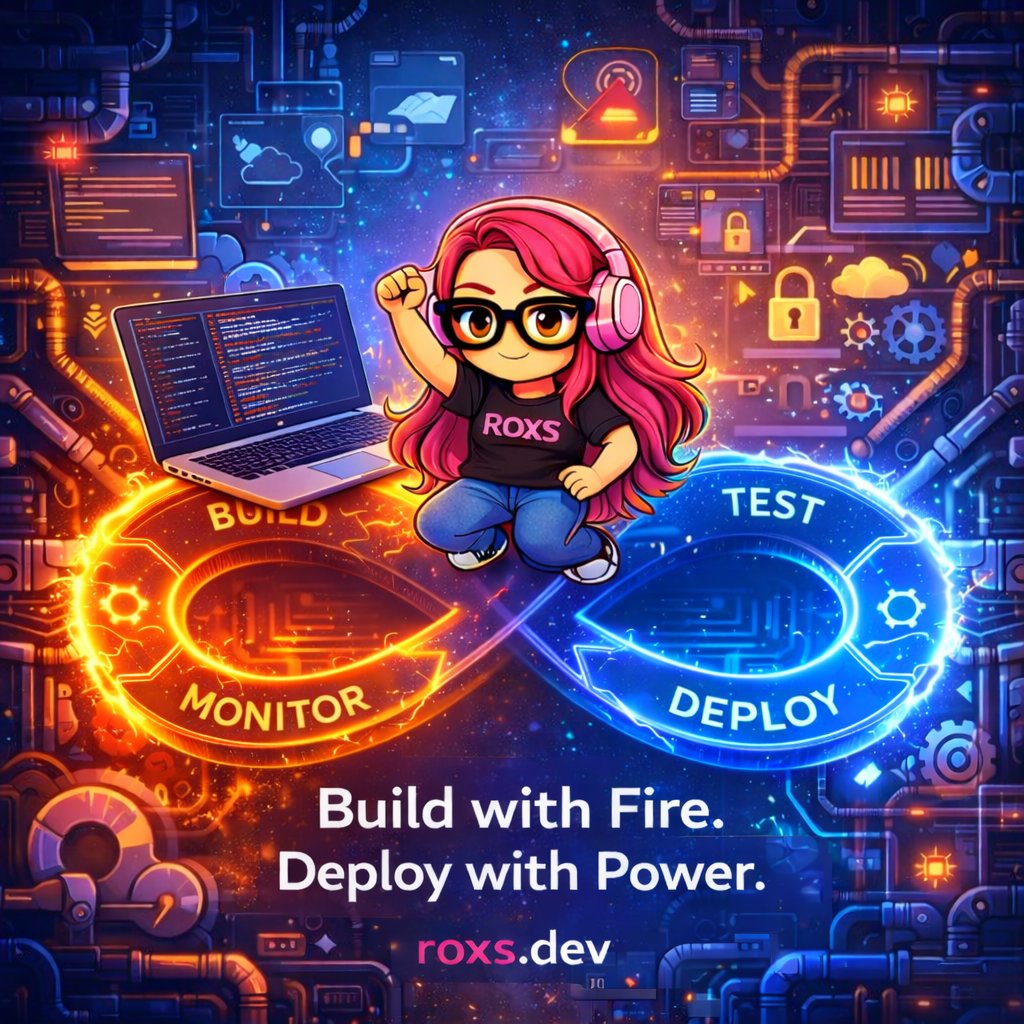
🔐 Integra seguridad en tu pipeline CI/CD con SAST y SCA desde el commit. Detecta vulnerabilidades en código y dependencias antes de llegar a producción, evitando costosos parches de emergencia y reduciendo el riesgo.
#DevSecOps #ShiftLeft #RoxsRoss
3
10
208

Feb 27
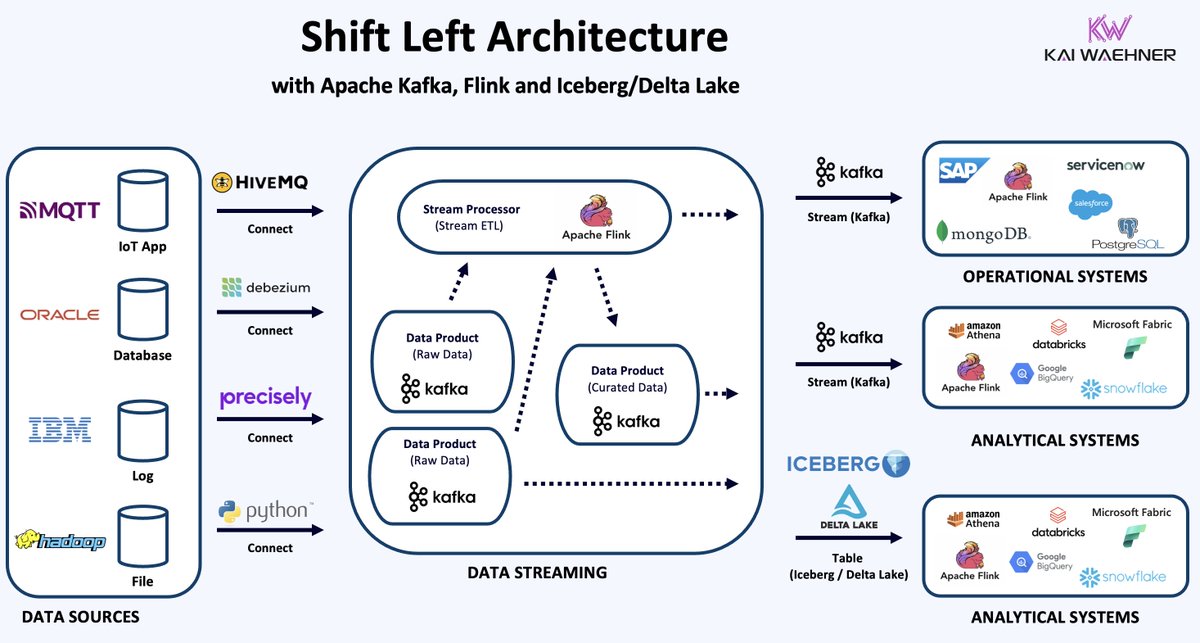
#DataStreaming is replacing #ReverseETL in modern architectures. Batch heavy #DataIntegration drives cost and inconsistency.
#ShiftLeft with #ApacheKafka and #ApacheFlink builds trusted #DataProducts in motion, enabling scalable #DataMesh and better foundations for #AgenticAI.
3
131

Data quality isn’t breaking because teams lack dashboards.
It’s breaking because data is moving faster than static testing can keep up.
By 2026, most enterprise data won’t even touch a centralized warehouse. It will be created, processed, and acted on at the network edge. APIs. Microservices. Real-time decisions.
That’s where traditional ETL validators start to show their limits.
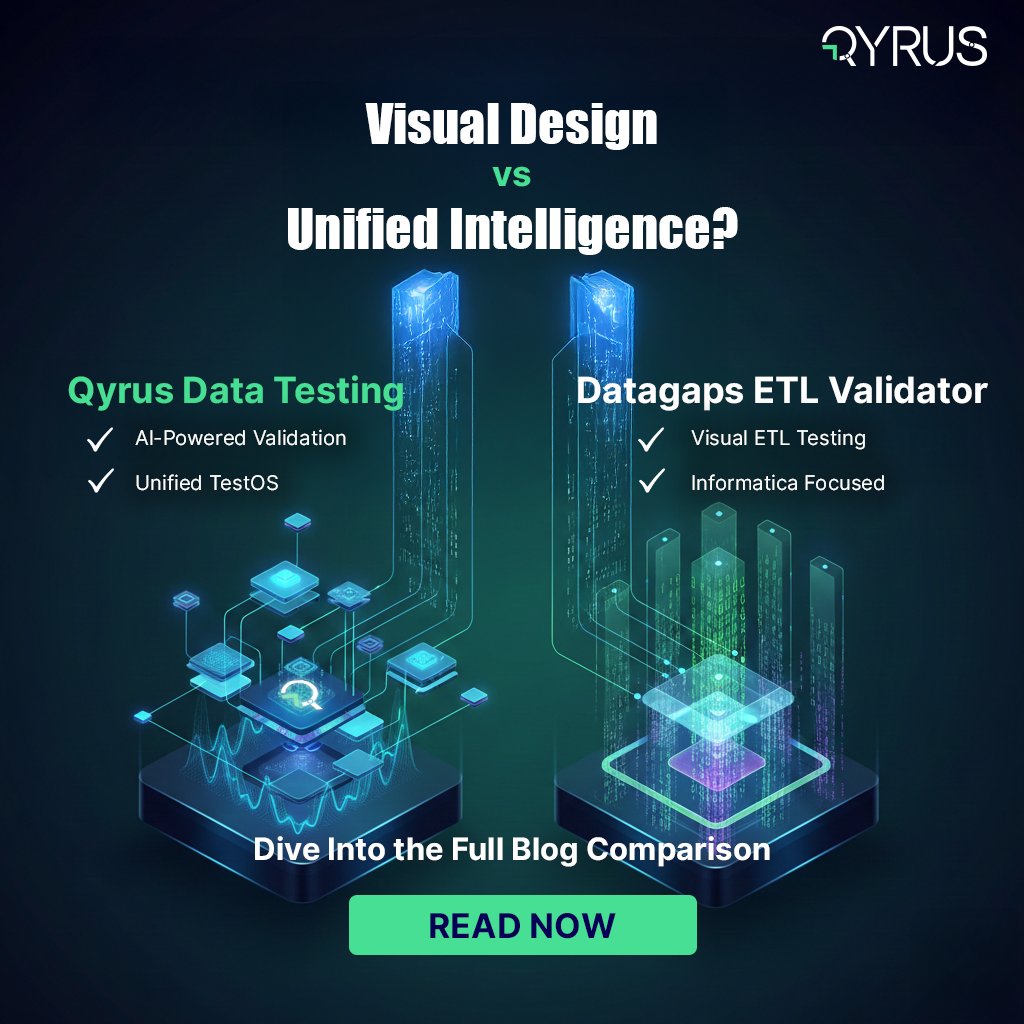
In our latest blog, we break down Qyrus 𝐃𝐚𝐭𝐚 𝐓𝐞𝐬𝐭𝐢𝐧𝐠 𝐯𝐬. 𝐃𝐚𝐭𝐚𝐠𝐚𝐩𝐬 𝐄𝐓𝐋 𝐕𝐚𝐥𝐢𝐝𝐚𝐭𝐨𝐫 and the difference is simple:
Datagaps helps you see your data once it’s in motion.
Qyrus helps you trust it before it even gets there.
Datagaps shines in large-scale ETL audits and Informatica-heavy cloud migrations.
Qyrus takes a 𝐮𝐧𝐢𝐟𝐢𝐞𝐝 𝐚𝐩𝐩𝐫𝐨𝐚𝐜𝐡, using 𝐀𝐈 𝐭𝐨 𝐯𝐚𝐥𝐢𝐝𝐚𝐭𝐞 𝐝𝐚𝐭𝐚 𝐚𝐭 𝐭𝐡𝐞 𝐬𝐨𝐮𝐫𝐜𝐞 and 𝐜𝐨𝐧𝐧𝐞𝐜𝐭 𝐪𝐮𝐚𝐥𝐢𝐭𝐲 across 𝐖𝐞𝐛, 𝐌𝐨𝐛𝐢𝐥𝐞, 𝐀𝐏𝐈, 𝐚𝐧𝐝 𝐃𝐚𝐭𝐚 𝐢𝐧 𝐚 𝐬𝐢𝐧𝐠𝐥𝐞 𝐓𝐞𝐬𝐭𝐎𝐒.
Because the real question today isn’t “𝑫𝒊𝒅 𝒕𝒉𝒆 𝒅𝒂𝒕𝒂 𝒎𝒐𝒗𝒆 𝒄𝒐𝒓𝒓𝒆𝒄𝒕𝒍𝒚?”
It’s “𝑪𝒂𝒏 𝒘𝒆 𝒕𝒓𝒖𝒔𝒕 𝒕𝒉𝒆 𝒊𝒏𝒕𝒆𝒍𝒍𝒊𝒈𝒆𝒏𝒄𝒆 𝒅𝒓𝒊𝒗𝒊𝒏𝒈 𝒆𝒗𝒆𝒓𝒚 𝒅𝒆𝒄𝒊𝒔𝒊𝒐𝒏?”
If you’re evaluating visual ETL validation versus AI-driven, shift-left data quality, this comparison will help you choose the right path.
👉 Read the full blog here: qyrus.com/qyrus-data-testing…
#DataTesting #DataQuality #ETL #AIinTesting #ShiftLeft #DataOps #Qyrus
2
45

Feb 5
Manual #governance is a release bottleneck. 🛑
Learn how #Gradle & @jfrog automate #compliance to eliminate delivery delays and security risks. Register for Feb-19! 👇
gradle.com/events/automating…
#GRC #Security #Vulnerability #ShiftLeft #DevOps #DevGovOps
1
7
578

In software, speed is great, but safety is critical. How do you get both?
👉🏽 That's the "Sec" in #DevSecOps.
It’s why #ShiftLeft has gained popularity: moving #security from the end of the line to the very beginning. Instead of a final check, it becomes a "shared responsibility" for Dev, Sec, and Ops teams at every stage of software development and delivery.
Learn the basics of this essential practice from JFrog SVP, Rafael Santiago Achaerandio in our new "EveryOps in 1 Minute" video!
#EveryOps #DevSecOps #Cybersecurity #Automation
1
1
214
Data quality has changed. But most strategies have not.
It is 2026, and nearly 75 percent of enterprise data is now created and processed at the edge. Data is born in APIs, devices, and transformation layers, not in warehouses. Decisions are made in milliseconds, often before data ever reaches production systems.
Yet many teams are still optimizing for detection, not prevention.
Traditional data quality tools focus on auditing what is already in production. They are excellent at scanning billions of records and flagging issues after the data has landed. That model still has a place. But in a world of zettabytes and real-time decisions, it is no longer enough.
Modern data quality has to move left.
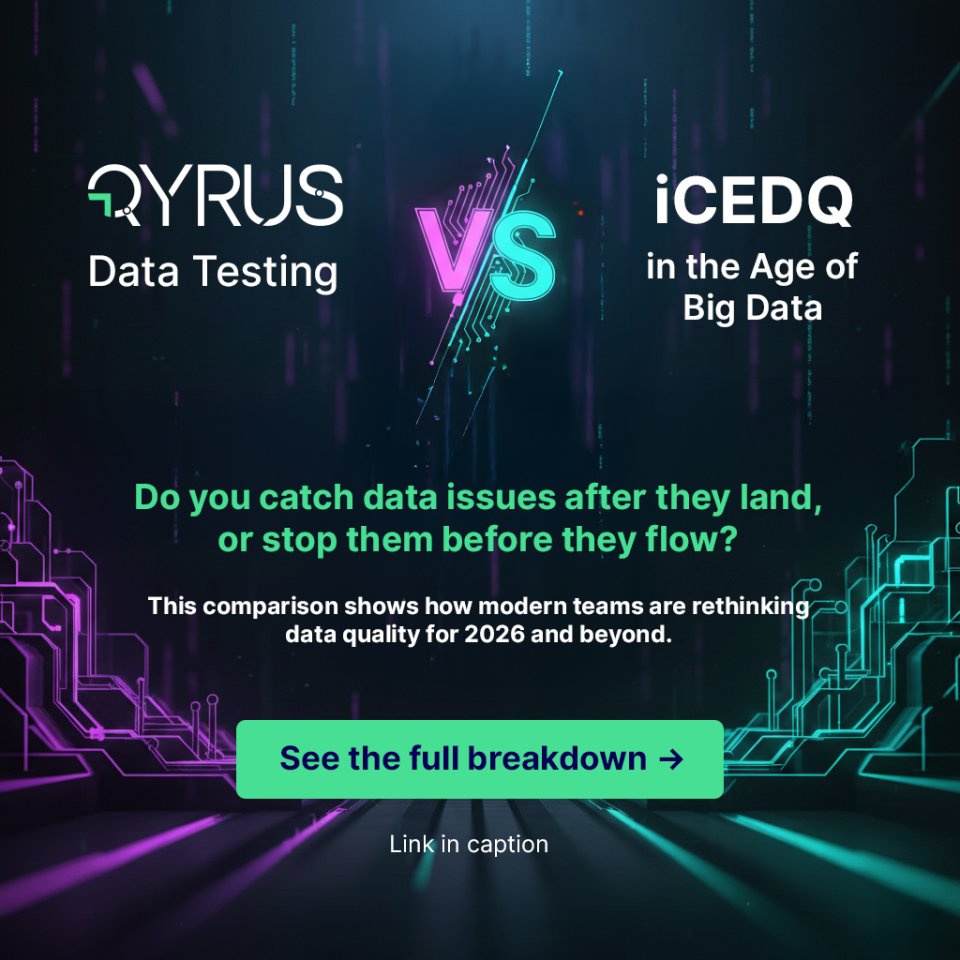
Qyrus 𝐃𝐚𝐭𝐚 𝐓𝐞𝐬𝐭𝐢𝐧𝐠 𝐢𝐬 𝐛𝐮𝐢𝐥𝐭 𝐟𝐨𝐫 𝐭𝐡𝐢𝐬 𝐫𝐞𝐚𝐥𝐢𝐭𝐲.
Instead of reacting downstream, it uses Generative AI to create test cases during development. Logic flaws are caught at the source, before dirty data enters pipelines, before latency amplifies risk, and before bad data drives bad outcomes.
Qyrus 𝐚𝐥𝐬𝐨 𝐫𝐞𝐟𝐥𝐞𝐜𝐭𝐬 𝐡𝐨𝐰 𝐦𝐨𝐝𝐞𝐫𝐧 𝐬𝐲𝐬𝐭𝐞𝐦𝐬 𝐚𝐫𝐞 𝐛𝐮𝐢𝐥𝐭.
Data starts at the API and edge layers, not the warehouse. With a unified TestOS, teams can validate web, mobile, API, and data workflows in one platform, without slowing delivery or adding more tools.
𝐈𝐧 2026, 𝐭𝐡𝐞 𝐪𝐮𝐞𝐬𝐭𝐢𝐨𝐧 𝐢𝐬 𝐧𝐨𝐭 𝐰𝐡𝐞𝐭𝐡𝐞𝐫 𝐲𝐨𝐮 𝐦𝐨𝐧𝐢𝐭𝐨𝐫 𝐝𝐚𝐭𝐚 𝐪𝐮𝐚𝐥𝐢𝐭𝐲. 𝐈𝐭 𝐢𝐬 𝐰𝐡𝐞𝐫𝐞 𝐲𝐨𝐮 𝐝𝐫𝐚𝐰 𝐲𝐨𝐮𝐫 𝐥𝐢𝐧𝐞 𝐨𝐟 𝐝𝐞𝐟𝐞𝐧𝐬𝐞. 𝐀𝐭 𝐭𝐡𝐞 𝐰𝐚𝐫𝐞𝐡𝐨𝐮𝐬𝐞, 𝐨𝐫 𝐚𝐭 𝐭𝐡𝐞 𝐬𝐨𝐮𝐫𝐜𝐞?
Read the full breakdown of Qyrus Data Testing vs iCEDQ here 👉qyrus.com/post/qyrus-data-te…
#DataQuality #ShiftLeft #DataTesting #AIinTesting #EnterpriseData #Qyrus
2
39

Jan 29
The worst data quality issues aren't the ones you catch.
They're the ones that reach production first.
By the time your quality tests run, bad data has already hit dashboards, influenced decisions, and eroded trust.
Here's what's broken with traditional testing:
❌ Tests run AFTER data loads to production
❌ Different teams use different logic for the same checks
❌ Quality testing lives outside your development workflow
We just launched Data Quality as Code to fix this.
Validate DURING transformation instead of after:
✅ Define tests in Python alongside your pipeline code
✅ Stop bad data before it reaches production
✅ Centralize definitions while executing locally
The paradigm shift:
Traditional: Extract → Transform → Load → Test ⚠️
DQ as Code: Extract → Transform → Test → Load ✅
When tests fail, you decide: stop processing, rollback, filter bad records, or alert. Bad data never reaches downstream consumers.
Available now in OpenMetadata 1.11 and Collate's managed service.
Read why we built this 👇
buff.ly/wy5Gv3x
#DataQuality #DataEngineering #DataOps #ShiftLeft

3
3
73

Jan 29
The worst data quality issues aren't the ones you catch.
They're the ones that reach production first.
By the time your quality tests run, bad data has already hit dashboards, influenced decisions, and eroded trust.
Here's what's broken with traditional testing:
❌ Tests run AFTER data loads to production
❌ Different teams use different logic for the same checks
❌ Quality testing lives outside your development workflow
We just launched Data Quality as Code to fix this.
Validate DURING transformation instead of after:
✅ Define tests in Python alongside your pipeline code
✅ Stop bad data before it reaches production
✅ Centralize definitions while executing locally
The paradigm shift:
Traditional: Extract → Transform → Load → Test ⚠️
DQ as Code: Extract → Transform → Test → Load ✅
When tests fail, you decide: stop processing, rollback, filter bad records, or alert. Bad data never reaches downstream consumers.
Available now in OpenMetadata 1.11 and Collate's managed service.
Read why we built this 👇
getcollate.io/blog/introduci…
#DataQuality #DataEngineering #DataOps #ShiftLeft

4
5
48

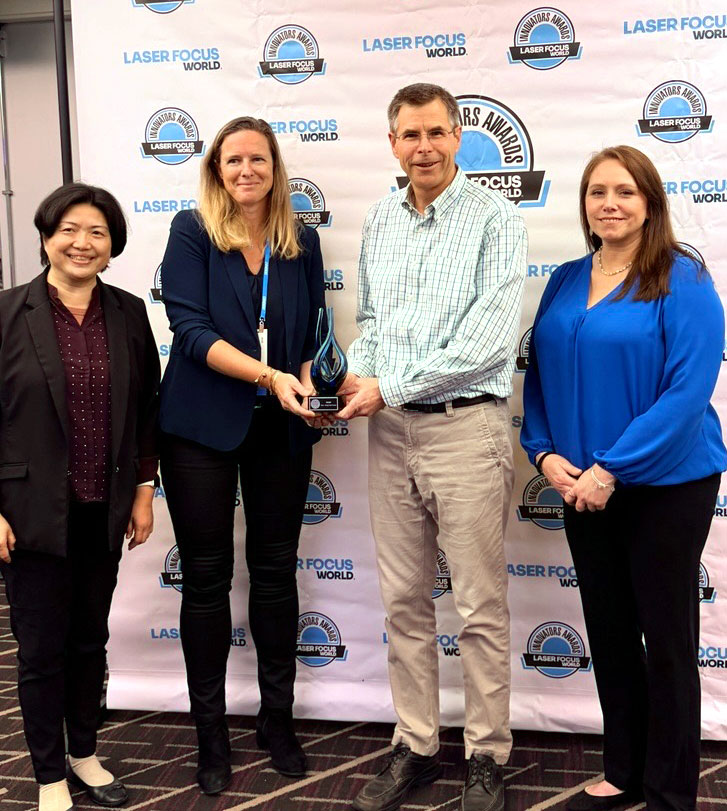
🎉 We’re thrilled to share that Keysight’s ImSym Imaging System Simulator was honored as a Platinum-Level Award Recipient at the January 2026 reception held in San Francisco at SPIE BiOS and Photonics West!
This recognition highlights the transformative impact of ImSym, the first commercial software platform enabling virtual prototyping of complete imaging systems.
ImSym helps teams:
✨ Accelerate imaging design cycles
🤝 Collaborate more seamlessly across designers, manufacturers, OEMs & partners
🛡️ Reduce development risk by validating performance virtually
💰 Lower costs by minimizing reliance on physical prototypes
🚀 Bring innovative imaging products to market faster
By modeling the entire imaging chain—from scene and optics, to detectors and electronics, to image processing—ImSym empowers developers to test and refine system performance long before manufacturing begins.
We’re honored to receive this award and excited to continue supporting the imaging community with tools that drive innovation forward.
👉What are you waiting for? Learn more about ImSym and request a trial: ow.ly/huNj50Y419B
About this #LaserFocusWorld award and other winners: ow.ly/N5ic50Y419E
#SPIEBiOS #PhotonicsWest #ImagingInnovation #Keysight #ImSym #VirtualPrototyping #OpticalDesign #DesignEngineeringSoftware #EngineeringSoftware #designbrilliance #opticalengineering #opticalsimulation #shiftleft

2
55