


Mar 26
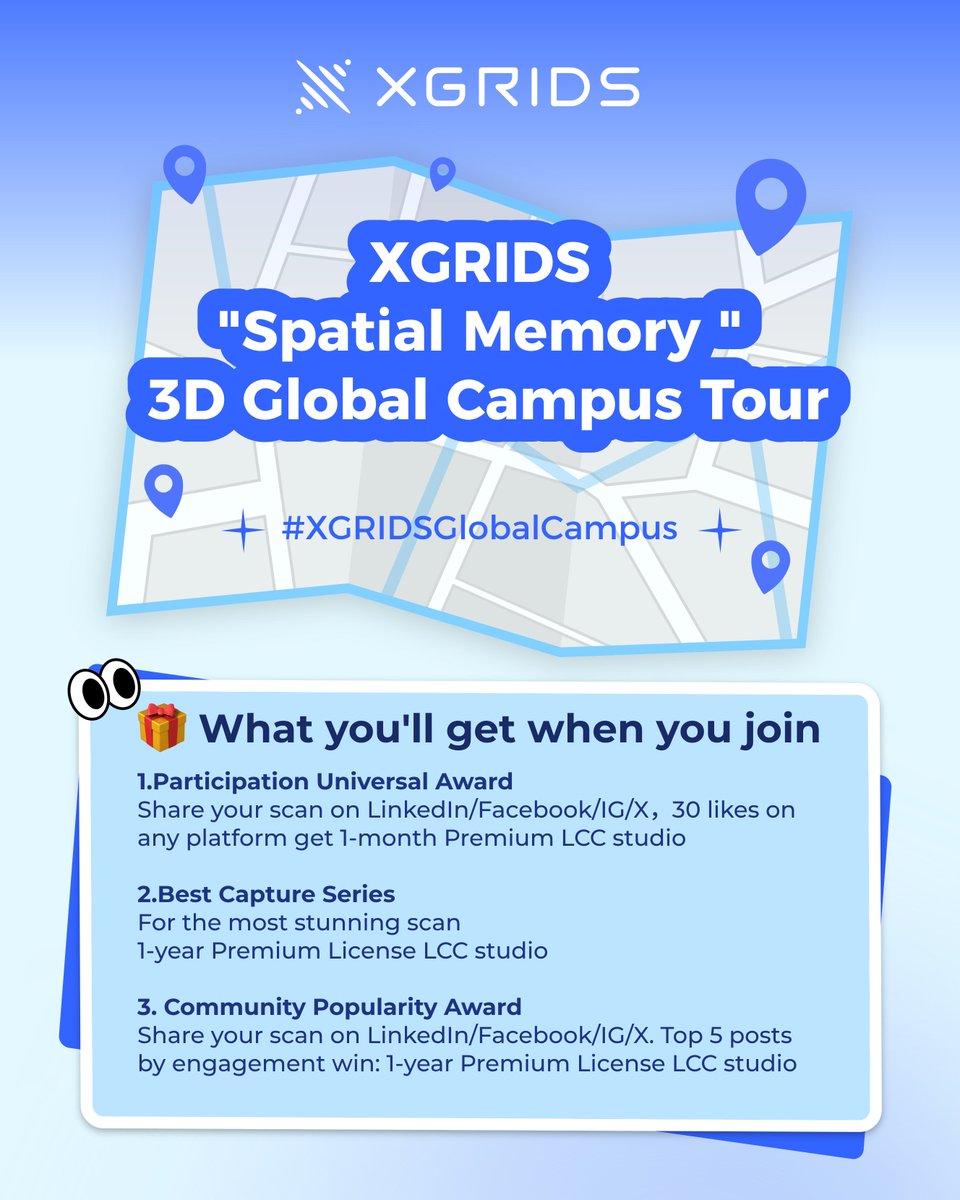
🎓 XGRIDS “Spatial Memory” 3D Global Campus Tour is here! Join to win LCC studio Premium License!
That library. That lecture hall. That hidden corner…
What if you could capture it all as a living 3D memory?
Join now ⬇️
#XGRIDSGlobalCampus #3DScanning #DigitalTwin #SpatialMemory

3
532

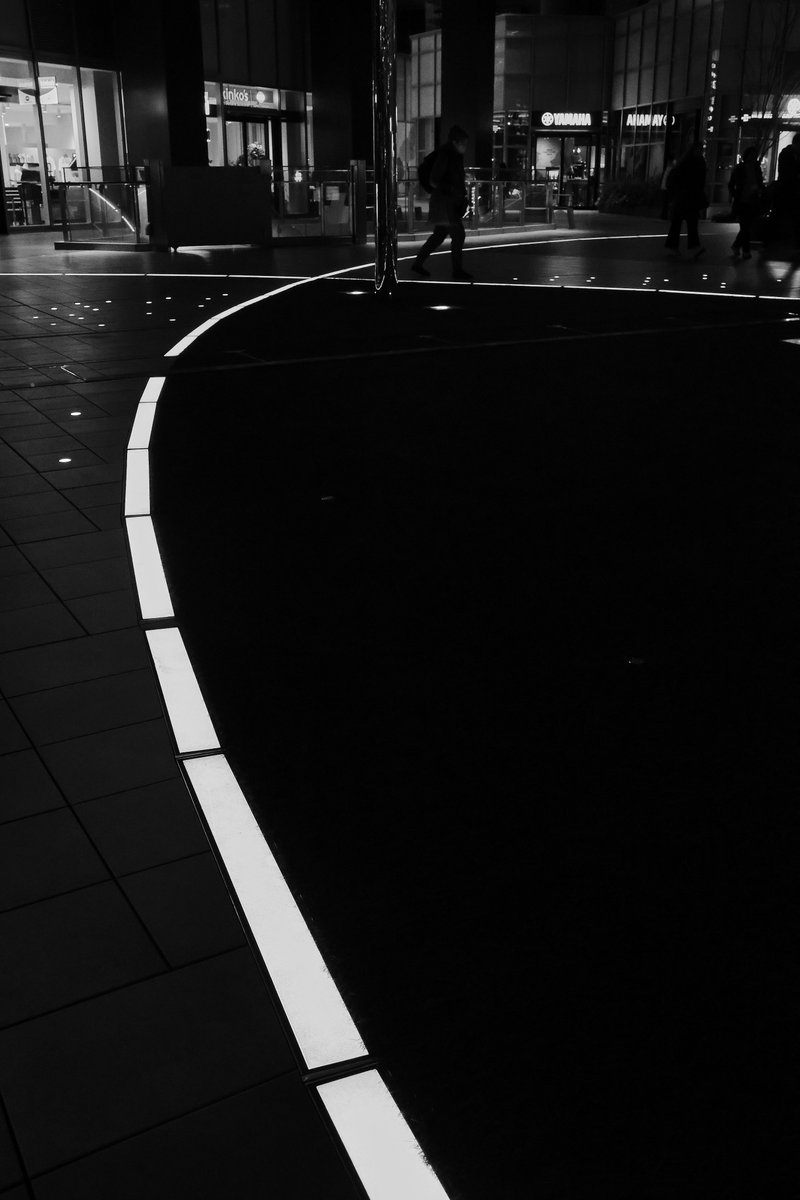
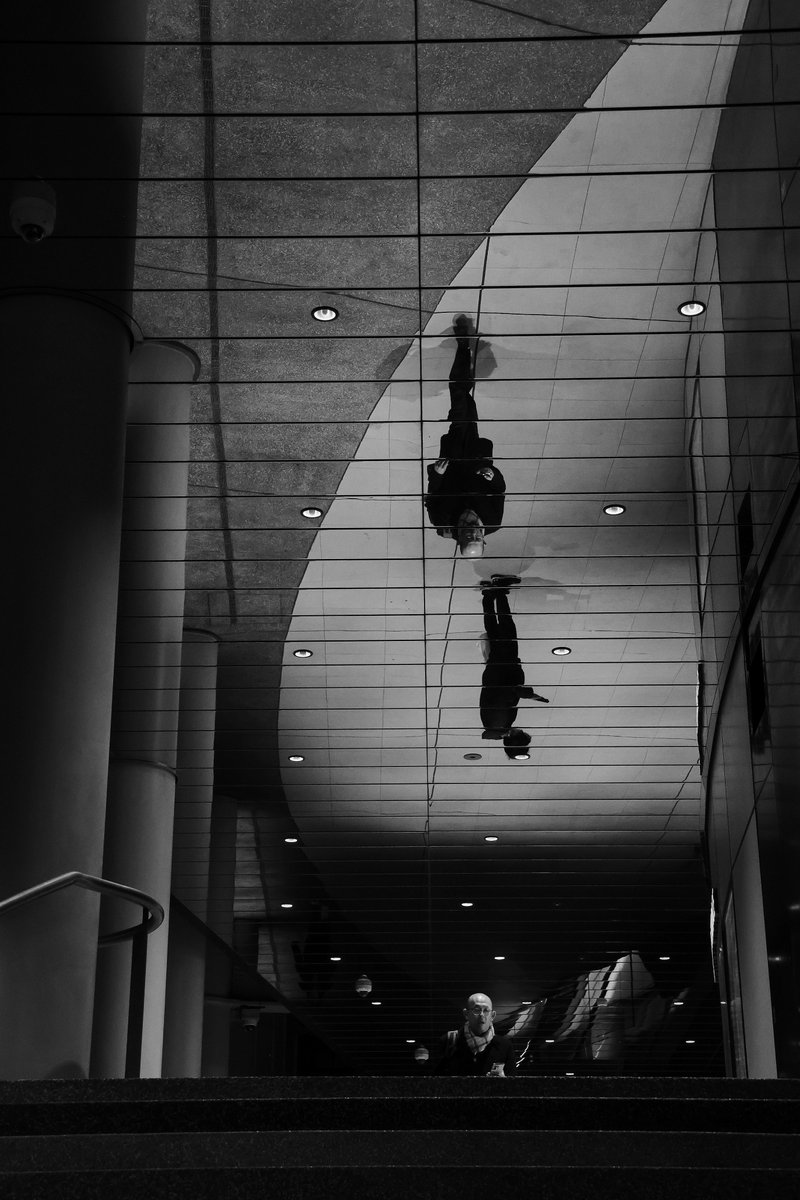
Do we leave marks on the city, or does it rewrite us?
#Streetphotography
#UrbanTraces #CityReflection #MonochromeTokyo #SpatialMemory #InvisibleStructures

15
113

■ Memory Technique (16)
The Kurita-Style Memory Method consists of 52 techniques. Among them, the “M-method” is called the Metamorphose Method.
■ Today, I introduce the 12th practice in its basic training series.
Using the attached video as a reference, try to vividly imagine—within 10 seconds—the transformation from “boar (inoshishi)” → “rat (nezumi),” in which the boar gradually and continuously changes its form into a rat.
This practice cultivates the imaging sense that supports the entire memory method.
■ Please let the boar transform into a rat step by step and continuously.
Stage 1: Image of a pure boar. Start.
Stage 2: The “rat-boar” stage.
The boar begins to show the traits of a rat. The boar is still dominant.
Stage 3: The “boar-rat” stage.
A rat that still retains some boar-like characteristics. The rat is now dominant.
Stage 4: A pure rat. End.
■ (Click the image to see the entire vertical frame.) made by Kurita Sora
■ This exercise reinforces the relationship between the 12th pair of the Chinese Zodiac: Boar and Rat (亥と子).
#KuritaStyle #AbilityDevelopment #MemoryMethod #Imagination #ImagingSkill #SpatialMemory #Zodiac
1
17
626
■ Memory Technique (15):
Creating “Memory Spheres.”
■ Gather your past memories into clear, transparent spheres and place them in an external garden-like space. By observing them there, you can make each memory more vivid.
■ In the video, I created three Memory Spheres: “Family Time,” “Exercise,” and “Work.”
■ The important point is not simply creating these spheres—it is what you do with them afterward.
■ I will discuss that part on another occasion.
#KuritaMethod #AbilityDevelopment #MemoryTechnique #Imagination
#ImagingPower #SpatialMemory #MemorySphere #MemoryBall
17
724
■ Memory Technique (14)
The Kurita Method of Memory has 52 techniques. Among them, the “M-method” is called the Metamorphose Method.
■ This time, I introduce the 11th basic practice of this method.
Using the attached video as a reference, please vividly imagine the transformation from “inu = dog” → “inoshishi = boar.”
By picturing the dog continuously changing its form into a boar—that is, transforming or metamorphosing—you will develop the imaging sense that supports this memory technique.
(Click the image to view the full frame.)
■ Please create a step-by-step and continuous transformation from dog to boar.
Stage 1: The image of a dog. Start.
Stage 2: The boar–dog stage.
The dog begins to show features of a boar, but the dog is still dominant.
Stage 3: The dog–boar stage.
A boar that still retains some dog-like features. The boar is now dominant.
Stage 4: It becomes a pure boar. End.
■ Comment:
Unfortunately, in this video the continuous transitions typical of metamorphosis are not very clear. Please view it with the above concept in mind.
■ (Click the image to see the full vertical frame.)
made by Kurita Sora
■ This exercise reinforces the relationship between “dog and boar (戌と猪)”—the 11th pair of the 12 zodiac animals.
#KuritaMethod #AbilityDevelopment #MemoryTechnique #Imagination
#ImagingSkills #SpatialMemory #Zodiac
11
639
■ Memory Technique (13)
There are 52 techniques in the Kurita-style Memory Method. Among them, the M-method is called the “Metamorphose Method.”
■ Today, I introduce the 11th practice of this foundational technique.
Using the attached video as a reference, try vividly imagining the transformation from “rooster (鶏 = niwatori)” → “dog (犬 = inu)”—that is, a rooster gradually and continuously metamorphosing into a dog.
This exercise strengthens the imaging sense that supports the memory method.
(Click the image to view the full vertical frame.)
■ Please let the rooster change into a dog step by step, in a continuous flow:
Stage 1 ■ The image of a rooster. Start.
Stage 2 ■ The “dog–rooster” stage.
The rooster begins to show dog-like features. The rooster is still dominant.
Stage 3 ■ The “rooster–dog” stage.
Now it looks like a dog that still retains some rooster characteristics. The dog is dominant.
Stage 4 ■ It becomes a pure dog. End.
■ The entire process takes about 10 seconds.
■ This exercise helps reinforce the relationship between the 9th pair of the 12 zodiac signs: Rooster (酉) and Dog (戌).
#KuritaMethod #AbilityDevelopment #MemoryTechniques
#Imagination #ImagingPower #SpatialMemory #Zodiac
1
15
768
■ Memory Technique (12)
The Kurita-style Memory Method consists of 52 techniques. Among them, the M-method is called the “Metamorphose Method.”
■ Today, I introduce the 10th basic practice of this method.
Using the attached video as a reference, visualize vividly the metamorphosis from “Monkey (申)” → “Rooster (酉)”—that is, the continuous transformation of a monkey into a rooster.
Through this exercise, let’s cultivate the imaging sense that forms the foundation of this memory method.
(Click the image to see the full frame.)
■ Please transform the Monkey into the Rooster step by step, continuously:
Stage 1 ■ The “Monkey” image. Start.
Stage 2 ■ The “Rooster–Monkey” stage.
A monkey begins to show the features of a rooster. The monkey is still dominant.
Stage 3 ■ The “Monkey–Rooster” stage.
A rooster that still retains some monkey characteristics. Now the rooster is dominant.
Stage 4 ■ It becomes a pure “Rooster.” End.
■ The entire process takes about 10 seconds.
■ This example strengthens the association of the 8th pair of the Twelve Zodiac signs: Monkey (申) and Rooster (酉).
#KuritaMethod #AbilityDevelopment #MemoryTechnique
#Imagination #ImagingSkill #SpatialMemory #Zodiac
13
739
■ Memory Technique (11)
In the Kurita-Style Memory Method, there are 52 techniques. One of them is the M-method, called the “Metamorphose Method.”
■ Today’s post introduces the 9th basic practice of this method.
Using the attached video as a reference, try to vividly imagine the metamorphosis from “Sheep = 未 = Hitsujii” to “Monkey = 申 = Saru”—that is, a continuous transformation in which a sheep gradually changes into a monkey.
This exercise helps develop the imaging sense that supports memory techniques.
(Click the image to view the full frame.)
■ Please create a step-by-step, continuous transformation from sheep to monkey:
Stage 1 ■ The image of the Sheep. Start.
Stage 2 ■ The Sheep-Monkey stage.
A sheep begins to show monkey-like features. The sheep remains the main form.
Stage 3 ■ The Monkey-Sheep stage.
A monkey that still retains some sheep characteristics. The monkey is now the main form.
Stage 4 ■ A fully formed Monkey. End.
■ The entire sequence takes about 10 seconds.
■ This practice strengthens the connection between the 7th pair of the Twelve Zodiac Animals: Sheep (未) and Monkey (申).
#KuritaStyle #AbilityDevelopment #MemoryTechnique #Imagination #ImagingSkill #SpatialMemory #Zodiac
1
11
720
■ Memory Method (10)
The Kurita-style memory method includes 52 techniques. One of them, the M method, is called the “Metamorphose Method” (Transformation Method).
■ This time, we introduce the 8th basic exercise of this method.
Refer to the attached video and vividly imagine the transformation from Horse (午 / Uma) → to Sheep (未 / Hitsuji) — that is, the horse gradually and continuously transforming into a sheep.
Through this visualization, you can strengthen your imaginative sense that supports memory training.
(Click the image to see the full frame.)
■ Please transform the horse into a sheep step by step and continuously.
•Stage 1: Image of a Horse. (Start)
•Stage 2: The Sheep-Horse stage.
The horse begins to show some sheep-like features — the horse is still dominant.
•Stage 3: The Horse-Sheep stage.
The sheep becomes dominant, but some horse features remain.
•Stage 4: A pure Sheep appears. (End)
■ The entire process lasts about 10 seconds.
■ This exercise strengthens the relationship between the 6th pair of the twelve zodiac signs — the Horse (午) and the Sheep (未).
#KuritaMethod #SkillDevelopment #MemoryTraining #Imagination
#ImagingPower #SpatialMemory #TwelveZodiacSigns
1
12
708
■ Memory Technique (9): “Metamorphose Method” — Snake to Horse Transformation
■ In the Kurita Method of Memory Training, there are 52 techniques.
Among them, the M-method is called the “Metamorphose Method,” or the Method of Transformation.
■ This post introduces the 7th basic exercise in this method.
■ Please watch the attached video and use your imaginative power to vividly visualize the continuous transformation from “Mi = Snake (巳)” to “Uma = Horse (午)”.🐍→🐎
■ By doing so, you’ll strengthen the imaginative sense that supports effective memory.
■ (Click the image to view the full frame.)
Try to let the snake transform step by step and continuously into the horse:
1️⃣ Stage 1: “Snake” — Start
2️⃣ Stage 2: “Horse-snake” stage — The snake begins to show horse-like features; the snake is still dominant.
3️⃣ Stage 3: “Snake-horse” stage — The horse now takes the lead, though traces of the snake remain.
4️⃣ Stage 4: A pure horse appears — End.
■ The entire process lasts about 10 seconds.
This example reinforces the relationship between the fifth pair of the Twelve Zodiac signs — “Mi (巳)” and “Uma (午).”
#KuritaMethod #CognitiveDevelopment #MemoryTraining #Imagination #Visualization #SpatialMemory #ZodiacCycle
1
2
16
882
■ Memory Technique (8)
The Kurita-style Memory Method consists of 52 techniques.
Among them, the “M-method” is called the Metamorphose Method — the method of transformation.
■ This time, I introduce the 6th basic exercise of this method.
■ Using the attached video as reference, imagine vividly and in detail the metamorphosis from “Tatsu (Dragon)” to “Mi (Snake)” — that is, the dragon continuously transforming into a snake.
■ Through this imaging practice, you can develop the power of visualization that supports memory techniques.
(Click the image to see the full frame.)
■ Please let the transformation progress step by step and continuously from the dragon to the snake:
1️⃣ Stage 1 – Dragon (Start):
The image begins with a dragon.
2️⃣ Stage 2 – Snake-Dragon:
Snake-like features begin to appear on the dragon, but the dragon remains dominant.
3️⃣ Stage 3 – Dragon-Snake:
The creature is mostly snake-like, though some dragon traits remain; now the snake is dominant.
4️⃣ Stage 4 – Pure Snake (End):
The transformation is complete, and the creature has become a pure snake.
■ The entire process takes about 10 seconds.
This example reinforces the relationship of the fourth pair of the Twelve Zodiac signs: “Tatsu (Dragon) and Mi (Snake).”
#KuritaMethod #HumanPotentialDevelopment #MemoryTraining #Imagination #ImagingPower #SpatialMemory #ZodiacSigns
1
1
20
1,188
■ Memory Technique (7)
The Kurita Memory Method consists of 52 techniques. Among them, the “M Method” is called the Metamorphose Method.
■ This time, we introduce the fourth basic training exercise of this method.
■ Refer to the attached video and vividly imagine the transformation process:
“Rabbit → Dragon (🐉)” —
Visualize the rabbit continuously transforming into a dragon.
■ By using your imagination to depict this vividly, you will strengthen the imaging sense that supports effective memory techniques.
(Click the image to view the full frame vertically.)
■ Gradually and continuously, let the rabbit transform into a dragon:
First, scales appear on its body, fins form along its back, long whiskers and horns emerge on its face, its ears shrink, its body elongates, it begins to float in the air, and all traces of the rabbit disappear — turning into a dynamic dragon soaring through the valley.
■ This is a process of about 30 seconds.
■ This example reinforces the connection of the fourth pair in the Chinese zodiac sequence: Rabbit–Dragon (卯・辰).
#KuritaMethod #SkillDevelopment #MemoryTechnique #Imagination #ImagingPower #SpatialMemory #ChineseZodiac
18
861
■ Memory Technique (6)
There are 52 techniques in the Kurita Method of Memory Training. Among them, the M-method is called the “Metamorphose Method.”
■ This time, we introduce the third basic exercise of this method.
Using the attached video as a reference, vividly imagine the transformation from a tiger to a rabbit — that is, the process in which a tiger continuously changes its form and metamorphoses into a rabbit.
■ Through this exercise, you will cultivate the imaging sense that supports memory techniques.
■ Try to make the change from tiger to rabbit both gradual and continuous.
■ First, the tiger’s appearance begins to show rabbit ears, its expression softens, its majestic movement disappears, its body becomes smaller, and finally, the tiger’s stripes fade away, turning it completely into a rabbit.
■ This example strengthens the connection between the third pair of the Chinese zodiac — the Tiger and the Rabbit (Tora-Usagi, 虎兎).
#KuritaMethod #HumanPotential #MemoryTechnique #Imagination
#SpatialMemory #Zodiac
1
20
833
■ Memory Method (5)
There are 52 techniques in the Kurita Memory Method.
Among them, the M Method is called the “Metamorphose Method.”
■ This time, we introduce its basic version.
Using the attached video as a reference, vividly imagine the transformation from “cow → tiger.”
(In other words, visualize the continuous metamorphosis of a cow changing into a tiger.)
By exercising this kind of vivid imagery, you can develop the imaginative power that supports advanced memory skills.
■ This example also strengthens the connection between the second pair of the Twelve Zodiac signs: “Ox–Tiger.”
#KuritaMethod #AbilityDevelopment #MemoryMethod #Imagination #SpatialMemory
1
19
949
■ Revised version of Memory Method (3)
(I tried a different generation app this time — each has its pros and cons.)
■ Memory Method (4)
There are 52 techniques in the Kurita Memory Method.
Among them, the M Method is called the “Metamorphose Method.”
■ In this post, we introduce its basic form.
Using the attached video as a reference, vividly imagine the transformation from “mouse → cow.”
(In other words, visualize the continuous metamorphosis of a mouse turning into a cow.)
Through this exercise, you can cultivate the imaginative sense that supports effective memory training.
■ This example also reinforces the connection between the first pair of the Twelve Zodiac signs: “Rat–Ox (Calf).”
#KuritaMethod #AbilityDevelopment #MemoryMethod #Imagination #SpatialMemory
12
785
■ 【Memory Method (3)】
There are 52 techniques in the Kurita Memory Method.
One of them, the M Method, is called the “Metamorphose Method.”
■ This time, we’ll introduce the basic version of that technique.
Referring to the attached video, try vividly imagining the transformation from “mouse → cow.”
(That is, the process where the mouse continuously morphs into a cow.)
By doing so, you’ll develop the imaginative power that supports the memory method.
■ This example also helps strengthen the connection between the first pair of the Twelve Zodiac signs: “Rat–Ox (Calf).”
#KuritaMethod #AbilityDevelopment #MemoryMethod #Imagination #SpatialMemory
2
20
834

5 Oct 2025
##SpatialMemory decline in aging is linked to instability in the medial entorhinal cortex, the brain’s navigation hub, but variability suggests this decline is not inevitable for all individuals. @sumedicine @NatureComms doi.org/g95wkc medicalxpress.com/news/2025-…
7
17
5,650

3 Jun 2025
Learning isn’t just about more brain activity — it’s about the right neurons stepping back at the right time. Selective inhibition, especially from PV interneurons, may be the brain’s hidden key to unlocking memory.
#Neuroscience #Memory #Learning #BrainResearch #PVInterneurons #Hippocampus #Optogenetics #Alzheimers #SpatialMemory #NeuroScienceNews
2 Jun 2025

Inhibitory Neurons May Hold the Key to Spatial Learning and Memory
Researchers have discovered that selective inhibition in the brain plays a pivotal role in spatial learning and memory formation.
By focusing on parvalbumin interneurons (PVs) in the hippocampus, they found that decreased PV activity allows excitatory neurons to strengthen their connections, essentially clearing a path for learning.
Using optogenetics and a virtual reality maze, the team observed that PVs reduced their firing just before animals reached a reward zone, predicting successful learning.
When this decrease was blocked, learning failed to occur.
The study challenges the assumption that more brain activity equals better learning, instead emphasizing the importance of precise timing in neural inhibition.
This work has implications for understanding memory impairments in conditions like Alzheimer’s disease.
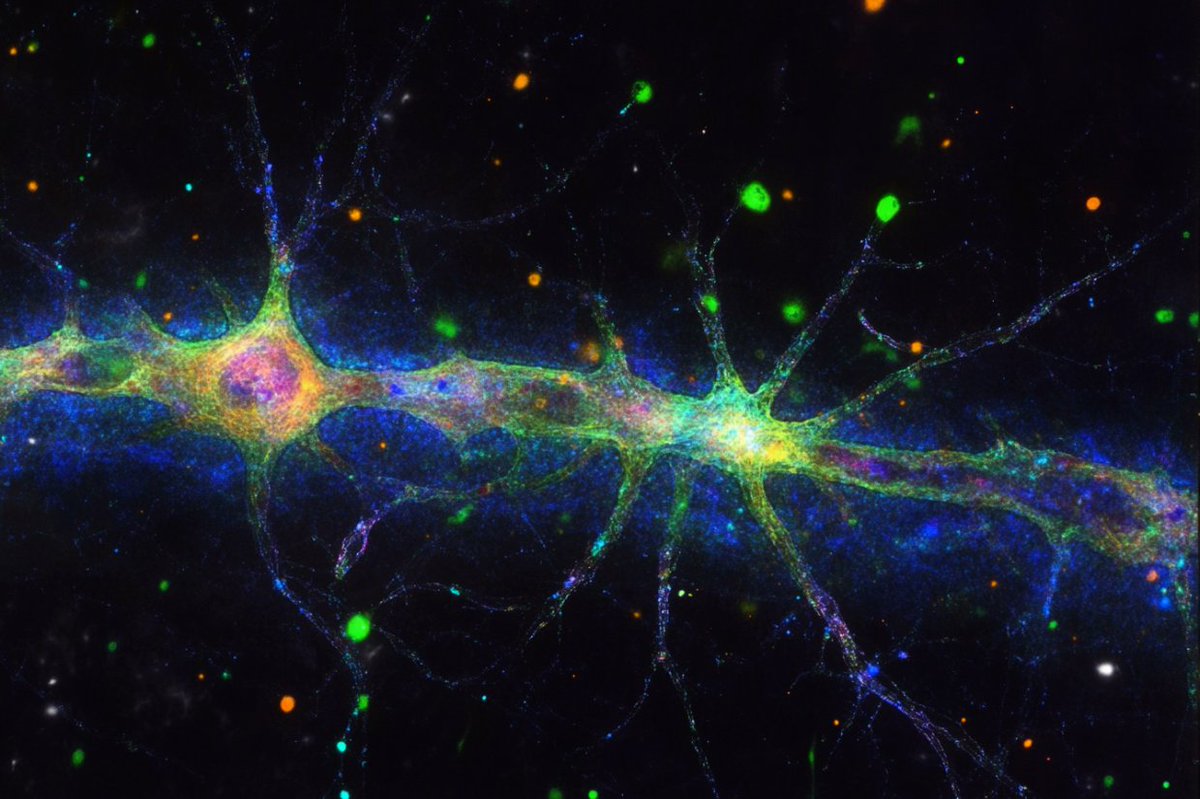
ALT This shows neurons.
1
9
271