
H3 Rocket 6 fires in vital static test!
JAXA completes second CFT at Tanegashima for the three LE-9 first stage. Tank pressure fixes validated in extended burn for the cost-effective 30 configuration. Strong progress! 🚀
#H3Rocket #JAXA #StaticFire
63

May 29
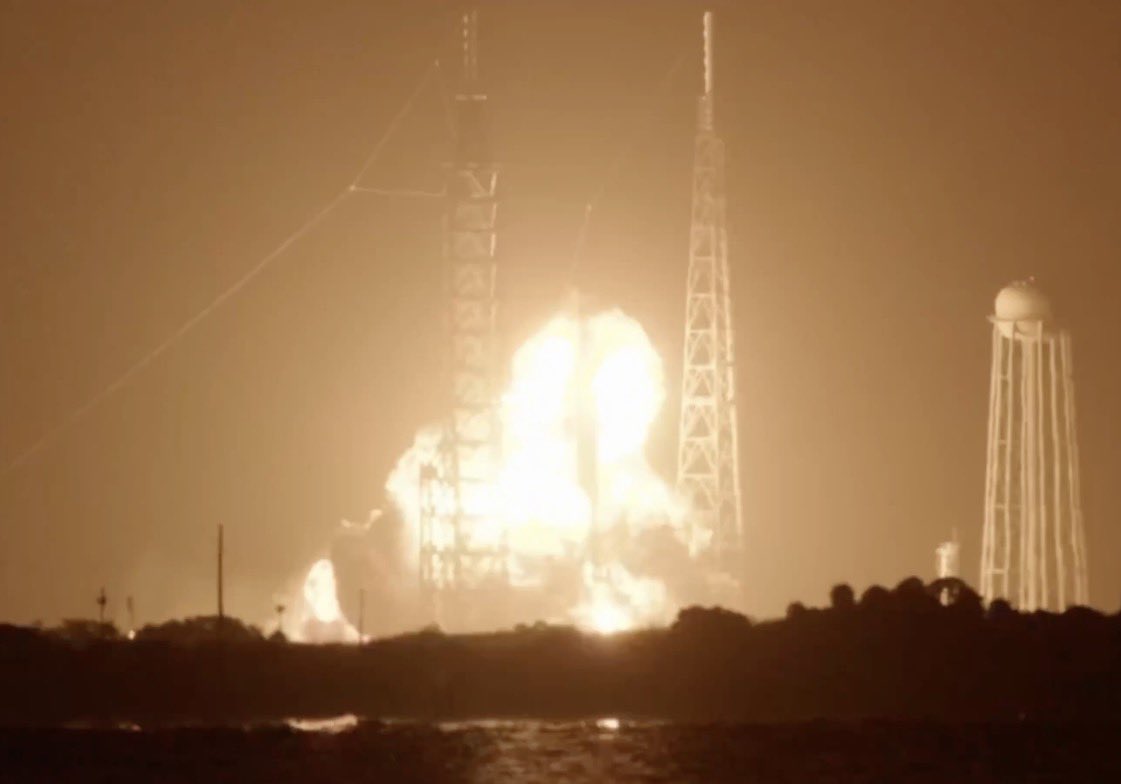
Questa notte alla rampa LC-36A di @blueorigin il booster "No, It's Necessary" destinato al quarto volo di #NewGlenn è esploso durante uno #staticfire test. Non si sono registrati feriti, ma l'incidente avrebbe causato danni importanti alle infrastrutture.
astrospace.it/2026/05/29/il-…
8
144

May 29
Wild footage captured from a nearby restaurant shows tonight’s explosion involving Blue Origin’s New Glenn rocket at Cape Canaveral Launch Complex 36.
#BlueOrigin #NewGlenn #CapeCanaveral #RocketExplosion #SpaceNews #StaticFire #SpaceX #JeffBezos #LaunchFailure #Florida
2
31
5,214

#BREAKING: 💥 Blue Origin's New Glenn rocket suffers an explosion during a critical static-fire test! Jeff Bezos's ambitious heavy-lift rocket faced a major setback. Details on the cause and potential delays are emerging.
#BlueOrigin #NewGlenn #SpaceX #RocketLaunch #SpaceRace #Aerospace #Explosion #StaticFire #JeffBezos #SpaceTech #NASA #EngineeringFail #SpaceExploration
5
7
47
7,460

May 25
youtube.com/shorts/aaMgSWFhD… MASSIVE WM9 booster test fire Juno new origins #shorts #junoneworigins #rocket #staticfire
2
24

May 19
Con el staticfire de 14 segundos yo creo que van sobrados. Estoy seguro al 87% que será exito.
1
2
18
Slow-motion footage of Super Heavy V3’s 33-engine full thrust and full duration static fire on May 7, 2026 🔥
This key test confirms engine performance while the booster stays firmly clamped to the pad. 🚀
#Starship #SpaceX #StaticFire #SuperHeavy
2
100

4
120

Mi porra es: mañana staticfire y el 10 de mayo el full stack.
3
78

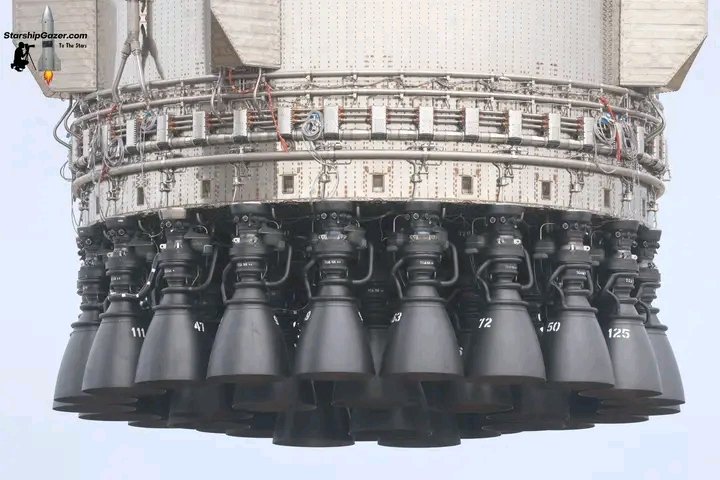
🚀Check out this awesome view of all 33 Raptor 3 engines on Booster 19 as it's being lifted onto Starbase pad 2 for static fire testing! #RaptorEngines #Booster19 #Starbase #StaticFire
@IndiaDST @InfoGujcost @narottamsahoo @pavitshah @Punam_Bhargava @iplabpatan
122
136
564
Mar 8
Pensaba que el staticfire entre otras cosas era para probar todos los Raptor.
Se ha hecho antes un saticfire sin todos los motores o es el primero?
1
2
314

Jan 16
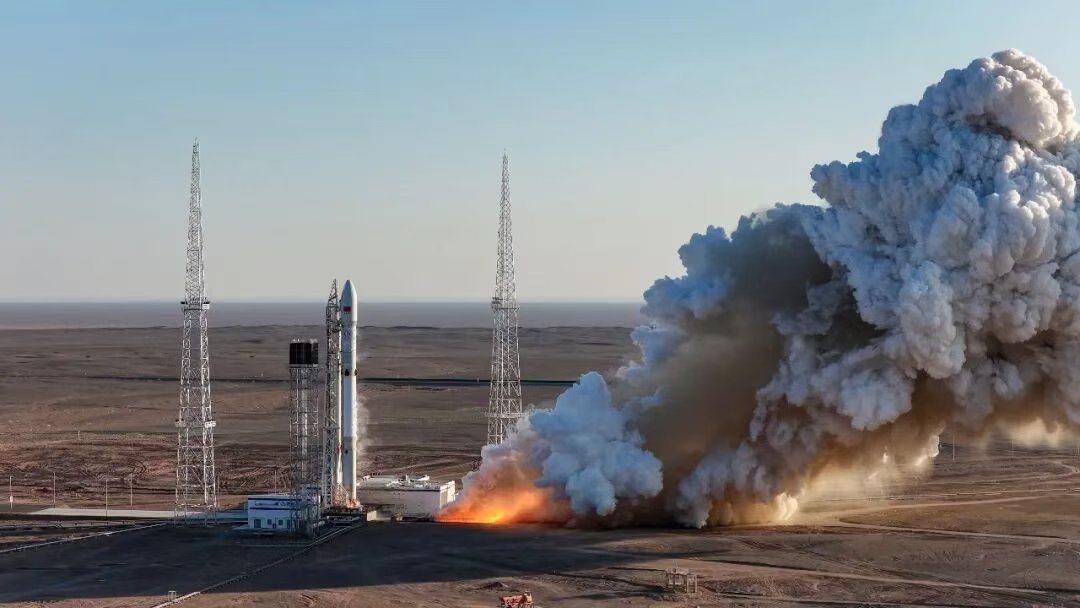
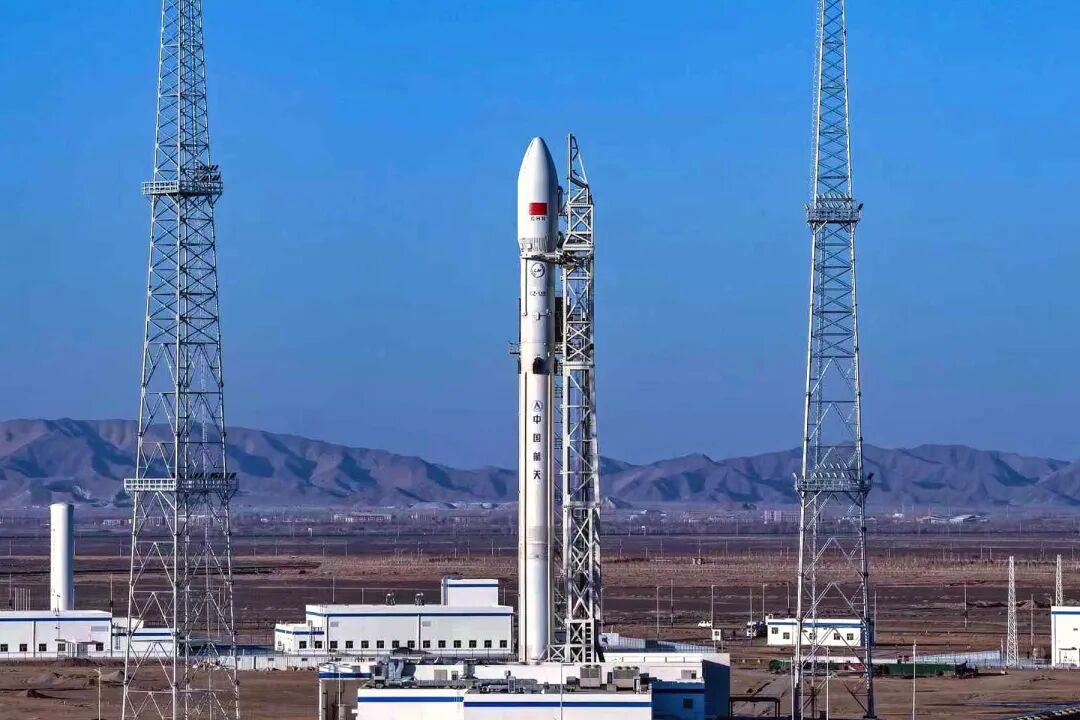
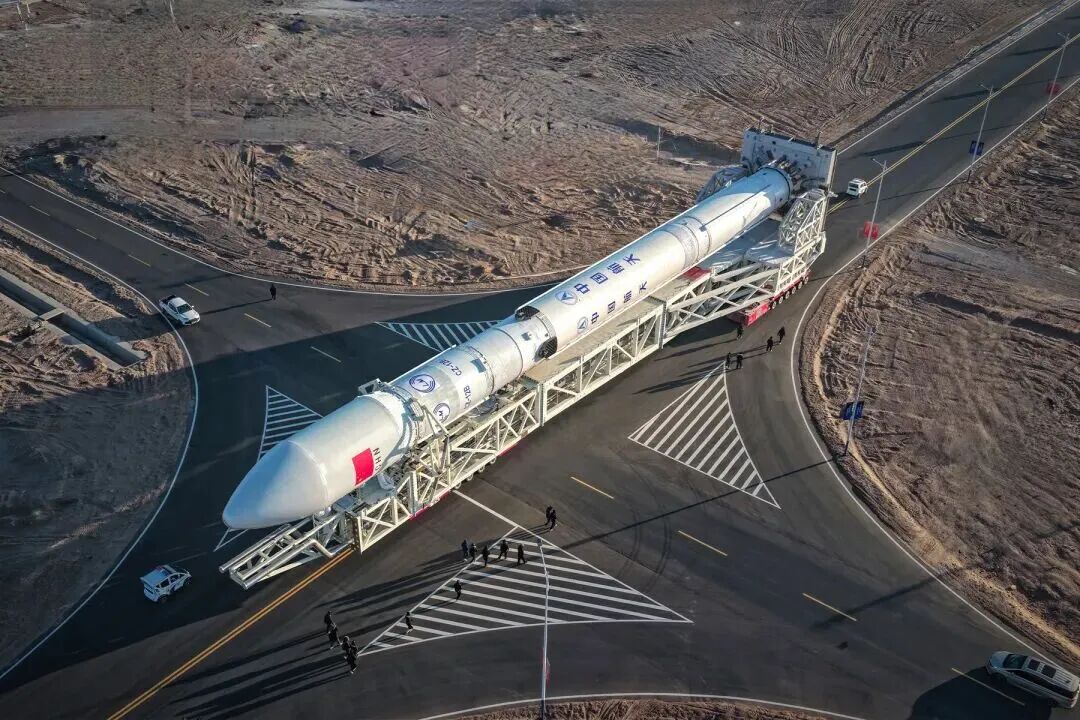
China's #LongMarch12B reusable rocket has passed a #staticfire test at the Jiuquan commercial launch pad.
This next-generation, four-meter-class launch vehicle utilizes a liquid oxygen-kerosene propulsion system & boasts a payload capacity of about 20 tonnes to near-Earth orbit.
2
9
41
1,133

Jan 3
$rklb heaven or hell: why the q2 static fire determines everything
as an investor with a heavy position in $rklb, i need to be brutally honest about the risk profile over the next 6 months.
there is a massive chasm between what is happening now (component testing) and what needs to happen in q2 (integrated system testing).
here is the "paradise vs. hell" scenario breakdown.
1. the current safety net: stennis space centerright now, rocket lab is testing 1 or 2 archimedes engines at a time on a test stand.
the failure mode: if an engine explodes at stennis today (and they might, that’s what development is for), it is a logistical annoyance, not a disaster.
the cost: you lose one engine (~$X million) and maybe damage a steel stand that can be fixed in weeks.
the stock impact: short-term dip, buy the dip opportunity. "development hiccup."
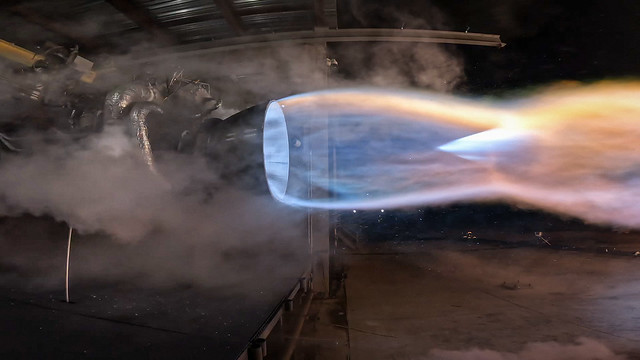
2. the boss fight: lc-3 static fire (q2 2026)this is the moment of truth. they will strap the fully assembled first stage to the launch mount at wallops.
they will load it with hundreds of tons of methane and lox. and they will ignite all 9 archimedes engines simultaneously for perhaps 6-10 seconds while clamps hold the rocket down.
why is this so dangerous?engineers call it "coupled loads" and "feed system dynamics."
harmonics: 1 engine humming is fine. 9 engines humming together creates acoustic vibrations that can shatter plumbing lines that worked perfectly in isolation.
the "pogo" effect: the massive flow of fuel can create feedback loops with the engine thrust, shaking the rocket violently.
thermal shock: lighting 9 fires creates a sudden, intense heat environment at the base of the rocket that a single engine test cannot simulate.
the "hell" scenario (catastrophic failure)if something goes wrong during the q2 static fire—specifically a "hard start" or a turbopump disintegration that cascades to the other engines—we aren't just losing an engine.
total hull loss: the entire first stage (the prototype) is destroyed.
pad devastation: this is the real killer. if a fully fueled neutron explodes on the pad, it doesn't just burn the rocket; it destroys the strongback, the fuel farm, and the concrete foundation.
the delay: look at spacex's amos-6 explosion in 2016. it took them months to rebuild the pad. for neutron, a pad explosion pushes the timeline from "mid-2026" to "late 2027" instantly.
the stock: this is the -40% day.
the "paradise" scenario (nominal burn)
9 engines light. the roar is deafening. the data shows stable combustion.
shutdown is clean.
implication: this proves the vehicle works, not just the engine. from here, launch is just releasing the clamps.
can the current testing save us?
you asked if the high-frequency testing of the two engines right now can avoid the static fire risks. answer: only partially.
what stennis solves: it proves the combustion stability. it proves the turbopumps don't melt. it reduces the chance of a single engine failing on its own.
what stennis cannot solve: it cannot test the plumbing complexity of feeding 9 hungry beasts at once.
it cannot test how the carbon composite tank reacts to the vibration of 7 mega-newtons of thrust trying to rip it off the pad.
the roadmap to success (mitigation steps)before they light that candle in q2, watch for these specific de-risking events:
the wdr (wet dress rehearsal): they will fill the rocket with freezing fuel and drain it multiple times.
if the tank cracks or pipes leak, it happens here (cold failure), not during ignition (hot failure).
spin prime tests: they will spin up the turbopumps without igniting the fuel. this checks the plumbing flow.
staggered ignition: they might light 3 engines, then 5, then 9. creeping up on full power rather than going 0-to-100 instantly.
investment thesis adjustmentq1 is safe. q1 is about logistics (shipping the hippo, stacking the stage). q2 is the binary event.
as we get closer to april/may, the volatility will spike. the market knows that the static fire is the "final exam."
if they pass, $rklb becomes a legit monopoly challenger. if they fail on the pad, we go back to the drawing board.
i am holding through it. the archimedes architecture (oxidizer-rich staged combustion) is low stress compared to raptor. they have played it safe.
but make no mistake: static fire is the most dangerous 10 seconds in the company's history since electron flight 1.
knowing the risk of pad damage, would you trim your position before the first static fire attempt, or are you riding the rocket all the way? 🎲
#rocketlab #neutron #staticfire #rklb #aerospaceengineering #riskmanagement
5
12
106
6,961

12 Dec 2025
I think it’s a bunker for the staticfire cryo supplies, like the new launch mounts
1
1
929


22 Sep 2025
🔥 STATIC FIRE DE LA S38 🔥
➡️ La S38 ha completado su 1er Static Fire en el OLM.
👉 Habrá un 2do Static Fire, esta vez con todos los motores, y será el último que se realice en el OLM.
⚡ Cada vez más cerca del Flight 11.
#Starship #SpaceX #StaticFire #Flight11
1
7
318

18 Sep 2025
✨ SPACE NEWS AND UPDATES 🔆 SpaceX Performs Static Fire of Final Block 2 Ship
LIVE: tinyurl.com/52b646n4 #SpaceX #Starship #StaticFire
3
178

15 Aug 2025
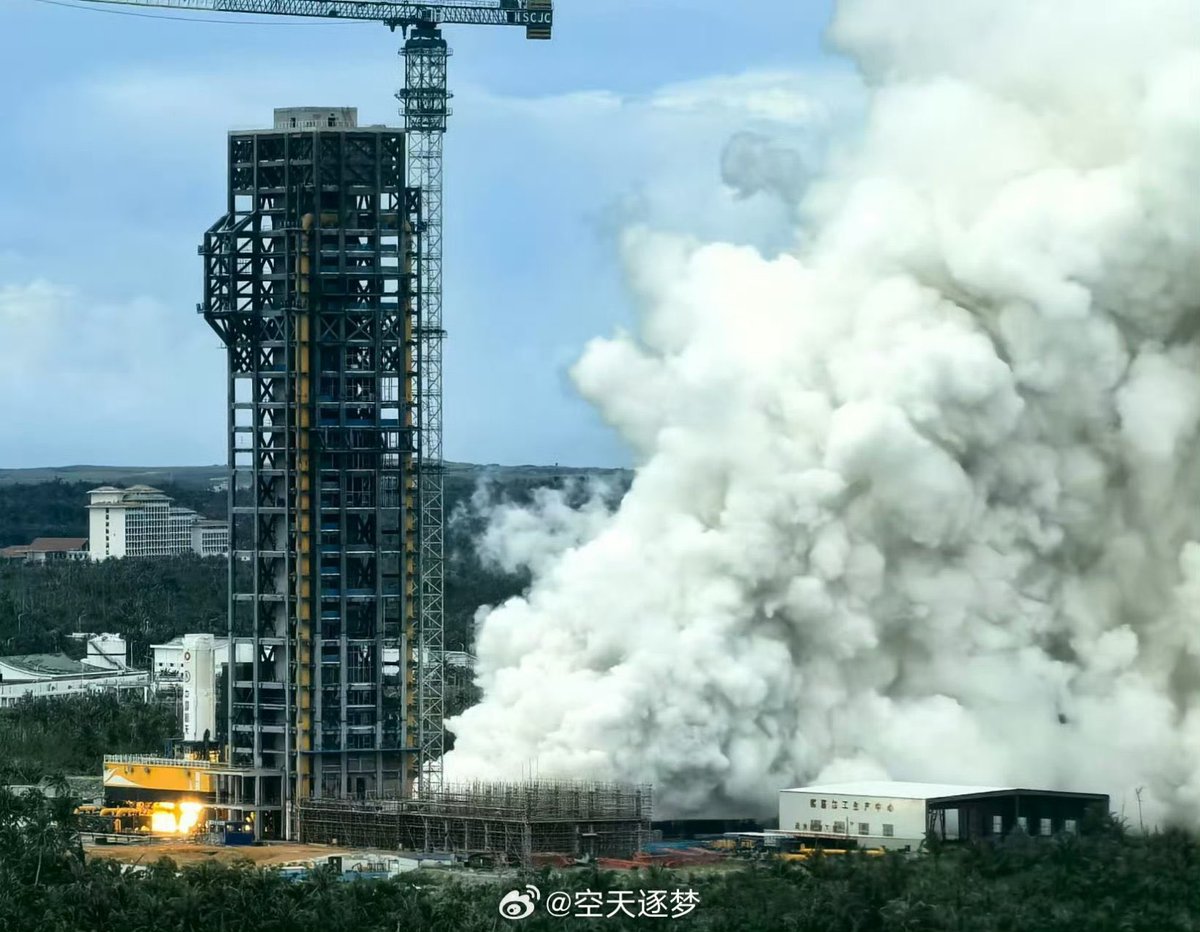
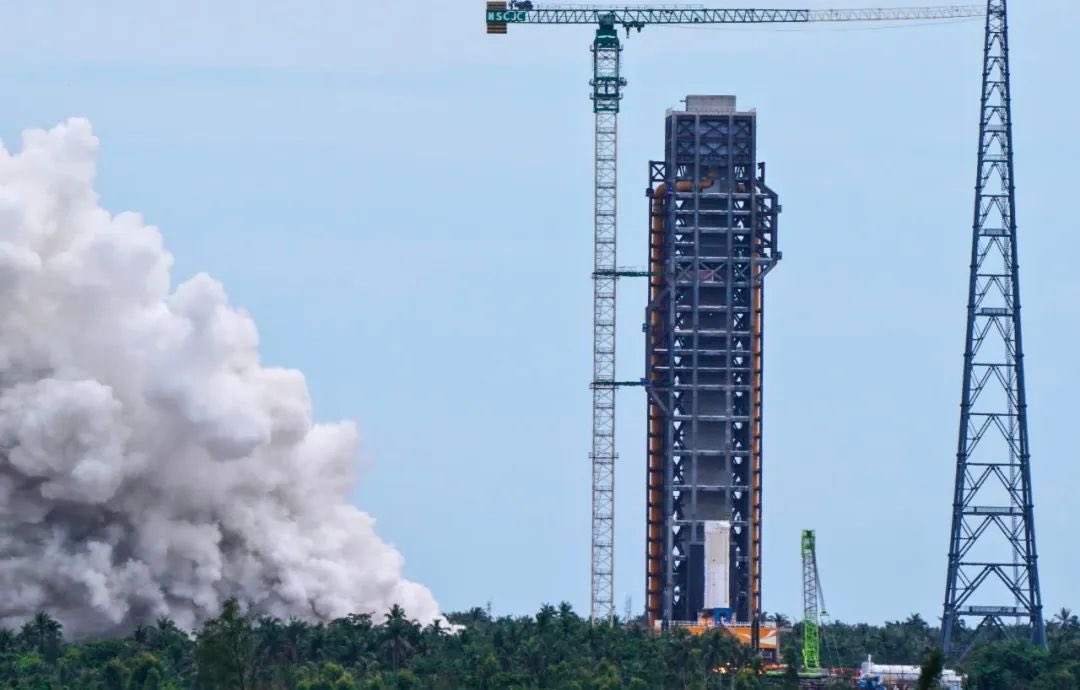
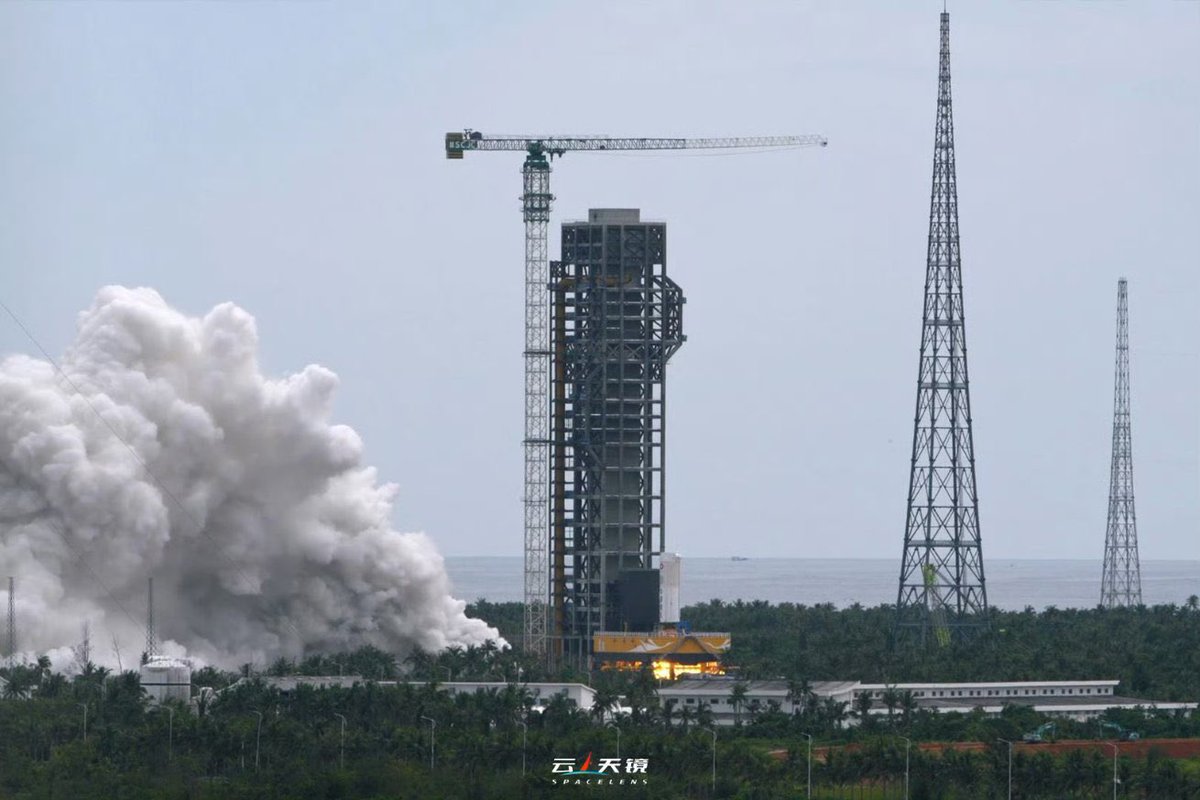
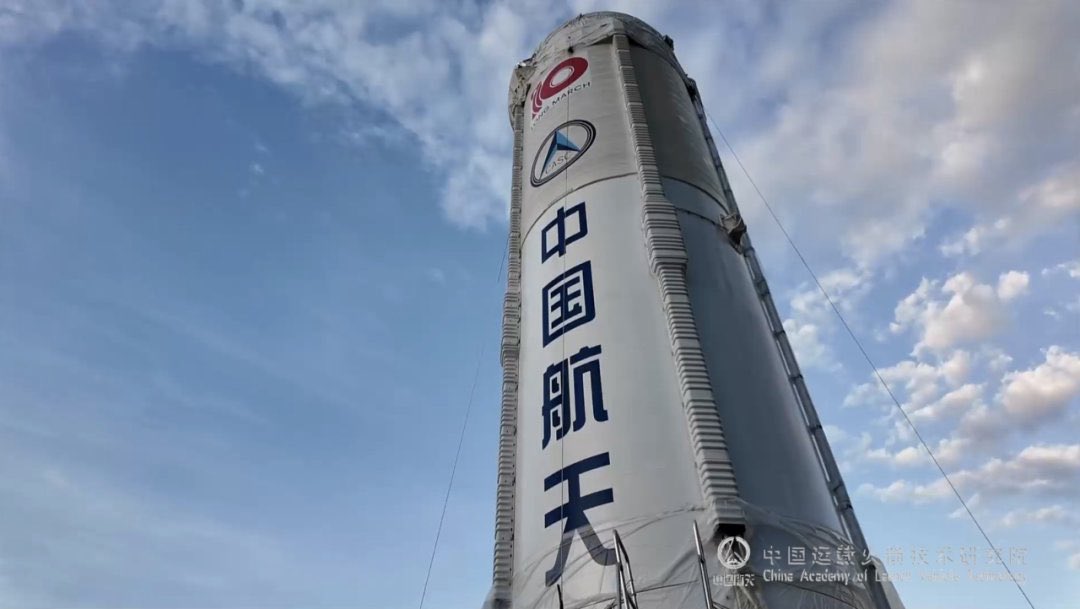
ANOTHER MILESTONE: China conducts successful moon rocket Long March-10 static fire test. 🚀🇨🇳Vid: youtu.be/yhe6jxjHXEk?si=ClRk… #ChinaSpace #ChinaTech #LongMarch10 #StaticFire #ChinaMoonMission
1
2
8
461
2 Aug 2025
STATIC FIRE DE LOS 6 RAPTOR !! 🚀🔥
➡️ Hoy, Starship S37 encendió sus 6 motores Raptor en el OLM con una prueba de duración completa… ¡y fue todo un éxito! 💪
👉 Estamos cada vez más cerca del FLIGHT 10. Impresionante potencia en Starbase...
#Starship #S37 #StaticFire #SpaceX
1
3
171

1 Aug 2025
UPDATE: Successful Static Fire of Ship 37 from Pad 1! All six engines ignited cleanly. We’re one step closer to Flight 10.
#Starbase #Ship37 #SpaceX #Pad1 #StaticFire #Flight10
28 Jul 2025

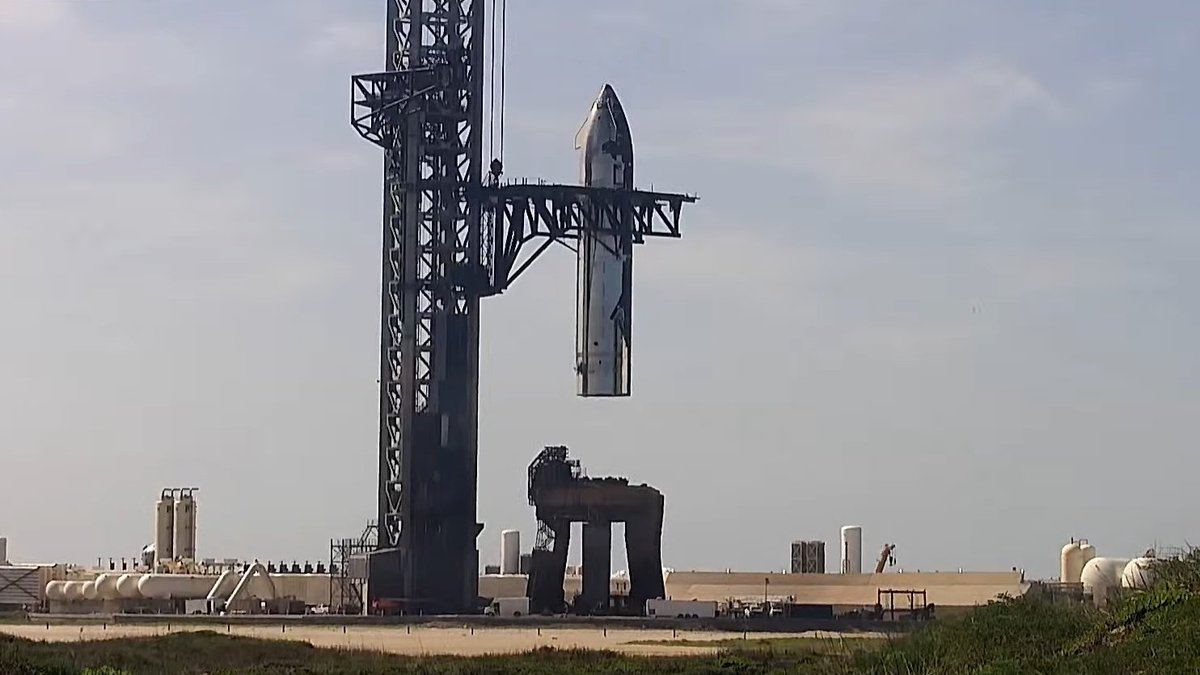
UPDATE: Ship 37 is being lifted onto the OLM at Pad 1! Preparations underway for its next big step at Starbase. 🔥 🚀
#Starbase #Ship37 #Starship #SpaceX #Pad1 #OLM
5
836