
May 28
Red, Scarlet or Swamp Maple (Acer rubrum)…GrownByYou
Red maple are fast- to medium-growing, upright, round-crowned, dense, deciduous trees of @USDA zones 3–9, to 120 ft. (37 m) tall. They perform best in areas with cold winters.🌿
They bear shiny, deep-green, deeply toothed, 3–5-lobed leaves, with pale green undersides. In autumn, they turn brilliant red, becoming red-brown before they fall. In spring they flower and produce clusters of two-winged seed.🌿
Exceptional as landscape, yard, and street trees, some popular cultivars are Acer rubrum ‘Autumn Blaze’, ‘Columnare’, ‘Northwood’, ‘Shade King’, and ‘V. J. Drake’.🌿
Plant them in autumn or spring, in partial shade. Keep soil beyond the planting hole evenly moist until the tree becomes established; thereafter, water whenever the soil dries to 6 in. (15 com) depth.
Find full information in the "Red Maple Planting and Care Guide:"
🔗grownbyyou.com/ornamental-tr…
GrownByYou: Your expert-researched garden information resource.℠
#tree #mapletree #redmaple #scarletmaple #swampmaple #AcerRubrum #landscaping #homeandgarden #backyardtree #streettree #GardeningX
1
4
81

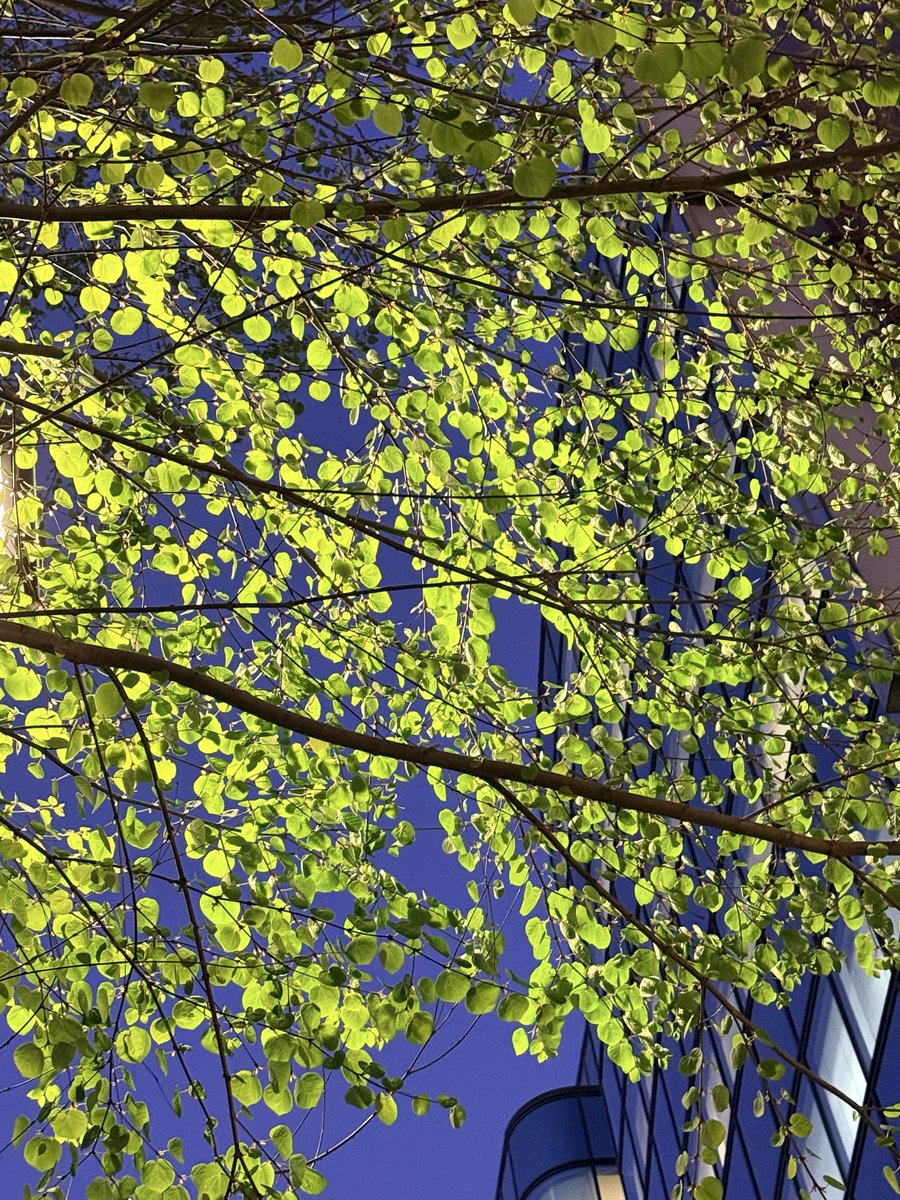
■ The fresh leaves of the Katsura tree are beautiful (2)
When illuminated by streetlights, each individual leaf of the Katsura becomes clearly distinguishable, making their beauty stand out even more.
■ This photo was taken while walking along a night street, looking up from below at the branches and leaves of a Katsura street tree. A small portion of the lighting can be seen near the center-left edge.
■ Notice how the Katsura’s round leaves glow in a vivid and beautiful yellow-green color. Katsura leaves are generally charmingly rounded, heart-shaped or oval, and symmetrically formed. In this example of young leaves, they appear almost perfectly circular.
■ However, none of the people walking along the street look up. Perhaps it is because no one has told them that even in the city, a beautiful world of nature and plants is unfolding all around them.
■ Many people hurry home, while some walk looking at their phone screens.
■ 【Street Trees-65】
The Katsura (Cercidiphyllum) is a deciduous tall tree belonging to the Katsura family. It is especially known for its beautiful autumn foliage.
■ See also the following articles:
⚫︎ Japanese
x.com/kurita88/status/204185…
⚫︎ English
x.com/kurita88/status/204185…
#Katsura #Cercidiphyllum #StreetTree

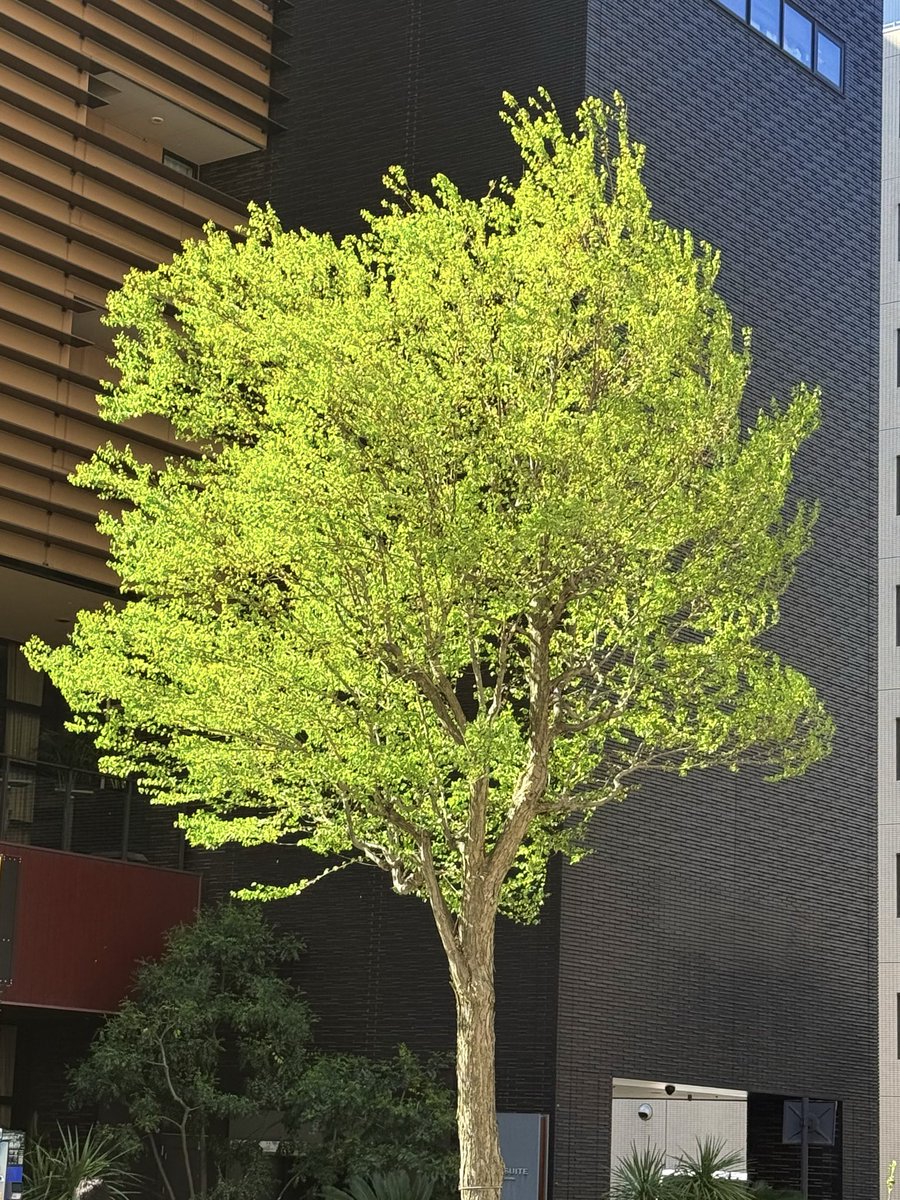
■ The young leaves of the Katsura tree are beautiful (1)
The photo shows a Katsura tree (Cercidiphyllum japonicum) whose fresh young leaves have burst forth all at once. Bathed in the morning sunlight, they shine in a bright and beautiful yellow-green color. A gentle breeze softly sways the branches.
■ This photo was taken on April 9.
Even though such beautiful street trees line the area, many people walk by looking down, without noticing or paying attention to the young leaves as they grow.
■ Let us keep a margin in our hearts to appreciate the beauty of nature’s transitions within the city.
■ The Katsura tree is a deciduous tall tree native to Japan.
■ 【Street Trees-64】
Because of its elegant tree form and the beauty of its leaves, the Katsura tree is highly popular as a street tree, park tree, and garden tree.
#Katsura #Cercidiphyllum_japonicum #StreetTrees
2
35
501

Feb 27

A single street tree can potentially increase an average Sydney house price by A$30,000, new #AUResearch shows.
👉bit.ly/4tVpSze @UTSEngage via @ConversationEDU.
2
25

Feb 22
10
96
1
4
82

15 Dec 2025
Fungus growing over parts of one of the otherwise sick-looking curb-side trees in 2400 block of Spruce St. Harmless, not hamless? #Vancouver #StreetTree
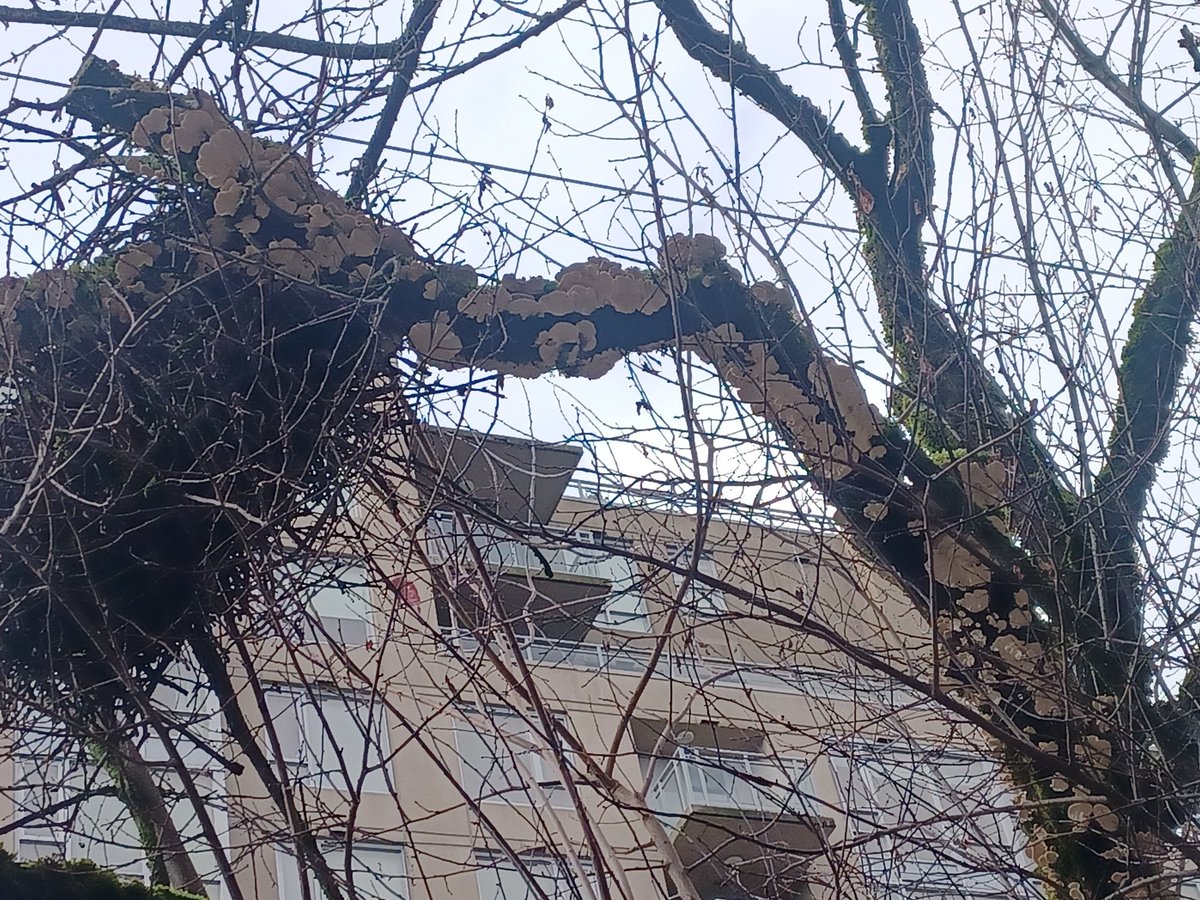
ALT Upper tree limb bursting with white fungus.
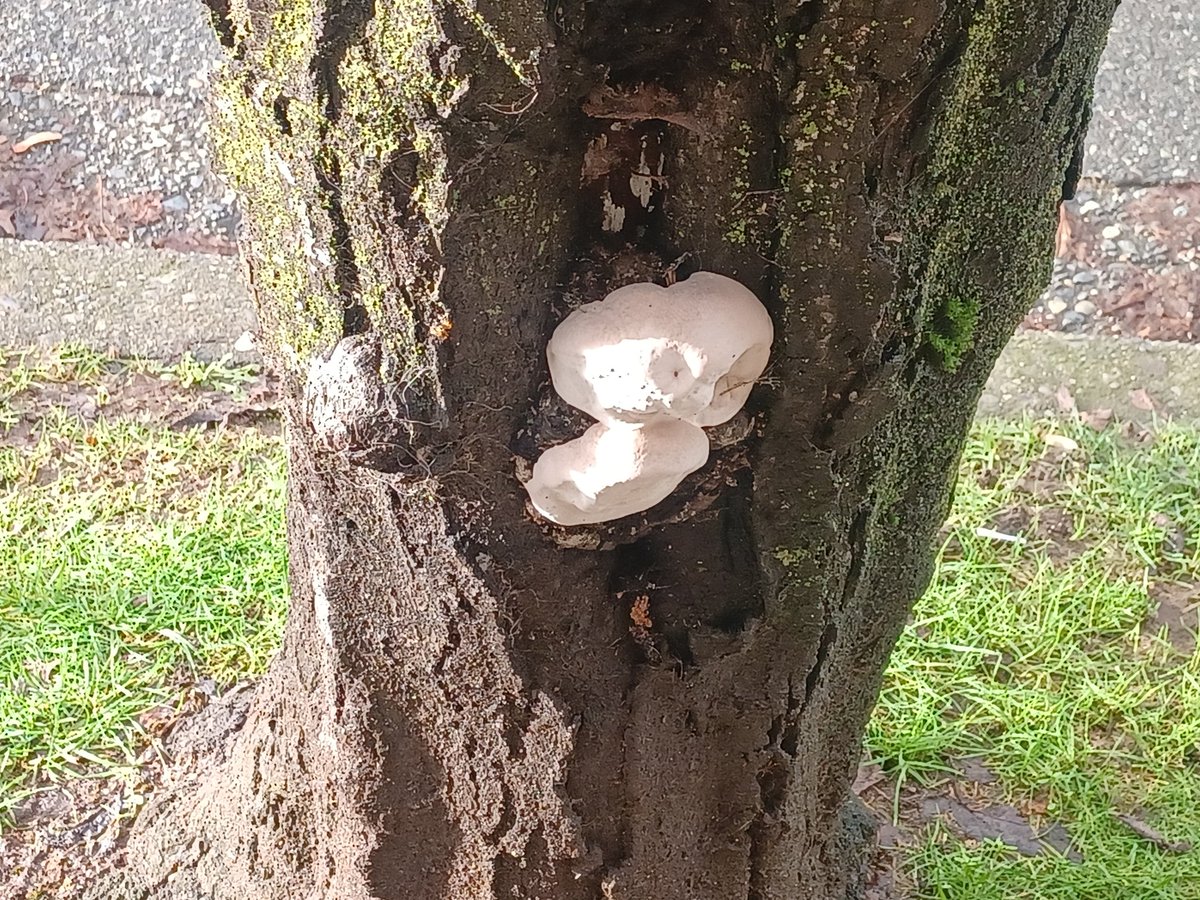
ALT Big blob of white fungus growing on lower tree trunk.
1
2
157
■ 【Fruiting-76】【Street Trees-38】
The fruits of the mochinoki (Ilex integra) have ripened and turned red. Each fruit is about 1 cm in diameter.
■ Mochinoki (Ilex integra) is an evergreen tall tree in the holly family (Aquifoliaceae).
■ It is native to Japan, the Korean Peninsula, Taiwan, and China.
In Japan, it grows naturally in mountainous coastal areas from Honshu to Kyushu.
■ Its Japanese name comes from the fact that torimochi (birdlime), a sticky substance used to catch birds, can be made from its bark.
Where I grew up, this tree grew naturally, and if you placed a piece of its bark on a hard surface and struck it with a stone, you could make sticky torimochi.
I never used it to catch birds, but making torimochi was an interesting childhood activity.
■ The leaves are leathery and have a smooth, uniform appearance.
■ The tree is commonly planted as a street tree and in parks.
#Mochinoki #IlexIntegra #StreetTree #ParkTree #Tree
4
1
21
696
■ 【Message】
The transmitted light of autumn leaves sometimes hints at a beauty that seems to belong to “the world beyond” the visible world we know.
■ 【Street Trees-37】
The video shows the autumn foliage of the Japanese dogwood (Hanamizuki).
When viewed in reflected light, it may appear to be “ordinary autumn leaves,” but when seen in transmitted light, together with the autumn sky behind it, the scenery feels exceptionally beautiful.
■ Japanese dogwood offers four kinds of beauty:
the white blossoms of spring,
the fresh green leaves of summer,
the vibrant red foliage of autumn,
and the bright red berries.
■ Hanamizuki is a deciduous tall tree native to North America.
■ In 1912, it was gifted to Japan as a return gesture for the Somei-Yoshino cherry trees that Japan had sent to the United States as a token of friendship. This is also the origin of its flower meaning: “reciprocity.”
■ The original tree is planted at the Koishikawa Botanical Garden of the University of Tokyo.
■ Today, it is widely used as a garden tree and as a street tree.
#Hanamizuki #Dogwood #GardenTree #StreetTree #Trees
12
635

10 Nov 2025
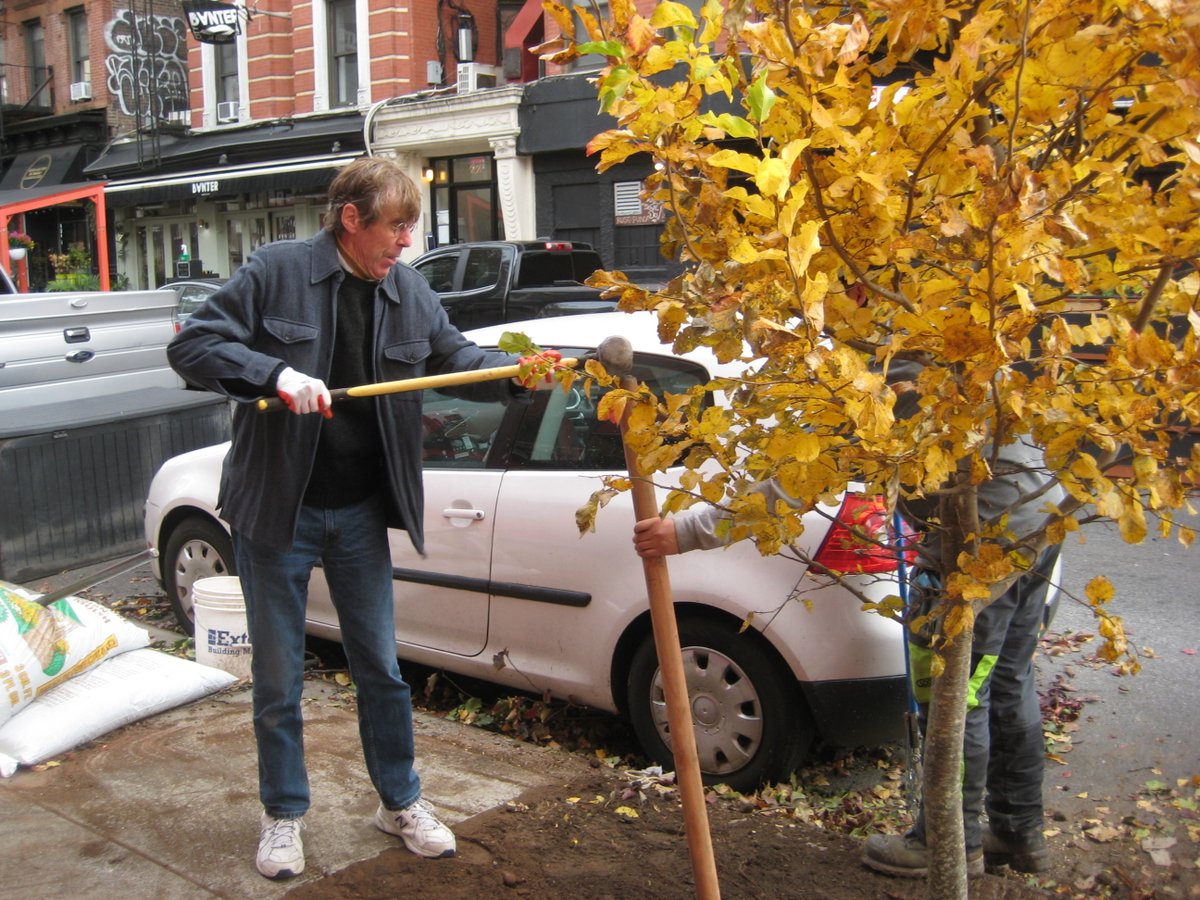
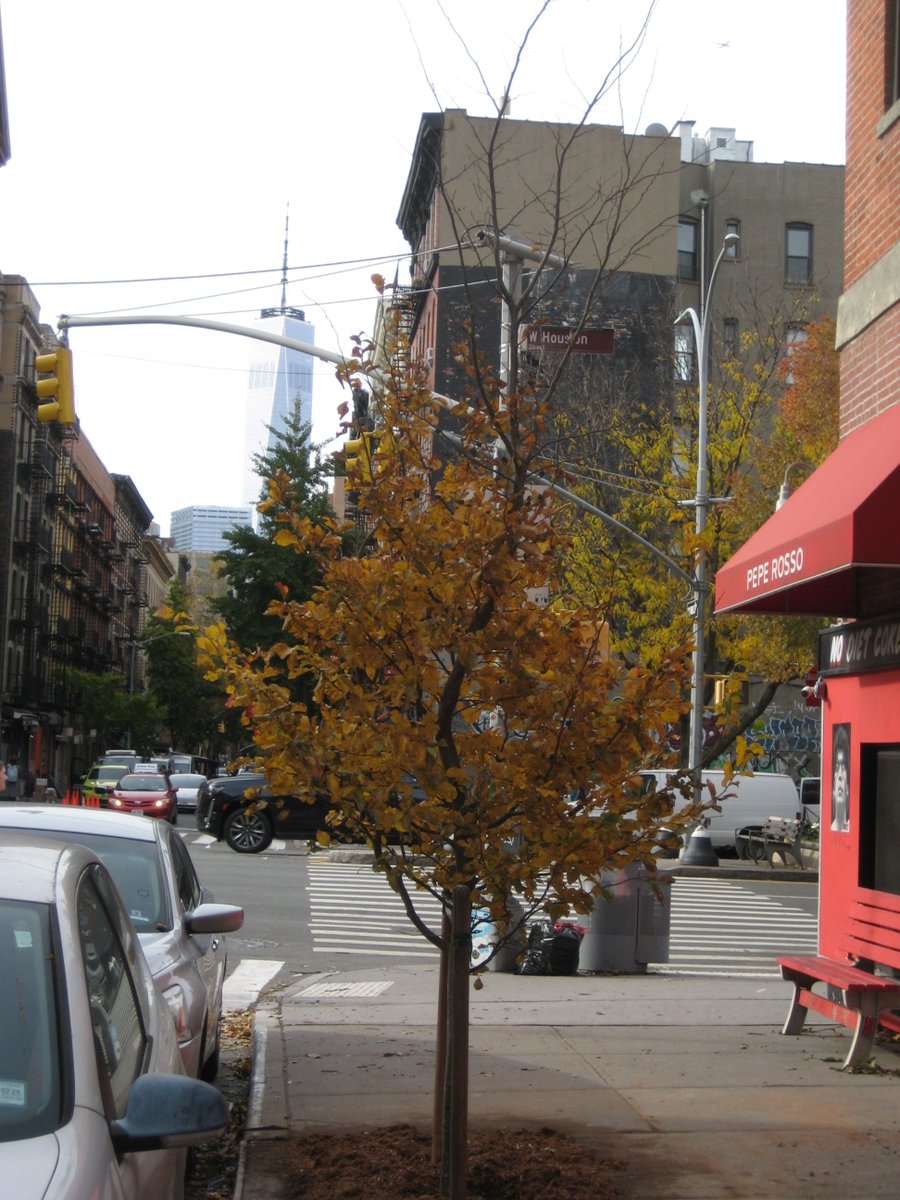
#Plantingtrees in the West Village is the perfect way to spend a fall day! Last week, we #planted four #streettrees! We were joined by #CitizenPruners, and they learned how a #streettree gets planted.
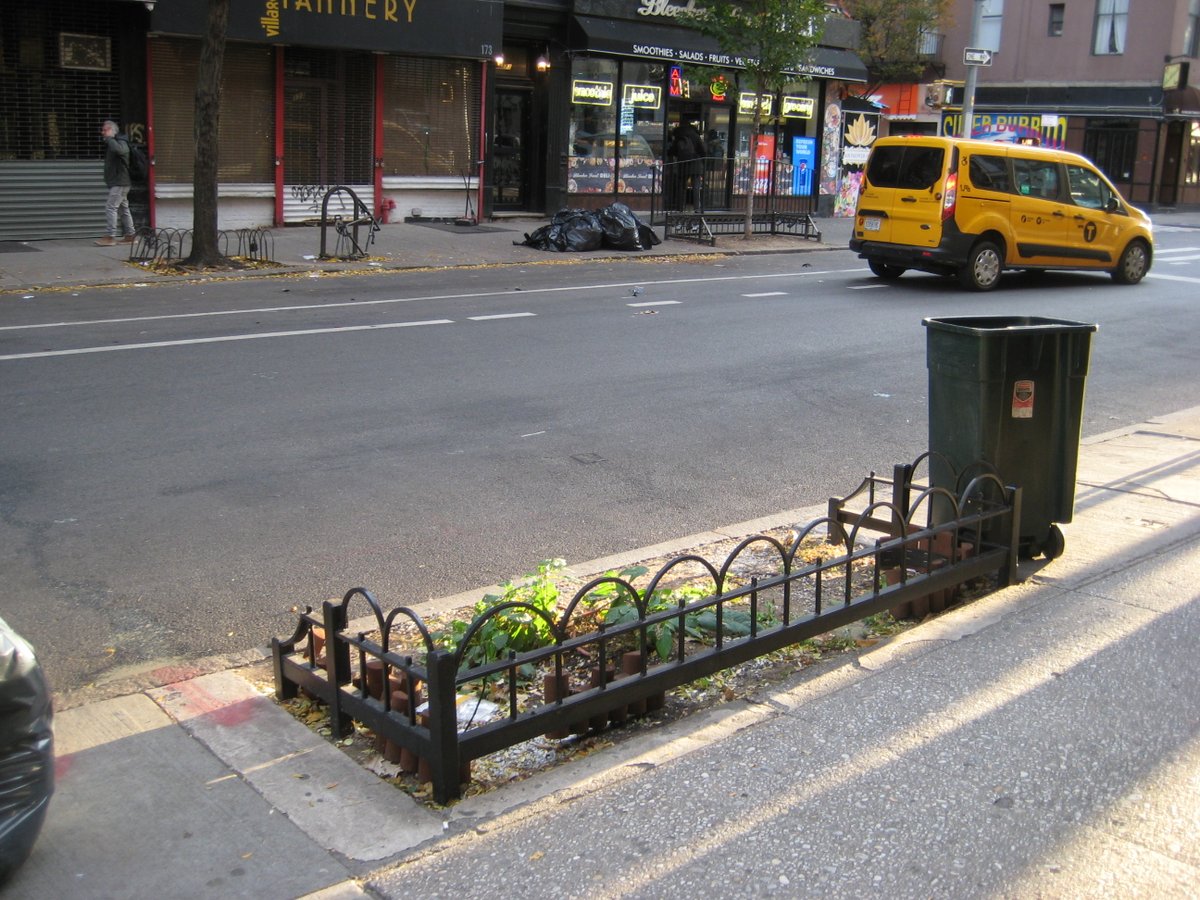
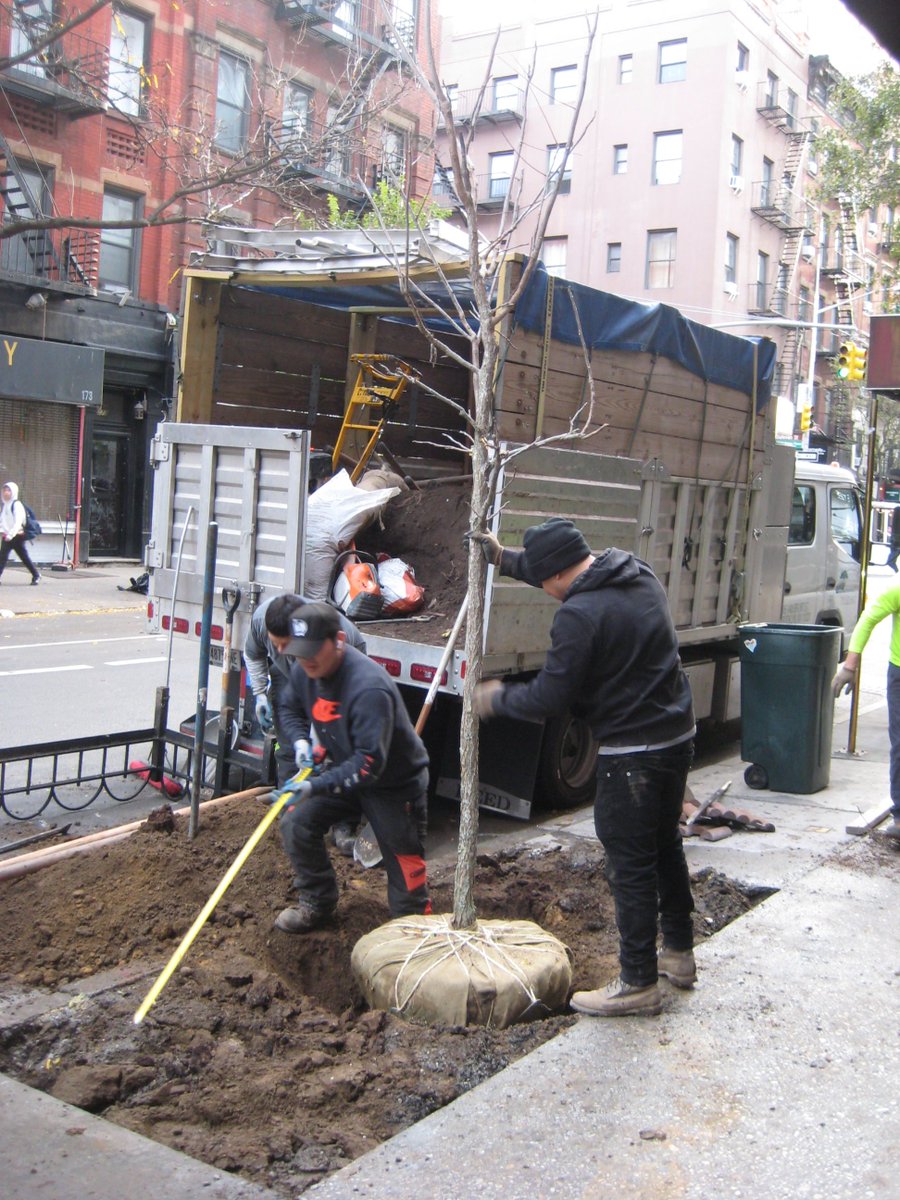
1
4
92
■【Fruiting-60】【Street Tree-36】
The acorns of the Matebashii (Japanese evergreen oak) have finally ripened and are now falling from the tree.
■ The Matebashii (Lithocarpus edulis) is an evergreen tall tree of the beech family (Fagaceae), genus Quercus, and is native to Japan. It grows widely in the warm regions of the country.
■ For general information, please see the link below:
x.com/kurita88/status/195285…
■ The main features of Matebashii are its large, elongated acorns and thick, glossy evergreen leaves. The acorns contain little bitterness and can be eaten as they are.
■ In Japan, there are about 22 species of trees that bear acorns. Becoming familiar with these trees can help one feel closer to the forests and woodlands, and more attuned to the changing seasons.
#Matebashii #Oak #Acorn #Fruiting #StreetTree
■ [Fruiing -16] [Street Tree -18] Even in the peak of summer, the acorns of the Japanese Blue Oak (Matebashii) are already ripening.
■ Quercus phillyraeoides, known as Matebashii, is a tall evergreen oak native to Japan, commonly found in warm regions.
■ Its leaves are thick, glossy, and lance-shaped with smooth edges, creating a dense, dark green canopy.
■ The large, shiny leaves grow in clusters at branch tips, giving the tree a well-composed and elegant appearance.
■ The acorns are more slender than those of other oaks, turning yellowish-brown as they mature and falling in autumn.
■ The shallow cupule (cap) covers about a third of the nut and is densely lined with fine scales.
■ Low in tannins, these acorns can even be eaten raw. They were an important food source for the Jomon people in ancient Japan.
■ Matebashii is often planted in parks and along streets, contributing to urban greenery and biodiversity.
#Matebashii #JapaneseBlueOak #Acorn #Edible #StreetTree #UrbanNature #JomonEra
2
15
923
■【Street Tree-30】【Fruiting-45】
Autumn has arrived, and we can now enjoy the lively fruiting clusters of the Ash Tree (Shimatone-riko).
■ 🌳 A tree originating from subtropical to tropical regions, but in recent years it has become a very popular street tree widely planted across Japan.
■ For footage of its fluffy panicle flowers and more general knowledge, see this earlier post:
x.com/kurita88/status/193892…
■ ✨ With cheerful flowers, abundant fruit, glossy green leaves, vigorous growth, attractive branching, evergreen foliage, and a clean look that blends naturally into cityscapes, it’s no wonder this tree continues to rise in popularity for streets and plantings.
#AshTree #Oleaceae #StreetTree #Fruiting #Trees
🌳【Street Trees 9】Chinese Fraxinus (Fraxinus griffithii) is in full bloom!
■ This evergreen tree from the olive family (Oleaceae) produces fluffy clusters of tiny white flowers at the tips of its branches from late June to July. Once you’ve seen it bloom, you’ll recognize it instantly wherever you go.
■ With its sleek upright trunk, balanced shape, and neatly arranged leaves, it’s become increasingly popular over the past decade as a garden and street tree. It lines the streets of Tokyo Station and Ginza as well.
■ Originally native to subtropical and tropical mountain regions, it was once familiar mainly in the southern islands of Japan. But now it’s even used as a street tree as far north as Tohoku, and its blooming display there is truly impressive.
■ Over 20 trees are now in bloom along the Yaesu side of Tokyo Station. (Photos taken in Aichi Prefecture.)
#ShimatoneRiko #Oleaceae #StreetTrees #SummerFlowers #TokyoTrees
1
3
33
1,155
■【Street Tree-28】【Fruiting-42】
The clusters of green fruits on the Kurogane-mochi tree that we saw in early summer have, after just five weeks, all turned into a golden hue with the arrival of autumn.
■ An evergreen of the holly family, Kurogane-mochi is admired for its countless berries and its thick, glossy leaves. The scientific name is Ilex rotunda.
■ For general knowledge and a video of the green fruits back in late July, see here:
x.com/kurita88/status/195028…
■ By November, today’s golden fruits will transform into striking crimson.
■ 【Message】 When we recall the past, imagine the future, and observe the present, the steady transitions of nature’s blessings come vividly into view. In the same way, we can learn to appreciate the subtle daily changes in our own lives, embracing them with gratitude.
#KuroganeMochi #StreetTree #GardenTree #Fruiting #Nature
■ 🌿【Message】
Plants steadily move forward each day along the path of fruiting.
We, too, should strive to move forward each day—steadily, even if only by a small step.
■ 🌳【Street Trees-16】【Fruiting-9】
In early summer, the female Ilex rotunda (Kurogane-mochi) trees are quietly swelling with countless green fruits—on their way to ripen into vivid red by autumn.
■ (Note: Only female trees bear fruit, as the species is dioecious.)
■ Native to Japan’s Kanto region and westward, Kurogane-mochi is a glossy-leaved evergreen tree from the holly family. It blooms in May–June with pale purple to cream-colored flowers, and its spherical fruits mature red in November–December.
■ The name “Kurogane” (literally “black metal”) refers to the dark purple hue of young twigs and petioles, and the iron-like color the leaves take on when dried.
■ The name “Kurogane-mochi” sounds similar to “kanemochi” (meaning “wealthy person” in Japanese), and for this reason, the tree is considered auspicious(—symbolizing good fortune and prosperity).
■ The tree is commonly planted along streets, in parks, and gardens. Its abundance of fruit and lustrous foliage are part of its popularity.
■ 🔴 Caution: The red fruits are toxic to humans, dogs, and cats if consumed in large amounts. They contain compounds such as ilicin, caffeine, and theobromine, which may cause vomiting and diarrhea.
#IlexRotunda #KuroganeMochi #StreetTrees #UrbanNature #Fruiting #ToxicPlants #JapaneseTrees
7
61
1,803
■ 【Street Tree-27】 The hibiscus syriacus, a flower that embodies summer, has bloomed through the record-breaking heat of this season without faltering.
■ I first shared its opening blossoms back on June 25, with a summary of general knowledge about the tree here:
x.com/kurita88/status/193785…
■ True to its nature as a representative “one-day flower,” it has kept offering fresh blossoms day after day, showing tireless, steady, and lasting vitality.
■ Let’s continue to witness how long this flowering will endure.
#HibiscusSyriacus #MallowFamily #Hibiscus #OneDayFlower #StreetTree #Trees
■ 【Street Tree#8】 A graceful pink hibiscus flower, a symbol of summer, is now in full bloom!
■ The Rose of Sharon (Hibiscus syriacus) is a deciduous shrub of the mallow family.
■ It blooms continuously from July to October, offering color from summer through autumn.
■ The flowers come in white, pink, and purple, blooming in the morning and fading by evening—a true “one-day flower.”
■ Admired in ancient China and Korea, it was also celebrated in Japan’s Manyoshu poetry anthology.
■ Unlike similar flowers like Fuyou (Hibiscus mutabilis), the Mukuge fully opens its petals and displays a prominent straight pistil with both stamens and stigma.
■ Its leaves are small, ovate, and have coarse serrated edges—darker and smaller than Fuyou leaves.
■ Widely used as a garden shrub, hedge, or street tree, it’s also favored in tea ceremonies.
■ Its flower language: “Conviction” and “New beauty.” A resilient bloom brimming with life.
#Mukuge #Hibiscus #OneDayFlower
#StreetTree #MallowFamily
3
32
1,100
2 Sep 2025

3
40
29 Aug 2025
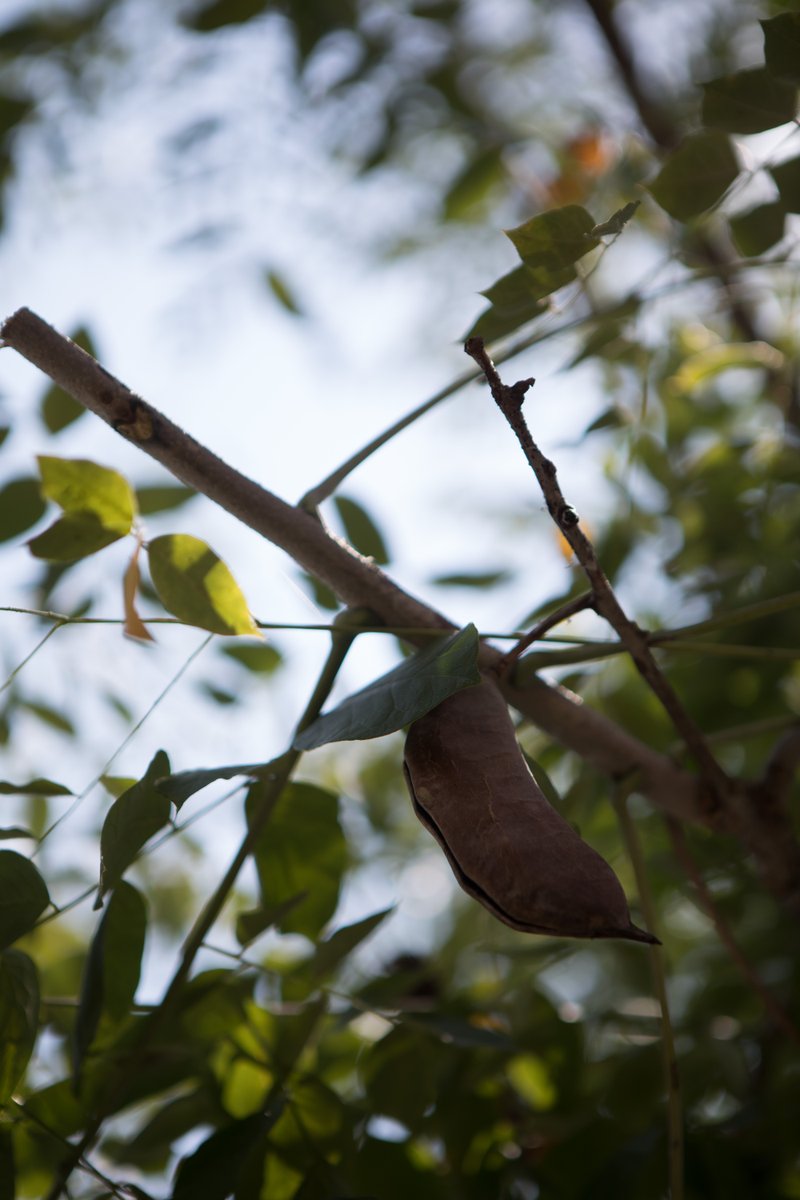
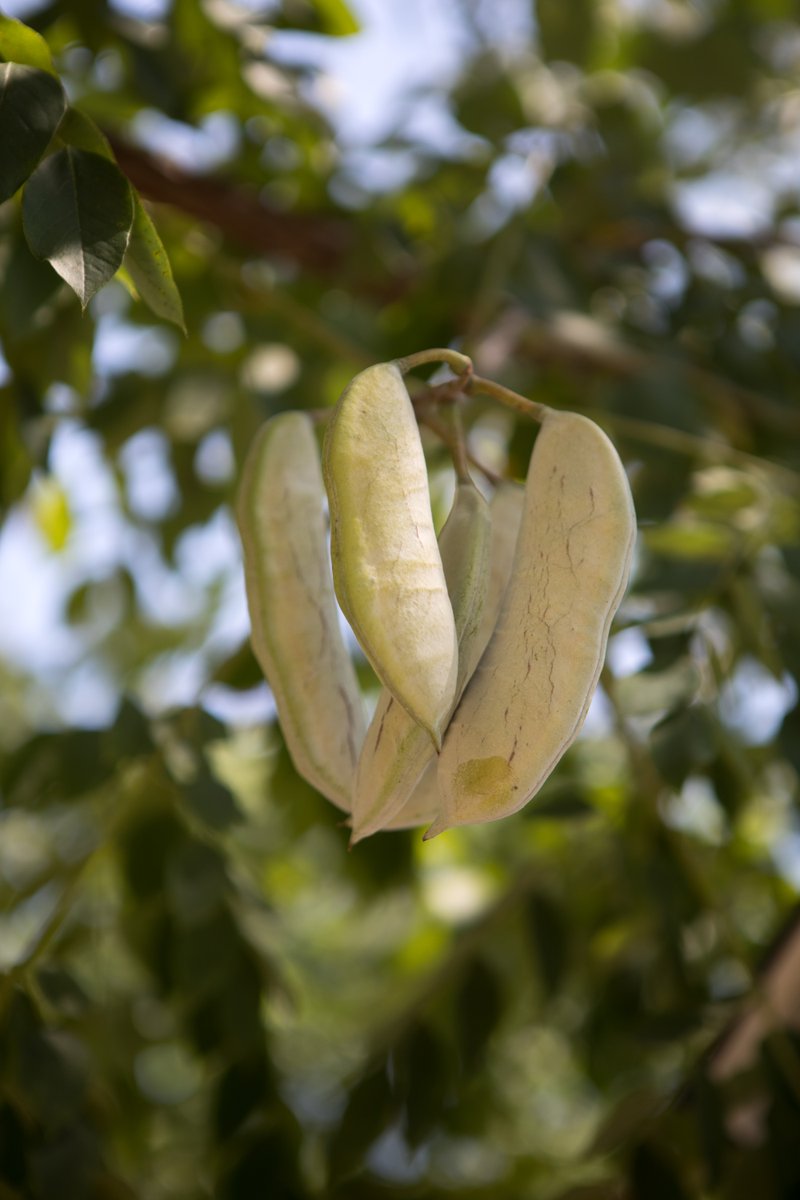
Get out and explore the #urbanforest this weekend! You may spot some #KentuckyCoffee #tree seed pods. There are over 9,000 Kentucky Coffee #trees on the @NYCParks #streettree map. tinyurl.com/4nea3skj
2
3
113
■ 【Street Tree-26】【 Fruiting-36】
Abundant clusters of fruit are now appearing on the Chinese Privet (Ligustrum lucidum). This video was filmed in early August.
■ Chinese Privet is an evergreen tree of the olive family, native to China. For basic knowledge and flowering scenes, see my June 25 post:
x.com/kurita88/status/193774…
■ These green fruits will gradually turn dark purple between October and December, with a whitish, powdery bloom on the surface.
■ Although sometimes used in traditional Chinese medicine, the raw fruits are poisonous if eaten.
■ In nature, many plants and animals show this paradox—being toxic in some contexts, yet used as food or medicine in others. To understand this rationally, we need to study each case carefully. A classic example outside the plant world is the pufferfish.
#LigustrumLucidum #Privet #OliveFamily #StreetTree #Toxic
■ The Chinese Privet (Ligustrum lucidum) is now in full bloom.
■ Native to China, this evergreen tree of the olive family (Oleaceae) was introduced to Japan in the early Meiji period as an ornamental plant. It thrives in warm areas west of the Kanto region and is commonly seen as a street tree or in parks and gardens.
■ Blooming from June to July, its small white flowers cluster into cone-shaped inflorescences at the tips of branches, emitting a sweet scent that attracts insects.
■ Compared to the closely related Ligustrum japonicum, its glossier and larger leaves, as well as profuse flowering, make it visible even from afar. The lateral veins become clearly visible when the leaves are held up to light.
■ The dark purple fruits are toxic and may cause vomiting or diarrhea, though in Chinese medicine, the dried fruits (called “Nu Zhen Zi”) are used therapeutically. The bark and leaves can also irritate the skin.
■ It reproduces vigorously, often spreading into the wild via birds. It’s now common even in urban settings.
#LigustrumLucidum #Privet #Trees #Oleaceae
4
32
1,142
20 Aug 2025
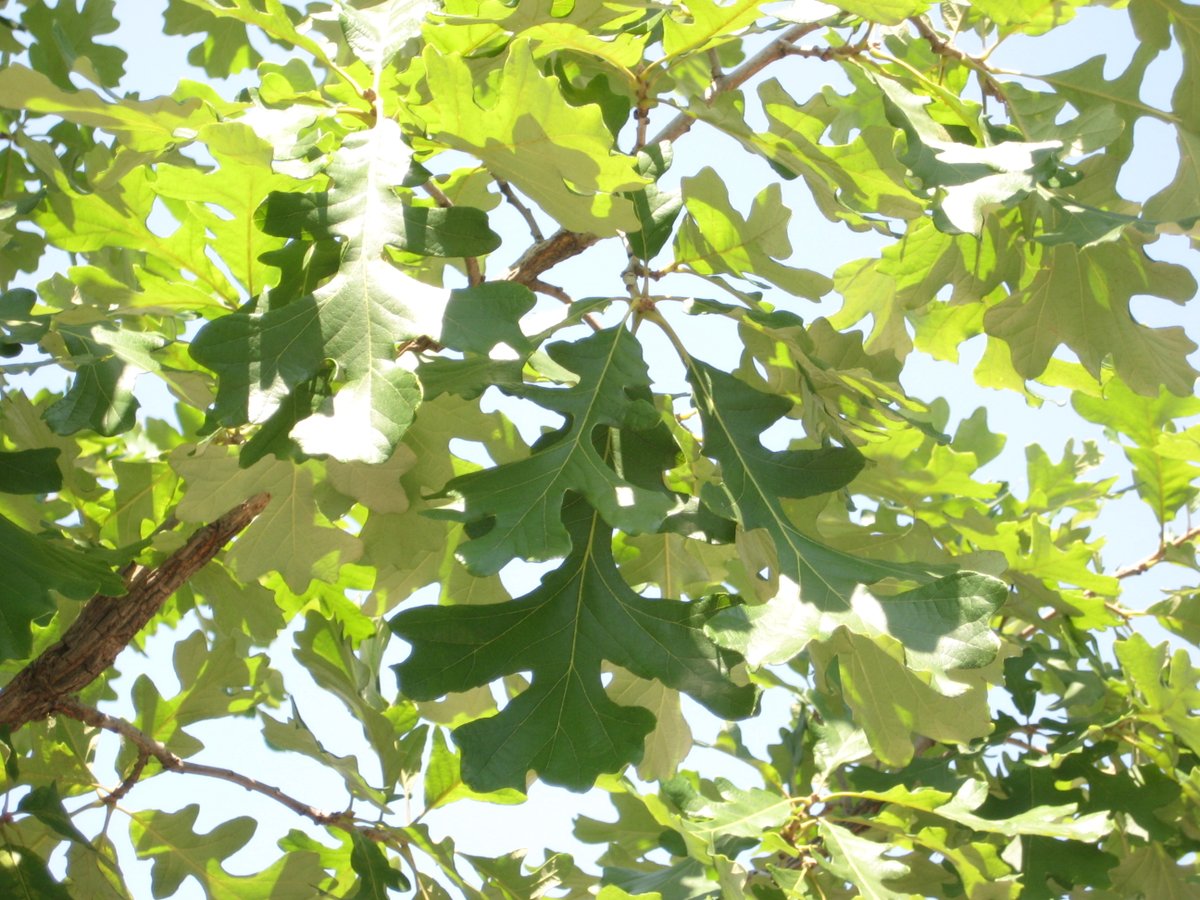
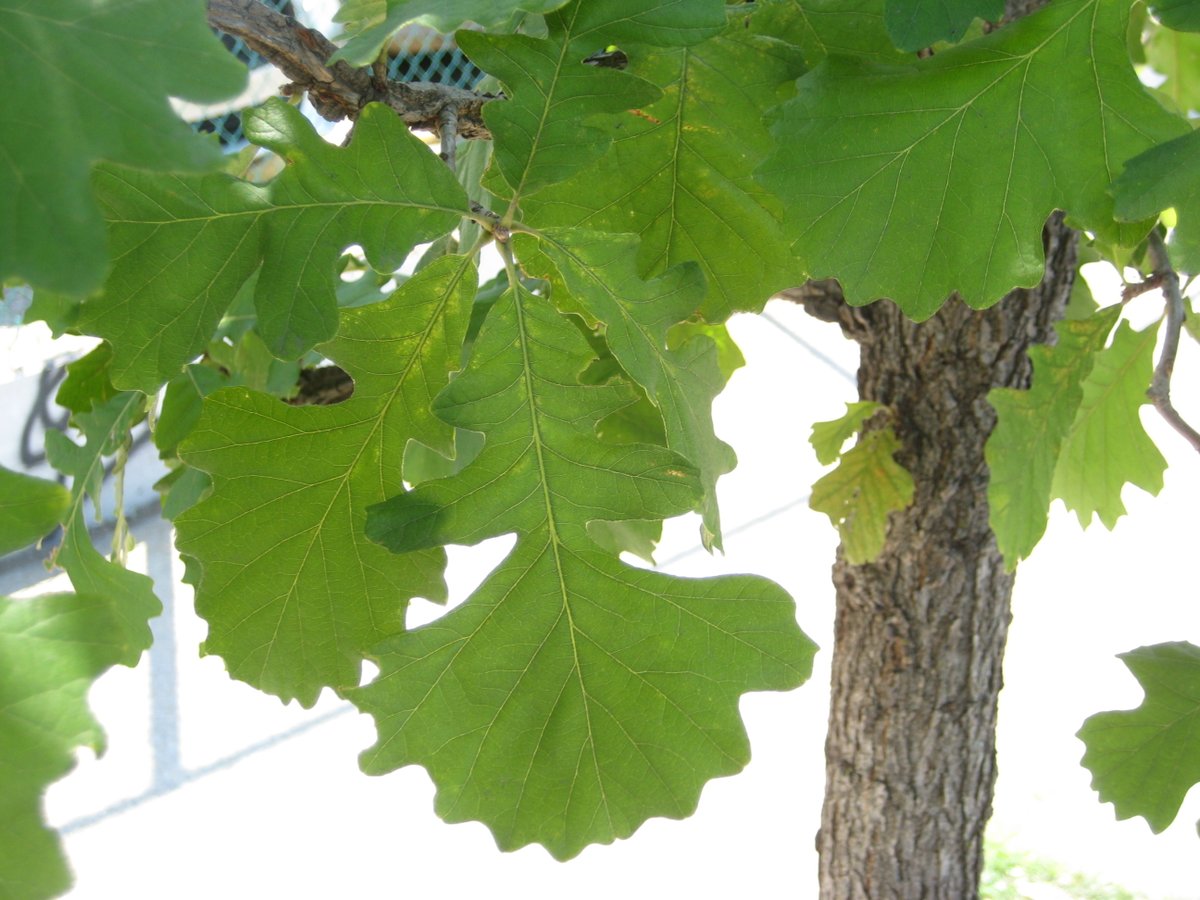
#BurrOak, #QuercusMacrocarpa, is being #planted by @NYCParks as a #streettree. The leaves are variable in shape making them a little tricky to identify. The bark has raised ridges from a very young age which can be seen on new street #trees. #NYCurbanforest
2
94
■【Street Tree-24】
The Nankin Haze ‘Metro Candle’ is an ornamental variety with stunning yellow new leaves.
■ The Chinese tallow tree (Triadica sebifera) is a deciduous tall tree in the spurge family, valued for its beautiful heart-shaped leaves as a street or garden tree.
(Introduction to the regular variety:
x.com/kurita88/status/193926…)
■ This yellow-variegated ornamental variety grows to about 3–8 m tall. It is resistant to summer leaf scorch and produces vibrant autumn colors even in warm regions.
■ Being a warm-climate tree, it is best suited to areas south of the Kanto region.
■ Filmed in a park in Aichi Prefecture. In the footage, you can also spot its flowers in spike form.
#ChineseTallowTree #MetroCandle #OrnamentalTree #StreetTree #ParkTree #Flowers #AutumnFoliage #TreeObservation
🌳【Street Tree 10】The flower spikes of the Chinese tallow tree are now in bloom.
■ Triadica sebifera (Chinese tallow tree) is a deciduous tall tree in the spurge family (Euphorbiaceae), native to China and other parts of East Asia.
■ It produces yellow spike-like flowers from June to July, but they’re so inconspicuous that most people overlook them (see the second half of the video).
■ A unique feature: male flowers grow on the upper part of the spike, while female flowers are found below.
■ The leaves are broadly ovate, almost diamond-shaped, with long pointed tips—visually appealing throughout the seasons. In autumn, they turn brilliant shades of red.
■ When the fruits split open, wax-coated white seeds emerge, adding visual interest even in winter.
■ Caution: the seeds are toxic and must never be ingested.
■ In the past, the wax was used as lamp fuel. Today, the tree is appreciated as a popular street tree for its stunning fall foliage.
#StreetTree #ChineseTallowTree #UrbanTrees #FallFoliage #TreeWatching
3
57
1,359

11 Aug 2025
This latest piece by @JuliaAArmstrong about the latest #StreetTree scandal apology from @SheffCouncil is well worth a read.
msn.com/en-gb/society-cultur…
4
11
12
338
■【Street Tree-23】【Fruiting-20】
The Japanese snowbell’s clusters of hanging fruits are a delightful sight.
■ The Japanese snowbell (Styrax japonicus) is a deciduous small tree of the family Styracaceae, native to mountain slopes and hills throughout Japan, and also planted in gardens and along streets.
■ In May–June, it produces numerous charming, bell-shaped white flowers that hang downward.
■ This video shows the fruits in early August.
■ The spherical fruits are about 1–1.5 cm in diameter, with a white powdery surface, ripening and falling in autumn.
■ The name comes from the astringent, throat-irritating taste (“egui/egoi”) experienced when the fruit is placed in the mouth. Other names include Chishanoki and Rokurogi.
■ The seeds and pulp contain egosaponin and are toxic, inedible, but were once used as fish poison in river fishing.
#JapaneseSnowbell #Toxic #Egosaponin #StreetTree #GardenTree
1
3
47
1,384