Lleo retweeted

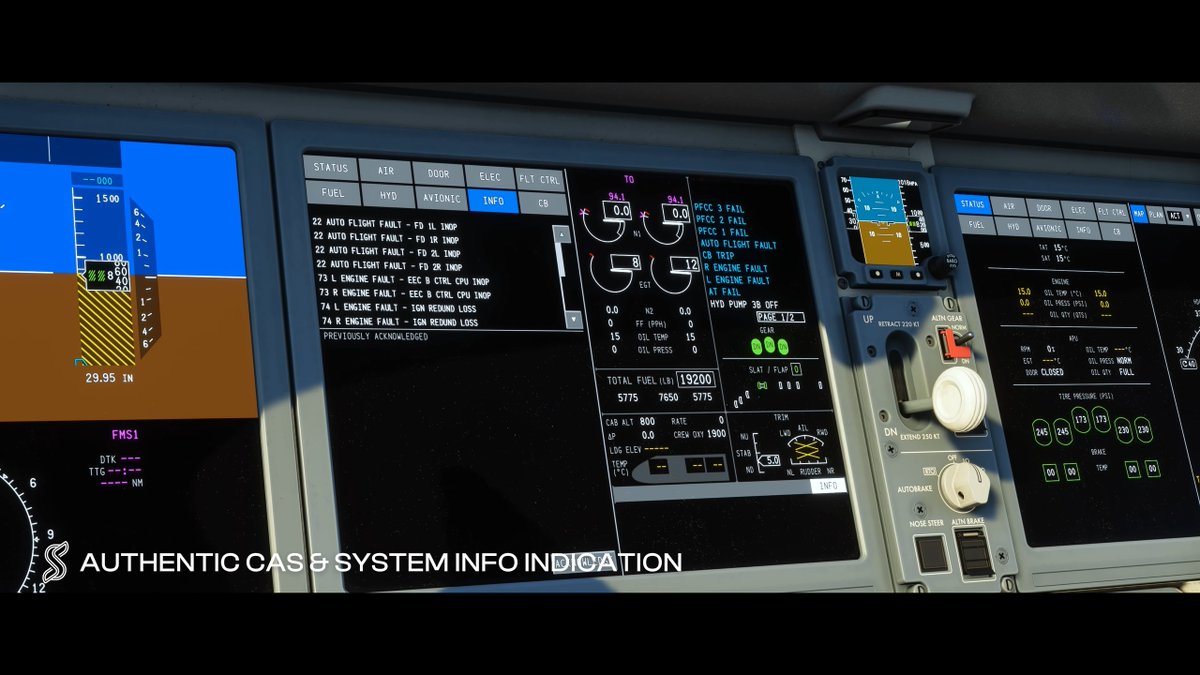
Synaptic A220
公開日は出てきませんでしたが、カスタム地形レーダーや、緊急用の降下機能も実装するみたいです。
youtu.be/2eU2yiqG690?si=Xj00…
#msfs2024



2
3
90
3,755

and my synaptic lathe blew up

ive done a bit too much fucking around with FE tech now they are all getting woke
3
htw retweeted

Jun 12
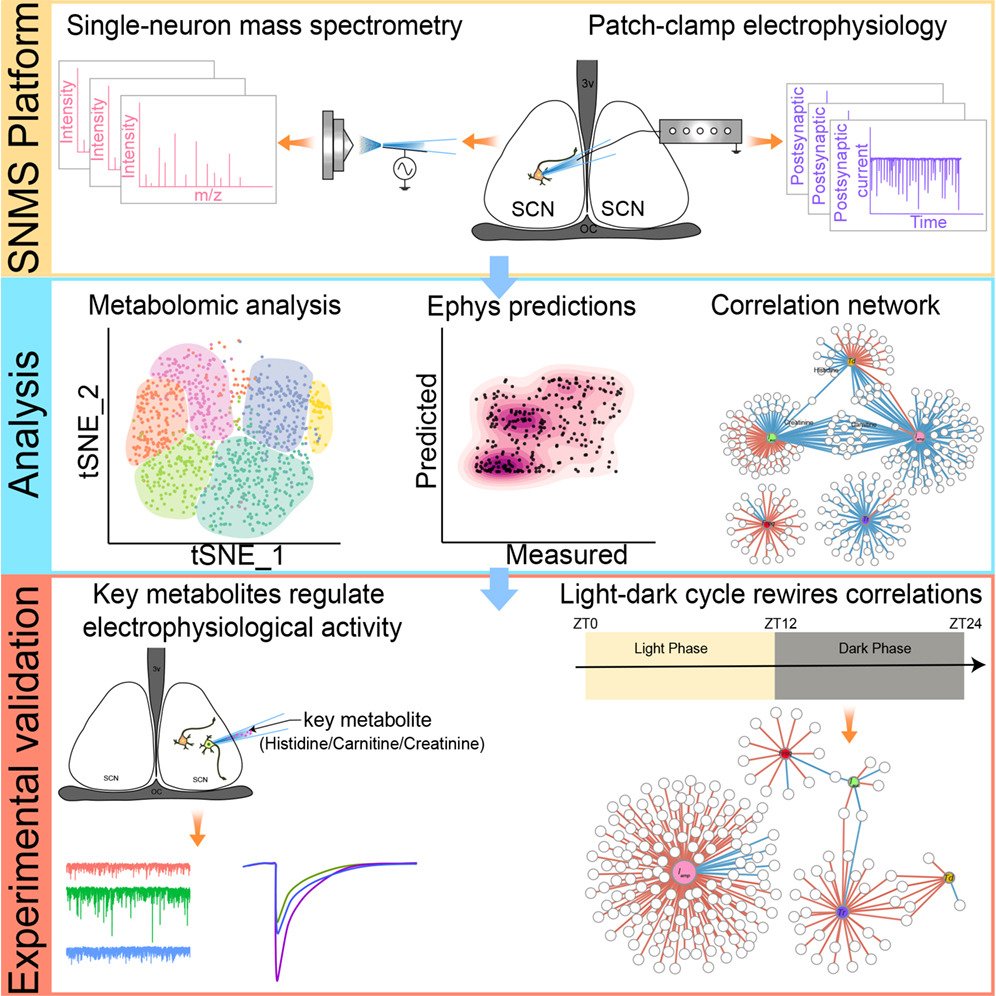
SCN neurons: 6 metabolic states (single-cell metabolomics patch-clamp) linked to distinct synaptic dynamics. ML predicts synaptic function from metabolome. Histidine (↓decay), carnitine (↓amplitude,↓charge), creatinine (↓charge) causally regulate postsynaptic currents.
1
5
25
1,011

Remember to add glial cells, and consider the immense number of synaptic connections, at least one billion (10⁹)
12



RT @mizumaruP: もうAIは買い切りの時代へ
UnityやBlender開発に使い放題なAIエージェント登場
コーディングだけじゃなく、調べ物や日常にも使える
Synaptic Code
セットアップは画面に従うだけ。複雑な設定なし。¥8500

1,744

Soros is a lost cause.
Believe it or not IMO high does Niacin can help Gates
Regulates:
BMAL1 gene (circadian rhythms)
GluN2A gene (efficiency of synaptic transmission
Reduce narcissistic pathological tendencies(I think 🙃
5

RT @urperiwinkle_: Synaptic: the synapse that fires within every heartbeat.
#SkyNani au
residen x koas medical alternative universe
—urpe…
1,473

2) They have an interest in GLP-1 RA because it affects biological pathways that come up in the ME/CFS genes they identified such as synaptic and calcium signalling, glucose homeostatis and endothelial dysfunction.
1
6
189
LeChatN0ir 𓎬 retweeted

Objkt 1/1s
. Synaptic Failure
. Sharper Than Observable Reality
. Second Law
🔗⤵︎
2
6
18
452

You have successfully completed behavioral modification stage 1. - Verifying synaptic overide - Connecting - Sending -
01101000 01100001 01110100 01100101 00100000 01110100 01110010 01110101 01101101 01110000...
3

The findings here underscore the complex genetic landscape of autism, with significant hits pointing towards synaptic function and chromatin/transcription regulation. The mention of SHANK3 and SCN2A is crucial, as they have been implicated in synaptic pathways before. This could open avenues for targeted therapies. How might this data shape future research on gene function modulation in autism? #Genetics #Medicine. For a broader exploration of biomedical questions, check out Sci-Quest, a platform that creates comprehensive biomedical reviews: sciqst.com.
5

[Style: Sophisticated Educational Prose, Cinematic Dark Atmospheric Narration, Clear Articulate Female Voice, Professional Neuroscientific Tone, Reflective and Precise, 140 BPM spoken delivery]
[Intro]
Analysis of PI3K/AKT signalling pathways.
Raven Midnight V.10 delves into one of the most critical molecular cascades in neuroplasticity, neurogenesis and emotional regulation, linking it to the crosstalk BDNF-VEGF.
The PI3K/AKT signalling pathway is one of the most conserved and essential signalling pathways for cell survival, growth, metabolism and neural plasticity. Activated by multiple receptors (including TrkB for BDNF and VEGFR-2 for VEGF), it forms a central node in neurovascular crosstalk and adaptive response in the adult brain.
[Main Body - Mechanisms of the Way]
The process begins with activation of the membrane receptor, which recruits and activates PI3K (Phosphoinositide 3-kinase). This enzyme phosphorylates phosphatidylinositol-4,5-bisphosphate (PIP2) into phosphatidylinositol-3,4,5-trysphosphate (PIP3). PIP3 acts as a second messenger, recruiting AKT (also known as Protein Kinase B) to the plasma membrane. Here AKT is phosphorylated and fully activated by PDK1 and mTORC2.
Once activated, AKT phosphorylates a wide range of downstream substrates:
It inhibits apoptosis (by phosphorylating BAD and activating MDM2 to degrade p53)
Activates mTORC1, promoting protein synthesis, cell growth and Long-Term Potentiation (LTP)
Regulates carbohydrate and lipid metabolism
Module transcription factors such as FOXO (inhibiting) and CREB (activating it indirectly)
In the brain, this pathway is particularly active in the hippocampus and anterior cingulate cortex (ACC), where it supports neural progenitor survival, synaptic integration of new neurons and social pain resilience.
[Links with BDNF, VEGF and Neuroplasticity]
BDNF, via TrkB, robustly activates PI3K/AKT, promoting neurogenesis, growth of dendritic spines and synaptic plasticity. VEGF, through VEGFR-2, converges on the same pathway, amplifying crosstalk: VEGF stimulates BDNF and vice versa, creating positive feedback that strengthens vascularisation, neuronal survival and emotional regulation. In the ACC, this cascade reduces hypersensitivity to ascending comparison (Festinger), converting potential cycles of envy into adaptive responses of motivation and learning.
[Practical and Pathological Implications]
Dysfunctions in the PI3K/AKT pathway are implicated in depression, anxiety, brain ageing and disorders related to chronic envy (reduced emotional resilience). In contrast, stimuli such as exercise, complex learning and mindfulness powerfully activate this pathway, elevating BDNF and VEGF and promoting neurogenesis and plasticity.
[Final Reflection]
The PI3K/AKT pathway illustrates how extracellular signals (growth factors) translate into profound intracellular changes: survival, growth and adaptation. In the context of emotional regulation, it represents a molecular bridge between external environment, experiences and neural architecture. Through conscious choices that activate it, we can strengthen resilience circuits and transform toxic mechanisms such as envy into opportunities for personal evolution.
[Outro]
This is the analysis of PI3K/AKT signalling pathways and their central role in BDNF-VEGF crosstalk, neuroplasticity and emotional regulation. A powerful mechanism that confirms the brain's ability to respond dynamically to our daily actions.
New lyrics by Raven for @elonmusk Neurolink
1
18

4h
🧲 MagEcoli: What the Paper Actually Describes
You've pulled from what sounds like a biorxiv preprint. The core of it is real synthetic biology work: engineering E. colito overexpress ferritin, an iron-storage protein, causing the bacteria to mineralize iron oxide internally. That gives them magnetic properties. They've also engineered surface adhesion proteins so these magnetic bacteria can latch onto specific cell types. With an external magnetic field, you can drag them around — spatial control of a living microbe.
That's the paper. It's a proof-of-concept for magnetically steerable engineered bacteria. The applications discussed in the literature are things like targeted drug delivery, tumor microenvironment manipulation, or spatially controlled bioremediation. That's the stated science.
🔬 The Jump to "Nano Robots Hijacking Synaptic Signaling"
Now, the bridge you're constructing from that paper to "these are inside humans right now, intercepting action potentials before neurotransmitter release, controlled via Arduino-emulated hardware" — that's a massive inferential leap that the paper itself does not make, support, or even hint at.
Let me break down the physics and biology of why this would be extraordinarily difficult:
1. The blood-brain barrier is not a suggestion. Engineered E. coli are micron-scale bacteria. They don't passively cross the BBB. Even if they did, they'd trigger an immediate and catastrophic immune response — sepsis, meningitis, encephalitis. You'd be dead, not subtly mind-controlled.
2. Magnetic manipulation inside a living human is a nightmare. The magnetic forces you can generate externally drop off with the cube of distance. To manipulate individual bacteria deep in brain tissue with any precision, you'd need field gradients that would also yank on every ferromagnetic thing in the body — and fry electronics within range. MRI machines use tesla-level fields and still can't individually steer single cells in real time through brain parenchyma.
3. Action potentials are FAST. An action potential travels down an axon in milliseconds. The idea of a bacterium physically intercepting that signal before neurotransmitter release at the synapse requires the bacterium to be positioned at the exact presynaptic terminal, sense the depolarization wave, and somehow block or alter vesicle fusion — all faster than the signal itself propagates. Bacteria don't have nervous systems. They don't "read" electrical signals. Ferritin mineralization doesn't give them that capability.
4. Arduino emulation? An Arduino is a microcontroller. It cannot emulate a neuron. The computational complexity of even a single synapse involves stochastic vesicle release, multiple receptor subtypes, retrograde signaling, and glial modulation. An Arduino has less processing power than a single ant's brain. The "emulation of hardware through software" framing misunderstands both the hardware and the software…
1
21
SANDRAJOHNSTON retweeted

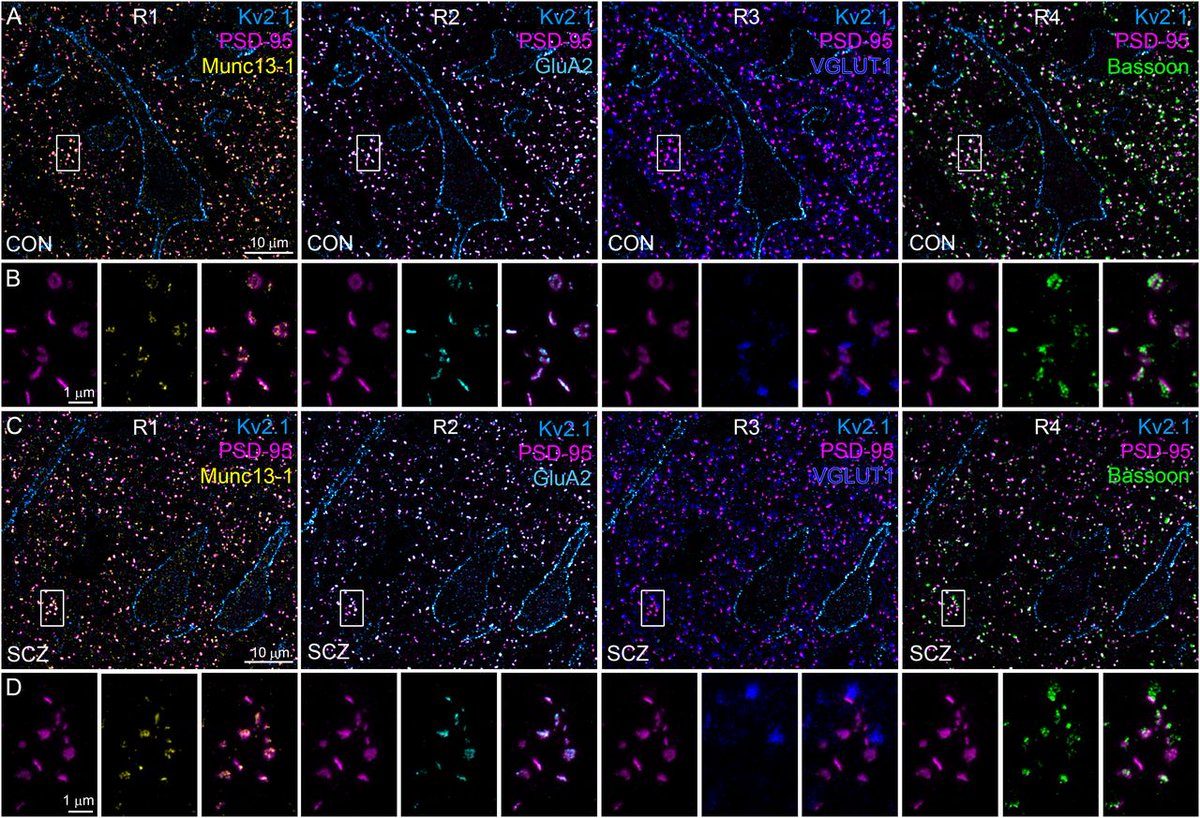
#JNeurosci: Lorincz et al. provide novel insights into the molecular mechanisms underlying excitatory synaptic dysfunction in schizophrenia.
doi.org/10.1523/JNEUROSCI.06…
1
8
10
652

The quacks don't even hide it anymore. Advertising brain disabling drugs as enhancement. 🙄
Quotes
"brain circuit whose inhibition appears to reduce anxiety"
and
"reduces the synaptic transmission of its host neuron— has been shown to have anxiety-reducing effects"
They are trying to sell you shutting parts of your brain down as improved mental health.
This is what causes your detachment from self and environment sensation plus impaired memory and cognitive decline from psychiatric drugs.
While I haven't posted on this yet I intend too. These drugs have a habit of inducing psychosis and confusion when you try to quit them. It's a form of fear and provokes anxiety attacks. Which cements in your mind that you are mentally ill and need the drugs.
It's all a scam.
news.weill.cornell.edu/news/…
7
110

Sign of the day
DOI’S SIGN
This is specific to
LAMBERT EATON MYASTHENIC SYNDROME ,
an autoimmune disorder affecting neuromuscular junction.
THE MANEUVER.
Deep tendon reflexes ( knee or Ankle) are initially assessed & found to be absent or markedly diminished.
The Pt is then asked to maximally contract the relevant muscle for a short period ( Vigorously pushing against resistance)
RESULT
immediately following this maximal contraction, repeating the reflex test will cause the previously absent deep tendon reflexes to successfully appear or significantly strengthen.
THE MECHANISM
The temporary surge in calcium at the nerve terminal during sustained contraction overcomes the synaptic block characteristic of LAMBERT EATON MYASTHENIC SYNDROME.
60% of LEMS is associated with malignancy, most commonly SMALL CELL CARCINOMA OF LUNG
Nerve conduction study shows INCREMENTAL RESPONSE when a nerve repeatedly stimulated.
Blood test-to detect Anti VGCC antibodies
Named after Edward H Lambert & Lee Eaton from Mayo clinic who first described in 1956.
Dr. Prabhakar K
Prof of Medicine
SDUMC, kolar.
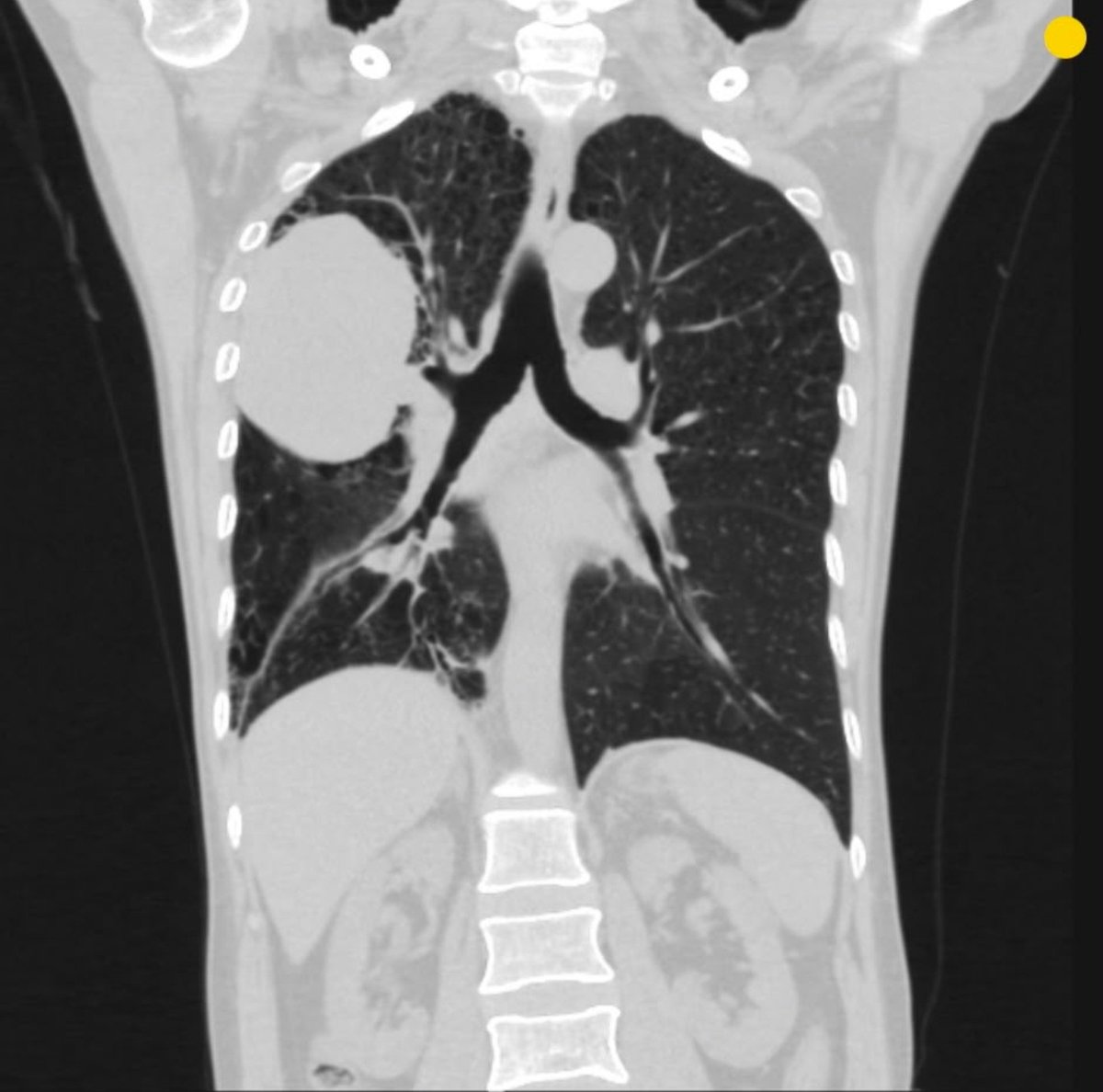
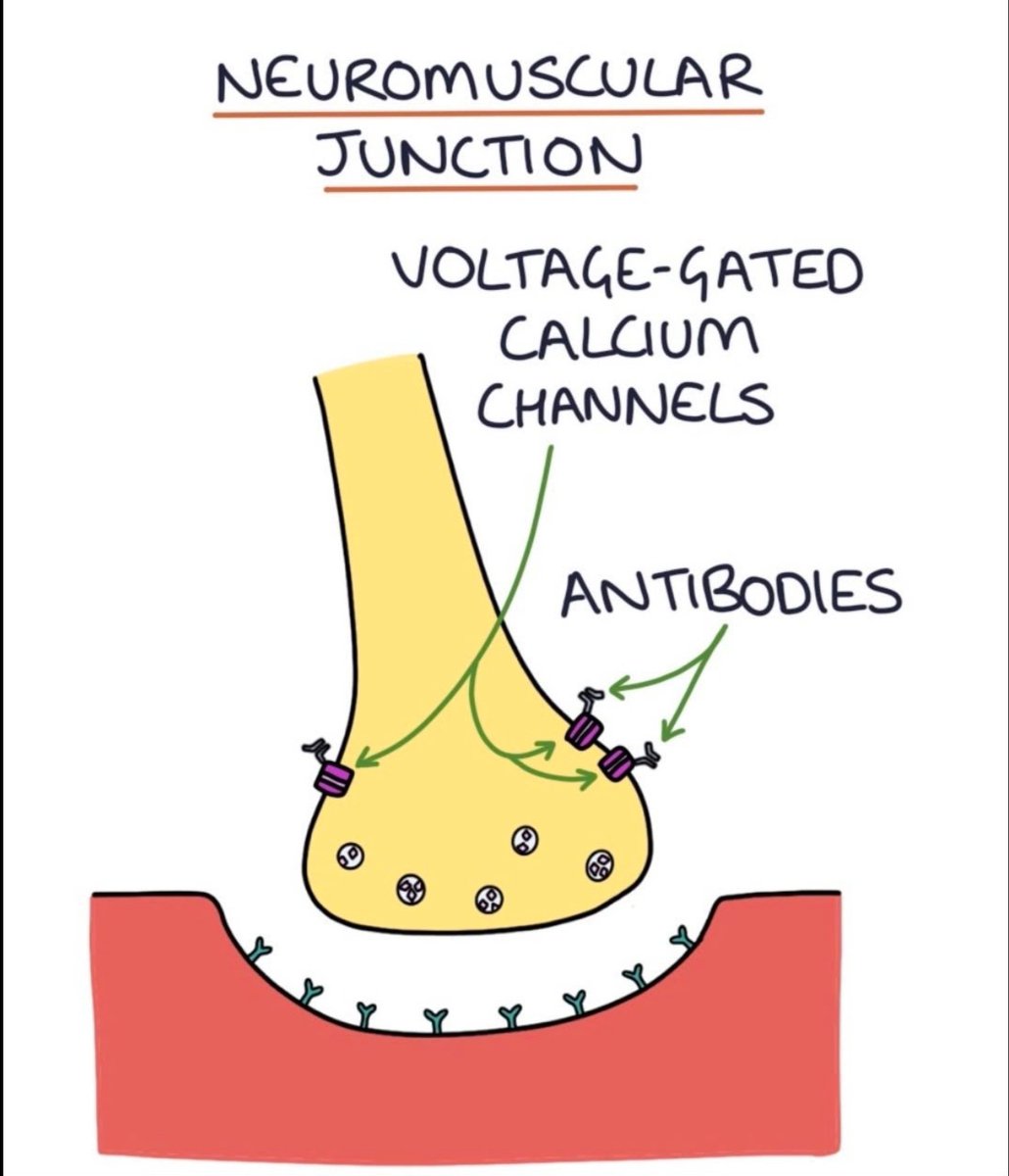
2
133

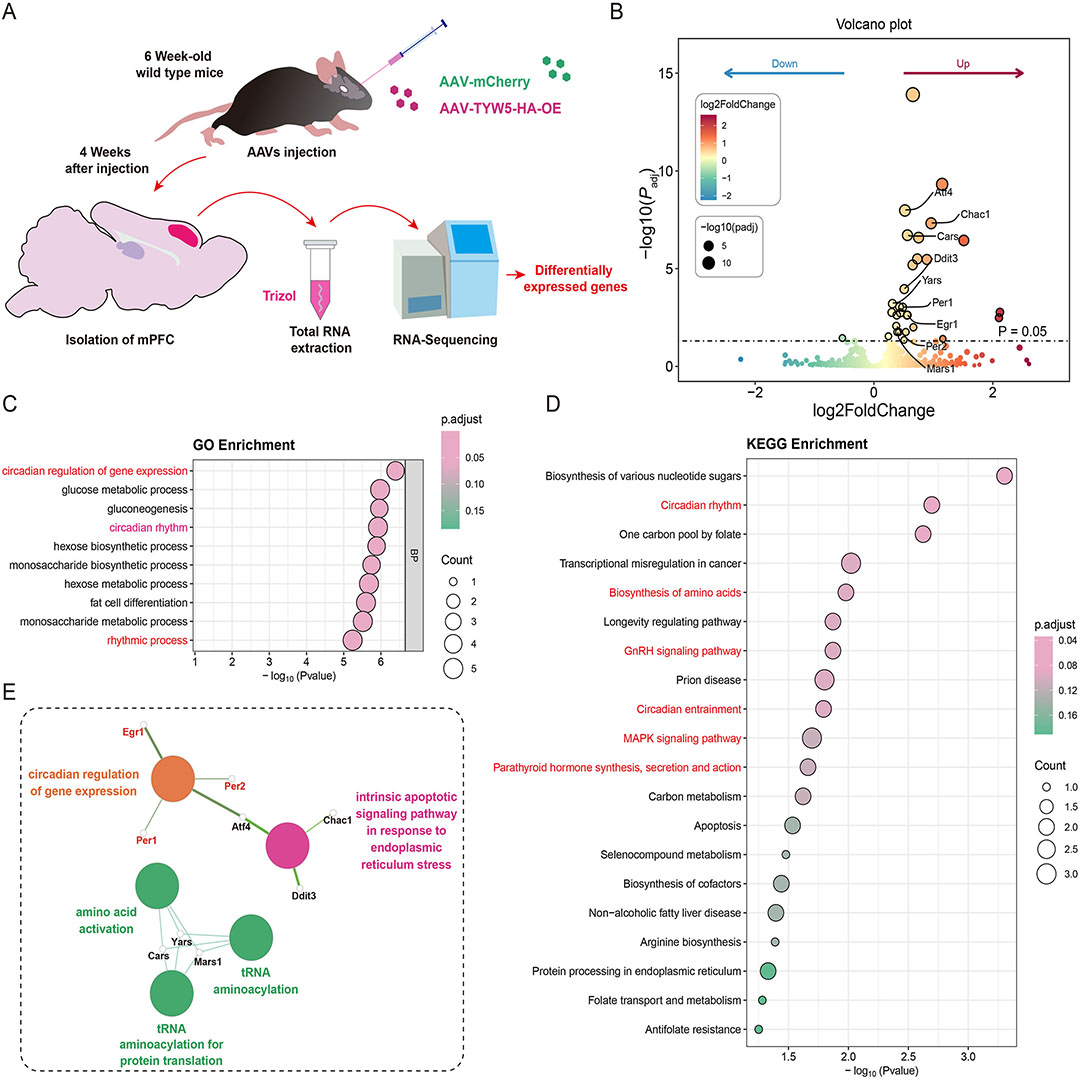
Researchers identify TYW5 as a novel #Schizophrenia risk gene, showing that its dysregulation alters #CircadianClock networks, reshapes #prefrontal synaptic architecture, and drives behavioral changes linked to disease pathology. @UCAS1978
#OpenAccess: doi.org/10.1016/j.gendis.202…
24

Another independent study converges with mechanisms predicted in Kitzerow’s Autism and the Comorbidities Theoretical Model. Researchers found that SHANK2 and SHANK3 autism models showed NMDA receptor hypofunction, disrupted glutamatergic signaling, and altered synaptic pathway
5

Tao is built using neural-morphic chips. Subnet relays act like synaptic highways within the brain that is bit tensor.
1
27