
Thy1-Creラットとβ-アクチン遺伝子座にfloxed GCaMP8-STOPカセットを持つノックインラットを交配させることにより、Thy1-Cre駆動型GCaMP8トランスジェニックラットを作製した。神経細胞におけるGCaMP8の強力な発現により、聴覚皮質の経頭蓋カルシウムイメージングが可能となり、このモデルは低侵襲的な皮質マクロイメージングおよび機能マッピングのための強力なツールとして確立された。 onlinelibrary.wiley.com/doi/…

We generated Thy1-Cre–driven GCaMP8 transgenic rats by mating Thy1-Cre rats with knock-in rats carrying a floxed GCaMP8-STOP cassette in the β-actin locus. Robust neuronal GCaMP8 expression enabled transcranial calcium imaging of the auditory cortex, establishing this model as a powerful tool for minimally invasive cortical macro-imaging and functional mapping.
onlinelibrary.wiley.com/doi/…
48

Thy1-Cre-driven GCaMP8 rats enable a novel transcranial calcium imaging approach for visualizing neuronal activity in the auditory cortex. Tohmi M et al. Transcranial Calcium Macro-Imaging From the Auditory Cortex of Thy1-Cre-Driven GCaMP8 Transgenic Rats.Neuropsychopharmacol Rep
24
Thy1-Cre駆動GCaMP8発現ラットを開発。聴覚野の神経活動を経頭蓋的に可視化できる新たなカルシウムイメージング手法を報告。Tohmi M et al. Transcranial Calcium Macro-Imaging From the Auditory Cortex of Thy1-Cre-Driven GCaMP8 Transgenic Rats. Neuropsychopharmacol Rep. 2026
25
We generated Thy1-Cre–driven GCaMP8 transgenic rats by mating Thy1-Cre rats with knock-in rats carrying a floxed GCaMP8-STOP cassette in the β-actin locus. Robust neuronal GCaMP8 expression enabled transcranial calcium imaging of the auditory cortex, establishing this model as a powerful tool for minimally invasive cortical macro-imaging and functional mapping.
onlinelibrary.wiley.com/doi/…
New Article: Transcranial Calcium Macro-Imaging From the Auditory Cortex of Thy1-Cre-Driven GCaMP8 Transgenic Rats onlinelibrary.wiley.com/doi/…
107
New Article: Transcranial Calcium Macro-Imaging From the Auditory Cortex of Thy1-Cre-Driven GCaMP8 Transgenic Rats onlinelibrary.wiley.com/doi/…
76

May 5
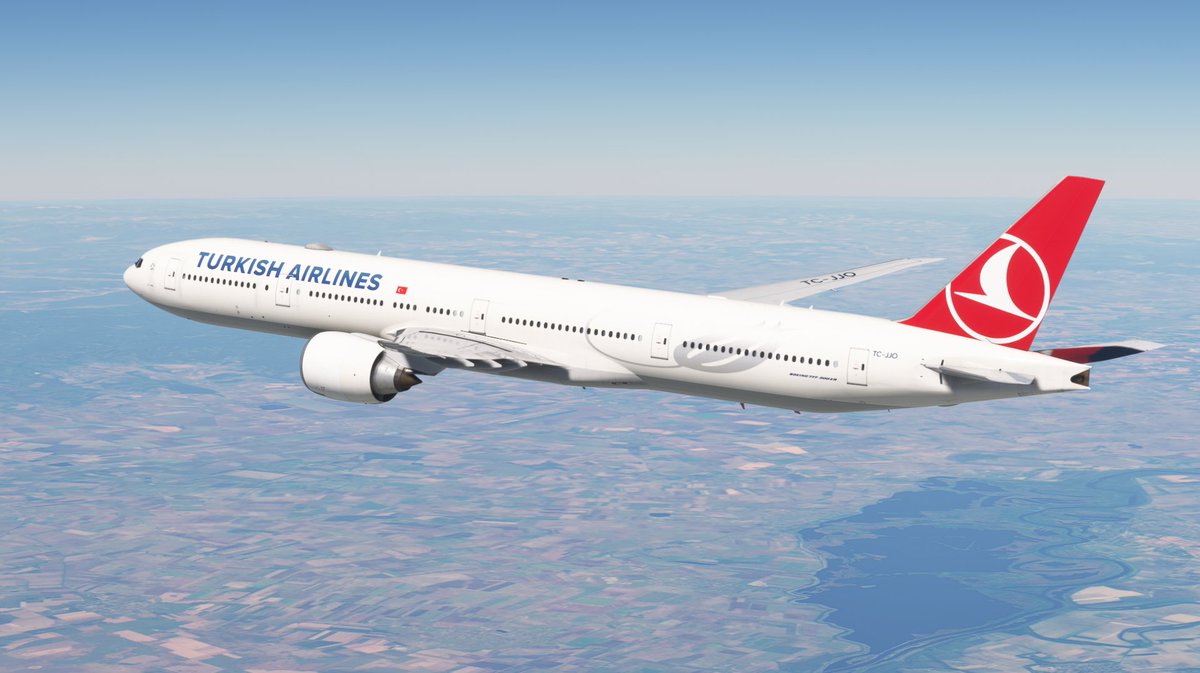
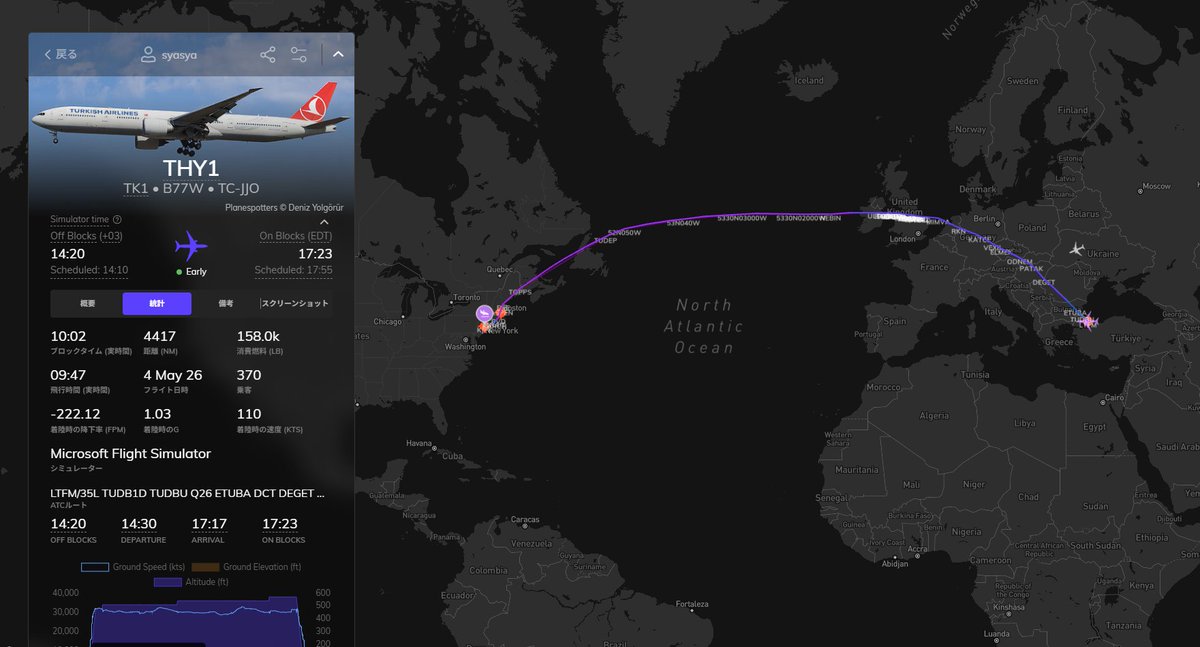
THY1 LTFM(イスタンブール)-KJFK(ニューヨーク) B777-300ER
777導入初便
ほかのボーイング機と似てるとこも多くそこまで困らなかった
ただサウンドはねぇ
Boris導入要検討かな
#MSFS


1
160

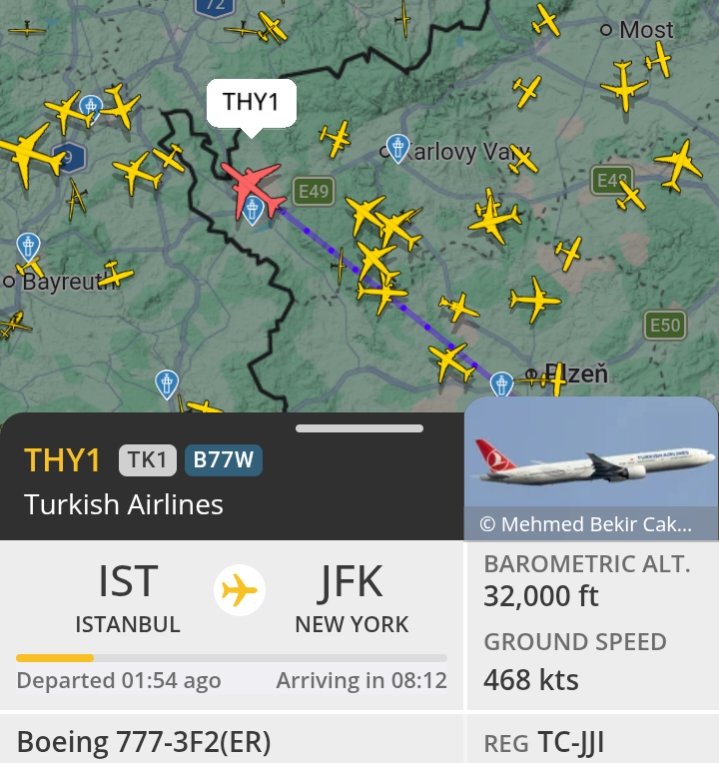
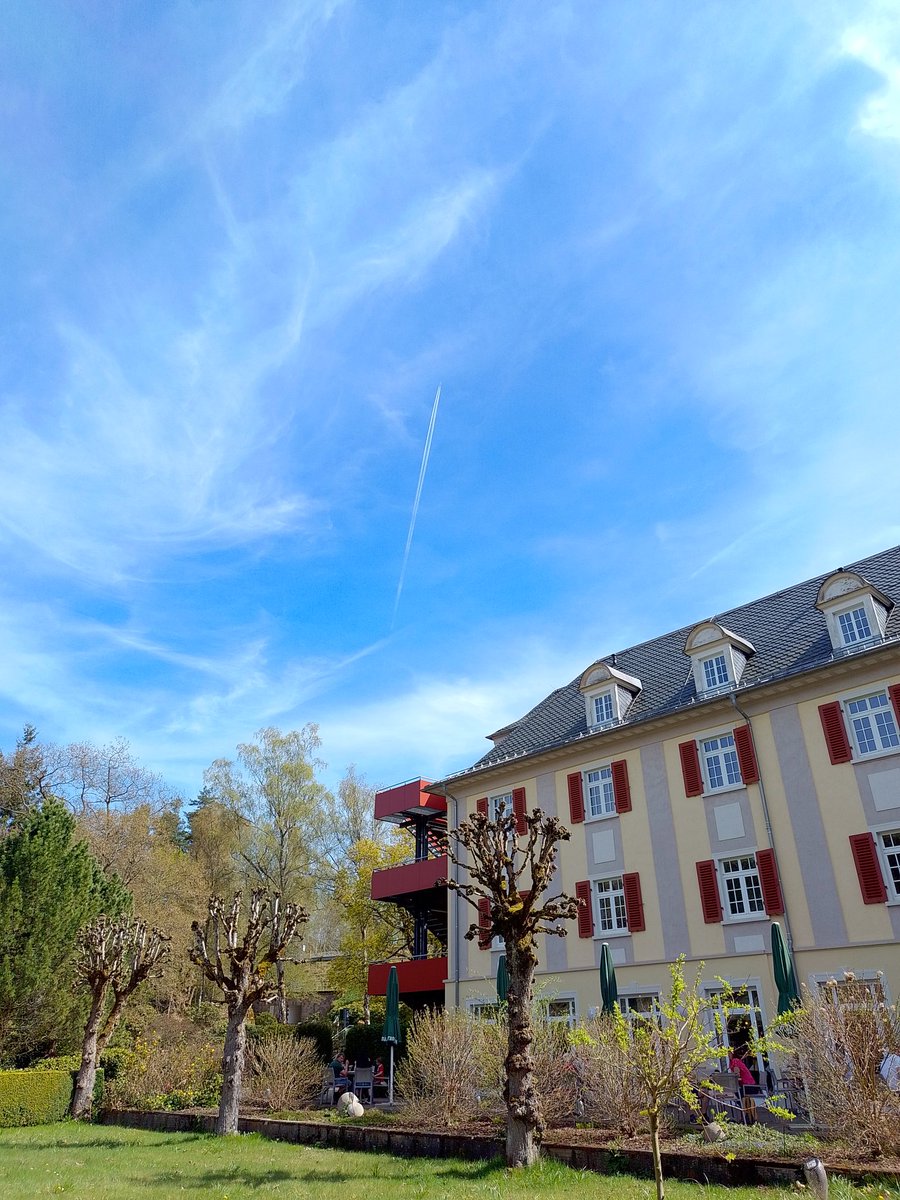
Hello Germany!
Sagte Royale Resort
#IST #JFK
@TurkishAirlines
THY1 B77
maps.app.goo.gl/LTZy2iVoQi6A…
ALT https://maps.app.goo.gl/LTZy2iVoQi6AZsTG6?g_st=ac
2
23

🔬 12-wk longitudinal study by Naofumi Suematsu. Awake Thy1-GCaMP6s mice. 6 ICMS frequencies (10-500 Hz). Widefield Ca²⁺, two-photon somatic and neuropil imaging, oxygen extraction fraction mapping.
A multimodal map of how the foreign body response remodels stimulation.
1
75

Apr 17
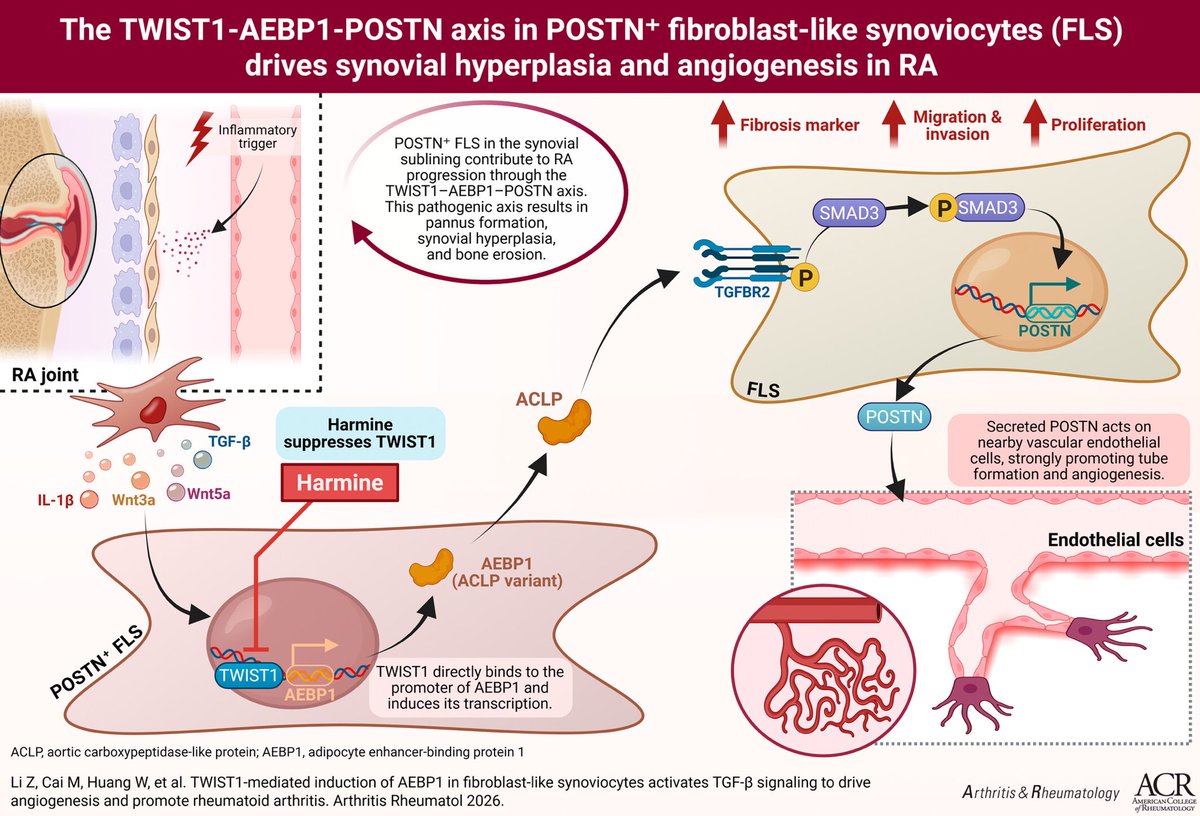
A recent study sought to identify the specific pathogenic subpopulations of fibroblast-like #synoviocytes (FLS) responsible for synovial hyperplasia, extracellular matrix (ECM) remodeling, and pannus formation in #rheumatoid #arthritis (RA). It also aimed to uncover the molecular mechanisms driving their activation and to explore potential therapeutic strategies targeting FLS activation and associated neovascularization.
Key Findings:
◦ A pathogenic #periostin (POSTN) FLS subpopulation enriched in the synovial sublining drives ECM remodeling, synovial hyperplasia, and pannus formation in RA.
◦ Adipocyte enhancer-binding protein 1 (AEBP1) is selectively upregulated in these cells; it activates TGF-β signaling to promote FLS activation, migration, proliferation, and induces POSTN expression to drive angiogenesis.
◦ Inflammatory signals induce TWIST1, which directly transcribes AEBP1, forming the TWIST1–AEBP1–POSTN axis that fuels RA progression.
◦ In the collagen-induced arthritis (CIA) mouse model, intra-articular AEBP1 modulation altered disease severity (suppression reduced hyperplasia, bone erosion, and pannus).
◦ Pharmacological inhibition of TWIST1 with harmine decreased AEBP1/POSTN levels, limited pathogenic THY1 FLS expansion, and alleviated joint pathology.
The study demonstrates that POSTN FLS in the synovial sublining layer are key drivers of RA progression via the TWIST1–AEBP1–POSTN axis. Targeting this axis—particularly through inhibition of TWIST1 (e.g., with harmine) or direct modulation of AEBP1—represents a promising novel therapeutic strategy for RA. It could potentially suppress pathogenic FLS activity, reduce pannus formation, and limit joint damage more effectively than current approaches focused solely on immune cells.
*Li Z, Cai M, Huang W, et al. TWIST1-mediated induction of AEBP1 in fibroblast-like synoviocytes activates transforming growth factor β signaling to drive angiogenesis and promote rheumatoid arthritis. Arthritis Rheumatol. Published online March 5, 2026.
🔗doi.org/10.1002/art.70124
5
16
821

Apr 14
🇹🇷 Birgün Adalet 60 yıl ibadetten üstündür
MHP yetkililerine çağrımızdır
Bu mesele siyaset üstüdür, milyonların hakkıdır
Staj ve çıraklık mağduriyeti için artık adım atın
Sözünüz lafta kalmasın‼️
@dbdevletbahceli @erkanakcay45
Thy1
Haklı Hak Mücadelesi
#StajyerÇırakHaklı

1
1
9

Apr 13
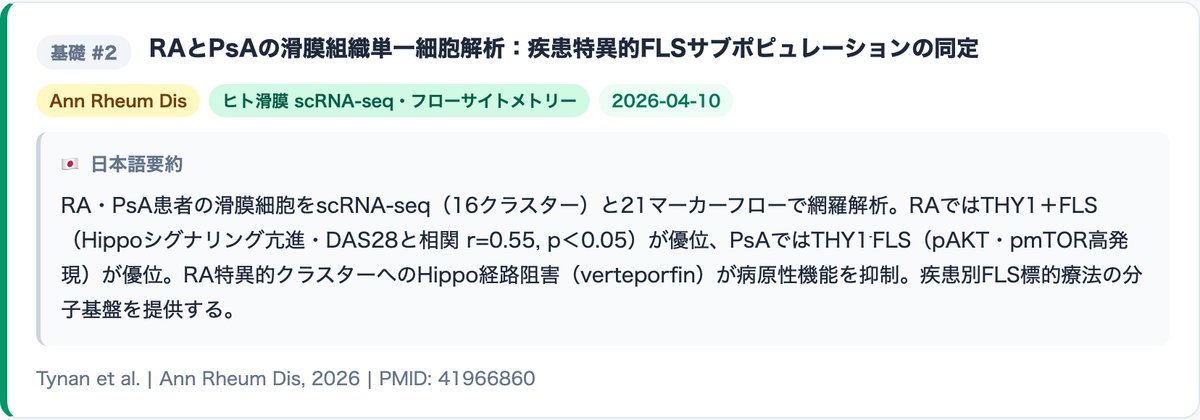
🔬【基礎②】RA/PsA滑膜単一細胞解析:疾患特異的FLSサブポピュレーションの解明 scRNA-seq+21マーカーフローで滑膜FLSを16クラスターに分類。RAはTHY1 FLS(Hippoシグナリング↑、DAS28と相関 r=0.55)、PsAはTHY1⁻FLS(pAKT・mTOR↑)が優位。疾患別FLS標的療法への基盤 doi.org/10.1016/j.ard.2026.0…
1
40

Cutaneous irAEs after ICIs can look a lot like autoimmune skin disease. This study shorturl.at/sMwUA highlights just how heterogeneous they are, with THY1 upregulation & M2 macrophages standing out as possible players @AnaingMD @HajjarJoud @cara_haymaker @kchenken @NejlaL08

1
61
Mar 24
‼️Hükümdar ADİL olursa,kanuna gerek yoktur. Hükümdar ADİL degilse kanunun anlamı yoktur.
📌Haksızlığa maruz bırakıldık,
📌Hakkımızdan mahrum edildik,
@bdemircioglu
@MHP_Bilgi
@eczozgurozel
Thy1
Dertlenmiyorlar
#STKlarStajyerÇırakSigortasınınDerdindeDeğil
5

Mar 19
### 3) Tissue damage pathways
**Biological summary**
This category shows broad evidence of **barrier dysfunction, hypoxia signaling, apoptosis, and maladaptive repair**.
Key themes:
- **Hypoxia/stress repair signaling active**
- **DUSP1 2.31**
- **IL6 2.25**
- **PGM2 2.11**
- **ADORA2B 2.02**
- **VEGFA 1.83**
- **Apoptosis / cell injury active**
- **CASP3 2.40**
- **TNFRSF12A 2.36**
- **BMP2 2.43**
- **Apical junction / epithelial integrity programs are heavily disrupted**
- many junctional/epithelial genes are absent or suppressed: **EGFR 0**, **LAMC2 0**, **THY1 0**, **MMP2 0**, multiple **claudins 0**
- **EMT/fibrosis is not classically turned on**; instead many canonical ECM genes are shut off
- **COL1A1 0**, **COL1A2 0**, **COL3A1 0**, **FAP 0**, **CXCL12 0**
- **Coagulation/fibrinolysis looks abnormal/mixed**
- **PLAT 0**
- **TFPI2 2.22**
- **S100A13 2.26**
- **GP1BA -2.04**
This looks less like mature fibrosis and more like **ongoing tissue injury with incomplete repair**.
**Most dysregulated genes (|score| ≥ 3.0) and clinical significance**
- **ANKH -3.01**
Seen in apoptosis and signaling-related contexts here. This degree of suppression fits a broader pattern of **stress-related structural dysregulation**, though it is not specific enough to localize the injury by itself.
Notably, tissue damage here is characterized more by **breadth of pathway disruption** than by numerous single-gene extreme outliers.
**Convergent patterns with other categories**
- Converges with **immune**: inflammatory tissue signals (**IL6**, **CXCL6**, **TNFRSF12A**) are driving repair attempts
- Converges with **stress**: **CASP3**, **BMP2**, **DUSP1**
- Converges with **mitochondrial dysfunction**: hypoxia-like and energy-deficient tissue states are consistent with PEM physiology
- Converges with **signaling**: suppressed **EGFR**, low **RPTOR**, and disrupted autophagy all impair repair quality
1
1
2
87

Mar 11
THY1⁺ CSCs drive metastasis via a pseudohypoxic state. Key roles: IL-6-MYC signaling, neutrophil mitochondria. Multi-omics reveal! PMID:41680445, Nat Cell Biol 2026, @NatureCellBio doi.org/10.1038/s41556-026-0… #AI #Pharma #BioMed #RNA #ASHG #ESHG
50

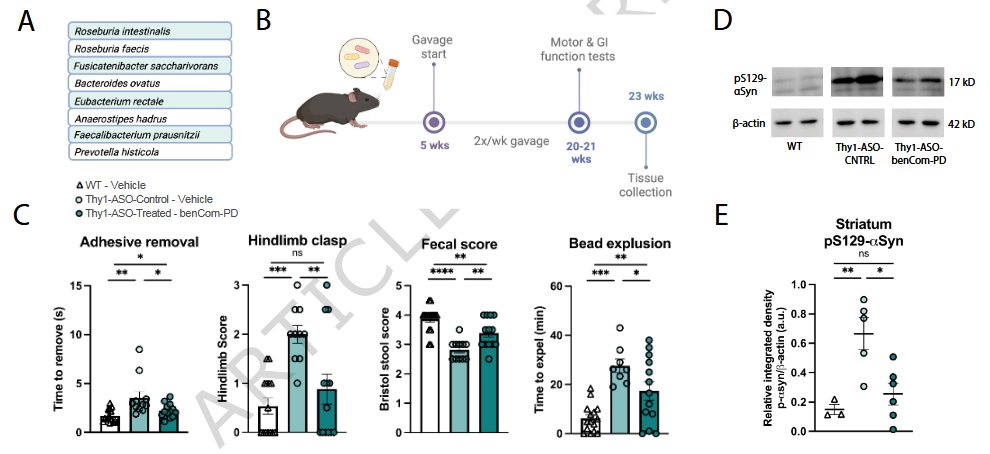
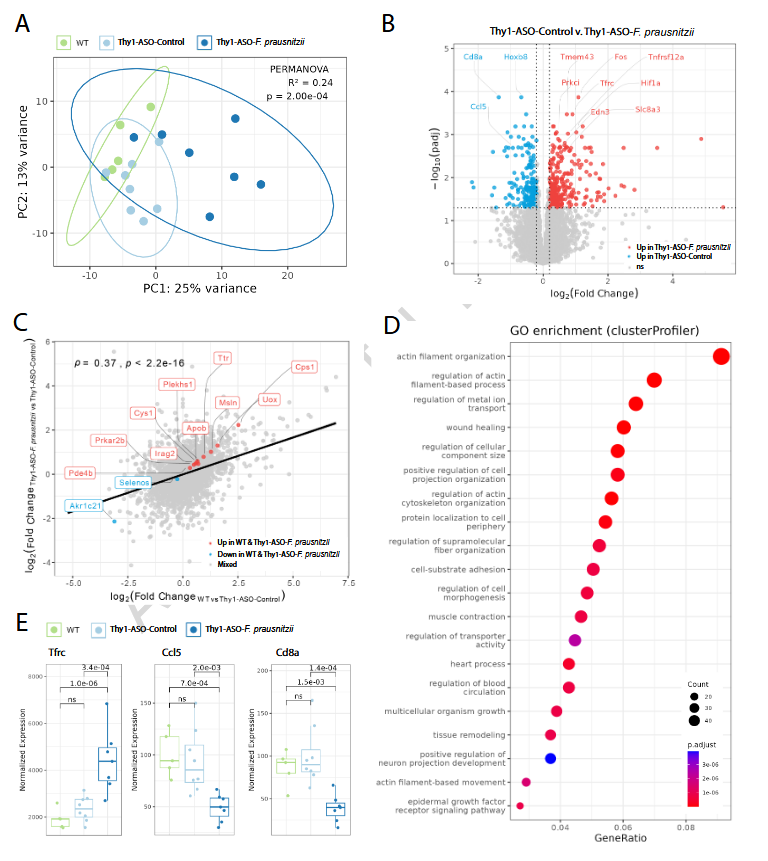
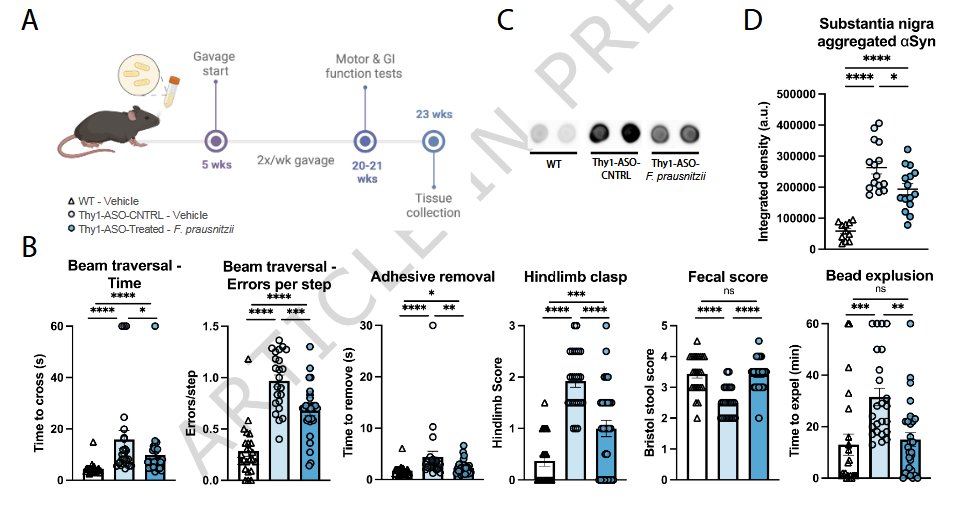
New research from @anamnibio & @Caltech colleagues finds that oral treatment with Faecalibacterium prausnitzii, which is depleted in the #Parkinsons patient microbiome, improves motor deficits in α-synuclein overexpressing (Thy1-ASO) mice
nature.com/articles/s41531-0…
1
4
582

In this video, TB.Clear™ was used to clear a Thy1-GFP mouse brain hemisphere, revealing preserved fluorescent labeling of cell bodies and neuronal projections across the intact tissue.
1
10

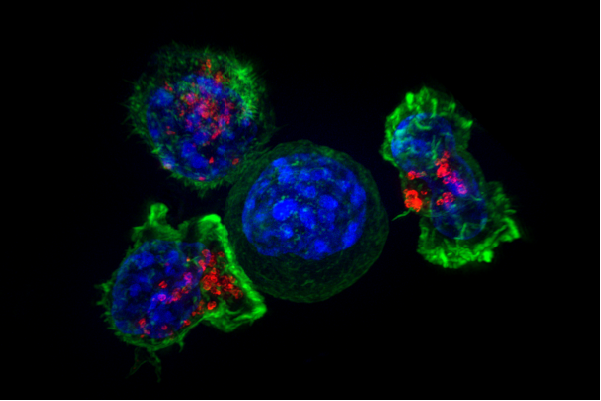
A research team from Sun Yat-sen University reported that THY1 cancer stem cells drive metastasis through a pseudohypoxic state shaped by neutrophil-derived mitochondria.
✅ Check it out in @NatureCellBio!
go.nature.com/4aiGFEM
1
136

🆕 Article in @IJSurgery
📢 One-Stop Thyroid Clinic for Thyroid Nodule Assessment 📢
📚 Prospective implementation study (non-randomized)
👥 508 patients referred with thyroid nodules, 81% female, median age 51 years
🩺 Intervention: Multidisciplinary one-stop thyroid clinic (OSTC) with same-day ultrasound, FNA, rapid on-site cytology evaluation (ROSE), and MDT decision
📈 Results:
🩻 FNA performed in 46% of patients
📉 ROSE reduced non-diagnostic (Thy1) cytology from 16% to 5% ✅
📋 62% received a definitive management plan same-day
🔪 29% referred for surgery; 10% diagnosed with thyroid cancer
📅 Clinic non-attendance: OSTC 1.6% vs. standard clinic 12.4% (P < 0.0001) ✅
💡 The OSTC model accelerates diagnosis, reduces non-diagnostic rates, lowers non-attendance, and enhances patient-centered care. It is a reproducible, efficient pathway for thyroid nodule assessment.
#ThyroidCancer #ThyroidNodule #MultidisciplinaryCare #PatientCenteredCare #HealthServicesResearch #MedTwitter #PubXelProject
PMID:41661963
pubmed.ncbi.nlm.nih.gov/4166…
2
67

THY1陽性がん幹細胞と好中球の間に、ミグラソームを介したミトコンドリア移送のフィードバック機構があることを示し、好中球由来ミトコンドリアが偽低酸素状態を誘導し、がん幹細胞の転移能を高める新たな腫瘍微小環境機構を示した論文がNat Cell Biol誌に発表されました。
nature.com/articles/s41556-0…
4
556