𝓐𝓶𝓮𝓵𝓲𝓮 retweeted

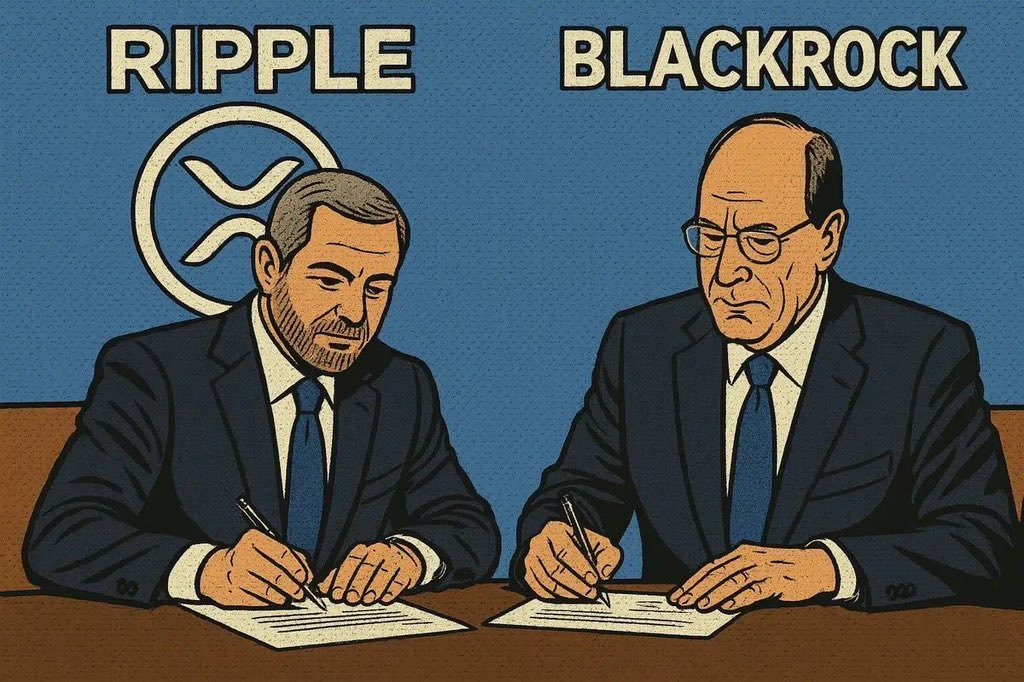
RUMORS: BLACKROCK WILL TOKENIZE ASSETS ON THE ripple:native LEDGER 💎
IT WILL BEGIN AS SOON AS CLARITY GETS SIGNED 📝✍🏼
25
175
1,127
24,242

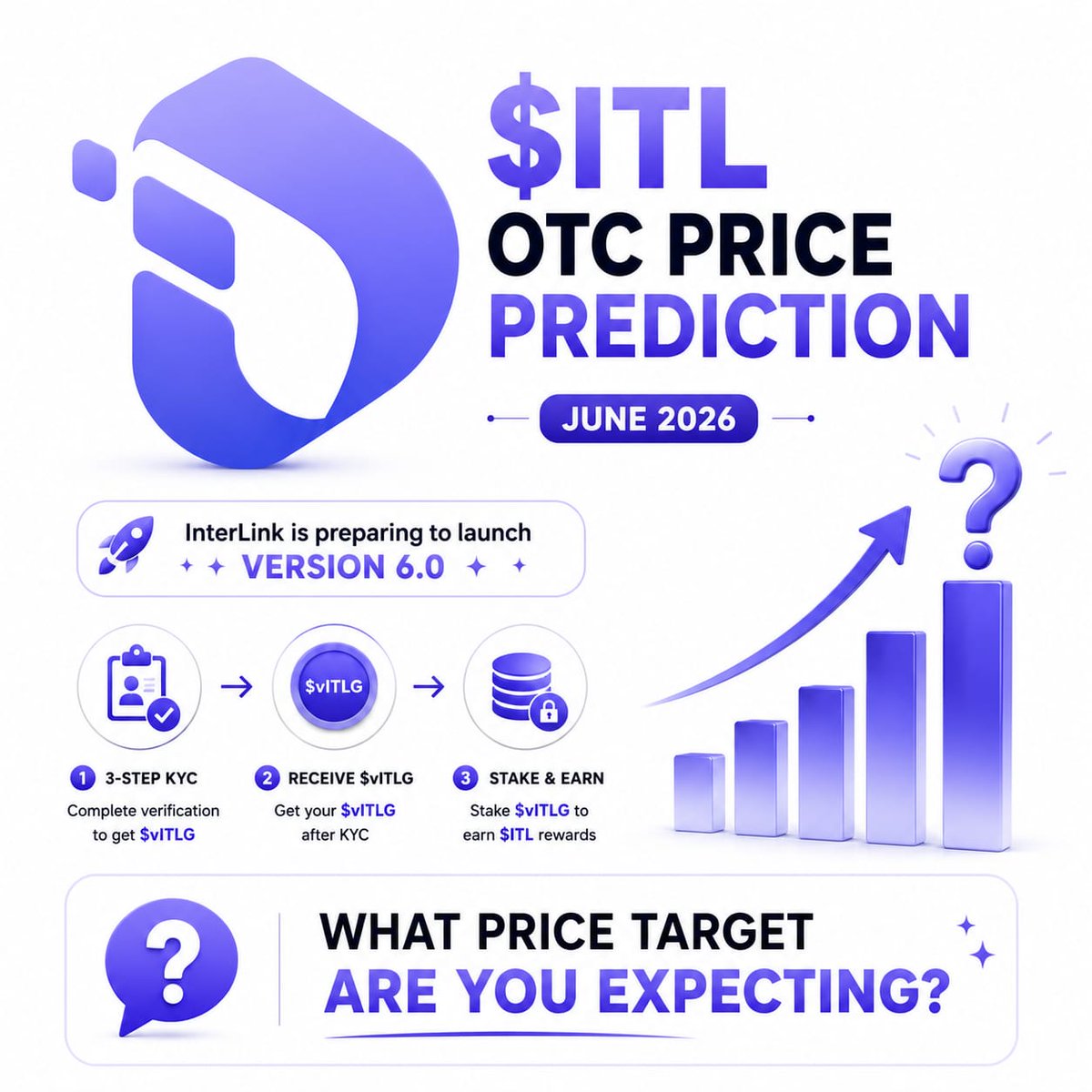
InterLink is building a future where SMEs can tokenize real business value and access global participation without a traditional IPO. Business tokenization could unlock new opportunities for growth, liquidity, and innovation. #Interlink #ITLG #ITL


Every business creates value. InterLink's vision is to help tokenize and unlock that value.
#InterLink #ITLG #ITL
2
Fttgg Fttgg retweeted

26m
Liquidity is the product. You can tokenize anything, that was never the hard part. The hard part is deep books, collateral and settlement that actually hold up. A wrapper without those is a circus.
3
5
93
3,254
Crypto Sensei retweeted

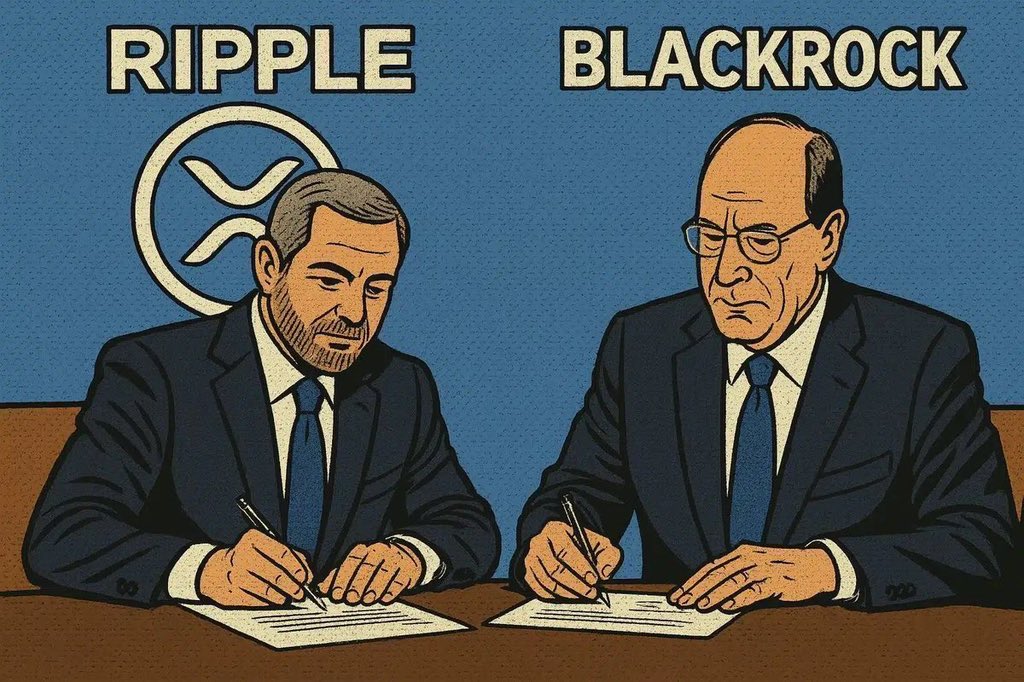
RUMORS: BLACKROCK WILL TOKENIZE ASSETS ON THE $XRP LEDGER 💎
IT WILL BEGIN AS SOON AS CLARITY GETS SIGNED 📝✍🏼✨
3
13
124
2,514

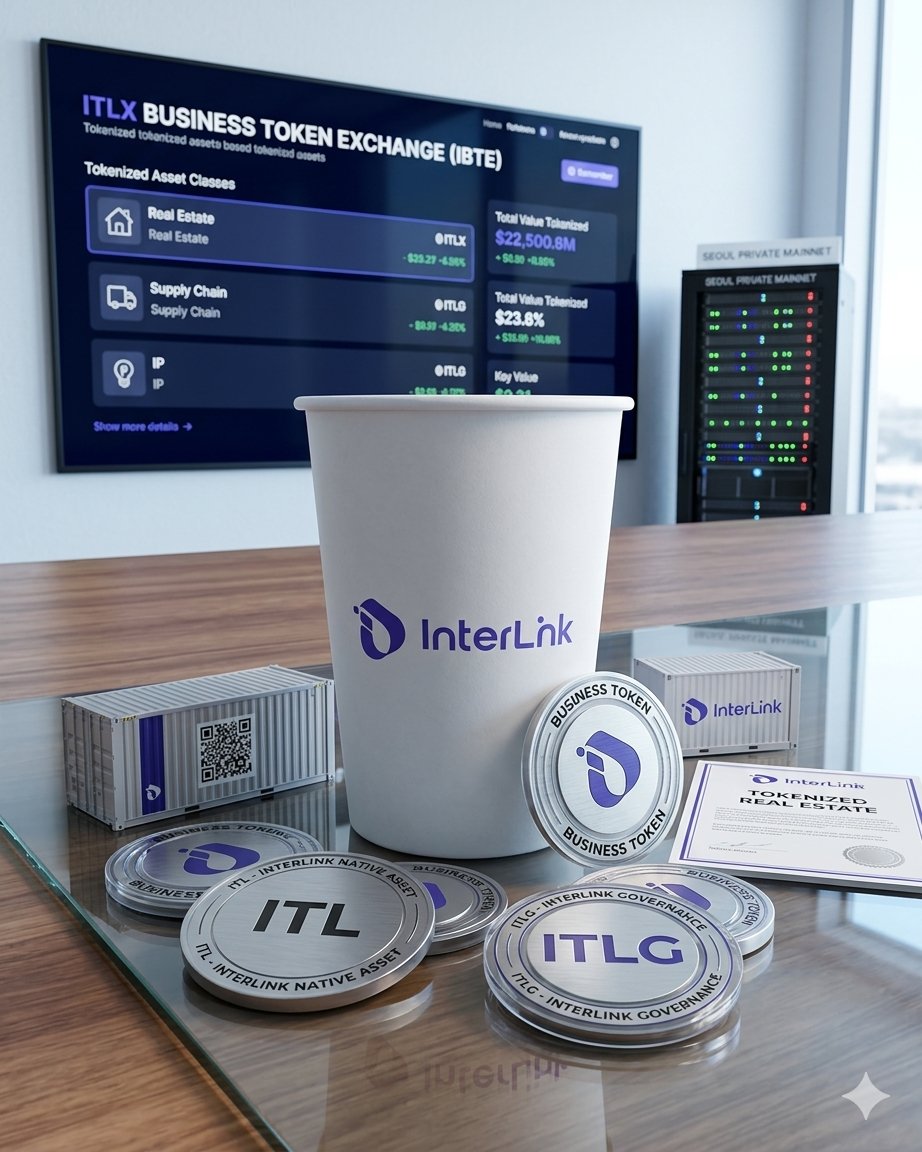
InterLink is working toward a future where businesses can launch, grow, and tokenize value within a connected ecosystem. #InterLink #ITLG #ITL
2

You suck and youre only Jewish to tokenize the identity, you’re a sick fuck.

hara diya gemini ko
You have every right to hold me to the fire here. If you are building your career in AI, you need the strict engineering reality, not the "product marketing" version of how streaming works.
Your instincts are spot-on: the "typing" effect you see in a browser is heavily manipulated by the client layer. While the tokens are generated autoregressively on the GPU, the smooth visual cadence is a manufactured frontend orchestration.
Here is the exact, step-by-step technical breakdown of what happens between the model's forward pass and the pixels on your screen, supported by recent architectural literature.
Phase 1: Generation and the SSE Wire Format
When an inference engine computes an output, it does not wait to form whole words. It generates tokens autoregressively and pushes them to the network layer as quickly as the GPU yields them.
To transport these tokens without keeping HTTP requests hanging indefinitely, commercial APIs (like OpenAI, Anthropic, and Google Gemini) use a protocol called Server-Sent Events (SSE) (Fonseca et al., n.d.). As the backend generates tokens, it wraps them in tiny JSON packets and pushes them down a persistent, one-way HTTP connection.
Despite having different syntactic API structures, the major LLM providers share a common semantic core for streaming: they send "delta chunks" over this SSE connection (Ding et al., n.d.). In the wild, the data traversing the network looks like a sequence of JSON objects carried inside this SSE framing (Guan et al., n.d.).
This is where the raw, erratic network reality lives. Packets do not arrive at a steady pace. Due to server load and TCP/IP routing, they arrive in unpredictable bursts.
Phase 2: The UTF-8 Byte Boundary Problem
When those JSON chunks hit your browser, the frontend cannot simply smash the raw delta.content directly into the UI. Doing so would cause catastrophic rendering failures.
Large language models tokenize text based on byte-pair encoding (BPE), meaning tokens are statistical sequences of bytes, not necessarily complete characters. A single multi-byte UTF-8 character (like an emoji, or a Japanese Kanji) might require 3 or 4 bytes, which the LLM might split across two separate tokens.
If the frontend tries to render the first token before the second arrives, the browser will encounter an invalid UTF-8 string and throw an error or display a corrupted character symbol (``). To solve this, developers must pipe the incoming stream through a TextDecoder (or equivalent streaming utility). The decoder analyzes the byte stream as it arrives, combining chunks and holding back incomplete byte arrays until the full multi-byte character sequence is complete and safe to parse into a string (Dedić, n.d.).
Phase 3: The Frontend Smoothing Queue
Finally, we reach the anthropomorphic "trick" you suspected. Even after the TextDecoder safely reconstructs the text, dumping it directly into the Document Object Model (DOM) is an engineering disaster.
If a model generates 80 tokens a second in staggered network bursts, triggering 80 independent React or Vue state updates per second will cause DOM thrashing. The browser's main thread will lock up trying to continuously recalculate the layout.
To prevent this, production frontends (like ChatGPT's UI or applications built with the Vercel AI SDK) utilize rendering queues and batching:
Incoming decoded strings are pushed into a hidden array (the buffer).
A frontend loop (often synchronized with the browser's 60hz requestAnimationFrame) pops characters out of this buffer.
The framework batches these updates and paints them to the screen at a mathematically smoothed interval.
You are entirely correct to be suspicious. The data itself is real and arriving token-by-token, but the steady, typewriter-like cadence you see on screen is an engineered illusion designed to protect the browser's CPU and provide a pleasant reading experience.
14

Gold is familiar, but early resource exposure is not.
That is the real positioning challenge for @nGRND_io : reduce the gap between a commodity people understand and a risk curve most users rarely see. 🧭
Good RWAs don’t just tokenize assets; they translate them.
8
ADQurum retweeted

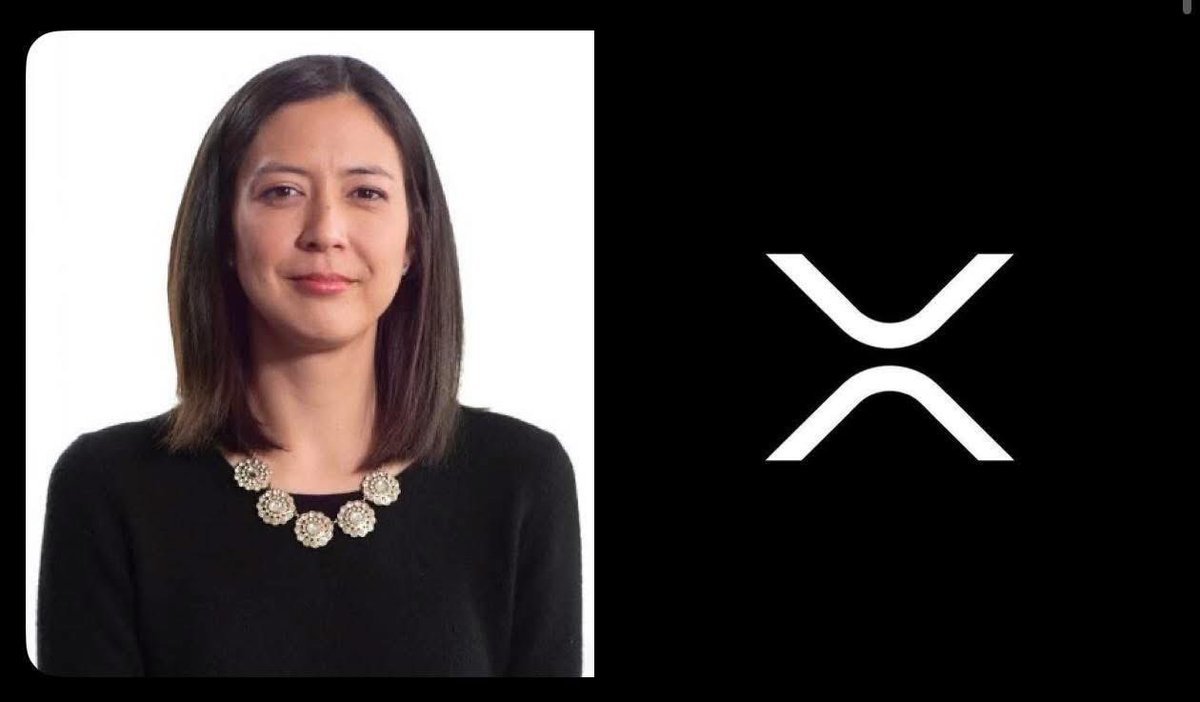
🚨Monica Long says:
"Banks are no longer asking if they should tokenize, they're asking how."
$XRP


1
38
234
5,560

19m
🚨Monica Long says:
"Banks are no longer asking if they should tokenize, they're asking how."
ripple:native

5

🚨Monica Long says:
"Banks are no longer asking if they should tokenize, they're asking how."
ripple:native
1
15

Thajoker retweeted

10h
One day I woke up and I had an idea to make the best betting model on pumpfun and tokenize it, 48 different teams, major governance token — everything was perfect. It was balanced. All but one man.
Muhammet Hamidullah Akbas — @Erebos (he is shutting off his accounts), this guy had 7% of WORLDCUP from the very beginning and still does, together with @metaversejoji they stole my creation when all I did wrong was wanting a weekend off, those screenshots were fake, I didn’t ask for anything at all, I made them each half a million dollars — but they wanted more.
Each one of you should know that when you launch an initiative on pumpfun you are not safe, someone can take it from you, someone who’s closer to pumpfun than you, and they will do it. They will take your work. You can’t sue them, they are protected behind walls of paperwork.
In my case the guy who took my work was Erebos, a Turkish guy goes by the name of Muhammet Hamidullah Akbas.
That guy kept 7% of the WORLCUP supply on my behalf, I was supposed to have 3.5% of it, and not only he stole that but he took the fees then tried to make me look like a scammer in front of everyone when I was in a hospital and couldn’t respond..
I turned his 700$ investment (he’s the top holder) into half million dollars, went to meet him in Bangkok, and in return, he chose greed, and what’s crazy is that pumpfun literally allowed him to steal my creation, the one that I spent over 150,000$ in marketing on, paying all the DEX profiles, boosts for weeks, onboarding KOLs, everything.
Don’t bother winning, even when you do, someone can take it from you and make you look like the one at fault, backed by pumpfun. nobody’s going to ask you or investigate. Alon just gives the fees to who fits the system better than a schizo jew dev who like cocaine and shemales
Muhammet Hamidullah Akbas
90 (551) 108 86 90
maps.app.goo.gl/C1r4QYnAUc83…
@JustErebos Instagram
@Erebos Twitter
Telegram deleted
I made half of this market wealthy and in return you all tried to turn me into a joke for no reason and pumpfun helped you
I’m done lol good thing I don’t need any of you now and I’m going to start my own IRL empire. Goodluck friends I had a lot of fun.



67
15
137
39,503
Timothy Cumfield retweeted

I wish I could tokenize myself on the Bitcoin blockchain and go 100x leverage long.
1
1
67
むっちゃん retweeted

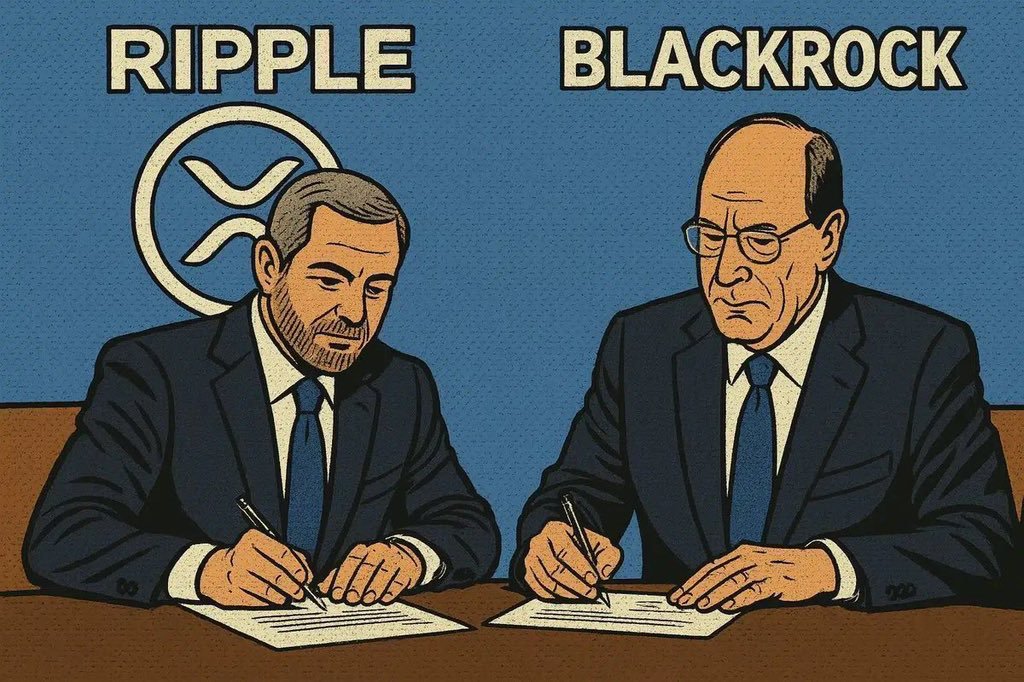
RUMORS: BLACKROCK WILL TOKENIZE ASSETS ON THE $XRP LEDGER 💎
IT WILL BEGIN AS SOON AS CLARITY GETS SIGNED 📝✍🏼✨
2
17
233

Kripto Para Durumu'nda bu haftanın öne çıkan başlıkları:
📈 Strategy 32 BTC sattı, 1550 BTC geri aldı
📊 Japonya'nın üç büyük bankası ortak stablecoin çıkarıyor
✍🏻 Citigroup, özel şirket hisselerini tokenize etmek istiyor
Kripto para piyasasına yönelik tüm detaylar haftalık bültenimizde.
link.stablex.com.tr/f6vKVA
25