
Apr 23
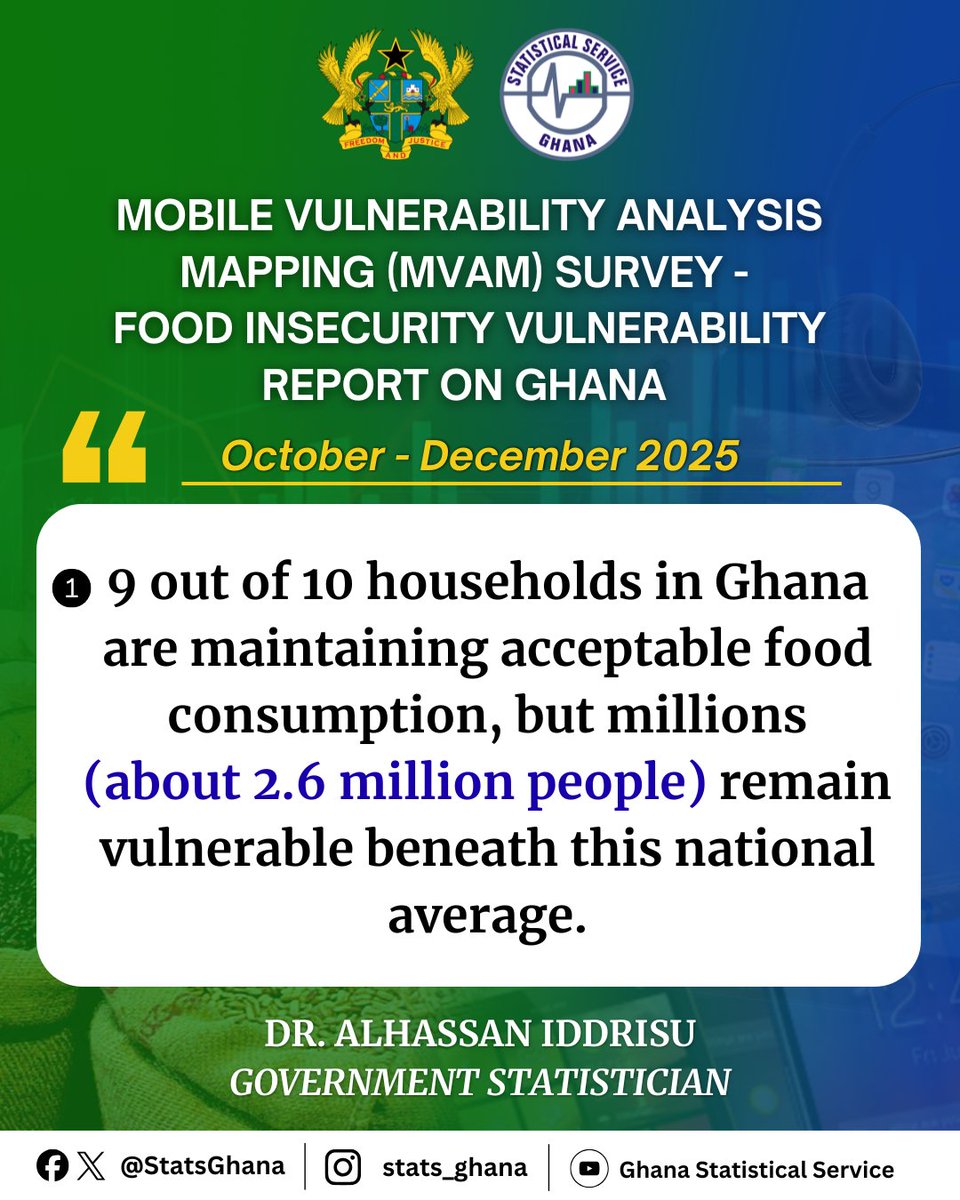
How vulnerable are Ghanaian households to food insecurity? The Mobile Vulnerability Analysis and Mapping (mVAM) survey report on Food Insecurity Vulnerability for October to December 2025, released by the Ghana Statistical Service, shows that 9 out of 10 households are maintaining acceptable food consumption, but about 2.6 million people remain vulnerable beneath this national average.
In this video, I share where food insecurity vulnerabilities are concentrated and who is most at risk.
#GSS #FoodSecurity #mVAM #DataForDevelopment #EvidenceBasedPolicy #GhanaStatistics #FoodInsecurity #VulnerabilityMapping
2
7
263
Apr 23
Food security is not just a statistic. It reflects how households live, cope, and plan for the future.
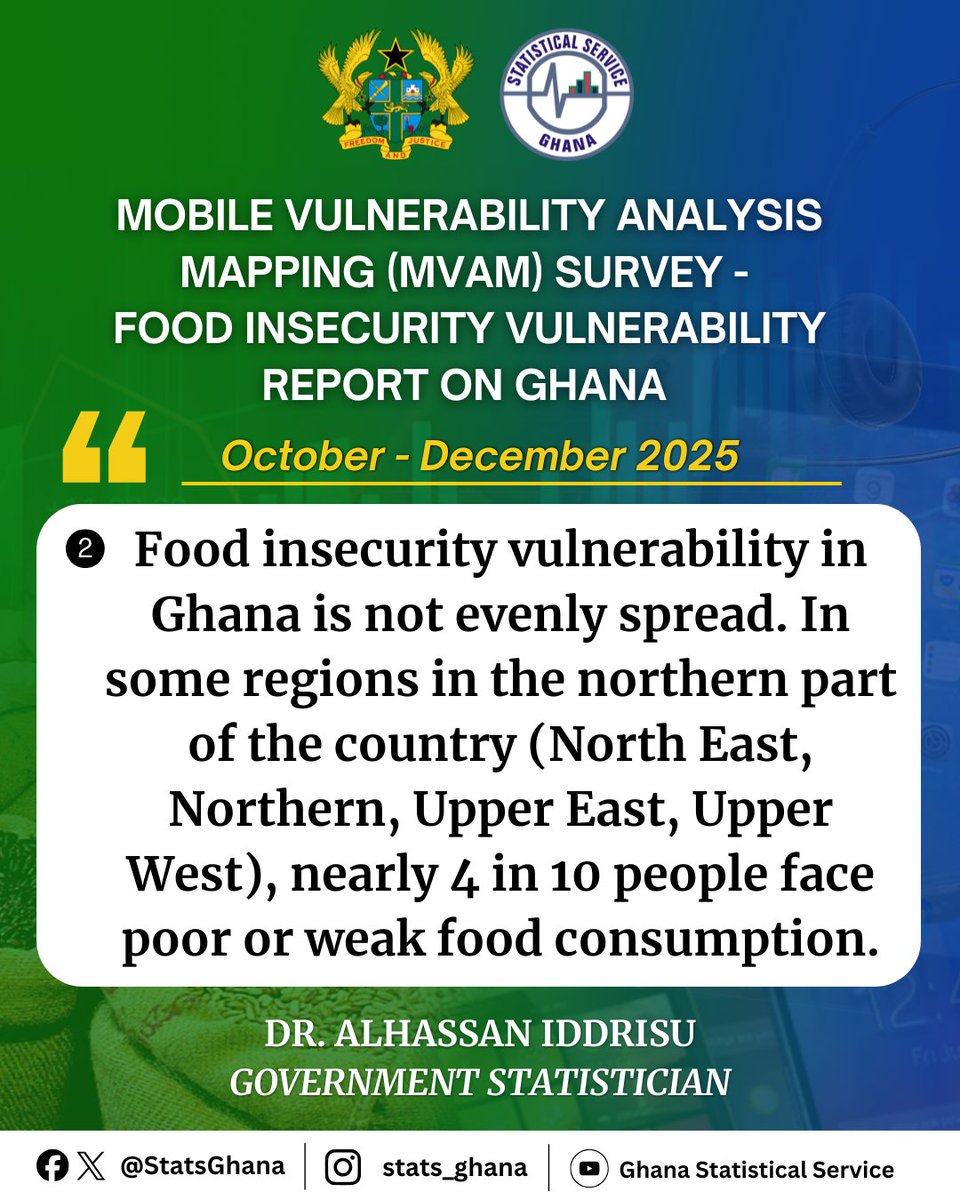
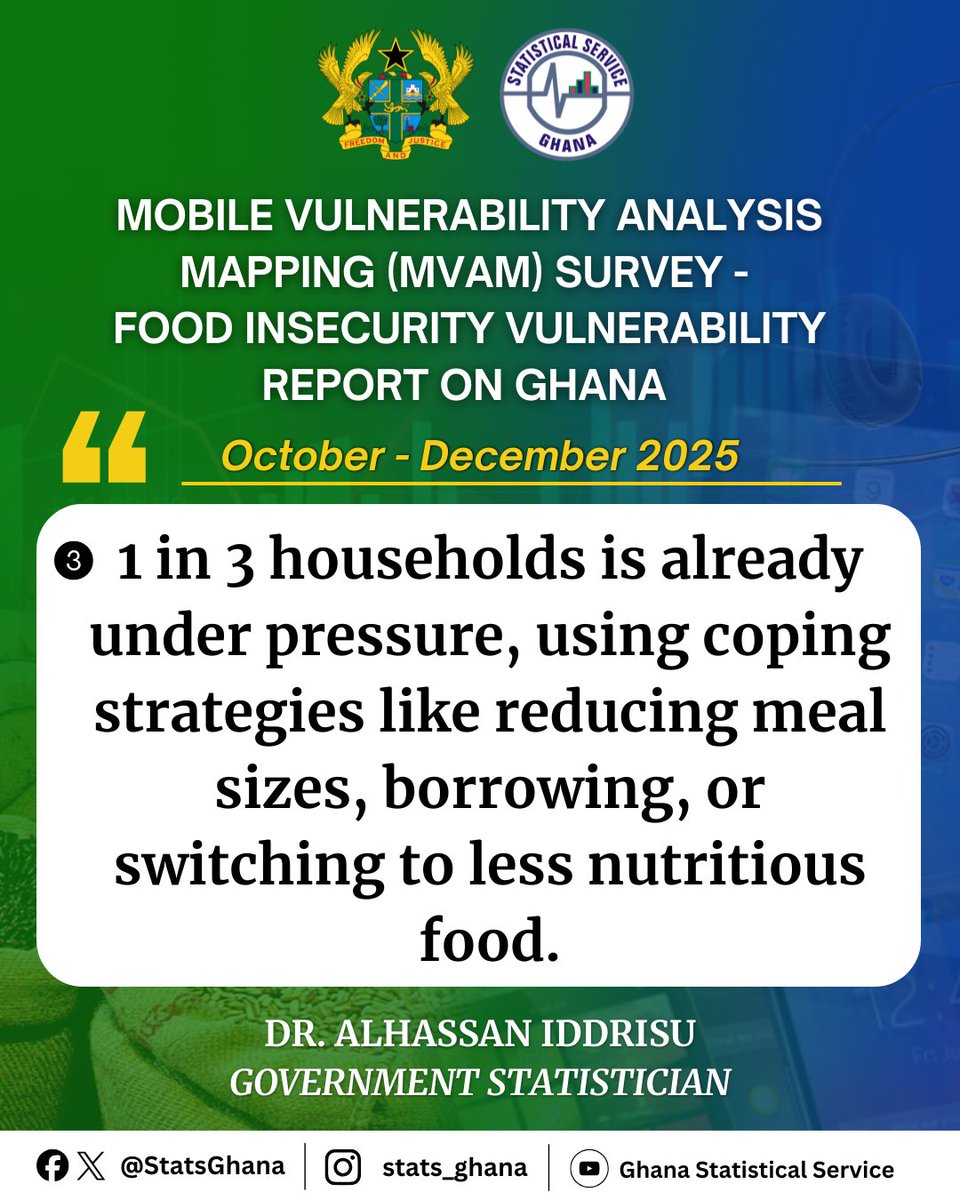
The latest findings from the Mobile Vulnerability Analysis and Mapping (mVAM) survey on food insecurity vulnerability show a clear reality. While most households are maintaining acceptable food consumption, many are doing so under pressure. Coping strategies are rising, and vulnerabilities remain concentrated in specific regions and groups.
These insights matter because they point us to where action is needed most.
The quote cards we are sharing highlight the key messages from the data. They are simple, but they tell an important story. A story about resilience, but also about risk. A story that calls for timely, targeted, and evidence-based action.
At the Ghana Statistical Service, our role is to provide data that informs decisions and improves lives. But data alone is not enough. It must be used.
I encourage government, development partners, the private sector, civil society, and all stakeholders to engage with this evidence and act where it matters most.
I also want to express my sincere appreciation to the households who shared their experiences, our dedicated field staff and technical teams, our partners including the Government of Ghana, the World Food Programme, and KOICA, as well as the hardworking staff of the Ghana Statistical Service whose commitment made this report possible.
Together, we can turn data into action and action into better outcomes for all.
#GSS #FoodSecurity #mVAM #DataForDevelopment #EvidenceBasedPolicy #GhanaStatistics #FoodInsecurity #VulnerabilityMapping
1
5
8
214

4 Oct 2024
The course focuses on establishing a strong understanding through theory and hands-on sessions on #timeseriesmapping, #LULC, #hazardmapping and #vulnerabilitymapping, #physical & #socialinfrastructure mapping, #landuseandtransportation analysis, #landsuitability analysis.
1
2
64

14 Jun 2024
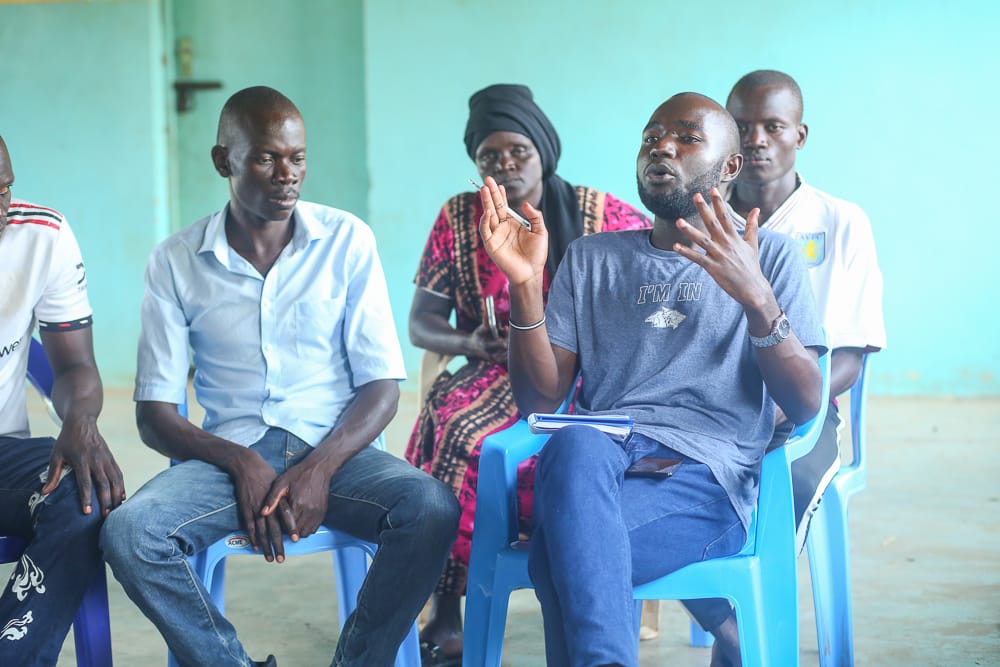
Having the youths involved fosters a sense ownership and responsibility, empowering them to become active participants in combating climate change.#inclusivecities #wearevca #vulnerabilitymapping
@CitiesAlliance @WeAreVCA @Wanavijiji_sdi @Environment_Ke @MonicahGrace1 @DAbrahamB
14 Jun 2024

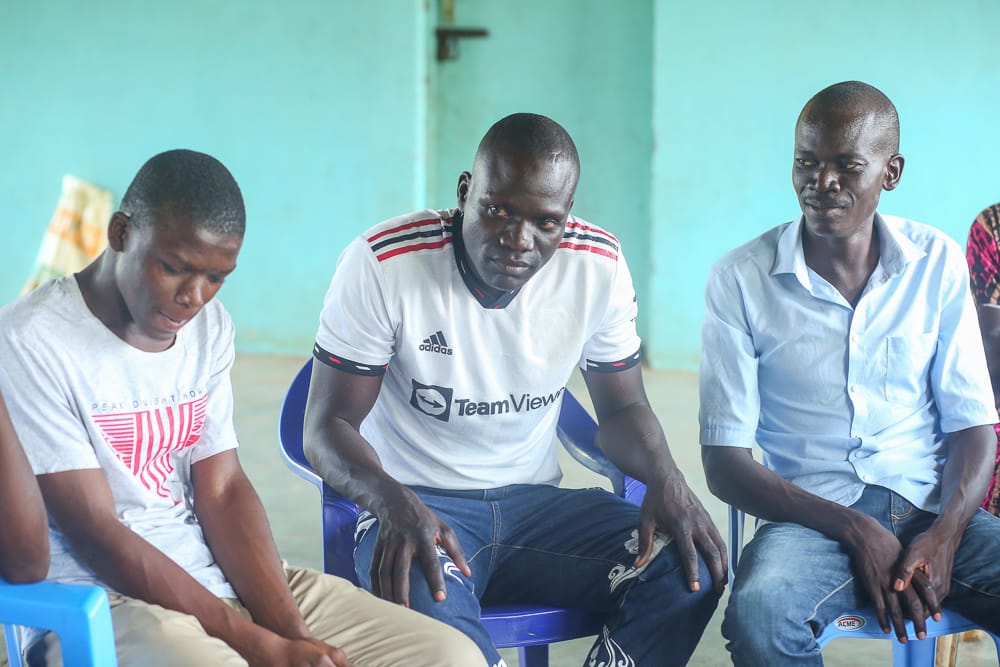
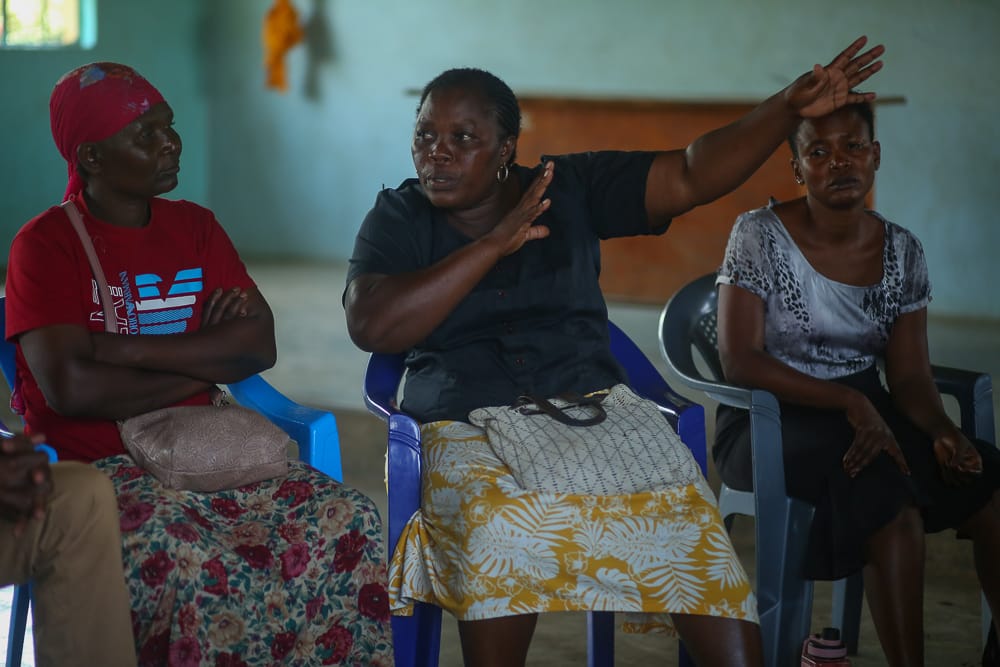
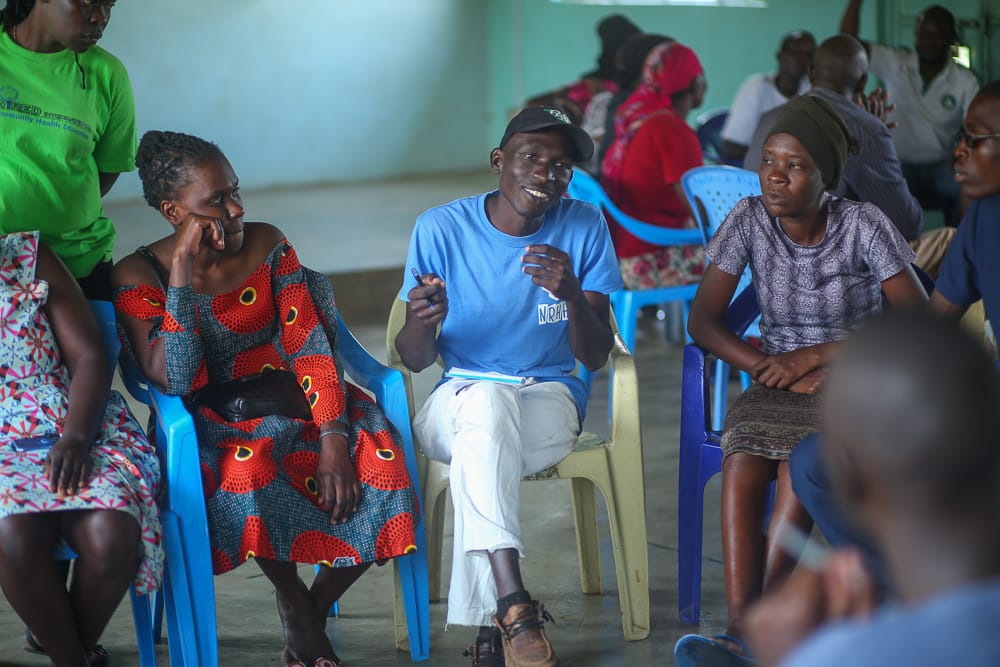
A dialogue with Central Kisumu Ward residents to know the experience had during the recent flooding incident.Engaging young people and the elderly on matters climate change is crucial because it ensures continuity and sustainability of proposals made on climate change mitigation
4
13
92

5 Apr 2024
Lok Sabha election in Punjab to take place for 13 Lok Sabha seats
#LokSabhaPolls2024 #PunjabChiefElectoralOfficer #SibinC #vulnerablepollingbooths #vulnerabilitymapping
ptcnews.tv/politics/vulnerab…
4
287

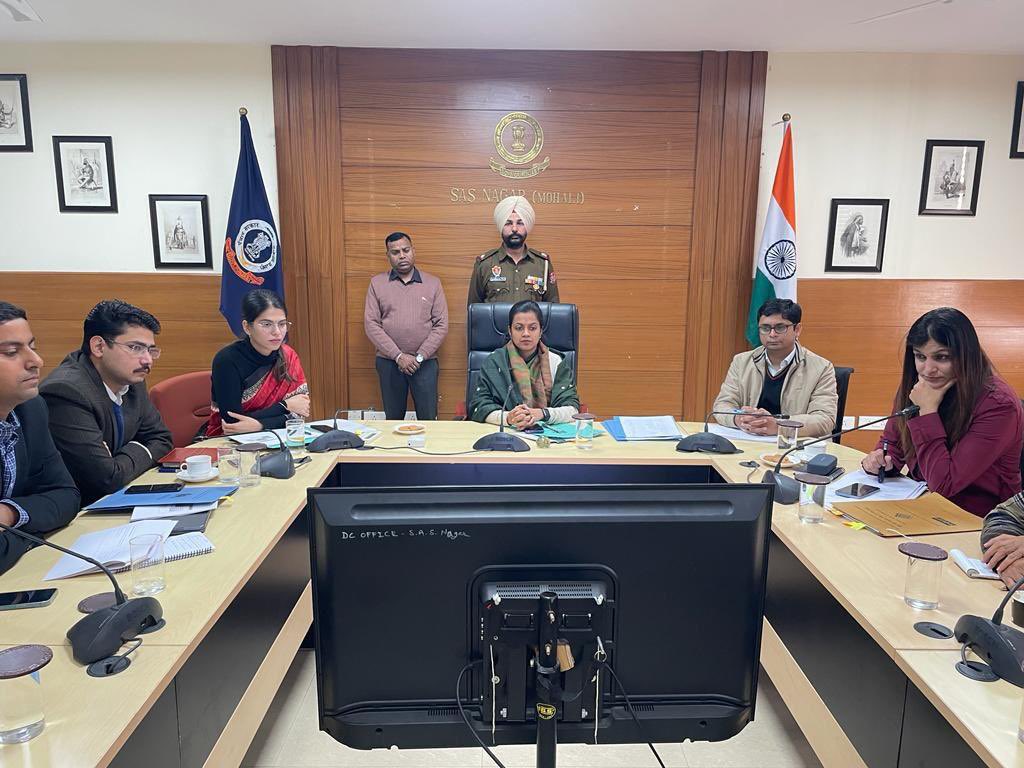
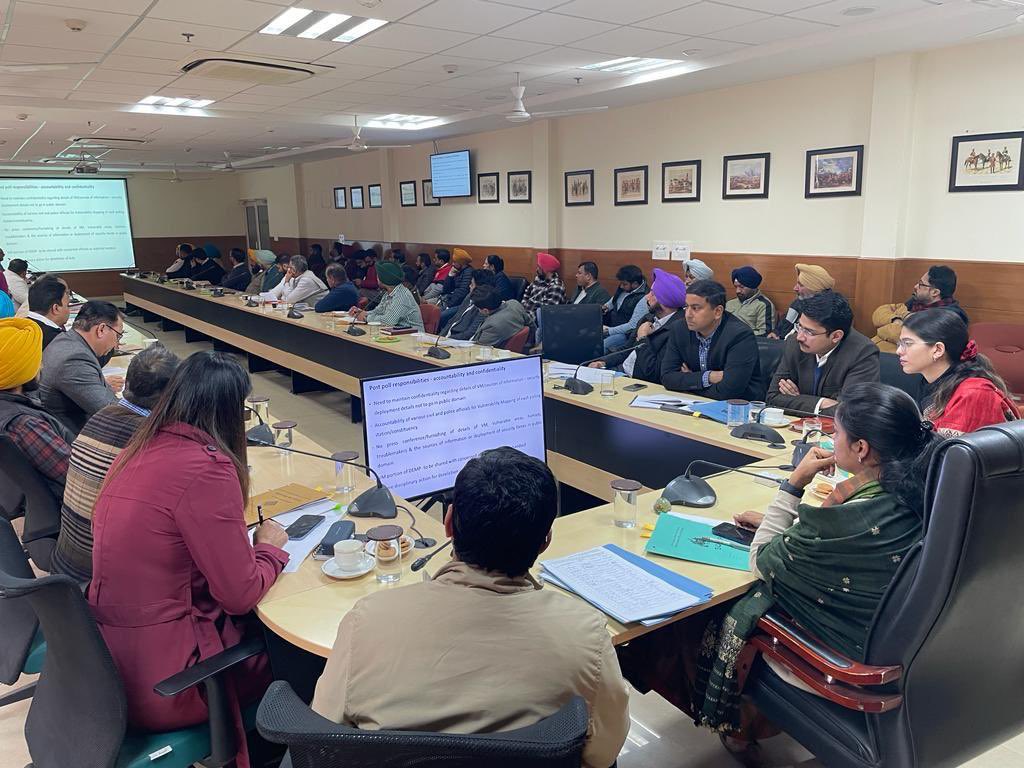
The District Administration led by Deputy Commissioner-cum-District Electoral Officer, Aashika Jain, today, conducted the Vulnerability Mapping Training Workshop for Civil and Police officers amid the preparedness exercise of Lok sabha Elections-2024. Divulging the details, Deputy Commissioner Mrs Aashika Jain said that Objective of the Vulnerability Mapping in the context of elections is to identify such voters or sections of voters who are vulnerable or likely to be vulnerable, the persons or other factors causing such vulnerability and taking adequate corrective measures well in advance based on such identification.
#VulnerabilityMapping #Training #Workshop #DCMohali #Punjab
1
5
551

3 Oct 2023
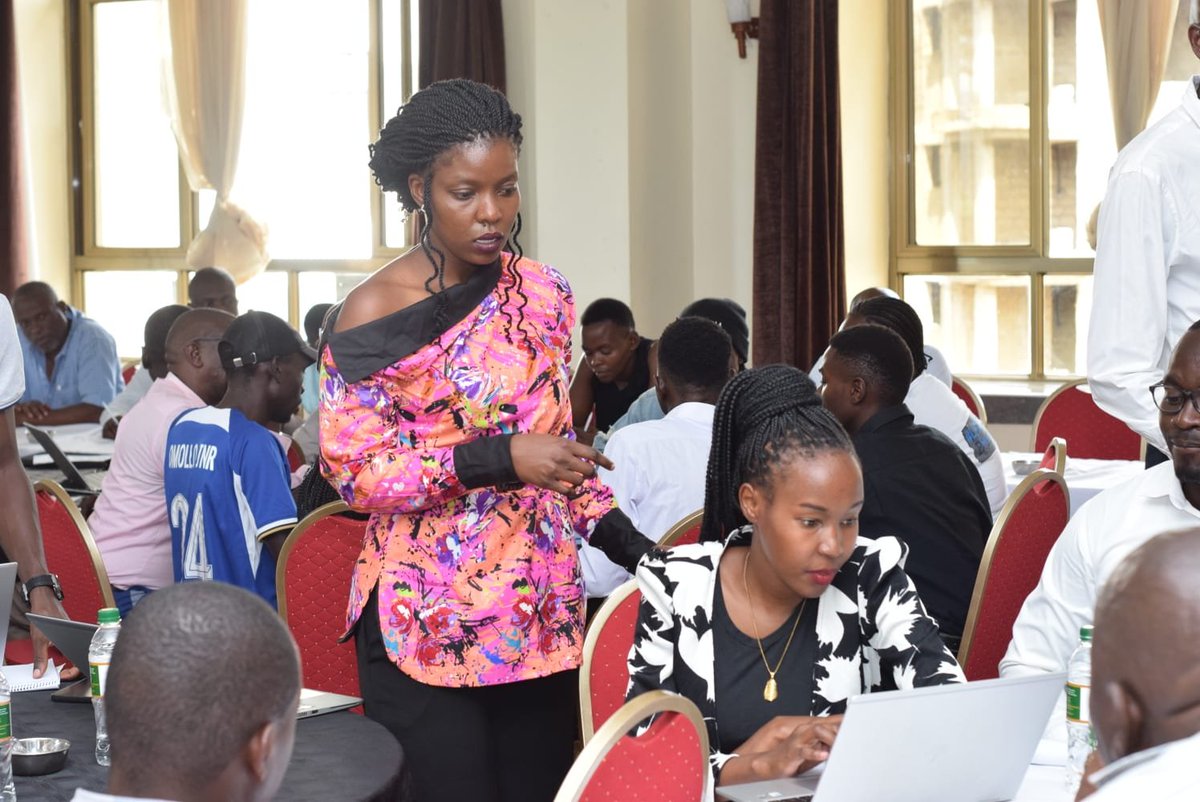
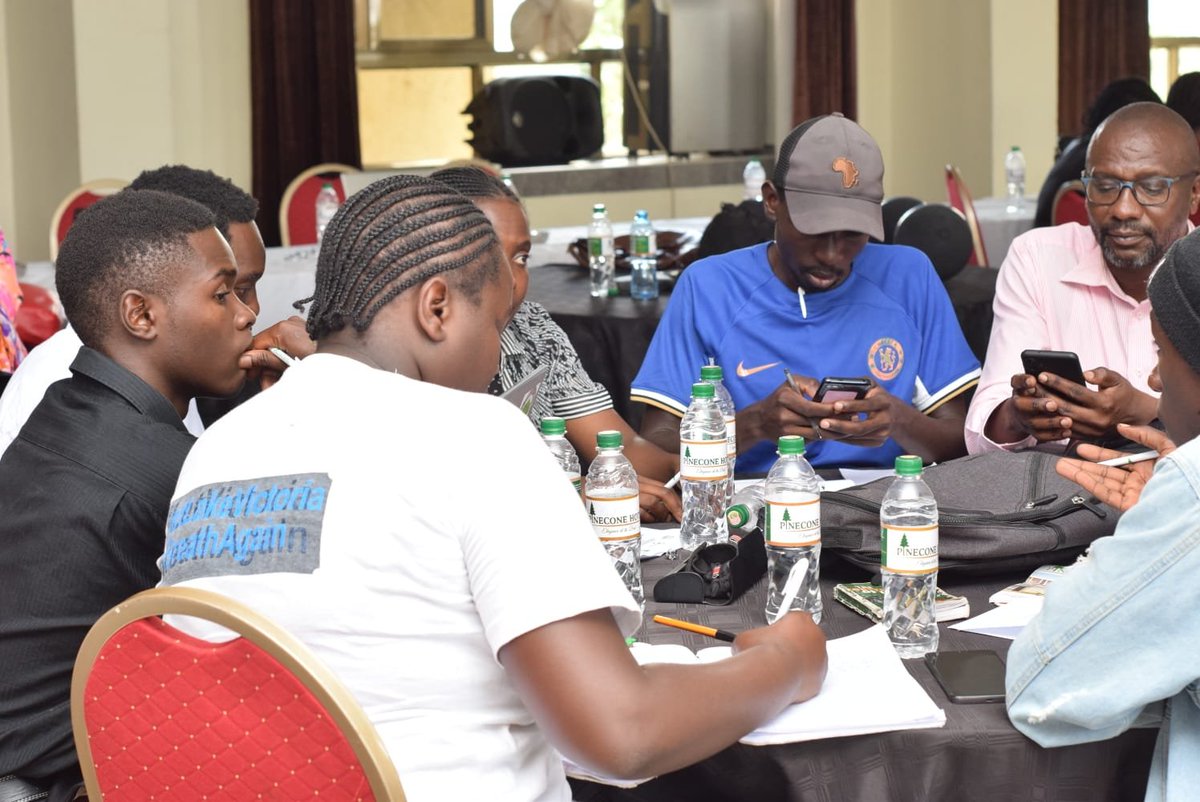
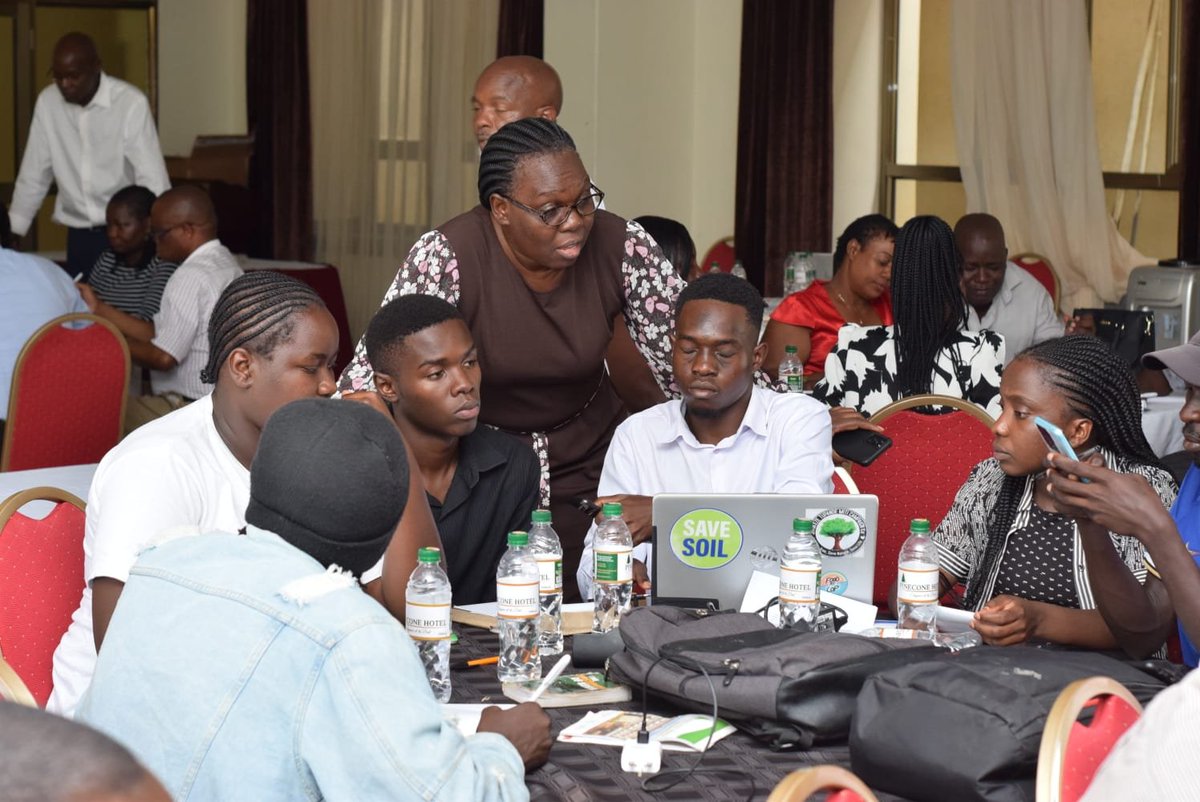
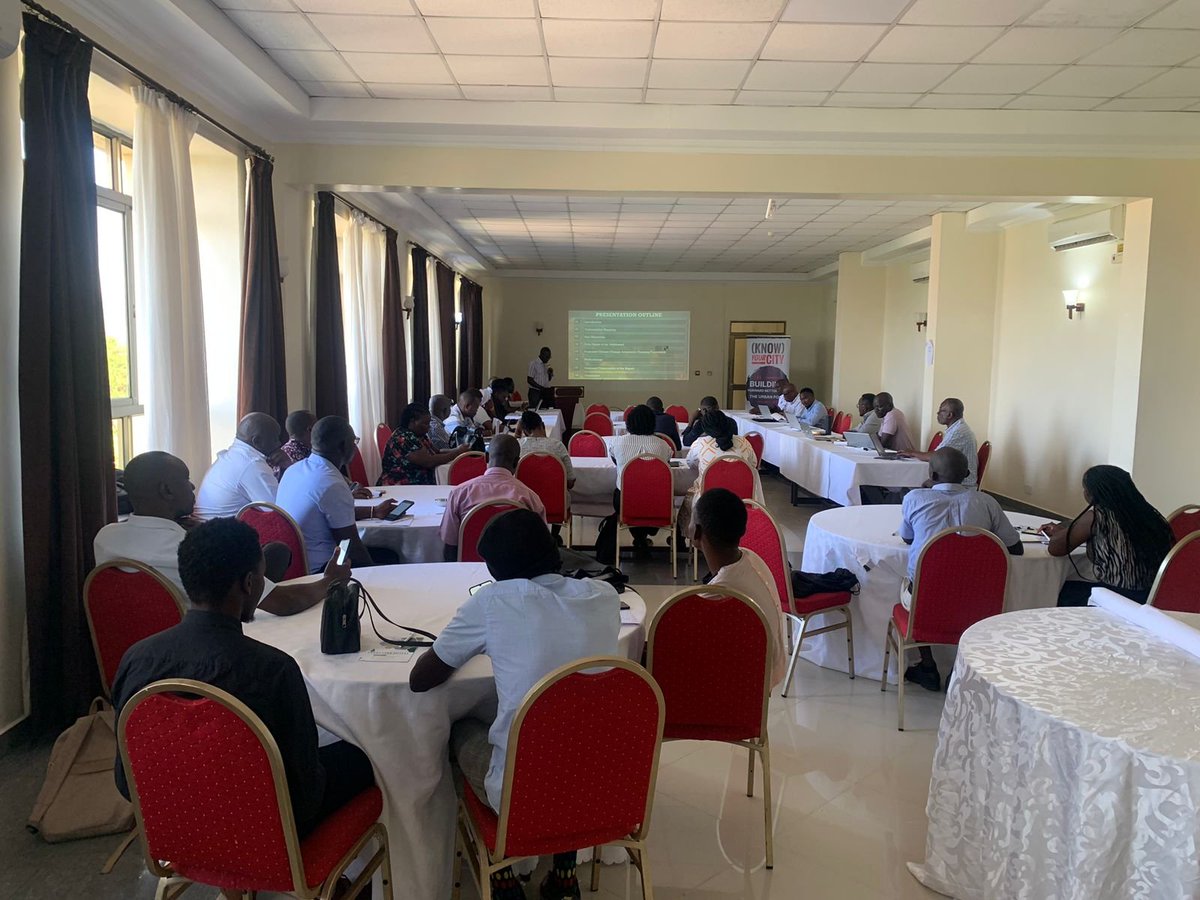
Day 1 of the #MultiStakeholderValidationForum for the #VulnerabilityMapping exercise that was led by the community in 7 wards within Kisumu city slums, with the support of @wanavijiji_sdi in partnership with the @KisumuCountyKE (Department of Environment, Climate Change, Water, Natural Resources, and the Department of Land, Physical Planning, and Urban Development), and @MasenoUniversty
The workshop provided an opportunity for the County Government of Kisumu, as part of the @WeAreVCA project, to validate the risk and vulnerability mapping report.
#ClimateActionNow #WeAreVCA #JustClimateAction #InclusiveCities
1
5
24
472

3 Oct 2023
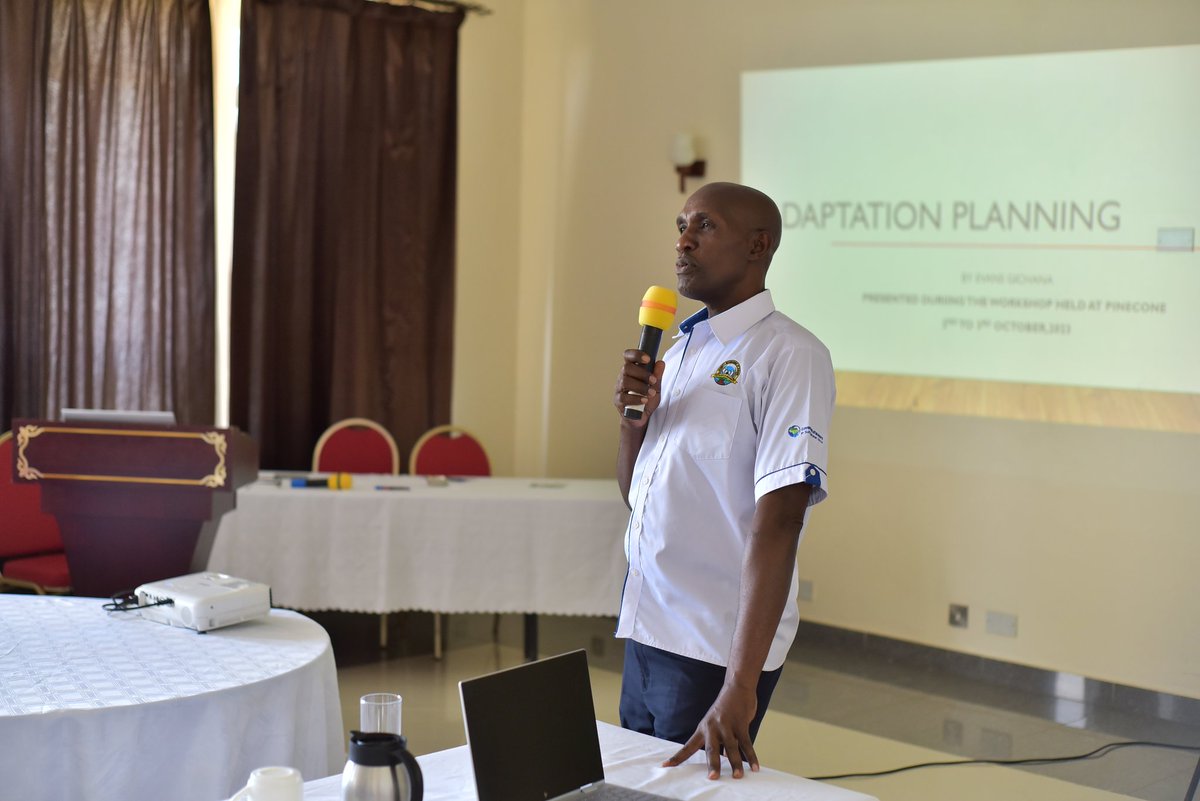
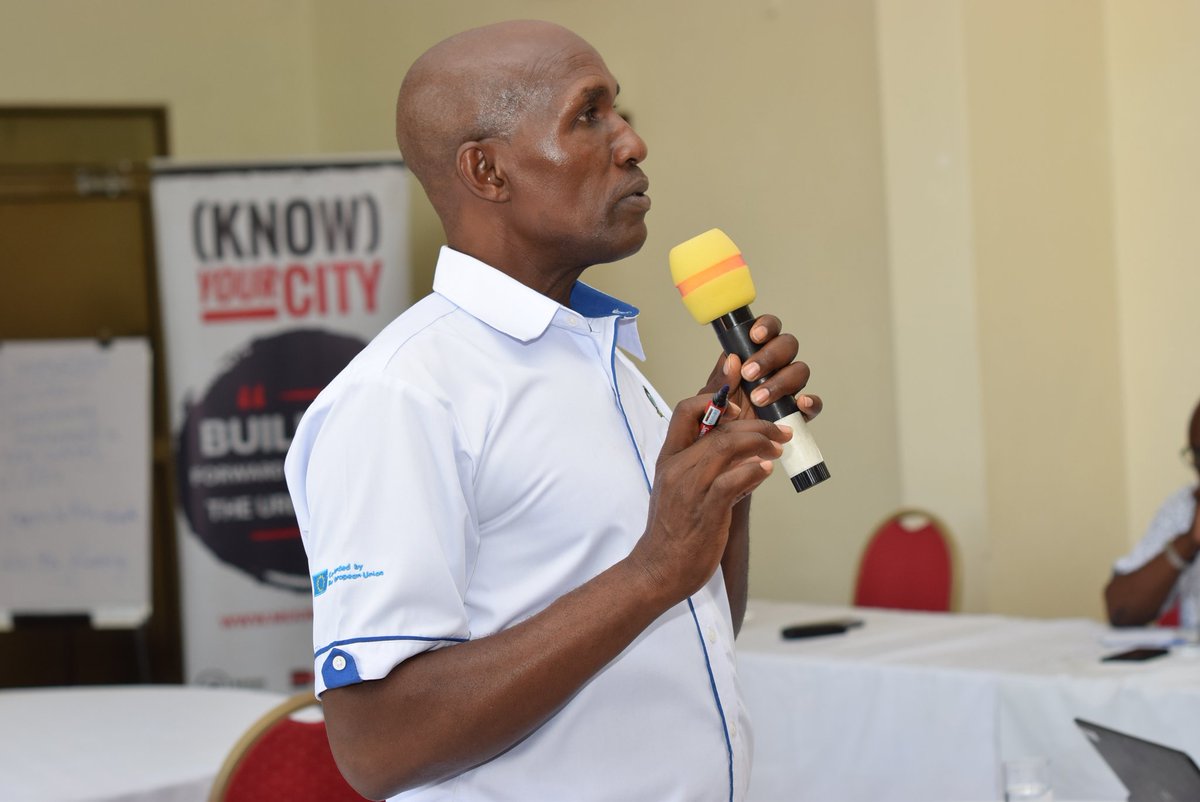
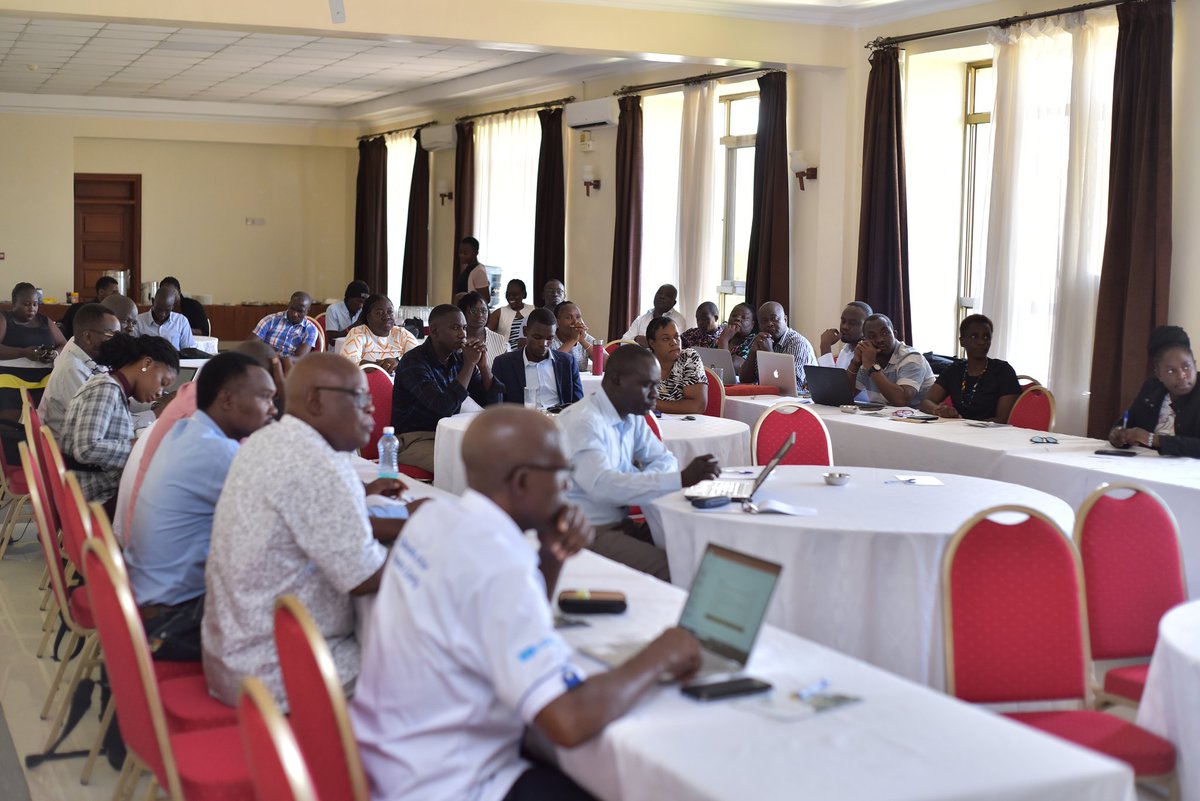
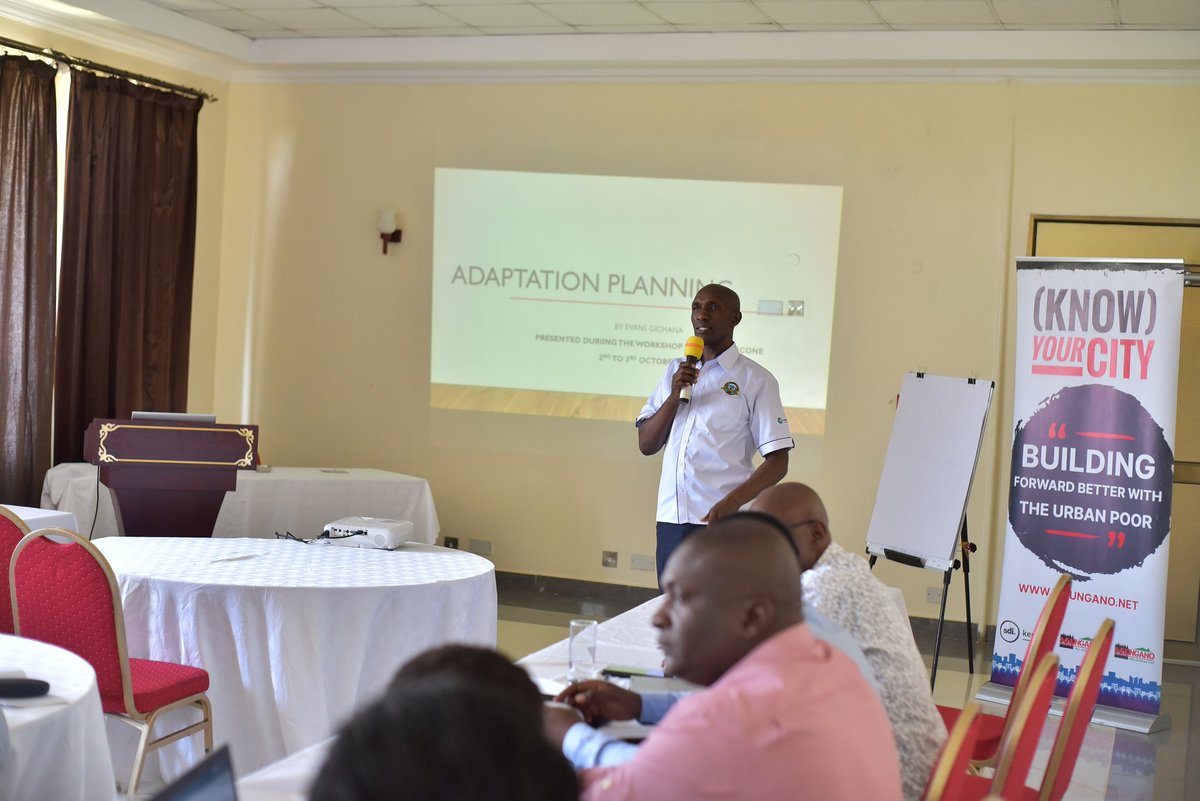
Director Gichana of @KisumuCountyKE presenting the process and framework of adaptation plan to climate change in the ongoing multi stakeholders #vulnerabilitymapping validation workshop at Pinecone hotel. @WeAreVCA @Wanavijiji_sdi @CitiesAlliance @sdi_net
#justclimateactionnow
3
5
75
3 Oct 2023
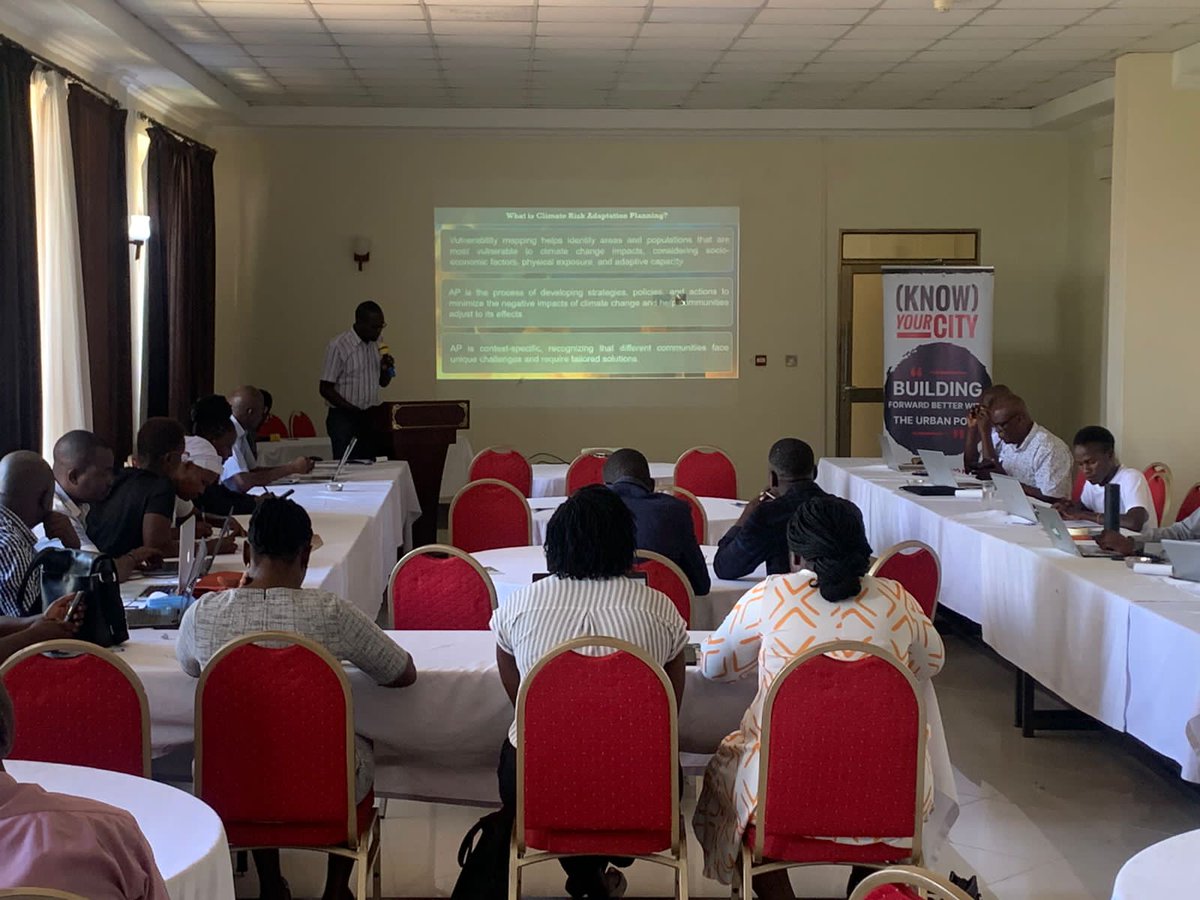
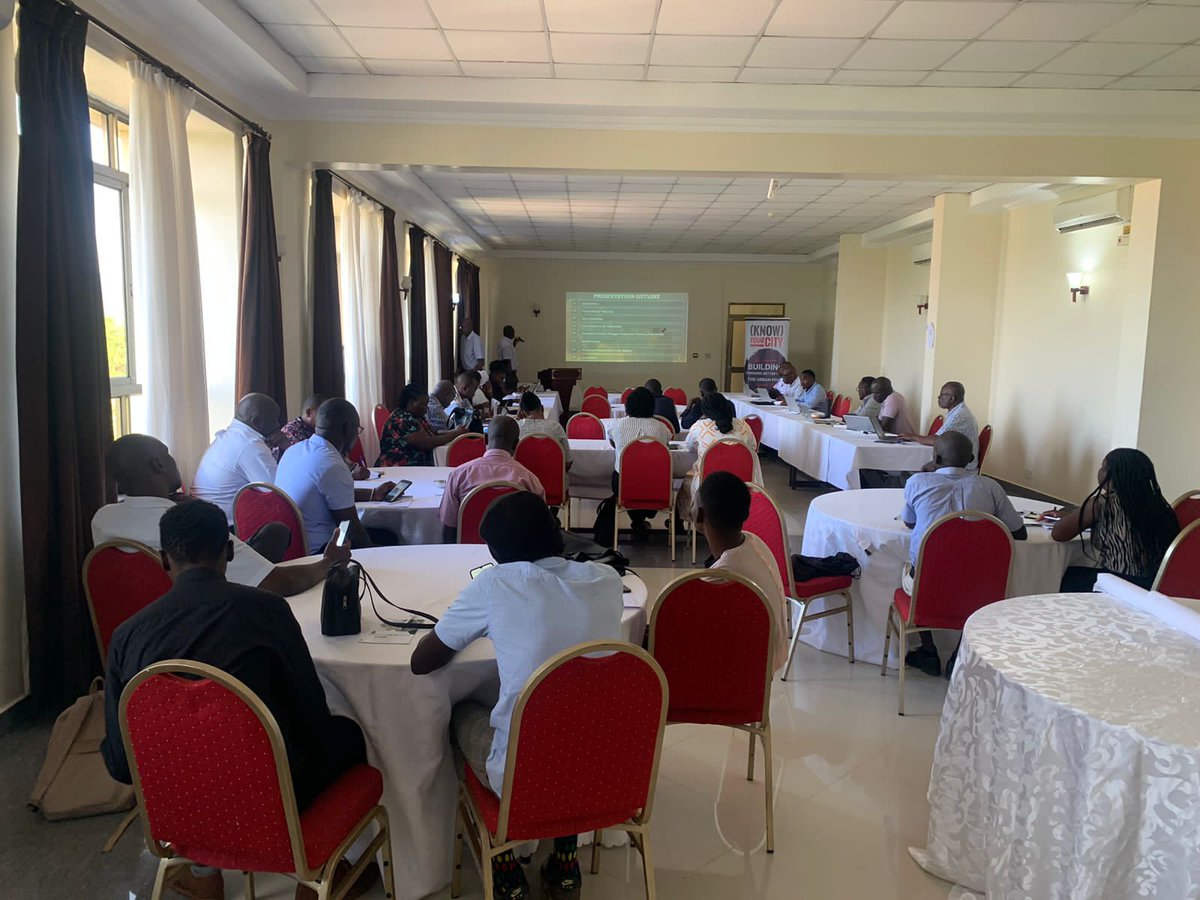
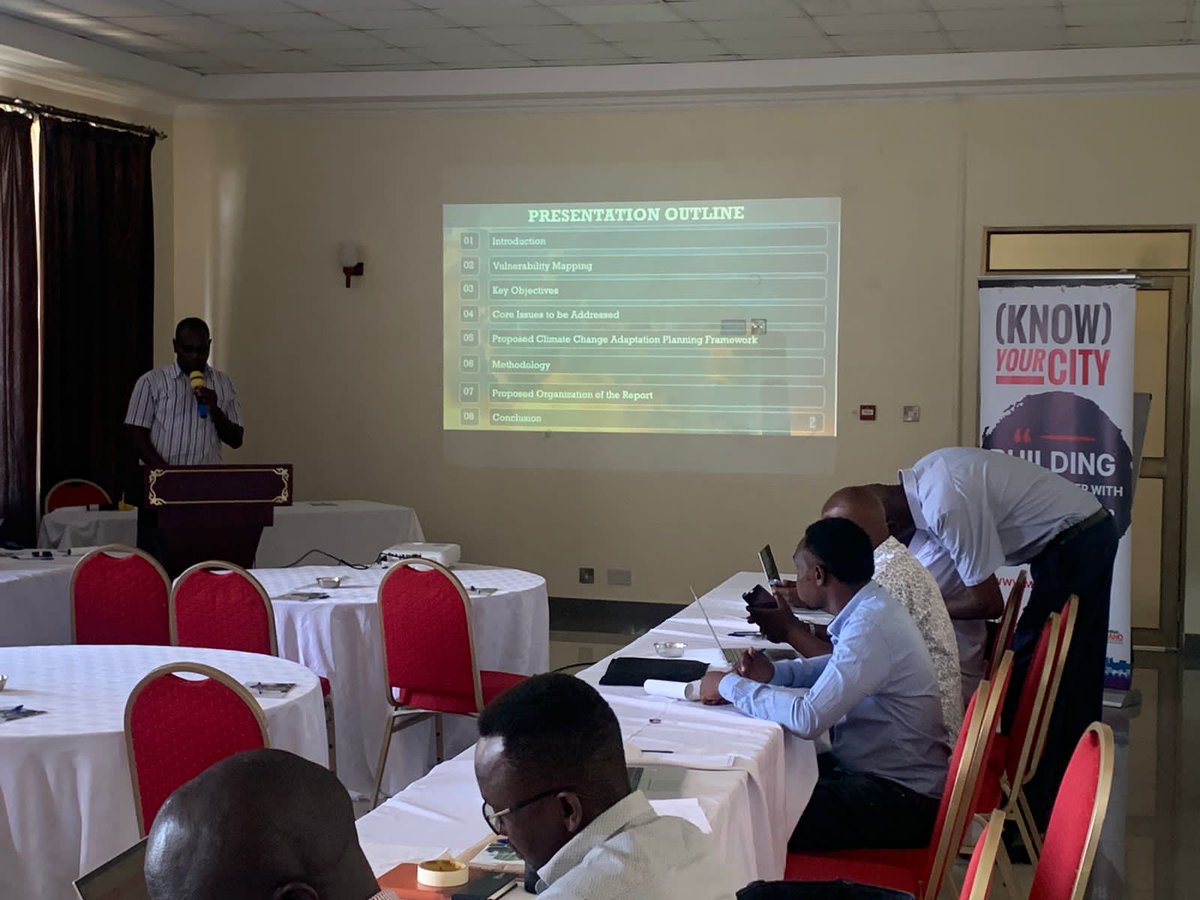
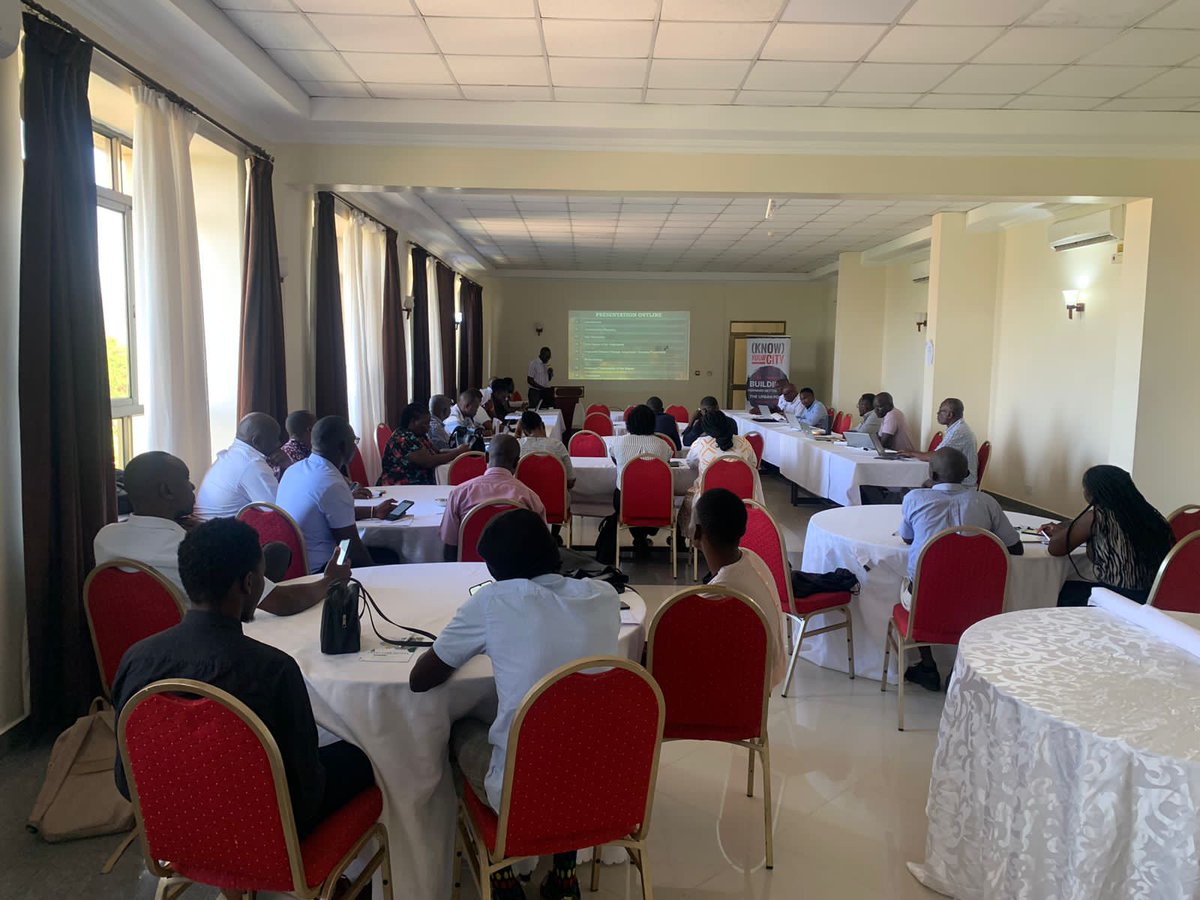
Day 2 of multi stakeholders #VulnerabilityMapping validation. Today's focus is on climate risk adaptation framework aiming at developing strategies and policies to minimize negative impacts of climate change in the communities.
@Wanavijiji_sdi @WeAreVCA @sdi_net @CitiesAlliance
5
9
80

2 Oct 2023
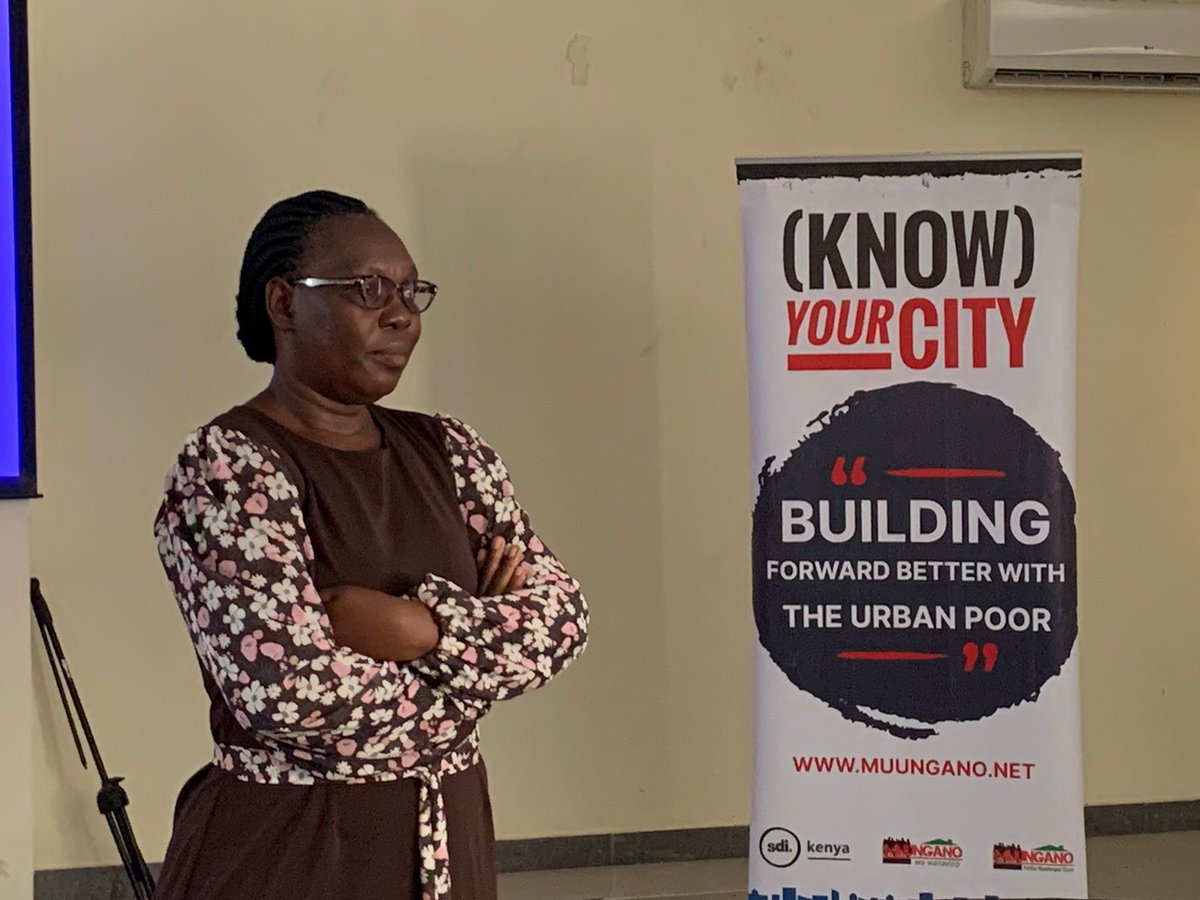
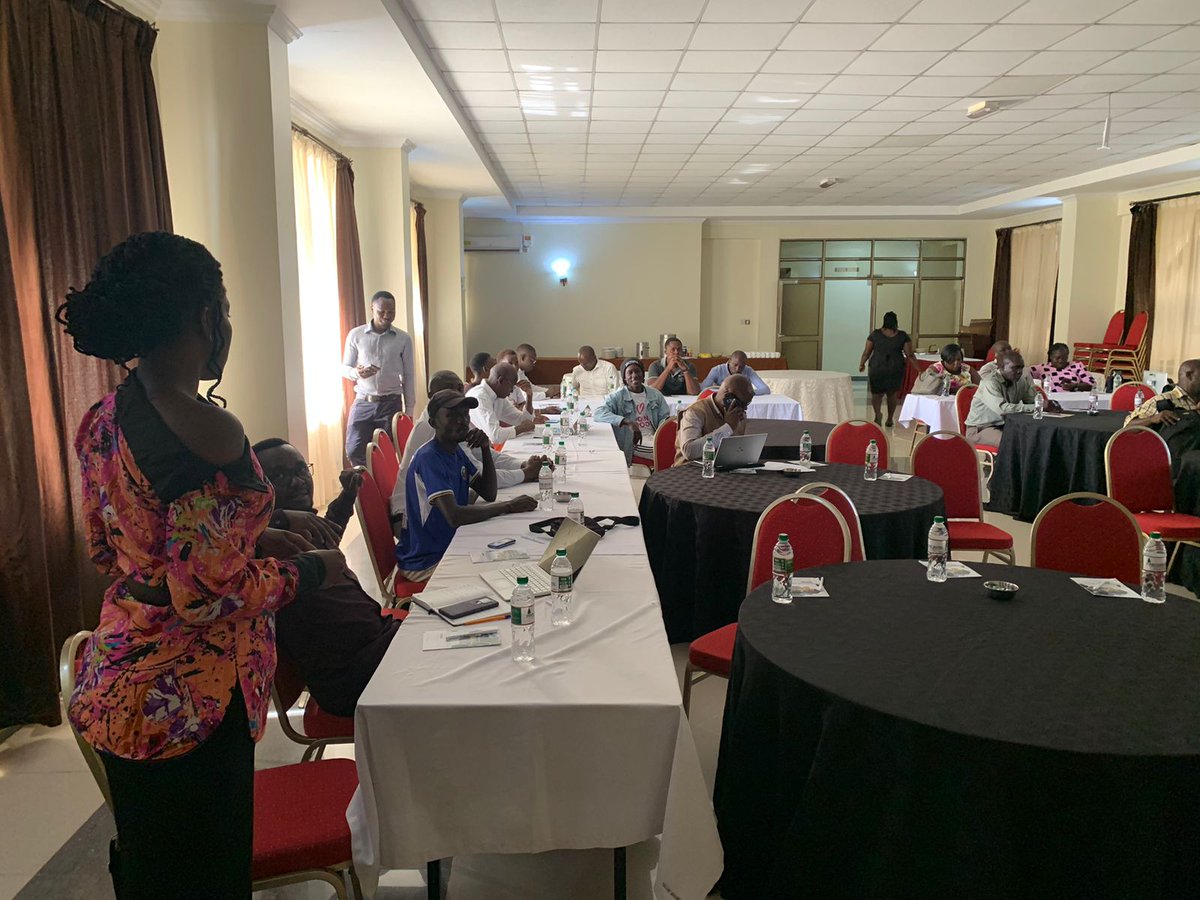
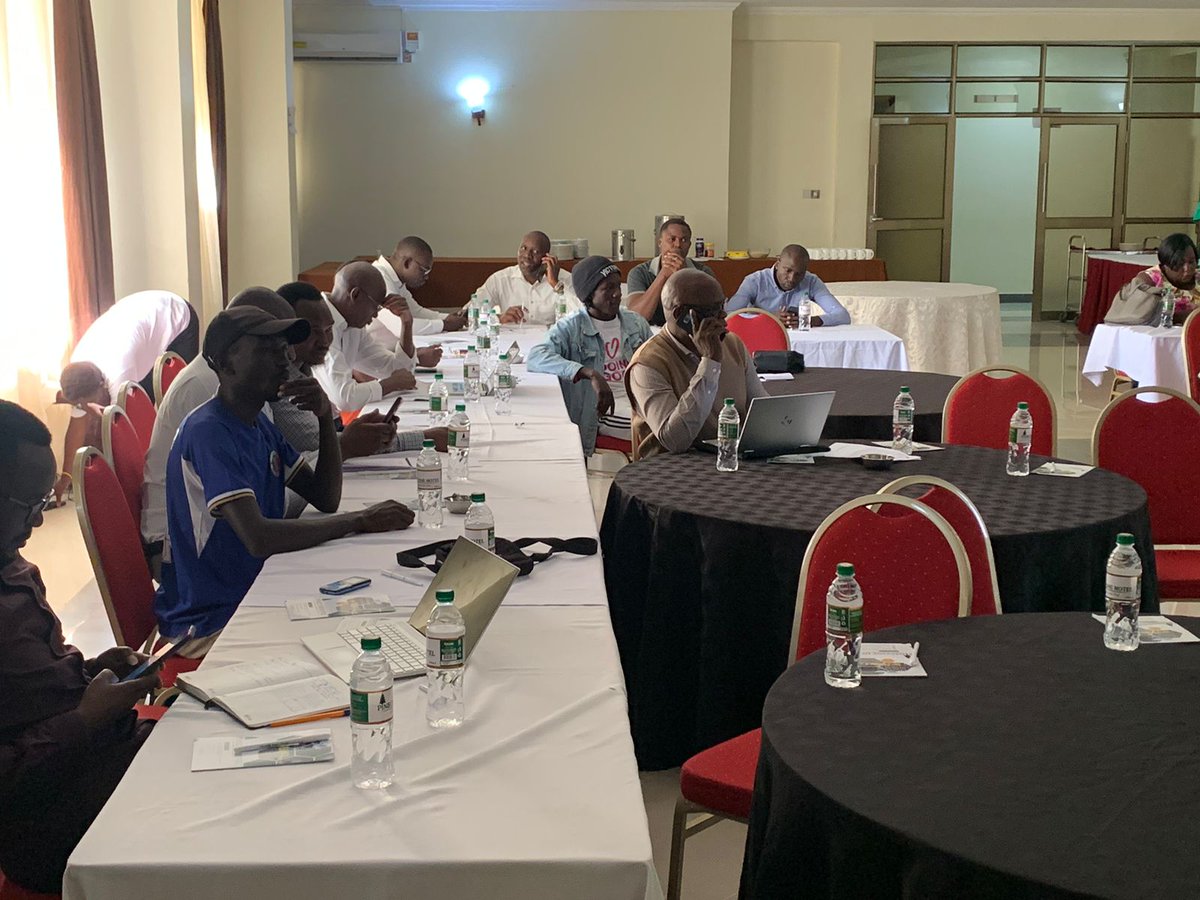
Greetings fellow comrades, we are thrilled this day, to be part of the #MultiStakeholderValidationForum for the #VulnerabilityMapping exercise conducted in the informal settlements of kisumu courtesy of @KisumuCountyKE @Wanavijiji_sdi @sdi_net @MasenoUniversty #ClimateActionNow
1
10
31
443
18 Aug 2023
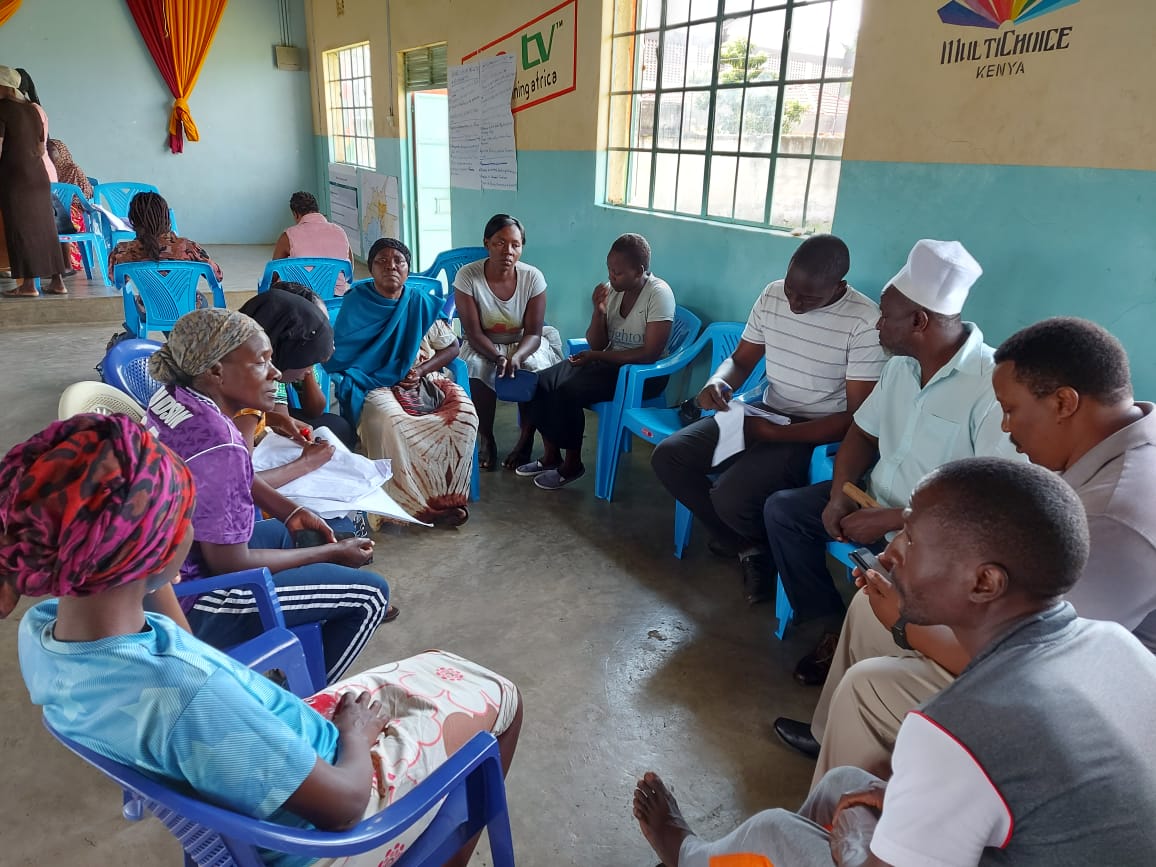
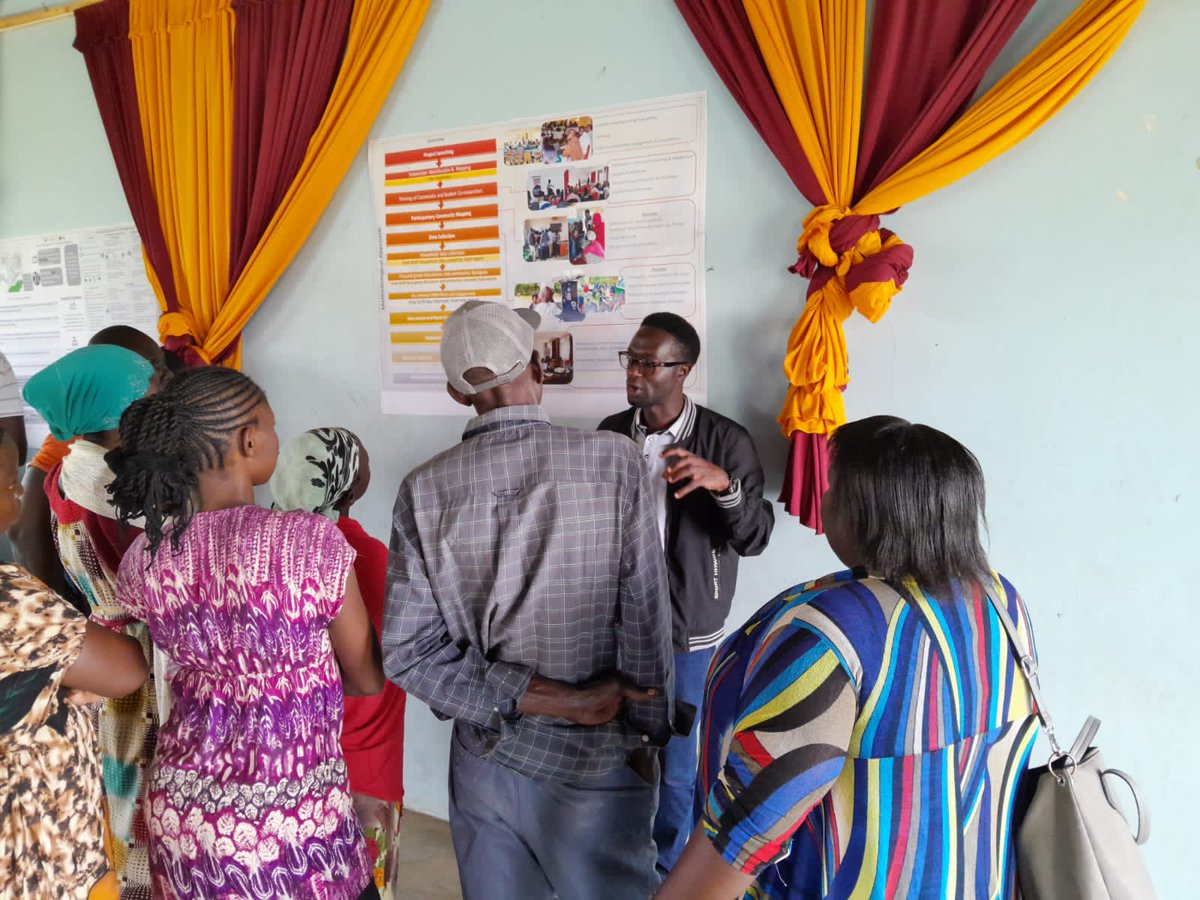
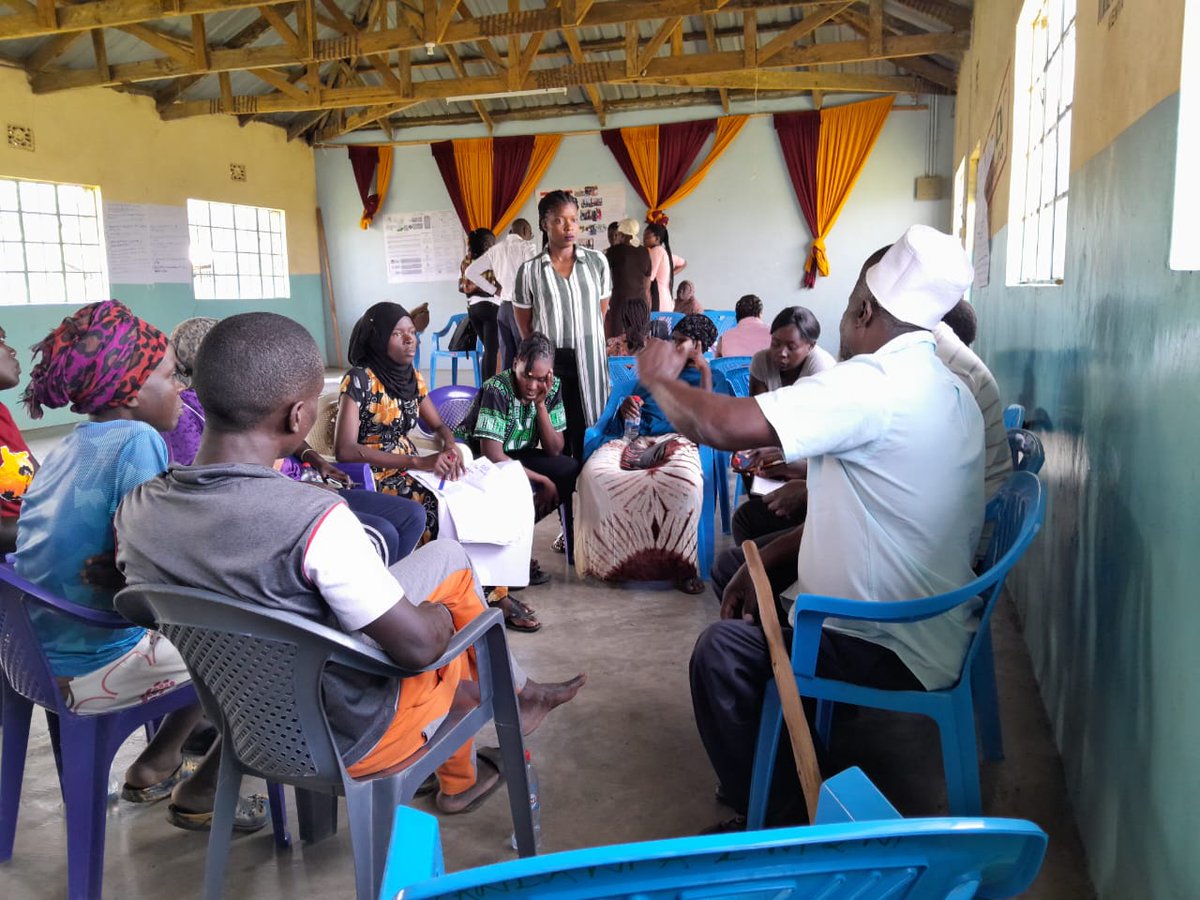
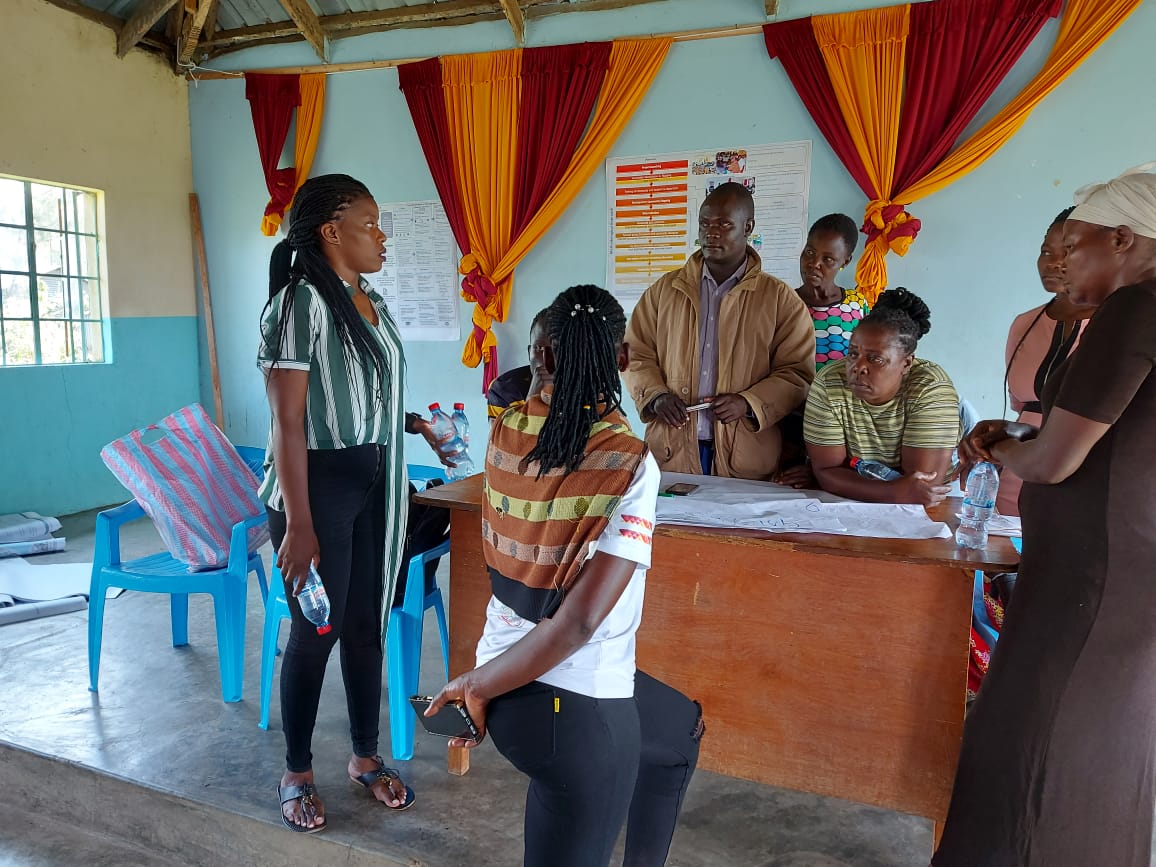
The third and the last day of community data validation of the #VulnerabilityMapping in Central Kisumu ward, led by @KisumuCountyKE , @masenoUnikenya and @Wanavijiji_sdi aiming in making the adaptation plan and reducing climate risk in Kisumu.
@CitiesAlliance @WeAreVCA @sdi_net
2
7
100
16 Aug 2023
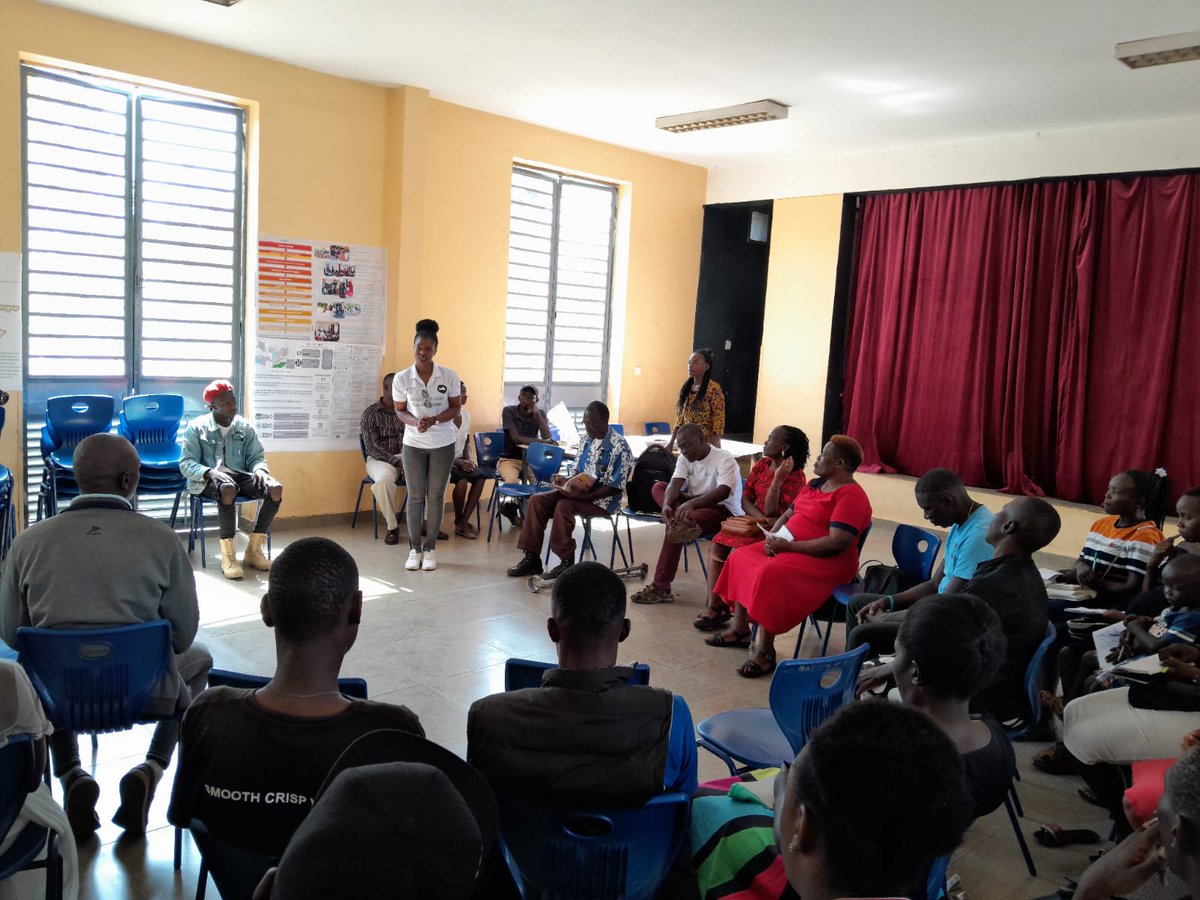
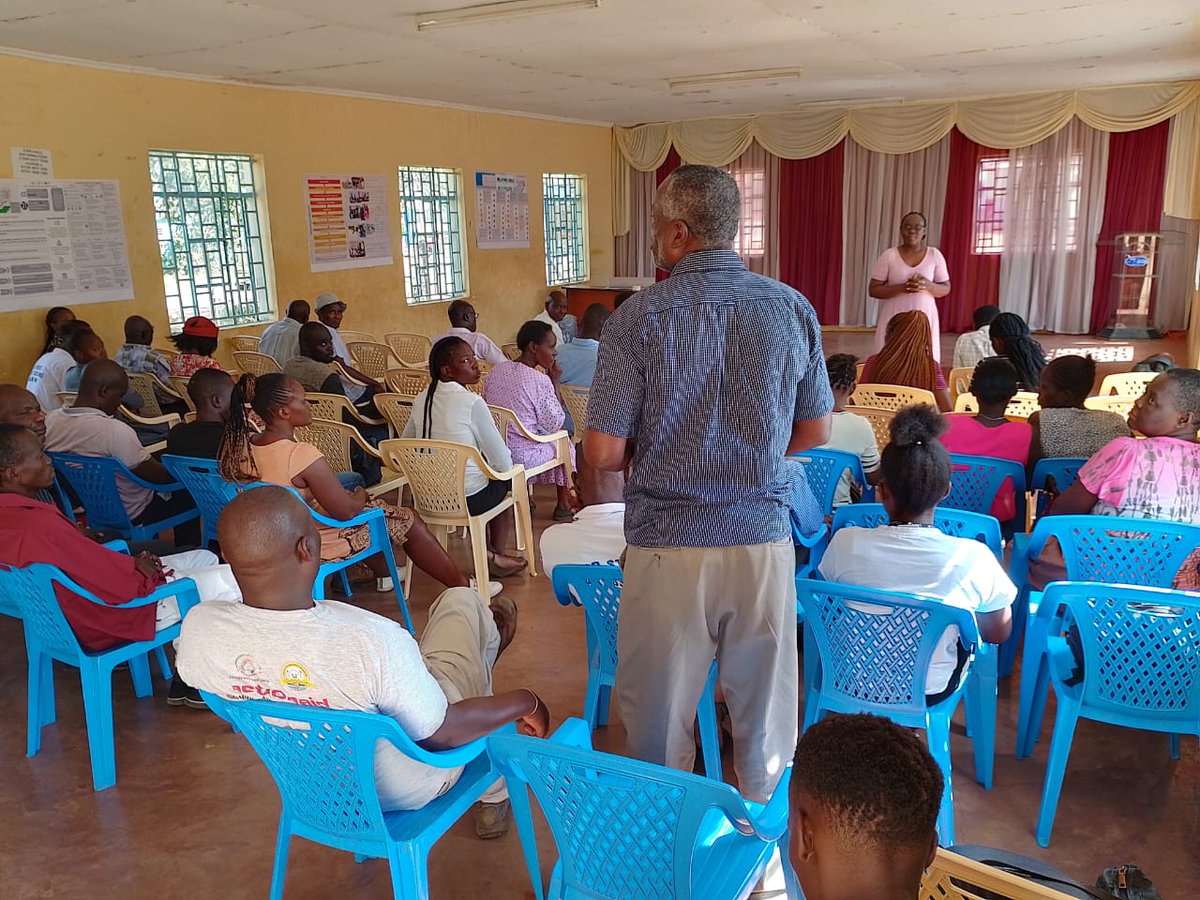
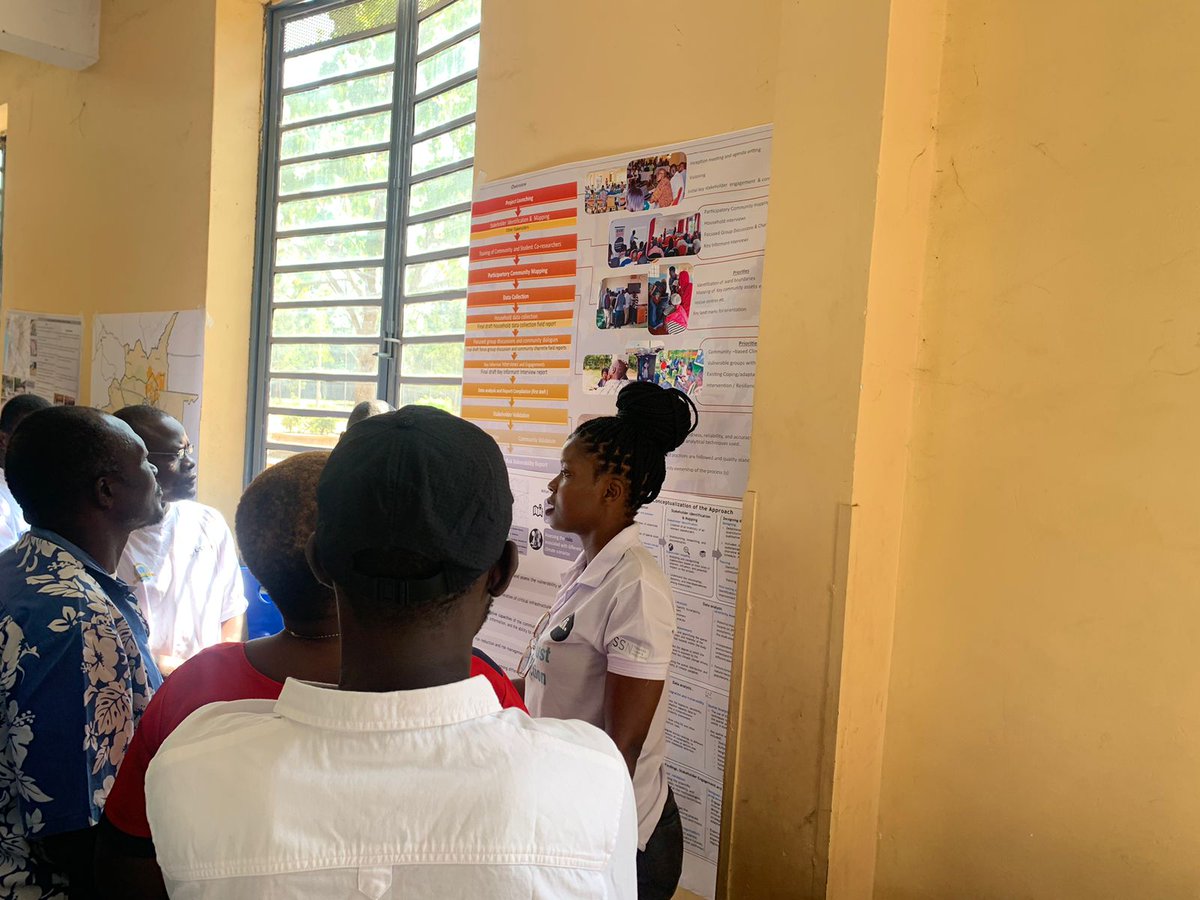
As the nation celebrates #DevolutionConference2023, @Wanavijiji_sdi together with @KisumuCountyKE are guiding community members from the informal settlements in a validation Forum for the #vulnerabilitymapping. The validation will help shape community led climate actions✊🏿
1
9
17
409

11 May 2023
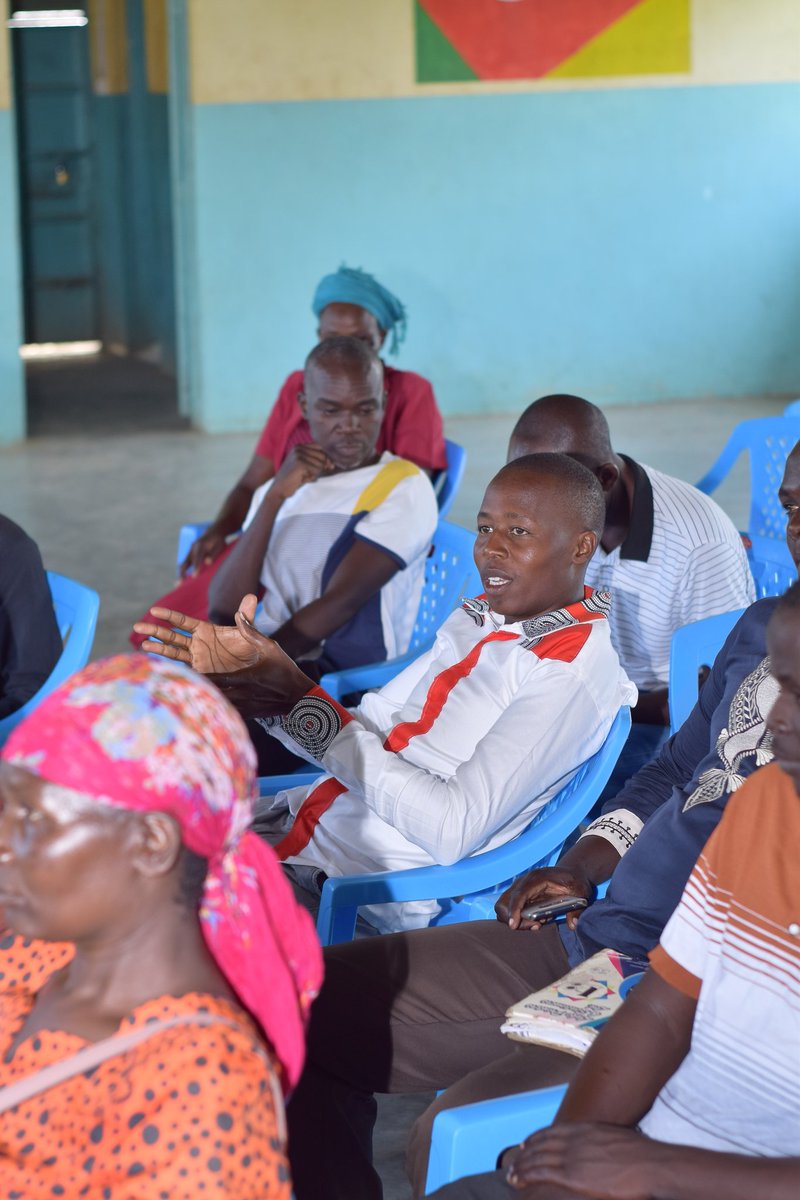
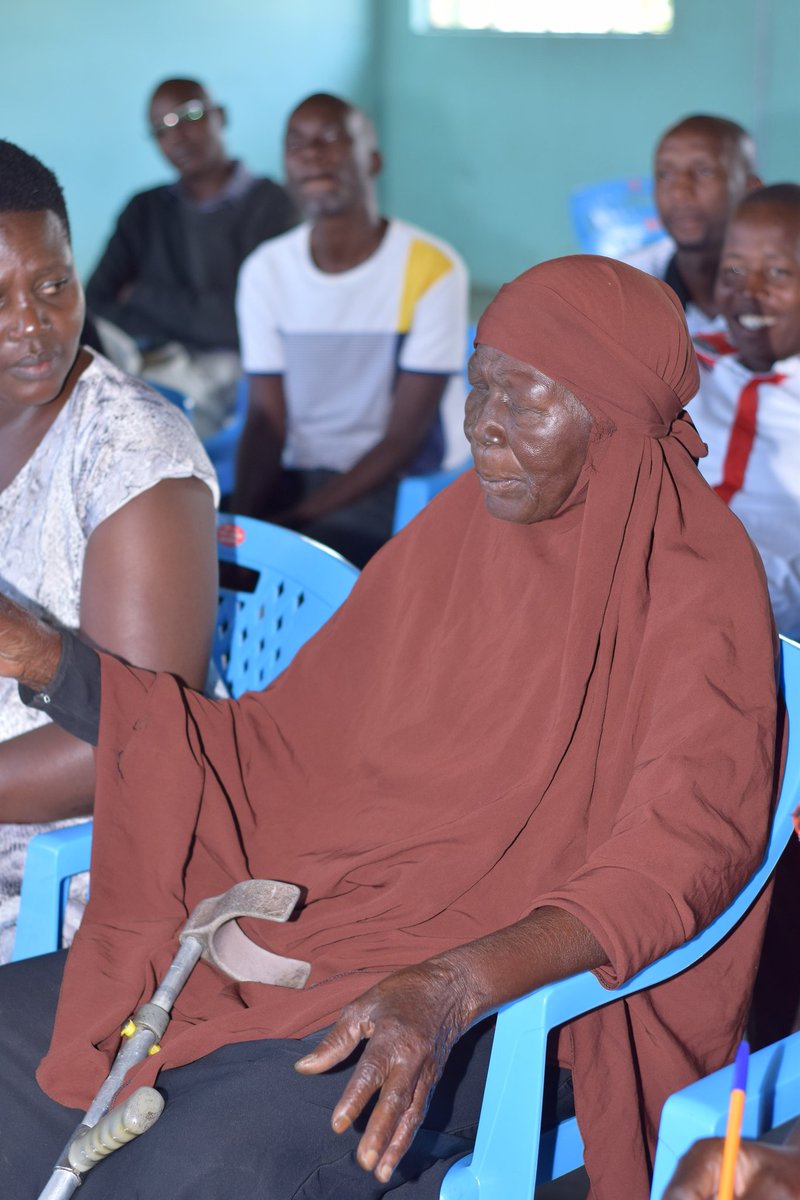
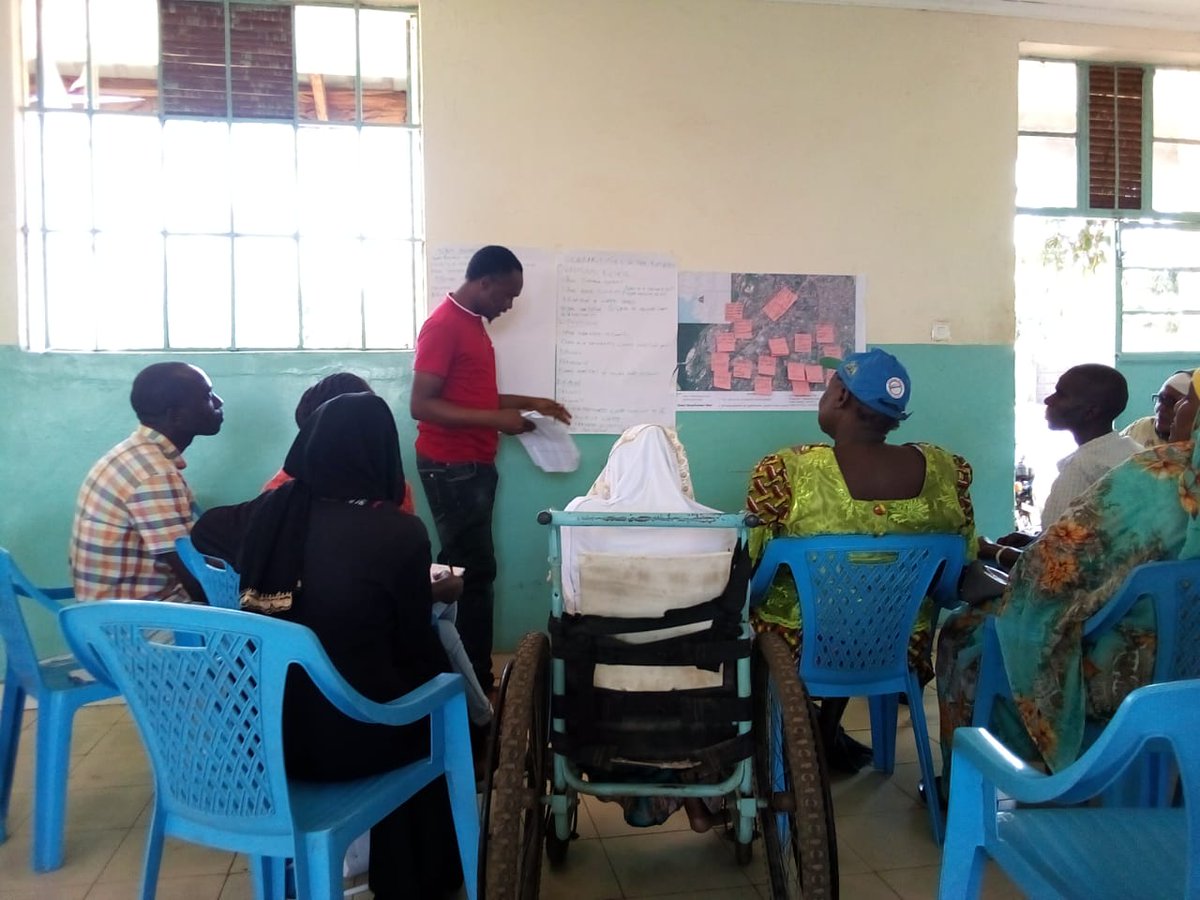
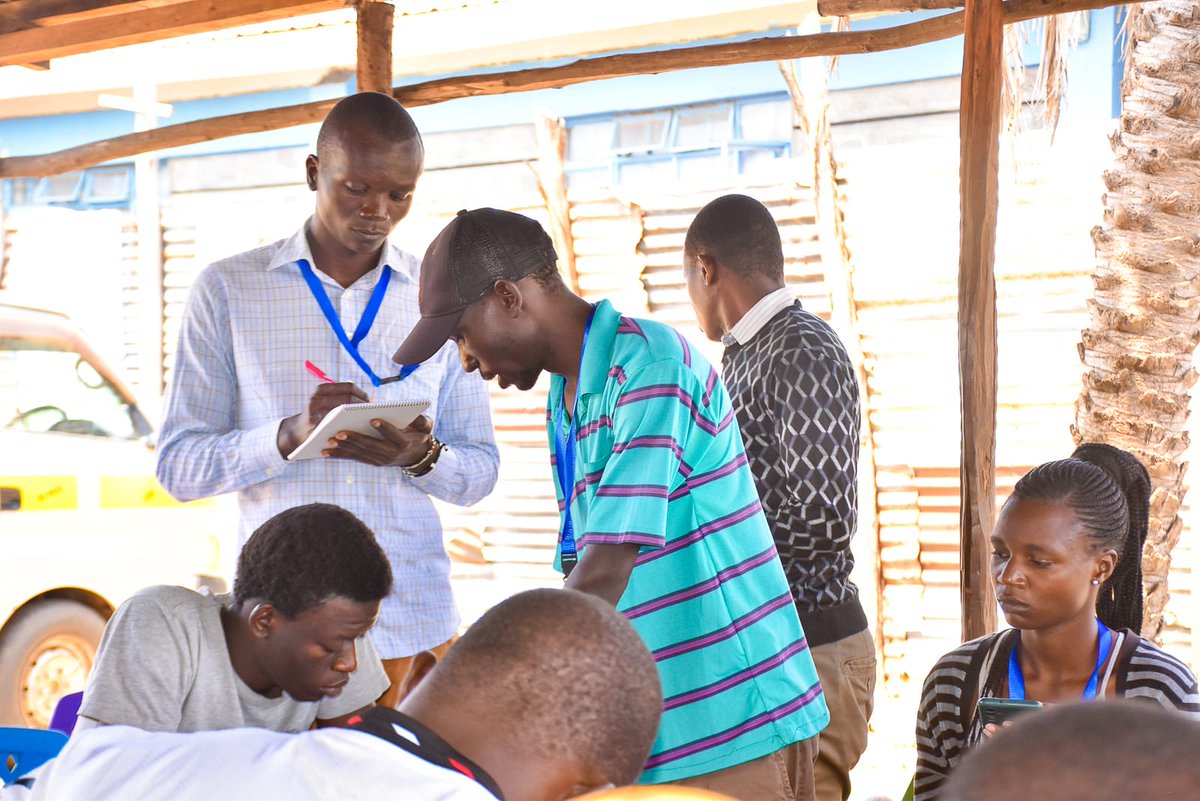
For the war on tackling the effects on climate change to be won, we need the input of the local residents from the Elderly to the Women, the youth and PWDs. Gratitude to @Wanavijiji_sdi for holding an #FGD on climate change #VulnerabilityMapping @WeAreVCA @KYC_TV @KisumuCountyKE
4
6
115
17 Apr 2023
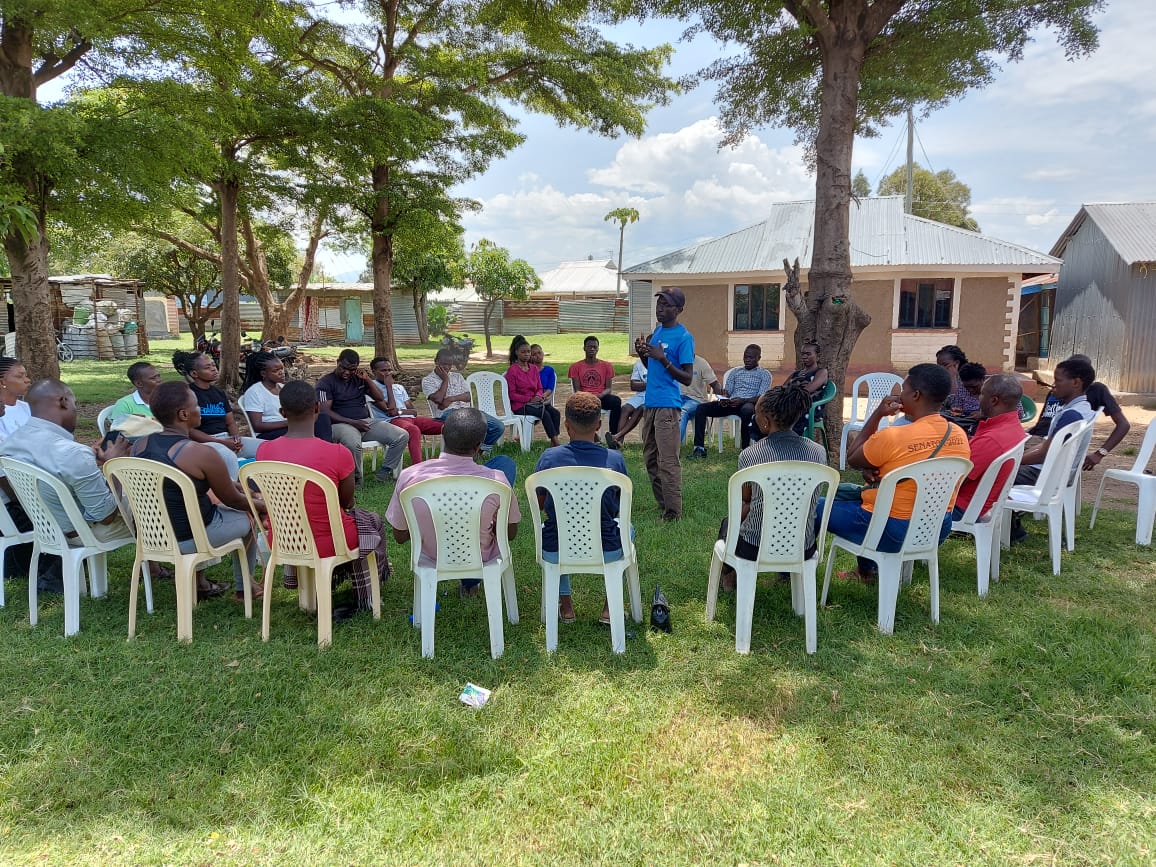
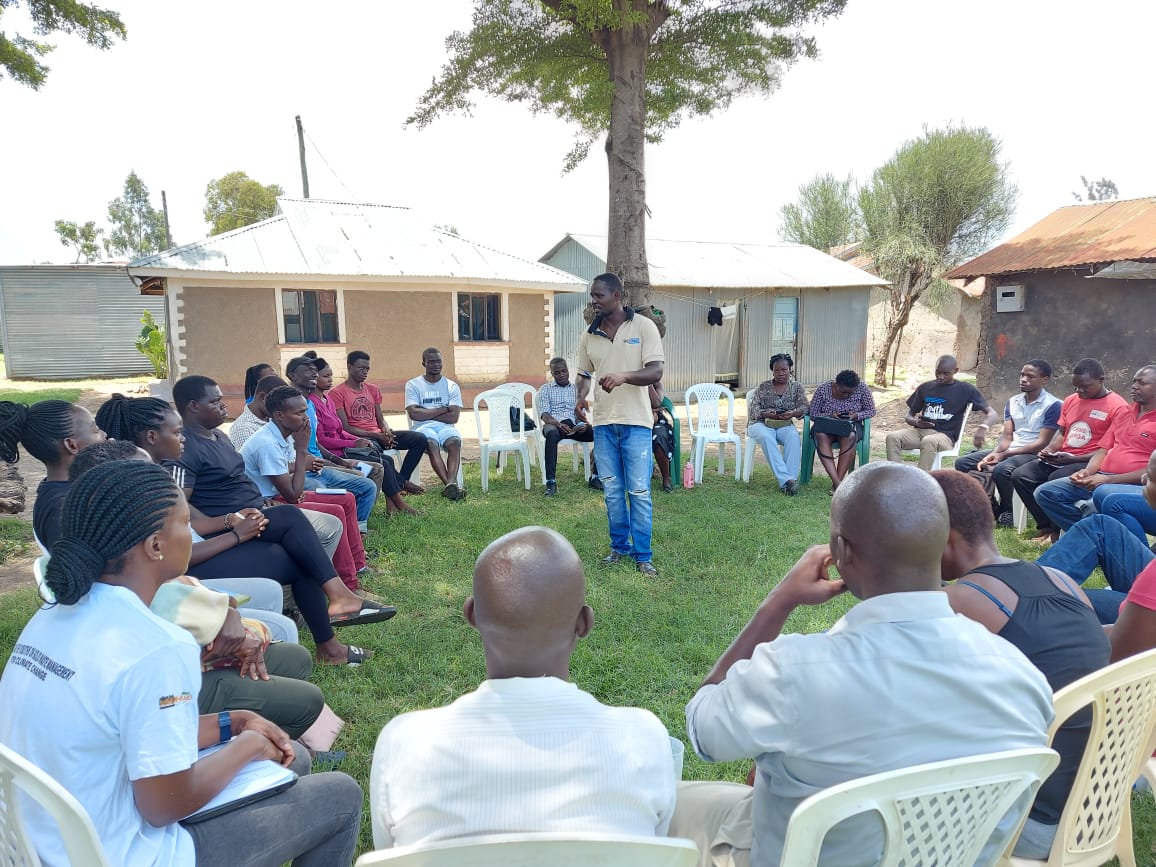
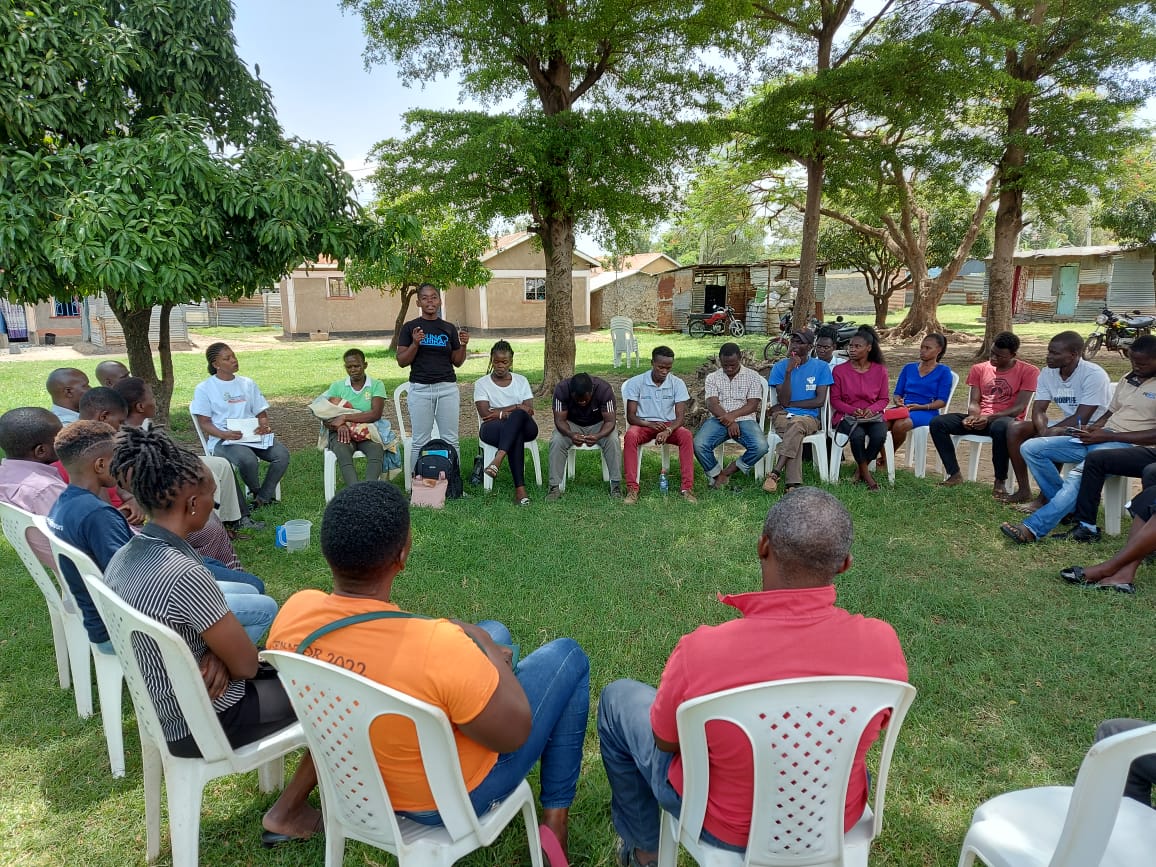
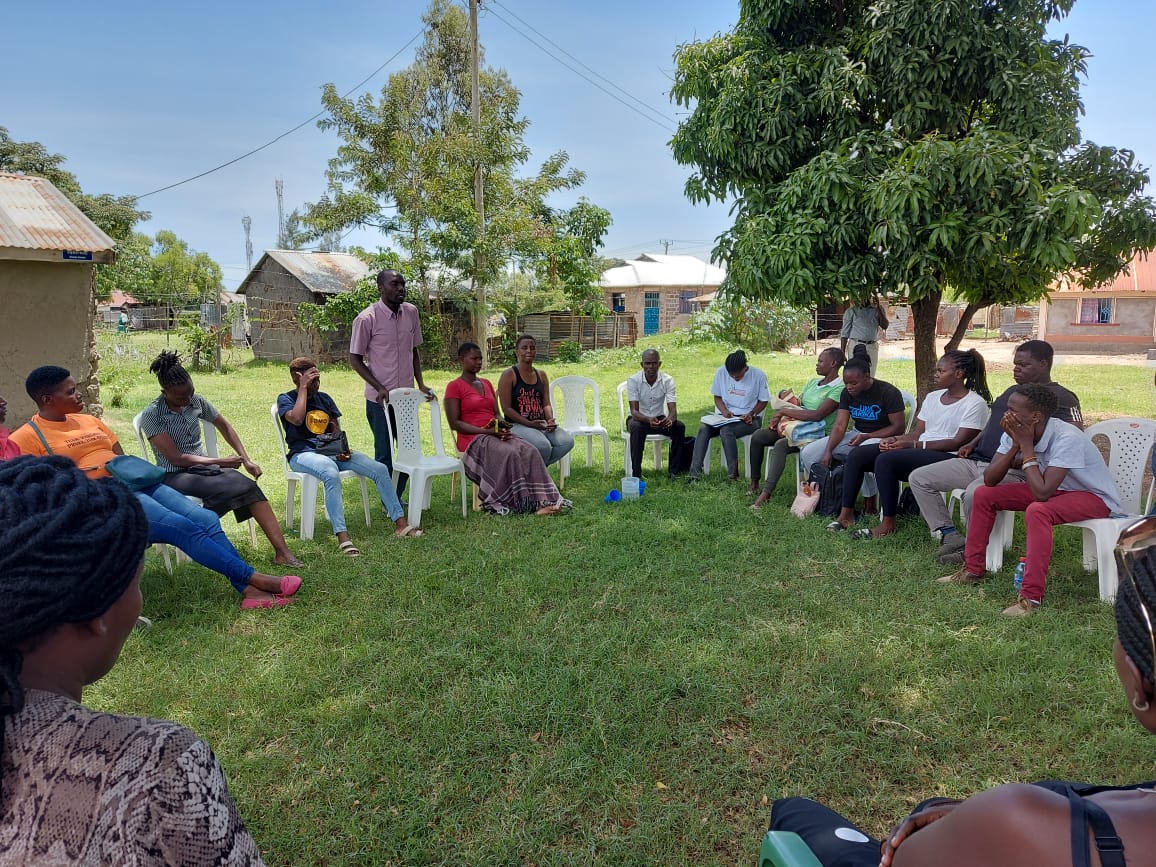
I was priviledged to attend a meeting by @Wanavijiji_sdi kisumu at @ManyattaBSJC. We compared our experiences as co-researchers during last week's #vulnerabilityMapping data collection and also shared the Vulnerabilities we captured in the various wards @WeAreVCA #YouthAlliance
1
2
8
150

15 Apr 2023
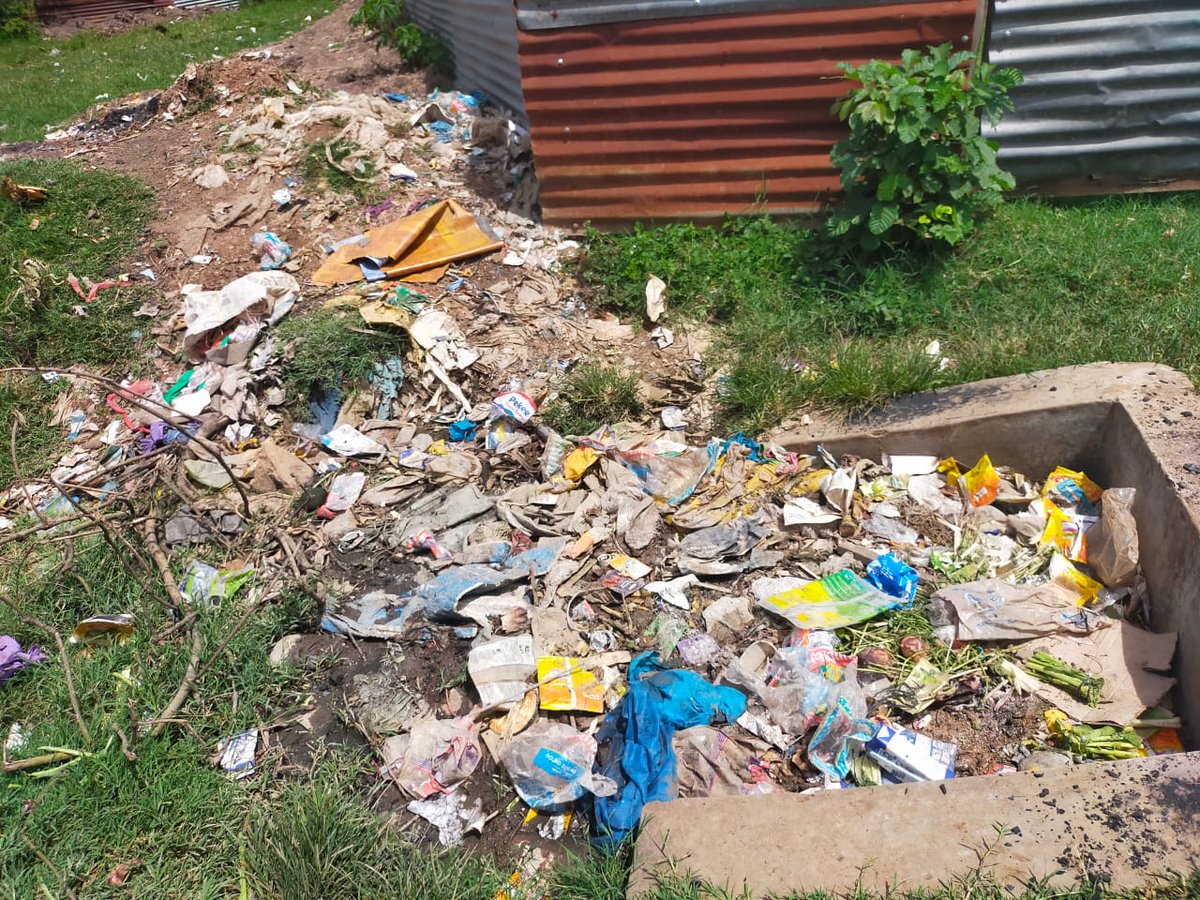
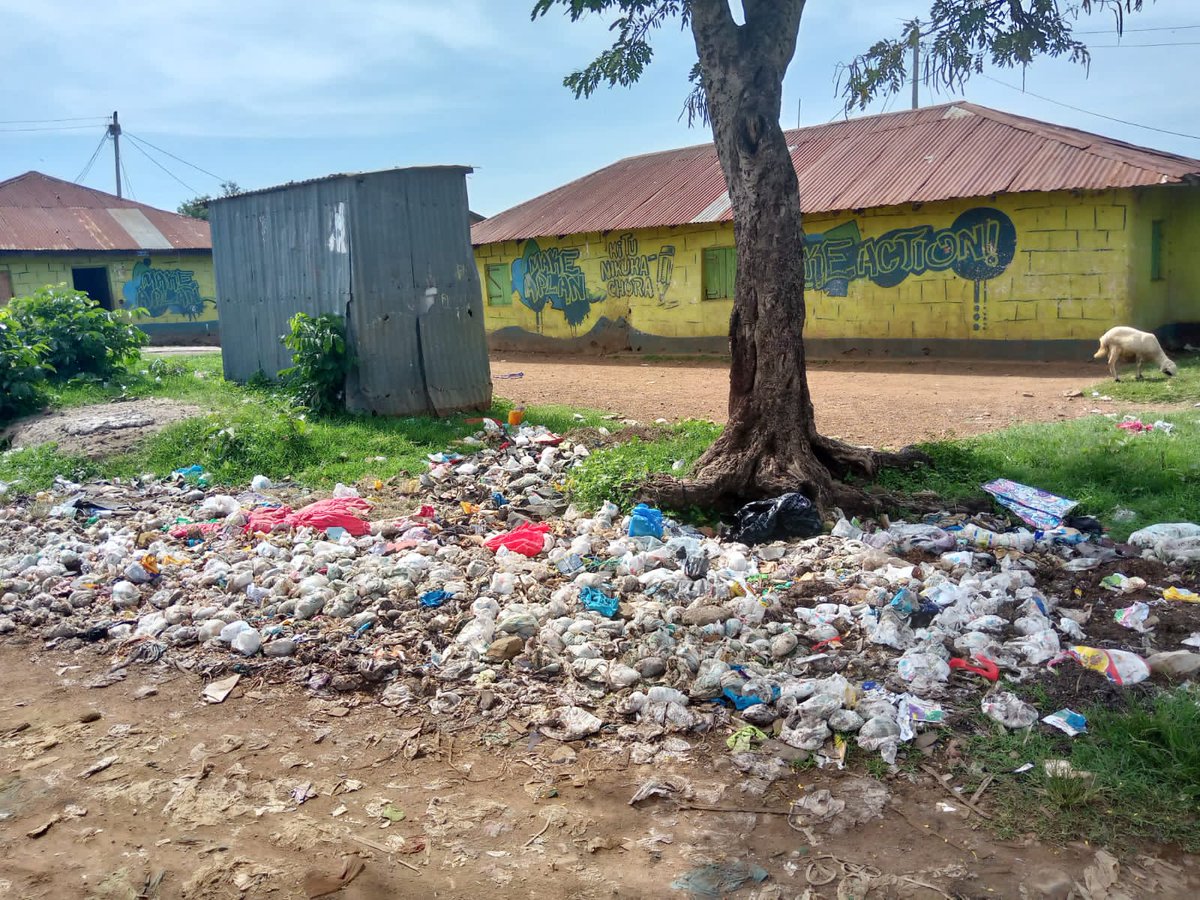
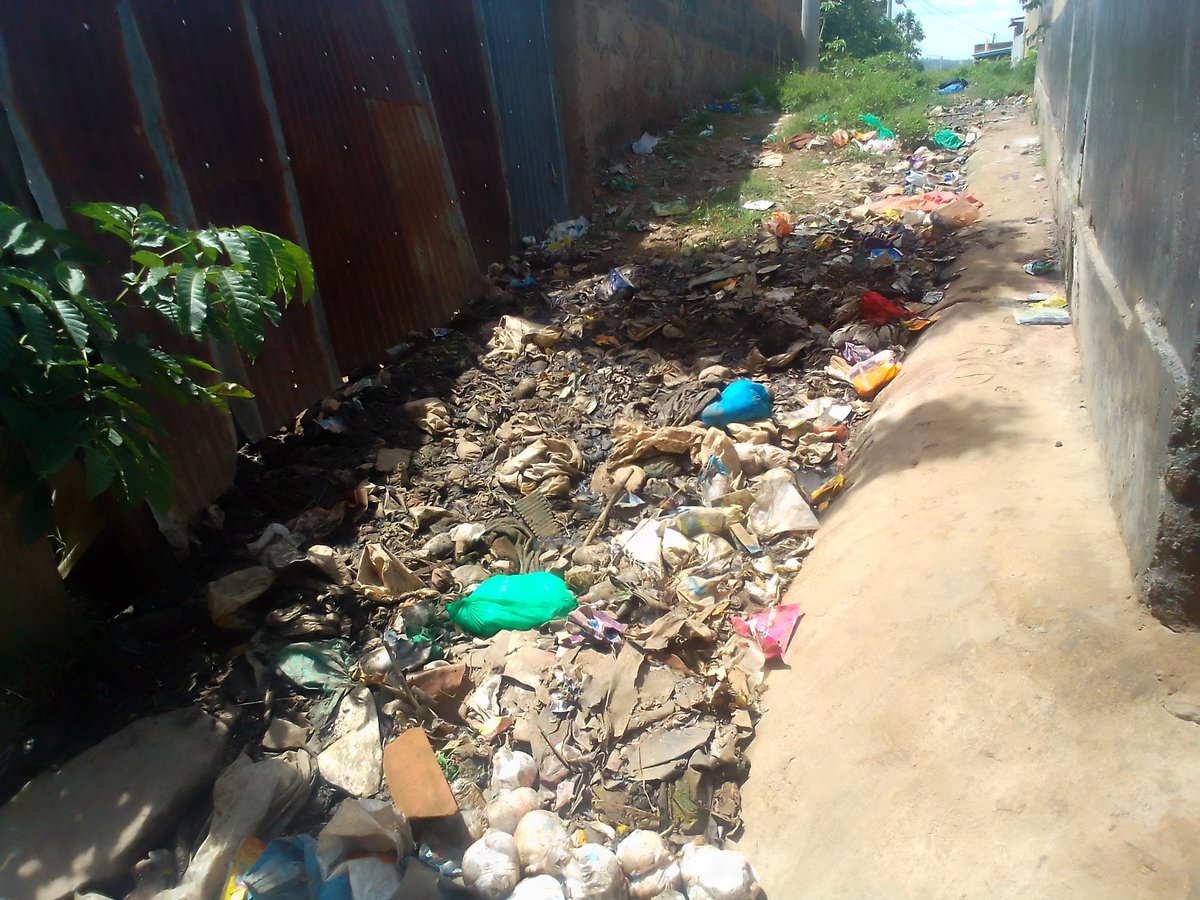
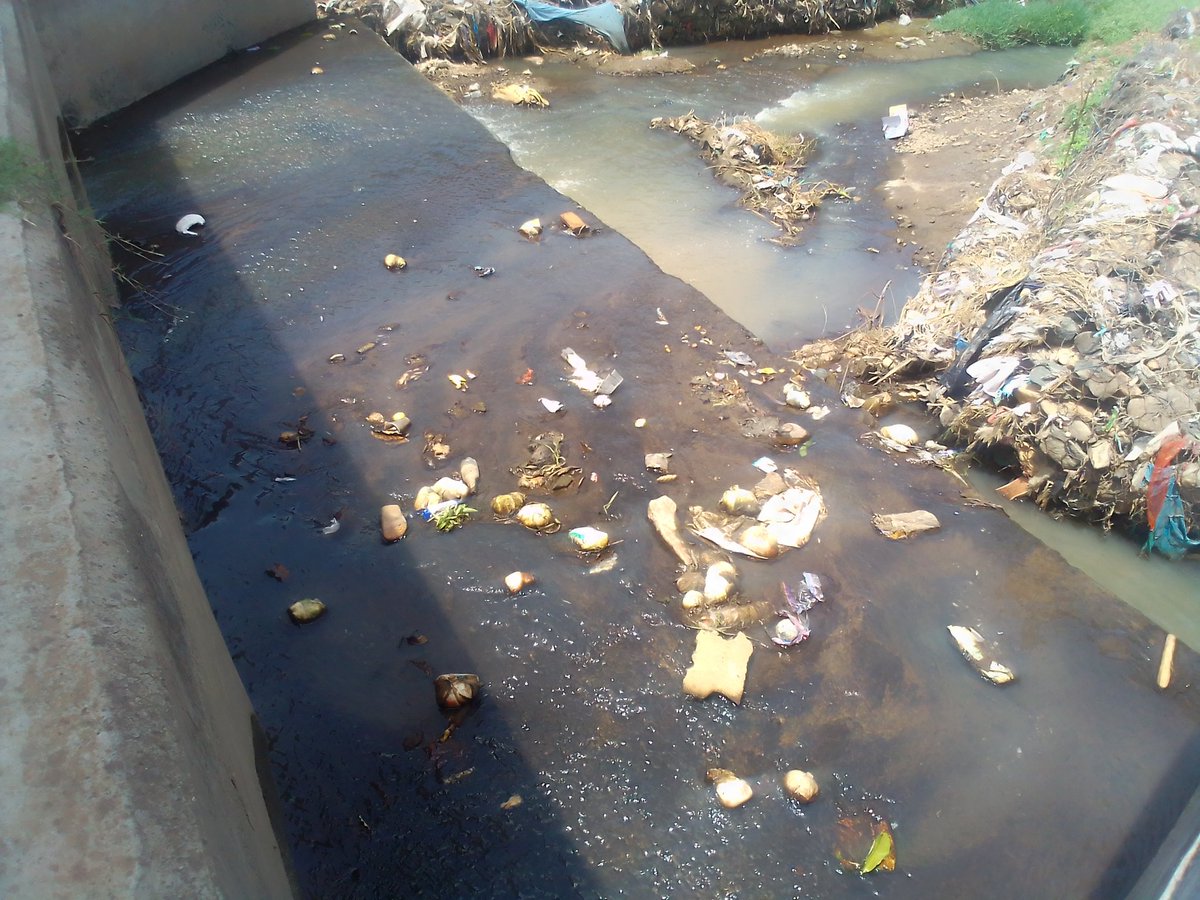
Indeed as a people we need a clean and conducive environment for our smooth day to day activities #VulnerabilityMapping
@Wanavijiji_sdi @KYCTVKisumu
4
10
123
15 Apr 2023
Poor waste disposal within the settlements a vulnerability to most people within the slum areas. #VulnerabilityMapping. Clean up exercises can be of help @Wanavijiji_sdi @KisumuCountyKE @masenoUni_ @WeAreVCA @KJamtaka @LumbaOyuko @WKodula @knyambuga
11
19
298
14 Apr 2023
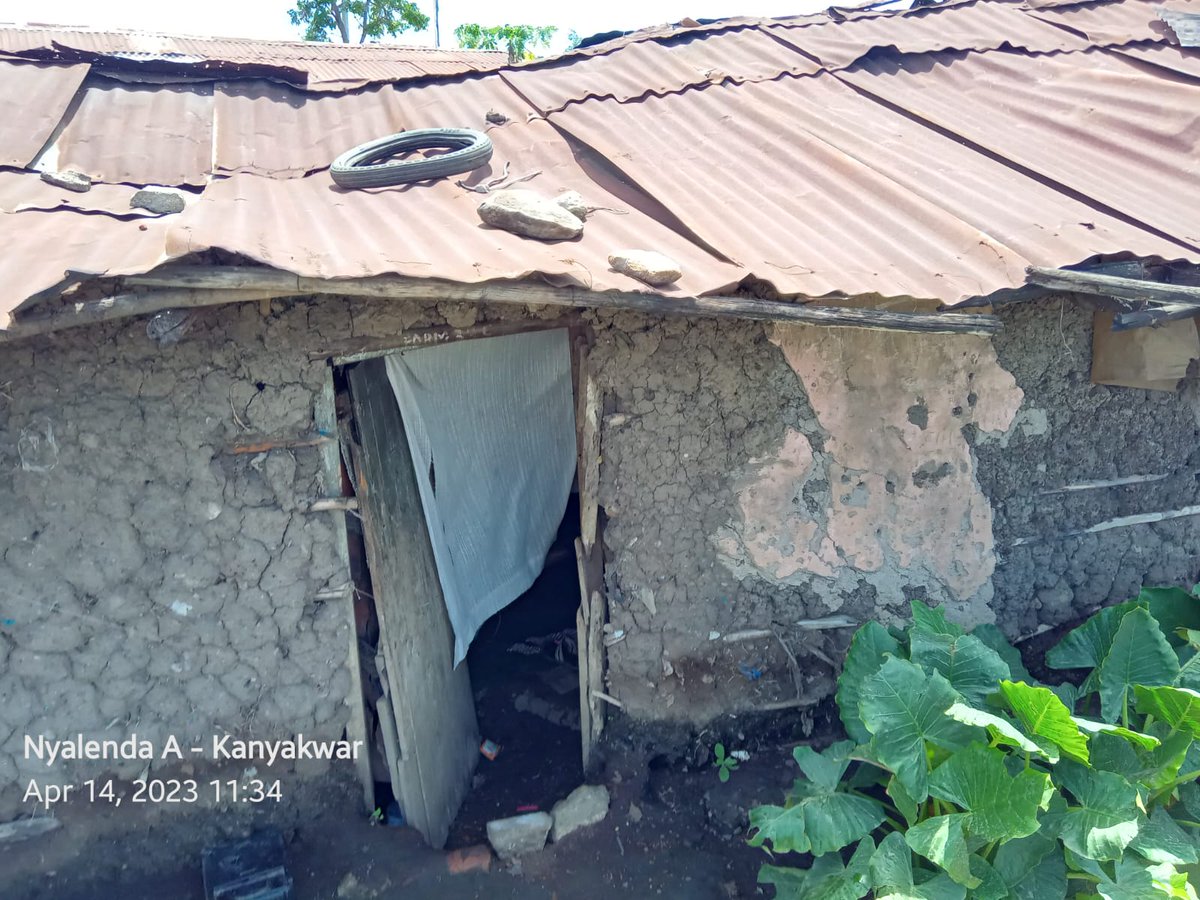
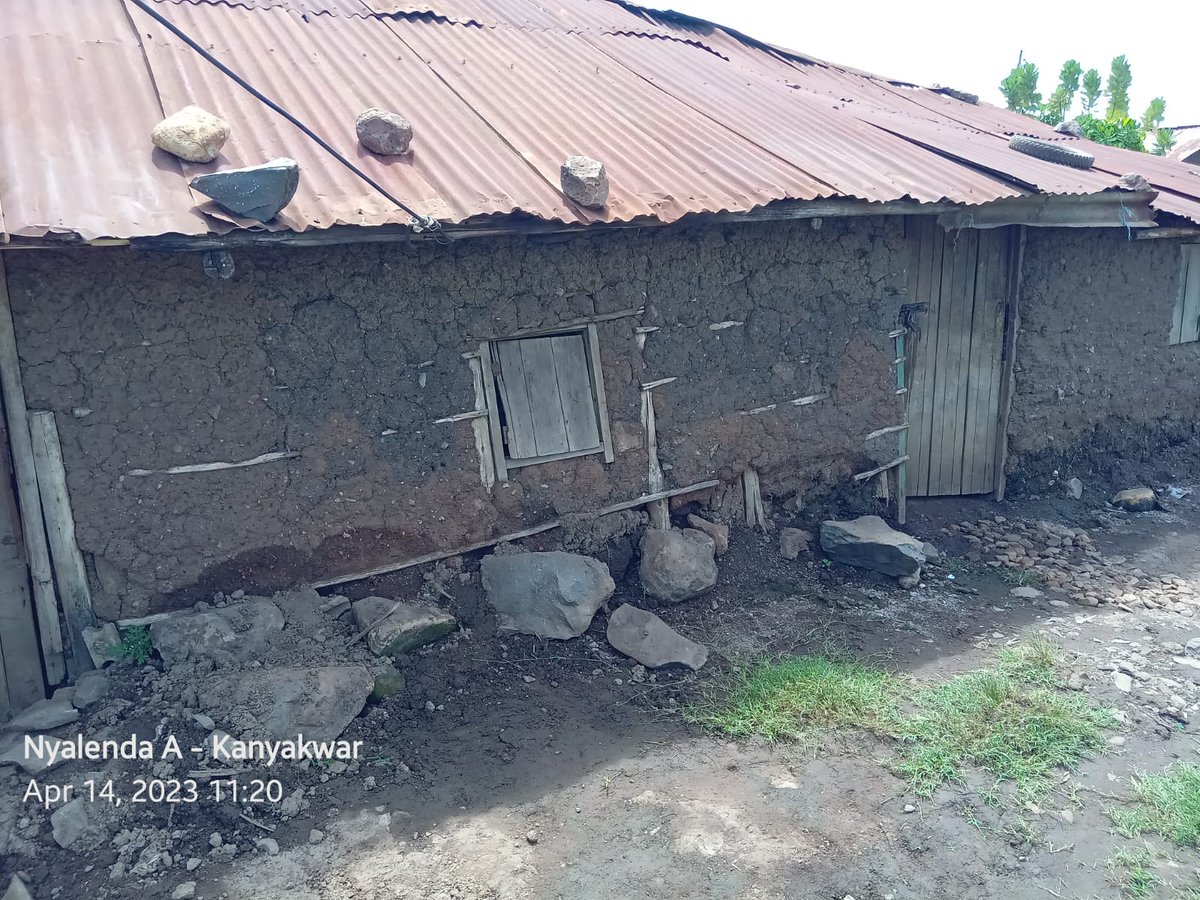
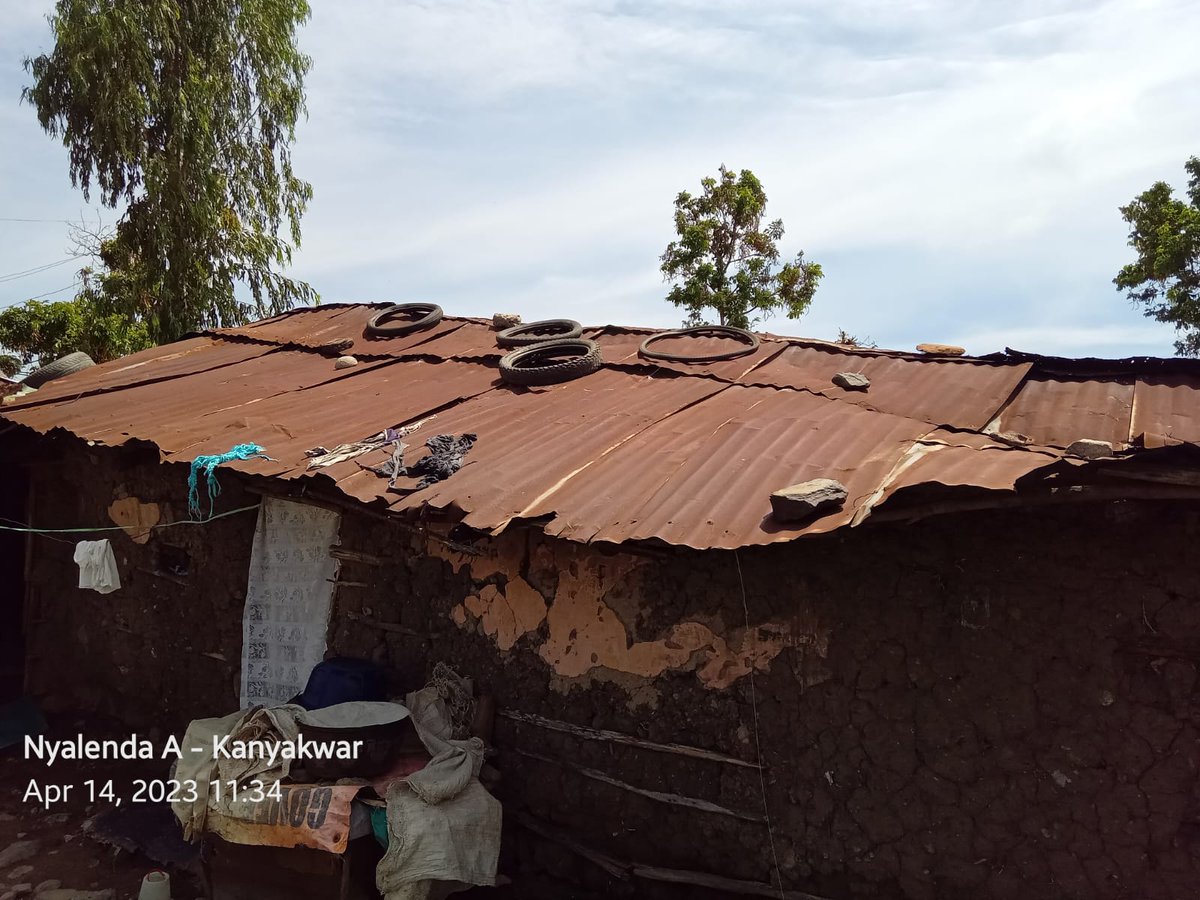
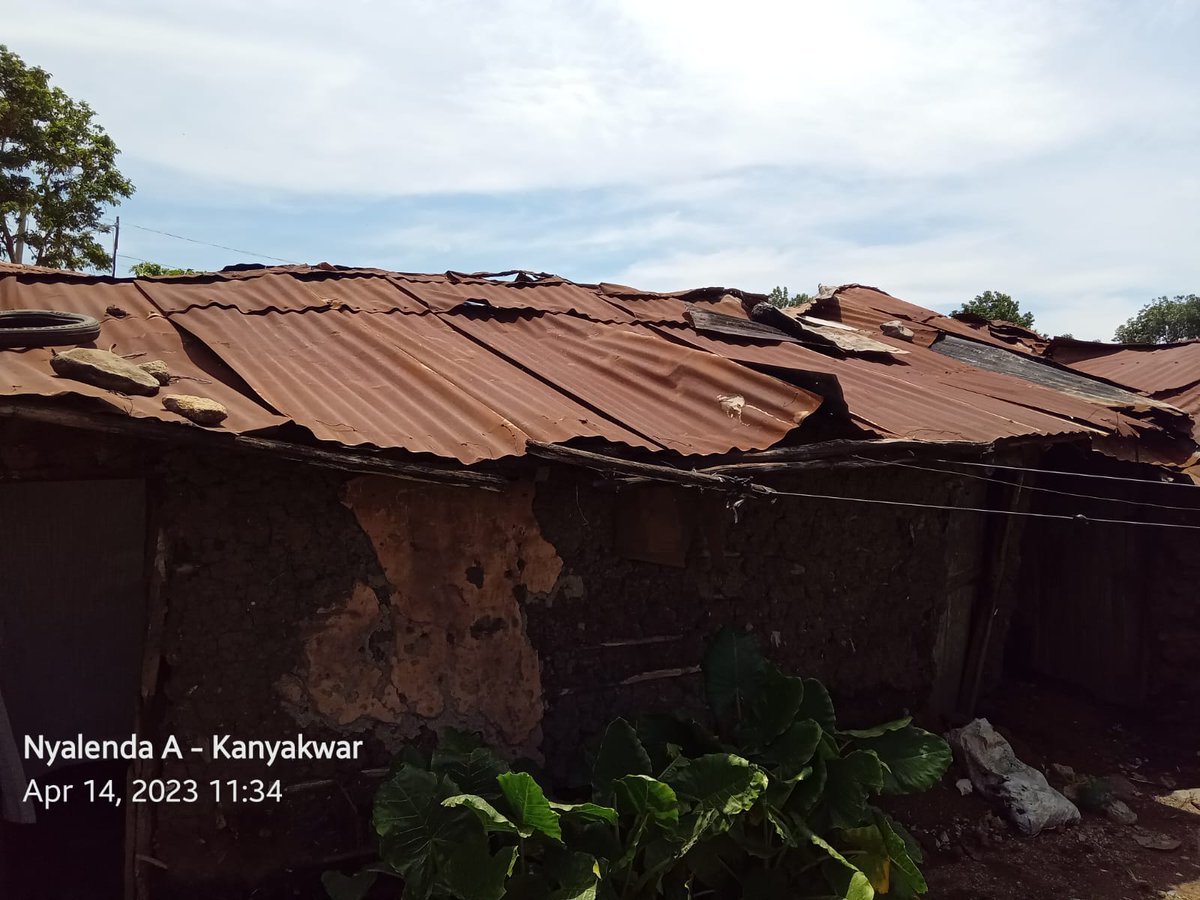
Final day of #VulnerabilityMapping Data collection exercise. This is the the situation residents of Nyalenda A ward find themselves in due to floods and strong winds in Kanyakwar area. Swift response needed from @KisumuCountyKE @Wanavijiji_sdi @WeAreVCA
4
9
131
13 Apr 2023
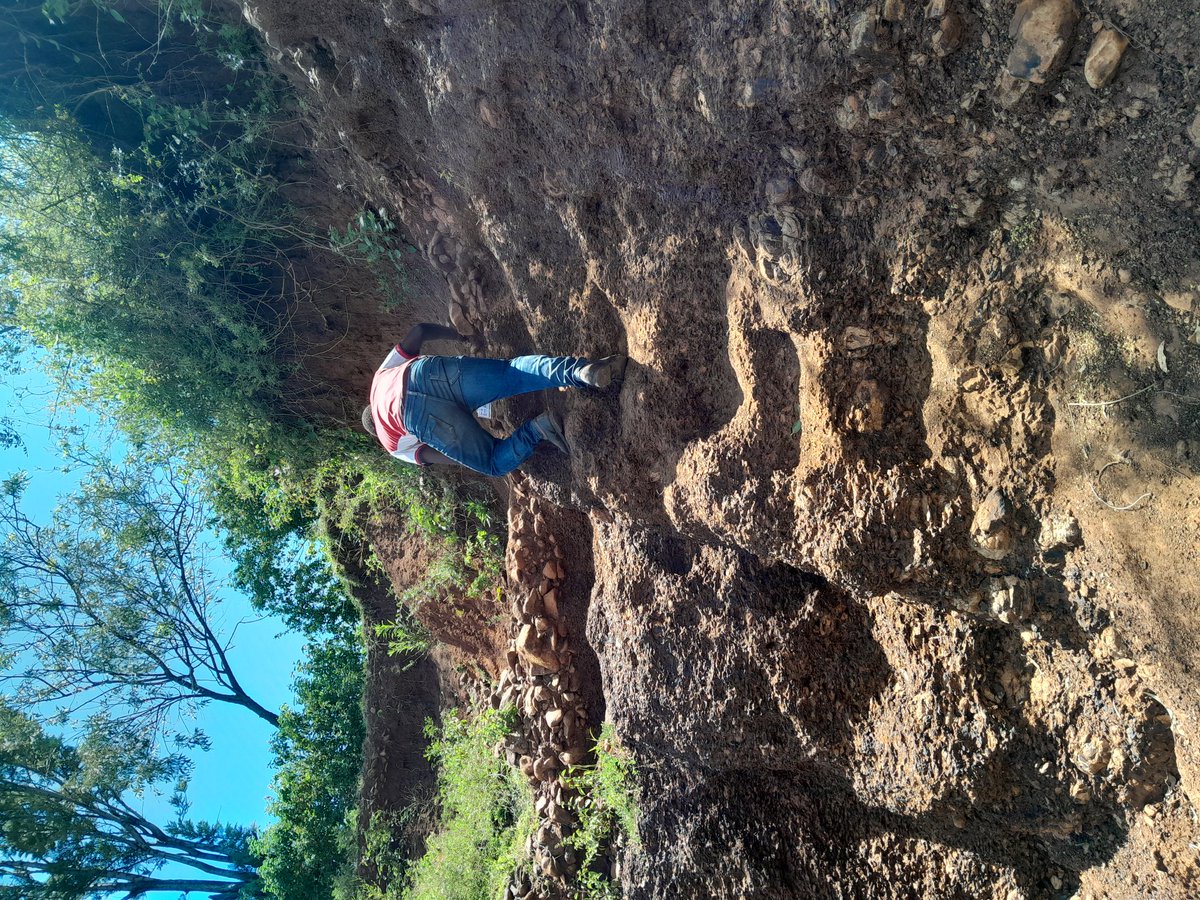
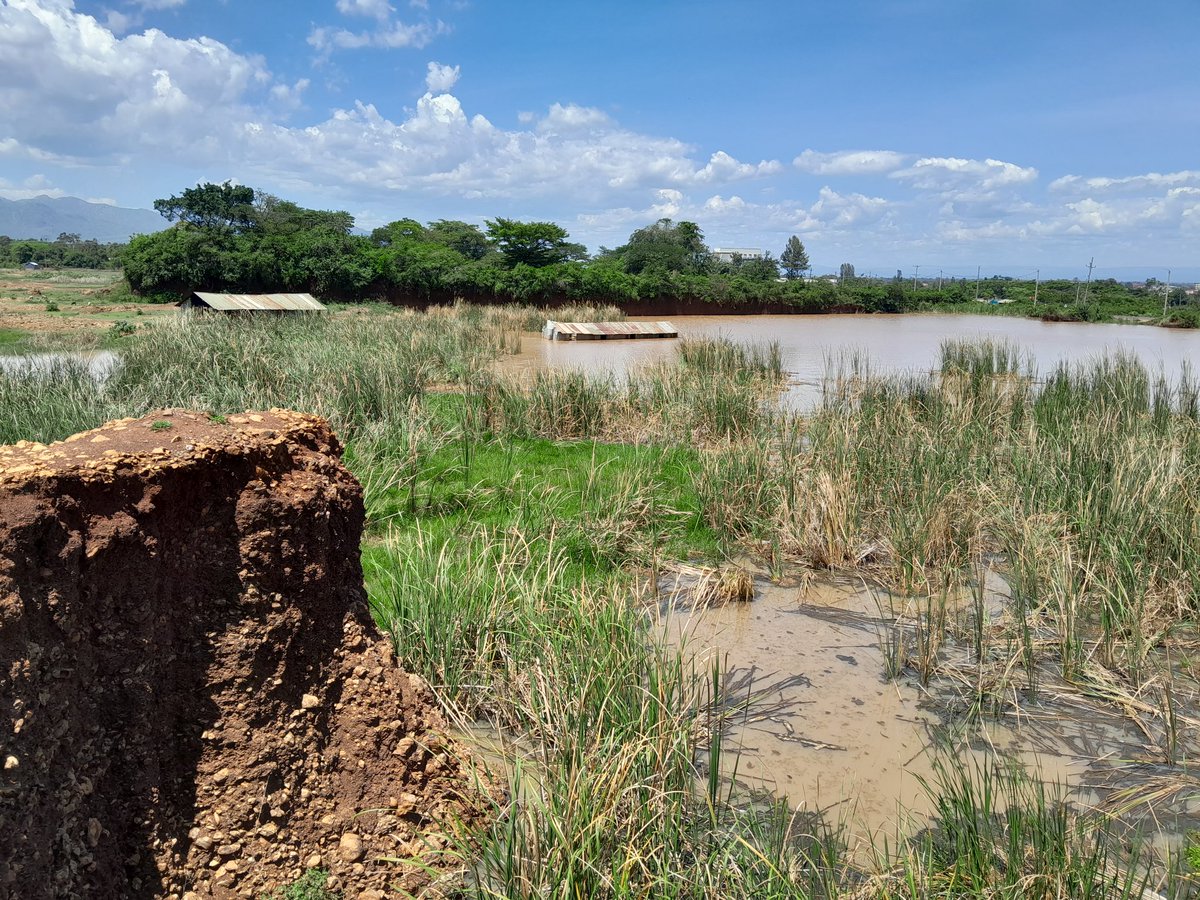
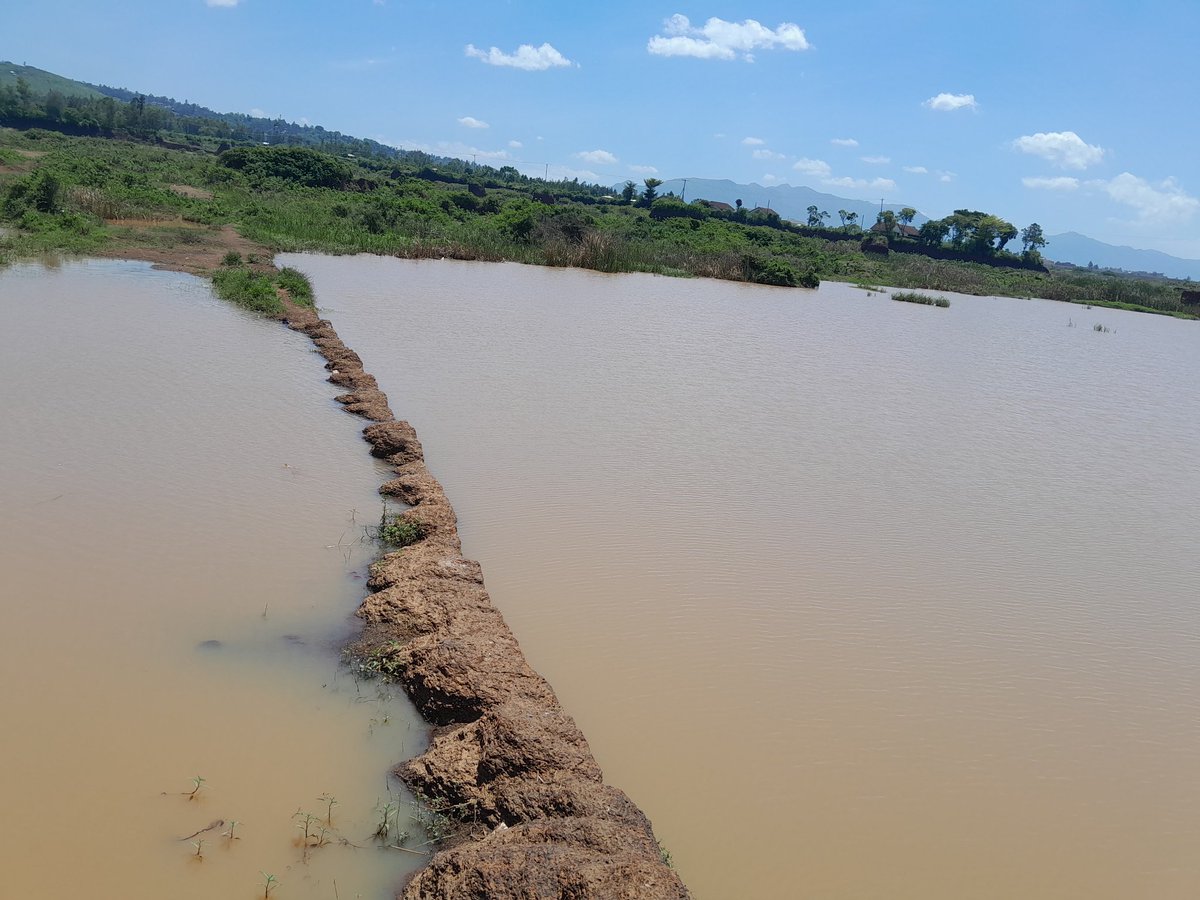
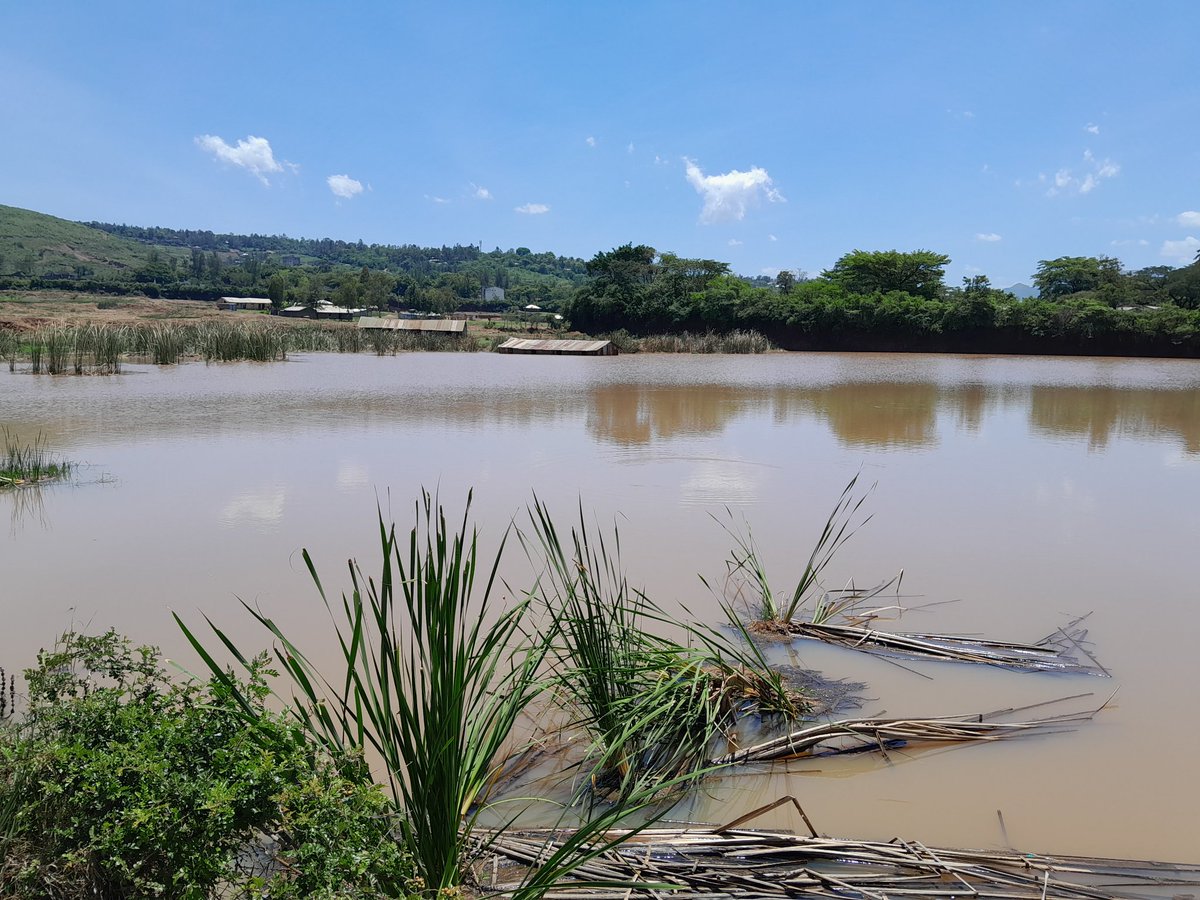
The excessive quarrying in Kanyakwar making the area inaccessible and dangerous to for the residents as when it rains the quarries fill up with water displacing the residents and making the area prone to waterborne diseases
#Vulnerabilitymapping @Wanavijiji_sdi @WeAreVCA
3
3
55
4 Apr 2023
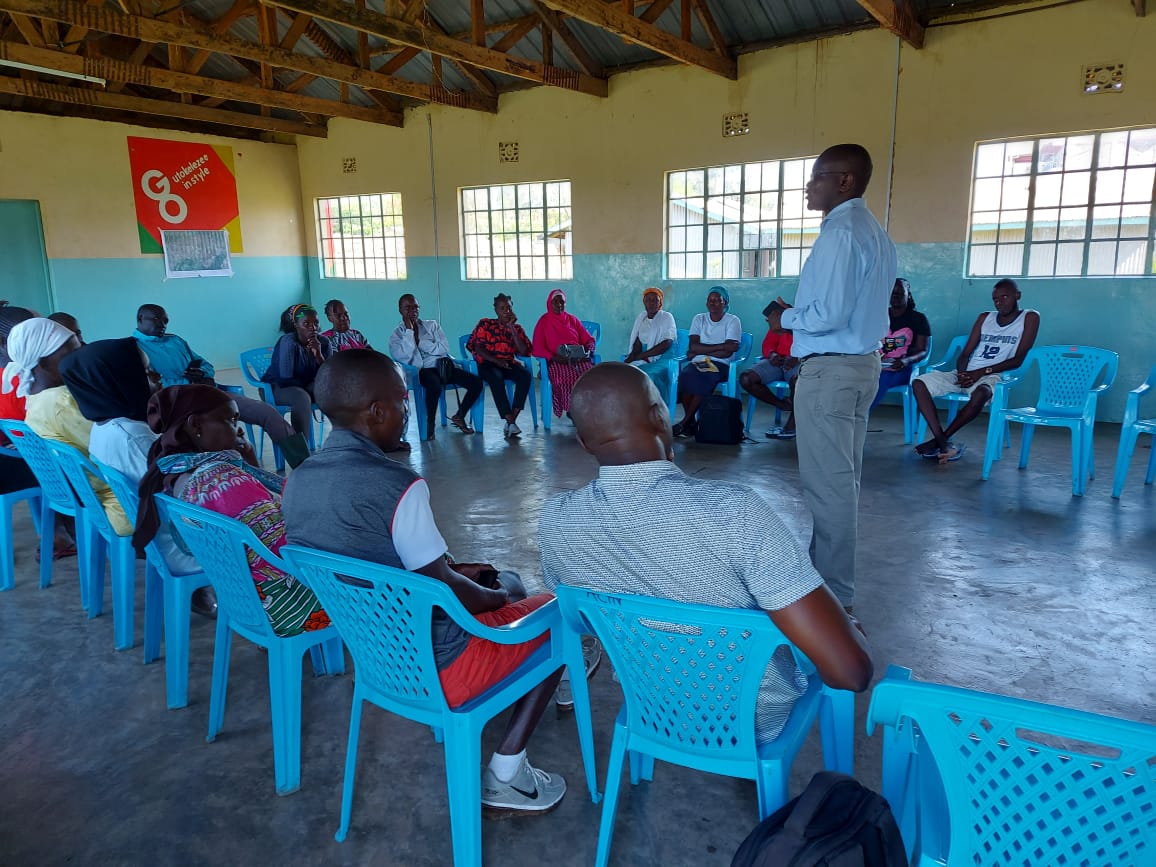
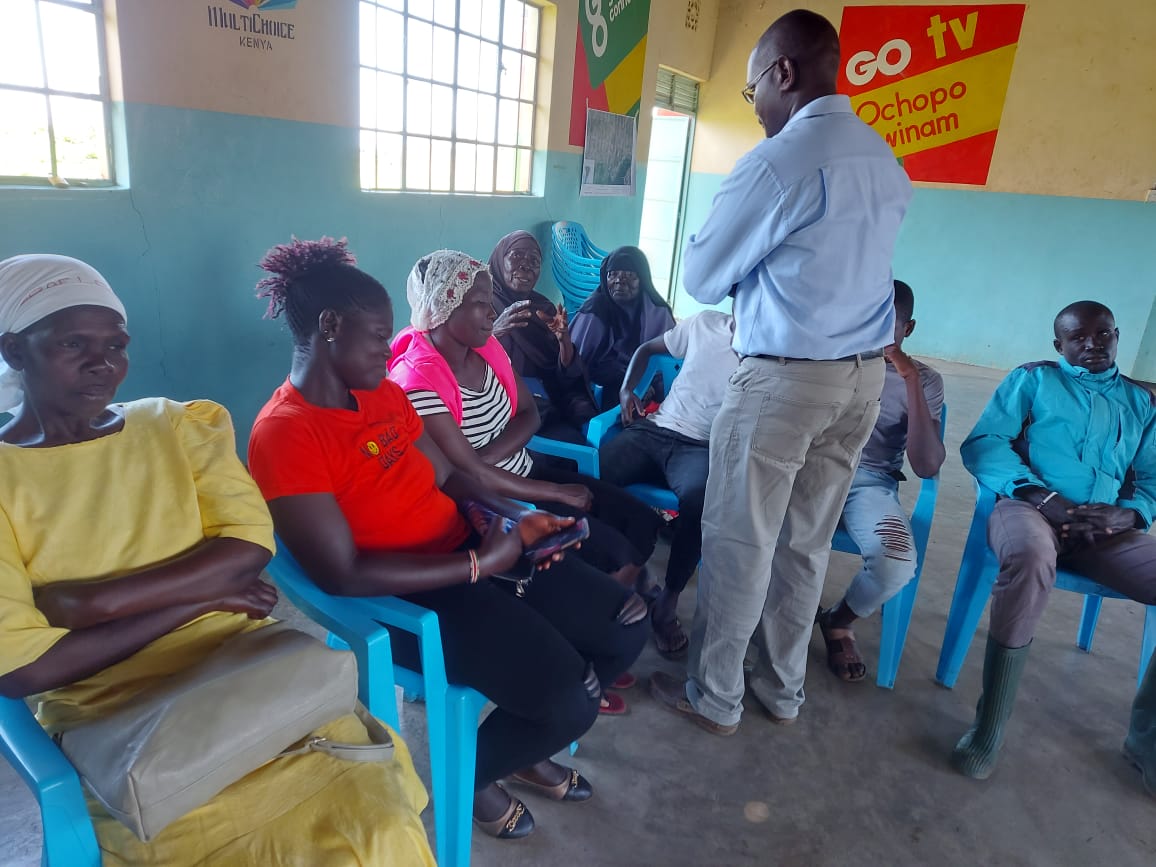
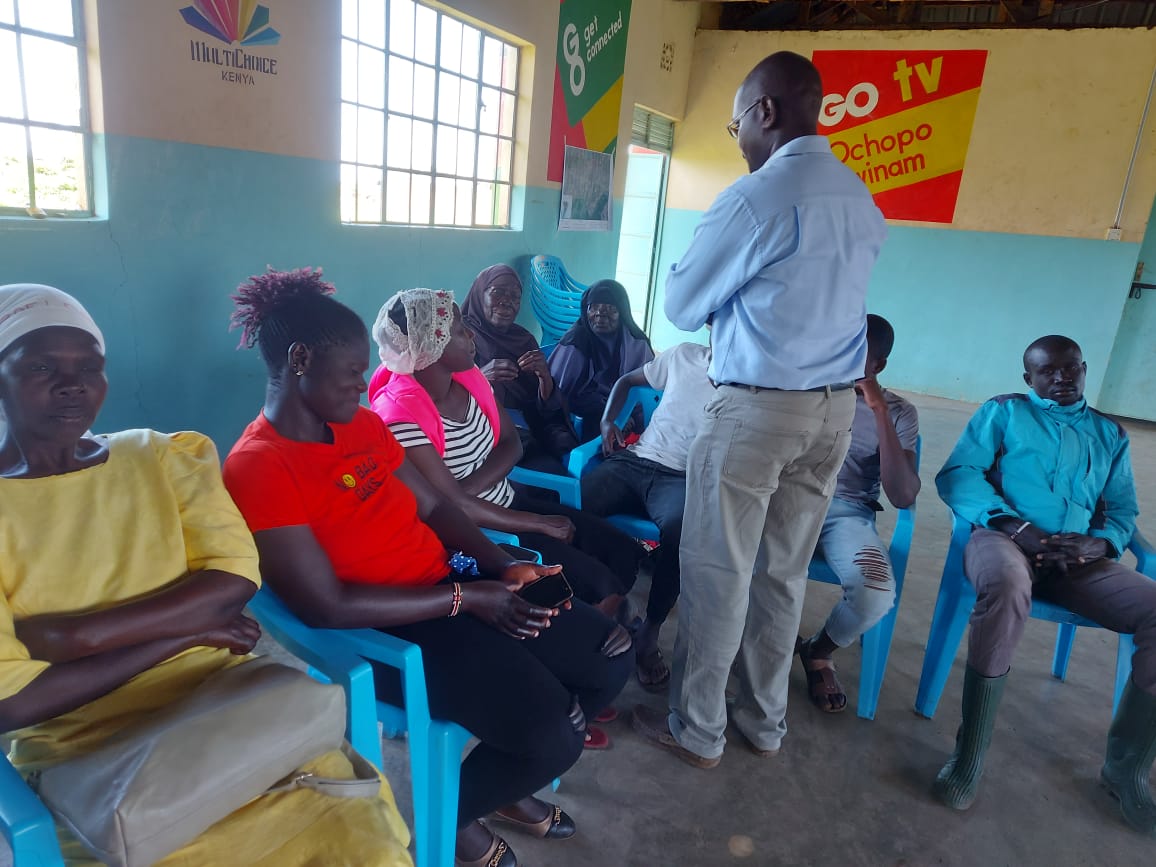
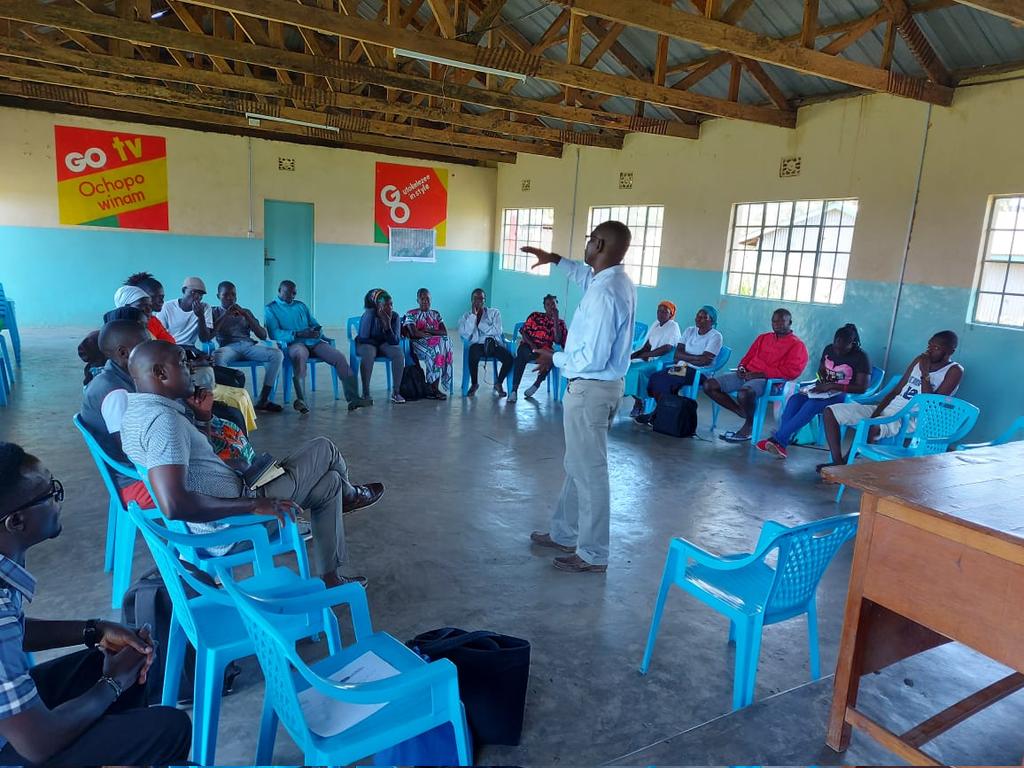
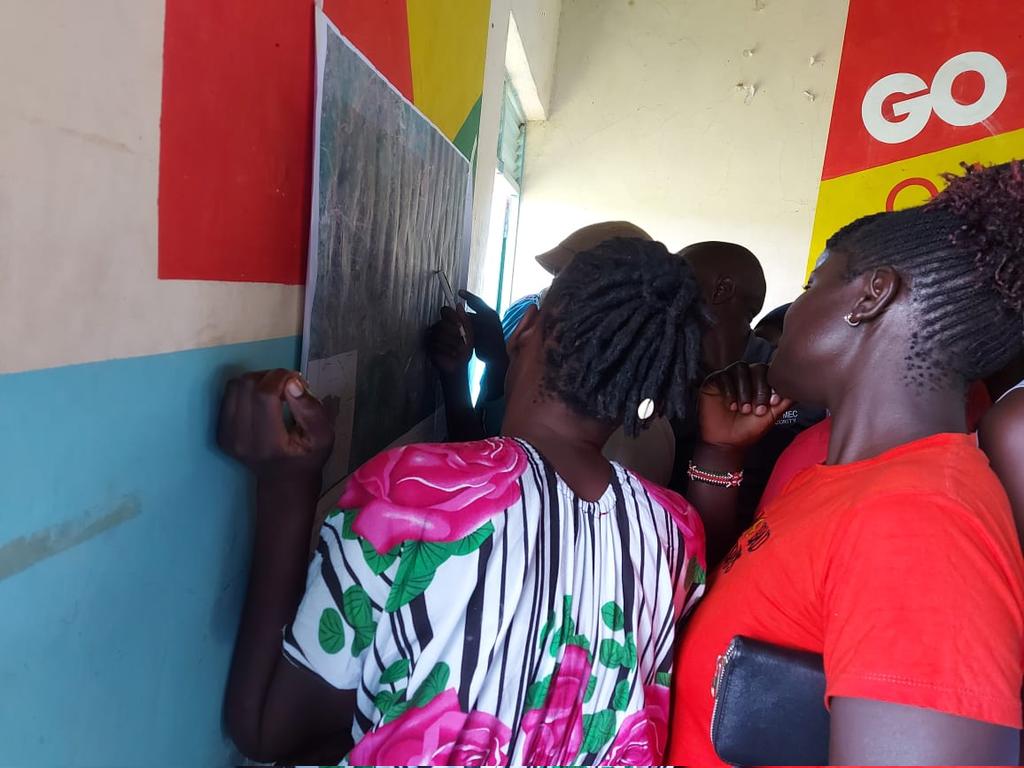
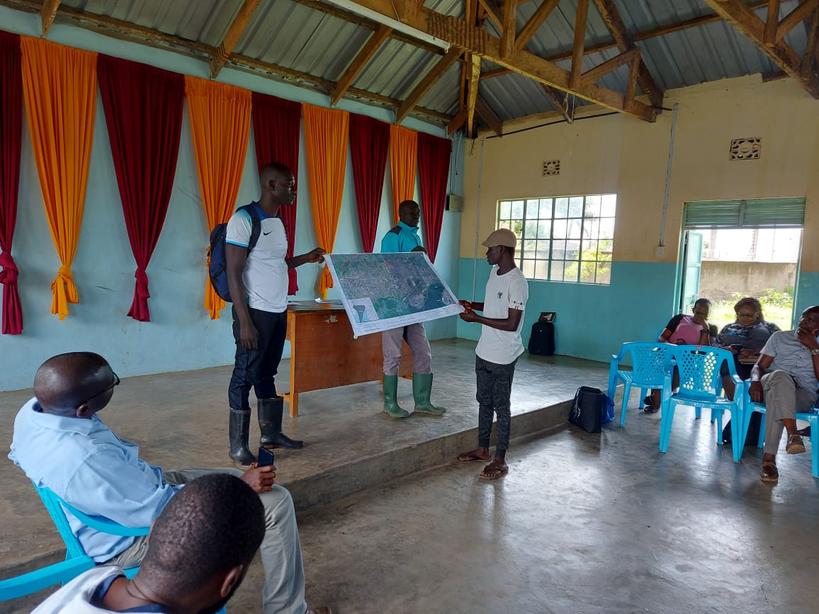
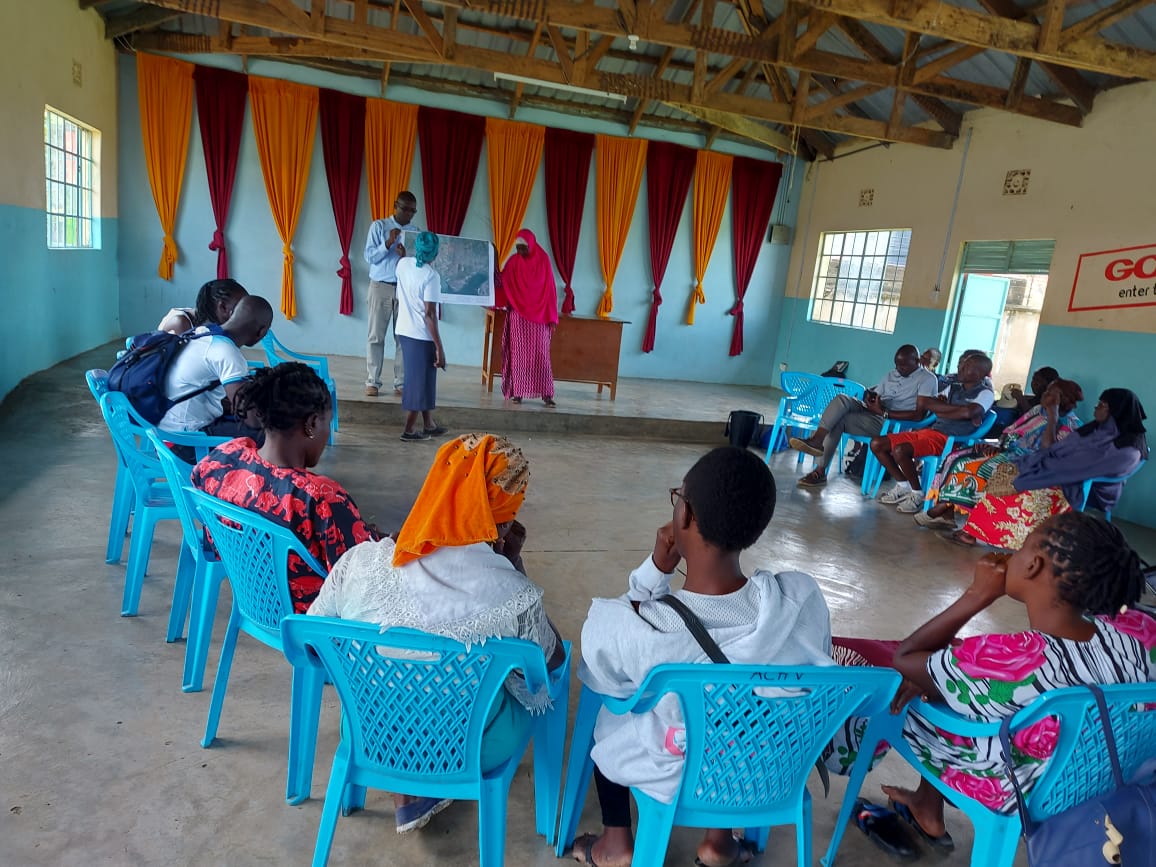
Community sensitisation on #VulnerabilityMapping in Bandani Central Kisumu ward.
#CoProductionOfKnowladge
@Wanavijiji_sdi @WKodula @WeAreVCA @LumbaOyuko
6
13
158