
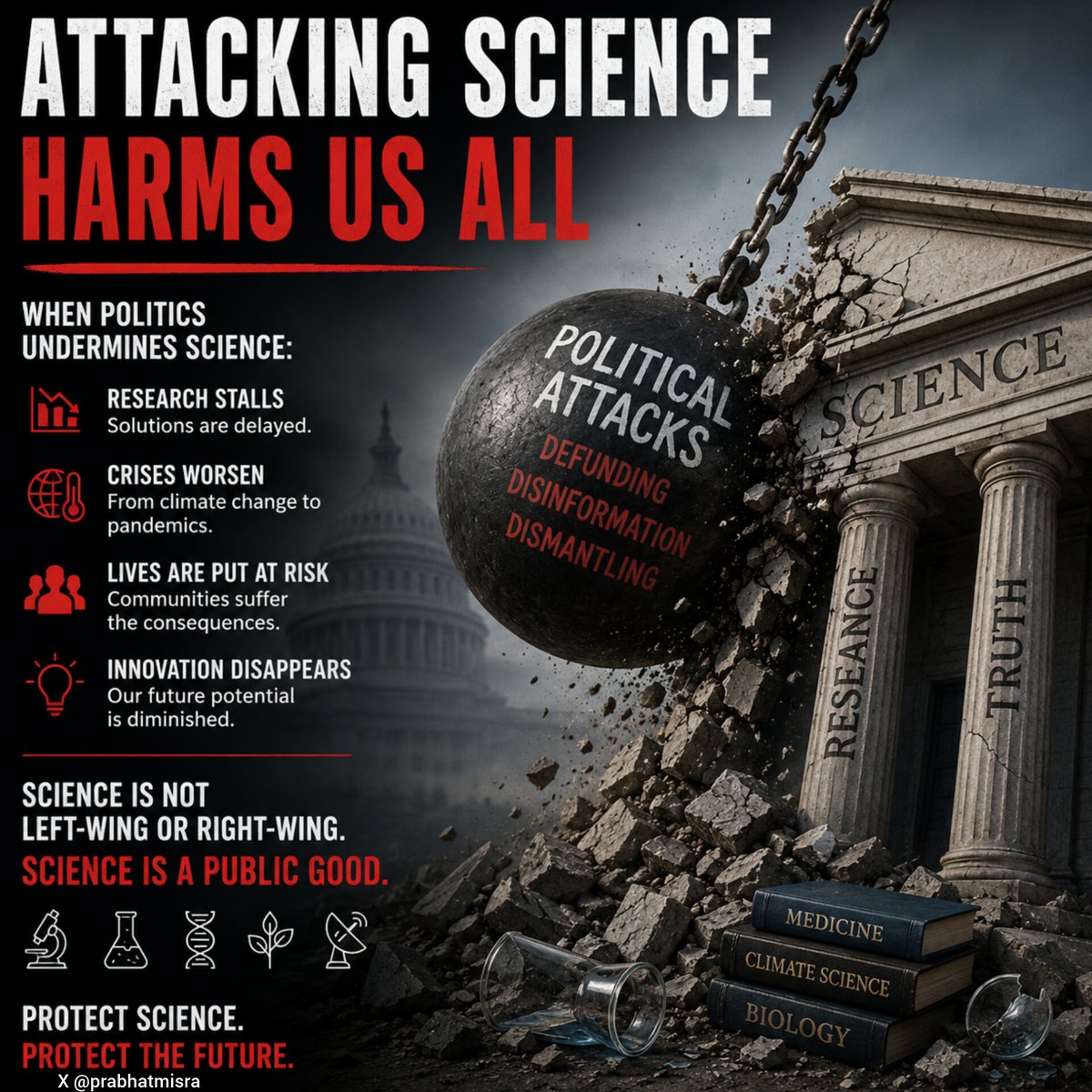
⚠️ When science is treated as an enemy, facts become casualties and society pays the price.
🚨 Attacking scientists, defunding research, and undermining evidence-based policymaking may score political points today, but it weakens humanity's ability to solve tomorrow's challenges—from climate change and pandemics to food, water, and energy security.
🔴 Science is not left-wing or right-wing. Science is a public good.
🔬 Protect science. Protect the future. 🌍
#Science #ClimateAction #Research #EvidenceBasedPolicy #FutureGenerations
@hiltzikm @PeterDaszak @PeterHotez @latimes

Another (sadly) busy week for attacks against science. Here's @hiltzikm's take on the accelerating fascism scientists are being harassed by.. latimes.com/business/story/2…
2
2
367

The Global Structure Network Limited is redefining how consumers build capability, establishing the architecture through which their everyday decisions translate directly into long‑term economic value.
theglobalstructurenetwork.co…
#PreventiveInfrastructure #OperationalResilience #FutureOfGovernance
#GlobalHealth #HealthGovernance #GlobalHealthSecurity
#HealthSystems #UniversalHealthCoverage #HealthEquity
#GlobalHealthPolicy #PublicHealthLeadership #PlanetaryHealth #GlobalEconomy #EconomicPolicy
#DevelopmentEconomics #SustainableDevelopment
#SDGs #HumanCapital #InclusiveGrowth #FutureOfDevelopment #GlobalCompetitiveness
#ThinkTank #PolicyResearch #EvidenceBasedPolicy
#InternationalAffairs #Geoeconomics #GlobalGovernance
1

▶️ Watch the full discussion: pids.gov.ph/details/resource…
#PSPS #EvidenceBasedPolicy #DevelopmentResearch #DataForDevelopment #PhilippinesSocioeconomicPanelSurvey
17

GINN's latest analysis examines what this research could mean for the future of nicotine regulation and product evaluation.
🔗 Learn more: linkedin.com/pulse/predictin…
#NicotinePolicy #Regulation #PublicHealth #ScientificResearch #EvidenceBasedPolicy

1

Jun 12
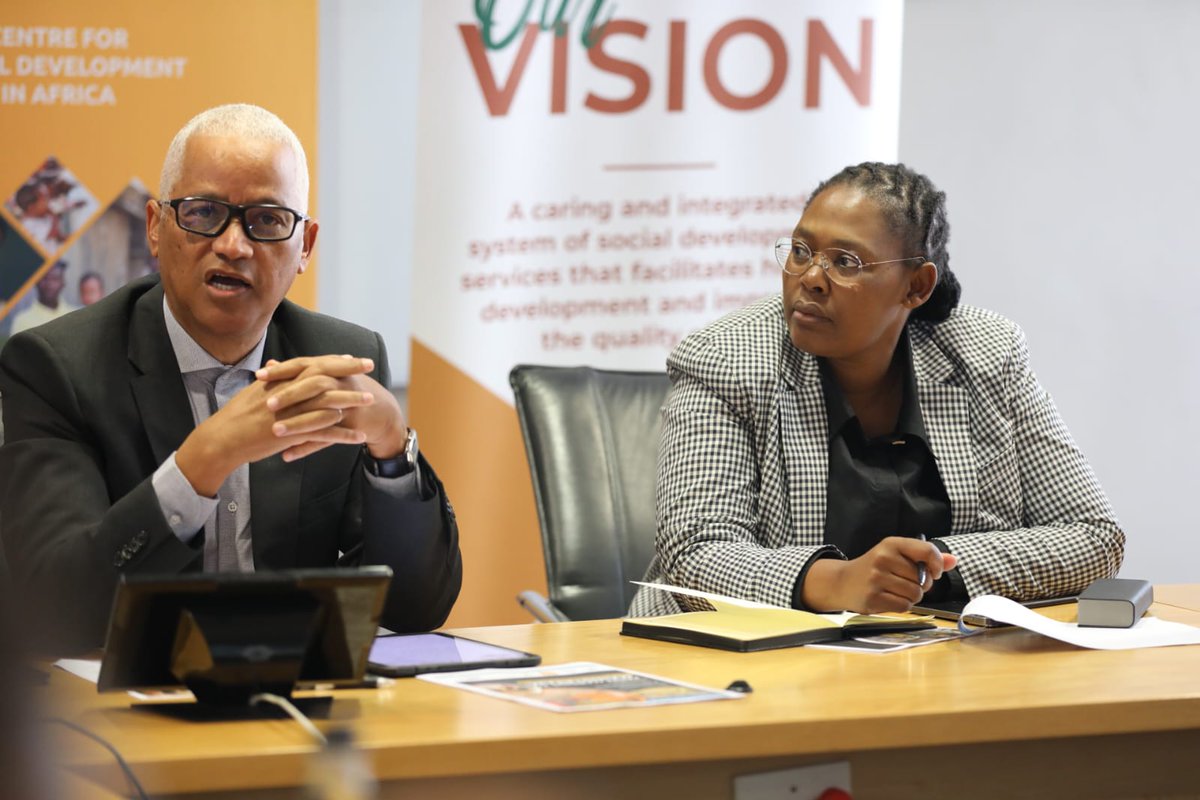
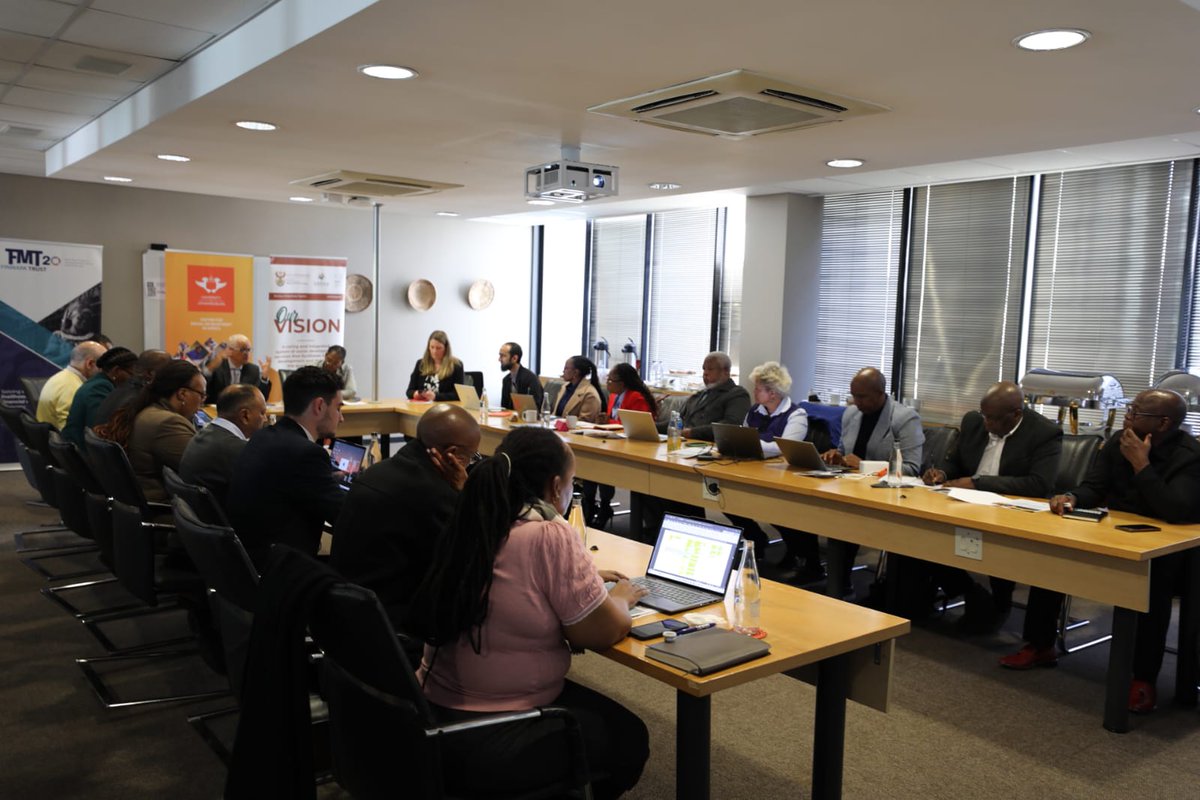
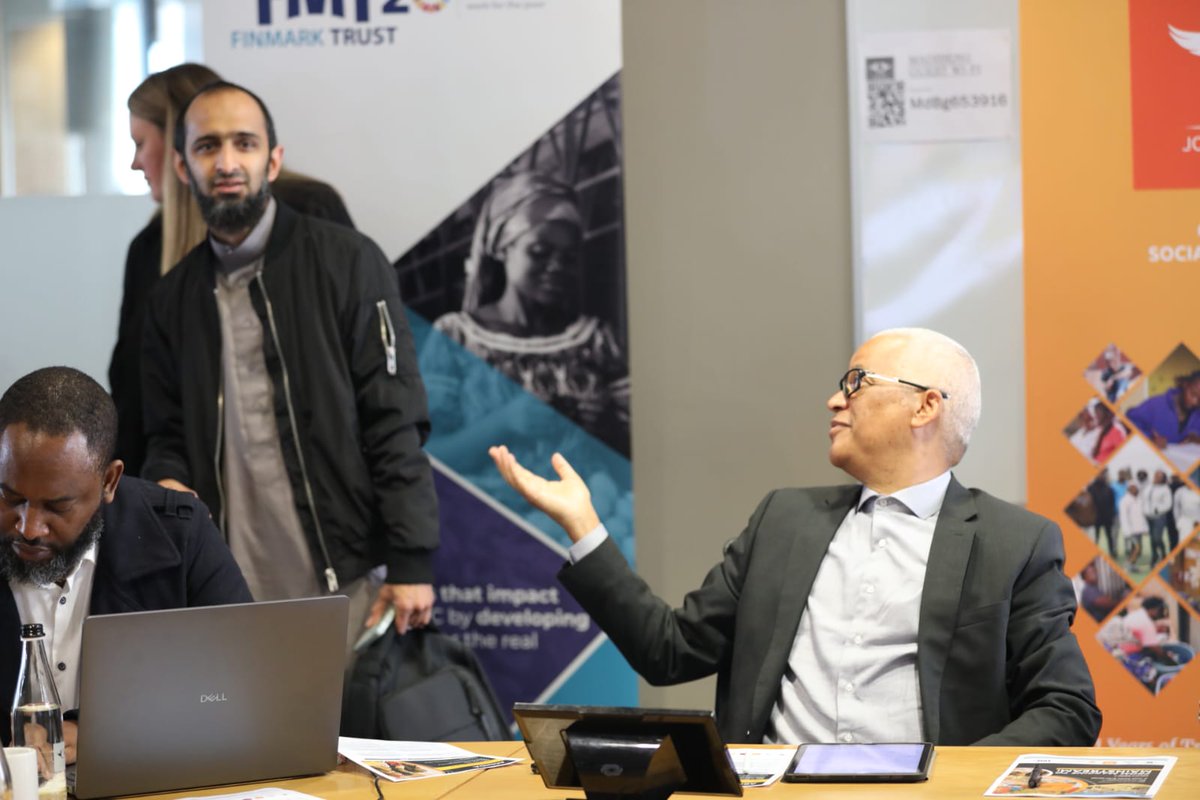
HAPPENING NOW | Joint Policy Brief Series Underway at the University of Johannesburg
Stakeholders from government, academia, civil society and development partners are gathered at the University of Johannesburg, Auckland Park, for the launch of the Joint Policy Brief Series.
The engagement provides a platform to share research findings, reflect on lessons from implementation, and discuss policy recommendations aimed at strengthening livelihoods and expanding opportunities for vulnerable households through the Generating Better Livelihoods (GBL) and Basic Package of Support (BPS) initiatives.
# #PolicyBriefSeries #GeneratingBetterLivelihoods #SocialDevelopment #UJohannesburg #EvidenceBasedPolicy

2
4
392

Jun 12
True democratic progress extends far beyond the ballot box. It is shaped by evidence-based knowledge, rigorous policy dialogue, and a shared commitment to building a stronger, more inclusive nation.
At CSEA, we believe that sustainable development and good governance are rooted in robust research that informs actionable policies. As we celebrate Nigeria's democratic journey today, June 12th, we reaffirm our dedication to providing the insights needed to drive meaningful socioeconomic advancement.
Happy Democracy Day, Nigeria! Let’s keep shaping a brighter, knowledge-driven future together.
Visit our website to explore our latest policy research: cseaafrica.org
#DemocracyDay #Nigeria #PolicyResearch #EvidenceBasedPolicy #EconomicDevelopment #GoodGovernance #CSEA #June12

1
1
31

Jun 12
We'll explore how evidence can better inform information integrity strategies in conflict-affected and other high-risk contexts.
If you're attending #GlobalFact2026, we'd love to see you there! 🇱🇹
@oiioxford @UniofOxford
#InformationIntegrity #FactChecking #EvidenceBasedPolicy
46

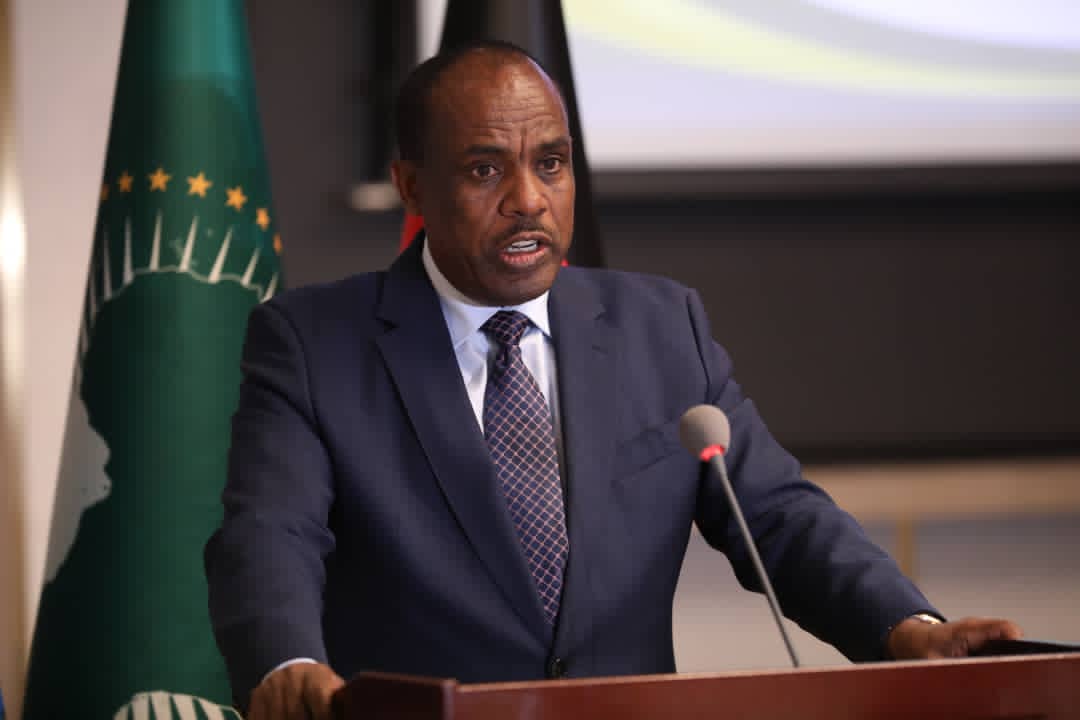
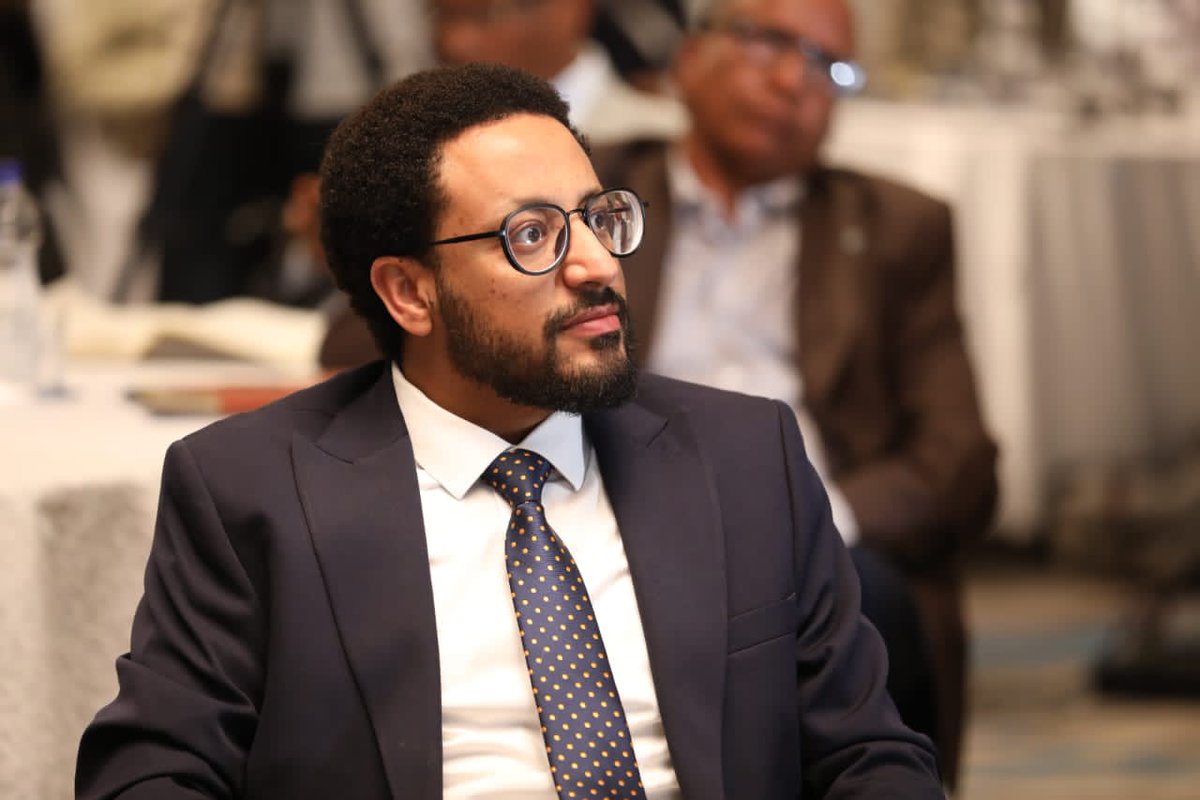
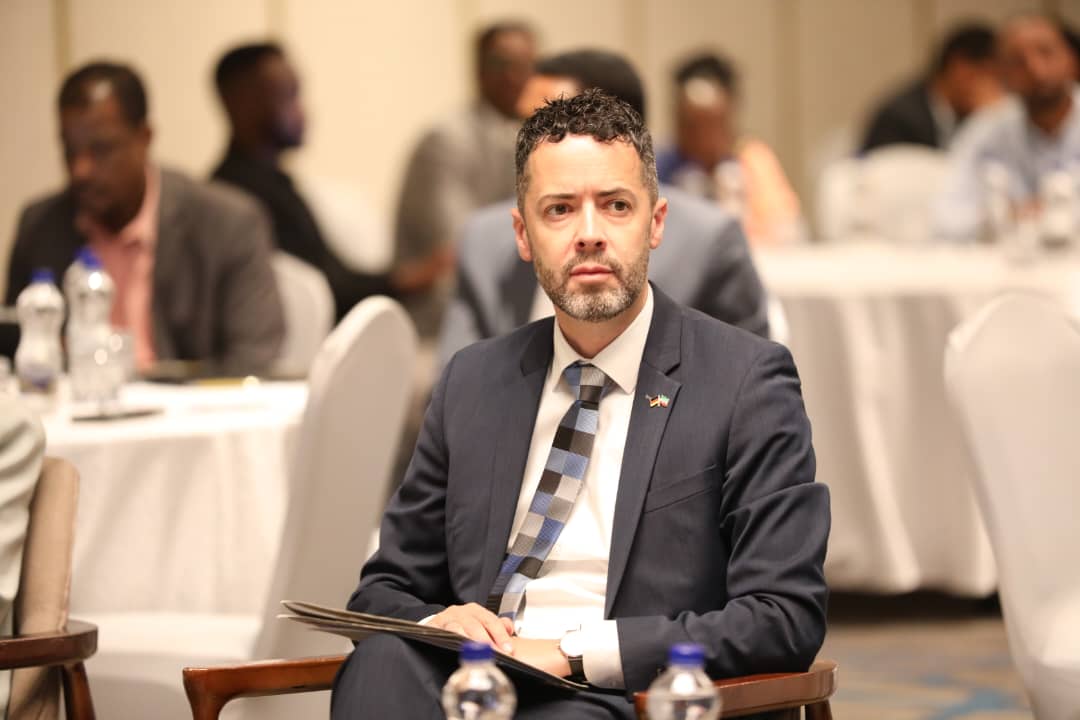
H.E. Dr. Kenea Yadeta, Security Advisor to the Prime Minister of the FDRE,
stressed the need for strong institutions and infrastructure to respond to real implementation challenges in regional cooperation. He highlighted that the assessment supports evidence-based policymaking by providing a baseline on border governance through field research and stakeholder engagement.
#BorderGovernance #RegionalCooperation #EvidenceBasedPolicy #PeaceBuilding #HornOfAfrica #Ethiopia
5
21
911

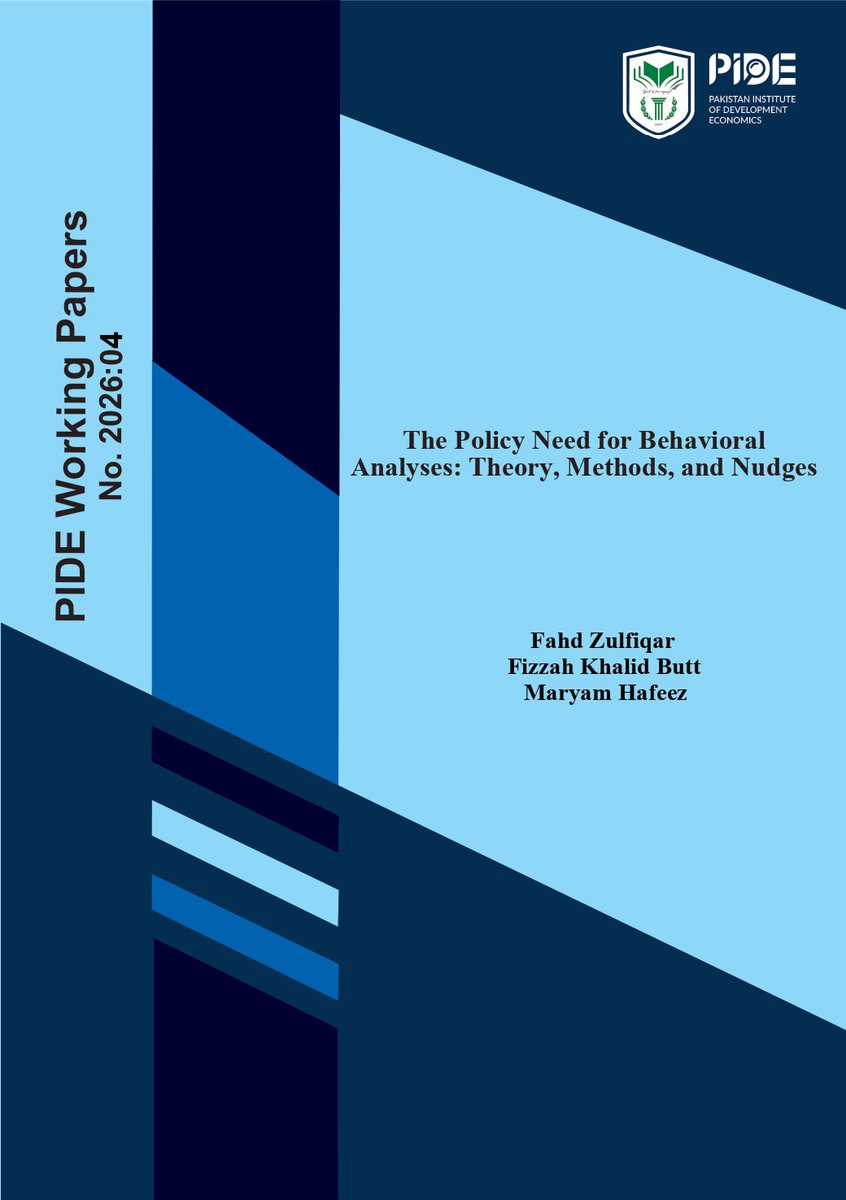
𝐓𝐡𝐞 𝐏𝐨𝐥𝐢𝐜𝐲 𝐍𝐞𝐞𝐝 𝐟𝐨𝐫 𝐁𝐞𝐡𝐚𝐯𝐢𝐨𝐫𝐚𝐥 𝐀𝐧𝐚𝐥𝐲𝐬𝐞𝐬: 𝐓𝐡𝐞𝐨𝐫𝐲, 𝐌𝐞𝐭𝐡𝐨𝐝𝐬, 𝐚𝐧𝐝 𝐍𝐮𝐝𝐠𝐞𝐬
Why do many well-intentioned policies fail to deliver the expected results?
Globally, policymakers are increasingly recognizing that effective policies must account for how people actually think, behave, and make decisions. Yet in Pakistan, behavioral assessments remain largely absent from policy design, implementation, and evaluation.
#PIDE Working Paper, “𝐓𝐡𝐞 𝐏𝐨𝐥𝐢𝐜𝐲 𝐍𝐞𝐞𝐝 𝐟𝐨𝐫 𝐁𝐞𝐡𝐚𝐯𝐢𝐨𝐫𝐚𝐥 𝐀𝐧𝐚𝐥𝐲𝐬𝐞𝐬: 𝐓𝐡𝐞𝐨𝐫𝐲, 𝐌𝐞𝐭𝐡𝐨𝐝𝐬, 𝐚𝐧𝐝 𝐍𝐮𝐝𝐠𝐞𝐬” by Fahd Zulfiqar (@ZulfiqarFahd), Fizzah Khalid Butt (@Fizzscreams) and Maryam Hafeez, highlights why aligning policy with behavioral evidence is critical for improving policy outcomes.
𝐊𝐞𝐲 𝐈𝐧𝐬𝐢𝐠𝐡𝐭
Policy success depends not only on incentives and regulations but also on understanding cognitive biases, social norms, trust, and behavioral responses. Behavioral analyses and well-designed nudges can significantly improve policy compliance, service uptake, and citizen engagement.
𝐏𝐨𝐥𝐢𝐜𝐲 𝐓𝐚𝐤𝐞𝐚𝐰𝐚𝐲
Pakistan needs to institutionalize behavioral analyses in policymaking by combining behavioral evidence, context-sensitive research methods, and practical nudging strategies. Strengthening the theory–methods–action nexus can lead to more effective, evidence-based, and people-centered public policies.
Read Full Paper: pide.org.pk/research/the-pol…
@nadeemjavaid75, @betterpakistan, @PlanComPakistan, @GovtofPakistan, @Financegovpk, @EduMinistryPK, @nhsrcofficial, @UNDP_Pakistan, @FaheemJehangir
#PIDE #WorkingPaper #BehavioralEconomics #PublicPolicy #BehavioralInsights #Nudges #EvidenceBasedPolicy #Pakistan
5
7
315

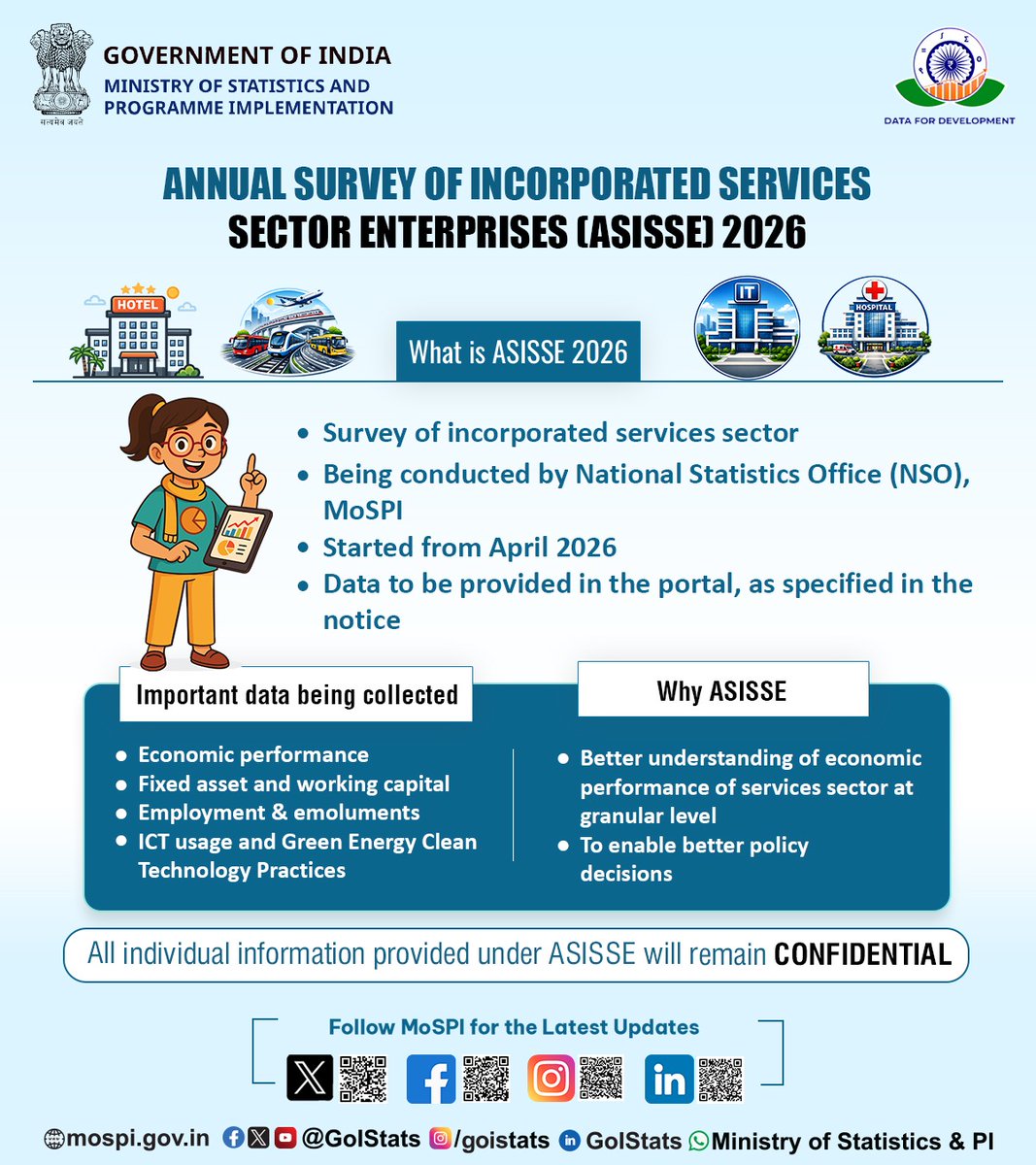
NSO, MoSPI is undertaking Annual Survey of Incorporated Services Sector Enterprises (ASISSE) from April 2026. It covers incorporated service sector enterprises across India to generate key data on output, capital, and employment.
Please click on the link below to access the documents related to ASISSE:
mospi.gov.in/Annual-Survey-o…
For related updates and official information, please visit MoSPI’s official website.
mospi.gov.in/
#NSO #MoSPI #ASISSE #ServiceSector #IncorporatedEnterprises #EconomicStatistics #OfficialStatistics #DataForDevelopment #StatisticalSystem #EvidenceBasedPolicy #DataDrivenGovernance #EconomicData
@PMOIndia @Rao_InderjitS @_saurabhgarg @PIB_India @PibMospi @mygovindia @NITIAayog
9
11
777
▶️ Watch the full discussion: pids.gov.ph/details/resource…
#PSPS #EvidenceBasedPolicy #DevelopmentResearch #DataForDevelopment #PhilippinesSocioeconomicPanelSurvey
53

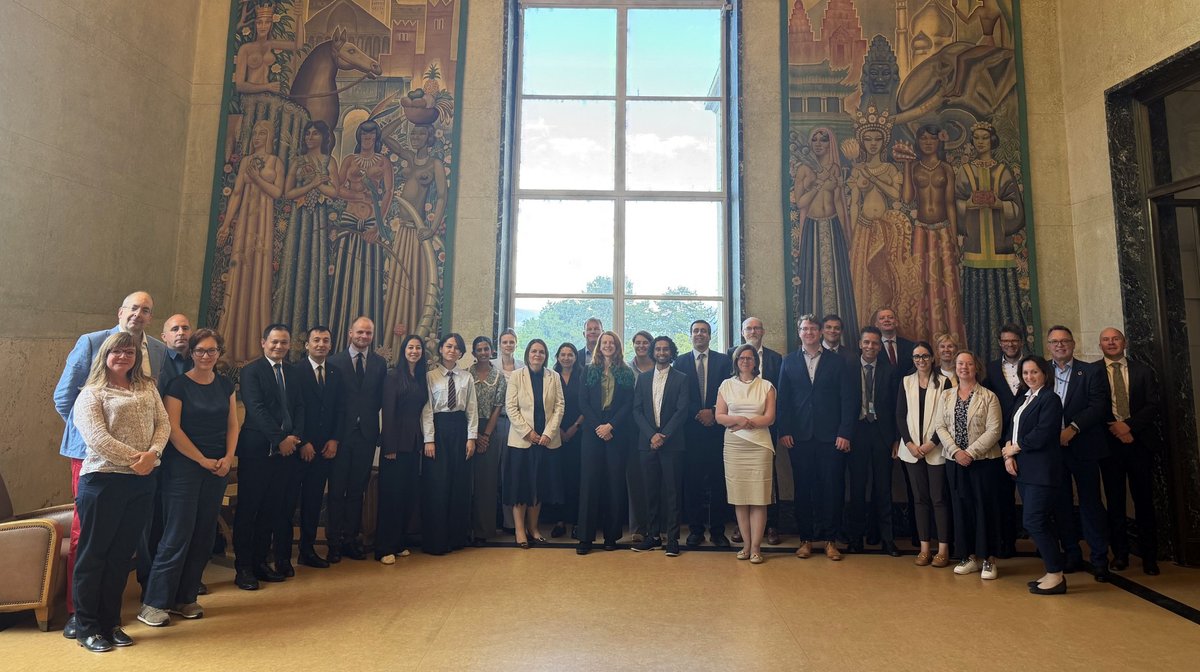
The IRF Statistics team participated in the 77th session of the Working Party on Transport Statistics (WP.6) earlier this week at the @UNECE in Geneva, Switzerland.
The meeting brought together experts and representatives from international organisations to advance the development and harmonisation of transport statistics.
The @ITF_Forum presented its latest work on transport statistics and moderated a session focused on transport resilience as part of its longstanding collaboration between with @UNECE and @EU_Eurostat.
Engagement in forums such as WP.6 helps strengthen international cooperation, improve data quality, and support evidence-based decision-making for safer, more efficient and resilient transport systems.
#TransportStatistics #DataDrivenPolicy #TransportData #Resilience #Mobility #UNECE #ITF #EvidenceBasedPolicy #TransportSystems #RoadSafety
3
24
The Global Structure Network Limited is redefining how consumers build capability, establishing the architecture through which their everyday decisions translate directly into long‑term economic value.
theglobalstructurenetwork.co…
#DevelopmentEconomics #SustainableDevelopment
#SDGs #HumanCapital #InclusiveGrowth #FutureOfDevelopment #GlobalCompetitiveness
#ThinkTank #PolicyResearch #EvidenceBasedPolicy
#InternationalAffairs #Geoeconomics #GlobalGovernance
#StrategicForesight #PolicyInnovation #HealthEconomics
#HealthInvestment #HealthTechPolicy #DataForHealth
#HealthInfrastructure #BrainData #HumanPerformanceEconomy #CapabilityEconomy #OneHealth #Biosecurity #PandemicPreparedness
#AMR #AgingSocieties #GlobalNutrition #DigitalHealthTransformation
1

Jun 11
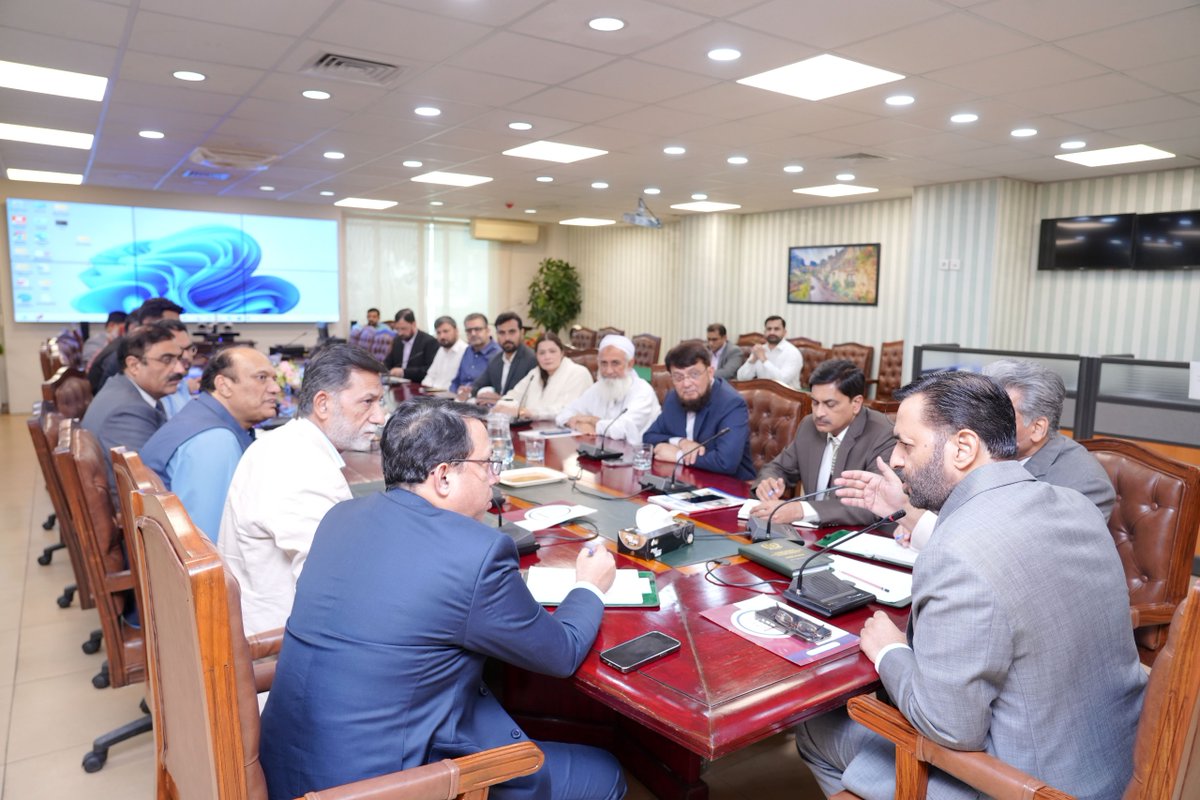
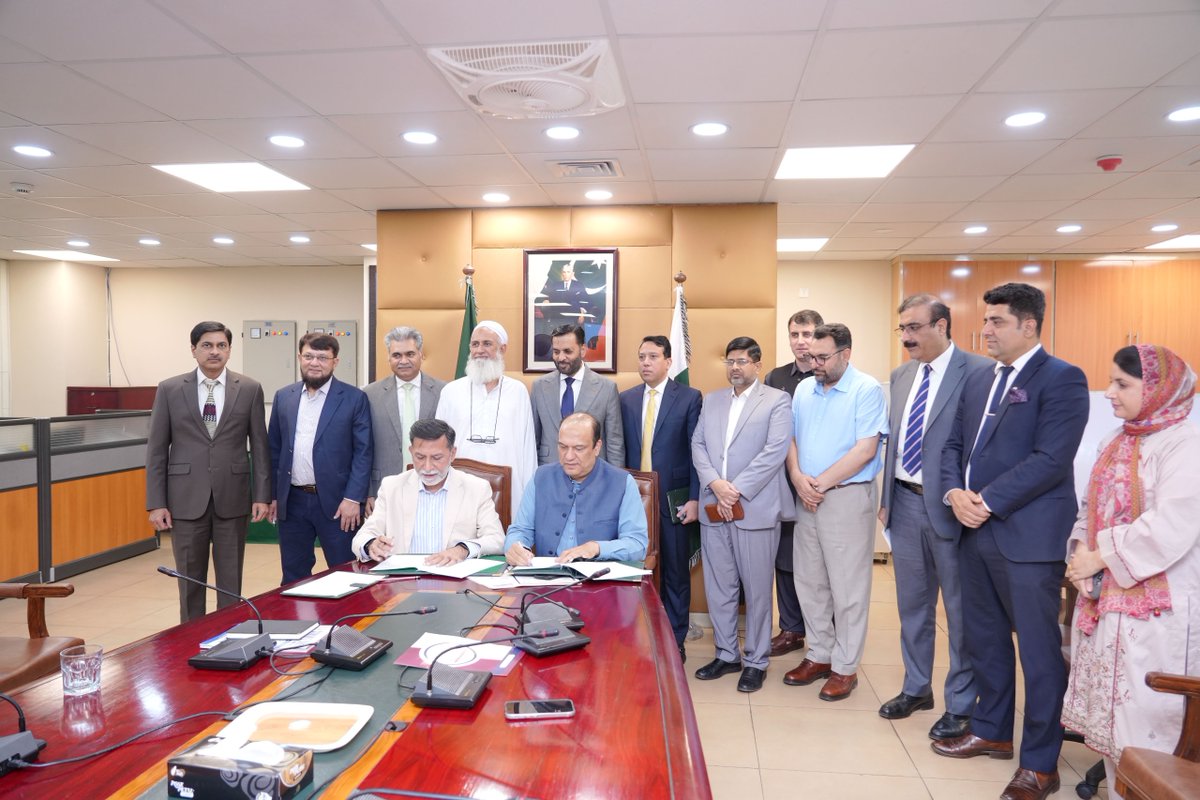
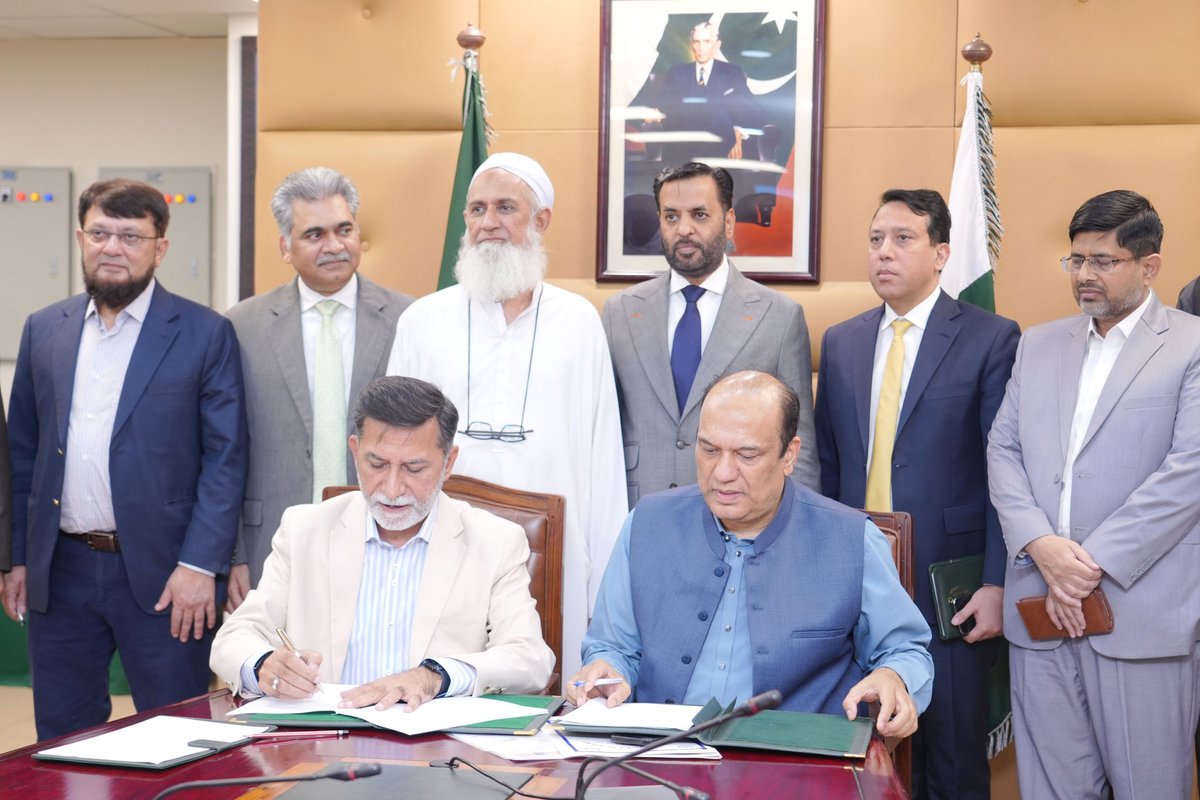
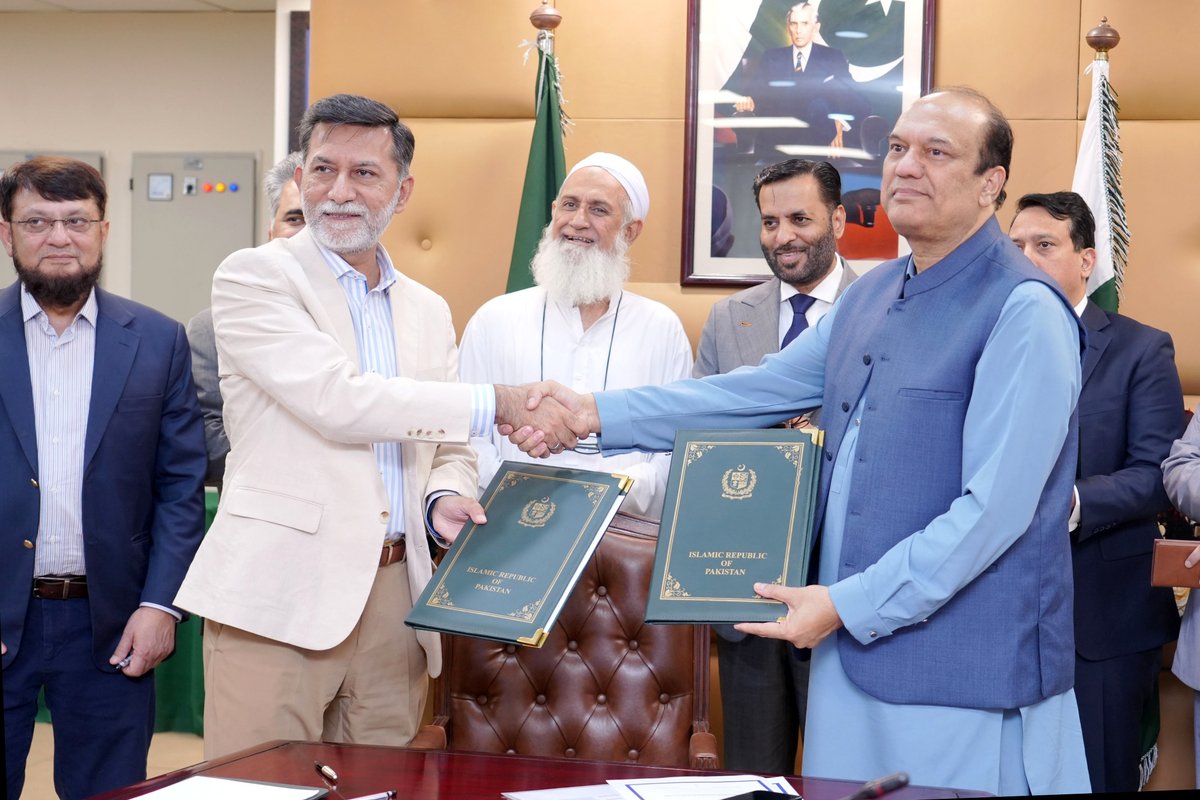
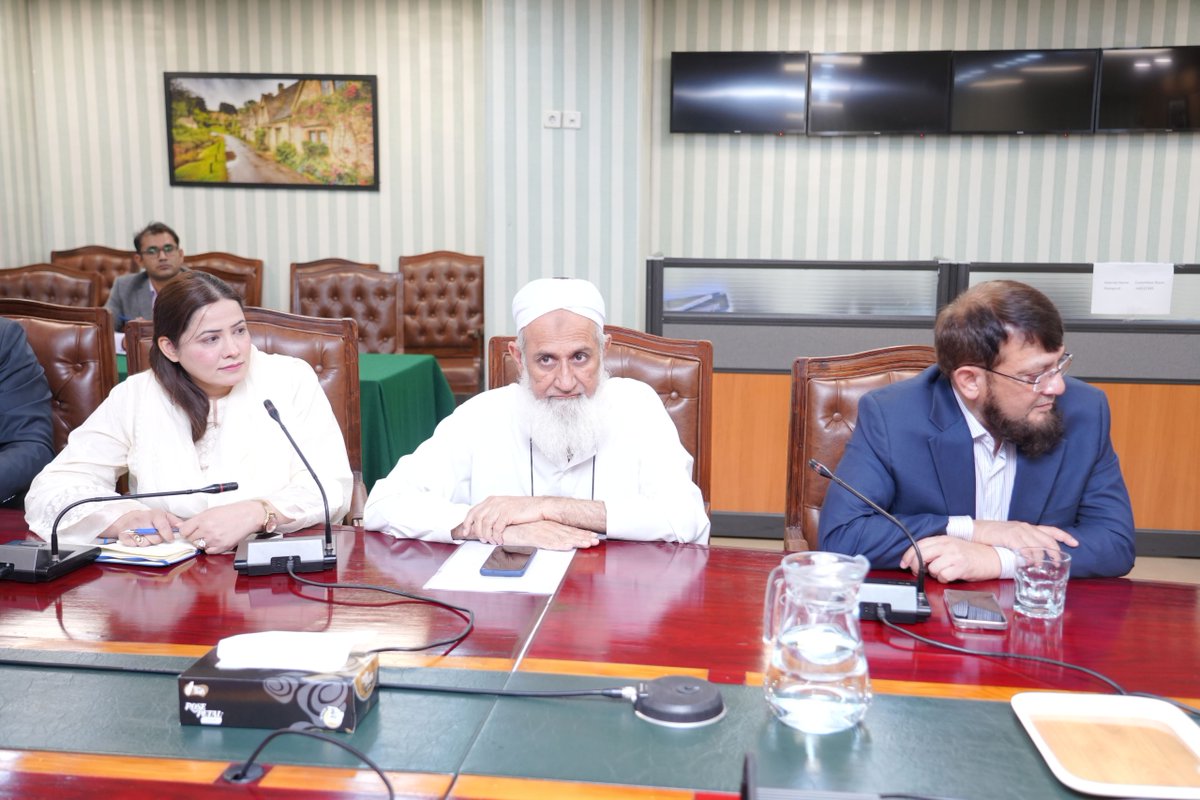
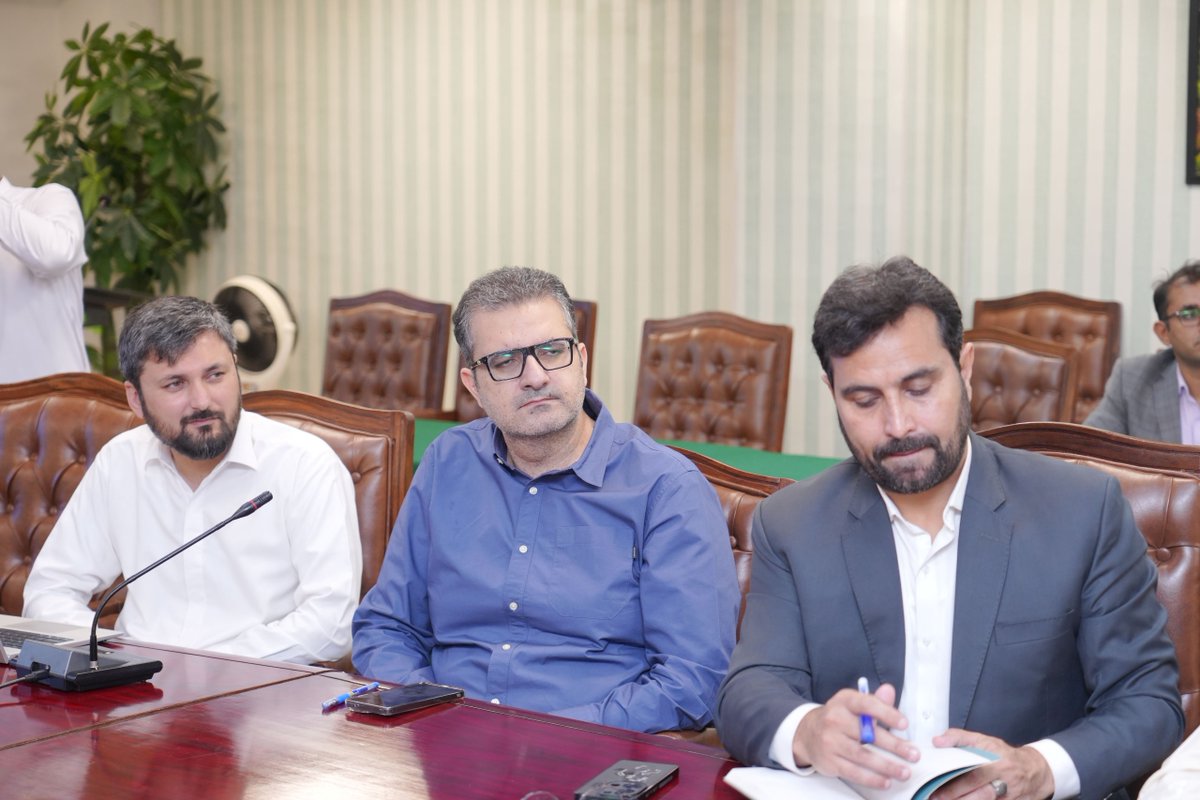
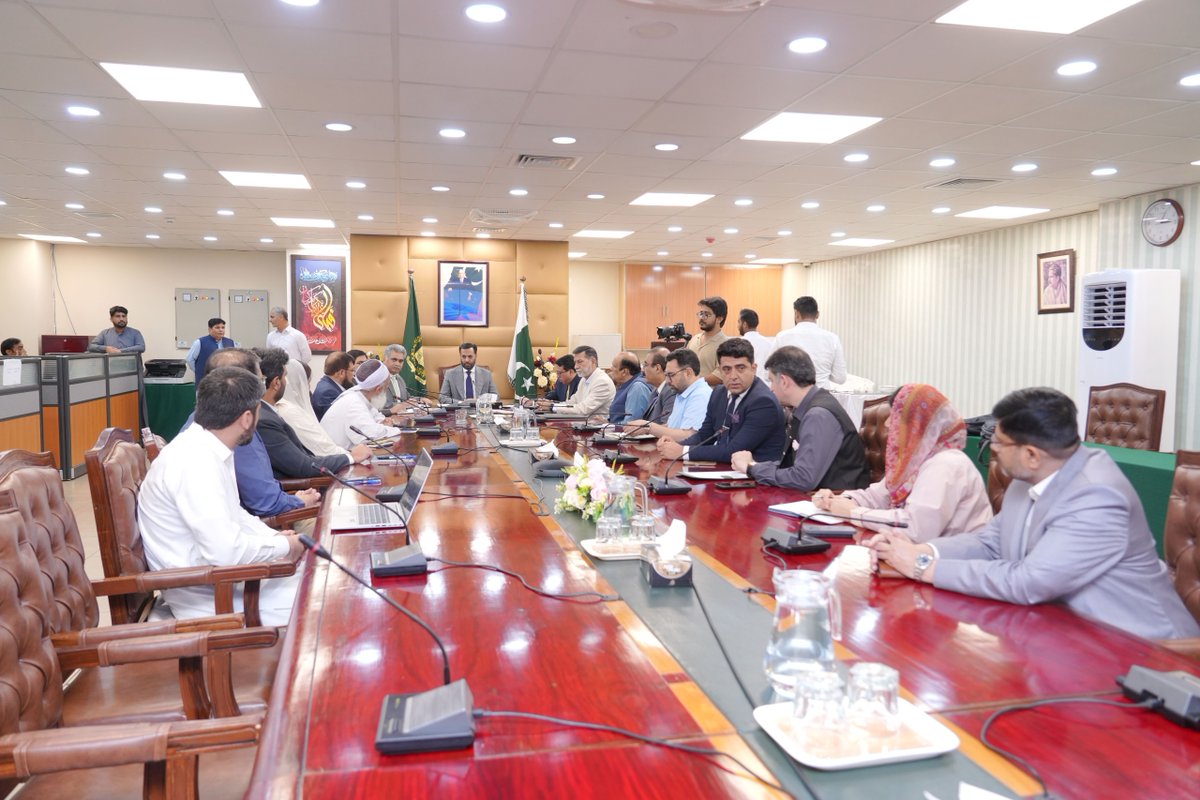
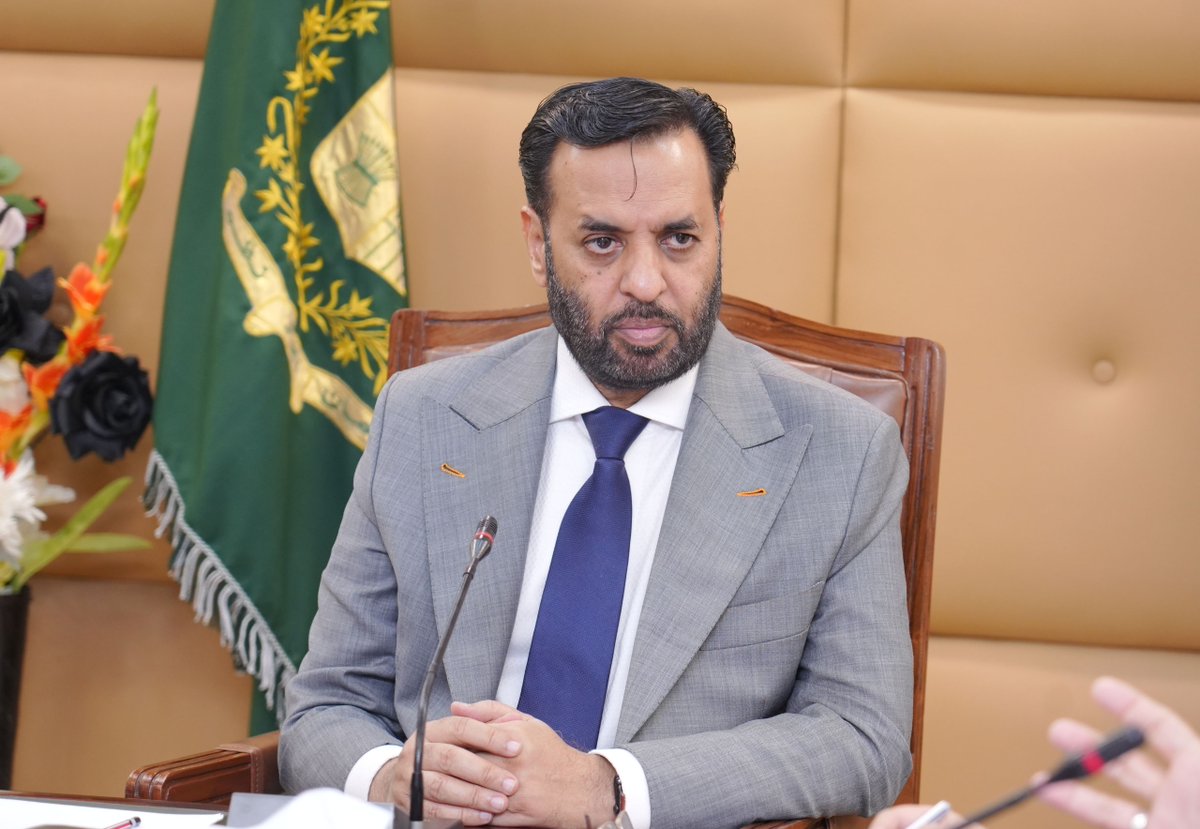
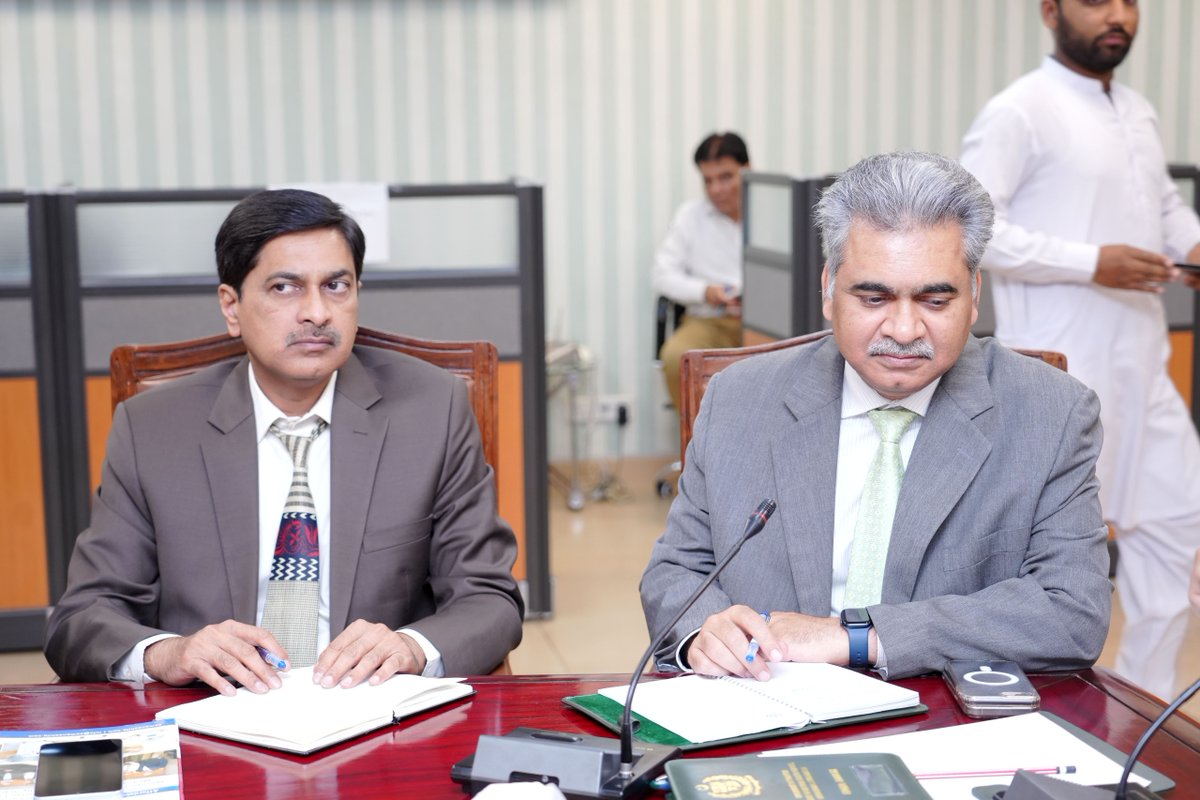
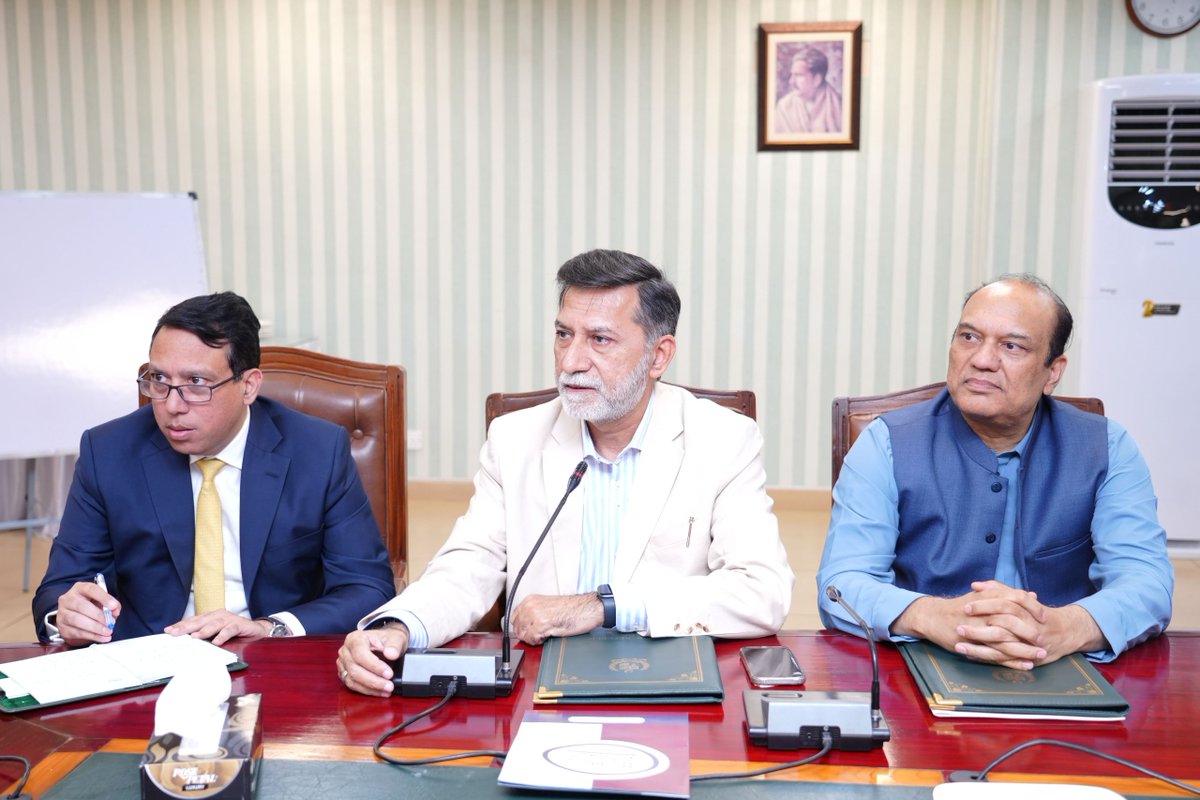
ہیلتھ ریسرچ ایڈوائزری بورڈ (HRAB) کے وفد نے وفاقی وزیرِ صحت سید مصطفیٰ کمال سے ملاقات کی۔ وفد کی قیادت چیئرمین HRAB ڈاکٹر عبدالباسط نے کی، جبکہ ڈاکٹر ذکی الدین احمد (جنرل سیکریٹری HRAB) اور ڈاکٹر شاہد نور (فنانس سیکریٹری HRAB) بھی شریک تھے۔
ملاقات میں پاکستان میں صحت سے متعلق تحقیق، بیماریوں کی نگرانی اور شواہد پر مبنی پالیسی سازی کو مؤثر بنانے کے لیے دو قومی کمیٹیوں کے قیام کی تجویز پیش کی گئی: جوائنٹ ٹیکنیکل ورکنگ گروپ آن ہیلتھ ریسرچ (JTWG on Health Research) اور نیشنل اسٹیئرنگ کمیٹی آن ڈیزیز رجسٹریز (NSC on Disease Registries)۔
وفاقی وزیرِ صحت نے تجاویز کا خیرمقدم کرتے ہوئے صحت کے شعبے میں تحقیق اور ڈیٹا پر مبنی پالیسی سازی کی اہمیت پر زور دیا اور متعلقہ امور پر مزید غور و خوض اور تعاون کی یقین دہانی کرائی
#MustafaKamal #HealthMinister #HealthResearch #EvidenceBasedPolicy #DiseaseSurveillance #HealthcareDevelopment #Pakistan
@WHO @UNISEF @Gavi @GatesFoundation @GovtOfPakistan
9
15
534
Jun 11
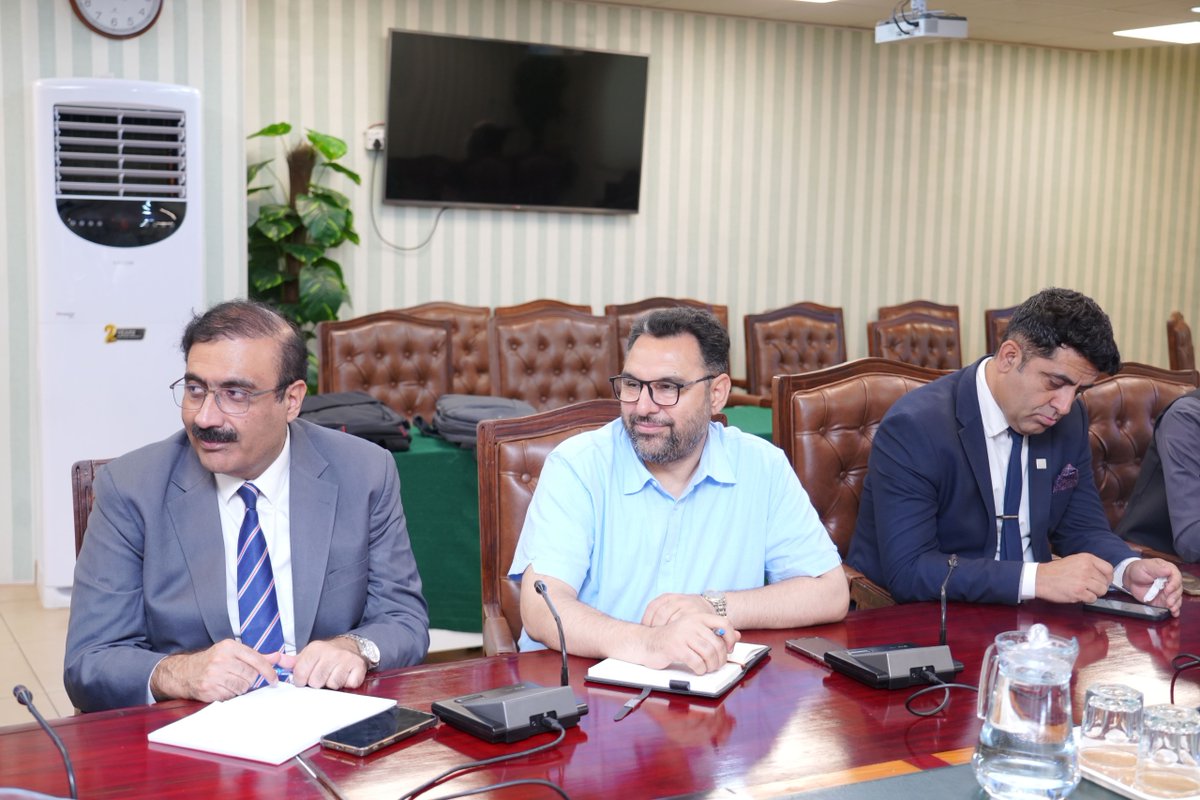
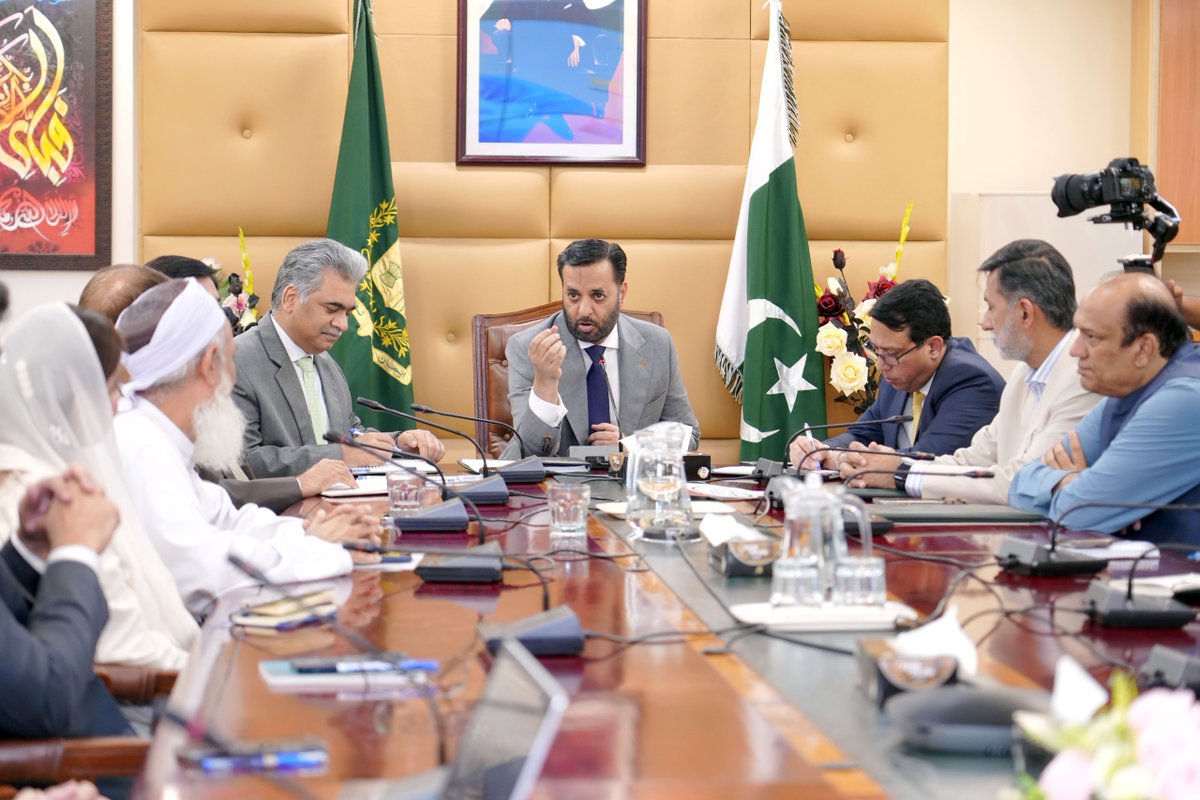
ہیلتھ ریسرچ ایڈوائزری بورڈ (HRAB) کے وفد نے وفاقی وزیرِ صحت سید مصطفیٰ کمال سے ملاقات کی۔ وفد کی قیادت چیئرمین HRAB ڈاکٹر عبدالباسط نے کی، جبکہ ڈاکٹر ذکی الدین احمد (جنرل سیکریٹری HRAB) اور ڈاکٹر شاہد نور (فنانس سیکریٹری HRAB) بھی شریک تھے۔
ملاقات میں پاکستان میں صحت سے متعلق تحقیق، بیماریوں کی نگرانی اور شواہد پر مبنی پالیسی سازی کو مؤثر بنانے کے لیے دو قومی کمیٹیوں کے قیام کی تجویز پیش کی گئی: جوائنٹ ٹیکنیکل ورکنگ گروپ آن ہیلتھ ریسرچ (JTWG on Health Research) اور نیشنل اسٹیئرنگ کمیٹی آن ڈیزیز رجسٹریز (NSC on Disease Registries)۔
وفاقی وزیرِ صحت نے تجاویز کا خیرمقدم کرتے ہوئے صحت کے شعبے میں تحقیق اور ڈیٹا پر مبنی پالیسی سازی کی اہمیت پر زور دیا اور متعلقہ امور پر مزید غور و خوض اور تعاون کی یقین دہانی کرائی
#MustafaKamal #HealthMinister #HealthResearch #EvidenceBasedPolicy #DiseaseSurveillance #HealthcareDevelopment #Pakistan
@WHO @UNISEF @Gavi @GatesFoundation @GovtOfPakistan
1
9
16
562
Jun 11
ہیلتھ ریسرچ ایڈوائزری بورڈ (HRAB) کے وفد نے وفاقی وزیرِ صحت سید مصطفیٰ کمال سے ملاقات کی۔ وفد کی قیادت چیئرمین HRAB ڈاکٹر عبدالباسط نے کی، جبکہ ڈاکٹر ذکی الدین احمد (جنرل سیکریٹری HRAB) اور ڈاکٹر شاہد نور (فنانس سیکریٹری HRAB) بھی شریک تھے۔
ملاقات میں پاکستان میں صحت سے متعلق تحقیق، بیماریوں کی نگرانی اور شواہد پر مبنی پالیسی سازی کو مؤثر بنانے کے لیے دو قومی کمیٹیوں کے قیام کی تجویز پیش کی گئی: جوائنٹ ٹیکنیکل ورکنگ گروپ آن ہیلتھ ریسرچ (JTWG on Health Research) اور نیشنل اسٹیئرنگ کمیٹی آن ڈیزیز رجسٹریز (NSC on Disease Registries)۔
وفاقی وزیرِ صحت نے تجاویز کا خیرمقدم کرتے ہوئے صحت کے شعبے میں تحقیق اور ڈیٹا پر مبنی پالیسی سازی کی اہمیت پر زور دیا اور متعلقہ امور پر مزید غور و خوض اور تعاون کی یقین دہانی کرائی
#MustafaKamal #HealthMinister #HealthResearch #EvidenceBasedPolicy #DiseaseSurveillance #HealthcareDevelopment #Pakistan
@WHO @UNISEF @Gavi @GatesFoundation @GovtOfPakistan
2
13
28
780

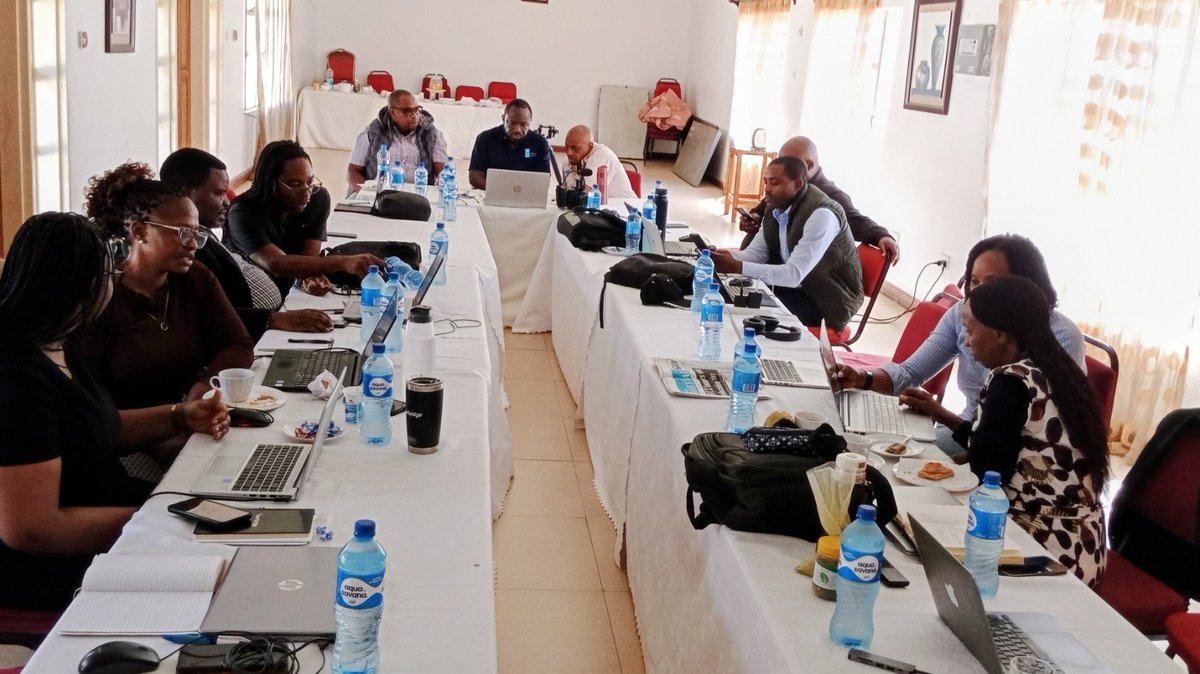
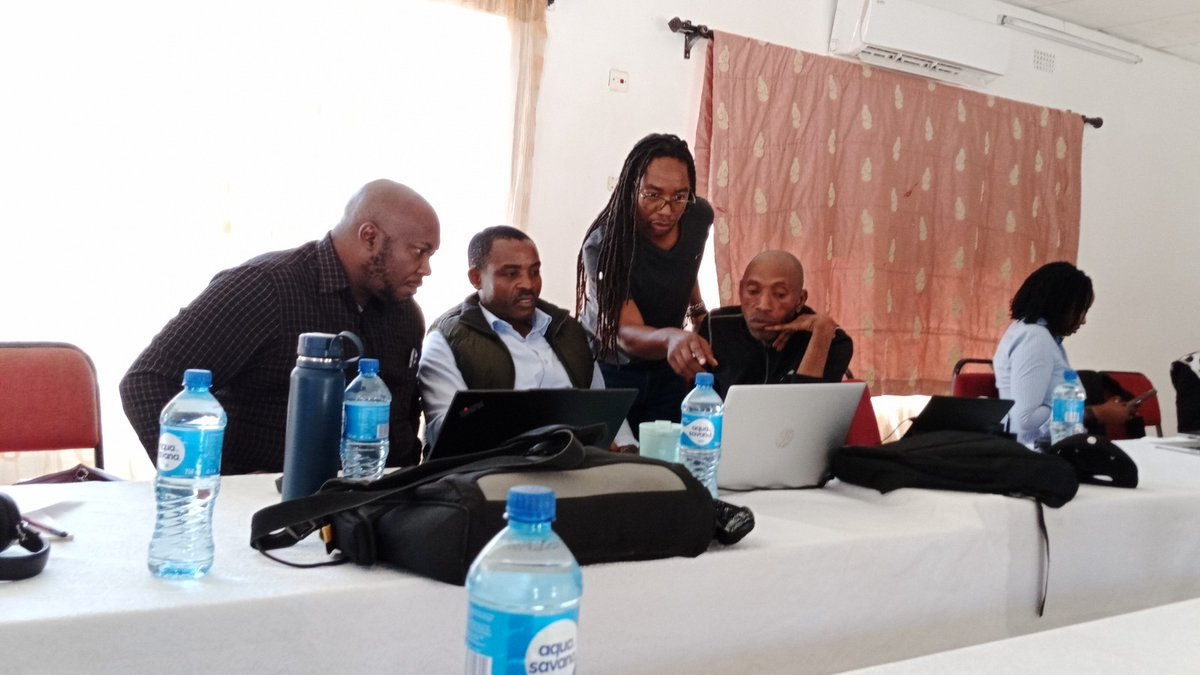
A three-day Data Finalization and Restitution Workshop, that seeks to strengthen data systems & drive informed decision-making in Cultural & Creative Industries, is happening in Zambia.
#UNESCO #Zambia #EvidenceBasedPolicy #Collaboration #SustainableDevelopment #DCE #ZambiaNatCom
1
1
104
GINN's latest analysis explores how different jurisdictions are navigating this challenge and what these models may mean for the future of nicotine regulation.
🔗 Learn more: linkedin.com/pulse/nicotine-…
#NicotinePolicy #PublicHealth #Regulation #HarmReduction #EvidenceBasedPolicy

2

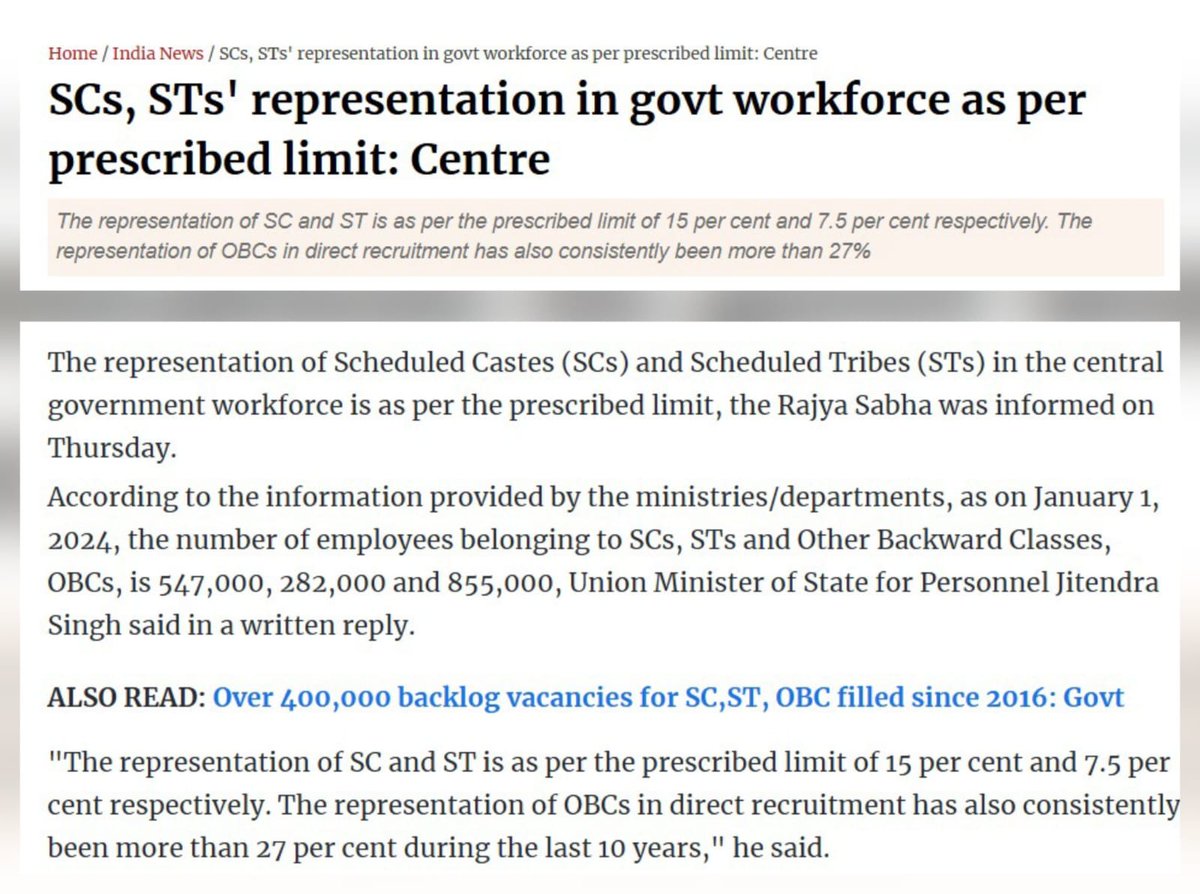
Public debates on reservation should be guided by facts, not assumptions.
According to government data, representation of Scheduled Castes (SCs) and Scheduled Tribes (STs) in the Central Government workforce is broadly in line with their prescribed reservation quotas, and in some categories even exceeds them. Data from recent years also indicates that OBC representation in direct recruitment has consistently remained above the mandated 27% benchmark.
These figures highlight an important point: reservation has played a significant role in improving representation within public employment. The conversation must now move beyond rhetoric and focus on the next challenge—ensuring quality education, skill development, economic mobility, and equal opportunities so that social justice translates into long-term empowerment.
Policy debates are strongest when they are rooted in evidence rather than perception.
@mygovindia
#Reservation #SocialJustice #SC #ST #OBC #PublicPolicy #Governance #DataMatters #Employment #EqualOpportunity #India #EvidenceBasedPolicy
4
5
36