
Apr 25
సింగపూర్ లో వరద నియంత్రణ, నీటి సంరక్షణ మరియు పర్యాటక రంగంలో సింగపూర్ అనుసరిస్తున్న అత్యుత్తమ విధానాల అధ్యయనం
#SingaporeVisit #SingaporeTour #LearningFromSingapore #GovernanceReforms #WeFirst #NationFirst #TransparentGovernance #GoodGovernance #PublicPrivatePartnership #PPPModel #CitizenServices #GrievanceRedressal #TechnologyDrivenGovernance #IndustrialDevelopment #SustainableDevelopment #GreenGrowth #ChandrababuNaidu #AnithaVangalapudi
#HomeMinisterAnitha #EnvironmentalSustainability #AndhraPradesh #APDevelopment #NaraLokesh #TeamAP #FutureReadyAP #SingaporeModel
23
88
1,487
Apr 24
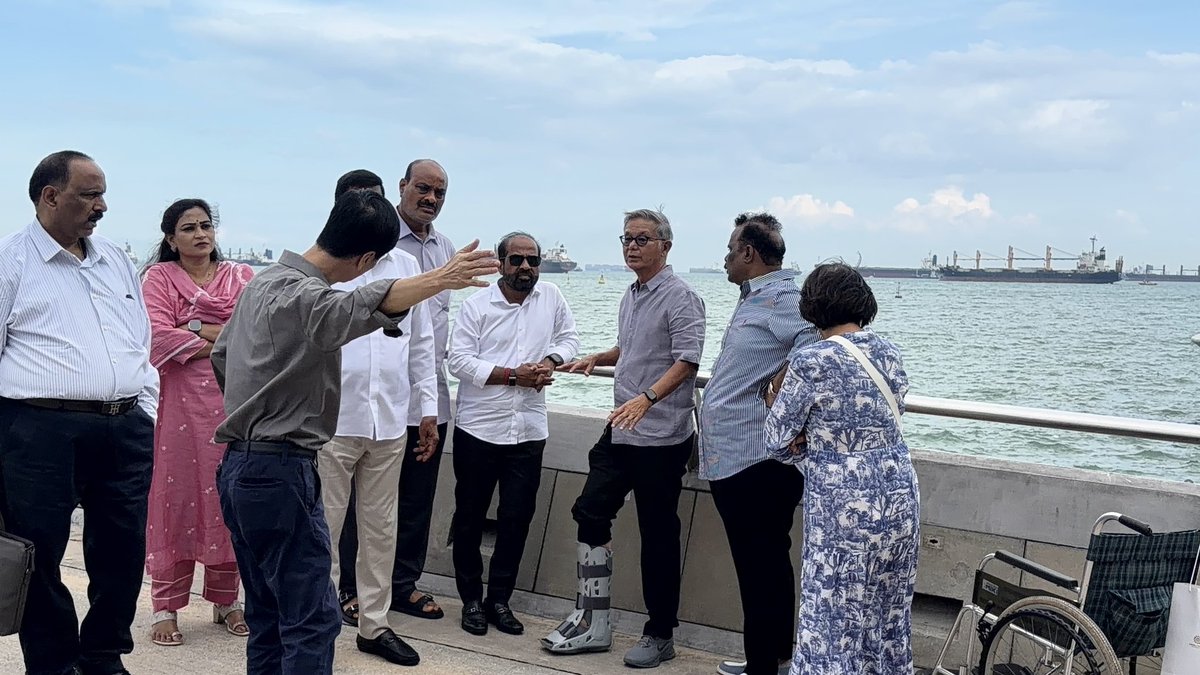
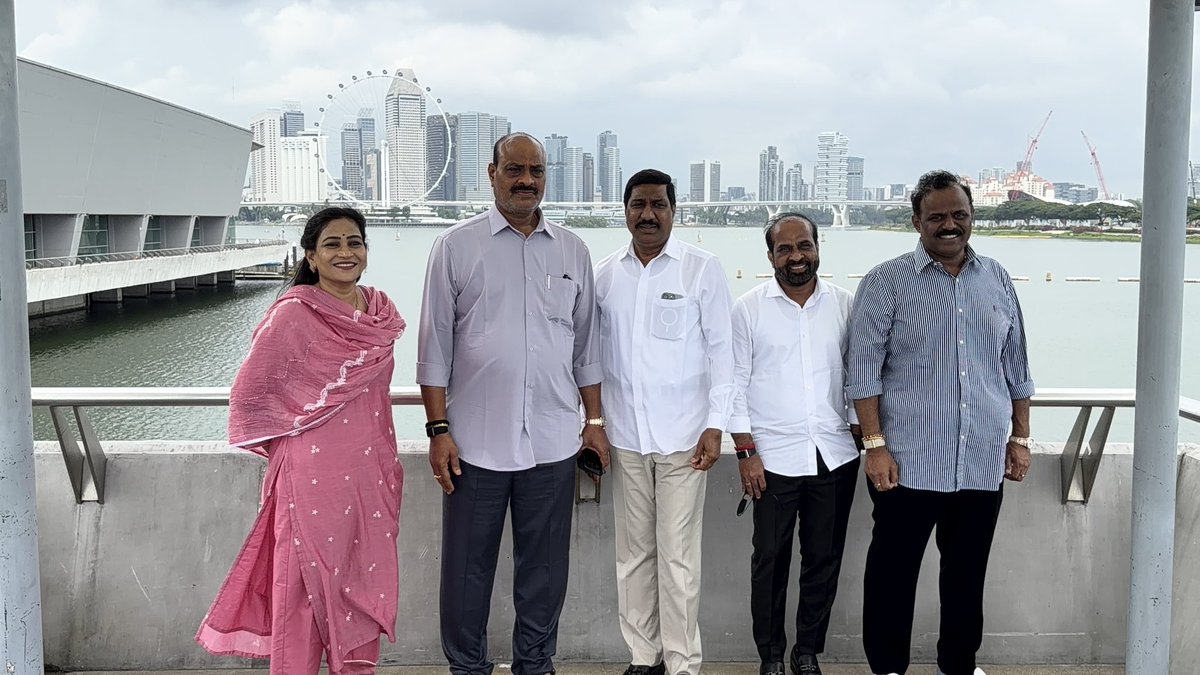
సింగపూర్ పర్యటనలో భాగంగా నాలుగో రోజు సహచర మంత్రులు శ్రీ @katchannaidu గారు, శ్రీ @bcjrofficial గారు, శ్రీ @Dr_NarayanaP గారు, శ్రీ @satyakumar_y గారు, శ్రీ @SatyaAnagani గారితో కలిసి పాల్గొనడం జరిగింది.
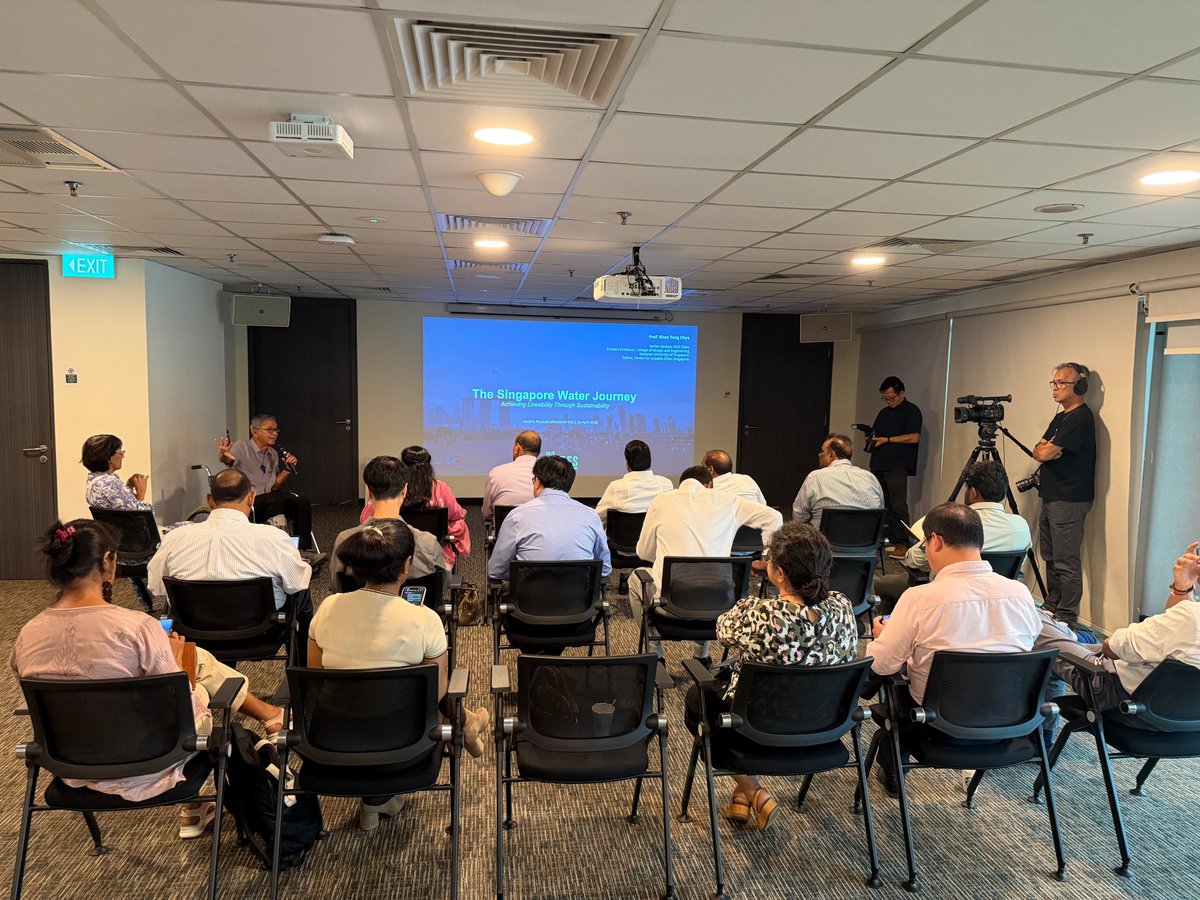
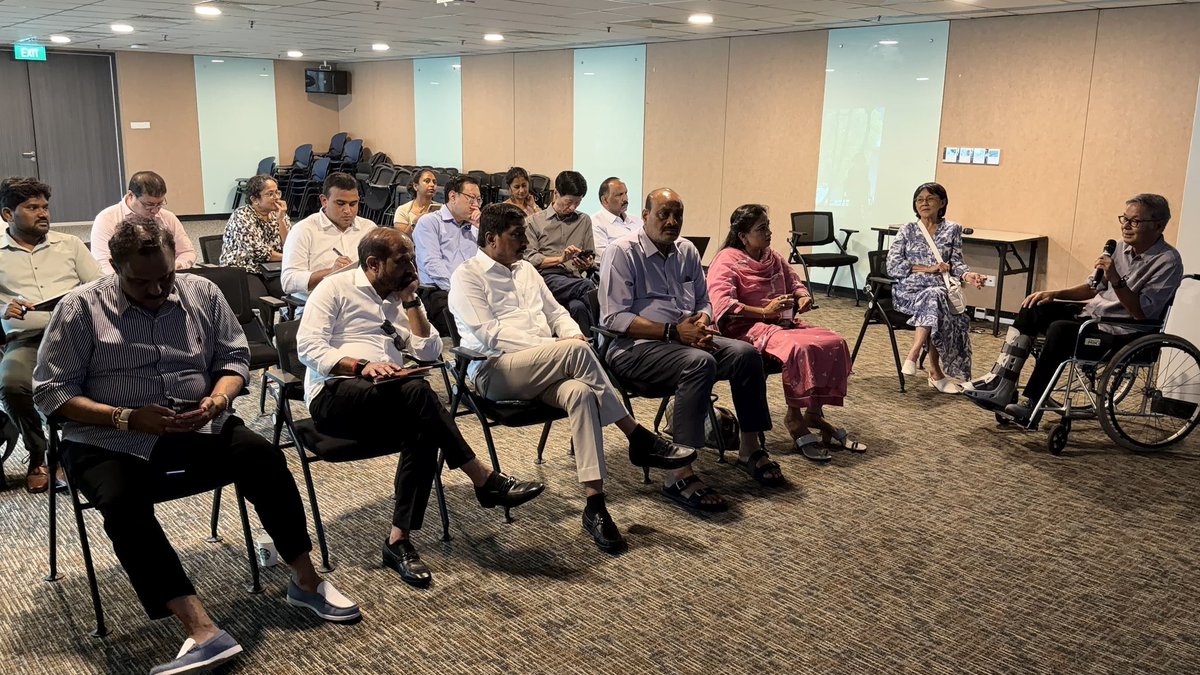
ప్రసిద్ధ మెరీనా బ్యారేజీని సందర్శించి, వరద నియంత్రణ, నీటి సంరక్షణ మరియు పర్యాటక రంగంలో సింగపూర్ అనుసరిస్తున్న అత్యుత్తమ విధానాలను నేషనల్ యూనివర్సిటీ ఆఫ్ సింగపూర్ సిటీస్ ('NUS Cities') డైరెక్టర్ ఖూ టెంగ్ చై గారి సమక్షంలో అధ్యయనం చేశాము. పర్యావరణహితంగా నీటి సమస్యలను అధిగమిస్తూ, గ్రీన్ రూఫ్ వంటి కట్టడాలతో మెరీనా బ్యారేజ్ ఎలా పర్యాటక కేంద్రంగా రూపుదిద్దుకుందో తెలుసుకోవడం చాలా స్ఫూర్తిదాయకం. మన అమరావతి రాజధాని ప్రాంతంలో, కృష్ణా నది తీరాన కూడా ఇటువంటి ఆధునిక డెవలప్మెంట్ మోడల్స్ను అమలు చేసే అవకాశాలపై మంత్రుల బృందంతో కలిసి చర్చించాము.
#SingaporeVisit #SingaporeTour #LearningFromSingapore #GovernanceReforms #WeFirst #NationFirst #TransparentGovernance #GoodGovernance #PublicPrivatePartnership #PPPModel #CitizenServices #GrievanceRedressal #TechnologyDrivenGovernance #IndustrialDevelopment #SustainableDevelopment #GreenGrowth #ChandrababuNaidu #AnithaVangalapudi
#HomeMinisterAnitha #EnvironmentalSustainability #AndhraPradesh #APDevelopment #NaraLokesh #TeamAP #FutureReadyAP #SingaporeModel
2
20
182
3,170
Apr 24
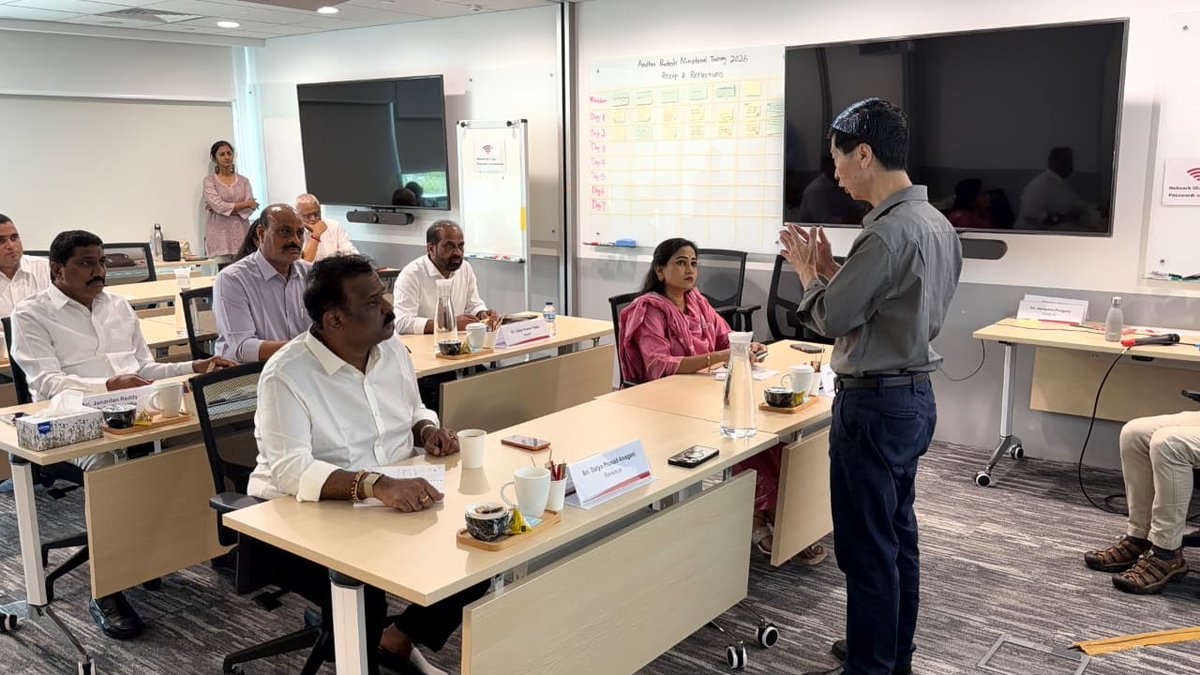
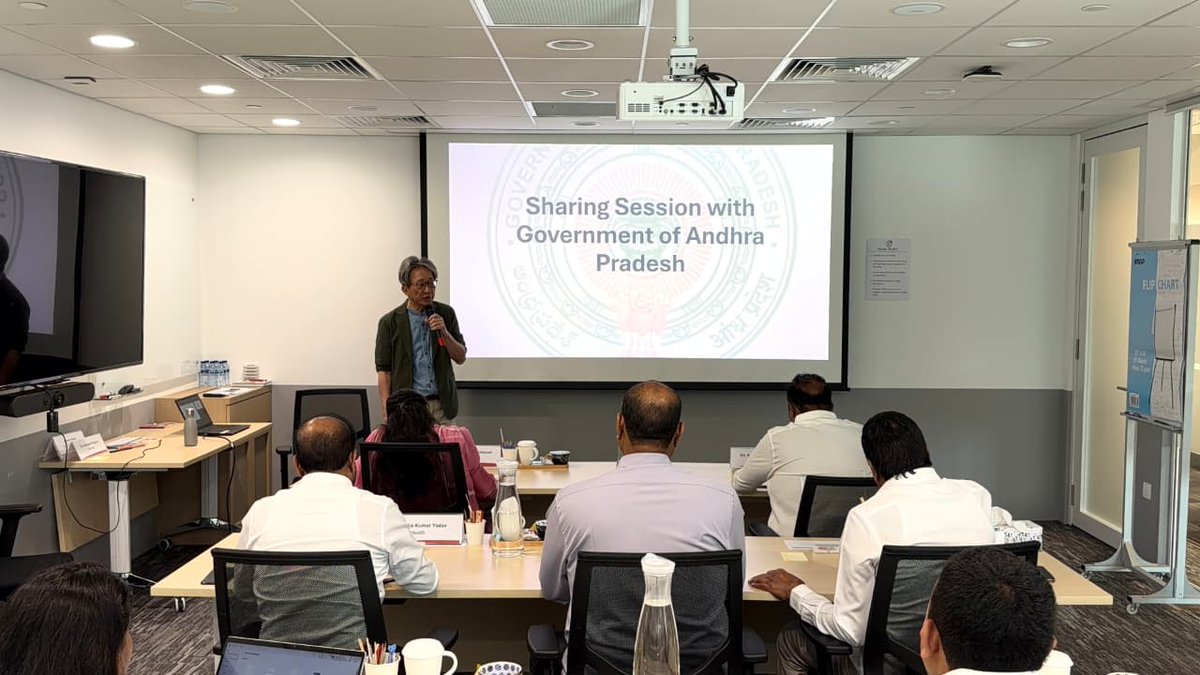
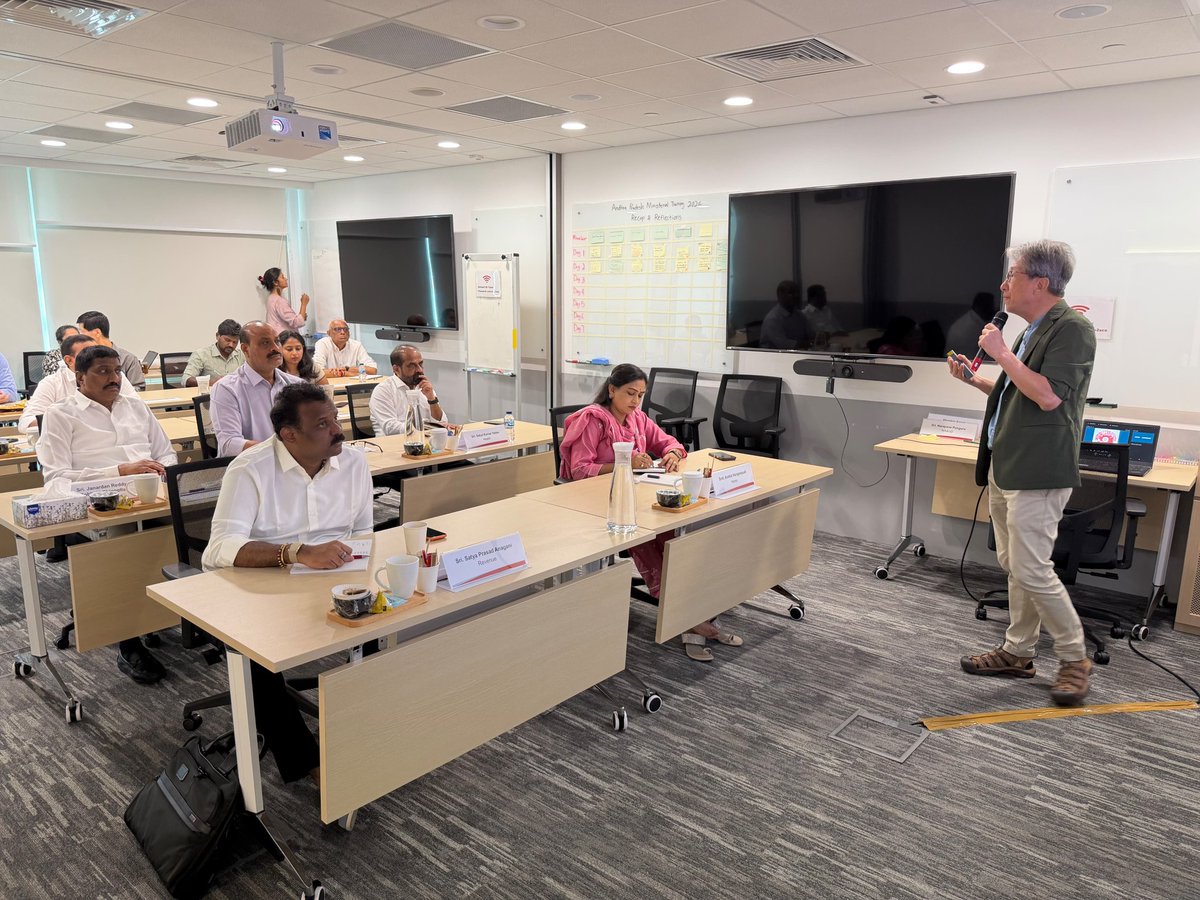
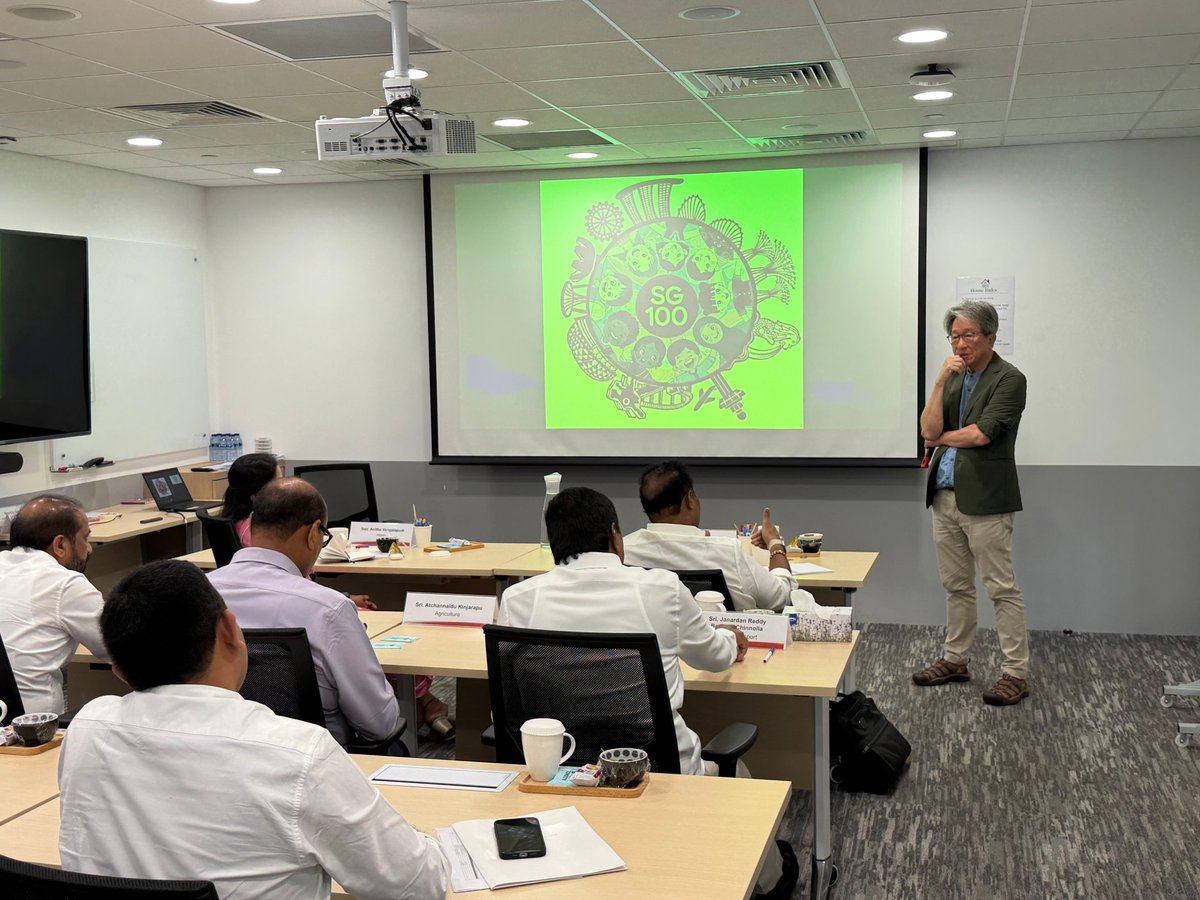
సింగపూర్ పర్యటనలో భాగంగా నాలుగో రోజు, సింగపూర్ పీఎంవో మాజీ మంత్రి మిస్టర్ లిమ్ స్వీ సే గారితో సమావేశమై 'Nation First' నుండి 'We First' అనే సమష్టి అభివృద్ధి స్ఫూర్తిని, పారదర్శక పాలనను ఎలా నిర్మించుకోవాలో చర్చించాము. ప్రభుత్వ-ప్రైవేట్ భాగస్వామ్యం, పటిష్టమైన ఫిర్యాదుల పరిష్కార వ్యవస్థలు మరియు సాంకేతికతను జోడించి స్థానిక సమస్యలను ఎలా వేగంగా పరిష్కరించవచ్చనే అంశాలపై అధ్యయనం చేశాము, సింగపూర్ అనుసరిస్తున్న ఆధునిక పారిశ్రామిక, పర్యావరణ అనుకూల విధానాలను మన ఆంధ్రప్రదేశ్ అభివృద్ధికి ఏవిధంగా అన్వయించుకోవాలనే దానిపై నాతో పాటు సహచర మంత్రులు శ్రీ @Dr_NarayanaP గారు, శ్రీ @katchannaidu గారు, శ్రీ @bcjrofficial గారు, శ్రీ @satyakumar_y గారు, శ్రీ @SatyaAnagani గారితో కలిసి చర్చించడం జరిగింది.
#SingaporeVisit #SingaporeTour #LearningFromSingapore #GovernanceReforms #WeFirst #NationFirst #TransparentGovernance #GoodGovernance #PublicPrivatePartnership #PPPModel #CitizenServices #GrievanceRedressal #TechnologyDrivenGovernance #IndustrialDevelopment #SustainableDevelopment #GreenGrowth #ChandrababuNaidu #AnithaVangalapudi
#HomeMinisterAnitha #EnvironmentalSustainability #AndhraPradesh #APDevelopment #NaraLokesh #TeamAP #FutureReadyAP #SingaporeModel
1
14
82
1,393


Mar 20
dalawa lang ppop sa weverse parang gusto nyo yata palitan ng wefirst nyeta lahat na lang lol
1
5
1,162

Mar 17
this reminds me of when wefirst became oomfs and u were tweetinf abt labubu phonk😭
1
2
38
What happens when AI moves faster than belief systems can keep up?
We've always understood that brand matters. That it drives value. But I think many of us have misunderstood what brand actually is. We've treated it like a marketing function. Something you invest in when you want to grow or repair when trust takes a hit. That's not what's happening anymore.
In an AI world, brand isn't a growth lever. It's the trust layer. And trust is now the scarcest resource in business.
AI doesn't just work fast. It amplifies everything about an organization. The computational power that processes millions of data points in seconds also amplifies what's true about your company and what's false. What's coherent and what's contradictory. You can't hide behind messaging anymore. AI exposes organizational truth at scale and at speed.
I'm watching so many companies rush to deploy AI because they're afraid of being left behind. They announce initiatives, talk about transformation, and then nothing fundamentally changes about how they make decisions or align their teams. AI just becomes one more layer of fragmentation. This is where most are failing. They're treating AI as a technology problem when it's actually a coherence problem.
If your leadership team can't agree on what matters, AI will scale the disagreement. If your stated values don't match your actual behavior, AI will make that gap impossible to ignore. Because AI doesn't create trust. It reveals and amplifies whatever's already there.
The companies making meaningful progress aren't the most technically sophisticated. They're the ones who've done the harder work of getting clear about who they are. The ones willing to name constraints instead of pretending they don't exist by treating strategy, execution, and communication as one integrated system.
That's what I mean by coherence. Not perfection. But actually aligning what you decide with what you do with what you say.
Your employees know whether your AI strategy aligns with your stated purpose. They know whether leadership is clear or confused. And if they don't believe, why would anyone else?
So, you don't lose credibility slowly anymore. You lose it all at once. One misaligned decision. One gap between what you say and what you do. Target and CEOs in Minneapolis come to mind.
But the same forces that make incoherence costly also make coherence powerful. When you align your strategy and operations and culture, when you build systems where AI amplifies the best of what your organization can do, the trust that creates compounds exponentially.
This is the real opportunity. Not to chase the next AI capability. But to build organizations that are actually worth believing in. Because when everything fragments, leadership is coherence. And when coherence is real, trust follows.
#WeFirst #BrandTrust #ResponsibleAI #LeadWithWe
(Photo: Joshua Hoehne, Unsplash)
160
Paul Polman wrote on LinkedIn that “fear and moral paralysis is not a strategy.” He’s right. So, for leaders genuinely thinking through this moment and feeling pulled in competing directions, let’s do a cost/benefit analysis.
Silence has a cost structure. Most leaders don’t calculate it.
When disruption hits a community, whether it’s violence in Minneapolis, discrimination in the workplace, or the erosion of democratic norms, business leaders face a decision. That decision is often framed as moral or political, when in reality it’s strategic.
The real question isn’t whether to speak but to understand the full cost of staying silent. This feels harder than it used to for a reason.
In 2020, brands spoke up loudly. After a decade of purpose-led marketing, silence felt existential. Companies moved fast, often under pressure from employees and consumers.
Then came the pullback. Not because speaking up was wrong, but because organizations outran their own reality. They adopted language before they were aligned internally. They echoed public sentiment without fully understanding the implications. The backlash that followed didn’t just create caution; it created institutional memory. Silence started to feel safer.
Fast forward to 2026. Trust hasn’t magically returned. Employees remain skeptical. Consumers are sharper and less patient. Institutions are under pressure to reconnect with lived reality. The environment has shifted again, which means the cost–benefit equation needs to be recalculated.
Leaders tend to focus on the visible risks of speaking:
customer backlash
political or regulatory pressure
internal division
competitive exposure
the burden of follow-through
Those risks are real. But they’re only half the analysis. Silence carries compounding costs:
erosion of employee trust
recruiting disadvantage
loss of community license
brand and product integrity damage
reputational debt
internal culture decay
competitive disadvantage
Silence isn’t neutral. It’s interpreted, often in unintended ways.
There is, however, a multiplier: collective action. As one leadership scholar put it in the New York Times about the Minnesota CEO letter, “You can take down companies individually, but when they work collectively, they have immunity.” Albeit, only calling for de-escalation.
So what does this mean in practice?
Your people are watching.
Your communities are foundational.
Your brand is only as strong as its integrity.
Silence sends a signal, whether you intend it to or not.
And history remembers.
As Polman also wrote, “calm without truth is denial, and calm without courage is surrender.” In business terms, silence that avoids short-term discomfort creates long-term liability.
So, the question isn’t “Can we afford to speak?” It’s “Have we calculated the cost of staying silent?”
Fear and moral paralysis aren’t a strategy. Neither is clinging to silence without running the numbers.
#Leadership #BrandTrust #CorporateResponsibility #WeFirst
219
@PaulPolman wrote on LinkedIn that “fear and moral paralysis is not a strategy.” He’s right. So, for leaders genuinely thinking through this moment and feeling pulled in competing directions, let’s do a cost/benefit analysis.
Silence has a cost structure. Most leaders don’t calculate it.
When disruption hits a community, whether it’s violence in Minneapolis, discrimination in the workplace, or the erosion of democratic norms, business leaders face a decision. That decision is often framed as moral or political, when in reality it’s strategic.
The real question isn’t whether to speak but to understand the full cost of staying silent. This feels harder than it used to for a reason.
In 2020, brands spoke up loudly. After a decade of purpose-led marketing, silence felt existential. Companies moved fast, often under pressure from employees and consumers.
Then came the pullback. Not because speaking up was wrong, but because organizations outran their own reality. They adopted language before they were aligned internally. They echoed public sentiment without fully understanding the implications. The backlash that followed didn’t just create caution; it created institutional memory. Silence started to feel safer.
Fast forward to 2026. Trust hasn’t magically returned. Employees remain skeptical. Consumers are sharper and less patient. Institutions are under pressure to reconnect with lived reality. The environment has shifted again, which means the cost–benefit equation needs to be recalculated.
Leaders tend to focus on the visible risks of speaking:
customer backlash
political or regulatory pressure
internal division
competitive exposure
the burden of follow-through
Those risks are real. But they’re only half the analysis. Silence carries compounding costs:
erosion of employee trust
recruiting disadvantage
loss of community license
brand and product integrity damage
reputational debt
internal culture decay
competitive disadvantage
Silence isn’t neutral. It’s interpreted, often in unintended ways.
There is, however, a multiplier: collective action. As one leadership scholar put it in the New York Times about the Minnesota CEO letter, “You can take down companies individually, but when they work collectively, they have immunity.” Albeit, only calling for de-escalation.
So what does this mean in practice?
Your people are watching.
Your communities are foundational.
Your brand is only as strong as its integrity.
Silence sends a signal, whether you intend it to or not.
And history remembers.
As Polman also wrote, “calm without truth is denial, and calm without courage is surrender.” In business terms, silence that avoids short-term discomfort creates long-term liability.
So, the question isn’t “Can we afford to speak?” It’s “Have we calculated the cost of staying silent?”
Fear and moral paralysis aren’t a strategy. Neither is clinging to silence without running the numbers.
#Leadership #BrandTrust #CorporateResponsibility #WeFirst
100

Jan 30
Tenkasi | News Report
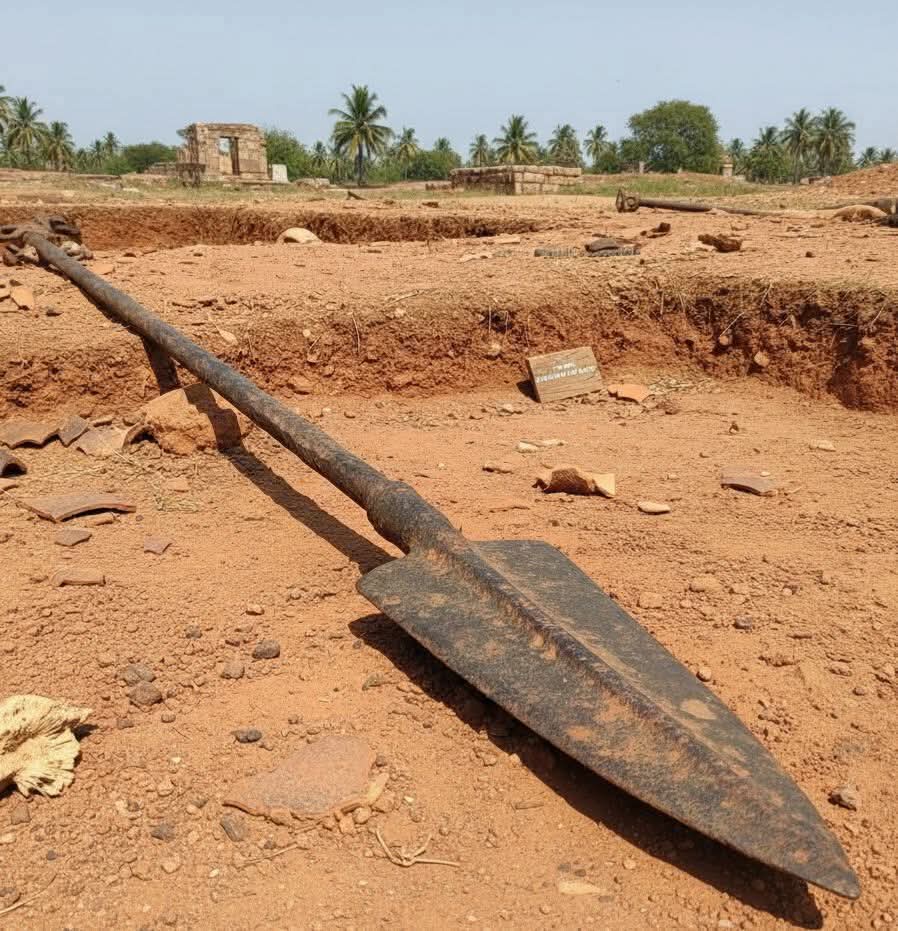
The Tamil Nadu State Department of Archaeology has unearthed 5,000-year-old spears at Thirumalapuram, near Vasudevanallur in Tenkasi district.
The spears were discovered near a burial urn, positioned upright in a cruciform ( ) pattern. One spear measures 8 feet in length, while the other is 6.5 feet long.
Archaeologists said these are the longest and most well-preserved spears found so far in the state.
Based on the blunted tip of one spear, officials believe it may have been made specifically for funerary or burial rituals, rather than for combat or hunting.
#TamilNadu #5000YearsOld
#WeFirst #WeDravidians

7
104
334
9,867

30 Dec 2025
We are in talks with legal firms in-regards to litigation funding for invoices via the use of fees from LPing. #2026 #wefirst
4
3
14
503

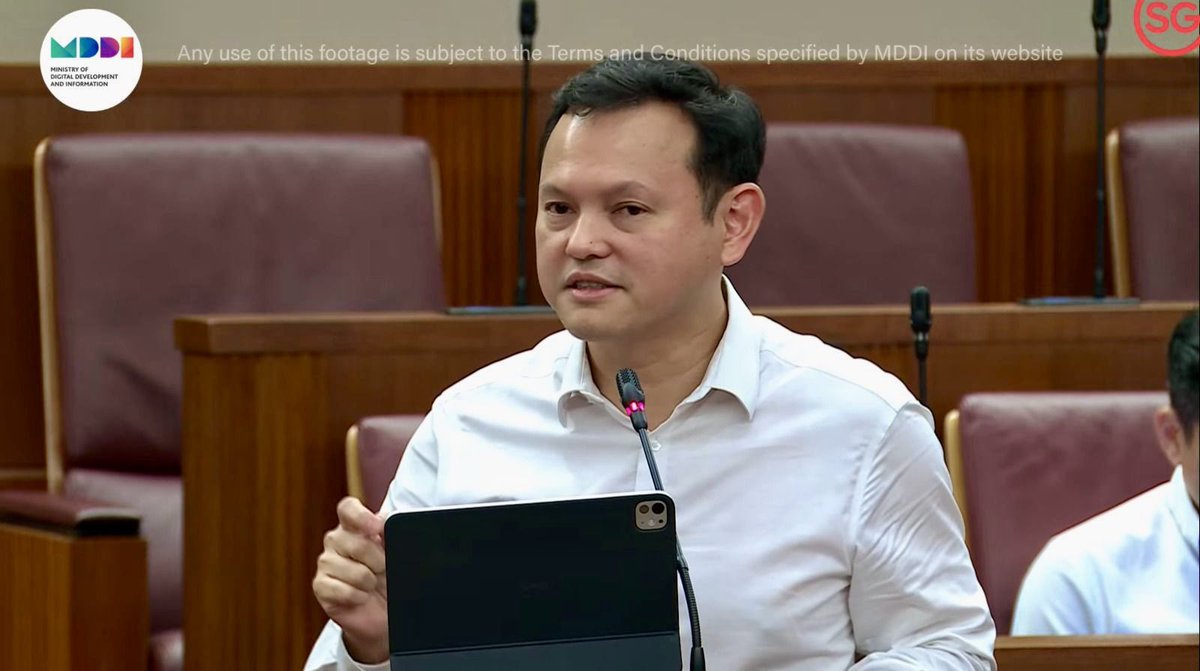
Today in Parliament, I spoke about climate disruption. If we do nothing, we risk losing coastlines, outdoor life & food security. The PAP Govt plans for generations, not cycles. At MSE we’re rolling out a National Adaptation Plan to protect 🇸🇬together. #WeFirst #SGGreenPlan
2
41

16 Sep 2025
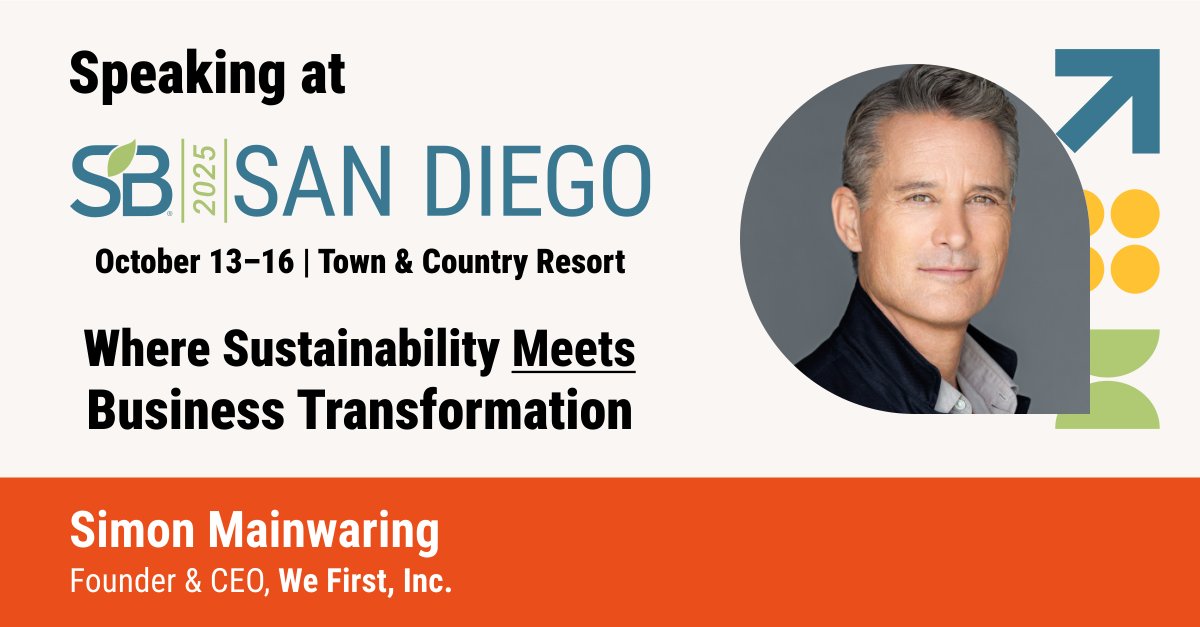
In a time of political polarization and climate urgency, how do brands leverage messaging to spark real, consumer-led action?
We’ll dig into fresh research, case studies, and practical tools to help brands not only protect their relevance but also build movements that drive measurable growth and meaningful impact.
I’m looking forward to the conversation, to learning from peers across industries, and to exploring how we can unlock the collective power of consumers to accelerate change.
If you’ll be there, I’d love to connect. And if you haven’t registered to go to the Flagship event yet, use my network code spk25SB25SD and get 25% off your ticket #SB25SanDiego bit.ly/3rLpyY4
#SustainableBrands #Sustainability #Purpose #BrandLeadership #ConsumerEngagement #WeFirst #LeadWithWe @SustainBrands
204

16 Aug 2025
Call it what you want—this is straight gold. Let the energy run wild.
Marlins circa April 2025 😎#WeFirst
16 Aug 2025

Little Leaguer lets the batter know a fastball is coming then blows one by him with the stare down
1
1
53
23,480
2 Jun 2025
Shifting from advertising to advocacy will allow your communications to come from a place of authenticity and integrity. #LeadWithWe #WeFirst
Watch my full @Real_Leaders speech here: youtu.be/5HnbMFGrAoY?feature…
1
2
542
20 May 2025
Here, I break down how your company can approach shifting from advertising to advocacy. #LeadWithWe #WeFirst
Watch the full speech here and thanks to @Real_Leaders for having me at UNITE: youtu.be/5HnbMFGrAoY?feature…
1
1
1
210
28 Apr 2025
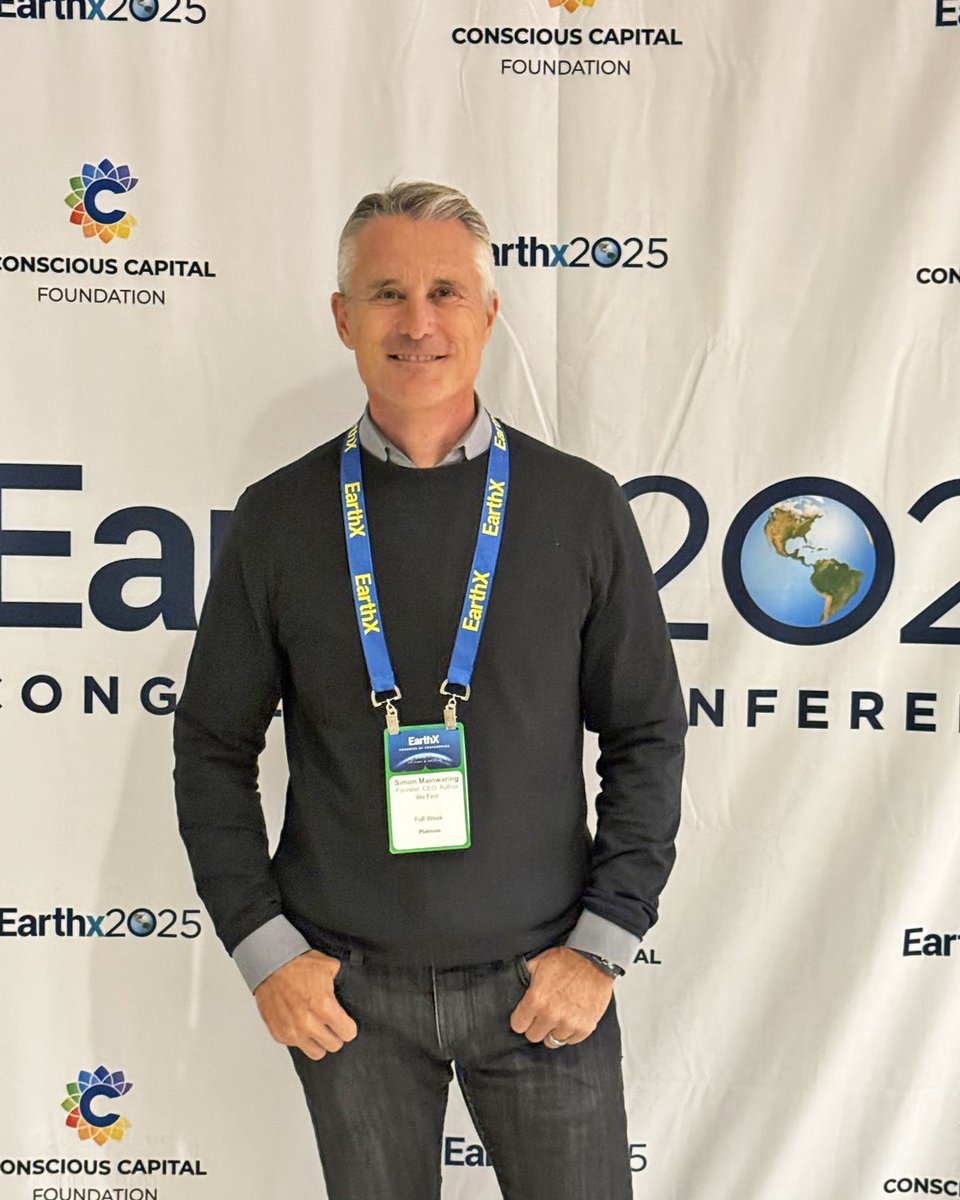
Such a great experience speaking at EarthX 2025! Thank you to @earthxorg for bringing together such inspiring change agents. I walked away with new insights and renewed passion for sustainable change. Let’s keep the momentum going! #EarthX #EarthX2025 #Sustainability #LeadWithWe #WeFirst
323
15 Apr 2025
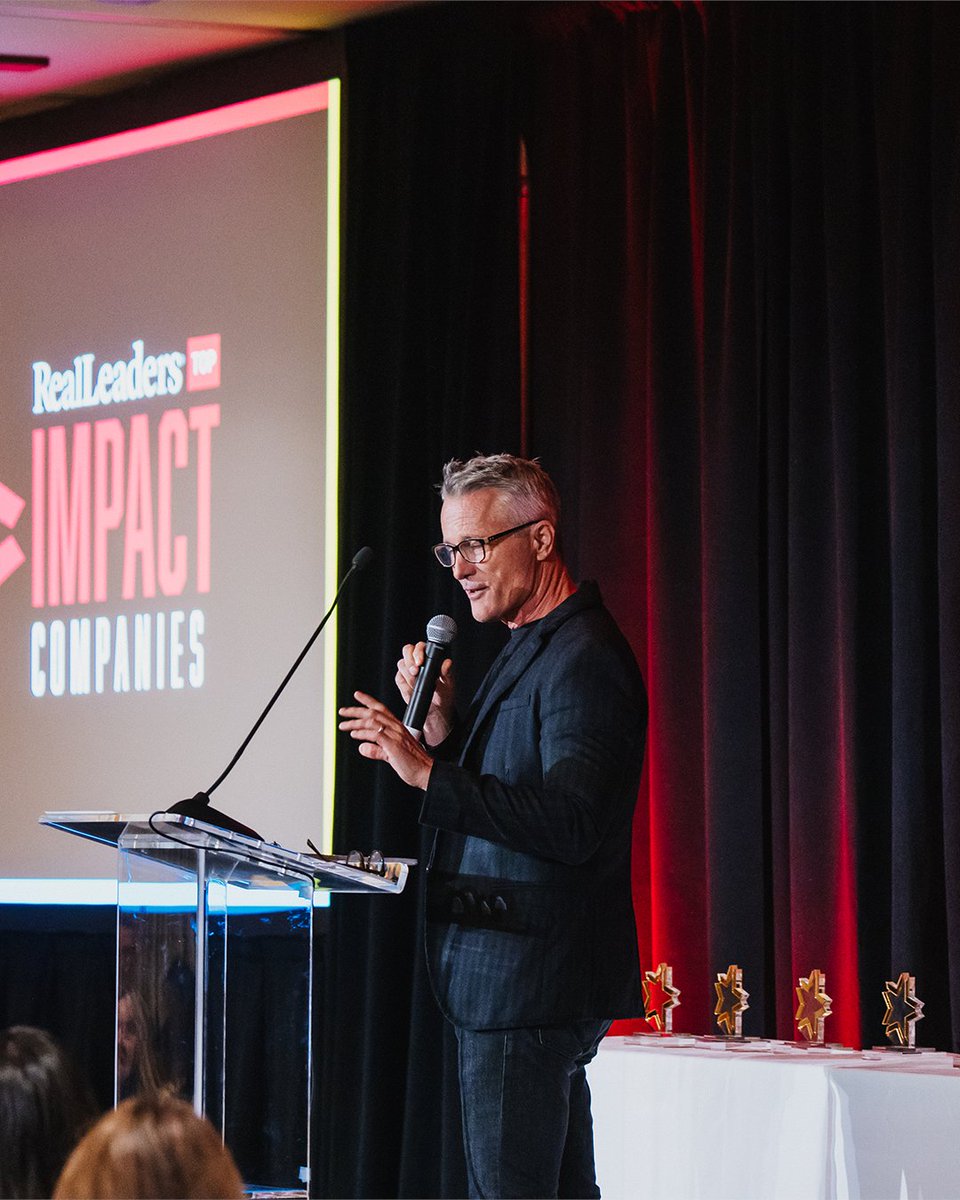
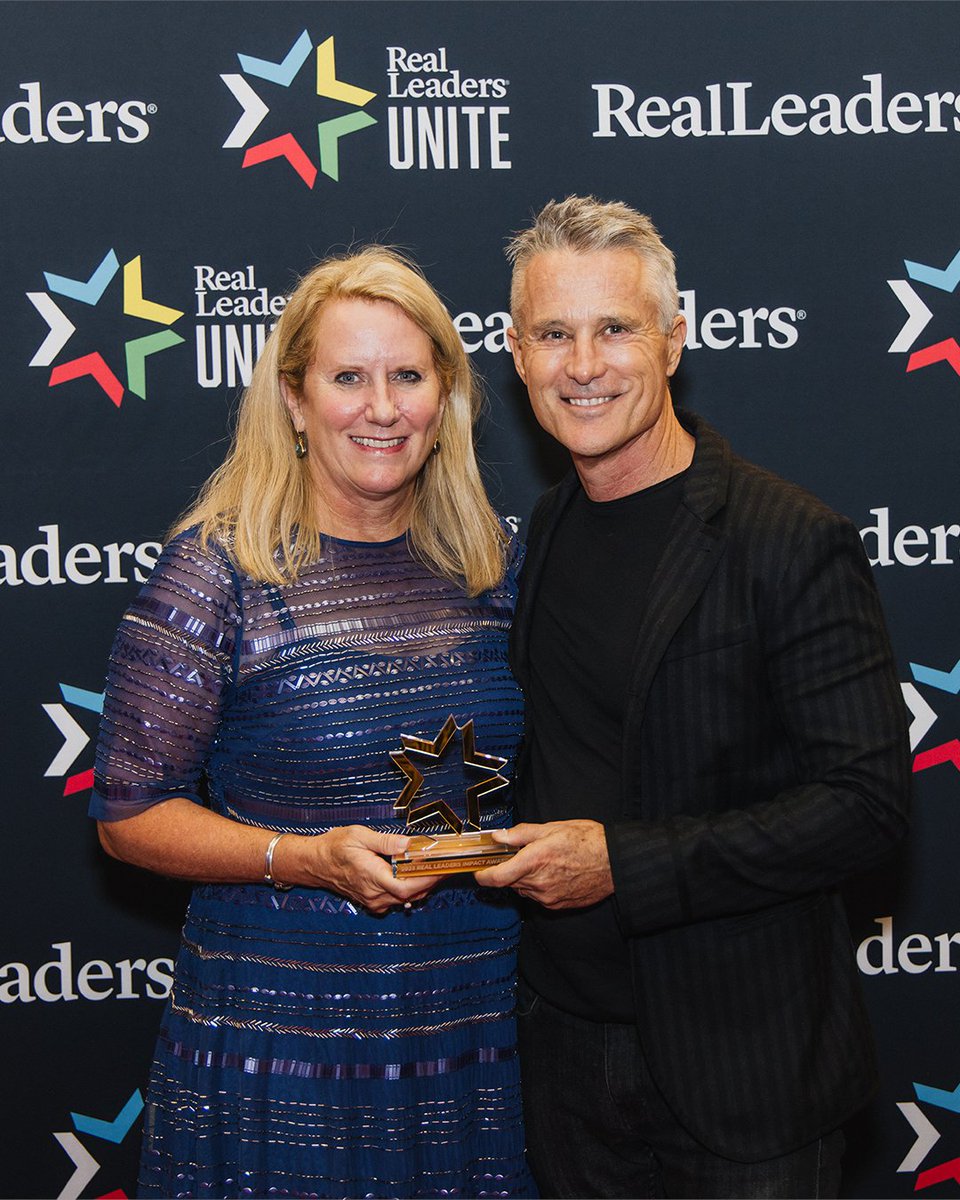
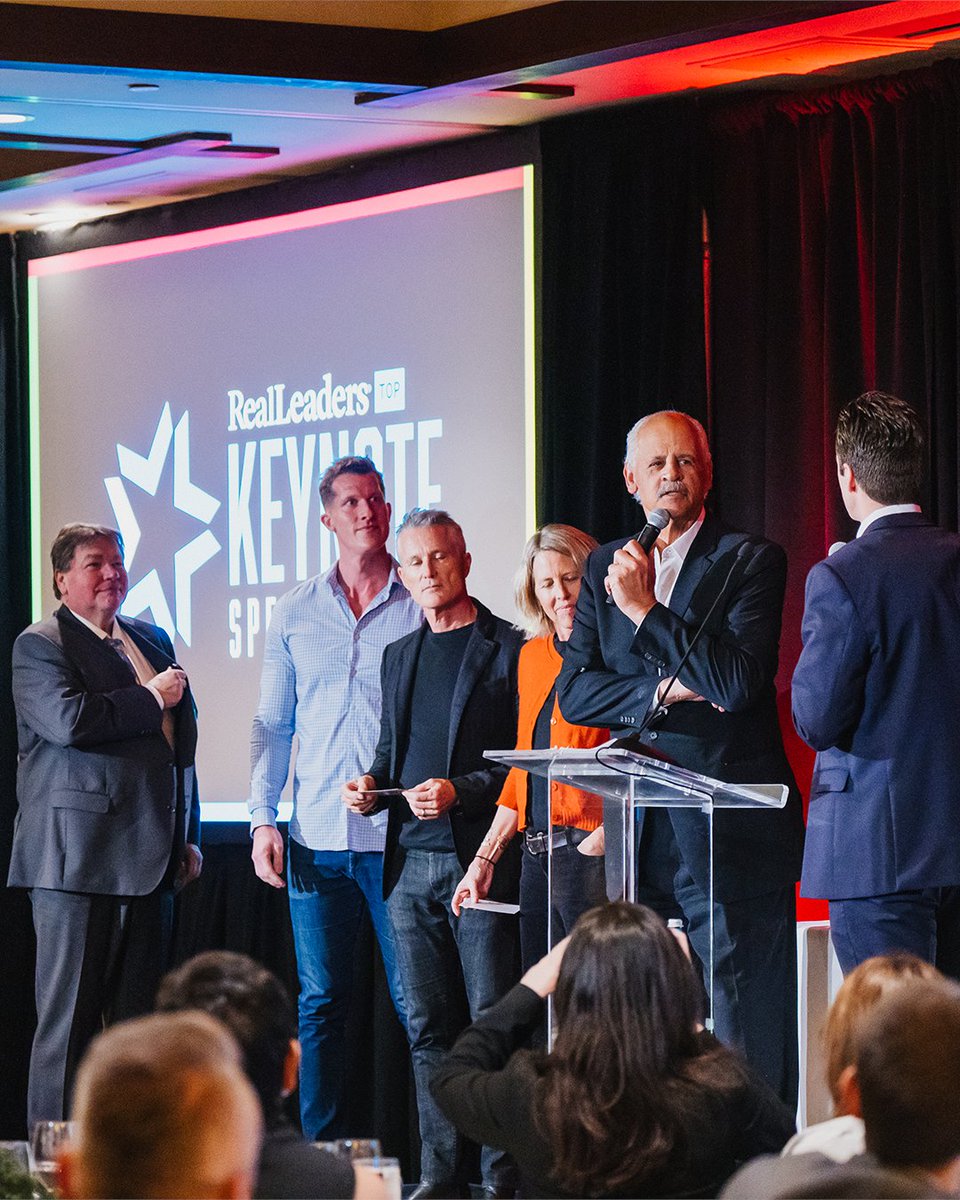
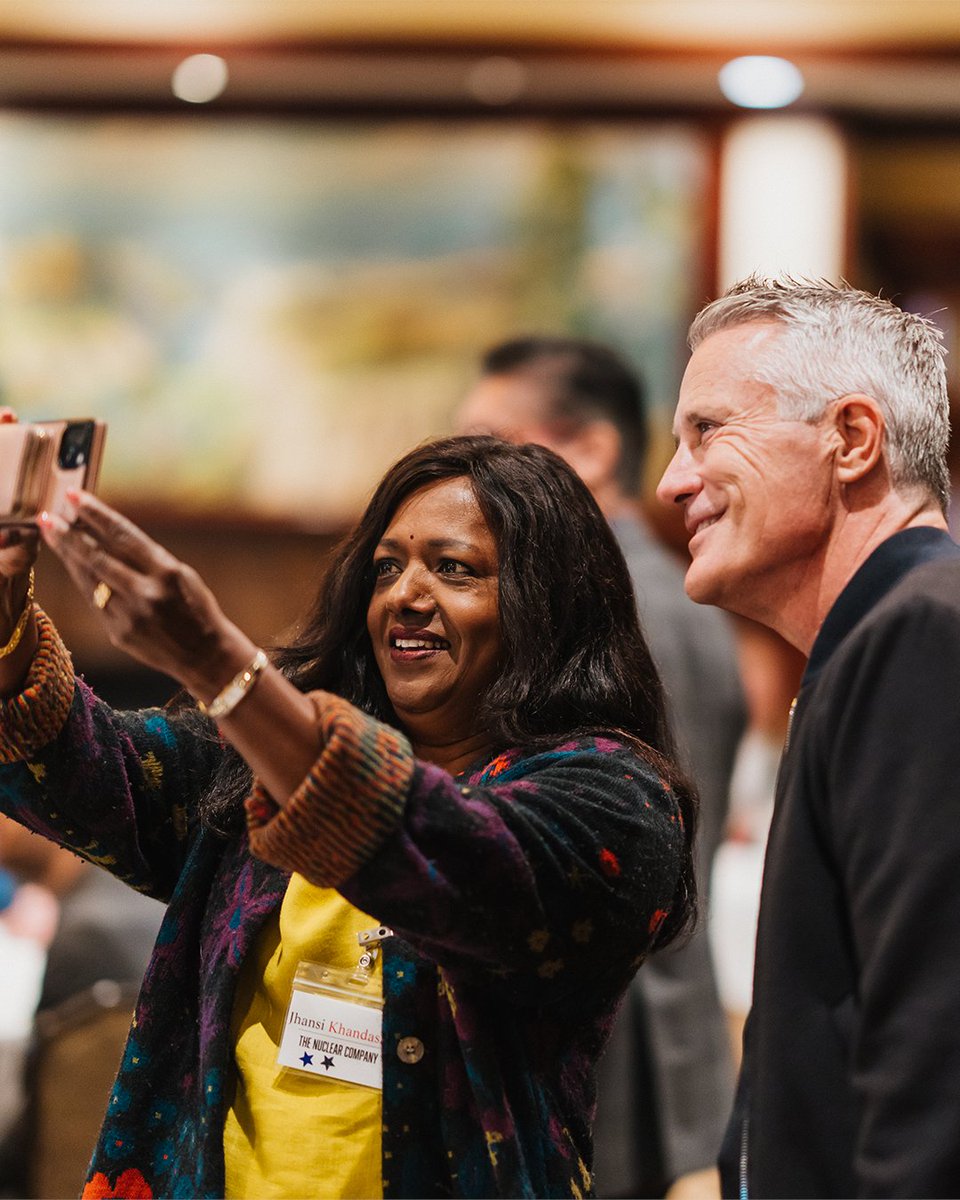
Had a great time at @Real_Leaders UNITE in San Diego earlier this year, connecting with other impact leaders and presenting the 2025 Top Impact Companies. So much inspiration from this community and fellow speakers such as @OfficialStedman, @SageRobbins_, @ShelleyZalis, @ContinuedFight, @LearningMoment, and @JFRegister. Coming together to share transformative leadership experiences is so important at this time. #UNITE2025 #TopImpactCompanies #LeadWithWe #WeFirst
1
1
602
14 Apr 2025
Recognizing our fundamental connection to one another and the planet is more esssentail than ever. #LeadWithWe #WeFirst #SustainableBrands
events.sustainablebrands.com…
1
3
244

12 Apr 2025
my god when wefirst saw this scene in pv me and my friend were like can u imagine HOW THAT FEEEELS
11
799