

Mar 20
#highlycited paper
📚AI-Based #DecisionSupportSystem Optimizing #WirelessSensorNetworks for Consumer Electronics in E-Commerce
🔗mdpi.com/2076-3417/14/12/496…
👨🔬by Mohammed Salem Basingab et al.
@kauedu_sa
#artificialintelligence #clustering
1
2
35
29 Dec 2025
☀ Welcome to read these review papers in the Section "Computing and Artificial Intelligence"!
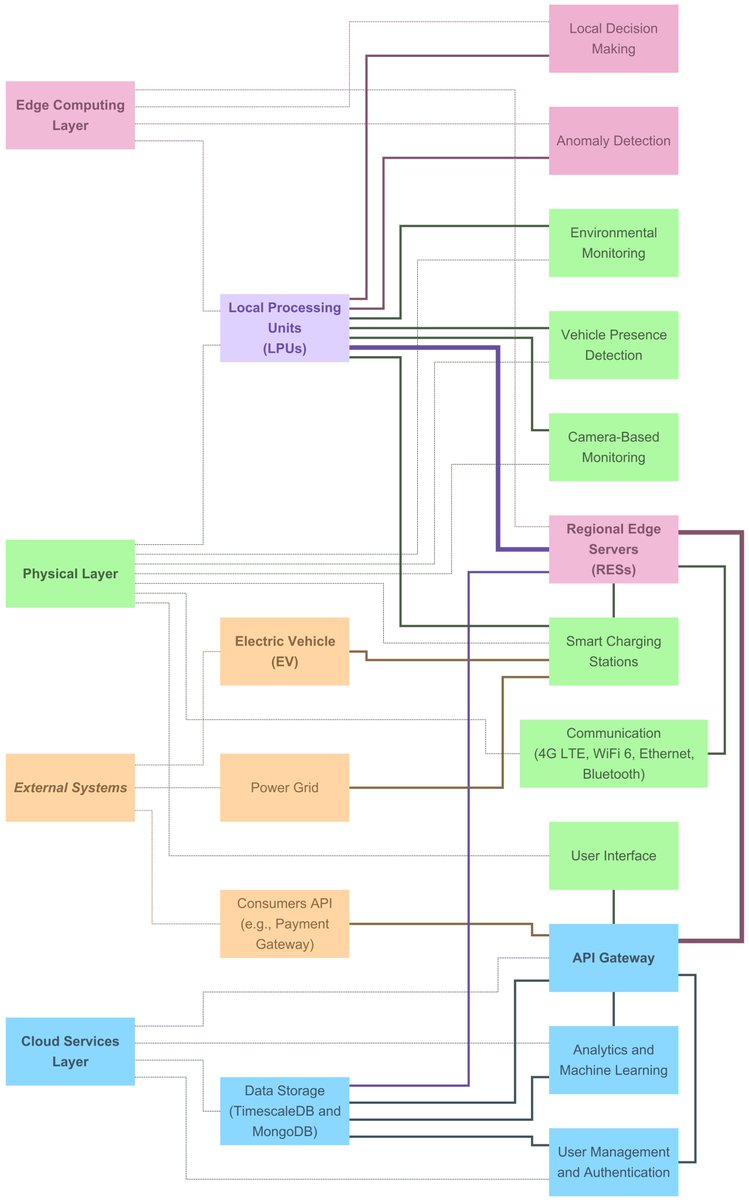
1. #Intelligent #Monitoring Systems for #ElectricVehicle #Charging
by Jaime A. Martins and João M. F. Rodrigues
mdpi.com/2076-3417/15/5/2741
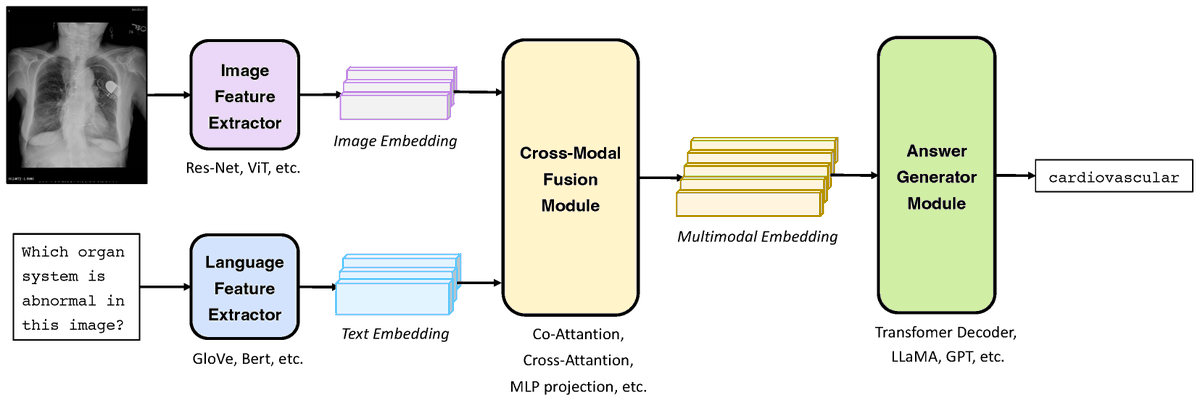
2. #Generative Models in #Medical Visual Question Answering: A Survey
by Wenjie Dong, Shuhao Shen, Yuqiang Han, Tao Tan, Jian Wu and Hongxia Xu
mdpi.com/2076-3417/15/6/2983
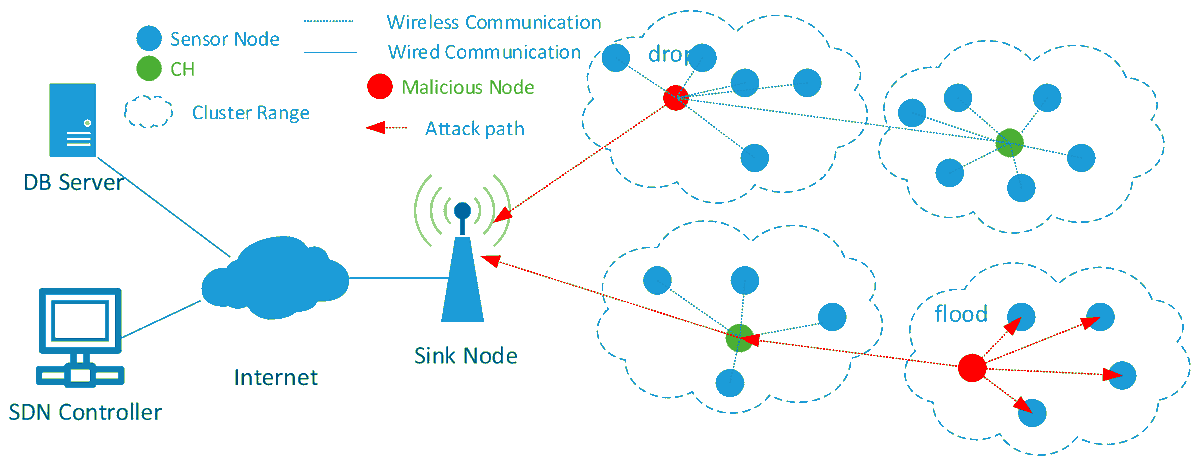
3. #TrustModels in #WirelessSensorNetworks for Defending Against Denial-of-Service #Attacks: A Literature Review
by Lijuan Wang, Krassie Petrova and Mee Loong Yang
mdpi.com/2076-3417/15/6/3075
4. Generative #AI in AI-Based #DigitalTwins for #FaultDiagnosis for #PredictiveMaintenance in #Industry 4.0/5.0
by Emilia Mikołajewska, Dariusz Mikołajewski, Tadeusz Mikołajczyk and Tomasz Paczkowski
mdpi.com/2076-3417/15/6/3166
1
4
65

20 Dec 2025
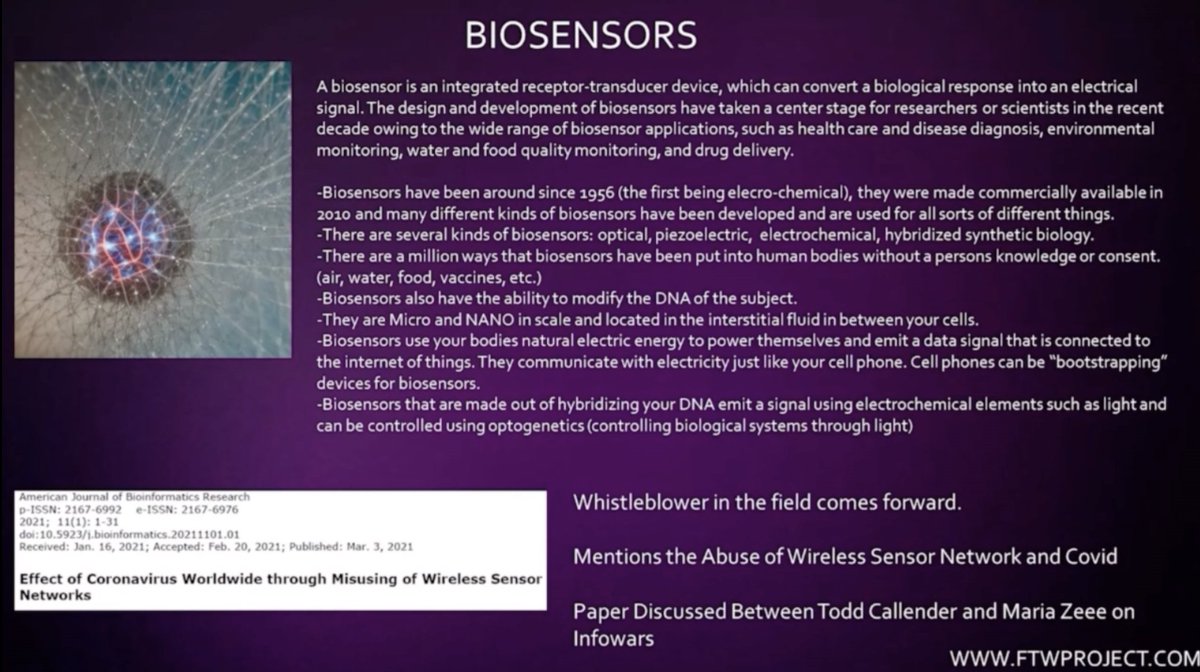
IEEE 802.15.6 #BAN
IEEE 802.15.5 #Mesh #WirelessSensorNetworks
IEEE 802.15.4 #Biosensors #MicroBAN
researchgate.net/publication…
1
2
104

13 Dec 2025
Sabrina Wallaceさんの動画
_φ(・_・ Let's learn!
Wireless Body Area Network - 1995
IEEE 802.15.6
IEEE 802.15.4 #Biosensors
IEEE 802.15.5 #WirelessSensorNetworks #Mesh
medical-body-area-network #FCC - 2014
federalregister.gov/document…
13 Dec 2025

Sabrina Wallace
Wireless Body Area Network - 1995
Medical Body Area Network #FCC - 2014
IEEE 802.15.6 - #BodyAreaNetwork
IEEE 802.15.4 #Biosensors
IEEE 802.15.5 #WirelessSensorNetworks #Mesh
Tech Metric PDF
odysee.com/@Psinergy:a/Psint…
federalregister.gov/document…
1
6
6
614
13 Dec 2025
Sabrina Wallace
Wireless Body Area Network - 1995
Medical Body Area Network #FCC - 2014
IEEE 802.15.6 - #BodyAreaNetwork
IEEE 802.15.4 #Biosensors
IEEE 802.15.5 #WirelessSensorNetworks #Mesh
Tech Metric PDF
odysee.com/@Psinergy:a/Psint…
federalregister.gov/document…
9
120
225
7,239
18 Oct 2025
Invisible Connectivity to the #B6G IoBNT
Healthcare 4.0
#BioCyberInterface
#InternetofBioNanoThings
#WirelessSensorNetworks
#BodyAreaNanosensorNetwork
Medical Body Area Network
linkedin.com/posts/abhatnaga…
media.licdn.com/dms/document…
1
12
14
1,036
6 Oct 2025
Routing Protocols for BODIES !!!
In Use by COMPANIES !!!
#WBAN #MedicalBAN #WirelessSensorNetworks
IEEE 802.15.4 / IEEE 802.15.6
Sabrina Wallace Tech Metrics PDF
odysee.com/@TORESAYSARCHIV…
odysee.com/@Psinergy:a/Psint…
6 Oct 2025
Sabrina Wallace - Tech Metrics PDF
odysee.com/@TORESAYSARCHIV…
3
45
64
2,318

5 Sep 2025
🚀 Highly-Cited Review Spotlight!
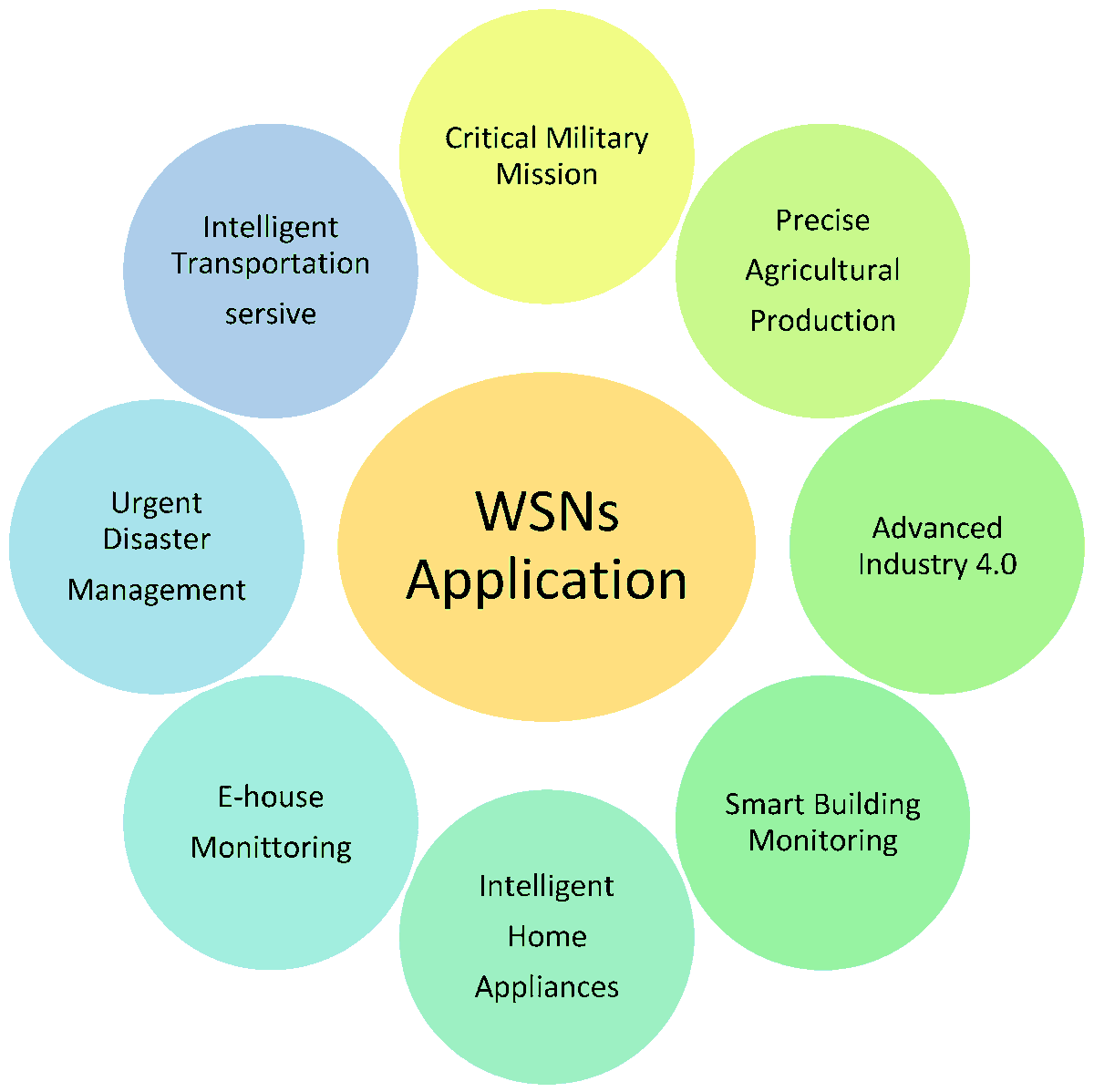
Efficient and Secured #Mechanisms for Data Link in #IoT WSNs: A Literature Review
mdpi.com/2079-9292/12/2/458
Authors: Muhammad Zulkifl Hasan & Zurina Mohd Hanapi from Universiti Putra Malaysia
#IoT #WirelessSensorNetworks #WSN #DataLinkLayer
2
76
14 Aug 2025
Graphene-Based Sensors in Health Monitoring
ISO / IEC Mandatory Medical and Industrial Standard
UNDER the skin #WirelessSensorNetworks
#BioCyberInterface #InternetofNanoThings #IoBNT
Intra-Body Monitoring in Real-Time #BioTelemetry
Sabrina @psinergy_SDW and @DBoomaSan
13 Aug 2025
2020 was the implementation of the new ISO / IEC standard
What do you think you got injected with?
#IoBNT Bio-Cyber Interface for #eHealth
odysee.com/@CorinneNokel:b/w…
4
67
74
3,142
9 Aug 2025
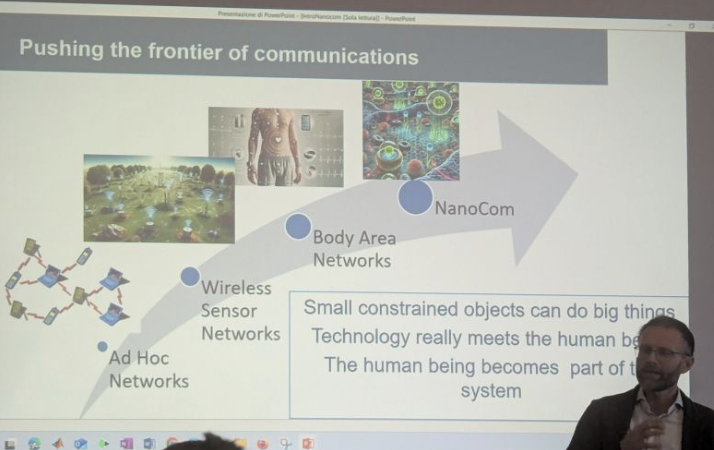
Body Area Networks
Intra-Body Nanonetworking
Anatomical Connectivity
Human Body becomes part of the Internet
Internet of Nano-Things #IoNT
Internet of Bio-Nano Things #IoBNT
#WirelessSensorNetworks #MBAN #WBAN
nanocom.acm.org/nanocom2025/…
nanocom.acm.org/nanocom2025/…
9 Aug 2025
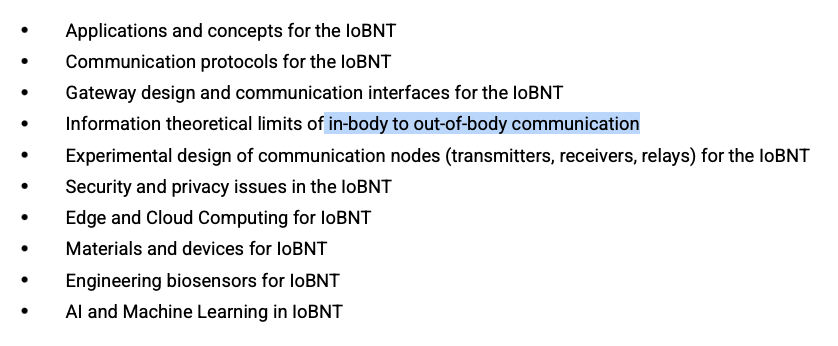
In-Body to out of Body Communication
🛜
Internet of Bio-Nano Things
Smart Computing in the Human Body
Stefan Fischer, University of Lübeck, Germany
comsoc.org/publications/jour…
ieeexplore.ieee.org/document…
2
38
57
2,603
30 Jun 2025
Dear @ChildrensHD
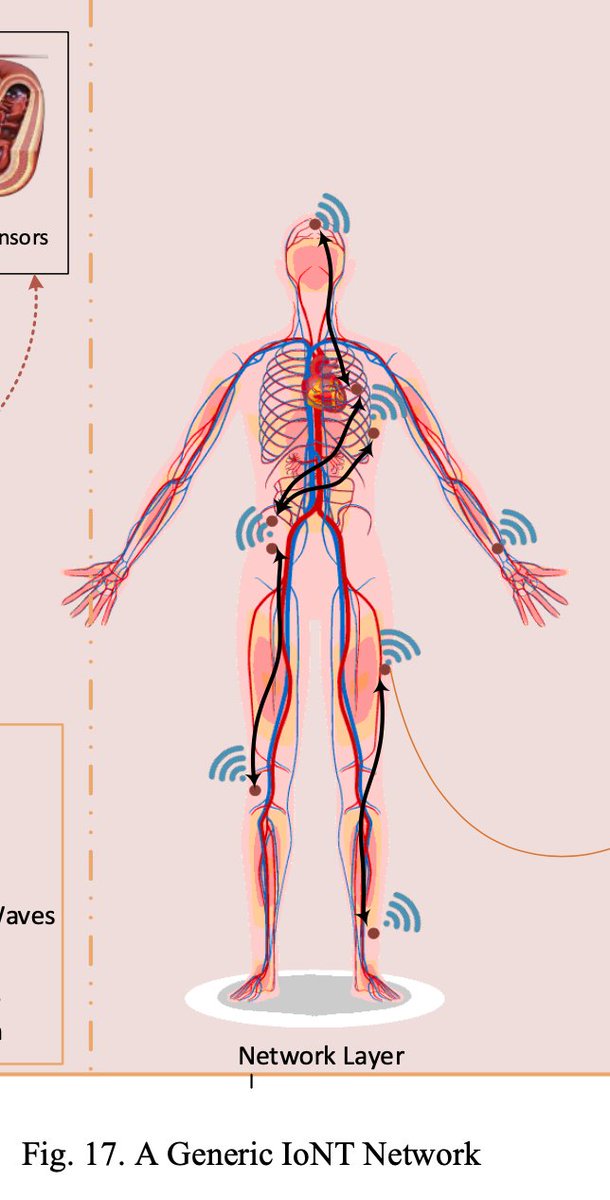
the BODY is the Internet of Nano Things PHY Network Layer
Wireless Intra-Body Nano-Communication is LIVE
#WirelessSensorNetworks
Nano-Routing UNDER the skin for the Internet within
semanticscholar.org/paper/Th…
28 Jun 2025

🌐 From Cars to Jewelry to Appliances — How the Internet of Things Invades Your Privacy Without Your Consent
"One way of potentially protecting people’s privacy is to make sure people and communities observed by connected devices have a direct say in what data the devices collect and how the data is used."
More from @ConversationUS on The Defender 🔗 👇
childrenshealthdefense.org/d…

4
35
50
1,771
27 Jun 2025
Cambridge doesn't lie...!
Wireless Intra-Body Communication for seamless Internet Connectivity, including INSIDE of the Human Body #IoBNT Sensor-Technology #BioTech #IoE
#WirelessSensorNetworks
22 Jan 2025
@ShabnamPalesaMo
INTRA-BODY COMMUNICATION and the #IoBNT BIO-CYBER INTERFACE for #eHealth
Please BEGIN to cover what is being taught at Cambridge and Oxford
#NurembergCode
INTRA-BODY INTERNET
Smart BODIES for Smart Cities
ioe.eng.cam.ac.uk

2
5
230
28 May 2025
Naval Military - you don't say...
Logging into Human Bodies WITHOUT informed consent
#WirelessSensorNetworks #IntraBodyNanoNetworks
Logging into your daughter without her knowledge and consent.

4 May 2024
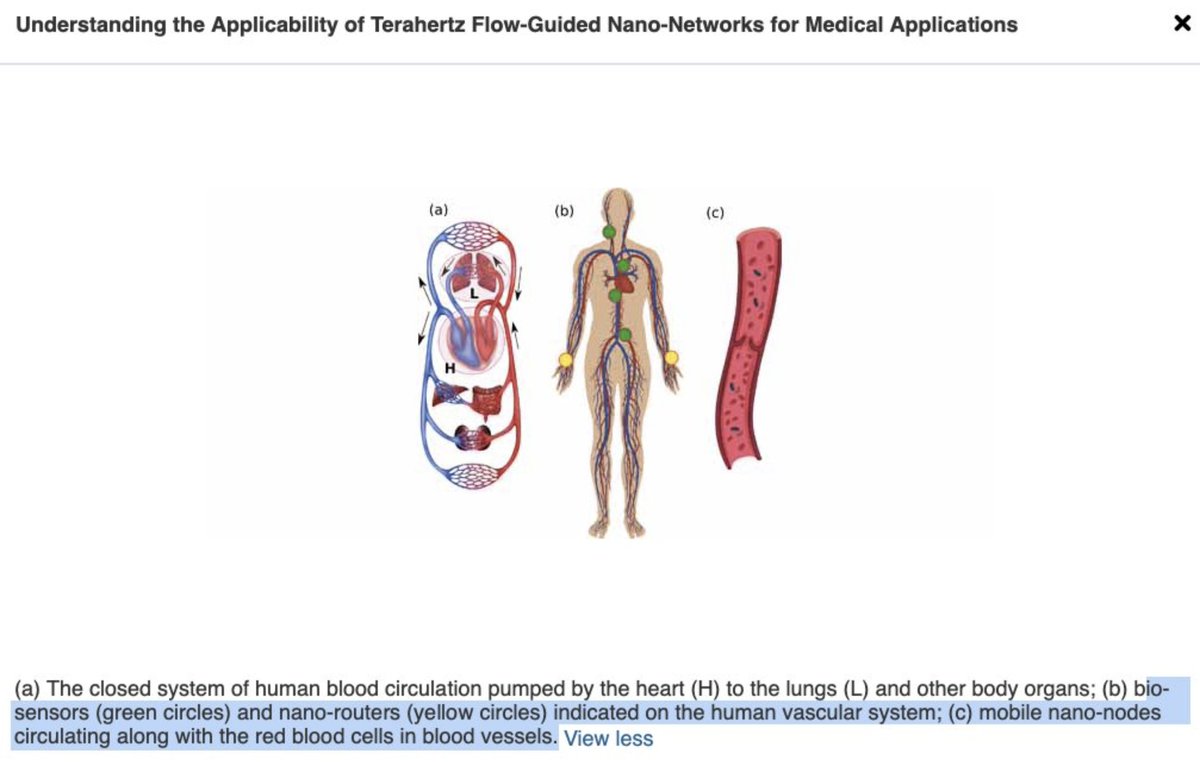
'The number of devices considered (between 580 & 20000), deployed in-body, should be seen as non-invasive.'
Terahertz Flow-Guided Nano-Networks for Medical Applications
#IoNT
#IntraBodyNanoNetworks
#MedicalBodyAreaNetwork
#NanoscaleComputing
ieeexplore.ieee.org/document…
22
21
787

2 May 2025
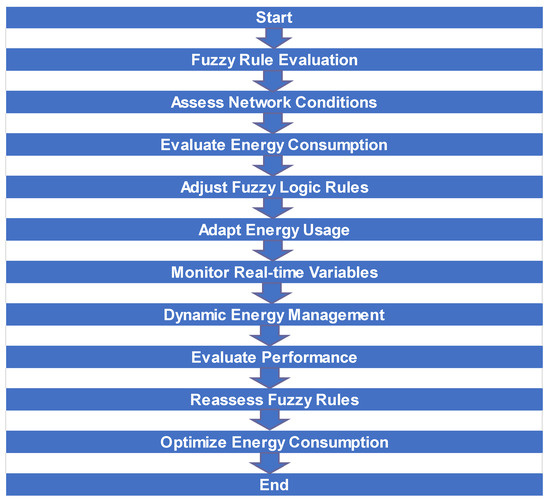
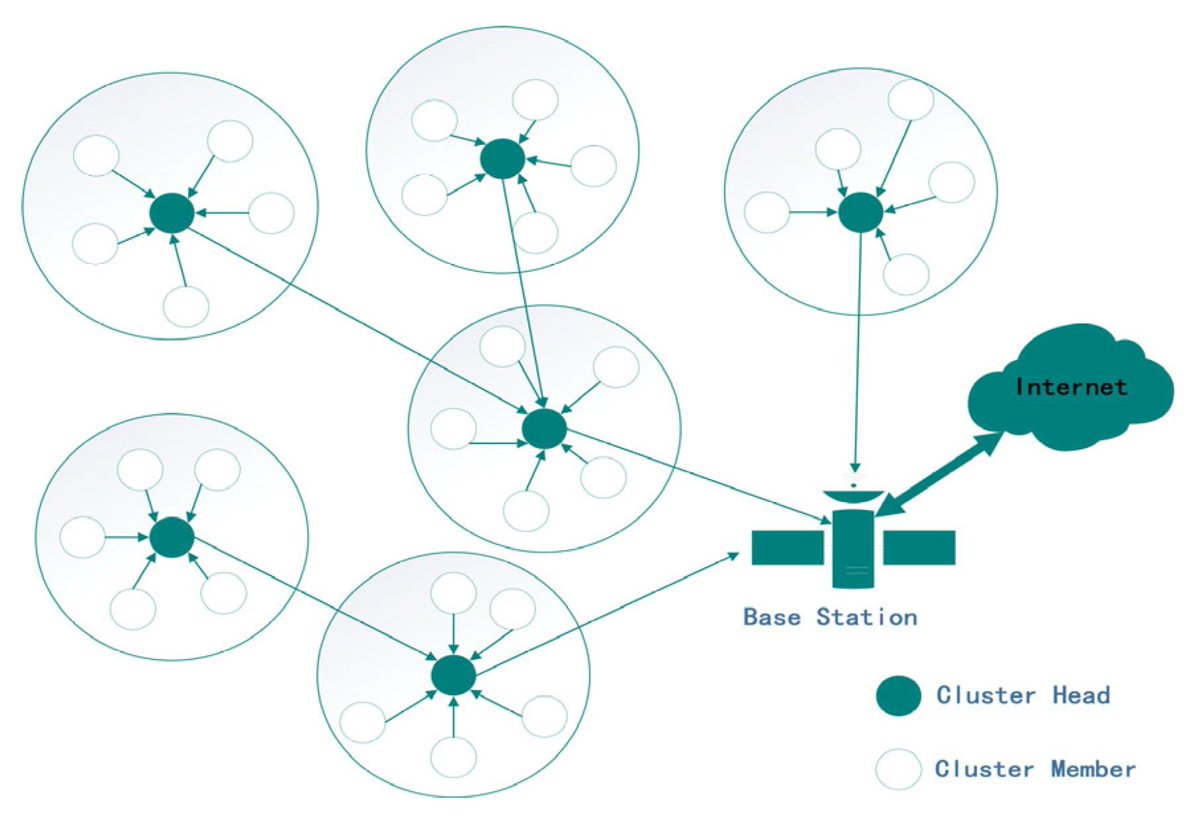
Energy-Efficient, Cluster-Based Routing Protocol for Wireless Sensor Networks Using Fuzzy Logic and Quantum Annealing Algorithm
mdpi.com/1424-8220/24/13/410…
#wirelesssensornetworks
1
2
62
30 Apr 2025
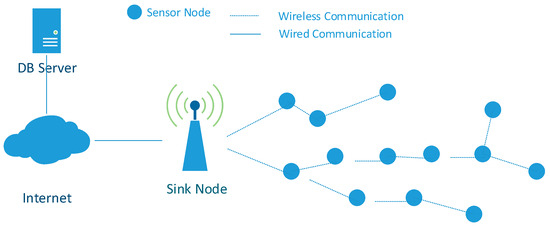
🔥 Read our Review Paper
📚 Trust Models in Wireless Sensor Networks for Defending Against Denial-of-Service Attacks: A Literature Review
🔗 mdpi.com/2076-3417/15/6/3075
👨🔬 by Lijuan Wang et al.
#wirelesssensornetworks #WSNs
3
64

27 Apr 2025
🔔#MDPIfutureinternet [Editor's Choice Articles in the First Half of 2023]
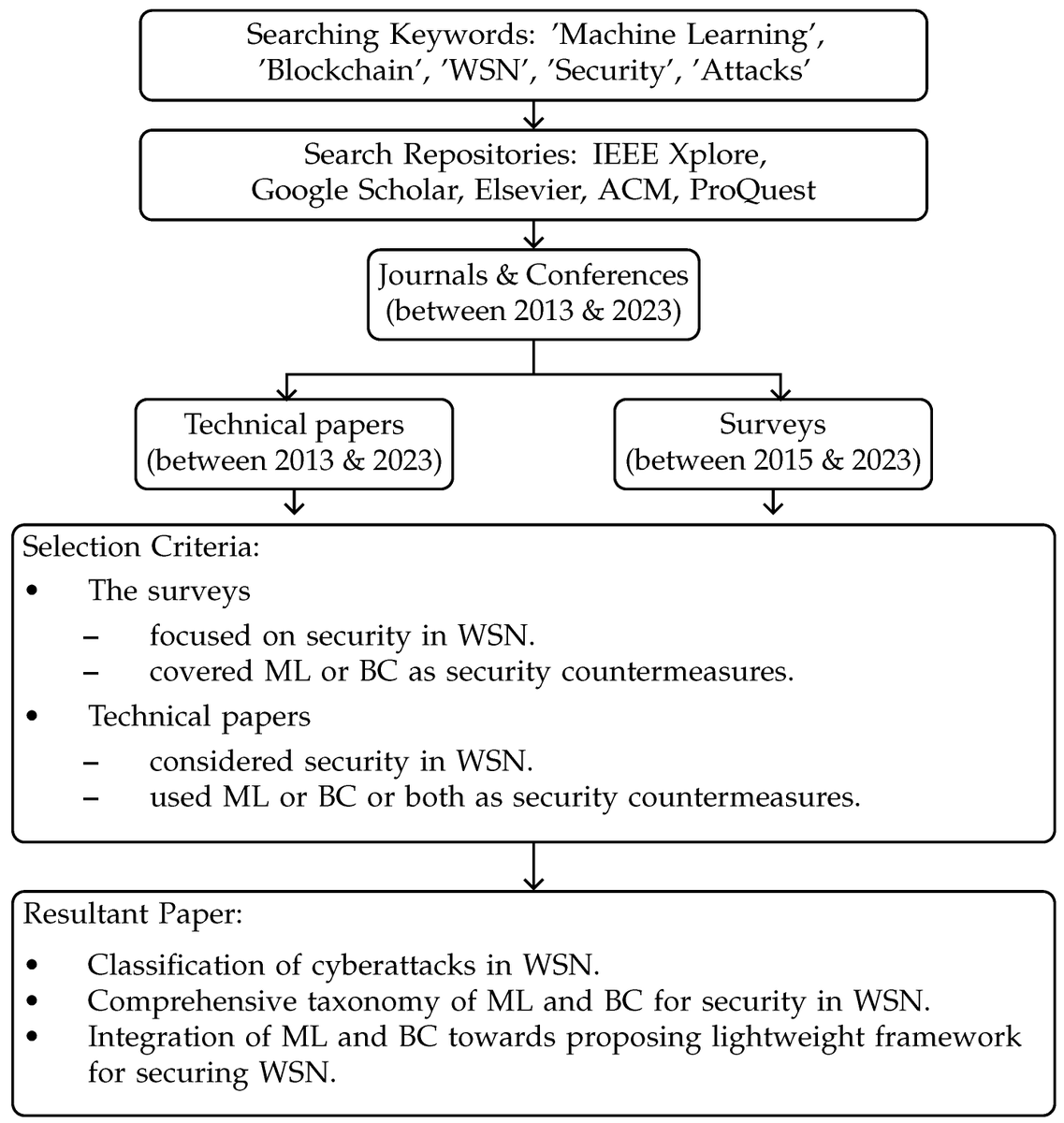
📌Title: Securing Wireless Sensor Networks Using #MachineLearning and #Blockchain: A Review
🔗mdpi.com/1999-5903/15/6/200
#InternetofThings #wirelesssensornetworks #security #cyberattacks
@ComSciMath_Mdpi
3
61
17 Apr 2025
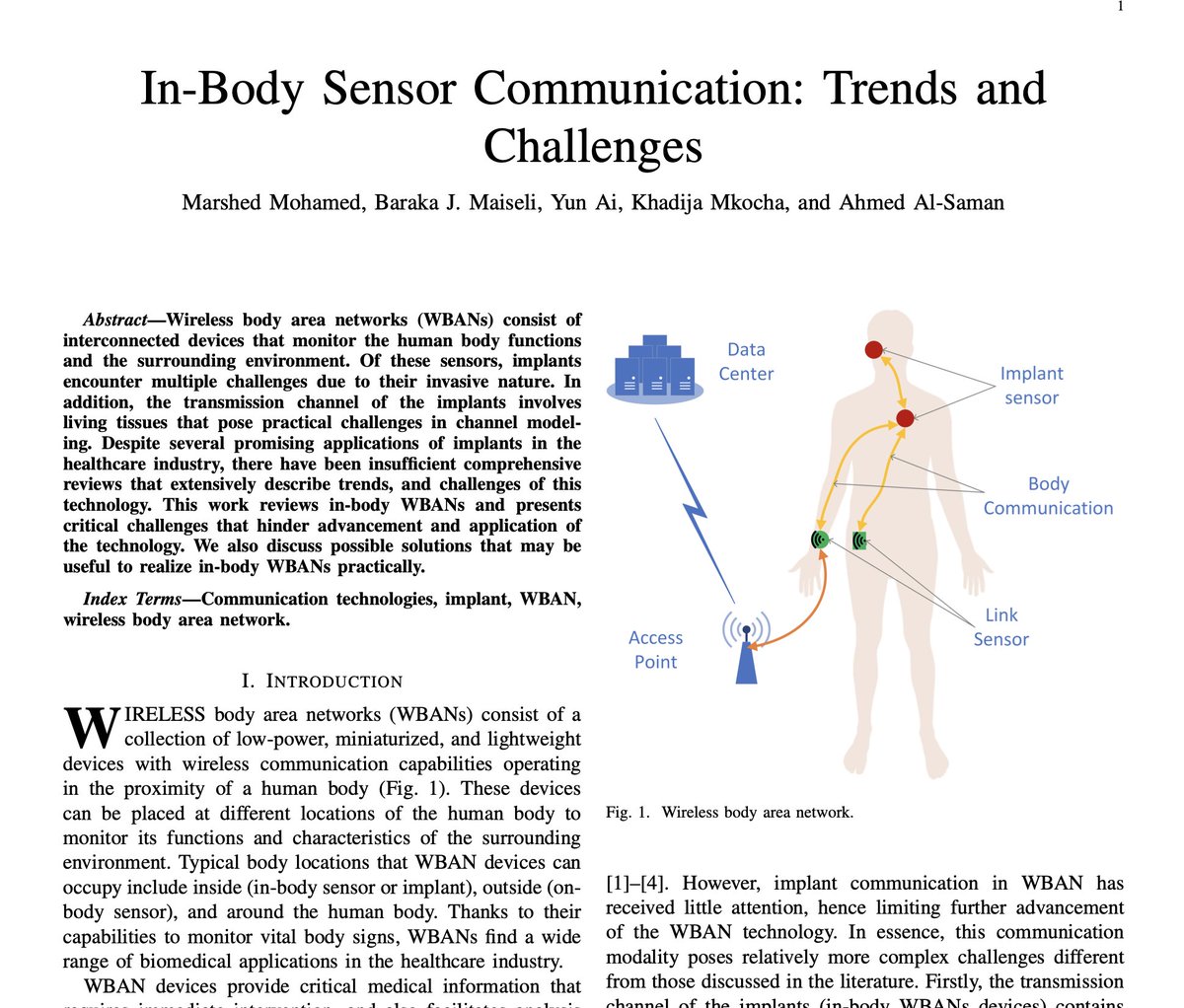
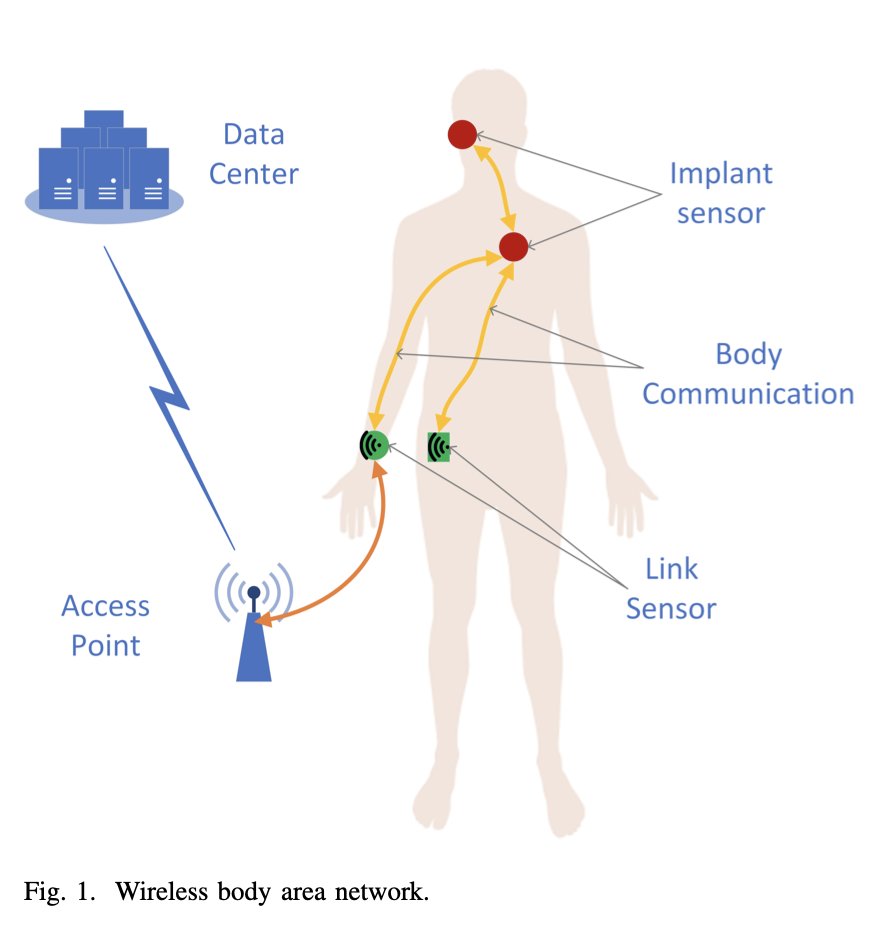
Since Intra-Body Communication is trending,
let's talk about it!
#WirelessSensorNetworks #InternetWithinTheBody
6
6
146
12 Apr 2025
INTERNET WITHIN THE BODY
#Biosensors #InternetofBioNanoThings
#WirelessSensorNetworks
Prof. Ian Fuat Akyildiz
ianakyildiz.com/bwn/presenta…
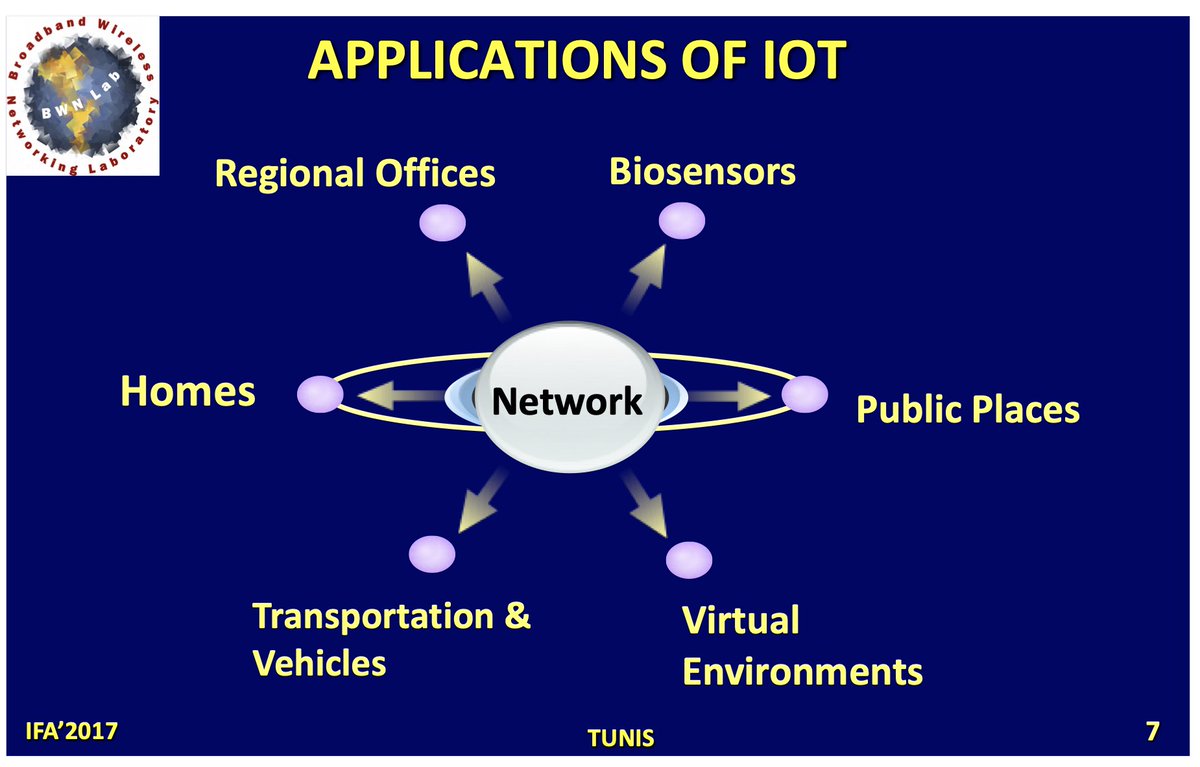
30 Mar 2025
Prof. Ian F. Akyildiz 2024
Injecting Nano-Biosensors into the Body right this year
Connecting the inner part of the Body to the wider internet #IoBNT
Wireless Intrabody Communication
#PANACEA
#BioCyberInterface
#InternetofBioNanoThings
1
23
22
1,024
11 Apr 2025
@psinergy_SDW
Internet of Plants #WirelessSensorNetworks
University of Delft
10 Apr 2025

DID YOU KNOW?!?! The "Internet of Plants" (IoP) refers to a network of sensors and technology used to monitor and manage plant health and the environment around them, enabling insights and potentially autonomous crop management, similar to the concept of the Internet of Things (IoT).
(Summary Below) 👇
Delft University of Technology
Sensors in agriculture
towards an Internet of Plants
Steeneken, Peter G.; Kaiser, Elias; Verbiest, Gerard J.; ten Veldhuis, Marie Claire
Publication date 2023
Document Version
Final published version
Published in
Nature Reviews Methods Primers
research.tudelft.nl/files/15…
• Sustainable agriculture requires increased productivity, climate resilience, and optimized resource use.
• Dense wireless sensor networks, forming an Internet of Plants (IoP), offer significant potential to achieve this by providing real-time data on environmental and plant physiological parameters.
• While sensor technology is advanced, agricultural adoption lags.
• IoP networks, using low-cost sensors measuring environmental factors (temperature, humidity, CO2) and plant physiology (sap flow, stem diameter), coupled with control systems, can improve crop management.
• Potential solutions involve installing sensors on posts, crops, or using biodegradable modules.
• Mobile robots or drones offer another approach, though limitations exist.
• Effective use of IoP data to improve crop yield requires collaboration among scientists and engineers.
• Comprehensive studies using dense sensor networks are needed to determine the predictive value of various sensors.
• Future IoP implementations will involve sensor technology maturation and integration with control strategies to optimize crop yields, leading to customized agricultural sensor solutions.
• paper also includes a partial citation referencing cherry tomatoes.
16
25
666