
5 Sep 2025
🚀 Highly-Cited Review Spotlight!
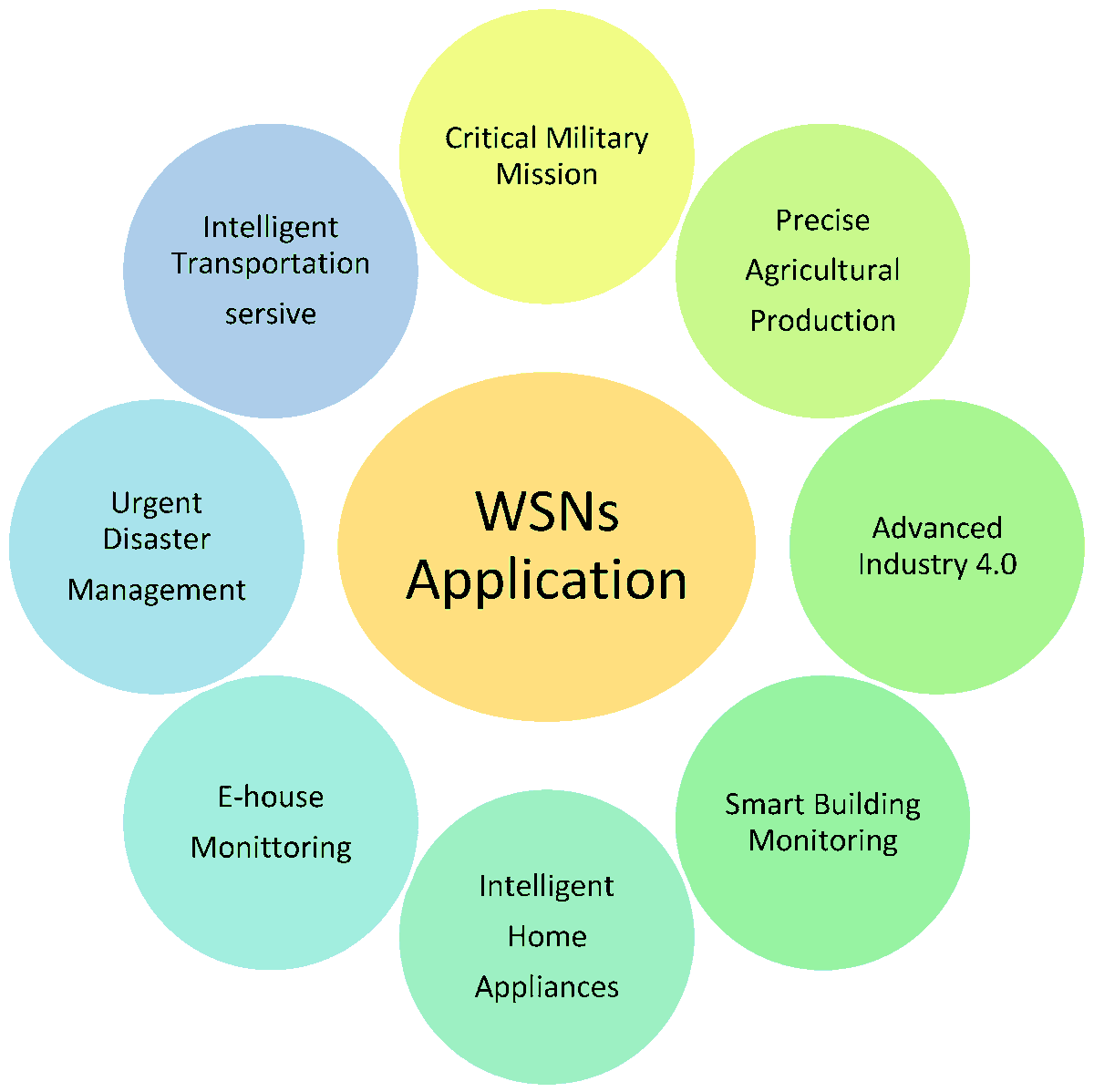
Efficient and Secured #Mechanisms for Data Link in #IoT WSNs: A Literature Review
mdpi.com/2079-9292/12/2/458
Authors: Muhammad Zulkifl Hasan & Zurina Mohd Hanapi from Universiti Putra Malaysia
#IoT #WirelessSensorNetworks #WSN #DataLinkLayer
2
76

3 Apr 2025
Flow Control Techniques
- Flow Control म्हणजे sender आणि receiver मधील डेटा transmission regulate करणे, जेणेकरून receiver overload होऊ नये.
- प्रत्येक नेटवर्क डिव्हाईसची प्रोसेसिंग स्पीड वेगळी असते.
#DataLinkLayer
1
6
199
15 Mar 2025
Error Detection & Correction Techniques #DataLinkLayer
Data transmission दरम्यान काही errors येऊ शकतात, ज्यामुळे data corrupt होतो.
1. Error Detection: Error आहे की नाही हे शोधणे.
2. Error Correction: Error सापडल्यास तो fix करणे.
1
3
192

23 Feb 2025
🔍 New blog!
How the Data Link Layer ensures error-free data transfer: detection, correction, and flow control.
Read more: dev.to/singhaayush/error-fre…
#Networking #ComputerNetworks #DataLinkLayer #TechBlog @ThePracticalDev @CodeNewbies
1
2
53

9 Jan 2025
🚨 New Writeup Alert! 🚨
"Layer 2 attacks & Mitigation techniques" by Ghostploit is now live on IW!
Check it out here: infosecwriteups.com/5fb83e2f…
#vlan #mac #datalinklayer #arpprotocol #cyberattack
1
4
576

7 Apr 2024
Layer 2, also known as the Data Link Layer, is an essential component of the OSI model that is responsible for the efficient and error-free transfer of data between neighboring network nodes. This layer ensures proper communication between devices by defining how data packets are formatted, addressed, and transmitted over the physical network.
One of the key functions of Layer 2 is to provide a unique MAC (Media Access Control) address to each network device. This address is used to identify the source and destination of data packets and helps in delivering them to the correct destination.
Another important aspect of Layer 2 is its role in managing data flow through the use of techniques such as framing, error detection, and flow control. These functions help in maintaining the integrity and reliability of data transmission across the network.
In addition, Layer 2 also includes protocols like Ethernet and Wi-Fi, which enable devices to connect to the network and communicate with each other seamlessly.
Overall, Layer 2 plays a crucial role in ensuring that data is transmitted efficiently and securely within a network, making it an essential component in modern networking systems. #Layer2 #DataLinkLayer #OSIModel #MACAddress #Ethernet #Wi-Fi.
9
5
1,032
2 Apr 2024
Layer 2, also known as the Data Link Layer, is a crucial component of the OSI model that plays a vital role in ensuring communication between devices on a local network. This layer is responsible for framing, addressing, and delivering data packets across a shared physical medium.
One of the key functions of Layer 2 is to provide error detection and correction mechanisms to ensure the integrity of data transmission. This is achieved through the use of techniques such as CRC (Cyclic Redundancy Check) and parity checking.
Another important aspect of Layer 2 is MAC addressing, which allows devices on the same network to uniquely identify each other. Each device is assigned a unique MAC address, which is used to route data packets to the correct destination.
Layer 2 also defines the rules for how data is formatted and transmitted across the network, including protocols such as Ethernet and Wi-Fi. By adhering to these standards, devices can communicate with each other seamlessly.
In summary, Layer 2 plays a crucial role in enabling communication between devices on a local network, ensuring data integrity, and defining the rules for data transmission. #DataLinkLayer #OSImodel #MACaddress
23
14
929
1 Apr 2024
Layer 2, also known as the Data Link Layer, is the second layer of the OSI model. It is responsible for transferring data between adjacent nodes in a network. This layer provides error detection and correction to ensure data integrity.
One of the key protocols used at Layer 2 is Ethernet, which defines how data packets are formatted and transmitted over a network. Another protocol commonly used at this layer is the Address Resolution Protocol (ARP), which maps IP addresses to MAC addresses.
Layer 2 switches operate at this layer and use MAC addresses to forward data packets to the correct destination. These devices can efficiently filter and forward traffic based on the MAC address, improving network performance.
By segmenting the network into different broadcast domains, Layer 2 helps reduce unnecessary traffic and manage network congestion. This layer also plays a crucial role in VLAN (Virtual Local Area Network) configuration, allowing networks to be logically divided without the need for physical separation.
Overall, Layer 2 is essential for ensuring the smooth and efficient operation of data transmission in a network. #DataLinkLayer #Ethernet #ARP #Switches #VLAN.
8
3
705
31 Mar 2024
Layer 2, also known as the data link layer, is a crucial component of the OSI model that is responsible for transmitting data between adjacent network nodes. This layer ensures that data is transmitted error-free and in the correct sequence. It also handles addressing, framing, and flow control, making it the bridge between the physical layer and the network layer.
One key feature of layer 2 is the use of MAC addresses to identify devices on a network. These unique addresses are assigned to network interfaces and are used to route data to the correct destination. Layer 2 switches operate at this level, making forwarding decisions based on MAC addresses.
Layer 2 also plays a vital role in network security, as it helps prevent unauthorized access to data by implementing access control lists and VLANs. By segmenting the network into smaller, isolated domains, layer 2 helps protect sensitive information from being compromised.
In conclusion, layer 2 is a fundamental layer of the OSI model that is essential for ensuring data is transmitted reliably and securely within a network. #layer2 #datalinklayer #networksecurity.
17
5
649
27 Mar 2024
Layer 2, also known as the Data Link Layer, plays a crucial role in the networking process by ensuring reliable communication between devices on the same network. This layer is responsible for framing data packets into a format that can be transmitted over the physical network medium.
One of the key functions of Layer 2 is to provide error detection and correction mechanisms to ensure data integrity. By adding checksums and sequence numbers to data packets, Layer 2 can detect and correct errors that may occur during transmission.
In addition, Layer 2 is also responsible for addressing and routing data packets to their intended destinations. MAC addresses are used to uniquely identify devices on a network, allowing Layer 2 to determine the best path for data packets to reach their destination.
Overall, Layer 2 plays a critical role in the smooth functioning of network communication, ensuring that data is transmitted accurately and efficiently. #DataLinkLayer #Networking #MACAddress #Communication #ErrorDetection
14
5
732
22 Mar 2024
Layer 2, also known as the Data Link Layer, plays a crucial role in the process of data transmission within a network. This layer is responsible for addressing, routing, and controlling data packets on the physical network. It ensures that data is transferred reliably and efficiently between devices.
One key aspect of Layer 2 is its use of Media Access Control (MAC) addresses to identify devices on a network. These unique identifiers allow devices to communicate with each other and prevent data collisions. Layer 2 also utilizes Ethernet protocols for data transmission, including framing, error detection, and flow control mechanisms.
In addition, Layer 2 defines how data is formatted for transmission over the physical network, including the use of headers and trailers to encapsulate data packets. This layer also includes protocols such as Ethernet, Token Ring, and Frame Relay.
Overall, Layer 2 is essential for the smooth operation of a network, ensuring that data is sent and received accurately and efficiently. #Layer2 #DataLinkLayer #Networking #MACAddress
15
8
823

Layer 2, also known as the Data Link layer, is an important component of the OSI model. This layer is responsible for the transfer of data between adjacent network nodes in a network segment. It provides the means for the physical transmission of data and handles error detection and correction.
One of the main functions of Layer 2 is to establish and maintain a link between two devices on a network. This is done through the use of MAC addresses, which are unique identifiers assigned to each network interface. Layer 2 switches use these MAC addresses to forward data packets to the correct destination.
Another important aspect of Layer 2 is the framing of data packets. This involves adding headers and trailers to the data to allow for proper transmission and reception. This layer also performs error checking to ensure that data packets are transmitted accurately.
In addition, Layer 2 is crucial for maintaining network security. By using techniques such as VLANs (Virtual Local Area Networks) and MAC address filtering, Layer 2 helps to segregate traffic and prevent unauthorized access to sensitive data.
Overall, Layer 2 plays a vital role in ensuring the efficient and secure transfer of data within a network. By implementing best practices and utilizing advanced networking technologies, organizations can leverage the capabilities of Layer 2 to improve network performance and reliability.
#Layer2 #DataLinkLayer #MACaddresses #OSImodel #networking #VLANs #networksecurity #dataframing
20
2
797
Layer 2, also known as the data link layer, is an important component of the OSI model that is responsible for creating a connection between devices on the same network. This layer operates at the link level, ensuring that data is transmitted and received accurately between devices.
One of the key functions of layer 2 is to manage how data is formatted for transmission over the physical network. This includes adding headers and trailers to data packets, which help to identify the source and destination devices. By adding this information, layer 2 ensures that data is sent to the correct destination and can be properly interpreted by the receiving device.
Layer 2 also plays a crucial role in error detection and correction. By including checksums in data packets, layer 2 can verify that the data has been transmitted correctly and retransmit any packets that have errors. This helps to ensure the reliability of data transmission over the network.
In addition to data formatting and error detection, layer 2 also manages the flow of data between devices. By using protocols such as Ethernet and Wi-Fi, layer 2 determines how devices communicate with each other and regulates the flow of data to prevent congestion on the network.
Overall, layer 2 is a critical component of the OSI model that helps to ensure the efficient and reliable transmission of data between devices. By managing data formatting, error detection, and flow control, layer 2 plays a key role in keeping networks running smoothly and effectively. #Layer2 #DataLinkLayer #OSIModel
21
2
781

20 Nov 2022
Stop and Wait Protocols in Data Link Layer
youtu.be/kZZ7uXtrRB8
#flowcontrol #data #computerscience #computerscienceengineering #computernetworks #computer #computernetworking #stopandwaitprotocol #gobacknprotocol #selectiverepeatarq #datalinklayer
3

24 Oct 2022
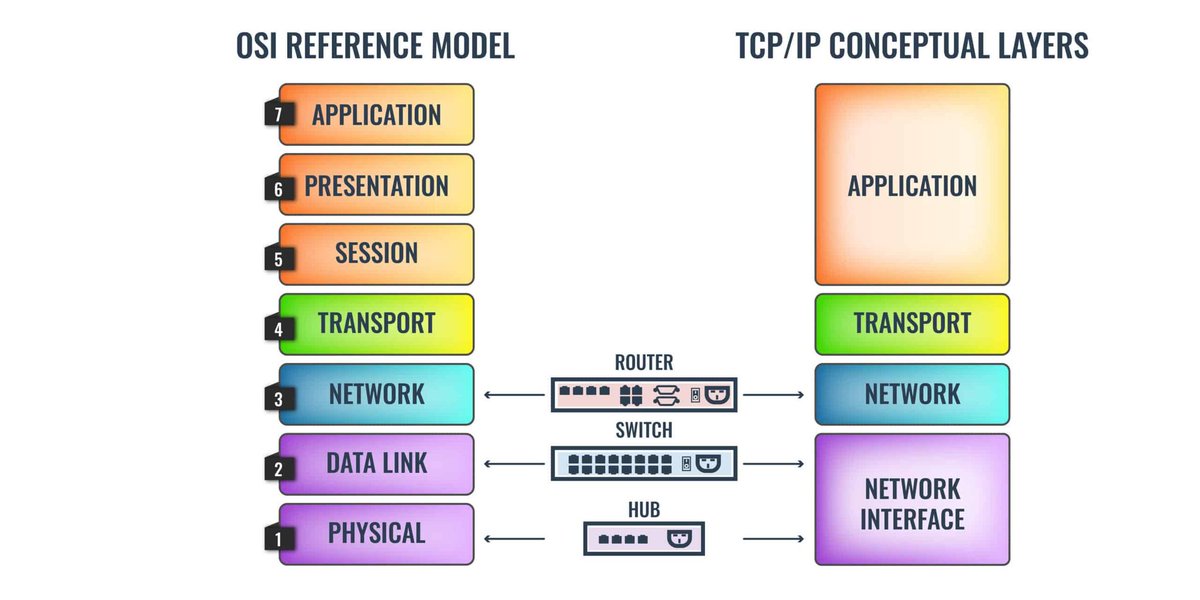
If you prefer to think of #networking #technology in terms of #layers in a stack, the following diagram should help you understand the difference:
⚡ #hub is a #PhysicalLayer device (Layer1)
⚡#switch is a #DataLinkLayer device (Layer2)
⚡#router is a #NetworkLayer (Layer3)
4

3 Oct 2020
Halo, saya Bencana Bot. Untuk melaporkan banjir di sekitarmu, silakan balas dengan #banjir.

30 Jan 2018
In part two of our #InformationSecurity series, Alan Bunyard, Solutions Architect for Pinnacle, shares six ways you can actively protect the #DatalinkLayer of your network. #CyberSecurity #ITSecurity hubs.ly/H09N9qB0
2
2

2 Jul 2017
1
2

4 Apr 2017
"Elk grazing in the early spring. Banff, Canada[OC][5110x3613]" via #Animal Porn Subreddit - Courtesy of datalinklayer

1
3 Apr 2017
"Elk molting in Banff national park[5470x3647]" via #Animal Porn Subreddit - Courtesy of datalinklayer

1
4