
Not sure prostitution counts as the workforce. Look how you dress! Do you have an only fans account?
Veronica retweeted

Our universities are there to help young Australians get the workforce skills we need; in medicine, science, AI, the humanities.
If pursuing a PhD is only financially viable for those from wealthy backgrounds, we're selling the country short. PhD stipends must be increased.
theguardian.com/australia-ne…
60
82
316
8,322
Steve Froehlich🦇 retweeted

Jun 13
Gen Z entering the corporate workforce with zero work ethic is going to collapse the economy. They expect a $90k salary, full remote flexibility, and four weeks of PTO for an entry-level job. The moment a manager gives them constructive feedback, they call it a "toxic workplace" and quit.
You actually have to pay your dues and work hard before you start demanding executive-level perks. The entitlement is completely out of control and older generations are sick of dealing with it.
292
89
909
137,419

"#IncomeInequality' is a silly concept that assumes our economy is like PIE. "Its not 'fair' that Billionaires make 'too much'. NO: The PIE is going to grow dramatically w/ #AI but the threat to LABOR must be addressed by Government NOW. We must UPSKILL our workforce." KGJ

1
Antony Roshan retweeted

When an organisation stops being transparent, it's workforce naturally becomes less worried about failures when no more you face backlash for your mistakes, since the leadership keeps shielding you.
This is fine for a private org, not acceptable for a civilian public organization. General public very gullible, easy to feed them conspiracy theories.
This hurts especially for a organization founded on transparency and accountability since they struggled for public support, ruined by poor modern leadership who can't handle politicians.
We went from telling politicians how it's done to politicians telling thrnm what to do. Embarrassing from a leadership point of view.

4
12
48
578

Absolute crap. So, there are none of these supposedly "skilled" workers available from our indigenous workforce. Absolutely unbelievable wokery at it's best.
1

H1B working visas is the proper way to introduce migrants into this country. They’re controlled and contribute and we’re still net negative migrations with the increased imported workforce. How has obliterating Iran and controlling the strait show us as paper tigers?
20

Fuck's sake. Sick to my back teeth of the moronic "we built this country" line.
Approximately 0.5% of the entire workforce was non-British in the 1970s; in 1991, it was approximately 2%.
And yet, they built Britain.
Dumb as fuck.
1
31
Tanto_Probo retweeted

⚡ NEW: Mark Zuckerberg admitted Meta made “mistakes” during its AI workforce overhaul as the company pours billions into AI.


82
29
318
31,091

@warDaniel47
shares a video of Defense Secretary Pete Hegseth announcing the termination of $5.1 billion in wasteful DoD contracts uncovered by the Department of Government Efficiency (DOGE).
Hegseth details cuts to Accenture consulting services saving $1.4 billion, replacement of $500-per-hour consultants, and $500 million in additional workforce efficiencies.
The announcement, originally from April 2025, addresses non-essential spending including on select academic institutions and emphasizes collaboration with DOGE for Pentagon cost reductions.
9

Recent coverage from The National Provisioner explores new product launches, automation investments, workforce issues and market trends.
Read the latest at ProvisionerOnline.com
#Poultry #Beef #MeatProcessing #FoodManufacturing


.@CPowerSystems expands Missouri manufacturing footprint.
Central Power Systems & Services is continuing to grow its Platte City, Missouri manufacturing operation, investing in local communities.
See how the company’s expansion is supporting workforce growth ⤵️
servicetruckmagazine.com/new…
#ServiceTruck

1

China's doing what Japan refused to do in 1990: admitting the party's over. Except Beijing's playing it in slow-motion, which might be worse.
Property collapse, 320 million "flexible workers" (that's underemployment dressed in a suit), household deposits at $25 trillion sitting idle because nobody trusts tomorrow. The machinery that built the world's factory is eating itself.
Here's what nobody wants to say: China's not facing a banking crisis or a currency crisis. It's facing a *legitimacy* crisis. When growth was 10%, the CCP's authoritarian compact made sense—trade freedom for prosperity. Now that growth is 3-4%, you've got 44% of your workforce in gig economy survival mode competing with college grads earning $700/month.
The real danger isn't a 2008-style meltdown. It's 25 years of Japanese-style stagnation where the state props up zombie firms, capital gets trapped domestically, and the world absorbs China's overcapacity because Beijing's converting a real estate collapse into a manufacturing surge. They're exporting their demand crisis.
Trump's equity stakes in Intel, the Boeing sales blitz, the tariff theater—all of it's actually a tacit admission: America sees what's coming and is moving pieces around the board while it can still move them.
The question isn't
4

Cheers to National Bourbon Day! 🥃
@AugustaDistKY is a shining example of a passionate workforce dedicated to crafting the highest quality bourbon with a seven-story rickhouse storing 30,000 barrels of bourbon.
🔗: augustakydistillery.com/
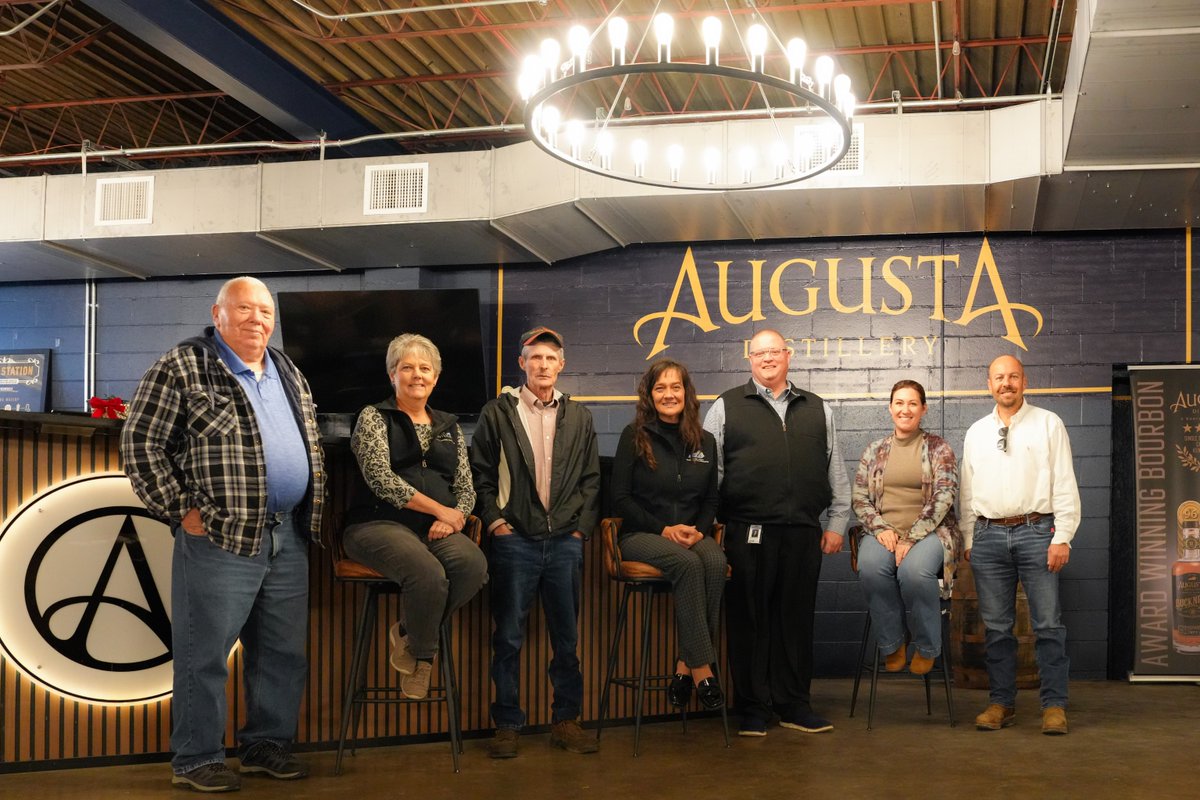
ALT CED team and Augusta team posing in front of Augusta Distillery sign inside the distillery
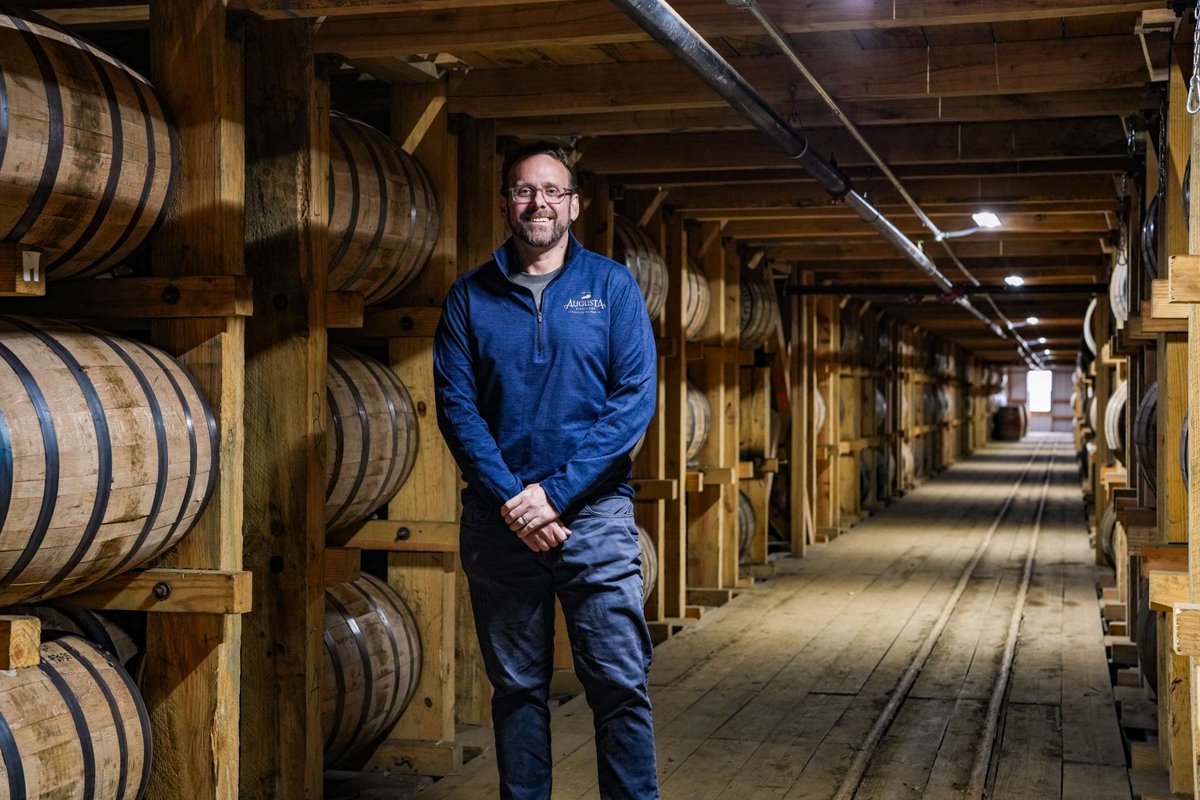
ALT Augusta team member standing in their rickhouse, smiling with barrels of bourbon aligning the walls
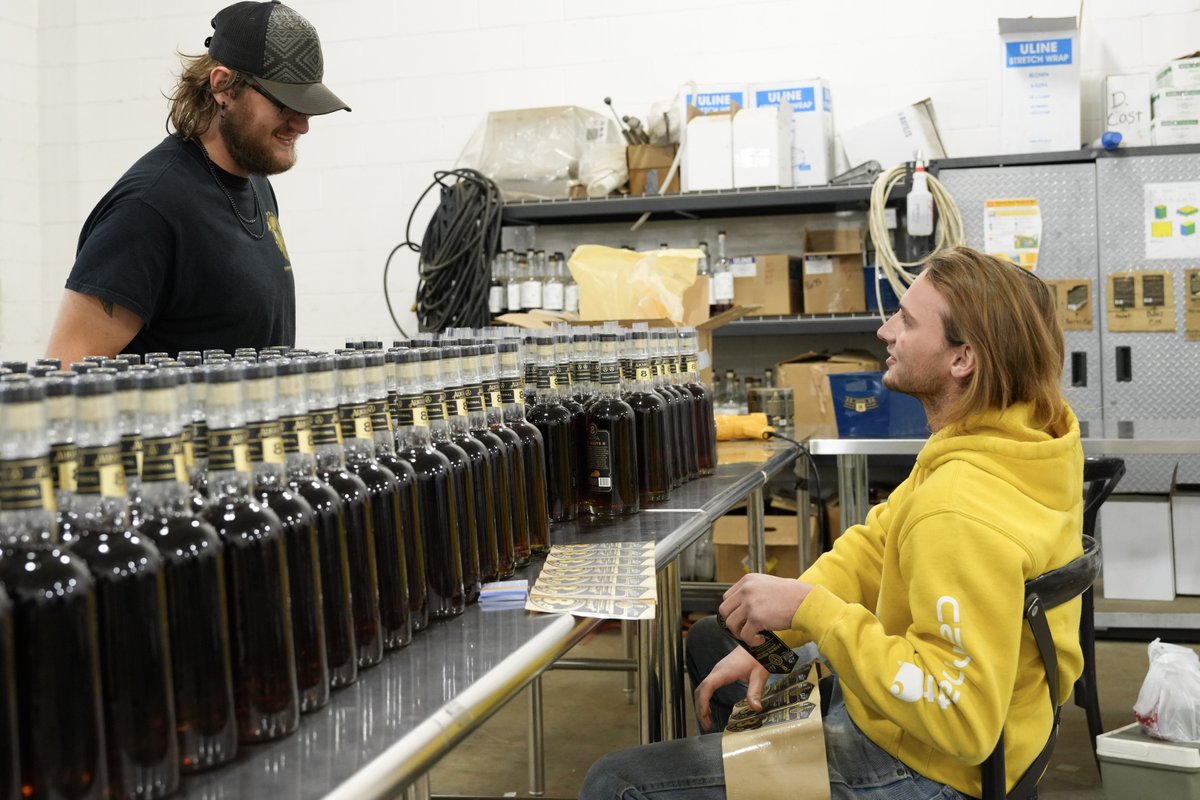
ALT Two Augusta team members talking while packaging bourbon bottles

ALT Close-up of a bottle of Buckner's whiskey on a wooden bar counter at Augusta Distillery
11

Mark Zuckerberg has told employees that the social media giant has made mistakes in its AI transformation of its workforce, according to an internal memo. "Given the complexity of these changes, we've made mistakes and will almost certainly make more". finance.yahoo.com/sectors/te…
8

Banks are not being replaced by AI. They are being rebuilt around it. Tim Rutten, Chief Marketing Officer at Backbase , joins me to break down what that actually means for your career and for the industry.
Jamie Dimon wants fewer bankers and more AI builders. But what does that really mean for the thousands of finance professionals already in the workforce? Tim gives a more nuanced read, and it is not the doomsday story the headlines are selling.
We also get into the difference between machine learning, generative AI, and agentic AI in a banking context, how @backbase 's AI-native banking OS handles governance and auditability in a regulated environment, who is liable when an AI agent makes a mistake, and why token cost management is one of the most underrated problems in agentic banking.
If you work in banking or are thinking about entering the industry, this one is worth your time.
youtu.be/5Y6Y4Lb1iPg
6

Experience makes all the difference when it comes to workforce solutions.
With years of industry expertise, FNRCO has supported businesses with reliable workforce, recruitment, HR, payroll, and operational solutions tailored to their needs.
#FNRCO #manpowersolutions


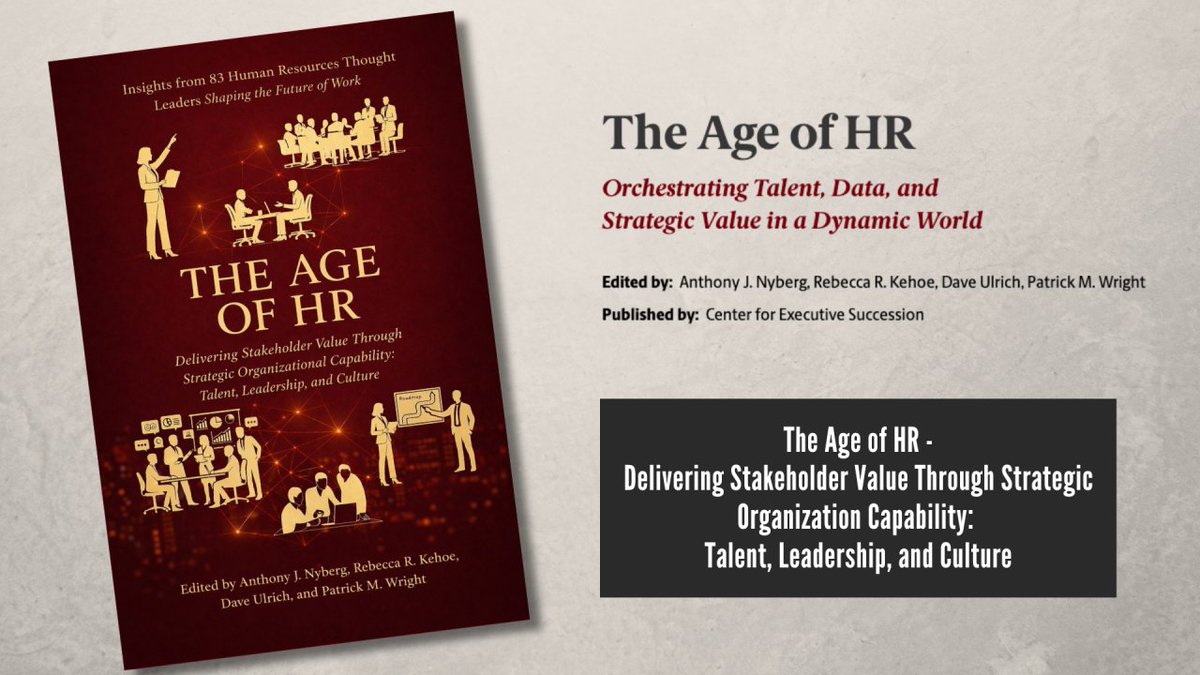
@Cheese_Peter argues that HR is at a true inflection point.
AI, demographic shifts, and workforce change aren't challenges to survive—they're opportunities to shape the future of work.
The best way to predict the future? Help shape it.
#AgeofHR #HR
2