
Anesthesia, critical care, and neurocritical care
Joined October 2013
- Tweets 5,351
- Following 628
- Followers 1,097
- Likes 1,657
336 Photos and videos

Pinned Tweet

26 May 2025
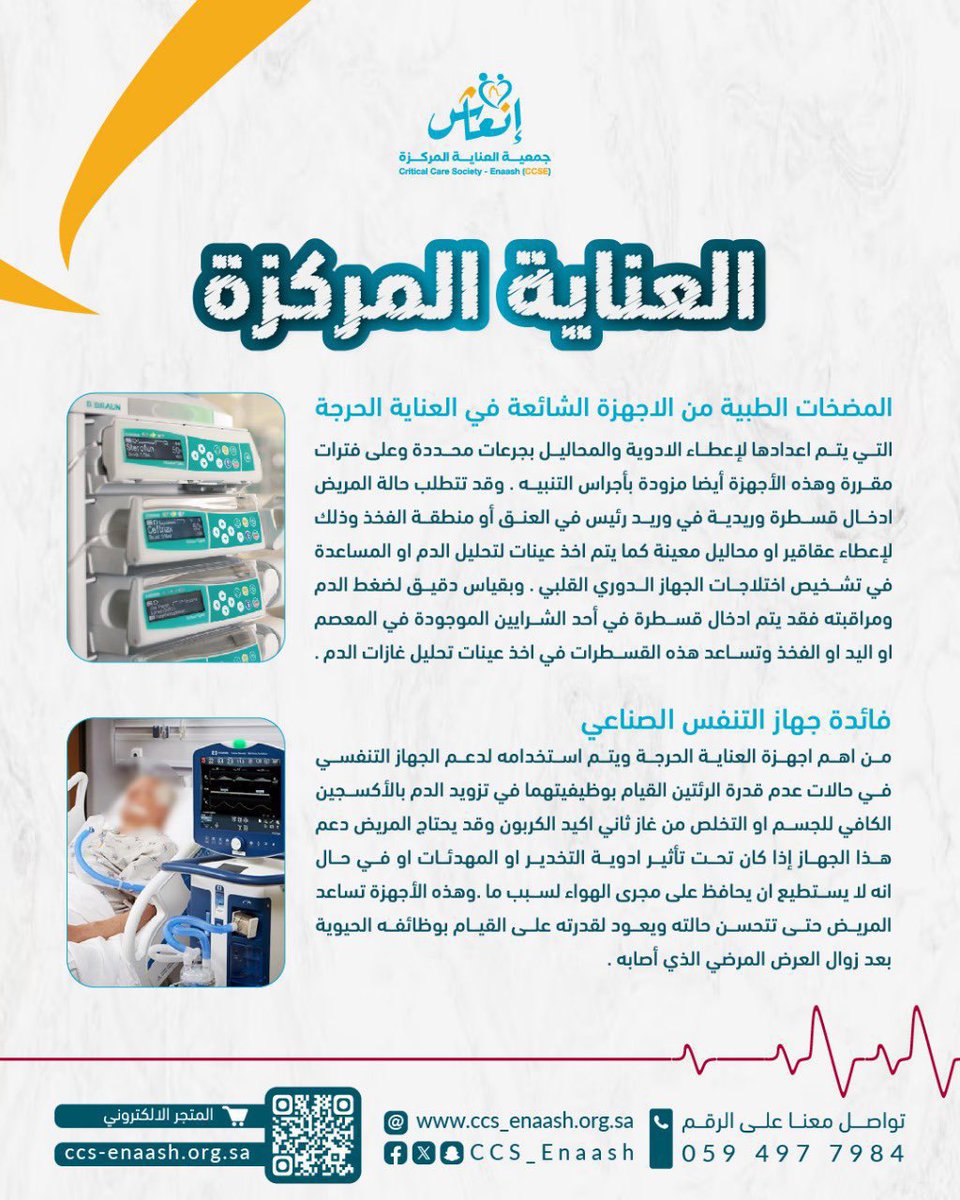
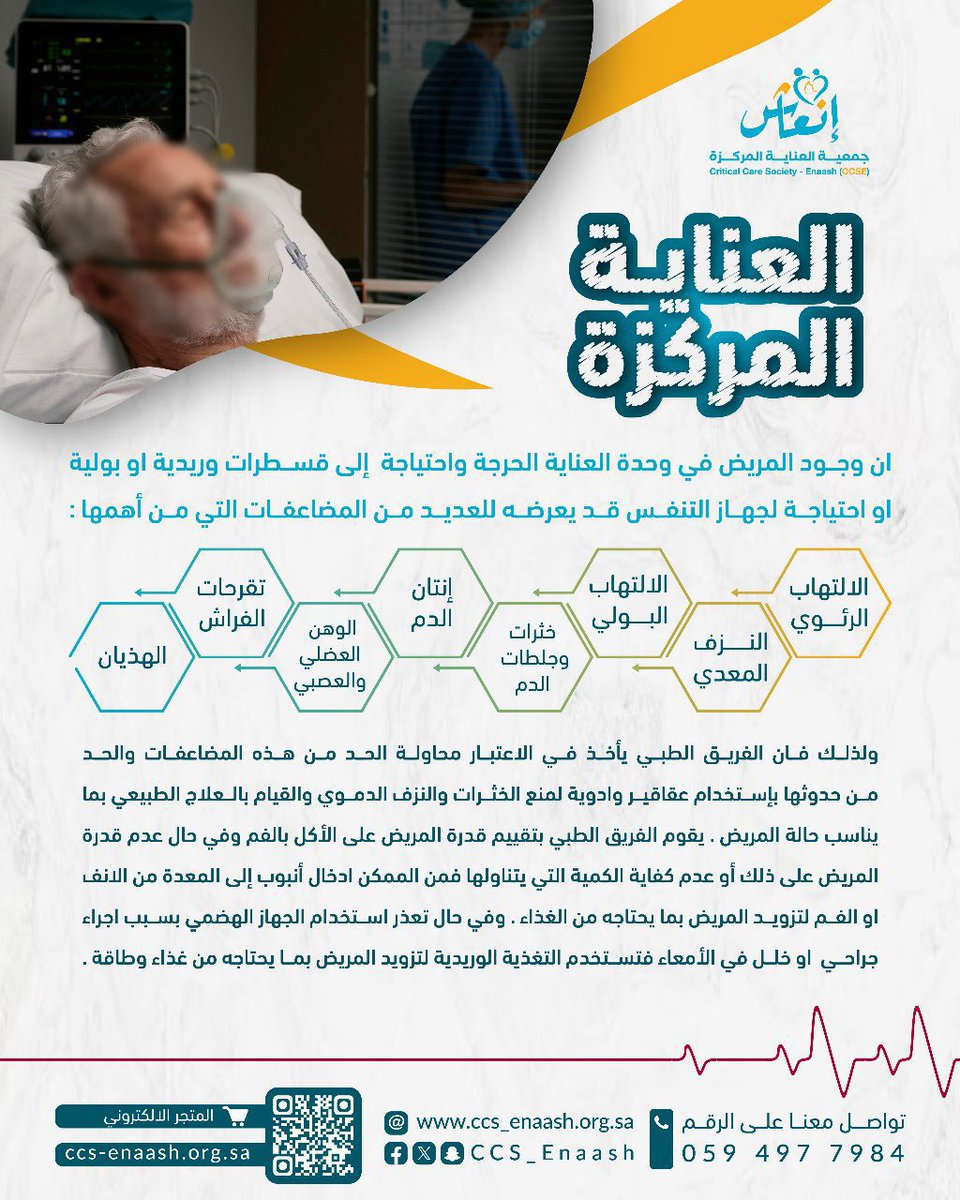
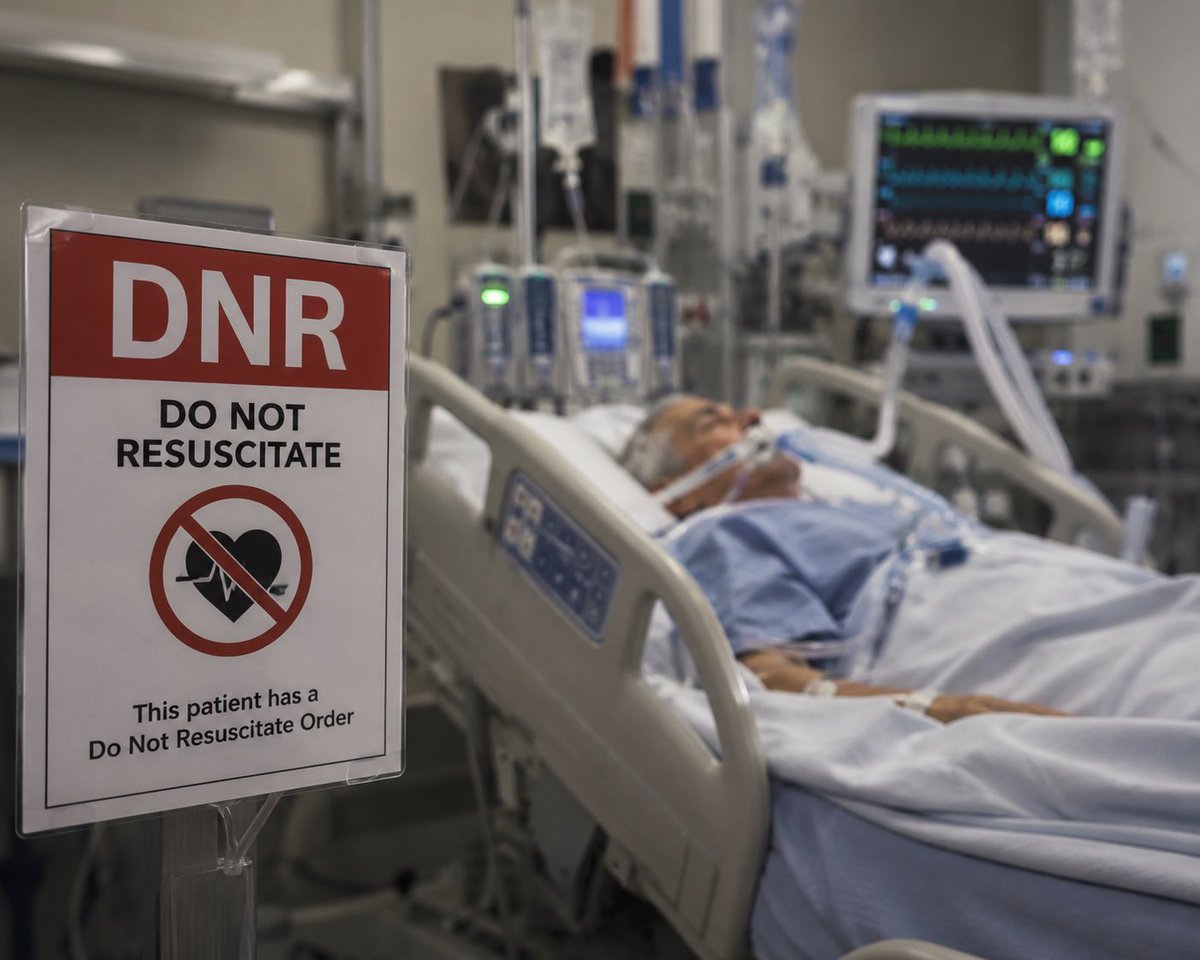
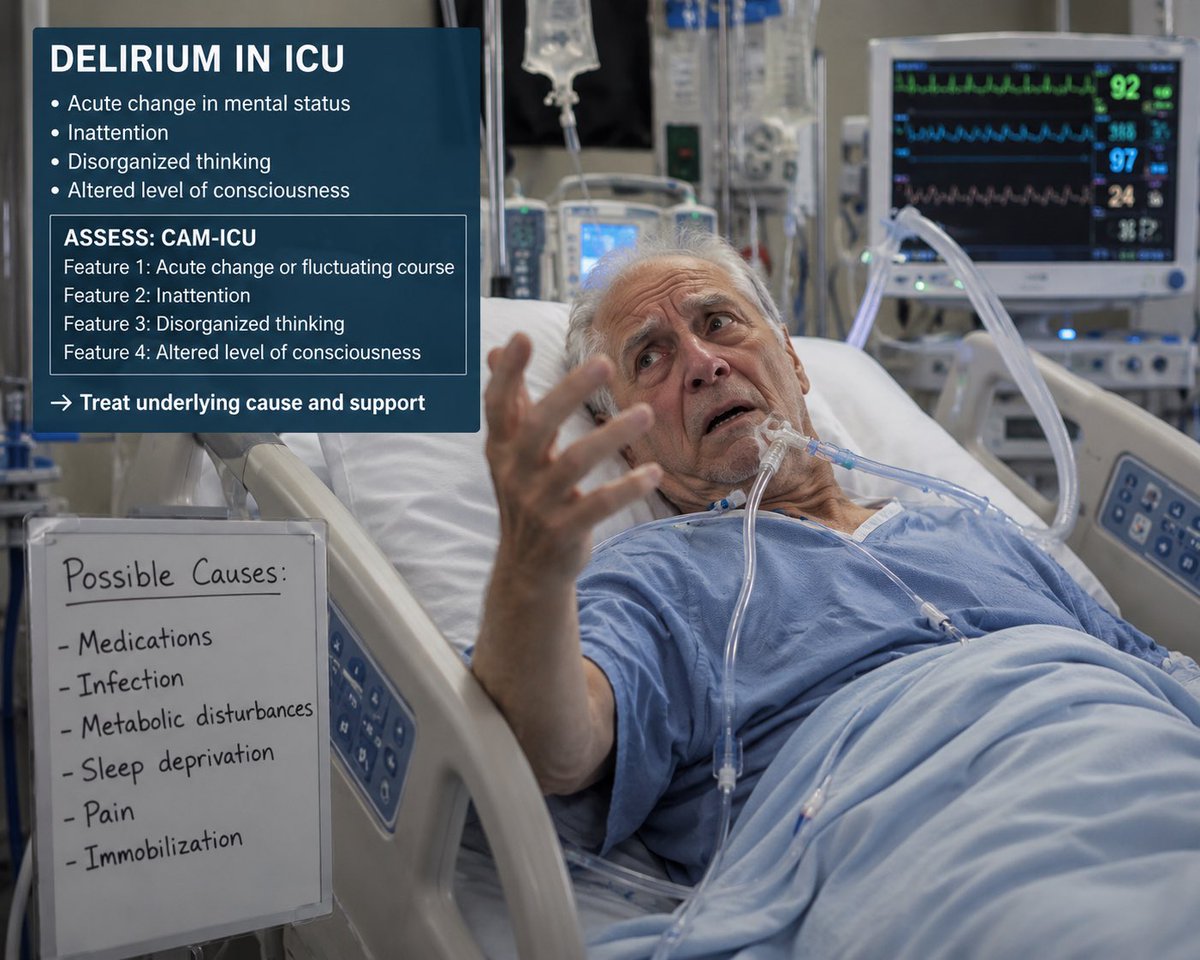
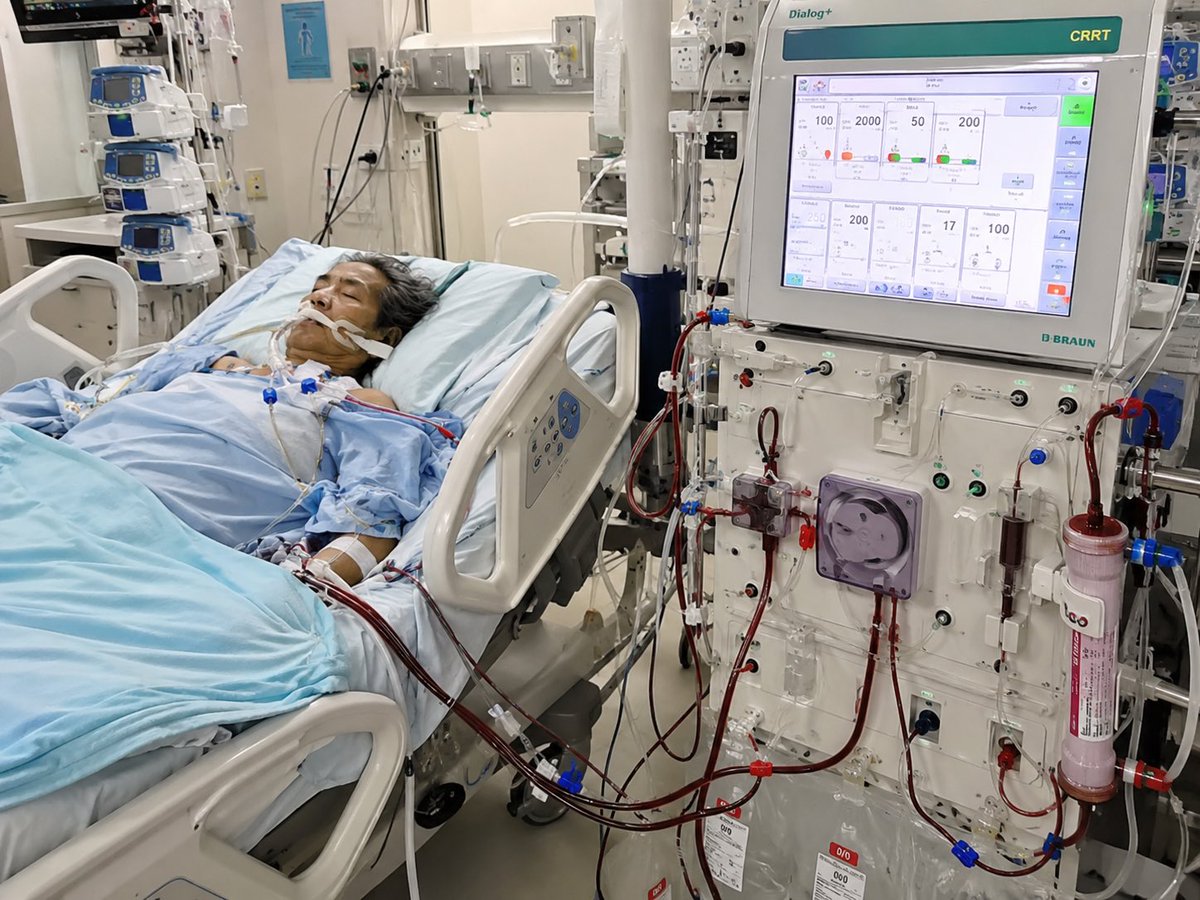
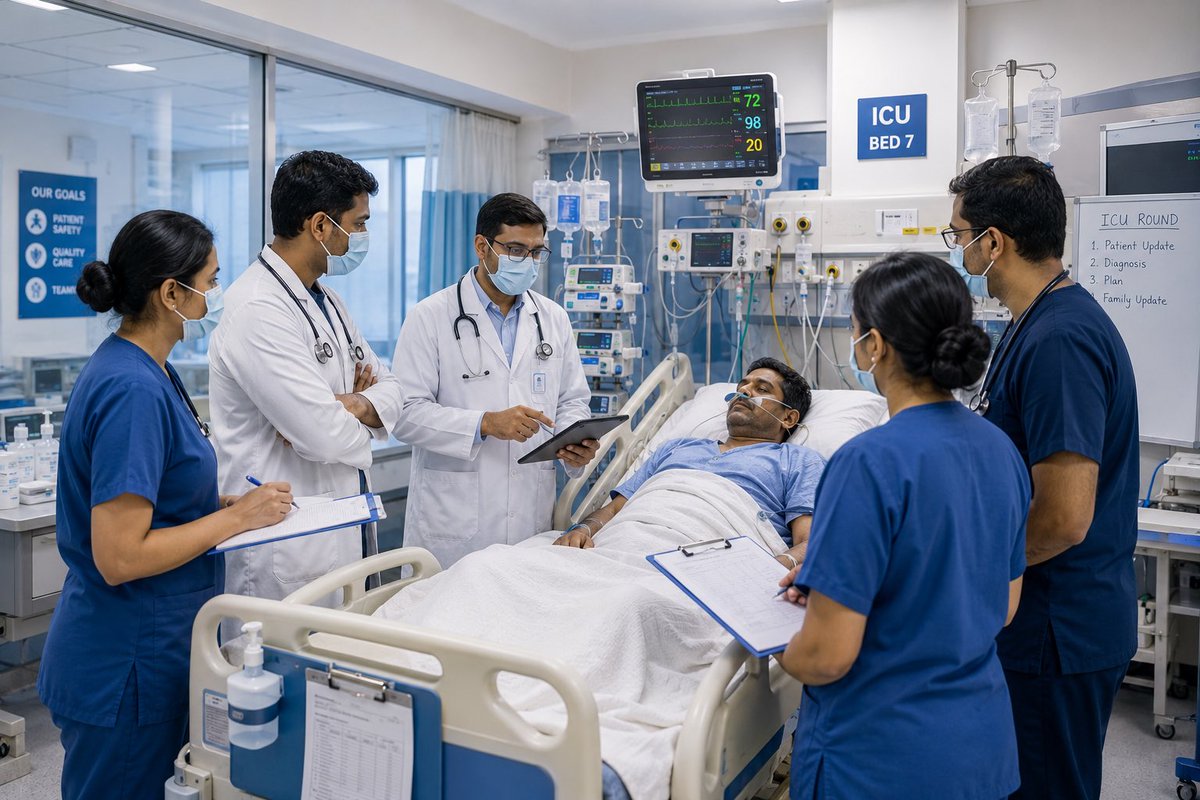
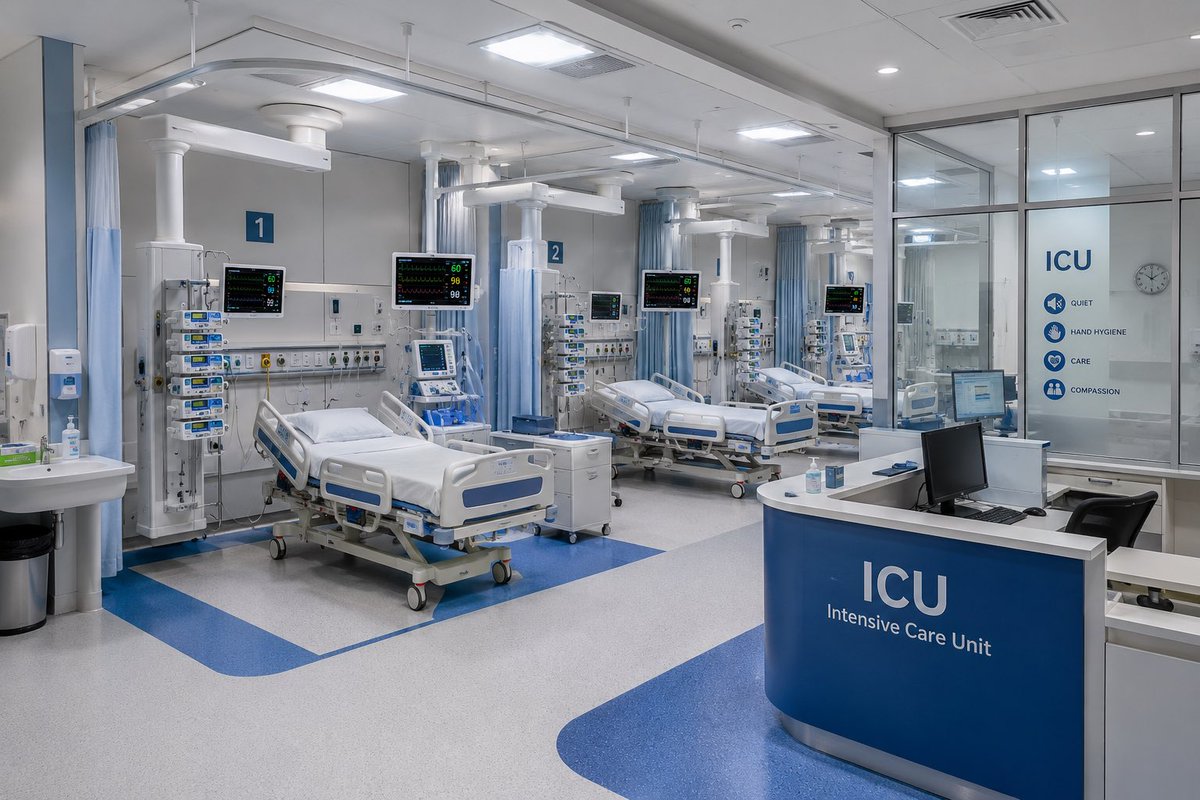
ICU awareness day
اليوم التعريفي بالعناية المركزة
ماذا تود أن تقول لطبيب العناية المركزة؟
#بوابة_حياة @CCS_Enaash
1
2
5
1,491
Haifa Algethamy retweeted

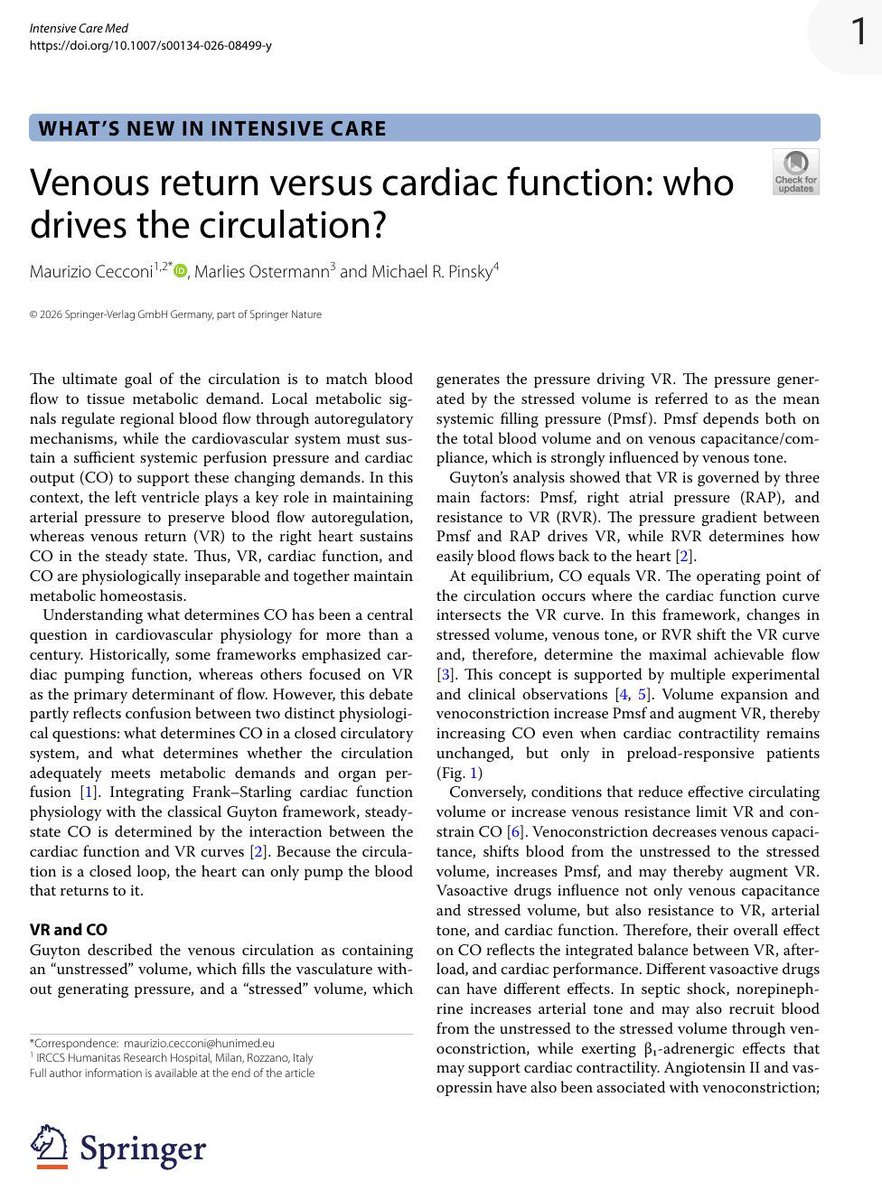
❤️ Venous Return vs Cardiac Function: Who Really Drives the Circulation?
For decades, intensivists have debated whether cardiac output (CO) is determined primarily by the heart or by venous return (VR). The answer is that both are inseparable components of the same system. At steady state, the heart can only pump the blood that returns to it.
Key physiological concepts:
🔹 Venous return is driven by the gradient between mean systemic filling pressure (Pmsf) and right atrial pressure (RAP).
🔹 Pmsf depends on stressed blood volume and venous tone.
🔹 Cardiac output equals venous return at equilibrium.
🔹 The operating point of the circulation is where the cardiac function curve intersects the venous return curve.
Clinical implications:
✅ In septic shock, vasodilation reduces effective circulating volume and venous return. Fluids increase stressed volume, while vasopressors recruit blood from the unstressed to the stressed compartment, restoring venous return and cardiac output.
✅ In cardiogenic shock, the failing heart becomes the major limitation. Increasing venous return often raises filling pressures more than cardiac output, worsening congestion and pulmonary edema.
✅ Venous congestion itself may impair organ perfusion even when cardiac output appears preserved.
The practical message is simple:
📌 Low cardiac output is not always a pump problem.
📌 Low venous return is not always a volume problem.
📌 Effective hemodynamic management requires identifying whether the primary limitation is venous return, cardiac performance, or both.
Understanding the interaction between Guyton physiology and Frank-Starling physiology remains essential for fluid therapy, vasopressor selection, and shock management in the ICU.
#CriticalCare #Hemodynamics #Shock #SepticShock #CardiogenicShock #ICU #POCUS #FluidResponsiveness #CardiacOutput #IntensiveCare
Reference 📚
Cecconi M, Ostermann M, Pinsky MR. Venous return versus cardiac function: who drives the circulation? Intensive Care Medicine. 2026. DOI: 10.1007/s00134-026-08499-y.
ALT
2
53
146
4,313
Haifa Algethamy retweeted

Jun 12
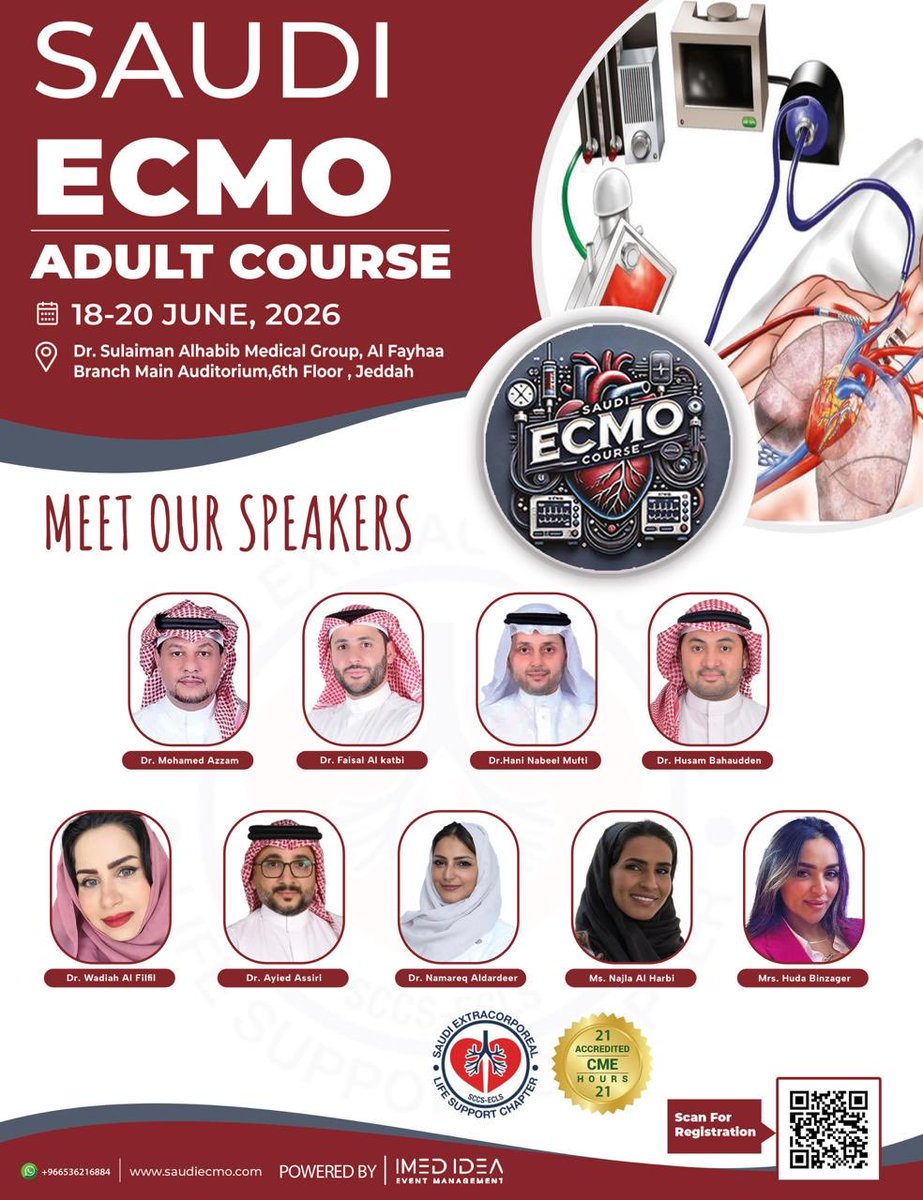
ARE YOU READY.
JOIN THE EXPERTS.
REGISTER: registration.imedevent.com/l… @Saudi_ICU @SaudiCCSociety @EclSaudi @SaudiEmergency @SaudiHeart
5
4
546
Haifa Algethamy retweeted

6
5
259
Haifa Algethamy retweeted

May 26
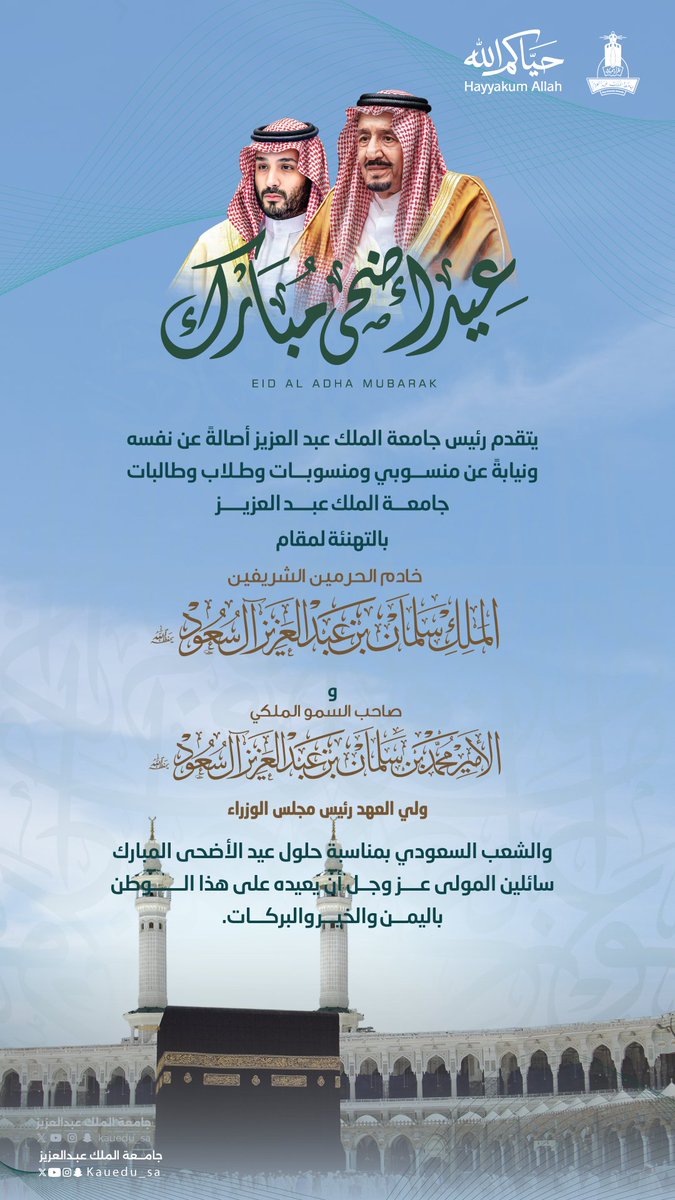
يتقدّم رئيس #جامعة_الملك_عبدالعزيز أصالةً عن نفسه ونيابةً عن منسوبي ومنسوبات وطلاب وطالبات الجامعة بالتهنئة لمقام خادم الحرمين الشريفين وسمو ولي العهد – حفظهما الله – والشعب السعودي بمناسبة #عيد_الأضحى المبارك.
كل عام ووطننا بخير. 🇸🇦
14
41
82
19,101
Haifa Algethamy retweeted
May 26
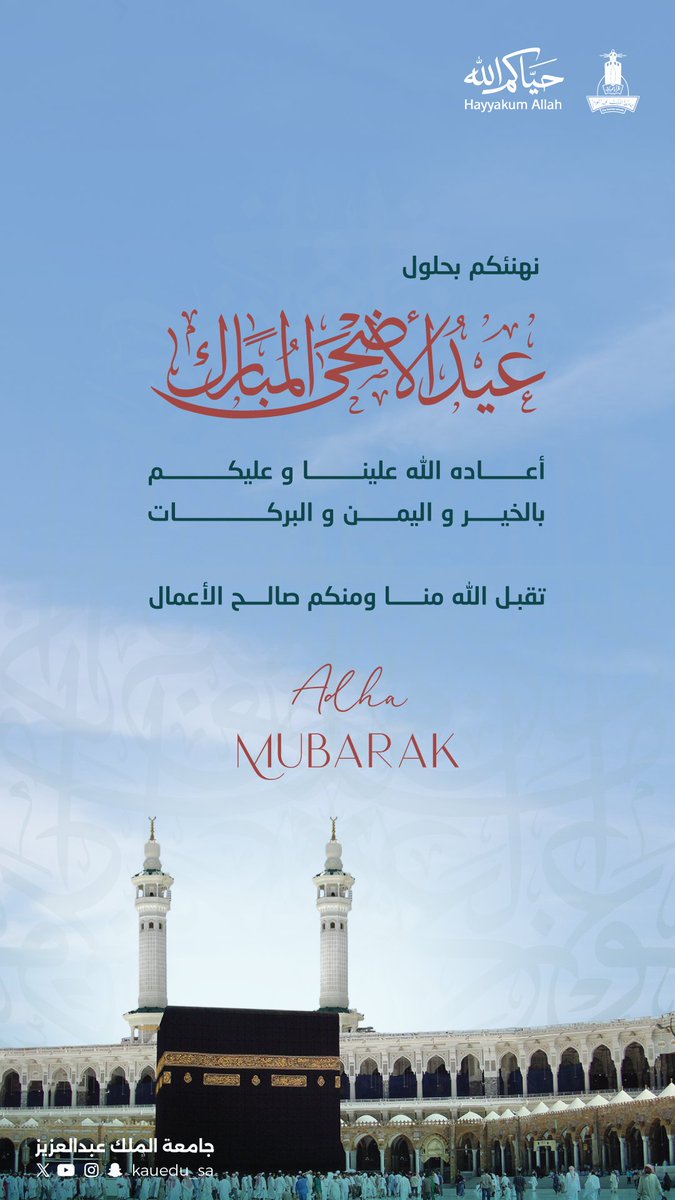
عيد أضحى مبارك
نسأل الله أن يعيده عليكم بالخير واليُمن والبركات، وأن يتقبل من الجميع صالح الأعمال والطاعات، ويملأ أيامكم فرحًا وسكينة.
كل عام وأنتم بخير
#عيد_الأضحى #جامعة_الملك_عبدالعزيز
4
18
42
26,147
Haifa Algethamy retweeted

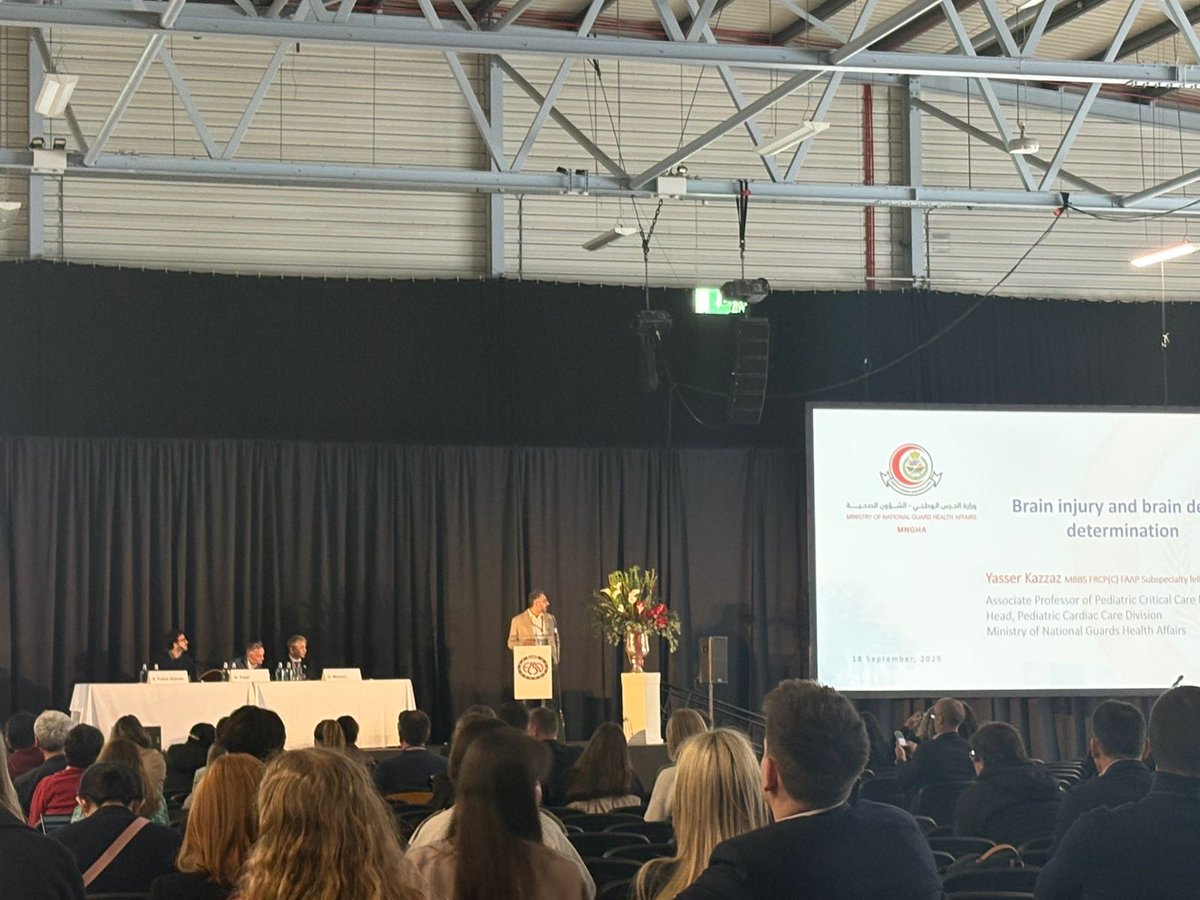
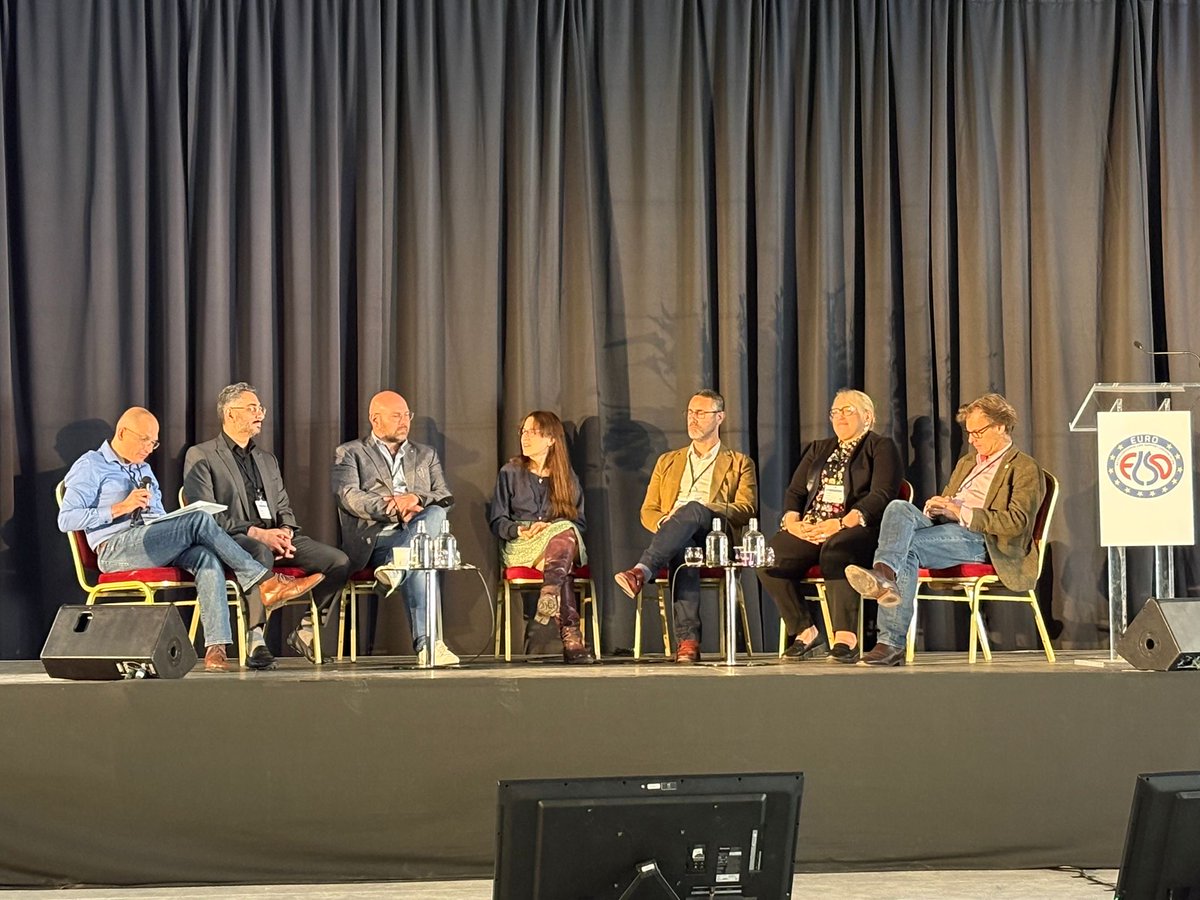
سعيد جداً بمشاركتي في المؤتمر الرابع عشر للمنظمة الأوروبية لدعم الحياة خارج الجسم @EuroELSO في مدينة دبلن، أيرلندا، من خلال تقديم محاضرتين، وإدارة إحدى المحاضرات، والمشاركة في جلسة نقاشية مع نخبة من الخبراء في مجال الإيكمو ودعم الحياة المتقدم.
فخور بأن أكون جزءاً من الحضور العلمي السعودي في هذا المجال الدقيق، وبما تشهده المملكة من تطور مستمر في برامج الإيكمو والرعاية الحرجة للأطفال. 🇸🇦
#PedsICU @gpccs2025
5
6
33
3,046
#يوم_التوعية_بالعناية_المركزة
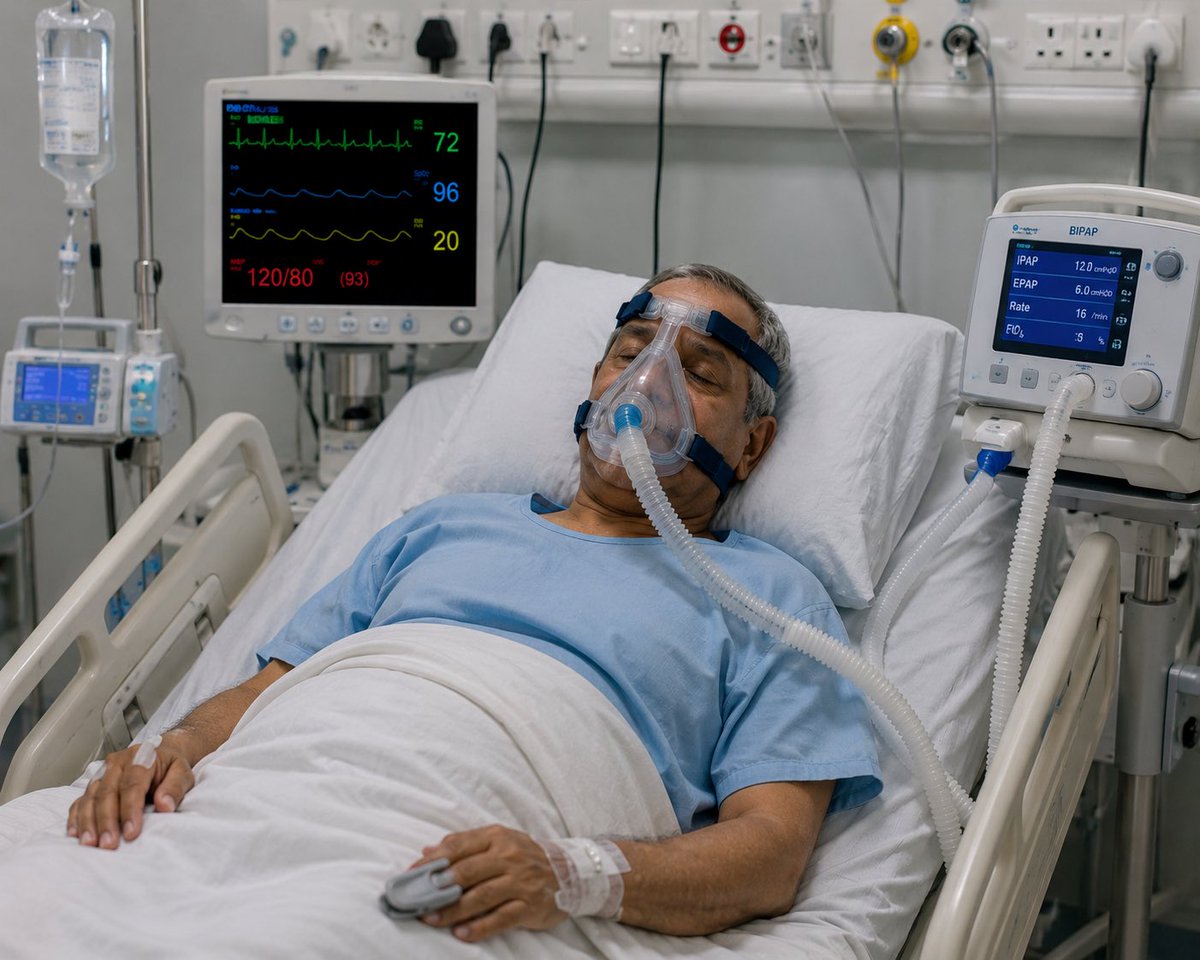
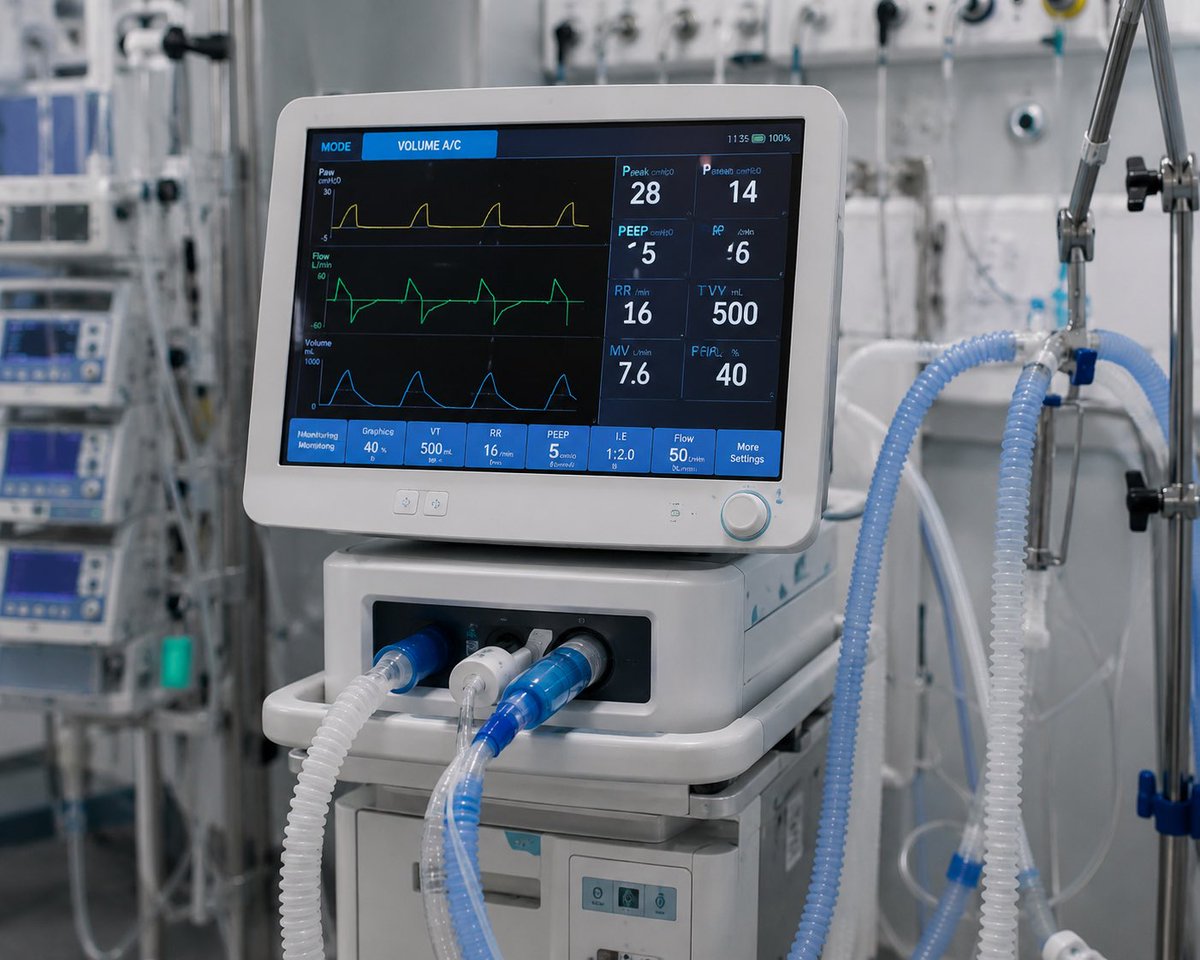
ماهو جهاز التنفس الصناعي؟
جهاز التنفس الصناعي هو جهاز طبي يساعد المريض على التنفس في حالات عدم قدرة الرئتين القيام بوظيفيتهما في تزويد الدم بالأكسجين الكافي للجسم او التخلص من غاز ثاني اكسيد الكربون.@CCS_Enaash
1
2
1
228
هل جهاز التنفس الصناعي يعالج المرض؟
لا،هو غالبًا وسيلة دعم تساعد الجسم على الحصول على الأكسجين وتقليل إجهاد الرئتين حتى يتم علاج السبب الأساسي.
1
117
هل توجد مخاطر من استخدام جهاز التنفس الصناعي؟
قد تحدث بعض المضاعفات عند الإستخدام، مثل:
- التهابات الرئة
- ضعف عضلات التنفس مع الوقت.
لذلك تتم مراقبة المرضى بدقة داخل العناية المركزة.
81
Haifa Algethamy retweeted
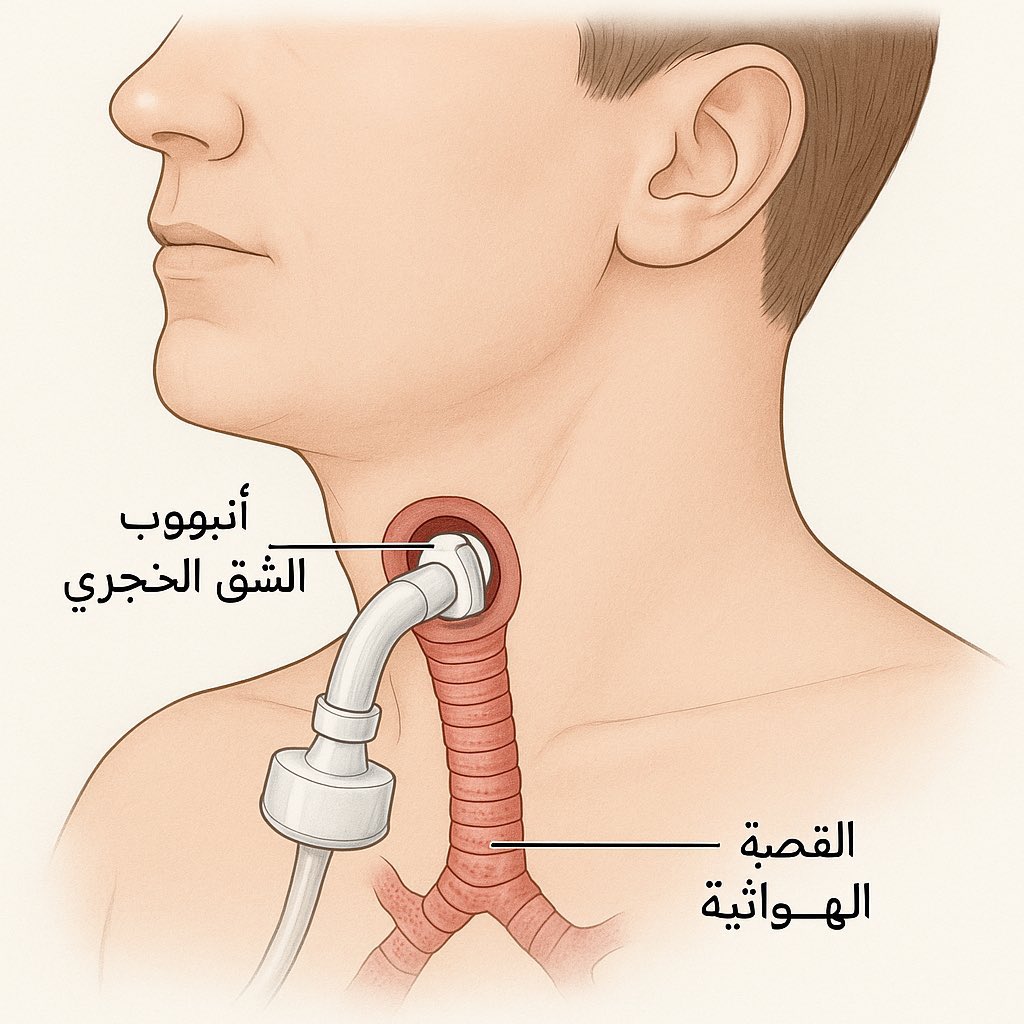
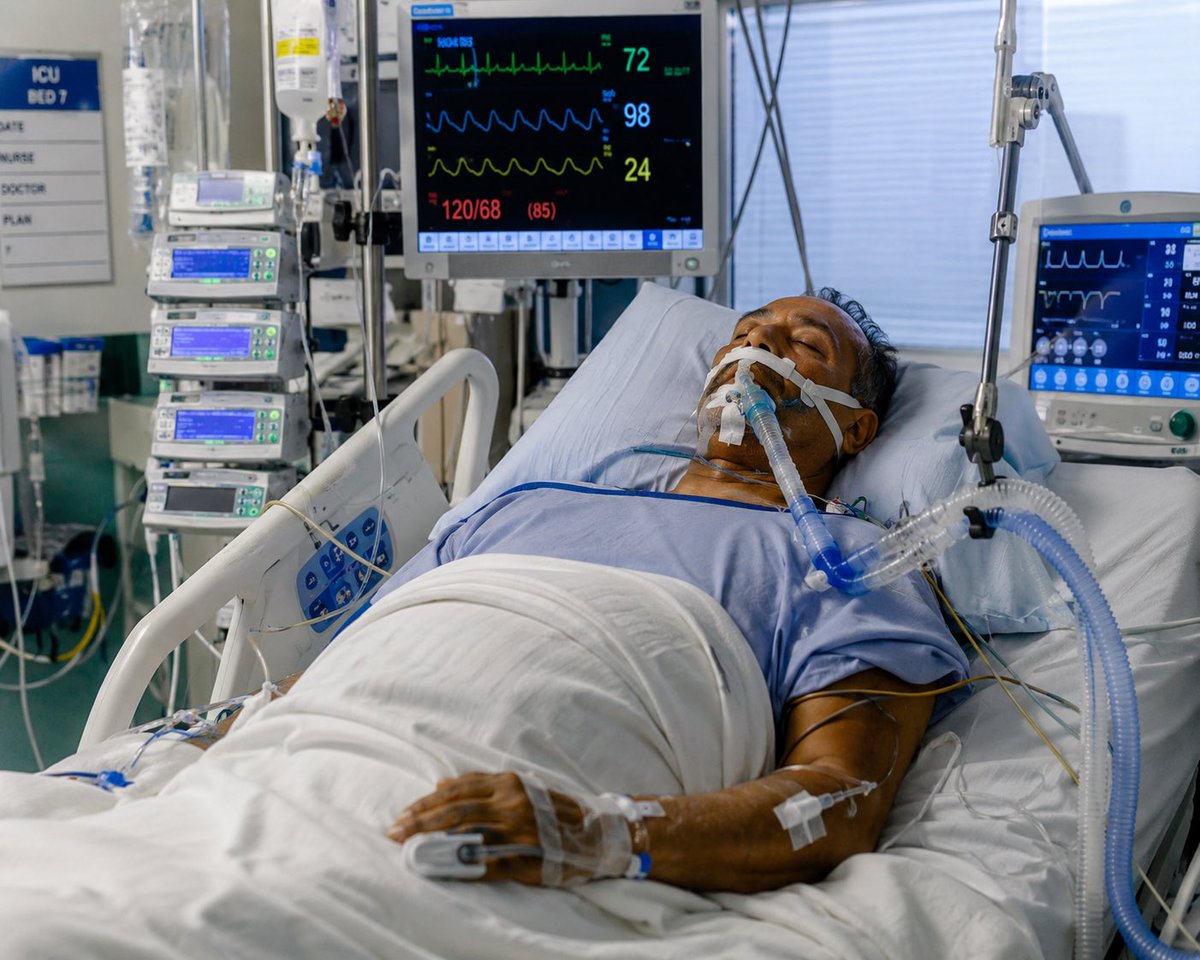
كيف يعمل جهاز التنفس الصناعي؟
يقوم الجهاز بإدخال الهواء الذي يحتوي على الأكسجين إلى الرئتين، ثم يساعد على إخراج ثاني أكسيد الكربون. يمكن أن يتم ذلك عبر:
- قناع على الوجه أو الأنف.
أو
- أنبوب تنفس يدخل إلى القصبة الهوائية في الحالات الحرجة.
2
1
175
Haifa Algethamy retweeted
هل توجد مخاطر؟
قد تحدث بعض المضاعفات عند الإستخدام، مثل:
- التهابات الرئة
- ضعف عضلات التنفس مع الوقت.
لذلك تتم مراقبة المرضى بدقة داخل العناية المركزة.
1
157
Haifa Algethamy retweeted
#يوم_التوعية_بالعناية_المركزة
ماهو جهاز التنفس الصناعي؟
جهاز التنفس الصناعي هو جهاز طبي يساعد المريض على التنفس في حالات عدم قدرة الرئتين القيام بوظيفيتهما في تزويد الدم بالأكسجين الكافي للجسم او التخلص من غاز ثاني اكسيد الكربون.@CCS_Enaash
1
2
1
228
كيف يعمل جهاز التنفس الصناعي؟
يقوم الجهاز بإدخال الهواء الذي يحتوي على الأكسجين إلى الرئتين، ثم يساعد على إخراج ثاني أكسيد الكربون. يمكن أن يتم ذلك عبر:
- قناع على الوجه أو الأنف.
أو
- أنبوب تنفس يدخل إلى القصبة الهوائية في الحالات الحرجة.
2
1
175
هل توجد مخاطر؟
قد تحدث بعض المضاعفات عند الإستخدام، مثل:
- التهابات الرئة
- ضعف عضلات التنفس مع الوقت.
لذلك تتم مراقبة المرضى بدقة داخل العناية المركزة.
1
157
Haifa Algethamy retweeted
1
1
104
Haifa Algethamy retweeted
2
94