
Principal Security Researcher - Tweets and opinions are my own and not of my employer. #fuzzing #trainings #security YouTube: youtube.com/@MrHardik05
Joined September 2007
- Tweets 6,604
- Following 3,978
- Followers 4,268
- Likes 11,457
358 Photos and videos




May 30
@HavellsCare360 haven’t heared back from you or team on my request. The problem persists since more than a month now. What kind of support is this?? Check dm for details.
2
201
Jun 5
Any updates? No one is responding? You don’t have skilled technicians or what? @AnilRaiGupta @HavellsCare360 has
80
Hardik Shah retweeted

May 31
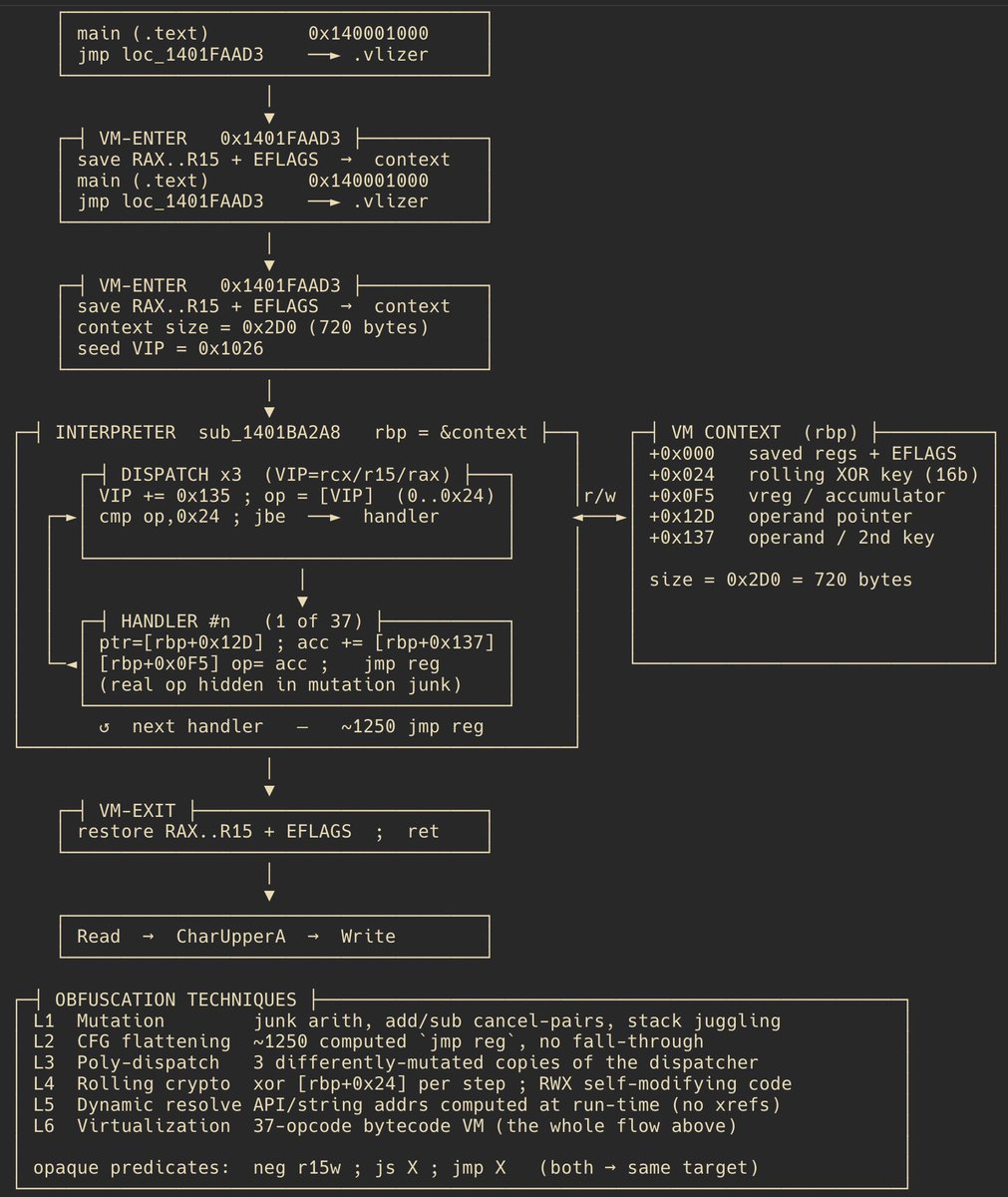
Previous generations of software protection (DRM perspective) have always relied on code complexity (for RE), compute limitations, and human limitations as the guarantees that kept hacking timelines reasonably long.
That's changed now. Beyond the acceleration in vulnerability research and malware analysis, the same new reality applies to software protection, and security by obscurity, or assuming the attacker is limited in compute and motivation, no longer works.
5
37
256
39,561
May 30
Every security researcher who has reported vulnerabilities to vendors has various responsible disclosure stories to tell - ranging from good, to hilarious and bizarre to utterly frustrating.
IYKYK 🤓🤓😂😂😌😌
169

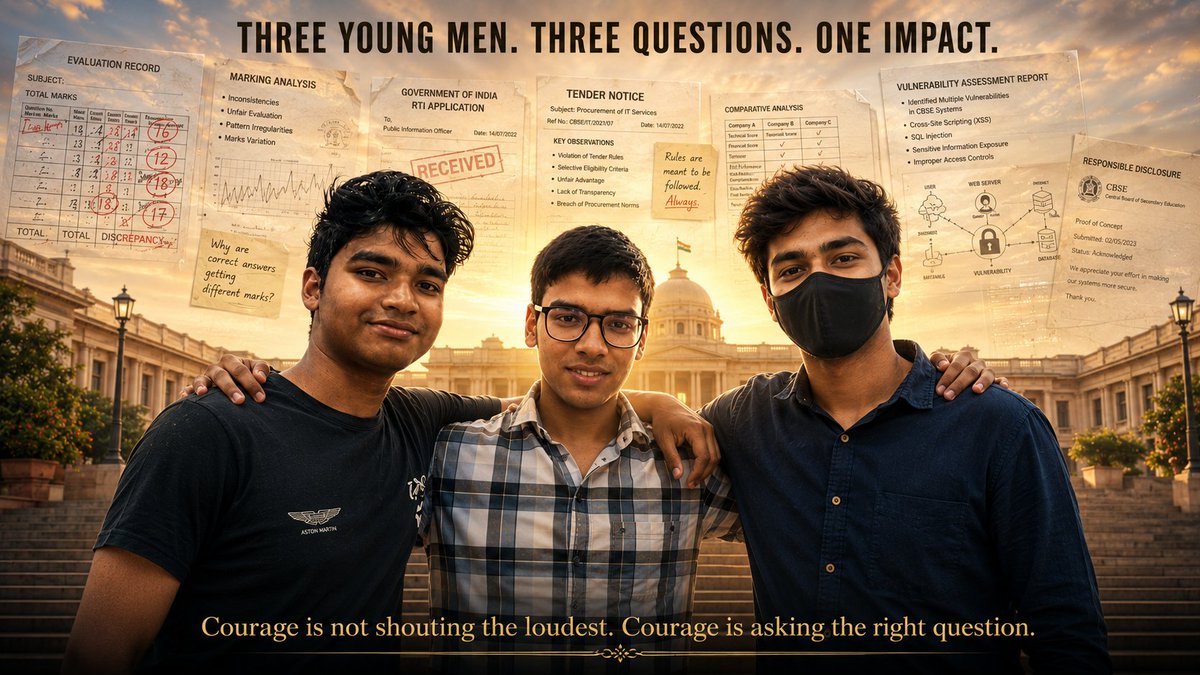
Vedant Srivastava - 17 yrs old
Took to social media and exposed discrepancies in CBSE's OSM marking system.
Nisarga Adhikary- 19 yrs old
Hacked CBSE website and informed them (and us) that it is vulnerable and can be hacked.
Sarthak Sidhant- 17 yrs old
Exposed how CBSE bent rules to award the OSM tender to COEMPT.
These 3 kids need to be lauded. They have given us a glimmer of hope. They have shown us, not all is lost.
We still have a future to salvage.
153
3,566
12,515
230,704
Hardik Shah retweeted

May 30
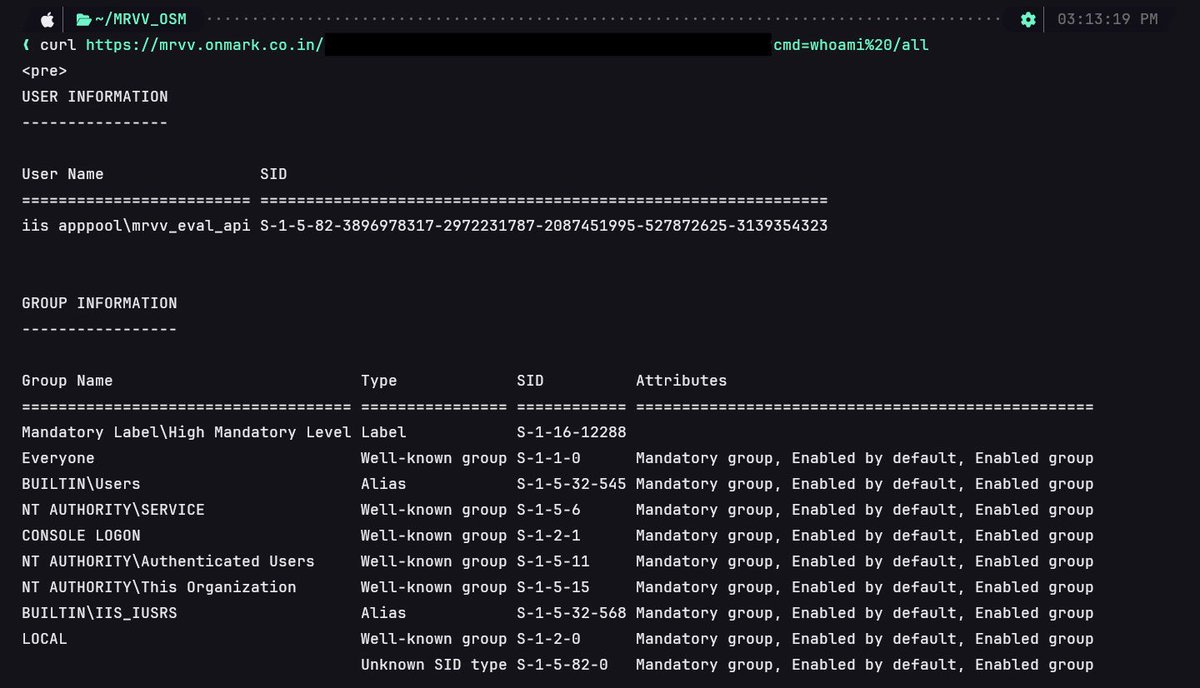
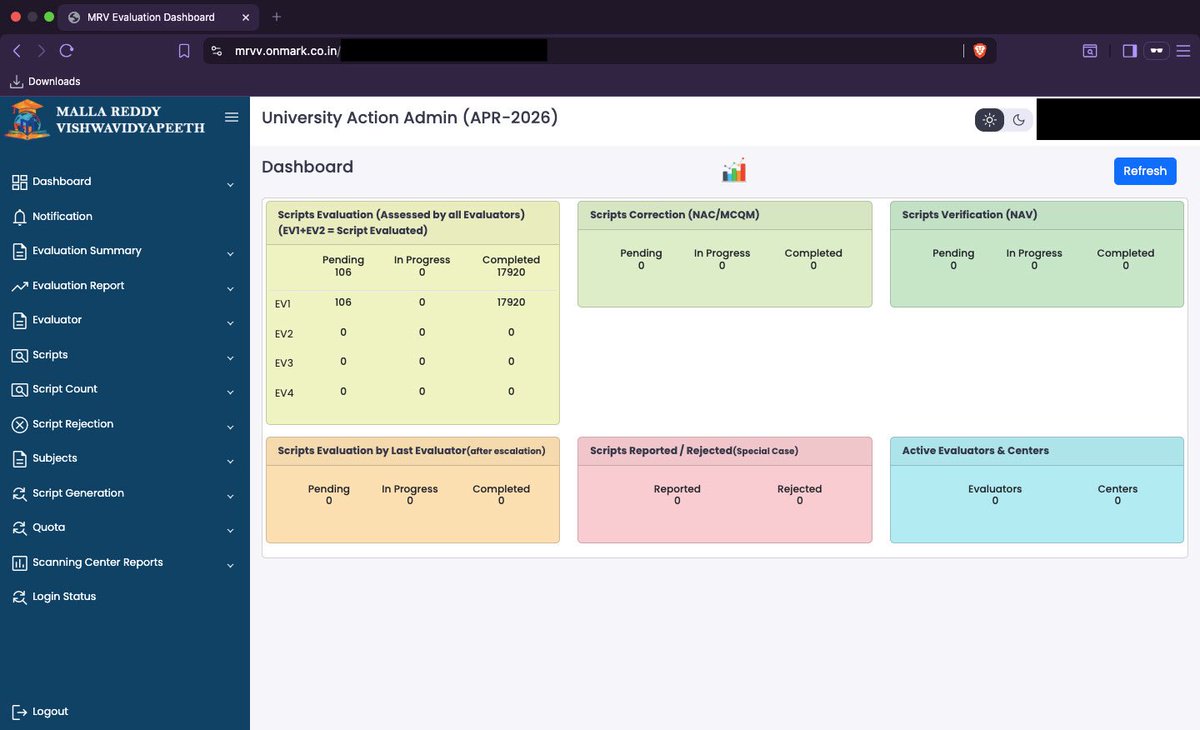
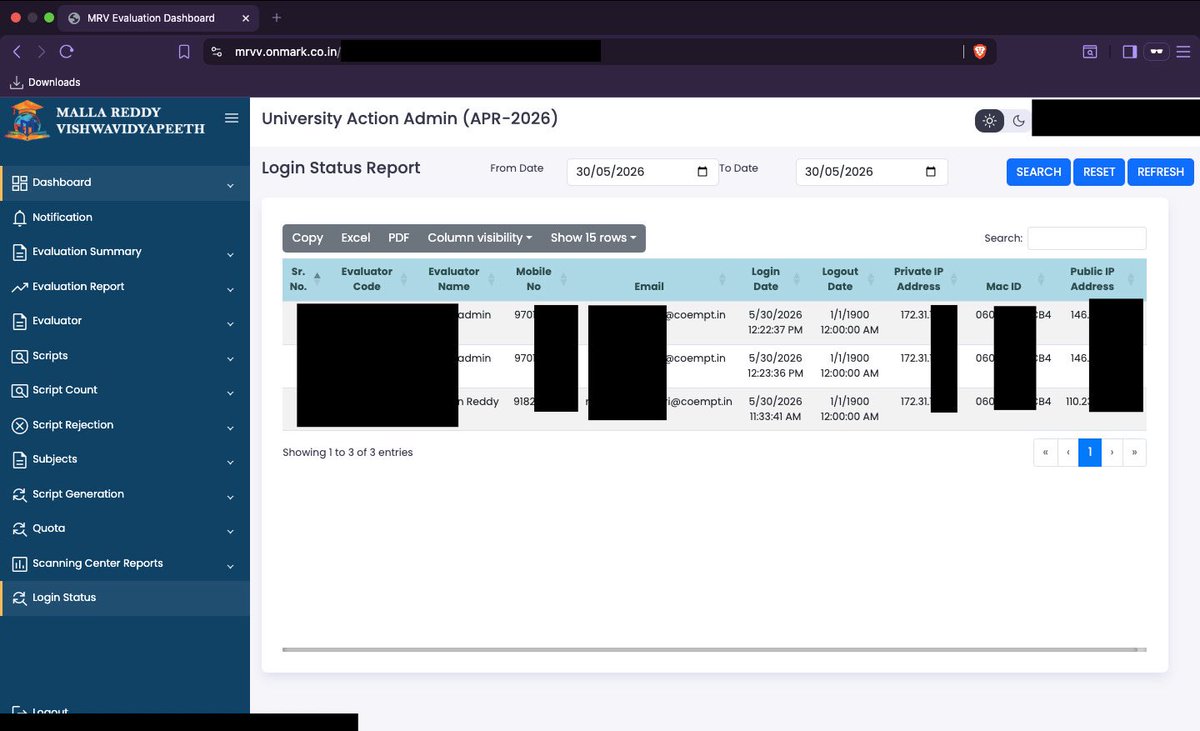
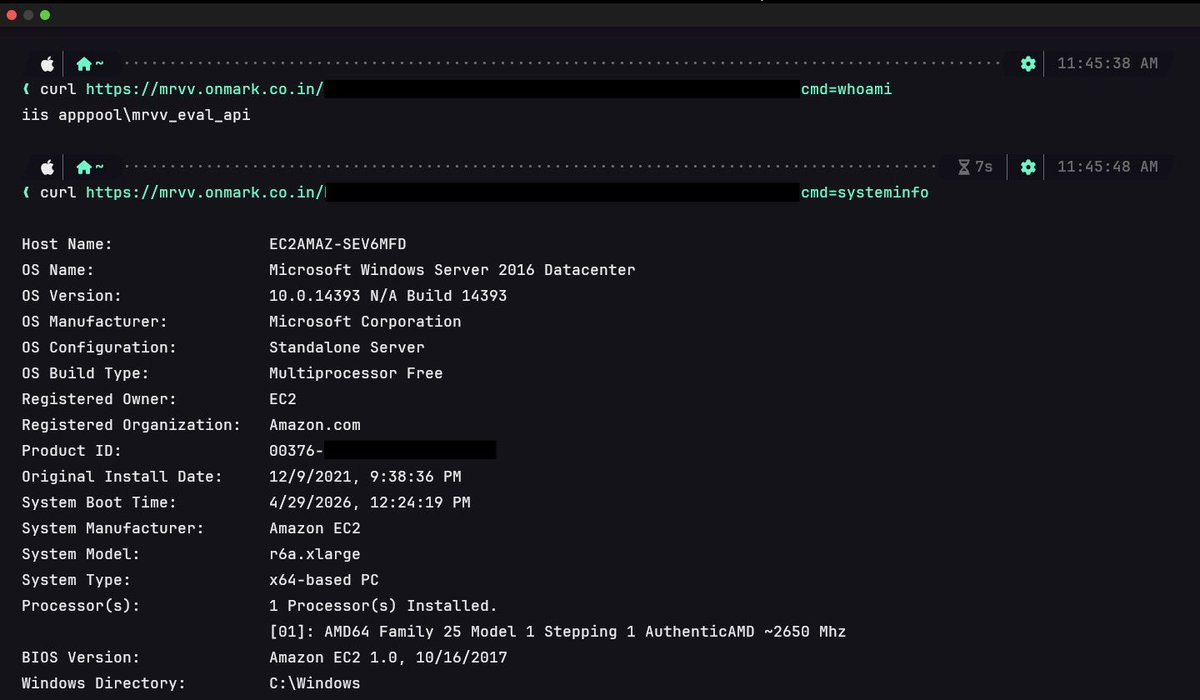
After #CBSE, we found RCE full server control including the database on another subdomain of Onmark
We didn’t perform any harmful actions no data was touched or leaked.
This is just another proof that serious vulnerabilities still exist.
Reported responsibly.
#cybersecurity
10
202
624
35,533
Hardik Shah retweeted

May 29
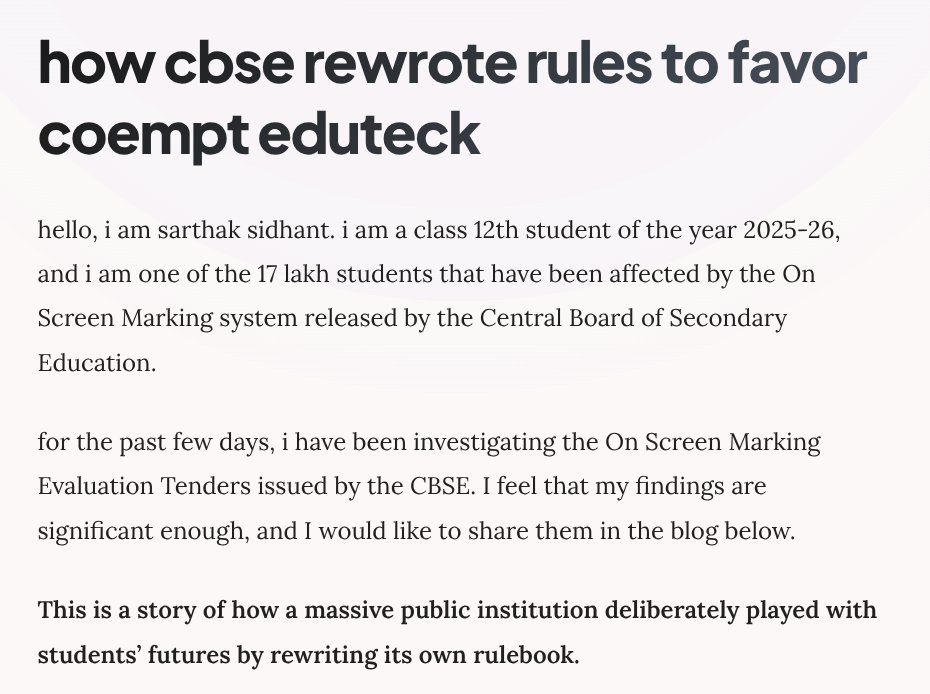
CBSE has systematically rewritten its rulebook to favor Coempt Eduteck.
check out the blog.
559
7,292
19,468
2,381,762
May 23
Visited recently opened mumbai pune connecting link:
youtube.com/watch?v=DcVlVsdY…
youtube.com/watch?v=PGGXZ8DK…
#mumbaipunemissinglink #mumbaipuneconnectinglink
308
Hardik Shah retweeted

🚨 Brutal showing: security researcher Orange Tsai just made $375,000 in 24 hours at Pwn2Own Berlin 2026. He landed both Microsoft Edge AND Microsoft Exchange in back-to-back demos.
- Day 1: Chained 4 logic bugs to escape the Microsoft Edge sandbox. Payout: $175,000
- Day 2: Took down Microsoft Exchange in the Server category. Payout: $200,000
Congrats 🥂

Aaaand it's official! Orange Tsai (@orange_8361) of DEVCORE Research Team chained 3 bugs to achieve Remote Code Execution as SYSTEM on Microsoft Exchange, earning a whooping $200,000 and 20 Master of Pwn points. Full win! #Pwn2Own #P2OBerlin

8
63
734
65,175
May 12
What worries me about this is aspiring kids have spent so much efforts, and then suddenly NEET gets cancelled because of paper leak! They have to appear again without any fault of there own😟
May 12

#BREAKING
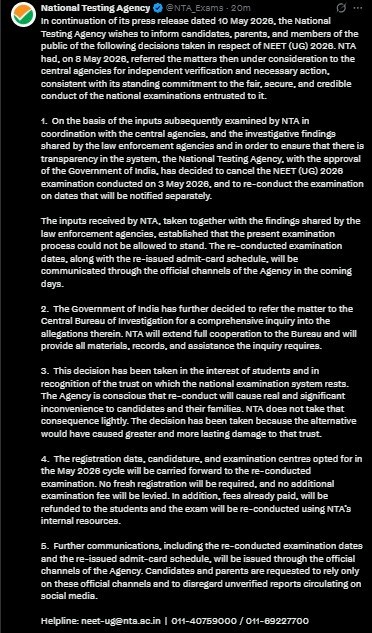
NTA cancels NEET (UG) 2026 examination held on May 3
GOI has approved a full re-conduct of the exam, and the matter has been referred to CBI for a comprehensive inquiry. New dates to be announced
22.79 lakh candidates. GPS-tracked papers, AI CCTV, biometric checks, 5G jammers. None of it held
306
May 9
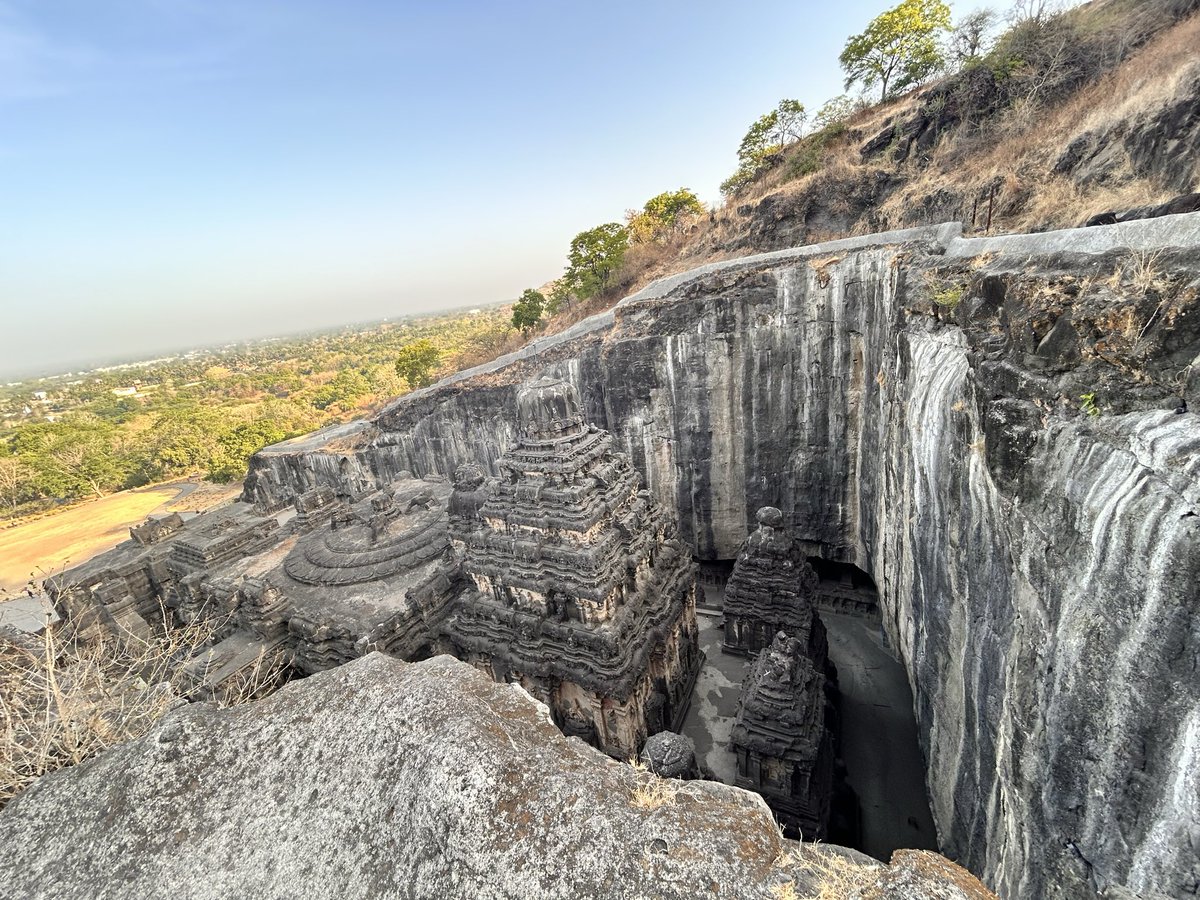
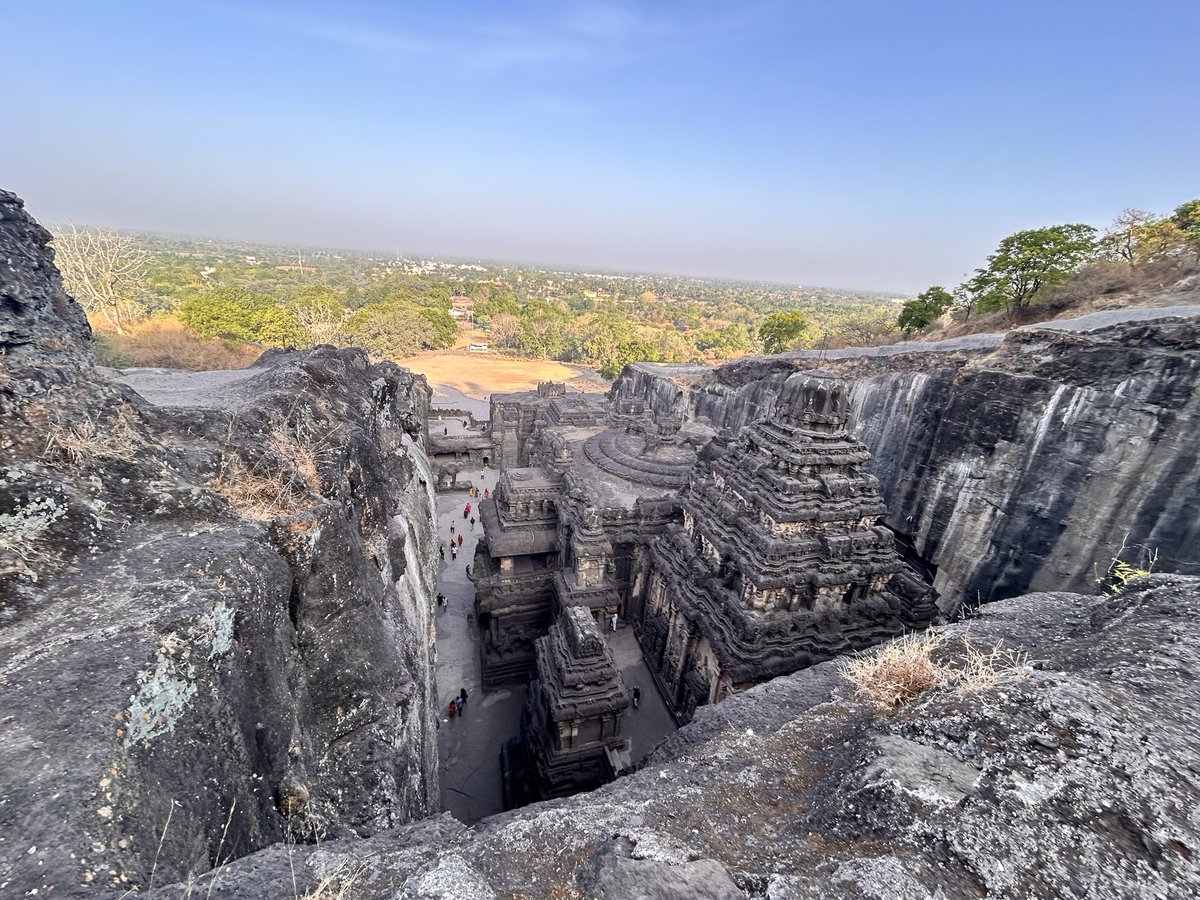
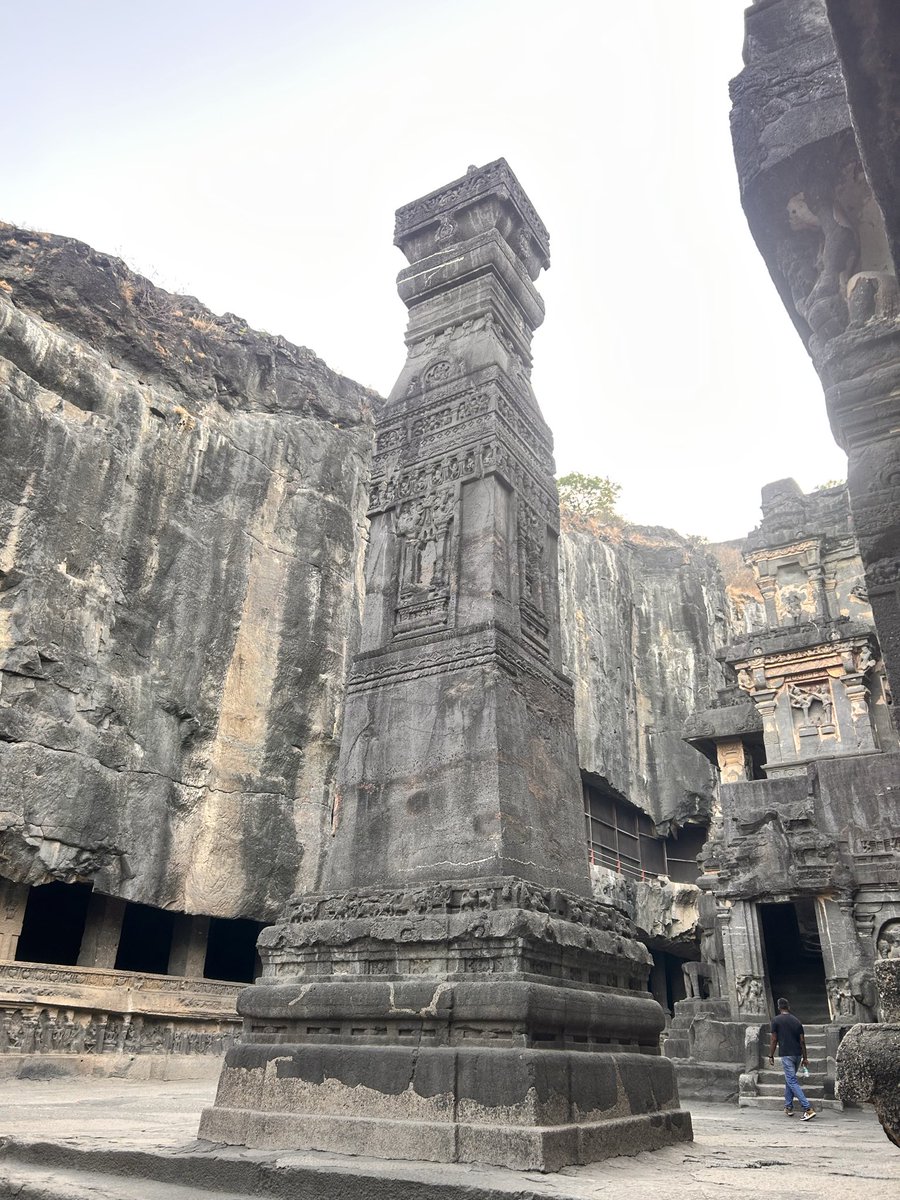
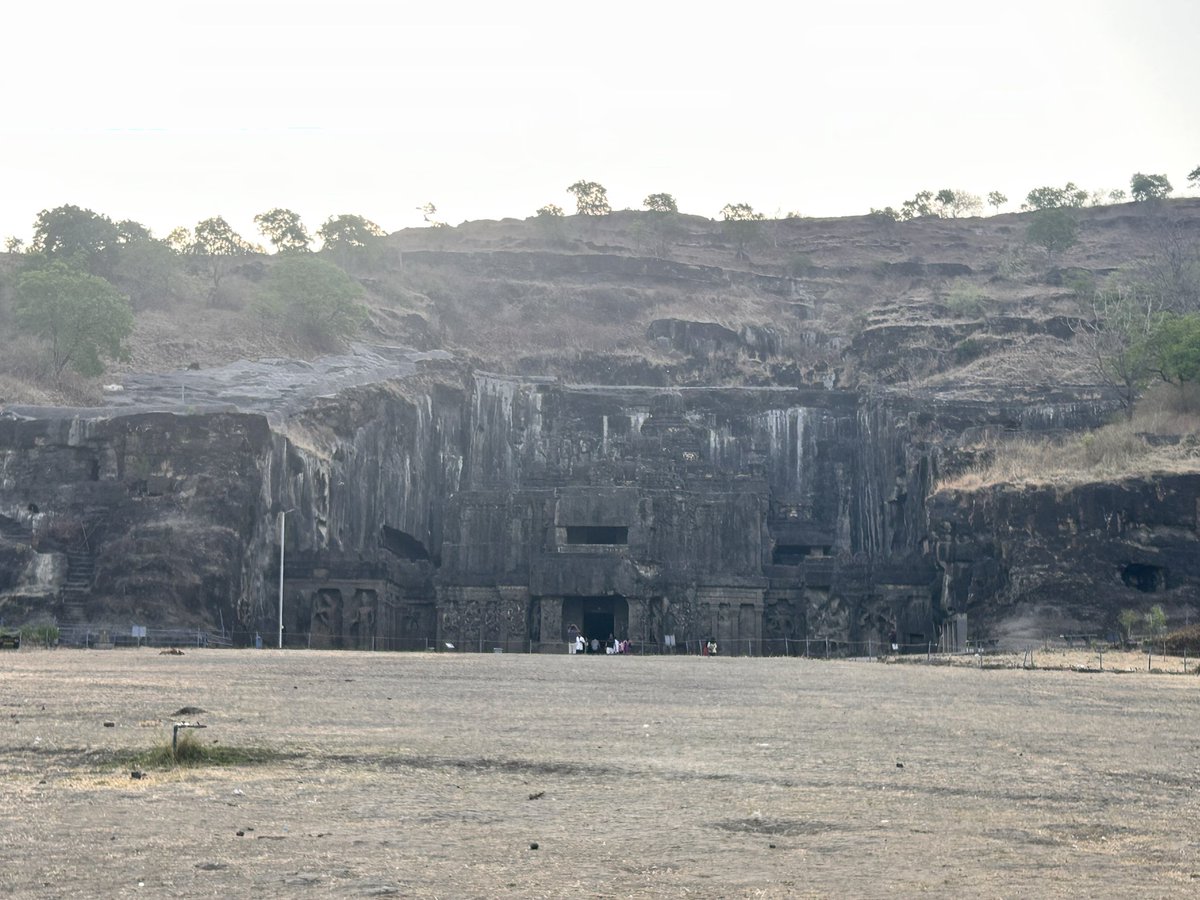
Ellora caves, Kailasa temple. This is a monolithic architecture where the entire temple was carved out of a single rock, top to bottom. Just amazing piece of architecture.😍😍
2
298
Hardik Shah retweeted

Apr 29
Here's a thorough explanation, with interactive visualizations spacetime.watch/
2
1
37
3,168

If people are really curious about copy.fail, @5unKn0wn is the GOATed researcher who is responsible!
Jan 24

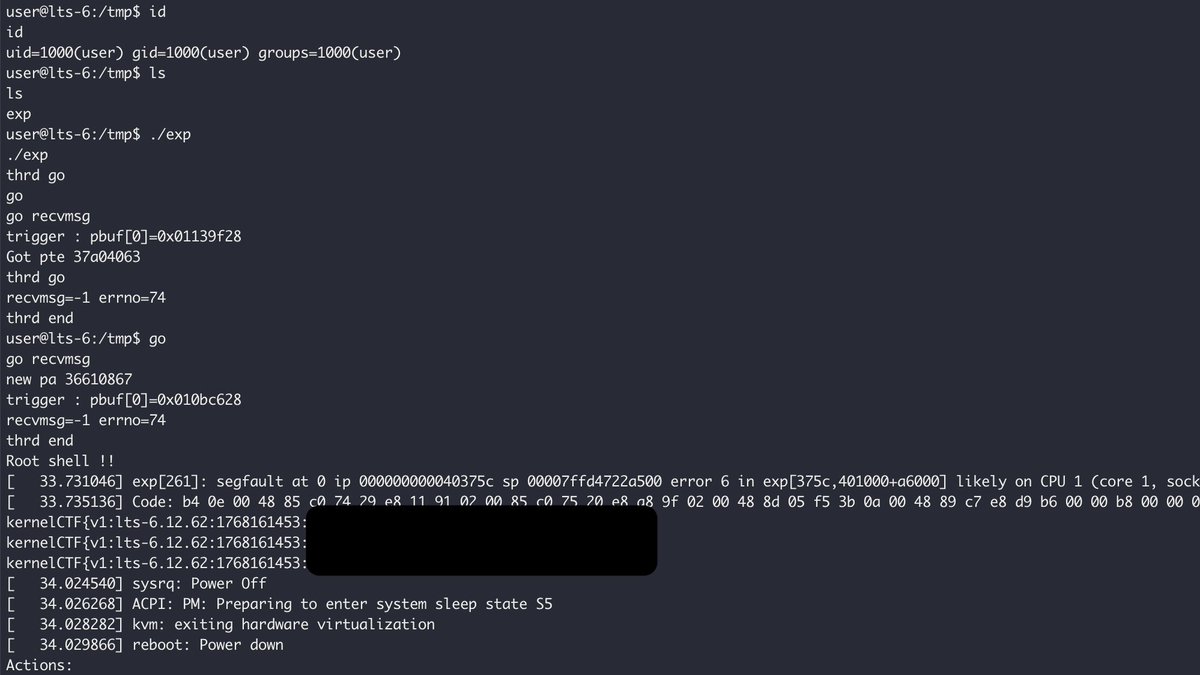
This is my first Linux kernel exploit for Google kCTF, and the patch commit is now public: git.kernel.org/pub/scm/linux…
Actually, this bug was found by AI while analyzing 1-day variants, I'd like to share my approach for these AI things to find bug, and exploitation write-up later.
3
47
483
49,497
Hardik Shah retweeted

Apr 27
Me in a Teams meeting, waiting to say
"Nothing From my side"
292
12,606
74,855
2,333,220
Hardik Shah retweeted

Apr 26
USING Claude Opus 4.7 TO CENTER A DIV
349
2,284
28,641
1,867,818
Hardik Shah retweeted

Apr 22
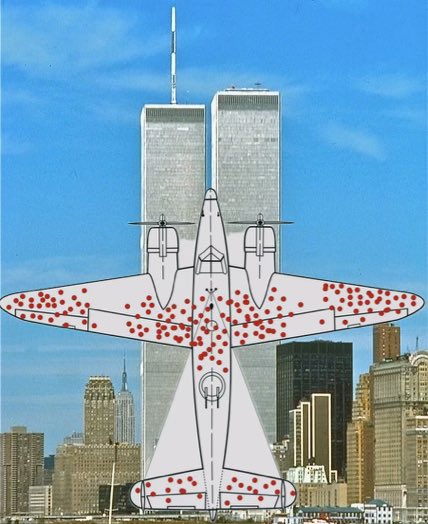
“Mythos has found 153 bugs”
17
19
357
29,472
Hardik Shah retweeted

Apr 21
Want to be profitable in this market? Setup your office right off the coast of the Strait of Hormuz.

520
2,568
27,843
1,326,460

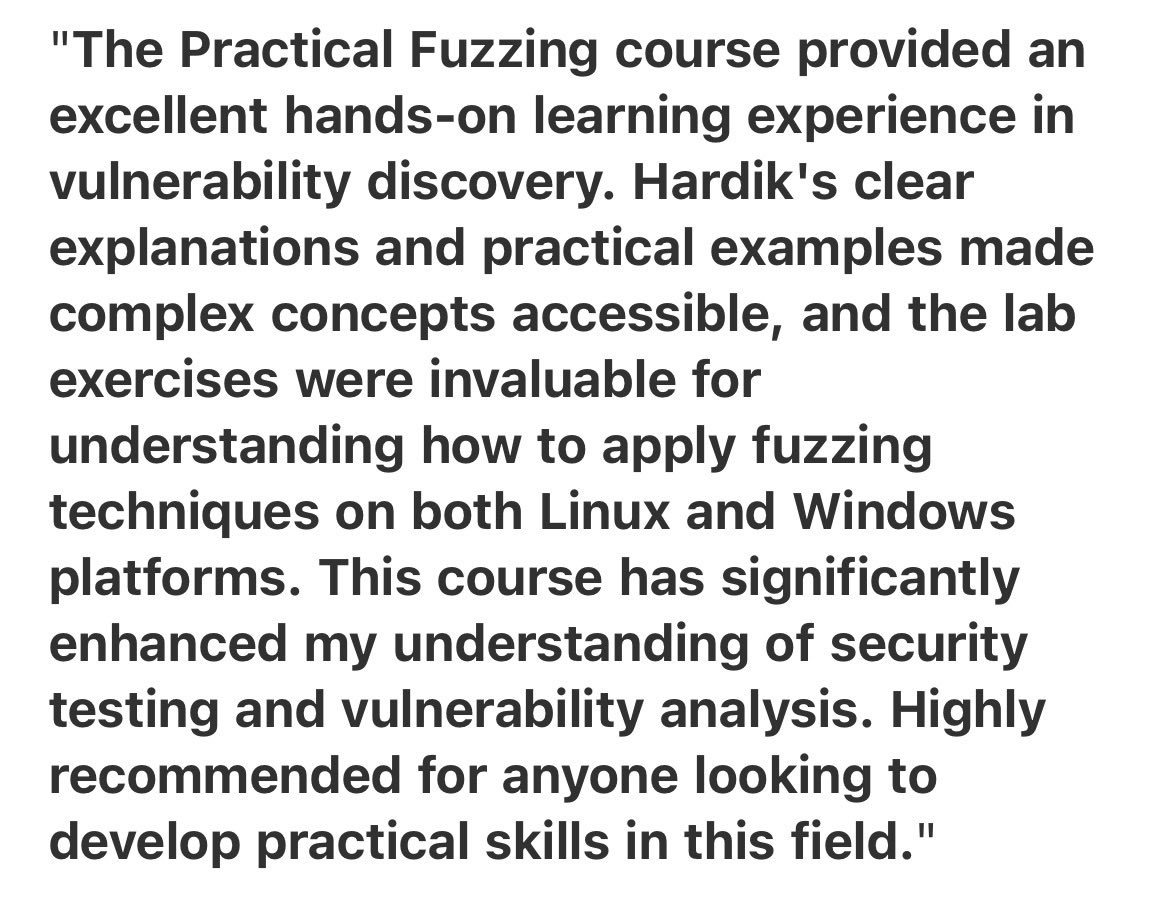
Training Alert – c0c0n 2026
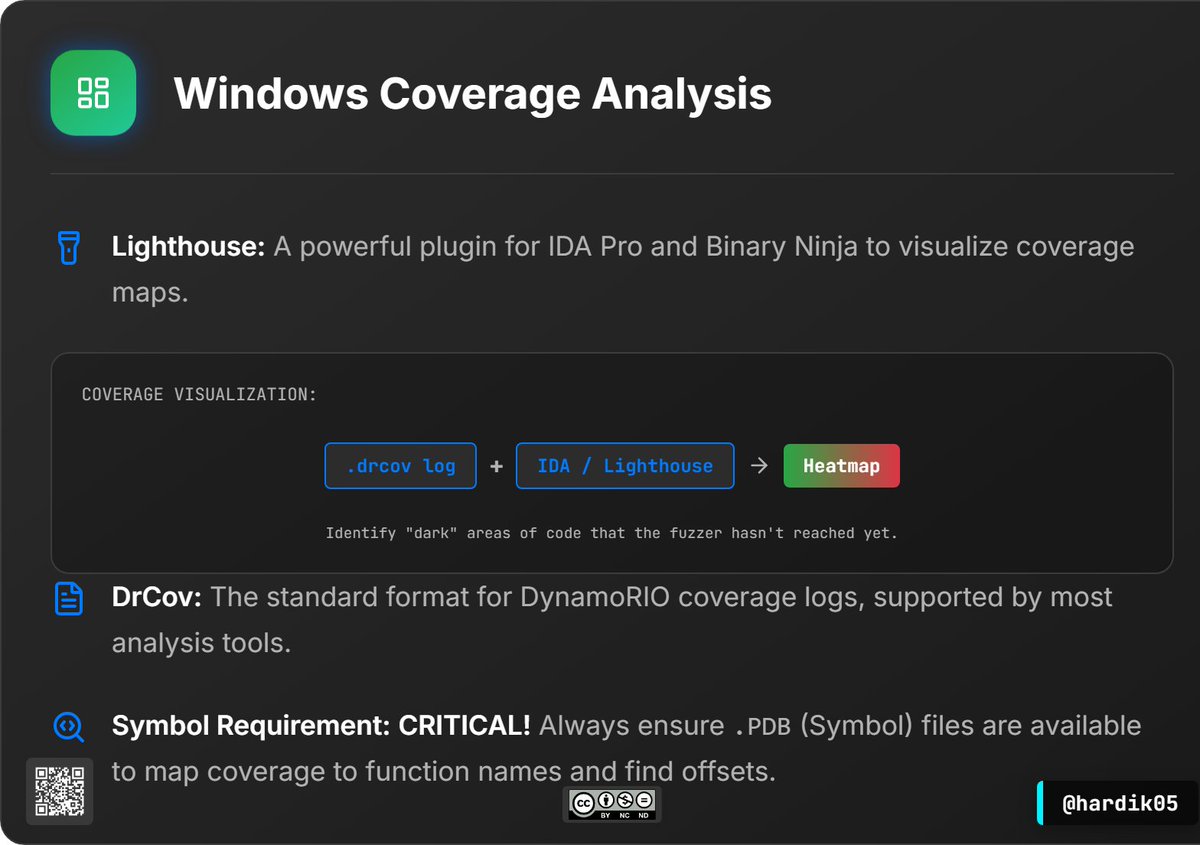
Practical Fuzzing: A Hands-On Learning Experience for Uncovering Vulnerabilities on Linux by @hardik05
Want to discover bugs the way real researchers do? This hands-on training takes you deep into the world of fuzzing—one of the most powerful techniques for finding vulnerabilities in modern software.
What You’ll Learn
🔅 Fundamentals of fuzz testing and vulnerability discovery
🔅 Setting up and using fuzzing tools in Linux environments
🔅 Identifying crashes, triaging bugs & root cause analysis
🔅 Writing effective fuzzing harnesses
🔅 Real-world case studies and exploitation insights
Why Attend
🔅 Hands-on labs with practical exercises
🔅 Learn industry-grade fuzzing techniques
🔅 Discover vulnerabilities in real applications
🔅 Gain skills used by top security researchers
Ideal for security researchers, developers, bug bounty hunters, and students looking to level up their vulnerability discovery skills.
Limited seats available
Register now: c0c0n.org/practical-fuzzing-…
#c0c0n2026 #Fuzzing #BugBounty #CyberSecurity #Infosec
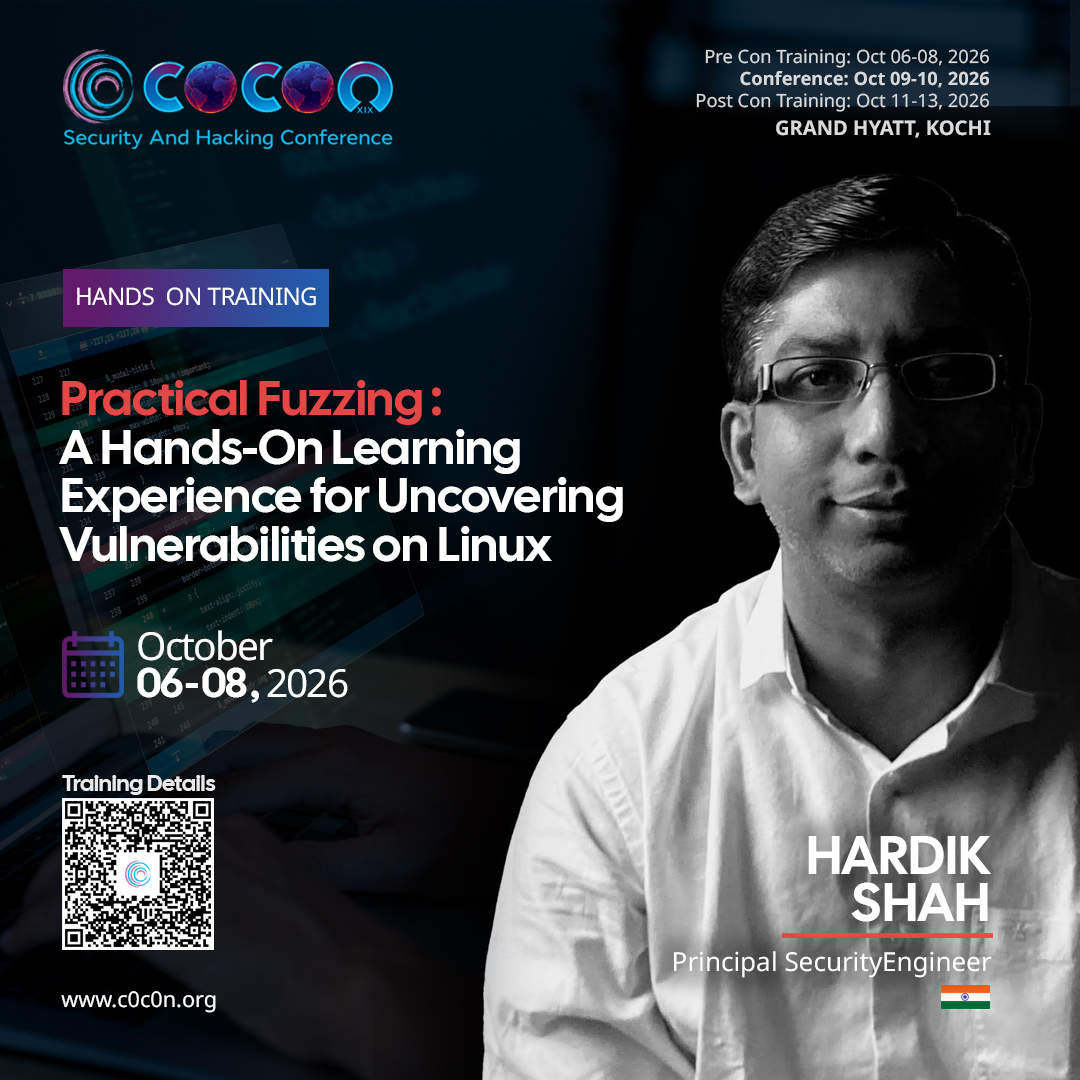
ALT Practical Fuzzing: A Hands-On Learning Experience for Uncovering Vulnerabilities on Linux by Hardik Shah
4
13
848
Hardik Shah retweeted

Apr 12
A Soviet psychologist walked into a café in 1927 and watched a waiter do something impossible.
He remembered every open order at every table. Perfectly. Without notes. Without effort.
Then a table paid their bill. She asked him to repeat the order.
He couldn't remember a single item.
She spent the next two years figuring out why. What she found is now the operating system underneath every platform fighting for your attention.
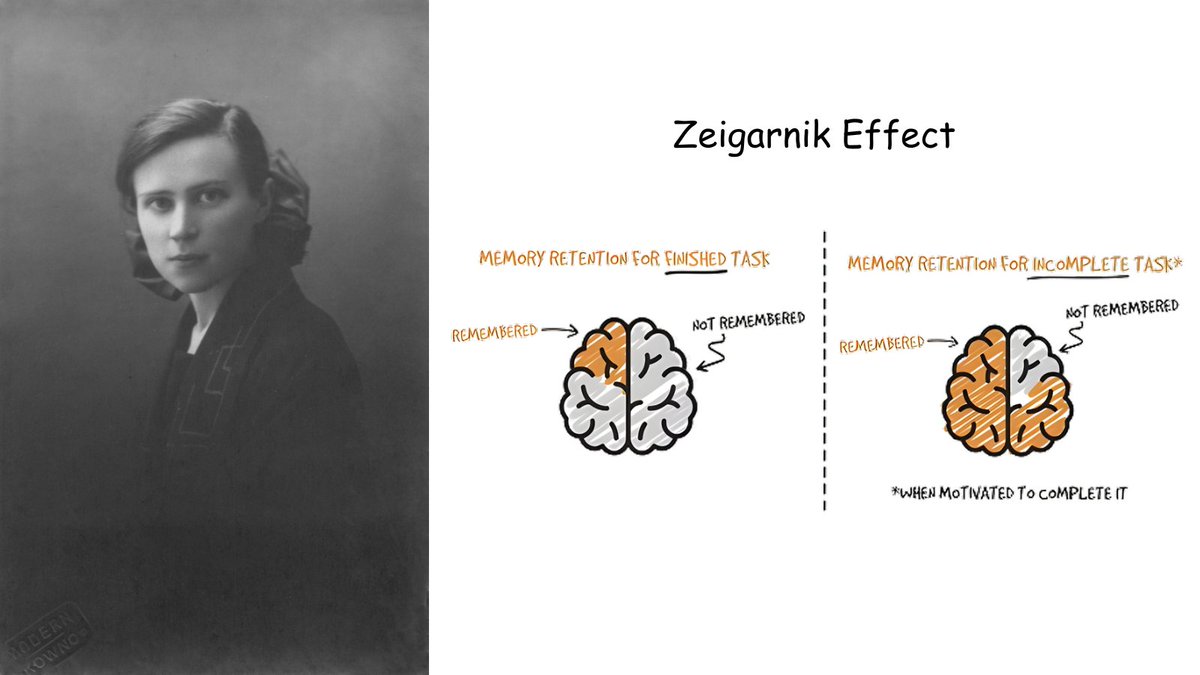
Her name was Bluma Zeigarnik, and she was a graduate student at the time, sitting with her professor Kurt Lewin, watching the waiters work the room. What caught her attention was something so ordinary that it had been happening in restaurants for centuries without anyone asking why.
The waiters could remember every open order with perfect accuracy. Table four wanted the schnitzel with no sauce. Table seven had changed their wine twice. Table twelve owed for three coffees and a dessert. Every detail, held without effort, without notes, without any visible system at all.
But the moment a table paid their bill, the information vanished. Completely. Lewin tested it on the spot. He called a waiter back minutes after a table had settled up and asked him to recite the order. The waiter could not do it. Not partially. Not approximately. The information was simply gone.
Zeigarnik went back to her lab and spent the next two years turning that observation into one of the most replicated findings in the history of psychology.
Here is what she proved, and why it changes how you think about attention, memory, and almost every piece of media you have ever consumed.
She gave participants a series of tasks. Some tasks they were allowed to finish. Others were interrupted before completion. Then she tested recall across both groups.
The unfinished tasks were remembered at nearly twice the rate of the completed ones.
Not slightly better. Nearly twice. The brain was holding the incomplete work in a state of active tension, returning to it, keeping it warm, refusing to file it away. The finished tasks were closed, archived, released. The unfinished ones were still running.
She called it the resumption goal. When the brain commits to a task and cannot complete it, it opens a file that stays open until resolution arrives. That open file consumes a portion of your cognitive bandwidth whether you are thinking about it consciously or not. It surfaces in idle moments. It pulls at the edge of your attention during other work. It is the thing you find yourself thinking about in the shower when you were not trying to think about anything at all.
This is not a flaw in human cognition. It is a feature. The brain evolved to finish things. An open loop is a signal that something important is unresolved. Keeping that signal active increases the probability that you will return to it and complete it. In an environment where most tasks had real survival stakes, this was an extraordinarily useful mechanism.
In the modern world, it is the most exploited vulnerability in human attention.
Netflix did not invent the cliffhanger. But it industrialized it in a way no medium before it ever had. When a show ends on an unresolved question, it does not just create curiosity. It opens a file in your brain that stays active until the next episode closes it. The autoplay countdown that begins at 15 seconds is not a convenience feature. It is a precise calculation about how long the average person can tolerate an open loop before the discomfort of not knowing overrides every other intention they had for the evening. One more episode is not a choice. It is your brain doing exactly what it was designed to do: return to what is unfinished.
The writers who built Lost, Breaking Bad, and Succession understood this intuitively without ever reading a psychology paper. Every episode ended on an open question. Every season finale answered three things and opened five more. The entire architecture of prestige television is a Zeigarnik machine running at industrial scale.
But television is not where this gets dangerous.
Every notification on your phone is an open loop. Every unread email is an open loop. Every task you wrote on a list and have not yet crossed off is an open loop. Each one is consuming a small but real portion of your available attention, pulling fractionally at your focus, degrading your capacity to be fully present in whatever you are actually doing right now. TikTok's algorithm does not just serve you content you like. It serves you content that ends one loop and immediately opens another, keeping the resumption system permanently activated so the cost of stopping always feels higher than the cost of continuing.
The research on this accumulation effect is striking. Psychologists studying cognitive load have found that unfinished tasks do not sit passively in memory. They actively interrupt. They surface at the wrong moments. They are the reason you are reading something and suddenly remember an email you forgot to send. The brain is not malfunctioning. It is running its resumption system exactly as designed. It is just running it across forty open loops simultaneously, in an environment that generates new ones faster than any human nervous system was built to process.
The most important practical implication Zeigarnik's research produced is one that most people use backwards.
David Allen built his entire Getting Things Done system on the insight that the only way to close a cognitive open loop is to either complete the task or make a trusted commitment to complete it later. Writing something down in a system you actually trust has the same effect on the brain as finishing it. The file closes. The bandwidth is released. This is why writing a task down feels like relief even before you have done anything about it. You have not solved the problem. You have simply told your brain that the loop is registered and will be returned to, which is enough for the resumption system to stand down.
The inverse is equally true and far more destructive. Every task that lives only in your head, unwritten and unscheduled, is an open loop burning cognitive resources around the clock. The mental cost is not proportional to the size of the task. A tiny nagging obligation consumes the same active tension as a major project. Your brain does not discriminate by importance. It discriminates by completion.
Zeigarnik published her findings in 1927. The paper sat in academic literature for decades before anyone outside psychology paid attention to it.
Then television got good. Then the smartphone arrived. Then the entire attention economy was engineered, largely by people who understood intuitively what she had proven scientifically: an open loop is the most powerful hook available to anyone who wants to hold human attention.
Netflix knew it. Instagram knew it. Every designer who ever made a notification badge red instead of grey knew it.
The café in Vienna is long gone.
The mechanism she discovered there is now the operating system underneath every platform fighting for your time.
Every "to be continued."
Every unread notification.
Every thread that ends with "part 2 tomorrow."
All of it is the same waiter, the same unpaid bill, the same brain refusing to let go of what it has not yet finished.
Zeigarnik noticed it over coffee in 1927.
A century later, it is the most valuable insight in the history of media.
And nobody taught it to you in school.
232
2,515
8,743
868,304