
Joined August 2020
- Tweets 1,678
- Following 186
- Followers 207
- Likes 468
436 Photos and videos
Pinned Tweet

27 Jun 2024
pogo3d is 25% off for the Steam Summer Sale! I hope you will give it a try
5
12
48
13,765
DREW 🖱 Pogo3D retweeted

12 Nov 2025
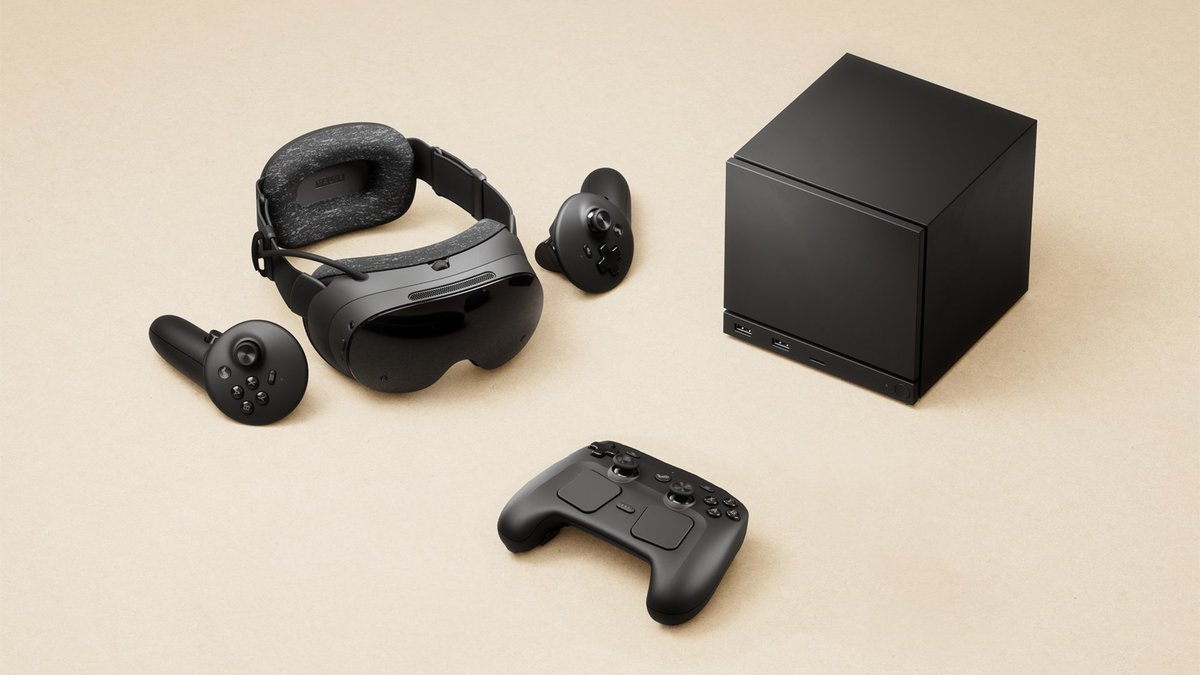
Announcing: New @Steam Hardware, coming in 2026:
Steam Controller
Steam Machine
Steam Frame
Watch our jazzy announcement video and wishlist now: steampowered.com/hardware
4,680
19,074
135,423
29,491,371
14 Oct 2025
poor guy... if i had 100,000 12 year olds begging me to work on a game i knew would flop i would crash out too
1
227
DREW 🖱 Pogo3D retweeted

8 Oct 2025
Lots of games can be made by just starting to mess around and seeing what works. You get a guy on screen, have him jump on stuff, or shoot stuff. Or you put a city on screen, click on squares to build houses. And so on.
Such games are easy to find because they don't require a theory of what's going to work. You just try random simple things and see what feels good and chase that. It's not easy to do well, but it's a shallow process.
But as time goes on, such low-theory games are more and more oversaturated. The basic "objects bumping into each other" and "map painting" and "number goes up" designs are more and more already done.
To succeed in the future, designers will need to start having actual theories about what will work. They'll need to be able to posit a design that can't be built in a game jam, and why it works, and be correct, and then build that. There's a huge universe of games that can't be made by just trying simple verbs and seeing what feels good first try.
It means that in the future, design insight and analytical ability will become more and more essential in making a successful game. If everyone is doing basic and obvious designs, the differentiators are tech, art, writing, or marketing. In the new era, the differentiator will be whether you are able to find a great set of mechanics that nobody else can find.
24
35
619
45,116
3 Oct 2025
Episode 2 of cool wikipedia pages
en.m.wikipedia.org/wiki/Dear…
4 Aug 2023

Episode 1 of cool wikipedia pages
en.wikipedia.org/wiki/Oarfis…
1
1
180
15 Sep 2025
go into any chatroom full of programmers and ask a programming question and time how long it takes them to start arguing about OOP
101
DREW 🖱 Pogo3D retweeted

24 Aug 2025
so if sinclair and doorman both ult at the same time, both people get to fight in the baroness - deadlock is so cool
8
64
1,283
142,982
DREW 🖱 Pogo3D retweeted

9 Feb 2025
People rediscovering that lower def video game graphics often had better and more memorable aesthetics is just another instance of people realizing what the essence of cartooning is. What boiling a visual down to its pure essence through process (and in the case of limited graphical capability, necessity) of elimination was. Creative and ingenious solutions to visual communications problems are bolstered through limitation, and those solutions are often timeless, brilliant and truthful.

506
5,712
75,884
2,965,140
8 Aug 2025
wow GPT 5! these numbers are getting really big
now i get FIVE unasked for code "upgrades" and 5/5 of them are hallucations instead of just one. and it hallucinates while summarizing the stuff it has changed...
1
1
155
8 Aug 2025
and I'm starting to see context from previous queries polluting future queries with those hallucinations too!
very excited for the future!
2
87
2 Jul 2025
StopKillingGames will not be retroactive, so planetside 2 doesnt need an end of life plan
MMOs and other F2P / Pay-Per-Month games are likely not sold as goods, but services.
The expectation for the lifetime of a game sold for a one-time price or downloaded for free differ
1 Jul 2025

i feel so dumb for not being able to fully grasp this StopKillingGames stuff. What does an offline end-of-life plan for a game like Planetside 2 actually look like?

1
7
349
2 Jul 2025
there IS some stuff in the talking points of SKG about microtransactions counting as goods and therefore must be guaranteed forever, and so games like planetside must make them available to you after service ends. but that has far reaching consequences across multiple industries
1
3
172
2 Jul 2025
most likely any regulation that comes from the CURRENT EU petition will only apply to future games that are SOLD and not free or subscribed to
Still a win in my eyes
1
3
152