
'; DROP TABLE tweets;
Joined May 2009
- Tweets 2,527
- Following 173
- Followers 220
- Likes 169,039
211 Photos and videos












Milton Friedman's greatest regret.
The federal government discovered the perfect crime in 1943: make employers collect taxes before workers ever see their paychecks. You think you earn $60,000 per year, but you actually earn $75,000 and hand over $15,000 to politicians without ever touching it. The psychological difference is enormous.
Before payroll withholding, Americans wrote quarterly checks directly to the Treasury. Picture yourself sitting at your kitchen table, writing a $3,750 check to the IRS every three months. The pain was immediate and visceral. Politicians faced constant pressure to justify every dollar because citizens felt the extraction in real time.
Withholding transforms this concrete loss into an abstract accounting entry. Your employer becomes an unpaid tax collector, and you never experience the actual cost of government. Worse, most people celebrate their tax refunds as government generosity rather than recognizing them as interest-free loans they provided to politicians. The Treasury collects your money throughout the year, spends it immediately, then returns your own cash and receives gratitude.
This system enables the explosion in government spending you witness today. Defense contractors billing $640 for toilet seats, agricultural subsidies for corn syrup, and congressional salaries for 535 people who rarely show up to work. When taxation feels painless, voters stop demanding accountability for how their money gets spent.
Milton Friedman helped design withholding as a wartime emergency measure and later called it his greatest regret. Free market economists recognized that the psychological pain of direct taxation creates political pressure for fiscal restraint. The temporary always becomes permanent in government hands, and the emergency justification disappears while the extraction mechanism remains forever.

280
3,661
11,147
605,911

Imagine having to support this corner case in the passport's management software
25
Watching closely this project called plain plainframework.com/
Forked #django with jinja, #htmx, #tailwindcss and UI components!
24
hernantz retweeted

May 28
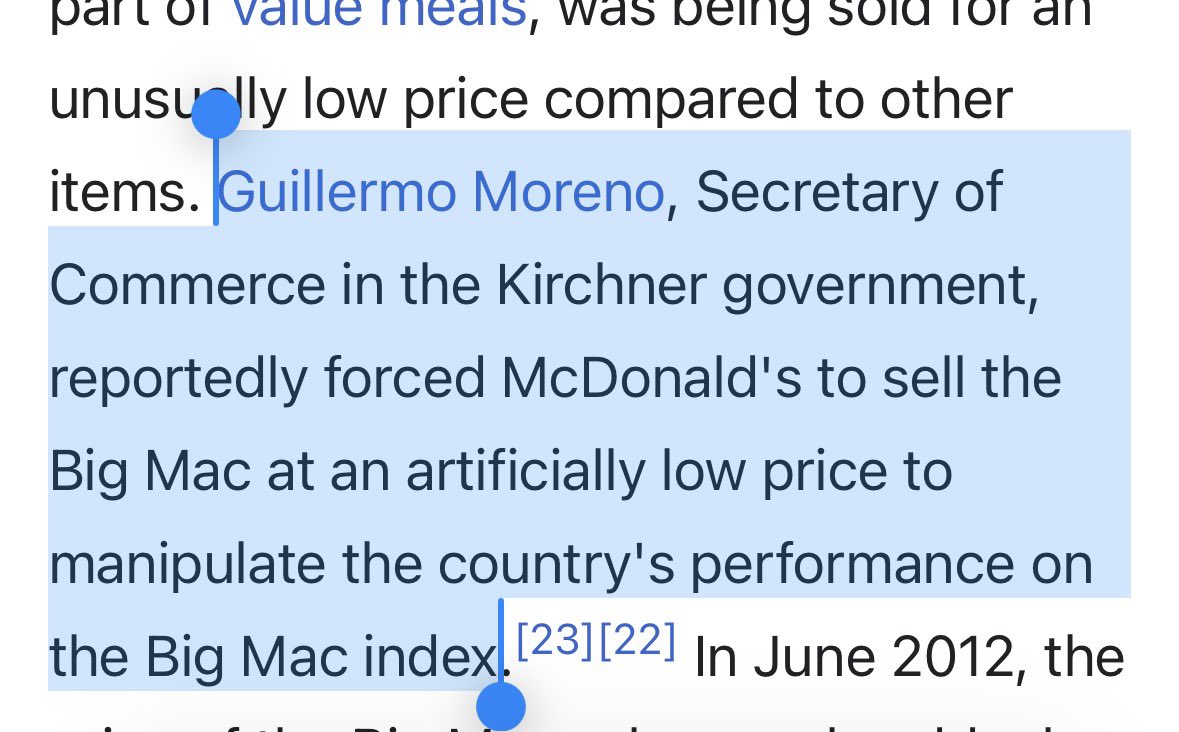
Still one of the funniest things to ever happen
93
775
9,885
258,084
hernantz retweeted

May 8
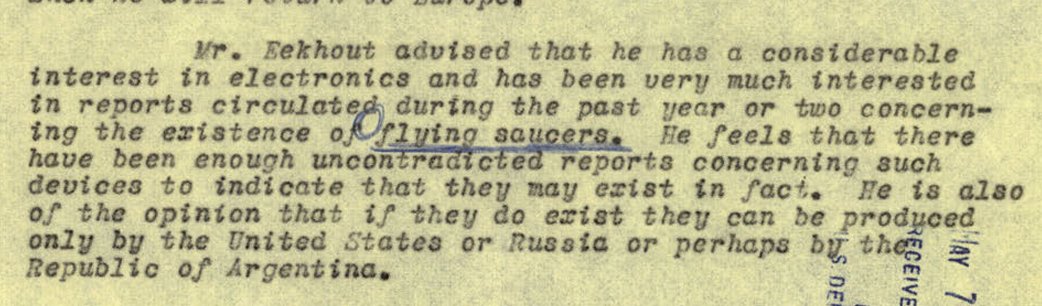
"if they do exist they can be produced only by the United States or Russia or perhaps by the Republic of Argentina"
thanks J Edgar Hoover for the vote of confidence
101
575
5,385
319,344
hernantz retweeted

“The Earth is littered with the ruins of empires that believed they were eternal.”
Camille Paglia


59
5,509
39,455
451,129
hernantz retweeted

Apr 18
PgQue v0.1.0 is out.
PgQ -- the Postgres queue system built at Skype 20 years ago for 1B-user-scale workloads -- repackaged for the managed-Postgres era. One SQL file. No C extension. No external daemon. pg_cron to tick.
Why bother reviving a 2007 architecture?
Every major Postgres queue in production today uses some flavor of SKIP LOCKED UPDATE/DELETE. It works under light load. When you have more data and higher load, it degrades predictably. Then you get posts like these:
- Brandur at Heroku, 2015: 60k job backlog in one hour from a single open transaction
- PlanetScale, 2026: death spiral at 800 jobs/sec
- River issue #59, awa issue #169 and so on, Oban's partitioning work, PGMQ's autovacuum tuning guide and duct-taping with pg_partman
The core issue is how Postgres MVCC is implemented and how we deal with it. Dead tuples in the hot path, xmin horizon pinned, vacuum falling behind, query performance quickly degrades. This happens every time you run pg_dump, execute an analytical query, or have a lagging/unused logical replication slot.
PgQ solved this in 2007 with snapshot-based batching and TRUNCATE rotation -- zero dead tuples in the event
path, by design.
But PgQ needed a C extension and an external daemon. Which means it doesn't run on RDS, Aurora, Cloud SQL, AlloyDB, Supabase, or Neon -- i.e., where most
Postgres lives now.
PgQue closes that gap.
💎 Pure SQL PL/pgSQL (PgQ engine)
👩💻 \i sql/pgque.sql -- you're done
🕑 pg_cron replaces pgqd (optional, recommended)
💻 Python, Go, TypeScript client examples shipped
💙 Apache 2.0
Trade-off: end-to-end event delivery latency is up to a second, it depends on ticking frequency. If you need sub-3ms job dispatch, use River, Oban, or graphile-worker (and avoid anything that blocks xmin horizon). If you need high-throughput event streaming with fan-out inside Postgres -- Kafka-shaped, without Kafka and dealing with transactional outbox implementation -- this is the right shape of tool.
Kudos to Marko Kreen and Skype engineers who implemented this decades ago, for the original PgQ, and to Alexander Kukushkin whose recent "Rediscovering PgQ" talk brought this quiet corner of the Postgres ecosystem back into view.
Stars, issues, PRs, and honest criticism all welcome.
Link 👇
6
50
352
34,457
hernantz retweeted

Apr 10
I love this story.
First, Boom's jet engine supplier, Rolls Royce, pulls out of the supersonic airliner deal. That should have been the end of the story. As GE often says, "if you want to compete with us in jet turbines, you needed to have started 30 years ago", because that's how long it takes. So it would be crazy to start now.
But Boom didn't fold up tents. They said they were going to make their own jet turbine. Good luck 🙄
But they started anyway, and then "a miracle occurs": the AI datacenter boom creates unbounded demand for gas turbines, creating at least a 4-5 year backlog with existing manufacturers.
And because the Boom terrestrial turbine power plants don't have to be certified by the FAA, that takes a decade off their path to market!
So now 90% of the company is working on the turbines, with a huge pipeline of orders, and they're going to be a huge energy company, regardless of whether they ever ship an airplane or not.
What a great testament to resilience. Just keep moving forward and eventually the path will become clear. Action creates information.
Apr 10

As we enter the build phase for our first engine, Boom is moving to video updates for our investors.
Here is our most recent investor update (financial info redacted).
Hint: there is an Easter egg 🥚
69
436
4,929
472,385

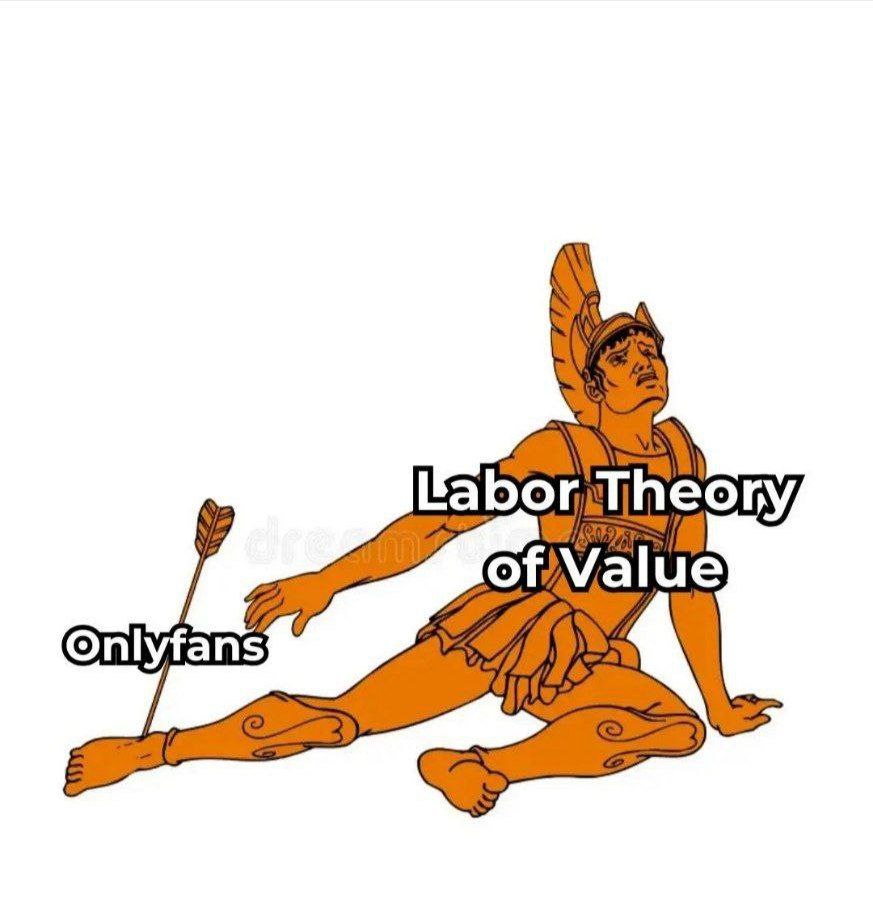
Jusqu'à ce jour, les marxistes sont incapables de donner une réponse satisfaisante à ce genre de meme. C'est dire la nullité de leur pensée économique.
La valeur n'est pas dans le bien ni dans l'effort fourni pour le produire. Elle est dans l'esprit de celui qui désire ce bien pour résoudre un besoin individuel. La valeur est donc subjective, marginale, contextuelle. Elle n'est pas objective, mesurable, mathématisable.
Ainsi s'écrase lamentablement la théorie marxiste de la valeur travail et les théories classiques de la valeur objective. Si ces théories ont réussi à survivre jusqu'à aujourd'hui, c'est uniquement parce qu'elle donne une caution scientifique à l'interventionnisme étatique, rien d'autre.
Apr 7

1,049
3,593
27,870
32,359,390
hernantz retweeted

Apr 1
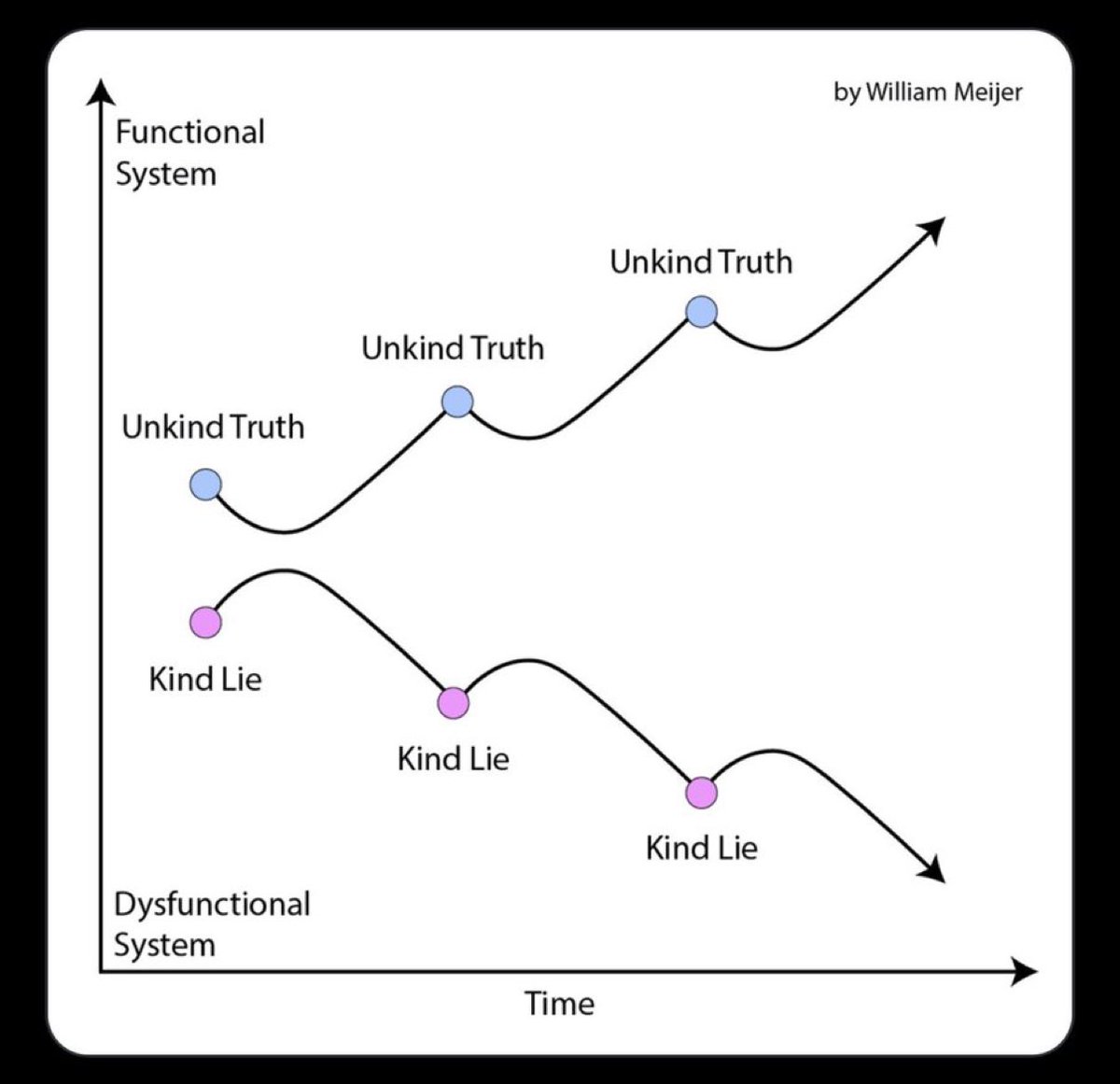
Once again this graph has a hold on me
108
1,750
13,595
425,687


The Year: 2022
The Problem: App-based food delivery drivers don't earn enough.
The Solution: Seattle's Pay Up law, promising $26.40 an hour for drivers—before mileage and tips.
Sounds like a great idea, with the best of intentions. What could possibly go wrong?
7
56
190
13,134
hernantz retweeted

If chemtrails were always there, Bob Ross would have painted them.

145
1,680
7,792
73,467
hernantz retweeted

Mar 12
Suffering is inherent to our world. Yet it must remain within reasonable limits and for reasonable causes — and what counts as “reasonable” is for us to decide.
191
817
10,771
4,708,999
hernantz retweeted

Mar 3
There are different ways to deal with problems.
Community note
This is AI
gijn.org/resource/guide…
578
4,247
21,417
1,697,200
hernantz retweeted

Mar 1
most important lesson from years of distributed systems: keep everything on a single machine for as long as humanly possible
49
221
4,707
138,349
hernantz retweeted

Feb 24
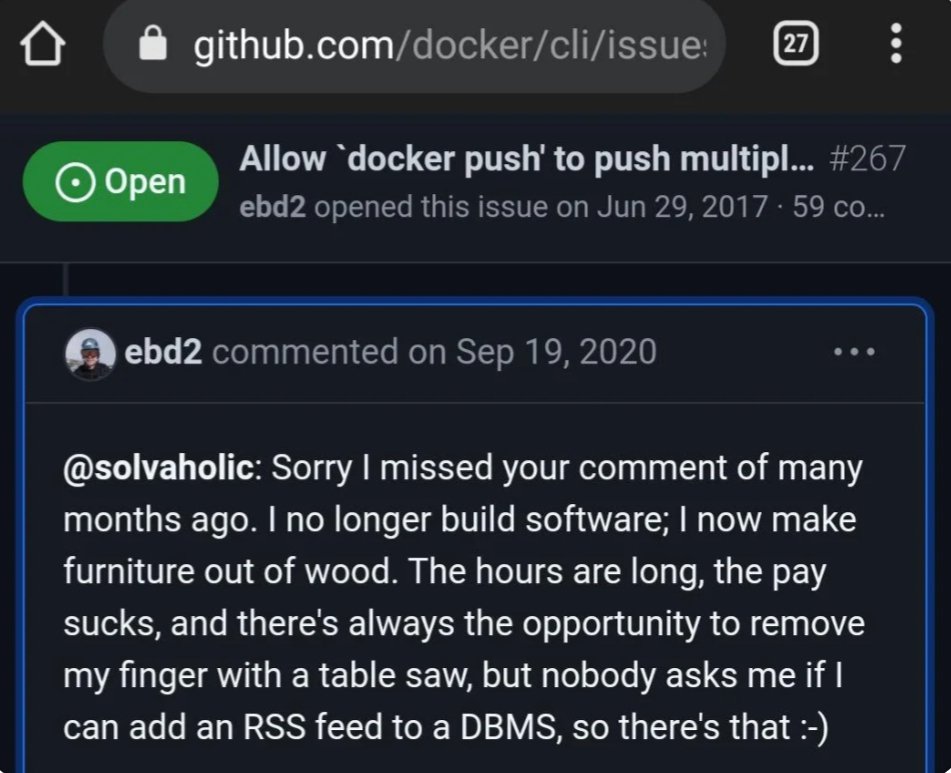
I still think about this comment
49
1,338
21,656
591,008
hernantz retweeted

Jajajajajjajajajajjajajajajajjajajajajjajajajajajjjajajajajajjajajaja basada
99
2,277
11,063
129,342