
Researcher
Joined June 2009
- Tweets 633
- Following 53
- Followers 80
- Likes 544
9 Photos and videos


Pinned Tweet

30 Apr 2020
Un Master majoritairement à distance pour la conception de ressources numériques (web, #seriousgames, #iot) à vocation de médiation pédagogique culturelle, scientifique, technique !
@Inspe_Toulouse @UTJeanJaures @Univ_Toulouse @FabLab_Toulouse youtu.be/lPFFkPYoDJk

1
6
Hervé Luga retweeted

18 Jan 2025
📦 Ce matin, je vais récupérer un colis à la Poste en centre-ville.
J’utilise l’appli France Identité pour justifier mon identité : refusé ❌
Résultat ? Je repars sans colis 👍🏻
Un service public qui rejette un outil officiel de l’État ? 🤔
#FranceIdentité #ServicePublic #laposte #Incohérence

146
105
1,371
144,489
Hervé Luga retweeted

22 May 2024
If you are a student interested in building the next generation of AI systems, don't work on LLMs

The Godfather of AI is at #VivaTech!
Yann LeCun (@ylecun) advises students coming into the industry:
"Don't work on LLM. This is in the hands of large companies, there's nothing you can bring to the table. You should work on next-gen AI systems that lift the limitations of LLMs.

341
1,022
6,926
1,667,348

05 et 06 juin 2024, workshop @SorbonneParis1 @RENATER pour le projet NewConnect "Sécurisation des identités de la communauté ESR" @sup_recherche
renater.fr/workshop-les-05-e…
2
3
1,086

💻 #OPENSTACK est une suite logicielle destinée à faciliter la mise en place et la gestion d’infrastructures virtualisées et de services d’informatique nuagique.
🛡️ Découvrez le guide de l'#ANSSI :
🔗cyber.gouv.fr/publications/r…

6
85
153
20,437
Hervé Luga retweeted

27 Apr 2024
"Vers des jours encore plus sombres pour l’Europe du numérique ?"
A l'heure où je reçois l'invitation de @BrunoLeMaire au Minefi sur la souveraineté pour la promotion #SENS & #Blue j'insiste sur l'importance pour de cette tribune de G.Poupard
linkedin.com/pulse/vers-des-…
1
16
21
3,134
Hervé Luga retweeted

4 Apr 2024
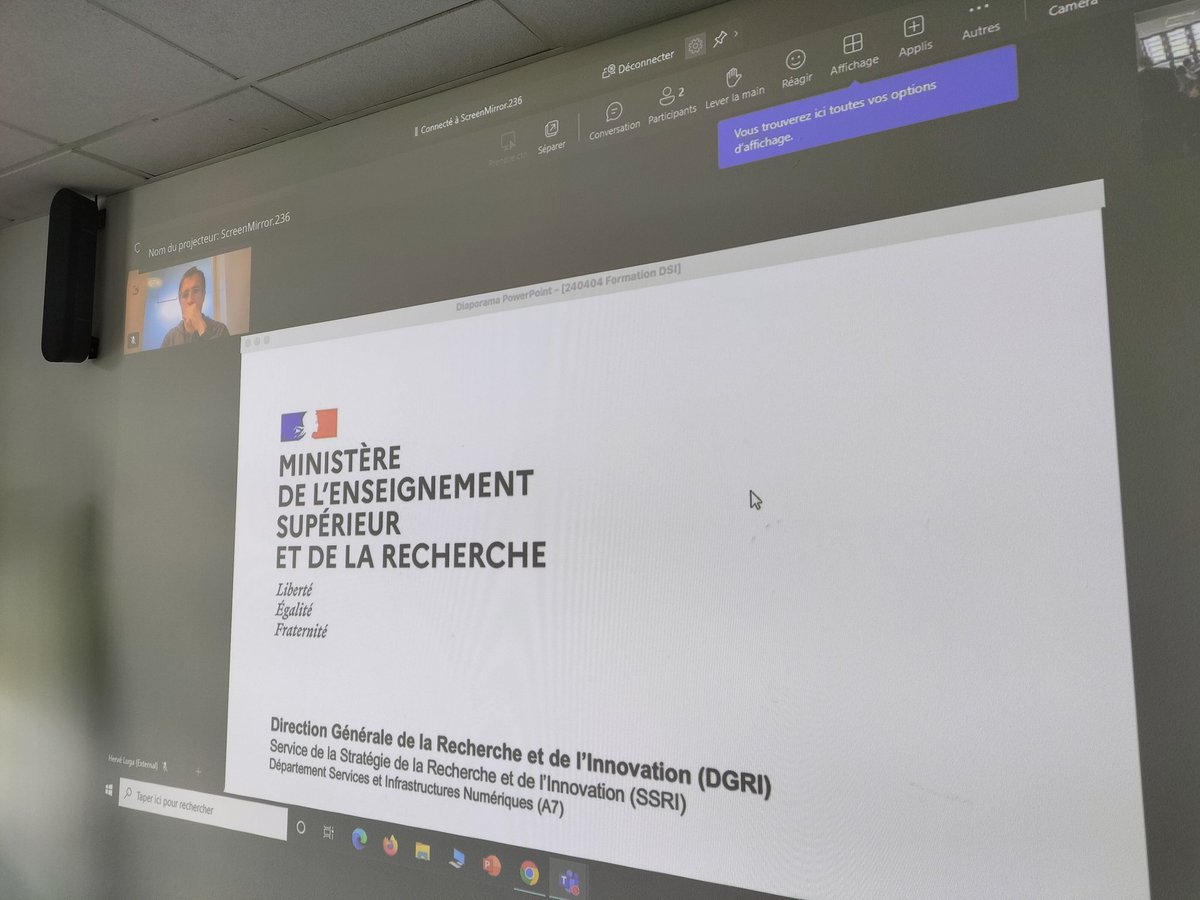
Plan de formation #devops dans les #datacenters labellisés par @hluga #dgri @sup_recherche : une montée en compétence dans les DSI d'actualité répondant aux enjeux de servicification actuels
1
1
2
176
Hervé Luga retweeted

9 Apr 2024
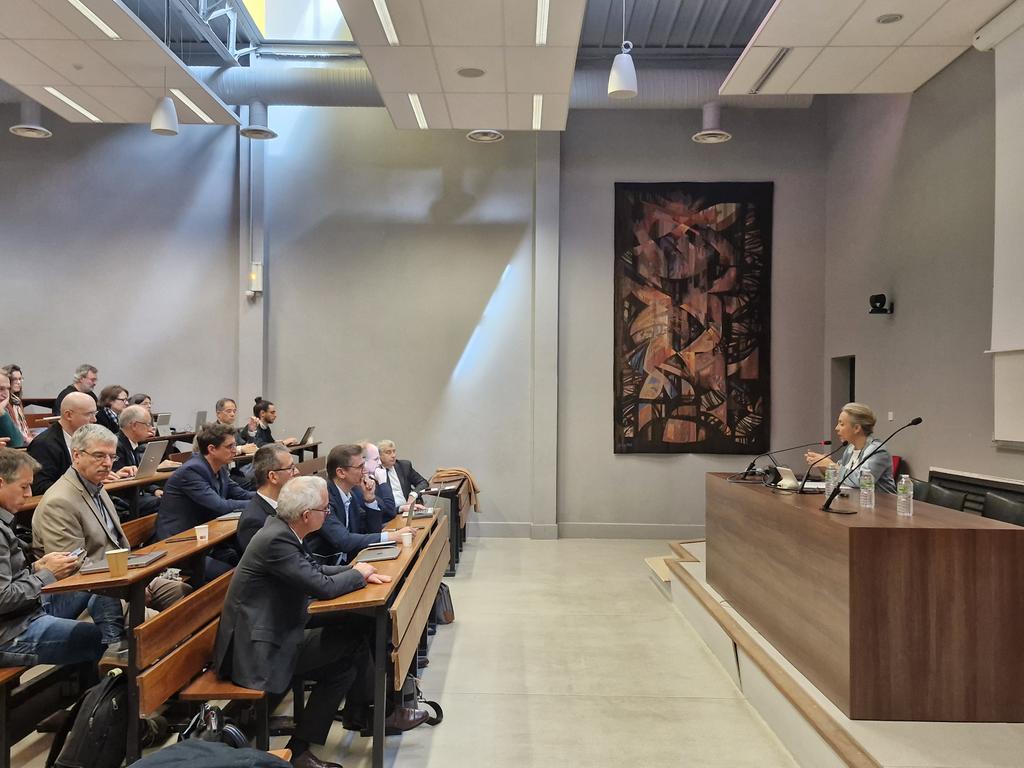
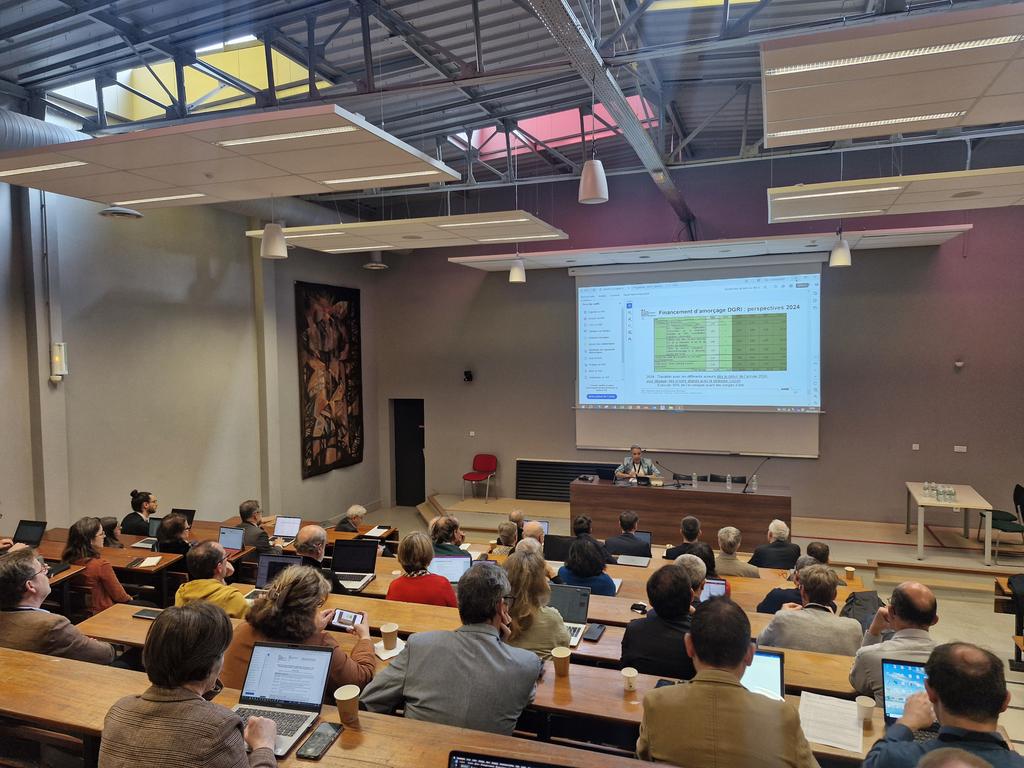
Améliorer, sécuriser, mutualiser.
Pour la recherche et pour tous ses habitants, la Région @Occitanie agit et porte une vision stratégique du numérique, de la data et d'une #IA éthique et responsable.
Échanges avec la DGRI @sup_recherche à #Toulouse pour les #DataDays.
4
10
860
Hervé Luga retweeted

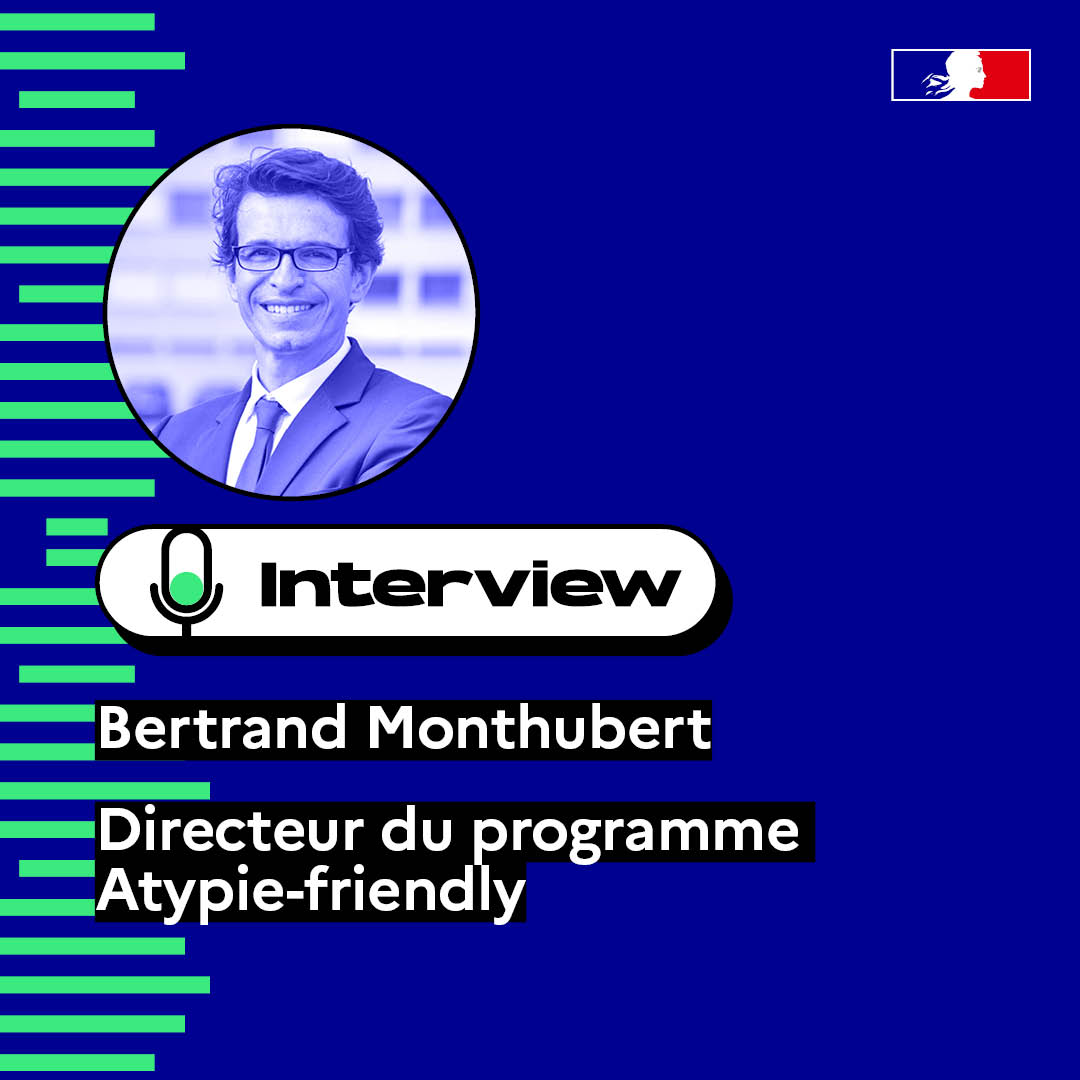
#TousEnBleu | Journée mondiale de sensibilisation à l'#autisme
📢 Interview de @b_monthubert, directeur d'Atypie-friendly, programme pour une université inclusive qui accompagne les étudiants présentant des troubles du neuro-développement.
👉 swll.to/wpbgD
2
7
10
2,886
Hervé Luga retweeted

28 Mar 2024
I work with many students that are learning how to write. So I get to see a lot of them making the same mistakes. When I ask them why they are pursuing an academic career, or why they are working on a paper, they often tell me something like: “because I want to make a contribution to science.”
Now, that’s a beautiful feeling. I sympathize with that. But it has nothing to do with writing. A reader doesn’t read you because you want to make a contribution, but because you have something to say.
The great American novelist F. Scott Fitzgerald said it best:
“You don't write because you want to say something, you write because you have something to say.”
That’s where I see a lot of students struggling. They come to work wanting to say something, but they have not worked on the story until they sit in front of the keyboard. Soon, writer block kicks in. They do not understanding that typing is not where ideation begins. It is something you need to prepare for by first growing an idea to the point you can no longer fit it in your head.
As an advisor it is easy to see the symptoms. Pointless drafts are circular and non-assertive. The student is trying to fill up pages without knowing what point they are trying to make with the hope that if they keep on going they will figure it out. But the reader already abandoned them in the first paragraph. After all, it is the job of a writer to know where a story ends. This “Chekhov’s gun principle,” the idea that if a gun is shown in the first act, it must be fired in the third.
Chekhov’s gun is fundamental because it provides a method to question every sentence in your text: how does that sentence contribute to your final goal? If it doesn’t, it must go. Pointless writing can be dismembered easily using this single technique. Use Chekhov’s gun to interrogate every sentence. Of course, all writers like to sometimes indulge in a poetic detour. But do that to often and you will lose your reader. There is a reason why there is another principle called “kill your darlings.” Cutting out a bad and pointless sentence is easy. Cutting out a beautiful but pointless sentences separates the kids from the adults.
Of course, some writing—and a lot of rewriting—takes place at the keyboard. But the point is that writing is something that we must do first inside our heads: when cycling to work, walking with your partner, or cooling off after a heated argument. At some point you will need to sit down and transcribe those ideas. But the chances that the idea will hit you the moment you sit in front of a keyboard is naive. Having ideas and writing them down are two difficult activities. Trying to do them at the same time is an overkill.
So if you are a student reading this, and you are struggling to write, I have two pieces of advice. First, don’t be discouraged. Wanting to say something may not be a lot, but can give you the perseverance needed to keep on going until you have something to say. And second, ask yourself the “Fitzgerald question:” what am I trying to say? Your answer cannot be yes or no. It has to be a summary of the point you are trying to make. And when you finally start having an answer, work on it. Keep on trying to articulate it when you walk alone, when you drink with friends, and when you find that contrarian asshole that really pushes hard against anything you say. Because maybe, at the end of all of that practice, you will be able to sit down in front of a keyboard and write a good first draft.
12
209
868
138,723

If we don't keep raising awareness of low-level programming skills, the skillset will disppear forever under a sea of SDKs, binary blobs and proprietary chips.
C programming matters, assembly language matters.

Yes, we post a lot about programming languages and it gets people very excited and opinionated.
But we do this to raise awareness that there is still a place for low-level code outside of Operating System development.
FFmpeg still needs low-level optimisations to be fast
132
955
7,403
1,840,141
Hervé Luga retweeted

12 Mar 2024
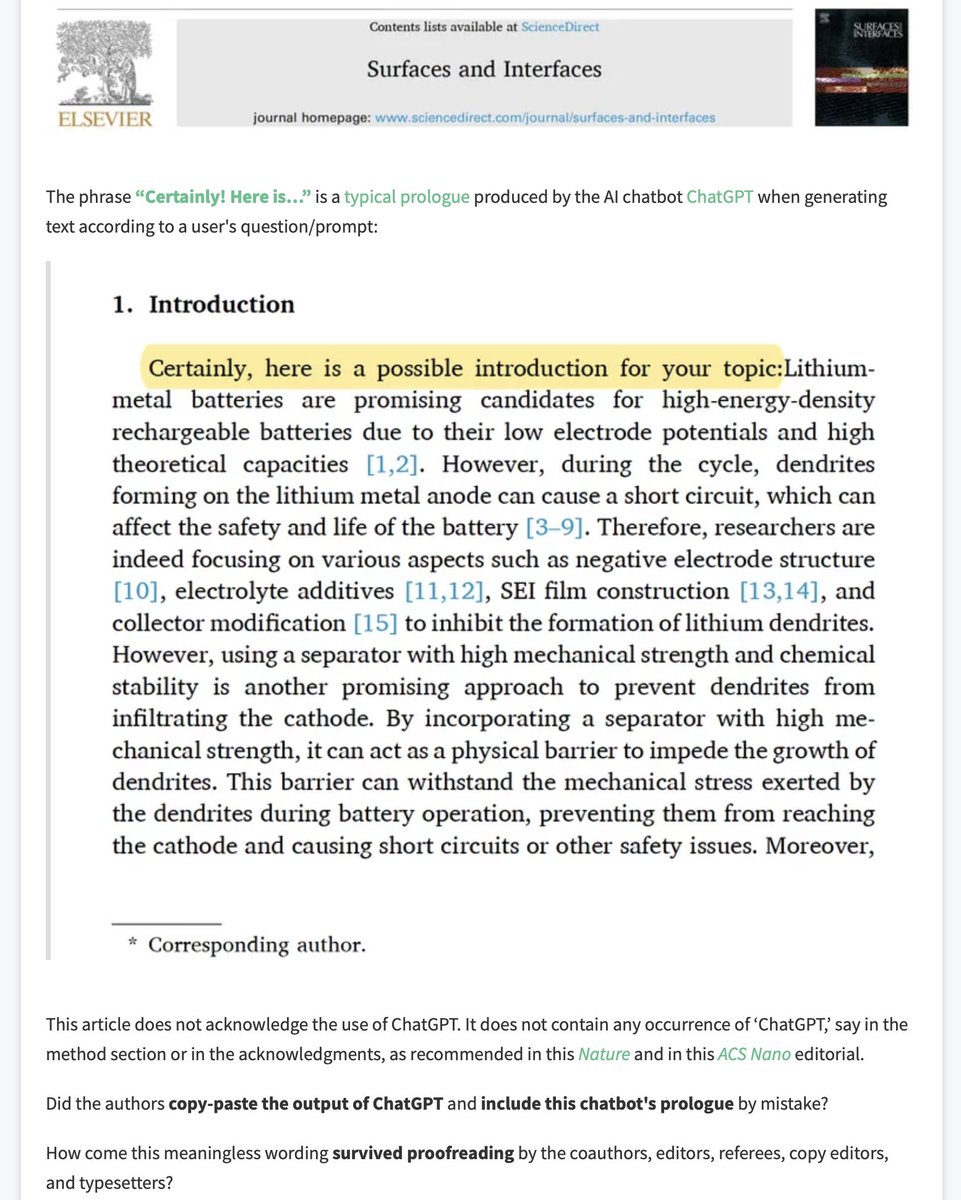
🤖 So #ChatGPT wrote the first sentence of this @ElsevierConnect article. Any other parts of the article too? How come none of the coauthors, Editor-in-Chief, reviewers, typesetters noticed? How can this happen with regular peer-review? pubpeer.com/publications/CAA…
ALT https://pubpeer.com/publications/CAABBF887348FB2D1C0329E0A27BE6
124
1,096
4,453
1,547,672
Hervé Luga retweeted

4 Mar 2024
Elaborate jokes that will only be understood by like 5 people on the planet are the actual best
349
3,720
30,950
2,034,496
Hervé Luga retweeted

29 Feb 2024
This is how you know you've reached the good part of the manual
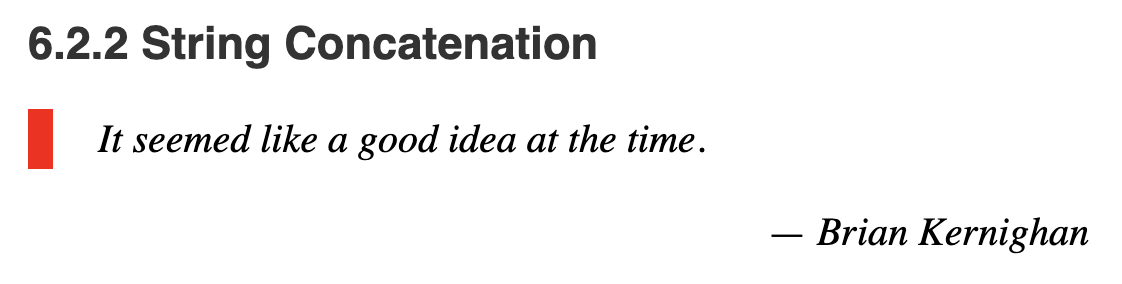
ALT 6.2.2 String Concatenation "It seemed like a good idea at the time." — Brian Kernighan
6
196
3,696
134,992
Hervé Luga retweeted

29 Feb 2024
💬“Les députés ont voulu préserver en Europe le libre accès à la génétique"
🗣️@PierreBenoitJo2 , économiste et sociologue, directeur de recherche @INRAE_Tlse
➡️ @LePoint #ParisSaclaySummit #SélectionVégétale
5
7
543
Hervé Luga retweeted

16 Feb 2024
La hausse de tarif n’est finalement pas à 3 chiffres mais à 4.
Tarif annuel multiplié par 12!
10 Jan 2024

Broadcom semble avoir racheté VMware dans le seul but de faire fuire clients et partenaires…
Petite pensée pour les commerciaux qui font le tour des clients en annonçant des hausses de tarifs à 3 chiffres. channelnews.fr/rachat-de-vmw…
8
22
59
38,891

CERTFR-2024-AVI-0129 : Multiples vulnérabilités dans Microsoft .Net (14 février 2024)
cert.ssi.gouv.fr/avis/CERTFR…
6
7
3,074
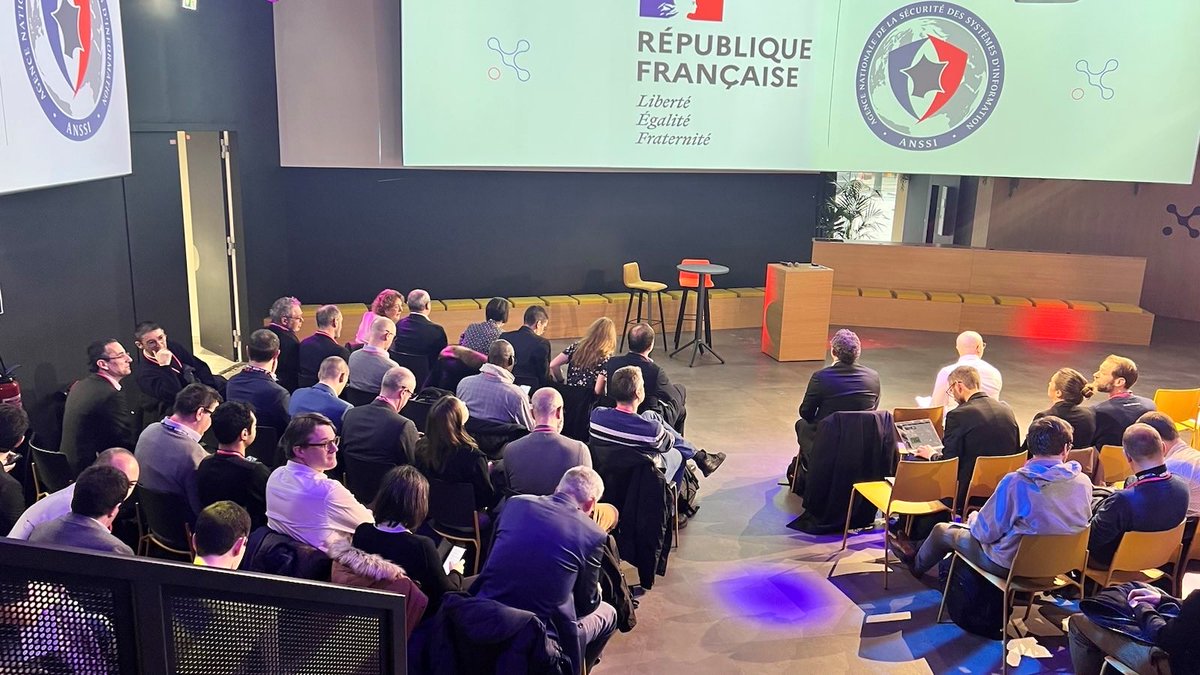
💪Tout comme les athlètes en pleine préparation physique, les entités doivent se préparer à l'arrivée des #JOP et aux risques cyber qui y sont liés.
🛡️Pour les appréhender, l’#ANSSI partage le guide d’hygiène informatique pour assurer la #sécurité des SI cyber.gouv.fr/publications/g…

1
59
80
9,664
Hervé Luga retweeted

31 Jan 2024
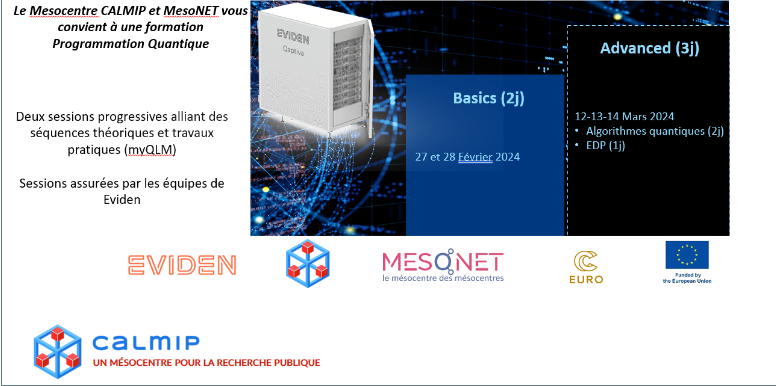
📢 Vous souhaitez découvrir la programmation quantique, alors suivez ces deux formations que CALMIP propose avec le soutien de MesoNET.fr, CC-FR et d'Eviden. Une session introductive sur les concepts de base (27/28 février) - calmip.univ-toulouse.fr/node…
1
1
4
102