
Structural Biomechanics and Optimised Structures at Imperial College London. Biomechanics with a biofidelic structural twist. Led by @atmphillips
Joined April 2011
- Tweets 526
- Following 726
- Followers 570
- Likes 960
60 Photos and videos
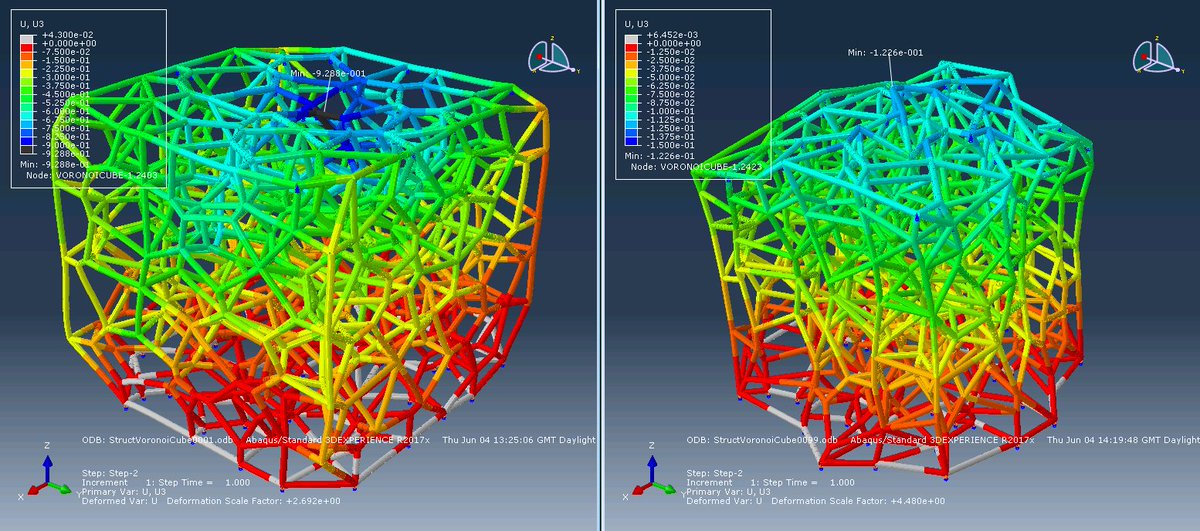
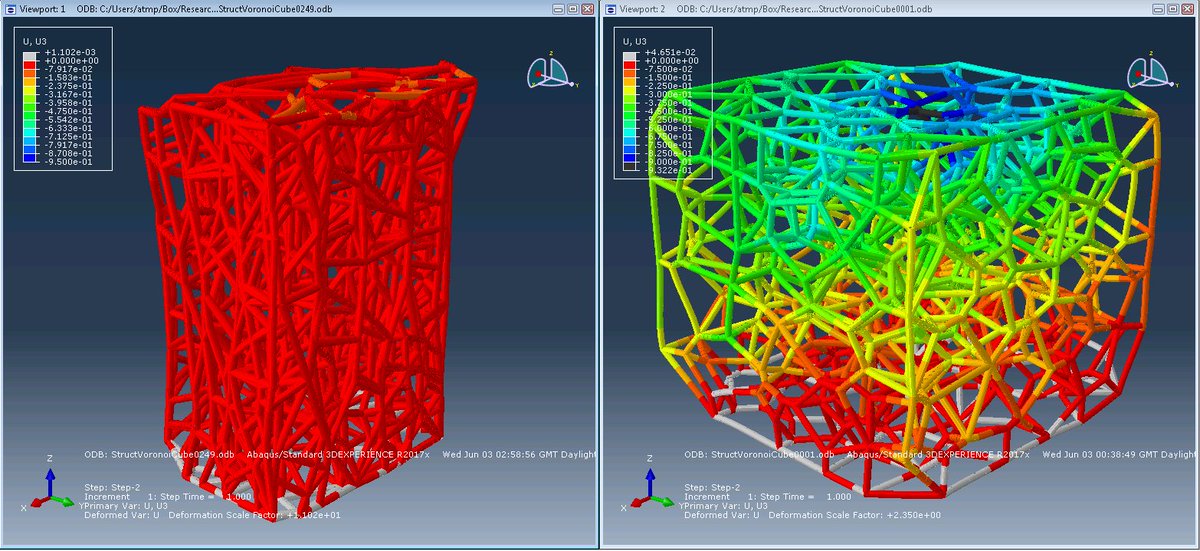

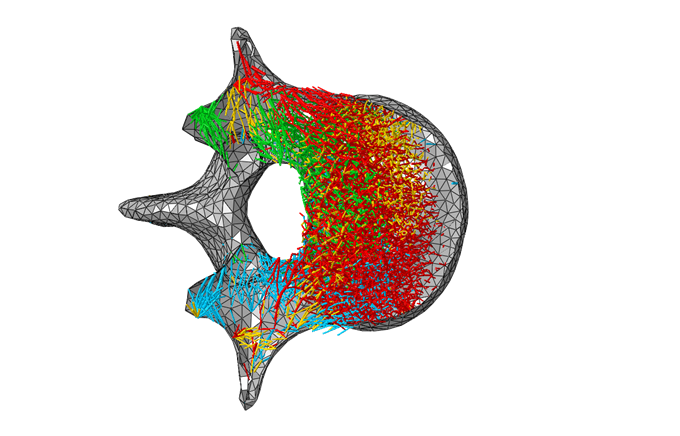
Pinned Tweet

19 May 2021
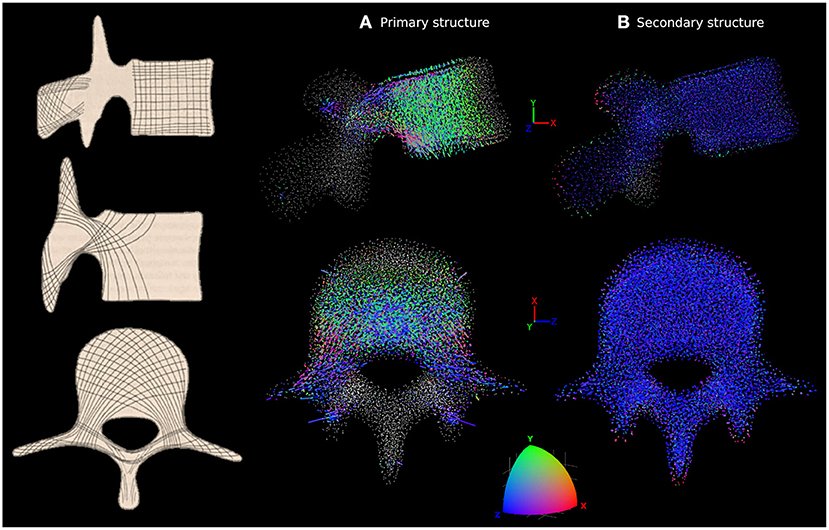
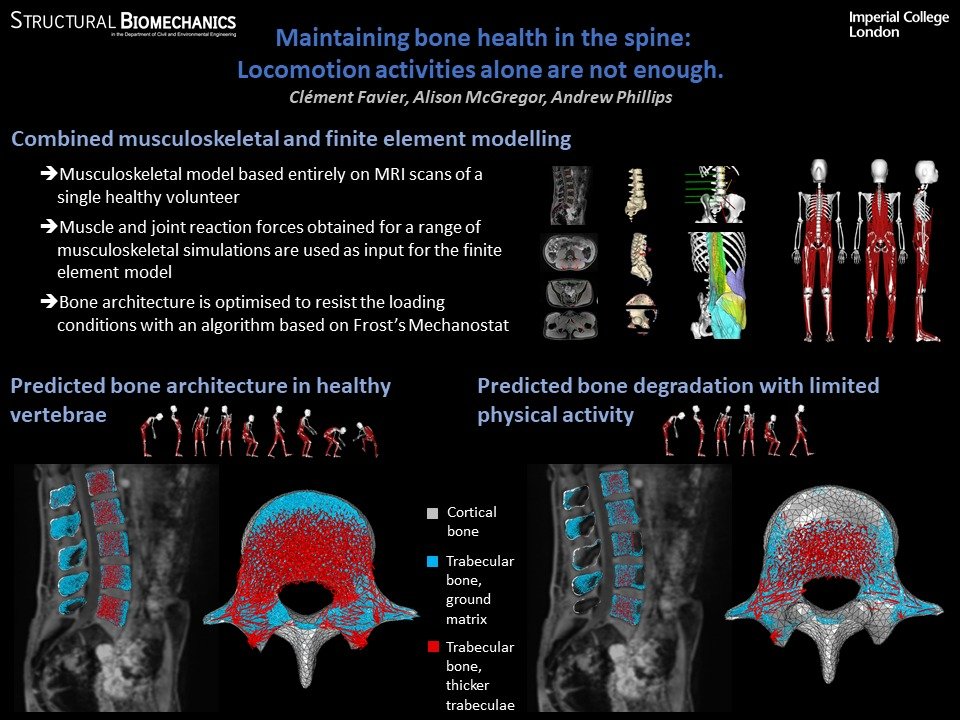
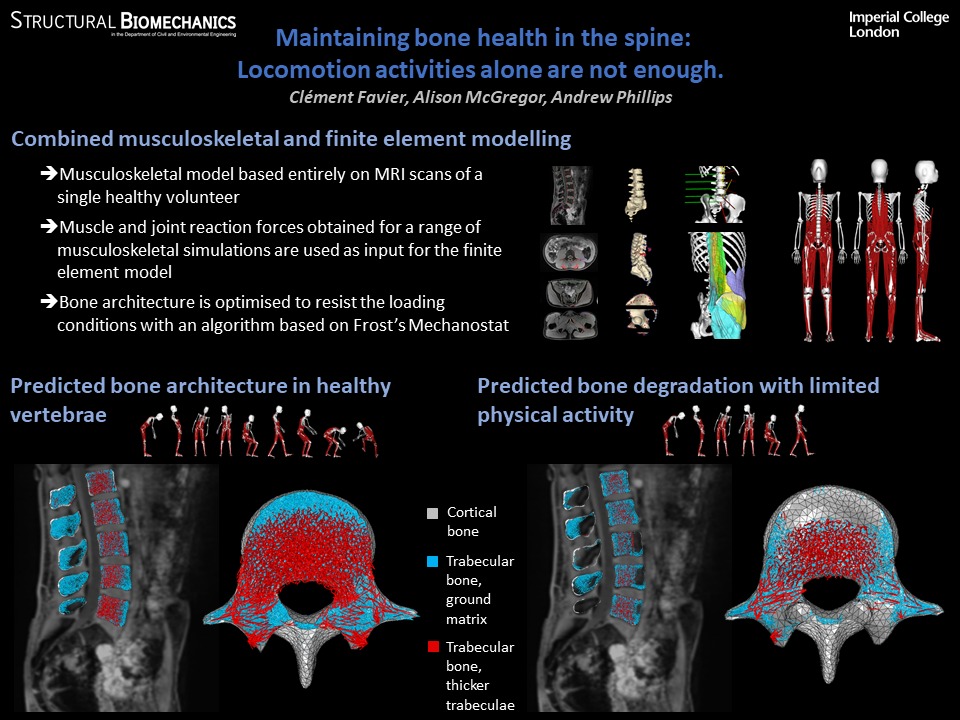
.@favier_clement's latest journal paper on "Maintaining Bone Health in the Lumbar Spine: Routine Activities Alone Are Not Enough" is out now 🥳 #Spine #Biomechanics @MSkLab1 doi.org/10.3389/fbioe.2021.6…
6
21
1 May 2024
Delighted our latest paper on structural modelling of bone adaptation is out now. Keep taking the stairs! | Influence of a change in activity regime on femoral bone architecture and failure behaviour #orthopaedic #biomechanics #structures #bone #adaptation journals.plos.org/plosone/ar…
2
3
217
Structural Biomechanics retweeted

25 Aug 2023
What an exciting programme we have planned for #BORS2023 @Cambridge_Uni. Make sure to take advantage of Early bird registration available until midnight of Friday 1st September ⏳⏰
25 Aug 2023

Full programme for #BORS2023 (British Orthopaedic Research Society) is now available: clearwaterevents.eventscase.… It will be a great meeting! Early bird registration available until Friday 1 September @BritishORS
8
17
1,941
Structural Biomechanics retweeted

25 Aug 2023
Full programme for #BORS2023 (British Orthopaedic Research Society) is now available: clearwaterevents.eventscase.… It will be a great meeting! Early bird registration available until Friday 1 September @BritishORS
7
10
3,685
Structural Biomechanics retweeted
2 weeks left until 18th August for early bird BORS conference rates borsoc.org.uk/bors-2023-regi…
2
451
Structural Biomechanics retweeted
20 Jul 2023
Bors 2023 registration now open 👇
Early bird registration closes on Friday 18 August. See you there!
borsoc.org.uk/bors-2023-regi…
5
6
755
Structural Biomechanics retweeted
23 May 2023
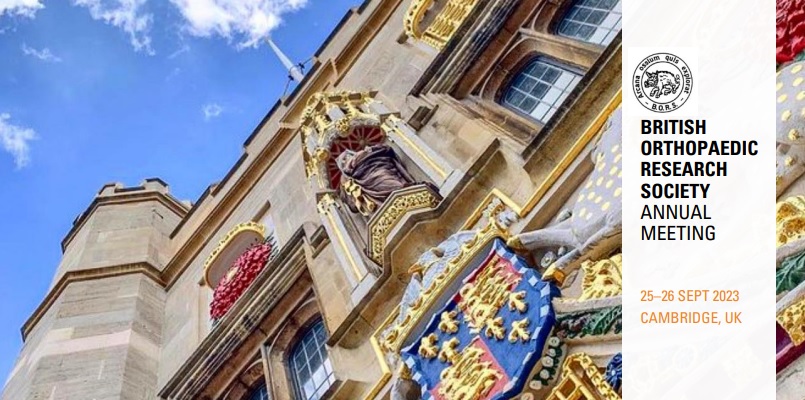
⚡️CALL FOR ABSTRACTS @Cambridge_Uni #BORS23 ⚡️
New extended deadline for submission: Monday 5th of June.
Follow the link below👇app.oxfordabstracts.com/stag…
5
5
794
Structural Biomechanics retweeted
18 May 2023
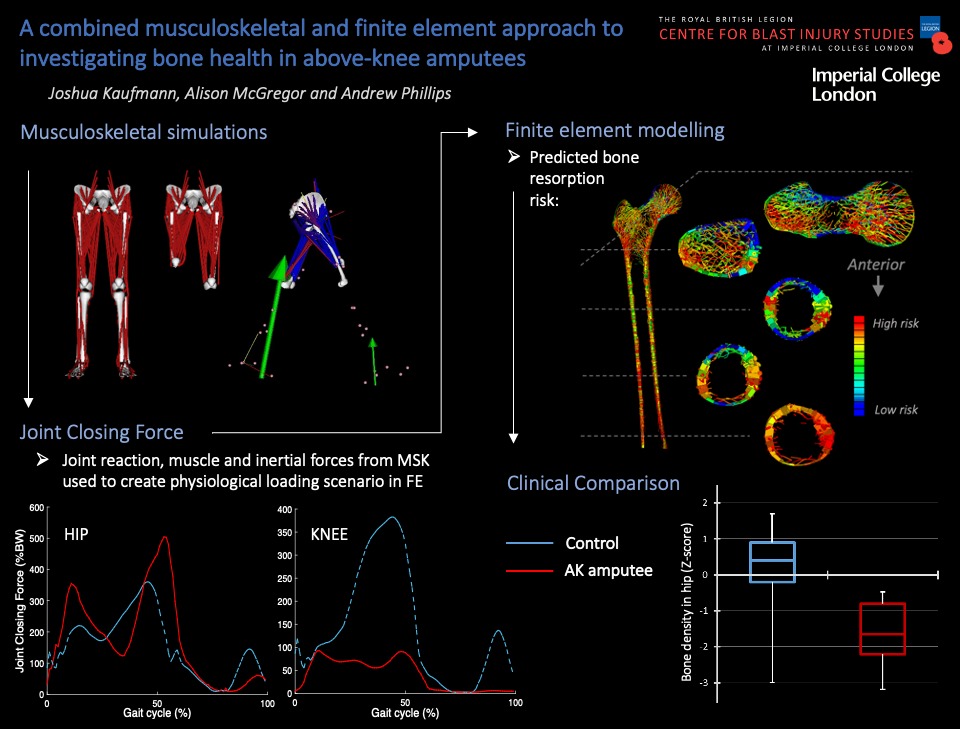
Delighted that collaborative work with @TRBL_CBIS and the ADVANCE study is now published, showing that loss of bone mineral density in lower limb amputees is localized rather than systemic and correlates with altered mechanical loading #biomechanics asbmr.onlinelibrary.wiley.co…
1
2
121
9 Dec 2022
No idea what the image has to do with the article but great work by @ArnaultCaillet, with @Modenaxe, @atmphillips and Dario Farina
3 Dec 2022

The mathematical relationships between spinal motoneuron properties. elifesciences.org/articles/7…
ALT close up photo of a fly's head with large orange compound eyes bulging out from either side. they appear as partial globes made up of hundreds of smaller discs
2
Structural Biomechanics retweeted

1 Nov 2022
This paper represents the outcome of a fantastic work done by @ArnaultCaillet and a fruitful collaboration with @atmphillips @icStructBiomech and Dario Farina! 🍾🎉 ..and more publications from Arnault's doctoral work are on their way!!
4
4
Structural Biomechanics retweeted
1 Nov 2022
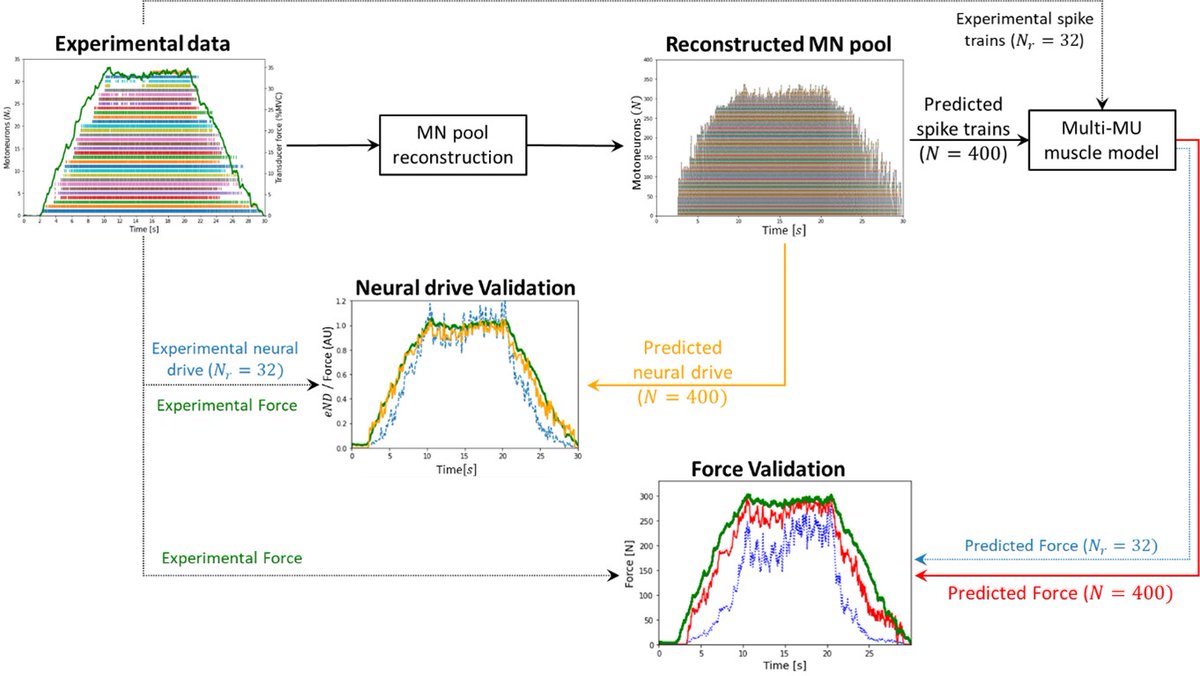
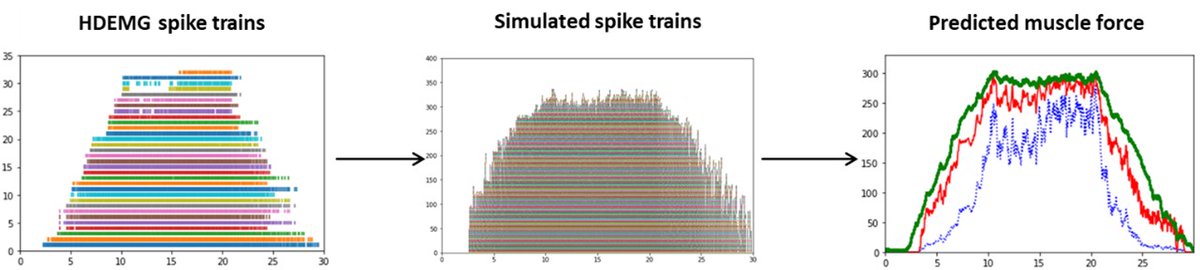
We tested both the experimental and the simulated spike trains as input to a MN-driven muscle model consisting of a collection of motor unis. Both the neural drive and the whole muscle force were better predicted with the reconstructed MN pool than with the HDEMG data alone!🤯5/6
1
3
3
Structural Biomechanics retweeted
1 Nov 2022
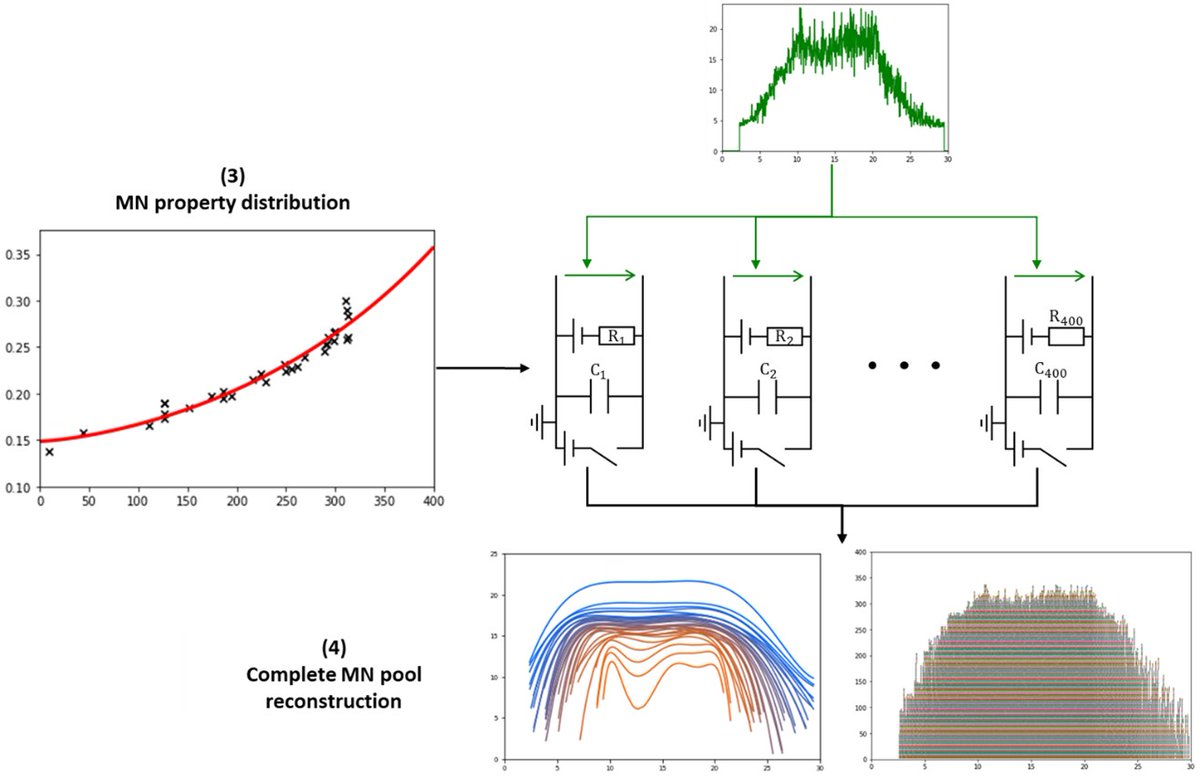
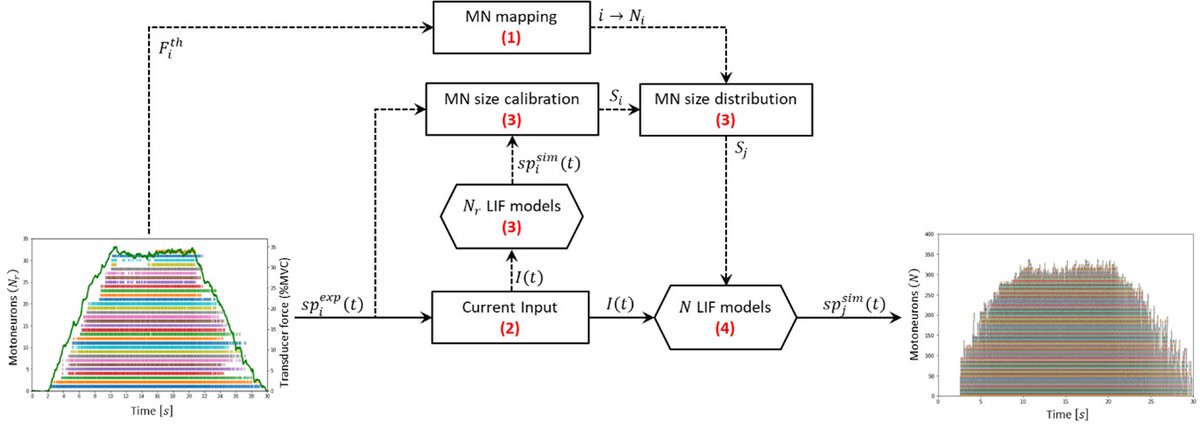
Step 3⃣ provides a realistic distribution of the MN electrophysiological properties in the MN pool, which is applied 4⃣ to a cohort of MN models that predict the firing behaviour of the complete MN pool. 4/6
1
3
2
Structural Biomechanics retweeted
1 Nov 2022
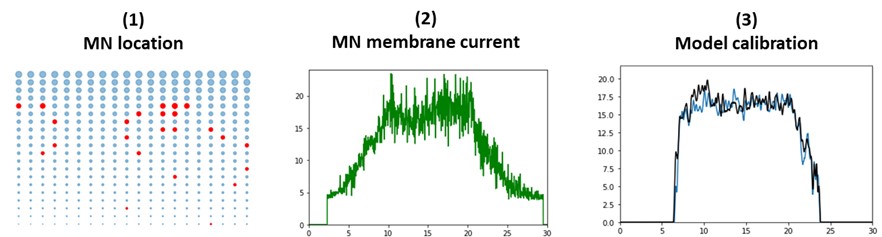
1⃣ The MNs identified from HDEMGs are located into the MN pool. 2⃣ The common MN membrane current is estimated from the experimental data. 3⃣ It controls models of discharging MNs, calibrated to match the recorded discharge frequencies. 3/6
1
3
1
Structural Biomechanics retweeted
1 Nov 2022
Spike trains from HDEMGs alone do not accurately predict the real neural drive to muscle and are not reliable inputs to muscle models. We developed a 4⃣-step method to predict the discharge behaviour of the complete population of MNs even from limited experimental data. 2/6
1
3
Structural Biomechanics retweeted
1 Nov 2022
How can we use high-density EMG (HDEMG) signals to control motoneuron (MN)-driven muscle models? We offer some answers and a validated and open-source 🤩computational method in our new published paper:
📜 doi.org/10.1371/journal.pcbi…
💾 github.com/ArnaultCAILLET/Ca…
1/6
1
9
47
3 Oct 2022
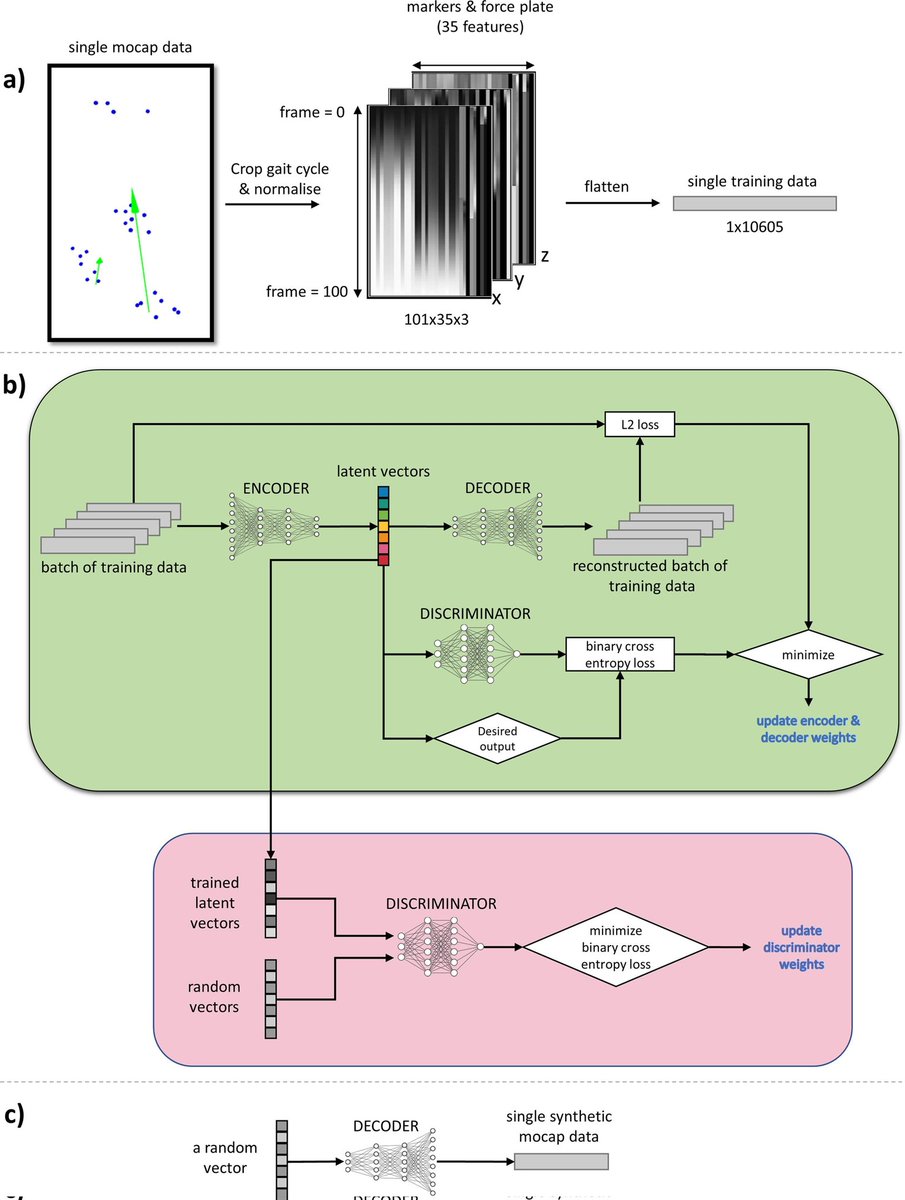
Congratulations to @bicermetinn on his latest @JBiomech publication on using generative deep learning to augment gait lab datasets @modenaxe @atmphillips @alemeIis doi.org/10.1016/j.jbiomech.2…
2
3
27 Jun 2022
Fantastic work from @ArnaultCaillet, with @Modenaxe, @atmphillips, and Dario Farina, on interrelated #motoneuron properties. Laying the foundations for #neuromusculoskeletal work to come.
26 Jun 2022

Distilling decades of research on #motoneurons into a set of empirical relationships between anatomical and physiological properties – find out more in this #RefereedPreprint from the Modense lab (@Modenaxe).
#Neuroscience
sciety.org/articles/activity…
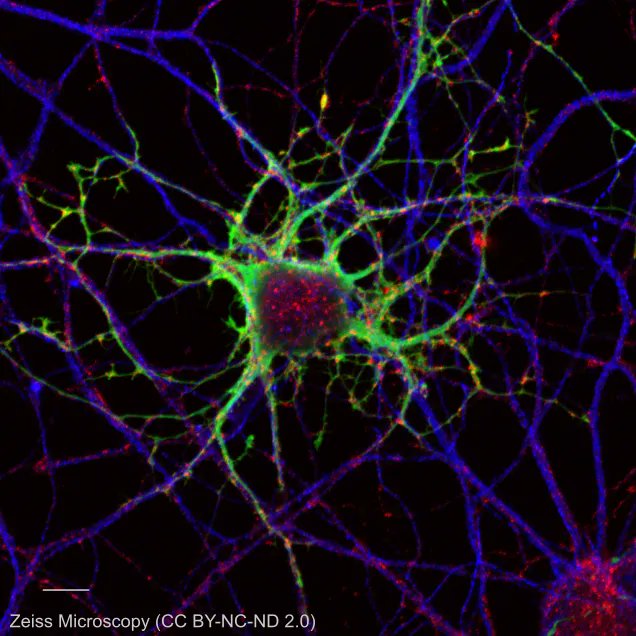
ALT Confocal fluorescence microscopy image of a neuron.
3
Structural Biomechanics retweeted
12 May 2022
BORS & @BoneJointRes 2022 Travelling Fellowships applications are now open. The fellowship will be a three-week travel programme, starting at the ORS 2023 and touring round centres of excellence in North America. Follow the link for more information tinyurl.com/BORS-BJR!
9
14
12 May 2022
Fantastic result for all research staff and students #REF2021
12 May 2022

The #REF2021 results are in…and confirm our status as a world-class research powerhouse!
We have a greater proportion of 4* “world-leading” research than any other UK university – a testament to #OurImperial community 👉 ow.ly/yQJh50J5Vxz
1
10 May 2022
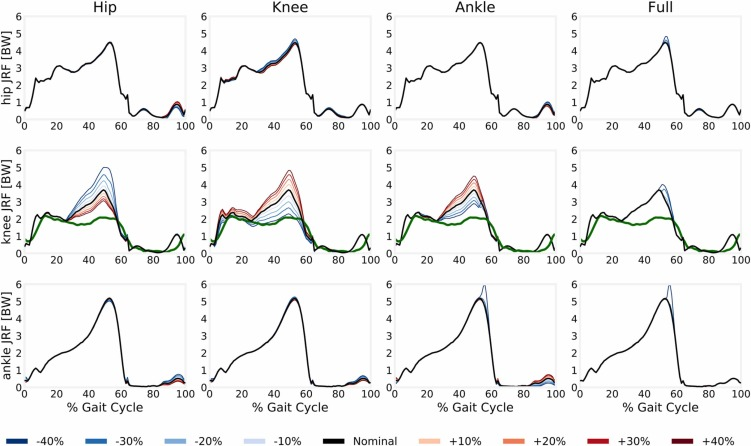
Congratulations to @bicermetinn on the first published work from his PhD: Altering the strength of the muscles crossing the lower limb joints only affects knee joint reaction forces doi.org/10.1016/j.gaitpost.2… @Modenaxe @atmphillips
8
12
Structural Biomechanics retweeted

10 Feb 2022
If you are interested in #Solid #Biomechanics join us on 10th March online ! Thank you for the organisation @mehran_moazen! @insigneo
10 Feb 2022

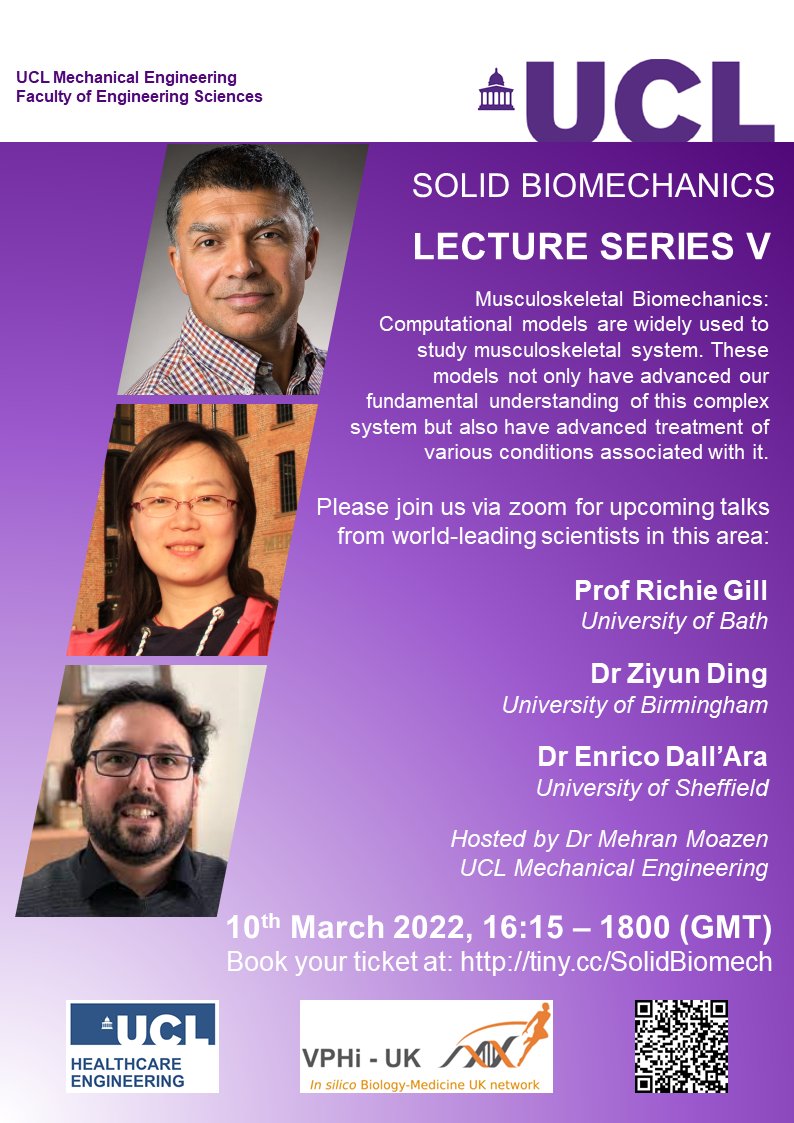
UCL - Solid Biomechanics Lecture Series V: pls join us on 10th March 16:15 GMT via zoom for 3 exciting talks on the #biomechanics of #musculoskeletal system by @ProfRichieGill @ZiyunDing @E_DallAra @uclmecheng @Health_Eng @UkVphi @UCLEngineering @insigneo @BathBiomech @HTIbham
3
11