
The cost of virtue signalling of the elites is always paid by the Poor.
Joined March 2010
- Tweets 28,220
- Following 528
- Followers 108
- Likes 37,686
217 Photos and videos




Dheeraj retweeted

26 Sep 2024
I’ve been associated with AAP for over 8 years, managing its communications, and not once have I seen or heard of this so-called "leader."

#WATCH | Delhi: Former AAP leader Praveen Kumar joins BJP in the presence of Delhi BJP President Virendraa Sachdeva and party MP Ramvir Singh Bidhuri
219
1,465
2,477
392,916

Dheeraj retweeted

Jun 4
Hundreds of influencers & internet economists shared your ridiculous article that should have been rejected at the first level of editorial scrutiny.
You should publish ads across media & social media platforms educating them. That would be the responsible thing to do.
4
205
1,616
53,398
My brother have this is imt version, gives 25kmpl on highway and 14kmpl in city.
I had bought kushaq automatic 1 month before him, 16kmpl on highway and 9kmpl in city.
Burning hole in my pocket now.
Jun 4

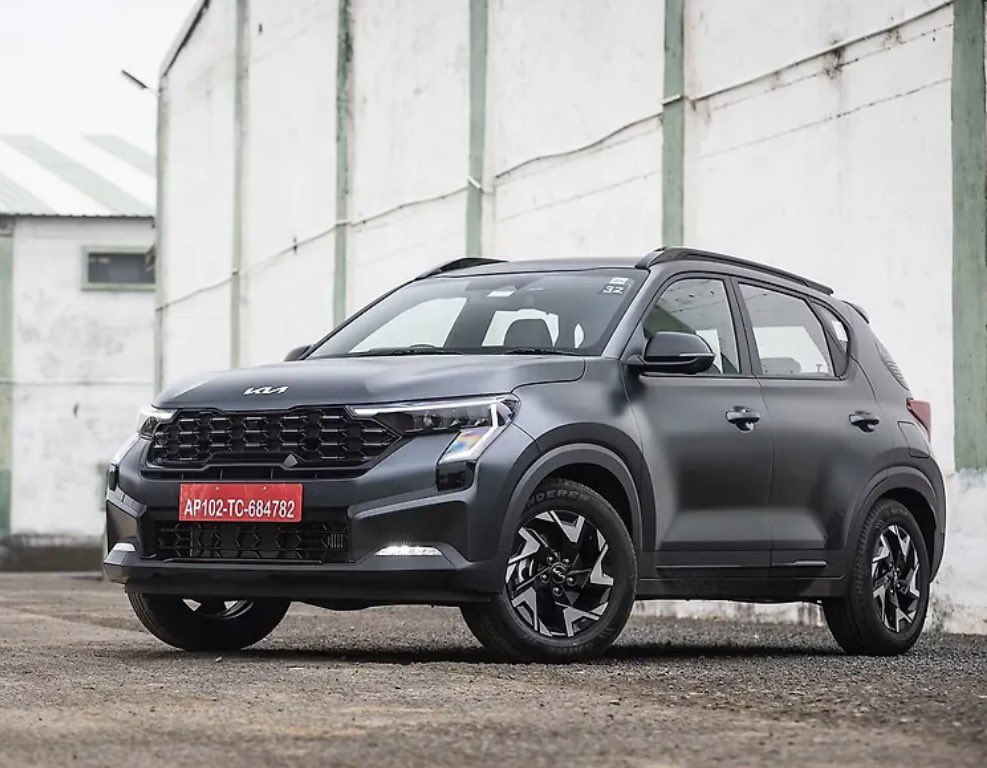
Sonet Diesel 1500 cc HTE-O with Torque Converter Automatic at 9.79 Lakh (ex-showroom) - 250 nm torque
All basic convenience & safety features
Literally makes it a perfect car for 50:50 use in budget with 1200 km monthly running
It’s crazy that such car is priced like that after paying 18% GST
Pic: Carwale
41
Dheeraj retweeted

Jun 4
Sonet Diesel 1500 cc HTE-O with Torque Converter Automatic at 9.79 Lakh (ex-showroom) - 250 nm torque
All basic convenience & safety features
Literally makes it a perfect car for 50:50 use in budget with 1200 km monthly running
It’s crazy that such car is priced like that after paying 18% GST
Pic: Carwale
80
26
597
66,692
Dheeraj retweeted

27 Dec 2013
Learn to take responsibility,you are VP of GOP.Cowards never take responsibility .Hippocracy of Sahazade!!!
1,019
2,736
5,083
Dheeraj retweeted

Jun 1
Look at the level of these cricket fans and then they ask why Rolex and Audi don’t sponsor stadium ads. You think anything except pan bahar, Vimal, Rupa should even dare?
Jun 1

Congratulations on winning the trophy. Now it's time to win some class and civic sense too. Champions on the field, chhapris on the streets 😭
11
31
177
10,338
Imagine the annual carbon footprint of it.
May 30

A helicopter ambulance lands on the hospital roof, flies the patient in, and the 6,000-dollar bill quietly drops to zero. No government pays for it. The whole service in Switzerland runs on about 40 francs a year, one nice dinner, from millions of ordinary people.
The service is called Rega, and it runs almost entirely on donations. About 3.6 million people each give it around 40 francs a year, a little over 50 dollars. In a country of nine million, that is close to four in every ten residents pitching in. No tax money goes into it. Donations cover about two-thirds of the cost, and insurance companies pay the rest.
Rega runs 14 helicopter bases, staffed day and night, spread so a crew can reach almost anywhere in Switzerland within 15 minutes. Its fleet of about 20 helicopters and three jets flew close to 20,000 missions in 2024 and carried 12,847 patients, around 35 people a day. You call one number, 1414, and the nearest crew is in the air.
One helicopter trip costs about 4,500 francs, close to 6,000 dollars. If the patient gave their 40 francs, Rega usually covers whatever their insurance refuses to pay. Last year it wrote off more than 14 million francs for its supporters. And because that 40 francs counts as a gift rather than insurance, there is no fine print, and nobody gets turned away over a condition they already had.
The hospital in St. Gallen, the one in the clip, sits at the bottom of a valley, so the helicopter cannot ease in low and flat. It has to come down almost straight, much steeper than most rooftops ever call for. On the busiest days one lands there every 15 minutes or so. The aircraft helps the pilot with an autopilot and a satellite-guided approach that holds it steady on the way down. And nearly half of these flights are for sudden illness, a heart attack or a stroke, where a road ambulance would be too slow.
So the smooth landing everyone is admiring is three things at once: years of training, a hospital boxed into a valley, and a rescue service most countries pay for through taxes. Switzerland pays for it with regular people, each chipping in about the price of one dinner a year.
2

Dheeraj retweeted

Green is New Gold
Inke naseeb mein kaun hai ji 🤩😎
24
74
701
77,274
Dheeraj retweeted

10 Nov 2024
Great summary of MSNBC coverage on election night as the reality sinks in.
Condensed into 8 wonderful minutes.
🔊
405
1,878
11,768
938,621

Modi's coming for you on May 6. Tell your generals. Even if I tell you the time and mode, Pak can't do much. The power differential in Air Force, Navy, and Army is huge. Your missiles will also be shot down. What are you guys thinking? India is coming to avenge for sure. Prepare.
224
1,403
9,449
1,543,565
Dheeraj retweeted

11 Dec 2014
I was an atheist but then The Indian Seculars made me a Hindu.
I was a Hindu but then The Indian MSM made me a Communal Right Winger @upma23
380
8,966
8,301
Dheeraj retweeted

Apr 29
भाई तु बन ना मुख्यमंत्री नायतर तुझ्या नेत्याला तरी सांग.. इथं रोज माझ्या ट्विटवर येऊन उद्विग्नता दाखवल्याने तुझ्या मनासारखं होणारे का?
आला राग फोडला टोल, एवढं सोप्पं वाटतं का सरकार चालवणं?!
8
18
49
1,422
Dheeraj retweeted

Apr 11
No vibrant and thriving democracy would be jealous of an Islamist terror producing country with a begging bowl. There is no comparison between the two. Expected you to have better knowledge on the subject. Unless this is an attempt at farming for views.
128
1,989
15,595
173,581
Dheeraj retweeted

Mar 28
Manmohan Ji toh rahe nhi, Chidambaram ko giraftar krde kya?
7
54
819
18,829


We raised the Drug abuse issue in Punjab,the state govt gave us an absurd reason fr it,that Pakistan is doing it: #RahulGandhi in Bhatinda
49
590
720