
Georgiev Lab at Vanderbilt, focusing on computational immunology and vaccine research.
Joined December 2016
- Tweets 274
- Following 122
- Followers 886
- Likes 845
26 Photos and videos



RSV & hMPV remain unmet needs. In @CellRepMed, we report #LIBRAseq-discovered cross-reactive #antibodies that neutralize both #viruses. mAb 5-1 shows strong potency, in vivo protection, broader reactivity than current leads, and features supporting translational development.
1
1
6
208
1
157
Ivelin Georgiev, Ph.D. retweeted

31 Dec 2025
Check out this exciting collaboration with @IG_lab now available as a preprint-
Development and application of nbLIBRA-seq for high-throughput discovery of antigen-specific nanobodies biorxiv.org/content/10.64898…
So fun to take this risk and watch it succeed. 🍾
4
5
249
Ivelin Georgiev, Ph.D. retweeted

13 Nov 2025
The paper has finally been published open access in Patterns! Read it here: doi.org/10.1016/j.patter.202…
1
1
69
Ivelin Georgiev, Ph.D. retweeted

6 Nov 2025
Now online! Generation of antigen-specific paired-chain antibodies using large language models dlvr.it/TP6SFp
26
90
12,658
Ivelin Georgiev, Ph.D. retweeted

5 Nov 2025
Great work by @IG_lab and @VUMCDiscoveries on open-source AI tools for de novo biologics design and development. MAGE paves the way for target-agnostic mAb tools for all disease. Excited to be a part of it @ARPA_H - AI biodesign tools for everyone!
cell.com/cell/fulltext/S0092…
1
1
130
Ivelin Georgiev, Ph.D. retweeted

24 Jun 2025
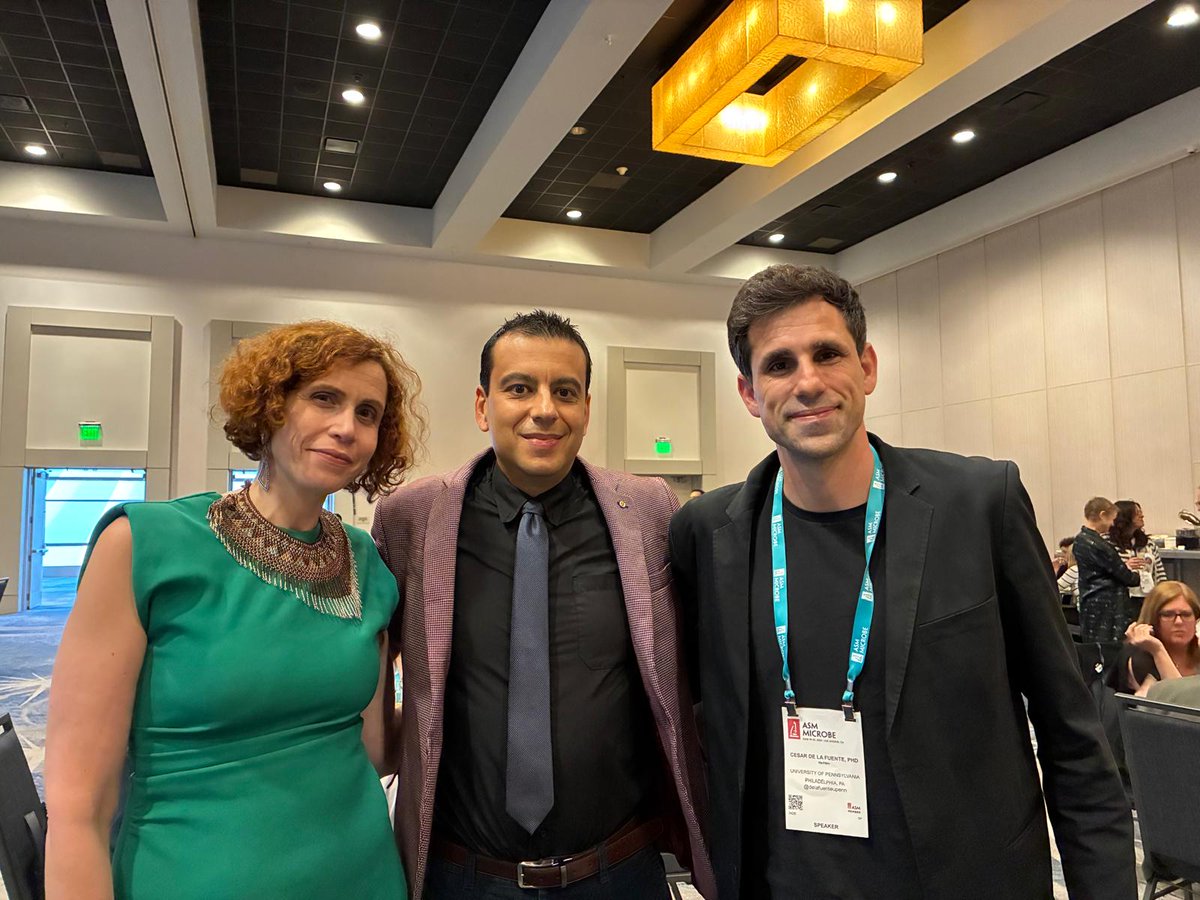
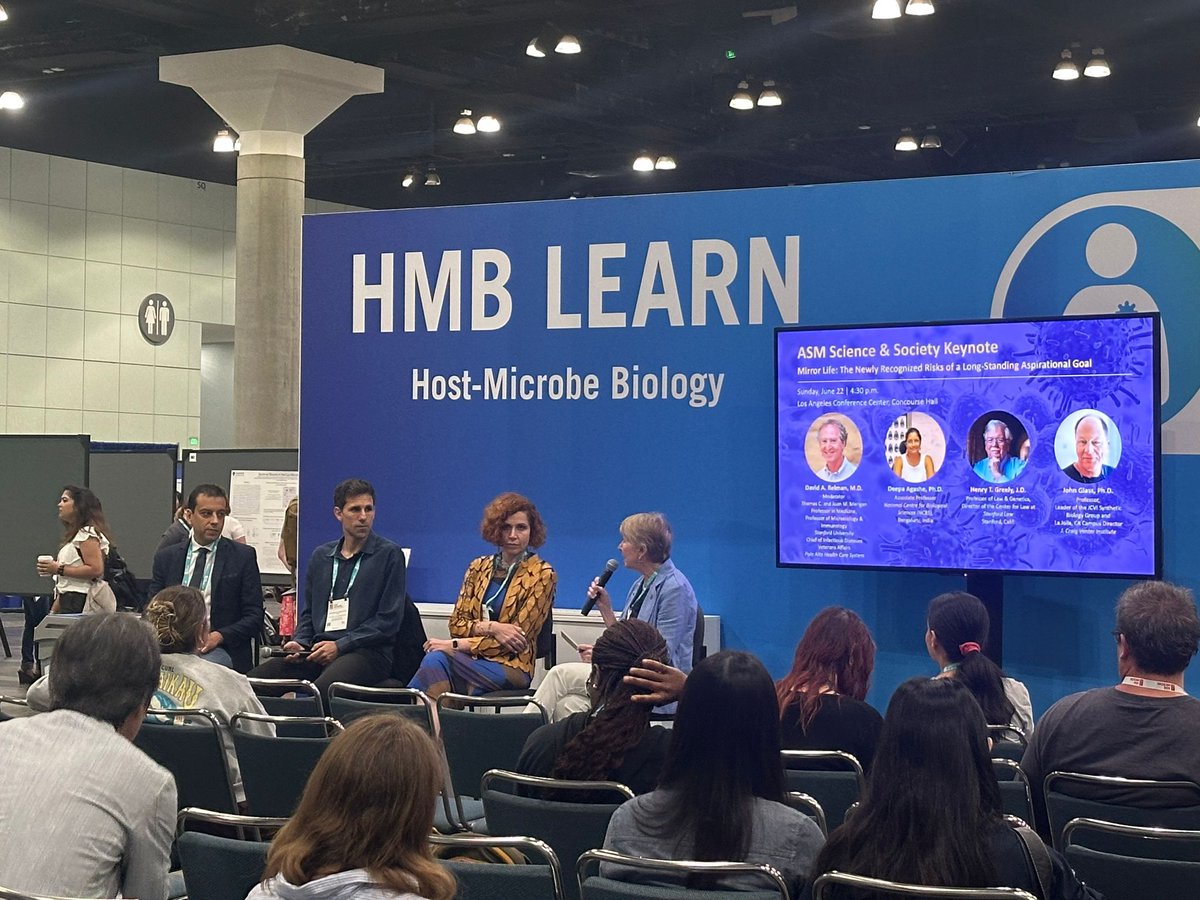
Fantastic panel discussion with the great @y_bromberg, @IG_lab, and Theresa Koehler on the latest advances in #AI for antibiotic discovery and microbiology at @ASMicrobiology #ASMicrobe. Exciting times for science!
1
4
30
1,164

23 Apr 2025
SynAbLib: an expandable synthetic library of human paired #antibody sequences.
journals.plos.org/ploscompbi…
7
360
Ivelin Georgiev, Ph.D. retweeted

An ambitious project led by @VUMChealth investigators aims to use #AI technologies to generate antibody therapies against any antigen target of interest.
@IG_lab will serve as the project principal investigator.
news.vumc.org/2025/03/10/vum…
3
5
674
Ivelin Georgiev, Ph.D. retweeted
3 Mar 2025
This work wouldn't have been possible without my PI @IG_lab ; our amazing experimentalist @AlexisJanke ; and the LIBRA-seq data producers Andrea Shiakolas, @IanSetliff, @KelseyPilewski, and @LaurenW_Science
Hopefully you'll find our methods and models useful! Models drop soon
1
1
1
295
Ivelin Georgiev, Ph.D. retweeted
3 Mar 2025
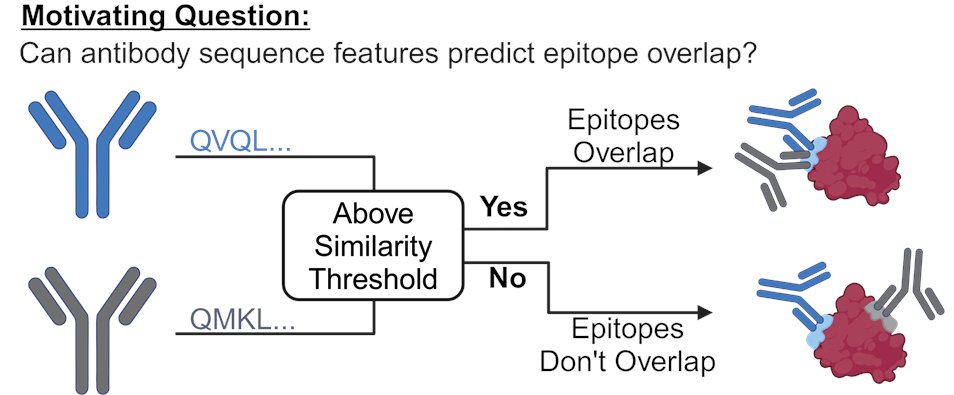
🧬My new paper is up on bioRxiv!
Contrastive Learning Enables Epitope Overlap Predictions for Targeted Antibody Discovery
📄 doi.org/10.1101/2025.02.25.6…
@IG_lab
#Immunology #MachineLearning #LIBRAseq 🧵1/5
2
1
7
407
3 Mar 2025
Using #antibody sequence alone, can we predict whether two antibodies target overlapping epitopes? A new suite of algorithms developed by @ClintVaccine:
Contrastive Learning Enables Epitope Overlap Predictions for Targeted Antibody Discovery biorxiv.org/content/10.1101/…
1
7
34
3,173
Ivelin Georgiev, Ph.D. retweeted
23 Dec 2024
Happy to be part of a disruptive project out of my lab. Essentially #ChatGPTForAntibodies — feed in an antigen sequence and it returns an antibody sequence that has a high probability of binding.
23 Dec 2024

Monoclonal antibodies are crucial in medicine and research, but their discovery is slow, costly, and complex. What if #AI could change this - creating fully human #antibodies, on demand, for a target of interest? The magic is in #MAGE:
biorxiv.org/content/10.1101/…
2
13
2,232
23 Dec 2024
Monoclonal antibodies are crucial in medicine and research, but their discovery is slow, costly, and complex. What if #AI could change this - creating fully human #antibodies, on demand, for a target of interest? The magic is in #MAGE:
biorxiv.org/content/10.1101/…
5
18
87
11,547
23 Dec 2024
A few highlights of MAGE (Monoclonal Antibody GEnerator):
1. Input is only #antigen (target) sequence, no structures or models needed.
2. Output is fully human paired heavy-light chain #antibodies.
3. MAGE was validated to work for known or related targets, with high hit rates.
1
4
653
Ivelin Georgiev, Ph.D. retweeted

23 Dec 2024
Generation of antigen-specific paired heavy-light chain antibody sequences using large language models
1. The study introduces MAGE, a groundbreaking protein large language model (LLM) designed to generate antigen-specific paired heavy and light chain antibody sequences, showcasing the potential of AI in revolutionizing antibody discovery.
2. MAGE uniquely eliminates the need for pre-existing antibody templates or structural information, relying solely on antigen sequences to produce functional and novel antibody designs with experimental validation.
3. Validation experiments highlight MAGE's ability to create diverse antibodies against critical targets like SARS-CoV-2, H5N1 avian influenza, and RSV-A, demonstrating its versatility and broad applicability.
4. A standout achievement includes zero-shot learning capabilities, where MAGE generated effective antibodies for the unseen H5N1 variant, proving its value in addressing emerging health threats rapidly.
5. Structural analyses reveal that MAGE-designed antibodies bind to distinct epitopes, showcasing novel binding modes and demonstrating their potential for therapeutic application.
6. The study underlines MAGE's ability to design antibodies with potent neutralization capabilities, such as against SARS-CoV-2 variants, including Omicron, indicating its relevance in vaccine and therapeutic development.
7. By leveraging a curated dataset and advanced machine learning techniques, MAGE achieves high novelty and diversity in its antibody sequences, expanding the possibilities for antibody engineering.
8. The research emphasizes that MAGE can significantly accelerate antibody discovery processes, overcoming traditional bottlenecks like inefficiency, high costs, and long timelines.
9. Future applications of MAGE promise to extend beyond virology, potentially transforming fields like oncology and autoimmune disease treatment with AI-driven antibody generation.
@IG_lab @McLellan_Lab @DannySheward @HelenChuMD
📜Paper: biorxiv.org/content/10.1101/…
#AI #AntibodyDiscovery #Bioinformatics #ProteinDesign #MachineLearning
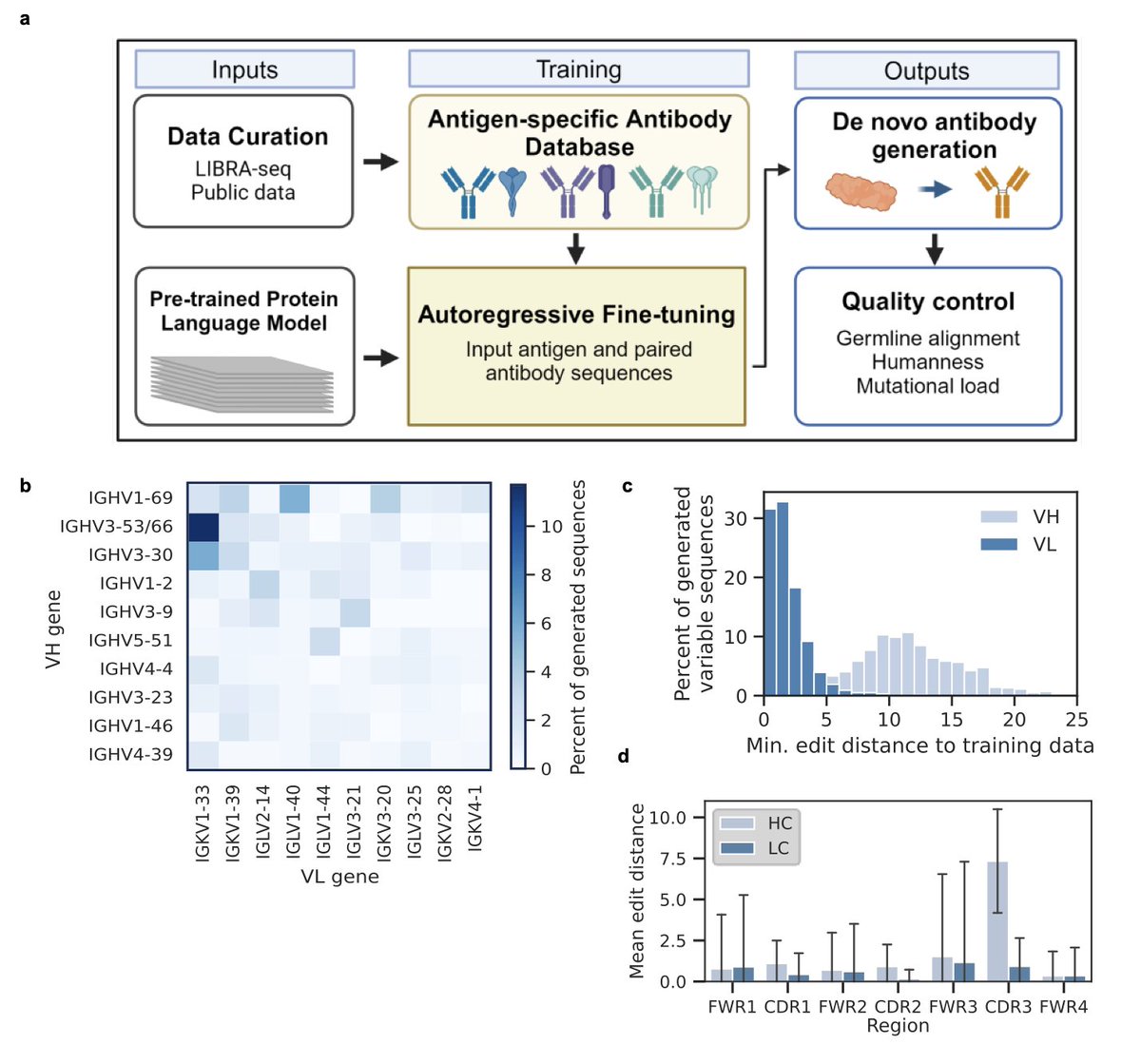
2
21
91
11,068
4 Dec 2024
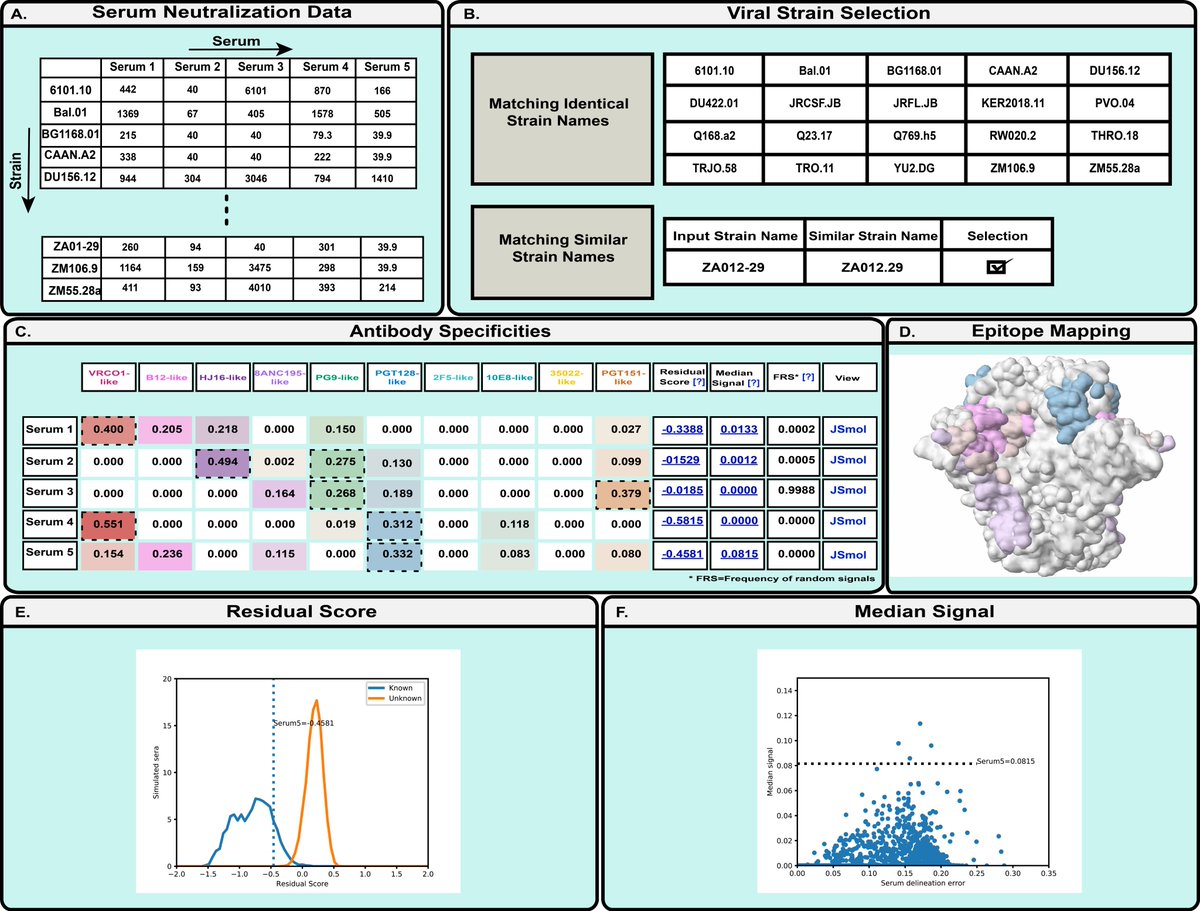
This manuscript is now published in Bioinformatics Advances: Optimizing #LIBRAseq #antibody-#antigen specificity assignments
Negative Binomial Mixture Model for Identification of Noise in Antibody-Antigen Specificity Predictions from Single-Cell Data academic.oup.com/bioinformat…
4
14
1,100
1 Nov 2024
A potently #neutralizing and protective human #antibody with a unique antigenic footprint on #RSV and #hMPV fusion glycoproteins. Collaborative work with @McLellan_Lab @jjmousa @BonamiRachel @croweje @RHCarnahan, and others.
biorxiv.org/content/10.1101/…
1
12
46
3,658
26 Sep 2024
This paper is now published in Structure: An exceptionally broad #coronavirus #antibody.
18 Jan 2024
A protective pan-betacoronavirus #antibody that also recognizes zoonotic alpha- and delta- #coronaviruses. Multi-year effort led by Nicole Johnson, Steven Wall, Kevin Kramer, @ClintVaccine, in collab with @McLellan_Lab, Giuseppe Sautto, and many others.
biorxiv.org/content/10.1101/…
6
726
Ivelin Georgiev, Ph.D. retweeted

21 Sep 2024
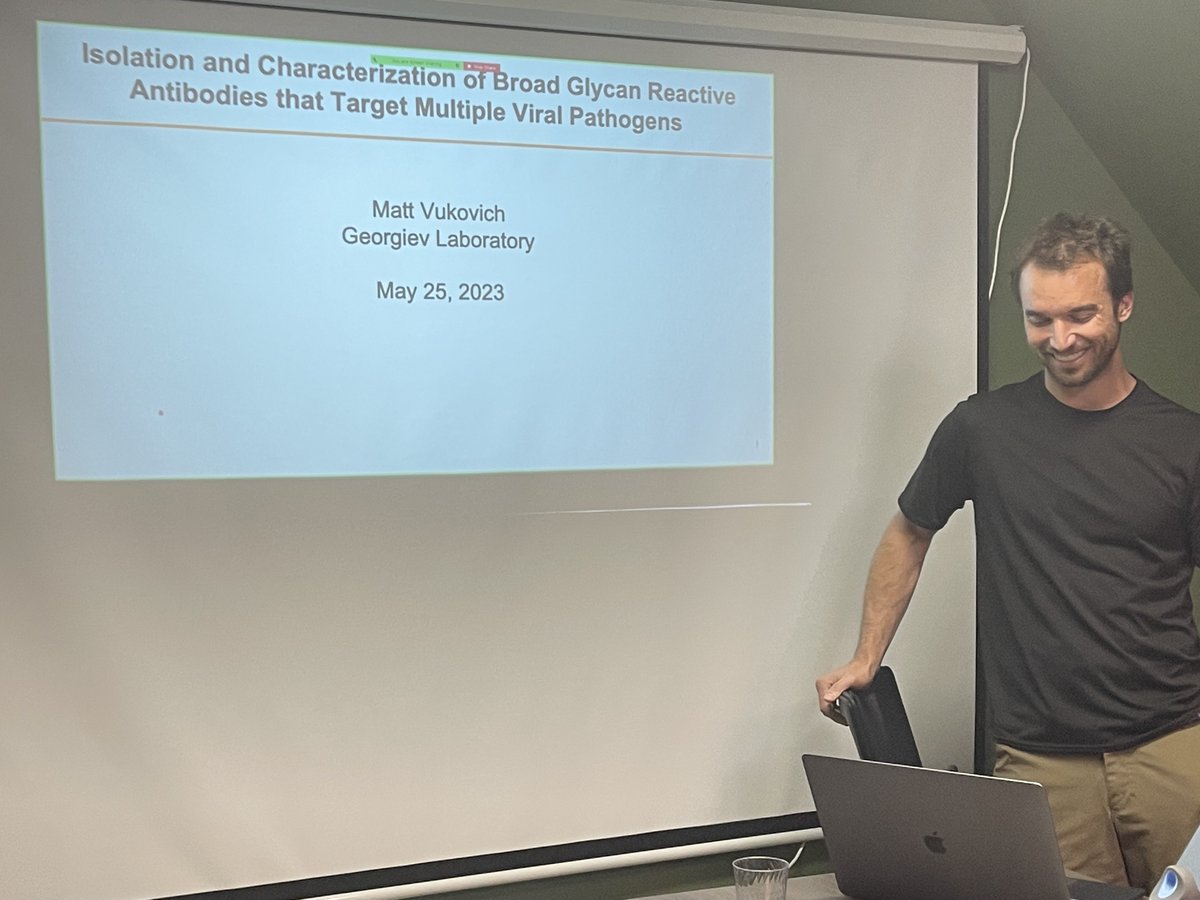
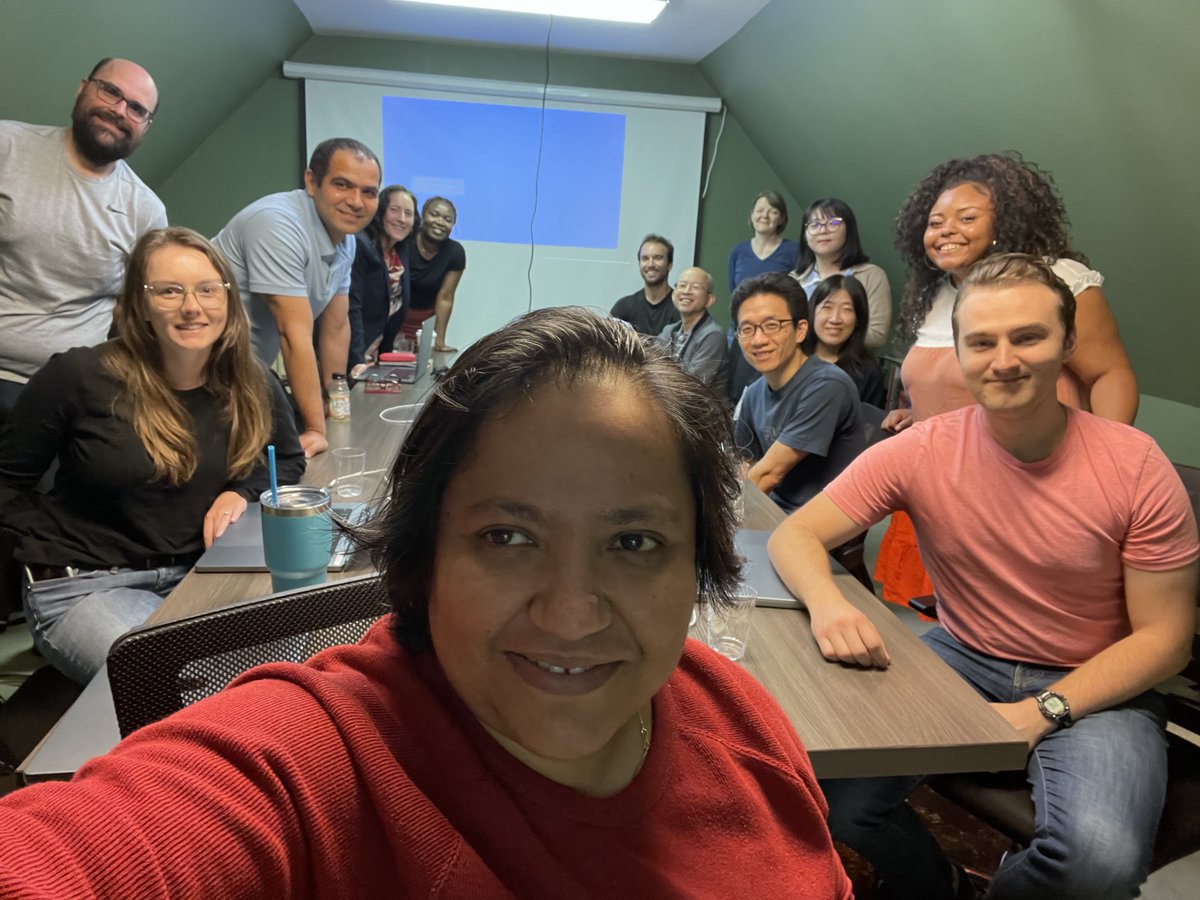
Check out this paper on broadly reactive IgG3 antibodies led by Matt Vukovich @IG_lab. Backstory here is that our collaboration was accelerated by Matt's visit to our lab @DukeU under the Duke Center for HIV Structural Biology Trainee Exchange program @DukeHIVStrucBio
19 Sep 2024
IgG3 #antibodies with exceptional breadth of virus cross-reactivity, with no signs of autoreactivity.
Work led by Dr. Matt Vukovich, in collaboration with the groups of @PriyamvadaA_Lab, Giuseppe Sautto, @DannySheward, and others.
dx.plos.org/10.1371/journal.…
1
11
1,126