amateur barista. building nocnoc.
Joined September 2010
- Tweets 4,227
- Following 2,433
- Followers 1,015
- Likes 11,083
278 Photos and videos



Pinned Tweet

18 Apr 2022
🇺🇾 es lo más confiable y estable en la región que más crece en el rubro que más hizo crecer a la economía mundial en las últimas décadas: startups.
Ahora, foco en
educación
atracción de talento y capital 🌎
Matemáticamente nunca tuvimos más chances. miamiherald.com/news/local/n…
5
38
253
Ilan Bajarlia retweeted

Apr 16
9
38
469
271,530
Ilan Bajarlia retweeted

Apr 13
My biggest takeaways from @rabois:
1. The team you build is the company you build. Founders get distracted by markets, customers, and technology. If you have the right people, those problems get easier. If you have the wrong people, none of those things save you.
2. Build your company on undiscovered talent. The only way to scale an organization against incumbents with infinite budgets is to find talent that large companies’ hiring machines will misprocess. In practice, this often means skewing younger—not because young people are inherently better but because they have fewer data points, which means typical evaluation systems can’t categorize them accurately. This is where the alpha often is.
3. Hire more “barrels,” not “ammunition.” A “barrel” is someone who can take an idea from zero to outcome without hand-holding. Most companies have only a handful of these people. Hiring more people without expanding the number of barrels doesn’t increase output; it increases coordination tax and creates drag. The ratio of barrels to ammunition is what determines the number of important things a company can pursue simultaneously.
4. CMOs are becoming the #1 consumer of AI tokens. At a few of Keith’s top portfolio companies, the heaviest user of AI is the chief marketing officer. These CMOs are running analytics, shipping campaigns, and generating insights that previously required entire teams of deputies.
5. The three signs a company will win: operating tempo, internal talent development, and “the relentless application of force” from the top. Keith identifies a consistent pattern across his best portfolio companies. First, operating tempo: Ramp shipped physical cards in three months when the industry standard was 9 to 12. Second, talent development through internal promotion rather than senior external hires; the CMO at one of his top companies was the previous chief of staff. Third, the CEO’s willingness to push harder as things improve, not less. Mike Moritz told a friend of Keith’s that the most common trait of the best CEOs is “the relentless application of force.” Complacency is the natural by-product of success, and the CEO’s job is to offset it.
6. For consumer products, talking to customers is not just unhelpful; it’s actively harmful. Keith refuses to let companies he advises conduct consumer research. His argument: Consumer decisions are subconscious. Ask any Porsche owner why they bought the car, and 99% will cite every reason except the real one. Once misleading customer feedback enters the organization, it locks into people’s brains and distorts every subsequent decision.
7. Keith believes the PM role may not survive the AI era. Taking customer inputs, building a sequential year-long roadmap, and coordinating between teams are structurally incoherent when AI capabilities change weekly. The skill that matters now across all three roles—PM, designer, engineer—is business acumen: understanding the company’s equation and knowing what to build next.
8. Great hiring comes from great referencing. Run at least 20 references, and keep going until you hit negative feedback. Ask specific, forward-looking questions (e.g. “Would you start a company with them?”). If every reference is positive, you haven’t gone deep enough.
9. Use a 30-day feedback loop to sharpen your hiring instinct. Thirty days after every hire, ask: would I hire this person again? This is as predictive as waiting years, and dramatically faster for improving your judgment. Make this a habit, and your hiring quality will compound.
10. Criticize in public, not private—it optimizes for the system. Keith endorses a management practice that most people find confrontational: delivering negative feedback in front of the team, not behind closed doors. Private criticism optimizes for the individual, but the rest of the company doesn’t know the issue is being addressed, which breeds anxiety and suspicion. Public criticism lets colleagues see that leadership is aware, creates opportunities for others to volunteer help, and turns feedback into a team-building exercise.
Full conversation: youtube.com/watch?v=xCd9ykre…
Apr 12

"High performance machines don't have psychological safety. They're about winning."
Keith Rabois (@rabois) was COO of Square, part of the PayPal Mafia, an early investor in Stripe, Palantir, Airbnb, DoorDash, and Ramp, and a 2x founder. He's spent 25 years obsessing over how to build world-class teams.
In our in-depth conversation, we discuss:
🔸 How to identify undiscovered talent
🔸 Keith's barrels vs. ammunition hiring framework
🔸 The three traits of the best-performing companies right now
🔸 Why talking to customers is actively harmful for consumer products
🔸 Why the PM role is dying
🔸 The specific interview question he asks every senior candidate
🔸 Why CMOs (not engineers) are becoming the #1 consumer of AI tokens
Watch now 👇
youtu.be/xCd9ykretlg
40
90
771
469,808
Ilan Bajarlia retweeted

Feb 10
6,594
28,085
118,804
87,198,288
Ilan Bajarlia retweeted

Jan 29
Jensen Huang on the smartest person he's ever met;
429
2,858
21,340
2,436,083
Ilan Bajarlia retweeted

Jan 12
8,694
46,063
301,105
187,217,634
Ilan Bajarlia retweeted

Jan 7
Favorite excerpt from Brent Beshore's annual letter:
What CEOs Are and Aren’t
Most people think of a CEO as the person at the top. That’s true in the same way it’s true that the windshield is “at the front” of the car. Technically correct.
Also, misses the point. The windshield isn’t the engine. It isn’t the wheels. It doesn’t move anything. But it does determine what the driver can see, what they ignore, and what they slam into at 70 miles an hour.
When done well, the CEO job is an arbiter of truth. The CEO stands at the border between the outside world and the inside world, between company mythology and competitive reality. That sounds obvious, but it’s not.
I’d argue the norm is delusion, where organizations create realities disconnected from truth, complete with alternate headlines, villains, and heroes, all proclaimed with a shocking level of certainty.
So the CEO’s job starts with a basic question: What’s true?
Not what’s comforting. Not what’s politically convenient. Not what our dashboards can measure. What’s true?
And what should we do about it?
But deciding what to do and then doing it, requires a blend of rare attributes.
The CEO must be confident enough to pick a direction and humble enough to change it.
Optimistic enough to inspire and paranoid enough to prepare.
Warm enough to build trust and hard enough to make calls that disappoint people they like and care about.
We need to strip away the mystique.
In practice, the CEO allocates three things:
Attention: If you want to understand a CEO, ignore their strategy deck and read their calendar. Where attention goes, energy flows. Where energy flows, money follows. And where money follows, the organization slowly becomes something different, usually without anyone noticing until it’s obvious. This is why the CEO’s attention is so expensive. It’s why it’s so easy to waste. There are a thousand “important” meetings that are actually just elaborate ways to avoid the one meeting that matters. There are a thousand “urgent” problems that are actually just the company asking the CEO to temporarily soothe anxiety. A CEO’s attention is the company’s flashlight. Point it at the right things and companies transform. Point it at the wrong thing long enough and the wrong thing becomes the thing.
People: The CEO builds the team that builds the team. I’ve learned that a healthy company isn’t built by a heroic CEO. It’s built by a great team operating with clarity, trust, speed, and accountability. The CEO’s role is to create that environment, protect it, and, when necessary, make the painful personnel decisions that preserve it. This sounds straightforward until you live it. Then you realize you’re not moving boxes on an org chart. You’re messing with people’s dignity, livelihoods, and families. You’re also messing with the morale of everyone who stays. Every hire is a bet. Every promotion is a signal. Every tolerated behavior becomes a de facto policy. The CEO becomes, whether they like it or not, the embodiment of culture. It’s not what they say they value, but what they practically reward, punish, ignore, and allow.
Money: This is the CEO’s most difficult job because it’s often the one they’re least trained for, that seems the most glamorous, and is extremely impactful over time. Most CEOs come up through some form of excellence in sales, operations, engineering, or product. Then one day they wake up and realize the biggest decisions they make are capital allocation decisions: reinvest or distribute, grow or consolidate, buy or build, add headcount or automate, bet on the future or play it conservative. Capital allocation is where strategy stops being a noun and becomes a verb. It is where vision gets an audit. And it’s also where a CEO can quietly ruin a business while looking busy.
It’s remarkably easy to confuse action with progress, and reinvestment with wisdom.
Oftentimes the best capital allocation decision is painfully boring: Do fewer things, do them better, and keep your powder dry. But, that’s not what gets applause.
In our world, with long-term owners, permanent capital, and no forced exit timetable, this is where the CEO job gets simpler. We don’t need theater. We don’t need growth for growth’s sake. We don’t need to hit a narrative for the next fundraising cycle or quarterly call. We can play offense when the opportunity is real and defense when it isn’t. We can say “not now” without pretending it’s “never.”
This brings me to what might be the most misunderstood part of the CEO role: The CEO is the Chief “No” Officer. Every yes is a no to something else. Every strategy is a pile of exclusions. Every commitment is a tradeoff.
The organization will always ask for more: more initiatives, more products, more meetings, more hires, more exceptions, more complexity.
Increasing complexity is the default setting of life, and companies are not exempt from natural order. A CEO has to become comfortable being the person who disappoints people in the short term so the company doesn’t disappoint everyone in the long term.
This is where I’ve personally struggled, both as a leader and as an owner. I want to be helpful, agreeable, and liked. I can easily slip into short-term people pleasing at the expense of leading well. Sometimes I’ve confused my progress anxiety for insight. I’ve wandered into decisions too early because “someone should do something.”
I’ve also learned slowly and painfully that a CEO can add enormous value simply by refusing to add noise. Clarity is kindness, but often feels like inaction to busy people. A lot of CEO work is invisible. It’s pressure management. It’s absorbing emotion without spreading it. It’s knowing what you think and how to say it with grace. It’s carrying the weight of uncertain outcomes while still asking the team to move forward decisively.
This is why, in our portfolio, we care less about a CEO’s charisma and more about their character and judgment. We’ve found that the best CEOs have a rare combination of humility and intensity. They don’t need to be the smartest person in the room, but they do need to be the clearest. They don’t need to have all the answers, but they do need to be willing to make the hard call.
53
93
885
177,700
Ilan Bajarlia retweeted

Jan 7
I just turned 35.
Every year, I use my birthday as a day to reflect on what I've learned along the way.
Here are 35 life lessons from my 35 years...
1. You can reinvent yourself whenever you want.
You’re never stuck. You’re allowed to change. New habits. New mindsets. New standards. New people. New career. There are no fixed timelines for reinvention. No age restrictions. No maximum limit. You can reinvent yourself today, tomorrow, and as many times as you need to create the life you want.
2. Tolerance for uncertainty is the most valuable human trait.
It’s easy to show up when the path is clear. It’s hard to show up when it’s anything but. The most dangerous person in the world is the one who shows up every single day even when the rewards are uncertain. The one who can tolerate the most uncertainty is the one who will eventually win.
3. Energy is the most attractive human trait.
Not looks, wealth, or status. Energy. Walk into rooms with genuine enthusiasm, curiosity, and interest. You'll become a magnet for the highest quality people. Energy is contagious. Spread the kind you’d want to catch.
4. Nobody cares.
My entire life changed when I realized nobody cares. When you’re winning, nobody cares. When you’re losing, nobody cares. It doesn’t mean nobody loves you, it just means nobody cares about your life as much as you do. That thing you’ve always wanted to do? Nobody cares. So, go do it.
5. Always get your dopamine from action.
Dopamine from information gathering is a dangerous drug. The real goal is to have a razor-thin gap between information and action. Your entire life will change when you stop gathering information and start acting on the information you already have.
6. Your professional success is proportional to your ability to figure it out.
You’ll constantly be handed tasks you have no idea how to complete. There's nothing more valuable than someone who can just figure it out. Do some work. Ask the key questions. Get it done. If you do that, people will fight over you.
7. Never let your head outsmart your gut.
My grandfather once told me: The worst decisions in life are made when you allow your head to talk you into something when your gut already said no. It took me a lot of painful experiences to realize just how true it really is. Your gut is earned intuition—a refined, elevated biological protection mechanism. My rule: If your gut says no, the answer is no.
8. Showing up is the key to life.
Show up when it’s hard. Show up when it’s messy. Show up when no one’s watching. Show up when you don't feel like it. Just show up. You can never bet against the person who just keeps showing up.
9. Fear comes from inexperience, not incapability.
You're afraid because you haven't done it yet, not because you can't do it. Inexperience is the problem to be solved—and it's only solved through having the courage to act in the face of it.
10. Learn to work without validation.
Quiet progress creates loud results. Write when nobody’s reading. Build when nobody’s watching. Train when nobody’s cheering. It doesn’t take talent. Just desire. Just care. Those willing to work in the dark will eventually shine in the light.
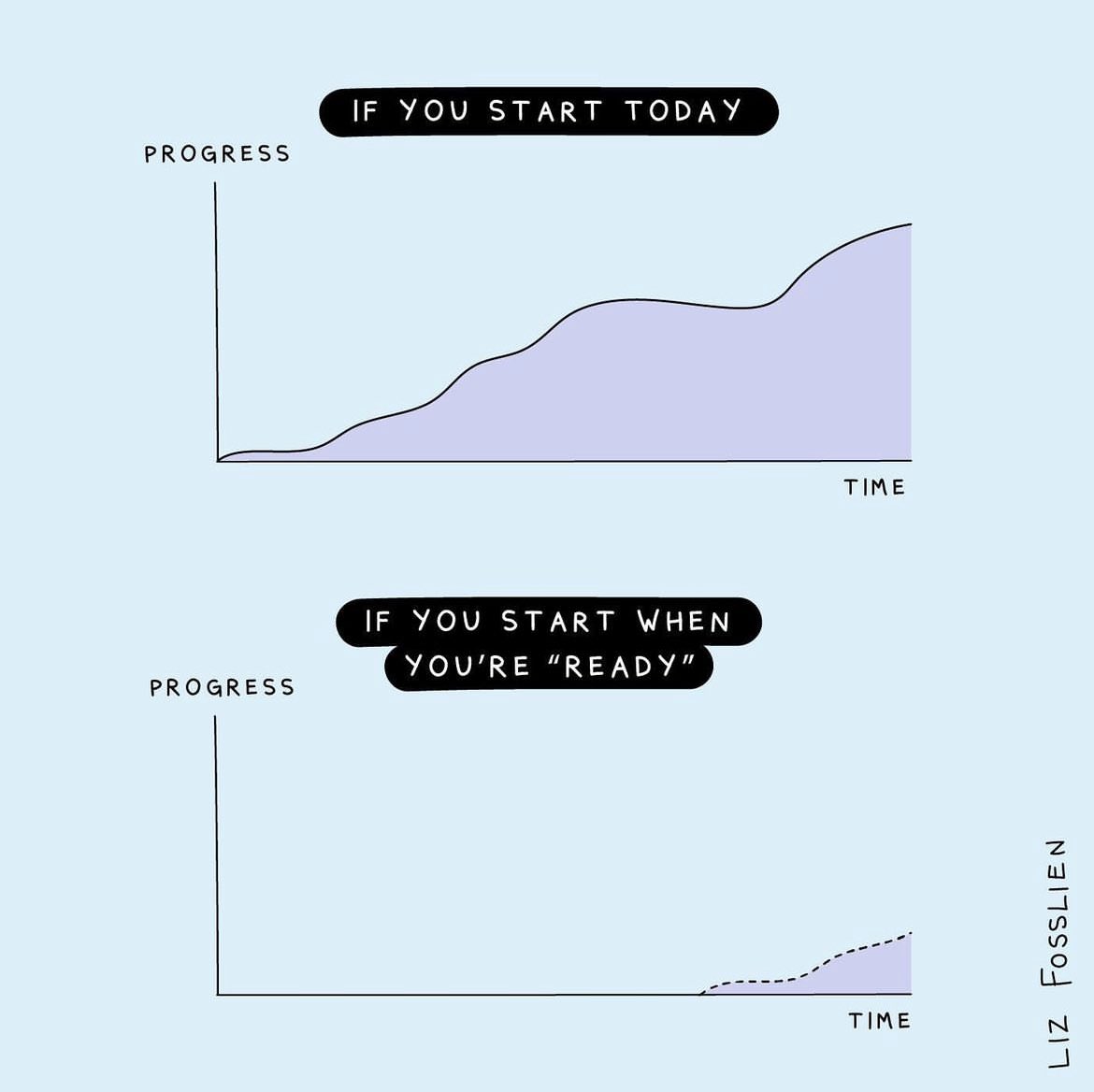
11. Anything above zero compounds.
Ambitious people allow optimal to get in the way of beneficial. The truth is that showing up consistently matters more than showing up perfectly. Small things become big things.
12. Take pride in finishing things.
The world is full of half-written books, half-built businesses, half-pursued passions, and half-kept promises. You stand out by closing loops. By stepping into the arena. By doing what you said you’d do. Anyone can start, but few have the doggedness to finish.
13. Life improves when you embrace your inner extremes.
My entire life changed when I made peace with the paradoxes living inside me. Deeply emotional in peace, deeply rational in war. Creative wandering at times, rigid structure at others. Quiet writer, aggressive lifter. Extroverted introvert. You’re taught to avoid extremes, but leaning into them is how you find your flow.
14. The most important things take a long time to build.
The worst mistakes in life are made when you try to do fast what’s meant to be done slow. Real, durable things take a long time to build. Careers. Businesses. Relationships. Health. There are no hacks or shortcuts—and chasing them leads you into peril. The long way is the right way.
15. Be unapologetically yourself.
When you edit your personality, you attract relationships that need constant maintenance. Stop filtering who you are to be liked. The right ones will stick. The wrong ones will walk. That’s a blessing, whether you realize it or not.
16. Do what most people avoid.
Wake up early. Focus deeply. Move your body. Eat real foods. Obsess over one thing. Read old books. Be present. Have difficult conversations. The recipe for a good life is found by running towards what most people run from.
17. Life will test you with the same challenge until you learn the lesson.
The same fight in every relationship. The same burnout in every job. The same plateau in every pursuit. The same regret in every missed chance. Until you do the inner work, the outer world won’t change.
18. Your standards decide your future.
Every time you let something slide just this once, you train yourself to accept less than what you deserve. That's how principles slip. That’s how goals erode. That’s how a vision deteriorates. Set your standards, then hold the line. Even when it’s hard. Especially when it’s hard.
19. Choose a partner you actually like being around.
I'm convinced that 99% of a successful marriage is just genuinely enjoying each other’s company. People make these long lists of values and traits they want to find in a partner, but so much of life just comes down to being kind and pleasant to be around. And if you’re going to make a long list of values and traits you want to find in another, make sure you’re embodying them yourself.
20. If you want people to believe in you, start carrying yourself like someone worth believing in.
Do the old fashioned things well. Stand tall. Move deliberately. Make eye contact. Take care of your body and mind. Listen. Speak with intention. If you do that, you’ll start believing in yourself, and the world will have no choice but to follow suit.
21. Don’t wait.
Just start. Take that crazy leap of faith. Say the words now. Tell people you love them. Apologize when you should. Forgive. Everything in life has an expiration date. Opportunities don’t wait until you’re ready. Miss them now and you miss them forever.
22. Confidence isn’t about knowing you’ll win.
Confidence is about knowing you’ll bounce back even if you don’t. Real confidence is built on resilience. Adaptability. Tolerance for uncertainty. Fear loses when you embrace that failure is never final.
23. Stress and anxiety feed on idleness.
You feel stressed and anxious because you’re not doing anything. When you take action, you starve them of the oxygen they need to survive. The answer is found in the action.
24. Working out will rewire your brain.
There’s no such thing as a loser who wakes up at 5am and works out. It creates evidence that you have the power to take an action and achieve a desired outcome. That you have agency over your own journey. That you are at the wheel. That has ripple effects into every area of life.
25. Energy fuels growth.
Give your energy to stress, complaints, and negative people, they will grow. Give your energy to ambitions, gratitude, and positive people, they will grow. Choose wisely.
26. Nobody is thinking about you.
You aren’t afraid of failure. You’re afraid of what other people will think of you if you fail. Well, guess what? Nobody is thinking about you. They’re too busy thinking about themselves. So, go do the damn thing.
27. You have to know when to stop.
Stop arguing with people who don’t listen. Stop chasing people who run away. Stop forcing relationships that drain you. Stop grinding on things that don’t matter. Stop saying yes when you mean no. Stopping isn’t weakness, it’s wisdom.
28. Do hard things every single day.
There’s nothing better than a hard-earned win. Nothing. The pain. The struggle. The resilience. The grit. And then, the reward. The thrill of knowing that you paid the cost of entry for the thing you wanted to achieve. Hard things are good for the soul.
29. Reliability is more important than talent.
My grandfather once said: You’ll achieve much more by being consistently reliable than by being occasionally extraordinary. He was right. You can get pretty damn far in life by just being someone people can count on to do the work. Stop overcomplicating success. Say what you’ll do. Do it. Repeat.
30. Don’t complain about anything.
If it’s within your control, go do something about it. If it’s not, you’re just wasting energy thinking about it. Complaining gives too much power to the thing. Take back that power.
31. Emotional control is the ultimate sign of personal growth.
The ability to remain unshaken by the little collisions and inconveniences of life. To avoid assigning false narratives to everyday slights. That’s when you take control of your own life.
32. You can just do things.
We live in a permissionless world. In 2025, I published a New York Times bestselling book and launched a natural skincare business. Nobody told me I could do that. I just wanted to do it. So, I did it. Technology has cracked the walls of credentialism. Opportunity is more freely accessible than ever before. You don’t need a stamp of approval. You just need to create things of value. You just need to go do things.
33. You’re going to miss this.
Every single thing you do today is something that your 90-year-old self will wish they could go back and do. Slow down. The good old days are happening right now.
34. Nobody is coming to save you.
Nobody will fix your problems. Nobody will change your mindsets. Nobody will set your boundaries. Nobody will hand you the things you want in life. It's just you. It's all on you. You are in control. There’s a power in that.
35. You're one year of focus away from people calling you lucky.
Most people overestimate what they can do in a day and underestimate what they can do in a year. Your entire life can change in one year. One year of focused, daily effort. One year of showing up with intention and clarity. The transformation won't be easy, but it is possible. And once you do it, everyone will call you lucky.
I hope you saw yourself in one or more of these lessons—and I hope they spark a positive ripple in your life.
Cheers to a beautiful, hard, growth-filled year ahead!
- Sahil

102
216
1,617
171,160
Ilan Bajarlia retweeted

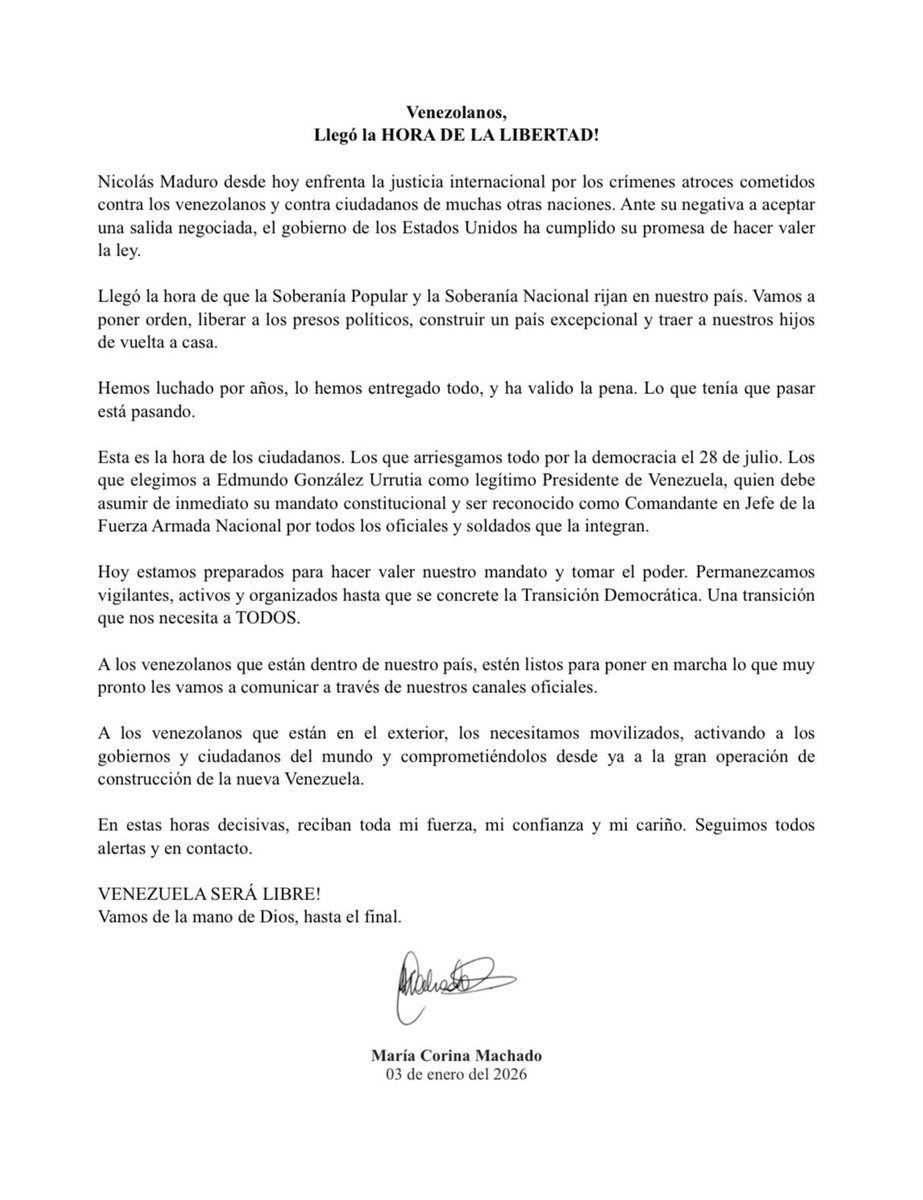
Venezolanos, llegó la hora de la libertad.
25,221
91,119
396,081
21,322,747
Ilan Bajarlia retweeted
Jan 3
Do hard things. Because there’s nothing better than a hard-earned win. The pain. The struggle. The grit. And then, the reward. The feeling of knowing that you paid the cost of entry for the thing you wanted to achieve. Hard things are good for the soul.
204
568
3,754
111,143
Ilan Bajarlia retweeted
10 Dec 2025
The older I get, the more I realize preparation always beats planning. Planning is based on the expectation of order. Preparation is based on the expectation of chaos. Plan for order and you'll be destroyed by chaos. Prepare for chaos and you'll thrive in any condition.
196
707
4,459
134,368
Ilan Bajarlia retweeted

18 Oct 2025
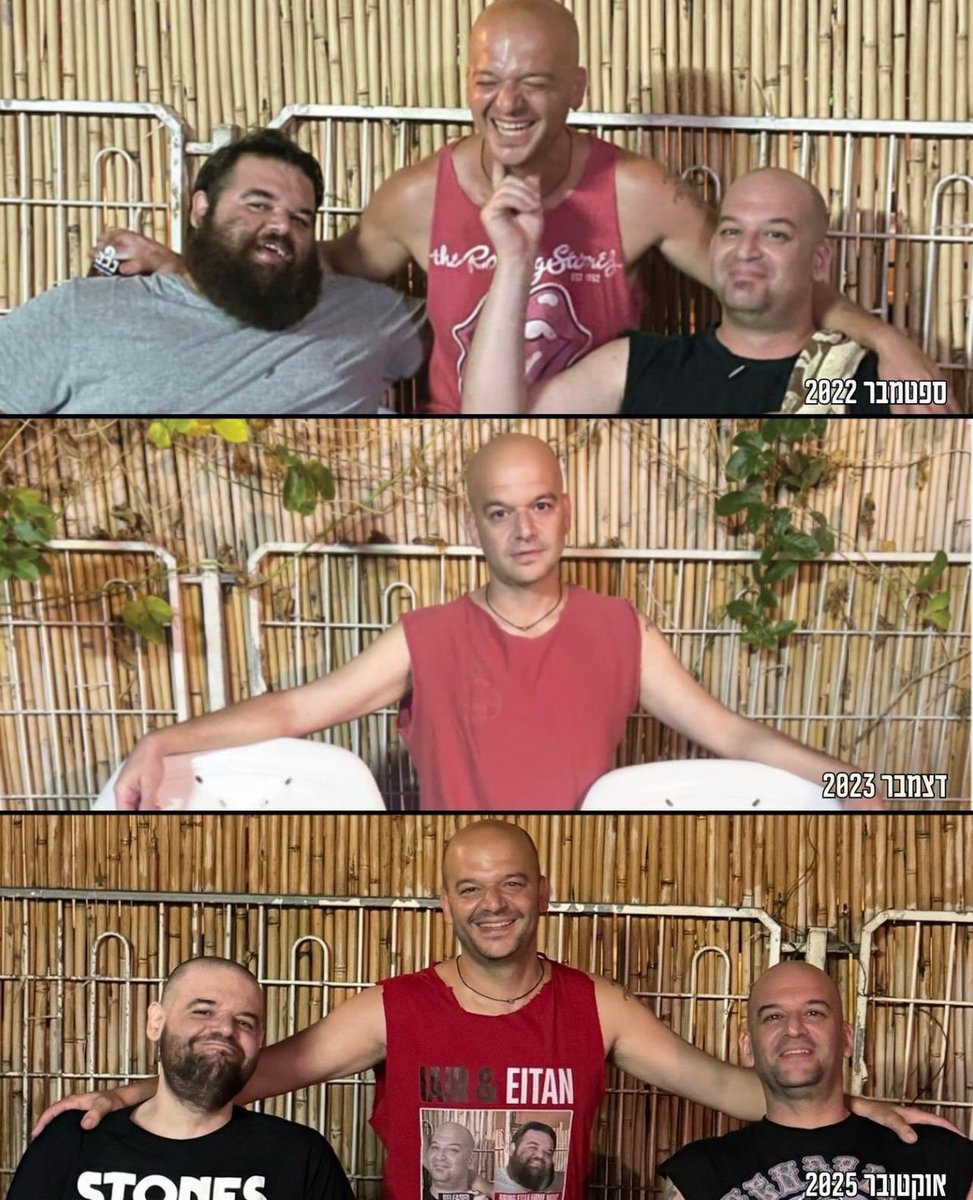
Los hermanos Horn nuevamente juntos
68
349
3,093
58,105
Ilan Bajarlia retweeted

13 Oct 2025
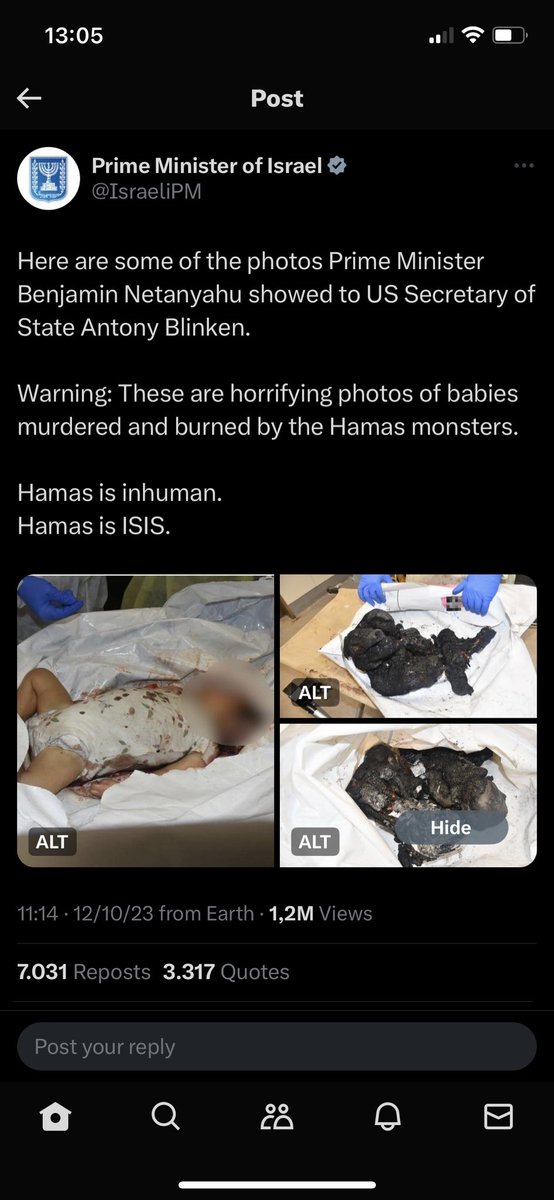
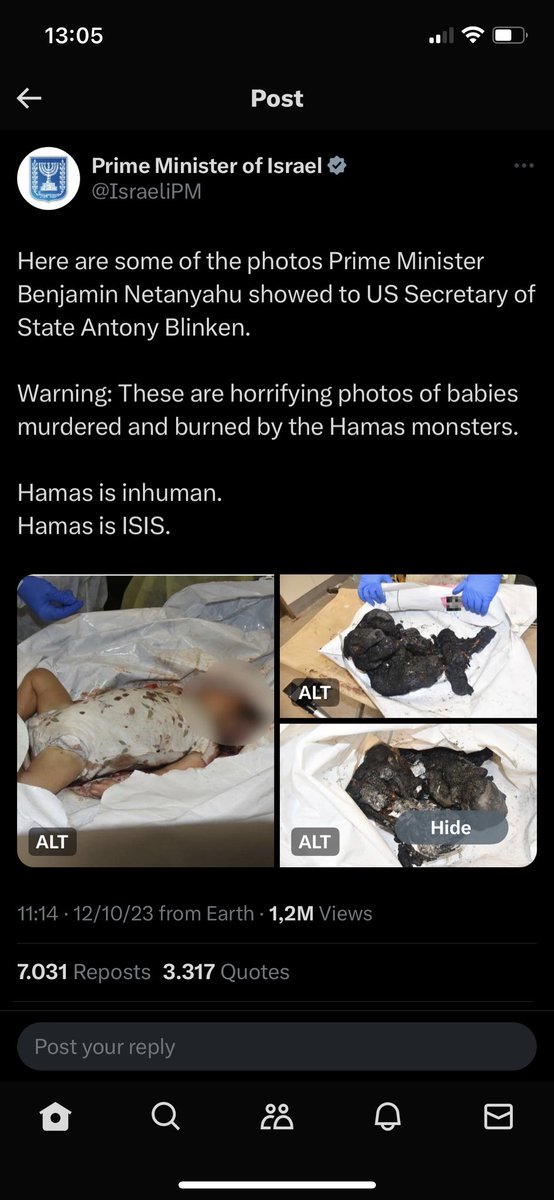
🇦🇷🇮🇱 Hermoso. El emocionante reencuentro de los rehenes argentinos, los hermanos Ariel y David Cunio, con su familia.
63
1,246
6,802
99,475
13 Oct 2025
🫶

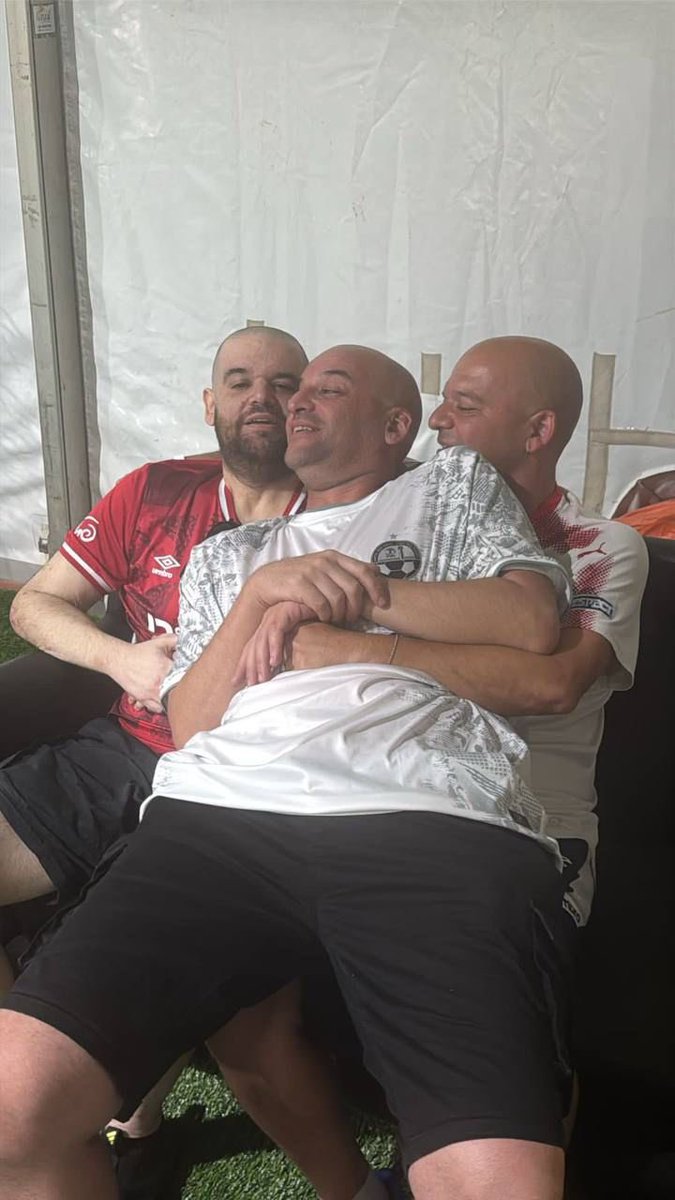
5
270
Ilan Bajarlia retweeted

5 Oct 2025
Un nazi suelto en Buenos Aires.
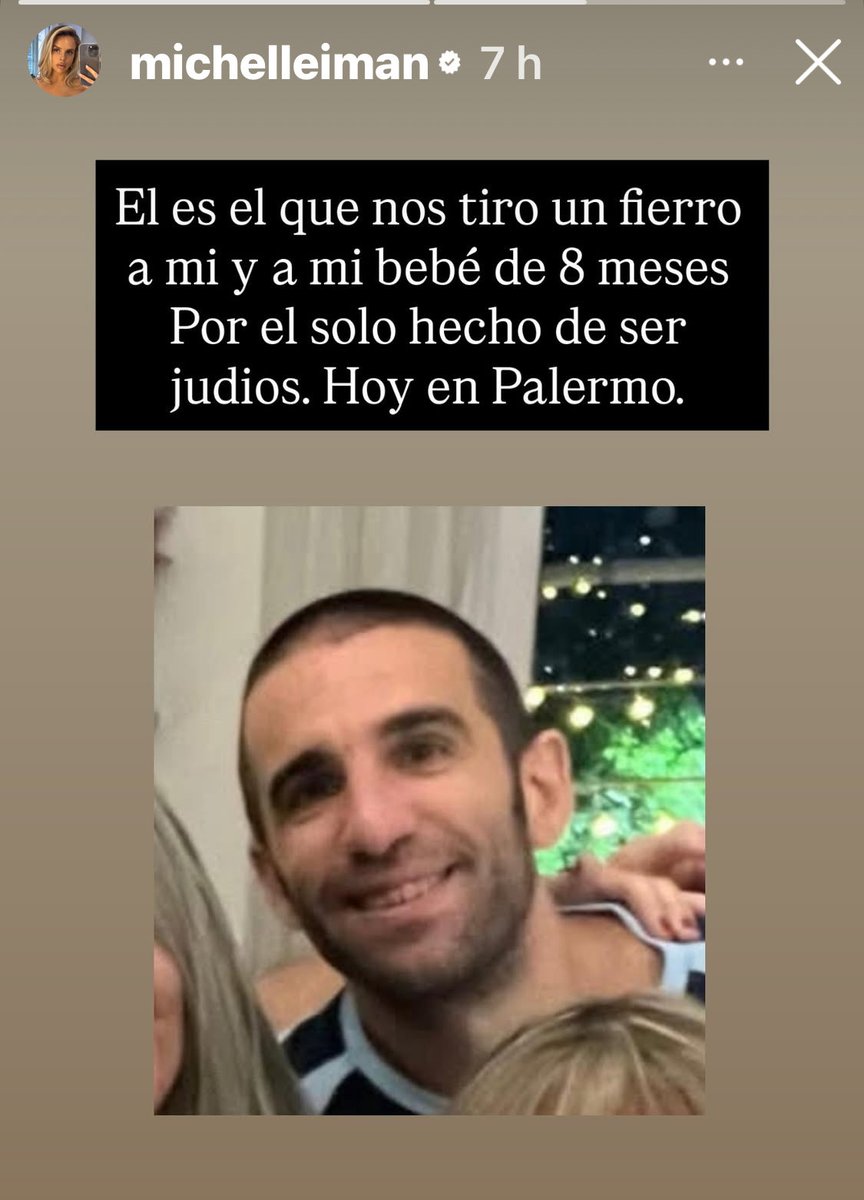
442
2,460
7,024
327,477
Ilan Bajarlia retweeted
5 Oct 2025
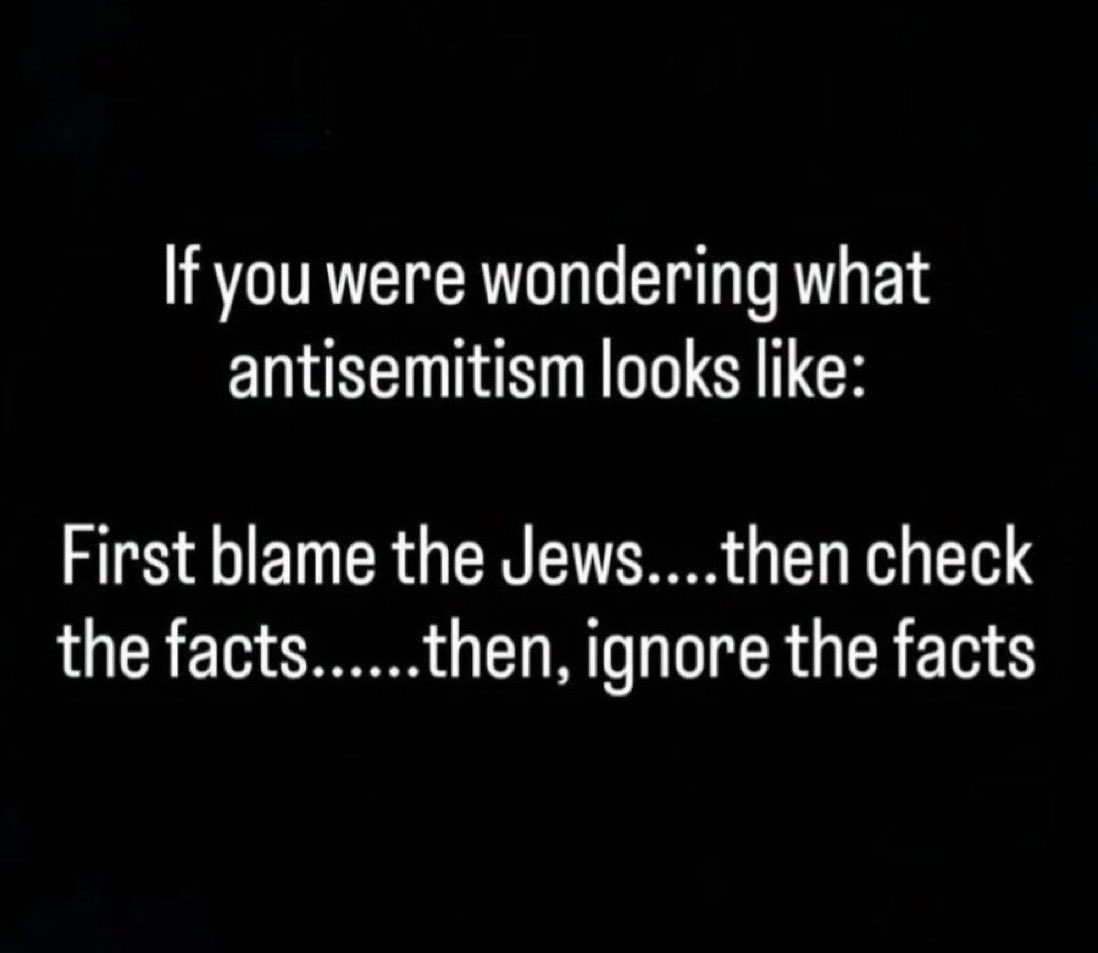
ANTISEMITISMO EN ARGENTINA
ABERRANTE AGRESIÓN ANTISEMITA EN UN EDIFICIO DE PALERMO, CABA.
Un demente arrojó un fierro desde su ventana contra una madre judía que estaba en su patio junto a su bebé de 8 meses, al grito de "judía, judía... ahora encima tenés un hijo judío, que asco".
No solo reconoció el ataque, sino que lamentó tener mala puntería.
La denuncia fue presentada y la justicia debe actuar de inmediato con la máxima severidad posible.
984
2,542
6,803
1,183,609
Ilan Bajarlia retweeted

21 Sep 2025
Un grupo de fanáticos escracha y agrede a niños que estaban en su escuela , solo por el hecho de ser Judíos. Además agreden a maestras y trabajadores de la educación . En un solo instante se reciben de Nazis de pacotilla y de anti obreros . ¿Quiénes son? Los ultras de siempre.
73
115
497
19,875
Ilan Bajarlia retweeted
16 Apr 2025
Do hard things, because nothing feels better than a hard-earned win. Nothing. The pain. The struggle. The resilience. The grit. And then, the reward. The thrill of knowing that you paid the cost of entry for the thing you wanted to achieve. Hard things are good for the soul.
145
1,080
6,482
250,623
Ilan Bajarlia retweeted

7 Apr 2025
Better as X article: x.com/tobi/status/1909251946…
7 Apr 2025

35
92
791
314,726
Ilan Bajarlia retweeted

22 Mar 2025
La pregunta del periodista uruguayo Nicolás Falcón que hizo emocionar a Scaloni 🥹
192
1,841
38,102
1,821,318
22 Feb 2025
RT @marcos_galperin: @santisiri A mi me pareció infinitamente más interesante los silencios sobre los que no opinaron del asesinato de los…
933