L'état de droit
Joined May 2017
- Tweets 28,703
- Following 795
- Followers 276
- Likes 26,719
62 Photos and videos

DanDanDanDan retweeted

Jun 9
我提到青铜是西亚传入中国的,有人质疑。简单说就是西亚在5000年前已掌握红铜冶炼、范铸法、失蜡法及砷青铜、锡青铜等多种合金技术(有大量遗址及遗物出土),而东亚地区至公元前2000年前后才出现成熟青铜器。中国最早青铜器多发现于西北甘肃马家窑、齐家文化及新疆古墓沟、四坝文化遗址,器型如刀、斧、环首刀与中亚安德罗诺沃、塞伊玛-图尔宾诺文化高度相似,合金成分及铸造痕迹亦显示外来影响。
考古不是拍脑袋瞎猜,而是要讲证据的,你可以通过出土文物拉起一条从早到晚的非常完整的证据链。当然,二里头文化青铜礼器的块范铸造与礼制体系是中国人发明的(Huber说三足青铜器器型如爵也是西亚影响,我觉得有点扯)。
那为啥国内几乎不提这个事呢?因为大领导对文博非常感兴趣,2020年发过重要讲话,要“建设中国特色中国风格中国气派的考古学”。在那之后,你就很难在书中看到早期中国受到外来文明影响了。许宏《最早的帝国》无法出版的原因之一就是提到部分技术是西方发源传入中国的。
大领导原话怎么说的呢?
“经过几代学者接续努力,中华文明探源工程等重大工程的研究成果,实证了我国百万年的人类史、一万年的文化史、五千多年的文明史。”
“最新考古成果表明,我国是东方人类的故乡,同非洲并列人类起源最早之地。”
话都放出去了,部分考古学者就拼命为此背书,好评职称。所以你平时闲聊可以,但如果论文敢写西方影响早期中国,那就是屁股坐歪。最搞笑的是某部门还想在国博搞过一个“夏文化展”,直接抛开西方考古学定义自立门户,“我们没文字就不能论证二里头是夏朝了吗?”后来觉得舆情风险太大才没搞。
我发过一篇c刊,里面提到早期中国人尖顶帽受到中亚斯基泰人影响,编辑部都说不行:“吴老师,帽子这个东西我们现在也天天戴,怎么能说是外国传入的呢?你这个政治站位不太好啊!”最后我没办法,改成含糊的“受到中国北方游牧民族影响”,才通过了。不止小麦和青铜是西亚通过早期草原丝绸之路传过来的,马牛羊也是(均对大量出土样本做过古dna和同位素等分析,均有文献支持),这是中外的共识,只是老外能提,中国考古学家不能提而已。
我以上说的话,你不要看自媒体,随便拉几个你认识的正经考古学学生或相关工作者,问问他们对此有何评论,你就知道了🤷🏻♂️。
Jun 8

我真的搞不懂为什么中日韩那么多网友把正常的文明交流互鉴定义为“偷”……一会儿中国说韩国偷韩服,一会儿日本说中国偷抹茶。这些历史上都是正大光明学习的,何偷之有?难道非本地起源就算“偷”?众所周知青铜和小麦是西亚传到中国的,是不是也是偷?当大爹就那么爽?
历史上有没有真的“偷”呢?当然有。于阗公主将中国严禁出口的蚕茧藏进头冠带到西域,打破了中国人的垄断;明代陈振龙把菲律宾严禁出口的红薯藤缠到缆绳上带回中国,从此中国人吃上了红薯。这两个不论从当时还是现在的角度,都几乎是严格定义上的偷。但我在博物馆和书上看到的都是中立叙述前者,而大加赞美后者。——你不能在自己是既得利益者时才说自己不是“偷”。
东亚文化很多东西确实起源于中国,但后来失传了,以至于在讲民族自豪和复兴传统的今天,中国人又跟日韩取经,完了再安个语焉不详的古籍记载,说咱这就是按古籍复原的。接触过相关行业的应该知道,我这说的不是孤例。民俗学家阿兰·邓迪斯有个“传统池”的概念,大概是说每个民族有个传统文化的大池子,不停被活水或快或慢地更替。这池子不用时闲置在那没人管,要的时候舀起一瓢(同时有可能夹带私货)就说这“自古以来”。文化从来不是均质单一的,变化才是常态。
所以我又要举起费孝通先生的十六字真言了:“各美其美,美人之美。美美与共,天下大同。”东亚的民族主义者们,你们可否心胸开阔一些?
165
59
279
50,160


May 29
😂😂😂😂😂😂😂
May 28

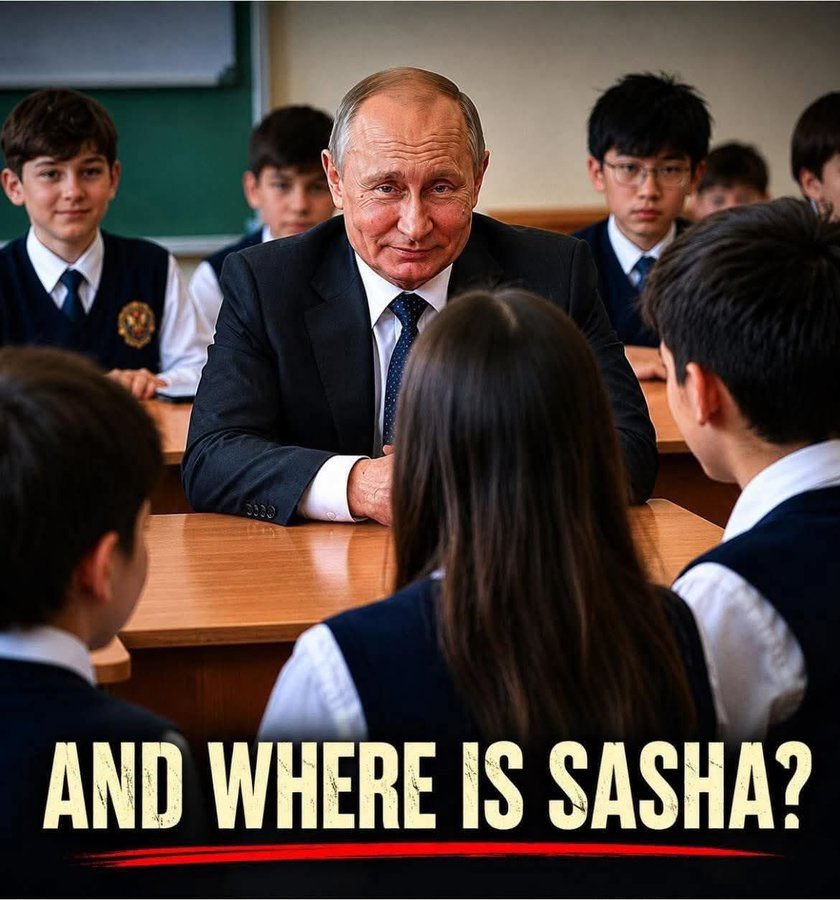
新俄罗斯笑话一则
一天,普京访问了一所学校,发表了一篇关于俄罗斯政府多么优秀以及俄罗斯是世界上最伟大的国家的演讲。
演讲结束后,他邀请学生们提问。
一个男孩站起来说:“你好,我叫萨沙,我有两个问题。”
普京回答:“好的,请问。”
萨沙问:“俄罗斯为什么要入侵乌克兰?为什么我们还没有赢得这场战争?”
就在这时,午餐铃响了,大家都去吃午饭了。
午饭后,问答环节继续进行,又一个学生站了起来:“你好,我叫鲍里斯,我四个问题。”
普京说:“什么事?”
鲍里斯问:“俄罗斯为什么要入侵乌克兰?为什么我们还没有赢得这场战争?为什么午餐铃提前20分钟响了?萨沙去哪儿了?”
* 以上内容系转发,原出处不明。
33
DanDanDanDan retweeted

May 19
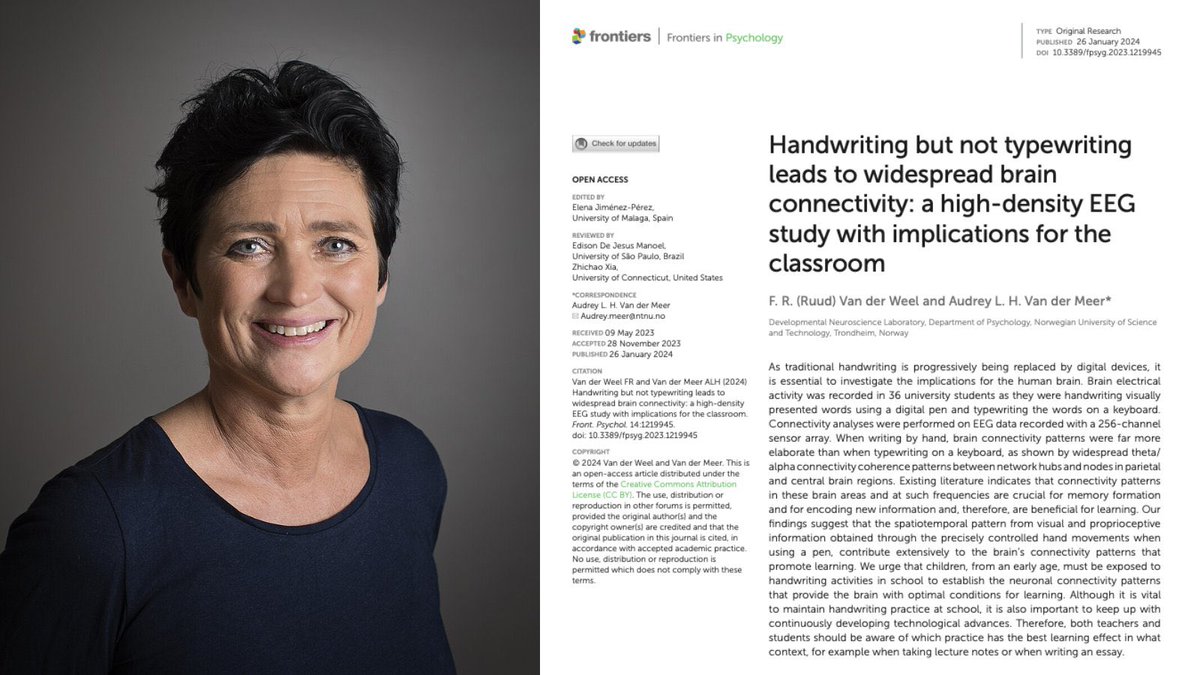
兄弟们,一个挪威神经科学家花了整整20年,就为了证明一件事:
手写笔记和打字,在大脑里是完全不同的两件事。
她叫Audrey van der Meer,在Trondheim经营脑科学研究实验室。
2024年她在Frontiers in Psychology上发的那篇论文,直接把争议画上了句号。
实验很简单:36名大学生戴上256通道EEG帽。
屏幕上闪出一个单词。
一半人用数字笔在触屏上手写,另一半直接在键盘上打字。
结果惊人:
手写时,大脑全亮。
记忆区、感觉整合区、新信息编码区全部同步激活,像整个皮层网络同时醒过来。
打字时呢?
大部分脑区瞬间安静,刚才那些连接几乎全消失。
同一个单词、同一个大脑、同一个人,两套完全不同的神经事件。
原因藏在微动作里:手写每一个字母,都是上千个微小动作和眼睛实时配合的空间问题。
手指、手腕、视觉、空间定位全在协同工作。
打字呢?
每按一个键都是完全相同的动作,大脑几乎不需要整合,也没什么问题要解决。
十年前普林斯顿的另一组研究用完全不同的方法也得到了相同结论:手写笔记的学生在真正理解题上完胜,打字组只记住了表面内容。
因为手写逼你必须听、必须选、必须用自己的话重新组织。
打字让你像复印机一样狂敲,却几乎没经过大脑加工。
我看完后最大的感受是:
我们以为打字是效率,手写是老派。
其实手写才是真正让知识扎根
May 18

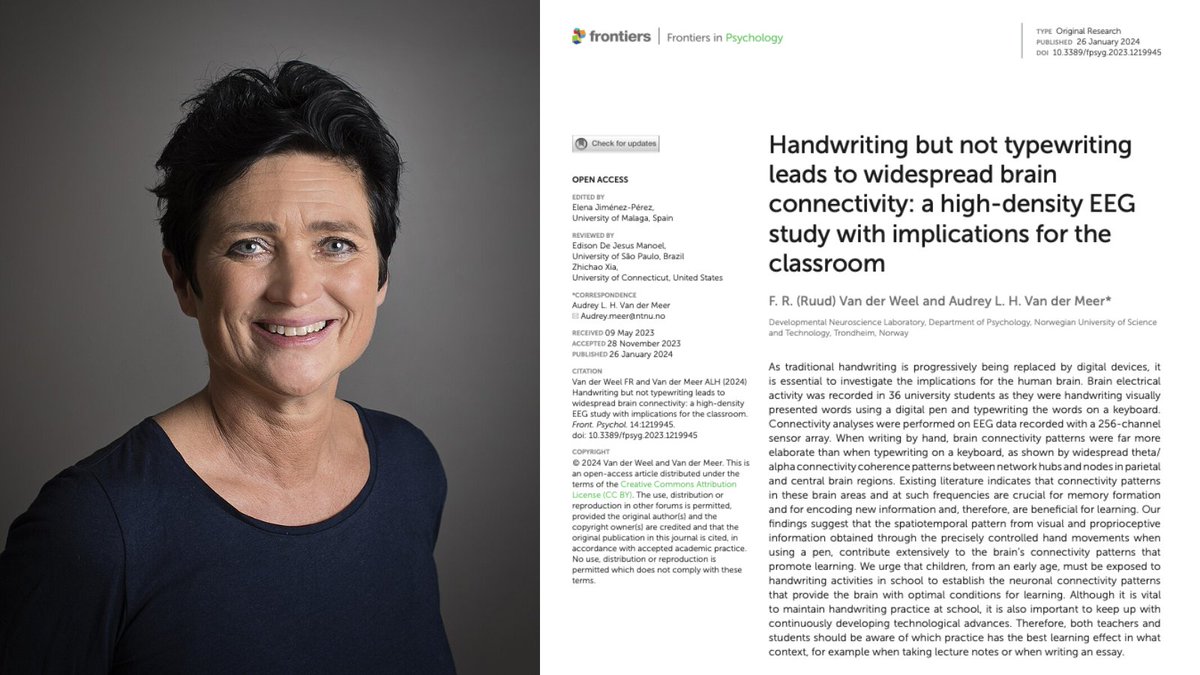
A Norwegian neuroscientist spent 20 years proving that the act of writing by hand changes the human brain in ways typing physically cannot, and almost nobody outside her field has read the paper.
Her name is Audrey van der Meer.
She runs a brain research lab in Trondheim, and the paper that closed the argument was published in 2024 in a journal called Frontiers in Psychology. The finding is brutal enough that it should have changed every classroom on Earth.
The experiment was simple. She recruited 36 university students and put each one in a cap with 256 sensors pressed against their scalp to record brain activity. Words flashed on a screen one at a time.
Sometimes the students wrote the word by hand on a touchscreen using a digital pen, and sometimes they typed the same word on a keyboard. Every neural response was recorded for the full five seconds the word stayed on screen.
Then her team looked at the part of the data most researchers had ignored for years, which is how different parts of the brain were communicating with each other during the task.
When the students wrote by hand, the brain lit up everywhere at once.
The regions responsible for memory, sensory integration, and the encoding of new information were all firing together in a coordinated pattern that spread across the entire cortex. The whole network was awake and connected.
When the same students typed the same word, that pattern collapsed almost completely.
Most of the brain went quiet, and the connections between regions that had been alive seconds earlier were nowhere to be found on the EEG.
Same word, same brain, same person, and two completely different neurological events.
The reason turned out to be something nobody had really paid attention to before her work. Writing by hand is not one motion but a sequence of thousands of tiny micro-movements coordinated with your eyes in real time, where each letter is a different shape that requires the brain to solve a slightly different spatial problem.
Your fingers, wrist, vision, and the parts of your brain that track position in space are all working together to produce one letter, then the next, then the next.
Typing throws all of that away. Every key on a keyboard requires the exact same finger motion regardless of which letter you are pressing, which means the brain has almost nothing to integrate and almost no problem to solve.
Van der Meer said it plainly in her interviews.
Pressing the same key with the same finger over and over does not stimulate the brain in any meaningful way, and she pointed out something that should scare every parent who handed their kid an iPad.
Children who learn to read and write on tablets often cannot tell letters like b and d apart, because they have never physically felt with their bodies what it takes to actually produce those letters on a page.
A decade before her, two researchers at Princeton ran the same fight using a completely different method and ended up at the same answer. Pam Mueller and Daniel Oppenheimer tested 327 students across three experiments, where half took notes on laptops with the internet disabled and half took notes by hand, before testing everyone on what they actually understood from the lectures they had watched.
The handwriting group won by a wide margin on every question that required real understanding rather than surface recall.
The reason was hiding in the transcripts of what the two groups had actually written down.
The laptop students typed almost word for word, capturing more total content but processing almost none of it as they went, while the handwriting students physically could not write fast enough to transcribe a lecture in real time, which forced them to listen carefully, decide what actually mattered, and put it in their own words on the page.
That single act of choosing what to keep was the learning itself, and the keyboard had quietly skipped the choosing and skipped the learning along with it.
Two studies. Two countries. Same answer.
Handwriting makes the brain work. Typing lets it coast.
Every note you have ever typed instead of written went into your brain through a thinner pipe. Every meeting, every book highlight, every idea you captured on your phone instead of on paper was processed at half depth.
You did not forget those things because your memory is bad. You forgot them because typing never woke the part of the brain that would have made them stick.
The fix is the thing your grandmother already knew.
Pick up a pen. Write the thing down. The slower road is the faster one.
162
661
3,031
532,024
Apr 27
😂😂😂😂😂😂😂
Apr 27

🇬🇧食物:
其最可怕的地方不是难吃,是它吃起来像这个国家曾经殖民半个世界,最后却决定什么香料都不要带回家。
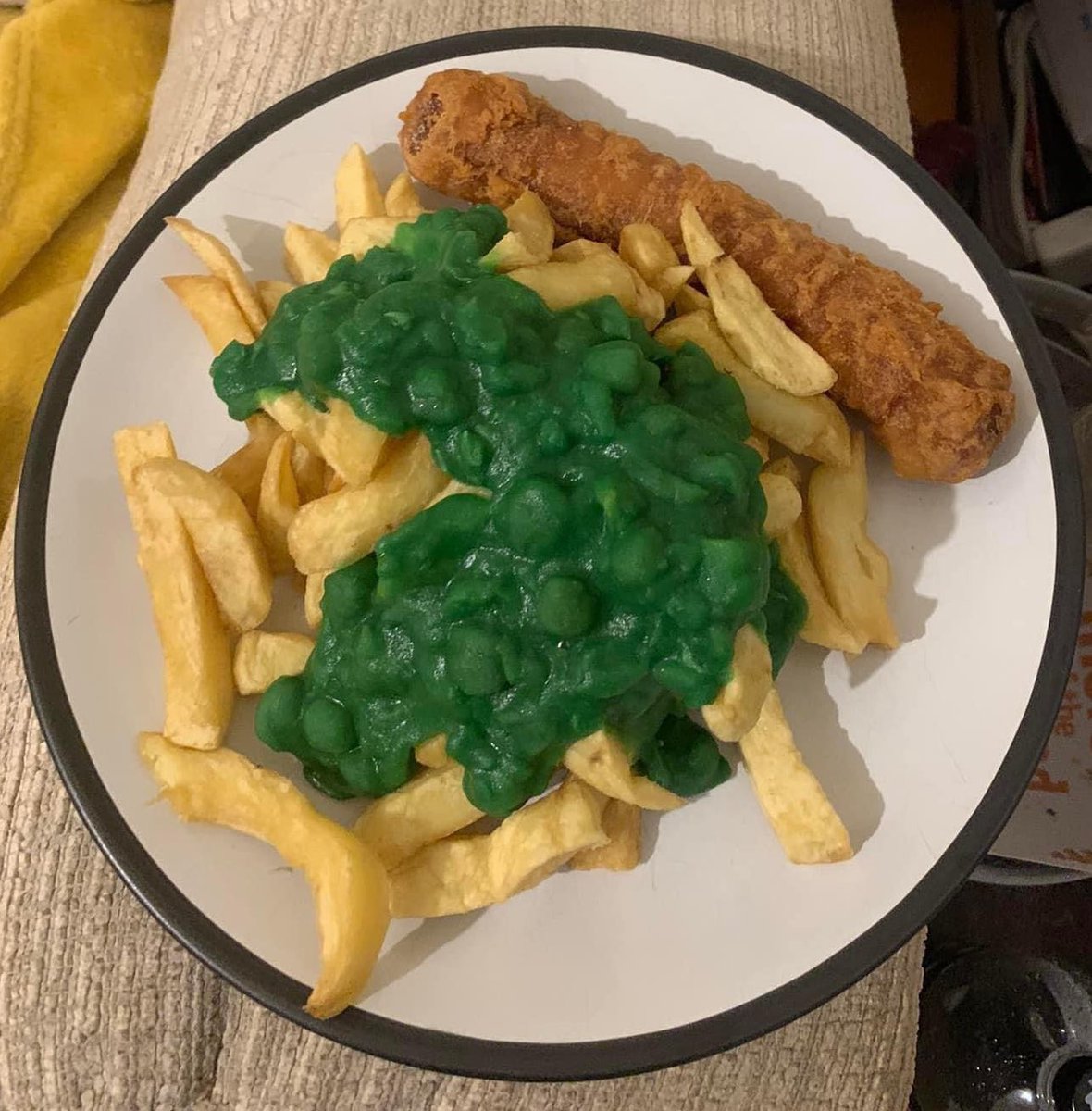
炸鱼薯条本来是能赢的,鱼炸得酥、薯条热呼呼,其实不差。 结果他们一个操作猛如虎,最后端出来一盘 beige 色系的人生低潮:鱼是黄的,薯条是黄的,盘子是白的,豆子是泥状的,整个画面像雾都伦敦把味觉也顺便雾化了。
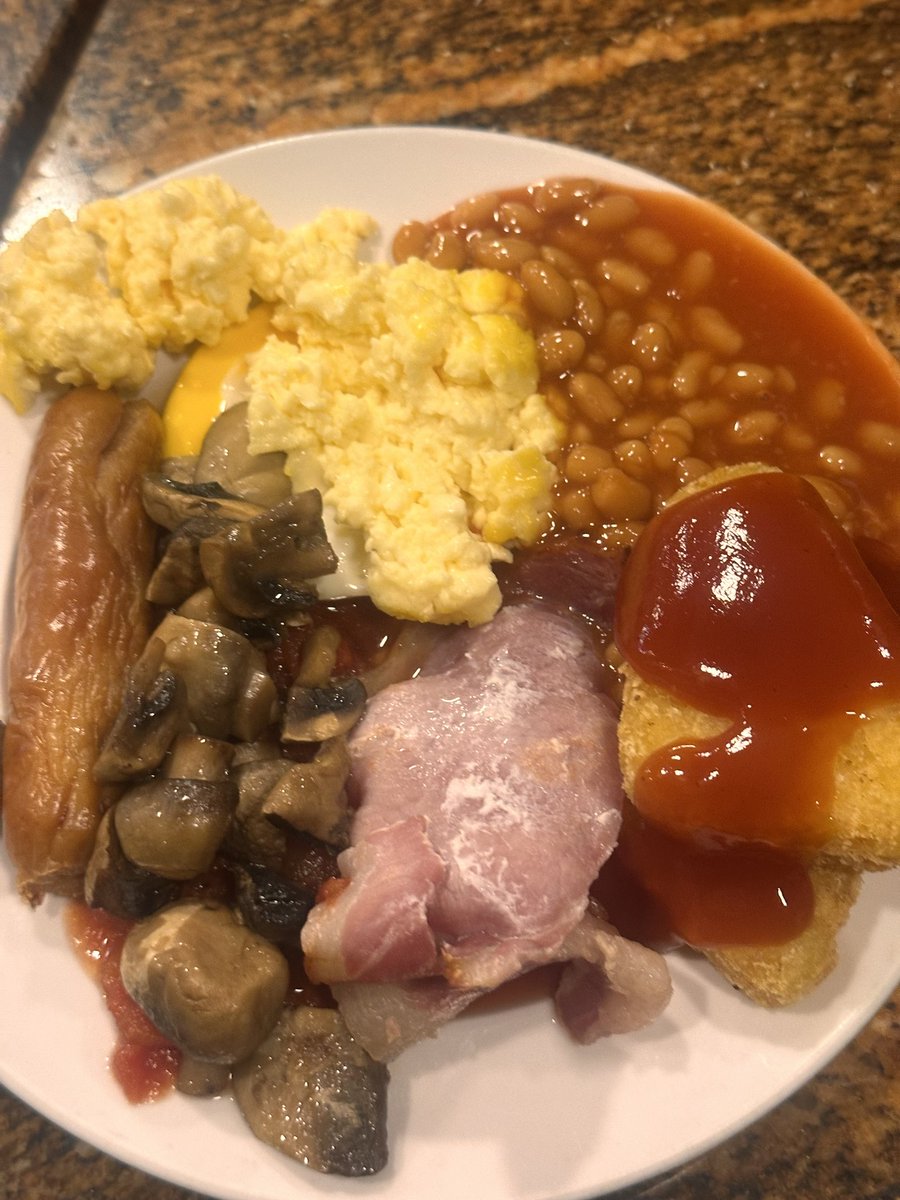
英式早餐更妙,叫 full English breakfast,听起来像皇室御膳,实际上是「冰箱里所有东西都被煎了一遍」。 香肠、培根、蛋、番茄、蘑菇、吐司、豆子,全部各自为政,像联合国开会,没有人在听别人讲话。 尤其那个茄汁豆,硬要出现在早餐盘上,像一个没有被邀请但坚持坐主桌的亲戚。
英国的派也很有哲学。 外面一层皮,里面一坨谜。 你问是牛肉派、鸡肉派、肾脏派,吃起来都像同一间寄宿学校的午餐回忆。 咬下去第一秒是面皮,第二秒是烫,第三秒开始怀疑自己是不是欠大英帝国什么。
最狠的是他们对蔬菜的处理。 别的国家是烤、炒、炖、拌,英国是「煮到它放弃抵抗」。 花椰菜原本是植物,煮完像一份道歉声明。 红萝卜失去灵魂,马铃薯失去尊严,豌豆变成泥之后看起来像有人把草地打成了副食品。
但你说英国食物完全没救吗? 也不是。 它有一种奇特的诚实。 它不骗你,不假装自己很精致,不搞什么层次、火候、镬气。 它就是一盘饭菜放在你面前,冷静地告诉你:人生很苦,天气很烂,吃完去上班。
所以英国菜的核心不是美食,是生存。 法国菜追求浪漫,义大利菜追求热情,中华料理追求镬气,日本料理追求季节,英国菜追求的是:今天有热量,感谢主。
最后一句话总结:英国食物不是难吃,它是把「没有期待就不会受伤」做成了一套饮食文化。
130
Apr 27
果然,北非都没啥额度,老中就更别提了。西班牙政府真现实,基本算给的同族裔的。不过算很聪明的政策了。西班牙和葡萄牙有这个优势,流落在外的同族一大堆。我国内时男友是巴西南方人,刚开始认识我没文化都不信,说你们巴西人不都内马尔巧克力色那种,还有你这么白的啊😂😂😂。他波兰 葡西意裔
Apr 26

媒体已统计了西班牙大赦的受益人口(以目前收到的申请数量),果然是为远方的自家人度身打造的:
-哥伦比亚17万人(占30%)
-秘鲁6万人(12%)
-洪都拉斯5万人(10%)
-委内瑞拉3.5万人
-巴拉圭3万人
-阿根廷2.5万人
-厄瓜多尔1.5万人
-摩洛哥1.2万人
-阿尔及利亚1万人
-在最少受益人数行列的有菲律宾5000人,中国3000人。
1
584
Apr 26
😂😂😂😂恐怖主义电话
Apr 26

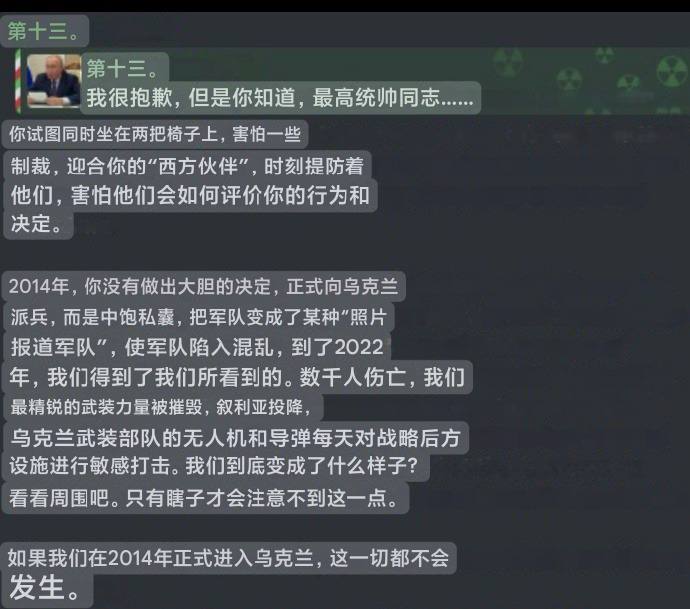
近日,拥有24万订阅的俄罗斯第十三Z-军博电报频道 抱怨普京:
对不起,最高统帅同志,您现在说的完全是谎言。您关闭移动网络和互联网的措施根本保护不了任何人。这一切都是谎言。
他们一直在我们的领土上从乌克兰招募各种各样的怪人,而且他们还在这样做。他们一直在进行电话诈骗,而且他们还在这样做
在斯塔夫罗波尔边疆区的新巴甫洛夫斯克市(我永久登记居住于此),自2024年以来,乌克兰人一直在进行电话恐怖主义活动。我父亲生前就住在那里……我母亲也住在那里,她每天都受到电话恐怖分子的骚扰,无论是节假日还是工作日。他们叫救护车、消防员、警察、殡仪服务,送棺材和花圈,派牧师来为我的家人“做最后的祈祷”,甚至派“水手”在围栏上乱涂乱画乌克兰文字,甚至威胁要烧毁房子。
你们切断通讯和互联网有什么成果?
完全没有
我的母亲夜里被警察吵醒,他们毫无意义地否认,带着警犬搜寻根本不存在的“反坦克地雷”,来自“戒毒中心”的歹徒来搜捕“吸毒者”,等等等等。
你为什么要撒谎?你是一个国家的总统,却摆出一副趾高气扬的样子,欺骗我们的同胞。
而且你撒谎的不仅仅是这件事。
当我们在前线作战时,你根本无法确保后方亲人的安全,你的所有安全部门都开始显得毫无用处。
你和你的下属已经频繁地撒谎,而且我早就对你失去了信任。
其二
我很抱歉,但是你知道,最高统帅同志……
你试图同时坐在两把椅子上,害怕一些制裁,迎合你的“西方伙伴”,时刻提防着他们,害怕他们会如何评价你的行为和决定。
2014年,你没有做出大胆的决定,正式向乌克兰派兵,而是中饱私囊,把军队变成了某种“照片报道军队”,使军队陷入混乱,到了2022年,我们得到了我们所看到的。数千人伤亡,我们最精锐的武装力量被摧毁,叙利亚投降,乌克兰武装部队的无人机和导弹每天对战略后方设施进行敏感打击。我们到底变成了什么样子?看看周围吧。只有瞎子才会注意不到这一点。
如果我们在2014年正式进入乌克兰,这一切都不会发生。
1
70
Apr 25
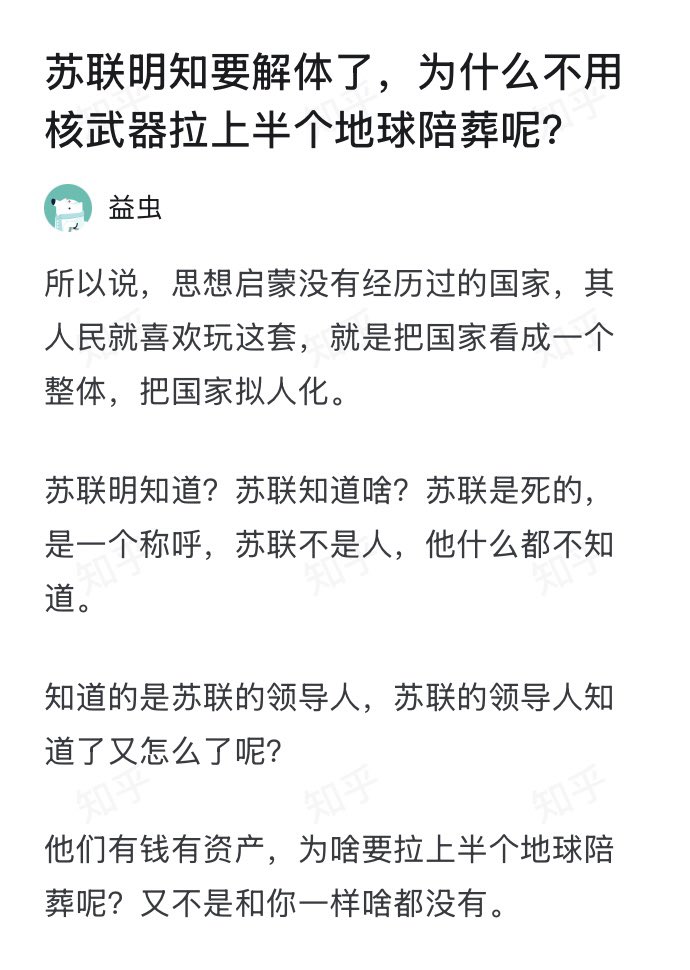
发展机器人磕头😂😂😂😂

38
Apr 25
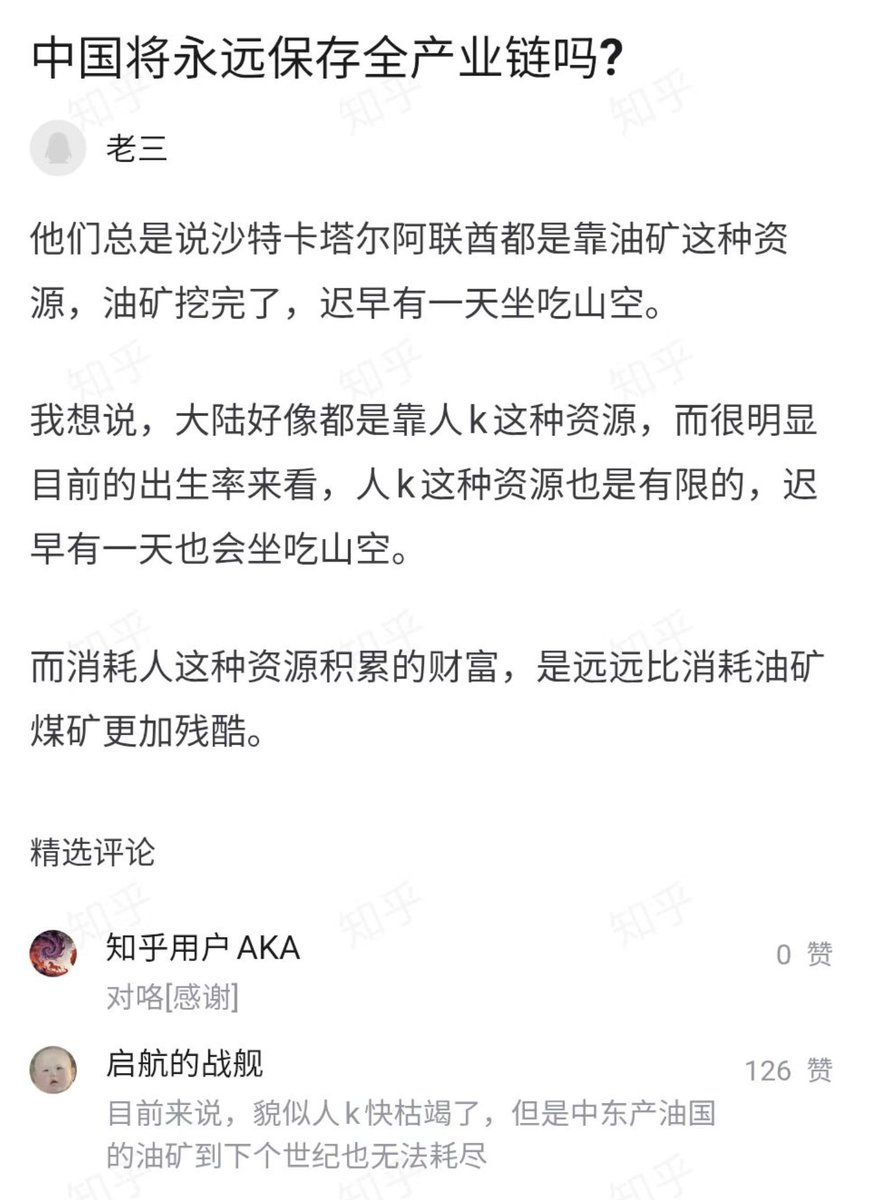
经济下行,零工满街,失业众多,产能爆炸,出口爆表,各国关税。这一路下午除了打仗好像没有啥好办法。战败清零,经济奇迹,伟大复兴,大日本帝国老路好。

2
117

Apr 24
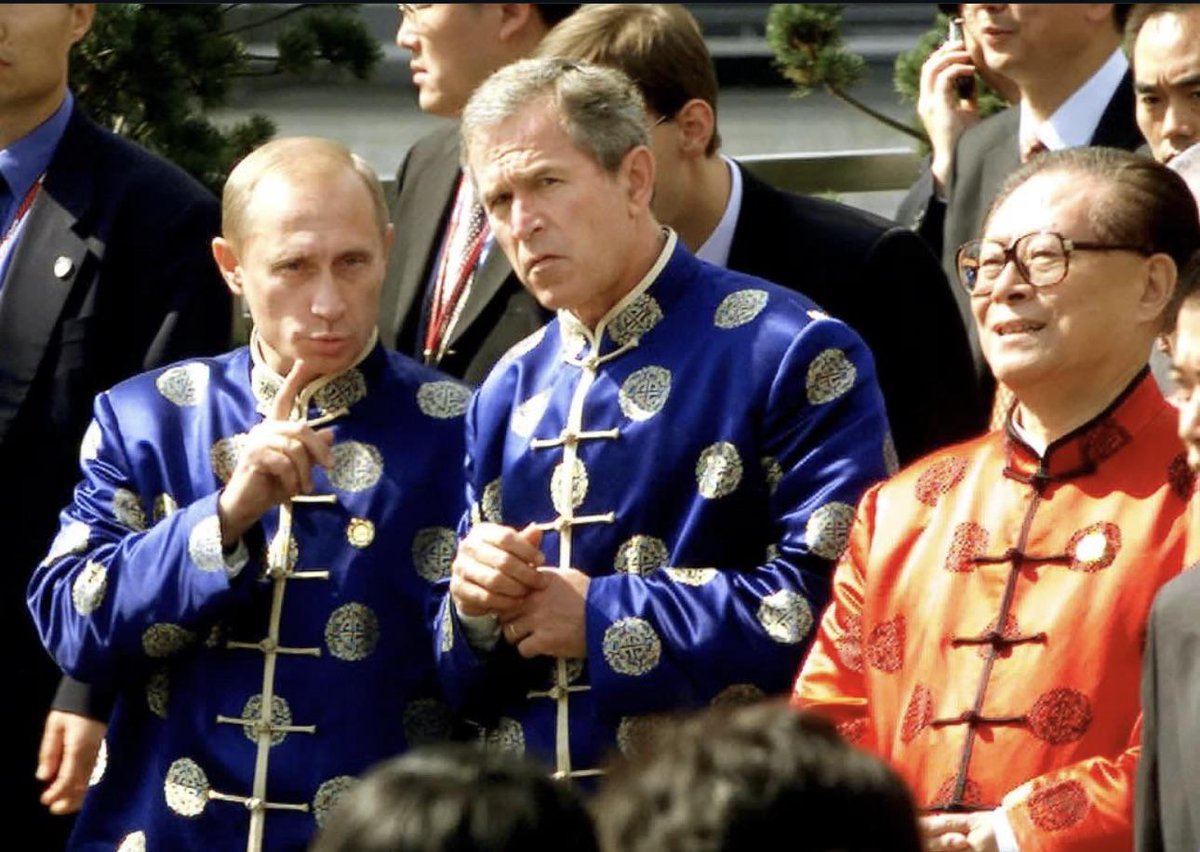
背景里这首歌是啥来着?改成了个粤语版,完全想不起来名了,好像是周杰伦中国风的一首,有知道的吗?app太笨认不出来有台词的背景音乐,求🥹

1
115
Apr 24
只要还有这些回复 国内VPN就没啥事。。。怎么现在不是蹲个弟弟了?
Apr 23

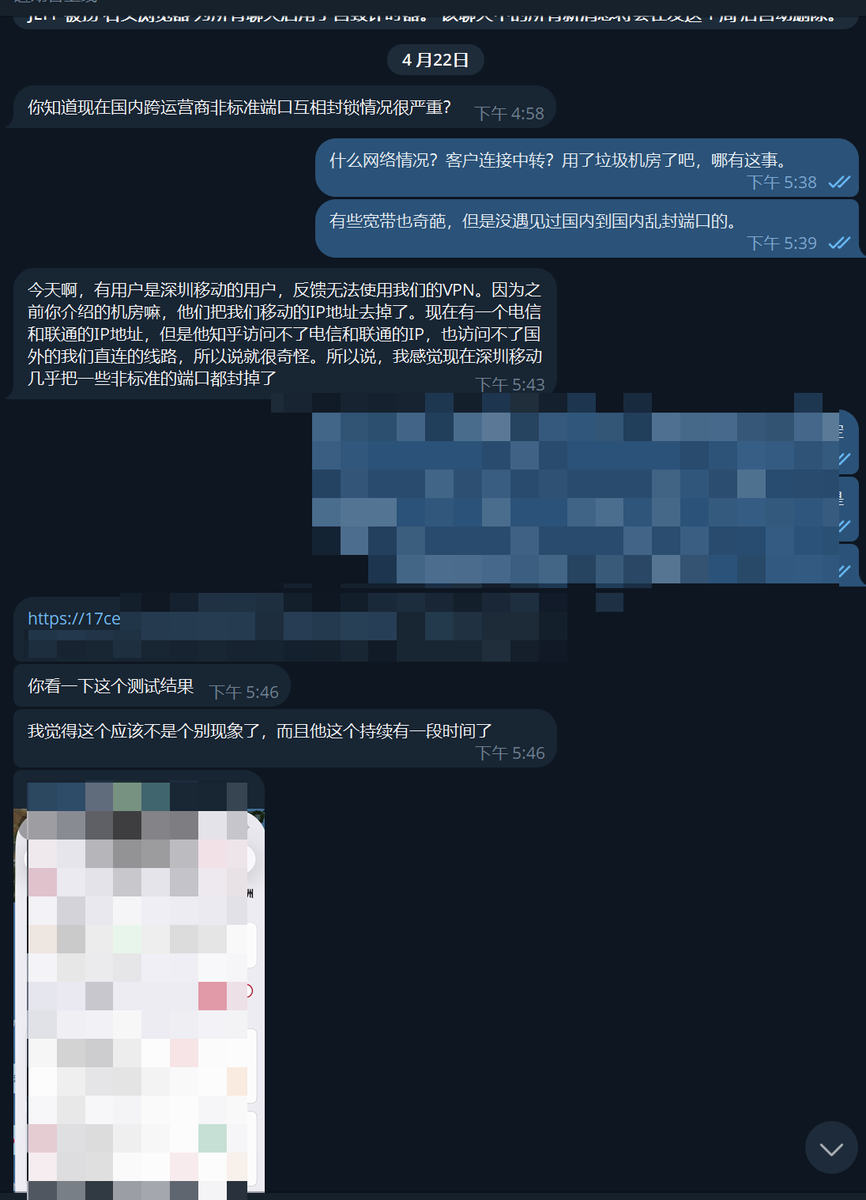
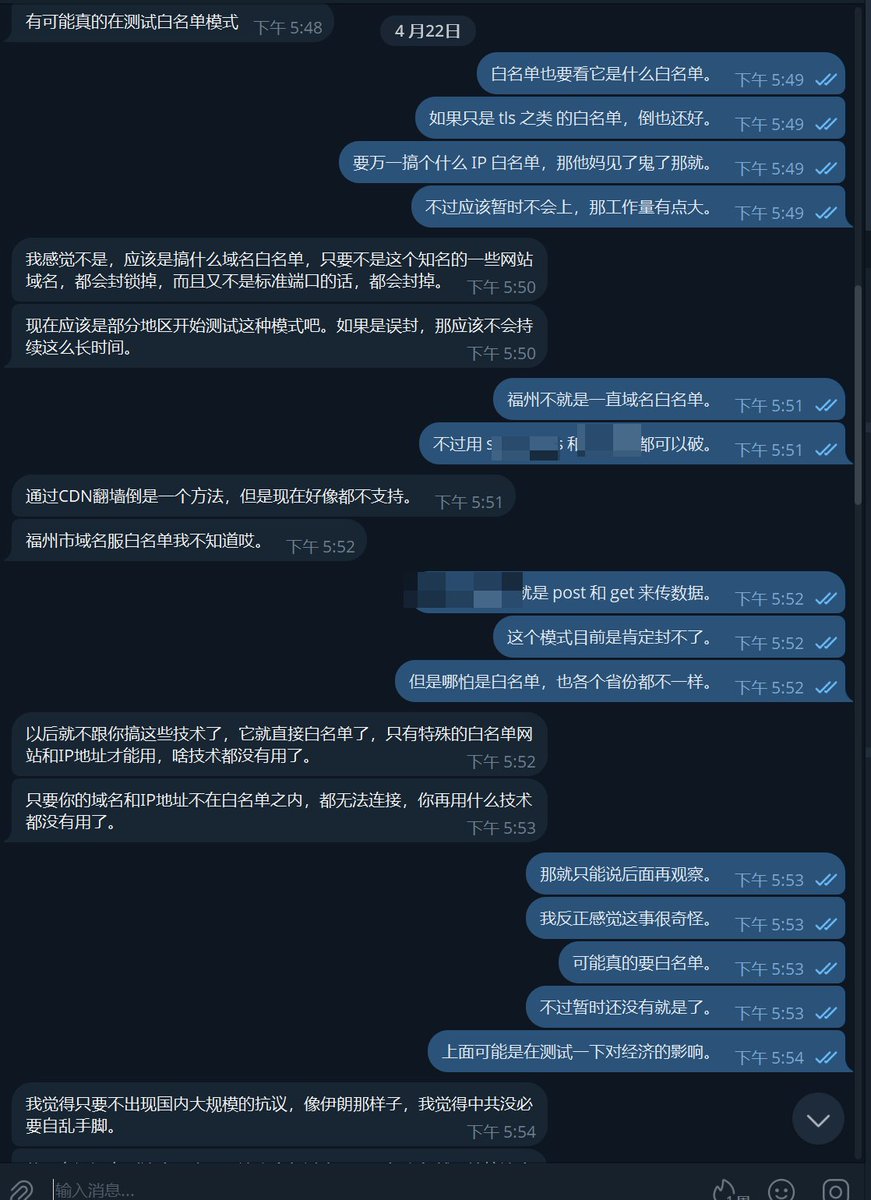
这次的整顿各类翻墙软件和伪装协议,可能比我预想的要严重的多。
昨天刚跟朋友才聊到白名单的事情,他猜测白名单已经开始了,因为他的客户已经开始陆续遇到了国内跨网端口的封锁。
结果今天直接开始测试了。🤣
今天多家运营商都开始直接拉闸境外IP,已知的有中国联通、移动、电信,基本覆盖了,三大,各省份都有客户反馈。
要是真开始实现白名单制度,技术的话,都没什么鸟用了,只能靠资源硬了。
1
118
Apr 24
😂😂😂😂

29
Apr 24
三个都吓人,但第二个太恐怖了。。。。一下手没那么快。。。终身残疾者,好像还是位女生在做。怪不得那个草根软件叫快手。。。。😨😨😨😨😨

1
199
Apr 23
每次我以为川普的马戏团班子太抽象,他就能整出更抽象的新星。但,不管川普怎么折腾,他都没法让美国再次伟大。因为,咱们的习主席真的太伟大了。
Apr 23

肛嘴新任命的海军部长高雄,是公开的3K党成员。
高部长表示:在三K党中,他索要一顶带有“狭缝”窄条眼孔,而非圆形眼孔的KKK头套。声称这样能让他看得更清楚。
黄皮肤的越南裔3K党,多少还是让我为种贱货感到吃惊。
69

Apr 23
😂😂😂😂😂
Apr 23

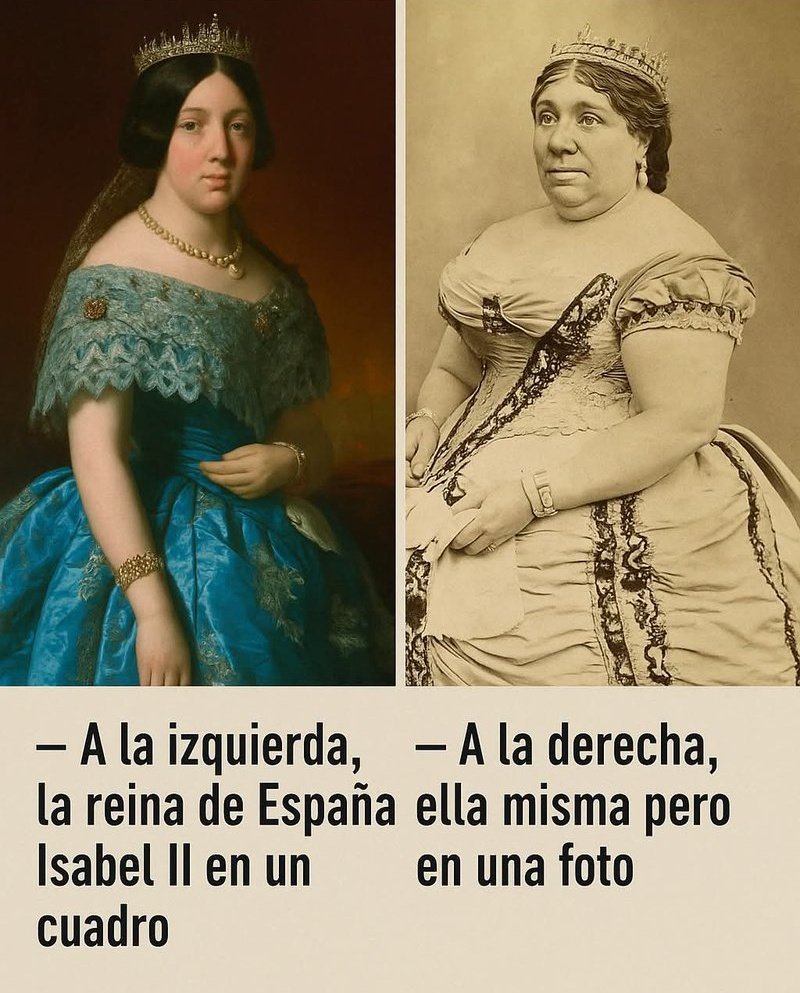
Así era el Photoshop en mis tiempos
Community note
Falso.
A la izquierda tiene unos 20 años.
La foto de la derecha es falsa, basada en una imagen de Isabel II con alrededor de 60 años y después de 12 embarazos.
es.wikipedia.org/wiki/Isabel_II…
32
Apr 23
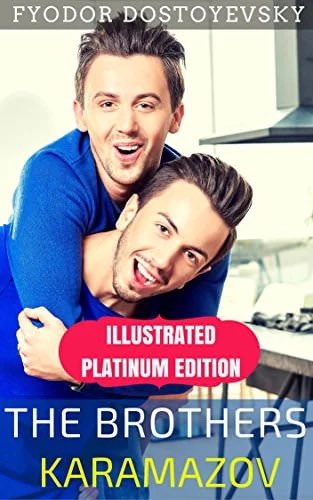
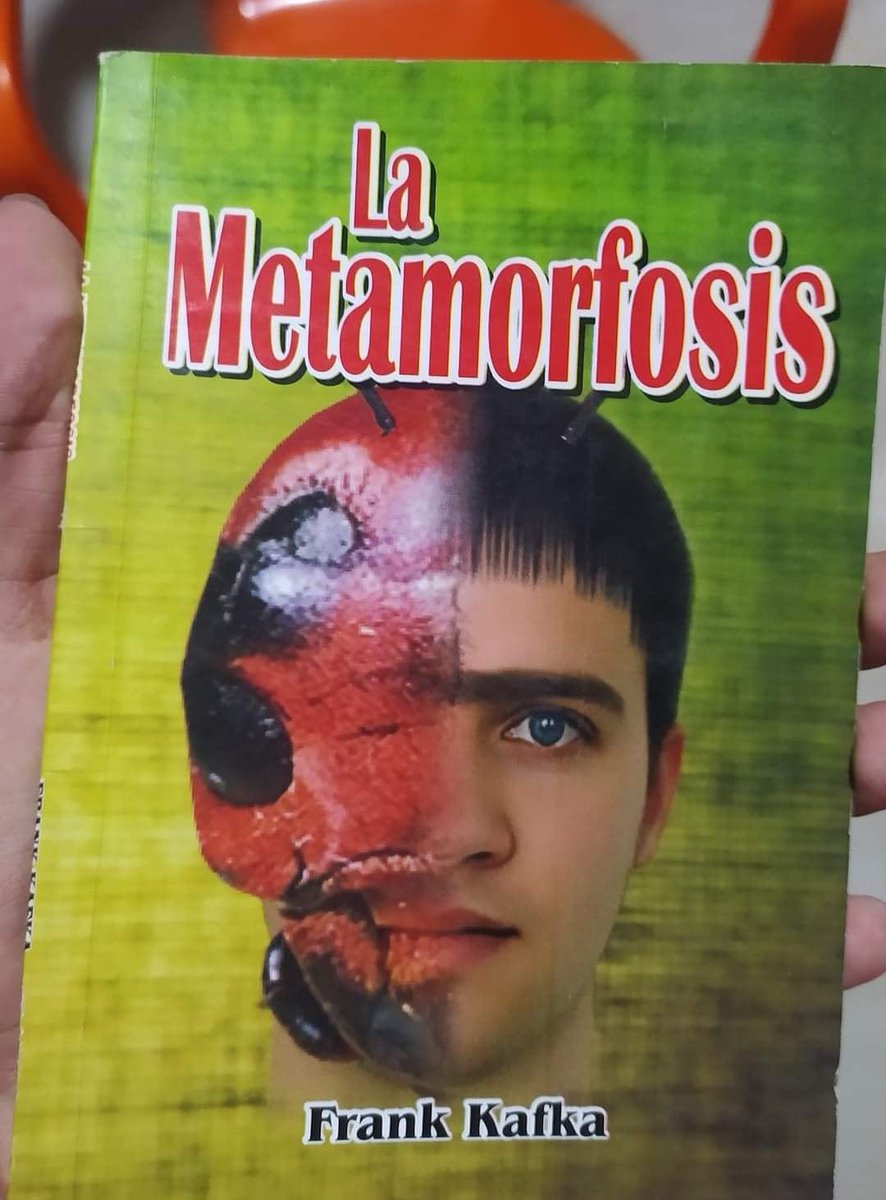
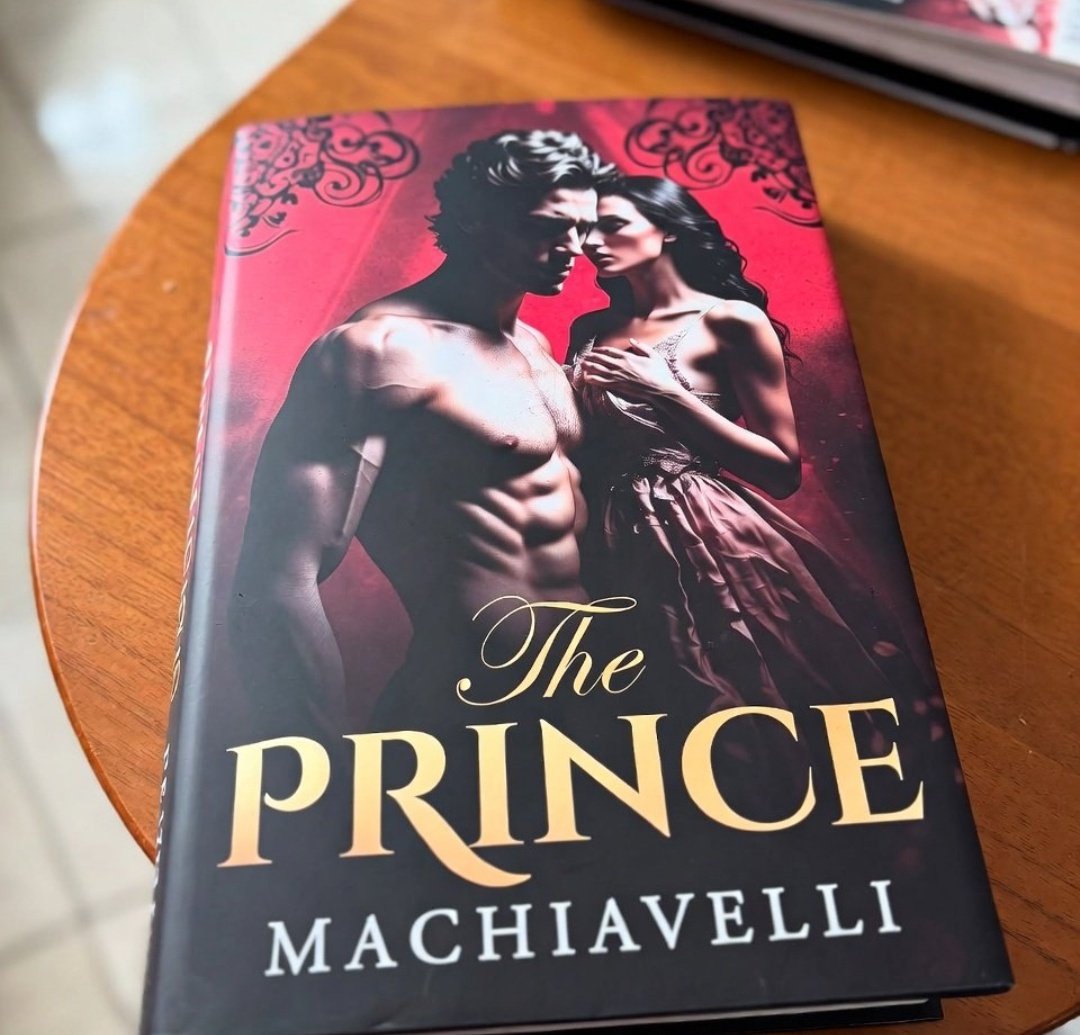
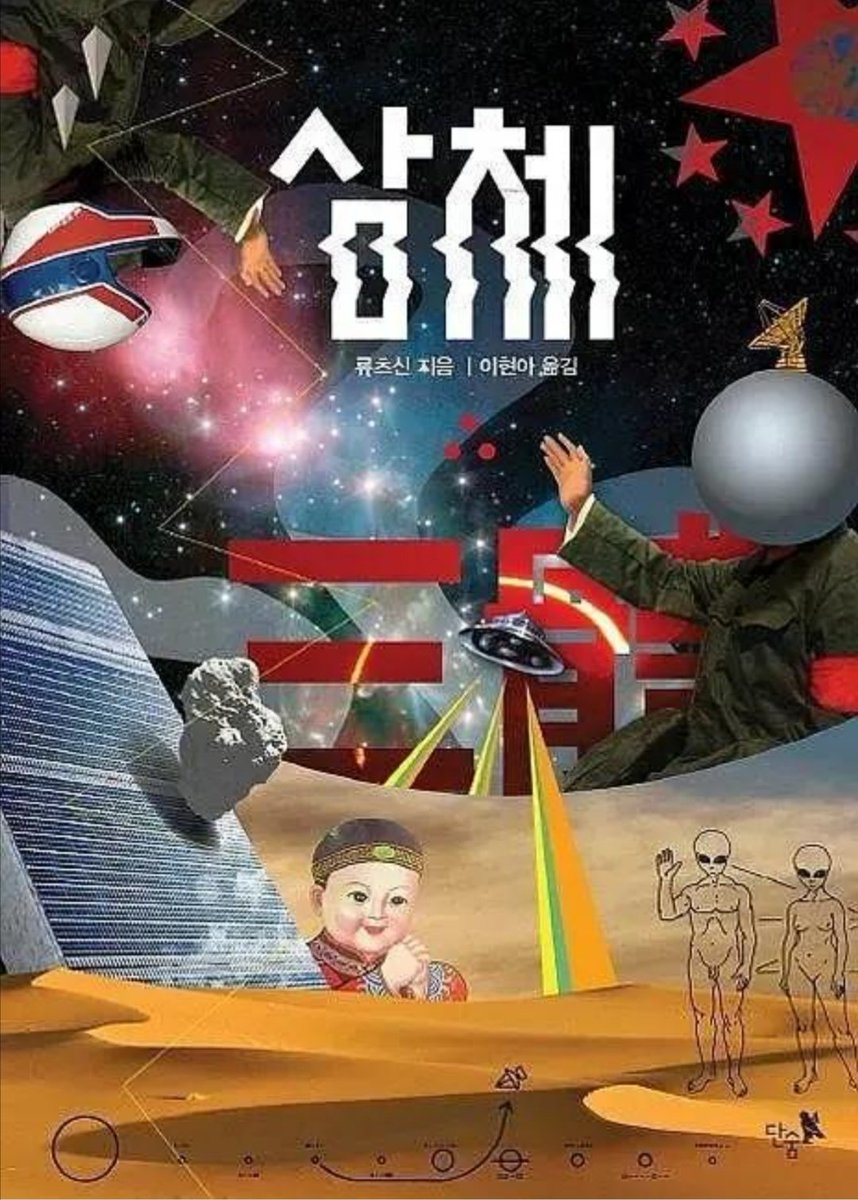
看了下这帖子的引用里给的封面,笑死了。挑了四个很烂的,美学上最烂绝对是三体韩国版。不过这不算是烂封面好书。三体本来就是pulp fiction烂书一本。韩国人抓住了灵魂,销魂的构图如大刘的文风,腊肉发射站,红卫兵宇航员,莫名其妙的男福娃,白描出的外星人,正是三体的内容,封面很贴,本就这么丑陋
Apr 19

Any examples of a bad cover for a great book?
1
242