
Freelance scribe of science stories for newyorker.com, Undark.org & others. NYC native who defected to California. @ingfeichen.bsky.social
Joined August 2018
- Tweets 897
- Following 325
- Followers 312
- Likes 561
29 Photos and videos


Pinned Tweet

19 Sep 2025
The #ACIP meeting has put it in the spotlight, but most people don't know much about #hepatitisB or why vaccines against the hep B virus are one of the great public-health success stories. Chronic HBV infection is oft underdiagnosed & undertreated ...
1
1
149
2 Nov 2025
ICYMI... Days before Palisades inferno, firefighters were ordered to leave smoldering burn site latimes.com/california/story…
19
ingfeichen retweeted

31 Oct 2025
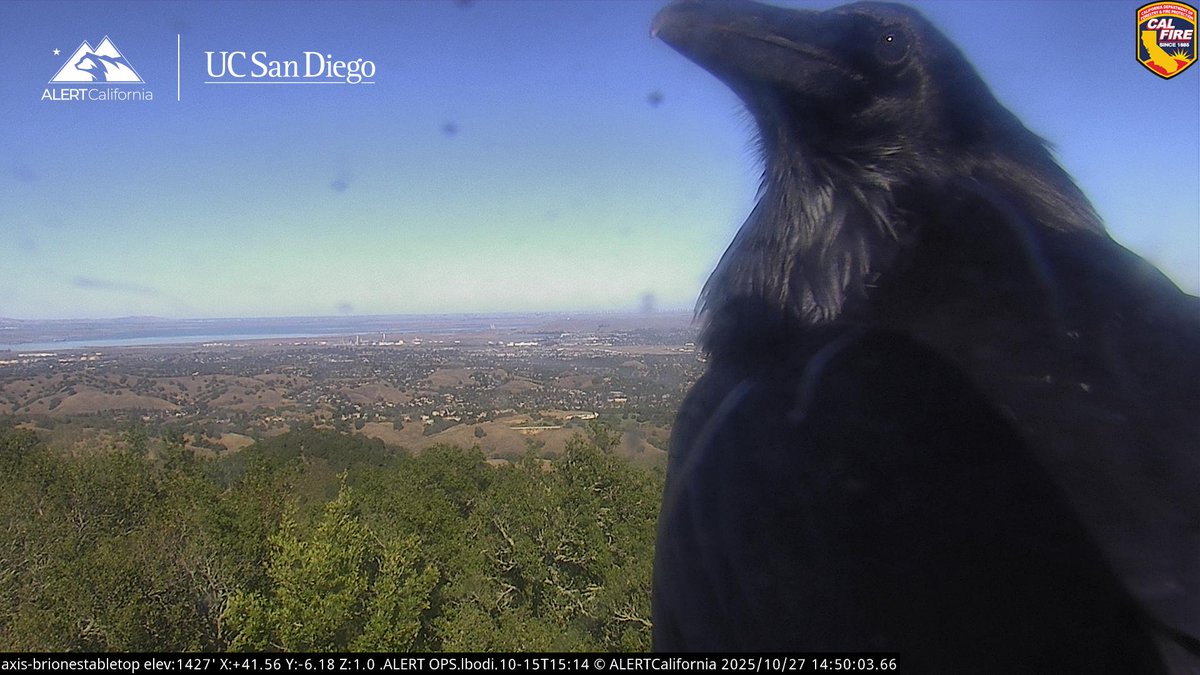
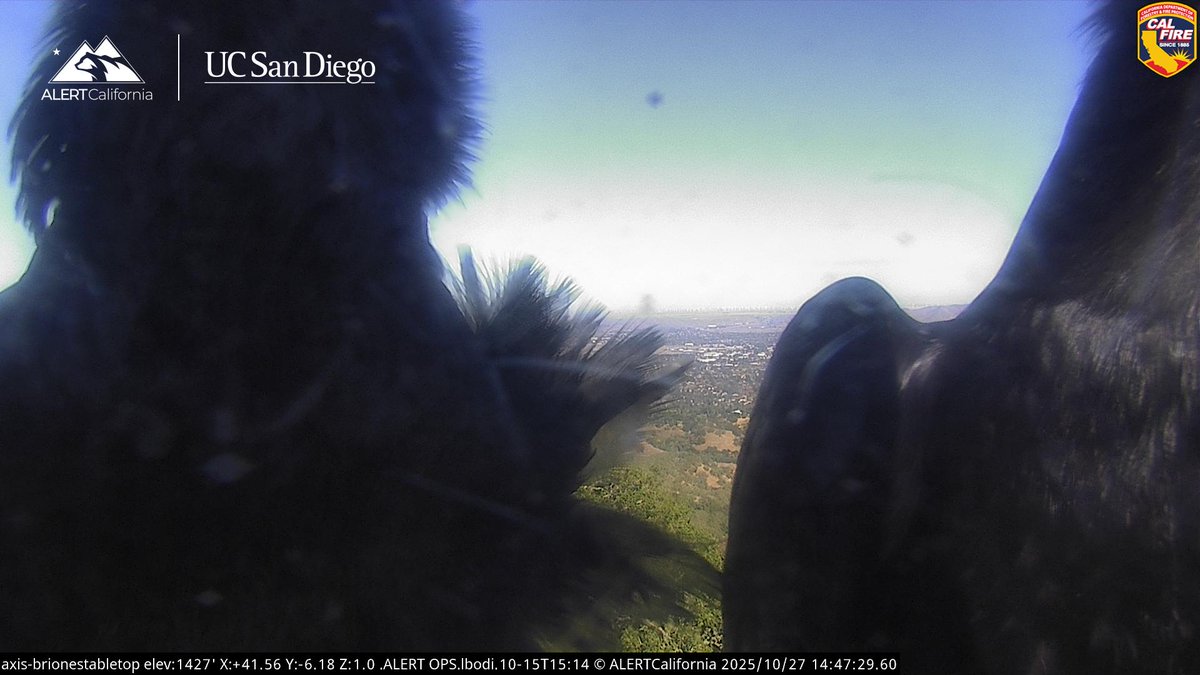
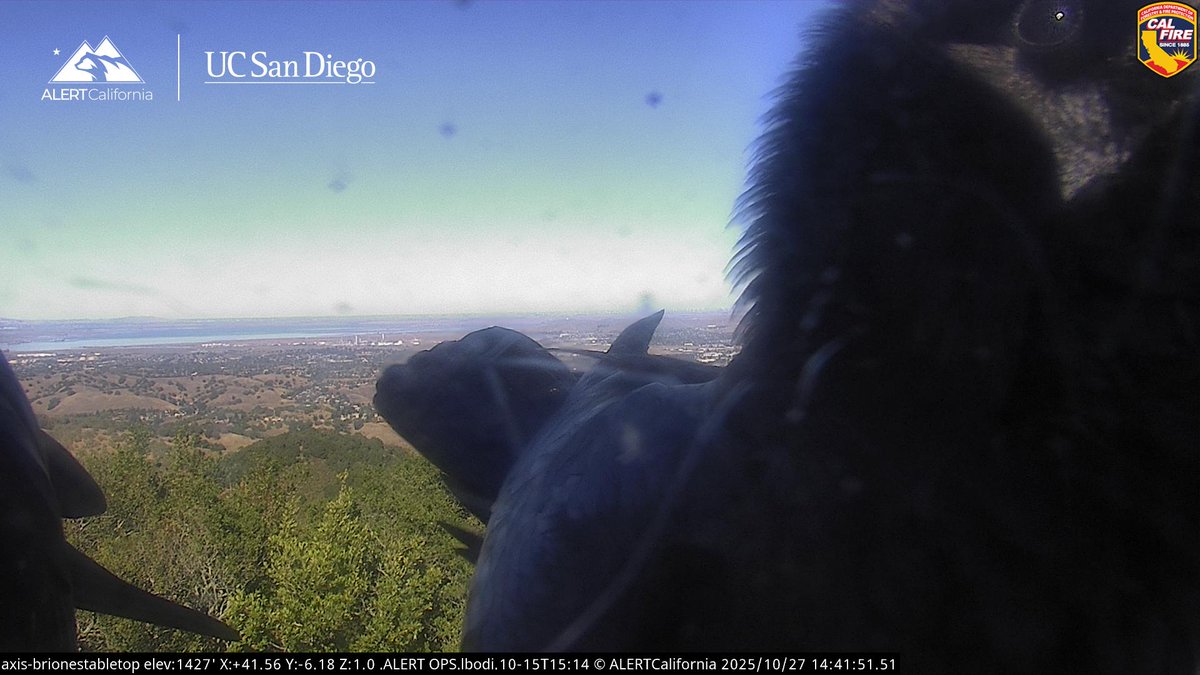
Boo! We see you. These curious ravens were interacting with the reflective camera dome on the ALERTCalifornia Briones Tabletop camera. Happy Halloween 🐦⬛ 🎃
1
4
24
1,536
ingfeichen retweeted

28 Oct 2025
Jamaica is about to be slammed by one of the strongest landfalling hurricanes in world history, as Melissa, against all odds, continues to strengthen up to landfall with sustained winds of 180 mph and gusts up to 225 mph.
At a loss for words at this point.
41
327
1,473
183,799
ingfeichen retweeted

27 Oct 2025
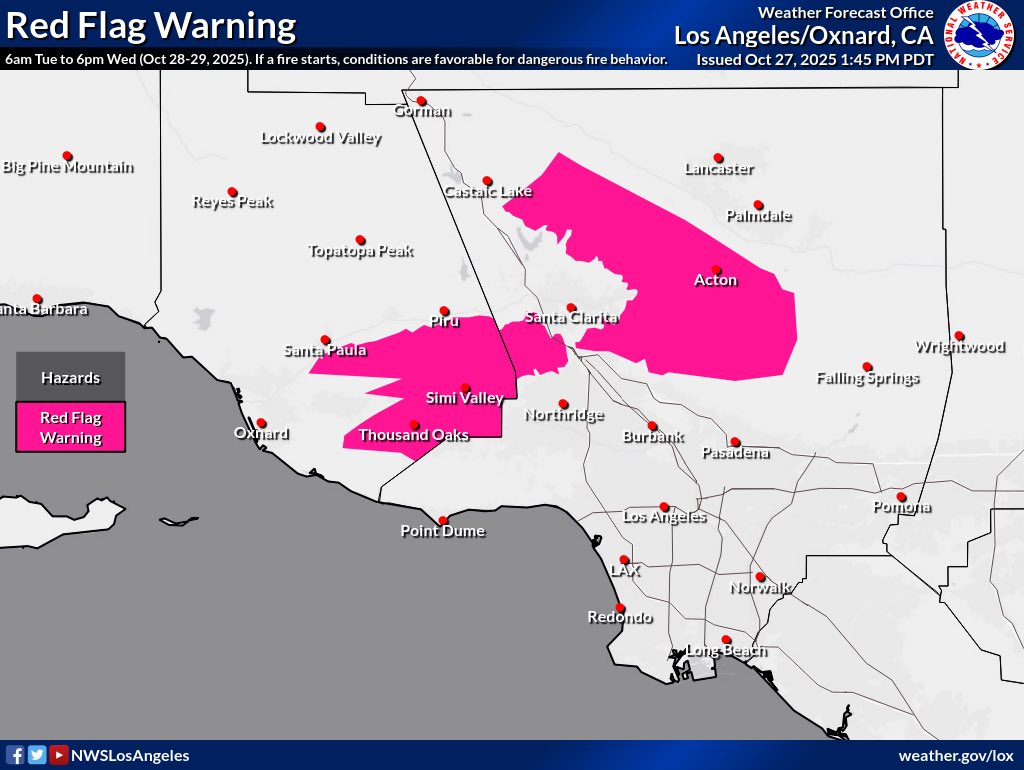
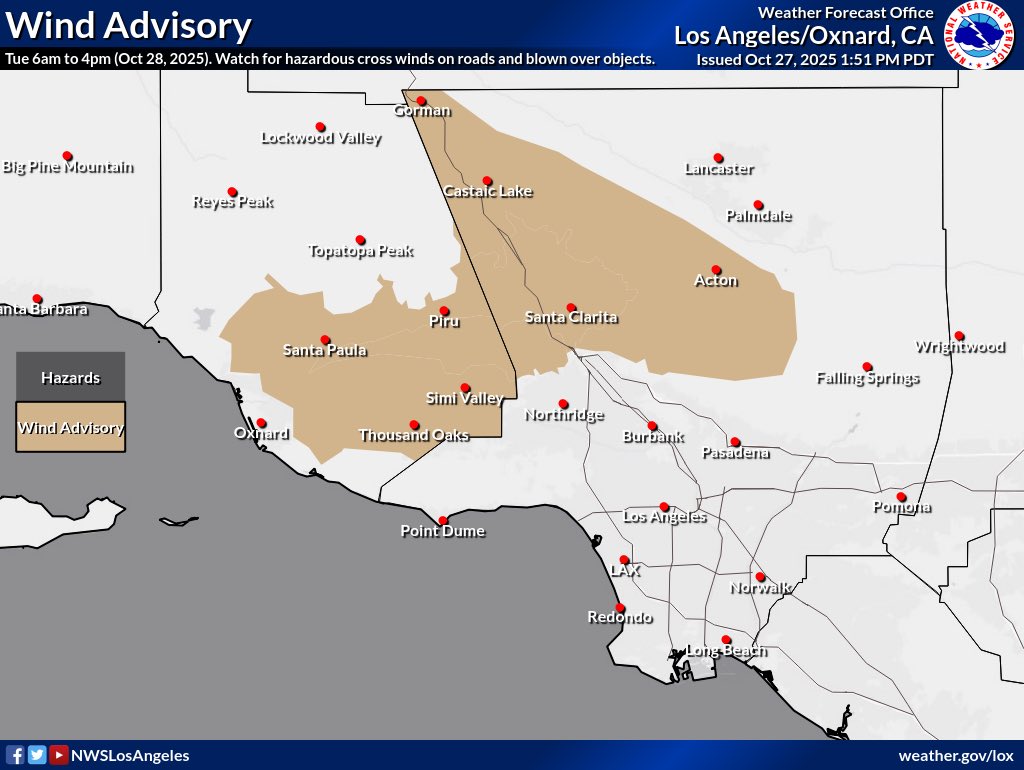
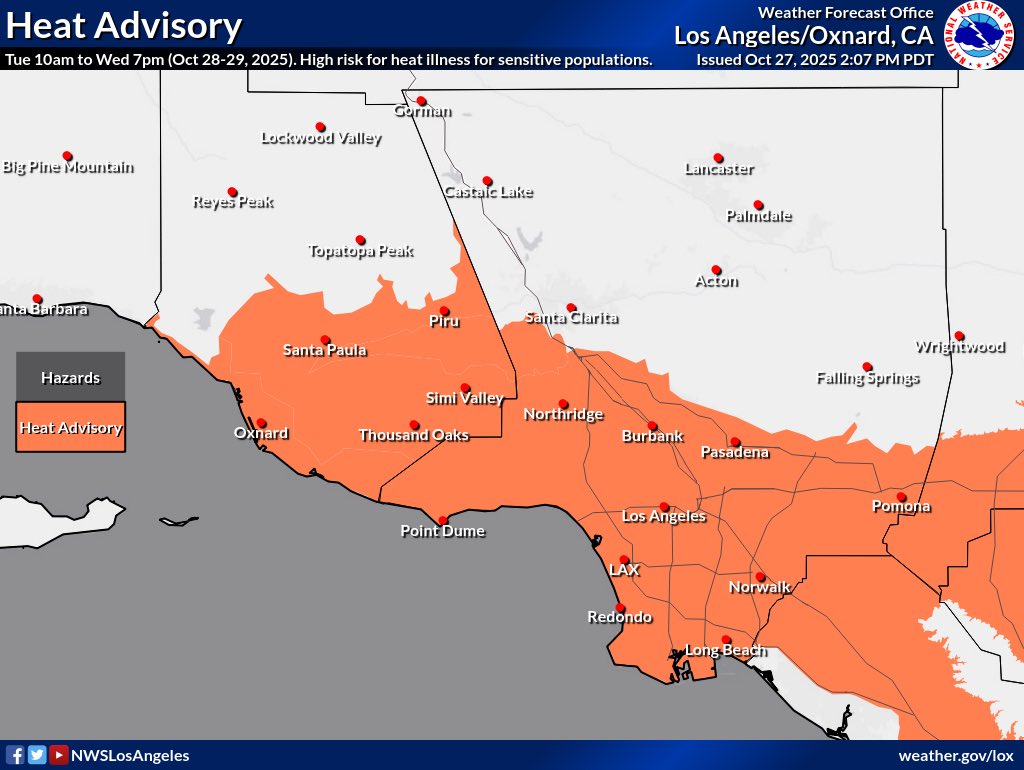
A Red Flag Warning, Wind Advisory, and Heat Advisory are in effect for portions of L.A. County — including the Western San Gabriel Mountains, Santa Susana Mountains, Antelope Valley, and edges of the Santa Clarita Valley.
📍Red Flag Warning: 6 a.m. Tuesday – 6 p.m. Wednesday
4
27
58
11,768
ingfeichen retweeted

24 Oct 2025
In otter news…
I don’t like the term ‘aggressive’, but that’s what the warning signs along West Cliff say.
I’ve got no proof, but I’m feeling more and more that these incidents over the last 10 days are all the same otter and a female one that’s likely pregnant. The characteristics are similar to 841 and it’s possible it’s her, but again, there’s no way of knowing.
Whomever this otter is, it’s worth protecting and I know 99% of surfers are doing what the can to stay away them. A reminder that if a sea otter try’s to get on your board, splash water at it, slap your board loudly with your hand and if needed, roll off the board and use it as shield between you and the otter.
ktvu.com/news/aggressive-sea…
2
22
96
3,262
22 Oct 2025
A story I wrote for NewYorker.com looks at the wickedly complicated problem of #wildfires that threaten housing communities & the dilemma of how to make older residences truly #firesafe. Featuring Alex Maranghides @NIST & other leaders in fire prevention world
22 Oct 2025

For the large majority of the approximately 50 million U.S. homes in the wildland-urban interface—which are the middle ground between developed and undeveloped terrain—fire prevention is often voluntary and ad hoc, falling to individual homeowners. nyer.cm/7dGEZJf
2
48
19 Sep 2025
Chaos on day 2 of the ACIP meeting as the panel indefinitely postponed a vote on a #hepatitisB vaccine
nytimes.com/2025/09/19/healt…
75
19 Sep 2025
The #ACIP meeting has put it in the spotlight, but most people don't know much about #hepatitisB or why vaccines against the hep B virus are one of the great public-health success stories. Chronic HBV infection is oft underdiagnosed & undertreated ...
1
1
149
19 Sep 2025
... and it can take a terrible multi-generational toll on families. The human side of this story is why the universal birth dose vax is so important. This is why it matters: newyorker.com/science/annals…
14
ingfeichen retweeted

12 Feb 2025
The current administration is cutting tribal engagement budgets for Federal land management agencies in the name of reducing DEI. Disregarding native knowledge is one of the root causes of our forest health and wildfire crises. lexology.com/library/detail.…
11 Feb 2025

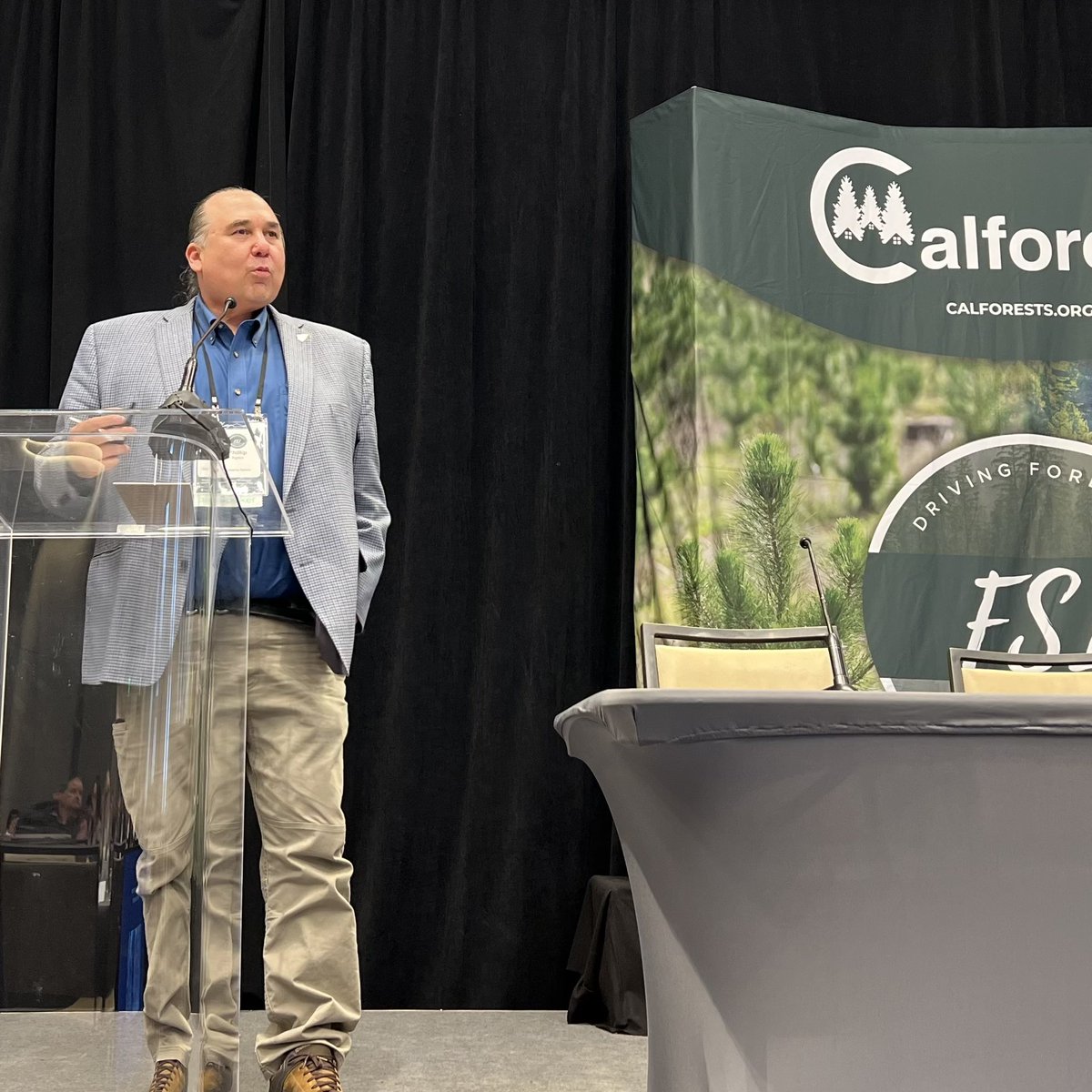
More from day 1 at #FSI2025! Phillip Rigdon, DNR Superintendent from Yakama Nation, led a powerful discussion on Tribal Engagement & Relations, highlighting the role of indigenous knowledge in forest management and wildfire resilience.
15
38
136
10,422
ingfeichen retweeted

13 Feb 2025
"The scientific literature is an essential ocean of knowledge, in which floats an alarming amount of junk."
Our @ivanoransky and @armarcus reflect on RFK Jr.'s use of scholarly papers in his confirmation hearings.
theatlantic.com/science/arch…
2
14
28
11,101

“It’s tough to say because without knowing exactly where a fire is going to start and how quickly it’s going to spread, I cannot say for sure if there is sufficient time to evacuate.” -R. Cohen #wildfire #evacuation
kqed.org/news/12026776/sonom…
1
3
245
ingfeichen retweeted

10 Jan 2025
talked with @watchdutyapp about what it's like being the platform that everyone turns to during a horrible fire, how they keep info flowing despite a flood of shitposts and misinformation online, and what happens in the next disaster
wired.com/story/watch-duty-c…
7
79
314
18,557
8 Jan 2025
And even more stressful: "The drive was even more harrowing because her mother, who has Alzheimer's disease, kept wanting to open the car window. With the air full of smoke and ashes, Meyer said they didn't use the car AC because she didn't want to run out of gas."

Evacuees describe harrowing escape: “No one could move.” One evacuee reported that she was trapped for 4 hours trying to get 7 miles to Westwood. #evacuation #PalisadesFire apple.news/AJK6GoWKARlu1NZze…
1
107
8 Jan 2025
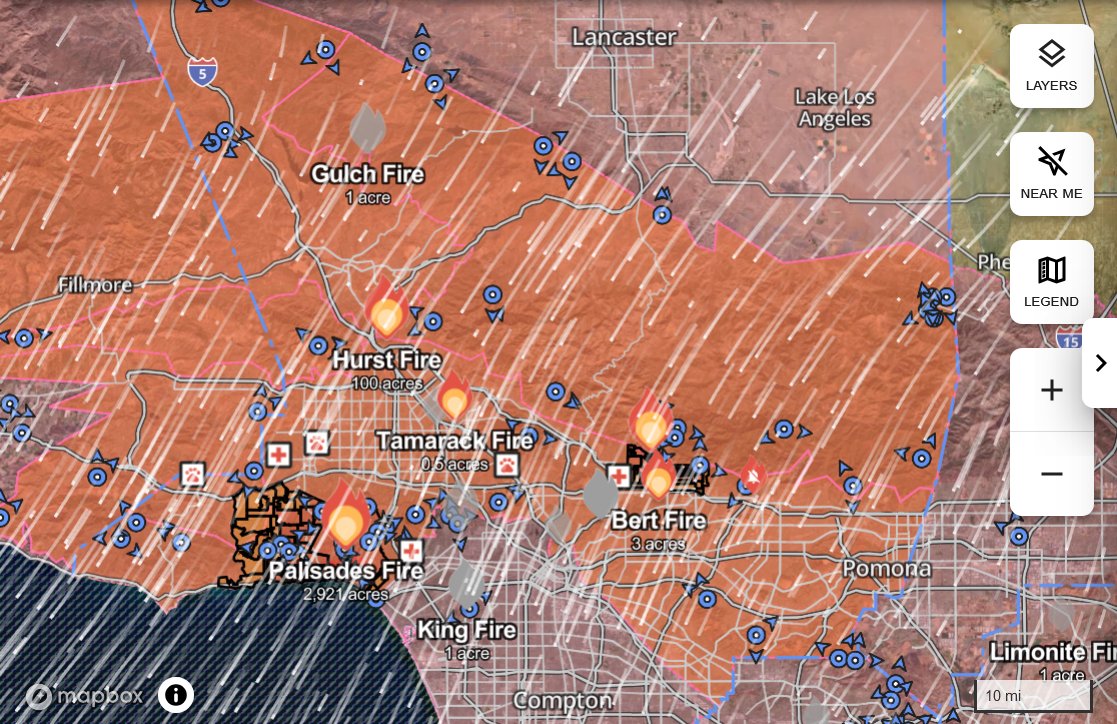
In addition to Palisades & Eaton fires, more new blazes popped up tonight across SoCal during this extreme Santa Ana wind event. It's shaping up as worst-case scenario of staggering proportions ... Hope Los Angelenos take evacuation preparations seriously
[map via @watchdutyapp]
4
517
ingfeichen retweeted

7 Jan 2025
The best WUI firefighting force in the world is in this area but they will struggle to control a fire burning under these conditions. Incident command pivoted a few minutes ago to focussing solely on evacuation and is not attempting to defend structures.
7 Jan 2025

California: A wall of fire from the Palisades Fire. Multiple air tankers are now overhead as well as contracted aircraft from Canada.
#wildfire #cafire #cawx
Residents at the top of Palisades Drive are being asked to shelter in place due to block roads. Multiple cars have been abandoned in the middle of the escape route roads.
This is a wake up call to California communities.
📷 : @AndrewHires
2
6
17
2,207
ingfeichen retweeted

24 Dec 2024
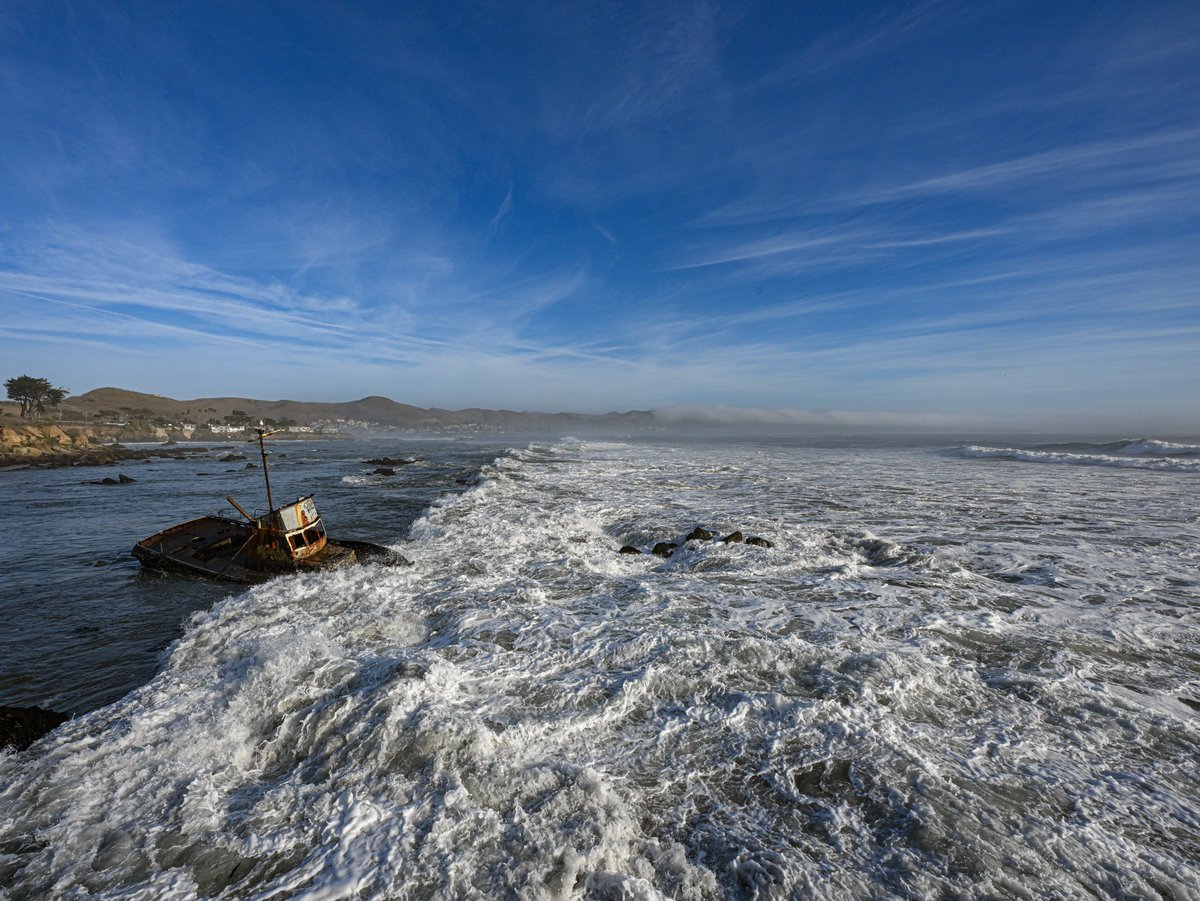
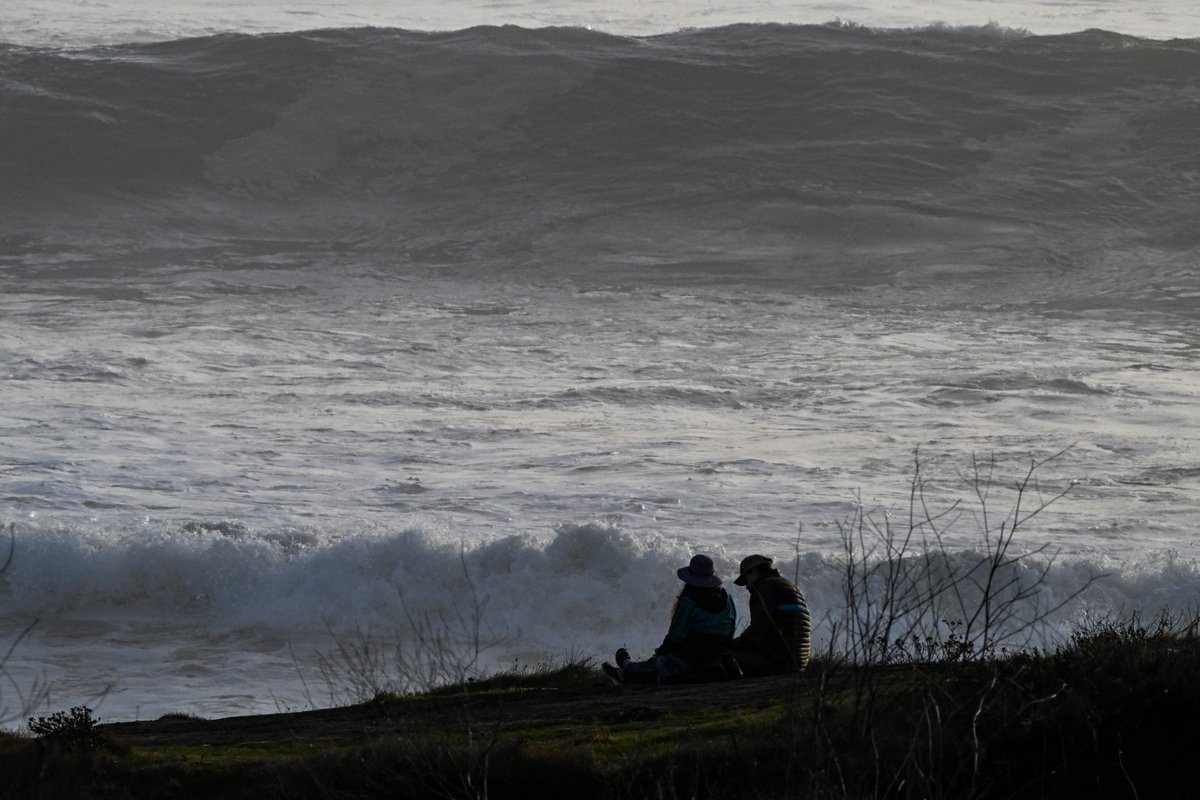
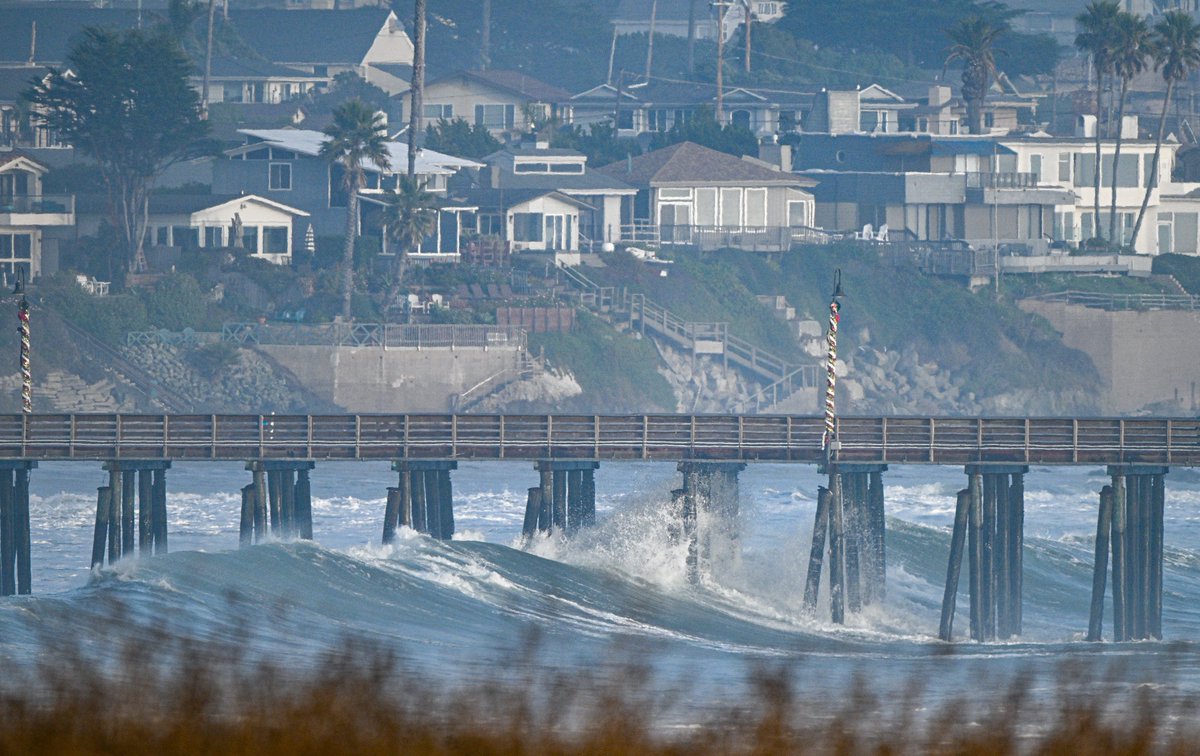
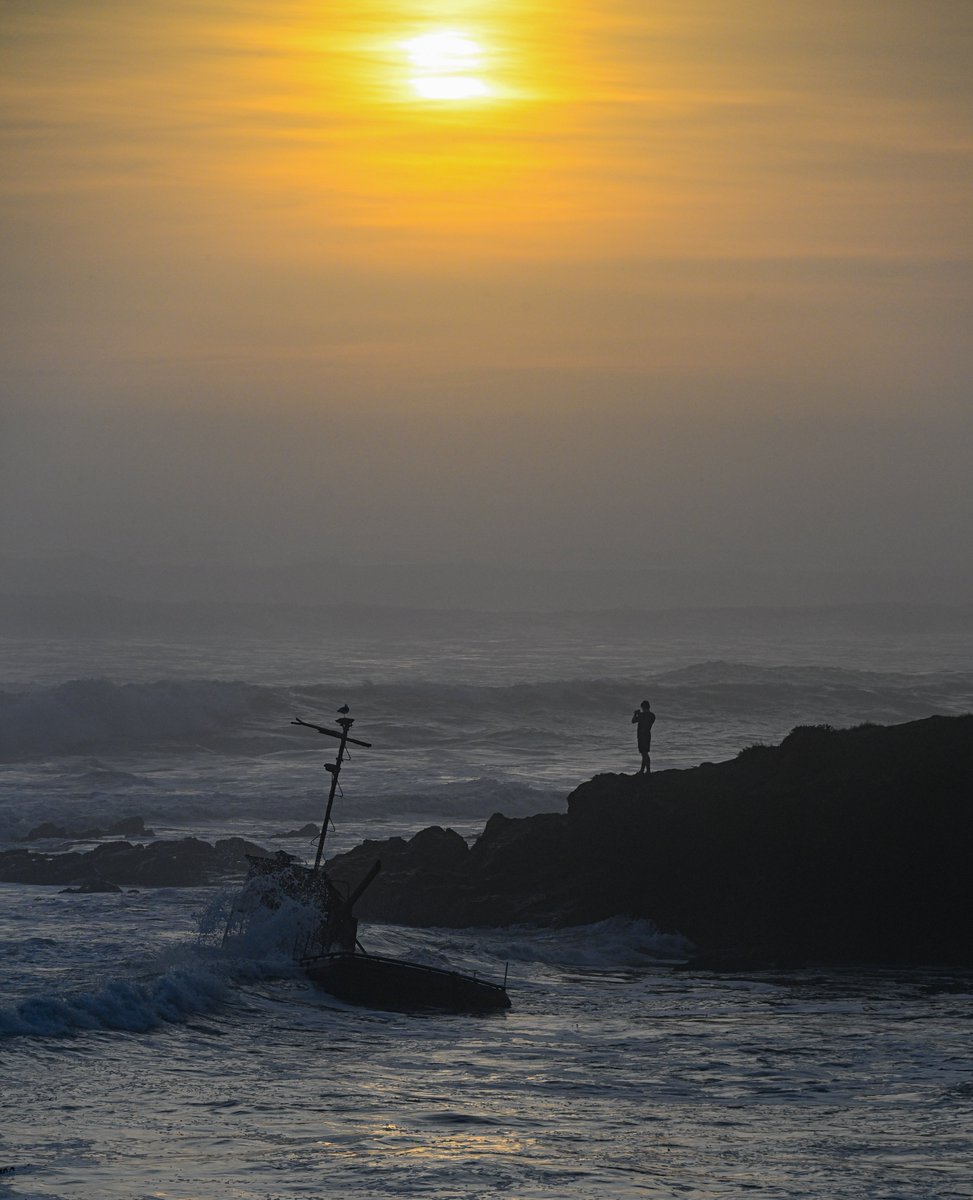
Since 1991, I’ve been forecasting waves along the Central Coast, and this recent swell event was the longest period/wavelength I’ve ever witnessed. The waves were heavy, breaking with incredible force. I captured these photos at Estero Bluffs State Park on Monday, December 23.
I received several emails—mostly from surfers—inquiring about a study published in Nature Communications by the Institute of Marine Sciences at UC Santa Cruz. The study found that wave power has increased globally by 0.4% per year since 1948, correlating with rising sea surface temperatures.
About eight years ago, I wrote a column on increasing wave energy, drawing from data collected by the waverider buoy at Diablo Canyon Power Plant. This buoy, deployed along the Pecho Coast (between Point San Luis Lighthouse and Point Buchon), has been in operation since June 1983—making it one of the longest-running wave monitoring stations on the West Coast.
Over the past 40 years, Diablo Canyon Waverider buoy’s data archive at the Coastal Data Information Program (CDIP) at Scripps Institute of Oceanography shows about a 5% increase in long-period wave events. This trend is directly linked to more intense storms in the Pacific, characterized by lower air pressures and stronger winds.
On December 20, a mid-latitude cyclone near the international dateline rapidly intensified, dropping from 973 millibars to 941 millibars (27.79 inHg) in just 12 hours—a remarkable 32-millibar drop, far exceeding the 24-millibar threshold needed to classify a storm as a “bomb cyclone.” Based on wave spectral analysis from the Diablo Canyon buoy, the storm may have been even more intense than surface charts and models suggested.
Unfortunately, NOAA marine buoy #4605 – WEST CALIFORNIA was out of service, limiting the accuracy of the wave forecast.
The trend of longer-period, more powerful swell events is expected to persist as the planet continues to warm.
7
46
229
25,557
18 Dec 2024
RT @MicrobiomDigest: Infamous paper that popularized unproven COVID-19 treatment finally retracted
Study on hydroxychloroquine by Didier R…
296
ingfeichen retweeted

18 Dec 2024
.@CDC has confirmed an #H5N1 #birdflu case in Louisiana, in a person believed to have been infected through contact with infected birds in a backyard flock. This person is seriously ill, the first such case recorded in the US. Similarities to the recent BC case. statnews.com/2024/12/18/h5n1…
9
96
234
65,889
18 Dec 2024
My latest work. Many of those who are chronically infected with the #hepatitisB virus don’t know it & they run a terrible risk of dying of liver disease. A Vietnamese-American family learned this in the most heart-rending way. May the story of Todd Doan be a blessing for others
18 Dec 2024
Chronic hepatitis B afflicts a staggering 254 million people around the planet—a number that approaches the adult population of the U.S. Why isn’t more being done to address it? nyer.cm/bmiTBVf
7
129
18 Dec 2024
Moving the needle on hep B is complicated and difficult, even in the U.S. The biggest obstacle is that the fight is vastly under-funded, drawing far less attention and money than infectious scourges such as HIV and tuberculosis (8/8)
26