
bsky.app/profile/ralfobecher… Founder, Head of R&D at orionbelt.ai - a GenAI data startup (stealth mode), Inventor of Astrato Engine
Joined April 2009
- Tweets 7,141
- Following 3,090
- Followers 2,995
- Likes 28,370
835 Photos and videos






Jun 13
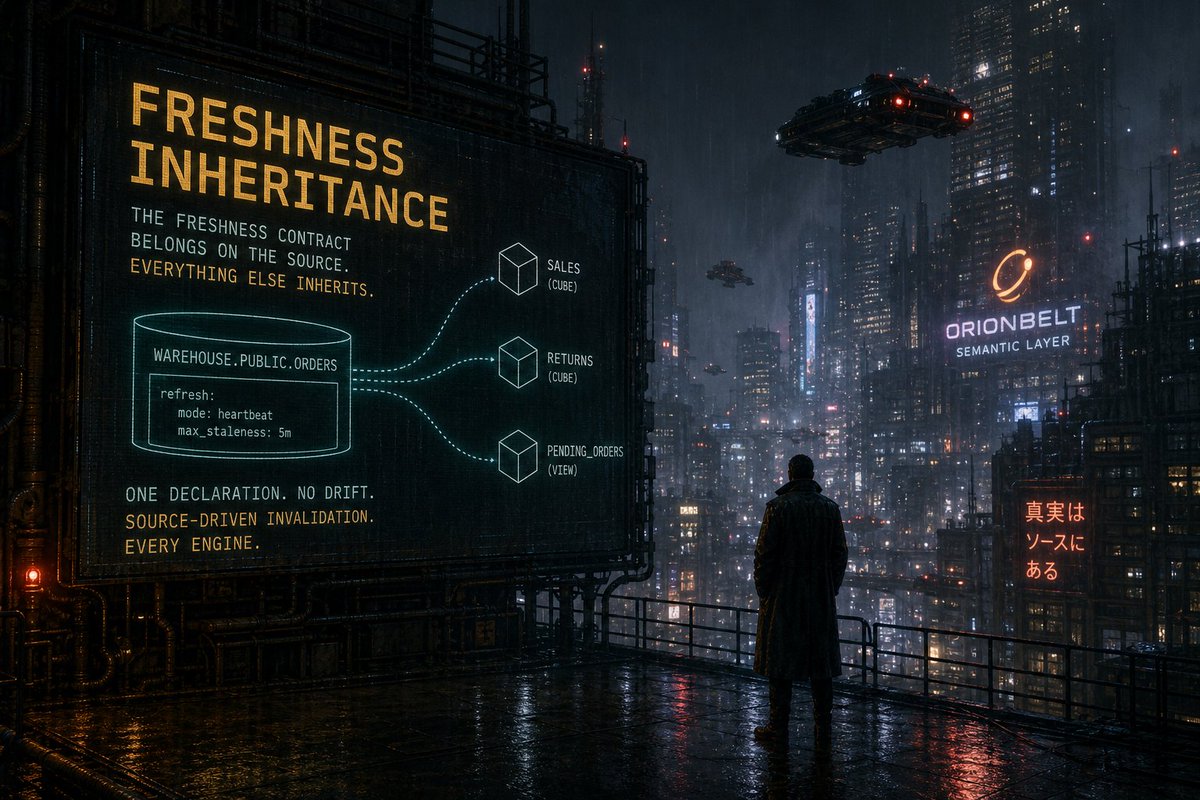
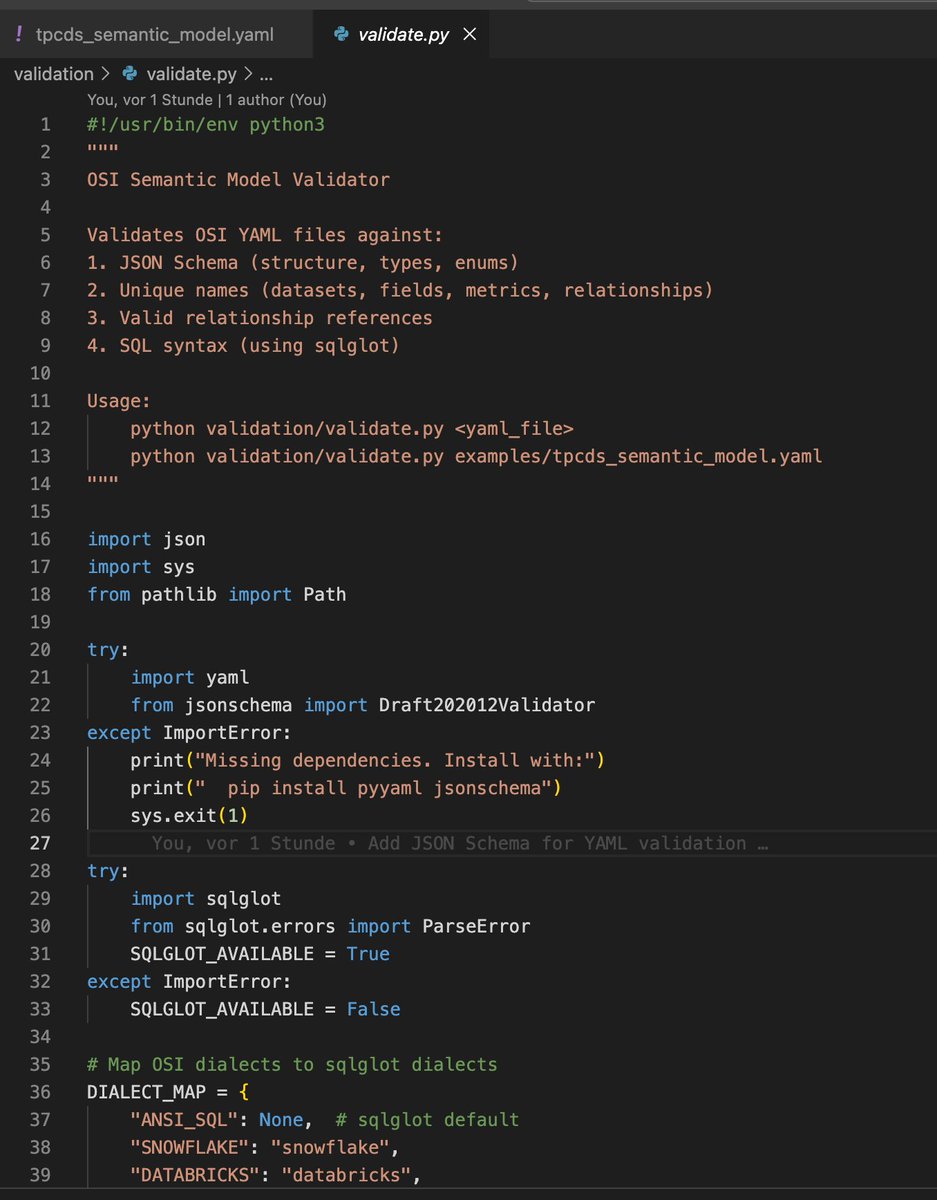
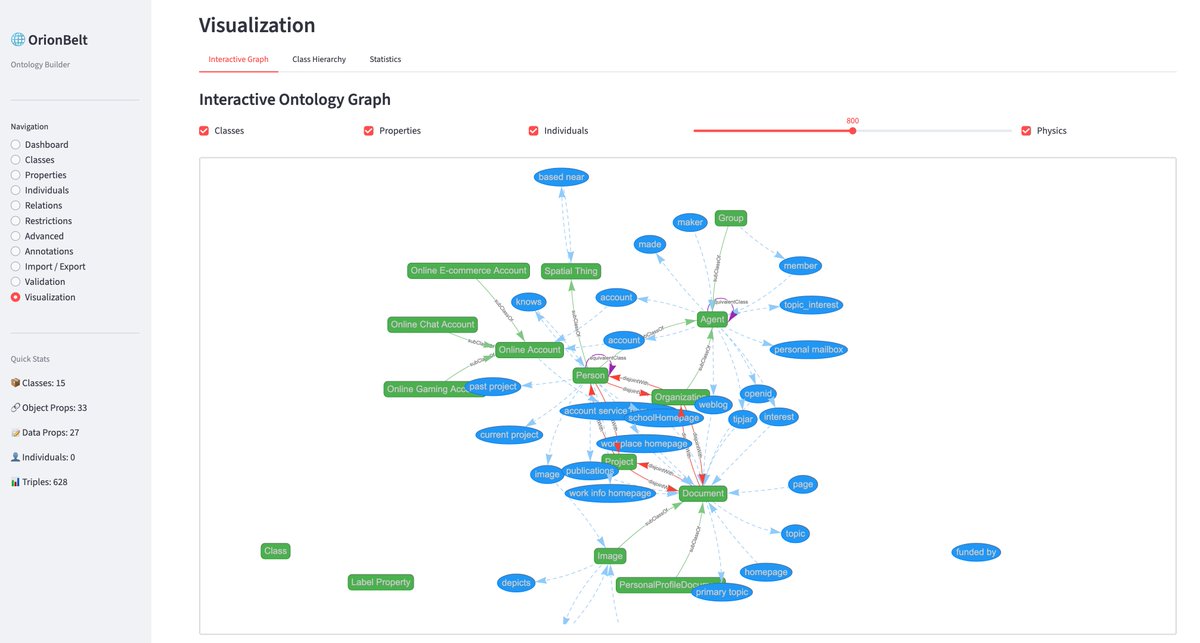
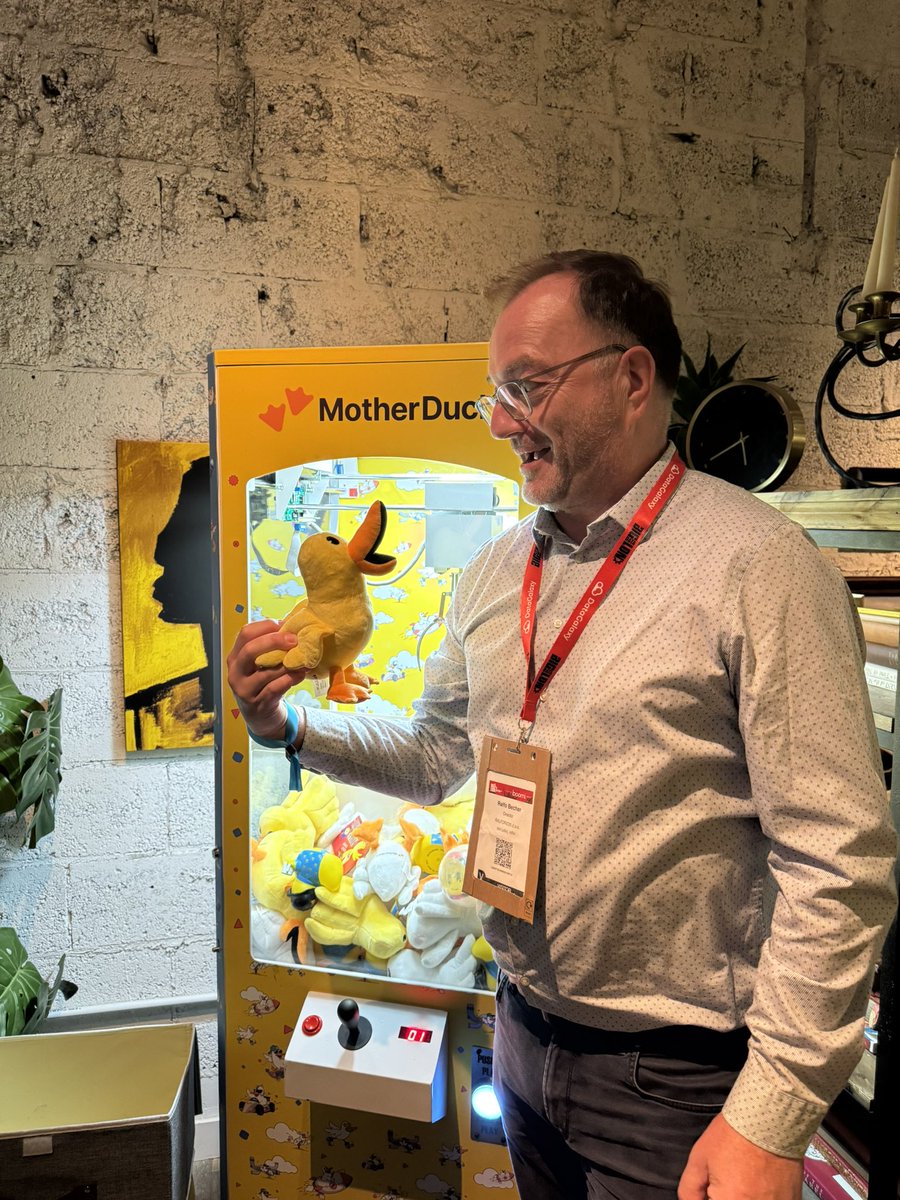
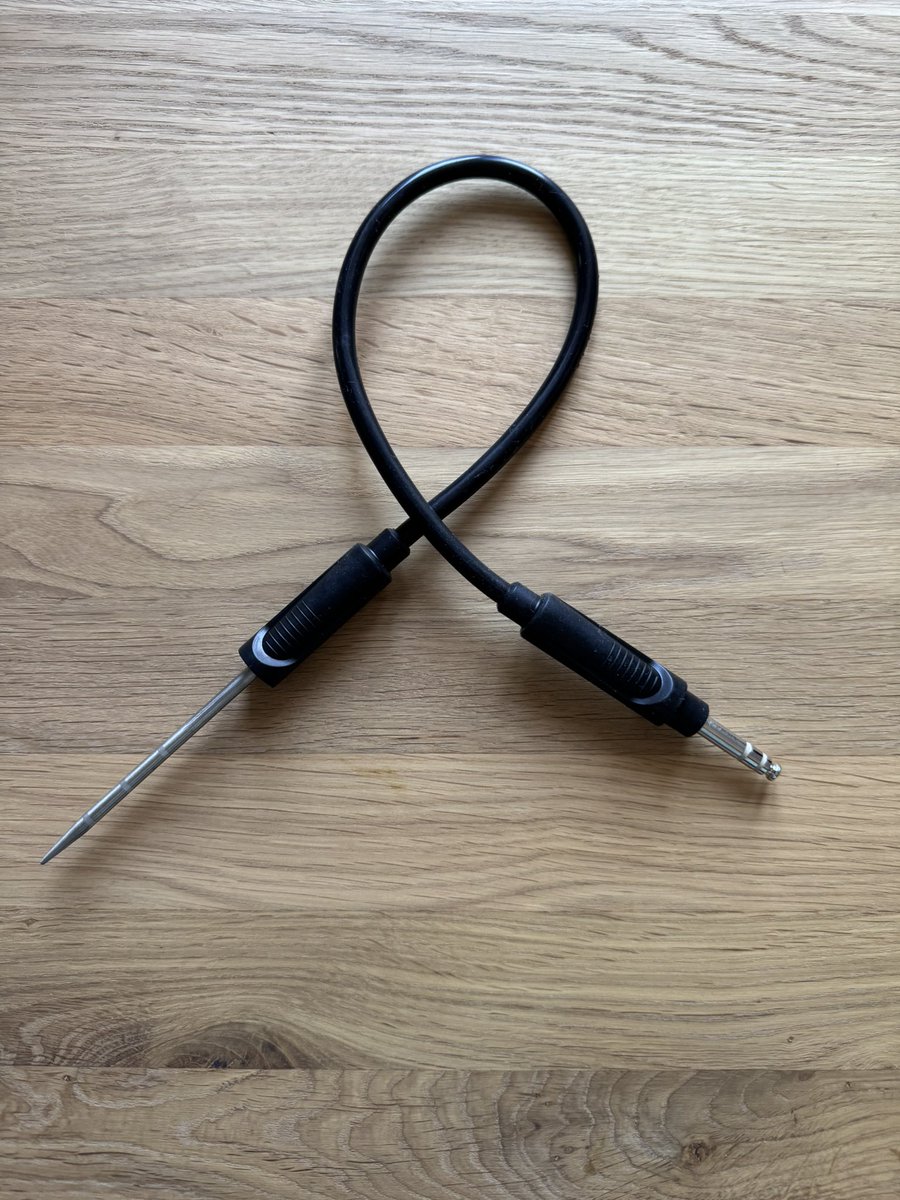
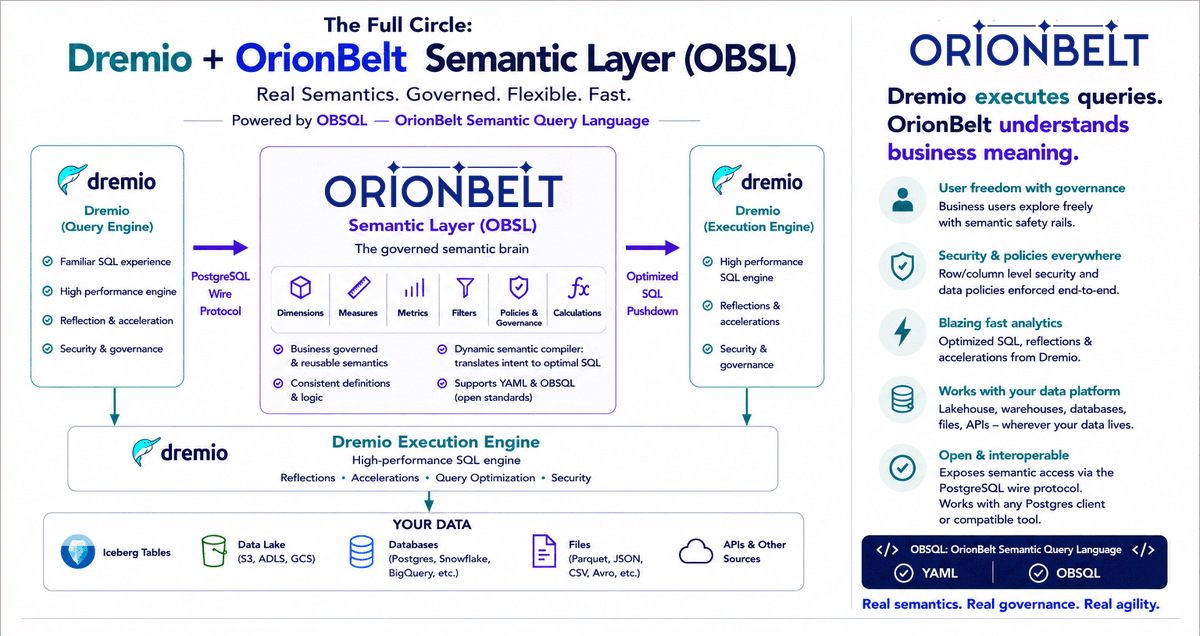
Who said vibe coding "on the weekend" (the city never sleeps) can't be fun? Now I have also added a full OrionBelt-Dremio-in-the-loop demo in the actual v2.11 release to show how the OrionBelt Semantic Sidecar can work
lnkd.in/dvTnSuMd
#semanticsidecar #orionbelt #dremio
57
May 5
Freshness-driven result cache is now shipped with OrionBelt Semantic Layer v2.2.0:
github.com/ralfbecher/orionb…
3
63
May 4
Every semantic-layer cache I've seen declares freshness in the wrong place. On the cube. On the saved query. On the datagroup. Not on the source table, which is the only place where refresh actually happens.
medium.com/p/freshness-inher…
66
May 3
🚀 MCP sampling now live in OrionBelt Chat v1.1.4 ↔ OrionBelt Analytics v1.5.0.
Official MCP clients matrix: 17 of 113 support sampling. Claude Desktop, ChatGPT, Cursor, Cline, Windsurf, none of them. But we do.
Jebi ga, finally. :D
github.com/ralfbecher/orionb…
#MCP #AgenticAI
75
May 1
Spent the week writing something nobody asked for: 5 honest comparison pages for OrionBelt Semantic Layer vs dbt, Malloy, LookML, Cube, AtScale.
Each includes a “what OBSL is missing” section — all-green vendor matrices are useless.
ralforion.com/orionbelt-sema…
1
51
MetaDada retweeted

Apr 24
🚀 DeepSeek-V4 Preview is officially live & open-sourced! Welcome to the era of cost-effective 1M context length.
🔹 DeepSeek-V4-Pro: 1.6T total / 49B active params. Performance rivaling the world's top closed-source models.
🔹 DeepSeek-V4-Flash: 284B total / 13B active params. Your fast, efficient, and economical choice.
Try it now at chat.deepseek.com via Expert Mode / Instant Mode. API is updated & available today!
📄 Tech Report: huggingface.co/deepseek-ai/D…
🤗 Open Weights: huggingface.co/collections/d…
1/n

1,659
7,635
45,791
9,895,835
MetaDada retweeted

Apr 22
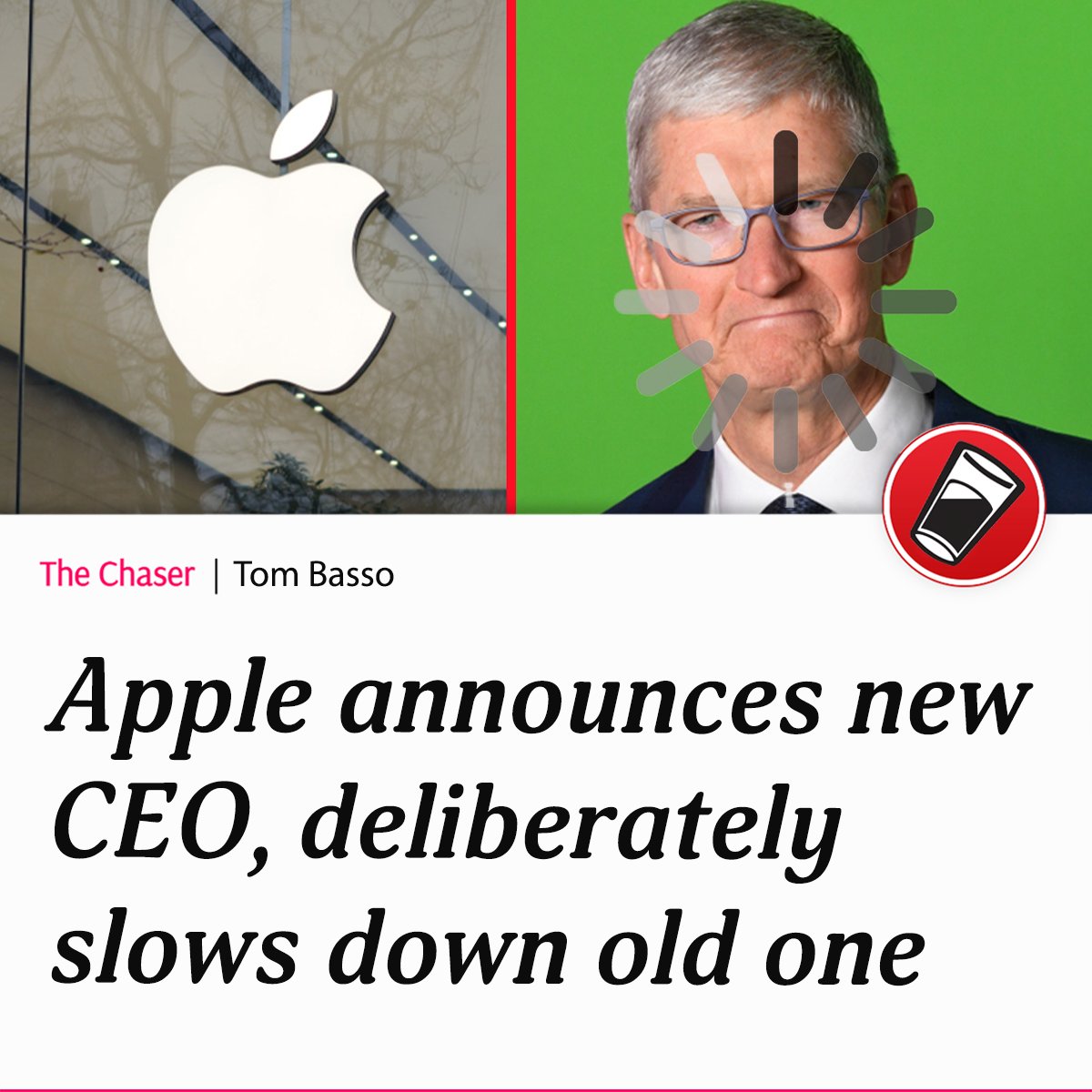
Watchdogs say the previous CEO model suspiciously started slowing down immediately after the announcement
29
460
6,094
277,592
Mar 25
Unified Star Schema: I think this concept is outdated in the agentic AI world:
linkedin.com/feed/update/urn…
#agenticai #analytics #businessintelligence
56
Mar 12
🚀 Reaching the next level in AI-Powered Analytics.
Combining schema discovery, ontology-based knowledge modeling, semantic enrichment, and GraphRAG, so AI doesn't just query your data, it ✨ *understands your database*. medium.com/p/orionbelt-analy…
95

Feb 25
Working with NanoClaw in Docker for a while now. The setup was a bit of a hassle. However, it now runs perfectly on my M3 Max, and soon I will migrate to a Pi5 with almost no power consumption.
What is your experience with #NanoClaw?
github.com/qwibitai/nanoclaw
2
110
Feb 25
🤔 What if your AI never hallucinated a table name again?
Text-to-SemanticLayer > Text-to-SQL.
I built an open-source engine to prove it 👇
medium.com/@irregularbi/buil…
62
Feb 24
🚀 OrionBelt Semantic Layer now supports bidirectional OSI integration! 🔄
Import & export with validation, lossless ai_context, and a live UI. 5 SQL dialects · REST API · MCP server 🤖
💻 github.com/ralfbecher/orionb…
#SemanticLayer #OSI #SQL #MCP #AI #OpenSource #DataEngineering
52
MetaDada retweeted

Feb 15
Peter Steinberger is joining OpenAI to drive the next generation of personal agents. He is a genius with a lot of amazing ideas about the future of very smart agents interacting with each other to do very useful things for people. We expect this will quickly become core to our product offerings.
OpenClaw will live in a foundation as an open source project that OpenAI will continue to support. The future is going to be extremely multi-agent and it's important to us to support open source as part of that.
4,869
4,249
46,107
16,812,204
Feb 13
Did a small contribution to the Open Semantic Interchange (OSI) #semanticlayer repo:
github.com/open-semantic-int…
71
MetaDada retweeted

Jan 30
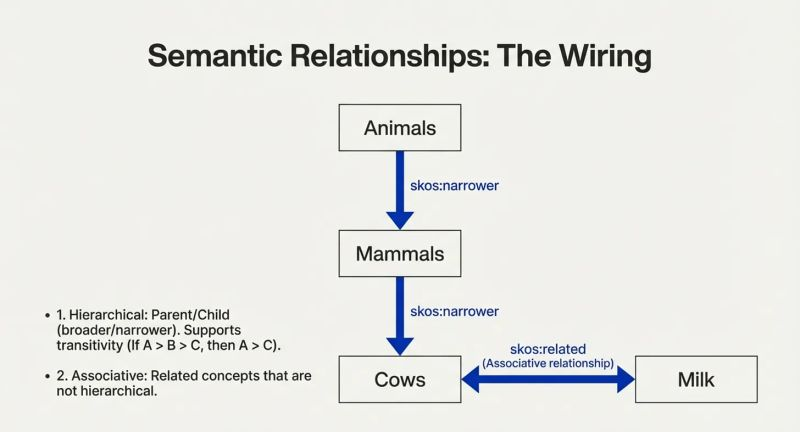
Demystifying SKOS for Practitioners: A Practical Guide to Controlled Vocabularies
Semantics, standards, and structure: how SKOS, taxonomies, and controlled vocabularies power interoperability, governance, and meaning at scale in modern data ecosystems
There is a growing interest in “semantics” among data experts, such as in developing semantic data models and semantic layers. Information professionals, meanwhile, have always been involved with semantics (whether or not they called it that) in developing classification systems, indexes, taxonomies, tagging systems, and metadata schemas.
Semantics is about meaning, rather than just strings of text. The same text string can have different meanings in different contexts, and the same concept can be represented by different text strings for different users, use cases, and systems.
Thus, control, governance, policies, and standards are needed around semantics, especially when it comes to data and information sharing and interoperability across systems, repositories, and users.
Simple Knowledge Organization System or SKOS, a Semantic Web standard, has become the leading data model for consistency and interoperability for knowledge organization systems.
SKOS stands for Simple Knowledge Organization System. The concept of a “knowledge organization system” comes from the field of library and information science.
According to the International Society for Knowledge Organization (ISKO)’s Knowledge Organization Encyclopedia, knowledge organization systems are functional items designed for organizing knowledge and information, and making their management and retrieval easier…they are basically made of terms/concepts.
Broadly defined, knowledge organization systems include term lists with definitions and/or other data (including dictionaries, glossaries, gazetteers, and terminologies) and structured arrangements of terms or concepts (including taxonomies, subject heading schemes, classification schemes, thesauri, and ontologies).
Although ontologies are considered knowledge organization systems, they are better known as knowledge representation systems. SKOS supports these various kinds of knowledge organization systems with the exception of ontologies, since there are other standards from the W3C for ontologies to support their greater complexity.
SKOS does not support all knowledge organization systems, and we usually refer to what is supported by SKOS as “vocabularies.”
Demystifying SKOS for Practitioners: A Practical Guide to Controlled Vocabularies moderndata101.substack.com/p…
Taxonomy Design Best Practice for Knowledge Graphs: 2024.connected-data.london/t…
Foundation for a Knowledge Graph: Taxonomy Design Best Practices youtube.com/watch?v=gI22e_gh…
--
Connected Data London 2025 brought together leaders and innovators. Were you there?
🎥 Watch the sessions: 2025.connected-data.london/
📩 Join the community: connected-data.london
Join community legends and new voices in #CDL25 for all things #KnowledgeGraph #Graph #analytics #datascience #AI #graphDB #SemTech #Ontology
3
6
188