
Holistic #infrastructure researcher #systemic #outcomes #netzero #resilience #society. Proud family man, Suffolk boy, #itfc fan and Global UK citizen.
Joined December 2010
- Tweets 715
- Following 1,778
- Followers 301
- Likes 646
69 Photos and videos

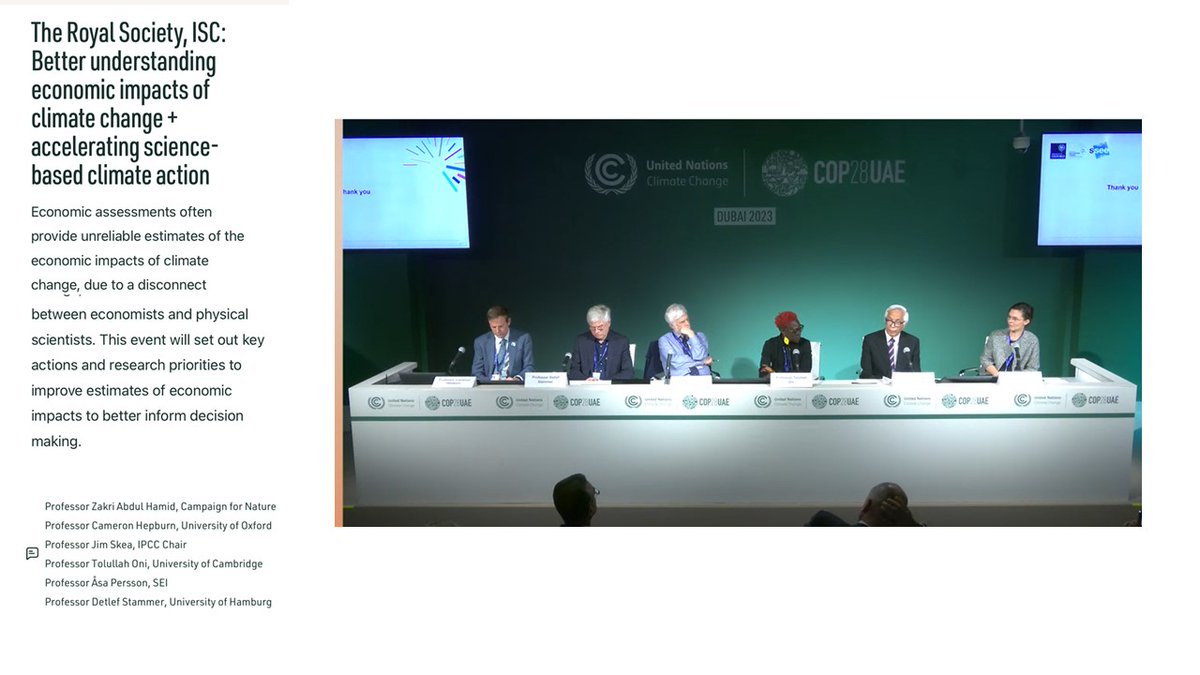
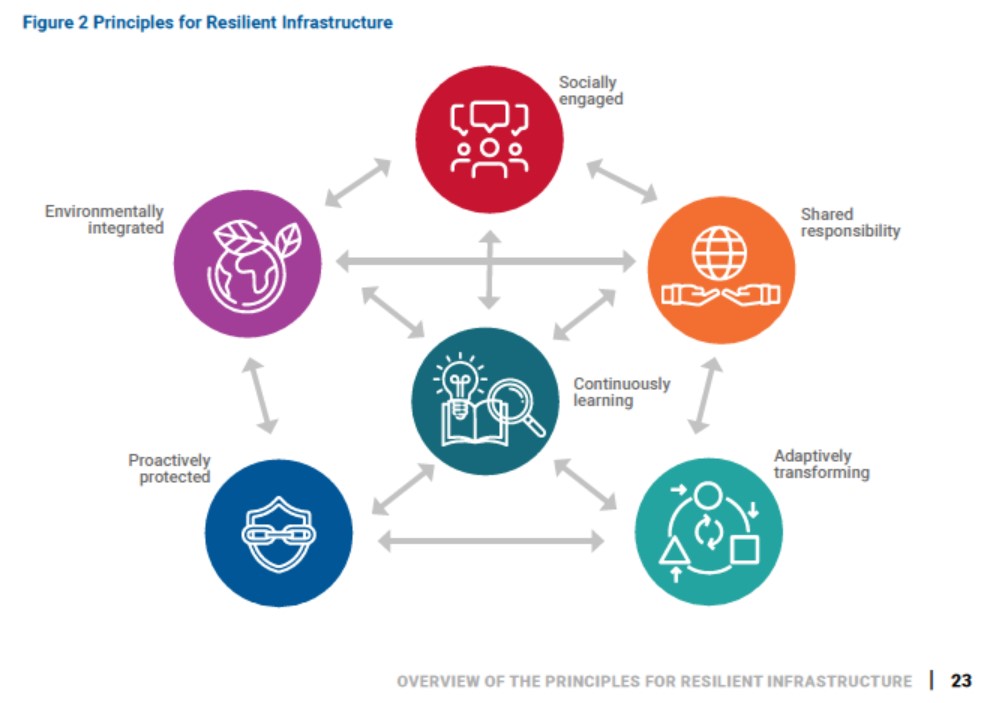



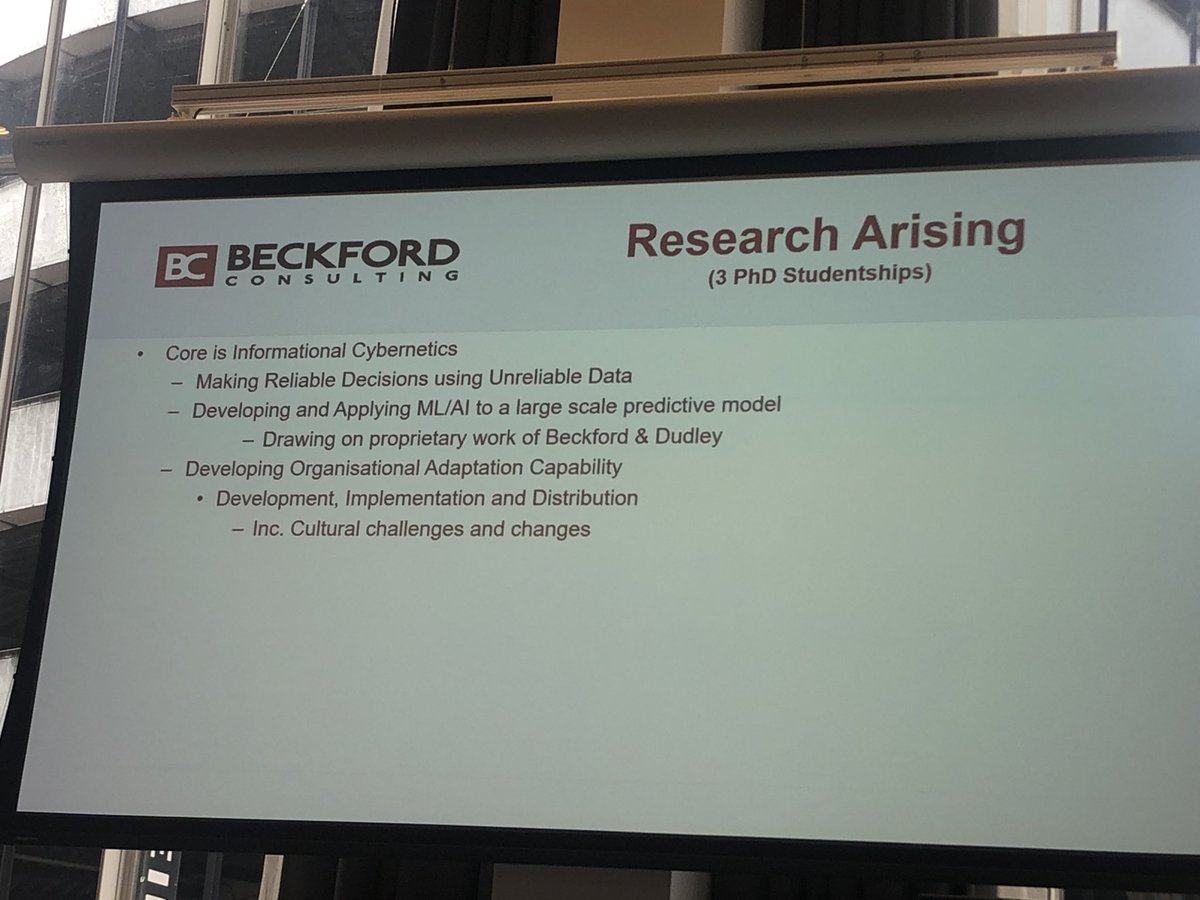
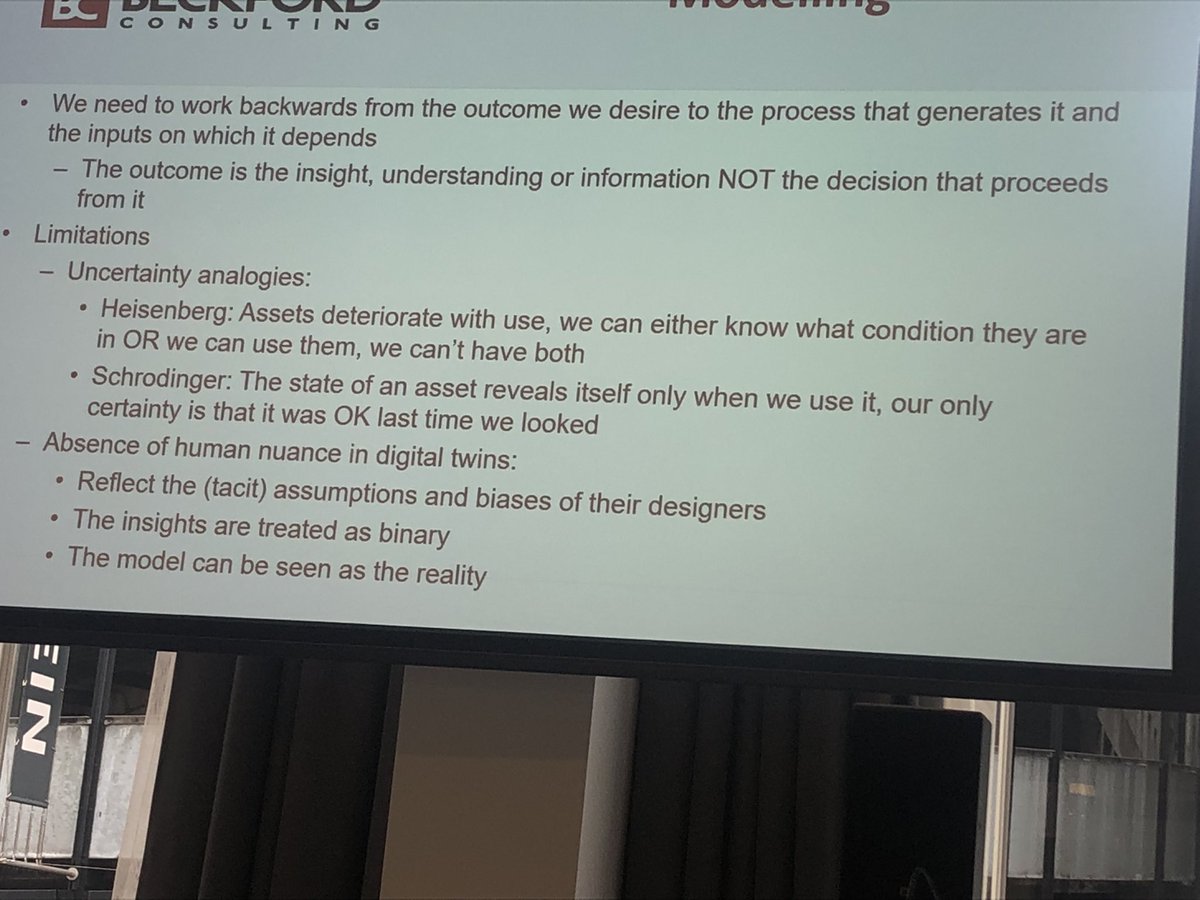
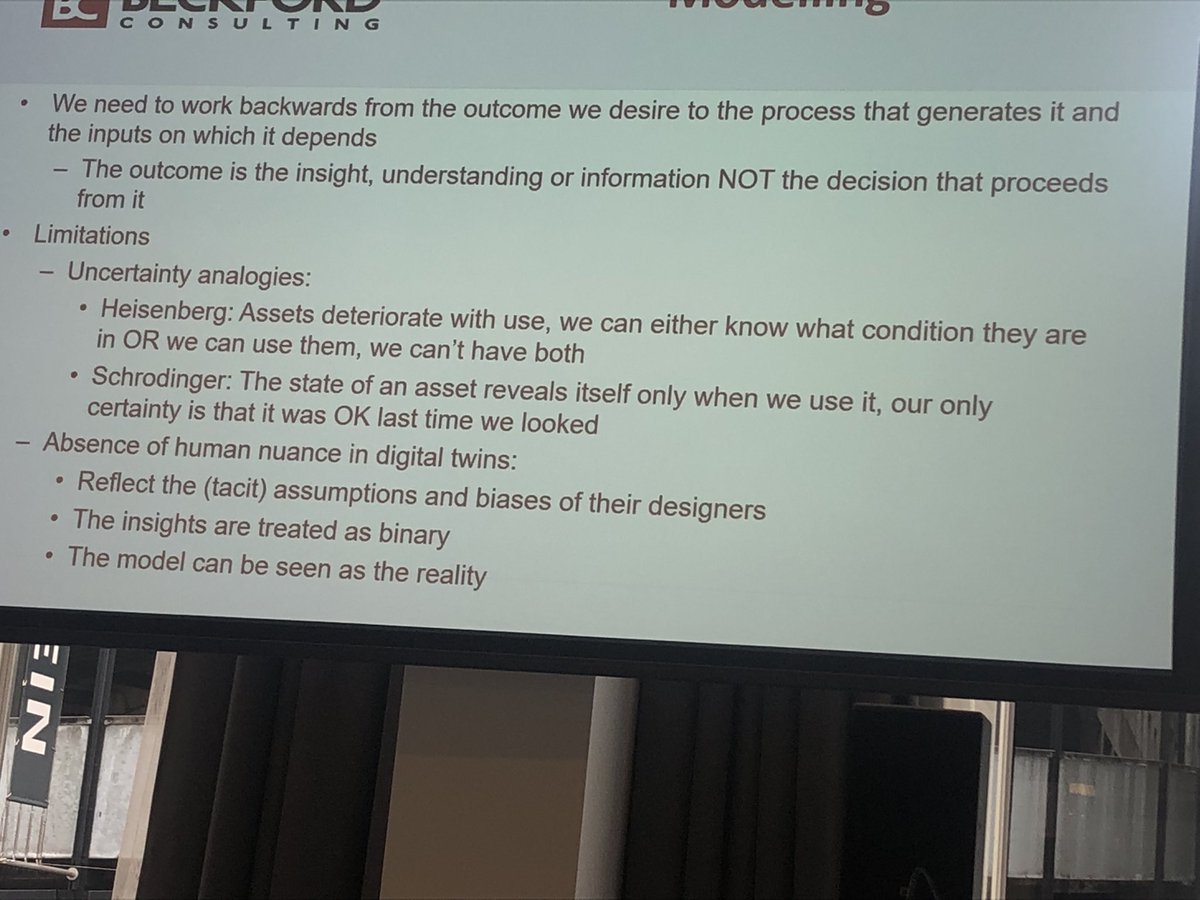





Enjoying the inspirational abundance of insights, evidence and examples of the invaluable multibenefits (health, flood risk, resilience to climate change) of engaging with communities to co-create green/blue infrastructure, nature based solutions, SUDs. @reclaim_network
1
2
142
Tom Dolan retweeted

15 Nov 2024
Research led by experts at @UCL has called for a shift from GDP to a resilience index, incorporating environmental, social and economic wellbeing to gauge policy successes aimed at preserving humanity’s ability to live within Earth’s resources.
bit.ly/498z2P7
1
1
83
Tom Dolan retweeted

8 Nov 2024
I'm getting ready to follow #COP29 without, for once, actually being there. Here's a thread of essential resources, if you're in the same position as me:
7
48
217
21,691
Tom Dolan retweeted

19 Jul 2024
The Academic Engagement team at the Government Office for Science would like to gather views to help them understand current academic engagement with UK Government.
📝Share your views here: dsit.qualtrics.com/jfe/form/…
10
6
1,656
If initially independent #CascadeFailures converge #EscalatingFailure can occur. The result: disruption to parts of the system that would otherwise not have been impcted by the initial failure event. #Resilience #systems #interdependencies #infrastructure #Software @UKCRIC

In a deeply interdependent world, a localised failure can have a global impact. A single point of failure can similtaneously cause multiple points of disruption and initiate multiple initially independent #CascadeFailures #crowdstrikeoutage @UKCRIC
1
69
It follows a seemingly insignificant software failure can have a disproptionately large impact on the #InfrastructureSystems, the provision of #infrastructureServices and the provision of social infrastructure services. #Crowdstrikeoutage @UKCRIC
If initially independent #CascadeFailures converge #EscalatingFailure can occur. The result: disruption to parts of the system that would otherwise not have been impcted by the initial failure event. #Resilience #systems #interdependencies #infrastructure #Software @UKCRIC
33
In a deeply interdependent world, a localised failure can have a global impact. A single point of failure can similtaneously cause multiple points of disruption and initiate multiple initially independent #CascadeFailures #crowdstrikeoutage @UKCRIC
Modern life is enabled by digitally connected infrastructure systems (DCIS.) DCIS depend upon cyber interdependencies. Therefore, DCIS, and all they enable, are intrinsically vulnerable to cascade failure spread via interdependencies. nic.org.uk/app/uploads/CCCC1… #Crowdstrikeoutage
1
1
74
Modern life is enabled by digitally connected infrastructure systems (DCIS.) DCIS depend upon cyber interdependencies. Therefore, DCIS, and all they enable, are intrinsically vulnerable to cascade failure spread via interdependencies. nic.org.uk/app/uploads/CCCC1… #Crowdstrikeoutage
1
2
149
The solution is to legally align the planning system to the Climate Change and Environment Acts so every planning decision pulls us in the right decision on Net Zero and nature. @UKGBC on #ClimatePositive #Planning for #Infrastructure #Systems #Homes ukgbc.org/resources/letter-t…
12
Successfully Integrating Nature Based Solutions, SUDs, green -hybrid -blue infrastructure, sustainable materials into the lifecycle of infrastructure systems and urban system decision making processes is critical to our Net Zero aspirations @reclaim_network @UKCRIC @CentreDice
1
3
112
Very keen to integrate @reclaim_network insights into my systemic @ukcric research on
Net zero enabling, resilience enhancing, sustainability supporting, Climate positive, built environment landscapes and infrastructure systems.
1
26
Attending #COP28 as a virtual delegate was in parts affirmational and inspirational. Yet overall a profoundly disappointing experience. The global stocktake, was I believe an opportunity missed; meanwhile we remain off track in the @UNFCCC #RacetoZero

Connected - COP28 and The First Global Stocktake. @centredice @sustainableucl In the first of #UKCRIC's new 'Connected' publications Dr Tom Dolan @itfctom authors an in depth thought piece on COP28 and The First Global Stocktake: bit.ly/3uHePzZ
80
Tom Dolan retweeted

24 Dec 2023
Katherine Welch, Carina Fernley and Tom Dolan delve into the substantial carbon footprint of Cop28, raising critical questions about the responsibility of large-scale climate conferences.
buff.ly/48udGdq
1
6
1,080
I just endorsed the campaign for a #FossilFuelTreaty — calling for a new international mechanism to manage a global just transition.
Join me and thousands of others here: fossilfueltreaty.org
30
Tom Dolan retweeted

11 Dec 2023
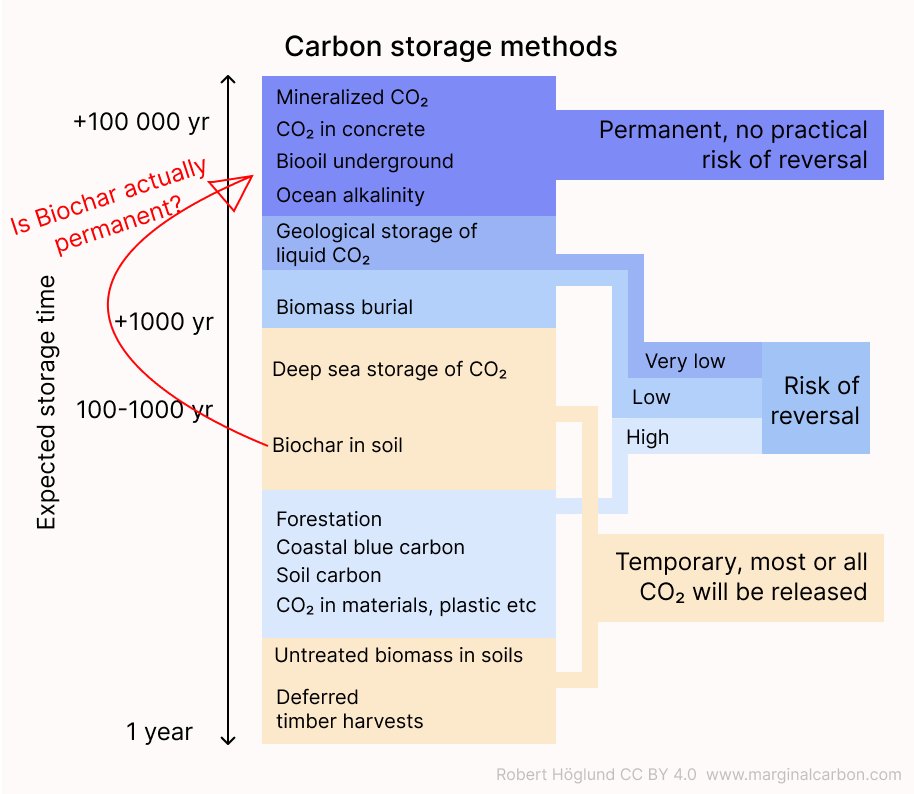
Looks like I may need to redraw this graph. A new peer-reviewed paper points to biochar being permanent carbon storage with just a small part decomposing.
Previous meta-studies have estimated that around 20% of the carbon in biochar is lost after 100 years and half after 500 years. It is challenging to prove empirically since the decay you see in the first years may be just the volatile parts being lost, it does not necessarily say anything about the fate of the bulk of the char. The new paper uses a novel method to test the stability and proposes a new test to determine permanence, "Random reflectance" (Ro). It finds that most biochar is actually "inertinite", stable for millions of years.
The transformation of biomass to inertinite is one of the two main natural pathways exerted by Earth to permanently store organic carbon, mineralization being the other.
The paradigm shift has started, but I would be curious to hear what other biochar researchers have to say.
10
50
220
56,234
Tom Dolan retweeted

11 Dec 2023
Those who're blocking a strong outcome on phase out are failing people & planet. With just hours to go, which side of history will you choose to be on?
#LaterIsTooLate
@COP28_UAE @CFigueres @OutrageOptimism @UNFCCC @hlcchampions
bteam.org/our-thinking/news/…
4
35
100
7,677
#VAR needed @COP28_UAE. An abundence of Clear and obvious errors need to be dealt with. Not least #phasedown replacing #phaseout in the #COP28UAE draft #GST.
70
Tom Dolan retweeted

11 Dec 2023
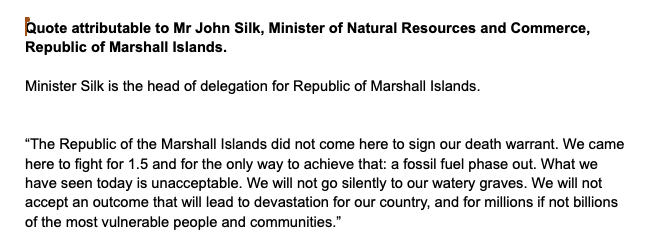
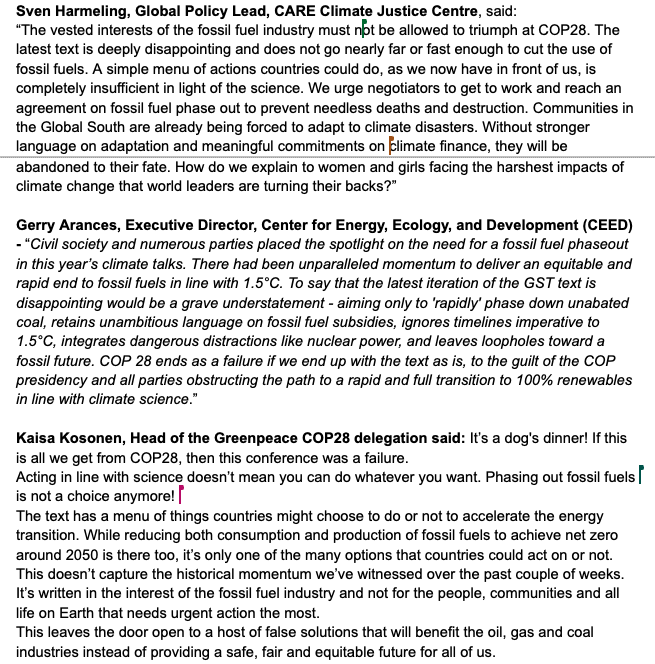
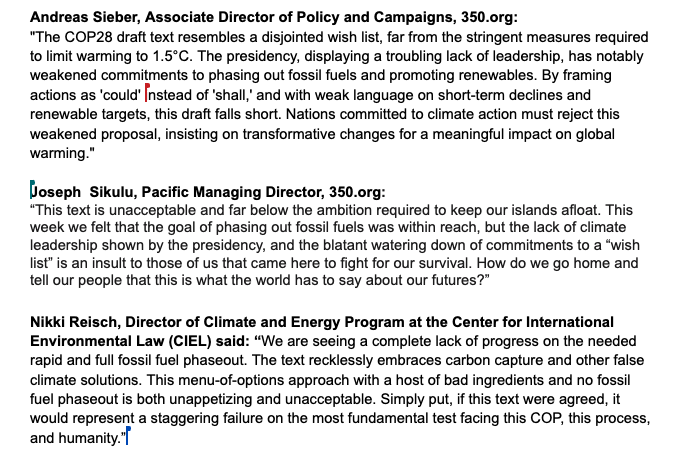
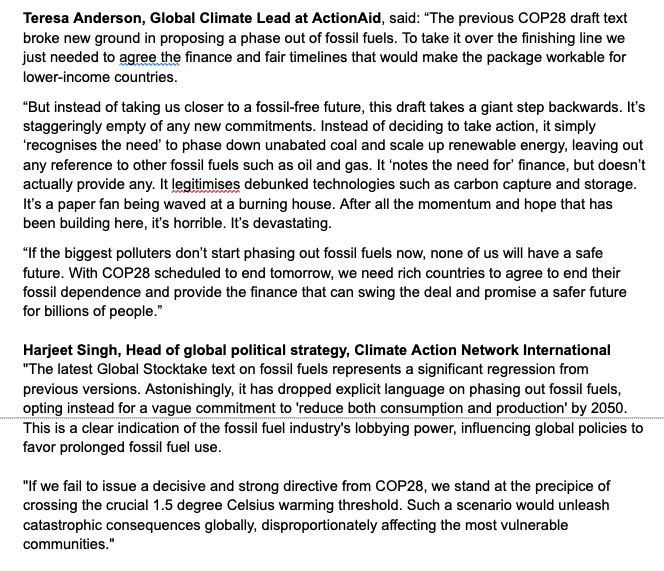
#COP28 stocktake draft reax…
Marshall Isl "we did not come here to sign our death warrant…What we have seen today is unacceptable"
@AOSISChair "completely insufficient"
@Rlalen "incoherent and dangerous"
@HaileyPCampbell "horrible"
@1TeresaAnderson "staggeringly empty"
39
215
526
194,290
RT @LicypriyaK: #LatestUpdate Licypriya mom here.
Licypriya reunited with me and they kick her out of #COP28UAE for just asking to phase o…
681