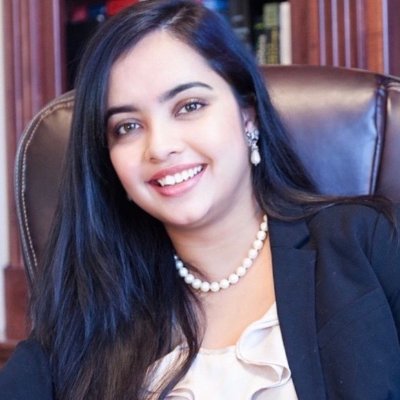
Assistant Professor, #CancerResearcher, #breastcancer, #tumormicroenvironment, @ TAMU_biology, Ph.d. @purdueABE, postdoc @MDAnderson, @NCI
Joined June 2013
- Tweets 272
- Following 653
- Followers 280
- Likes 1,301
36 Photos and videos

Pinned Tweet

14 Jul 2021
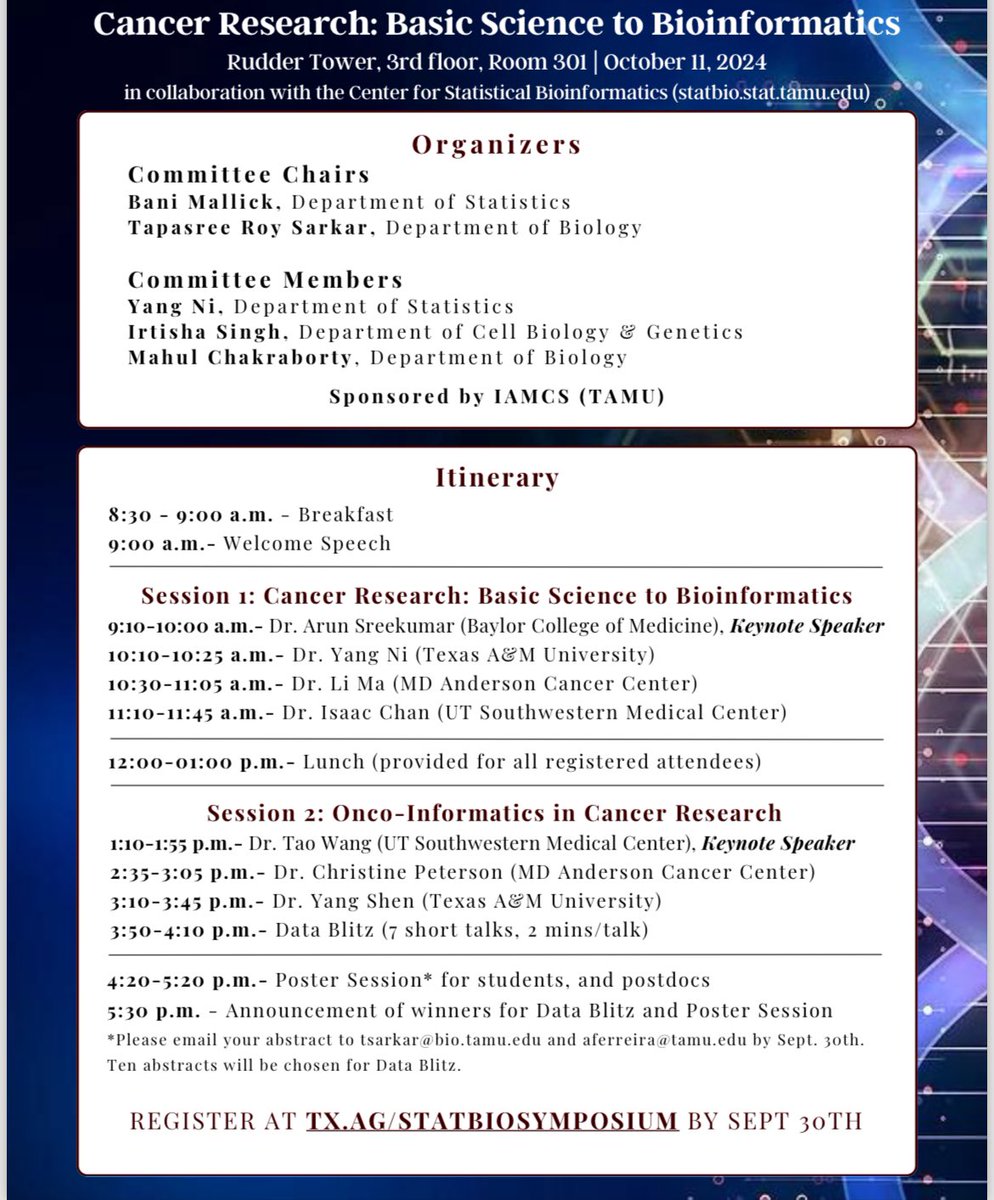
We (Biology, Statistics and Health Science Center of Texas A&M University)are hosting a symposium on ‘Cancer: Basic Science to Bioinformatics’.
Free registration @
https:/iamcs.tamu.edu/4th-annual-bioinformatics-symposium/.
With @SenduraiMani @tarumurmur @irtisha_singh
2
5
11
Tapasree Roy Sarkar (Sarkar Lab) retweeted
A groundbreaking study from the lab of Dr. Tapasree Roy Sarkar was recently highlighted in Forbes Magazine, for identifying the critical link between circadian rhythm disruption (CRD) and breast cancer. Read the full article from Forbes here: tx.ag/forbesroysarkar
3
6
201
Tapasree Roy Sarkar (Sarkar Lab) retweeted

26 Dec 2025
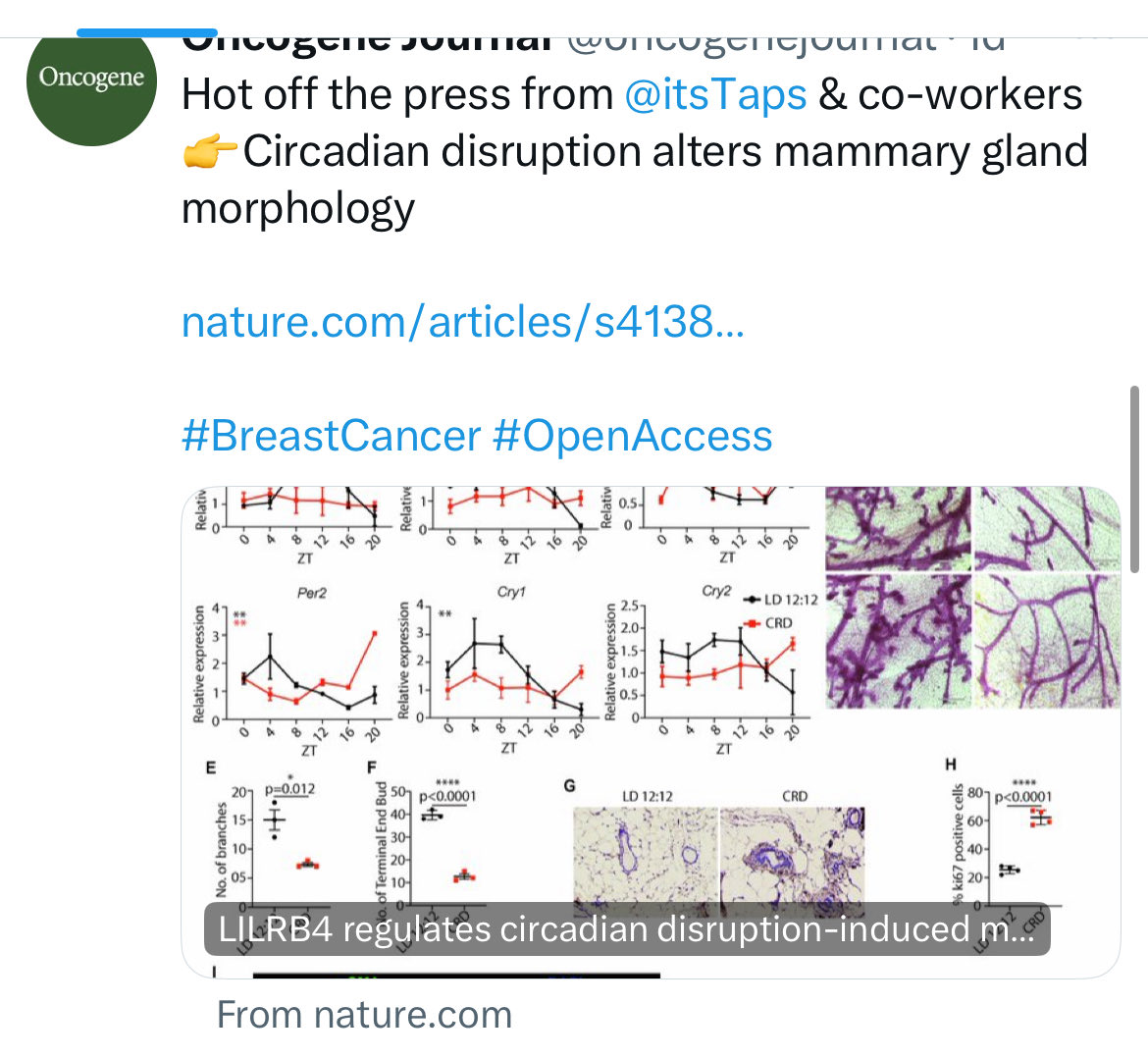
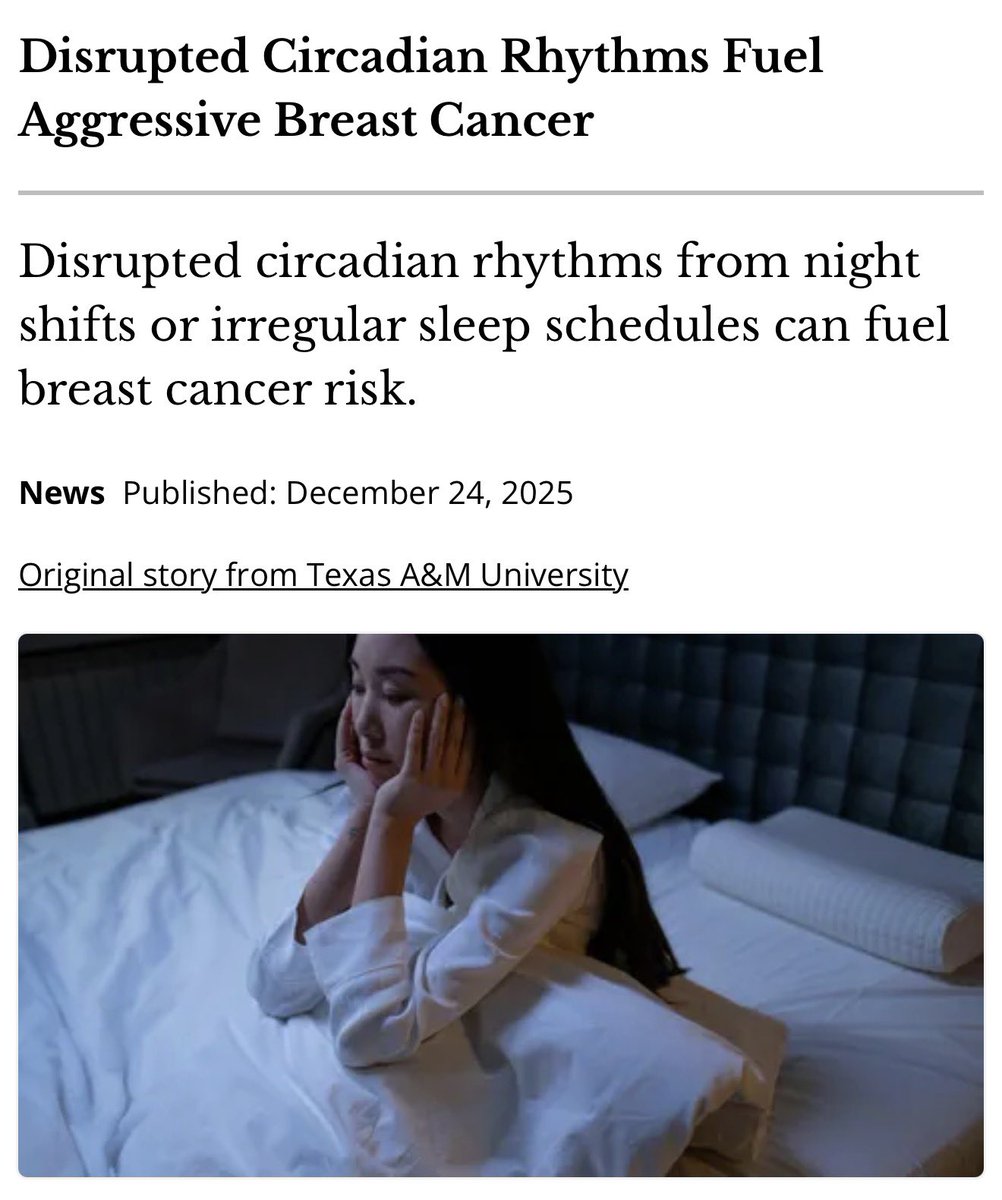
Disrupted Circadian Rhythms Fuel Aggressive Breast Cancer
Disrupted circadian rhythms from night shifts or irregular sleep schedules can fuel breast cancer risk.
Working the night shift, frequently flying across time zones or keeping an irregular sleep schedule does more than just leave us exhausted; it can fuel the risk of aggressive breast cancer. Exactly how and why this happens has remained a mystery, until now.
A new study sheds light on this elusive link, finding that circadian disruptions change the structure of mammary glands and weaken the immune system’s defenses, all the while pointing toward a new way to counteract these effects.
To investigate these effects, the researchers used two groups of genetically engineered models that develop aggressive breast cancer. One group lived on a normal night-day schedule, while the other lived on a disrupted light cycle that threw off their internal clocks.
The findings, published in Nature group journal Oncogene, were striking.
Typical models develop cancer around the 22-week marker. The circadian-disrupted group, however, showed signs of cancer much earlier — at almost 18 weeks.
Tumors in circadian-disrupted models were also far more aggressive, and far more likely to spread to the lungs, a key indicator of poor outcomes in breast cancer patients.
Source in comments.
1
1
123
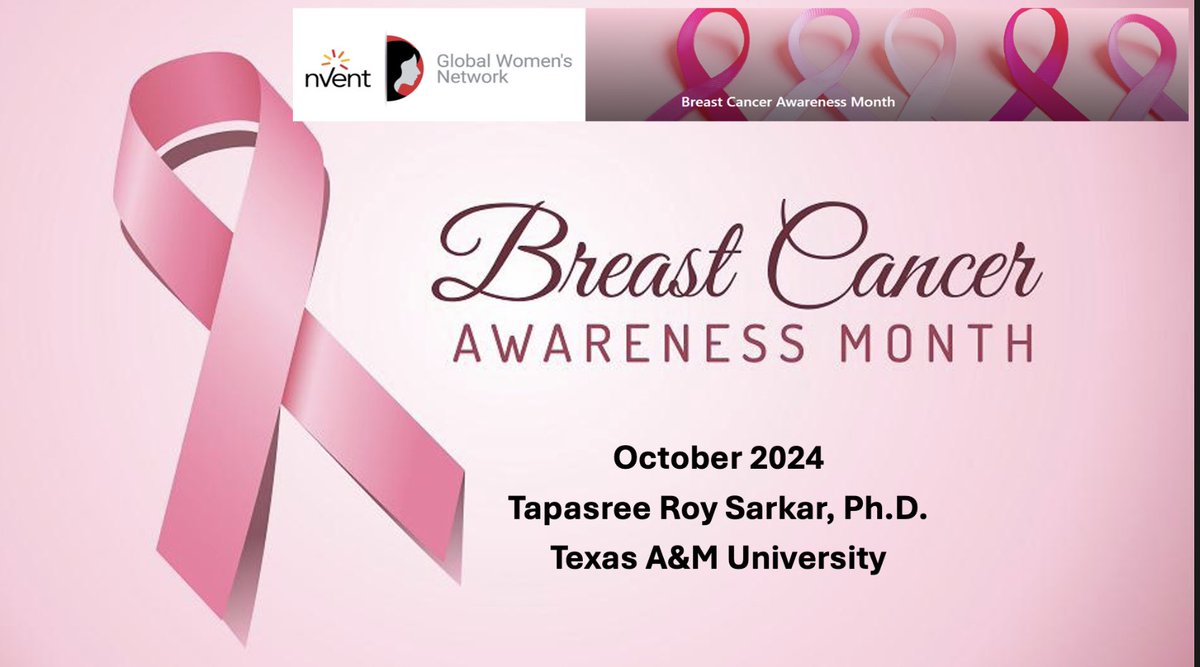
30 Oct 2024
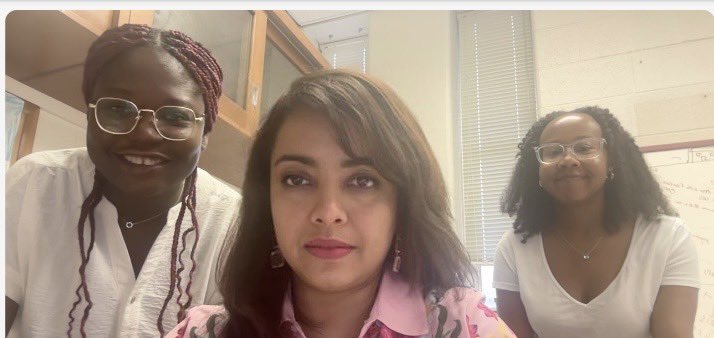
Women’s Health, Breast Cancer Awareness Month, Oct’24: Invited talk @nVent Global Women’s Network
#BreastCancerAwareness #BreastCancerAwarenessMonth #BreastCancer
4
291
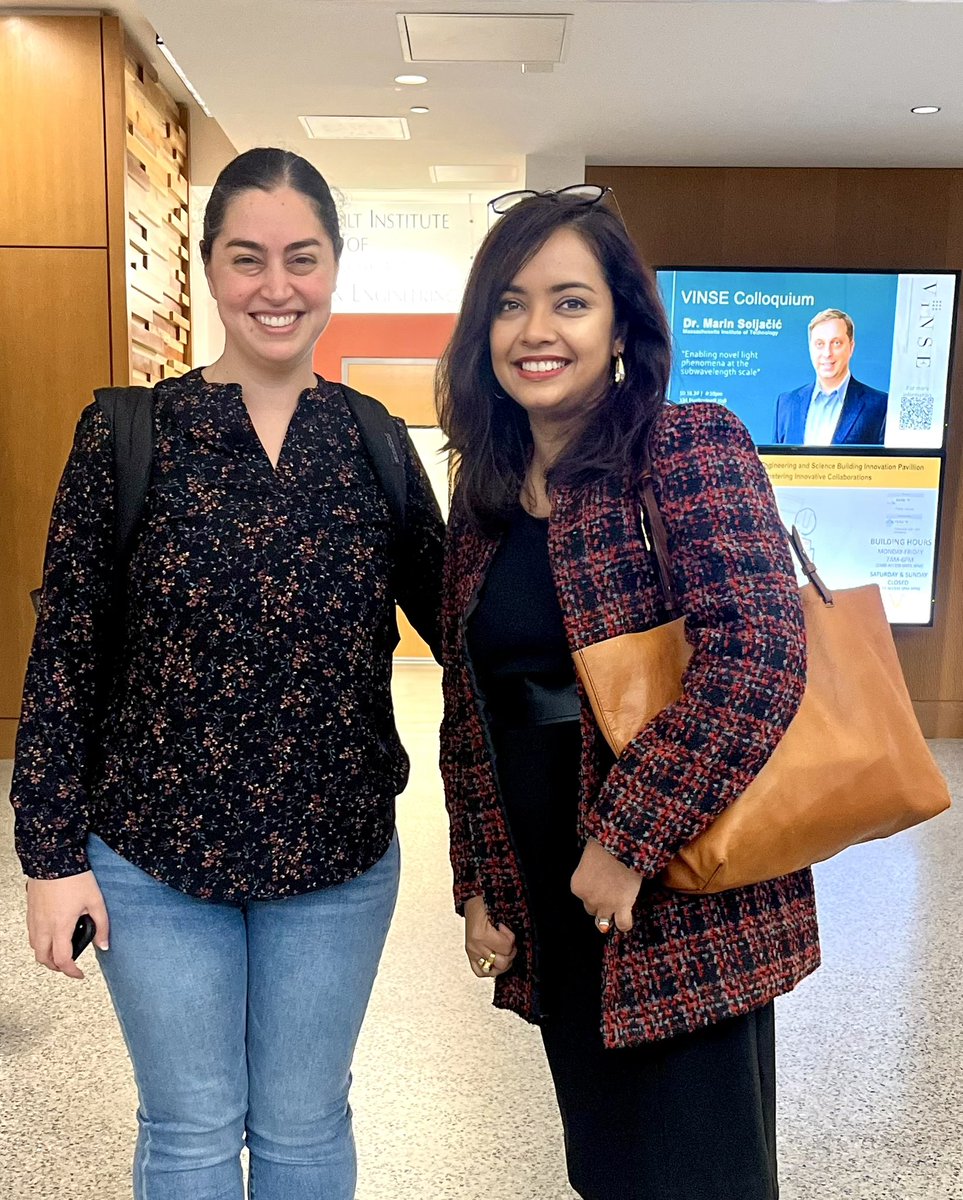
23 Oct 2024
#latepost
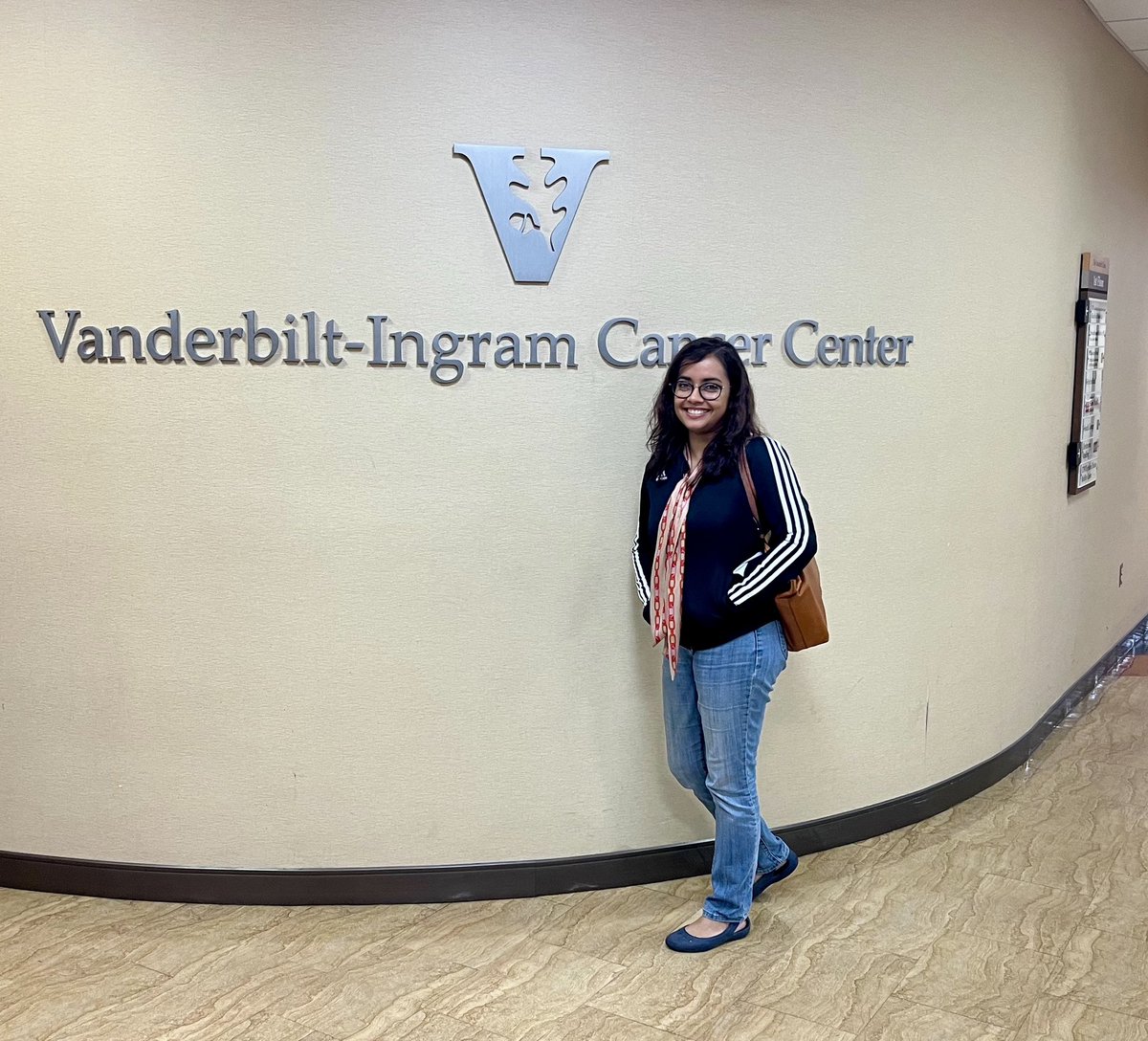
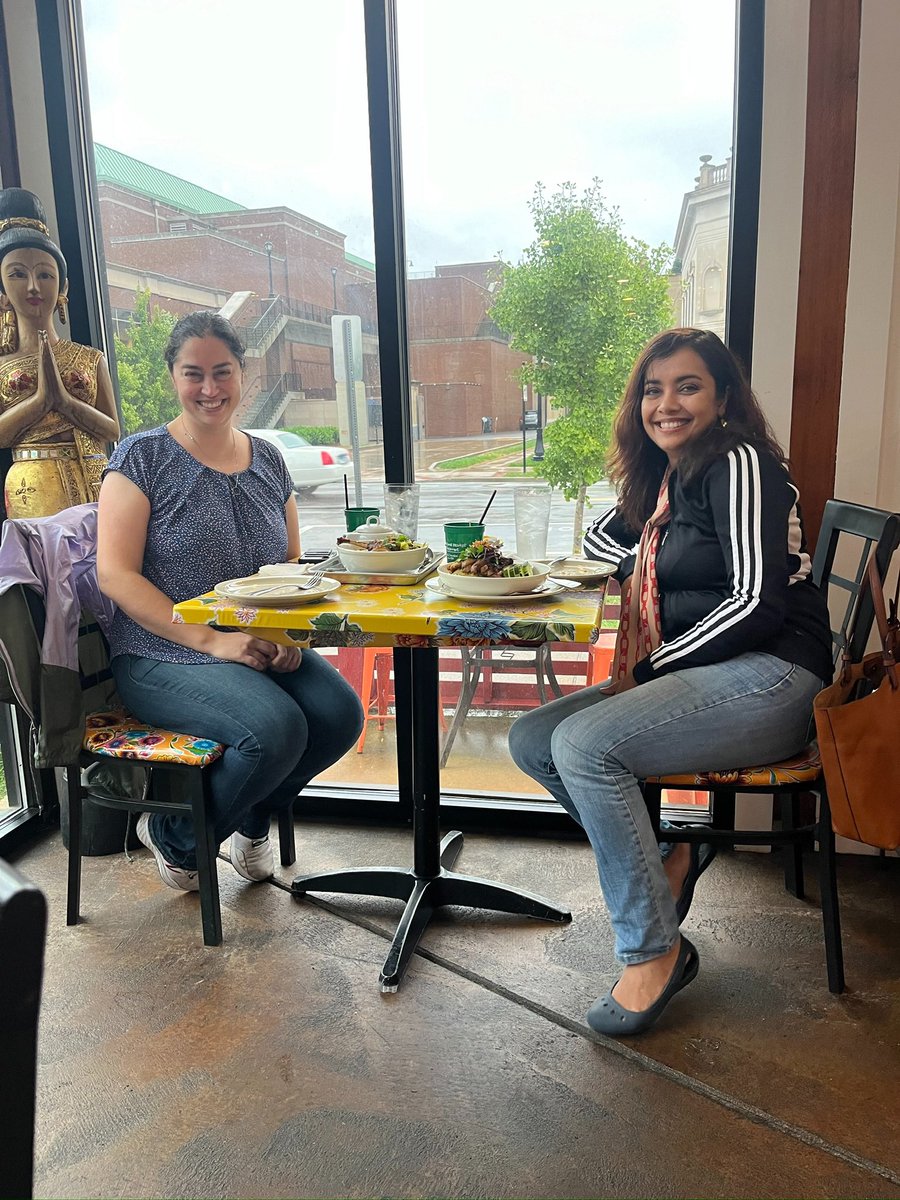
Had a great time visiting Vanderbilt university as a SEC scholar … Thanks @marjanrafat for being an amazing host!
1
7
352
7 Oct 2024
Symposium ‘Cancer Research: Basic science to Bioinformatics’, on Oct 11th, at Texas A&M University, with @TAMU_Biology @TAMUArtSci @AlexCarlKeene @mahulchak @Irtisha_Singh @TAMUstats
3
2
478
14 Sep 2024
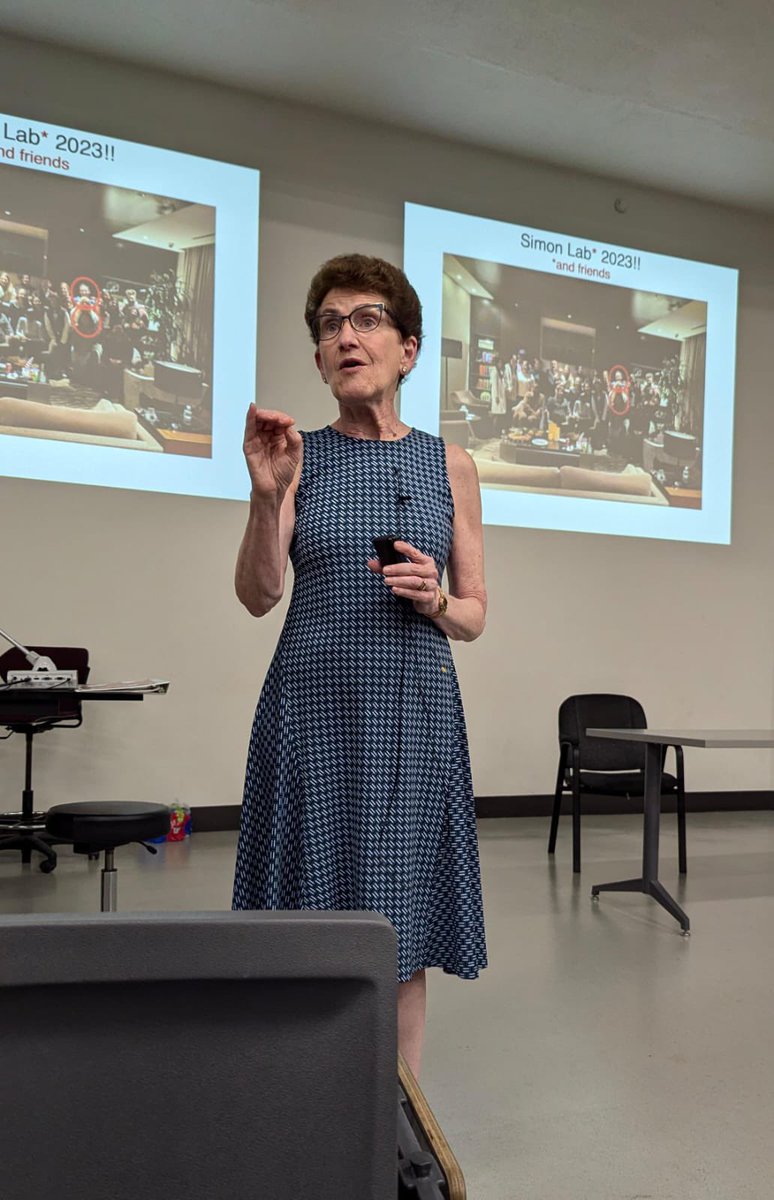
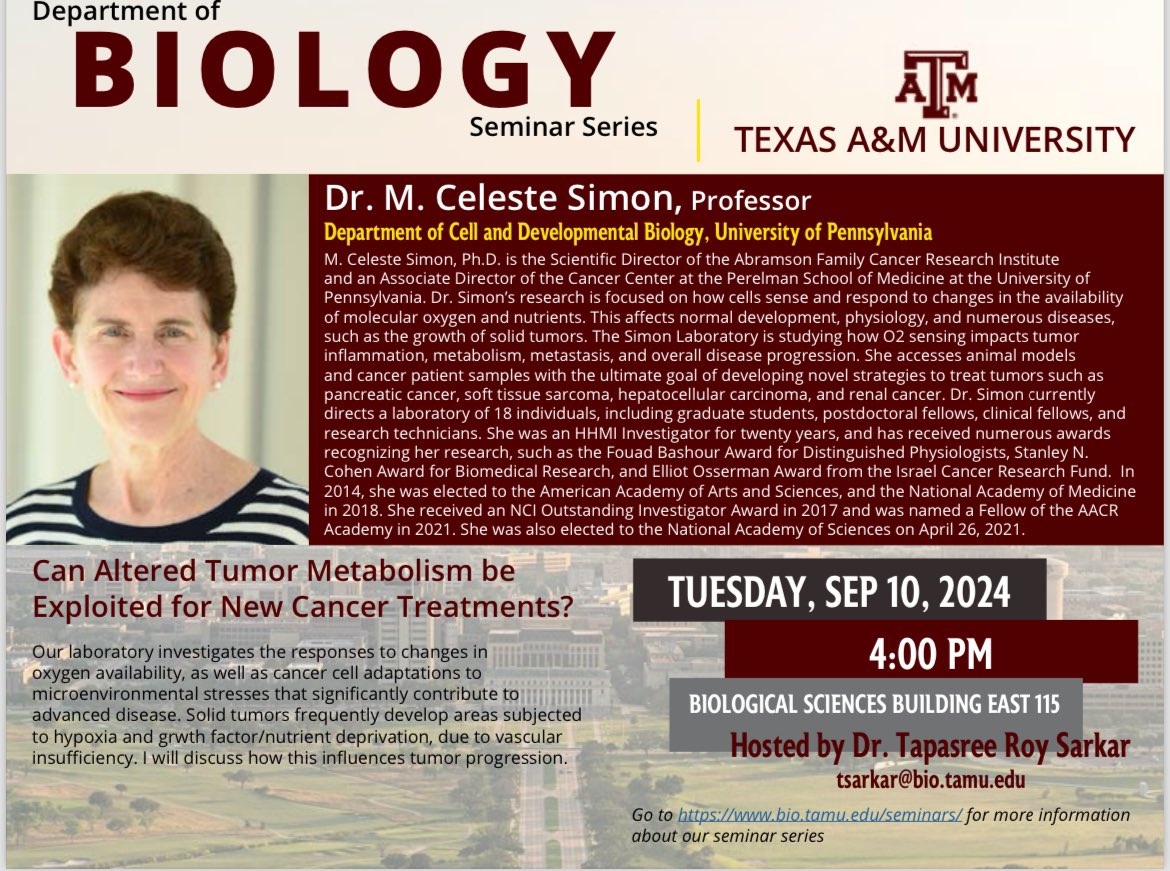
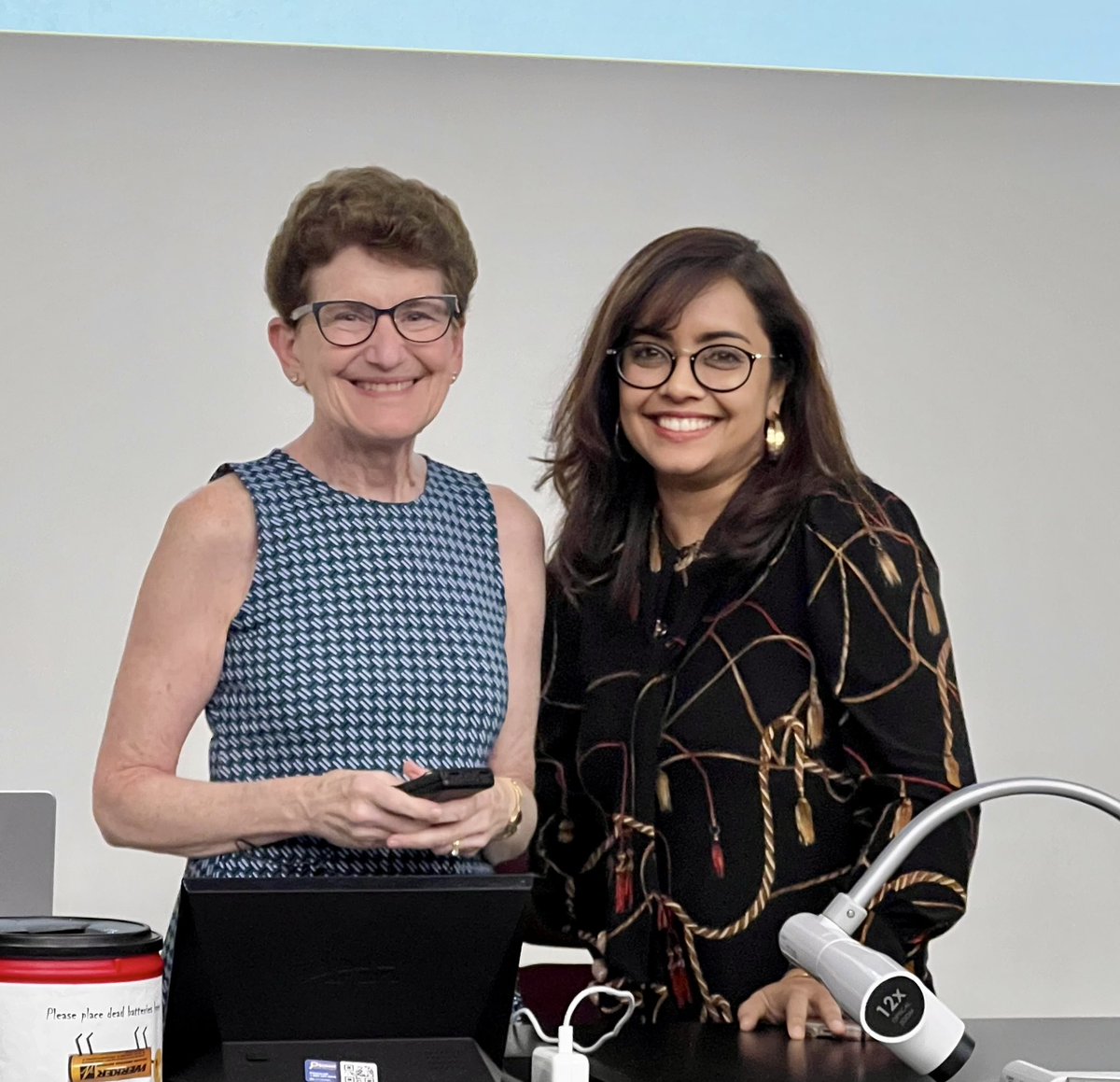
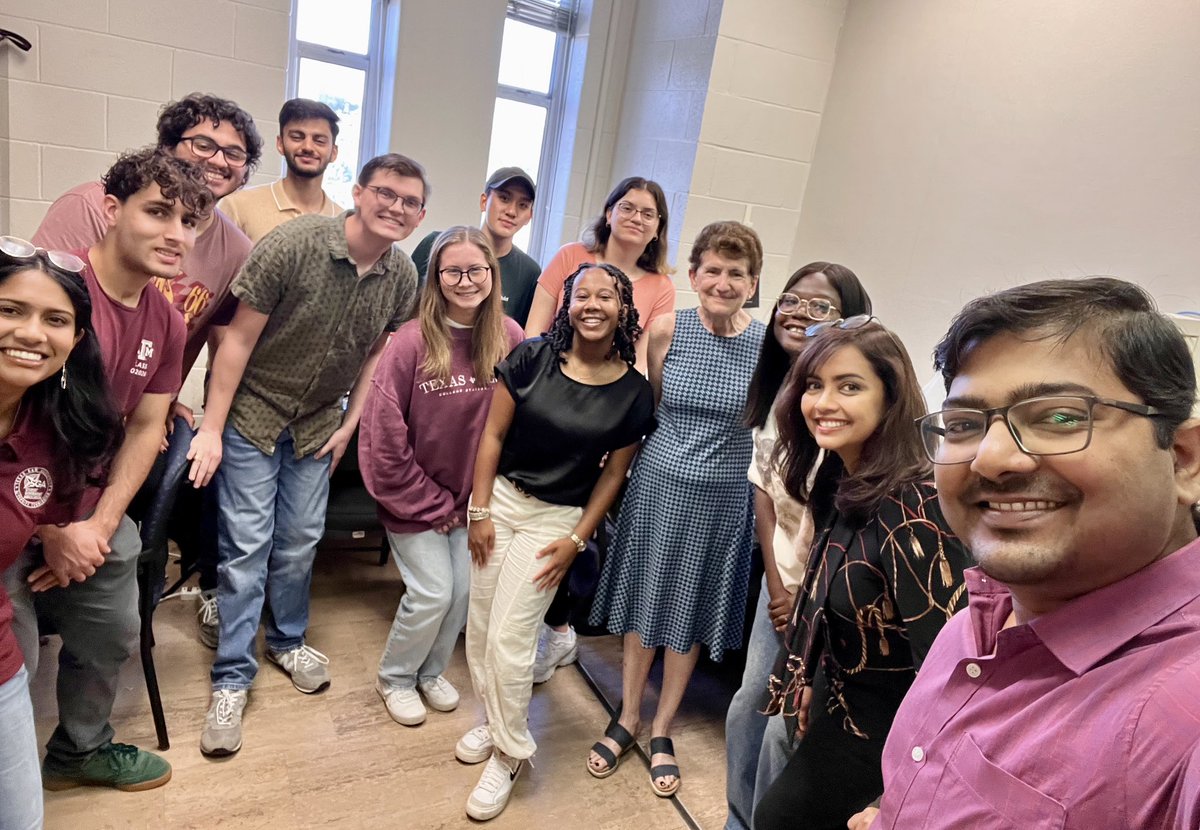
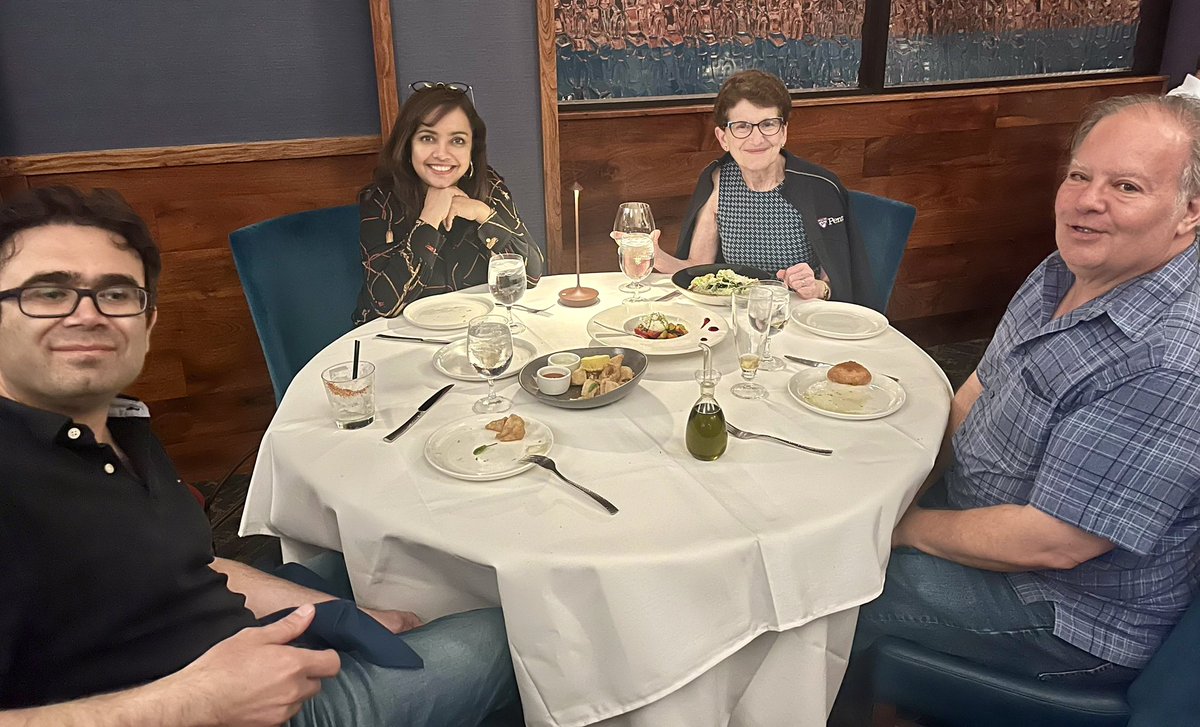
Thank you so much, Dr. Simon, for visiting us and for the wonderful seminar!!! @TAMU_Biology @PennMedicine @TAMUArtSci
2
9
433
7 Sep 2024
1
6
257
Tapasree Roy Sarkar (Sarkar Lab) retweeted

22 Aug 2024
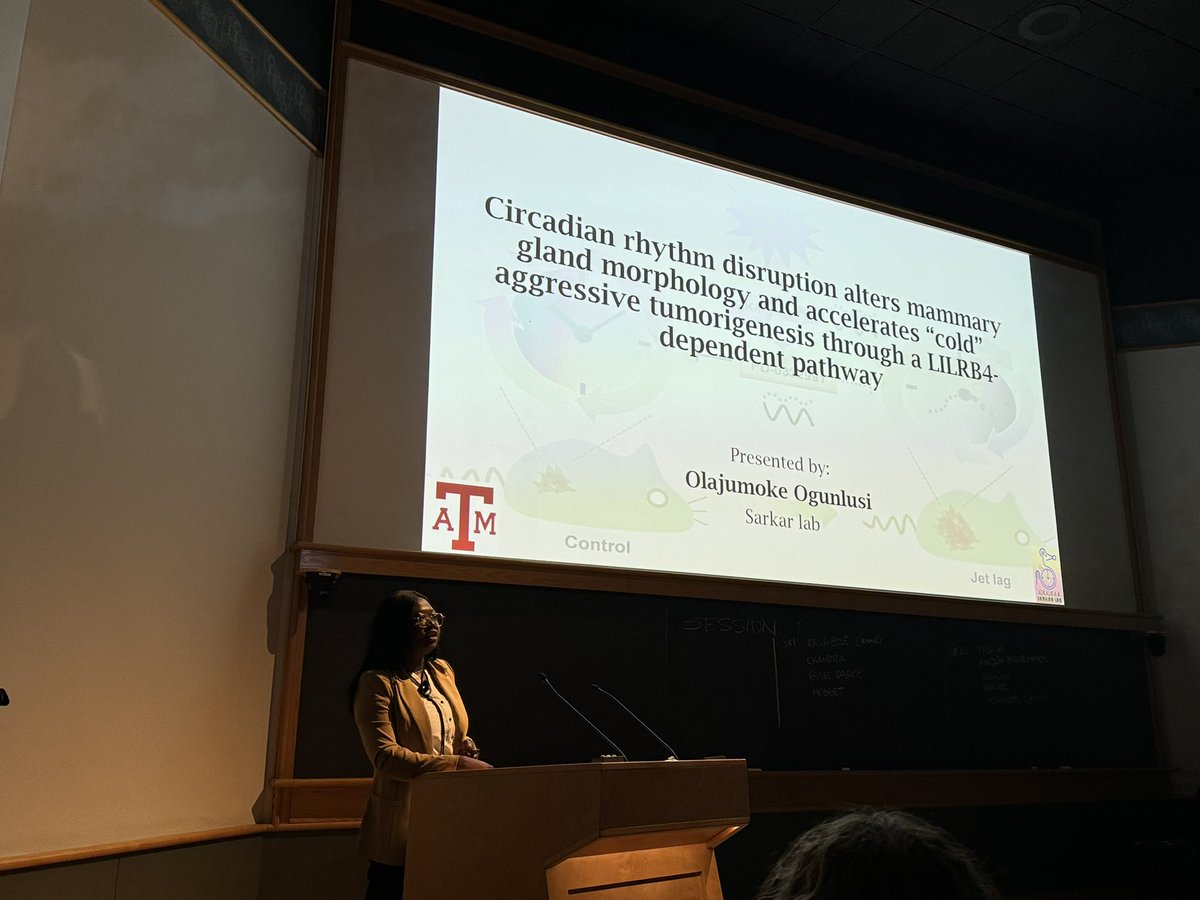
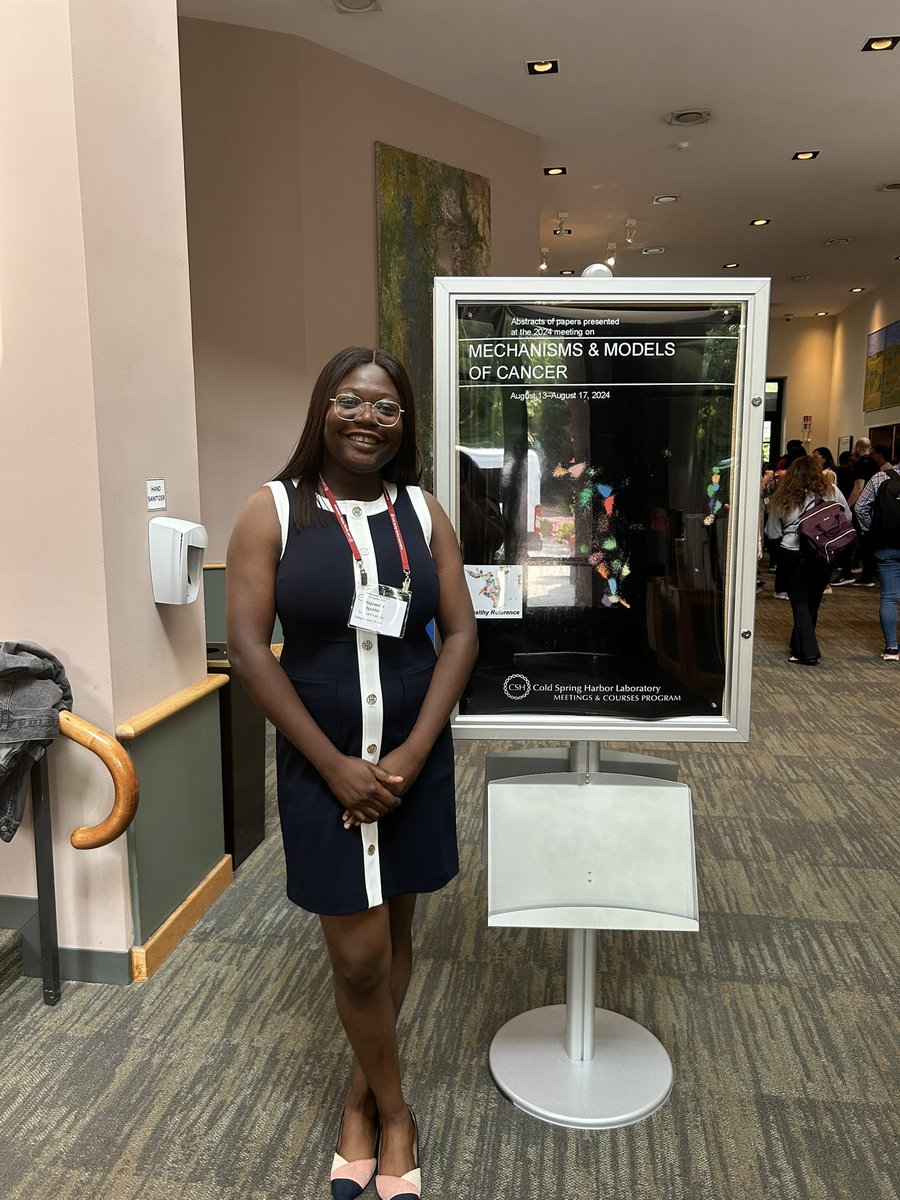
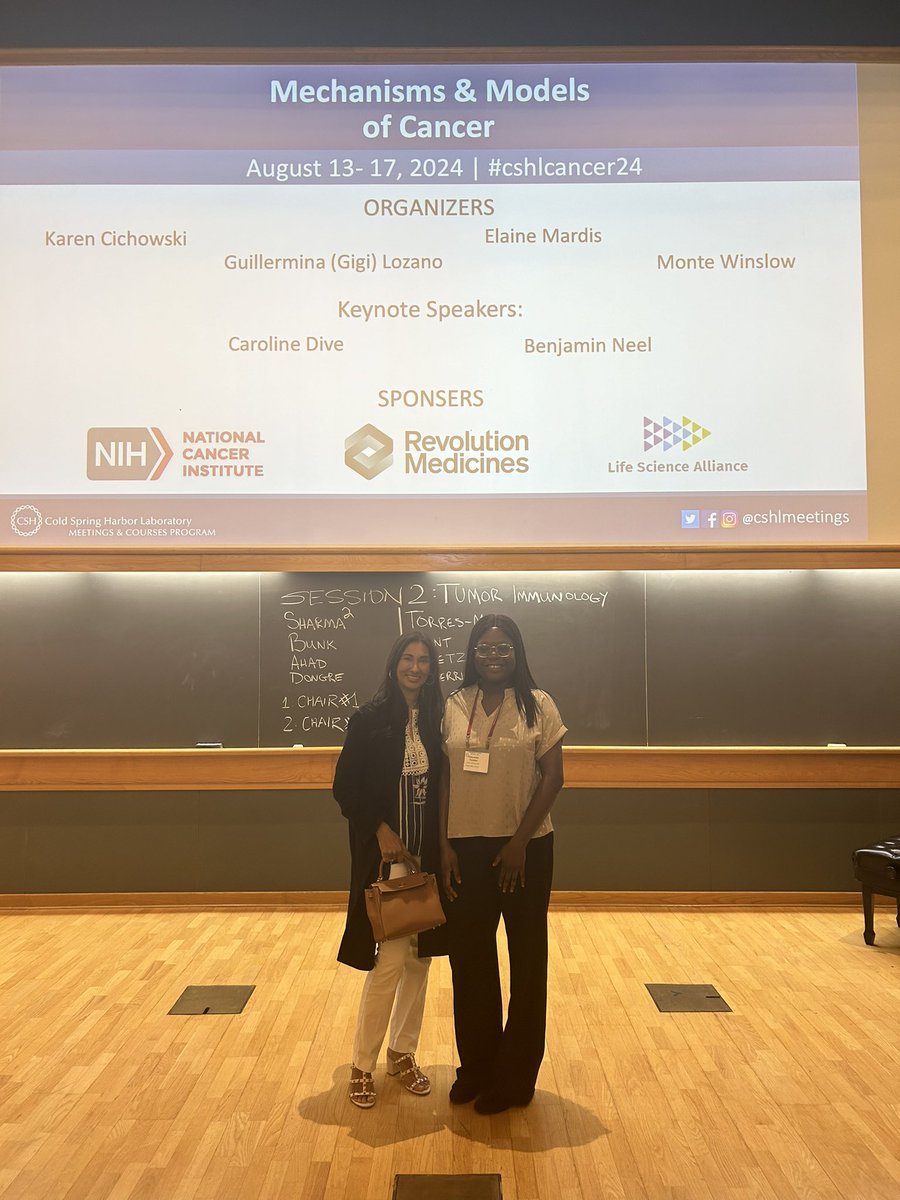
It was a wonderful experience presenting my research at the mechanisms & models of cancer meeting @CSHL. Thank you to my amazing mentor @itsTaps and @TAMU_Biology. I also met the wonderful @PamSharmaMDPhD, and enjoyed her talk on immune checkpoint therapy. #cshlcancer24 #phdlife
1
2
7
636
Tapasree Roy Sarkar (Sarkar Lab) retweeted

14 Jun 2024
Congratulations to Tapasree Roy Sarkar on her SEC Faculty Travel Program Grant, where she'll be visiting Vanderbilt School of Medicine to collaborate & share her work on how different environmental factors, biological cues, & therapy can alter the breast tumor microenvironment!
2
3
12
797
Tapasree Roy Sarkar (Sarkar Lab) retweeted

18 Apr 2024
Impressive. #AI tool outperforms pathologists at identifying the origins of metastatic cancer cells that circulate in the body. nature.com/articles/d41586-0…
1
3
17
1,913
17 Apr 2024
NCI Systemic effects of cancer Think Tank, an excellent idea to deepen our understanding on how cancer alters inter-organ communication and macro environment. Amazing talks by @masrilab @SwarnaliAchary5 , Karuna Ganesh and others 👏👏👏
5
268
Tapasree Roy Sarkar (Sarkar Lab) retweeted

6 Mar 2024
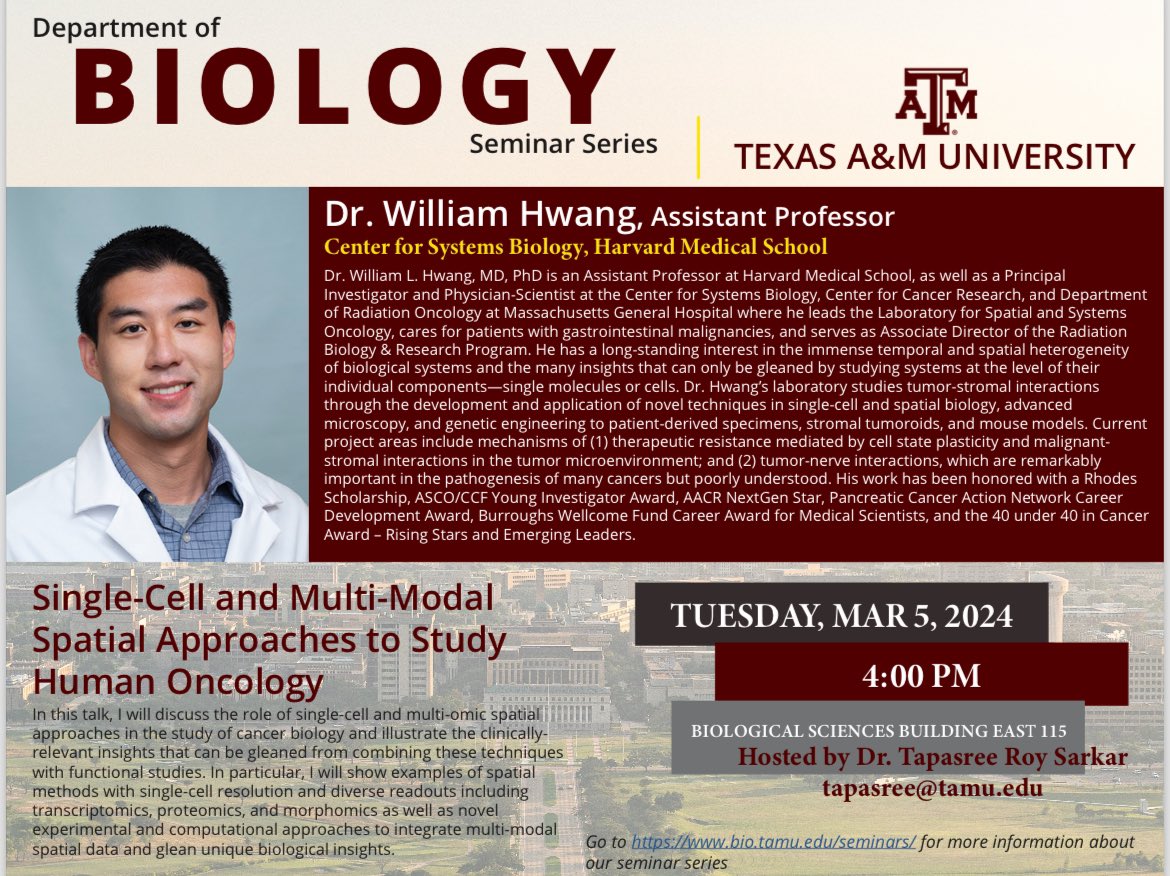
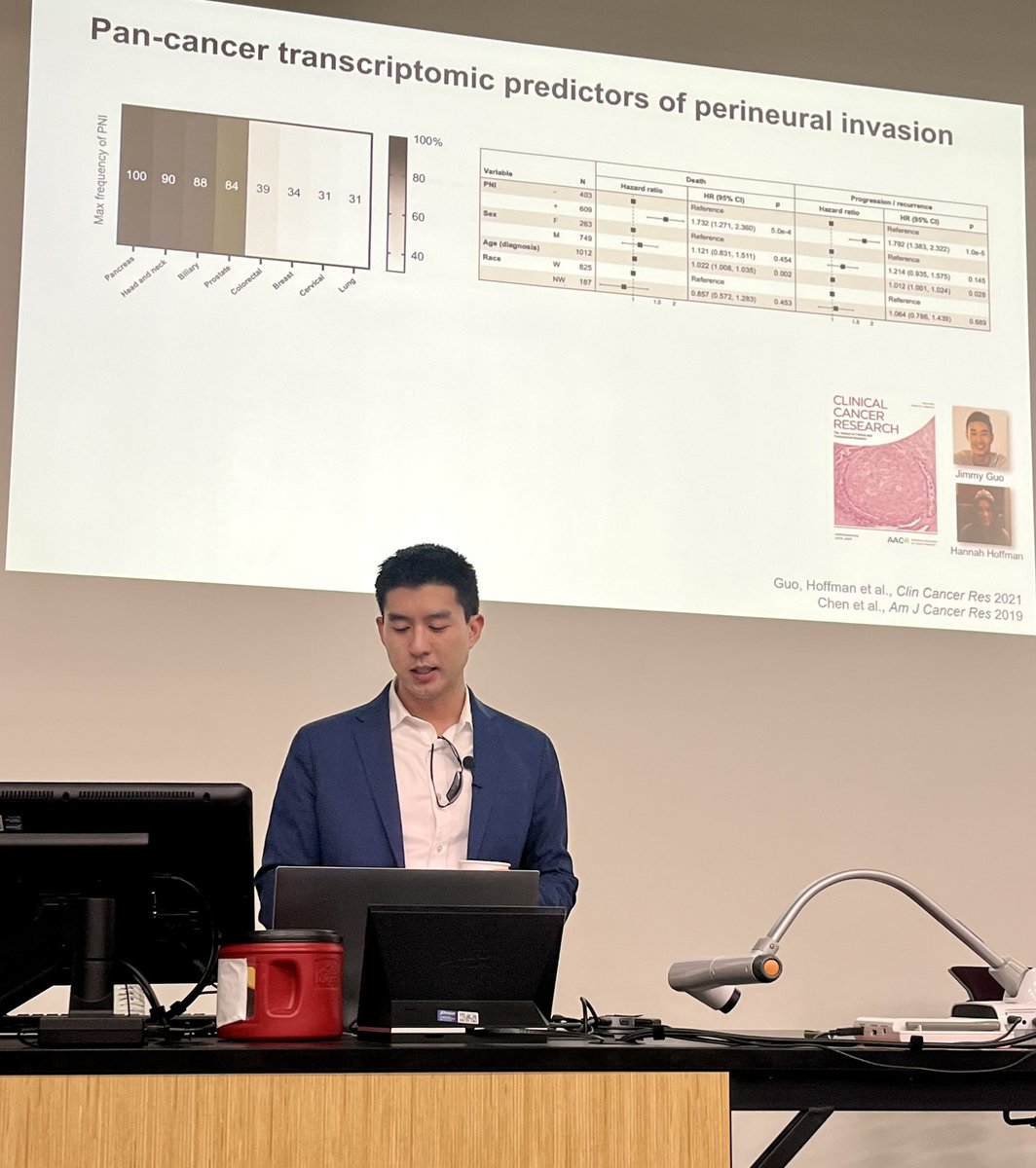
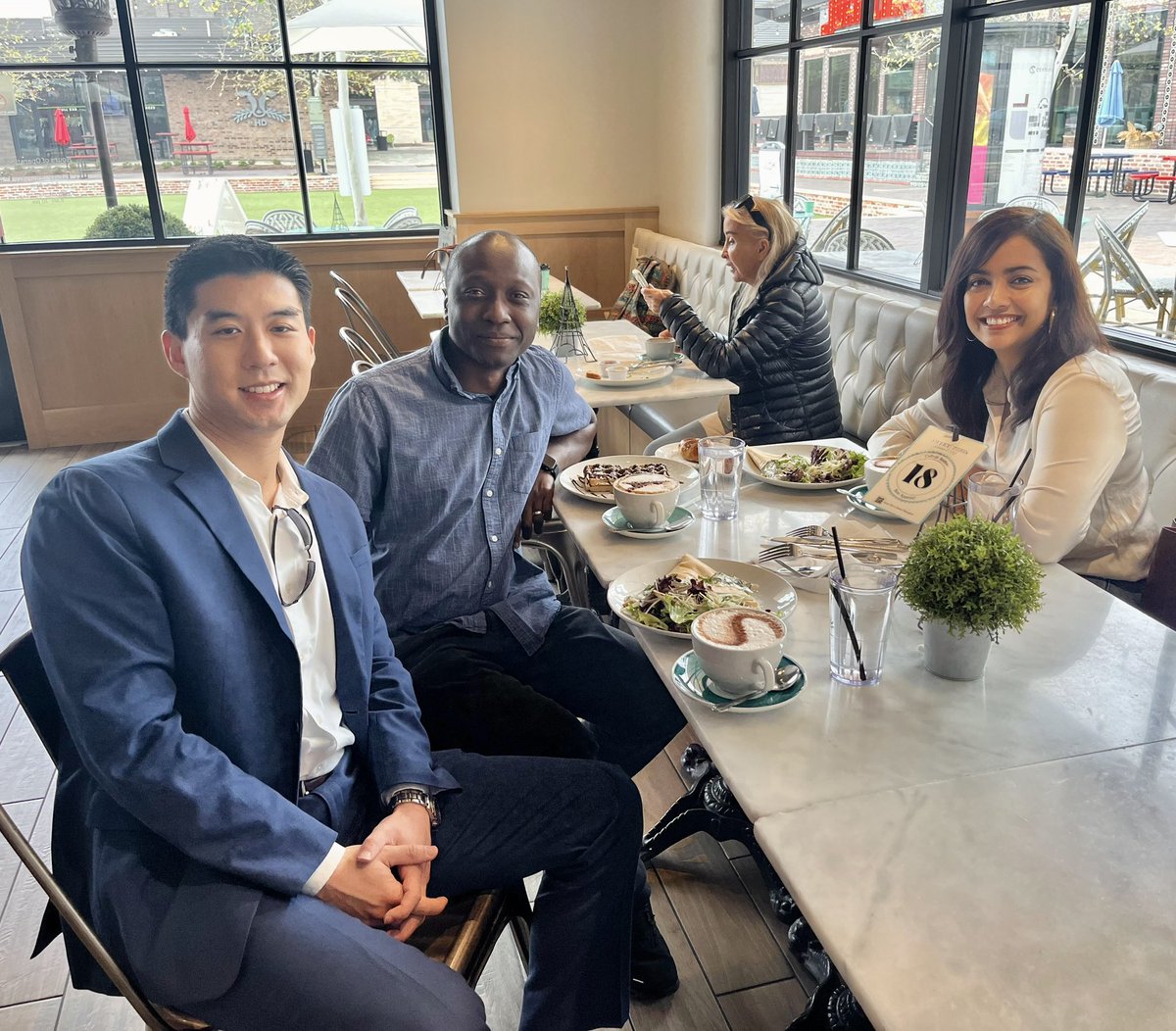
Thanks so much for hosting me @itsTaps @TAMU_Biology! I had a wonderful time meeting your faculty and trainees.
27 Feb 2024

Will is visiting us on March 5th @DrWilliamHwang @TAMUArtSci @TAMU_Biology @nanostringtech @SpatialBiology
1
3
31
4,873
27 Feb 2024
Will is visiting us on March 5th @DrWilliamHwang @TAMUArtSci @TAMU_Biology @nanostringtech @SpatialBiology
1
6
5,281
7 Dec 2023
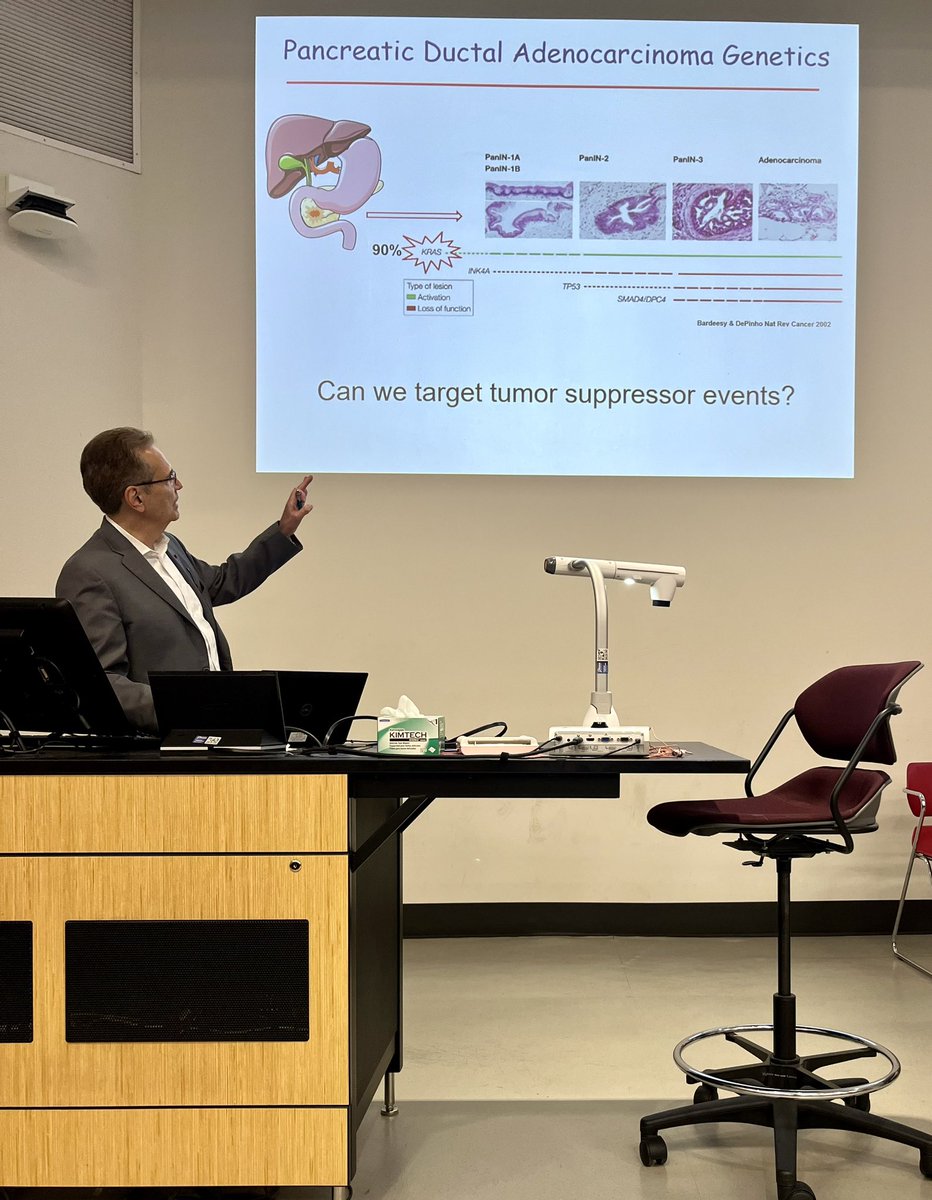
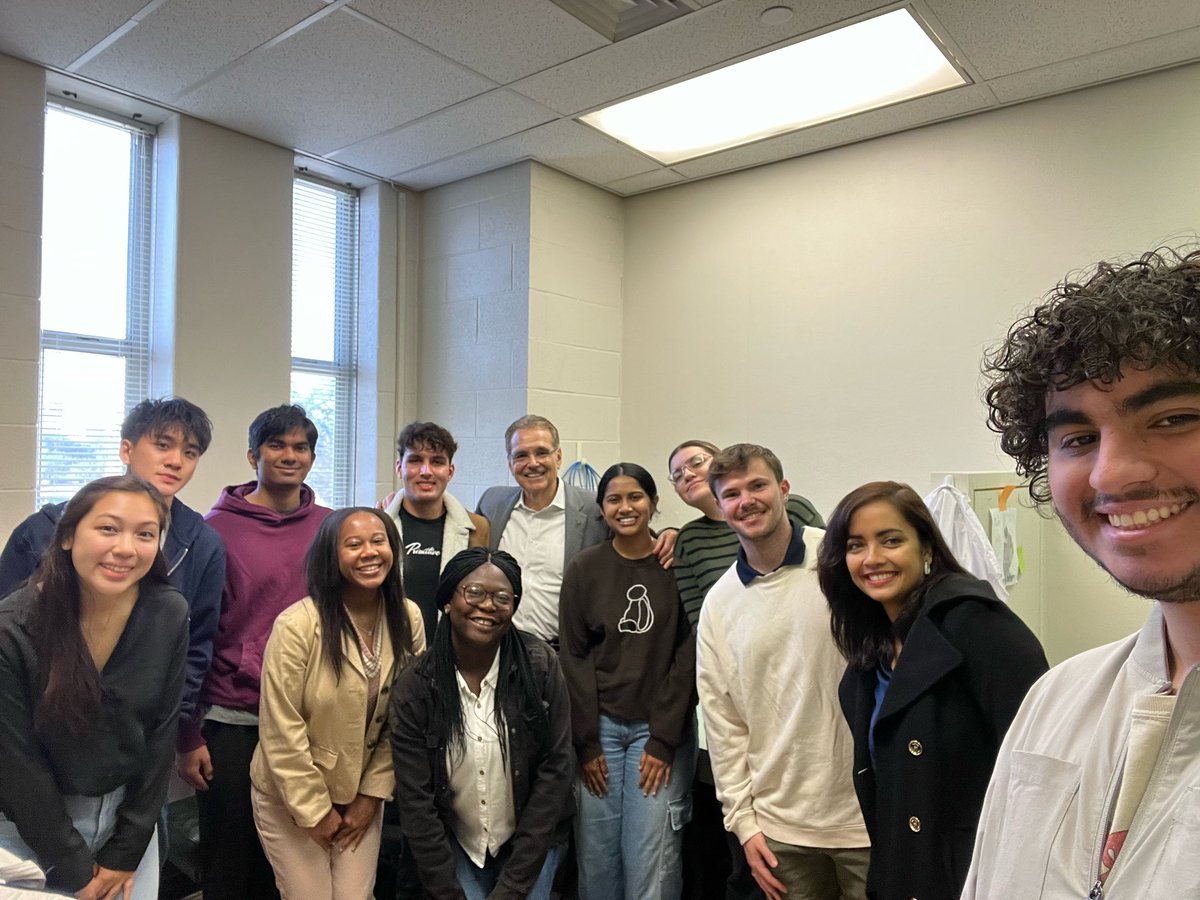
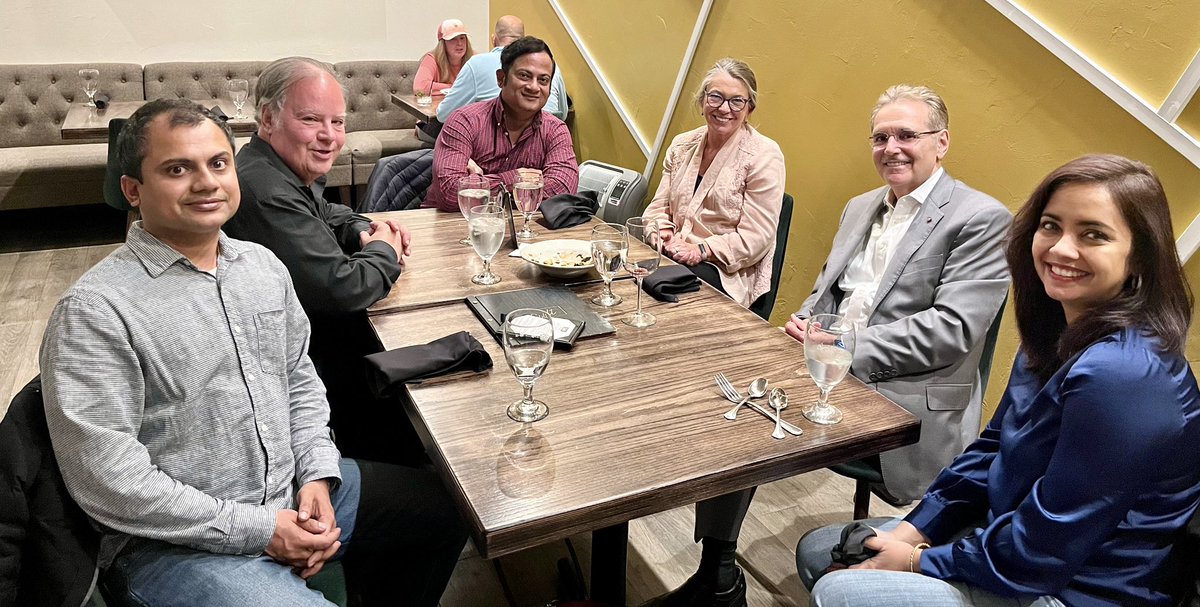
Dr. Ron DePinho, thanks for visiting Texas A&M. It was wonderful to host you. Your presentation was very inspiring and so much to learn!
#makingcancerhistory @RonDePinho @AlexCarlKeene @DeborahClocks @mahulchak @LambaSangare @s8shogo @TAMU_Biology @TAMUArtSci @MDAndersonNews

2
11
2,536
Tapasree Roy Sarkar (Sarkar Lab) retweeted
4 Dec 2023
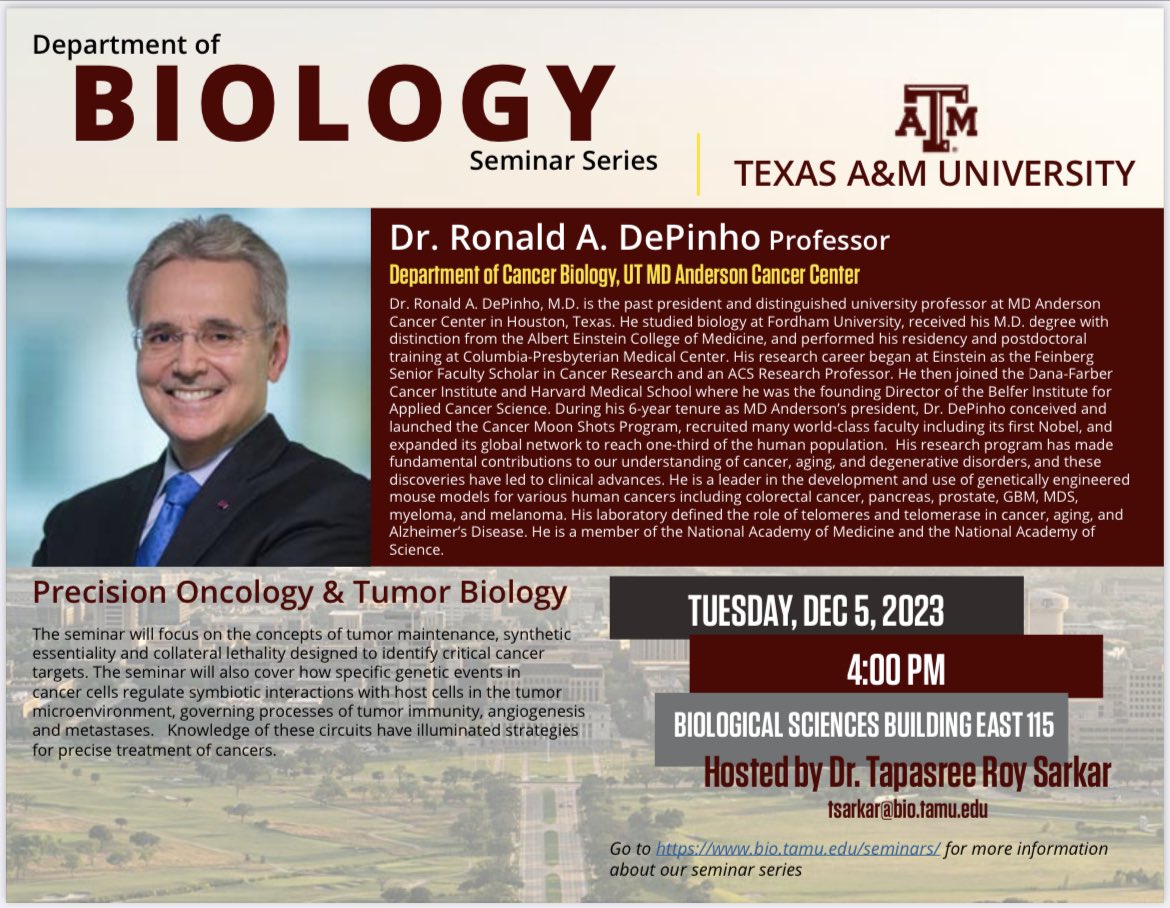
This week's Biology Seminar Series is our last of the semester and features Dr. Ronald DePinho and their talk, "Precision Oncology & Tumor Biology". This Tuesday at 4pm in BSBE 115, see you there! bio.tamu.edu/seminars/
2
4
443
15 Nov 2023
Dr. Ron DePinho is visiting us on December 5th, he will talk about ‘Precision Oncology and Tumor Biology’
@TAMUArtSci @TAMU_Biology @RonDePinho @MDAndersonNews
3
7
495
24 Oct 2023
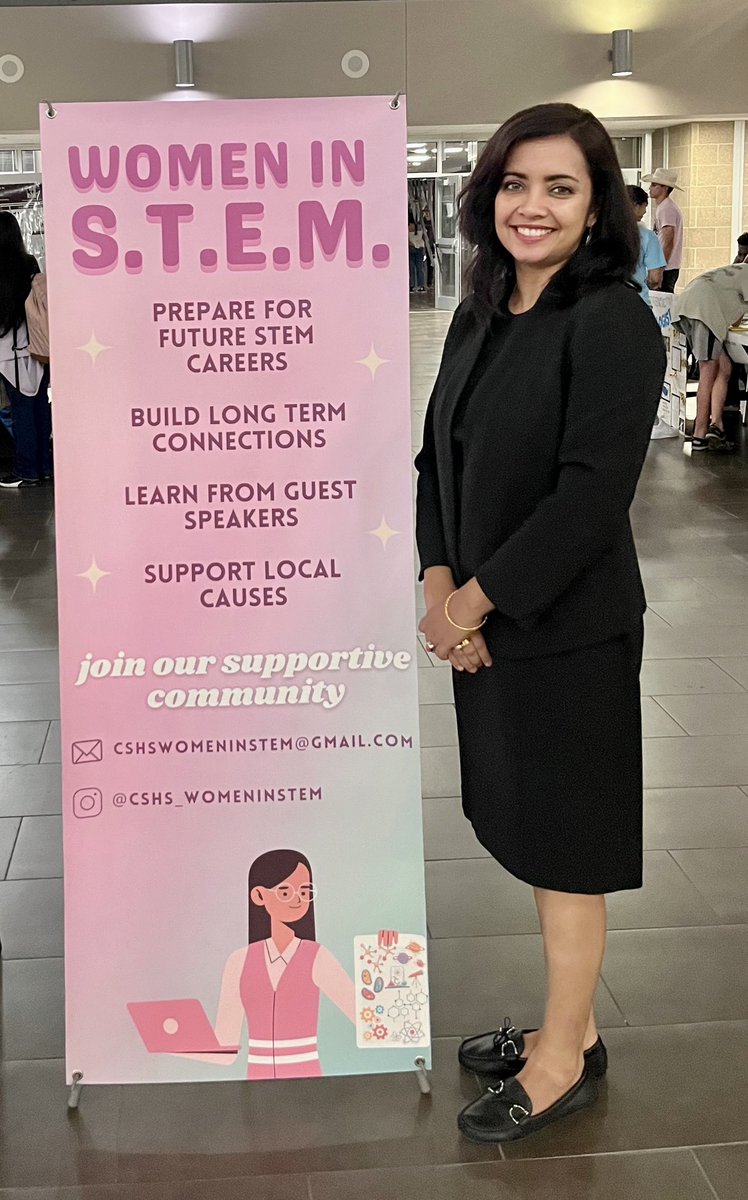
#Women in STEM
#supportSTEM
#tamubiology
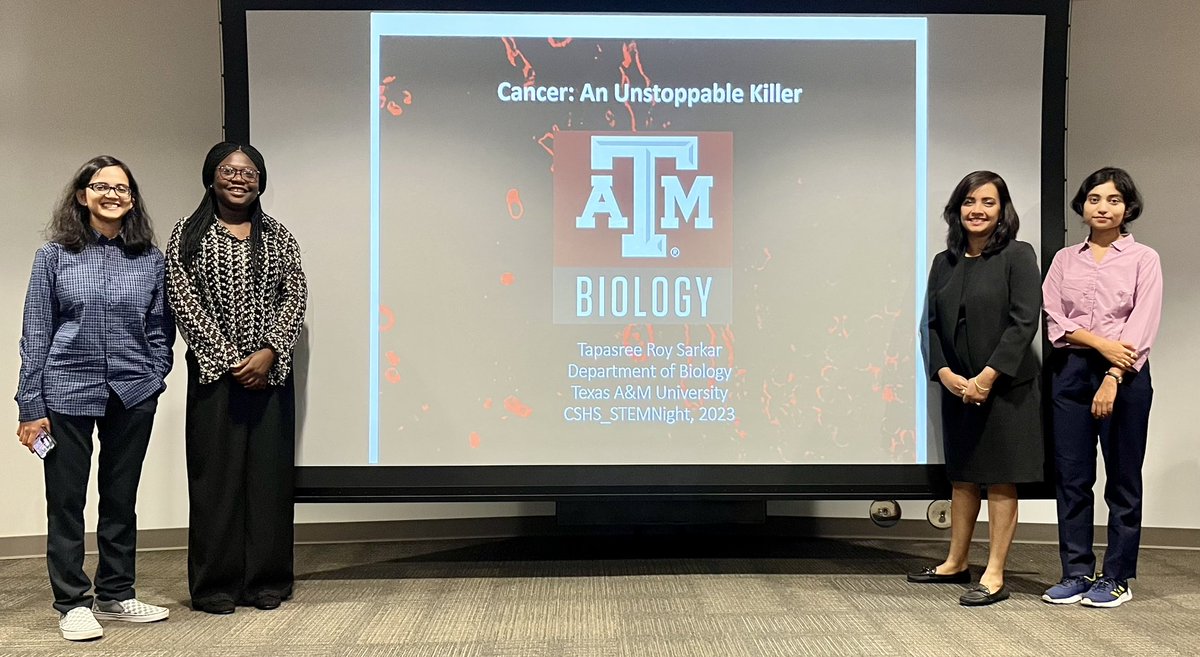
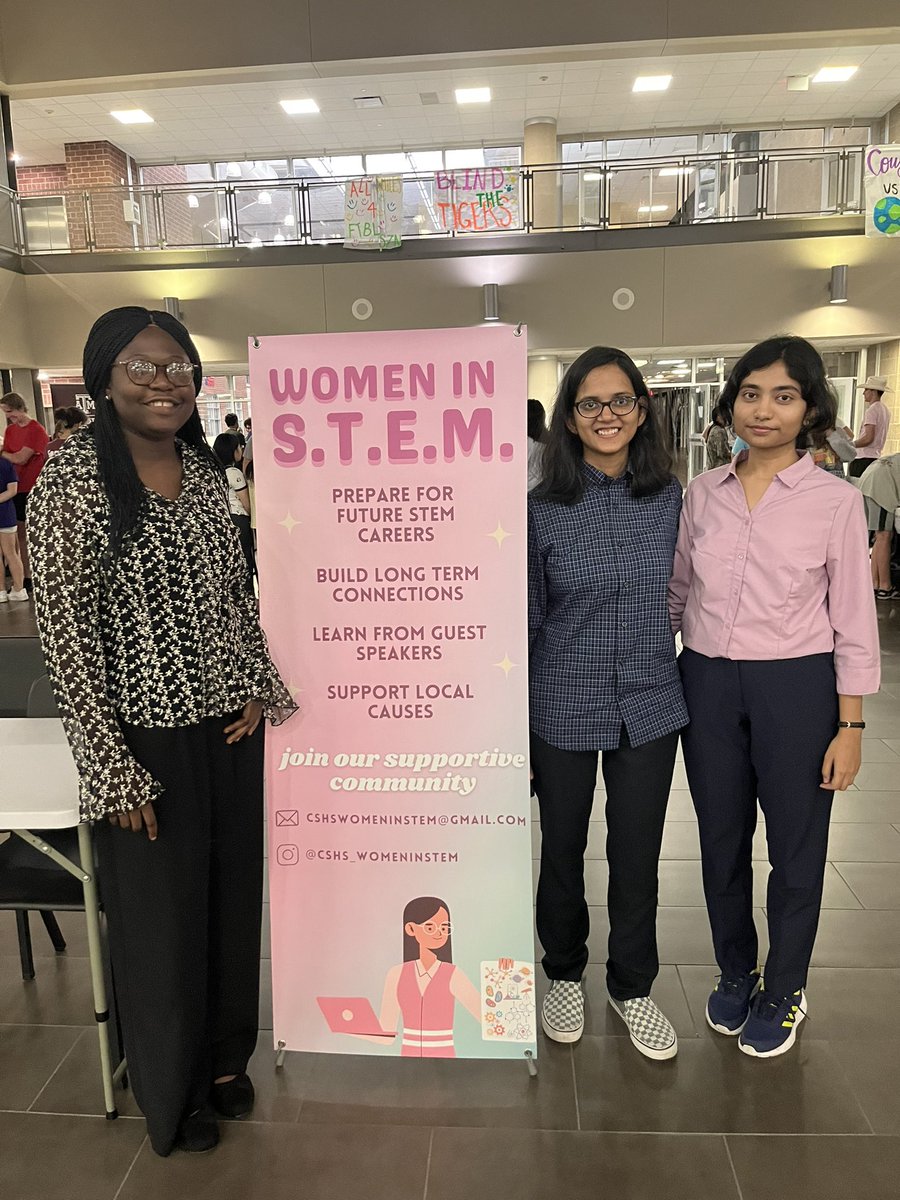
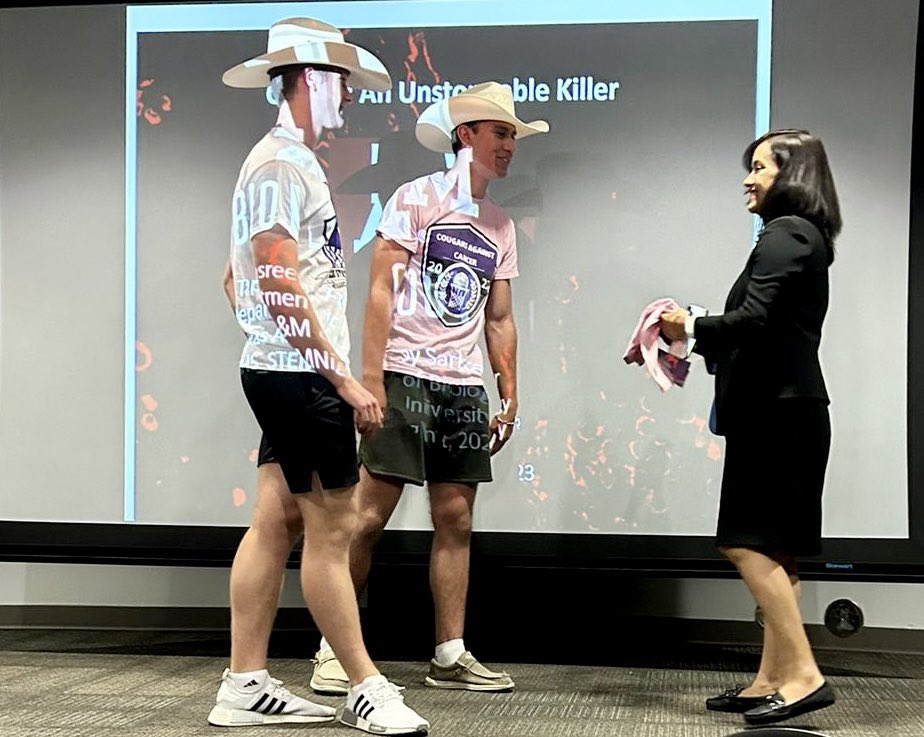
Had a wonderful time at CSHS as a guest speaker. An exciting evening full of fun and hands-on academic activities for young minds.
5
446
10 Oct 2023
6th Annual ‘Cancer Research: Basic Science to Bioinformatics’ symposium @ Texas A&M University, 2023
4
13
1,073
1 Sep 2023
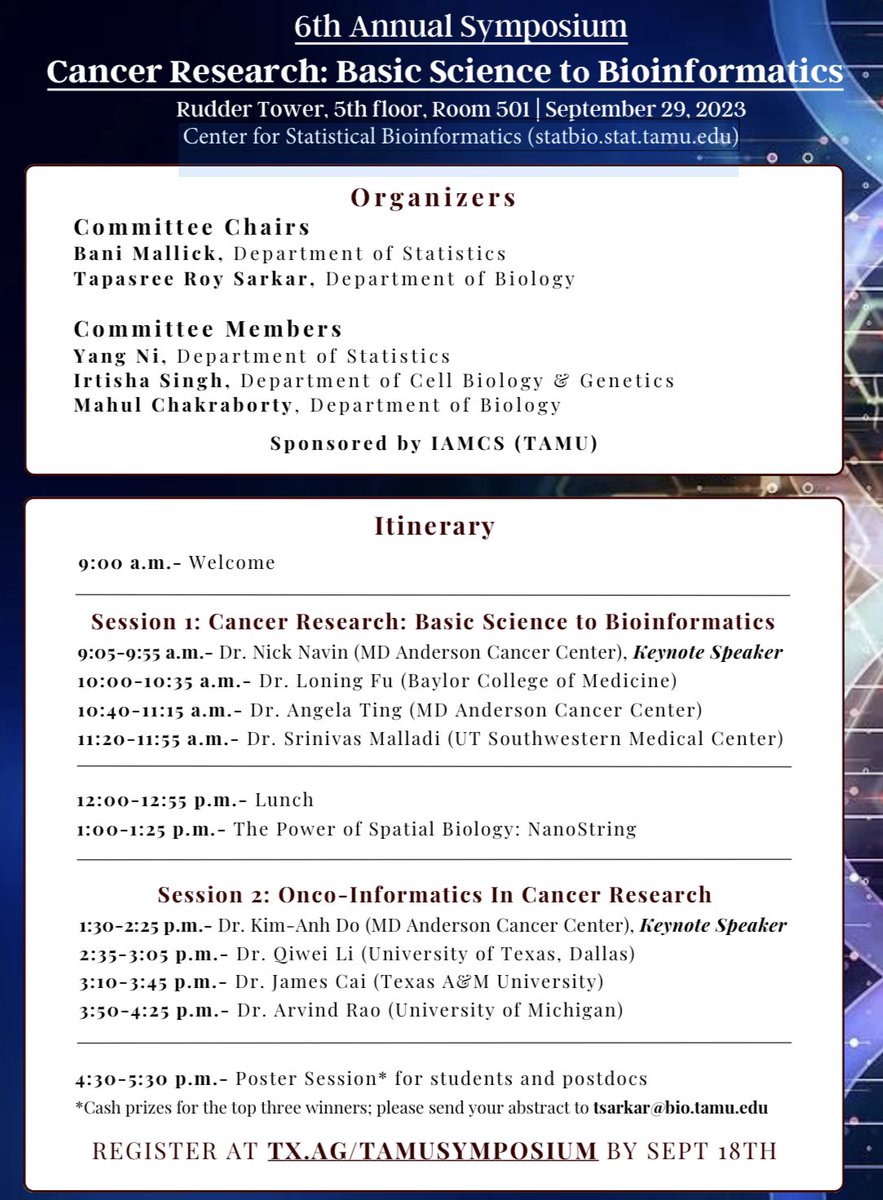
We (Biology, Statistics and Health Science Center of Texas A&M University)are hosting 6th Annual symposium on ‘Cancer: Basic Science to Bioinformatics’.
Date: September, 29th
Venue: Rudder Tower, 5th Floor, 501
Registration deadline: Sept 18th
@TAMU_Biology @TAMUstats
7
15
2,097