
Senior Director of Data Science at Arine. AI / ML in Healthcare to improve outcomes and lower costs of care. Previously @UCSF_BCHSI, @UCBIDS @VerisHealth
Joined October 2009
- Tweets 345
- Following 617
- Followers 201
- Likes 4,827
8 Photos and videos

Elizabeth Smith retweeted

Jun 12
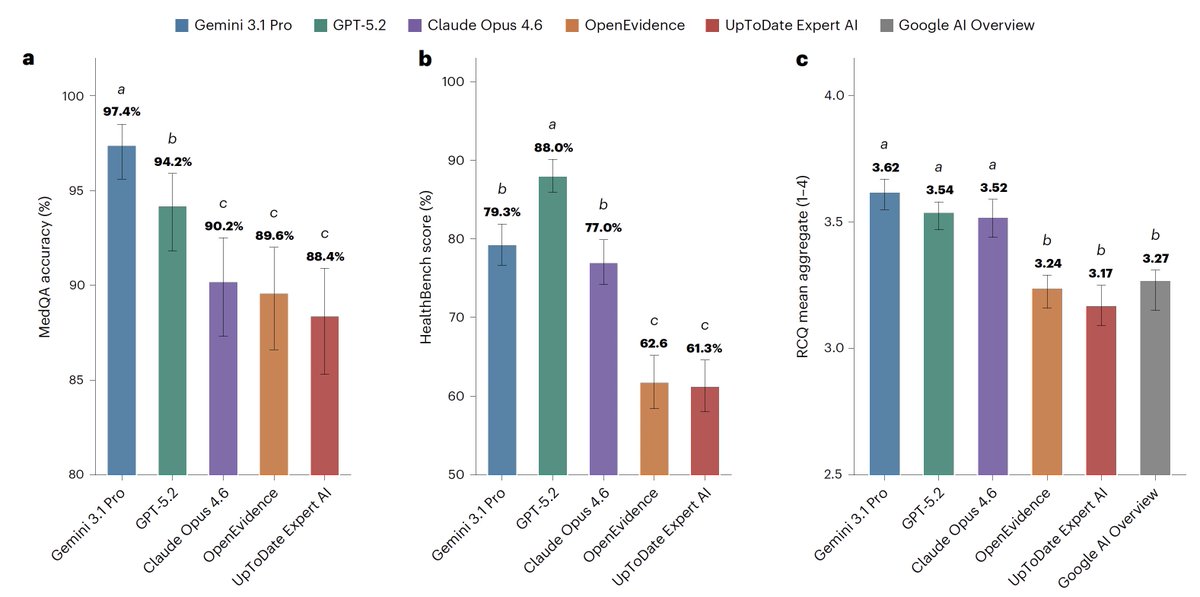
For medical information, general AI frontier models (Google, OpenAI, Anthropic) outperformed specialized @EvidenceOpen and @UpToDate as assessed by 12 US clinicians, randomized and blinded to which model and extensive testing/benchmarks. This was not anticipated. @NatureMedicine
nature.com/articles/s41591-0…
118
522
1,937
810,907
Elizabeth Smith retweeted

15 Jun 2025
There are few in this world who were such forces for good as @atulbutte. His dazzling intellect, relentless curiosity, generosity of spirit, boundless charisma, and infinite optimism left a mark on everything he touched and everyone lucky enough to know him. An enormous loss.

17
59
455
62,481

4 Feb 2025
yay !!!!!
4 Feb 2025

The largest medical #AI randomized controlled trial yet performed, enrolling >100,000 women undergoing mammography screening, was published today @LancetDigitalH
The use of A.I. led to 29% higher detection of cancer, no increase of false positives, and reduced workload compared with radiologists without A.I.. thelancet.com/journals/landi…
85
Elizabeth Smith retweeted

13 Jan 2025
Do you or someone you know have #IBD and are interested in getting #pregnant soon? Consider participating in WIsDoM, an online-only registry that will help answer how IBD & IBD treatments (including surgery) affect #fertility.
lightscameracrohns.com/2025/…
🙏@nataliesparacio
2
6
14
1,121
Elizabeth Smith retweeted
28 Oct 2024
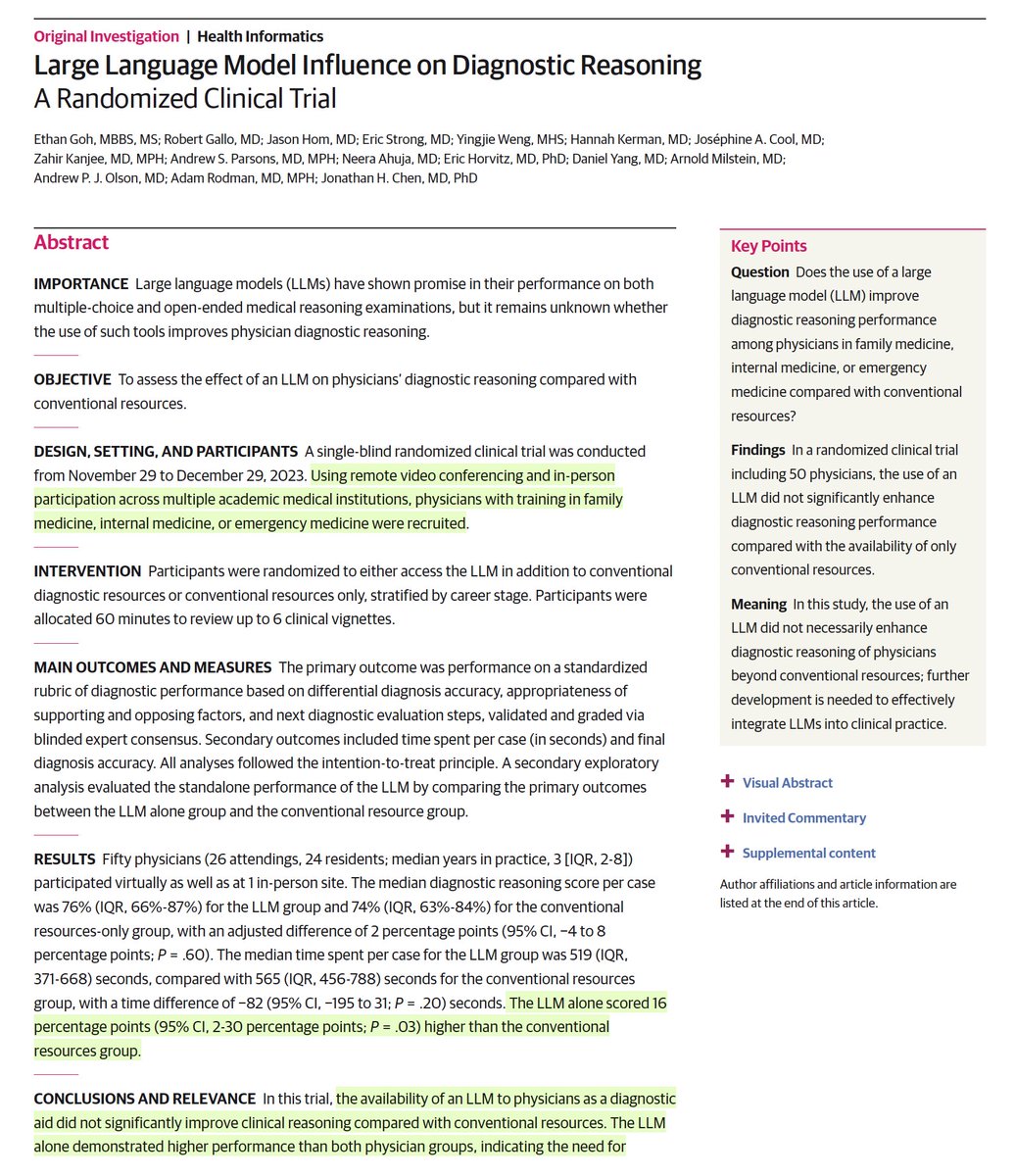
A small randomized trial of generative #AI for diagnosis again (as seen in a few previous studies) shows higher performance for #AI than physicians AI. May indicate that physicians need to be trained on how to incorporate AI.
jamanetwork.com/journals/jam…
13
37
111
186,863

We’re excited to share that @CMSGov has granted ADLT status for our xT CDx test. xT CDx is the first FDA-approved #NGS assay to perform matched normal sequence analysis to provide tumor mutation profiling for patients w/ solid organ neoplasms. Learn more: tempus.co/4eMcFkM
6
12
2,103
Elizabeth Smith retweeted

29 May 2024
@UCSF_DOCIT and @UCSFHospitals will develop the first continuous, autonomous monitoring platform for #AI tech in healthcare. Made possible by a $5M donation, this project aims to prevent undetected adverse outcomes for patients. #healthtech #patientcare tiny.ucsf.edu/R1PfmP
4
14
8,568
Elizabeth Smith retweeted

2 May 2024
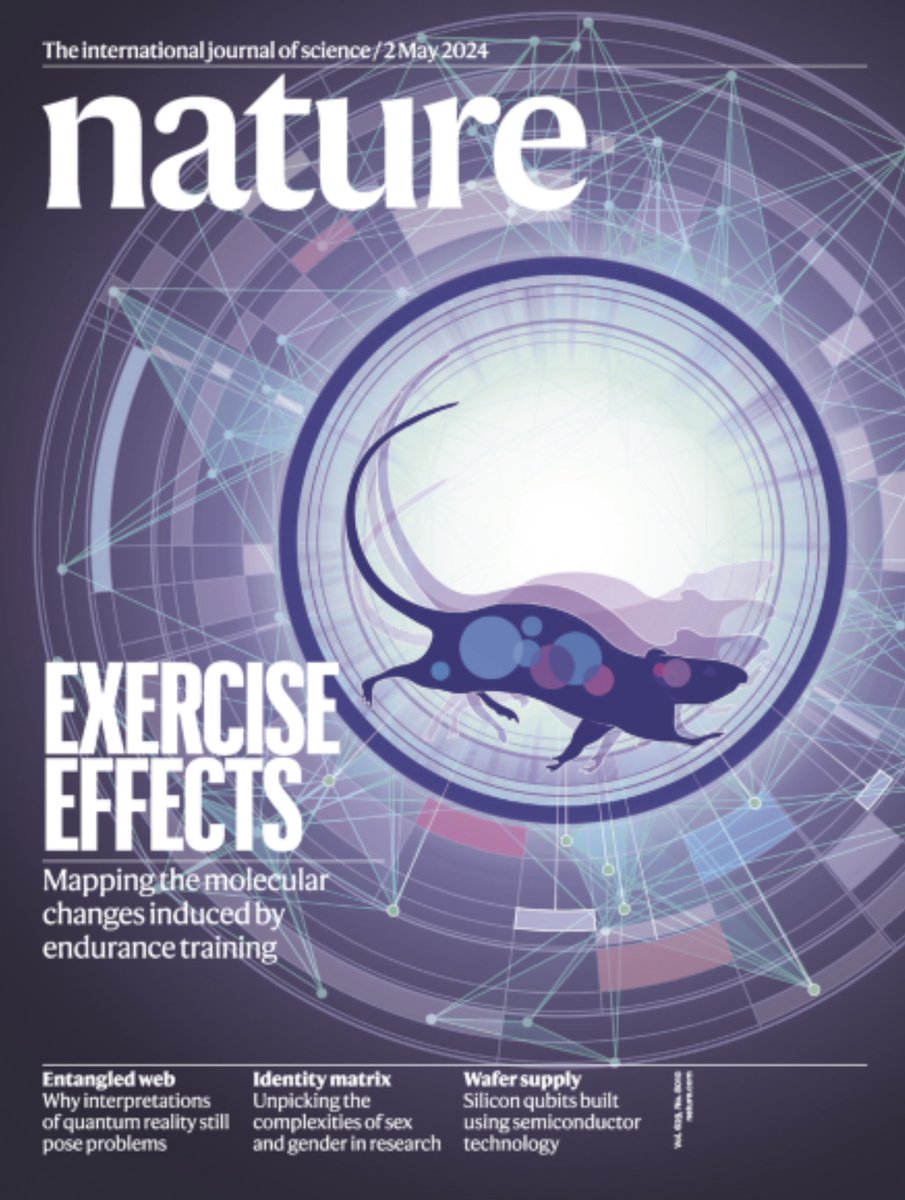
Exercise may be the single most potent medical intervention ever known. Its benefits in prevention outstrip any known drugs: 50% reduction in the risk of cardiovascular disease, 50% reduction in the risk of many cancers, positive effects on mental health, pulmonary health, GI health, bone health, muscle function. You name it. Exercise helps. In fact, the ability to exercise over long distances was likely key to our evolution as a species because the availability of densely caloric foods due to persistence hunting allowed our energy-avid brains to enlarge. And yet, we have had very little insight into the molecular basis of these magical effects...until now!
Published in yesterday's Nature and featured on the cover was work from our consortium that represents the culmination of a couple of decades of pitching ideas to the NIH, forming a consortium, planning experiments, executing those experiments, and analyzing data at unprecedented scale, all aimed at enhancing our understanding of the molecular transducers of exercise.
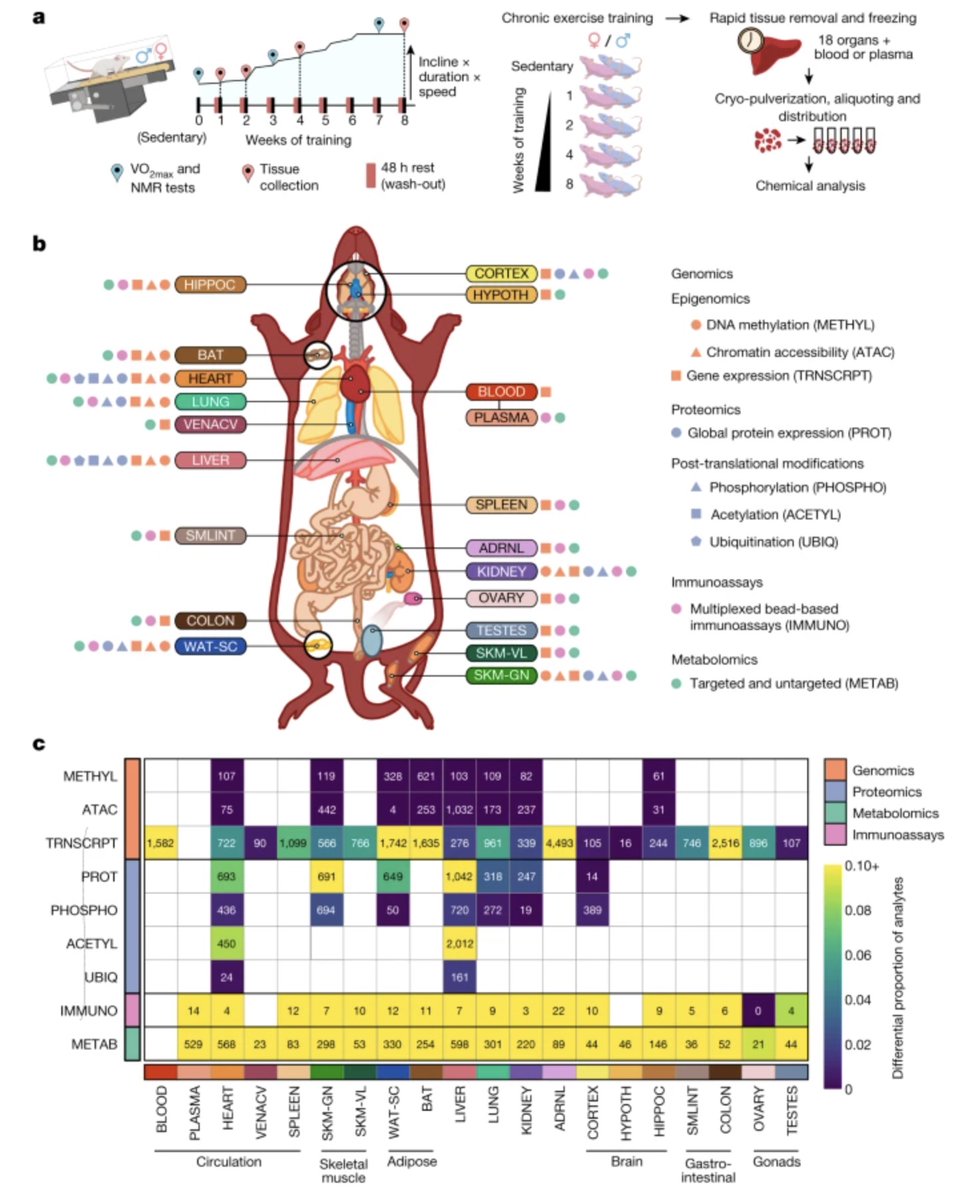
It was a major effort from so many in our consortium (playfully named MoTrPAC) and is the first landmark paper of many more to come. This first paper focused on the multi-tissue, multi-omics of treadmill exercise in rats. Specifically, we report the effects of eight weeks of treadmill running on the transcriptome, the epigenome, the proteome, the metabolome, the lipidome and the immunome of a broad range of tissues (in fact, 9,466 assays across 19 tissues, 25 molecular platforms, and 4 training time points).
The result is the most comprehensive molecular map of exercise ever created. At Stanford, my colleague @MWheelerMD and I co-lead the bioinformatics center and it was our team's duty and privilege to ingest the data, QC the data, help analyze the data, and make the data available to the world. Various tools available at our data hub allow you to explore the data, visualize it, and download it for your own use.
Have fun! And stay tuned for human data that will be coming.
So many people to thank who made this possible (see the paper for details). Special shout out to the primary analysts and authors: David Amar, Nicole Gay, & Pierre Jean Baltran.
Paper: nature.com/articles/s41586-0…
Data hub: motrpac-data.org/
22
251
843
143,569
Elizabeth Smith retweeted
29 Apr 2024
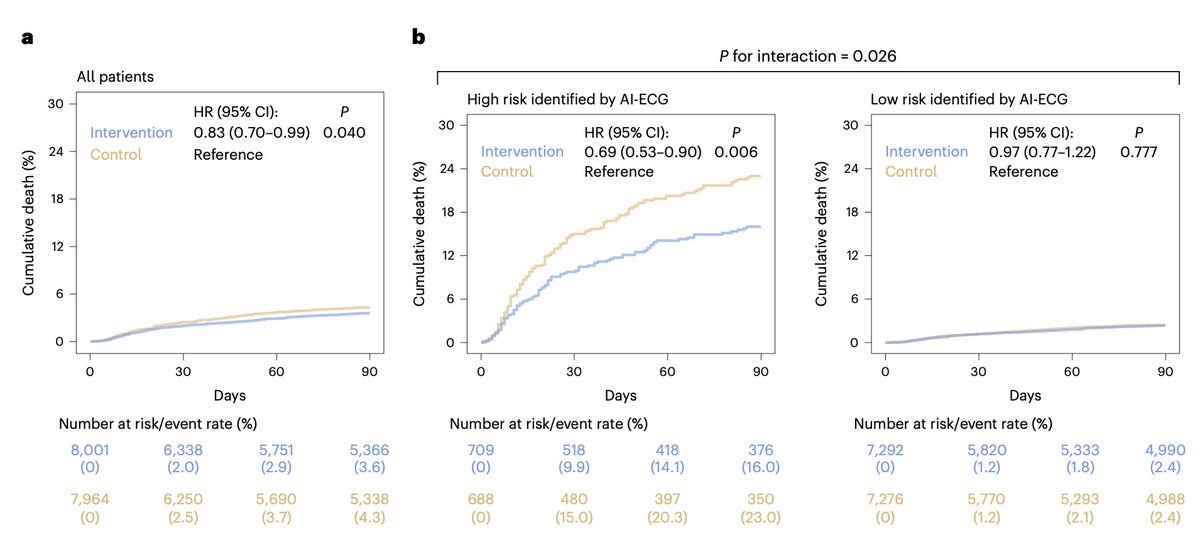
The first randomized trial of medical #AI to show it saves lives
ECG-AI alert in 16,000 hospitalized patients
31% reduction of mortality (absolute 7 per 100 patients) in pre-specified high-risk group
nature.com/articles/s41591-0…
@NatureMedicine
20
406
1,173
305,543
Elizabeth Smith retweeted

9 Apr 2024
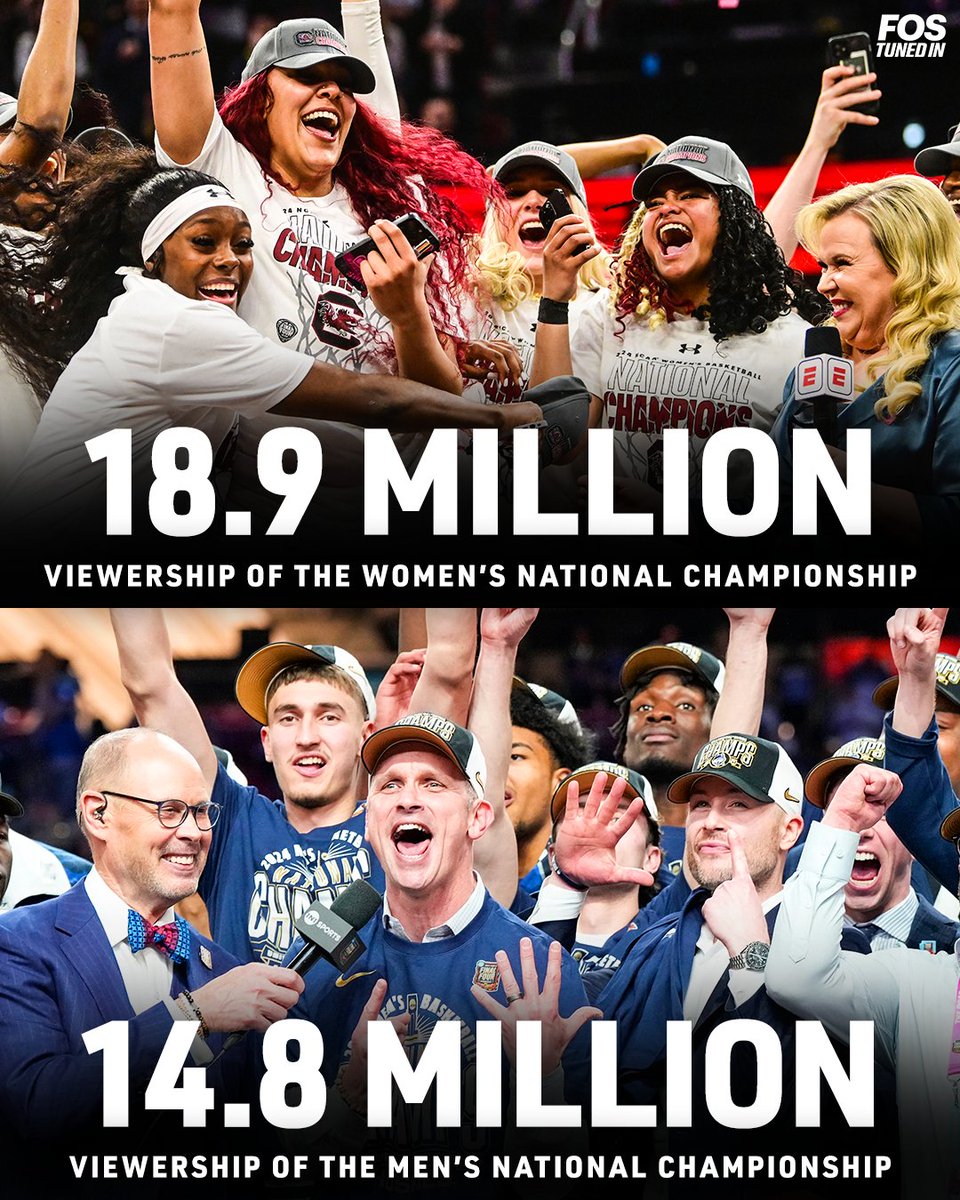
For the first time in history, the NCAA women's basketball title game drew more viewers than the men's.
683
3,986
19,163
6,447,877
Elizabeth Smith retweeted

5 Dec 2023
IBM & Meta are launching the AI Alliance to advance *open* & reliable AI.
The list of over 50 founding members from industry, government, and academia include AMD, Anyscale, CERN, Hugging Face, the Linux Foundation, NASA....
ai.meta.com/blog/ai-alliance…
149
759
3,958
765,949
23 Nov 2023
Happy Thanksgiving! Thank you @karpathy
23 Nov 2023

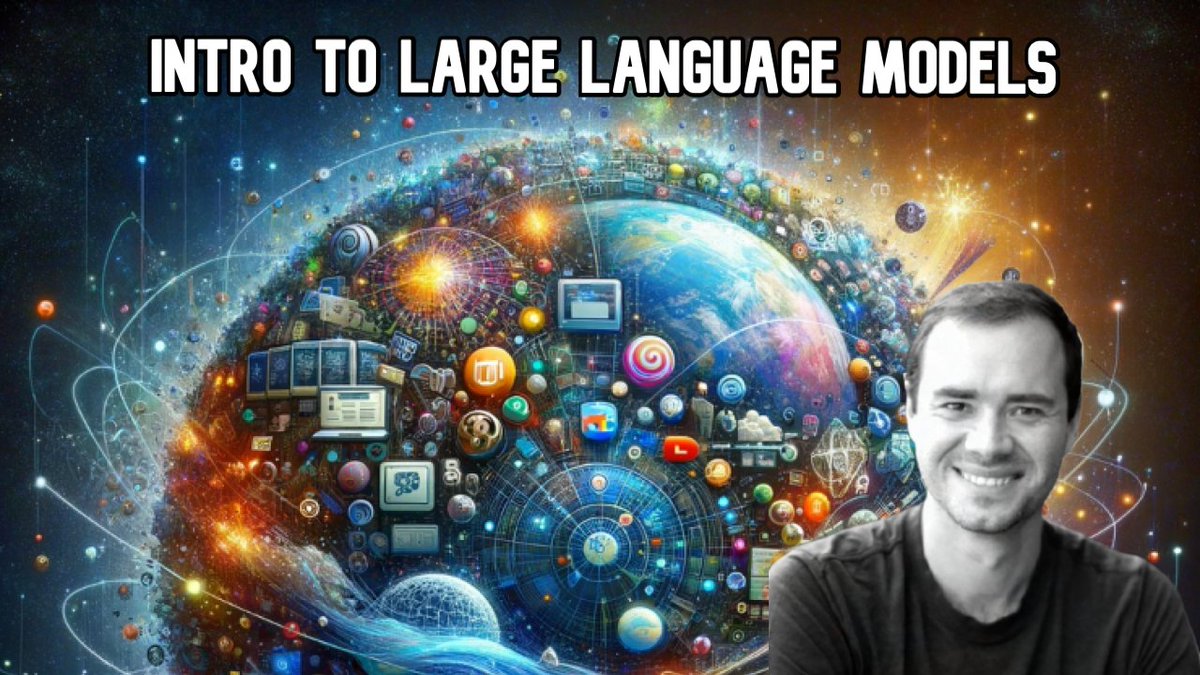
New YouTube video: 1hr general-audience introduction to Large Language Models
youtube.com/watch?v=zjkBMFhN…
Based on a 30min talk I gave recently; It tries to be non-technical intro, covers mental models for LLM inference, training, finetuning, the emerging LLM OS and LLM Security.
95
Elizabeth Smith retweeted

23 May 2023
Currently 80 job openings across the @UofCalifornia @QB3 startup ecosystem! Academia→ discovery→ jobs… let’s keep Bay Area entrepreneurship alive! Start here: jobs.qb3.org.
9
16
3,316
Elizabeth Smith retweeted

22 May 2023
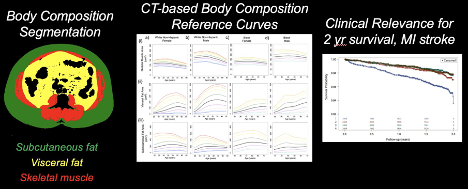
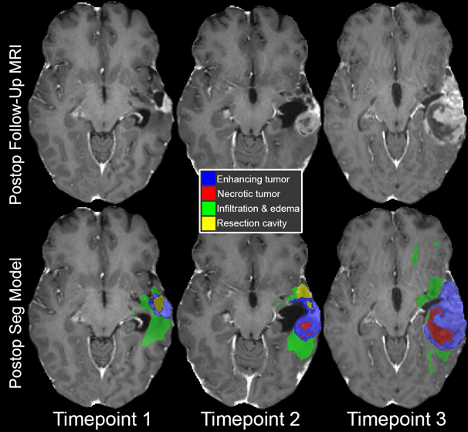
🌟🌟🌟Hiring a postdoc candidate, research scientist or research assistant🌟🌟🌟
(retweets appreciated)
Exciting times!
@KMagudia and @ecalabr are recruiting a candidate to join us here at @DukeRadiology @duke_dair
Apply here: careers.duke.edu/job-invite/…
2
15
38
11,137
Elizabeth Smith retweeted

20 Mar 2023
Colon cancer cases are rising among younger adults, according to a study from the American Cancer Society this month. Here's what to know about early signs, screening and prevention. nyti.ms/3FBPXfc
28
215
589
867,755
Elizabeth Smith retweeted
10 Feb 2023
I can't recall a @UCSF grand rounds that was more fascinating or mind-blowing than this far-ranging discussion of #ChatGPT's implications for healthcare – clinical, research, and education – by @atulbutte, @AaronNeinstein, @SaraMurrayMD & @LowensteinMD. youtube.com/watch?v=j-aOCuzf…
7
59
229
78,213
Elizabeth Smith retweeted

13 Dec 2022
This is a game changer. Segment 100 structures in any whole-body CT image in 2 minutes using TotalSegmentator in @3dslicerapp
All free, open-source software. Runs on any computer, no GPU is required. See more information at discourse.slicer.org/t/26710
20
219
937
Elizabeth Smith retweeted

How can we prepare our clinical trials infrastructure to rapidly execute clinical trials in case of public health emergency? This is about biodefense, preparedness, equity, diversity, and reestablishing trust in science.
51
49
143
Elizabeth Smith retweeted

26 Nov 2022
Should @elonmusk give $ 1billion directly to the poorest people in the world via @GiveDirectly
vox populi, vox dei
74%
Yes
26%
No
120,454 votes • Final results
640
1,191
2,522
26 Nov 2022
A great resource (I took a similar class with lectures by @jcjohnss when he was at Stanford).
26 Nov 2022

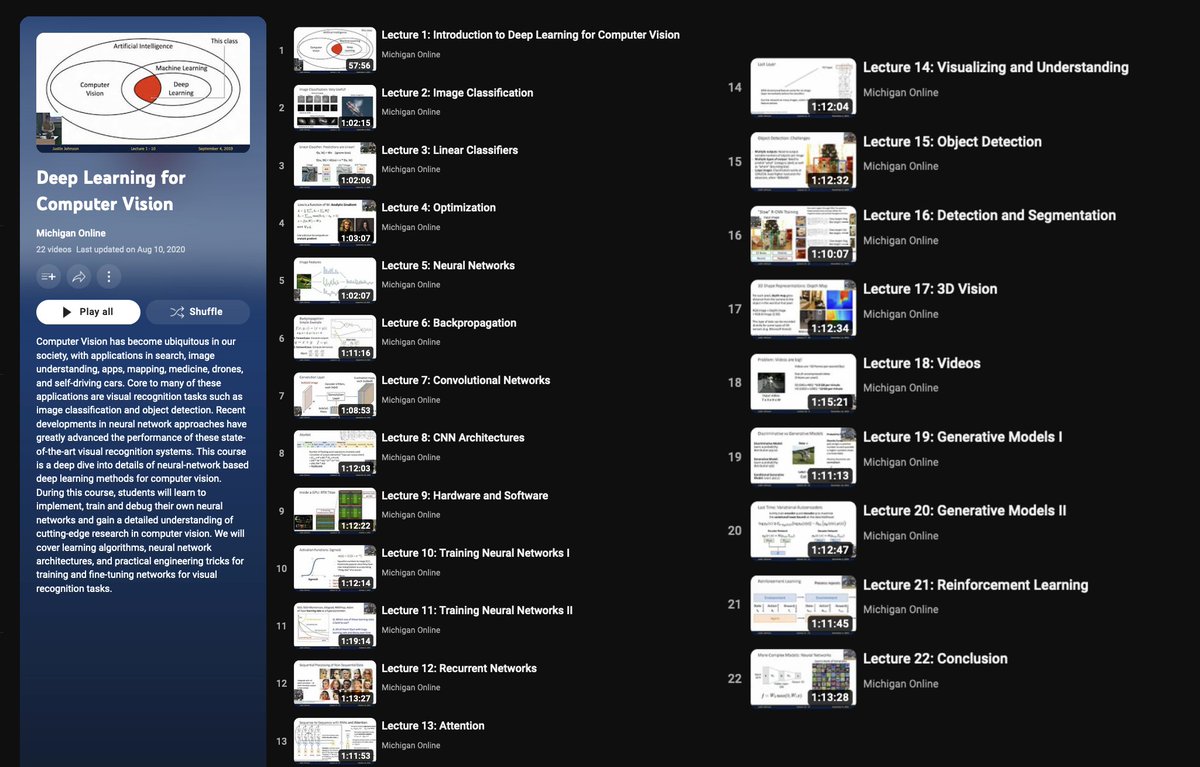
Deep Learning for Computer Vision - Justin Johnson at Michigan
THIS is inarguably one of the best(if not the best) deep learning & computer vision courses. The course covers essential deep learning techniques and modern visual recognition architectures.
youtube.com/playlist?list=PL…
2