
Joined February 2015
- Tweets 9,120
- Following 406
- Followers 6,455
- Likes 14,763
252 Photos and videos






Dr. Jasmeet Kaur (PhD) retweeted

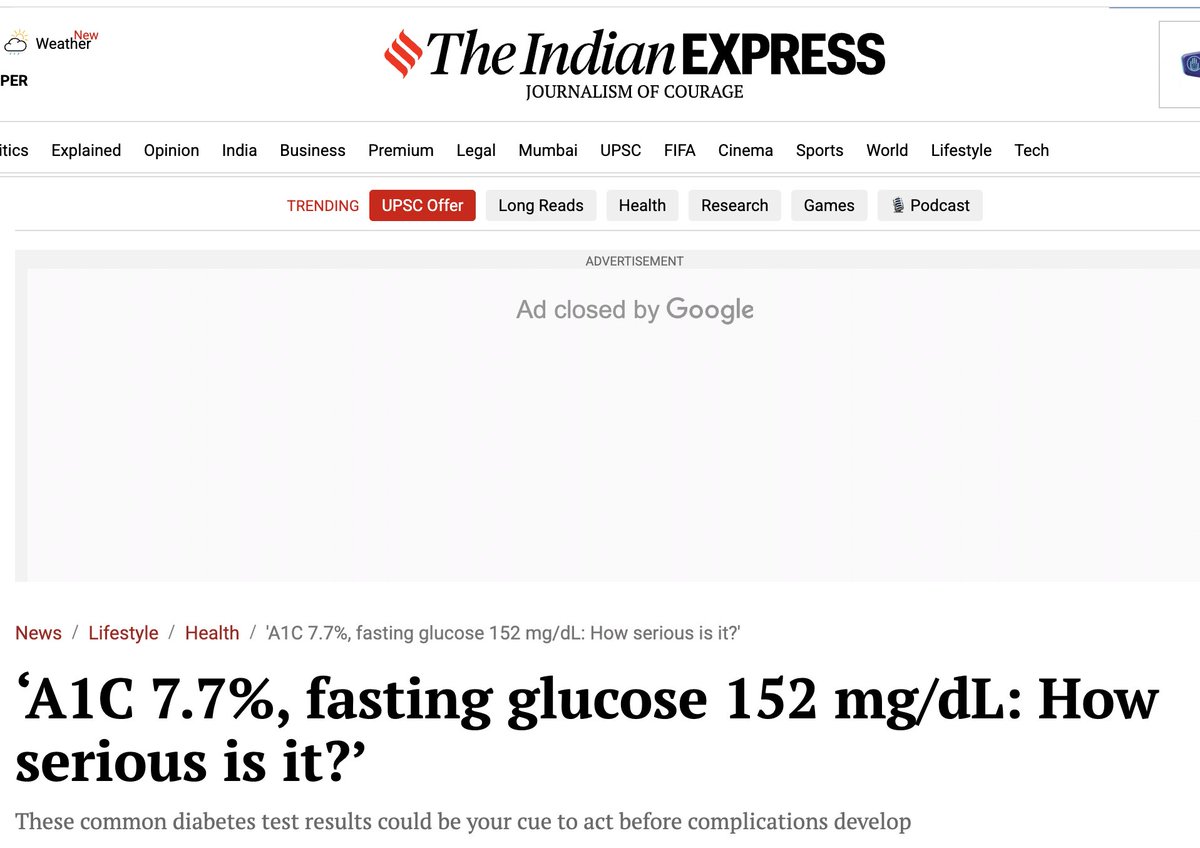
The article provides useful information on diabetes and its risks, but there is hardly any discussion on dietary interventions, especially carbohydrate reduction, which can significantly impact blood glucose levels.
As usual, medications receive far more attention than nutrition.
If we continue to underemphasize lifestyle and dietary approaches, we may be headed for even worse metabolic health outcomes in the future.
indianexpress.com/article/li…
1
3
14
544
Dr. Jasmeet Kaur (PhD) retweeted
This remains my favorite ...

A beautiful video on how blind rage leads to self destruction.
Source: University of Whatsapp
2
2
9
473
Dr. Jasmeet Kaur (PhD) retweeted
An inferiority complex often wears the mask of a superiority complex.
People who constantly need to prove they are smarter, richer, stronger, more successful, or always right may not be displaying confidence.
Sometimes they are trying to compensate for deep-seated insecurity.
True confidence is usually quiet.
It doesn't need constant validation, comparison, or applause.
The loudest superiority can sometimes be a sign of the deepest inferiority.
Confidence says:
"I am comfortable with who I am."
Superiority says:
"I need to convince others who I am."
Healthy self-esteem doesn't come from feeling better than others. It comes from being at peace with yourself.
3
10
30
2,104
Dr. Jasmeet Kaur (PhD) retweeted
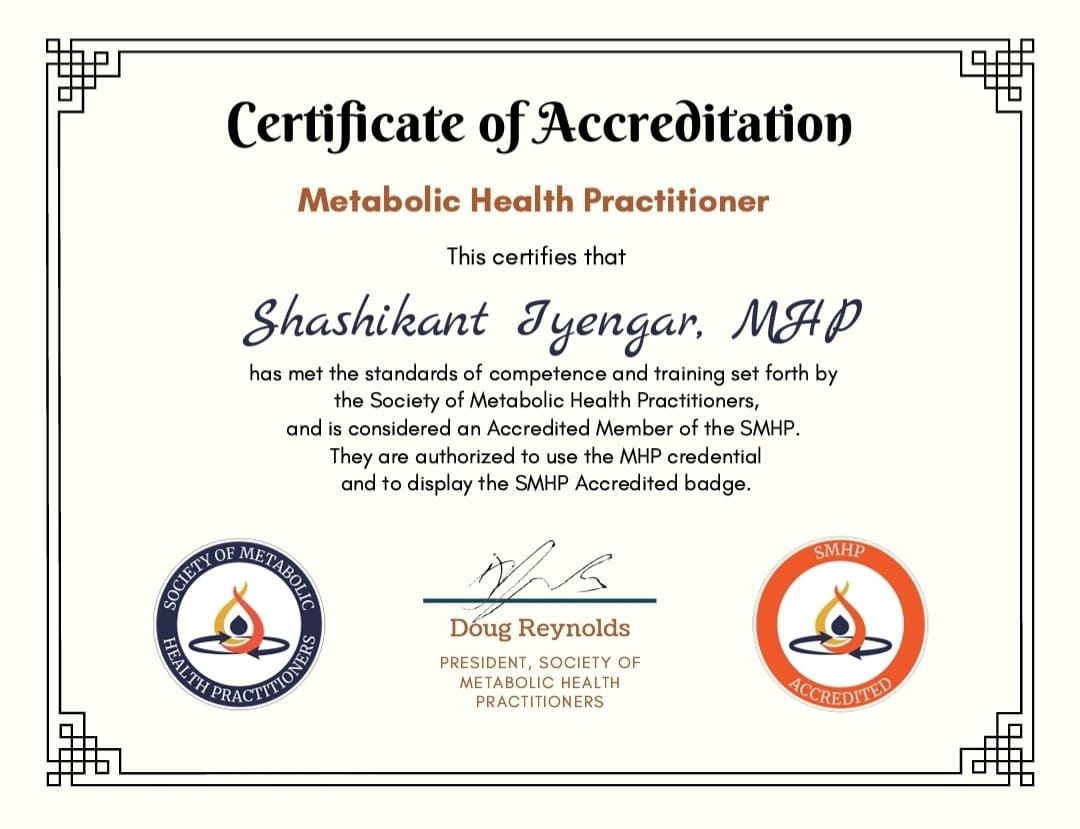
The Metabolic Health Practitioner (MHP) credential is awarded by the Society of Metabolic Health Practitioners (@TheSMHP ) to individuals who have demonstrated extensive training, multiple certifications, practical experience, and competency in the field of metabolic health.
It reflects a commitment to evidence-based practice and ongoing professional development in areas such as obesity, insulin resistance, type 2 diabetes, metabolic syndrome, and related conditions with Therapeutic Carbohydrate Restriction.
I am proud to be among the first professionals from India to earn this accreditation and to be part of a global community working to improve metabolic health through education, nutrition, and lifestyle interventions.
Learning never stops. The more we know, the better we can serve those who trust us with their health. 🙏🏻
19
8
48
4,779
Dr. Jasmeet Kaur (PhD) retweeted
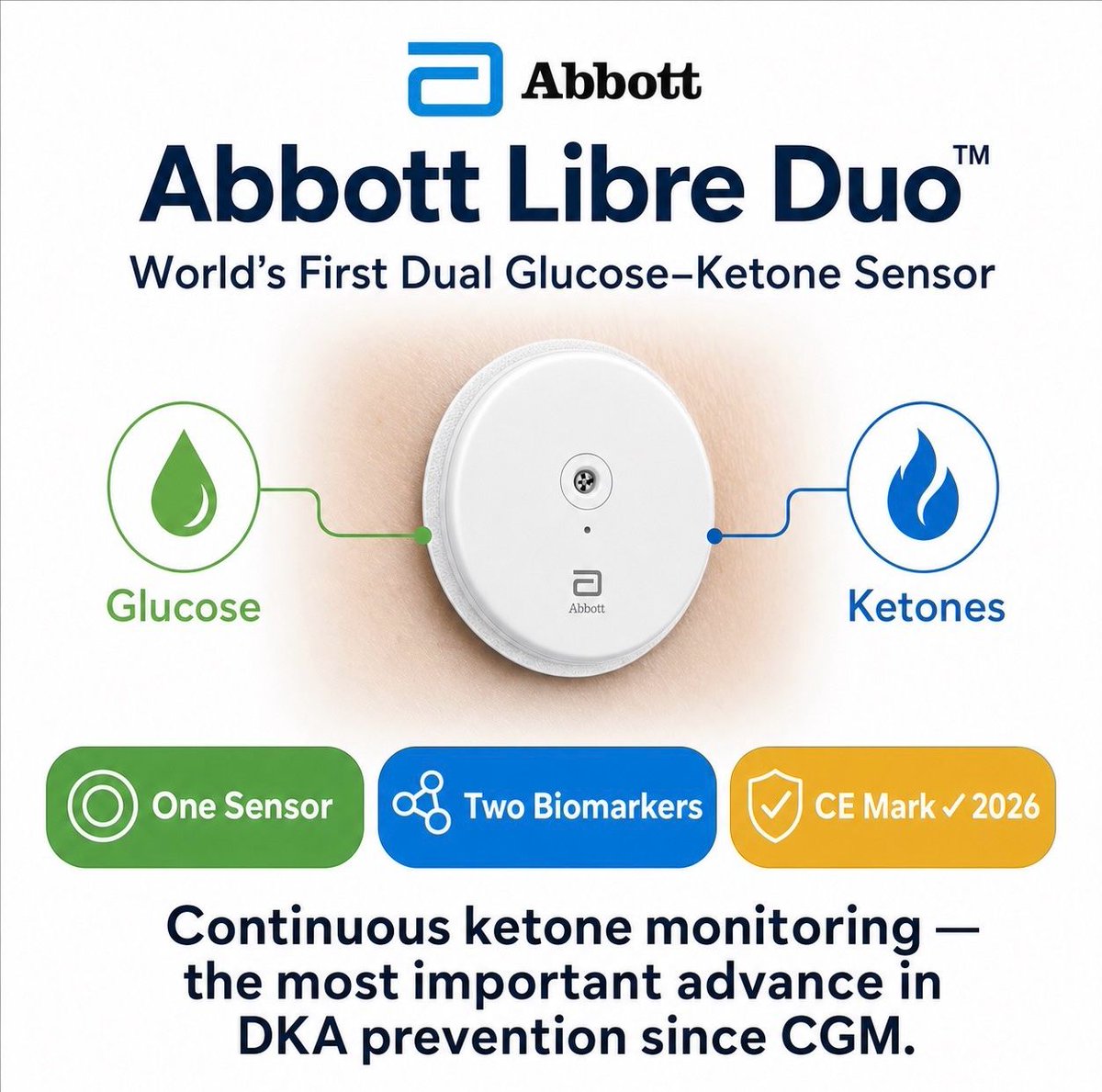
World's first dual glucose-ketone sensing technology.
Very interesting product to be launched.
abbott.mediaroom.com/2026-05…
2
9
24
1,004

A 45-year-old woman from UK enrolled with me with one simple request:
“Please help me sleep.”
For months she was waking up multiple times during the night, often covered in sweat. Her sleep quality was very poor and she felt tired almost all the time. She had low energy, struggled to recover from exercise, and was finding it harder to get through the day.
Like many women, she believed she was living a healthy lifestyle.
She was eating clean food, avoiding junk food, exercising regularly, and trying to take care of herself.
But when we looked deeper, we found a problem.
She was not eating enough.
Not because she was trying to lose weight. Not because she was dieting.
She simply wasn’t hungry.
She was skipping breakfast, having her first meal around noon, and even that meal was very small. Her main meal was around 6 PM where she focuses on protein and some healthy carbohydrates.
On paper, it looked healthy.
But her body was not getting enough nutrition throughout the day.
Instead of focusing only on sleep, we took a holistic approach.
We worked on supporting her hormones using my holistic approach along with improving meal timing, increasing protein intake, and making sure she was eating enough food consistently.
We moved her to three proper meals a day. We increased her food intake and protein intake.
Today she consumes around 90 grams of protein daily, and we are still working on improving it further.
We also replaced the frequent HIIT workouts with strength training.
The results were surprising even for her.
Within the first week, her sleep started improving.
The night sweats reduced and eventually disappeared.
She began sleeping through the night.
Her energy levels improved.
Her hunger signals came back.
She felt stronger and more resilient.
Now, three months later, she is sleeping well, training regularly, eating more than double the food she was eating before, and her weight has remained stable.
This is exactly why I share these stories.
Many women, especially in their late 30s and 40s, are trying to do everything right.
They eat clean.
They exercise more.
They cut calories.
They skip meals.
They push through fatigue.
And then they wonder why their sleep, energy, mood, recovery, and hormones start getting worse.
One thing I have noticed over the years is that the difference in metabolic health between men and women becomes much more visible in the late 30s and early 40s.
The strategies that may work for younger individuals often stop working during this phase of life.
The female body is not simply a smaller version of the male body.
What works for a young man trying to lose weight may not work for a woman going through hormonal changes in her 40s.
Sometimes the body is not asking for more discipline. Sometimes it is asking for more nourishment.
Before blaming your hormones, ask yourself:
“Am I truly giving my body enough food, enough protein, and enough recovery to feel safe?”
Many health problems start improving when we stop fighting the body and start supporting it.
2
6
23
1,315
Dr. Jasmeet Kaur (PhD) retweeted
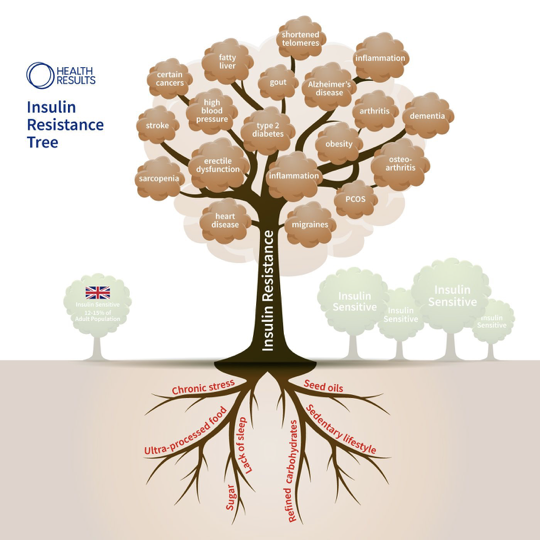
The Insulin Resistance Tree
Bookmark and share this.
Research has linked insulin resistance and hyperinsulinemia to a wide range of metabolic disorders, including:
• Type 2 diabetes
• Obesity
• Fatty liver disease
• PCOS
• Hypertension
• Cardiovascular disease
• Elevated triglycerides
• Metabolic syndrome
• Gout
Emerging research is also exploring its links with conditions such as cognitive decline, dementia, inflammation, and other chronic diseases.
The challenge is that insulin resistance can remain undetected for years while blood glucose levels still appear "normal."
Perhaps it's time to move beyond a glucose-centric view of health and pay more attention to the underlying metabolic dysfunction.
The branches may look different.
But in many cases, the root may be the same.
Understanding insulin resistance may be one of the first steps toward understanding the modern metabolic health crisis.
1
14
36
1,859
🚨 HbA1c Reduced From Above 12% to 7.6% in 4 Months
A woman enrolled with:
➡️ Fasting glucose consistently above 200 mg/dL
➡️ Post-meal glucose often between 350–400 mg/dL
➡️ HbA1c above 12%
She had already been trying to eat healthier and was consuming reasonable amounts of protein, but her glucose levels remained severely elevated.
Being in the US, it was difficult to arrange some of the additional investigations that I would have ideally liked to perform to better understand the underlying physiology. Therefore, decisions had to be made primarily based on her clinical presentation, glucose patterns, and available laboratory data.
The problem wasn’t simply what she was eating. When fasting glucose stays high throughout the day, it indicates severe insulin resistance along with excessive glucose release from the liver. In perimenopause and menopause, hormonal changes, loss of muscle mass, and worsening insulin resistance can further impair glucose regulation.
She was taking glimepiride, a DPP-4 inhibitor, and metformin.
However, given the severity of the hyperglycemia, we couldn’t rely on stimulating the pancreas so we transitioned to a low dose basal-bolus insulin approach while continuing metformin.
At the same time, we focused on:
Protein-prioritized meals
Nutrient-dense whole foods
Preserving and rebuilding muscle mass
Supporting metabolic health through lifestyle interventions
Stress management
So, basically addressing different factors contributing to insulin resistance in her body.
The result?
📉 HbA1c dropped from above 12% to 7.6% in approximately4 months.
Today, when she follows the plan consistently, her glucose levels are commonly in the 90–150 mg/dL range. Occasional higher readings still occur with off-plan meals, but the overall improvement has been substantial.
This case highlights an important lesson:
Type 2 diabetes is not always a simple consequence of eating too many carbohydrates in females.
Severe metabolic dysfunction often involves insulin resistance, impaired glucose regulation, loss of muscle mass, hormonal changes, and excessive glucose production by the liver.
Lowering blood sugar is important but Restoring metabolic health is the real goal in such cases.
HbA1c >12% to 7.6% in 4 months is a significant improvement and shows what can happen when medication, nutrition, and physiology-based lifestyle interventions work together.
4
6
36
5,426
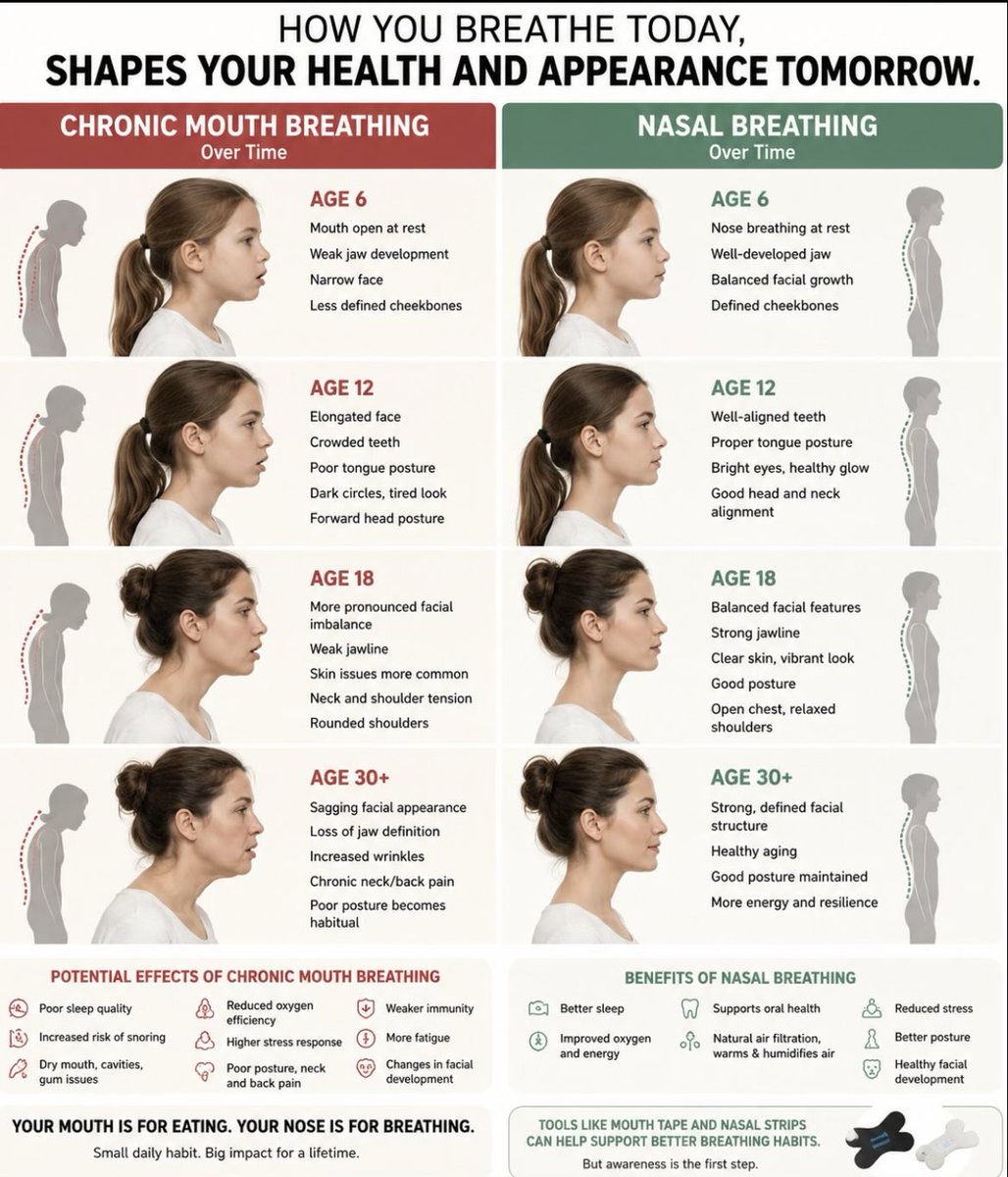
Long sitting hours are one of the biggest reasons posture deteriorates over time. Human beings were designed to move, not remain seated for most of the day.
Prolonged sitting can lead to muscle weakness, tight hips, poor breathing patterns, reduced circulation, and postural changes that place the body under continuous physical stress.
In women, this may be especially important. Reduced movement, loss of muscle mass, poor posture, chronic stress activation, and disrupted breathing patterns can contribute to fatigue, fluid retention, reduced metabolic flexibility, and weight gain that often seems “unexplained” despite efforts to eat well.
Weight gain is rarely just about calories. Sleep quality, stress hormones, muscle health, movement, breathing, and posture all influence how efficiently the body regulates energy and stores fat.
The human body thrives on movement. Regular walking, strength training, mobility work, and diaphragmatic breathing are not just forms of exercise, they are signals that help the body function as it was designed to.
7
34
1,022
Dr. Jasmeet Kaur (PhD) retweeted
Honoured to share my endorsement for the book
"Sugar Bomb in Your Brain" by @BittenJonsson
Sugar addiction is real, often misunderstood, and may be one of the biggest drivers of poor metabolic health. This book brings science, compassion, and practical solutions to a challenge affecting millions
Bitten Jonsson is a global pioneer in the field of sugar addiction, bringing decades of experience, research, and clinical insight to this important topic

14
14
52
2,053
Dr. Jasmeet Kaur (PhD) retweeted
Most people know someone with diabetes.
Many know someone with obesity.
Many know someone with fatty liver.
Many know someone with PCOS.
But how many of us know about insulin resistance or hyperinsulinemia - conditions that may be associated with these disorders and can often precede them by years?
Yes, insulin resistance and hyperinsulinemia may be present long before these conditions are diagnosed.
Perhaps it's time we paid more attention to the underlying metabolic dysfunction, rather than focusing only on the diseases that appear later.
2
7
30
1,428
HbA1c has been considered one of the most important markers for diabetes management.
HbA1c estimates your average blood sugar over the previous 2–3 months.
It is useful, but it has an important limitation:
An average does not tell you how much your blood sugar fluctuates throughout the day.
Imagine two people with the same HbA1c of 6.5%.
Person A:
Glucose stays between 80–140 mg/dL most of the time.
Person B:
Glucose repeatedly rises to 220–250 mg/dL after meals and later drops to 60–70 mg/dL.
At the end of three months, both may have a similar HbA1c.
But their daily glucose patterns are completely different.
This is why Continuous Glucose Monitoring (CGM) has become so valuable.
It allows us to look at Time in Range (TIR), the percentage of time glucose stays within a target range.
Why is this important?
Because the body does not experience an average.
It experiences every glucose rise.
It experiences every glucose drop.
It experiences the physiological effects of repeated glucose excursions throughout the day.
A person may have a “good” HbA1c while still spending several hours each day with glucose levels that are too high or too low.
The goal is not just a lower average blood sugar.
The goal is:
More time in a healthy range
Fewer glucose spikes
Fewer glucose crashes
Better glucose stability
Better day-to-day energy
Better long-term metabolic health
HbA1c tells us the average.
Time in Range tells us how often glucose stays within a healthy range.
Both are useful, but Time in Range provides a much more complete picture of what is happening throughout the day.
A healthy metabolism is not defined only by an average glucose value, but also by how stable glucose remains over time.
Your body doesn’t feel your HbA1c. It feels every glucose spike and every glucose crash.
2
8
377
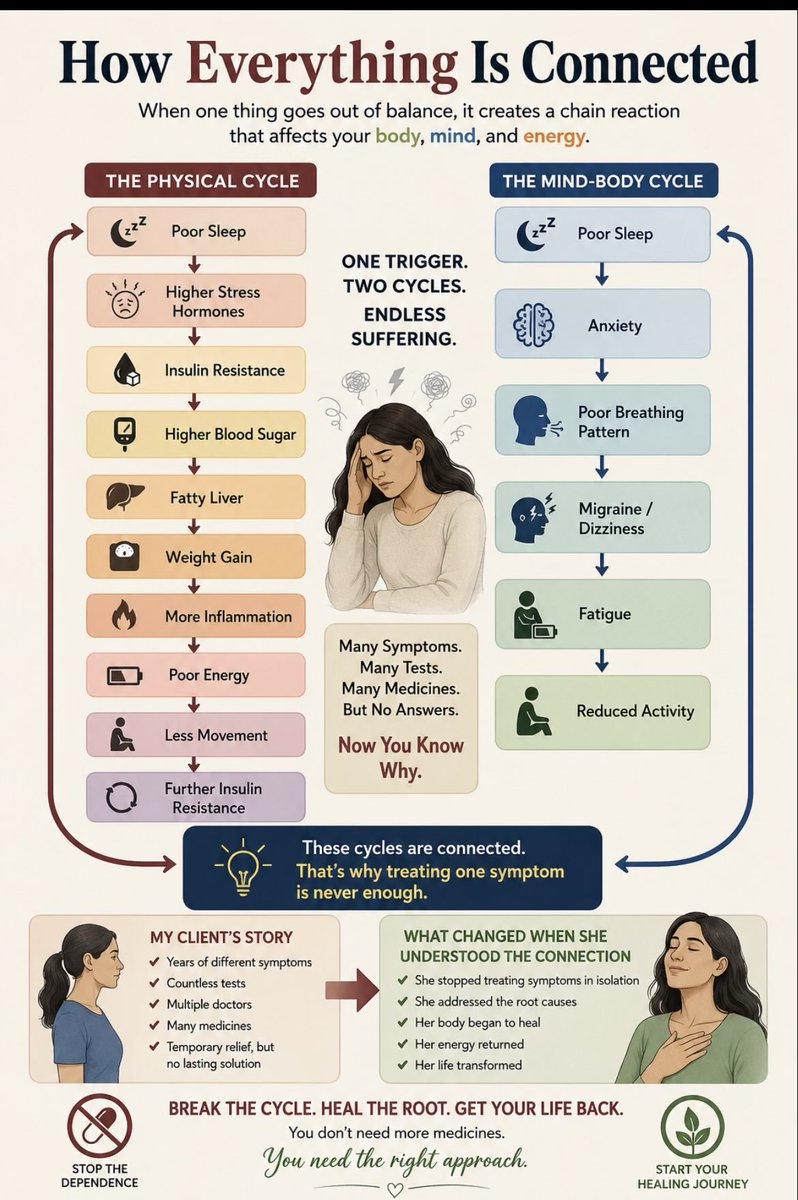
How Everything Is Connected ?
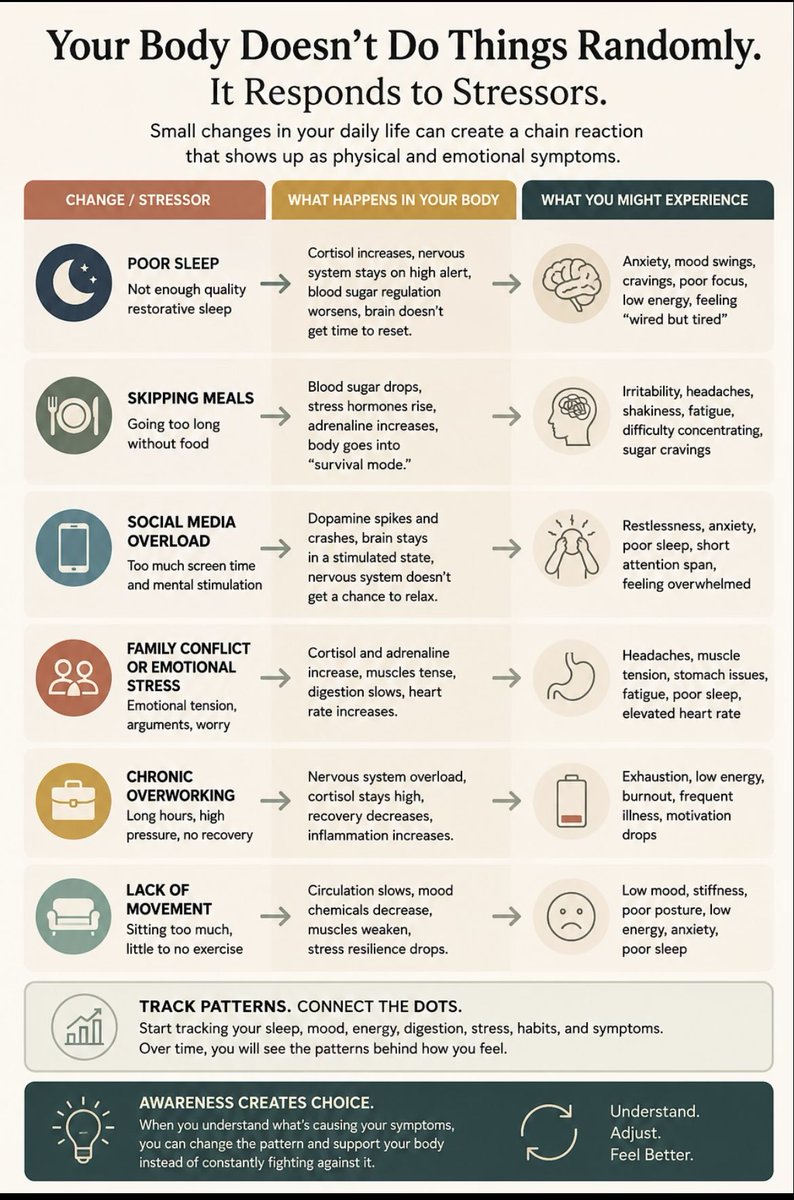
One of my client spent years suffering with different symptoms and taking different medications.
What she never realised that many of her symptoms were connected.
Cycle 1
Poor Sleep
⬇️
Higher Stress Hormones
⬇️
Insulin Resistance
⬇️
Higher Blood Sugar
⬇️
Fatty Liver
⬇️
Weight Gain
⬇️
Inflammation
⬇️
Low Energy
⬇️
Less Movement
⬇️
More Insulin Resistance 🔄
Cycle 2
Poor Sleep
⬇️
Anxiety
⬇️
Poor Breathing Pattern
⬇️
Migraine / Dizziness
⬇️
Fatigue
⬇️
Reduced Activity
⬇️
More Anxiety 🔄
For last many years, she was treating symptoms one by one visiting different doctors. But real improvement started when she understood that these were not separate problems.
By improving sleep, nutrition, stress management, breathing, and movement, the whole cycle started to change.
Body shows symptoms one after another when we don’t listen or react to them. As it’s one connected body.
4
10
43
1,648
Dr. Jasmeet Kaur (PhD) retweeted
When a nation sees rising obesity, diabetes, fatty liver, PCOS, hypertension, and metabolic disease simultaneously...
It may be worth asking whether these are truly separate conditions - or different manifestations of the same underlying problem.
Perhaps we have become too focused on treating individual diseases and not focused enough on understanding what connects them.
The answers may be more important than we realize.
It's insulin resistance at the core and correcting the lifestyle that includes real food can resolve it.
3
5
34
2,686
Dr. Jasmeet Kaur (PhD) retweeted

Someone in your community is going to become the person who helps people reverse type 2 diabetes.
The one who actually understands the science, insulin resistance, ketosis, low-carb nutrition and can explain it in plain language to someone who's been told they'll be on medication for life.
The one who knows how to read a blood panel, make sense of CGM data, and work alongside a medical team without overstepping.
That could be you - Pre Order The Foundations of Metabolic Coaching: courses.nutrition-network.or…

5
7
666
Dr. Jasmeet Kaur (PhD) retweeted
The effect of virgin coconut oil (VCO) on cardiovascular disease risk factors: a systematic review and meta-analysis
"Pooled analyses showed that VCO significantly reduced triglycerides (WMD: - 12.12 mg/dL; 95% CI: - 23.14 to - 1.09) and increased high density lipoprotein-cholesterol (HDL-C) (WMD: 7.91 mg/dL; 95% CI: 4.41 to 11.40)"
"Virgin Coconut oil supplementation may improve specific lipid parameters, particularly TG and HDL-C, while showing limited effects on other cardiometabolic outcomes"
pubmed.ncbi.nlm.nih.gov/4144…
1
4
6
201
Dr. Jasmeet Kaur (PhD) retweeted
We had a good live discussion.
@NutritionNetwrk @TheNoakesF

Its live
2
16
568
Dr. Jasmeet Kaur (PhD) retweeted
Meanwhile me:
10 years of high fat diet.
Average LDL >150
Average ApoB >113
CAD-RADS 0 at the 10th year
frontiersin.org/journals/nut…
Jun 8

Feeling extremely lucky to live in 2026 and have access to such incredible medicine and clinical research.
On the eve of my 40th I had my first dose (monthly injection) of a new treatment that I’m hopeful will prevent me from ever having a heart attack or stroke.
This drug will shift my physiology towards those who won the genetic lottery when it comes to atherosclerosis. I won’t get the benefit from birth but I’ll have it from here on out.
Why take this drug?
Well, full details to come in a series of YouTube which will also include my very own serial CTA angiogram results from the Lundquist Institute.
For now here’s some background information:
I had two scans done so I could see my baseline level of plaque and annualised plaque progression.
These scans were done under the supervision of @BudoffMd using the same machines/tech (Qangio and Heartflow analysis) as done in the latest Keto-CTA study (led by @realDaveFeldman) allowing for a reasonable comparison group (metabolically healthy individuals without a prior cvd event not on lipid lowering therapy). Yes I’m an n=1 and comparing myself to the mean has limitations but it’s helpful for me as an individual.
The main difference being that at age 29 I changed to a high fibre low saturated fat diet which lowered my LDL-C and ApoB to 70-90 mg/dl over the last decade.
In KETO-CTA 21% had a PAV annual change of 1% or higher by QAngio. That’s considered rapid progression. And total plaque grew by 18.7 mm3 per year on average (mean 18.7 mm3/median 6.6mm3).
I can also compare my results to Nature-CT - a great new study performed by @RonKarlsbergMD with annualised plaque progression for untreated (not on lipid lowering therapy) adults with average LDL-C of 111mg/dl. Over 5 years the group median non-calcified plaque nearly doubled. Total plaque grew by 6.7 mm3 per year (much less than KETO-CTA) despite 54% having a CAC of 0. Showing plaque progression in untreated adults with ‘normal’ cholesterol levels.
Episodes with CT imaging experts and clinicians will be found on my YouTube channel and made freely available so you can understand the science and decision making process here - and perhaps apply it to yourself with your own doctor.
Any guesses of what drug this is?
Hint: it’s thought to act peripherally - doesn’t cross the blood brain barrier. And it acts in circulation but its desired effect plays out at the liver (hepatocyte).
youtube.com/@theproofwithsim…

3
6
14
1,444
Dr. Jasmeet Kaur (PhD) retweeted
The inspiration for the Metabolic Health India® logo comes from the five components used to define Metabolic Syndrome - a cluster of conditions that significantly increases the risk of Type 2 Diabetes, heart disease, stroke, fatty liver, and many other chronic diseases.
The five icons represent:
🩸 Elevated Blood Sugar
📏 Increased Waist Circumference (abdominal obesity)
🫀 High Blood Pressure
🧪 High Triglycerides
💙 Low HDL Cholesterol
When three or more of these are present, a person is said to have Metabolic Syndrome.
At Metabolic Health India®, Our mission is to help people improve health through nutrition, lifestyle, education, and awareness.

6
20
643
Vitamin B1 is one of the most important nutrients for nervous system function and is often considered a key vitamin for managing stress and anxiety.
One possible reason is that it helps improve communication between the brain and the body. When your nervous system is functioning well, you can calm yourself more easily when needed, and activate your body’s stress response appropriately when facing a challenge.
In simple terms, Vitamin B1 may help support a healthier balance between the sympathetic nervous system (“fight or flight”) and the parasympathetic nervous system (“rest and digest”). This balance, often called autonomic nervous system regulation, allows the body to switch more efficiently between states of alertness and relaxation.
Rather than keeping the body permanently calm, Vitamin B1 may help improve the flexibility of the nervous system allowing you to respond to stress when necessary and return to a relaxed state when the situation has passed.
Jun 8

This is the #1 BEST suppplement for anxiety. Did you guess it?
Dr. Eric Berg, DC, not MD; information only
2
2
14
1,263