
COO @churnkey, SaaS Growth Executive
Joined December 2007
- Tweets 2,576
- Following 1,496
- Followers 2,078
- Likes 1,289
130 Photos and videos





Pinned Tweet

18 Apr 2024
Had to do something painful today..
I turned down a deal with a prospect who is excited and ready to buy our product.
Why?
They have a specific need we can't meet without one-off product development work that doesn't fit into our vision and roadmap.
Sure, we could have built it.
And it might not have even taken that long.
But the reality is that their need doesn't fit into the value prop we're pursuing for our ideal customers.
Over the past twenty years I've seen this story play out, time and again. It always ends the same way.
Push to get it done.
Win the deal.
Unintended side effects.
Sunk costs.
Both parties throw good money (and time) after bad.
Then, as the late, great theologian Jimmy Buffett sings, it becomes "...a permanent reminder of a temporary feeling."
Instead, we recommended a couple of competitors who can serve their needs today, and offered our team to consult with them along the way.
(as Prof G says, "if this sounds like virtue signaling, trust your instincts...")
A few things gave me the confidence to make this decision:
1/ Our balance sheet
Churnkey (.co) is a lean, profitable SaaS company with a straightforward cap table. We are pursuing growth as hard as anyone else, but we're not beholden to outside influences pushing us to grow at all costs.
As a result, we think and act on a long-term time horizon (this is 1/3 of the reason I joined the company).
2/ Opportunity cost
To serve this need we would have sacrificed a portion of our product vision and value for a short-term dopamine hit.
Narrow thinking and short-term loss aversion would cause us to fall behind on serving other customers who fit our ICP (ideal customer profile) today.
3/ There's always tomorrow, and what goes around comes around
We'll be able to serve this customer even better when the time is right for both of us. I believe we built credibility in the process.
In business, and more specifically in SaaS, time is long and the world is small. People remember when you do the right thing, even if it stings in the short run.
At the end of the day, people put a lot on the line to do business with a SaaS company. They make decisions that can make or break portions of their career. Especially when it comes to mission-critical subscription revenue systems like the ones we work with.
So long, growth at all cost era.
Here's to the era of playing to win the long game.
What are the best long-term decisions you've seen your leadership team make in recent months?
#saas #sales #customersuccess #marketing
11
584
17 May 2024
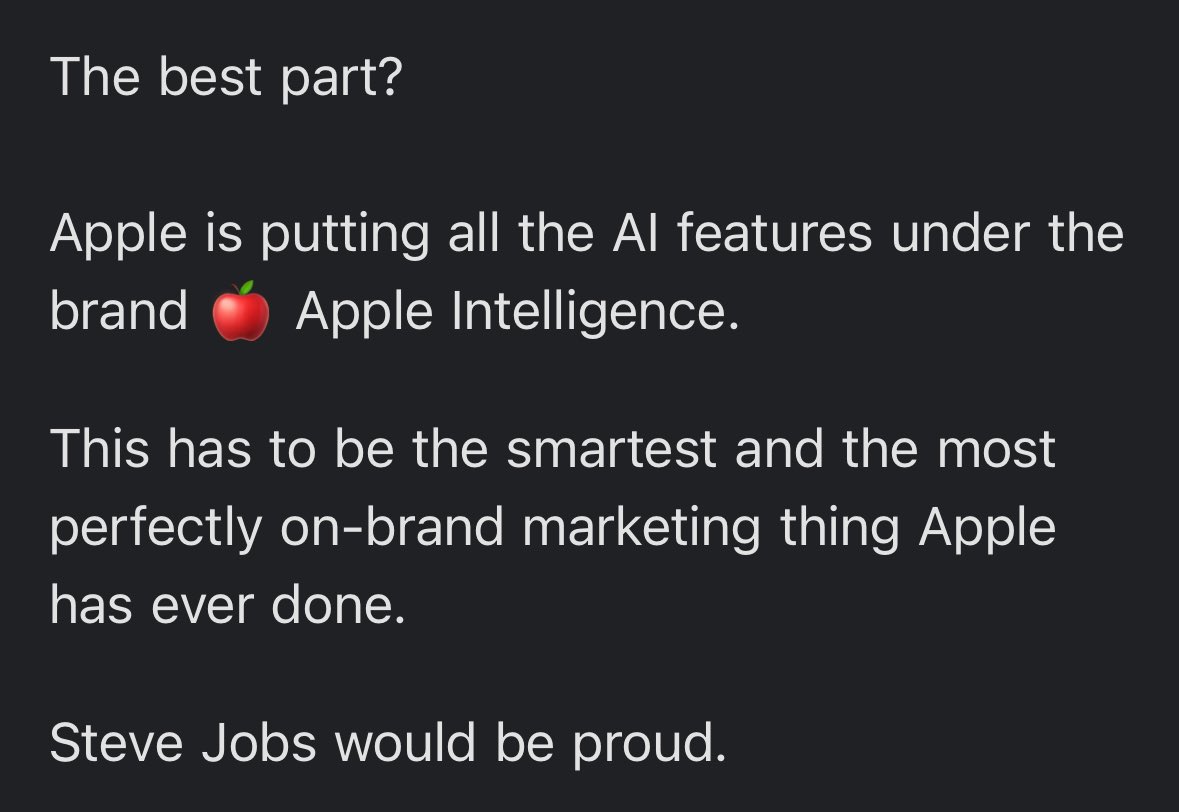
AI, AI, Oh.

3
406
12 Apr 2024
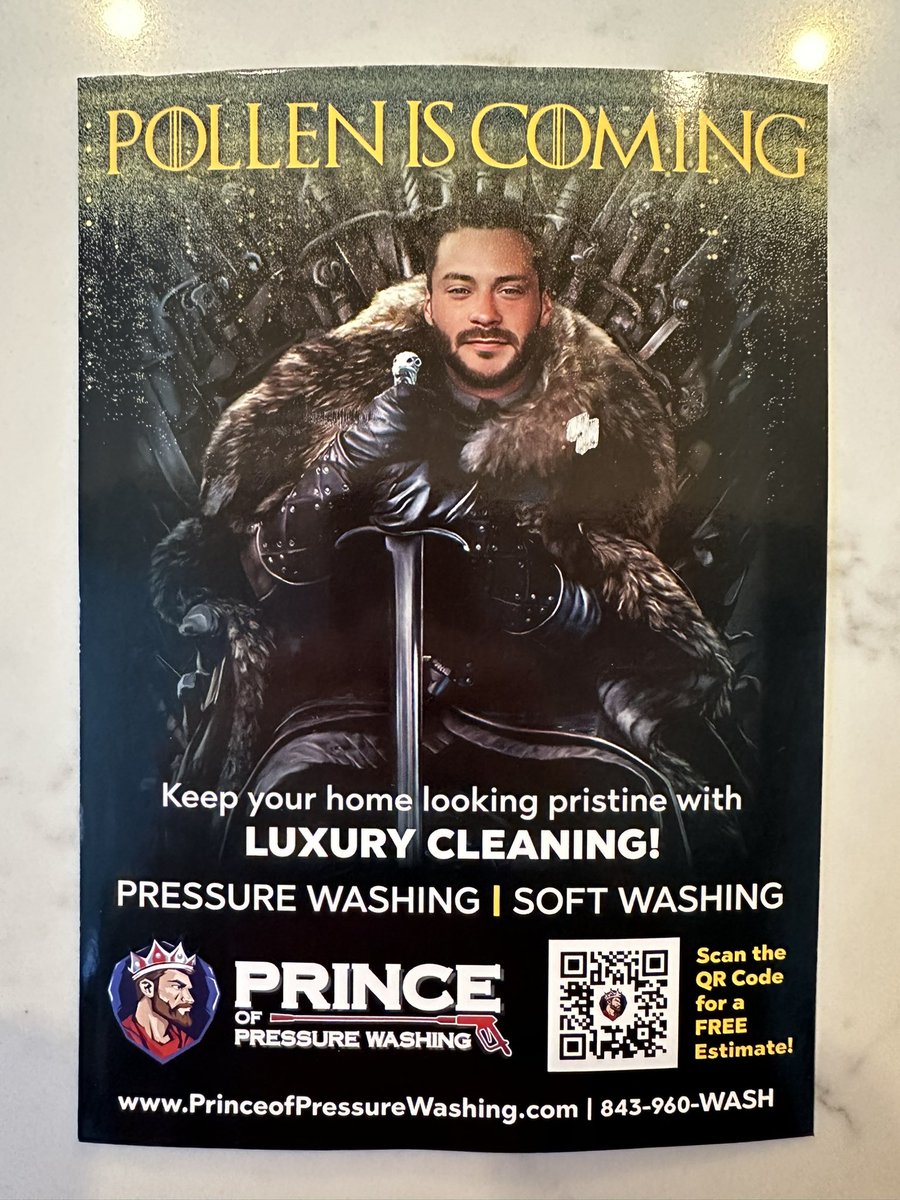
If you want to be noticed.
No matter what industry you find yourself in.
Do things that other people can’t do, won’t do, or simply can’t think of.
Good on you prince of pressure washing.
(And yes, the pollen is here)
170
6 Apr 2024
Every Sunday morning I publish a newsletter with practical ideas for SaaS marketing, sales, customer success, and product executives.
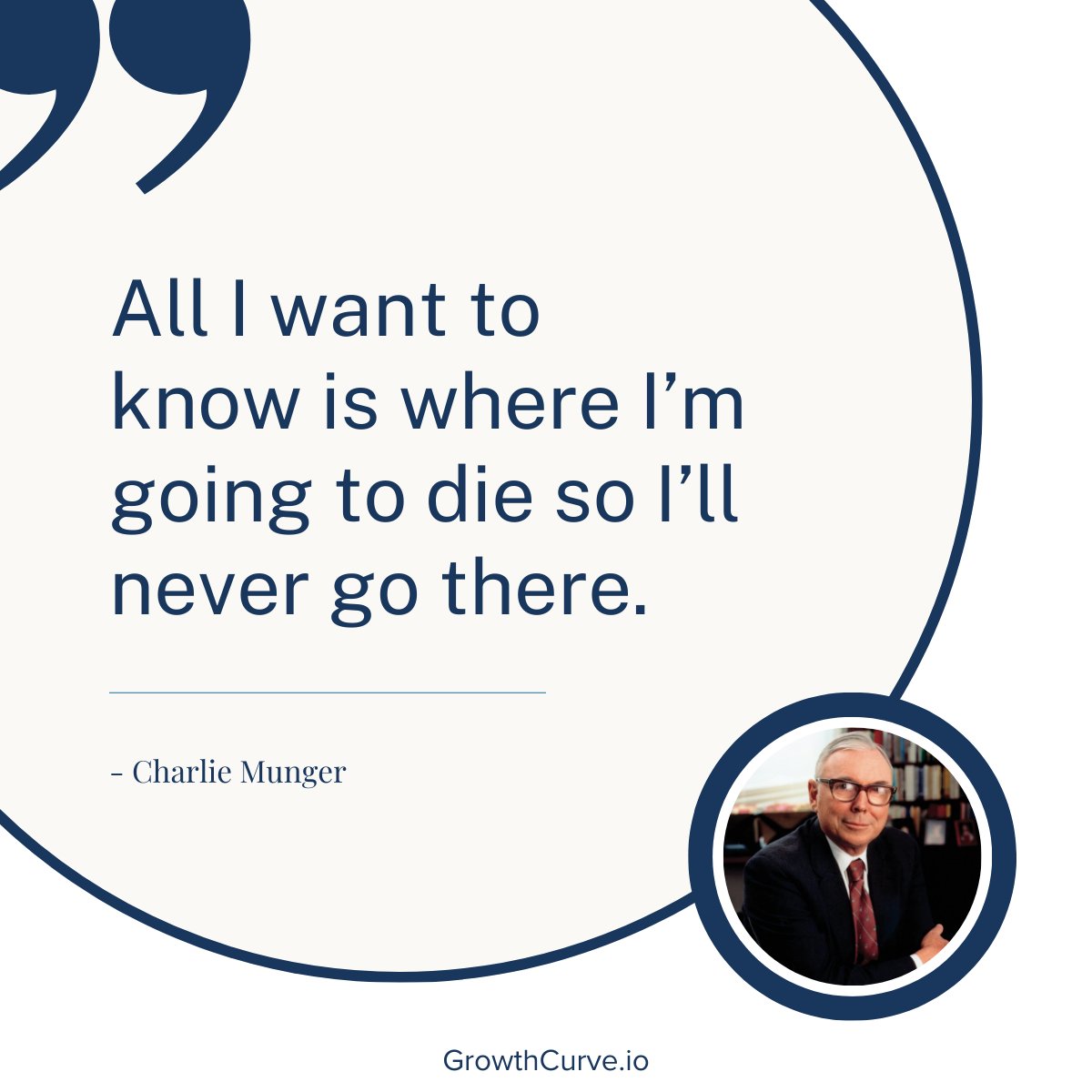
Charlie Munger said, "All I want to know is where I'm going to die so I'll never go there."
Tomorrow's post focuses on the concept of inversion, and how you can apply it to the problems you're trying to solve at work.
Subscribe at GrowthCurve.io to get it.
🤘
#saas #customersuccess #sales #product #marketing
1
3
419
2 Apr 2024
Gmail 20 years old. Remember when I got my coveted invite. I feel old.
5
289
28 Mar 2024
I blew it.
And I knew it.
Back in 2010 I had an interview with the CEO of a rocket ship startup out of the southeast.
He grilled me on retention metrics.
Gross, net, customer retention, etc.
I fumbled. Stumbled. Tried to explain myself.
But the truth is I didn’t know the business side of SaaS like I thought I did.
For the record, here’s the difference between gross and net retention:
**Gross Retention**
Based on a group of customers at the beginning of a period, how much of the original revenue remains from that set of customers at the end of the same period?
This number can’t be higher than 100%. (<— rule of thumb)
Downsells and cancellations impact gross retention.
**Net Retention**
Like Gross Retention, but also includes Expansion Bookings (upsell, cross-sell) and price increases.
Can (and should!) be north of 100%.
I vowed never to blow it again. And made myself a student of SaaS metrics and finance.
If you want to make an impact and earn a “seat at the table,” you need to know the business.
Cold.
No matter what department you sit in.
On Apr 11 we are hosting a free event for people who want to level up their financial acumen and grow their leadership capacity.
Come join us 👇
1
6
360
27 Mar 2024
The very act of writing a goal down, makes you more likely to achieve it.
Even more so if you report your progress to someone each week.
- John Doerr
We are in the process of writing Q2 OKRs (Objectives and Key Results) for Churnkey.
I love this process for exactly the reason John Doerr (book: “Measure What Matters”) outlines above.
It doesn’t matter what framework you use:
- OKR
- 4DX
- Traction
- V2MOM
- The Advantage
- Google doc with a list of goals
But I especially like OKRs because…
1/ they aren’t overly structured
Yes the company has top level OKRs, but individual and team OKRs don’t have to align 1:1 with a company OKR.
2/ they don’t dictate “how”
Good OKRs set a high level outcome. And Key Results are how we measure it.
O: Put a man on the mood in this decade.
KR: Launch by July ‘69
KR: Astronauts will come home safely
KR: Remains < 102% of budget plan
They tell you “what.” The how is the creative work to get there.
3/ they stfetch you
OKRs aren’t meant for sandbagging. In fact, if you hit 70-80% of your KRs you should count it as a win.
For this reason, OKRs are for ambitious goals vs performance management. The latter is a different process.
4/ they are interdisciplinary
The best goals focus on an outcome independent of the group from which they originated.
It’s rare for a single department to accomplish a meaningful customer or business result on their own, independent of other teams (not saying it never happens… but you get my point).
I could go on all night..
What do you love / not love about OKR? Any other frameworks?
—
2
194
26 Mar 2024
Wife and I were caught off guard this morning.
Calling @ATT for a service request for your home internet will result in two people showing up at your doorstep.
Person #1: Is in sales.
This person reviews your account and attempt convince you to upgrade service and switch to AT&T for your mobile phone service.
Person #2: The actual person who can fix your issue (approx. 30-60 minutes after the sales guy shows up).
You've been warned...
1
158
25 Mar 2024
a metric to judge your next conference or meetup presentation
the number of photos the audience takes of your slides
ultimate dopamine hit
3
143
23 Mar 2024
It’s a miracle you figured out how to get it done. Terrible, terrible experience.
Too bad because the rest of the experience was great.
Soon there will be legislation to ban the kind of unfriendly practices they (and other gyms) use.
A shame we have to legislate customer centricity. But it’s actually consumer protection.
22 Mar 2024

I just canceled my Planet Fitness membership.
AMA
4
256
22 Mar 2024
I’ve been reading Poor Charlie’s Almanack.
He talks about the lollapalooza effect. I hadn’t heard the word used other than to describe the music festival known as Lollapalooza.
I think it matches up with what @Kellblog describes about @Costco and marketing in this article.
kellblog.com/2024/03/09/grea…
1
168
22 Mar 2024
Wow, very well articulated.
21 Mar 2024

At Box, we’re fundamentally believers that AI will drive productivity and growth for businesses, and will ultimately be a net boon for jobs in the long-run.
149
20 Mar 2024
Give me one look at your support team.
And I can predict what your customer success team is doing.
Is support only responding to broke/fix issues (vs. how-to or configuration related items)?
Do they offer a premium tier where a customer has a named support rep who understands the customer’s context?
Do they handle their own escalations up the support management chain?
If you answered “no” to any of these, your CSMs are covering these gaps.
You likely have an expensive, concierge support channel that isn’t driving customer outcomes at scale and impacting gross and net retention the way you expect.
Customer success is a go-to-market capability. Before you try to build it, make sure you’re crushing the basics - support.
What other ways have you seen customer success filling gaps vs working against a strategic GTM mandate?
hashtag#customersuccess hashtag#support hashtag#saas
1
8
221
15 Mar 2024
Was there an ROI pitch at least?
Many startups and their funders subsidized customers over the past decade. Now the piper’s calling. No more free money, and unit economics have to actually work. Uh oh.
14 Mar 2024

One of our top vendors just got a new CRO
He got on the phone with us and said he was doubling pricing because "their costs are up". No heads up, just to make his plan.
Now, we are looking at their competitor.
Before ... we weren't.
Worth it for them?
TBD
218
Jay Nathan retweeted

14 Mar 2024
One of our top vendors just got a new CRO
He got on the phone with us and said he was doubling pricing because "their costs are up". No heads up, just to make his plan.
Now, we are looking at their competitor.
Before ... we weren't.
Worth it for them?
TBD
21
4
61
28,048
8 Mar 2024
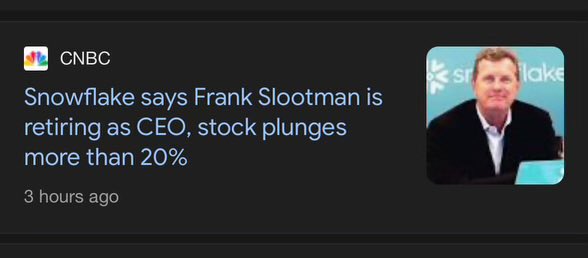
The customer success world is up in arms about Snowflake’s stance on customer success.
I’m not. Here’s why…
Reality: No SaaS/cloud/subscription business succeeds without customers who get value, renew their contracts, buy more, and advocate for the company.
And as a company scales, it gets more difficult for a single team (usually called customer success) to deliver all the elements that drive customer outcomes and net retention.
Thats because there are so many jobs to be done. Such as:
- sales
- support
- services
- value prop
- relationships
- configuration
- product design
- communications
- product feedback
- customer advocacy
- solution architecture
- renewal management
- account management
Most of these are non-financial efforts that contribute to financial outcomes.
Do you need to tie all these pieces together so it feels cohesive to the customer?
Yes, 100%.
Is there risk that it could feel disjointed, despite your best efforts?
Yes, 100%.
But there’s equal (or greater) risk in having one role responsible for all these tasks. The urgent always overcomes the important.
Unbundling the CSM role as a company moves from startup to growth to mature is normal.
And it doesn’t mean you want your customers to succeed any less.
Quite the opposite.
Snowflake has services consultants, solution engineers, a value team, and support.
And most importantly, a truly amazing product.
They believe in making their customers successful.
They just structure it differently. And have different names for it.
They unbundled it.
At what stage do you think it makes sense to start unbundling customer success?
#sales #customersuccess #cloud
2
150