
Joined December 2008
- Tweets 34,163
- Following 1,276
- Followers 4,673
- Likes 124,454
1,922 Photos and videos









Pinned Tweet

14 Jul 2024
Leaders who want to actually help unite us will steer away from demonizing the opposition; rather, they must focus their messaging on how they themselves will work to better our communities. I don't care if they made mistakes in their campaigning in the past. Start fresh today.
3
3
25
6,953
Joe Chenelly 🇺🇸 retweeted

Fact: No veteran who is currently rated for tinnitus or sleep apnea would lose their current benefits under H.R. 9237.
No veteran with diagnosed sleep apnea today or tomorrow loses access to the healthcare support or benefits they need if H.R. 9237 is passed.
15
7
16
1,714
Joe Chenelly 🇺🇸 retweeted

Jun 15
🚨🚨 Senior US official: "We'll know over the next two to three weeks whether the MOU with Iran will turn into an actual agreement".
6
12
60
47,881
Joe Chenelly 🇺🇸 retweeted

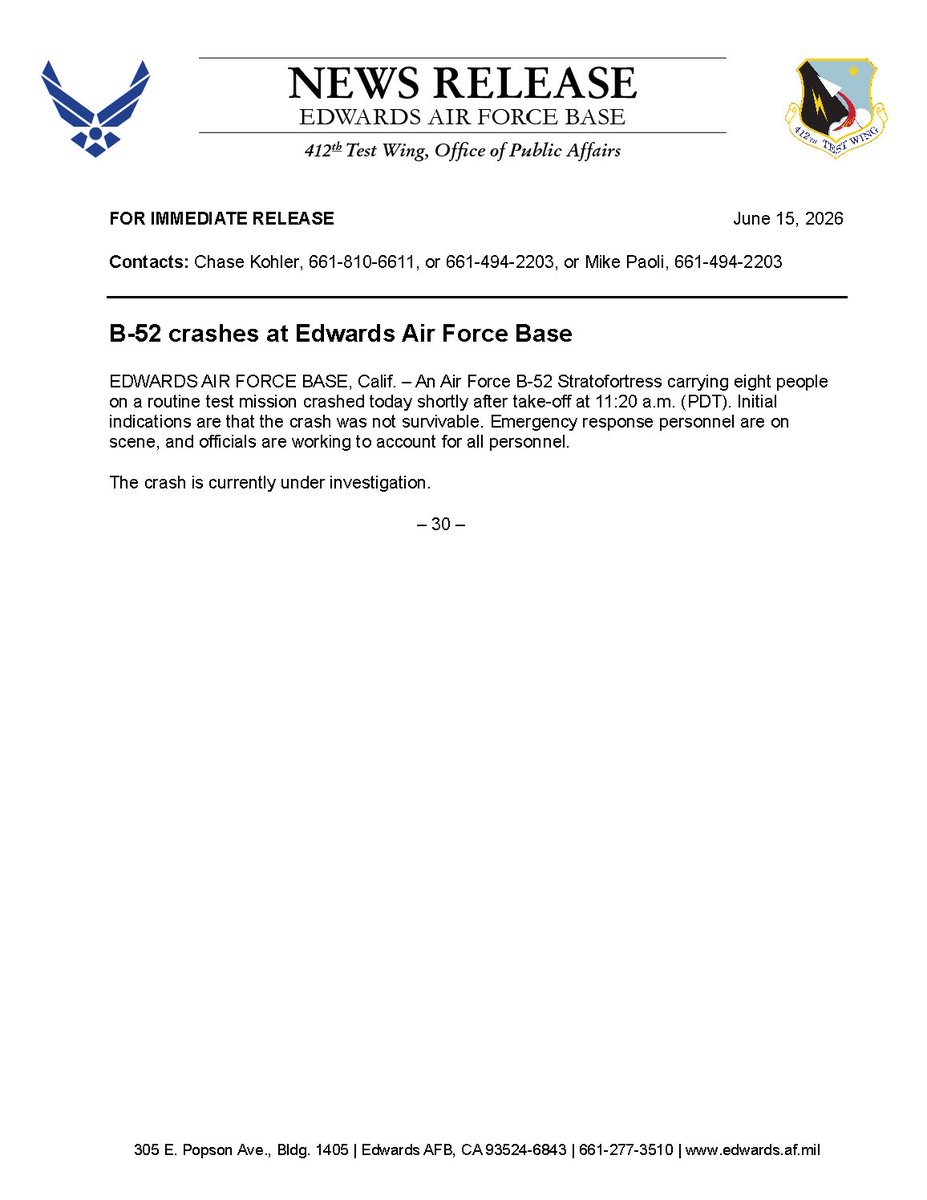
‼️ Official release regarding today's B-52 crash at Edwards. Our thoughts and prayers are with the families and unit members at this time.
More information will be released as it becomes available.
351
974
3,120
928,488
Joe Chenelly 🇺🇸 retweeted

Jun 15
What’s better than a rare Super Delta formation featuring the Thunderbirds and the @USNavy Blue Angels over Washington, D.C.?
Watching it from four different views for #UFCWhiteHouse as part of #Freedom250. 🇺🇸
1,347
13,063
71,247
1,595,557
Joe Chenelly 🇺🇸 retweeted

May 8
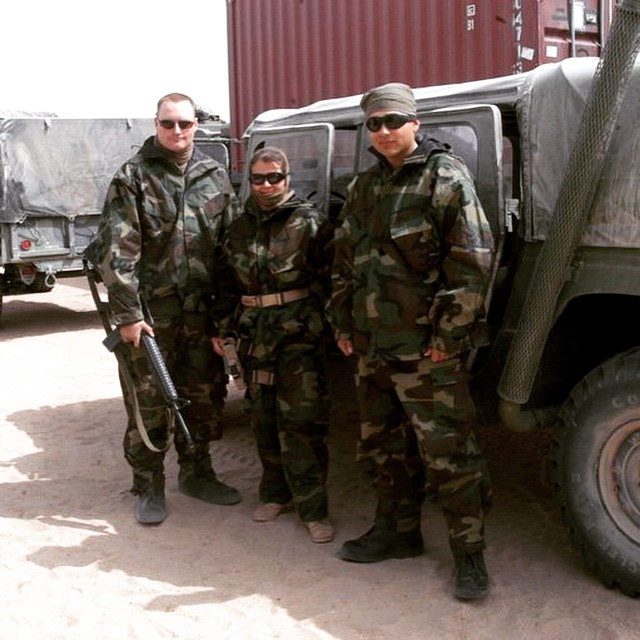
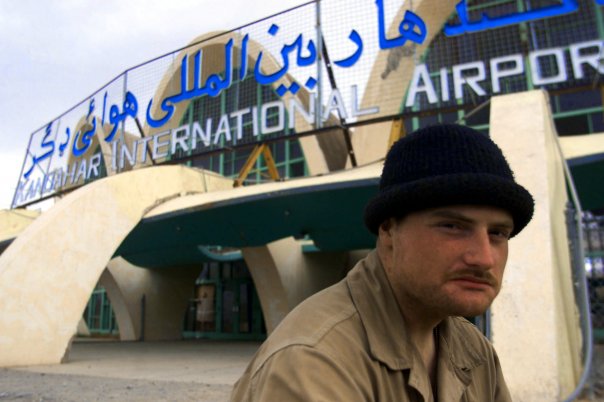
Rochester’s Joe Chenelly spent years reporting from Iraq and Afghanistan as a war correspondent for the Marine Corps and independent news sources. He shared his thoughts on the recent coverage of Iran, including the challenges journalists face. whec.com/top-news/former-war…

3
8
1,065

Changing the VA rating schedule for tinnitus & sleep apnea is happening. AMVETS opposes the changes, but it is happening. The Taking Care of America's Veterans Act will ensure much of that $57 billion dollars goes to Veterans rather than back into U.S. Treasury.
10
7
17
1,332
Joe Chenelly 🇺🇸 retweeted

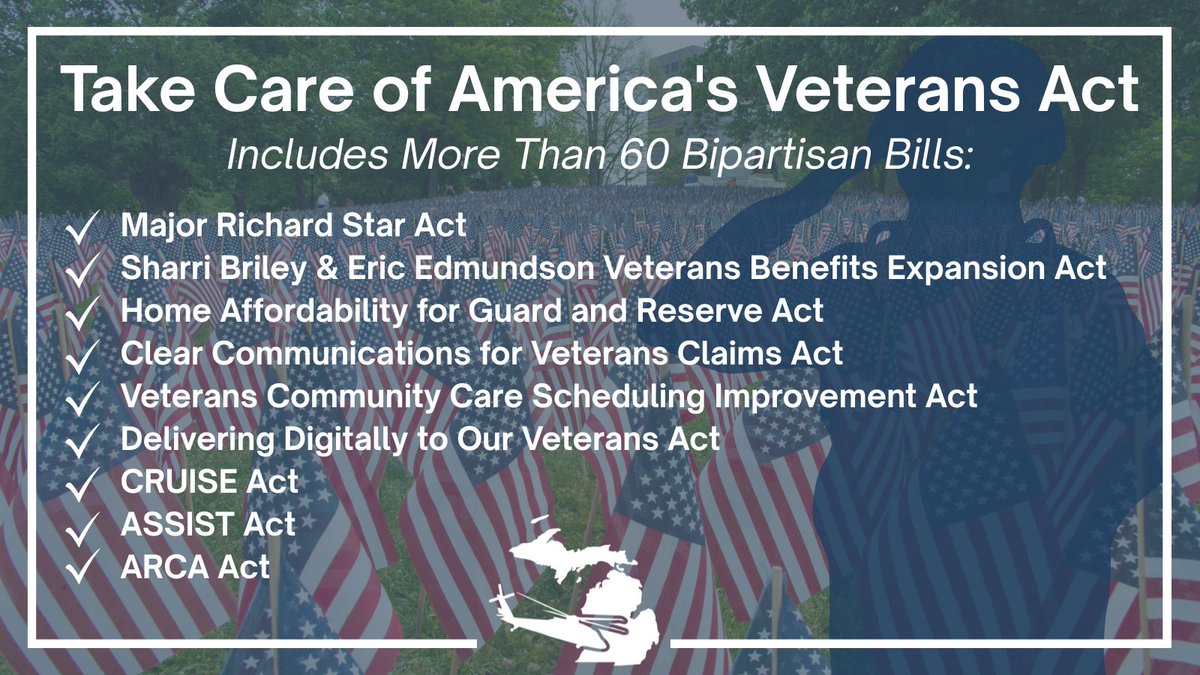
This week, I joined colleagues on the @HouseVetAffairs and @SVACGOP committees to introduce the Take Care of America's Veterans Act — historic legislation combining more than 60 bipartisan bills, including the Major Richard Star Act and 8 that I introduced.
20
7
27
2,400
Joe Chenelly 🇺🇸 retweeted

Jun 12
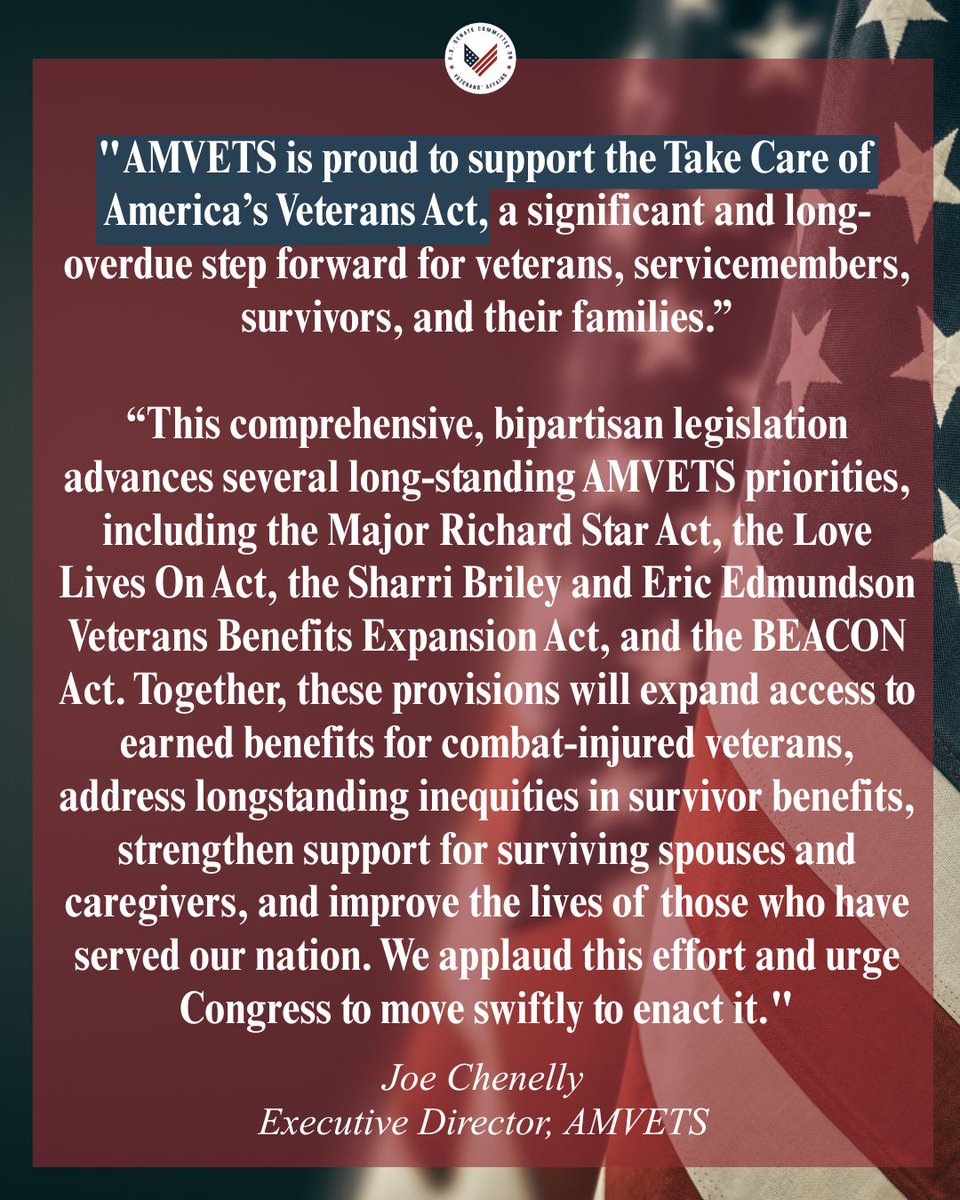
.@AMVETSHQ on their support on the Take Care of America’s Veterans Act ⬇️
15
11
18
1,998
Joe Chenelly 🇺🇸 retweeted

Jun 12
Important fact:
The Major Richard Star Act did NOT create the proposed sleep apnea and tinnitus rating changes. VA began working on those VASRD revisions years ago and published proposed rules back in 2022.
Whether MRSA passes or not, VA was already modernizing the rating schedule.
It’s fair to debate Section 108 and how the bill is funded, but saying the Major Richard Star Act itself is “cutting veterans’ benefits” ignores that these changes were already in the works long before S.4744/H.R.9237 existed.
#MajorRichardStarAct #EndTheWoundedVeteranTax #54KVeterans
3
6
214
Joe Chenelly 🇺🇸 retweeted

Jun 13
Tren de Aragua leader confirmed dead, Hegseth says:

Earlier this week, the @DeptofWar — in full collaboration with Venezuelan security forces — conducted a kinetic strike on a Tren de Aragua (TdA) compound in Venezuela. TdA founder & leader Hector Rusthenford Guerrero Flores, aka “Niño Guerrero,” was confirmed killed during the strike.
The operation underscores the shared U.S. and Venezuelan commitment to take the fight to narco-terrorists and deny them any safe haven in our hemisphere. We will continue to work closely with security partners, like Venezuela — and counties in the Americas Counter Cartel Coalition (A3C) partners — to take the fight to our enemies.
3
4
28
14,769
Joe Chenelly 🇺🇸 retweeted

Jun 12
From WH official on Iran deal:
1. Nuclear material will be destroyed and removed
2. Nuclear program will be dismantled
3. None of their money released until they perform
4. Strait of Hormuz will be open
5. No Iran funding of terrorist groups
Official adds: "This is what they agreed to. This is a performance based deal."
653
492
2,402
806,135
Joe Chenelly 🇺🇸 retweeted

Jun 12
UFC President Dana White watches as the U.S Air Force Thunderbirds and U.S. Navy Blue Angels practice a flyover this morning before the UFC Freedom 250 event this weekend at The White House
🎥 danaiiiwhite/IG
70
479
5,252
440,434
Joe Chenelly 🇺🇸 retweeted

You are wrong bill is good. congress.gov/bill/119th-cong…
You are dishonest
The VA has been revising the Schedule for Rating Disabilities (VASRD) body system by body system for years. Changes have already been made to areas such as the digestive system, respiratory system, musculoskeletal conditions, skin conditions, endocrine disorders, infectious diseases, and others. Those updates didn’t suddenly start with tinnitus or sleep apnea. The review process has been ongoing for well over a decade.
A key point is that when the VA updates rating criteria, current ratings are generally protected unless a veteran files a new claim, requests an increase, or is otherwise scheduled for a review. The VA typically doesn’t just go through and reduce everyone because the rating schedule changed. That’s why many veterans have continued receiving ratings under older criteria long after new criteria were adopted.
You’re also correct that the concept of “poking the bear” isn’t new. For decades, veterans have understood that when you file a new claim or seek an increase, the VA can review related conditions. Sometimes that review results in a higher overall rating, sometimes nothing changes, and occasionally ratings can be reduced if the evidence supports it. That’s been part of the system for a long time.
Where opinions differ is on whether organizations such as the Veterans of Foreign Wars should be more vocal now than they were during previous rating schedule revisions. Some veterans argue that these organizations should have objected throughout the entire modernization process. Others argue that the proposed changes to conditions like sleep apnea and tinnitus affect such a large number of veterans that they warrant special attention.
You are being dishonest on this. The change is happening already.
#majorRichardStarAct
Hey voter vets
This money is being saved anyway. The VA’s rating schedule changes and policy updates have been in the works for years, with many of these changes tracing back over a decade and through policies put in place during previous administrations, including changes that moved forward in 2022.
The savings are going to exist regardless. If that money is going to be saved, then why not use it to help disabled veterans instead of sending it back to the U.S. Treasury? Once it goes back to the Treasury, Congress will find something else to spend it on. That’s just reality.
My position is simple: if these savings are happening anyway, take that money and put it back into veterans’ pockets. Use it to help the men and women who served instead of letting it disappear into the federal budget.
I’ve said my piece. I don’t have much more to add.
#majorRichardStaract
3
1
5
247
Joe Chenelly 🇺🇸 retweeted

Jun 10
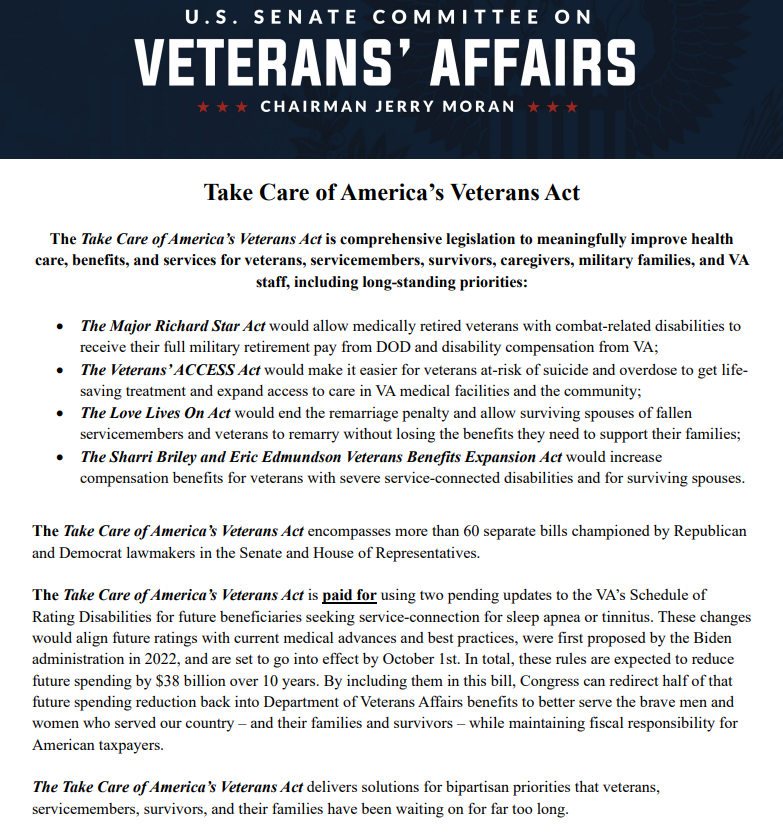
The "Take Care of America's Veterans Act" also has the support of David Star, surviving brother of Richard Star. Summary of some key points below:
Jun 10

Breaking tonight: @JerryMoran @RepBost dropping sweeping vets bill - "Take Care of America’s Vets Act" - that includes Major Richard Star Act, Love Lives On and more. But @DAVHQ already out w/ major concerns about changes to tinnitus, sleep apnea benefits dav.org/learn-more/news/2026…
7
11
19
3,448
Joe Chenelly 🇺🇸 retweeted
Jun 10
Bill is supported by @AMVETSHQ and Gold Star Spouses. May be the best chance for the Major Richard Star Act to actually succeed this year.
Jun 10
Breaking tonight: @JerryMoran @RepBost dropping sweeping vets bill - "Take Care of America’s Vets Act" - that includes Major Richard Star Act, Love Lives On and more. But @DAVHQ already out w/ major concerns about changes to tinnitus, sleep apnea benefits dav.org/learn-more/news/2026…
8
5
18
3,633
Joe Chenelly 🇺🇸 retweeted

Jun 10
The Taliban commander who abducted @RohdeD is sentenced to 42 years in prison after pleading guilty to hostage taking and providing material support for terrorism. @ColinRMoynihan nytimes.com/2026/06/09/nyreg…
1
47
97
43,213
Joe Chenelly 🇺🇸 retweeted
Jun 9
Out this morning -- nearly 50% more vets are running for Congress this cycle than in 2024. Big jumps in the number of women vets, Democrats filing for office. Details from @WithHonorAction politico.com/news/2026/06/09…
14
9
1,923
Joe Chenelly 🇺🇸 retweeted

Jun 9
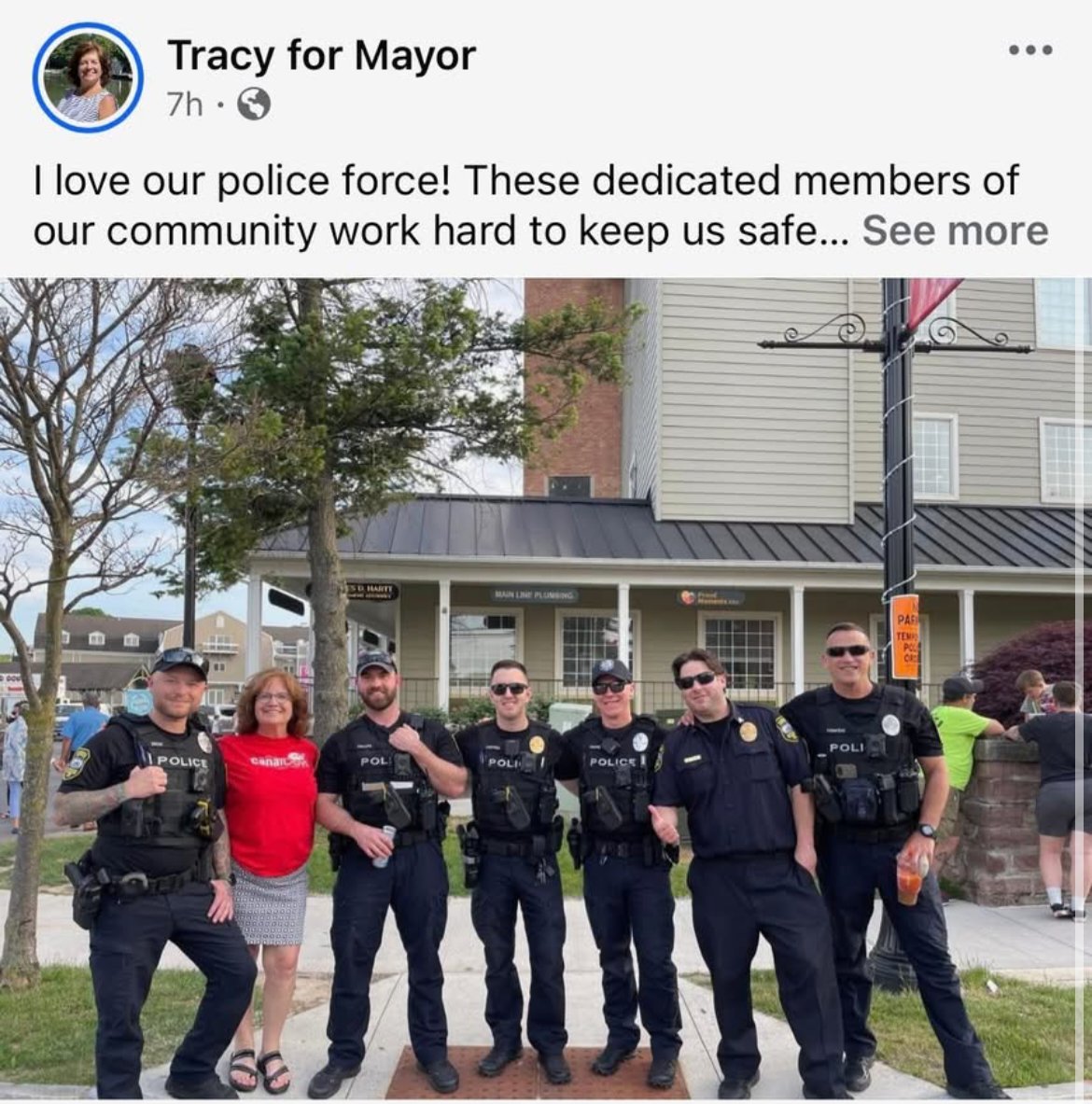
Pretend you were mayor of a small upstate NY village and a village trustee -- who's running against you in this month's election -- posted a picture of herself with the village police department, with which you have had a rocky relationship. What would you do?

16
14
75
12,087
Joe Chenelly 🇺🇸 retweeted

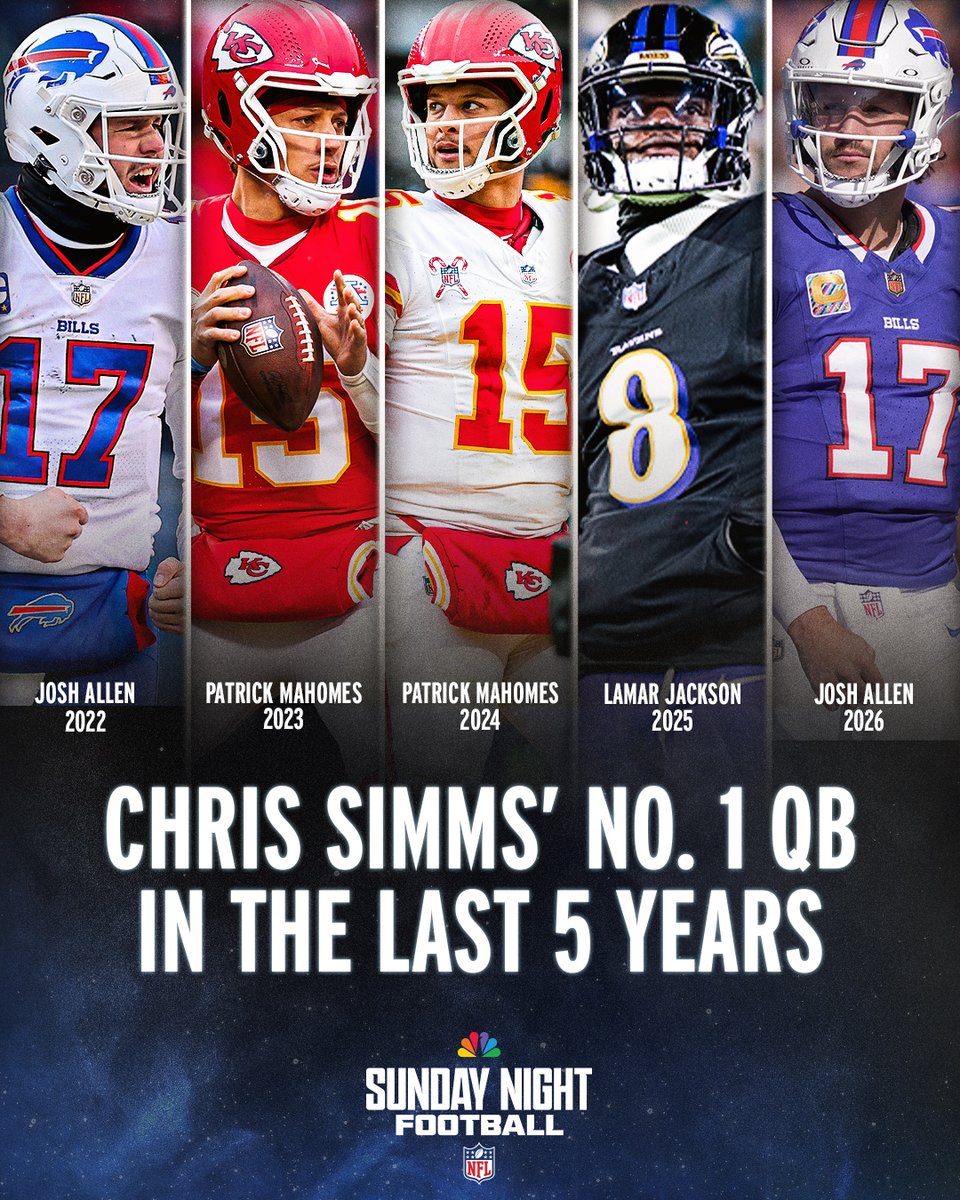
Josh Allen tops the list as Chris Simms' No. 1 QB heading into 2026. 👀
19
47
465
23,783