
African| Astro-Enthusiast | Leader| Infosec | Digital Transformation| Data| Realist |Adventurer |Rhinos| Masandawana | Arsenal
Joined January 2011
- Tweets 20,209
- Following 1,789
- Followers 1,333
- Likes 21,346
2,316 Photos and videos






Pinned Tweet

6 Feb 2023
6 Feb 2023

While you are nyayaring online, wasting expensive data talking politics and rumors; remember this: Harvard has entire curriculum of computer science, MBA and many many others, free ONLINE.
🙏🏾
2
2,044
John Mufambi🇿🇼🇿🇦🇿🇲 retweeted

18 Aug 2025
As a New Semester begins today, things have changed a bit from last year. I am no longer just a lecturer but l have new responsibilities as the new Head of Department (H.oD) for the Artificial Intelligence, Software Engineering and Computer Science Department. So help me God.

111
71
1,229
69,775
John Mufambi🇿🇼🇿🇦🇿🇲 retweeted

17 Aug 2025
MUGABE maisamuita izvi akomana , Hate ED or like him but at least people can make jokes about him 🤣🤣🤣
20
8
55
19,118
John Mufambi🇿🇼🇿🇦🇿🇲 retweeted

11 Aug 2025
No state can compete with Bihar when it comes to the worst politicians 🙏
624
2,785
17,036
1,854,986
John Mufambi🇿🇼🇿🇦🇿🇲 retweeted

12 Aug 2025
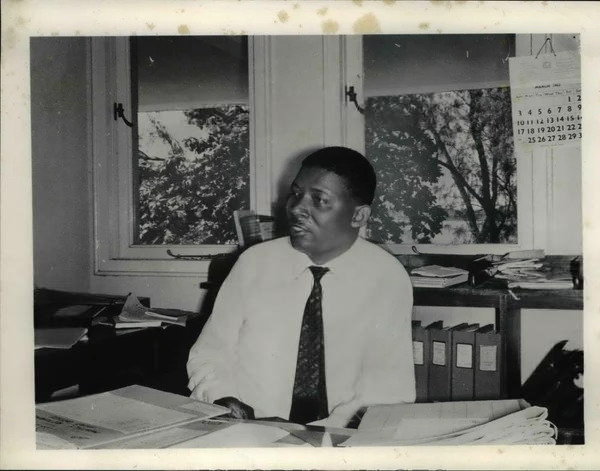
🧵 The Assassination of Herbert Chitepo — ZANU’s Inside Job
1/
18 March 1975, 8:00 AM. Lusaka, Zambia.
A VW Beetle explodes outside No. 150 Muramba Road, Chilenje South.
Inside: Herbert Wiltshire Chitepo, ZANU Chairman.
Killed instantly alongside his bodyguard Silas Shamiso.
A local boy, Sambwa Chaya, later dies from injuries.
At first, all fingers pointed at Rhodesia.
The truth was far worse.
52
215
752
191,504
John Mufambi🇿🇼🇿🇦🇿🇲 retweeted

10 Aug 2025
You still alive? Idyayi mega Mari yenyu. Tichasangana pakuyambuka 🫣
1
1
1
241

John Mufambi🇿🇼🇿🇦🇿🇲 retweeted

8 Aug 2025
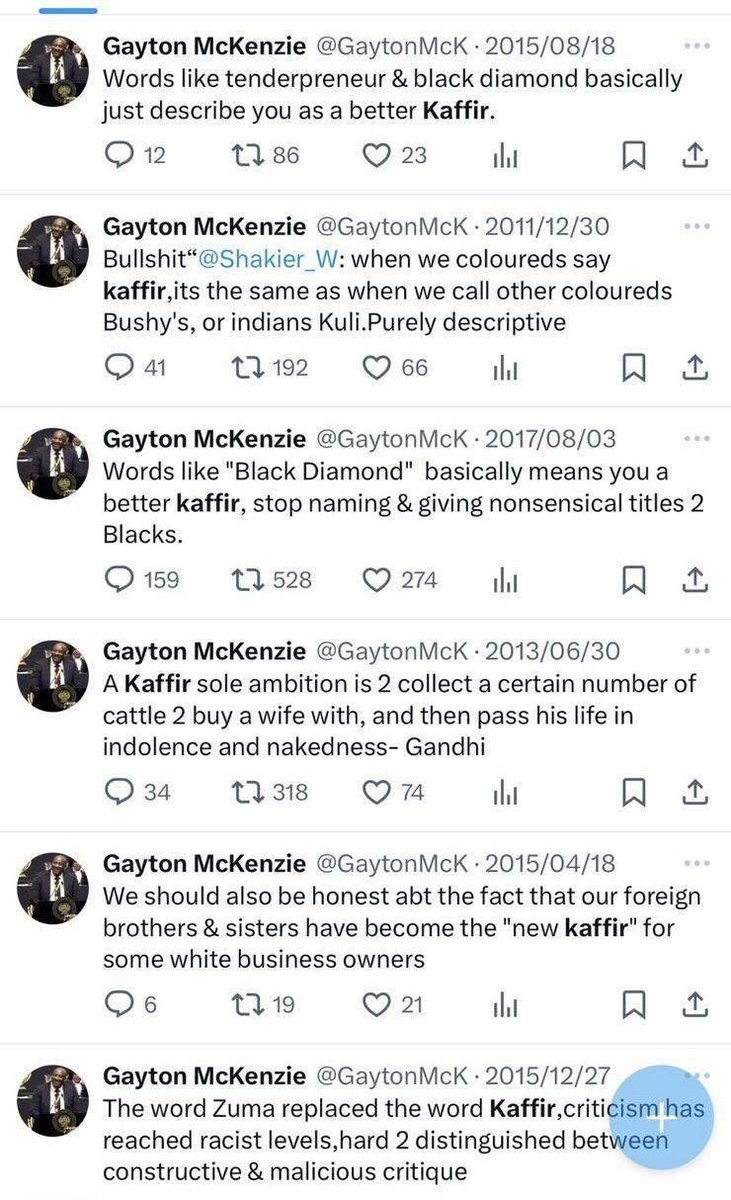
Mr President @CyrilRamaphosa, you appointed a Minister who has publicly uttered deeply offensive and despicable words against Black people.
Is this really the vision of unity and inclusivity that the GNU stands for? We demand action NOW!
643
3,886
11,791
727,643
John Mufambi🇿🇼🇿🇦🇿🇲 retweeted

9 Aug 2025
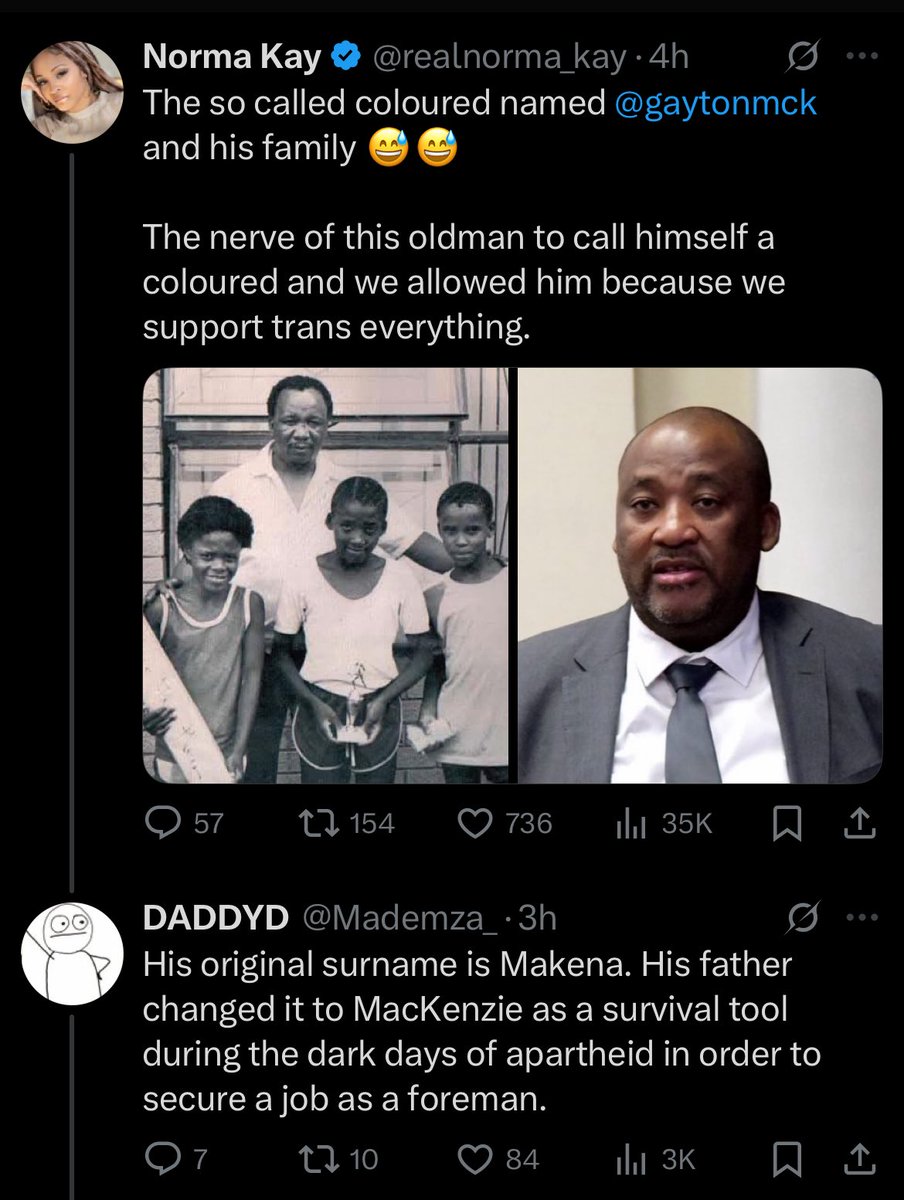
InCaseYouMissedIt
184
615
3,293
153,460
John Mufambi🇿🇼🇿🇦🇿🇲 retweeted

3 Aug 2025
Video of a young preacher being chased out of the church by the senior pastor has now gone viral online! 😭😂
507
1,793
7,060
550,101
John Mufambi🇿🇼🇿🇦🇿🇲 retweeted

8 Mar 2019
So there was Susan ‘Mai Rwizi’ Chenjerai.
She had daughters. There was Daisy, who sang ‘Zai regondo’. There was also Jane, who sang this famous tune ‘Usandimirire pagedhi’ 😊
2
10
27
John Mufambi🇿🇼🇿🇦🇿🇲 retweeted

31 Jul 2025
Truth!! Preach!!
126
477
1,268
98,930
John Mufambi🇿🇼🇿🇦🇿🇲 retweeted

25 Jul 2025
Tagwirei’s gesture wasn’t affection it was theatre. Power by osmosis is not leadership. What we witnessed wasn’t strength, but the insecurity of a man performing relevance.
17
16
83
34,055
John Mufambi🇿🇼🇿🇦🇿🇲 retweeted

13 Jul 2025
🚨❤️🤍 The deal between Arsenal and Sporting for Viktor Gyökeres is now being sealed tonight with all parties involved.
After agent’s decision to reduce his 10% compensation, Arsenal will pay initial fee worth €63.5m plus €10m add-ons being completed.
Here we go, soon. ✅🔜

2,443
11,182
105,884
8,151,037
John Mufambi🇿🇼🇿🇦🇿🇲 retweeted

11 Jul 2025
Full video of the incident
479
702
5,565
488,656
John Mufambi🇿🇼🇿🇦🇿🇲 retweeted

10 Jul 2025
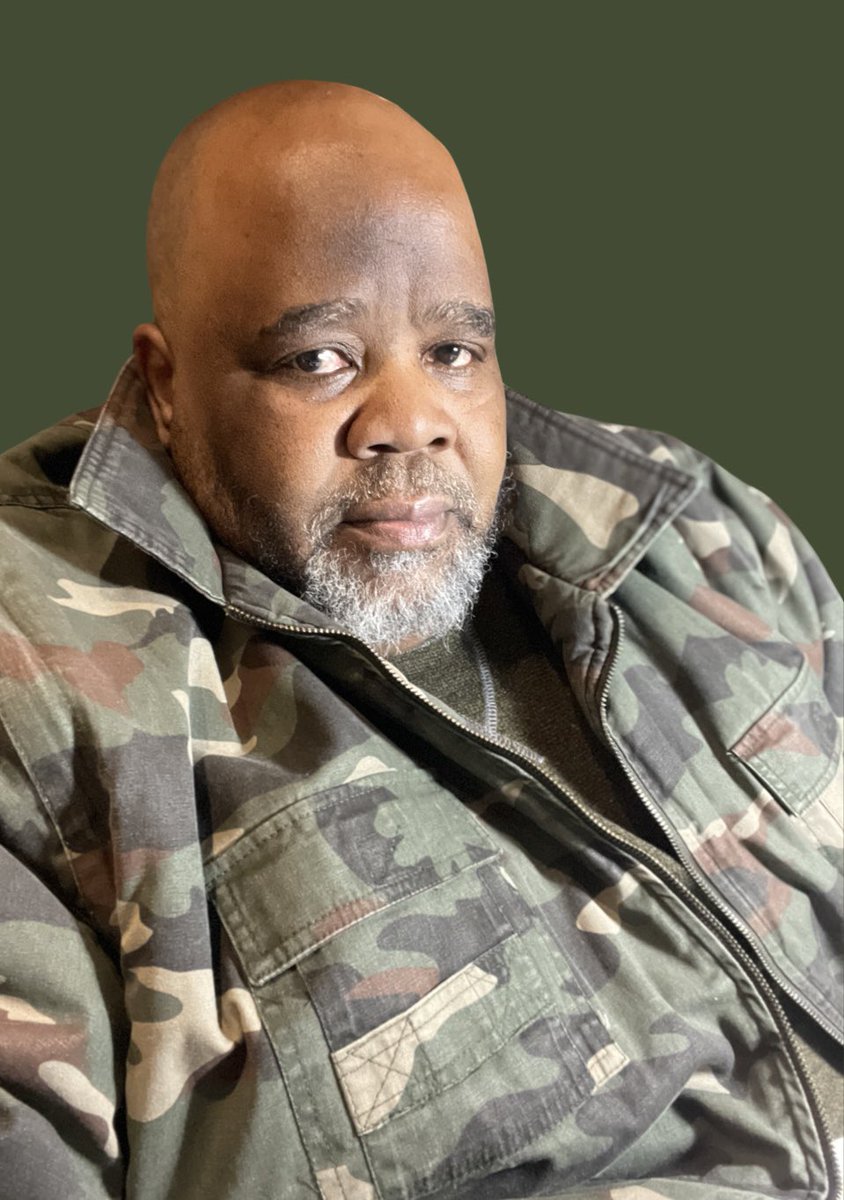
We spend most of our lives chasing wealth. But what is wealth, really? At what age do we start finding pleasure in the small things, a quiet morning, a shared laugh with friends and family, building meaningful connections. What is enough? We never fully define it, seems always evolving, a moving target. At 54 I’m just thankful for the gift of life and appreciate the small things more than ever. Thank you all for the birthday wishes!
51
26
201
12,508


John Mufambi🇿🇼🇿🇦🇿🇲 retweeted

19 Jun 2025
The reason why i choose my friends carefully 😂😂
101
706
3,110
423,427
John Mufambi🇿🇼🇿🇦🇿🇲 retweeted

15 Jun 2025
Happy Father's Day!
@HHichilema @duma_boko @ibbosnr @BitiTendai
@nelsonchamisa @TrevorNcube
@Welshman_Ncube @WilliasMadzimur @daddyhope
@begottensun @cdesetfree
@DavidColtart @joepst10
@hwendec @ali_naka
@valezinhumwe @villageadv
@chigumbu_ @mavhairemt
@TamukaKagoro77
2
2
262
John Mufambi🇿🇼🇿🇦🇿🇲 retweeted

26 May 2025
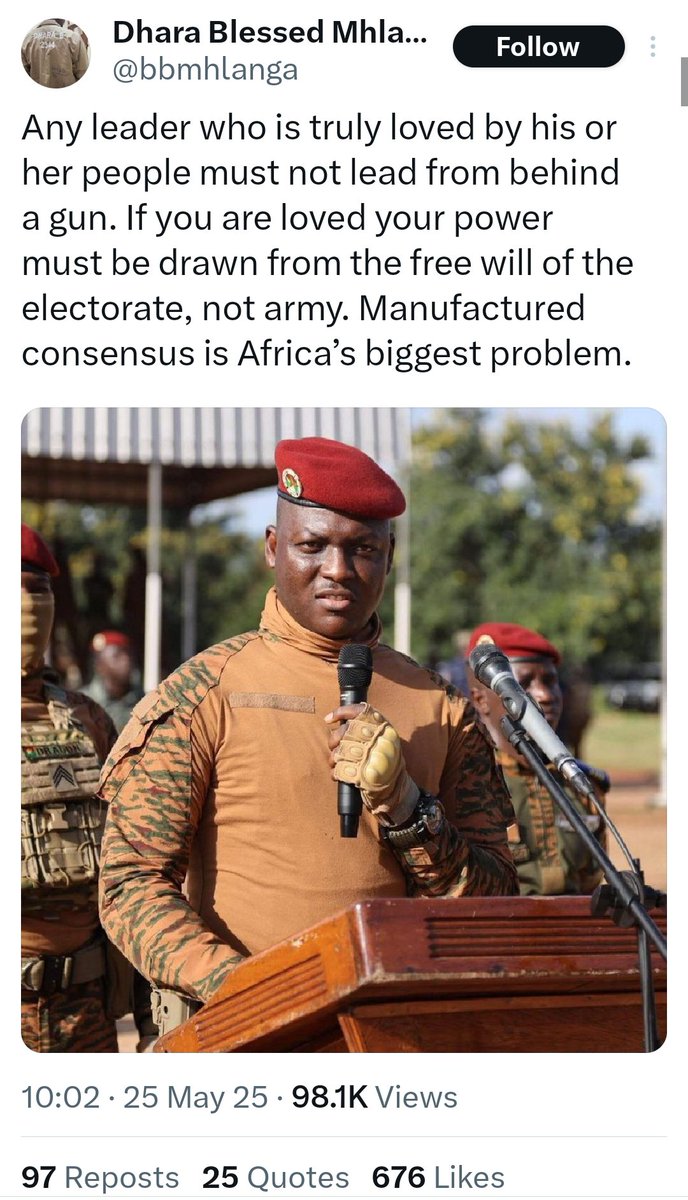
One of the successes of American hegemony and cultural brainwashing is the inculcation of the idea that liberal democracy is the ultimate form of governance.
This is why on Africa Day, you see an African person calling for democracy in Burkina Faso.
This (non) thinking is a recitation of the American gospel which preaches that liberal democracy is the singular, sacred path to legitimate rule.
By liberal democracy we mean elections, multi-party systems, judicial independence, freedom of speech. All of this is now treated not as one model among many, but as the final destination of political evolution, and the African genuinely believes this.
The idea that legitimacy comes only from elections is now so deeply ingrained that leaders who seize power through other means, even in the face of collapse or neo-colonial extraction, are instantly dismissed as illegitimate, tyrannical or primitive.
Meanwhile, the reality is that a vote means nothing in a country where the economy is already captured by foreign creditors and every minister is just a neo-colonial manager.
So, to uncritically repeat that “power must come from the electorate” is to ignore how that electorate is shaped, constrained, and manipulated by global capital, local oligarchs, and ideological gatekeepers.
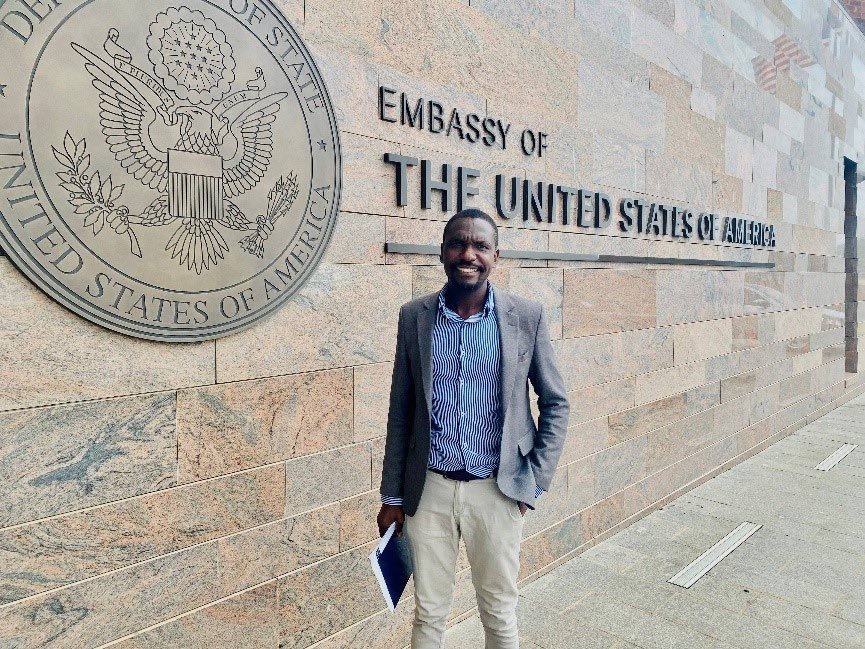
If Africa is to be free, it must reclaim the right to experiment politically and build new forms of revolutionary governance based on the material realities of its people, not the fantasies of American embassies.
The continent must thoroughly escape the chokehold that treats liberal democracy not as one option among many, but as the only legitimate form of political life.
Most importantly, this thinking must begin not in constitutions or policy papers, but in how political leaders conduct themselves and imagine power.
Sadly, even the most radical or populist African political formations sing from the liberal hymn book. They speak of elections as salvation, parliaments as the supreme arena of change, and courts as the ultimate arbiters of truth.
Their manifestos are laced with borrowed idioms of “rule of law,” “checks and balances,” and “good governance”—terms whose origins lie not in African political culture, but in Western crisis management tools.
In so doing, they betray their own promises and offer instead a reformist illusion wrapped in revolutionary rhetoric.
The truth is, most of Africa’s dominant political classes are fluent in the grammar of liberalism. Whether they seize power through the ballot or the bullet, they often seek legitimacy through Western-style rituals: press briefings, electoral commissions, transitional charters.
To truly decolonise politics, Africans must create political futures that reflect their lived conditions.
This means inventing new forms of revolutionary democracy, not liberalism’s stage-managed top-down technocracy.
93
339
916
114,133