
Mountain biker, cyclist, dad, climber, mountain rescuer with @scarrescue... work is for @HNYCancer improving cancer outcomes in Humber and North Yorkshire
Joined April 2008
- Tweets 18,048
- Following 1,229
- Followers 539
- Likes 7,887
2,394 Photos and videos


Jon Bateman retweeted

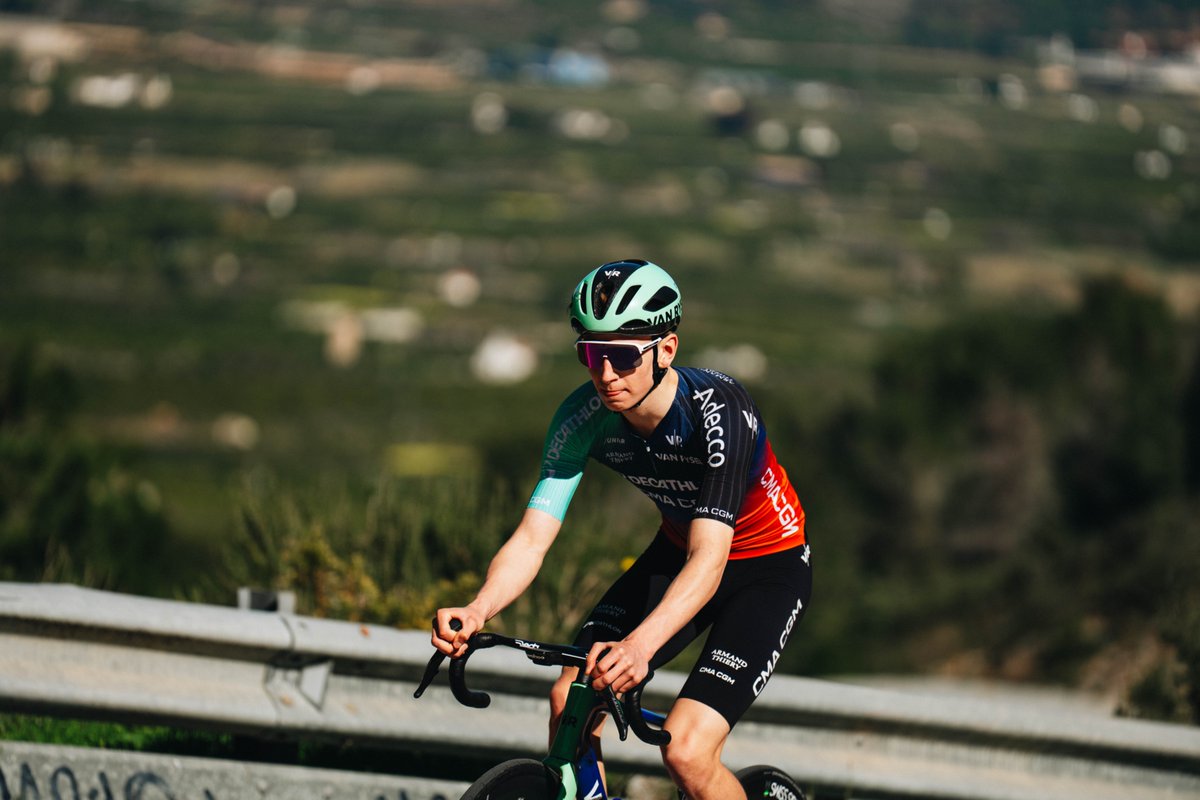
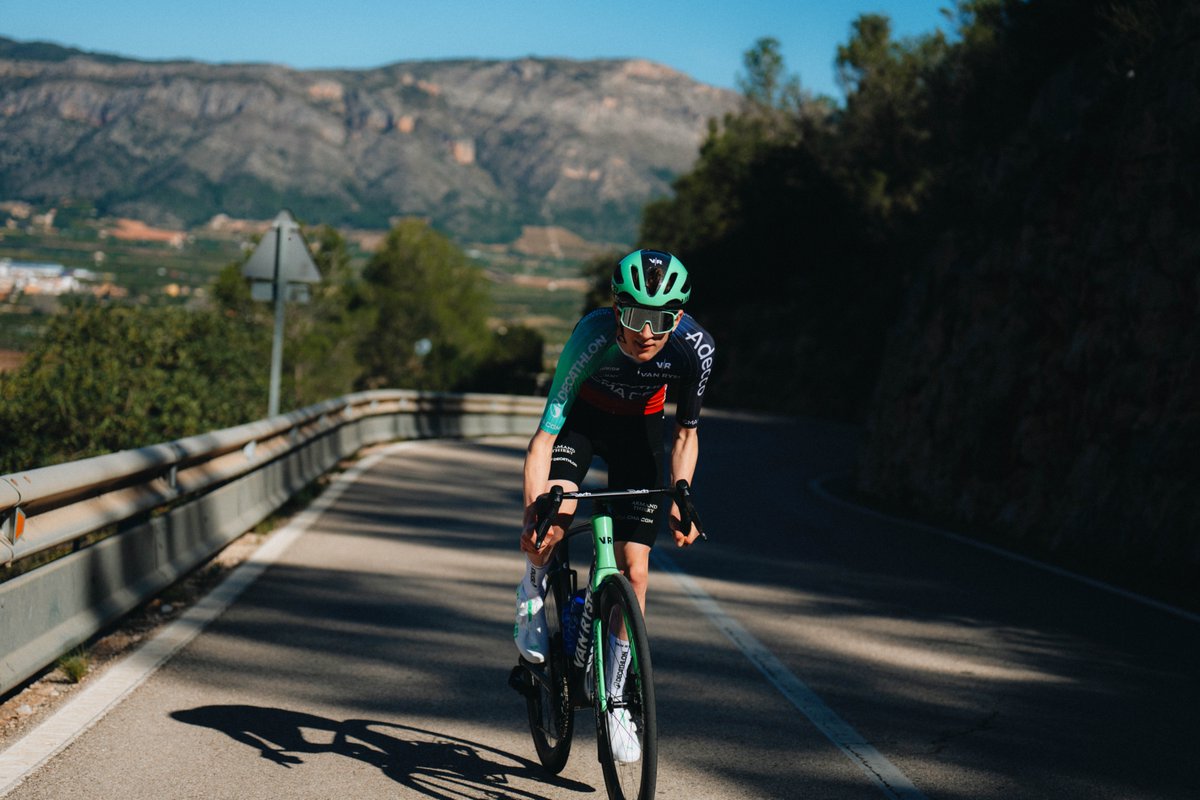
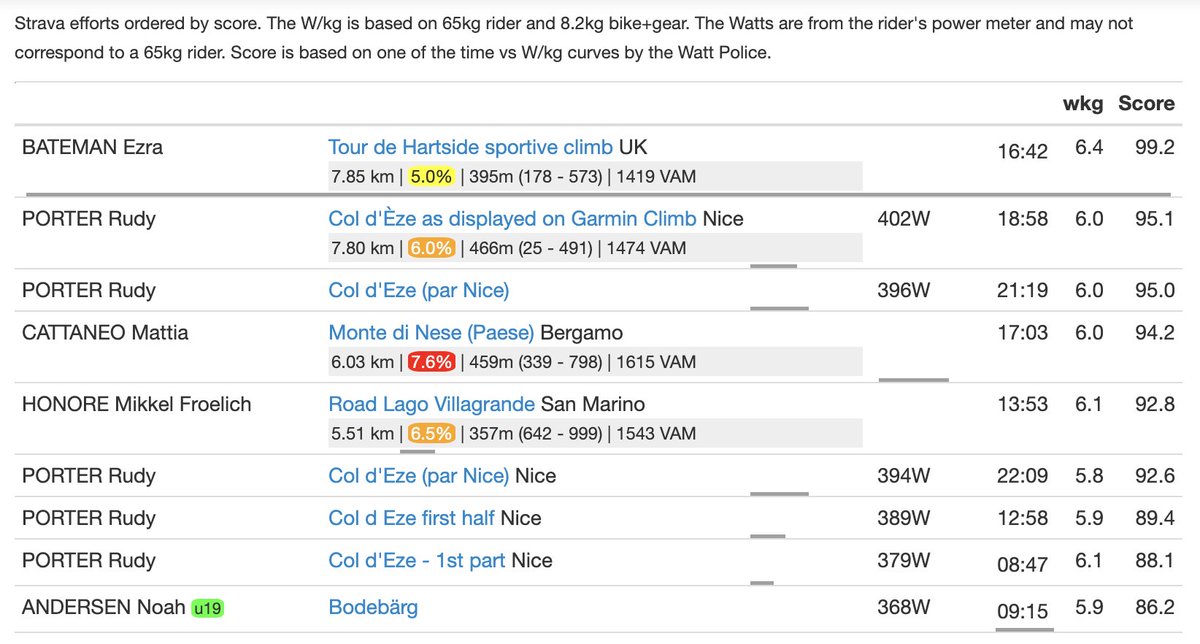
🇧🇪 Liège-Bastogne-Liège U19
Pour entamer ce week-end belge, Evander Wishart termine à la 11e place, suivi de près par Ezra Bateman, 16e !🙌🏼
To kick off this Belgian weekend, Evander Wishart finishes in 11th place, closely followed by Ezra Bateman in 16th! 🙌🏼
#NewGen
2
20
663


19 Nov 2024
RT @RegaResearch: **COMPETITION TIME** Repost, Like & Follow us to be in with a chance to #WIN one of the new REGA Planar 3 RS Edition t…
163
18
Jon Bateman retweeted

22 Jul 2024
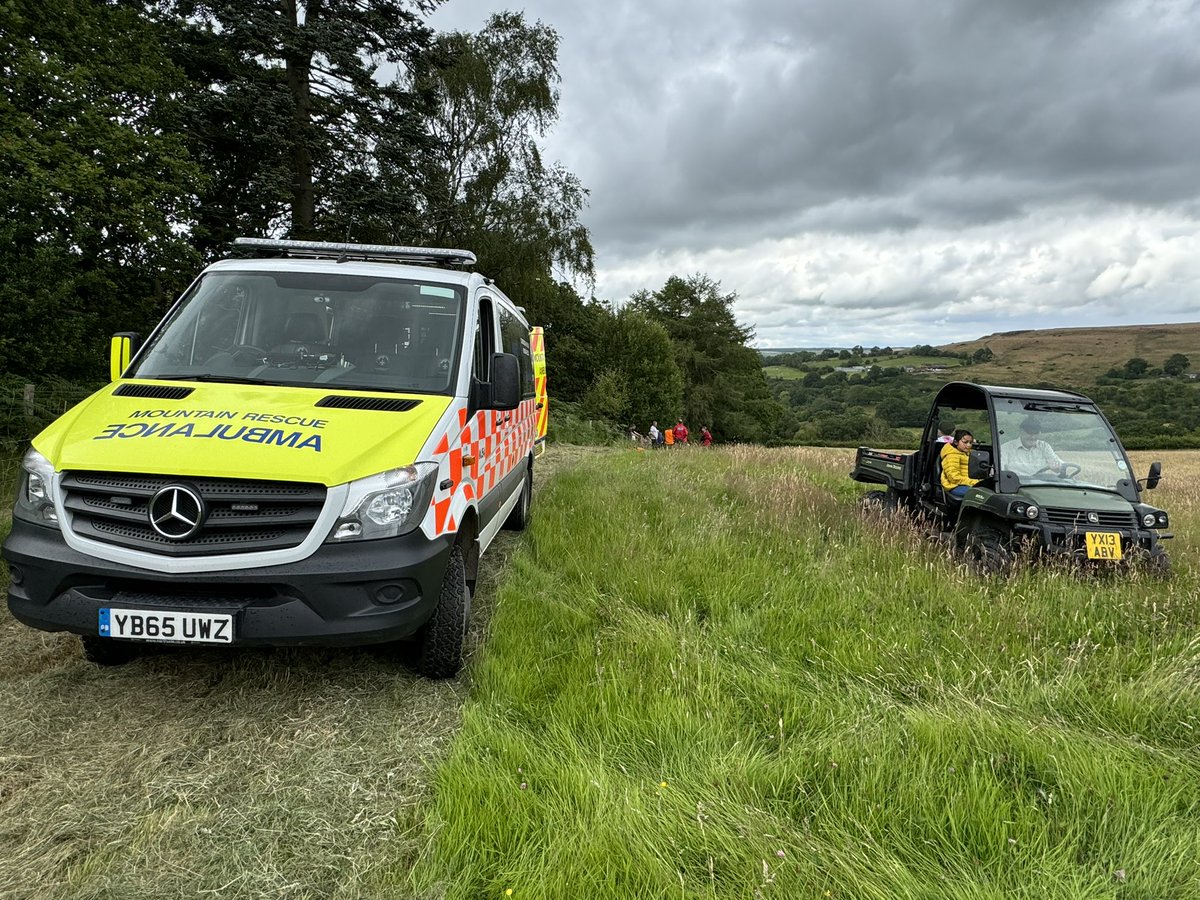
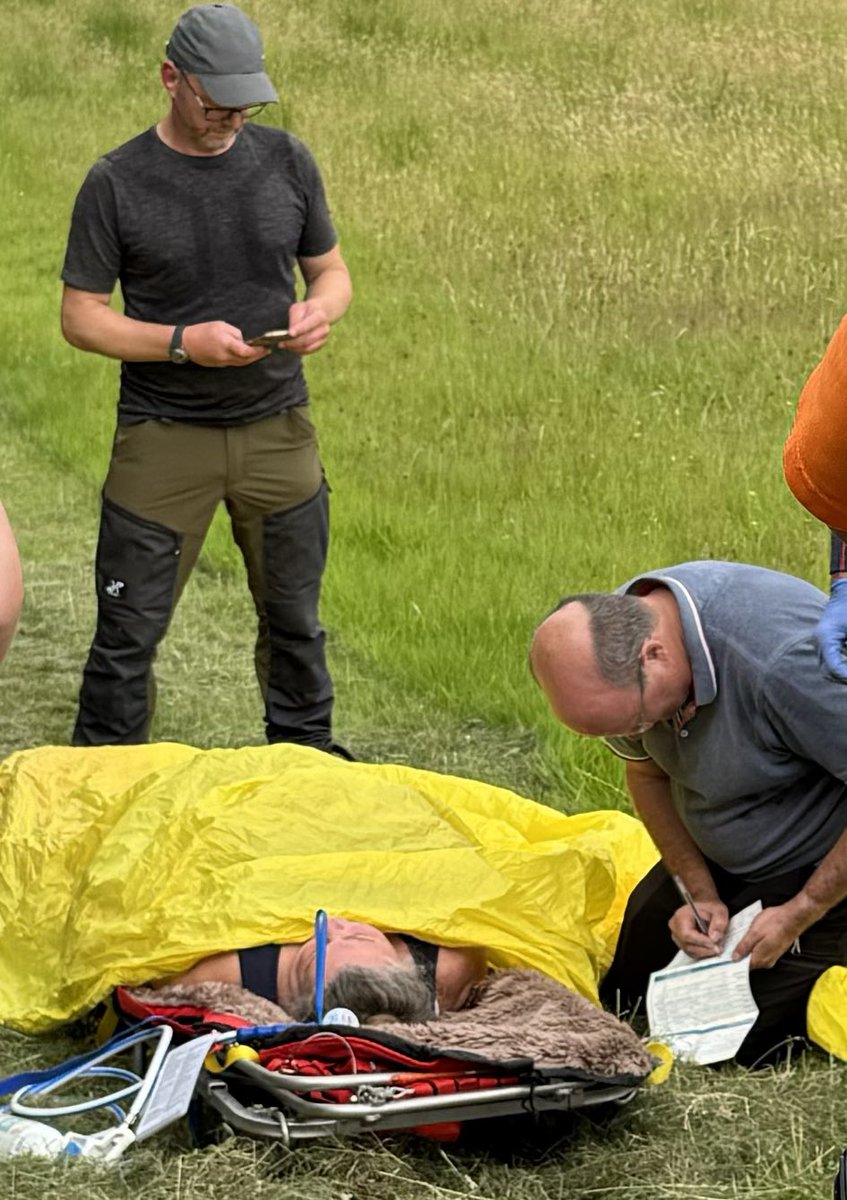
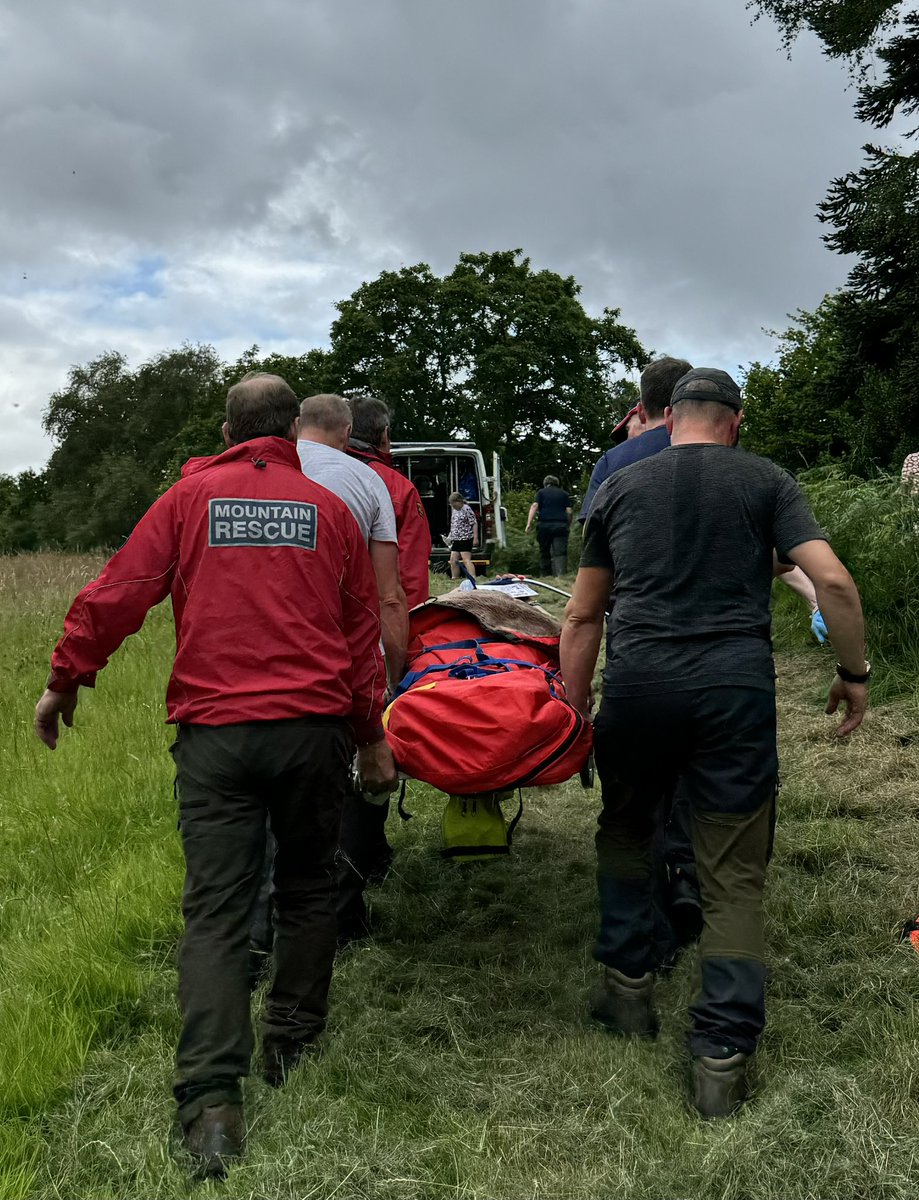
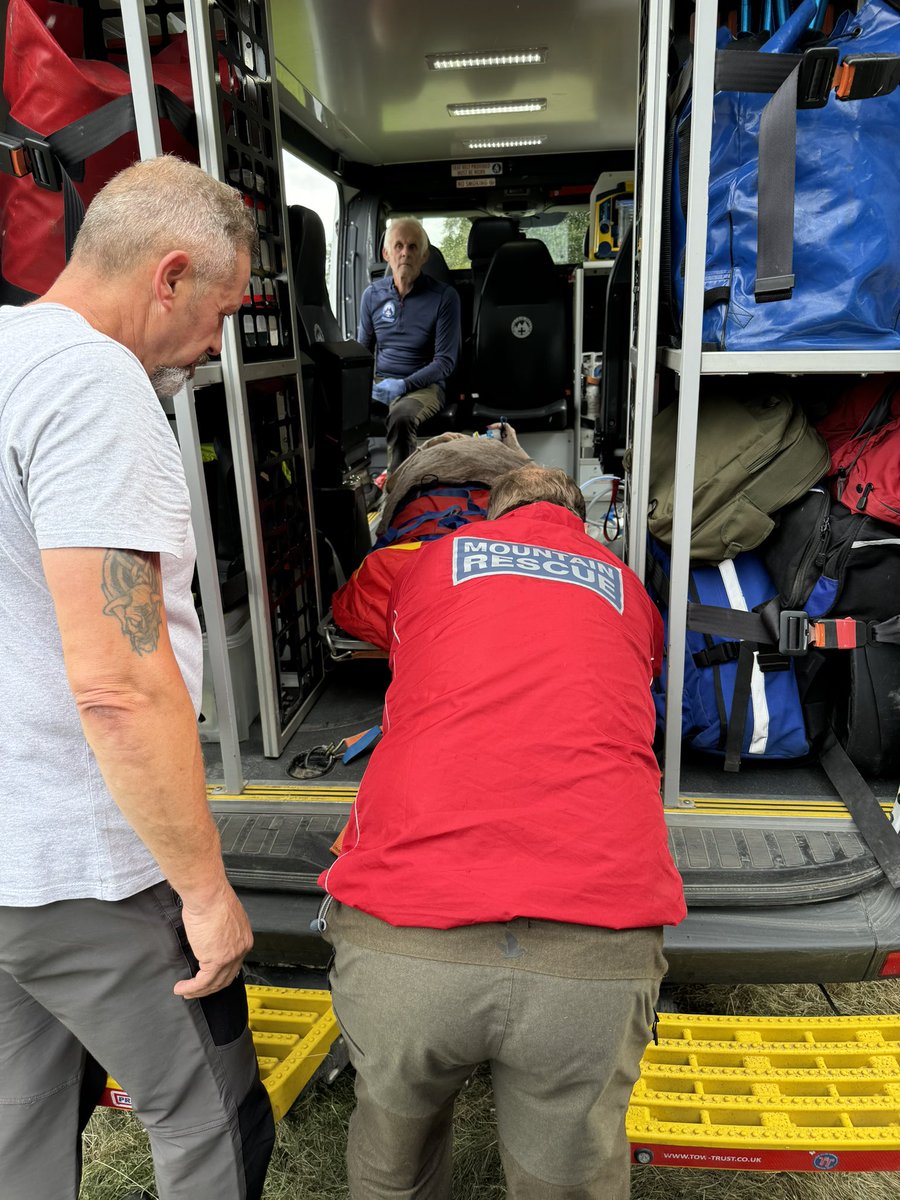
Four VERY varied incidents this week
Lower leg injury, car in water, crashed aircraft, medical emergency.
srmrt.org.uk/2024/07/22/four…
4
8
403
20 Jul 2024
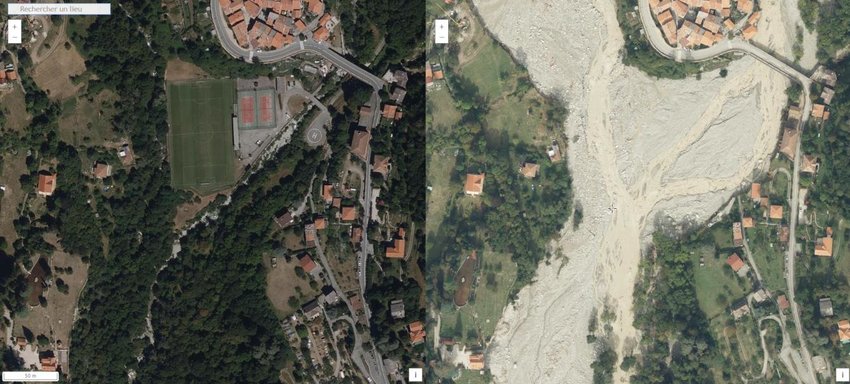
If you're watching @LeTour and wondering why Saint-Martin-Vésuble is surrounded by a moonscape it's the aftermath of storm Alex in 2020 😬
1
118

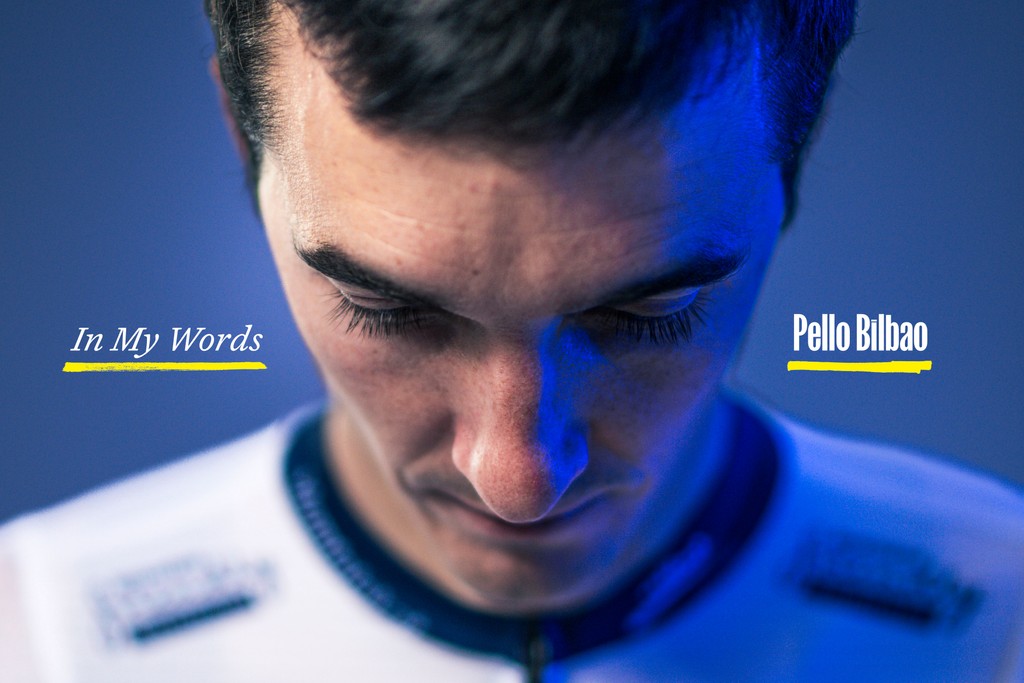
"Gino was something more than a cyclist, not just worried about performance, a complete person"
I still really miss Gino, by Pello Bilbao
Read more: l8r.it/Crwg
3
62
420
59,000
Jon Bateman retweeted

22 May 2024
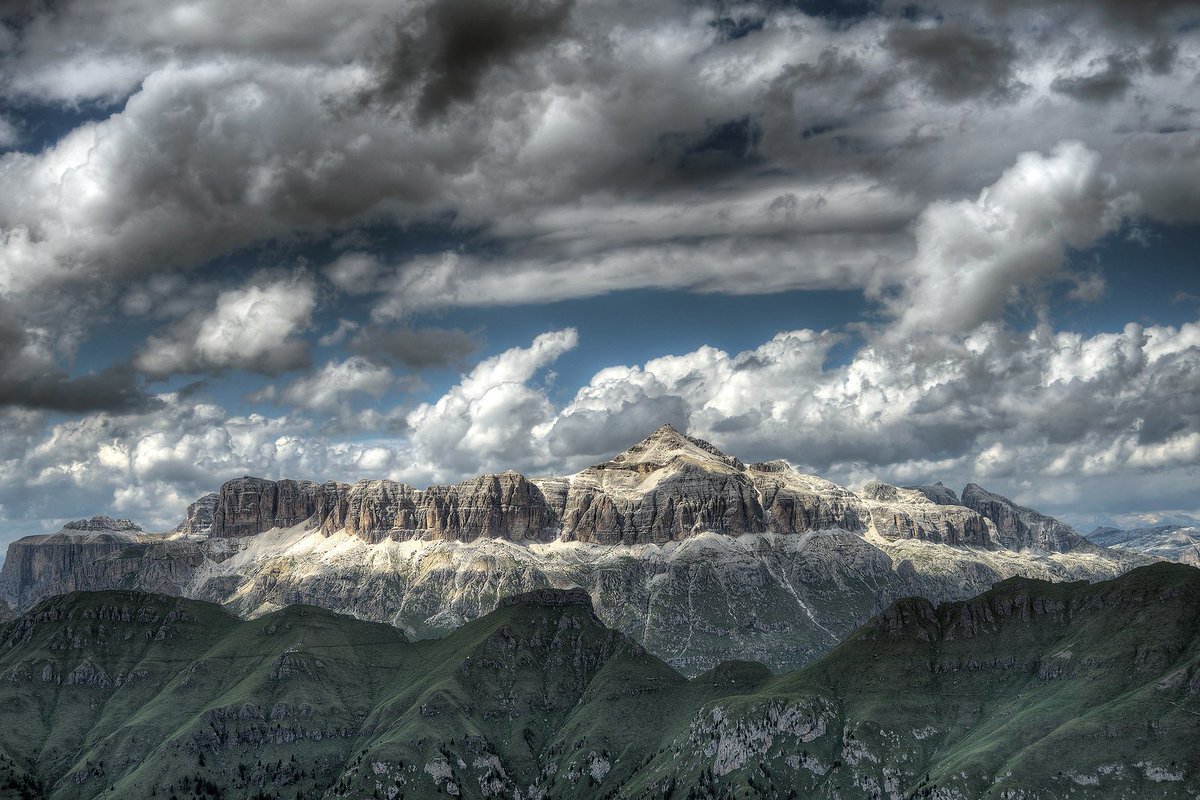
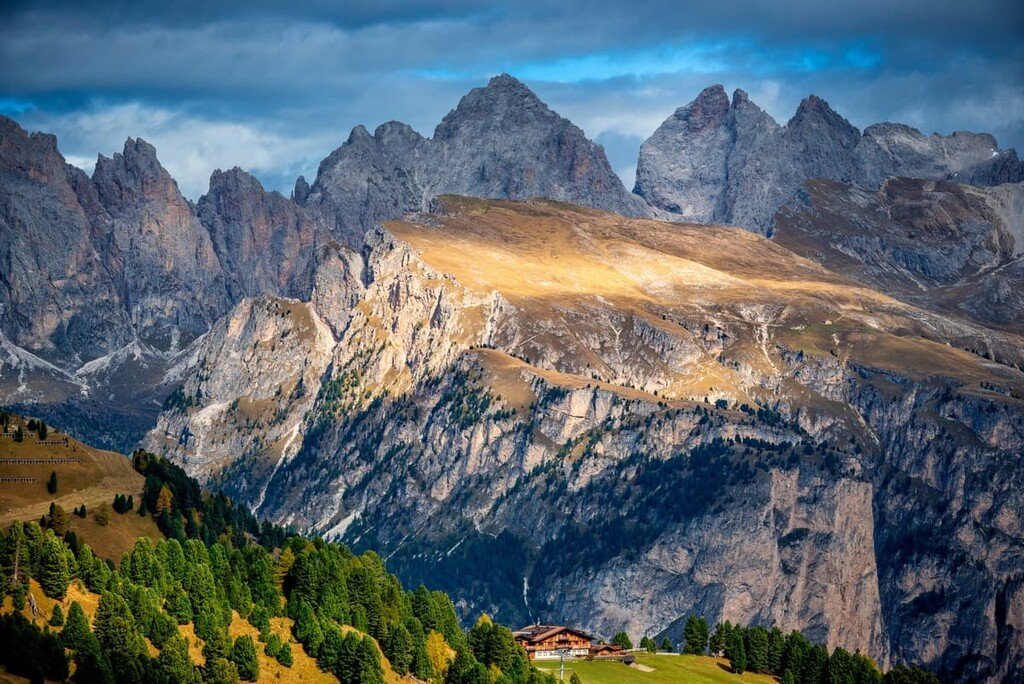
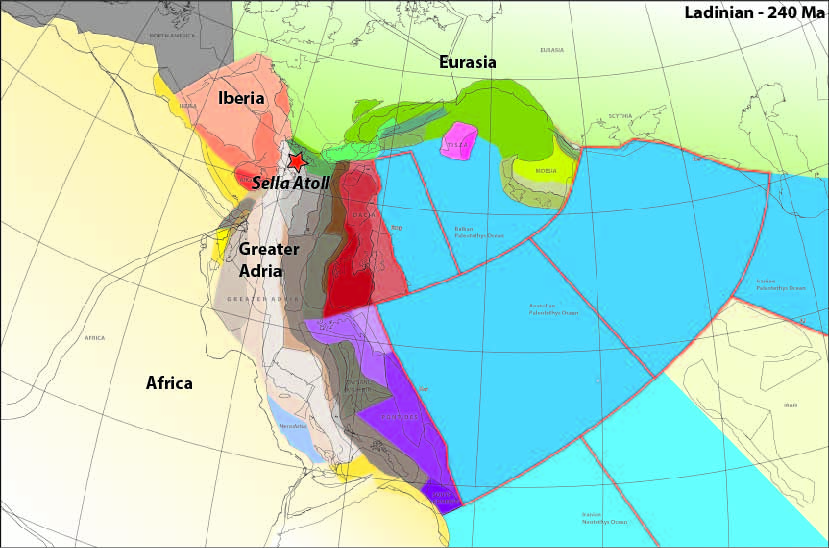
Stage 17 of the #GirodItalia passes along one of our favorite geo-landmarks of Italy, the Sella Pass, and the the famous Sella Massif! This massif is a Triassic (240 million year old) atoll!
In the early to middle Triassic, the continental crust of (Greater) Adria continent broke up in two in the northeast, on the Balkan side. This was probably related to subduction processes that occurred in that region and that are now long-gone, but in any case, it was associated with formation of large volcanoes, also in the Dolomites.
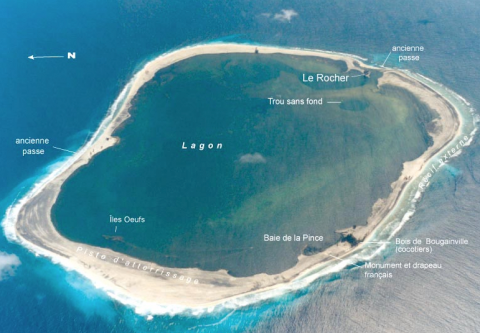
Once the volcanism went extinct, the region subsided and because it was close to the equator, limestone and dolomite deposition occurred. At the location of the Sella Massif, is a ring-shaped, high ridge made of reef limestones and dolomites formed, with in the center a flat area: a lagoon. The Sella Massif is an atoll! And it was uplifted, and eroded, but not much deformed, so you're looking pretty much at the original thing!
Atolls are best known from the Pacific Ocean, where they form on top of seamounts - underwater volcanoes that reach shallow water. Reefs then form on the crater rims, and grow upwards to compensate for the subsidence of the volcano. It wasn't quite that setting here in the Dolomites, that may have looked more like volcanoes on the modern eastern margin of Australia. But an atoll is an atoll, and you can still imagine the white beaches and palm trees!
Enjoy a cocktail at the pass today gentlemen!
@UniUtrecht @UniUtrechtPE @UUGeo @UUEarthSciences
ALT https://commons.wikimedia.org/wiki/File:Sella_Group_-_Pian_dei_Fiacconi,_Canazei,_Trento,_Italy_-_August_13,_2013.jpg?uselang=fr
ALT https://www.sciencedirect.com/science/article/pii/S1342937X19302230
3
19
105
6,440
Jon Bateman retweeted

1 May 2024
Updated - HC Result: Aims Cycling Hill Climb
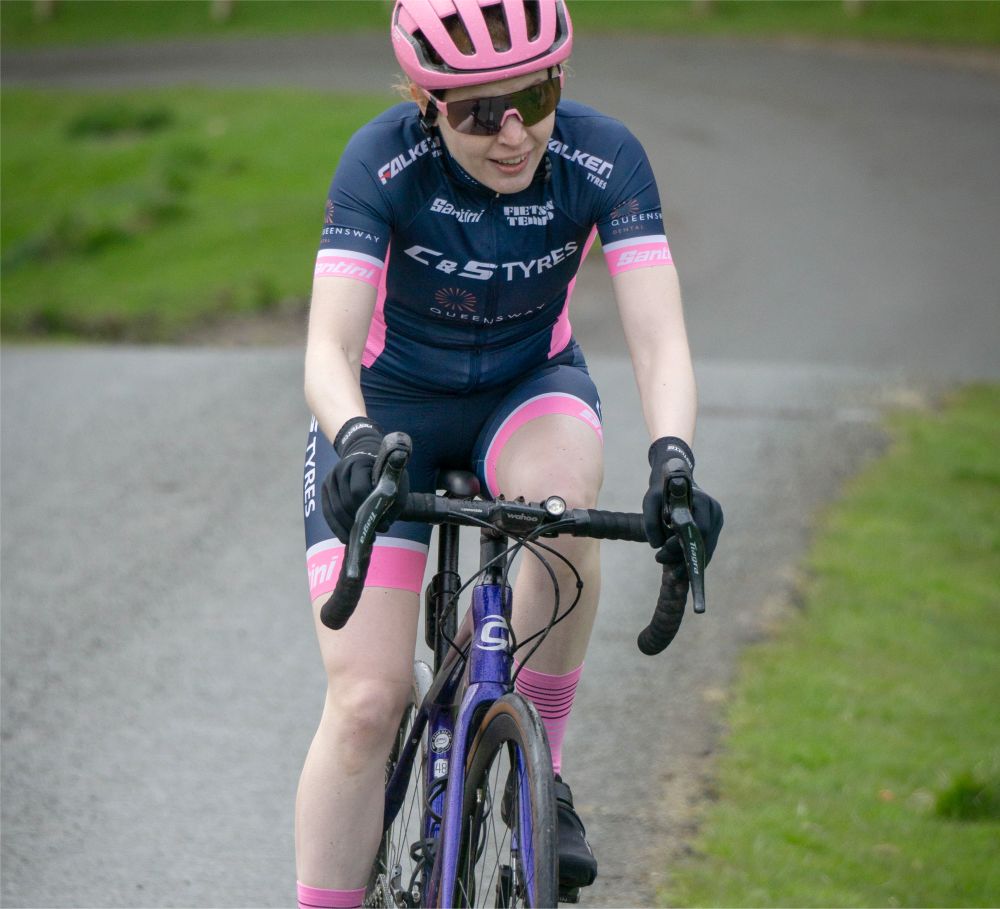
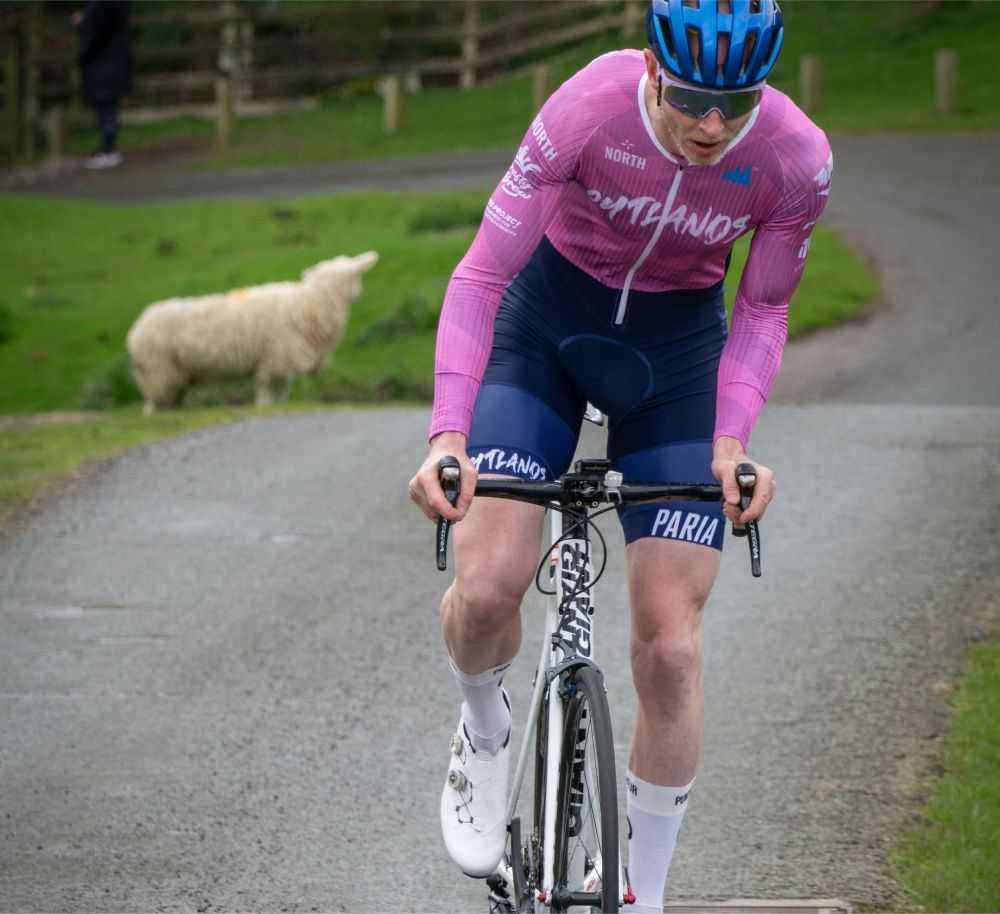
Nick Munro and Nuala Robinson put in impressive performances at the AIMS Cycling hill-climb event near Kildale in North Yorkshire in challenging conditions with damp and greasy roads.
velouk.net/2024/04/29/hc-res…
3
4
1,290
30 Apr 2024
I'd forgotten the Kafkaesque joys of trying to support a child's @SF_England student finance application. I think I've worked out that the only way I (with ancient student loan history) can contact them successfully is by physical letter 😂
1
116
29 Apr 2024
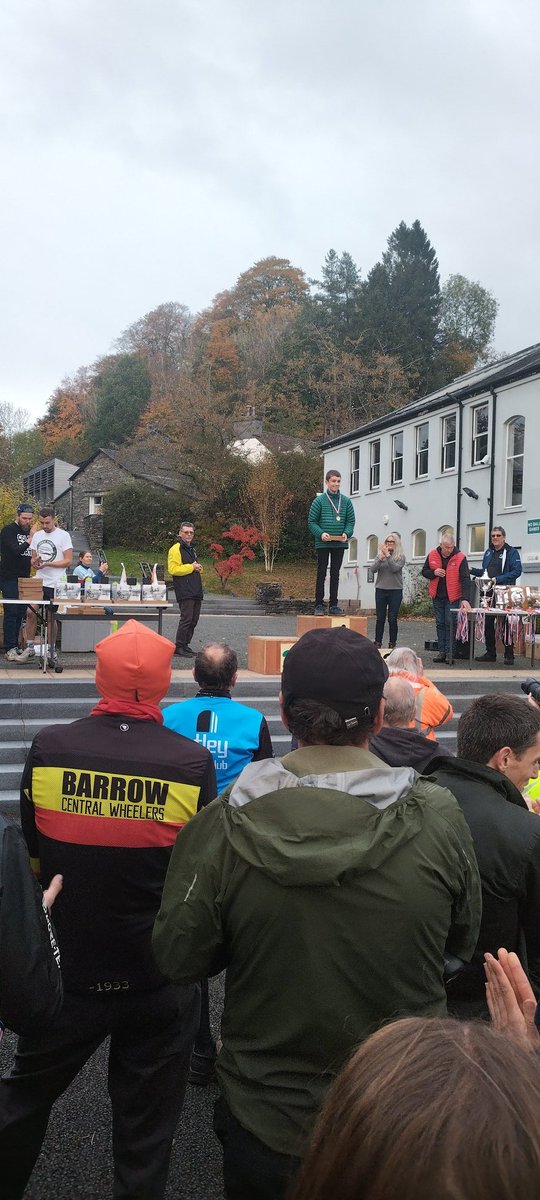
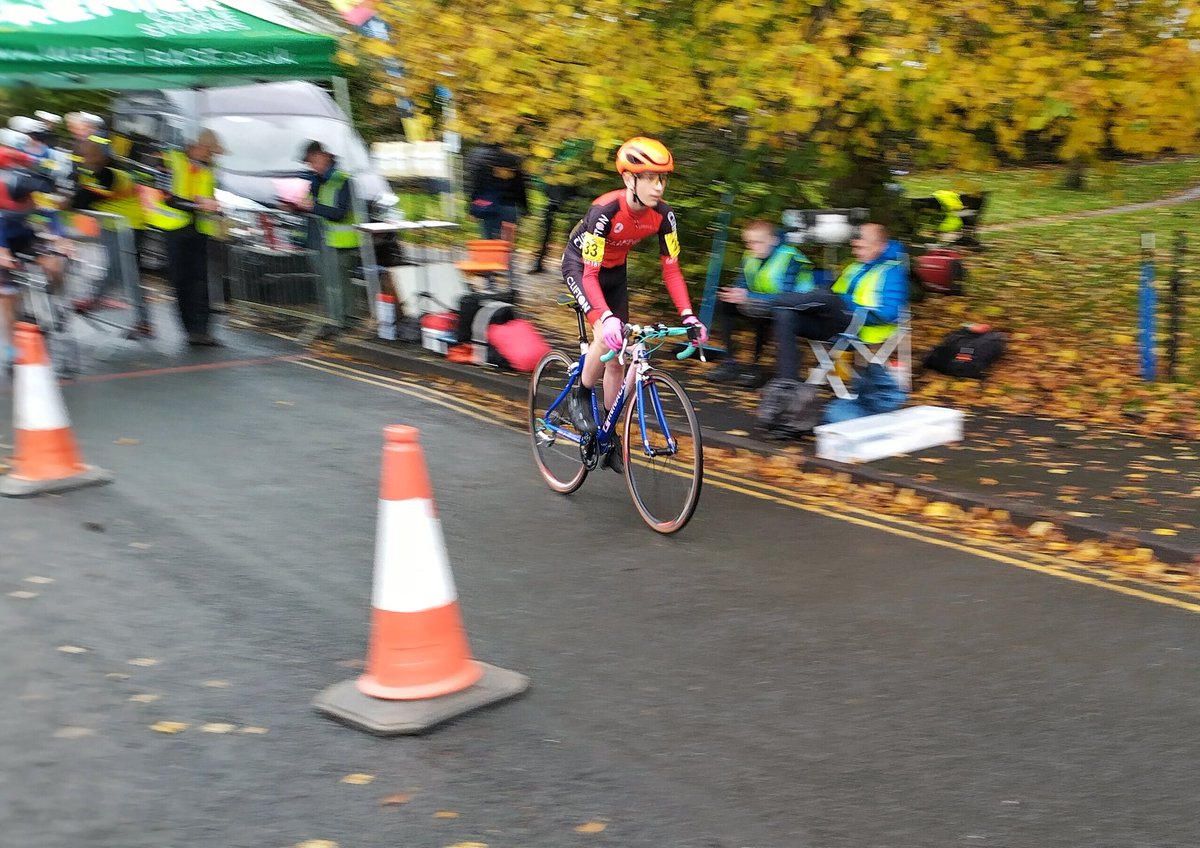
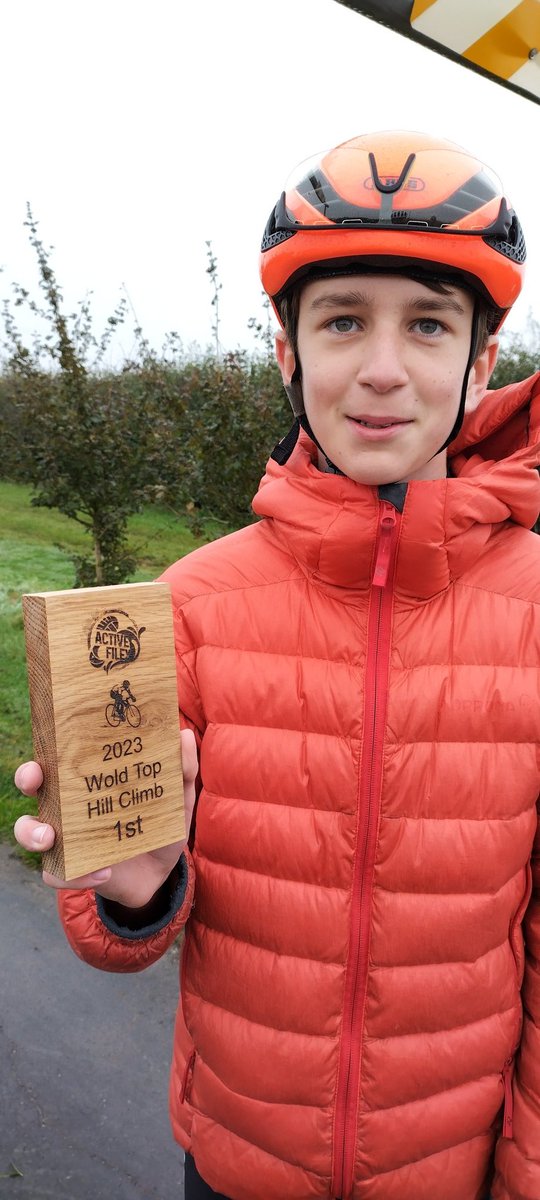
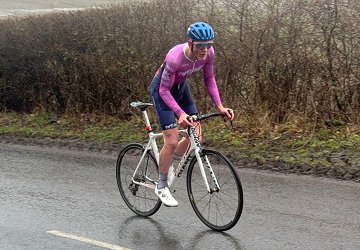
Report on Saturday's hill climb - Ezra on the 'grown up' podium with 3rd (and 1st junior) :-)
29 Apr 2024

REPORT: Nick Munro and Nuala Robinson were fastest as AIMS Cycling hosted an early-season hill-climb on a one-kilometre ascent near Kildale in North Yorkshire.
#cyclingtimetrials #timetrial #roadbike #ttbike #cycling #cyclinglife #triathlon
cyclingtimetrials.org.uk/rac…
1
140
27 Mar 2024
If you love someone who loves badges (like Ezra does) then Pin Badge Club is amazing - give it a go!
27 Mar 2024

Hey pals! It doesn’t look like I’ll be able to sustain Pin Badge Club for much longer with the subscriptions I have.
1
124
19 Mar 2024
468
11 Mar 2024
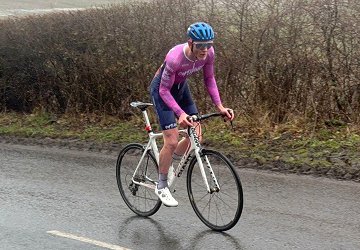
Nice mention for Ezra's efforts yesterday in the report - 4th overall and fastest youth/junior :-)
11 Mar 2024
REPORT: Nick Munro (Outlands) and Helen Quartermaine (Sowerby Sunday Club) battled against the conditions and a tough climb to win at the @DCCcyclingclub /VTTA (North) hill climb in Co Durham.
#timetrial #roadbike #ttbike #cycling #cyclinglife #triathlon
cyclingtimetrials.org.uk/rac…
188
22 Feb 2024
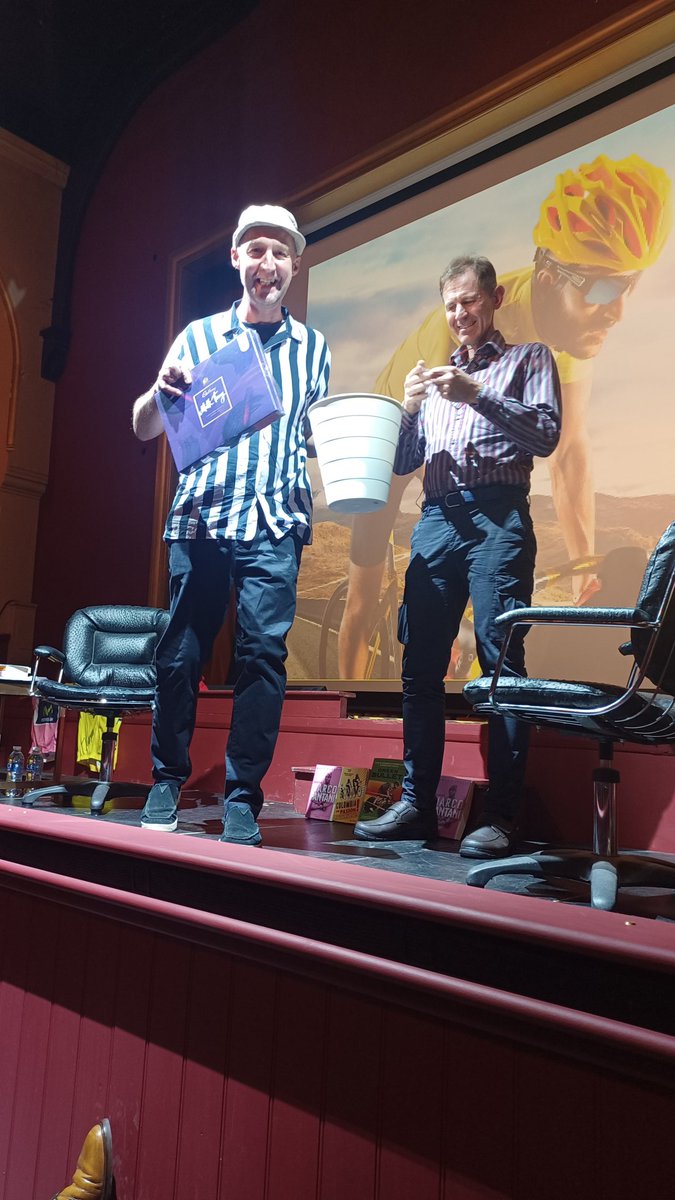
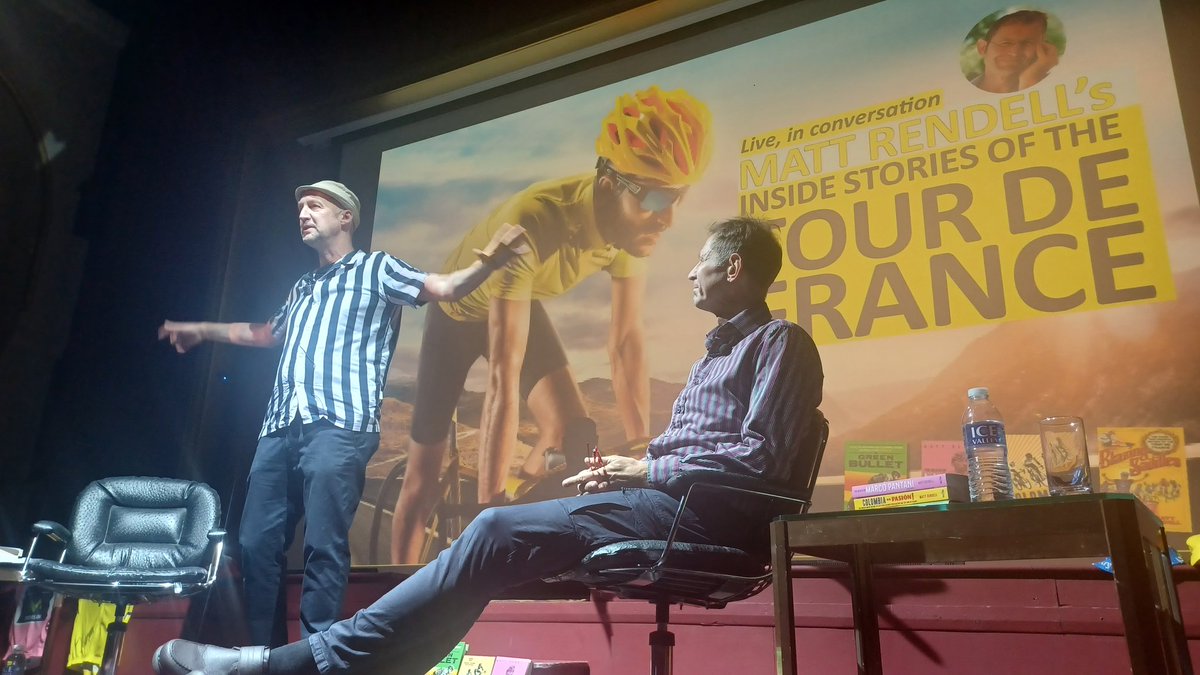
This was a lovely night - always really enjoy @mrendell's words (books, TV, pods, etc) and @thethirdumpire very gracefully teased some great stories out of him :-)
21 Feb 2024

What a super evening with @mrendell & @thethirdumpire lots of wonderful #TourdeFrance stories and even a top drawer raffle. Hope you found a pub open!
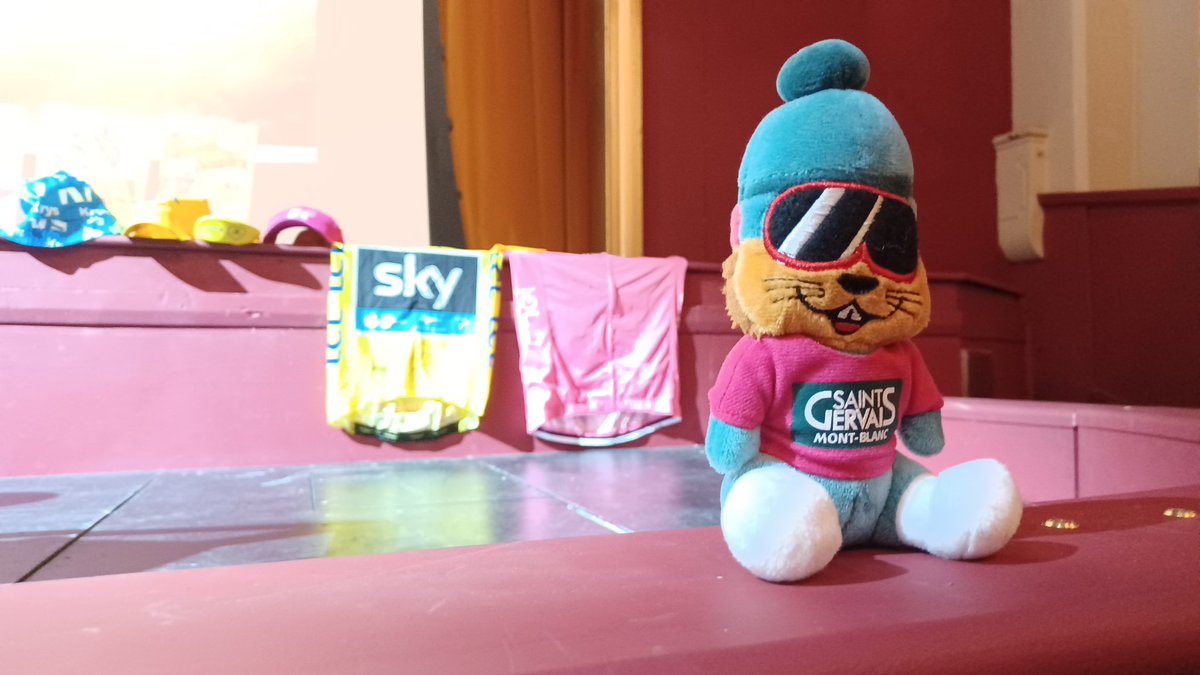
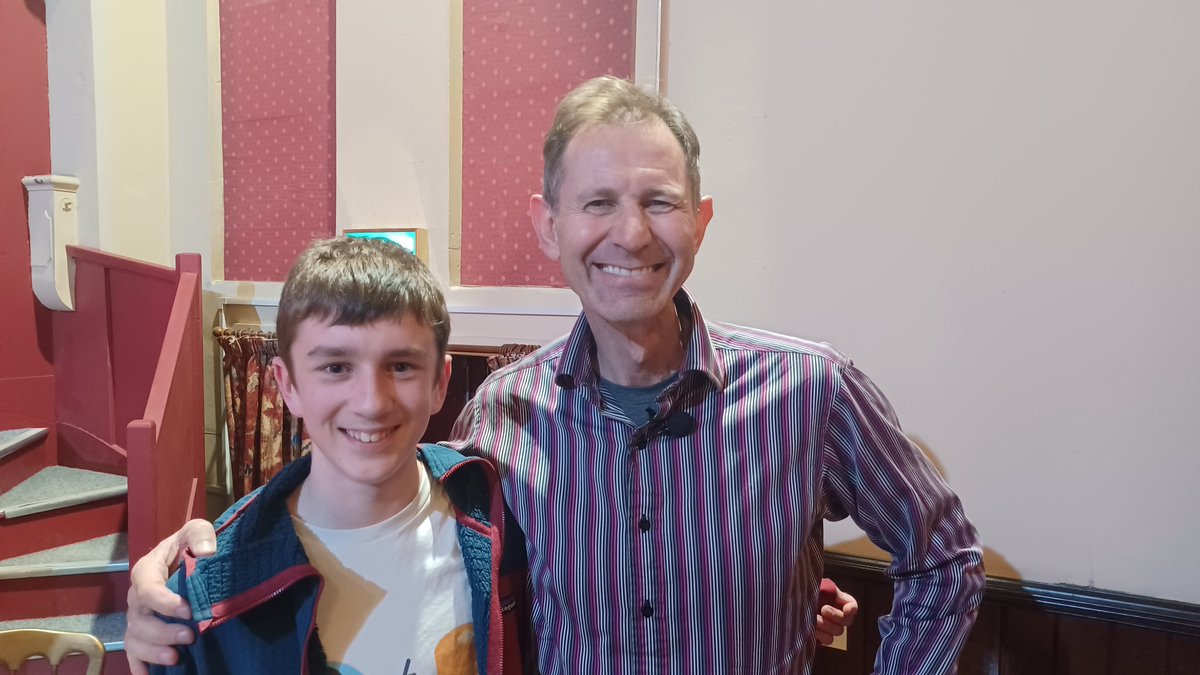
1
1
3
2,100
8 Jan 2024
I'm going to start posting the 'searing' times I've set in the last week, compared to handful of riders who have also ridden it in the last week 🤣
I guess "Valteri Bottas rides OK up Willunga Hill to 3512th place, just sneaking into the top 20%" wouldn't have got the click!
8 Jan 2024

Valtteri Bottas sets searing time on Willunga Hill ahead of its Tour Down Under return
globalcyclingnetwork.com/rac…
1
266
3 Jan 2024
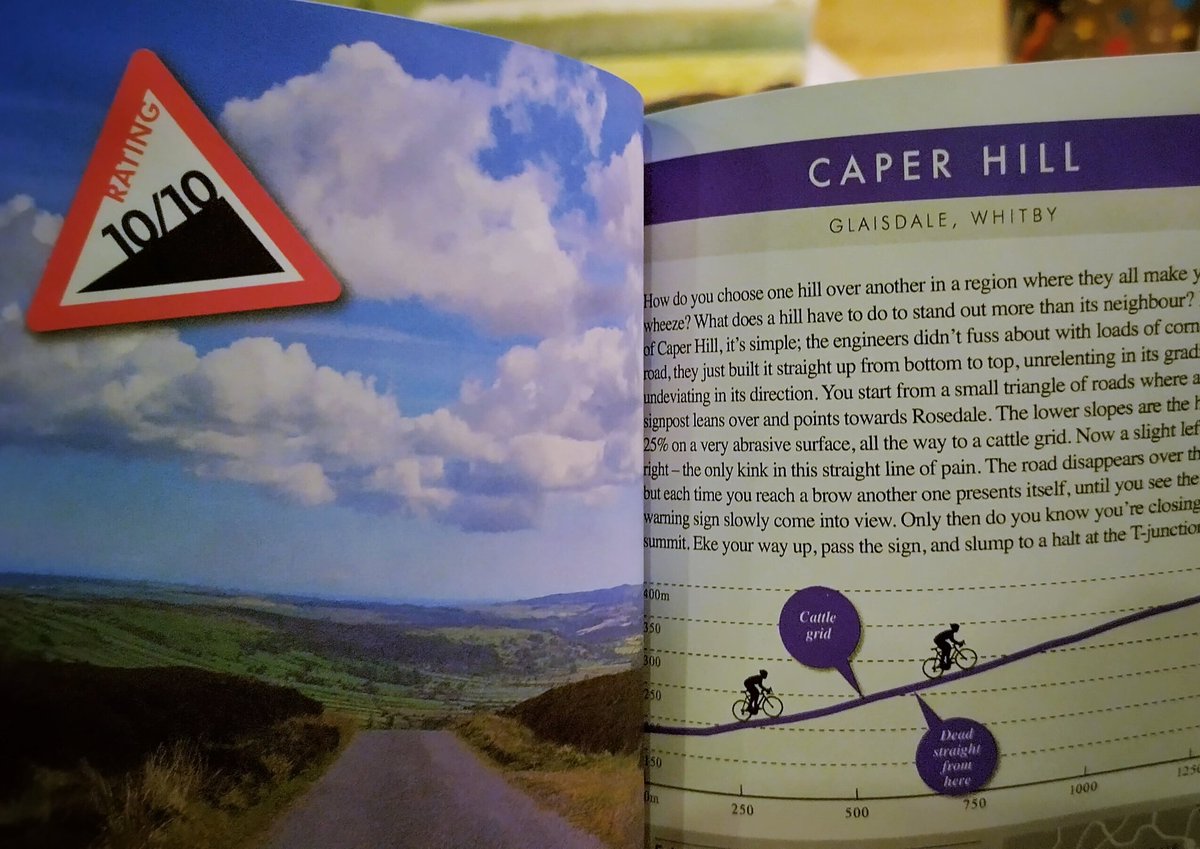
Taking a quiet minute to browse the local climbs in the @100Climbs Yorkshire book the kids got me for Xmas... and forced to revisit my Caper Hill pain on a singlespeed MTB and with a pinged patella tendon to remember it by 🤣
1
6
1,242
7 Dec 2023
We need to challenge Tories like Rachel MacLean claiming that a bonkers Rwanda policy is meeting an election promise. Three PMs after the election this is still a fantasy - there was nothing in the 2019 Conservative manifesto even close to this #Newsnight @BBCNewsnight
2
9
628
Jon Bateman retweeted

1 Dec 2023
Ahead of Day 2 of Matt Hancock at Covid Inquiry, your reminder of the Digested Read of his Pandemic Diaries. If that’s what they were
‘Everyone calls to say how marvellous I am’ – Matt Hancock’s Pandemic Diaries, digested by John Crace theguardian.com/books/2022/d…
2
97
422
24,551
Jon Bateman retweeted

28 Nov 2023
It’s time to act. Join our call for #LongerBetterLives by signing our open letter to political party leaders: cruk.ink/3G91FxB
15
23
4,160