Joined December 2008
2,899 Photos and videos
Dealstream, as a #healthtech #startup investment assistance platform, takes all this into account for any business -take a look at thedealstream.us/ linkedin.com/posts/joncwarne…
1
23
joncwarner retweeted
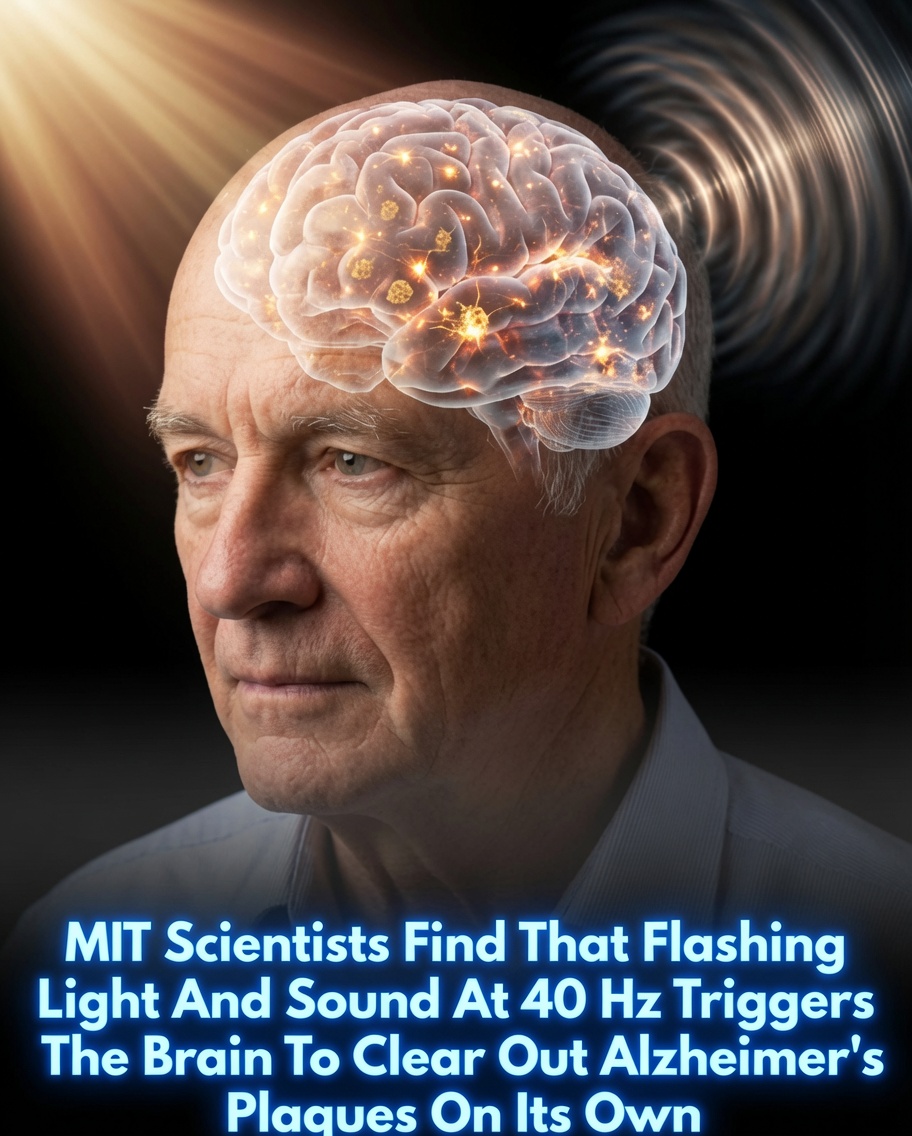
A promising noninvasive therapy using synchronized light and sound may help the brain clear toxic proteins associated with Alzheimer’s disease. In a groundbreaking study involving researchers from MIT, Boston University, and Westlake University, scientists have shown that exposing mice to 40-hertz flashing lights and auditory tones can powerfully activate the brain’s natural waste-clearance system, the glymphatic system, dramatically reducing harmful amyloid plaques. The sensory stimulation induces gamma brain waves that trigger a specific chain reaction: inhibitory interneurons release vasoactive intestinal peptide (VIP), which prompts astrocytes to expand and increase the flow of cerebrospinal fluid. This enhanced fluid circulation flushes out toxic proteins and cellular debris that accumulate in Alzheimer’s. When researchers blocked either the astrocytes’ response or the release of VIP, the plaque-clearing effect disappeared, confirming the precise biological pathway involved. With more than 7 million Americans currently living with Alzheimer’s, a disease projected to cost the U.S. healthcare system over $400 billion annually, this approach is particularly exciting because it is completely noninvasive and could be relatively easy to implement. While still in the preclinical stage, the results suggest that 40 Hz sensory stimulation could become a safe, accessible tool to help maintain the brain’s “plumbing” and potentially slow or prevent the progression of Alzheimer’s and other neurodegenerative diseases. This research highlights a novel way to harness the brain’s own waste-removal mechanisms rather than relying solely on pharmaceutical interventions. [Murdock, M. H., et al. (2024). Multisensory gamma stimulation promotes glymphatic flow and clears amyloid in Alzheimer’s mouse models. Nature. DOI: 10.1038/s41586-024-07132-6]
19
196
642
29,422
joncwarner retweeted
After 25 years of brave & brilliant work by hundreds of scientists in my lab to understand then safely reverse aging for the first time, it was moving to witness the first human dose being delivered 🥹 nature.com/articles/d41586-0…
214
762
5,580
342,471
joncwarner retweeted
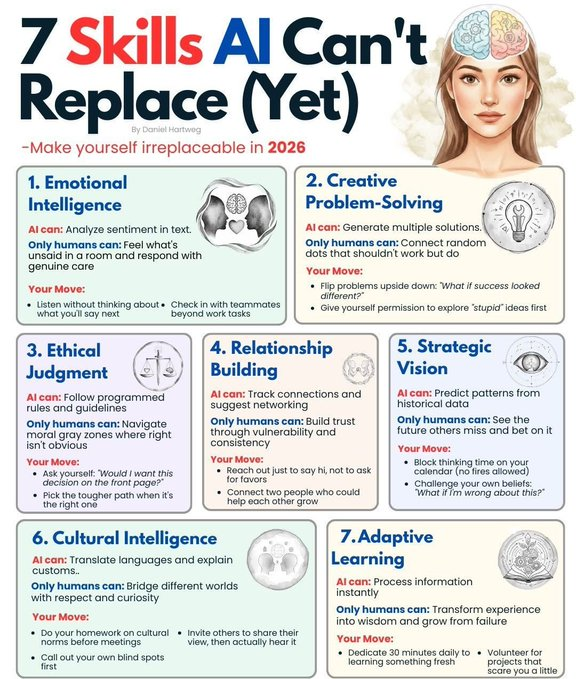
7 Skills AI Can't Replace Yet! Follow @TechwithTessa1, for more!
12
49
122
5,342
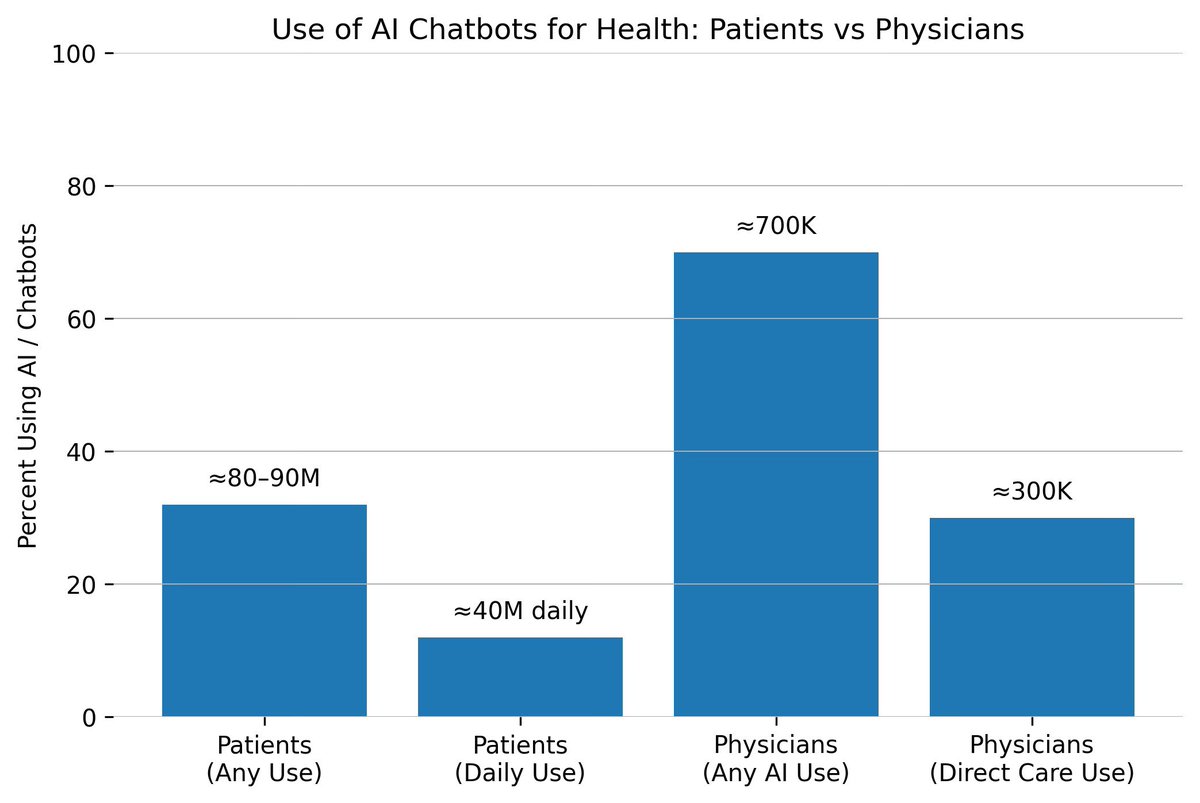
The Paradox of Medical AI Implementation From Missed Opportunities to Missing Evidence erictopol.substack.com/p/the…
5
6
1,008
joncwarner retweeted
We've always known our service coordinators create huge value, but when board members ask for hard evidence, we're often relying on anecdotes. The challenge isn't proving the work matters-it's proving it consistently & at scale. #aging #seniors #wellness linkedin.com/posts/joncwarne…
1
1
34
joncwarner retweeted
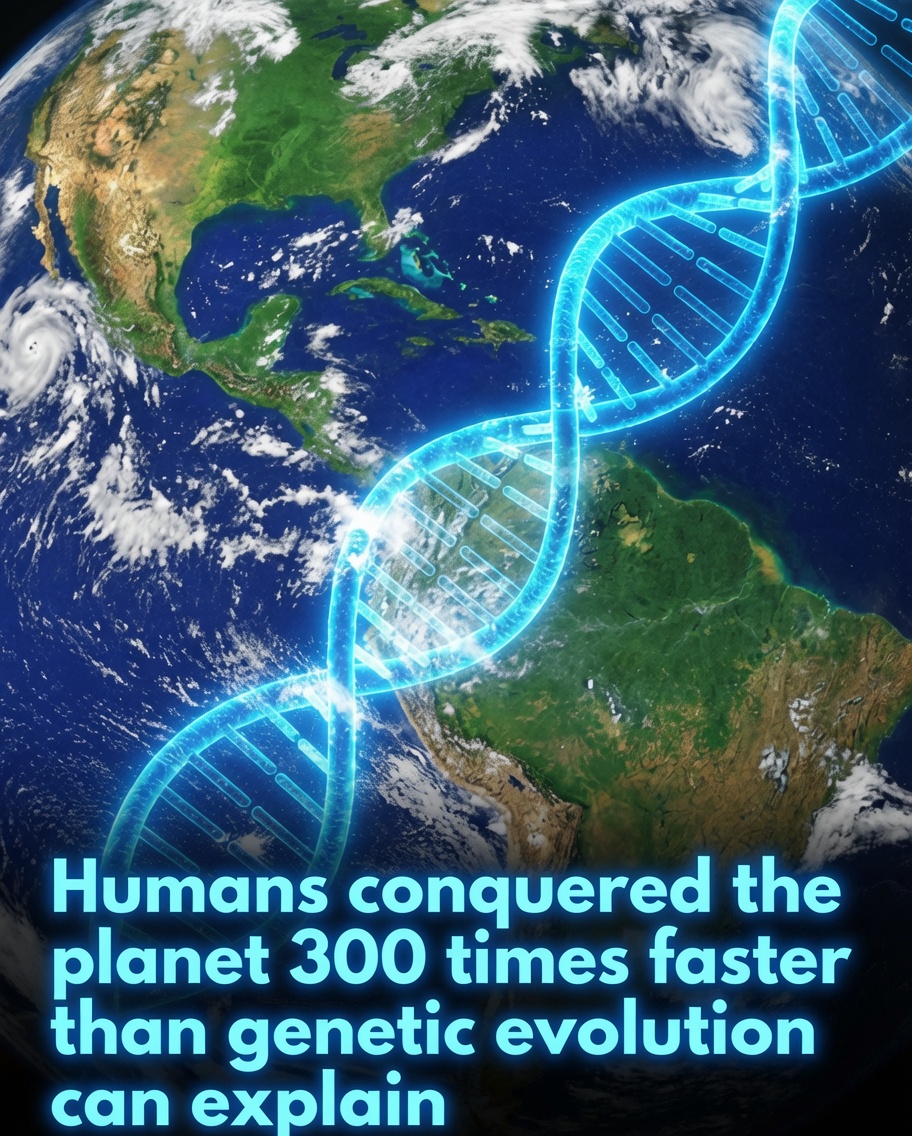
Without our extraordinary capacity for cultural transmission, the ability to rapidly share knowledge, tools, and technologies, humans would have required roughly 88 million years of biological evolution and would have diverged into more than 2,200 distinct species to achieve our current global distribution. Since emerging in Africa around 300,000 years ago, Homo sapiens rapidly spread across every continent, adapting to extreme environments from Arctic tundra to scorching deserts. Rather than depending on slow genetic adaptations through natural selection, our species leveraged a powerful shortcut: cultural evolution. A groundbreaking study published in the Proceedings of the National Academy of Sciences demonstrates that by accumulating and transmitting innovations socially, humans expanded across the planet at a pace approximately 300 times faster than would be expected under typical mammalian genetic evolution. To reach this conclusion, Arizona State University anthropologist Charles Perreault compared humanity’s geographic range with data from nearly 6,000 mammal species. His analysis shows that if we had relied solely on biological mechanisms, achieving our current footprint would have demanded tens of millions of years of lineage splitting and vast differences in body size. Instead, all eight billion humans remain a single, highly adaptable species that collectively occupies a land area comparable to that of all other terrestrial mammals combined. This research highlights that humanity’s success stems not just from being generalists, but from our unique ability to develop localized cultural expertise through cooperation and social learning, our species’ greatest evolutionary superpower. [Perreault, C. (2026). Cultural evolution accelerated human range expansion by more than two orders of magnitude. Proceedings of the National Academy of Sciences, 123(11), e2523038123. DOI: 10.1073/pnas.2523038123]
22
63
267
33,896
joncwarner retweeted
CareAxis is built specifically for affordable housing environments. Think of it as transforming any property management operation (including other areas such as 55 Senior care IL and AL into a wellness-enabled platform! linkedin.com/posts/joncwarne…
1
1
24
joncwarner retweeted
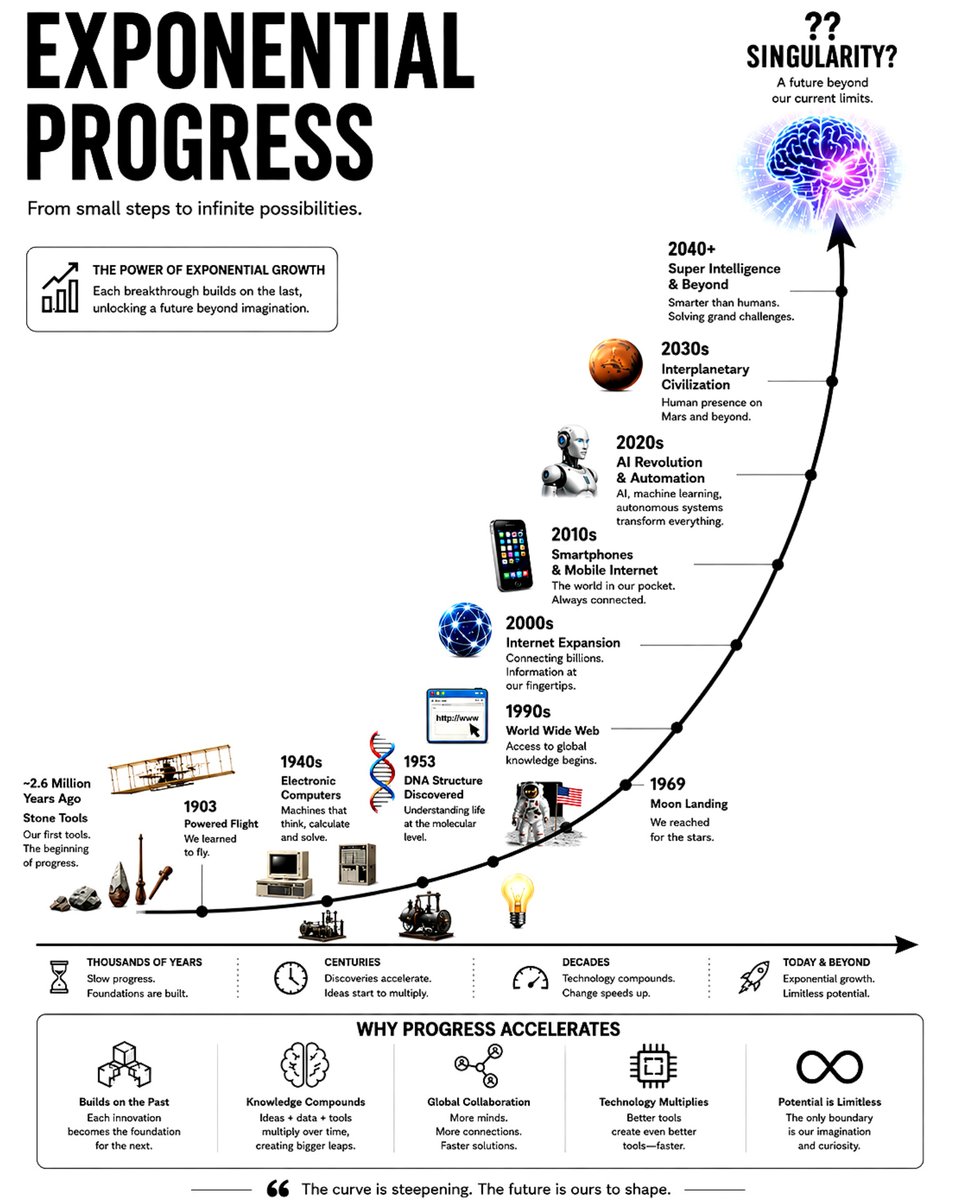
The arc of progress bends toward greater capability and the coming decades will accelerate it faster than any era in human history 👽👀,
13
50
162
4,748
joncwarner retweeted
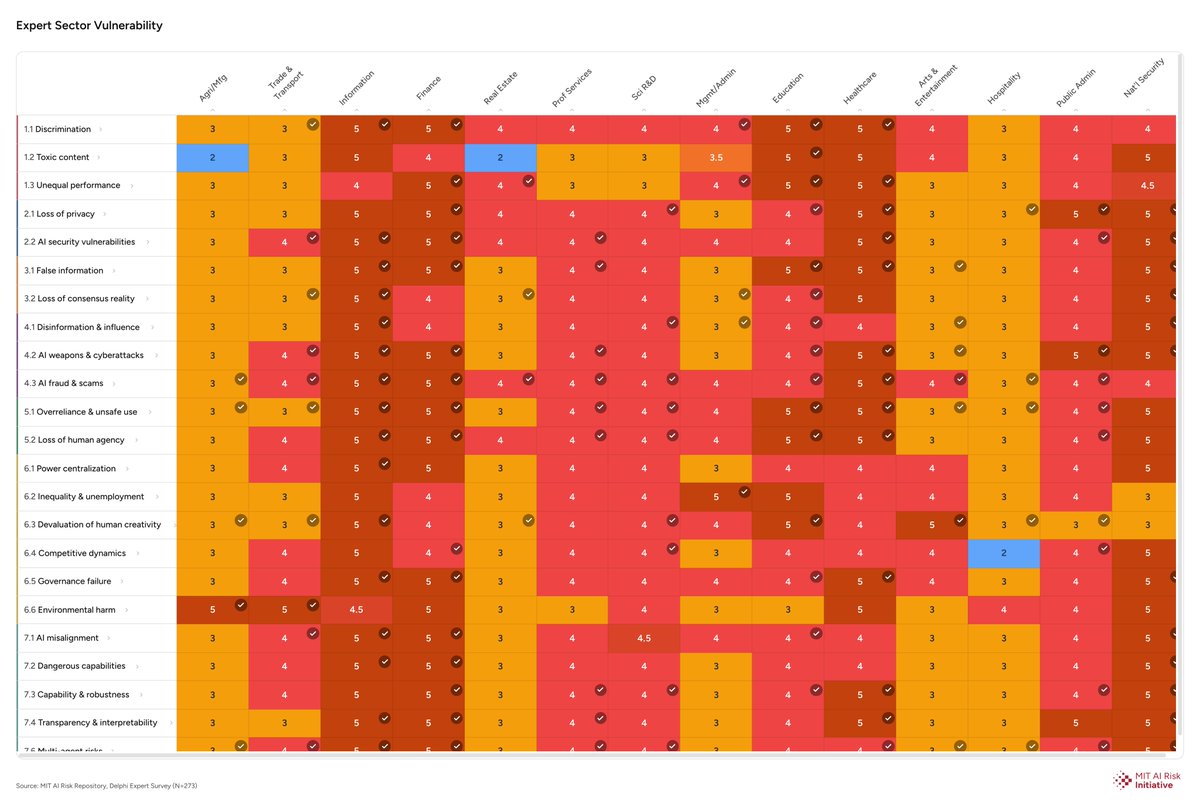
🚨 As always, the MIT AI Risk Initiative leaves NO STONE unturned! Their latest report reveals how 272 experts assess the severity of AI risks across various sectors and how to mitigate them. [Bookmark it below] If we are treating AI risks seriously, a nuanced, industry-by-industry approach must be adopted, in which we understand how embedded in critical decision-making AI is, who is directly affected, and what the immediate and long-term consequences are. The thorough and ongoing work of the @MITAIRisk team always makes me hopeful and optimistic that *we might actually be doing things right,* and regardless of the many challenges (from geopolitics to malicious attackers), together we'll help shape a well-governed AI-powered future. Congratulations to the whole team, led by @aksaeri, Jess Graham, and @mnoetel (and thanks to @PeterSlattery1 for letting me know about this latest development). - 👉 Download the full report below. 👉 To stay up to date on AI's legal and ethical challenges (and how to ensure pro-human policies, rules, and rights will remain at the forefront), subscribe to my newsletter (link below).
7
47
136
7,795
joncwarner retweeted
A strong reminder that efficiency and optimization are not the same thing as resilience. Systems that appear more efficient on paper can become dramatically more fragile when contextual impacts are ignored. linkedin.com/posts/joncwarne…
1
1
14
joncwarner retweeted
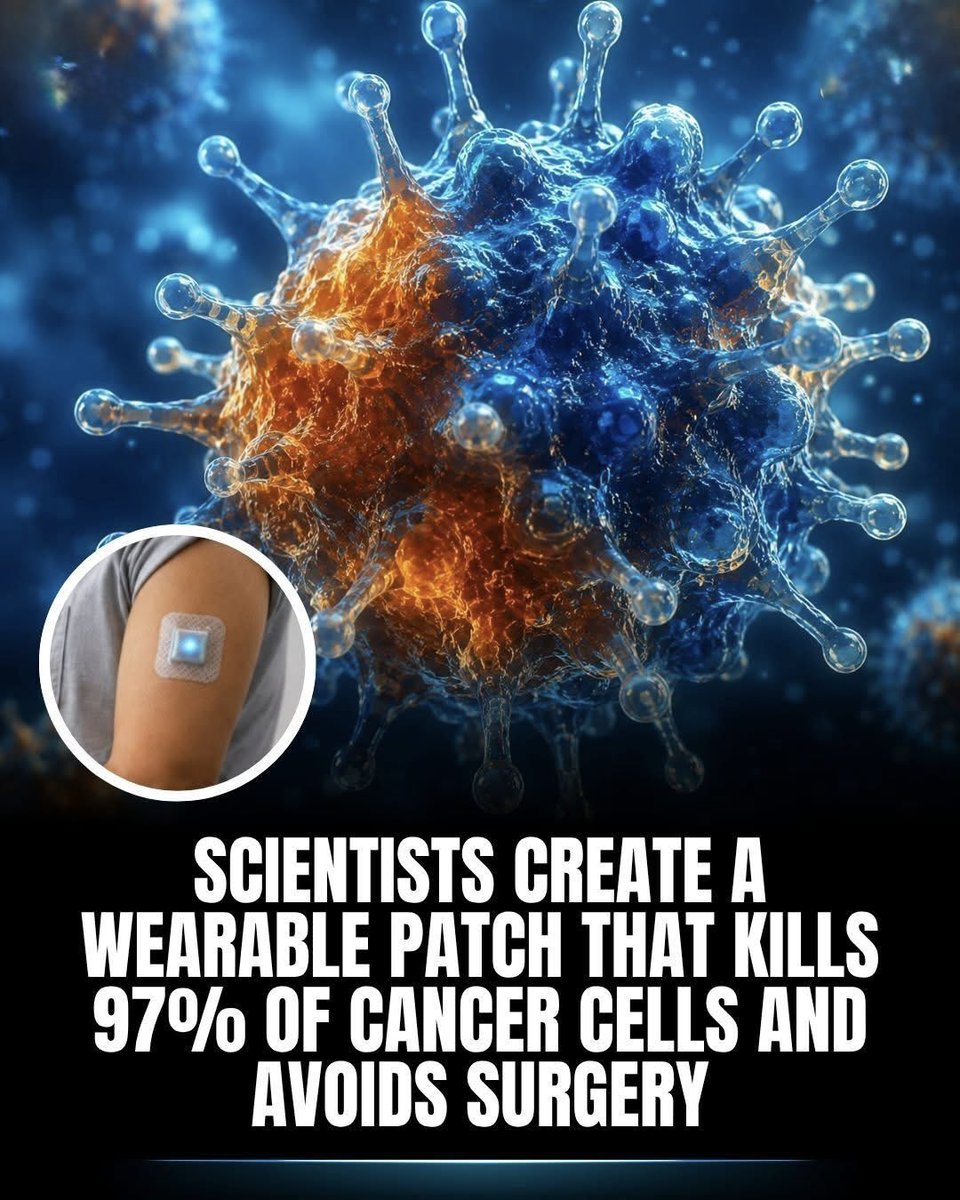
🚨 A CANCER PATCH THAT SOUNDS IMPOSSIBLE Scientists have developed a wearable skin patch that reduced melanoma tumors in mice by an incredible 97% in just 10 days. The patch is activated by a low-power laser, releasing copper ions directly into the tumor area while leaving nearby skin unharmed. Researchers also found no signs that cancer cells had spread beyond the tumor. Before the headlines get too big, this research is still in animals and has not yet been proven in humans. But if future studies succeed, this tiny patch could change the way cancer is treated. A simple patch. A shocking result. A future worth watching. Source:
Advanced Materials Technologies. (n.d.). Wiley.
5
68
173
5,071