
investing @tcg_crypto
Joined February 2020
- Tweets 1,634
- Following 1,613
- Followers 4,206
- Likes 21,035
217 Photos and videos













Jonathan Moore retweeted

May 27
We're running into too many new customers than we know how to deal with - across multiple markets, languages, and cultural expectations.
So we're rethinking the entire customer lifecycle from first principles.
Looking for 0-1 operators from all backgrounds.
All that's required is the desire to think quantitatively, with a curious mind and collaborative spirit.
May 21

We're growing the customer ops team at SpherePay!
This role is the connective tissue between us and our users, owning the full customer lifecycle from onboarding to ongoing support for fintechs and institutions moving money across borders
US-based Portuguese fluency required
9
8
71
14,349

May 22
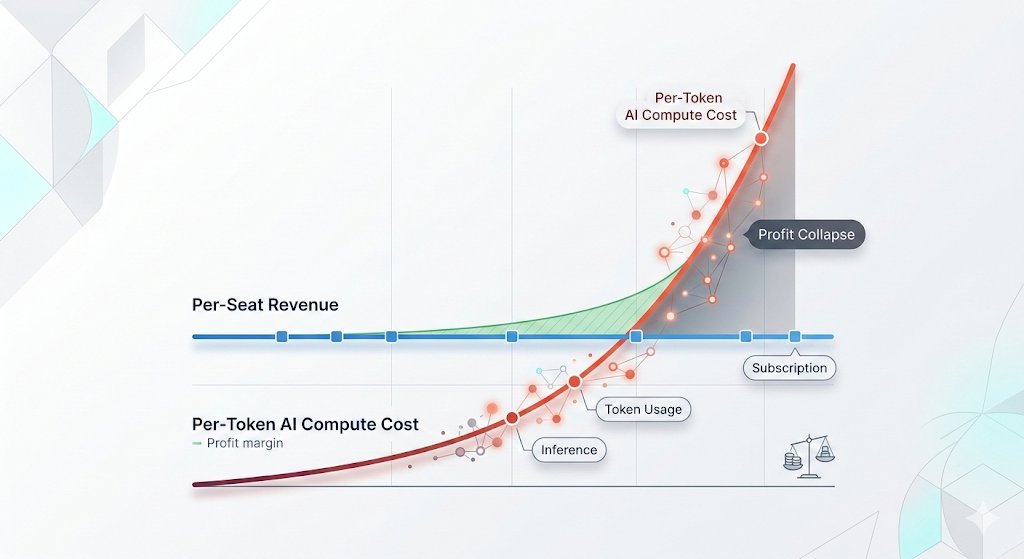
this is exactly why dynamic pricing for inference feels inevitable
we all max out on tokens and <1% of us are using these models correctly
market structure for efficient inference allocation feels massively under-discussed
May 21

🦔Microsoft canceled its internal Claude Code licenses this week after token-based billing made the cost untenable, even for a company with effectively infinite cloud resources. Uber's CTO sent an internal memo warning the company burned through its entire 2026 AI budget in just four months. American AI software prices have jumped 20% to 37%, and GitHub (owned by Microsoft) is dropping flat-rate plans for usage-based billing across its products.
My Take
The AI subsidy era is ending in real time. The same company that put $13 billion into OpenAI and built the Azure infrastructure powering most of Anthropic's compute just looked at the bill from a competitor's coding tool and decided it was not worth paying. That is not a productivity failure on Anthropic's end. Token-based pricing is forcing every enterprise customer to confront the actual cost of running these models at scale, and the number turns out to be far higher than the flat-rate experiments suggested.
This ties directly to my Gemini Flash post yesterday. Anthropic, OpenAI, and Google all raised effective prices in the last six months. Enterprises that built workflows assuming AI costs would keep falling are now watching annual budgets evaporate in months. Two outcomes look likely from here. Either enterprises scale back AI usage to fit budgets, which slows the revenue ramp the labs need to justify their valuations ahead of IPOs, or the labs cut prices and absorb the losses, which makes the unit economics worse at exactly the wrong moment. Both paths land in the same place, the numbers stop working, and somebody has to take the writedown.
Hedgie🤗
3
1
9
427
May 13
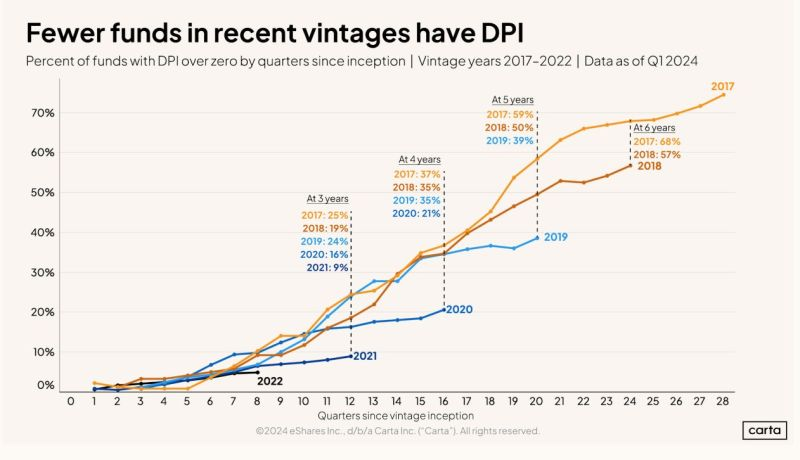
i think we'll see a resurgence in CPG
applied AI helps create better, personalized products that can command more attractive margins at lower CAC
improved unit economics will expand the surface area of interested VCs and capital who are priced out of AI at the app layer / concerned about constant disruption from foundational models
atoms and bits. not one or the other
5
10
671
Jonathan Moore retweeted

May 12
12
20
90
12,515
Jonathan Moore retweeted

Mar 31
Left everything behind. Lived on the ground in Latin America. Built stablecoin rails for markets no one else touches.
That's Arnold Lee (@0xdirichlet) of @sphere_labs.
Full ep with @afkehaya on @theindexshow → youtu.be/2q65AQ5jcmI
13
16
157
24,859
Mar 12
"Imagine buying Tesla stock as easily as we swap tokens. Rather than telling the world how great crypto can be, tokenized securities will show them."
@HyperliquidX
30 May 2025

Tokenized securities are the largest opportunity in crypto
The cryptoeconomy runs on network effects.
Without enough users and volume, there’s no liquidity, no security, and few reasons for anyone to stick around. Despite its global reach, crypto’s network effects have felt stagnant relative to its potential. Countless hours spent on financial engineering and protocol design have ultimately failed to attract more users and create new value. There are ~200M monthly active crypto addresses today, less than 10% of the monthly users on platforms like Instagram. After years of false promises, this dynamic is finally changing. New users and unprecedented value are now entering the cryptoecomomy and tokenized securities are the catalyst.
Stablecoins’ rapid expansion demonstrates that assets defined by simplicity and governed by clear rules can achieve massive scale. The stablecoin market cap is over 240 billion dollars (1% of global money supply) because digital dollars are easy to comprehend. Crypto’s value proposition of permissionless finance is simple as well: open participation and trustless agreements are both concepts you could explain to a 10-year-old. But despite a great narrative, crypto always lacked simple assets and simple rules everyone could follow. The recent passing of the Genius Act by the U.S. Senate has provided the industry with a framework of rules. It’s a watershed moment because it creates legal clarity and safety. By removing the murky legal gray zone, banks, fintechs and enterprises can integrate stablecoins into payment rails, unlock cheaper/faster cross-border transfers, and innovate without fear of surprise enforcement. Now that stablecoins have proved this idea in payments, tokenized securities are the logical next step. The Genius Act is a green light for institutions and enterprises to adopt a new financial system, a compliant pipeline for crypto-native capital to flow into dollar-backed assets.
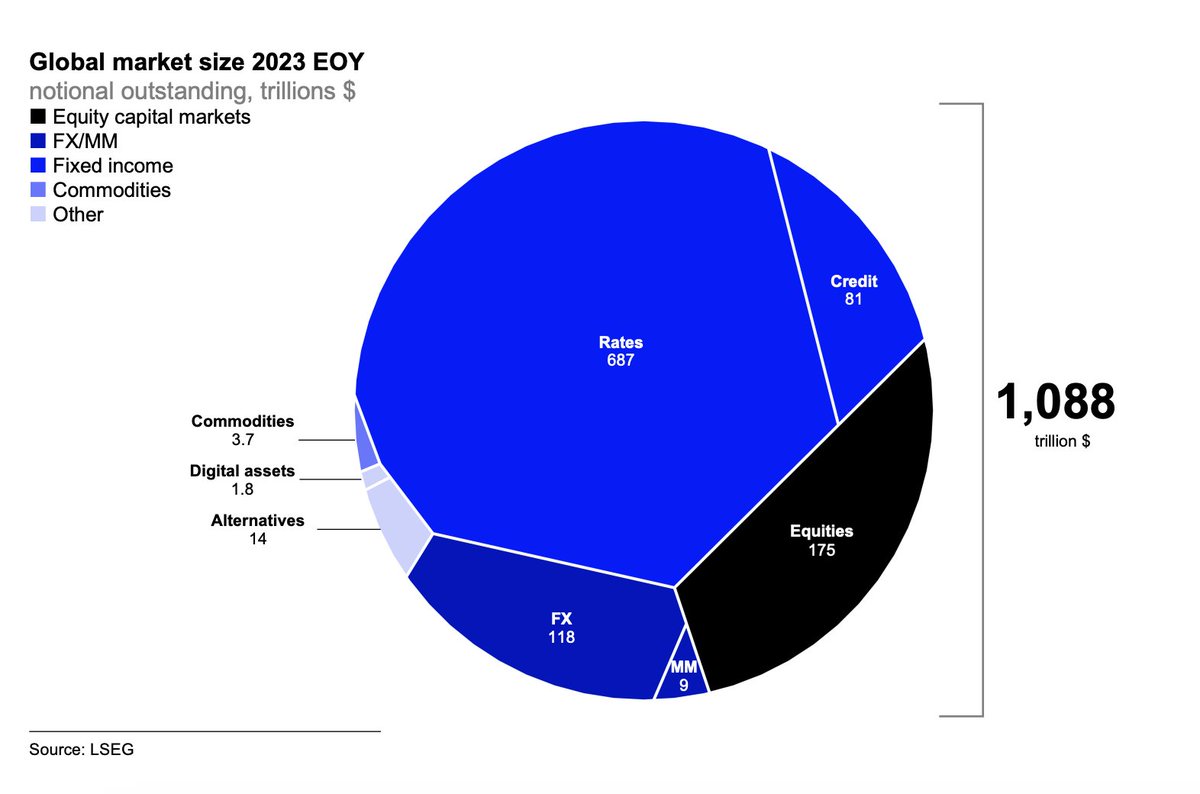
By bringing straightforward, familiar assets on-chain, tokenized securities pave the way for crypto’s next major wealth effect. Over the last few years, Bitcoin has distanced itself from the pack as a true macro asset and digital store of value. Historically, BTC's strength was positive for alt coins because the pool of buyers was crypto-native and they’d rotate profits into other projects. This cycle, we haven’t seen liquidity flow down the risk curve because the pool of ETF buyers is focused on BTC and doesn’t care about alts. Today, most of these buyers have no desire to use other crypto services. Companies are now launching tokenized securities to reduce transaction costs and improve efficiencies, increasing the incentives for more users to expand outside of Bitcoin and transact familiar names on crypto rails. Instead of relying on risky, digitally native tokens to highlight valuable primitives, crypto can now leverage trusted assets with decades of proven returns to showcase the power of open finance. There are over 200 trillion dollars of highly desired equities, bonds, and derivatives that will benefit from cheaper settlement, increased liquidity, and broad access enabled by crypto. Bringing even 1% of these assets onto blockchains would trigger an exponential boost in usage and monetization across the ecosystem. Tokenized securities are a new rising tide that can lift all digitally native boats.
While a few visionaries recognized that open, permissionless protocols could transform value exchange as dramatically as they did data, most of the world hasn’t caught on. Tokenized securities will help change the perception of crypto from speculative experiments to invaluable infrastructure powering the future of financial services. Trillions of dollars of value will leverage crypto rails and applications to accelerate crypto network effects, increasing interest and capital at all layers of the stack.
Imagine buying Tesla stock as easily as we swap tokens. Rather than telling the world how great crypto can be, tokenized securities will show them.
1
8
780
Mar 12
peak doomer mentality to think every facet of human creation will be automated away
great piece by @benroy on the defensability of human expression

3
2
16
1,445

SOMA trains a foundation model by coordinating a network of recursively self-improving agents.
Agents build model weights independently in parallel, compete, and integrate into a unified system. They share a universal objective: given any data, predict what comes next. The best weights are rewarded.
Start training with these commands:
OpenClaw: npx clawhub install soma
Claude Code/Codex: npx skills add soma-org/skills
Docs: docs.soma.org/
Github: github.com/soma-org/soma

2
7
47
8,926
Feb 14
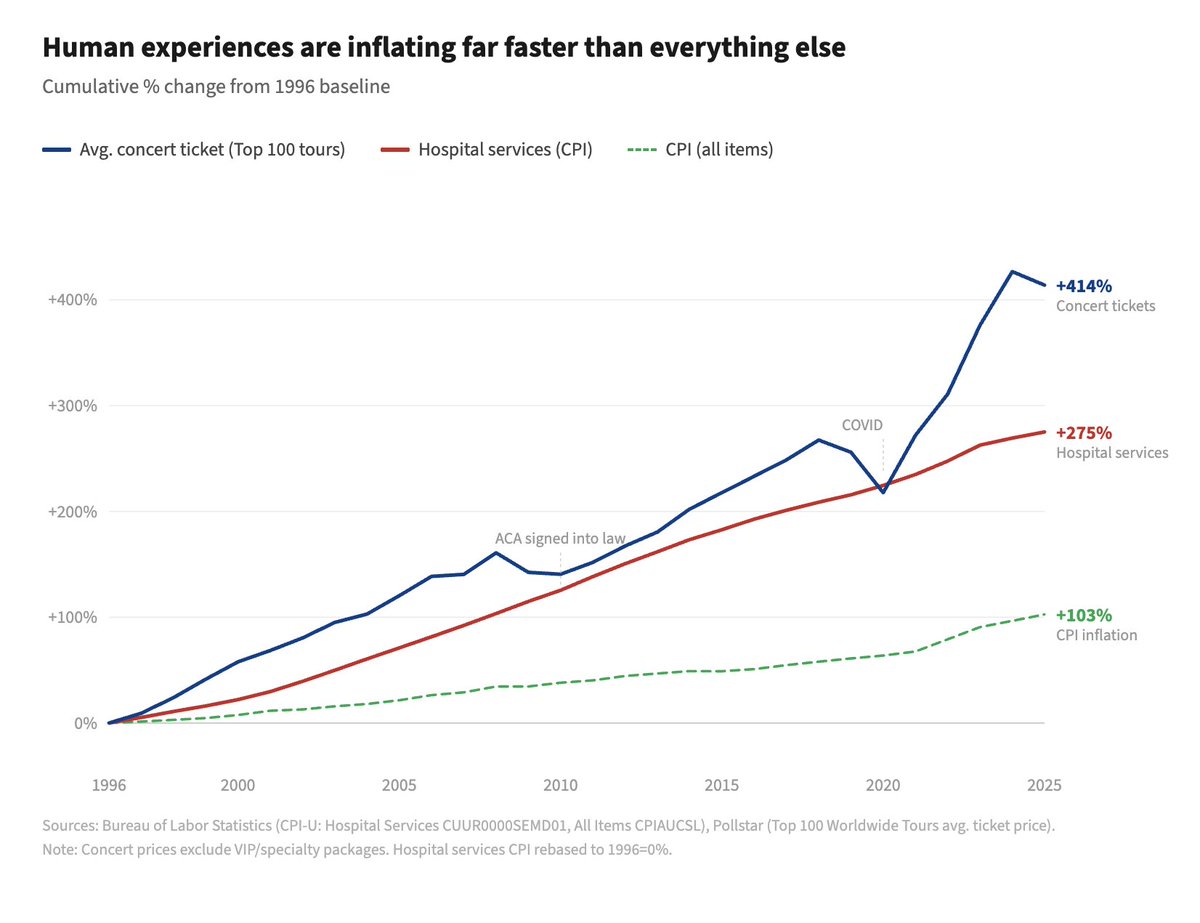
if you want a glimpse of what humans will do when the robots take our jobs, look at experiences
1
8
482
Jonathan Moore retweeted
20 Oct 2025
New year, new @sphere_labs ⚪️⚫️🔵
Check out our new website 👇 and shoutouts to @Null_Intent for some beautiful animations!
Give the fastest (end-to-end KYC initiate tx ~5 mins) way to on/off-ramp stablecoins at spherepay.co/ramp.
11
16
58
12,341
Jonathan Moore retweeted

11 Sep 2025
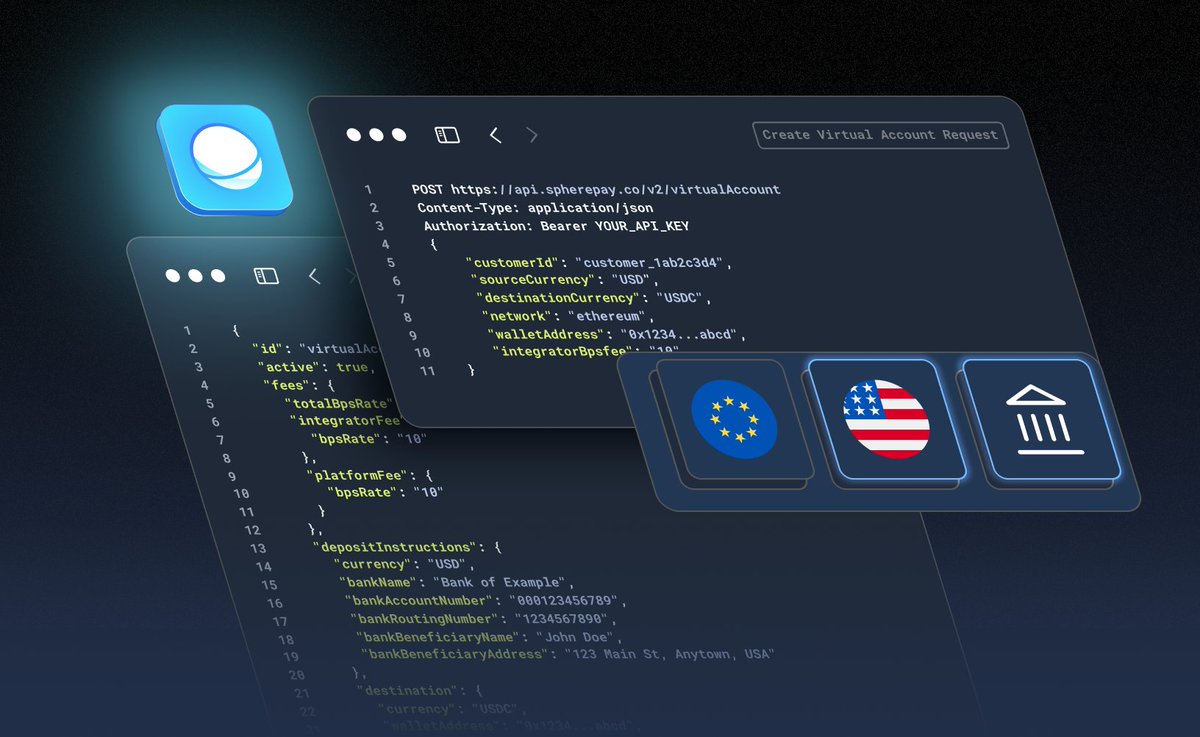
No bank account? No problem.
With Sphere API, users can now generate US 🇺🇸 or EU 🇪🇺 bank details and have fiat funds settle directly to their wallets as stablecoins.
Also coming soon to a frontend near you.
Full article below 👇
14
15
72
6,587

Jonathan Moore retweeted

23 Jul 2025
In this State of Stables special, Messari’s @0xSynthesis1 explores the cross-border stablecoin economy with Arnold Lee, co-founder of @sphere_labs.
1:11 What Sphere Is
3:22 User Benefits
15:39 How Liquidity Works
25:33 Role in Routing
34:52 Use Cases
44:39 Competitors
47:27 Future and Risk
14
18
65
14,499
Jonathan Moore retweeted

17 Jul 2025
I’m starting my own crypto native research firm over the next 2-3 months. Thought about this for a while and it’s something I can’t avoid doing any longer, it just makes too much sense.
There’s a lot more work that needs done on this, so if I’m quieter than usual, that’s why :)
164
12
689
85,972
Jonathan Moore retweeted
14 Jul 2025
Come help us build at the intersection of what is basically Firedancer but for global fiat systems, frontier applied cryptography, and low-level blockchain mechanics @sphere_labs @sphere
14 Jul 2025

We looking to bring on a VP of Product and a VP of OPs at @sphere_labs , please reach out if interested. Background in payments is a major plus along with being crypto native!
3
5
60
4,975