
Vice President of Public Affairs at the American Property Casualty Insurance Association
Joined September 2008
- Tweets 70,943
- Following 5,151
- Followers 26,207
- Likes 9,284
3,049 Photos and videos




Jon Ward retweeted

Jun 11
The last 5 minutes of the Knicks’ unreal comeback with nothing but the sounds of Madison Square Garden
99
730
10,218
457,447
Jon Ward retweeted

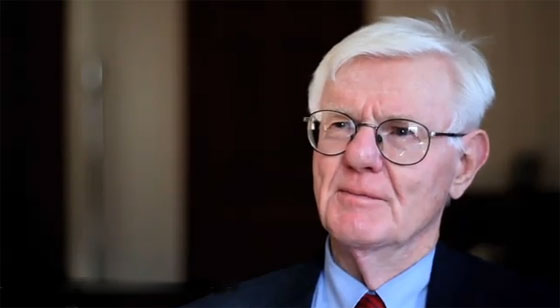
On Sunday, my friend Gordon Wood was struck and killed in a car accident. Gordon taught history at Brown Univ. and was among the most accomplished historians America has produced. He won the 1993 Pulitzer Prize for The Radicalism of the American Revolution, and his earlier book The Creation of the American Republic, 1776–1787 took the 1970 Bancroft Prize. He also received the National Humanities Medal.
He was, in my view, the finest historian of America's founding—which makes it all the sadder that he did not live to see the nation's 250th birthday. His reputation reached popular culture, too. Matt Damon's character in Good Will Hunting invokes him by name in the famous bar scene, accusing a Harvard student of simply "regurgitating Gordon Wood, talking about [...] the pre-Revolutionary utopia and the capital-forming effects of military mobilization."
I feel fortunate to have collaborated with Gordon on several projects. In a 2019 anthology I compiled, he wrote an essay on the possibility of a shared American narrative. He centered his argument on equal rights as "the most radical and most powerful ideological force" the Revolution unleashed. "This powerful sense of equality is still alive and well in America," he wrote, "and despite all of its disturbing and unsettling consequences, it is what makes us one people."
When I needed jacket blurbs for my new book Lincoln's Compass, coming out this November, I turned to Gordon. The fit was natural: the book argues that Abraham Lincoln took the Declaration's claim that "all men are created equal" as his guiding moral compass—and that he refocused the nation on that claim. Gordon, ever the gentleman, offered generous praise.
He was, in many respects, the dean of American historians. He will be very hard to replace.
158
791
4,470
311,936

May 7
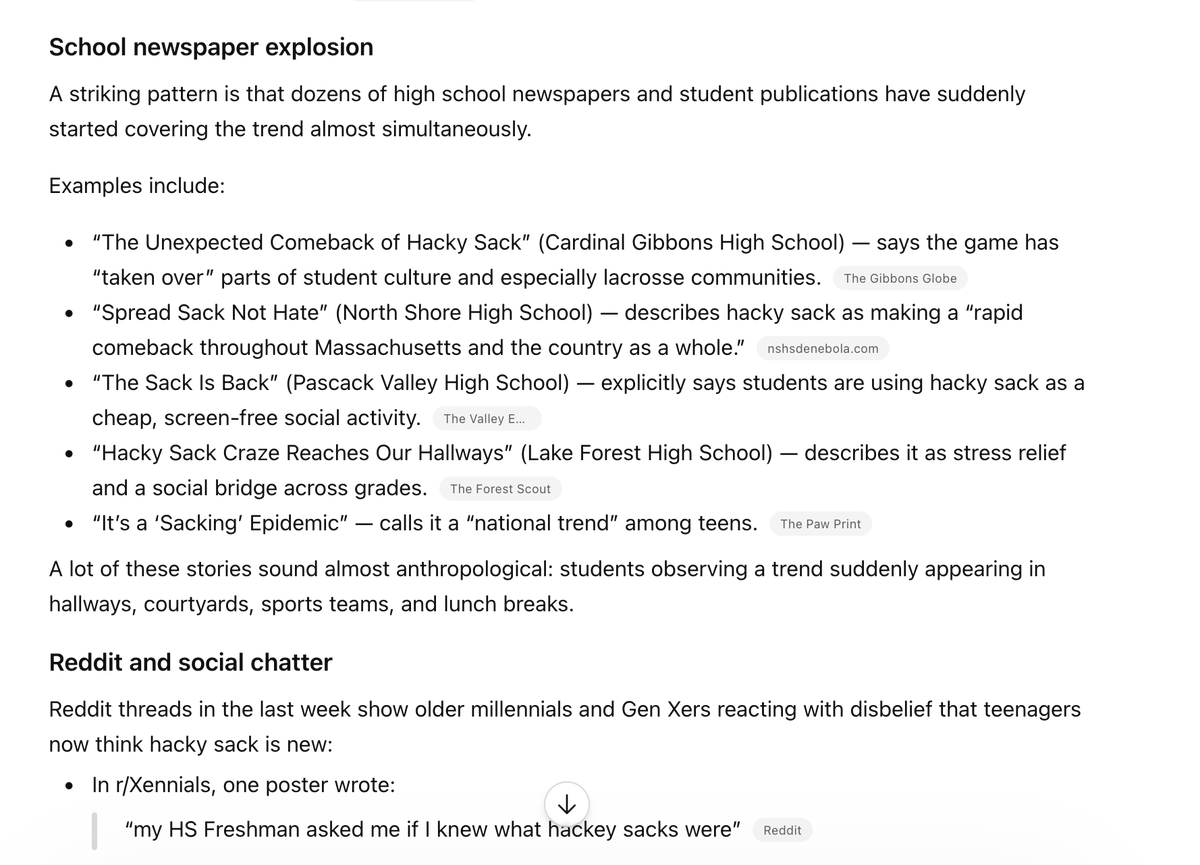
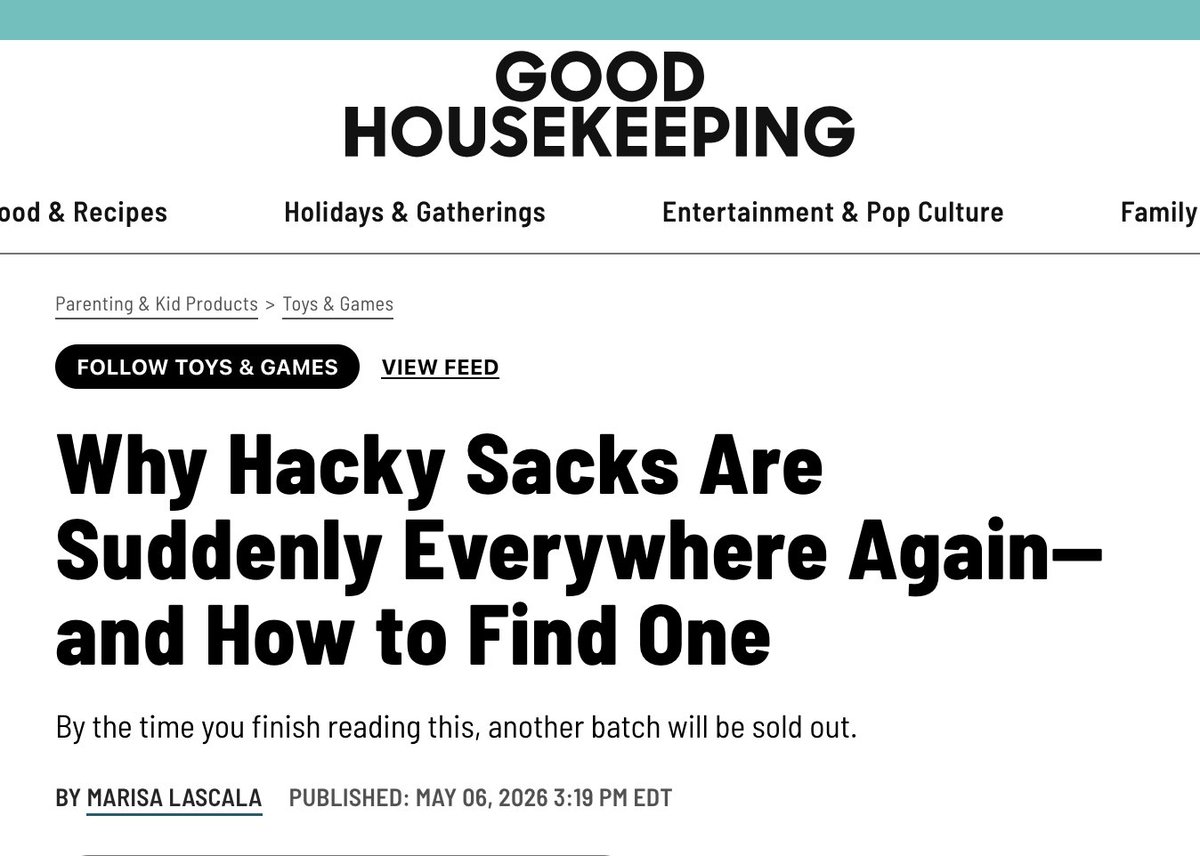
so far, according to a quick ChatGPT search, besides the @BostonGlobe piece, the only people to write about hacky sacks so far are @mar_to_go for @goodhousemag and then a bunch of high school newspapers.
2
597
May 7
great think piece to be done on how hacky sack explosion is a sign of teens gravitating toward real world interaction & away from screens

The Baltimore Private Schools have established an extensive hacky sack media network this spring. The kids will be alright.
2
826
May 7
Same in the DC area
May 7

‘I’ve never seen something explode as quickly as this’: This Gen X game is suddenly everywhere at Mass. high schools bostonglobe.com/2026/05/07/m… via @BostonGlobe
2,136
Jon Ward retweeted

May 7
The Star launches in June with dramatically expanded coverage of Washington politics and policy — and new coverage of D.C. itself. The District isn’t just the place where politics happens. It’s home to the people who pull the levers of power. It’s where they live and work and commute and eat and vote and navigate the unique intersection of politics and real life.
The Star will cover all of it, from Donald Trump’s stamp on the District to the ambitions of its first new mayor in more than a decade. Who’s wielding power in D.C.? What’s driving them? What impact are they having on housing, schools, transportation and the District’s neighborhoods? What’s next for Home Rule? For statehood? And will the Nationals ever be good again?
We’ll do it with the same rigor we bring to our coverage of national politics and policy, and we’ll do it with the best local reporting team in D.C. We’re excited to announce the start of that team today — veteran journalists you know and trust, plus newcomers who will bring fresh eyes to the vibrant and sometimes vexing place we all call home.

32
196
913
445,005
Jon Ward retweeted

May 6
This is a very Maine version of a reporting field trip, of course, but there's a million fun and kinetic things to do in any place. Do a ride along with the cops or firefighters (highly recommend both), tour an interesting/prominant local business/facility to learn how it works, go hunt invasive species with park rangers, see behind the scenes of a minor league ballpark, tag along with a mail carrier to see how USPS cuts are affecting local service, climb into a tractor cab with a farmer to learn about your local ag economy, observe a class at the local technical school to see how they teach hands-on skills, ride a cherry picker with a local lineman to see how they respond to storm damage, spend a shift in the ER, get up early with a beloved local baker to see how your town's favorite bread gets made, get your hands dirty with the local garden club, etc. etc. etc. If you have a fun and informative time doing something, it will likely produce a fun and informative story for readers.
2
33
2,262

We are announcing today that The American Revolution will stream for free in its entirety on all PBS platforms from May 25th through July 12. Hope you have a chance to watch, ideally with friends and family, as you think about our 250th anniversary this July 4th. pbs.org/kenburns/the-america…
279
3,818
14,507
629,808
Jon Ward retweeted

May 5
More than one-third of the 2026 @PulitzerPrizes for journalism were awarded to local news outlets yesterday
axios.com/2026/05/04/2026-pu…
2
164
529
47,045
Jon Ward retweeted

Apr 28
** Potomac River Flow at Record Low **
Wednesday’s expected rain probably won’t be a drought-buster for the D.C. region, but it’s a start, and can’t come soon enough.
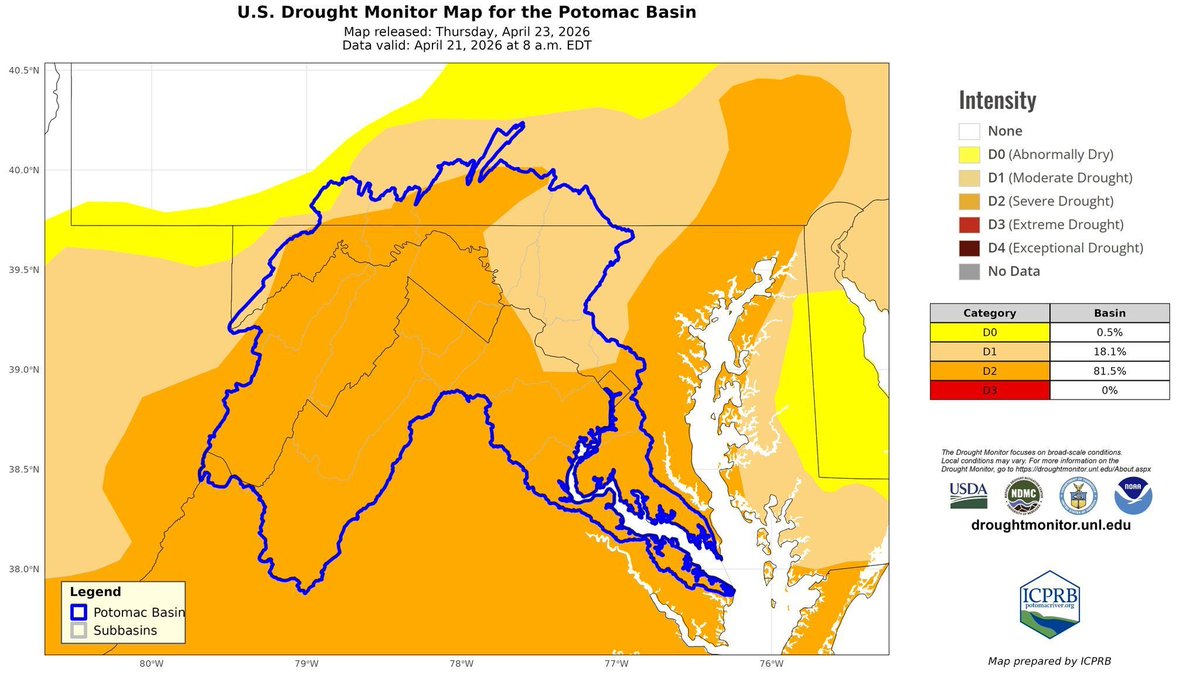
The Interstate Commission on the Potomac River Basin (ICPRB) reports that nearly 82 percent of the Potomac River watershed was classified under Severe Drought according to the latest U.S. Drought Monitor report.
Meanwhile, the river flow at Point of Rocks, Maryland, is the lowest in 131 years of record-keeping. The gauge there measured 3,460 cubic feet per second last week, below the previous record low of 3,860.
In its latest newsletter, ICPRB is reminding people to please “use water wisely,” including by taking shorter showers, only running laundry or the dishwasher with a full load, and turning the tap off when not actively in use.
6
29
117
29,509
Apr 23
RIP DJ
Apr 23

David Jackson, longtime White House correspondent for USA TODAY, dies usatoday.com/story/news/poli… via @usatoday
642
Apr 20
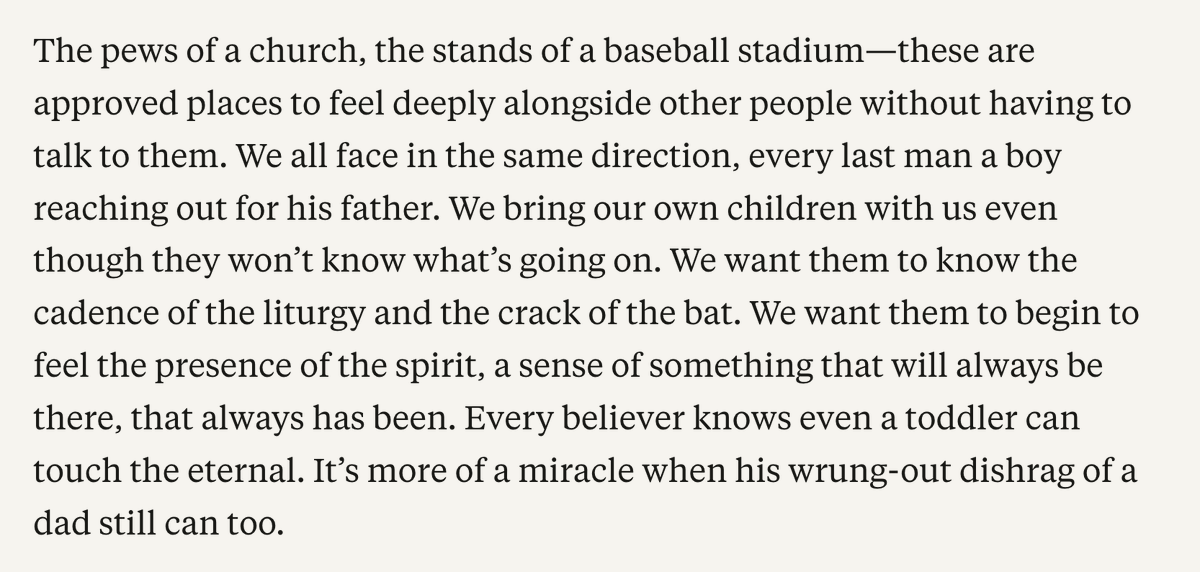
so good

An MLB player tosses a ball to a kid wearing his jersey.
The kid makes the catch… then hands it to his little sister and gives her a hug. How can you not love baseball
1
2
10
1,901
Jon Ward retweeted

Scoop: NOTUS is going to rebrand as "The Star" and relaunch in the first week of June. It's expanding into metro and sports news in the wake of The Washington Post's layoffs earlier this year
nytimes.com/2026/04/16/busin…
28
297
982
505,033
Jon Ward retweeted

Apr 10
Every oncologist and cancer researcher should watch this interview with @BenSasse:
nytimes.com/2026/04/09/opini…
Daraxonrasib, a “super poison for cancer,” shrank his metastatic pancreatic tumors by 76%, even though he says his skin feels and looks “nuclear.” When I learned of his diagnosis, I wanted him to get this drug (oral RAS ON inhibitor), which is poised to become first-line therapy in pancreatic cancer. I hope his experience on a clinical trial encourages more patients to enroll in studies, and pushes clinicians and researchers to keep advancing new therapies.
48
461
3,710
589,576
Jon Ward retweeted

Apr 2
To do this to a fan that chose to come see a 17-win team is unhinged.
Apr 2

The Wizards made a fan think he won $10,000 in an April Fools prank by pretending he made a blindfolded half court shot 😭
Community note
The April Fools' skit was scripted using actors from the team's performance staff. No real fan was pranked; all participants knew it was staged. The Wizards apologized for causing confusion.
x.com/WashWizards/st…
espn.com/nba/story/_/id…
outkick.com/sports/wizards…
448
2,367
31,464
1,451,262
Mar 31
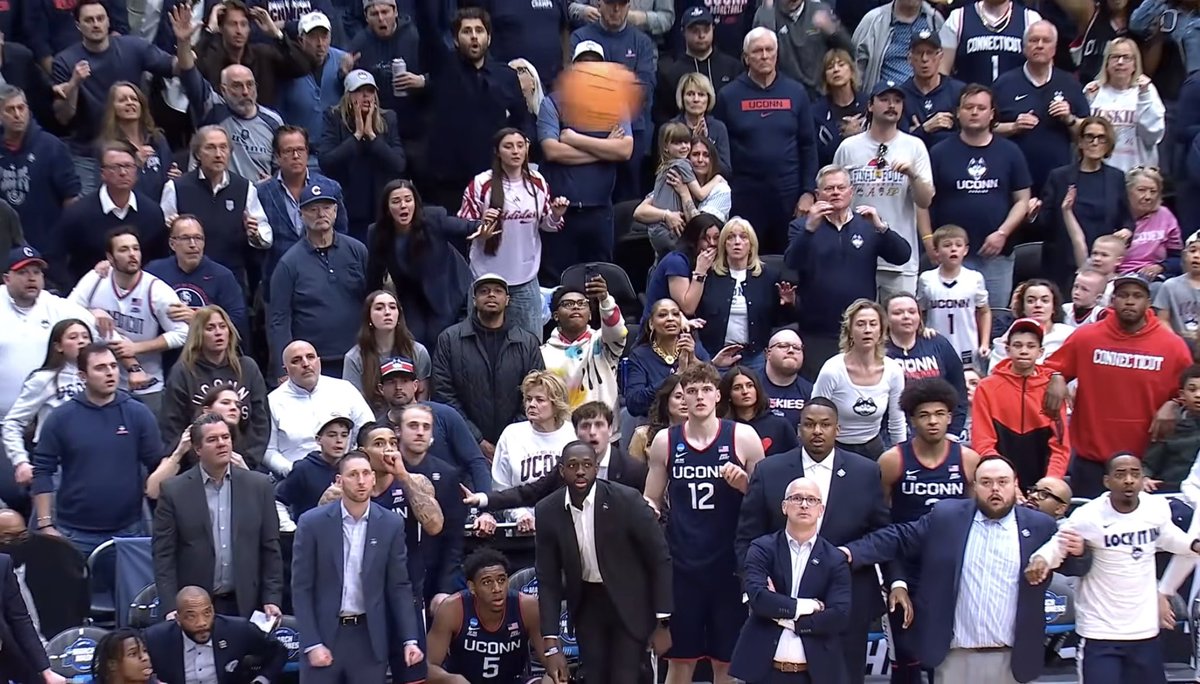
Many things to like about this image. My favorite thing is that there is only one person in the whole frame with their phone out

1
5
858
Jon Ward retweeted

Mar 22
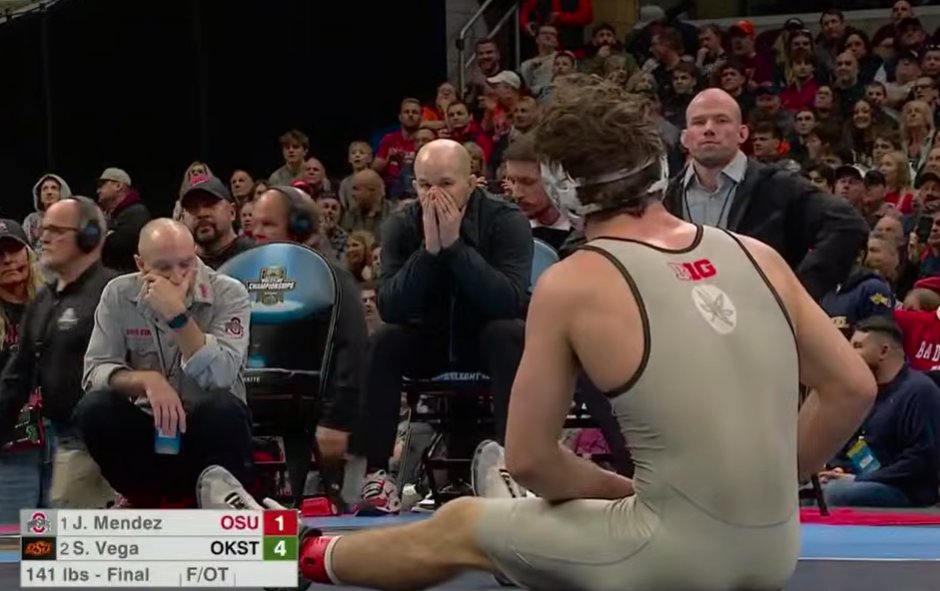
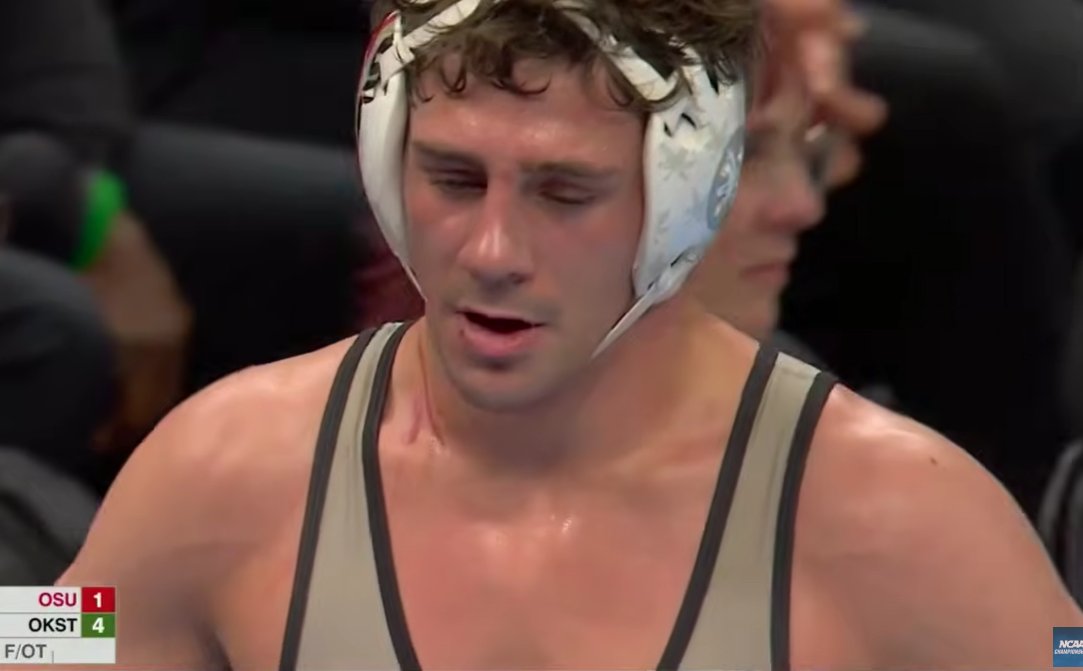
One person's dream crushes another in wrestling always. I think Mendez is truly one of the rare universally liked wrestlers that goes beyond school and his reaction was heartbreaking.
His story is just beginning and I think everyone is rooting for him as he reps USA
50
46
1,630
80,072
Jon Ward retweeted

Mar 21
We just published my swan song for The Post: Congress nears tipping point of irrelevance.
It’s been an amazing 19-plus-year run, especially last decade of this @PKCapitol column. The Post has been family, giving me this perch to cover Congress. So lucky …
washingtonpost.com/politics/…
38
145
645
298,391
Jon Ward retweeted

Mar 20
This is the best thing you will watch today.
213
1,990
20,443
1,108,044