
Joined December 2017
- Tweets 2,856
- Following 991
- Followers 9,521
- Likes 20,643
198 Photos and videos
Pinned Tweet

23 Jul 2025
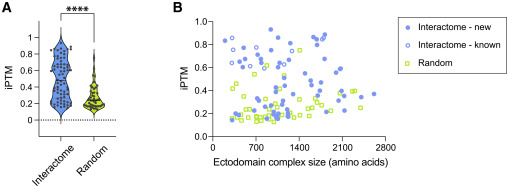
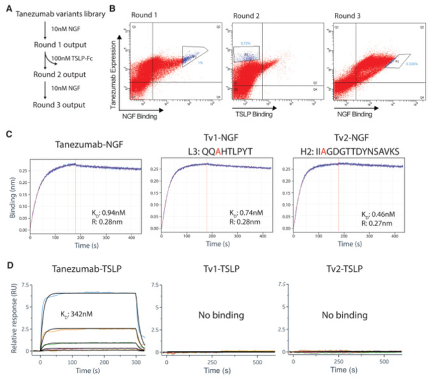
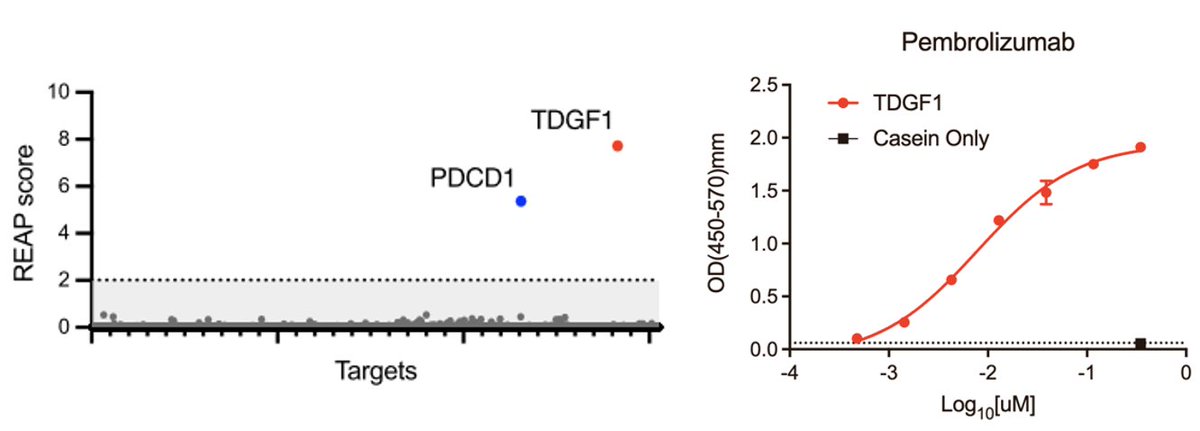
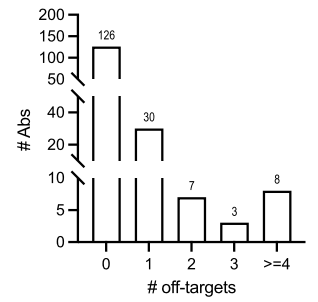
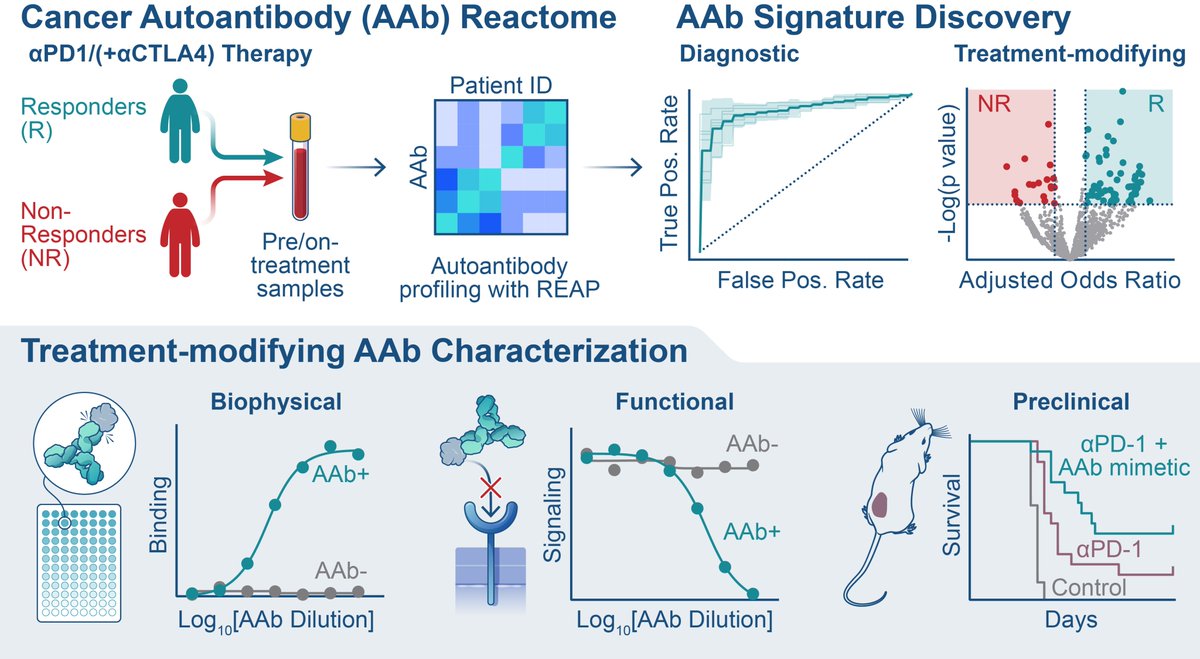
T cells do the heavy lifting when it comes to the anti-tumor action of checkpoint immunotherapy. But do antibodies play a role too?
That’s the question @yile_dai looked to answer in his thesis work, out today in @Nature! 🧵below
nature.com/articles/s41586-0…
21
110
410
58,190
"[B]onferroni may roll in his grave but i will be vasodilated." 🤣🤣🤣
Frame it- certified banger.

Brian, for the love of god, you cannot take a health database, click 'sort' and think that the top 5 drugs patients who survive longer happen to be taking are causal to the benefit those patients received. 500k is actually not a large cohort for a database, needs alpha correction, was very unlikely to be prespecified, etc. that's why no one is impressed with these studies and they're published in trash journals.
this study showed a slight increase in CV events with PDEs vs placebo
pubmed.ncbi.nlm.nih.gov/1452…
the mechanistic rationale is not there and your explanation is terrible. ALL PDEs metabolize cAMP/cGMP, thats why they are phosphodiesterases. are you suggesting we should inhibit all PDEs?!
by the same logic we should all be taking ERAs too. why not ARBs and ACEs? screw it i'll take inhaled treprostinil too. might extend my life. then i'll run SQL queries on health databases until i see a 'signal', bonferroni may roll in his grave but i will be vasodilated.
13
2,165
Jun 10
My feed has been nothing but Anthropic hate for the past 24 hours. Good. Although I favor open source, proprietary models don't offend me so long as people can actually use them. The real motivations for nerfing the best use cases for AI like bio are obvious and insulting.
12
16
387
11,537
Aaron Ring retweeted

👇Learn more about our efforts to bring forward a best in class #TCR targeting a hitherto undruggable target... p53 (R175H)... presented at this year's #SITC Spring Scientific meeting💉🧬. @sitcancer @parkerici @GormallyMDPHD #Tcellpower.
ondemand.sitcancer.org/media…
11
30
2,846
Aaron Ring retweeted

Jun 4
A holy grail for our lab has been tracking myeloid cells in human tumors in the same way that we track T and B cells with TCR/BCR.
@vincentzliu and @CalebLareau solved it!
We developed Mitotrek using scATAC-seq mitochondrial DNA to do exactly this. Using Mitotrek, we find that new myeloid cells clones constantly infiltrate the tumor via circulating monocytes — and that their macrophage or dendritic cell fate is epigenetically programmed before tumor entry.
@10xGenomics @parkerici @CancerResearch @TheMarkFdn
cell.com/cancer-cell/fulltex…
8
99
360
34,315
Aaron Ring retweeted

Jun 2
We’re excited to share the full binder design protocol. Check it out here: github.com/Biohub/esm/blob/m….
The notebook includes support for @modal to easily scale up binder generation.
Give it a try and let us know how it works!
You can read more about ESMFold2, ESMC, ESM Atlas, and the full results in the paper here: biohub.ai/papers/esm_protein….
3
24
81
21,472
Aaron Ring retweeted

May 27
Today we're announcing ESMFold2, an open scientific engine to power prediction, design, and discovery across protein biology.
The new model delivers state of the art performance on protein interactions, especially antibodies, a critical modality for therapeutics.
We have designed and validated miniprotein binders and single chain antibodies across five therapeutic targets that are important in cancer and immunology. We are seeing very high success rates, and affinities at levels consistent with therapeutic activity.
We’re also releasing an atlas of 6.8 billion proteins, and 1.1 billion predicted structures.
ESMFold2 is built on a state of the art language model that has been trained on billions of protein sequences.
A world model of protein biology emerges through language modeling.
We’ve used the techniques of mechanistic interpretability developed to understand large language models to understand the concepts ESM uses to represent proteins.
The model’s representation space has a compositional organization of features across scales, levels of complexity, and abstraction, that reflects and mirrors the understanding of protein biology developed through a century of empirical science.
This understanding emerges without prior knowledge, just from language modeling of protein sequences.
Language models are becoming a powerful substrate to understand and program biology.
The design of protein interactions is one of the most fundamental problems in biophysics, and has critical implications for the discovery of new medicines. A simple gradient based search with the model was able to discover high-affinity protein binders.
I'm excited by the potential this has to accelerate basic science and the understanding of proteins. And especially for the new avenues it opens up for therapeutic design and medicine.
74
447
1,612
599,060
May 21
Another banger from @ChoYehlin !
May 21

🚀 Excited to share our new work: Absolute Stability Predictor!
📊: forms.gle/4ZnXZSnTBvaykkAi9
Built the MGnify Stability Dataset (1.8M measurements) and developed stability prediction models, together with @grocklin, @KotaroTsuboyama, @sokrypton, and teams.
15
3,328
Aaron Ring retweeted

May 18
Very excited to get this new work by Shin Ngiow up on #bioRxiv. We may be blocking PD-1 too long causing detrimental effects on Tpex cells. A drug holiday approach may be beneficial. Also some cool new Tpex biology here. #immunopharmacology biorxiv.org/content/10.64898…
3
25
111
9,856
May 11
We need a more nimble regulatory framework for outbreaks like hantavirus.
There is already a compelling therapeutic candidate: a human mAb isolated from a recovered patient, with strong preclinical activity against the Andes variant.
Yet access remains months to years away.
5
13
76
7,760
May 11
We use this type of lab grade material for high-stakes preclinical studies, including non-GLP NHP studies, all the time.
For mAbs, manufacturing impurity is rarely the dominant risk. In a lethal outbreak, the dominant risk is the virus.
1
1
13
1,428
May 11
In any case, patient-derived mAbs like this are a special category. They have, in a limited but meaningful sense, passed a “clinical trial of nature”: they existed in a human survivor, were tolerated, and were plausibly protective.
1
8
1,084
May 7
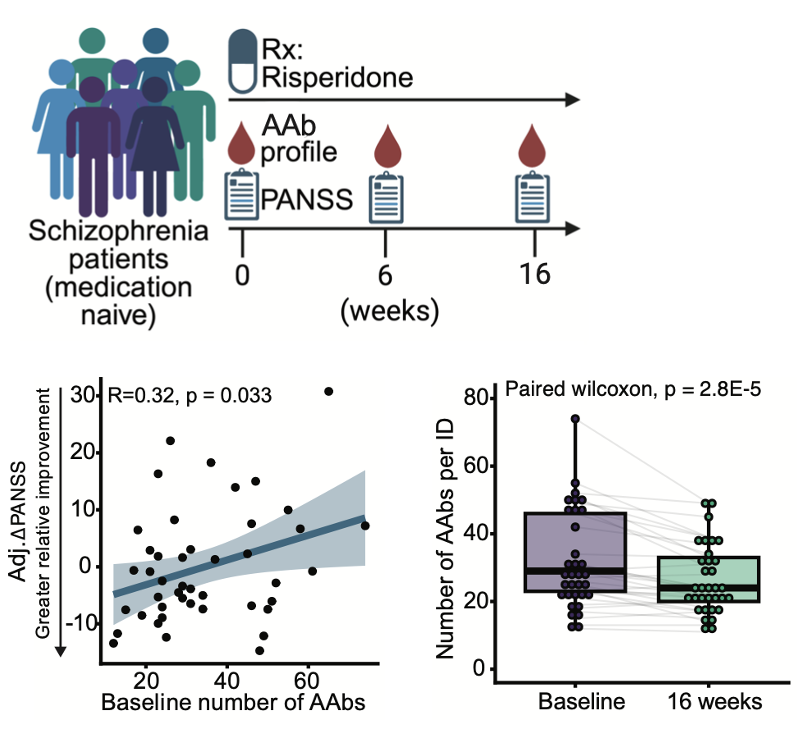
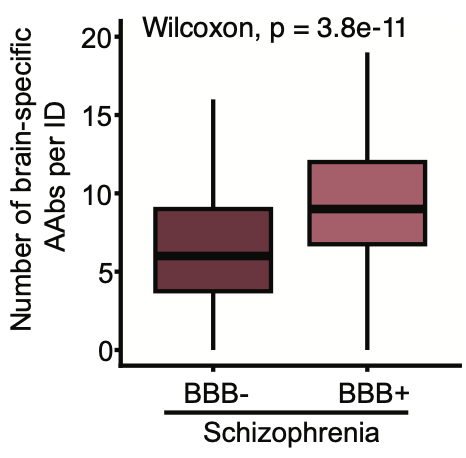
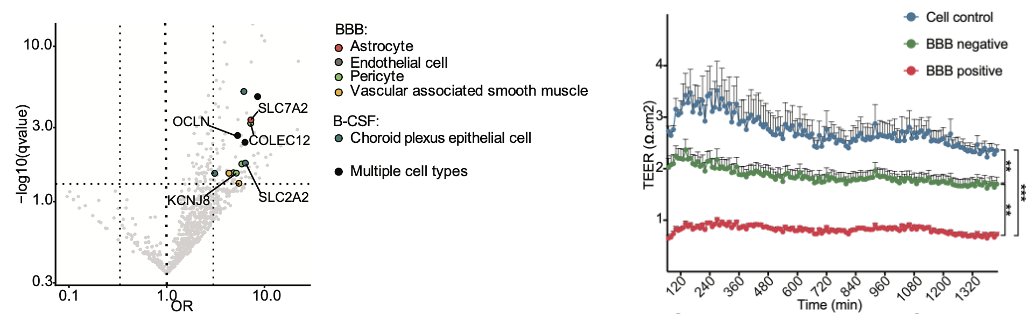
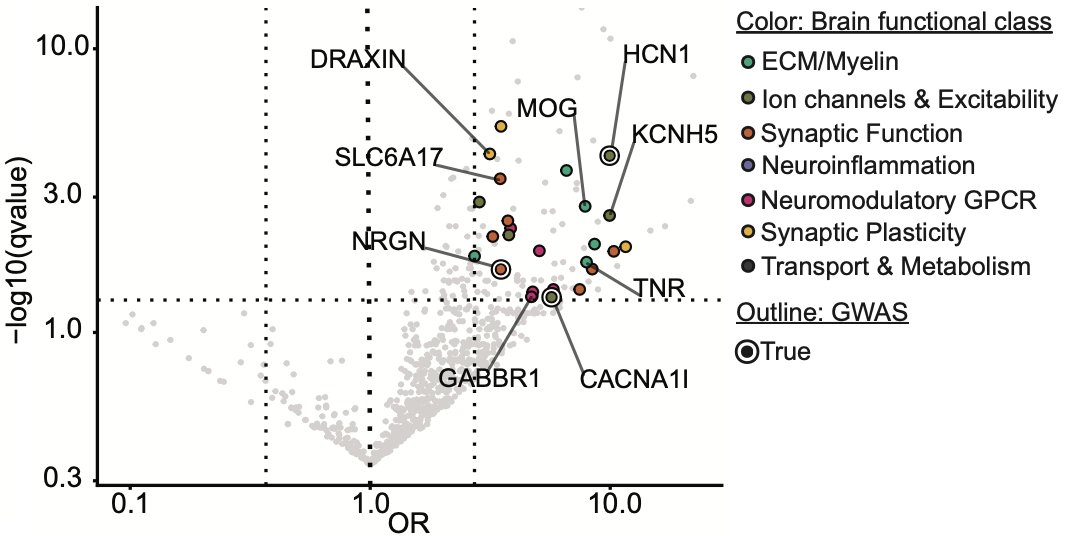
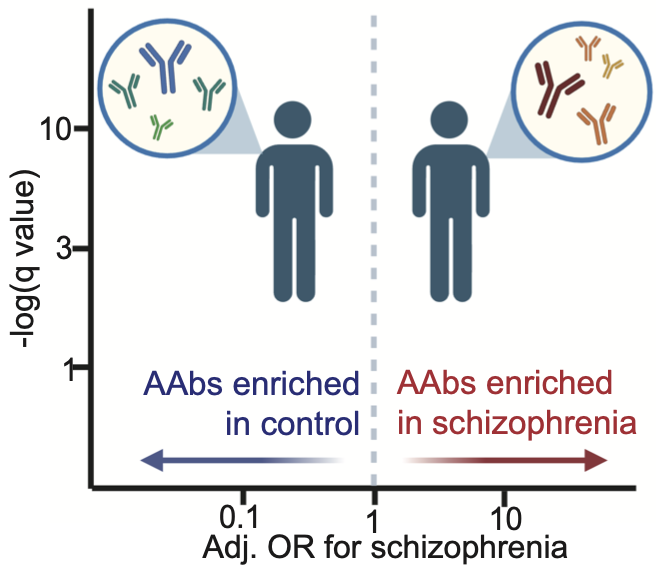
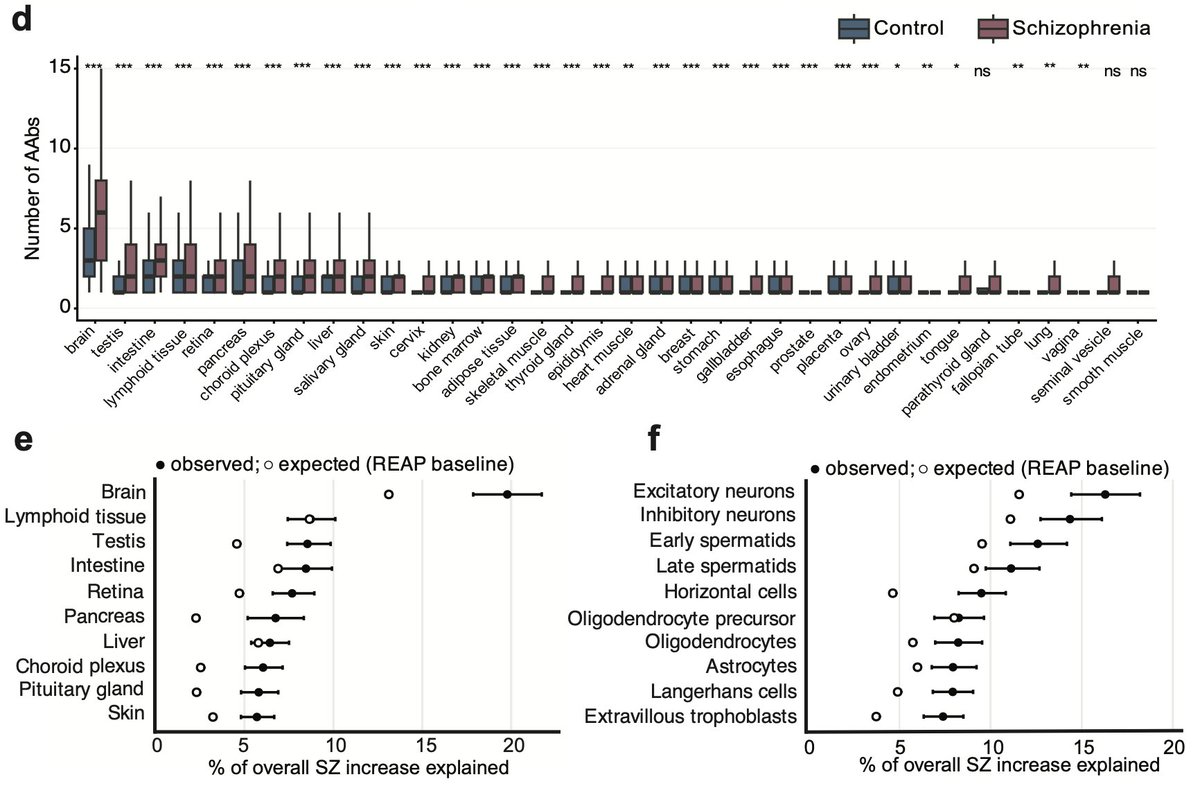
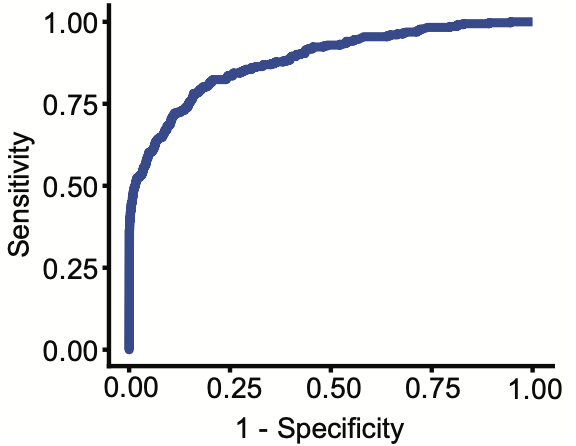
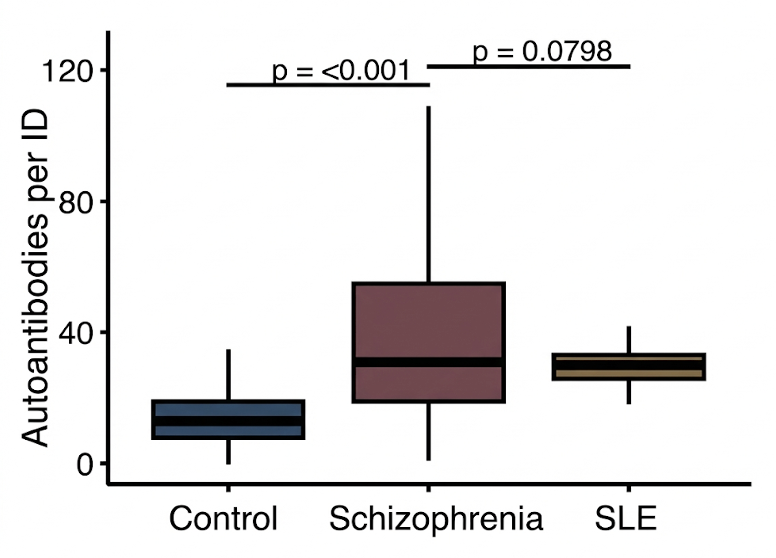
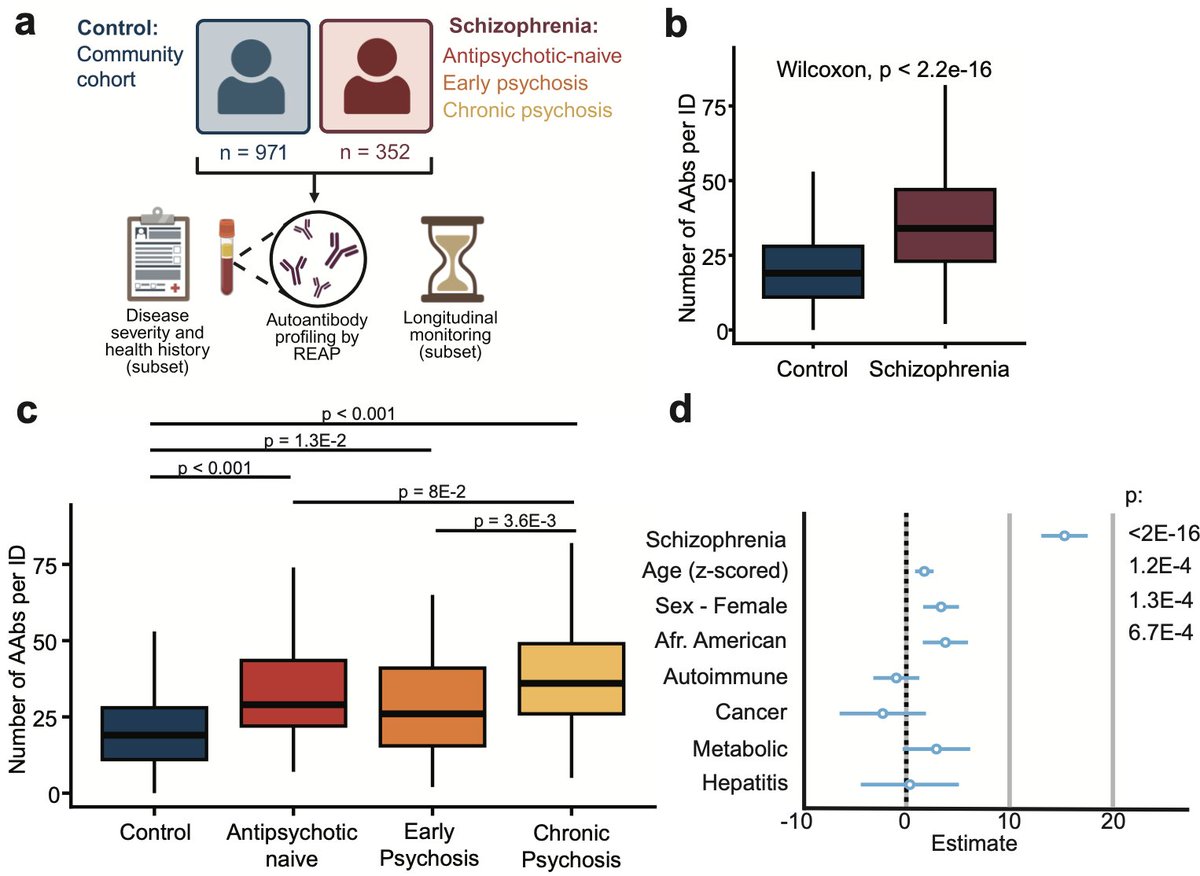
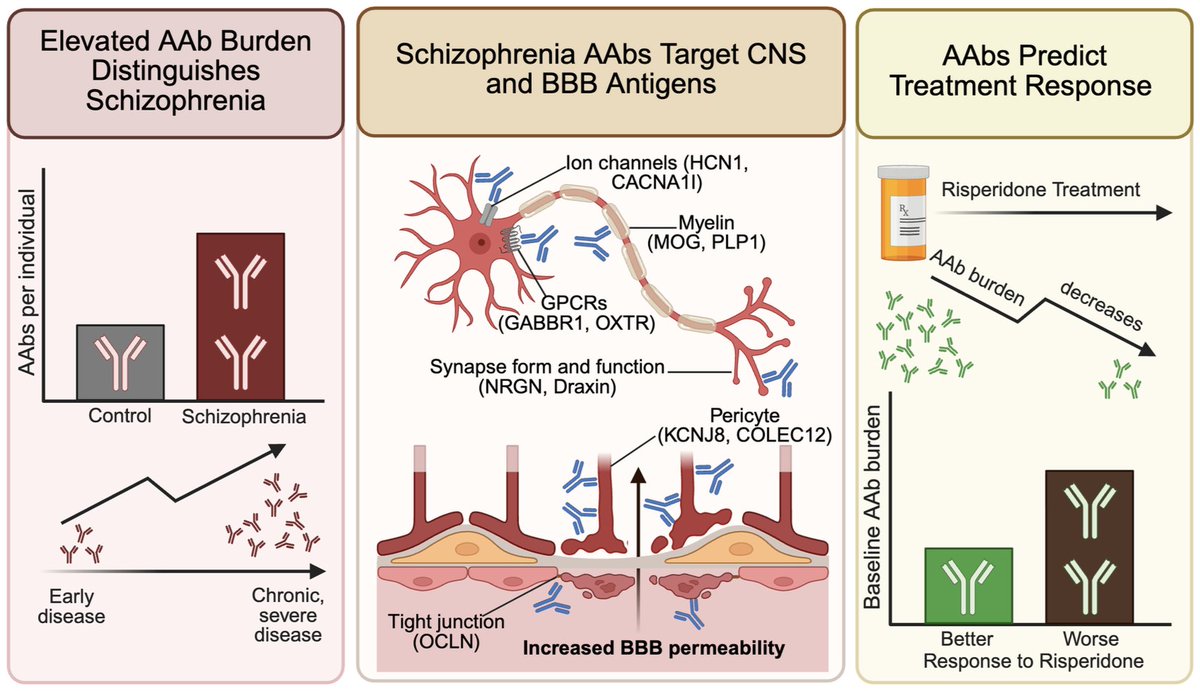
Autoantibodies cause autoimmune disease, shape infection outcomes, and alter cancer immunotherapy. But what role might they play in neuropsychiatric disease? In our new preprint, Katlyn Nemani and @JillianRJaycox take on this question in schizophrenia. 🧵
biorxiv.org/content/10.64898…
ALT https://www.biorxiv.org/content/10.64898/2026.05.04.722731v1
13
53
193
25,834
May 7
The mechanism behind this AAb decline isn't clear yet, but it suggests AAb burden is meaningfully tied to disease activity. It also strengthens the rationale for testing autoantibody- and B-cell-directed therapies as a strategy to 'reset' humoral immunity in schizophrenia.
1
1
6
748
May 7
Congrats to Katlyn Nemani, Jill Jaycox, Don Goff, and the whole team across NYU, Columbia, UAB, Fred Hutch, and @Seranova Bio. There is a lot more in the preprint, and we’d love your feedback!
7
738