Joined August 2010
- Tweets 318
- Following 254
- Followers 72
- Likes 216
11 Photos and videos





Pinned Tweet

5 Jul 2022
Our latest work examining the development of visual selectivity in GABAergic interneurons is now available online @NatureComms.
You can find it here: rdcu.be/cQMyD
1
9
Jeremy T Chang retweeted

7 Mar 2025
To everyone in the U.S. standing up for science today, calling for policies that support science, not suppress it: we’re with you! Cutting science doesn’t just harm scientists – it harms society as a whole. #StandUpForScience

ALT Flyer for the DC and nationwide rally on March 7, 2025. "Stand up for Science", "Science is for everyone".
31
161
629
44,798
Jeremy T Chang retweeted

21 Oct 2024
I'm thrilled to share this special professional development episode for PhD application advice. I interviewed a seasoned neuro PhD program director who has reviewed thousands of applications over >20 years. Please share this with prospective students and mentors.
21 Oct 2024

Curious about how neuroscience PhD programs evaluate applicants? In our latest episode, we talk with a program director about personal statements, interviews, & what makes a candidate standout. Don't miss it!
storiesofwin.org/profiles/20…
#NeurosciencePhD #GradSchoolTips
2
30
81
14,131
Jeremy T Chang retweeted

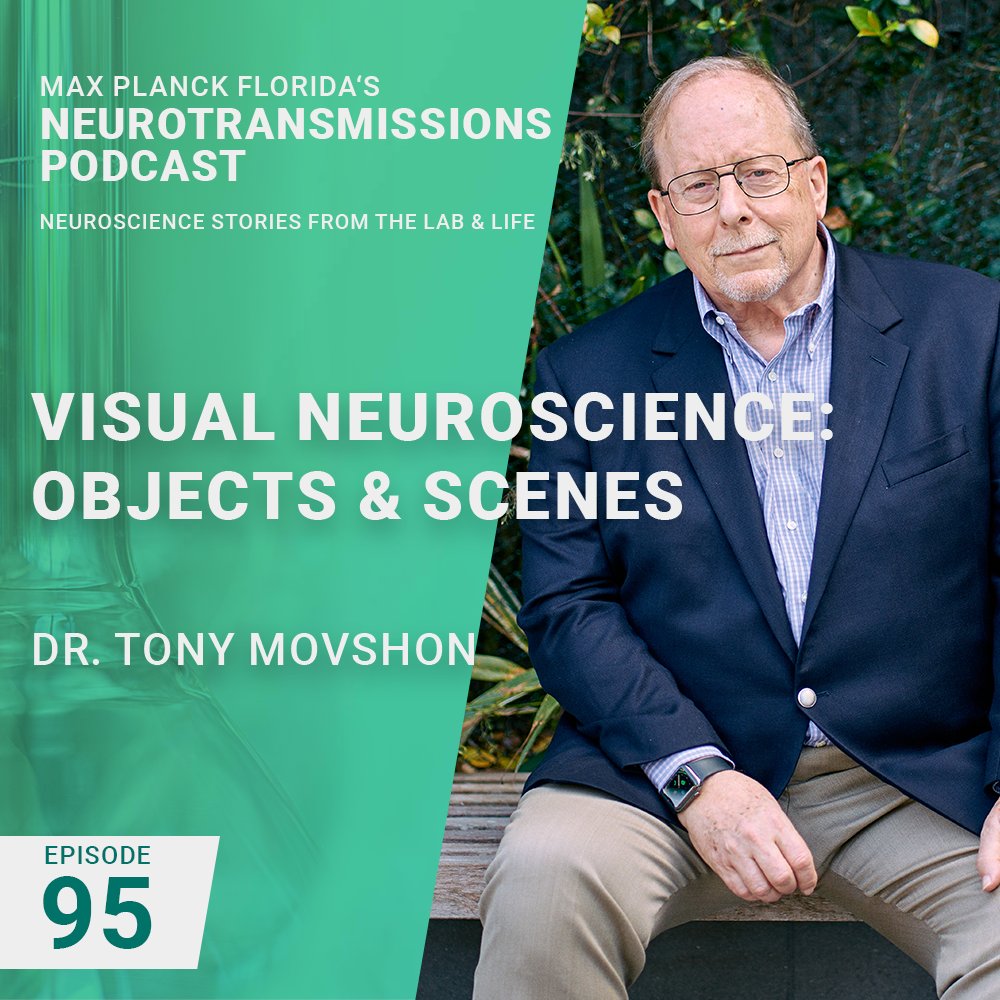
Neurotransmissions Podcast Ep. 95 is out! NYU Prof. @TonyMovshon delves into the intricate world of visual neuroscience, exploring how our brains perceive objects and scenes. 🎧🧠
Listen on all podcast platforms, and YT: youtu.be/dexuXLIuiA0
#VisualNeuroscience #BrainScience
12
24
3,552
Jeremy T Chang retweeted
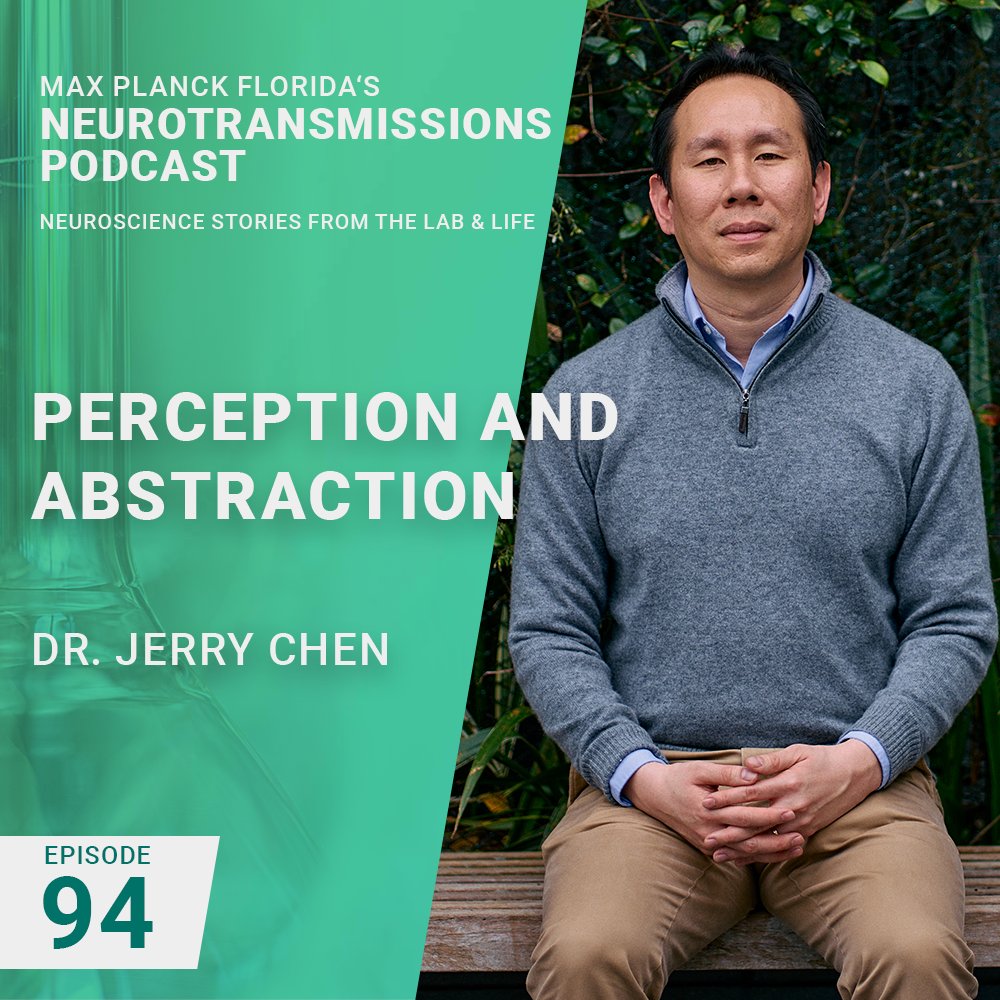
#Podcast episode 94 is out! We chat with @BU_Biology Associate Professor Dr. Jerry Chen, about how the brain can make sense of our complex sensory-filled world. Listen on your favorite podcast platform or watch on YT: youtu.be/FL5xIVoeH8M
2
1
624
Jeremy T Chang retweeted
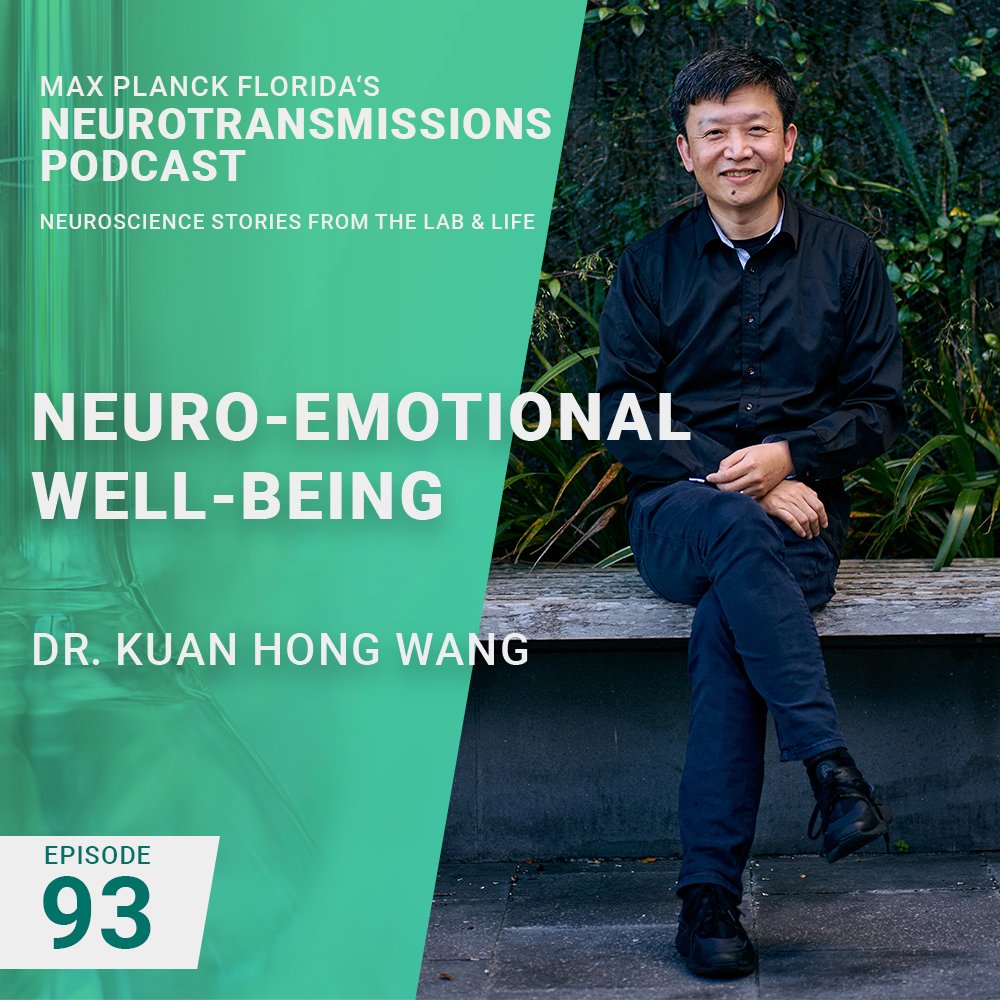
#Podcast episode 93 is out! We chat with @UR_Med Professor and @NEWBrainAging Co-Director, Dr. Kuan Hong Wang, about the #neuroscience of emotional well-being.
Listen on your favorite podcast platform or watch on YT: youtu.be/RMC-NSF3aGI
1
4
480
Jeremy T Chang retweeted
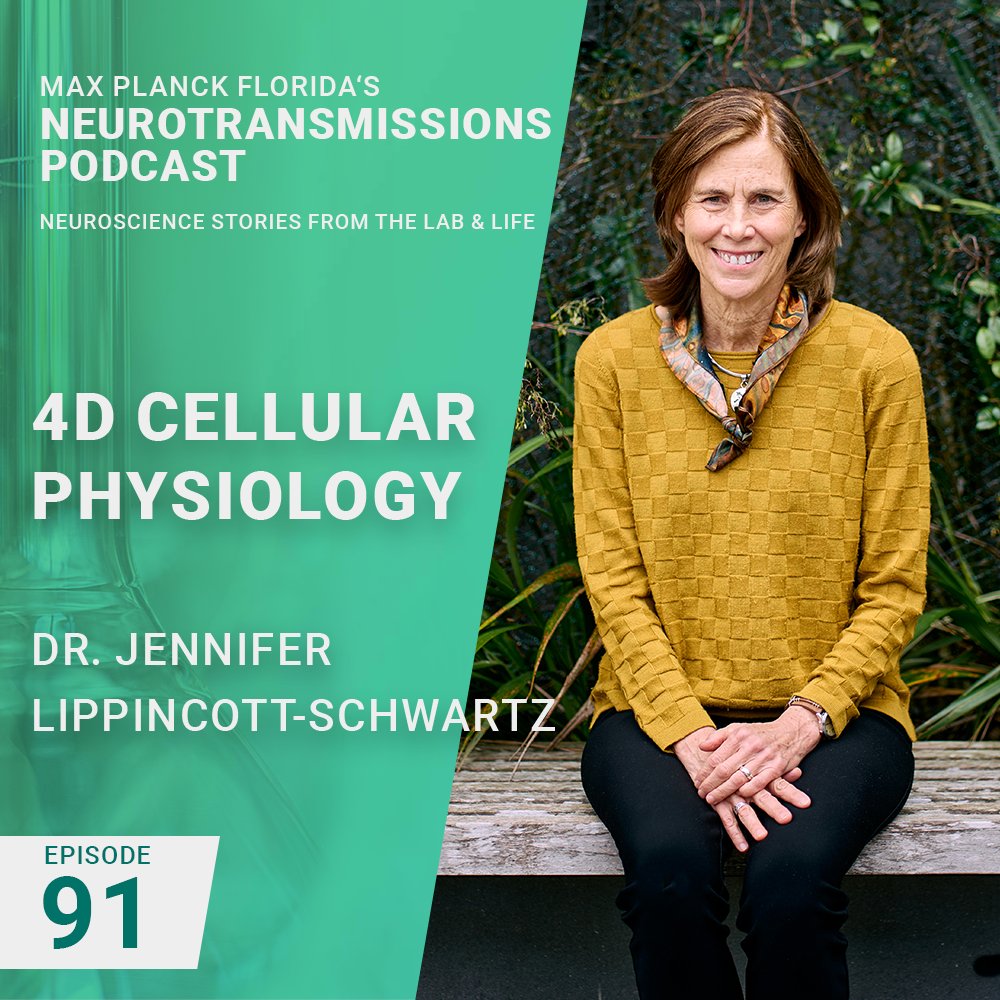
A new #podcast episode is out! We chat with Dr. Jennifer Lippincott-Schwartz, from @JLS_Lab about tech, her career, and developing a molecular understanding of tissue physiology.
Listen on your favorite podcast platform or watch on YT: youtu.be/6bGGnY6j9hQ
#neuroscience
6
12
3,182
Jeremy T Chang retweeted

8 Mar 2024
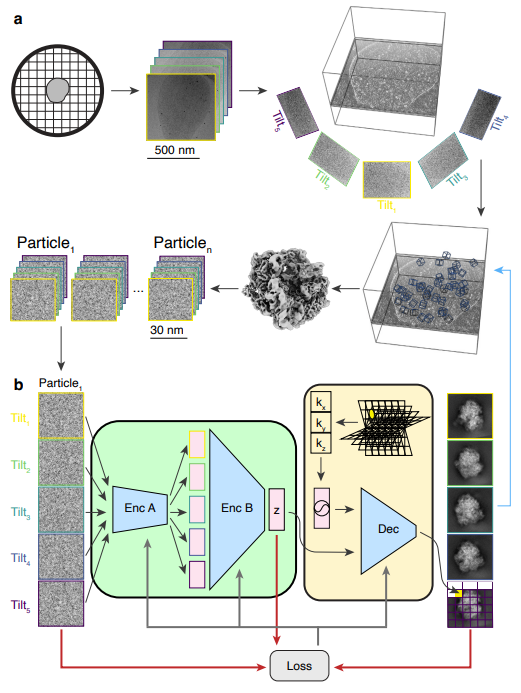
So excited to share that an expanded version of @barrettmpowell's #tomoDRGN manuscript is now live at @naturemethods - huge congrats to Barrett on getting this out!! Read more here: rdcu.be/dADZC.
5 Jun 2023

New preprint is live! See how @barrettmpowell conjured #tomoDRGN. Barrett’s heroic effort now gives us one of the key tools needed to visualize structural heterogeneity in cells. Excited for folks to give it a whirl and let us know how it goes. 1/n
1
19
66
13,524
Jeremy T Chang retweeted

8 Mar 2024
From @AlisonBiester reporting on the @jhdavislab, new software allows scientists to model shapeshifting proteins in native cellular environments biology.mit.edu/davis-lab-ex…
4
10
10,452
Jeremy T Chang retweeted

21 Dec 2023
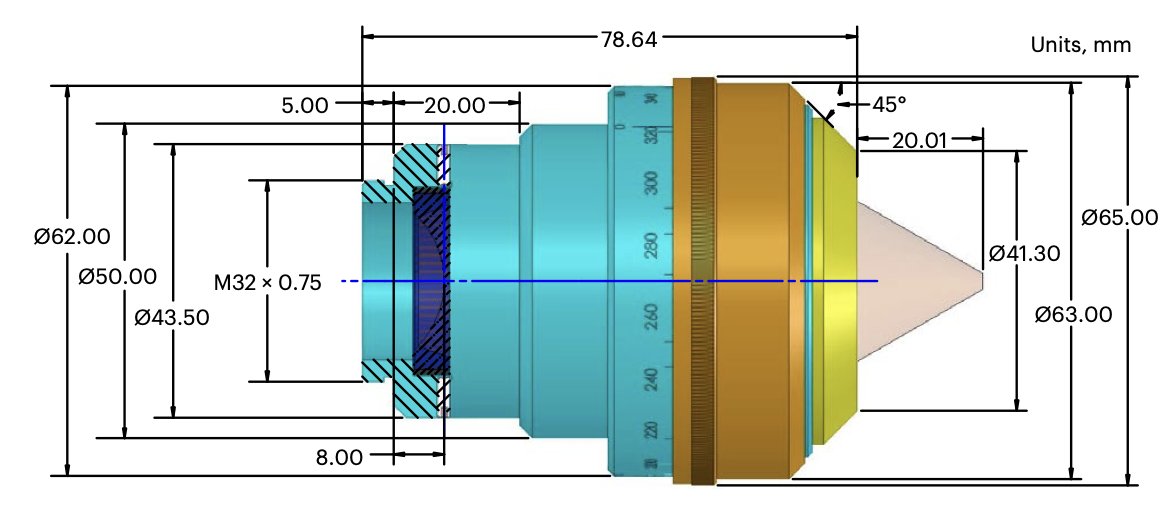
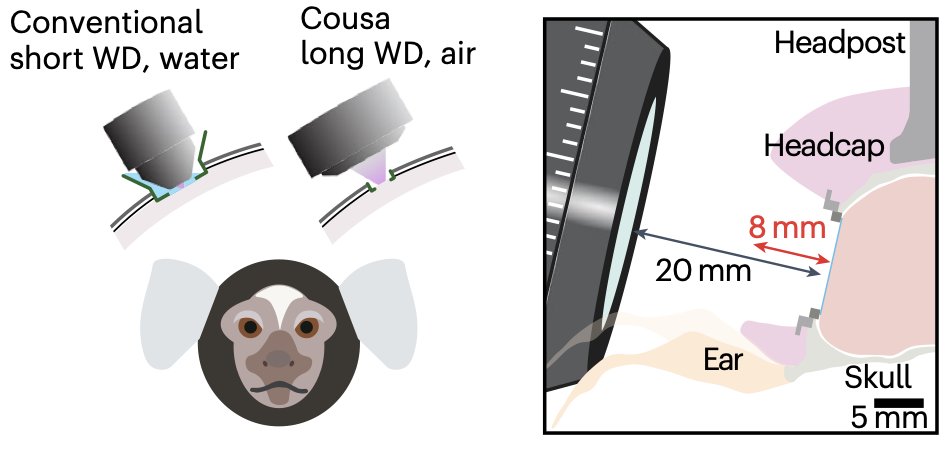
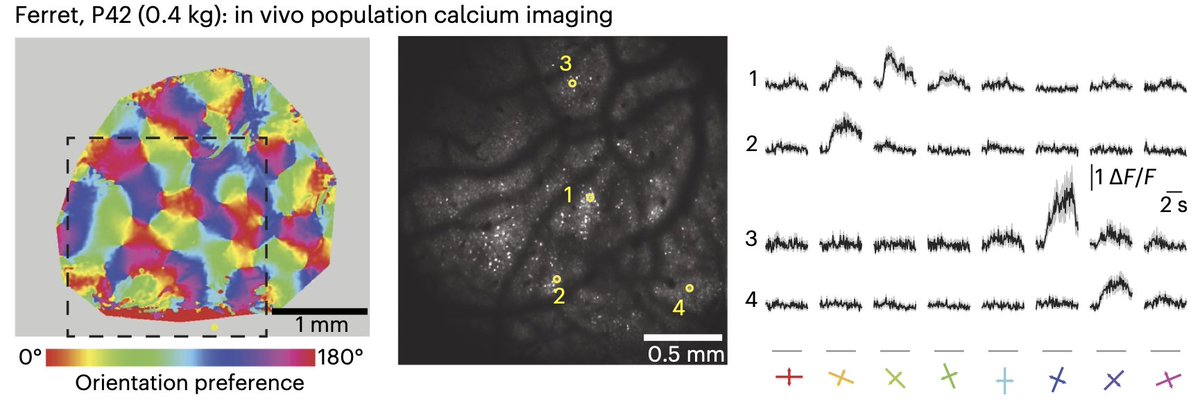
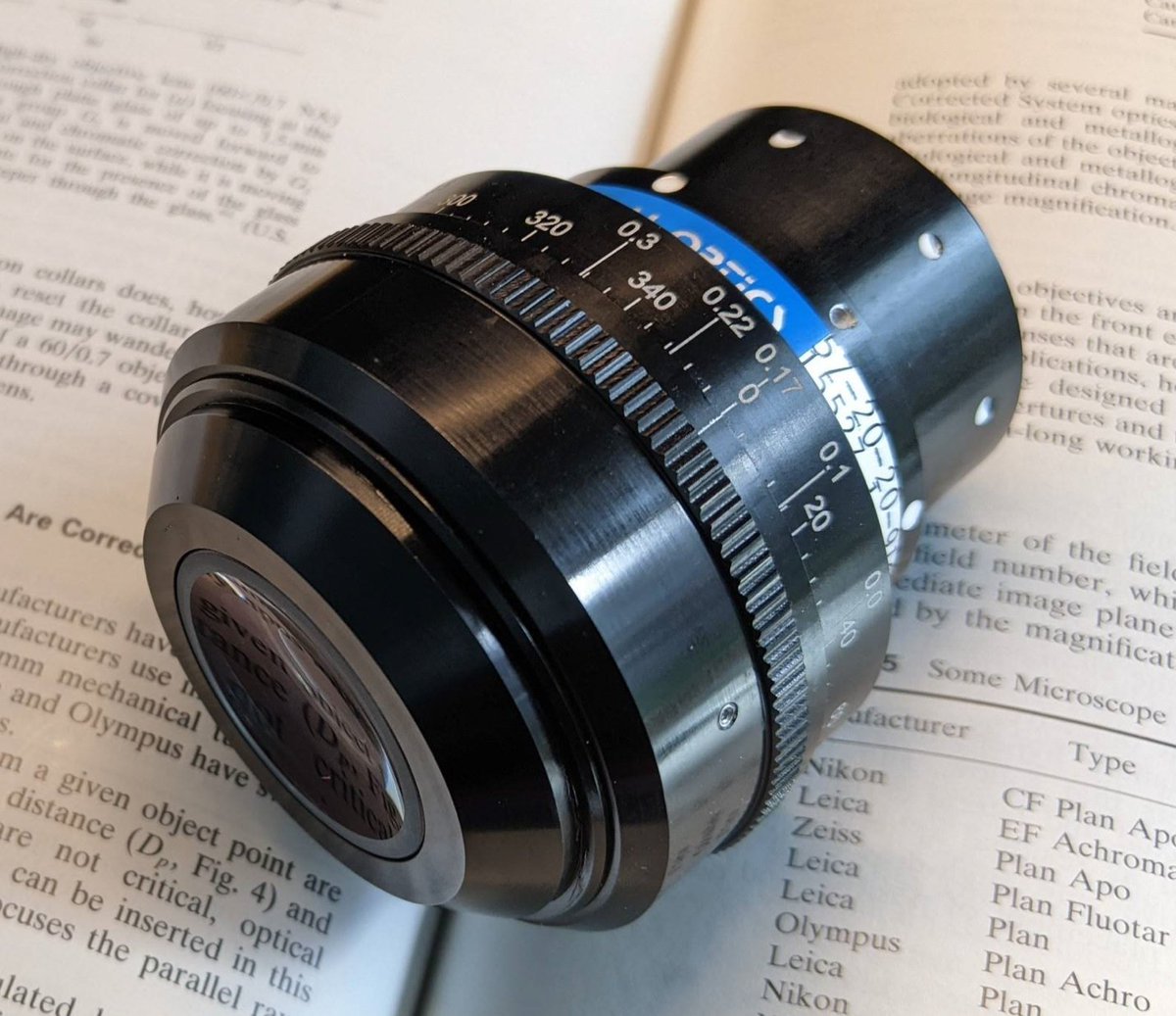
The Cousa objective: Having 20 mm of working distance in air can enable new experiments for two-photon imaging, particularly challenging experiments in living animals. The Cousa manuscript is out now. Open access. doi.org/10.1038/s41592-023-0… (1/n)
8
45
128
22,981
Jeremy T Chang retweeted
A special new episode for Neurotransmissions Podcast from #Sunposium23 Conference is up. Many thanks to @denisejcai @SadumanAga @Sergiu_P_Pasca for the great conversations. Check it out on Youtube youtu.be/fQm2o--47ZU or wherever you get your podcast fix.
7
15
6,772
Jeremy T Chang retweeted
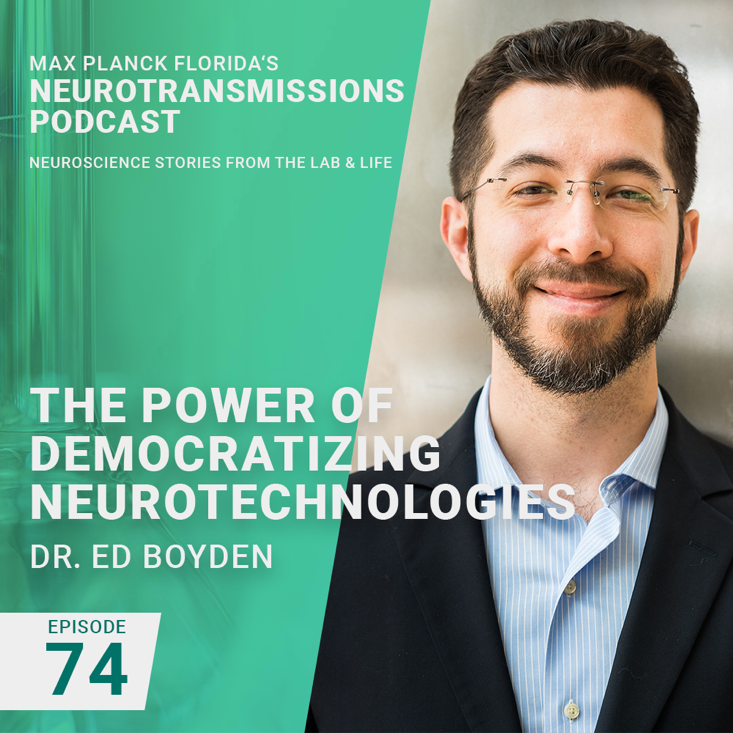
@MPFNeuro’s latest Neurotransmissions episode with neurotech wizard @eboyden3 @MIT & @HHMINEWS is out! Join us as we discuss the explosion of discoveries based on his optogenetic and expansion microscopy techniques and his latest #neurotech ideas! bit.ly/3ir1ipz
1
6
Jeremy T Chang retweeted
8 Nov 2022
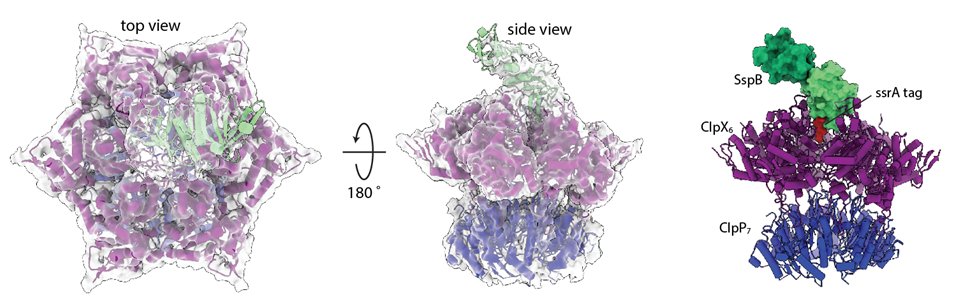
@AGhanbarpour is at it again with another beautiful #cryoEM preprint on the AAA protease ClpXP. His structure newly reveals how the SspB adapter protein delivers substrates for degradation. Great collab w\ Sauer & @taniamitclper labs! Details of our 3 key insights follow 1/n.
3
8
32
Jeremy T Chang retweeted
7 Nov 2022
The Cousa objective preprint is now online. biorxiv.org/content/10.1101/…
This is a 20 mm working distance, air objective,
10x, 0.50 NA.
The 20 mm of air helps with difficult preps. Plus it has enough power for challenging experiments like imaging calcium in dendritic spines. (1/9)
6
33
125
Jeremy T Chang retweeted
10 Aug 2022
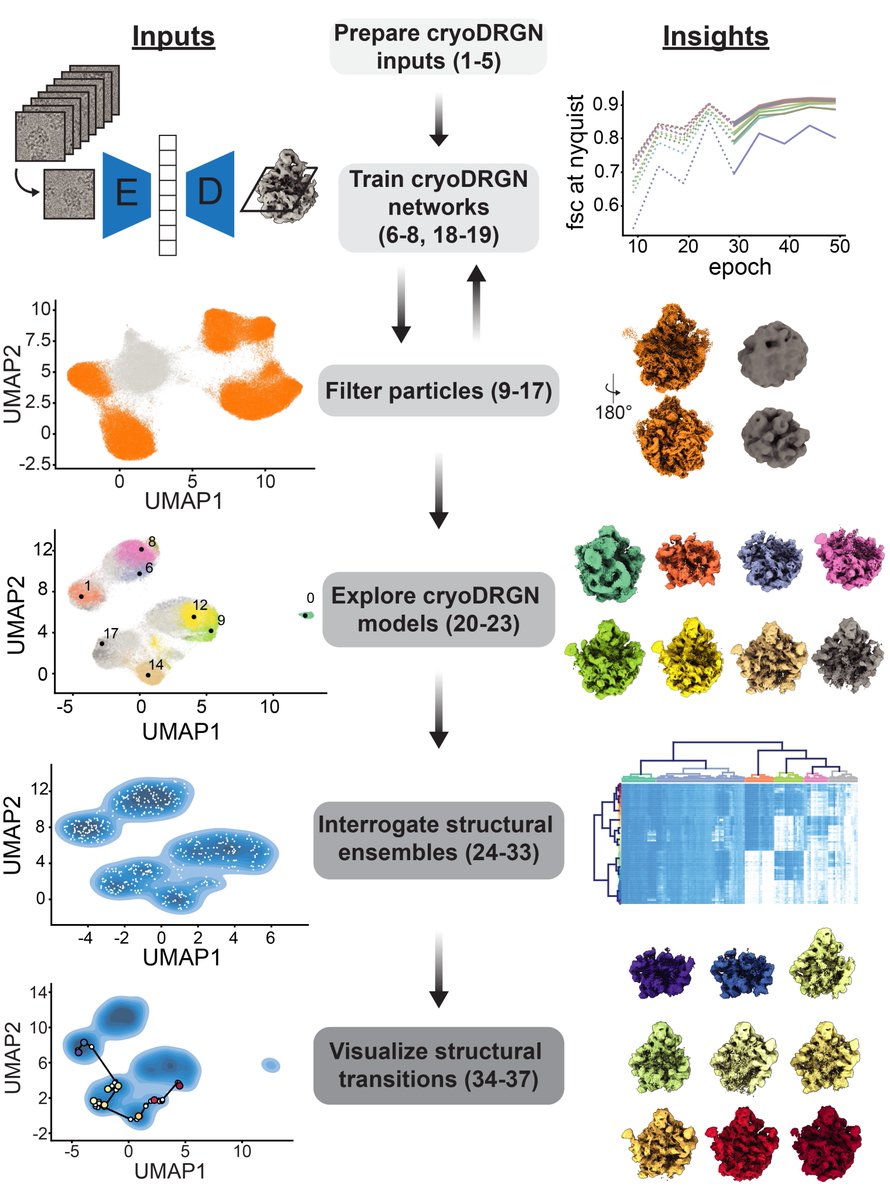
Want to try #cryoDRGN, but unsure how to get started? @LaurelKinman, @barrettmpowell, @ZhongingAlong, and @lab_berger provide step-by-step guidance (and new features) in a new protocol pre-print biorxiv.org/content/10.1101/…
1
65
253
Jeremy T Chang retweeted
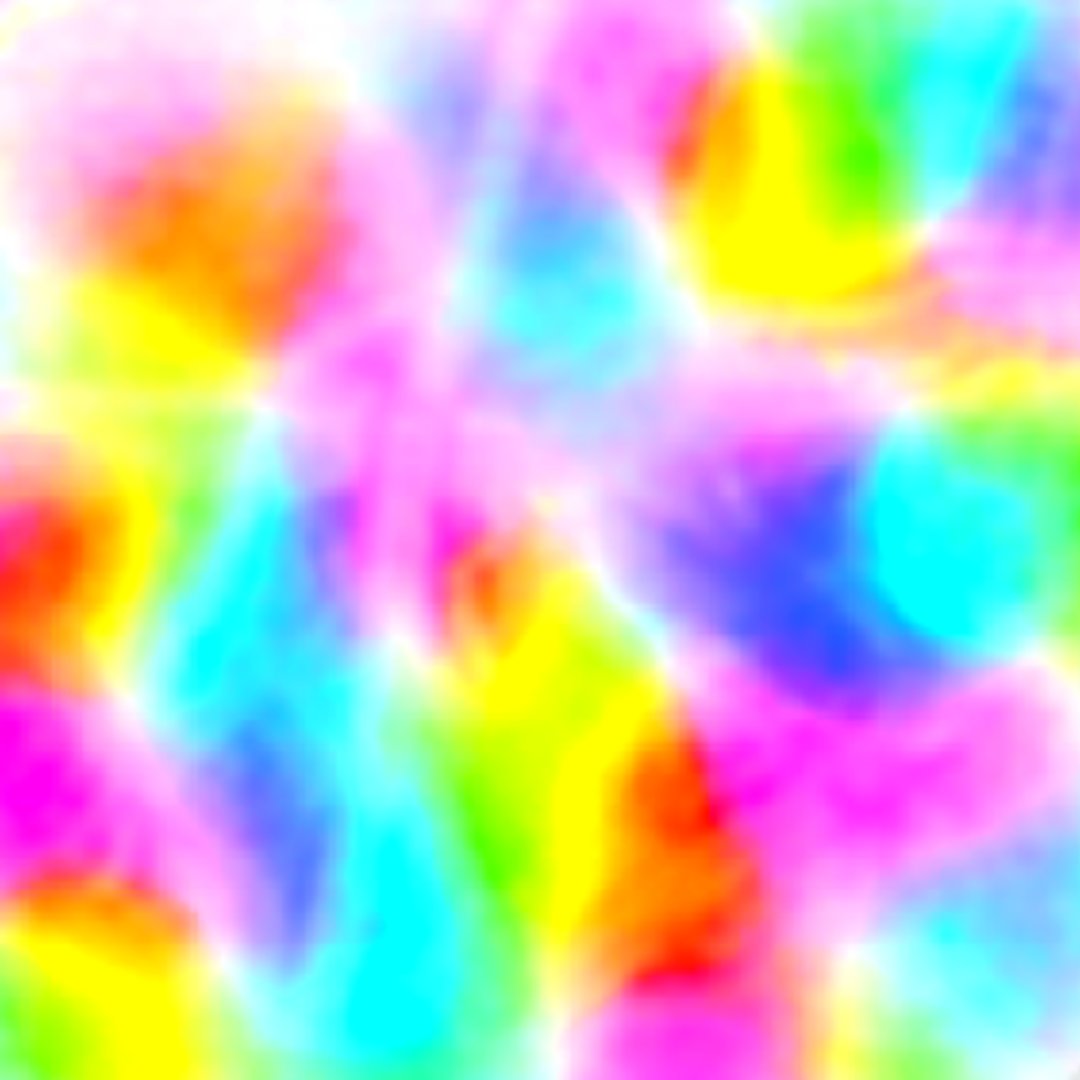
Experience Required: A role for vision in the development of inhibitory networks. New research in @NatureComms led by @jtchang finds that matching functional maps for inhibitory and excitatory neurons in the visual cortex develop differently. bit.ly/3yZJVSI
2
1
5 Jul 2022
Our latest work examining the development of visual selectivity in GABAergic interneurons is now available online @NatureComms.
You can find it here: rdcu.be/cQMyD
1
9
5 Jul 2022
We find that the development of GABA-INs doesn't merely follow excitatory neurons, but instead is a parallel, delayed process in which orientation selectivity develops after the onset of vision.
1
5 Jul 2022
Our final manuscripts includes a number of additional analyses that were not included in the original preprint, so its worth an additional look. Thanks to our reviewers for their feedback which led to these new analyses.
x.com/biorxiv_neursci/status…
23 Jul 2021

Development of visual response selectivity in cortical GABAergic interneurons biorxiv.org/cgi/content/shor… #biorxiv_neursci
Jeremy T Chang retweeted
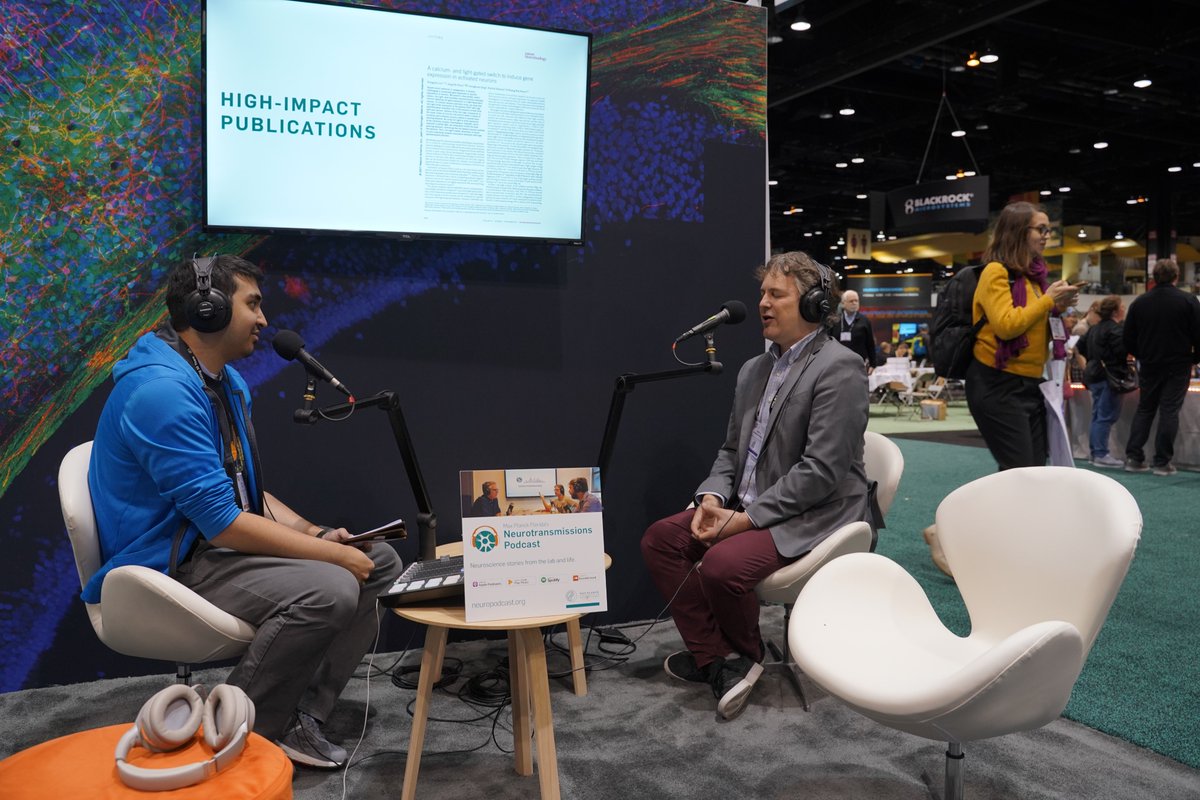
We almost missed #InternationalPodcastDay! If you love neuroscience, check out our Neurotransmissions Podcast (@neuropodcast) All of our episodes are available at neuropodcast.org.
1
8