
Nongovernment & non-profit supporting informal workers through legal assistance, spatial planning, research and documentation, media, and social justice.
Joined April 2022
- Tweets 408
- Following 282
- Followers 137
- Likes 801
102 Photos and videos





Pinned Tweet

10 Jun 2023
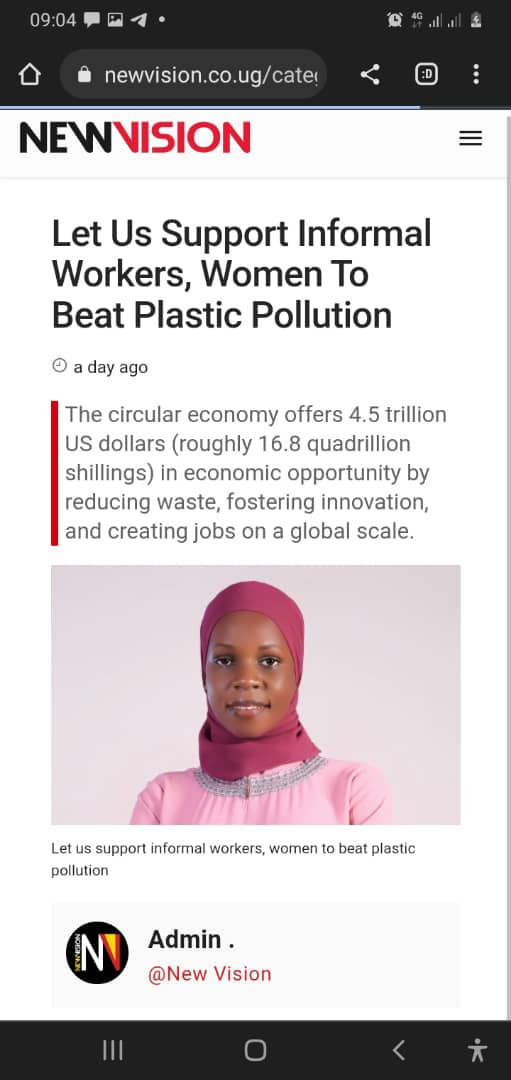
Our ED, @NabbosaSophia writes in the @newvisionwire calling for an informal worker and women-led circular economy. newvision.co.ug/category/blo…
1
5
15
5,363
Juakali Initiative retweeted

Apr 24
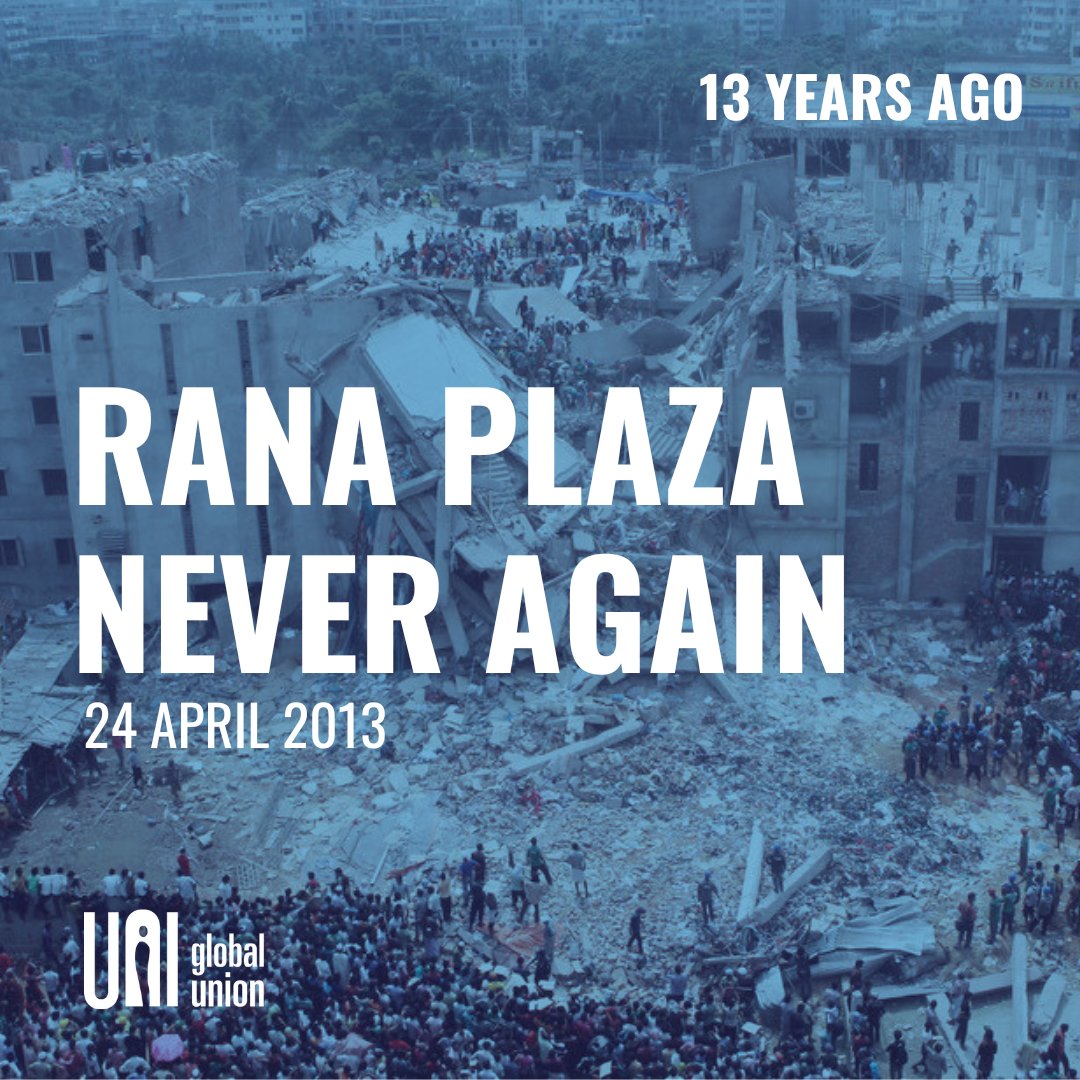
Today, we mourn the loss of over 1,100 workers in the Rana Plaza disaster in Dhaka, Bangladesh, 13 years ago - and remember the thousands more who were injured. On the morning of 24 April 2013, workers were forced to enter the eight-storey building despite their concerns over large cracks that had appeared in the walls the previous day. At 9am the entire building collapsed.
The world watched in horror as the death toll mounted – workers making clothes for global brands, killed in a disaster that should never have happened. We will never forget.
Christy Hoffman, General Secretary of UNI Global Union, says:
“Today, we remember all those who were killed, and the many thousands whose lives were changed forever in the garment industry’s worst ever disaster. UNI and IndustriALL founded the Bangladesh Accord because we knew that voluntary commitments to factory safety were not enough. Binding agreements, with unions at the table, are what make workplaces safe. Thirteen years on, that remains as true as ever. As we prepare to negotiate a new Bangladesh Safety Agreement, and as we push to extend the International Accord to other countries, we carry with us the memory of Rana Plaza and the responsibility it places on all of us.”
Thirteen years on much has been achieved. The Bangladesh Accord – founded by UNI and IndustriALL in direct response to Rana Plaza – has driven safety improvements at more than 2,000 garment and textile factories in Bangladesh covering more than 2 million workers. It proved that binding, enforceable agreements between brands and trade unions can save lives. That model was the foundation for the International Accord, which has since extended its reach to Pakistan, and which we are determined to expand to other countries.
uniglobalunion.org/news/rana…
1
5
8
221
Juakali Initiative retweeted

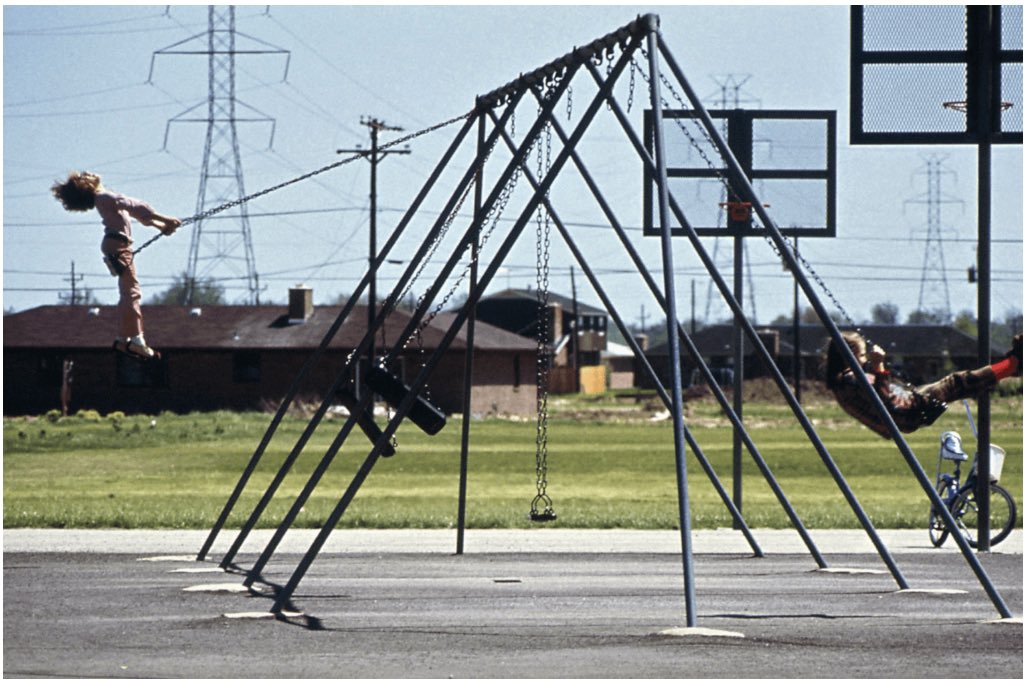
Across the US, children as young as 6 are criminalized for being near a minor scuffle. In contrast, Finland sets criminal responsibility at age 15, proving criminalization is a policy choice that risks creating cycles of trauma & neglect.
🔗:bit.ly/4ttC750
#DecrimStatus
1
42
Juakali Initiative retweeted

Apr 1
@PoliceUg is taking @Mukosearnanth to Law Development Centre Chief Magistrate’s Court, Kampala (LDC, Makerere) right now. Be there for him.

1
36
124
2,113
Juakali Initiative retweeted

📢 ACHPR is now calling for info from orgs experts working on #prison reform and #detention conditions.
👉Call for Information:
achpr.au.int/fr/news/communi…
👉Implementation Committee Notice:
achpr.au.int/fr/news/communi…
ℹ️More info: linkedin.com/feed/update/urn…

3
2
193
Juakali Initiative retweeted
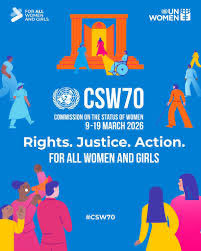
At #CSW70, @UN adopted the Agreed Conclusions, explicitly including recommendations on the criminalization & detention of women globally, a historic step toward dismantling systems that criminalize poverty & treat survival as a crime.
📖: bit.ly/3PKuJ6D
#DecrimPoverty
2
2
45

"I think we are now facing a crisis, and the authorities are trying to address it because there has been significant public outcry about the state of the city. As a result, they are rushing to remove vendors from the streets. However, I have seen the vendors simply relocate to other parts of the city, which suggests that the approach is not a well-thought-out solution."
🎙 @mandyug ( Physical Planner)
#KFMHotSeat

1
6
27
4,742
Juakali Initiative retweeted

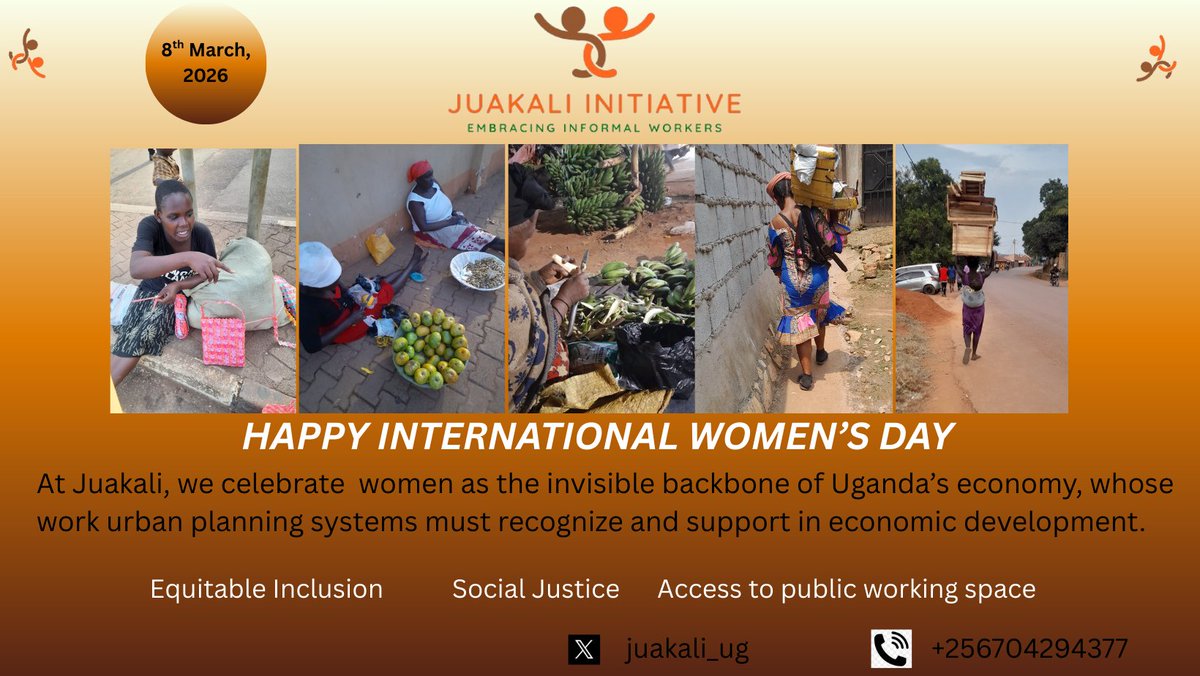
Smart cities should embrace women informal workers by exercising equitable inclusion not evictions without proper economically viable alternatives to support their social and economic contribution @KCCAUG @juakali_ug
2
1
67
Juakali Initiative retweeted

Mar 8
The use of labour brokers and recruitment agencies creates complex employment relationships, making it difficult to determine responsibility when labour rights violations occur. - Ms. Kagoye Robinah, Executive Director of Voices for Labour (VFL)
@herbertk4 @SeatiniU @thekhrc @DiakoniaGlobal
@ugandainvest @UHRC_UGANDA @amwaafrika @FemnetProg @FIDA_Uganda @ACODE_Uganda
@graUganda @wougnet @uwonet @SKidwingira
@Parliament_Ug @NPA_UG @UN_Women @unwomenuganda @Fawode2

1
3
5
94
Juakali Initiative retweeted

Thank u for coming through
1
2
57
Juakali Initiative retweeted

9 May 2024
Our CEO @kiizaeron appeared on @ubctvuganda yesterday, 8/5/2024. He emphasized the need for urgent climate action to address the climate crisis using nature-based solutions like tree growing, wetlands replenishment and forest protection. Called 4 implementing climate policies.



8
18
531
Juakali Initiative retweeted
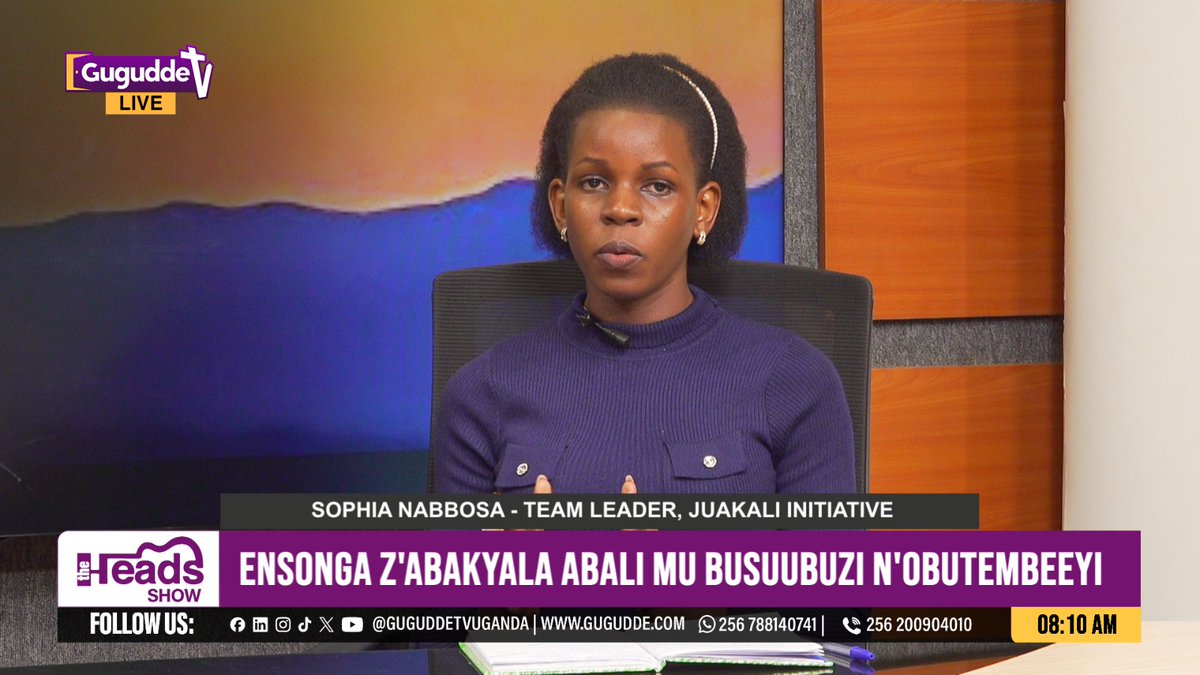
As Uganda proceeds with Smart city development, inclusion must remain central. Informal workers especially women street vendors should be part of urban planning through safe urban vending zones and fair licensing. #inclusion @juakali_ug @guguddetvuganda

1
5
8
529
Juakali Initiative retweeted

🔴The Heads Show | Celebrating International Women's Day; The Invisible Backbone: Challenges and Triumphs of Women in Casual Work x.com/i/broadcasts/1yGBeMPdp…
2
3
52
As we gear up for International Women's Day, our Team Leader, @NabbosaSophia will appear on @guguddetvuganda to discuss the challenges & triumph of women informal workers.
2
5
79
Juakali Initiative retweeted

Tomorrow Wednesday at 8 am on #TheMightyDrive, @NabbosaSophia - Team Leader, Juakali initiative will be telling us whether @KCCAUG did the required due delligence while carrying out the decongesting exercise in city through eliminating hawkers. Don't miss.

3
7
110
Juakali Initiative retweeted
Tomorrow, @AlternativeUga I will be analyzing whether Kampala's vendor decongestion exercise met the standards of lawful urban governance. Due diligence in city enforcement is about consultation, viable alternatives, and economic impact. @juakali_ug

1
48
Our ED, @NabbosaSophia will be appearing on @AlternativeUga to discuss the eviction of street vendors.
33
Our ED @NabbosaSophia will appear on @AlternativeUga to analyze the ongoing eviction of street vendors.
1
30
Juakali Initiative retweeted
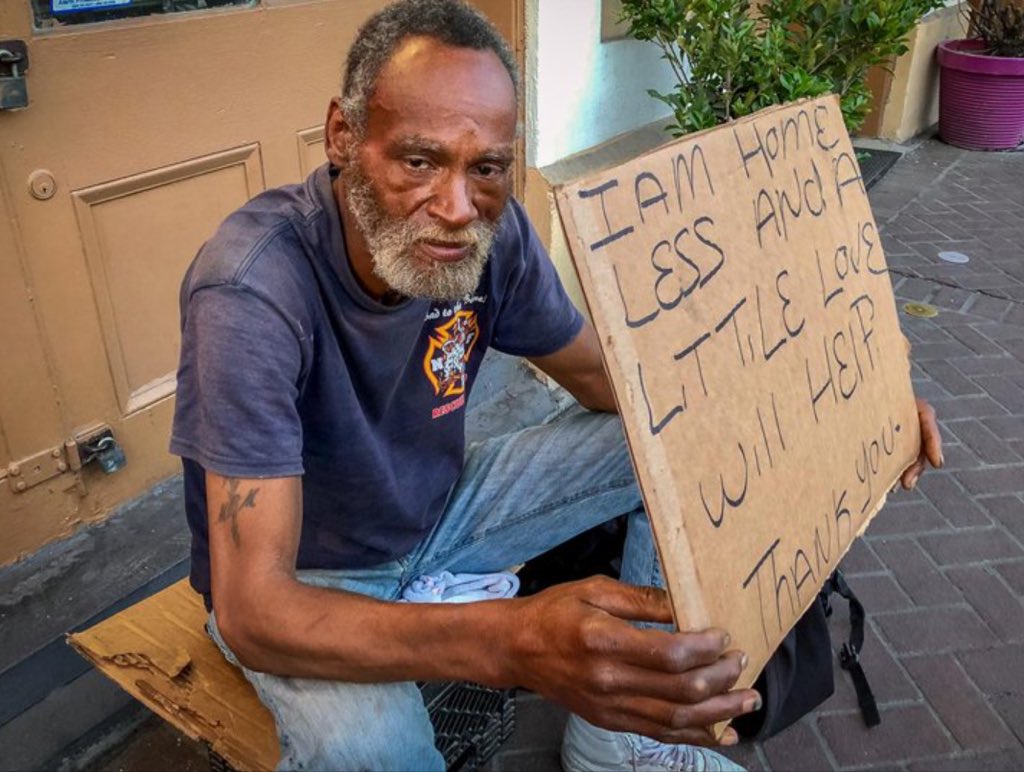
@NationalHomeles & @HNHcampaign in @invisiblepeople show how laws criminalize homelessness through sweeps and bans.
This irrational response targets people experiencing homelessness rather than fixing the housing crisis.
Read here: bit.ly/4sfVJZI
#DecrimStatus
3
2
58