
Joined November 2014
- Tweets 37,184
- Following 3,658
- Followers 2,048
- Likes 128,697
2,423 Photos and videos





May 19
Siilinjärvellä golfkenttämestari etsii Savoon sopivaa viheriötä nurmilaboratoriossaan, mikä kiinnostaa jo Kanadassakin. yle.fi/a/74-20223965
5
252
Juha Makkonen retweeted

May 17
Varusmiesten koulutusta uudistetaan Suomessa ilman suurta meteliä. Molemmissa rajajääkärikomppanioissa Inarissa & Kontiolahdella palvelusaikojen minimi nousee 6 kk:sta vuoteen. Lennostossa Siilinjärvellä alkaa valmiusjoukkuekoulutus. Siinä varusmiehet palvelevat vuoden. >
8
8
215
30,261
Juha Makkonen retweeted

May 8
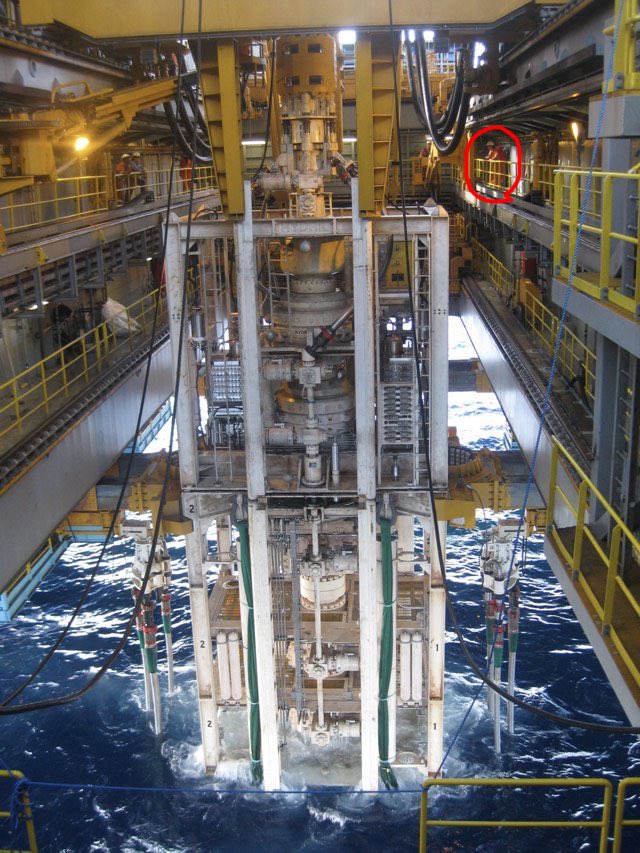
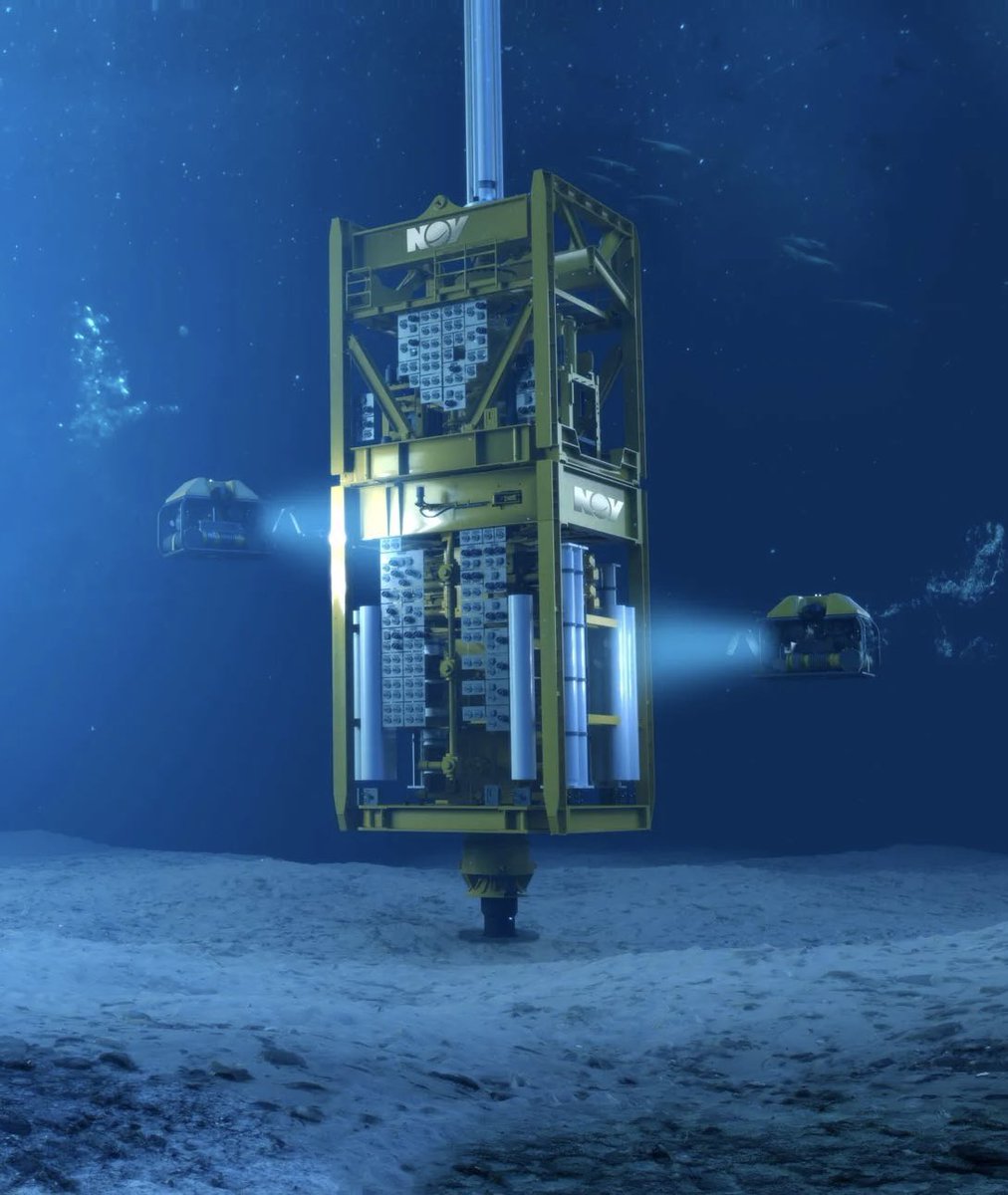
Subsea Blowout Preventers (BOPs)
This is the technology that allows us to drill oil and gas wells under the sea, that red circle in the left image is an offshore worker for scale.
The image on the right shows a subsea BOP sitting on top of a subsea wellhead.
I guess most people have no idea that these systems even exist, so let’s have a look at what they are and how they work.
The purpose of a Blowout Preventer is to prevent blowouts. So what is a blowout?
Wells are so deep that the pressure at the bottom of the well can be 10,000-20,000 psi, this is 1,000x more pressure than atmosphere.
What that means is that wells always want to explosively vent their entire reservoir contents into the sky, and oil reservoirs typically contain a few hundred million tonnes of carcinogenic crude oil.
If a subsea oil well has a blowout, then you can accidentally poison an ocean. This famously happened to BP in 2010, when the Deepwater Horizon BOP failed.
When you drill a well, your “primary barrier” is your drilling mud. This is a heavy liquid that you pour into your well and the hydrostatic pressure of this dense mud is heavy enough to keep the contents of the reservoir at the bottom of the well.
A well is a deep hole filled with a mud that has a density of 1.0 - 2.4 kg / litre, the denser the mixture of mud, the greater the pressure at the bottom of the well.
The job of a drilling engineer is to keep the mud weight such that the contents of the reservoir stay put, without all the mud flowing into the reservoir.
If the density of the fluid in the well drops, eg it gets replace with oil or water instead of mud, then the pressure is such that the well will start to “unload”, which means it will flow to the surface.
A BOP is used as an emergency backup system, so that when the drilling mud has a problem you can slam shut the BOP valves and stop the well unloading.
Once a well starts to unload there is no force in nature to stop it. You get 1 shot at preventing the blowout.
Usually you will have drill pipe insider the well too, running from the rig all the down the riser and all the way into the well. This complicates closing the BOP somewhat, so BOPs are designed to shear drill pipe insider two when they close.
Drill pipe is 6in diameter toughened steel. Cutting it with a valve that also has to seal 10,000psi to avoid poisoning an ocean is no mean feat.
Doing this remotely under 2 miles of seawater is even more challenging.
But these systems exist, every offshore drilling rig has a BOP, it’s 450 tonnes of steel forgings, high pressure pipework, controls, and the most incredible sealing technology known to mankind.
Around 30% of the world’s oil supply is produced offshore using technology like this. This is the upstream industry that produces 1/3rd of all fuel, plastic, fertiliser, you name it, this is how we do it.
We’ve been doing this for 50 years.
7
40
325
14,698
May 8
@Alexsei88 Tuosta hyvä ketju, joka auttaa ymmärtämään hieman avolouhosoptimointia ja miten lisäporaukset voi auttaa siinä. Eli louhosoptimointilaskelman ja louhossuunnittelun pohjalta muutetaan potentiaalia varantoja kannattaviksi varoiksi. x.com/NeilRingdahl/status/20…
May 8

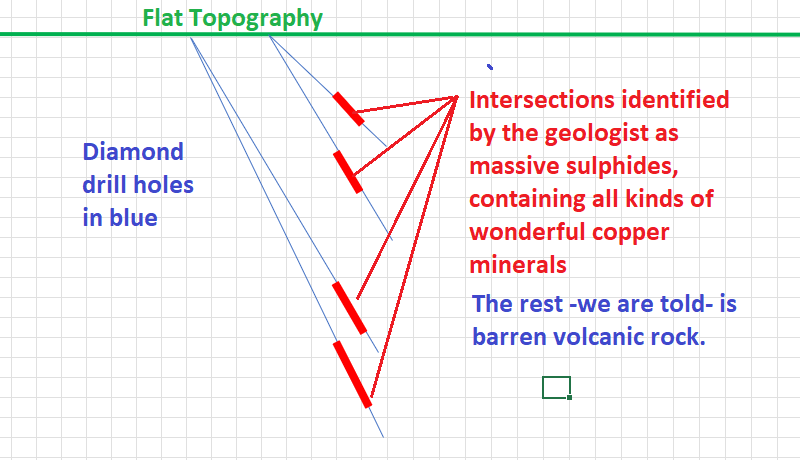
1) From Drilling to Open Pit Optimization For Dummies.
(An updated 🧵)
Imagine you have project and hire a truly great geologist who has drilled some fantastic looking sections based on a small surface anomaly he found from a surface geochemistry sampling program.
3
1
11
2,554
Juha Makkonen retweeted

May 1
Why are ppl shocked at this? What is shocking is that so few PEA's are negative, because many should be.
Apr 30

Negative NPV in their own PEA...
"The results of the PEA establish the Kay Mine Project as a credible development opportunity, underpinned by a well-defined Indicated mineral resource and a fully costed mining scenario, which outlines our base case."
4
3
41
5,728
Juha Makkonen retweeted

Apr 24
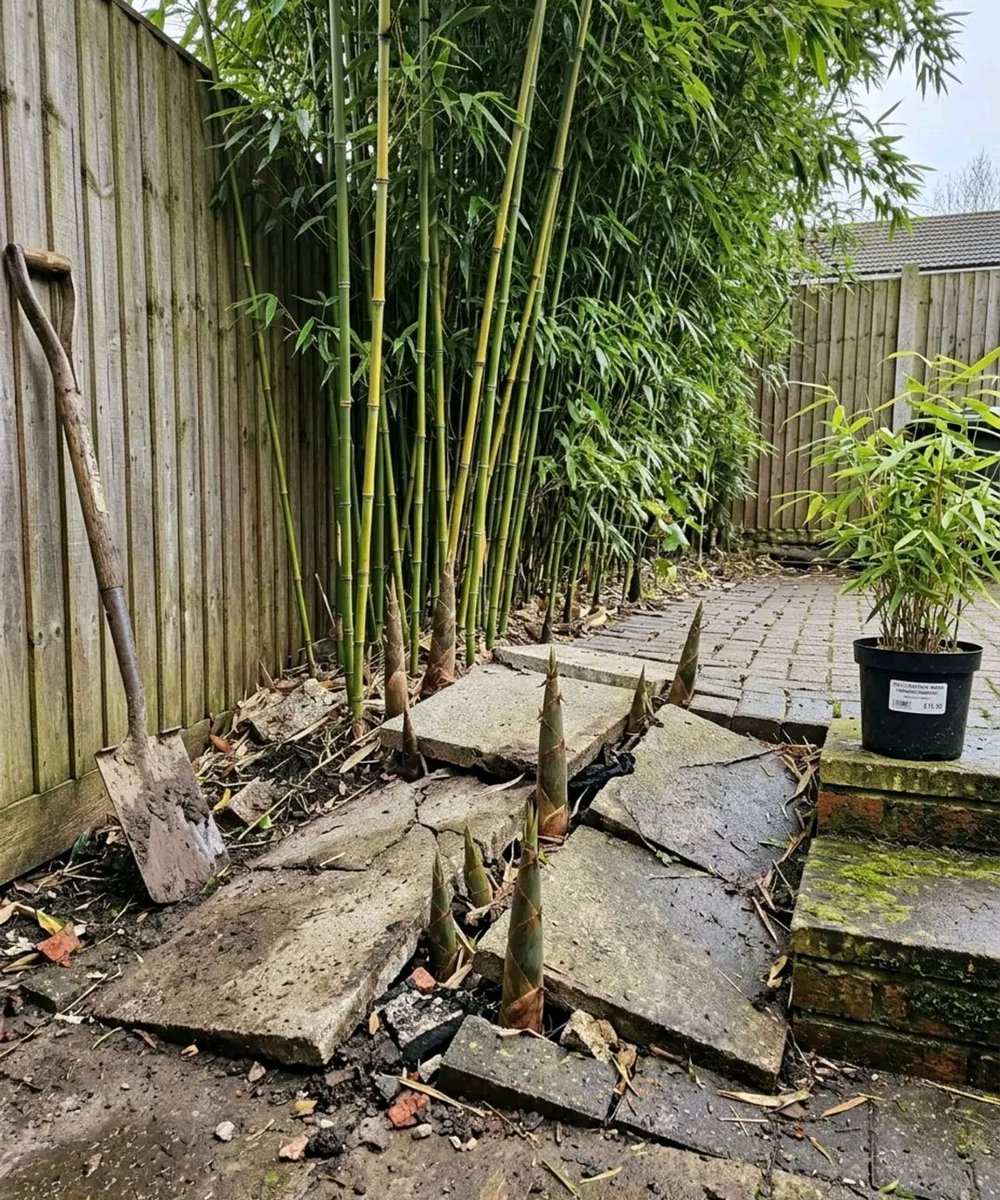
You planted this bamboo yourself. With enthusiasm. For a screen. Within two years you regretted it — and within five you understood you could not go back.
Running bamboo (Phyllostachys and related genera) is one of the most frequently self-inflicted garden disasters in Britain. The gardener plants it voluntarily, pays for it, and then pays considerably more to try to remove it.
What the garden centre tells you: fast-growing, evergreen, architectural, forms a screen in two seasons. All true.
What the garden centre does not tell you
The rhizomes of running bamboo (Phyllostachys, Pseudosasa, Sasa, Pleioblastus) spread laterally through the soil at one to two metres per year. They do not grow downward like normal roots — they run horizontally at 15-30cm depth, in every direction, under the lawn, under the border, under the patio, under the neighbour's fence. Every rhizome node produces a new culm that emerges without warning — in the middle of the lawn, between paving stones, through a neighbour's garden.
In three to five years, a bamboo planted as a three-metre screen has rhizomes occupying 50-80 square metres — the entire garden. In ten years they reach neighbouring gardens, irrigation pipes, house foundations, and drainage systems.
Cutting the canes does nothing
Bamboo cut to the ground regrows with more vigour than the year before. Every cut stimulates the rhizomes to produce emergency culms. Cutting weekly for an entire season does not weaken the root system — it causes it to expand faster in search of undisturbed ground.
Digging it out is a serious undertaking
Phyllostachys rhizomes are as hard as beech wood, interlaced in an underground network extending in every direction. Hand digging requires days of work per square metre. Mechanical excavation must reach 50-60cm depth across the entire colonised area — and every rhizome fragment left in the soil starts again. A single forgotten node restarts the problem from zero.
The root barrier
The only reliable way to contain running bamboo is a root barrier — a sheet of HDPE (high-density polyethylene) at least 1.5mm thick, installed at minimum 60cm depth, surrounding the entire planting area before the bamboo goes in. The barrier must be continuous with no joins or weak points. It costs more than the bamboo itself. If it was not installed at planting time — which covers the vast majority of cases — it cannot be retrofitted without excavating everything.
The distinction nobody explains at the garden centre
Running bamboo (Phyllostachys, Pseudosasa, Sasa): rhizomes that travel metres from the original plant. INVASIVE. Never plant without a root barrier.
Clump-forming bamboo (Fargesia, Borinda): rhizomes that grow as a compact clump without running. NOT INVASIVE. Fargesia is the correct choice for a British garden screen — it forms a dense hedge, stays where it is planted, and will not colonise neighbouring gardens.
Eradication protocol
For running bamboo already established, the method with the highest documented success rate is:
Year 1: cut all canes to ground level in June — when the plant has spent its stored energy on new growth and rhizome reserves are at their lowest. Cover the entire colonised area with thick black weed-suppressing membrane, edges weighted or buried. Leave covered for the full season.
Year 2: remove covering in spring. Cut every shoot that emerges immediately. Re-cover. Repeat through the season.
Years 3-4: monitor weekly. Cut every shoot within 24 hours of emergence — a bamboo shoot left for a week is already a metre tall and has re-stocked the rhizomes. Consistency is everything.
Alternative: systemic herbicide (glyphosate) injected into hollow cut stems immediately after cutting in late summer. The same protocol used for Japanese knotweed — to which this problem is closely comparable in persistence and difficulty.
The most architectural screen in the street is also the most expensive to remove. Consider it before planting, not after.
234
869
3,879
1,685,355
Juha Makkonen retweeted

Apr 25
Tordior is right. In the 1980s, the US and Europe encouraged Japanese investment because they thought it would bring the "Japanese" management style that explained Japan's manufacturing success.
But Japanese manufacturers ended up being no more successful than local ones once they were no longer protected by unlimited cheap financing, an undervalued currency, compliant labor unions, and government overspending on logistics and transportation infrastructure.
In fact by the late 1990s, when because of terrible debt burdens Japanese producers could no longer count on the factors that were the real secret of their international competitiveness, reformers in Europe and the US were no longer demanding that their businesses become more "Japanese" in order to succeed. It was now Japanese reformers who insisted that their businesses become more "American".
The point is that Chinese manufacturing is not more competitive than European manufacturing because of some special Chinese sauce that can be sprinkled abroad as easily as it is sprinkled at home. It is more competitive because it is based in an economy in which its competitiveness is driven by intervention in the country's external accounts. That is not to say that there aren't individual sectors in which Chinese manufacturers are genuinely more efficient that Europeans, but these sectors only emerged after many years of substantial protection and support from the Chinese government.
The point is that if foreign manufacturers are aggressively outcompeting EU manufacturers because of substantial direct and indirect subsidies, the EU has three options. First, do nothing and see its share of global manufacturing wither. Second, match the subsidies and risk seeing the EU's debt burden rise as quickly as China's. Or three, intervene in the external account by enough to neutralize the effect of foreign ontervention.
All of this would probably be more obvious if the EU's biggest economy, Germany, hadn't once enjoyed (and still enjoys to some extent) many of the very advantages that now threaten it. Manufacturers in extremely competitive, surplus economies think that because they are more competitive globally, they must also be more efficient.
In fact, as Japan's example overwhelmingly illustrates, the direct and indirect subsidies that made their manufacturers so globally competitive also undermined their efficiency to such an extent that, once they were eliminated, many of them, unable to compete, quickly went bankrupt.
Apr 24

There is too much free lunching in the European debate on Chinese FDI.
Those who oppose tougher trade measures tend to underline the need for more Chinese investment, but that’s a cop-out.
The EU wont get the investment without strategic tariffs.
49
246
1,078
106,026
Apr 25
Sehän sataa siihen malliin kuin olisi puolet jo päättyneeksi luullun talven lumista tulossa päivässä.
1
142
Apr 22
Niin näköjään tuli myös hallitukselle: "Turpeen varmuusvarastointia jatketaan vuoteen 2030 asti muun muassa huoltovarmuussyistä."
Mar 19

Saattaa tulla vielä turvetta ikävä.
1
203
Juha Makkonen retweeted

Apr 22
Suomeen kaavaillaan amerikkalaista ydinvoimalaa Pyhäjoelle. Sama tontti, täysin eri suunta: Venäjä ulos, länsi sisään. Suomen energiaturva kuntoon ja perusta kasvulle, teollisuudelle ja datakeskuksille. Tälle hankkeelle pitää antaa vihreä valo. iltalehti.fi/politiikka/a/1d…
117
93
1,331
30,991
Apr 22
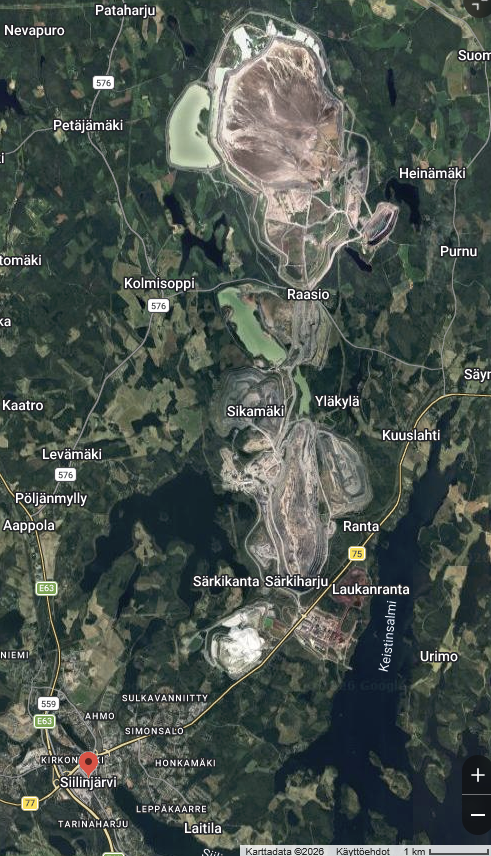
Kaivospaikkakunnan arkea. Täältä tulee lannoitteet, EU:n ainoa fosfaattikaivos. Laajennettava on kun Sokli ja Norjan hanke ei juuri edisty ja nykyään kaivosten teossa kestää jopa liki 20 vuotta. uutis-jousi.fi/paikalliset/9…
191
Apr 20
Iso talousuutinen Suomesta: Agnico Eagle ostaa 2 miljardilla lisää kultahankkeita omistamansa Kittilän kultakaivoksen lähistöltä. agnicoeagle.com/English/news…
2
135
Juha Makkonen retweeted
Apr 19
Arvostettu talousjärjestö OECD: Suomen pitäisi tukea puolustusteollisuuden ja kestävän matkailun kehittymistä Itä-Suomessa. Sillä paikattaisiin edes pieneltä osin valtavaa rakennemuutosta, jonka rajan sulkeminen ja Venäjän pakotteet aiheuttivat.
maaseuduntulevaisuus.fi/uuti…
2
16
517
Juha Makkonen retweeted

Apr 11
Singapore’s Foreign Minister on why he cannot accept negotiating with Iran for safe passage of ships. Definitely worth listening to:
1,088
6,039
22,638
4,103,012
Apr 8
Mielenkiintoinen kysymys. Jos tankkerit pääsee ulos Hormuzinsalmelta, miten löytynee haluja palata lähiaikoina takaisin?
Apr 8

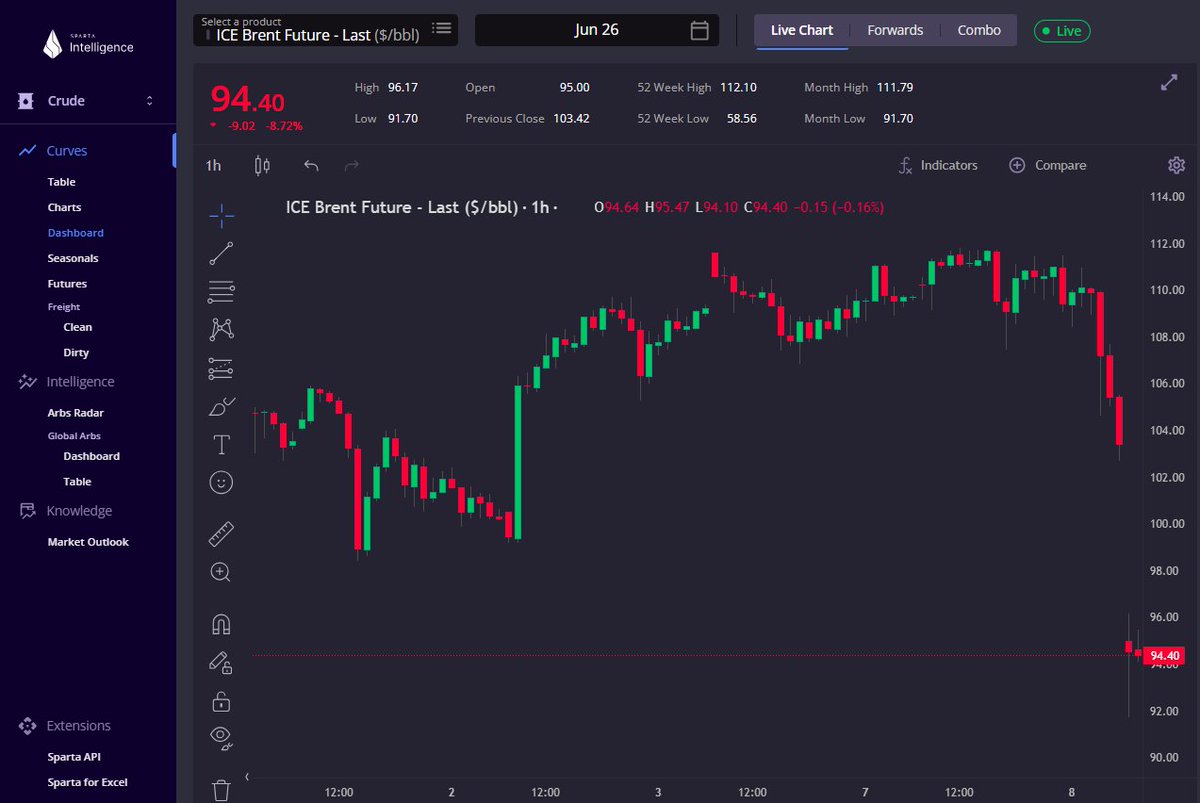
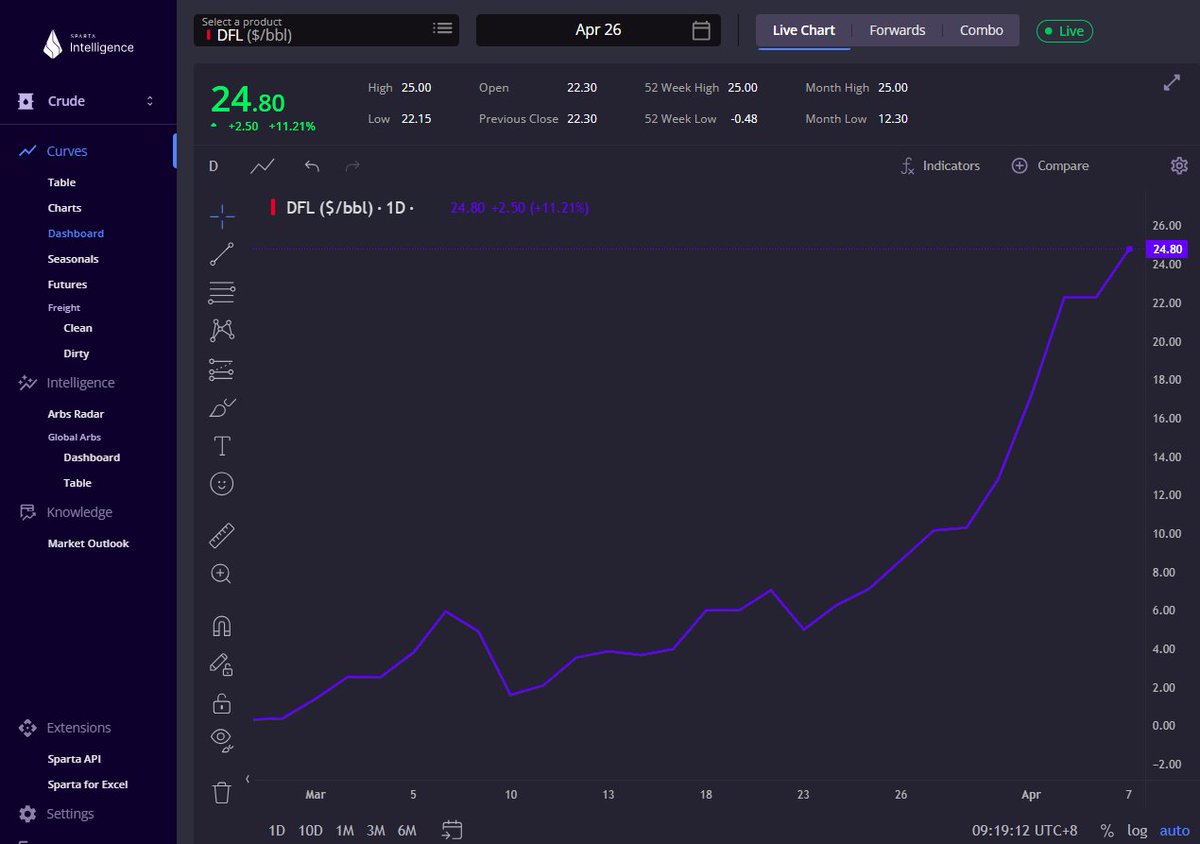
The paper vs physical divergence widens
The market will be happy to watch all those ships going out of the Strait of Hormuz. Flatprice is dumping of course.
But what is important which ships will be going back IN to take fresh cargoes back out.
2 weeks ceasefire is not long enough to see this latter trend.
ICE Brent = paper
Dated Brent = physical
DFL = Dated Brent - Front Line ICE Brent
Watch the physical.
#oott
1
214
Juha Makkonen retweeted

Apr 6
This sports center in Finland is hiding a secret: It's a dual-use emergency shelter designed to keep 7,000 people safe in the event of a nuclear attack. WSJ takes a look inside. 🎥 on.wsj.com/3Q40qrO
13
78
352
85,188
Apr 3
Odotuksia pitää madaltaa ennakkoon siltä osin kun ne on tunnistettu epärealistiseksi.
Apr 2

1/15
Kovasti on ollut keskustelua ja syyttelyäkin Ukrainan lennokeista Suomessa. Ilmapuolustuksessa on aukkoja, vääriä investointeja tehty, miksei osteta nopeasti myyntimiesten tarjoamia käänteentekeviä järjestelmiä jne. Muutama ajatus näistä...
1
1
241
Apr 3
Esimerkkinä l10 vuoden takainen perusteellinen kirjoitus, joka avasi ohjuspuolustusta. Siitä mahdollisuus ymmärtää hajauttaminen, linnoittaminen ja jälleenrakennuskyky. Ennen lukemista suurin osa luultavasti ajatteli vain aktiivista torjuntaa. puolustusvoimat.fi/-/ohjusja…
1
2
117
Apr 3
Eikä sitä kai lukenut 95%. Sisältöä olisi voinut tuoda tietoisesti esiin havainnollisemmassa muodossa. Jälkijätteinen reagointi on tavanomaista kriisiviestintää, mutta materiaalia siihen voisi tuottaa ennalta. Silloin se olisi enemmän vain nopetutettua viestintää ko. tilanteessa
1
82